

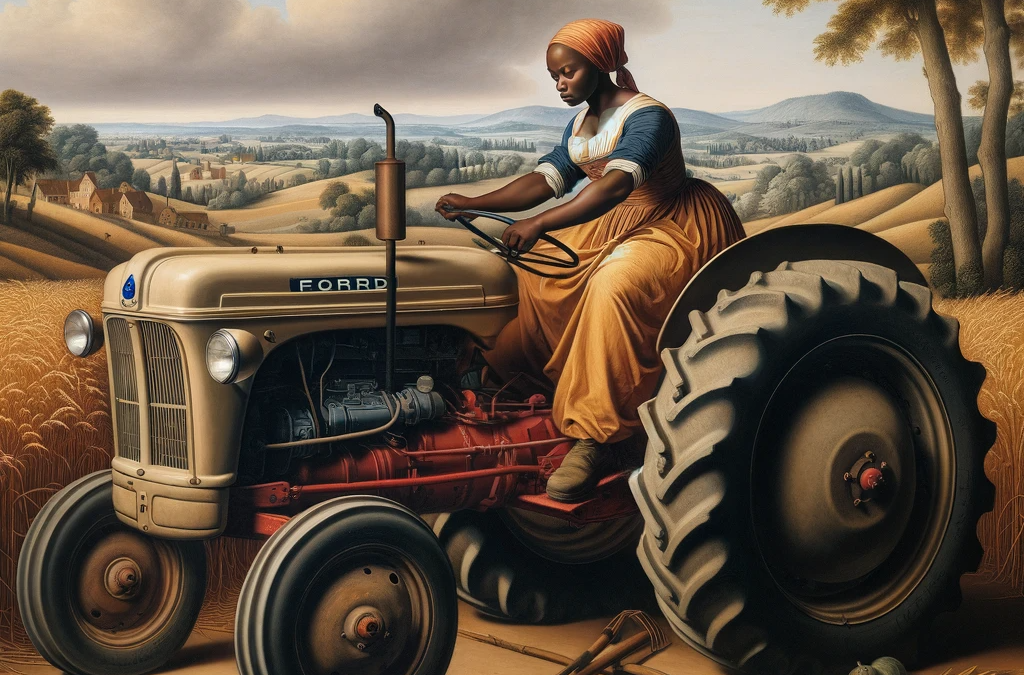
Investing In Legacy: A Journey Through Timeless Value And Modern Choices
By Tom Seest
At ClassicTractorNews, we help tractor lovers keep up with the latest news for classic and vintage tractors.
Please share this post with your friends, family, or business associates who may like old classic or vintage tractors.
The $100,000 Difference – 20 Years Of Classic Vs. Modern Ownership
In a world where technology evolves faster than the blink of an eye, the allure of classic ownership often lies not in the shiny exteriors of modern machinery but in the stories they tell. Imagine standing beside an old tractor, its paint chipped but its engine humming with the rhythm of decades spent on the land. Each scratch tells a story—a harvest held back by rain, a neighbor’s hand extended in help, the growing pains of a family business. These are not just machines; they are vessels of memories, forged in grit and determination.
Over two decades, the emotional investment in a classic can far outweigh the cold calculations of modern ownership. While a brand-new model might dazzle you with features and efficiency, it often lacks the soul that older models carry. Think back to sitting on your grandfather’s lap as he steered the tractor through fields of gold. That was not just farming; it was a rite of passage, an inheritance of values—hard work, responsibility, and pride. It’s a shared experience that binds generations, creating a fabric of connection that’s simply irreplaceable.
Yet, this isn’t just about nostalgia. The modern world offers its own conveniences and efficiencies. A new tractor cuts down on fuel costs, boasts better technology, and often requires less maintenance. It caters to practicality, saving time and money. But the heart aches when you realize: this might come at a cost beyond dollars and cents. With every button press and tech upgrade, there’s a piece of humanity we risk leaving behind. The ethical dilemma looms large. Are we replacing the joy of connection with convenience?
Classic ownership invites you to reflect on what truly matters. Does owning something that’s just a cog in the machine align with who you are? It inspires us to consider legacy. Choosing a classic tractor isn’t merely a financial decision; it’s a commitment to storytelling, responsibility, and community. It’s about making a statement: we’re not just passing through life; we’re cultivating something lasting.
The $100,000 difference isn’t just an economic choice; it’s a leap of faith into the embrace of bygone days, a chance to reconnect with our roots amid the clamor of modern living. When you turn the key of a classic, you’re not just igniting an engine; you’re sparking a legacy that spans generations, inviting you to relish each story that unfolds in the rich soil of your experience.
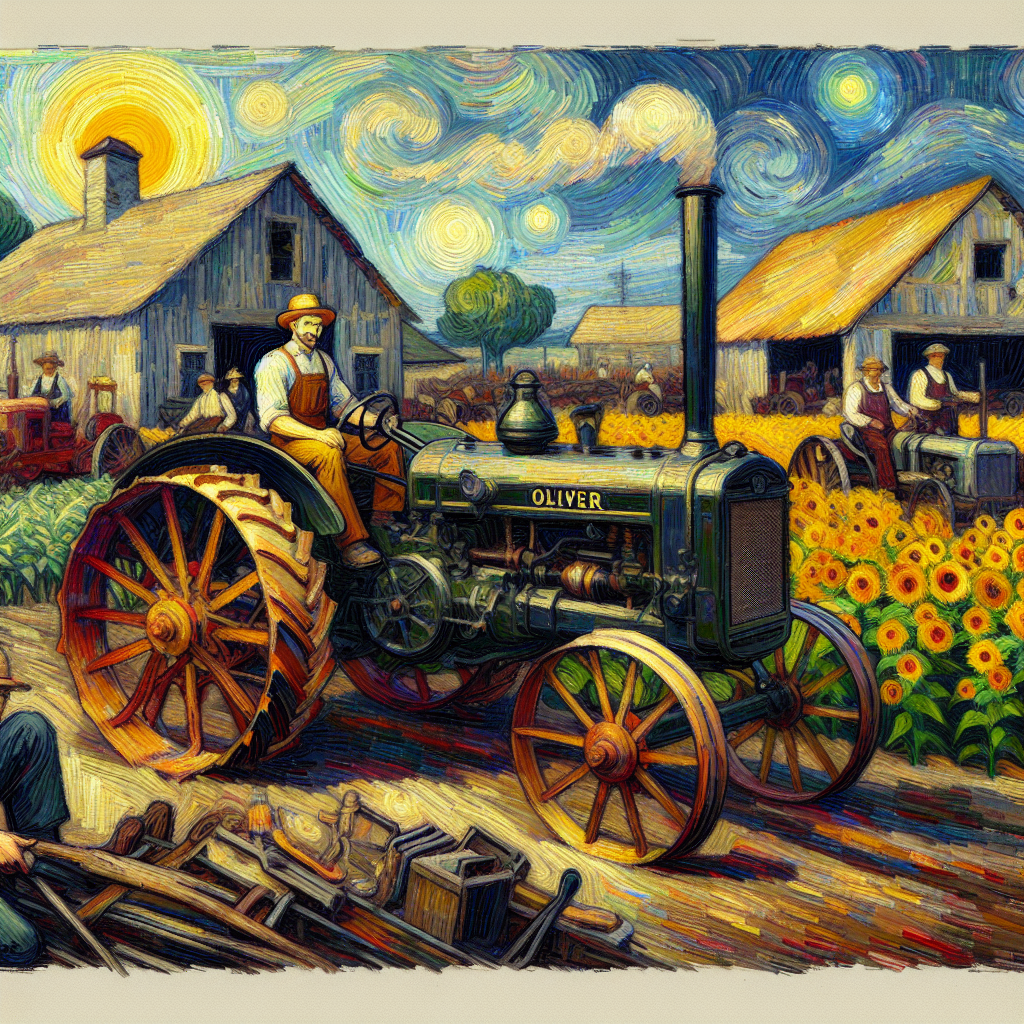
The $100,000 Difference – 20 Years Of Classic Vs. Modern Ownership
The $100,000 Difference – 20 Years Of Classic Vs. Modern Ownership
- Classic ownership emphasizes emotional connections and storytelling over modern efficiency.
- Older machines carry memories and experiences, creating bonds across generations.
- While modern tractors offer fuel efficiency and advanced technology, they may lack the soul of classics.
- Choosing classic machinery reflects values of hard work, responsibility, and community.
- The decision between classic and modern is not purely financial; it involves legacy and meaning.
- Modern conveniences may lead to a loss of human connection and tradition.
- Investing in a classic vehicle is an act of preserving heritage and nurturing lasting relationships.
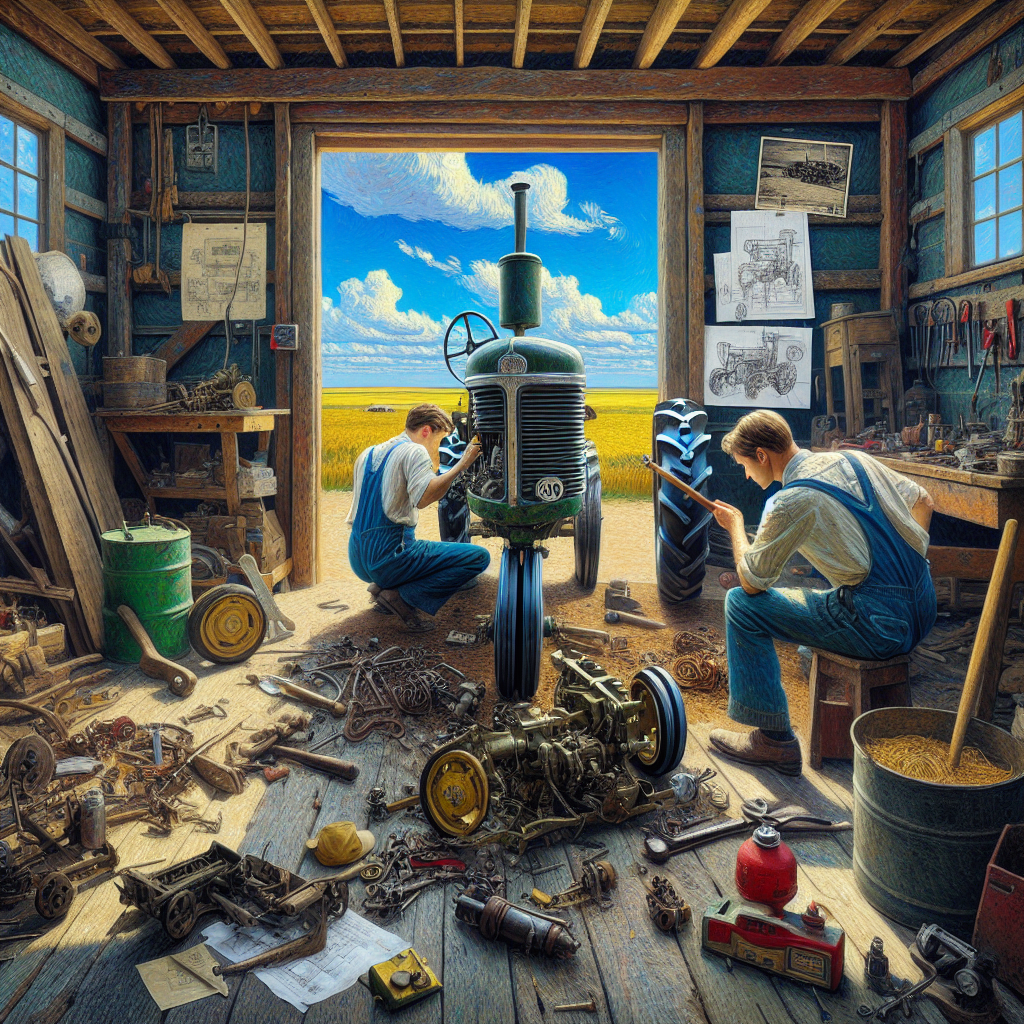
The $100,000 Difference – 20 Years Of Classic Vs. Modern Ownership
Table Of Contents
- The $100,000 Difference – 20 Years Of Classic Vs. Modern Ownership
- What Emotional Value Does Modern Ownership Provide Over Classic Cars?
- How Do Classic Cars Appreciate In Value Compared to Modern Vehicles?
- What Ethical Considerations Should We Make When Choosing a Car?
- How Does Owning a Classic Car Affect Your Social Status Today?
- What Narratives Surround the Generational Divide In Car Ownership?
- What Is the Environmental Impact Of Classic Versus Modern Cars?
- Conclusion
- Other Resources
- Glossary Of Terms
- Other Questions
- Haiku
- Poem
- Checklist
What Emotional Value Does Modern Ownership Provide Over Classic Cars?
In a world where the allure of classic cars often pulls at our heartstrings—think of that ’67 Mustang or a gleaming vintage Chevy—modern ownership carves out its own unique emotional territory. It’s not just about sleek designs or the roar of an engine; it’s about the journey we take alongside our vehicles as they evolve in an era ruled by technology and personal connection.
Picture this: You’re behind the wheel of a modern electric vehicle, not just gliding silently down the street, but tapping into something deeper. It’s not just transportation; it’s a commitment to sustainability, a chance to step lightly on the earth while enjoying the thrill of the drive. That’s the emotional power of modern ownership. It modernizes the relationship we have with our vehicles, grounding it in values we hold dear—responsibility, progress, and connection to the world around us.
Take, for example, the story of a father who gifts his son a high-tech, eco-friendly car. This isn’t merely an exchange of metal and machinery; it’s a rite of passage. The car symbolizes freedom and a bright future, layered with lessons about caring for the planet. Each journey taken together fosters a bond, entrusting the son with the ownership of not just the vehicle, but also the values that come with it.
This leads us to an original thought: today’s ownership represents a narrative thread that connects us to our community and the larger tapestry of global responsibility. It’s like a tractor in a farmer’s field—powerful, essential, but also a part of a bigger ecosystem. Just as a tractor ensures that crops grow for future generations, modern vehicles enable us to pave the way for a sustainable future while reinforcing connections to our communities.
Modern ownership invites us to be part of something greater. As we transition from classic to contemporary, we don’t leave behind the nostalgia; rather, we layer our experiences with new meanings and aspirations. This is where the emotional value dives even deeper, evolving from mere acquisition to embodying a purpose—acting as stewards of the environment, supporters of innovation, and catalysts for community relationships.
Whether it’s navigating the bustling streets of a city or cruising through the countryside, modern ownership fosters a sense of pride, responsibility, and connection—emotional value that classic cars alone cannot provide in today’s ever-changing landscape.

What Emotional Value Does Modern Ownership Provide Over Classic Cars?
What Emotional Value Does Modern Ownership Provide Over Classic Cars?
- Modern car ownership transcends traditional allure, embracing emotional connections and technological evolution.
- Driving electric vehicles symbolizes a commitment to sustainability and personal values.
- Ownership is seen as a rite of passage, exemplified by a father gifting his son an eco-friendly car.
- The car represents freedom, responsibility, and a future mindful of environmental care.
- Today’s vehicles connect individuals to communities and global responsibilities.
- Modern ownership fosters new meanings and aspirations, serving as environmental stewards and community catalysts.
- Emotional value in modern cars offers a deeper connection than classic vehicles, enhancing pride and responsibility.
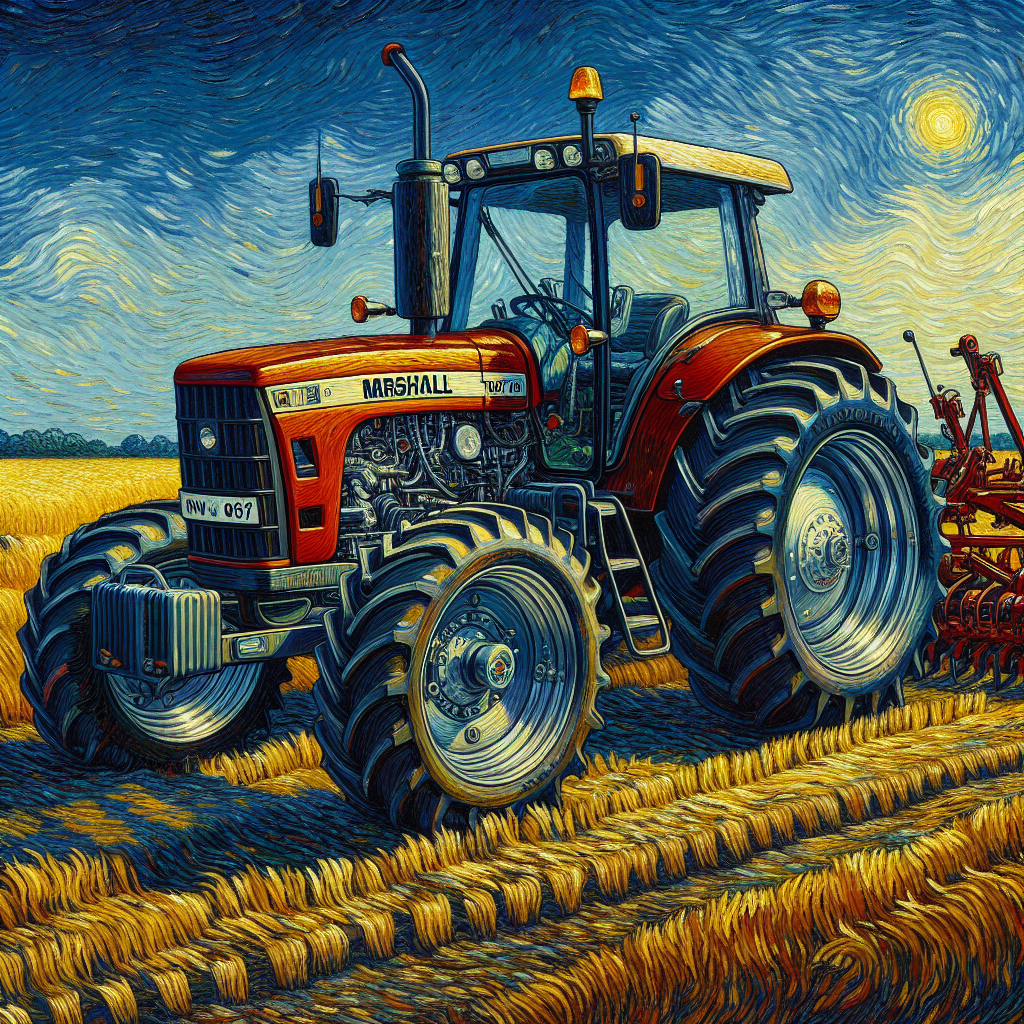
What Emotional Value Does Modern Ownership Provide Over Classic Cars?
How Do Classic Cars Appreciate In Value Compared to Modern Vehicles?
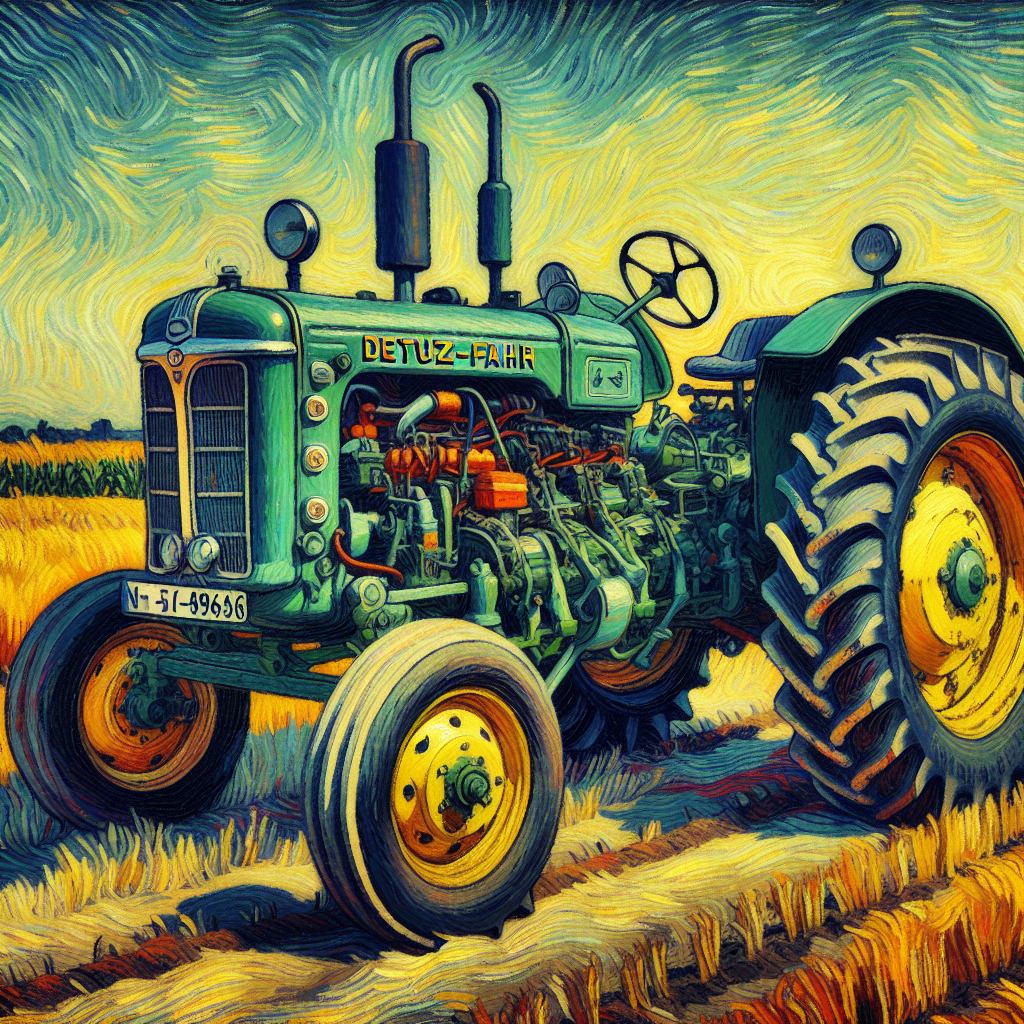
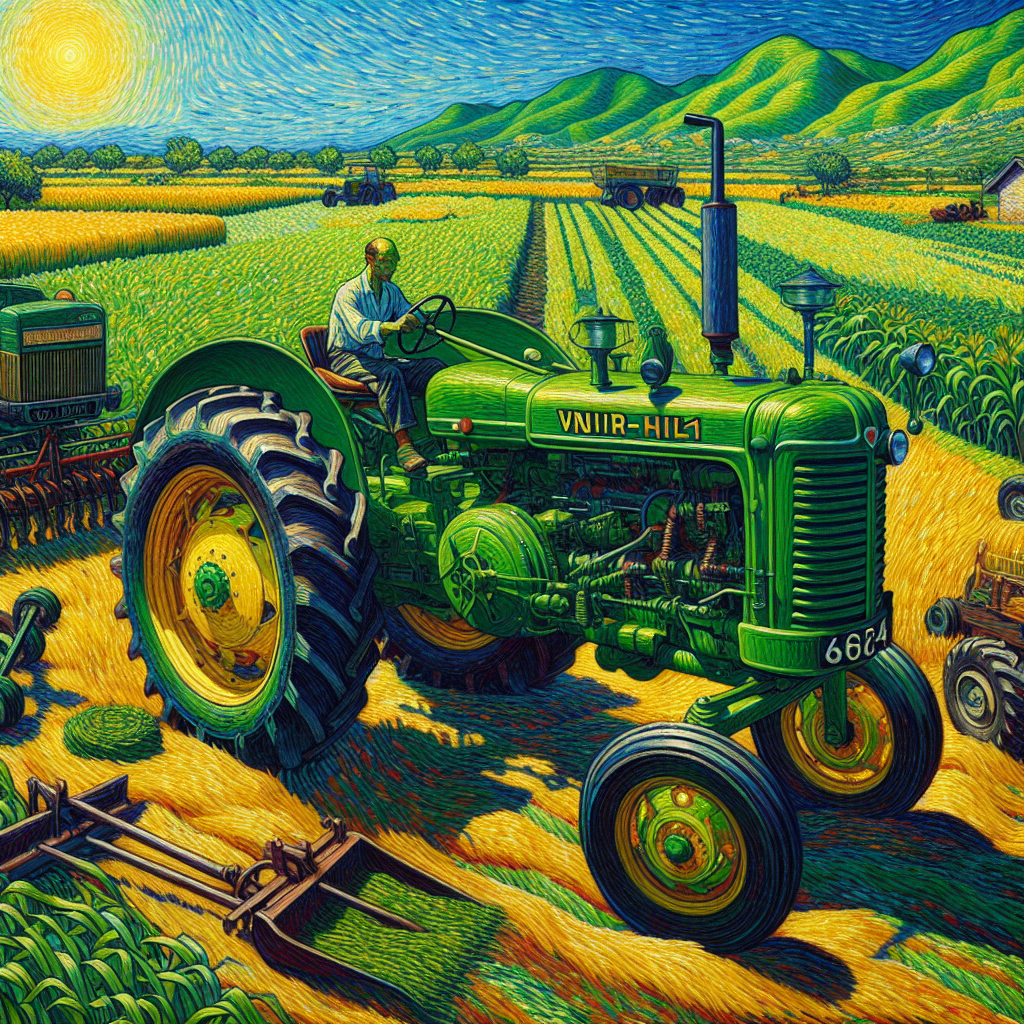
Classic cars and modern vehicles both have their unique appeal, yet the way they appreciate in value often tells a story that resonates with the heart, the head, and the gut. Imagine a dusty tractor working tirelessly in a field; it’s more than just a machine—it’s a piece of history, a testament to past craftsmanship. Just like that tractor, classic cars embody a nostalgic essence, wrapped in stories of roads traveled and memories made. Their value isn’t just a number; it’s an emotional connection that deepens over time.
While modern vehicles boast advanced technology and efficiency, they often lack the character that classic cars exude. A vintage automobile isn’t only about horsepower; it’s infused with decades of engineering passion and aesthetic design. When you slide into the leather seats of a classic Mustang or hear the throaty roar of a ’57 Chevy, you’re not merely driving; you’re participating in a legacy. Comparatively, modern vehicles, though reliable, can feel disposable—produced en masse, they often depreciate the moment they leave the dealership. Classic cars, however, have a rhythm of appreciation, gradually rising in value as they become rarer and cherished more.
From an investment standpoint, classic cars represent a unique opportunity—one that doesn’t just factor in horsepower or aesthetics, but also the timelessness of experience. Imagine sharing a metaphorical campfire moment, swapping stories about that ’65 Corvette and how it predated smartphones and social media, yet somehow continues to connect generations. These cars serve as conversation starters, bridging gaps between young dreamers and seasoned enthusiasts.
An intriguing twist lies in their role as heirlooms. When a classic car is passed down through generations, it becomes a vessel of family history and pride, much like that old tractor which might have belonged to a grandfather. In contrast, modern cars often fade from memory, replaced by newer models and trends. Investing in a classic car is not just about monetary gain; it’s about fostering an ethical relationship with history and craftsmanship, making decisions that honor the past while driving into the future.
In a world racing towards the next big innovation, classic cars remind us to appreciate where we’ve been. They invite us to capture a piece of time, to trust in craftsmanship, and to relish the stories that come with each turn of the wheel. Investing in a classic isn’t merely financial; it’s a commitment to preserving a legacy that celebrates who we are and the journeys we take.
How Do Classic Cars Appreciate In Value Compared to Modern Vehicles?
How Do Classic Cars Appreciate In Value Compared to Modern Vehicles?
- Classic cars and modern vehicles each have distinct appeal and value appreciation stories.
- Classic cars represent nostalgia and emotional connections tied to history and craftsmanship.
- Modern vehicles feature advanced technology but often lack the character of classic cars.
- Classic cars appreciate in value as they become rarer, while modern cars depreciate quickly.
- They serve as unique investments, bridging generational gaps through shared stories and experiences.
- Classic cars can become treasured heirlooms, embodying family history and pride.
- Investing in classic cars honors the past while fostering a connection to craftsmanship.
How Do Classic Cars Appreciate In Value Compared to Modern Vehicles?
What Ethical Considerations Should We Make When Choosing a Car?
When navigating the decision of choosing a car, it’s essential to consider not just horsepower and fuel efficiency, but also the broader ethical implications tied to our choices. Imagine standing at a dealership, the shiny vehicles whispering promises of freedom and adventure. But beyond the allure of glossy paint and gleaming chrome, what responsibility do we hold as consumers in a world grappling with environmental and social challenges?
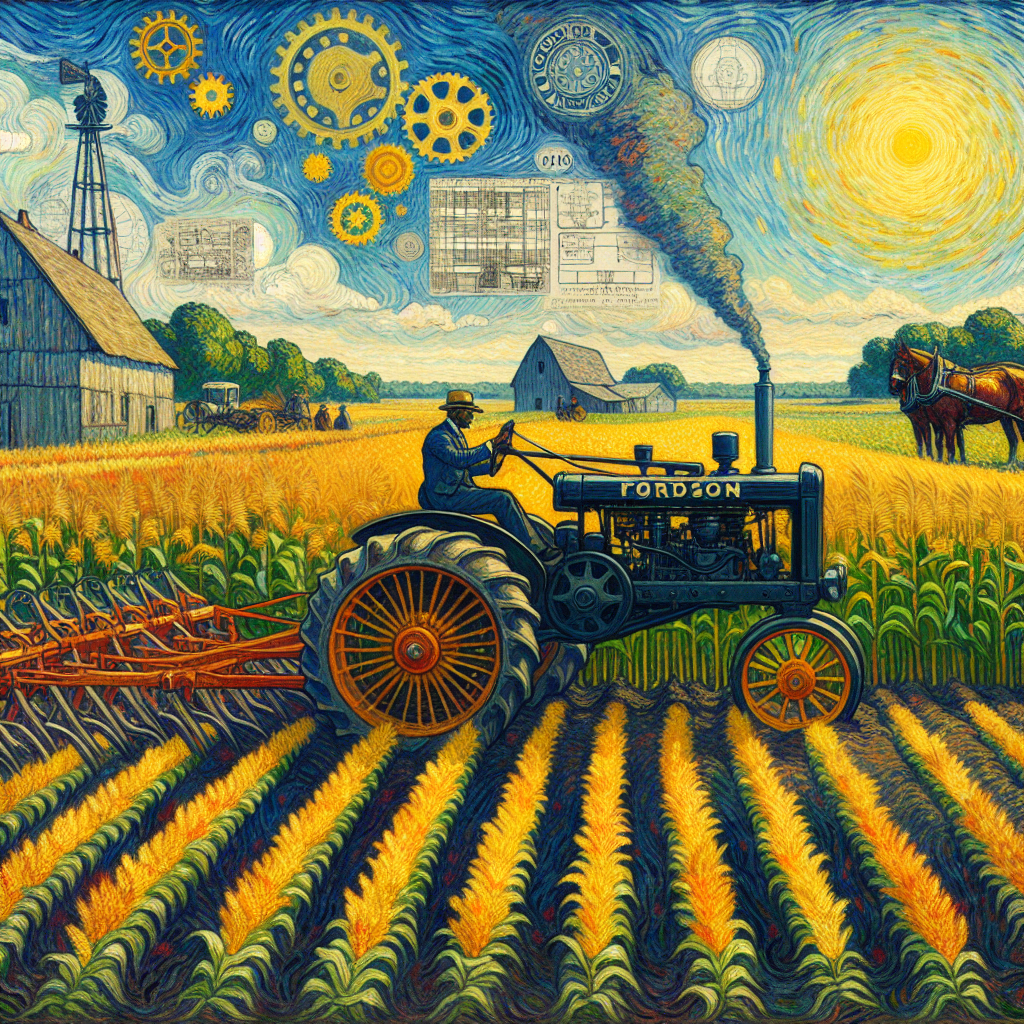
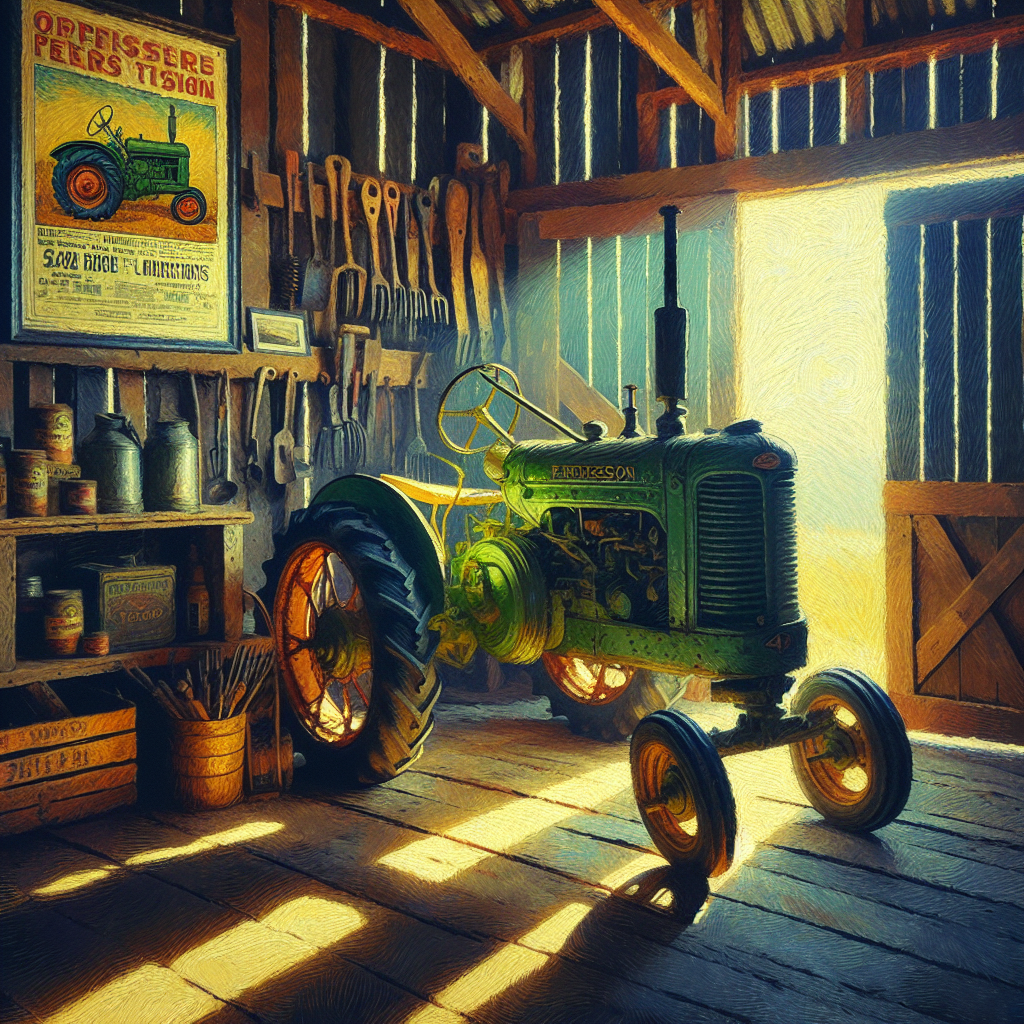
Picture a hardworking farmer with a trusty tractor, plowing fields day in and day out. That tractor isn’t just a machine; it symbolizes dependability, labor, and commitment to the land. Similarly, the car we choose reflects our values and the impact we wish to have. Every vehicle on the road carries with it an ethical footprint. Are we opting for electric models that reduce emissions, or are we drawn to those with gas-guzzling engines that churn through fossil fuels?
Head and gut come into play here. Rationally, it makes sense to consider the long-term costs to our planet. Emissions contribute to climate change, which directly affects us all. We hold the steering wheel to our future; every decision makes a difference. Yet, we also feel that tug of nostalgia. Perhaps your grandfather drove a classic, and you crave that connection. But think about your legacy. What stories do you want to pass down?
The ethical considerations extend beyond the environmental. Each car produced has a story—a supply chain that sources materials from around the globe, often involving labor practices that are far from ideal. Opting for brands committed to fair labor practices and sustainable sourcing isn’t just a choice; it’s a statement about who you are. Remember, when you choose a car, you’re not just buying a vehicle; you’re aligning with a brand’s ethics and values.
Moreover, in this social climate where our collective impact matters profoundly, consider the community aspect. Choosing local or domestic brands supports jobs and economies. There’s a palpable pride in driving a vehicle made in your country, knowing you are part of a greater movement towards sustainability.
In essence, the choice of a vehicle should resonate with both heart and mind. Reflect on what matters. Are you in it for the thrill of speed, or do you want a vehicle that champions the planet? Choose wisely, not just for today but for generations to come. After all, the road ahead is one we travel together, so let’s steer it towards a future that honors both our passions and our responsibilities.
What Ethical Considerations Should We Make When Choosing a Car?
What Ethical Considerations Should We Make When Choosing a Car?
- Choosing a car involves considering ethical implications beyond horsepower and fuel efficiency.
- Vehicles symbolize personal values and the impact on the environment and society.
- Options include electric models that reduce emissions versus gas-guzzlers that harm the planet.
- The legacy of vehicle choice affects future generations and reflects personal connections.
- Ethical production methods and labor practices influence brand alignment and consumer choices.
- Supporting local or domestic brands contributes to job creation and sustainability efforts.
- The decision should balance personal desires with collective environmental responsibility.
What Ethical Considerations Should We Make When Choosing a Car?
How Does Owning a Classic Car Affect Your Social Status Today?
Owning a classic car is more than just a pastime; it’s a story you tell and a connection to the past that bridges generations. When you roll up in a vintage Mustang or a carefully restored Corvette, it’s not just about the gleaming paint or the rumble of the engine; it’s about the shared experiences that happen around that machine. Imagine the conversations sparked at a gas station, where strangers become friends over a shared admiration for craftsmanship, or at a car show where enthusiasts swap stories like old friends swapping tales of summers gone by.
Classic cars serve as a time machine that transports us back to simpler days. They evoke nostalgia for an era when craftsmanship meant something. It’s a chance to connect with family history; perhaps it’s the same model your grandfather drove to impress your grandmother. Each scratch and dent tells a tale, every scratch on the paint is a badge of honor, much like that worn tractor sitting in a field—each mark has a memory, a harvest, a lesson learned. This isn’t just metal and glass; it’s a piece of who we are, a testament to hard work, dedication, and authenticity that many seem to overlook today.
The social status that comes with classic car ownership runs deeper than visible wealth. It’s an ethical stance, a declaration that you value quality over the disposable culture we find ourselves in. It says you appreciate history and the stories that come with it. In a world leaning heavily toward fast and fleeting, someone with a classic car signals a preference for substance, character, and genuine connection.
Consider this: owning a classic car often ignites conversations that can lead to partnerships, friendships, and even business opportunities. It builds trust. When someone sees that you cherish the past, they’re more likely to believe you’ll take the same care with your commitments. It’s about establishing rapport in the fastest way possible—through a shared passion that many people can relate to.
So, while some may think a classic car is merely an indulgence or a toy, it can be a powerful symbol of authenticity and a means of fostering connection within a community that values shared experiences and stories. It’s an invitation to look beyond the surface and engage in a dialogue about what truly drives us—often rooted in the nostalgic and the enduring.
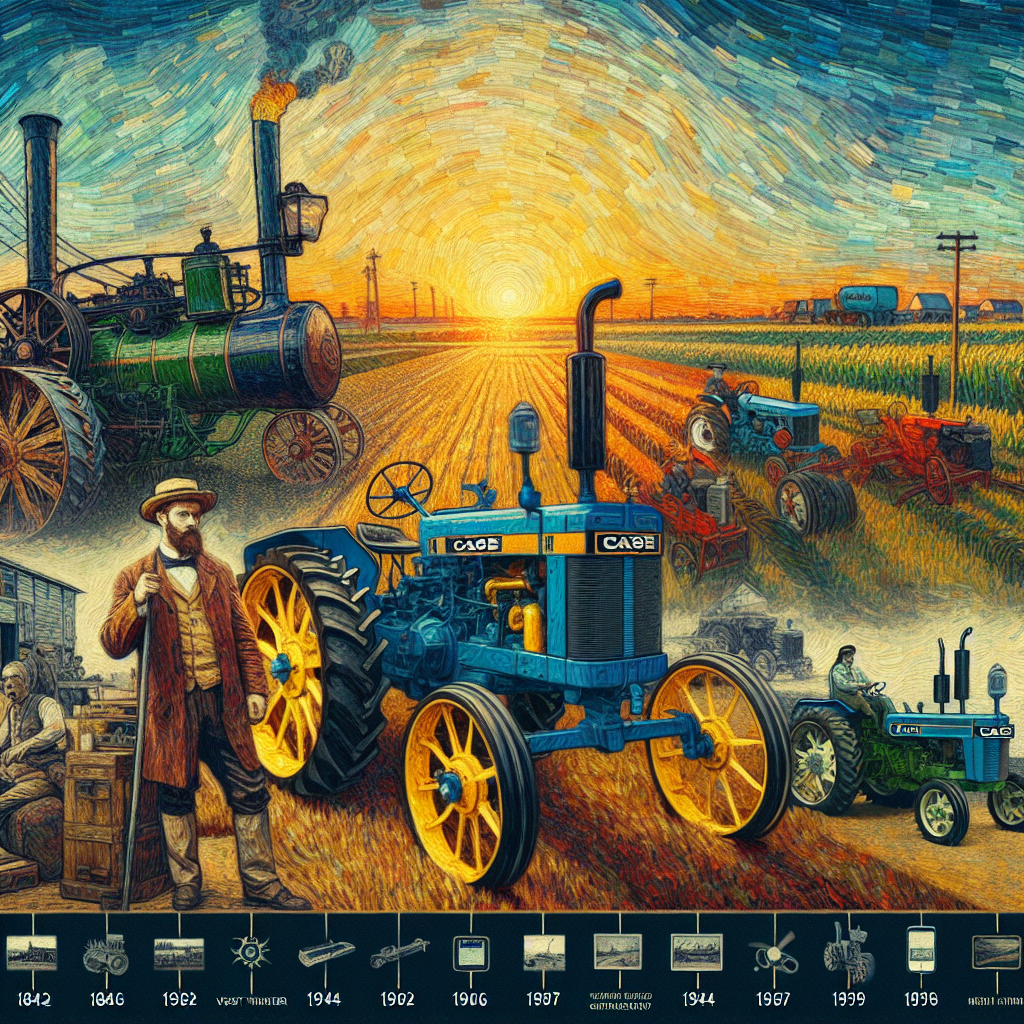
How Does Owning a Classic Car Affect Your Social Status Today?
How Does Owning a Classic Car Affect Your Social Status Today?
- Owning a classic car connects individuals to the past and creates shared experiences.
- Classic cars evoke nostalgia and represent craftsmanship from simpler times.
- Each imperfection tells a story and reflects personal history and memories.
- Ownership indicates a preference for quality over a disposable culture.
- Classic cars can foster connections leading to partnerships and friendships.
- They symbolize authenticity and commitment to shared values and experiences.
- Owning a classic car encourages meaningful dialogue about enduring passions.
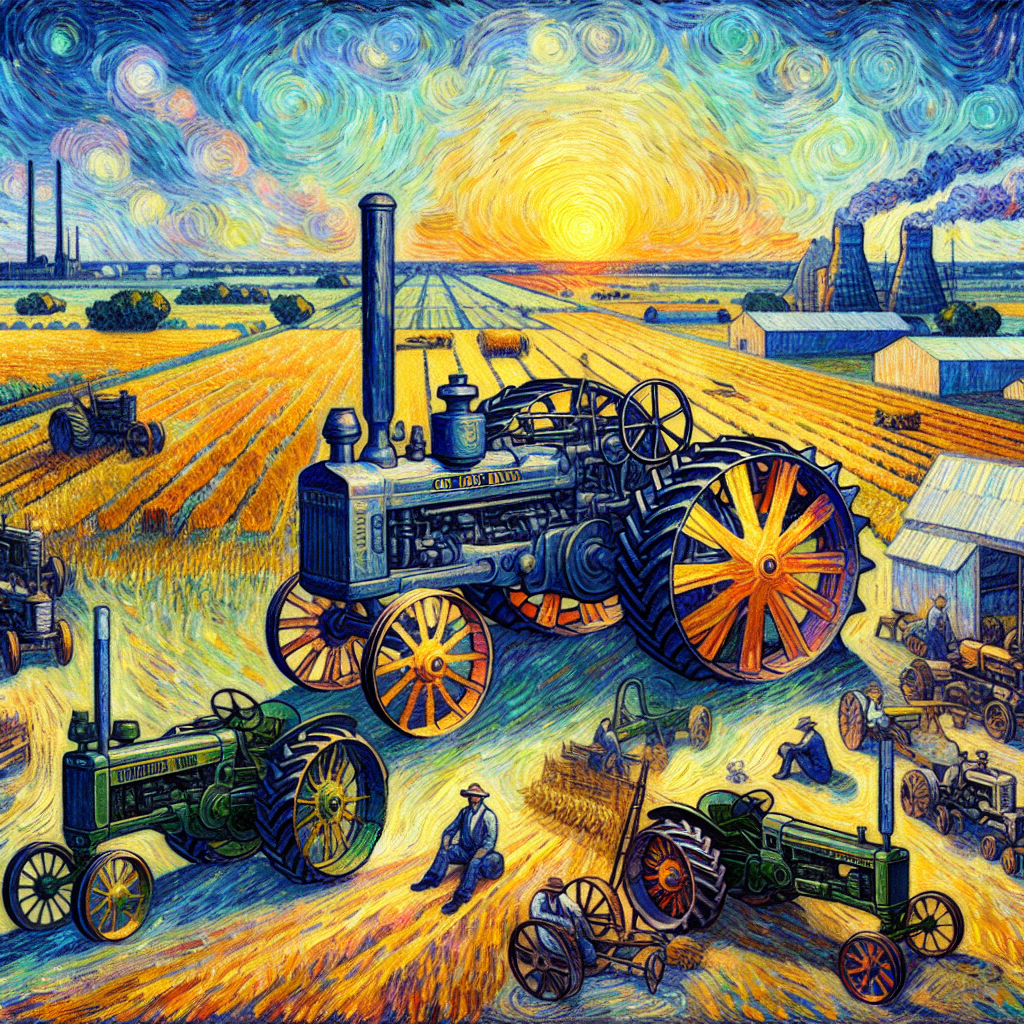
How Does Owning a Classic Car Affect Your Social Status Today?
What Narratives Surround the Generational Divide In Car Ownership?
The narratives surrounding the generational divide in car ownership reflect not only a clash of preferences but also of values. When we dig into these stories, we see how different generations approach the concept of mobility, responsibility, and connection.
For those who grew up with the rumble of a tractor engine and the thrill of a first car, vehicles symbolize freedom and personal expression. Memories flood in of driving down winding dirt roads, windows down, and perhaps a beloved dog leaning out to catch the breeze. These machines were not just metal and wheels; they were gateways to adventure and independence—a physical embodiment of youthful spirit. Every dent and scratch tells a story of journeys taken and lessons learned behind the wheel. This visceral connection lingers, making the yearning for car ownership as much about nostalgia as it is about transportation.
In contrast, younger generations often view cars through a different lens, filtering their experiences through the realities of climate change and urbanization. While previous generations cherished the idea of owning a car, today’s youth grapple with the ethical implications of their choices. They see the cost of car ownership as not just financial but environmental too—each mile driven adding to a narrative of consumption that feels increasingly irresponsible. They may choose alternatives like public transport or ride-sharing services, embracing a lifestyle where mobility doesn’t hinge on ownership. This shift reflects a deeper understanding of community and collective responsibility, where connection is fostered not by individual vehicle ownership, but by shared experiences.
Yet, amidst this divide, there’s a thread that binds us—the intrinsic desire for connection and belonging. It prompts reflection on how we can bridge the gap between generations. Imagine a family sitting around the dinner table, stories of a grandfather’s old tractor seamlessly blending with a grandchild’s latest ride-share app hustle. Both narratives have unique merits; one reflects timeless craftsmanship and the love of the land, and the other, the savvy adaptation to modern realities.
This generational dialogue reshapes our understanding of car ownership, urging each side to appreciate the other’s narrative. It’s about learning that ownership doesn’t solely define value. As we navigate this changing landscape, we honor the stories that have shaped our perspectives—inviting trust and fostering shared experiences that resonate across generations. After all, whether it’s a rugged tractor or a sleek hybrid, it’s the journeys we take together that truly matter.
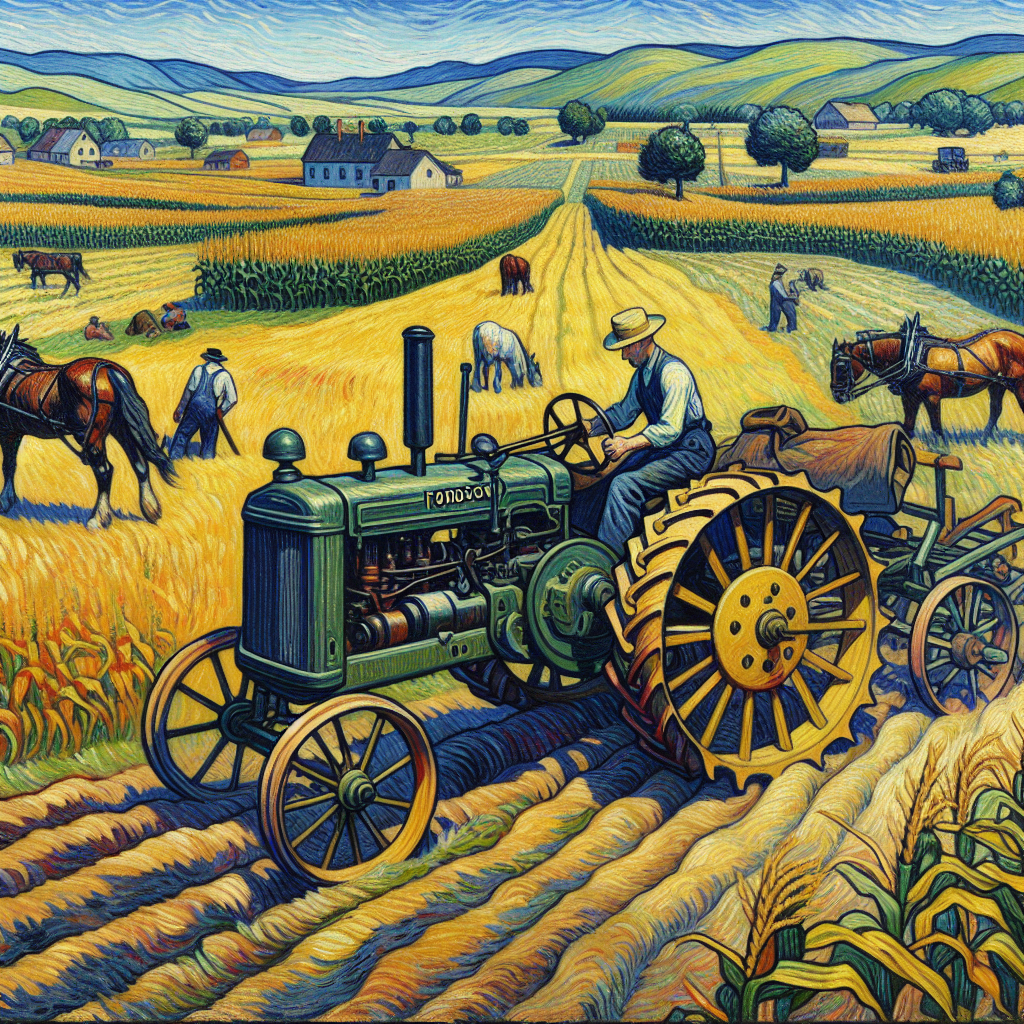
What Narratives Surround the Generational Divide In Car Ownership?
What Narratives Surround the Generational Divide In Car Ownership?
- The generational divide in car ownership reveals differences in preferences and values regarding mobility and connection.
- Older generations view vehicles as symbols of freedom and personal expression, tied to nostalgic memories of adventure.
- Younger generations see the ethical implications of car ownership, considering environmental impacts alongside financial costs.
- Instead of owning cars, many young people prefer alternatives like public transport or ride-sharing services.
- This shift reflects a growing understanding of community and collective responsibility rather than individual ownership.
- The desire for connection and belonging remains a common thread, bridging the gap between generations.
- Recognizing and appreciating diverse narratives around car ownership can foster trust and shared experiences across age groups.
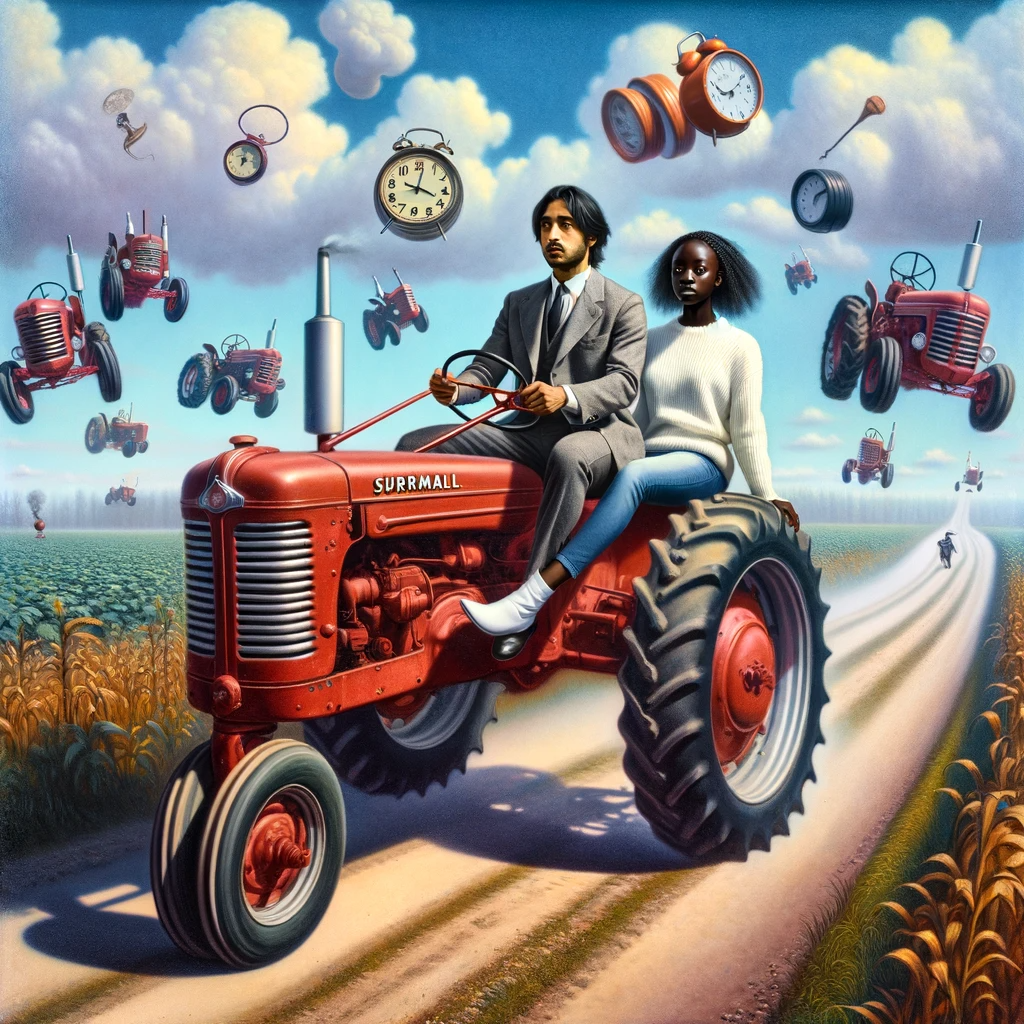
What Narratives Surround the Generational Divide In Car Ownership?
What Is the Environmental Impact Of Classic Versus Modern Cars?
The debate over the environmental impact of classic versus modern cars isn’t merely a matter of stats and figures; it’s about values, choices, and legacy. Imagine your grandfather’s old tractor, still chugging along after decades. Its rugged reliability stands as a testament to a different time. These classic machines often evoke nostalgia, a reminder of simpler days, when cars were built to last, with character and craftsmanship that modern productions sometimes lack. But as much as we love the stories woven into these vehicles, we must address their ecological footprints.
Classic cars typically rely on larger engines and less efficient technology, resulting in higher emissions and diminished fuel economy. They’re like a stubborn friend—endearing, but holding onto habits that just don’t fit in today’s eco-conscious world. In contrast, modern cars are designed with sustainability in mind. With advancements like hybrid and electric technology, they attract drivers not just through sleek designs and tech-savvy features but through a moral imperative to protect our environment. Here, we see a shift away from just personal convenience to a collective responsibility.
Consider this: driving a modern electric vehicle can significantly reduce your carbon footprint. It’s not just about you anymore; it’s about fostering a clean environment for future generations, where clean air doesn’t come at a cost. There’s a profound connection between what we drive and the world we want to leave behind. It’s a story we each get to tell with every mile we cover.
Yet, let’s not ignore the emotional ties that bind us to our classic cars. They represent freedom, adventure, and the unforgettable road trips of yesteryear. But even those memories can pivot towards ethical stewardship. Just as farmers nurture their land, we, too, can cultivate a culture of respect for our environment by recognizing the implications of our choices. By repairing and restoring vintage cars with modern green technology, we honor the past while embracing a more sustainable future.
This isn’t just an automotive dilemma; it’s about who we are and who we’re becoming. Every time you take the keys, remember that your choice of vehicle echoes through your community. It sets a tone, speaks volumes about priorities, and sparks conversations that can lead to change. Shift gears; embrace the evolution of the vehicle. Drive not only for nostalgia but for a cleaner, greener tomorrow, where even that faithful old tractor can find a new mission with a hybrid twist. So, let’s hit the road together, steering towards a future where history and innovation can coexist harmoniously.
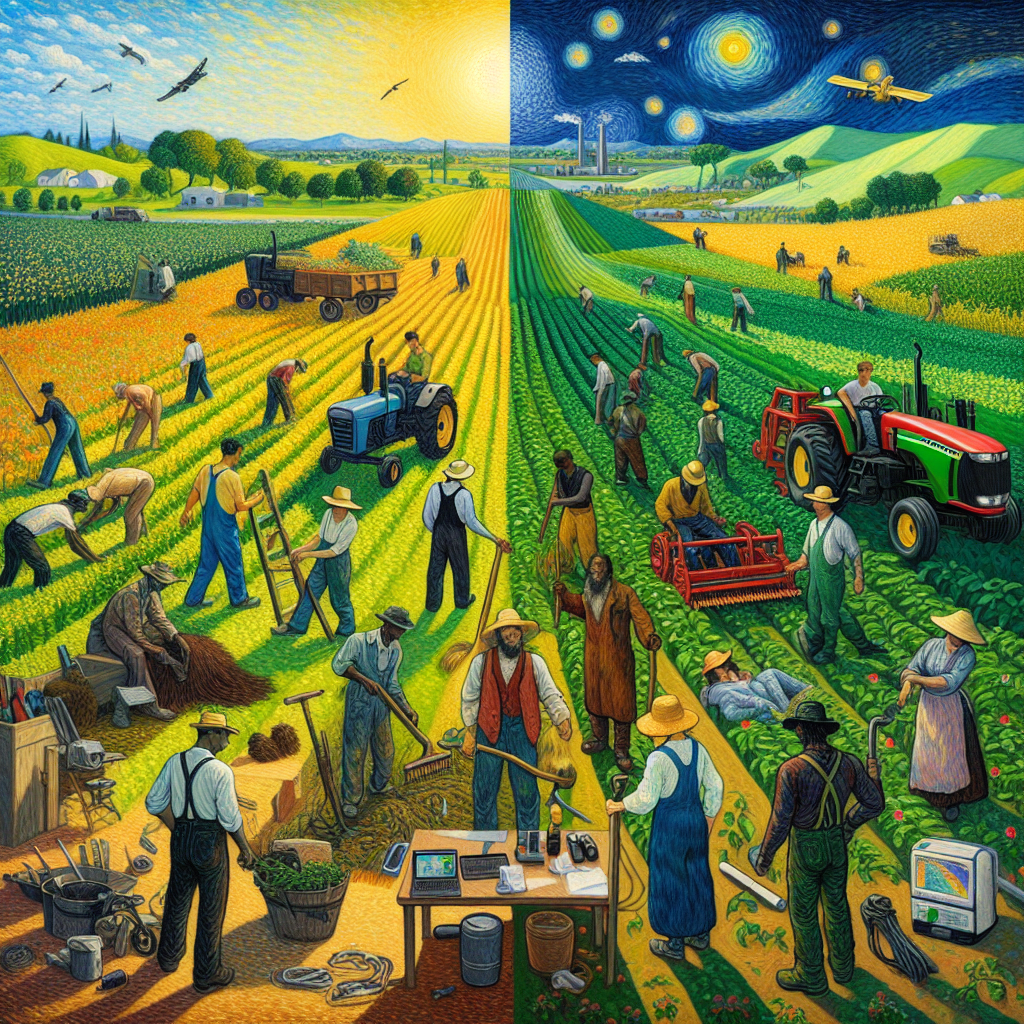
What Is the Environmental Impact Of Classic Versus Modern Cars?
What Is the Environmental Impact Of Classic Versus Modern Cars?
- The environmental impact of classic versus modern cars is intertwined with values, choices, and legacy.
- Classic cars evoke nostalgia and showcase durability, but have higher emissions and lower fuel efficiency.
- Modern cars prioritize sustainability, featuring hybrid and electric technologies that reduce ecological footprints.
- Driving modern vehicles encourages collective responsibility for a cleaner environment for future generations.
- Emotional connections to classic cars represent freedom and adventure, but ethical stewardship is essential.
- Repairing vintage cars with modern technology honors the past while promoting sustainability.
- Vehicle choices reflect community values and can drive conversations about environmental responsibility.
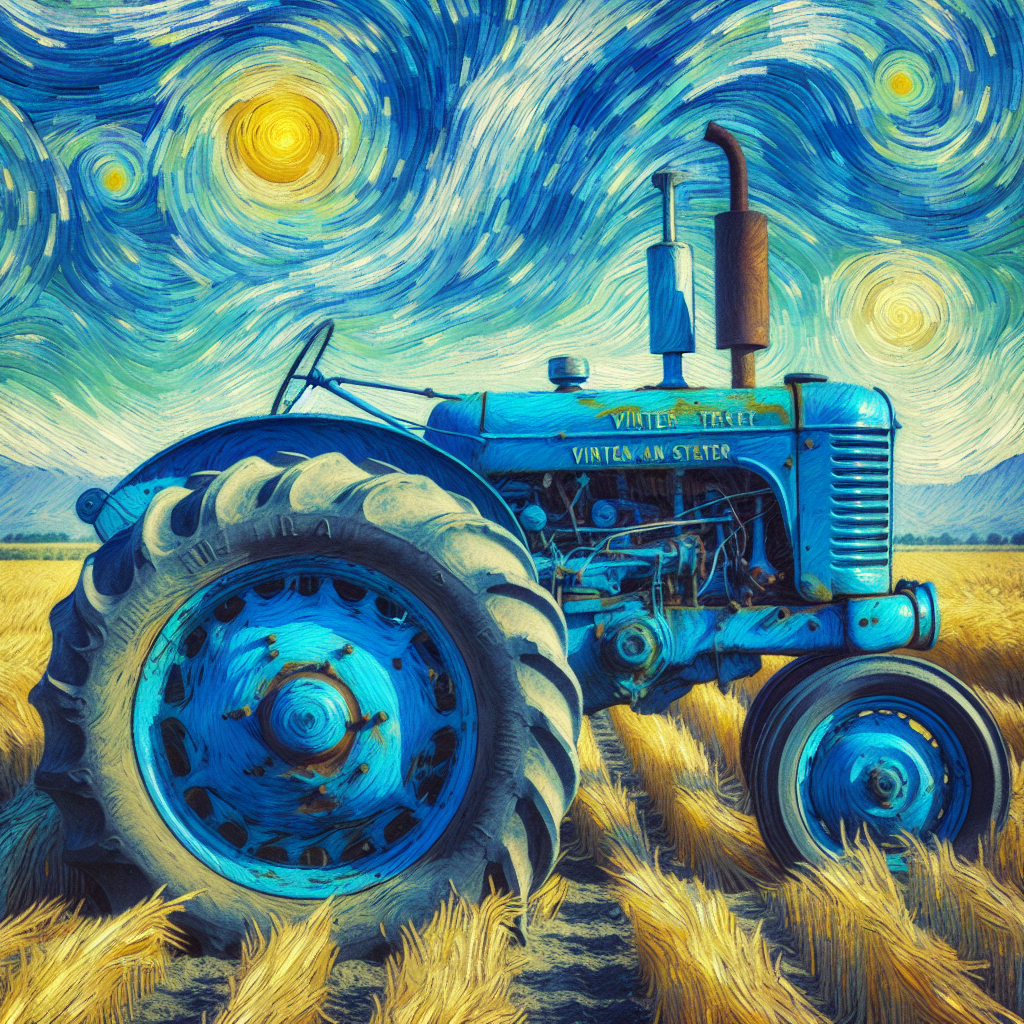
What Is the Environmental Impact Of Classic Versus Modern Cars?
Conclusion
The journey through the world of classic versus modern ownership investing uncovers a profound exploration of values, emotions, and legacies. As we navigate the landscapes of nostalgia and innovation, it becomes clear that these choices extend beyond mere transactions; they resonate deeply within our hearts, shaping our identities and legacies.
Owning a classic vehicle, whether it’s an old tractor or a vintage car, invites us to engage with the past—each scratch and dent a testament to stories lived and memories forged. These machines symbolize not just machinery but the essence of hard work and community. There’s a richness in the narratives woven around these vehicles, connecting generations through shared experiences. The moment you turn the key, you’re not just starting an engine; you’re igniting a legacy that speaks to the values of craftsmanship, responsibility, and ethical stewardship.
Conversely, modern vehicles beckon us with promises of efficiency and sustainability. They represent a shift towards environmental consciousness, urging us to consider our ecological footprint and the narratives we wish to weave for future generations. The allure of sleek designs and cutting-edge technology appeals to the rational mind, but they also challenge us to reflect on comfort, connection, and what it means to belong in an economy increasingly focused on fleeting conveniences.
This tension between classic charm and modern practicality isn’t just a clash of aesthetics; it’s a conversation about identity. As we stand at this crossroads, we must ask ourselves what kind of legacy we want to leave—not just for ourselves but for our communities and the environment. Choosing a vehicle today speaks volumes about our values and priorities. Will we preserve the stories of the past or embrace innovations that protect our future?
The heart of this discussion lies not only in the economic implications but in the ethical considerations shaping our choices. As vehicular technology evolves, we face an invitation to adapt while remaining anchored in meaningful narratives. Modern ownership can enrich our stories, allowing us to redefine our relationships with the vehicles we drive—transforming them from mere machines into symbols of our values and commitment to sustainability.
Ultimately, whether you find solace in the rumble of a classic or the hum of an electric car, the road ahead is about crafting connections—across generations, communities, and into the fabric of our collective future. As we navigate this journey, let’s remember that every choice we make is a chance to steer towards a narrative that embraces both our cherished past and the promising horizon.
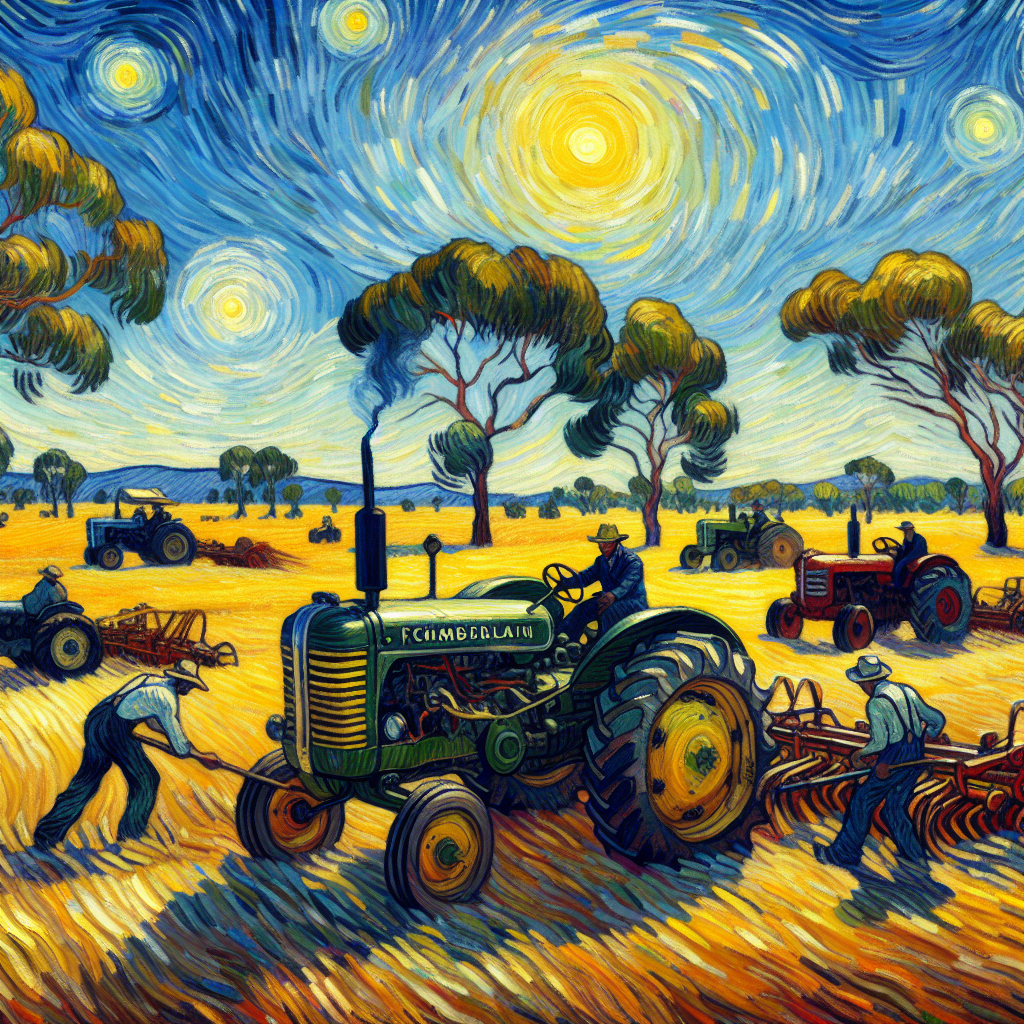
Conclusion
Conclusion:
- The exploration of classic versus modern ownership investing delves into values, emotions, and legacies.
- Owning a classic vehicle connects us to the past, symbolizing hard work, community, and shared experiences.
- Each classic vehicle carries stories and memories, igniting a legacy of craftsmanship and ethical stewardship.
- Modern vehicles focus on efficiency and sustainability, urging reflection on our ecological footprint.
- This tension between classic and modern ownership represents a deeper conversation about identity and legacy.
- Choosing a vehicle reflects our values and priorities, impacting our communities and the environment.
- Ultimately, crafting connections across generations is vital as we navigate our choices in vehicle ownership.
Conclusion
Other Resources
Other Resources
Here is a list of other resources you can review online to learn more:
- Jeep
- Farm Collector
- Minot
- Franklin County Antique Machinery Club
- Gibson
- Eicher
- Lenar
- Marshall
- Foton
- Landini
- Cletrac
- Terrion
- Schluter
- McCormick-Deering
- Sky Valley Stock and Antique Tractor Club
- Chery
- Bolinder-Munktell
- Arma Trac Tractors
Use This Prompt To Get More Resources With Your Favorite Online AI Tool: Please provide me with a list of online articles with their URLs in a bulleted list that I can read regarding The $100,000 Difference – 20 Years Of Classic Vs. Modern Ownership
Other Resources
Glossary Terms
The $100,000 Difference – 20 Years Of Classic Vs. Modern Ownership – Glossary Of Terms
1. Total Cost of Ownership (TCO) — All cumulative costs over 20 years including purchase price, financing, depreciation/appreciation, fuel, maintenance, insurance, storage, taxes and resale value.
2. Depreciation — Decline in vehicle value over time; typically steep for new modern cars early on and variable for classics.
3. Appreciation — Increase in value over time; common for desirable collectible classics and rare models.
4. Residual Value — Estimated vehicle value at the end of the ownership period used to calculate long-term cost.
5. Opportunity Cost — Potential returns foregone by tying capital into a vehicle instead of alternative investments.
6. Maintenance — Regular servicing and minor repairs (oil, brakes, belts) that recur through ownership.
7. Restoration — Extensive refurbishment of a classic to return it to original or improved condition; often high labor and parts cost.
8. Parts Availability — Ease of sourcing replacement components; scarce for some classics, plentiful for mass-produced modern cars.
9. OEM (Original Equipment Manufacturer) — Factory-specified parts and components often required for authenticity and value retention.
10. Aftermarket Parts — Non-factory components that can reduce cost but sometimes lower collector value or affect fit/quality.
11. Reliability — Likelihood of trouble-free operation; modern cars generally score higher due to engineering and electronics.
12. Planned Obsolescence — Design or market cycles that make modern features out-of-date, accelerating replacement.
13. Fuel Economy — Measure of fuel consumption affecting ongoing fuel expense across 20 years.
14. Emissions Compliance — Regulatory requirements that can impose retrofit costs or usage limits for older vehicles.
15. Insurance Premiums — Annual insurance costs which vary by vehicle age, value, usage and policy type.
16. Collector Insurance — Specialty policies for classics with agreed valuations, mileage limits and usage restrictions.
17. Market Volatility — Fluctuations in vehicle values driven by trends, macroeconomics and collector sentiment.
18. Rarity — Scarcity of a model or configuration that increases desirability and price volatility for classics.
19. Condition Grading — Standardized assessments (concours, excellent, driver, project) used to price classics.
20. Concours Restoration — Highest-quality restoration to show standards that commands premium values and costs.
21. Patina — Preserved aged finish and wear that some collectors value more than full restoration.
22. Salvage Value — End-of-life value for parts, scrap metal or rebuild potential.
23. Warranty Coverage — Manufacturer or extended warranties that transfer repair risk and can reduce out-of-pocket costs for modern cars.
24. Certified Pre-Owned (CPO) — Inspected used modern vehicles sold with manufacturer-backed warranty and often higher resale value.
25. Technological Obsolescence — Loss of functional relevance as new safety, efficiency or connectivity tech emerges.
26. Safety Features — Structural design, airbags, ABS, stability control and crash-test performance affecting ownership desirability and accident costs.
27. Emissions Retrofit/Compliance Costs — Expenses to modify classics for legal road use under modern emissions rules where applicable.
28. Storage and Preservation — Costs for garage space, climate control, anti-corrosion treatments and periodic preservation for long-term ownership.
29. Restoration ROI — Ratio of added resale value to restoration expense; key metric when deciding whether to invest in a classic.
30. Lifestyle Value — Non-monetary benefits such as enjoyment, nostalgia, status and community that influence buying and holding decisions.
Glossary Of Terms
Other Questions
The $100,000 Difference – 20 Years Of Classic Vs. Modern Ownership – Other Questions
If you wish to explore and discover more, consider looking for answers to these questions:
- What is the total cost of ownership for a classic car versus a modern vehicle over 20 years?
- How do maintenance and repair costs compare between classic and modern cars?
- How reliable are classic cars for daily driving compared with modern vehicles?
- What are typical insurance differences and premiums for classic versus modern ownership?
- How does fuel efficiency differ and how much will fuel costs add up over two decades?
- What are the common hidden costs of owning a classic (storage, parts, specialist labor)?
- How do classic cars appreciate in value—what factors drive appreciation or depreciation?
- Which makes and models have historically provided the best investment returns?
- How easy is it to source replacement parts for a classic vehicle and what are the costs?
- What are the tax implications or incentives for purchasing modern electric or hybrid vehicles?
- Can classic cars be modernized or converted to hybrid/electric, and what does that cost?
- What are the environmental trade-offs between restoring a classic and buying a new eco-friendly car?
- How is the lifecycle carbon footprint of a classic restoration compared with manufacturing a new car?
- What safety differences exist (crash protection, airbags, driver aids) and how important are they?
- How do emissions regulations affect classic car use, registration, and legality in different regions?
- Are there grants, rebates, or exemptions for preserving vintage vehicles or for EV conversions?
- How do supply chain and labor-ethics concerns compare between classic restorations and new car production?
- What practical compromises do owners make when choosing a classic for sentimental reasons?
- How do modern connectivity and convenience features (infotainment, ADAS) change ownership experience?
- What community resources (clubs, forums, specialists) support classic owners versus new-technology owners?
- How does owning a classic influence social status or business networking opportunities today?
- How should someone decide between buying a classic as an investment versus buying for emotional value?
- What preservation and storage practices best protect a classic vehicle’s value and condition?
- How do generational attitudes affect resale markets and demand for classics versus modern cars?
- What are the best strategies to authenticate provenance and document a classic car’s history?
- How do financing options differ for classic restorations versus new car purchases?
- What are realistic expectations for mileage, performance, and usability of a restored classic?
- How can owners balance honoring legacy with embracing sustainability and modern ethics?
Other Questions
Haiku
The $100,000 Difference – 20 Years Of Classic Vs. Modern Ownership – A Haiku
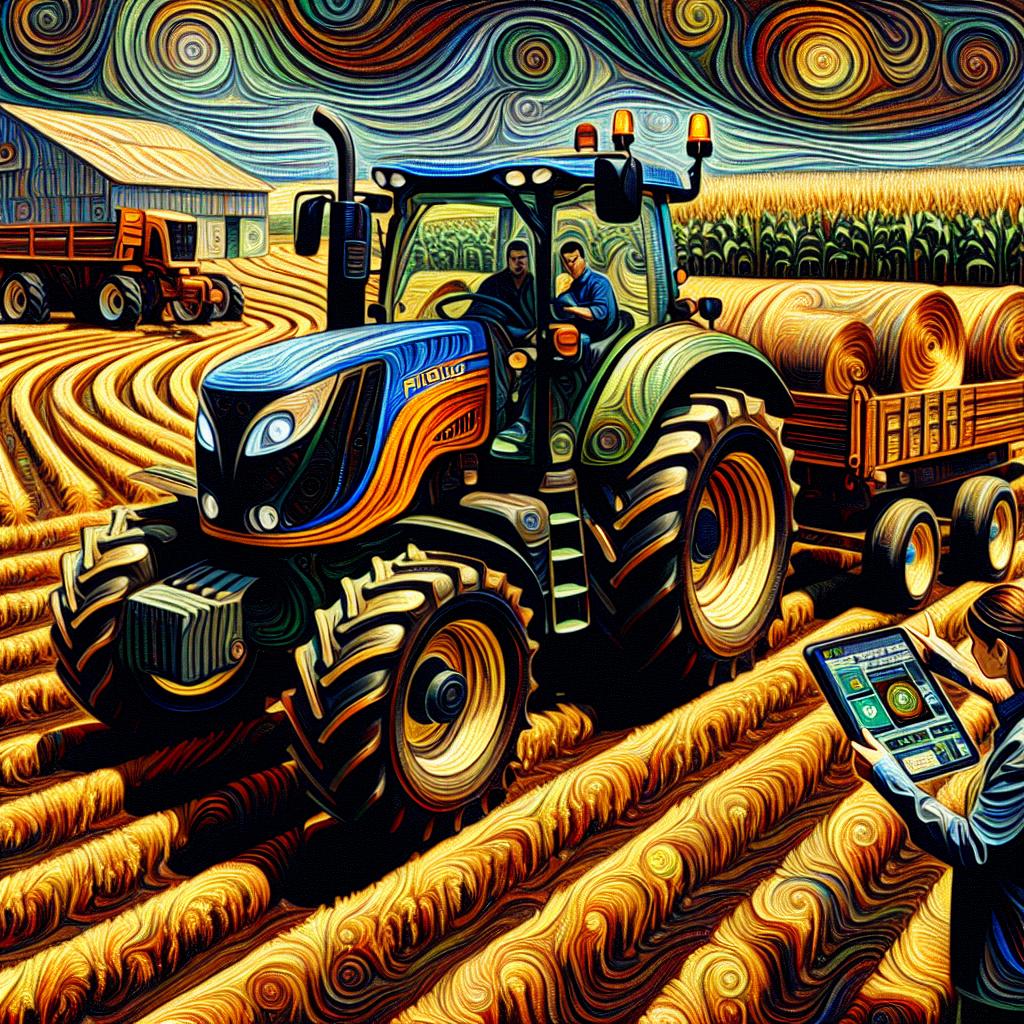
Old tractors whisper,
Stories of soil and toil,
Legacy ignites.
Haiku
Poem
The $100,000 Difference – 20 Years Of Classic Vs. Modern Ownership – A Poem
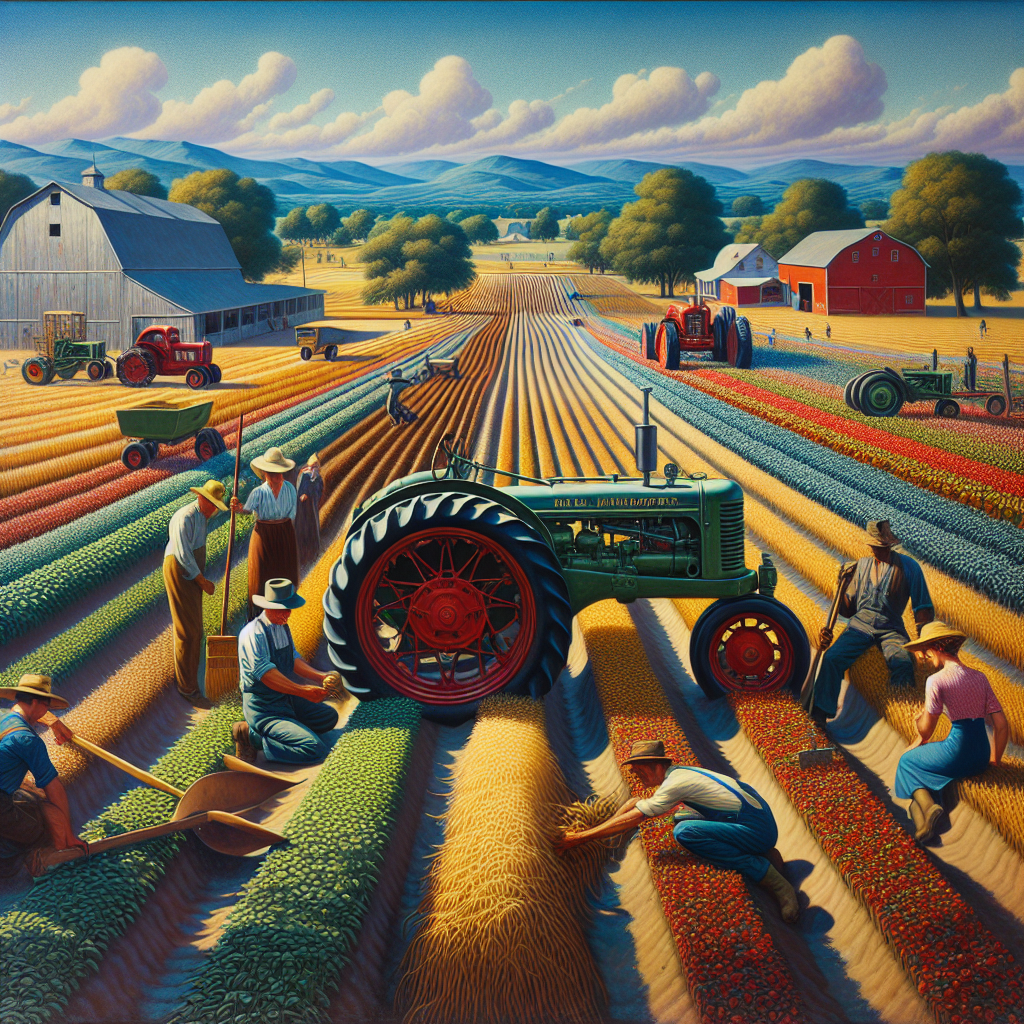
In fields where whispers of history grow,
A tractor stands, where old roots sow.
With chipped paint and stories, it beckons the heart,
Each scratch a memory, a life, a part.
Modern machines, sleek and bright,
Promising ease in the fast-paced light.
Yet beneath the shine, what do we shed?
Connection and legacy, often misread.
In the silence of engines, a strong tale resounds,
Of family ties and the land that surrounds.
A choice we face, not just for today,
But for generations, in the paths we lay.
Classic cars hold the essence of past,
Where laughter and love in the journeys are cast.
Yet modern cars push us towards what’s ahead,
Bearing the weight of the choices we’ve tread.
Every vehicle’s more than metal and glass,
It’s our stand on the earth, the future we cast.
So as we steer toward the paths of our dreams,
Let’s honor the stories, their values, their themes.
For every turn of the wheel, there’s a tale to unfold—
Of connection, of pride, and traditions retold.
Hearts and minds intertwined in the ride,
In each choice we make, let legacy guide.
Poem
Checklist
The $100,000 Difference – 20 Years Of Classic Vs. Modern Ownership – A Checklist
Emotional Appeals
✅______ Reflect on personal memories associated with classic vehicles ⠀
✅______ Consider the stories of family and heritage connected to classic ownership ⠀
✅______ Assess how classic cars evoke nostalgia and connection to simpler times ⠀
Rational Appeals
✅______ Analyze fuel efficiency and maintenance costs of modern vehicles ⠀
✅______ Review the appreciation potential of classic cars as investments ⠀
✅______ Calculate long-term savings and sustainability of newer technologies ⠀
Ethical Appeals
✅______ Evaluate the environmental impact of classic versus modern cars ⠀
✅______ Investigate the labor practices and sustainability commitments of car manufacturers ⠀
✅______ Contemplate the legacy and values you wish to promote through your vehicle choice ⠀
Authority Appeals
✅______ Seek expert opinions on the investment value of classic cars versus modern models ⠀
✅______ Follow trends in automotive technology and sustainability from reliable sources ⠀
✅______ Learn from historical data on vehicle appreciation over decades ⠀
Narrative Appeals
✅______ Reflect on personal or generational stories tied to car ownership ⠀
✅______ Share experiences and memories associated with classic cars in conversations or community forums ⠀
✅______ Engage with narratives about the role of vehicles in family traditions and communal activities ⠀
Social Appeals
✅______ Consider community reactions and social status associated with classic car ownership ⠀
✅______ Reflect on how owning a classic car can foster connections with others who share similar values ⠀
✅______ Explore participation in car clubs or local shows to strengthen community bonds ⠀
Checklist
At ClassicTractorNews, we help tractor lovers keep up with the latest news for classic and vintage tractors.
Please share this post with your friends, family, or business associates who may like old classic or vintage tractors.