

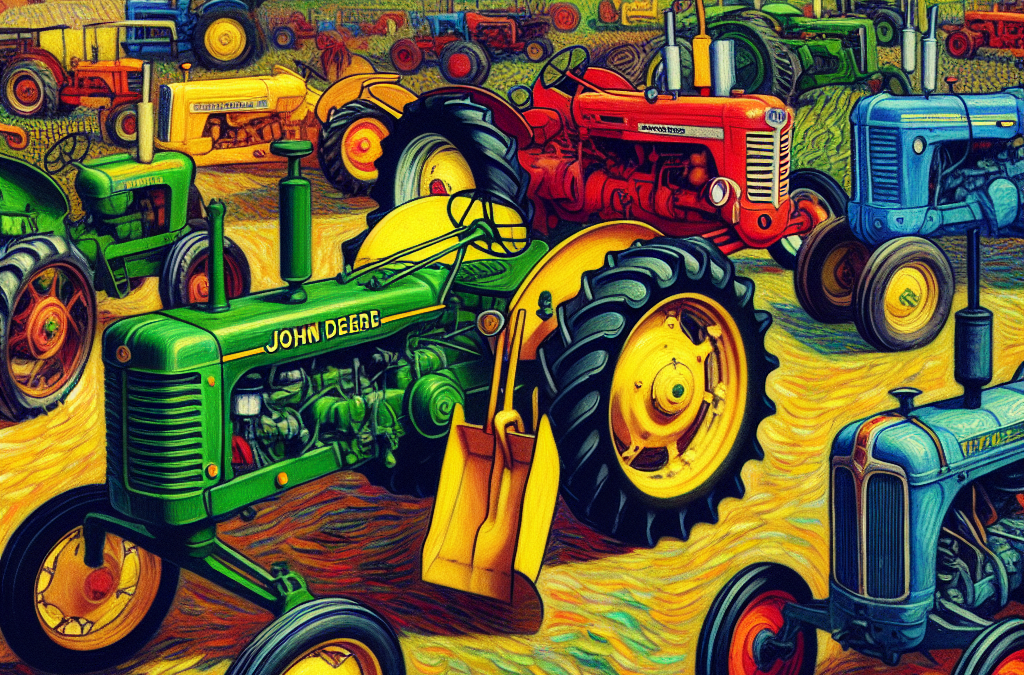
Unlock The Heartbeat Of Vintage Machines: Precision For Performance
By Tom Seest
At ClassicTractorNews, we help tractor lovers keep up with the latest news for classic and vintage tractors.
Please share this post with your friends, family, or business associates who may like old classic or vintage tractors.
Temperature, Oil Pressure & Vibration Sensors for Old Iron
Temperature, Oil Pressure & Vibration Sensors for Old Iron
In the heart of every tractor beats a core of steel and sweat, a connection to the land that goes beyond mere mechanics. These machines carry not just loads, but stories—stories of early mornings and late nights, of relentless efforts to bring forth crops that feed families and communities. When we talk about temperature, oil pressure, and vibration sensors for old iron, we’re diving into the salvation of these industrious machines, preserving their legacy for future generations.
Picture this: a seasoned farmer, worn leather gloves gripping the wheel as he navigates the fields. His tractor—from a bygone era—puffs along like an old dog still eager to fetch. It’s not just a tool; it’s part of the family. But as the years wear on, that loyalty can wane, and without the right monitoring tools, the chances of breakdowns increase. Temperature, oil pressure, and vibration sensors act as the senses of this trusted companion, translating its needs into actionable insights for the operator.
Imagine knowing, in real-time, how hot the engine is running, ensuring it remains at an optimal temperature, or catching a dip in oil pressure before it spirals into a catastrophic failure. It’s about transforming anxiety into assurance. Each beep from a sensor isn’t just a warning—it’s a promise of reliability, a guardian angel protecting the investment that embodies years of hard work. These devices restore a sense of control and connection, reminding every operator that their machinery can still be both a workhorse and a trusted friend.
But it’s not merely about the machinery. This conversation touches on something deeper—the ethics of stewardship. As we strive for sustainability, protecting these old tractors isn’t just about nostalgia; it’s about preserving the agricultural heritage that defines communities. Embracing technology like sensors doesn’t erase the past but enhances it, forging a bond between traditional farming and modern innovation.
Think about it: the latest technology doesn’t have to mean abandoning the old ways. It’s about merging the wisdom of experience with the tools of tomorrow. Each successful harvest that follows a well-maintained tractor echoes with gratitude, a testament to the care and attention we afford these machines.
So next time you fire up that old iron, remember: the health of your tractor isn’t just a technicality—it’s a matter of respect for a cornerstone of agricultural life. With the right temperature, oil pressure, and vibration sensors, you’re not just investing in machinery; you’re safeguarding your legacy, ensuring that your tractor continues to roll through time, grit, and the untold stories that lie ahead.
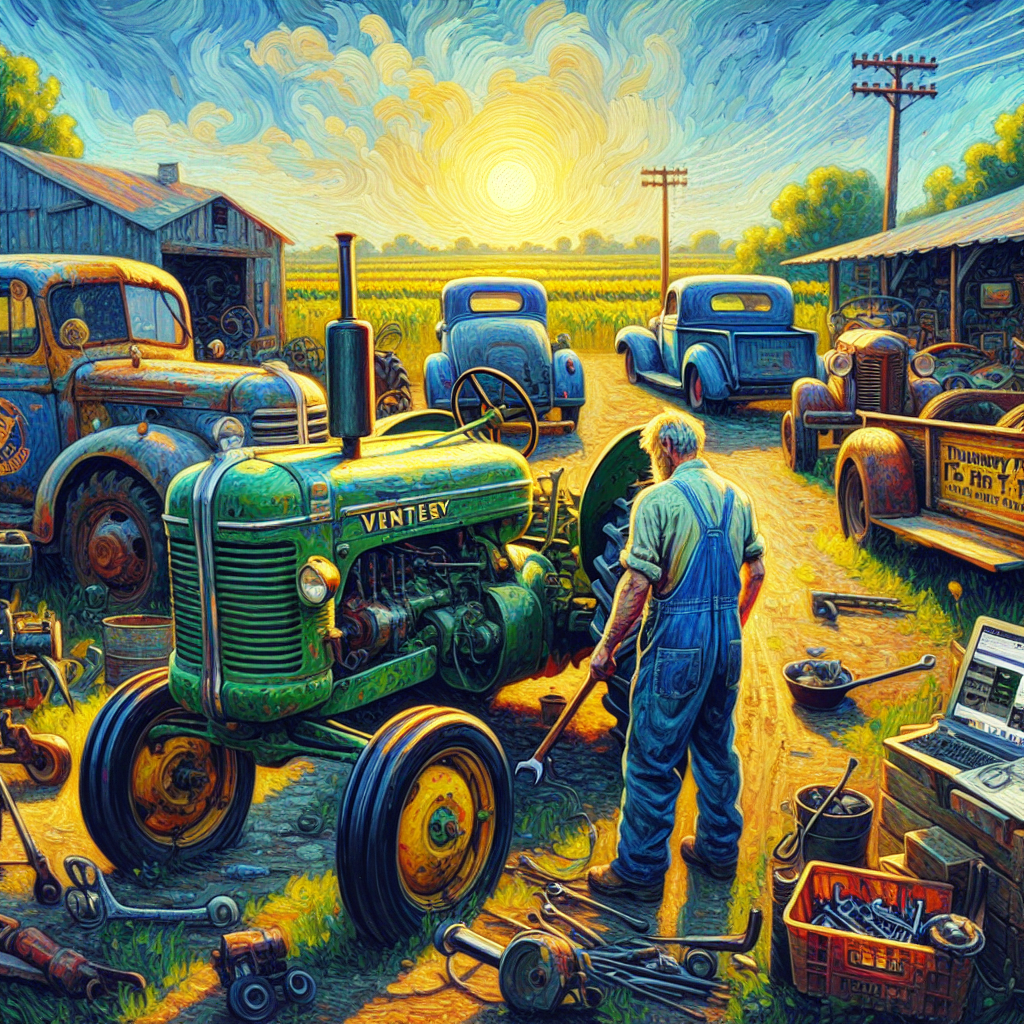
Temperature, Oil Pressure & Vibration Sensors for Old Iron
Temperature, Oil Pressure & Vibration Sensors for Old Iron
- Temperature, oil pressure, and vibration sensors are vital for the maintenance of older tractors, preserving their legacy.
- These sensors provide real-time monitoring, helping to prevent breakdowns and ensuring optimal performance.
- The sensors translate the machinery’s needs into actionable insights for operators.
- Using these technologies transforms anxiety into assurance and enhances the relationship between operators and their machines.
- Protecting old tractors is about respecting agricultural heritage and merging traditional practices with modern technology.
- Each successful harvest reflects the care and attention given to the maintenance of these tractors.
- Investing in monitoring technology safeguards not just the machinery, but the legacy it represents.

Temperature, Oil Pressure & Vibration Sensors for Old Iron
Table Of Contents
- Temperature, Oil Pressure & Vibration Sensors for Old Iron
- Why Are Temperature Sensors Crucial for Old Machinery?
- How Does Oil Pressure Affect Engine Longevity In Vintage Vehicles?
- What Vibrations Can Signal Trouble In Old Iron Equipment?
- Are Modern Sensors Worth the Investment for Classic Machines?
- How Can I Ensure My Vintage Machinery Runs Efficiently?
- What Ethical Responsibilities Do We Have In Preserving Old Iron?
- Conclusion
- Other Resources
- Glossary Of Terms
- Other Questions
- Haiku
- Poem
- Checklist
Why Are Temperature Sensors Crucial for Old Machinery?
Imagine a grandfather’s old tractor, weathered and worn but bursting with stories and history. It stands as a testament to the hard work of generations, still capable of plowing fields, hauling loads, and bringing life to the dusty earth. Yet, beneath its rugged exterior lies a complexity that can be easily overlooked—one that is essential for its continued operation: temperature sensors.
These devices might seem like a small cog in the massive machine of machinery, but they’re the guardians of longevity and efficiency. Consider the analogy of the human body: just as we monitor our health through temperature and other vital signs, old machines require similar vigilance. When a tractor operates at optimal temperature, it runs smoothly, efficiently using fuel and minimizing wear and tear. However, overheating can lead to catastrophic failures, not unlike a fever progressing into a life-threatening condition.
Efficient operation isn’t just a matter of dollars and cents; it’s deeply ethical. We hold a responsibility to preserve what our forefathers built. An old tractor represents more than metal and machinery; it embodies values of hard work, persistence, and sustainability. By employing temperature sensors, we honor that legacy, ensuring these machines don’t just survive but thrive.
The emotional connection we foster with old tractors resonates with many who’ve spent hours in the fields, creating memories with family. When those engines roar back to life, we’re reminded of summer days spent under the sun, the satisfaction of a hard day’s work. Temperature sensors ensure that those memories can continue to be made, day after day, year after year, extending the life of these beloved machines.
Moreover, temperature sensors empower everyone to be caretakers. They provide valuable data that allows anyone, from seasoned mechanic to novice owner, to engage proactively. It’s about developing a relationship with the machinery we depend on—not just seeing it as a tool, but as a partner in our agricultural endeavors.
In an age where technology often feels detached, embracing the simplicity of temperature sensors allows us to bridge that gap, connecting the old with the new. By understanding our machines, we deepen our roots in the earth that nourishes us, creating an enduring bond that respects the past while looking forward to the future. In harmony with our tractors, we cultivate not just our fields but a shared stewardship—for the environment, our economy, and our heritage.
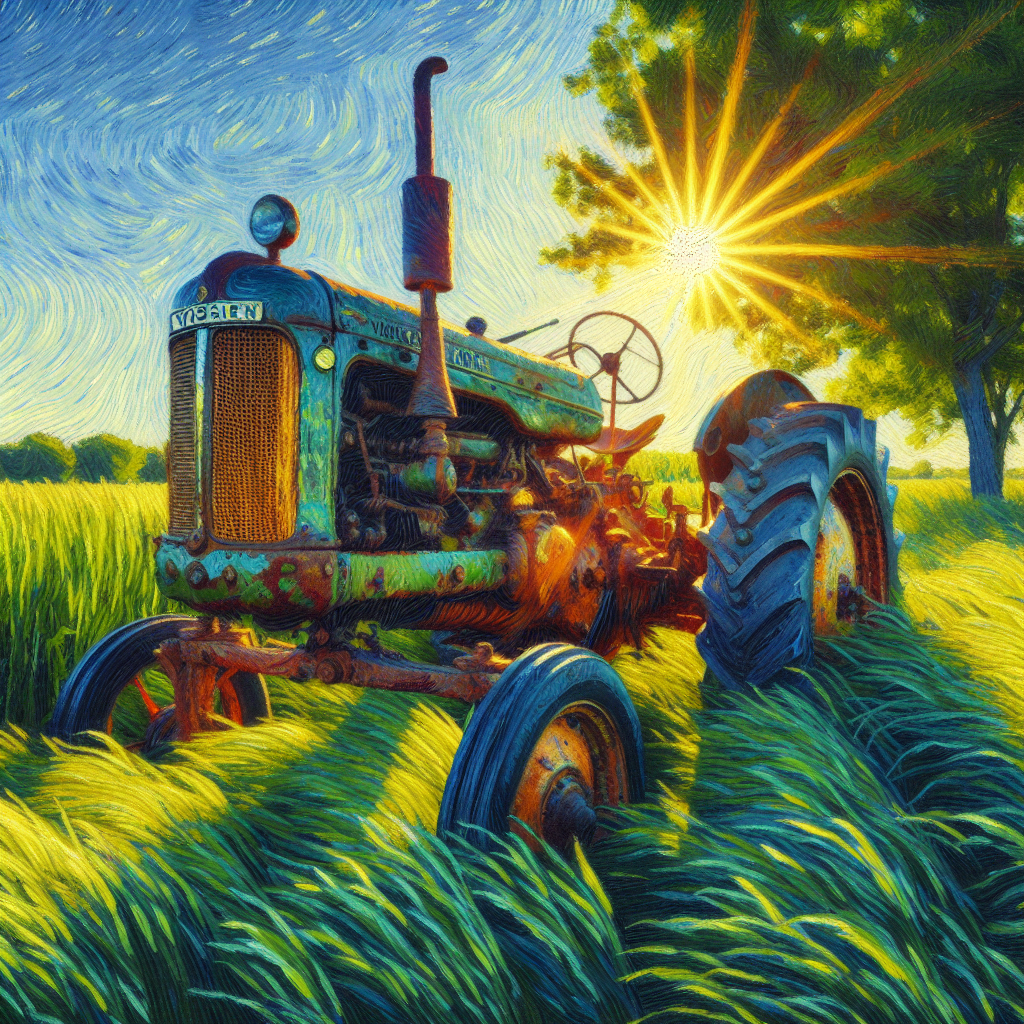
Why Are Temperature Sensors Crucial for Old Machinery?
Why Are Temperature Sensors Crucial for Old Machinery?
- An old tractor symbolizes hard work, history, and the legacy of generations.
- Temperature sensors are essential for optimal machine operation and longevity.
- Monitoring temperature helps prevent catastrophic failures in machinery.
- Efficient operation of old tractors embodies ethical responsibility and sustainability.
- Temperature sensors extend the life of tractors, preserving emotional connections and memories.
- They empower all users, from mechanics to novices, to proactively care for their equipment.
- Embracing technology fosters a deeper relationship with machinery and enhances stewardship.
Why Are Temperature Sensors Crucial for Old Machinery?
How Does Oil Pressure Affect Engine Longevity In Vintage Vehicles?
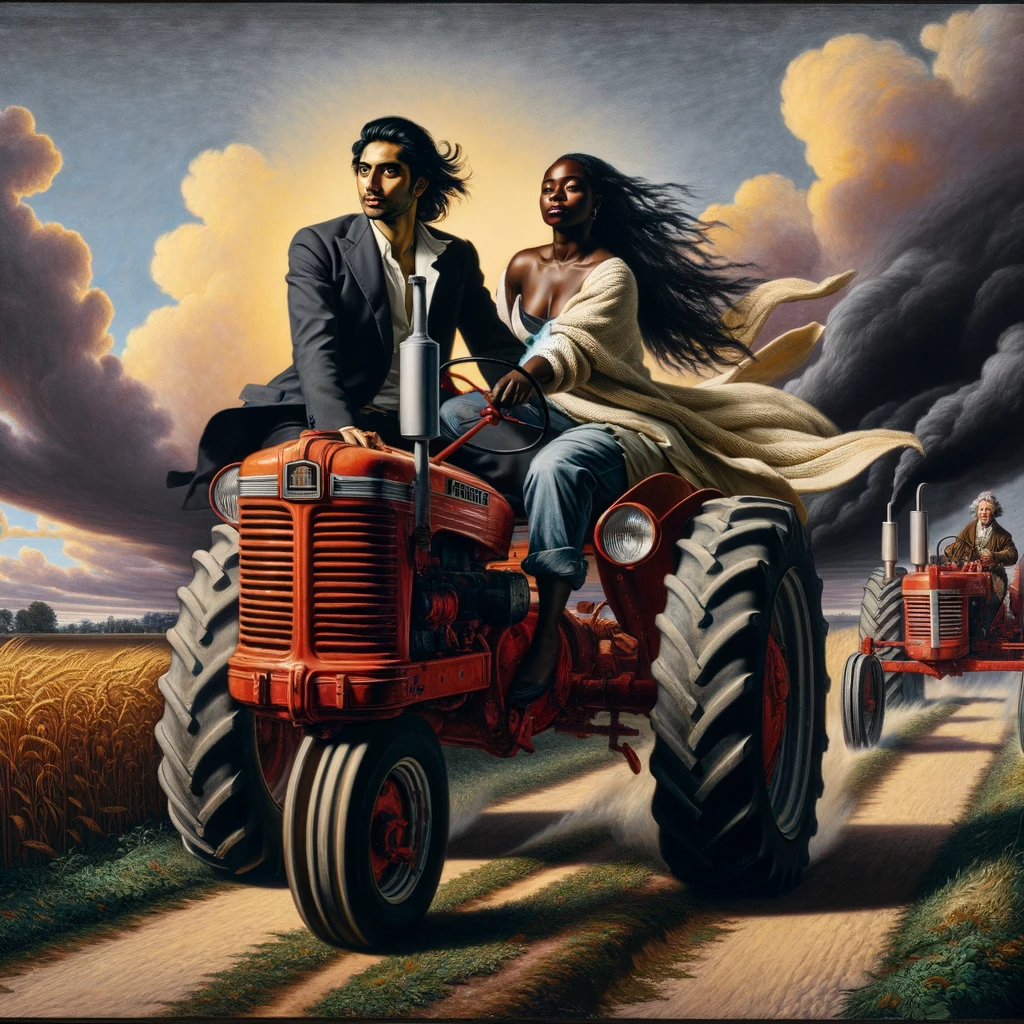
In the world of vintage vehicles, the pulse of the engine is often measured by something as simple yet vital as oil pressure. Just like the heart of a human being, oil pressure ensures that the lifeblood—the oil—flows smoothly through the intricate arteries of an engine, providing vital lubrication and protection. In a vintage tractor, where the romance of the road and the nostalgia of a simpler time collide, this fluid becomes even more crucial. If you’ve ever driven a classic model, you know that each rumble tells a story, and low oil pressure can halt that narrative in its tracks.
Imagine your grandfather’s old tractor sitting in the sun, dirt enshrined in its metal like a badge of honor. That machine has spent decades laboring under the open skies, much like those who built its legacy. Keeping that engine healthy is more than a matter of mechanics; it’s about preserving a piece of history and ensuring that the memories attached to it live on. When oil pressure drops, it’s not just a mechanical failure; it’s a signal—a call to action. A lack of proper oil pressure can lead to catastrophic engine wear, cutting short the lifespan of what might be generations of shared memories.
The math is as straightforward as the hardworking nature of these machines. Regular maintenance and constant vigilance on oil pressure can dramatically improve engine longevity. An engine running at optimal oil pressure functions smoothly, reducing friction, heat, and wear. You wouldn’t send a soldier into battle with half their armor, and in the same vein, you shouldn’t let a vintage engine run low on oil. It’s a partnership—every turn of the wrench and every drop of oil poured counts.
But it’s not just about the nuts and bolts. The ethical responsibility lies with us as stewards of these machines. Recognizing that each vintage tractor isn’t merely a vehicle but a vessel of stories, we owe it to ourselves to keep them healthy. Regular checks, proper oil changes, and attention to oil pressure not only maximize their functionality; they respect the legacy of the labor they represent.
When we nurture these engines, we nurture the connections they foster—the family gatherings, the nostalgic parades, and the stories told in the shade of an oak tree. So, the next time you’re working on that vintage tractor, remember: you’re not just maintaining a machine; you’re preserving a history—yours and everyone else’s who has ever felt that engine roar to life.

How Does Oil Pressure Affect Engine Longevity In Vintage Vehicles?
How Does Oil Pressure Affect Engine Longevity In Vintage Vehicles?
- Oil pressure is crucial for the proper functioning of vintage vehicle engines, akin to how a heartbeat sustains life.
- In vintage tractors, maintaining oil pressure is essential for ensuring smooth operation and historical preservation.
- Low oil pressure signals potential mechanical failures and can drastically shorten an engine’s lifespan.
- Regular maintenance and monitoring of oil pressure are key to enhancing engine longevity and performance.
- Owners have an ethical responsibility to care for these machines as vessels of history and shared memories.
- Routine checks and proper oil changes help maximize functionality and respect the legacy of vintage tractors.
- Nurturing these engines fosters connections through family traditions and shared experiences.
How Does Oil Pressure Affect Engine Longevity In Vintage Vehicles?
What Vibrations Can Signal Trouble In Old Iron Equipment?
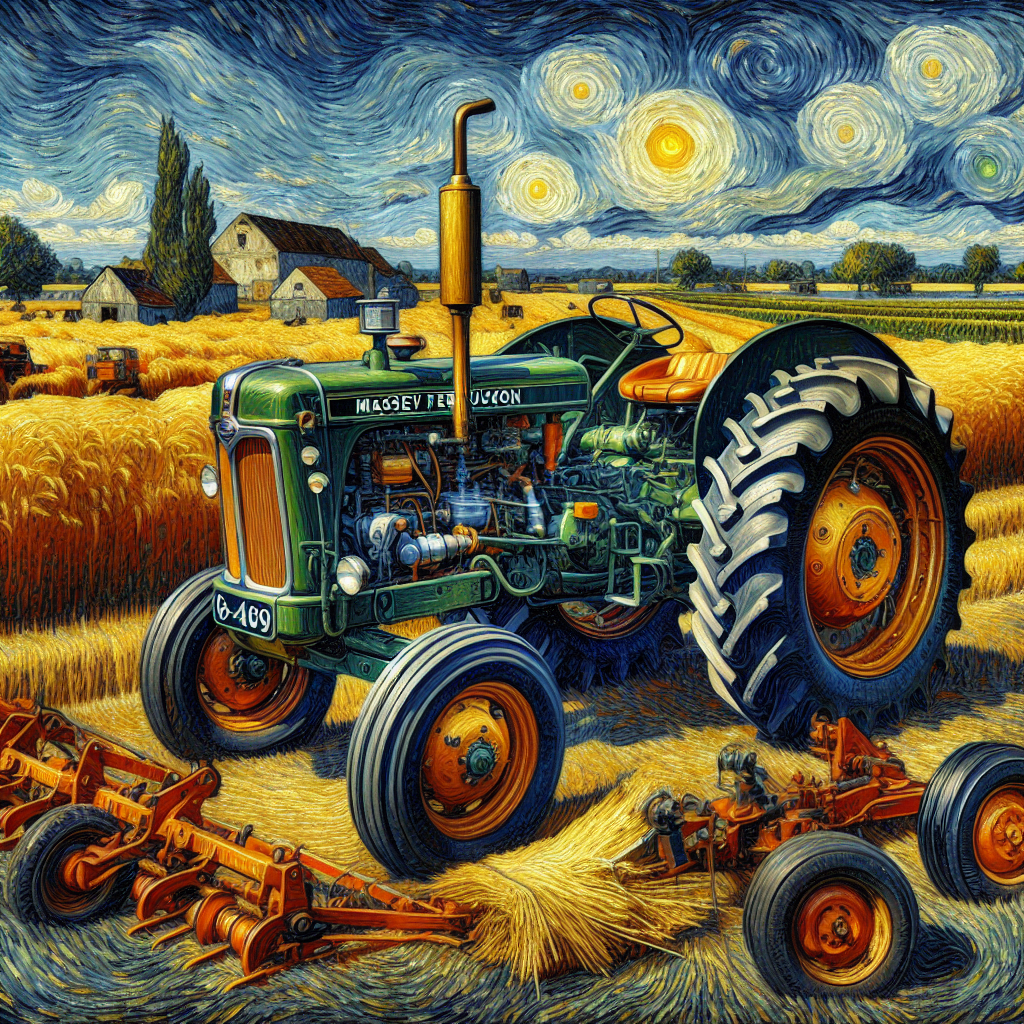
When you hear the low rumble of an aging tractor, there’s a certain beauty in that sound—a testament to a workhorse that has seen seasons change and fields yield. However, hidden within that familiar noise may be vibrations whispering warnings, signs that your old iron is ready for a little TLC. The heart of any farmer beats in rhythm with their equipment, and understanding those vibrations can mean the difference between a thriving harvest and costly repairs.
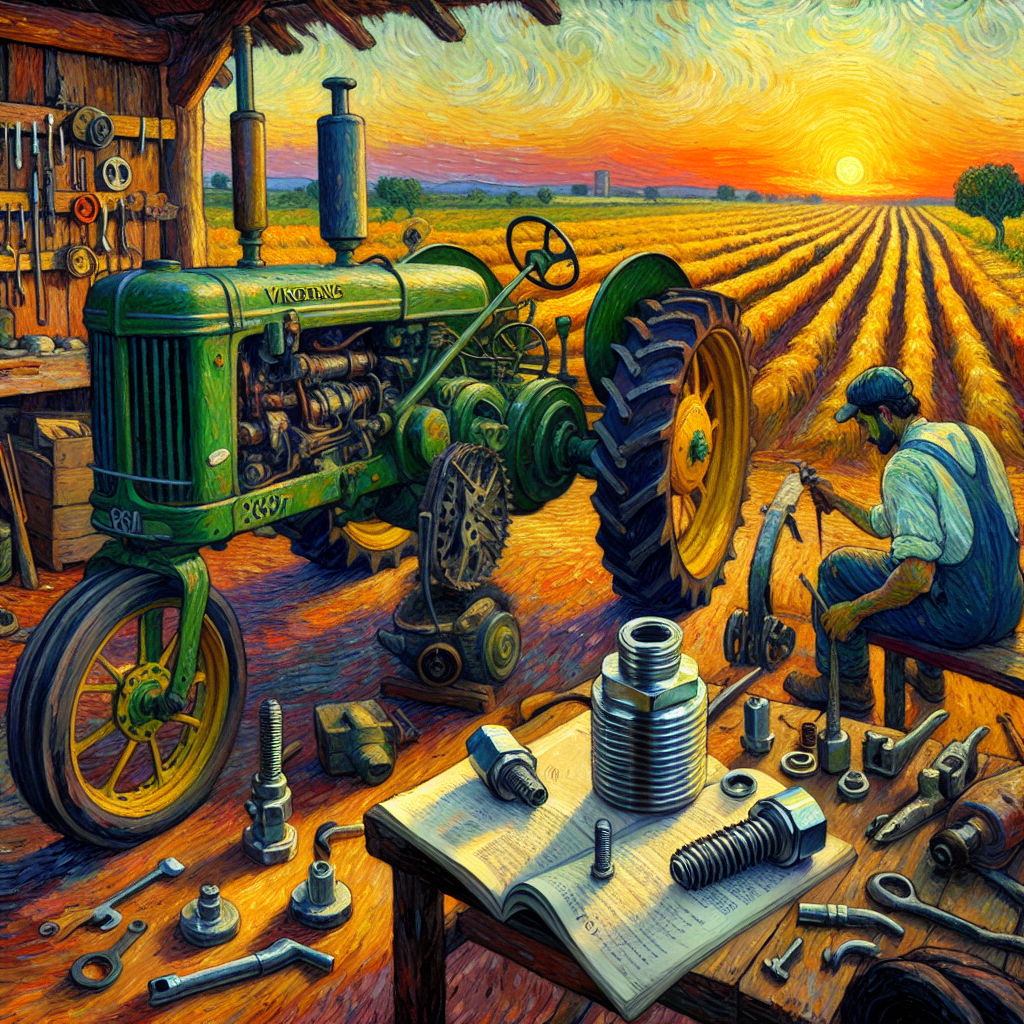
Imagine, for a moment, the story of Sam, a dedicated farmer whose family has tilled the same land for generations. One crisp autumn morning, as he drove his trusty tractor through rows of golden corn, he noticed a subtle shake. It wasn’t just a harmless quiver; it was an unsettling signal. After hearing that telltale rumble for weeks, Sam finally decided to investigate. What he discovered was a loose bolt in the engine, a small issue that could have escalated into a full-blown breakdown. By tuning into the vibrations, he didn’t just save money—he safeguarded the future of his farm.
Vibrations in old equipment like tractors should be seen as the equipment’s language. Just as we feel a shiver down our spine when something isn’t right, machines emit vibrations when there are underlying issues. Sometimes they signal misalignment, loose parts, or wear and tear, often leaving an operator feeling uneasy. We owe it to these old iron giants—to the legacy they represent—to listen carefully. A slight rumble might mean there’s a misalignment begging for attention, while a harsh vibration could signal much graver issues, such as internal mechanical failure.
Ethically, we must respect and honor the equipment that has carried our families through hard work and financial strife. When we take the time to learn the signs—whether a changing pitch or an unexpected shake—we demonstrate a commitment to preserving history for the next generation.
In a day and age where we are increasingly disconnected from our tools, let’s reconnect with those vibrations. Next time you hop on that old tractor, pause and listen. Those vibrations carry stories, warnings, and wisdom, reminding us that even the toughest iron needs a little love from time to time. So grab that wrench, tighten those bolts, and foster a bond with your equipment. Your tractor isn’t just machinery; it’s a partner in the toil of life, and giving it the attention it deserves is not only wise, it’s the right thing to do.
What Vibrations Can Signal Trouble In Old Iron Equipment?
What Vibrations Can Signal Trouble In Old Iron Equipment?
- The sound of an aging tractor signifies its history and the hard work it has endured.
- Vibrations in tractors can indicate underlying issues, requiring attention and maintenance.
- Sam, a farmer, noticed unusual vibrations and discovered a loose bolt, preventing costly repairs.
- Machines communicate through vibrations, signaling misalignment or mechanical failures.
- Respect for equipment is essential as they represent the legacy of hard work and dedication.
- Listening to machinery can help preserve its functionality for future generations.
- A tractor is more than a machine; it is a partner in farming that deserves care and attention.
What Vibrations Can Signal Trouble In Old Iron Equipment?
Are Modern Sensors Worth the Investment for Classic Machines?
Imagine your grandfather’s old tractor, its paint faded but still carrying the weight of generations. Those machines, deeply woven into our stories and communities, stand as a testament to hard work and resilience. But as technology marches forward, the question arises: should you invest in modern sensors to breathe new life into these relics?
Consider this: classic machines are not just metal and bolts; they represent a legacy. Upgrading with modern sensors can transform your beloved tractor into a smarter, more efficient version of itself. Picture this iconic piece of machinery, now equipped with sensors that track engine performance and fuel efficiency. By investing in these tools, you’re not merely protecting your heirloom; you’re enhancing its capability, ensuring it can continue to serve for years to come.
Emotionally, the idea of preserving a family legacy resonates deeply. You remember the smell of fresh-cut hay and the sound of that engine revving to life. Modern sensors can help you relive those memories while making sure they’re not just echoes of the past. They can help detect issues before they become catastrophic, saving you from costly repairs or, worse, the loss of that tractor to neglect.
Rationally, consider the economics. An upfront investment in modern technology can lead to significant savings in fuel costs and maintenance down the road. Just as you wouldn’t think twice about putting money into a trusty old pickup truck for better mileage, the same principle applies to your tractor. Upgrades today can yield bigger returns tomorrow.
Ethically, embracing modern sensors can mean a more sustainable future. You’re not just preserving your piece of history; you’re minimizing the environmental impact of running older machines inefficiently. It’s a choice that echoes your responsibilities toward future generations, ensuring that the legacy of hard work endures in a more eco-conscious manner.
There’s also a social element. Imagine joining a community of like-minded individuals who value tradition but also recognize the benefits of modern advancements. By integrating sensors, you’re part of a narrative that values both history and progress, fostering connections with fellow enthusiasts who appreciate the blend of old and new.
The investment in modern sensors is not just about technology. It’s about preserving stories, maintaining relationships with the past, and forging a path toward a more efficient, sustainable future. Your classic tractor can be more than a nostalgic piece of metal; with the right upgrades, it can be a reliable partner for whatever new challenges lie ahead.
Are Modern Sensors Worth the Investment for Classic Machines?
Are Modern Sensors Worth the Investment for Classic Machines?
- Classic tractors symbolize a legacy of hard work and resilience.
- Upgrading with modern sensors enhances efficiency and performance of old machinery.
- Modern sensors can help preserve memories and prevent costly repairs.
- Investment in technology can lead to savings in fuel and maintenance costs.
- Upgrades contribute to a more sustainable future by reducing environmental impact.
- Joining a community of enthusiasts values both tradition and modern advancements.
- Investing in sensors is about preserving stories and forging a sustainable future.
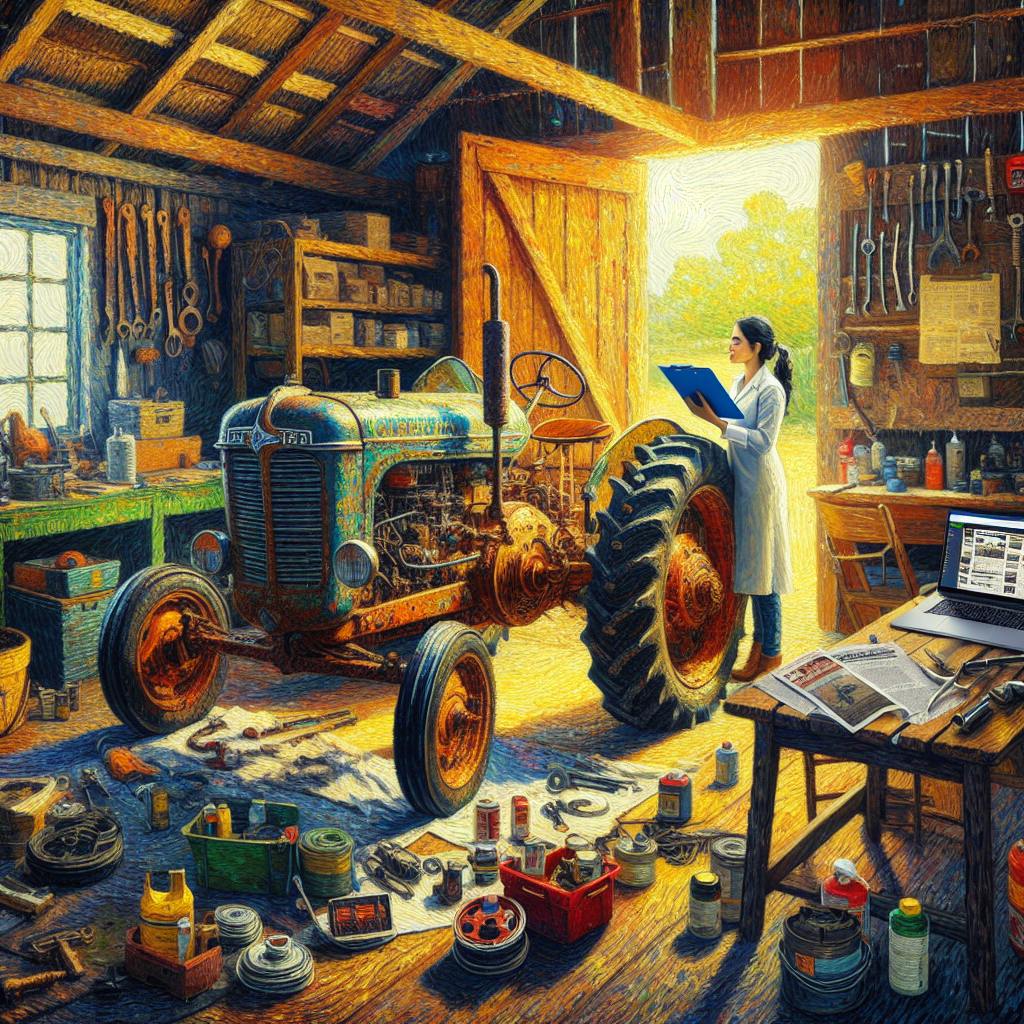
Are Modern Sensors Worth the Investment for Classic Machines?
How Can I Ensure My Vintage Machinery Runs Efficiently?
Vintage machinery, like a well-loved tractor, tells a story—its rusted metal and worn gears echo the past while reminding us of the sweat and labor that kept the wheels of industry turning. To ensure that these magnificent machines run efficiently, you need to connect both heart and mind to the task at hand, treating each piece not just as machinery but as a part of your legacy.
Emotional investment starts with appreciation. Take a moment to understand the craftsmanship that went into that vintage tractor. It was built at a time when precision mattered, and each part was meticulously designed to work in harmony. As you approach maintenance, respect this heritage. This isn’t just about mechanics; it’s a dialogue between you and the spirit of those who built it.
Rational strategies come into play here. Regular maintenance checks are the cornerstone of efficiency. Document your inspections, noting dates, parts replaced, and any peculiarities observed. This record is invaluable—not just for your own knowledge but for future generations who may cherish this machinery. Think of it as writing a love letter to your tractor, detailing every little quirk that makes it unique.
The ethical element involves stewardship. Owning vintage machinery isn’t just about personal gratification; it’s about preserving history. When you keep these machines running optimally, you ensure that their stories—of hard work, innovation, and resilience—continue to resonate. There’s a communal aspect here; sharing your knowledge and experiences with fellow enthusiasts fosters a sense of camaraderie. Engage with local clubs or online forums and contribute your findings, turning maintenance into a shared mission.
Let’s delve into a personal story. Picture yourself as a child, watching your grandfather work tirelessly on his old tractor, his hands deftly navigating the engine. Now, as an adult, you find yourself in a workshop, the same tractor before you, feeling the weight of that legacy. You recognize that maintaining this piece of history isn’t a chore; it’s a hands-on way to connect with your roots, breathing new life into an old friend.
Finally, a unique approach: consider adding a bit of modern technology to your vintage machinery toolkit. Simple sensors that monitor key performance indicators can enhance your ability to spot potential issues before they become major headaches, blending the old with the new in a delightful partnership. This union of tradition and innovation not only ensures efficiency but also revitalizes the connection you have with your vintage machinery, making every turn of that tractor wheel a testament to both history and progress.
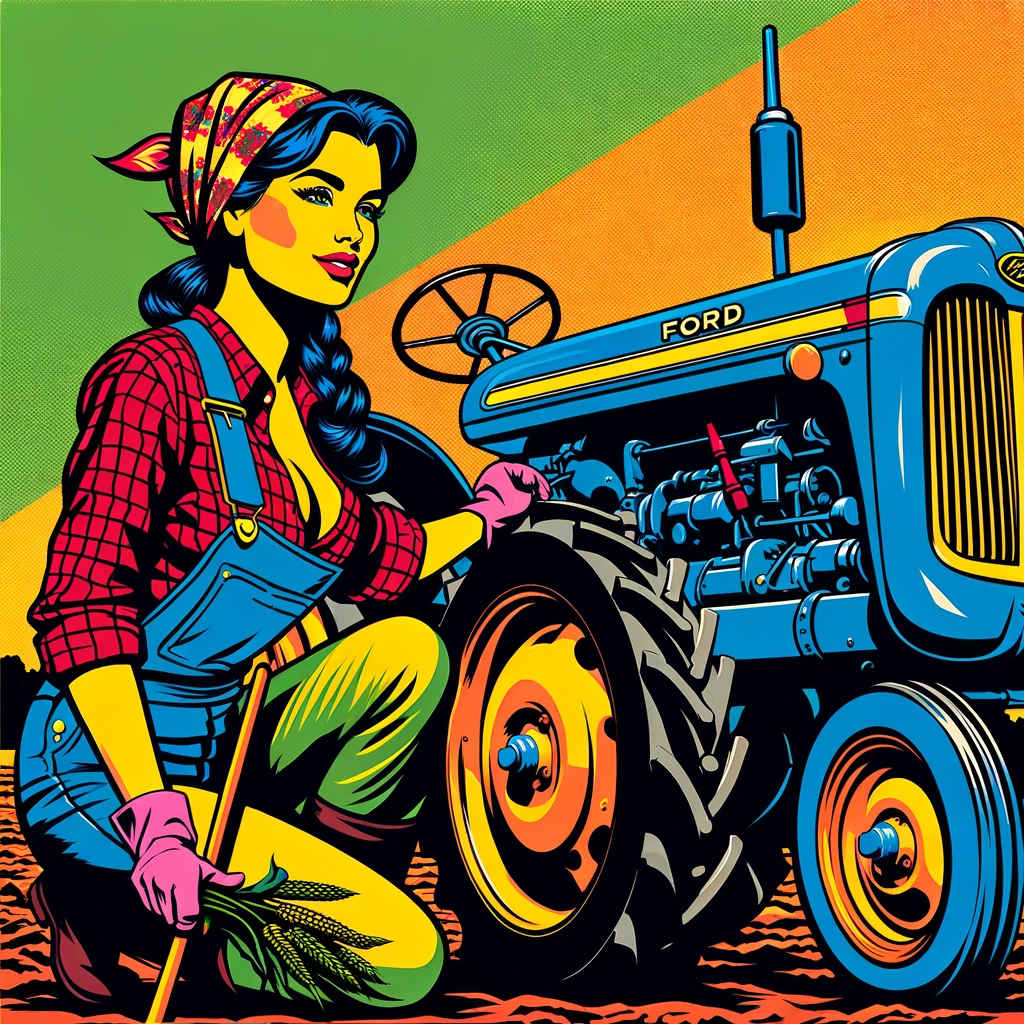
How Can I Ensure My Vintage Machinery Runs Efficiently?
How Can I Ensure My Vintage Machinery Runs Efficiently?
- Vintage machinery symbolizes a rich history, reflecting the labor and dedication of past generations.
- Effective maintenance requires both emotional investment and technical understanding, treating machinery as part of one’s legacy.
- Appreciation of craftsmanship is vital; vintage tractors were built with precision and designed for harmony.
- Regular maintenance checks and documentation are essential for efficient operation and future preservation.
- Owning vintage machinery involves stewardship, ensuring that its historical significance and stories are passed on.
- Engaging with fellow enthusiasts through clubs and forums helps build community and share knowledge.
- Incorporating modern technology can enhance traditional machinery maintenance, merging innovation with heritage.

How Can I Ensure My Vintage Machinery Runs Efficiently?
What Ethical Responsibilities Do We Have In Preserving Old Iron?
In a world where everything seems disposable, we face a choice: do we regard history as a weight, or do we see the inherent value in preserving the past? Old iron—those tractors, tools, and machines that once clanged along the fields—represents more than just rust and decay. Each piece tells a story, a narrative steeped in sweat, toil, and the relentless pursuit of progress. It’s in this very essence that our ethical responsibilities come to light.
Imagine a child standing beside an old tractor, eyes wide with curiosity. That tractor isn’t merely a relic; it’s a gateway to the past, a tangible connection to their grandparents’ stories of hard work under the sun. This moment is not just nostalgia; it’s about understanding the sacrifices and innovations that shaped our world. By preserving these relics, we aren’t just maintaining metal; we are nurturing a connection that transcends generations.
Ethically, the responsibility lies not just in physical preservation but also in education. Old iron helps us grapple with who we are as a society. When we honor the craftsmanship of these machines, we invite future generations to appreciate the labor that built their lives. The aging iron whispers lessons of resilience and ingenuity, encouraging us to reflect on the challenges of our time while inspiring hope for the future.
Let’s not overlook the communal aspect of preservation. Collectively, we share an obligation to create spaces where these conversations can unfold. Museums, workshops, or community events can serve as platforms where enthusiasts and novices intermingle. As we gather around these artifacts, we construct a shared identity, weaving together the rich tapestry of our heritage.
But beyond personal stories and community ties, consider the environmental perspective. Preserving old iron combats the throwaway culture. It encourages us to recycle, repurpose, and restore rather than discard. There’s an undeniable thrill in bringing a decrepit tractor back to life, a testament to resourcefulness in an era saturated with convenience. This sense of agency fosters a more sustainable mindset, allowing us to stand firm against the tide of consumerism.
Ultimately, our ethical responsibilities in preserving old iron extend far beyond the physical act of maintenance. By embracing and cherishing our history, we find guidance for the present and a foundation for the future. To ignore our past is to risk losing sight of the virtues that shaped us. So, the next time you encounter an old piece of iron, pause, appreciate its story, and consider how you might engage in its preservation—it’s a responsibility we all share.

What Ethical Responsibilities Do We Have In Preserving Old Iron?
What Ethical Responsibilities Do We Have In Preserving Old Iron?
- Preserving history is essential; it allows us to appreciate the value of the past.
- Old iron, like tractors and tools, narrates stories of hard work and progress.
- These artifacts connect generations, fostering understanding of sacrifices made by ancestors.
- Ethical responsibilities include physical preservation and education about our heritage.
- Community spaces, like museums and workshops, facilitate shared experiences and identity.
- Preserving old iron promotes environmental sustainability by combating throwaway culture.
- Engaging with history provides guidance and virtues necessary for our future.
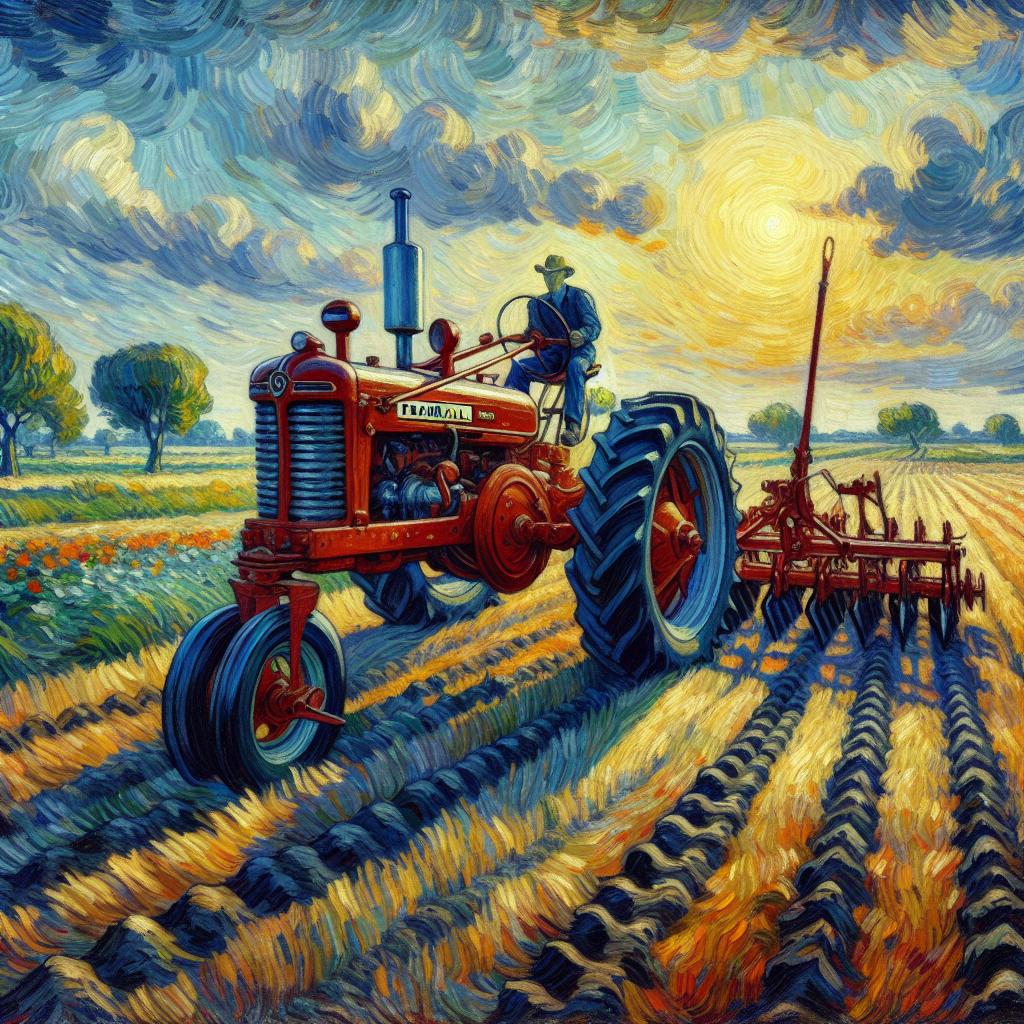
What Ethical Responsibilities Do We Have In Preserving Old Iron?
Conclusion
In the realm of vintage machinery, a silent accord exists between humans and their metal companions. This bond transcends mere utility; it embodies our past, present, and future. The tractors that have tilled our fields and shaped our communities are not just relics; they are living testaments to the grit and determination of those who came before us. Each piece of old iron carries with it a legacy steeped in labor and warmth, connecting generations through shared stories and experiences.
The heart of this relationship beats strongest in the savvy integration of modern technology. Temperature, oil pressure, and vibration sensors are not just gadgets; they are the means to preserve and enhance the lifeblood of these machines. Consider the farmer who, with seasoned hands gripping the wheel, is reassured by alerts that signal the health of their tractor. In that moment, technology becomes a trusted ally, transforming concerns into confidence. This sense of control doesn’t just improve performance; it fortifies the emotional ties we have with our equipment.
Yet, it’s essential to recognize that preserving these machines goes beyond technological advancements. It’s about stewardship—an ethical obligation to honor and maintain the heritage they represent. These tractors symbolize hard work and sustainability, and embracing modern tools reflects our respect for the labor of past generations. By investing in these devices, we ensure that each harvest becomes a tribute to the traditions that feed our communities.
Moreover, the narrative of old iron encompasses shared responsibility. When we engage with our machinery, we are not just caring for tools; we are participating in a broader conversation about sustainability and resourcefulness. As individuals and communities gather around these machines, we cultivate a sense of belonging that is vital in navigating the complexities of modern agriculture. The act of restoring an aging tractor serves as a protest against disposability, reminding us of our commitment to both the past and the future.
Thus, as we take on the responsibility of preserving these machines, let’s approach it with reverence and a spirit of innovation. Each rumble, every vibration, holds lessons worthy of our attention. In cherishing these pieces of history, we not only safeguard our legacy but also foster a lasting connection with the rhythms of the earth. Ultimately, our relationship with vintage machinery is a profound reminder that, while times may change, the values of hard work and dedication remain steadfast—waiting for us to carry them forth into the future.
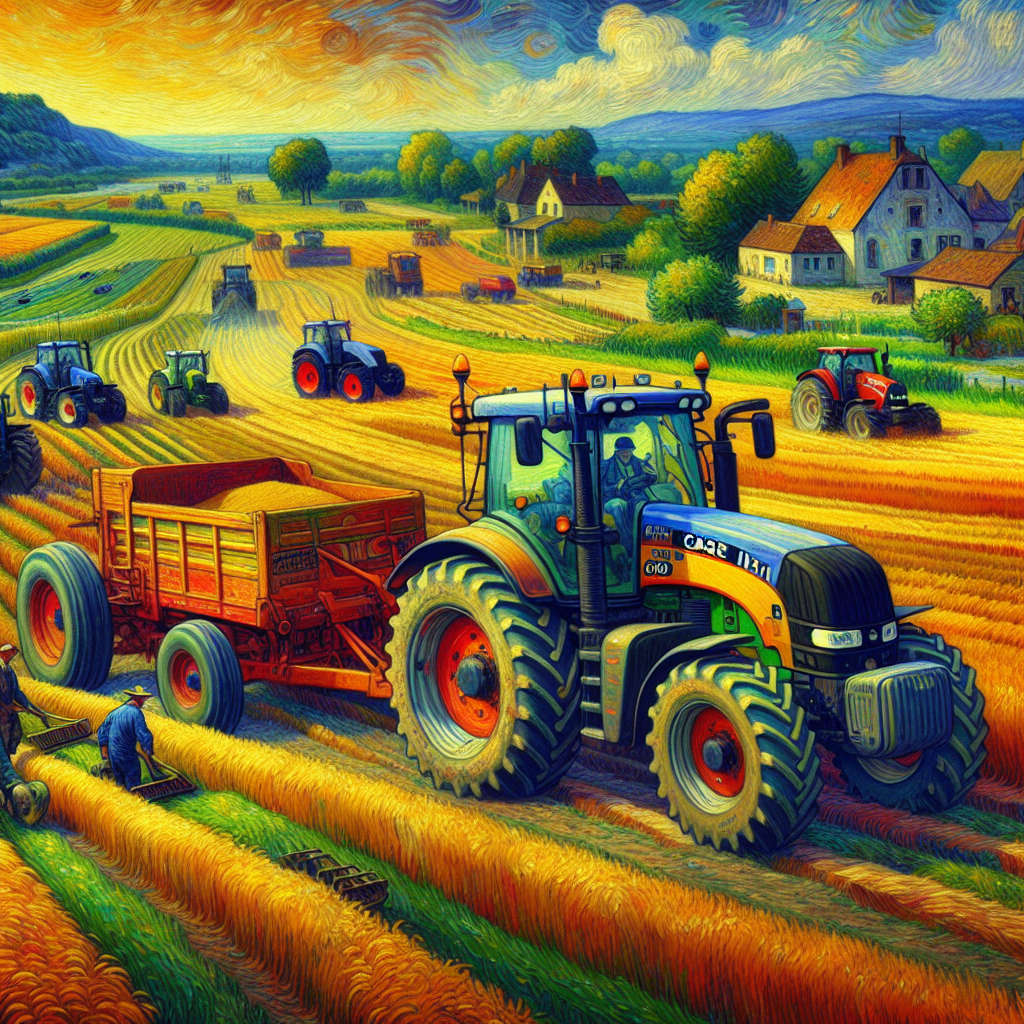
Conclusion
Conclusion:
- A silent accord exists between humans and vintage machinery, representing our past, present, and future.
- Tractors symbolize the labor and stories of those who have come before us, connecting generations.
- Modern technology enhances the relationship, with sensors providing reassurance of machinery health.
- Preservation goes beyond technology; it involves stewardship and honoring heritage.
- Investing in tractors reflects respect for past labor and commitment to sustainability.
- Engaging with machinery fosters a sense of belonging and addresses challenges in modern agriculture.
- Preserving vintage machines reinforces values of hard work and dedication for future generations.
Conclusion
Other Resources
Other Resources
Here is a list of other resources you can review online to learn more:
- Apollo
- Antique Engine & Tractor Association – Working Farm Show
- Cecil County Farm Museum
- Wilke’s Classic Tractors
- Jeep
- Upton
- LS
- Tractor Models
- McCulloch
- Parrett
- Farm Pro
- Cockshutt
- Fendt International
- Billings Farm
- Agriculture Heritage Center & Museum
- Hart-Parr
- Mitsubishi
- Ursus
Use This Prompt To Get More Resources With Your Favorite Online AI Tool: Please provide me with a list of online articles with their URLs in a bulleted list that I can read regarding Temperature, Oil Pressure & Vibration Sensors for Old Iron

Other Resources
Glossary Terms
Temperature, Oil Pressure & Vibration Sensors for Old Iron – Glossary Of Terms
1. Thermocouple: a contact temperature sensor made from two dissimilar metals that produces a voltage proportional to temperature (common types: K, J); requires cold-junction compensation.
2. RTD (Resistance Temperature Detector): a temperature sensor that measures resistance change (commonly PT100/PT1000) with high accuracy and linearity over temperature.
3. Thermistor: a temperature-dependent resistor (NTC or PTC) with high sensitivity and non‑linear response used for localized or low-cost temperature measurement.
4. Infrared (IR) Thermometer: a non-contact sensor that measures surface temperature by detecting emitted infrared radiation; emissivity affects accuracy.
5. Time Constant: the time required for a sensor to reach ~63% of the final value after a step change; indicates response speed.
6. Thermal Mass: the amount of material and heat capacity of a sensor or mounting that slows its response to temperature changes.
7. Cold-Junction Compensation: method to correct thermocouple output for the temperature at the reference junction to obtain accurate measurements.
8. Piezoresistive Pressure Sensor: an electronic oil-pressure transducer using a diaphragm and strain gauges that change resistance with pressure.
9. Pressure Sender (Sender Unit): a device that converts pressure to an electrical signal or mechanical movement for gauges or switches, common on older equipment.
10. Bourdon Tube: a curved metal tube that straightens under pressure to drive needles on mechanical analog pressure gauges.
11. Gauge Pressure vs Absolute Pressure: gauge is pressure relative to ambient atmosphere; absolute is relative to a vacuum.
12. Pressure Range / Span: the lowest and highest pressures a sensor is specified to measure accurately; choosing correct range prevents damage and improves resolution.
13. Zero Offset / Calibration Drift: the baseline output error and its change over time; regular calibration corrects drift.
14. Damping / Dynamic Response: intentional or inherent smoothing of rapid pressure or vibration changes to reduce noise or avoid false readings.
15. PSI / Bar / kPa: common units for expressing pressure; consistent units are essential when retrofitting vintage machinery.
16. Fitting Threads (NPT / BSP / SAE): standardized mechanical connections for mounting pressure and temperature sensors into oil ports or housings.
17. Piezoelectric Accelerometer: a dynamic vibration sensor that generates charge under acceleration; good for wideband, high-frequency vibration measurement.
18. MEMS Accelerometer: a compact solid‑state accelerometer offering low-cost, low-power acceleration measurements suited to retrofit monitoring.
19. Proximity Probe (Eddy‑current): a non-contact sensor that measures shaft vibration/position by detecting changes in eddy currents as a metal target moves.
20. Velocity Sensor: a transducer that outputs a signal proportional to vibration velocity, useful for detecting imbalance and general machine health.
21. Displacement Probe: measures relative movement or clearance (often low-frequency vibration or rubbing detection) between rotating and stationary parts.
22. RMS / Peak‑to‑Peak / Peak: amplitude metrics used to quantify vibration severity in different ways for trend or alarm thresholds.
23. FFT (Fast Fourier Transform): converts time-domain vibration signals into frequency spectra to identify imbalances, misalignment, or bearing faults.
24. Envelope Detection: a signal processing technique that demodulates high-frequency vibration components to reveal bearing defect impacts.
25. Natural Frequency / Resonance: the frequency at which a component or assembly amplifies vibration; sensor/installation should avoid exciting resonance.
26. Bandwidth / Sensitivity: bandwidth is the frequency range a sensor accurately measures; sensitivity is the output per unit input (e. g. , mV/g for accelerometers).
27. Sampling Rate / Aliasing: the frequency at which a signal is digitized; must exceed twice the highest signal frequency (Nyquist) and use anti-alias filtering.
28. Signal Conditioning: amplification, filtering, isolation, and conversion electronics that prepare raw sensor signals for gauges, loggers, or controllers.
29. Wiring, Shielding & Grounding: installation practices (shielded cable, proper grounding) that minimize electrical noise and preserve signal integrity on vintage machines.
30. Signal‑to‑Noise Ratio (SNR) & Long‑term Drift: SNR measures usable signal relative to background noise; drift denotes slow changes in sensor output over time affecting accuracy.
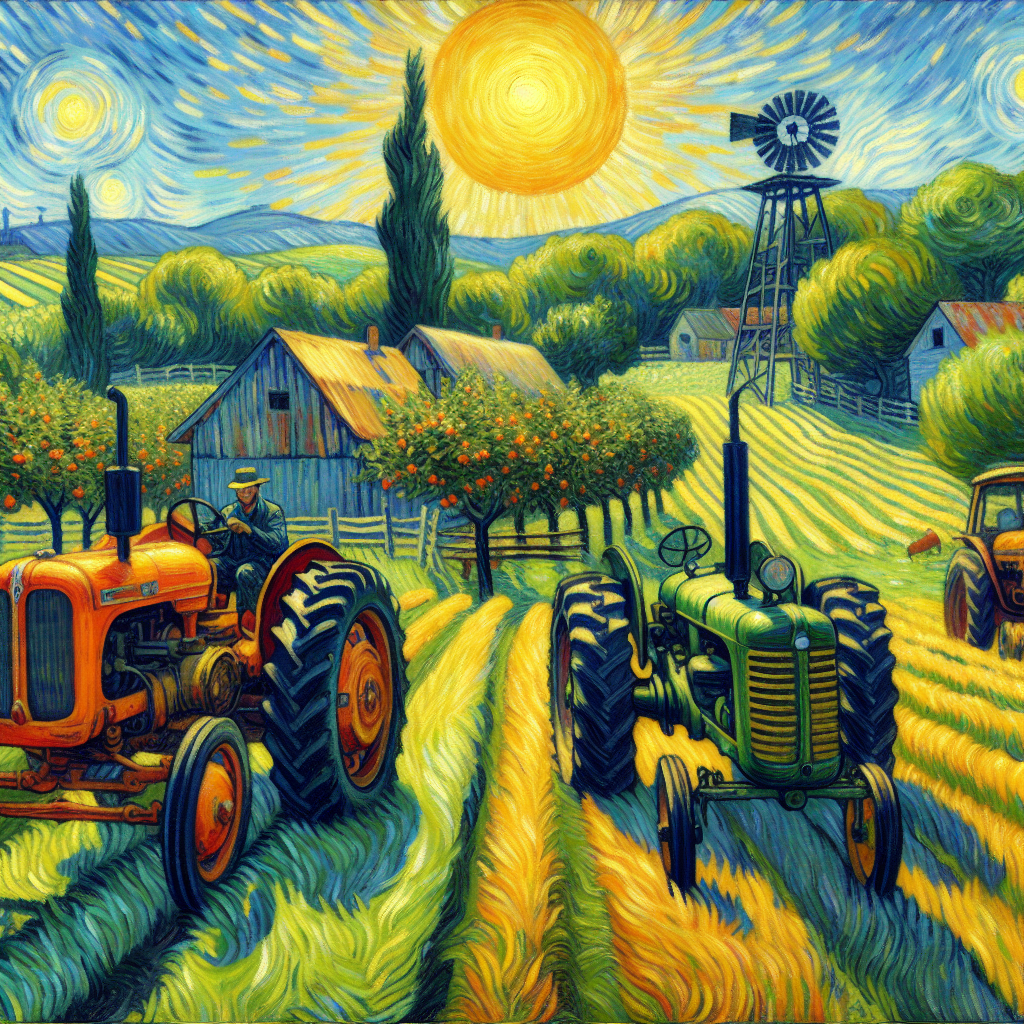
Glossary Of Terms
Other Questions
Temperature, Oil Pressure & Vibration Sensors for Old Iron – Other Questions
If you wish to explore and discover more, consider looking for answers to these questions:
- What specific types of temperature, oil pressure, and vibration sensors are best suited for vintage tractors and why?
- How do each of these sensors work in simple terms?
- Where should temperature sensors be mounted on old engines for the most accurate readings?
- How and where is an oil pressure sensor installed on vintage engines?
- Where should vibration sensors be placed to reliably detect bearing, alignment, or structural issues?
- Can these sensors be installed as a DIY project or should a professional handle installation?
- What tools and materials are required for a typical retrofit installation?
- Do sensors require drilling or permanent modification that could affect the tractor’s originality?
- Are there non‑invasive or reversible sensor options for collectors who want to preserve originality?
- What electrical compatibility issues (voltage, wiring, grounding) should I watch for on older machines?
- Do vintage tractors use 12V or 24V systems and how does that affect sensor choice?
- What thread sizes and adapter requirements are common for oil and temperature sensors on old engines?
- What are typical measurement ranges and accuracy specifications to look for in each sensor type?
- How quickly do sensors respond to changes (response time) and which applications need faster sensors?
- How are sensors calibrated and how often should they be recalibrated?
- How do I set alarm thresholds for temperature, oil pressure, and vibration for my specific machine?
- What vibration levels or patterns indicate specific problems (imbalance, misalignment, looseness, bearing failure, crankcase issues)?
- How do I distinguish normal engine vibration from signals that require maintenance?
- Can vibration analysis provide early warnings for failures that temperature and oil pressure do not detect?
- What data logging and monitoring options exist (local gauges, data loggers, Bluetooth, GSM telemetry)?
- Can modern sensors be integrated with original dash gauges or do they need separate displays?
- Are smartphone apps or cloud dashboards available for monitoring vintage tractor sensors?
- How reliable are wireless sensor solutions in farm environments with dust, moisture, and long distances?
- What are the power requirements and options for sensor systems (battery, alternator, external power)?
- How do I protect sensors and wiring from heat, dust, oil, and vibration in agricultural settings?
- What IP or environmental ratings should I look for to ensure durability?
- How often do sensors fail and what are common failure modes?
- How do I test and troubleshoot sensors if readings seem incorrect or intermittent?
- What maintenance or replacement schedule is recommended for these sensors?
- What are the typical costs for sensors, displays, and professional installation?
- What is the expected return on investment from preventing breakdowns and extending engine life?
- Do modern sensors improve fuel efficiency or emissions on vintage engines?
- Which brands or suppliers are trusted for vintage tractor sensor solutions?
- Are there community resources, forums, or clubs that provide recommendations and installation help?
- Will installing sensors affect the resale or collector value of a vintage tractor?
- Are there regulatory or safety considerations when adding modern electronics to historic equipment?
- How do sensors perform in extreme conditions such as very cold starts or high ambient temperatures?
- Can sensor data be used to create a preventative maintenance schedule tailored to my tractor?
- What examples or case studies show sensors preventing catastrophic failures on old iron?
- How should sensor alarms be prioritized to avoid nuisance alerts while still catching real problems?
- Are there recommended oil types, pressures, or temperatures that sensors should help me enforce for vintage engines?
- How do I interpret trends in sensor data to decide when to repair versus continue monitoring?
- What are the best practices for documenting sensor data and maintenance history for future caretakers?
- Are retrofit sensor kits available that bundle sensors, mounting hardware, wiring, and instructions?
- Can sensors be used during transport or show use without risking damage to the electronics?
- What training or basic diagnostics should every owner learn to make full use of sensor feedback?

Other Questions
Haiku
Temperature, Oil Pressure & Vibration Sensors for Old Iron – A Haiku
Old iron stands steadfast,
Stories of toil whispered low,
Heart, mind, and earth—one.
Haiku
Poem
Temperature, Oil Pressure & Vibration Sensors for Old Iron – A Poem
In fields where old iron stands,
With stories bound in rust and bands,
Machines of heart and historys arc,
They pulse with life, igniting a spark.
Worn hands grip steering wheels of steel,
Through dawns light, they toil and feel.
Temperature, oil, and vibrations speak,
Guardian whispers for those who seek.
Each sensor placed, a promise made,
To preserve the labor, the love displayed.
Through highs and lows, this legacy thrives,
Guarding memories, our heritage survives.
In harmony blend tradition and tech,
Modern tools lend the strength to protect.
Fuel efficiency, a debt we repay,
With vigilant care, we forge the way.
Ethical stewards of nostalgic dreams,
For every heartbeat, our duty redeems.
In partnerships forged on dusty roads,
We honor the past while carrying loads.
Listen to rumbles, heed every shake,
With every vibration, our hearts awake.
Let’s gather together, share tales once told,
For vintage iron we cherish, let’s be bold.
As machinery whispers, we lean in to learn,
In the hands of the past, the future will turn.
So, lift the wrench, feel the connection arise,
In each vintage heartbeat, our spirit flies.

Poem
Checklist
Temperature, Oil Pressure & Vibration Sensors for Old Iron – A Checklist
Emotional Appeals
✅______ Reflect on the memories associated with your vintage machinery.
✅______ Treat your equipment as part of your family legacy and craftsmanship.
✅______ Cultivate your connection and respect for the story your machinery tells.
Rational Appeals
✅______ Schedule regular maintenance checks and document inspections.
✅______ Monitor temperature, oil pressure, and vibrations with appropriate sensors.
✅______ Calculate the potential savings from preventing mechanical failures through proactive monitoring.
Ethical Appeals
✅______ Understand your responsibility to preserve agricultural heritage for future generations.
✅______ Share your knowledge and experiences with fellow enthusiasts and the community.
✅______ Advocate for sustainable practices by maintaining and upgrading old machinery instead of discarding it.
Authority Appeals
✅______ Seek advice and information from reputable sources on vintage machinery maintenance.
✅______ Join clubs or forums dedicated to vintage equipment to enhance your wealth of knowledge and skills.
Narrative Appeals
✅______ Share personal stories of experiences with your equipment to foster connections within your community.
✅______ Create a maintenance “journal” documenting the care of your machinery, integrating new technology with tradition.
Social Appeals
✅______ Engage with others in your community who value preserving vintage machinery.
✅______ Attend local workshops or exhibitions to promote and celebrate vintage equipment.
Checklist
At ClassicTractorNews, we help tractor lovers keep up with the latest news for classic and vintage tractors.
Please share this post with your friends, family, or business associates who may like old classic or vintage tractors.