

Bridging Brilliance And Brawn: A Revolutionary Alliance Unveiled
By Tom Seest
At ClassicTractorNews, we help tractor lovers keep up with the latest news for classic and vintage tractors.
Please share this post with your friends, family, or business associates who may like old classic or vintage tractors.
Smart AI Meets Dumb Iron – Perfect Partnership
Smart AI Meets Dumb Iron – Perfect Partnership
In a world where technology and manual labor often stand at odds, we find ourselves at the crossroads of innovation and tradition—a place where smart AI meets dumb iron, and together they forge a partnership that could redefine the way we work. Picture a tractor, that steadfast piece of machinery, grinding relentlessly in the field, its metal parts worn from years of toil. It doesn’t have feelings or thoughts; it simply gets the job done, day in and day out. Yet, with the infusion of smart AI, this humble tractor transforms into a powerful ally, one that not only works harder but also smarter.
Imagine a farmer starting his day before dawn, the sun barely peeking over the horizon. He hops into his trusty tractor, which has now been upgraded with AI technology, and suddenly the landscape changes. The AI analyzes soil quality, weather conditions, and crop health in real-time, adapting the tractor’s functions to optimize performance. This isn’t just an upgrade; it’s a lifeline. For the farmer, that means not only savings in time and resources but also a deeper connection with his land, enabling him to cultivate it sustainably. This partnership transcends mere mechanics; it fosters stewardship and responsibility toward the environment.
Now, take a moment to think about what this means for our communities. As the efficiency of these tractors increases, so does the potential for growth in local economies. Small farms can thrive alongside larger agricultural enterprises, bolstering the social fabric of rural life. The technology doesn’t replace the farmer; it empowers him, creating opportunities for innovation and collaboration. Everyone stands to gain—families, towns, and the environment.
Reflecting on personal stories, consider those late nights spent tinkering on the tractor after the day’s work, the sweat and grit of hands that tell tales of resilience. Integrating AI into this labor doesn’t negate the hard work; it amplifies it. It’s like adding a co-pilot to a plane—it doesn’t take away the need for a skilled pilot; it enhances the journey.
At the heart of this partnership is trust. Trust in technology, trust in craftsmanship, and trust in the mission: to feed the world while raising it sustainably. Embracing this alliance between smart AI and dumb iron invites us all to be part of a new narrative, one where progress doesn’t come at the cost of tradition, but instead, paves the way for a brighter, more connected future.
Smart AI Meets Dumb Iron – Perfect Partnership
Smart AI Meets Dumb Iron – Perfect Partnership
- The partnership between smart AI and traditional machinery, like tractors, represents a balance of innovation and tradition.
- AI enhances tractors by analyzing soil quality, weather conditions, and crop health, optimizing their performance.
- This technology provides farmers with significant time and resource savings, fostering sustainable agricultural practices.
- Increased efficiency leads to economic growth in local communities, allowing small farms to thrive alongside larger enterprises.
- AI technology empowers farmers, creating opportunities for collaboration and innovation rather than replacing them.
- The integration of AI amplifies traditional hard work, akin to adding a co-pilot to a plane for enhanced journeys.
- This partnership is built on trust in technology, craftsmanship, and a shared mission for sustainable food production.
Smart AI Meets Dumb Iron – Perfect Partnership
Table Of Contents
- Smart AI Meets Dumb Iron – Perfect Partnership
- How Can AI Enhance Our Everyday Experiences?
- What Drives the Connection Between AI and Machines?
- Is Reliance on AI Compromising Human Creativity?
- How Does AI Change Our Perception Of Work and Productivity?
- Can We Trust AI to Make Ethical Decisions on Our Behalf?
- What Are the Social Implications Of Integrating AI In Industries?
- Conclusion
- Other Resources
- Glossary Of Terms
- Other Questions
- Haiku
- Poem
- Checklist
How Can AI Enhance Our Everyday Experiences?
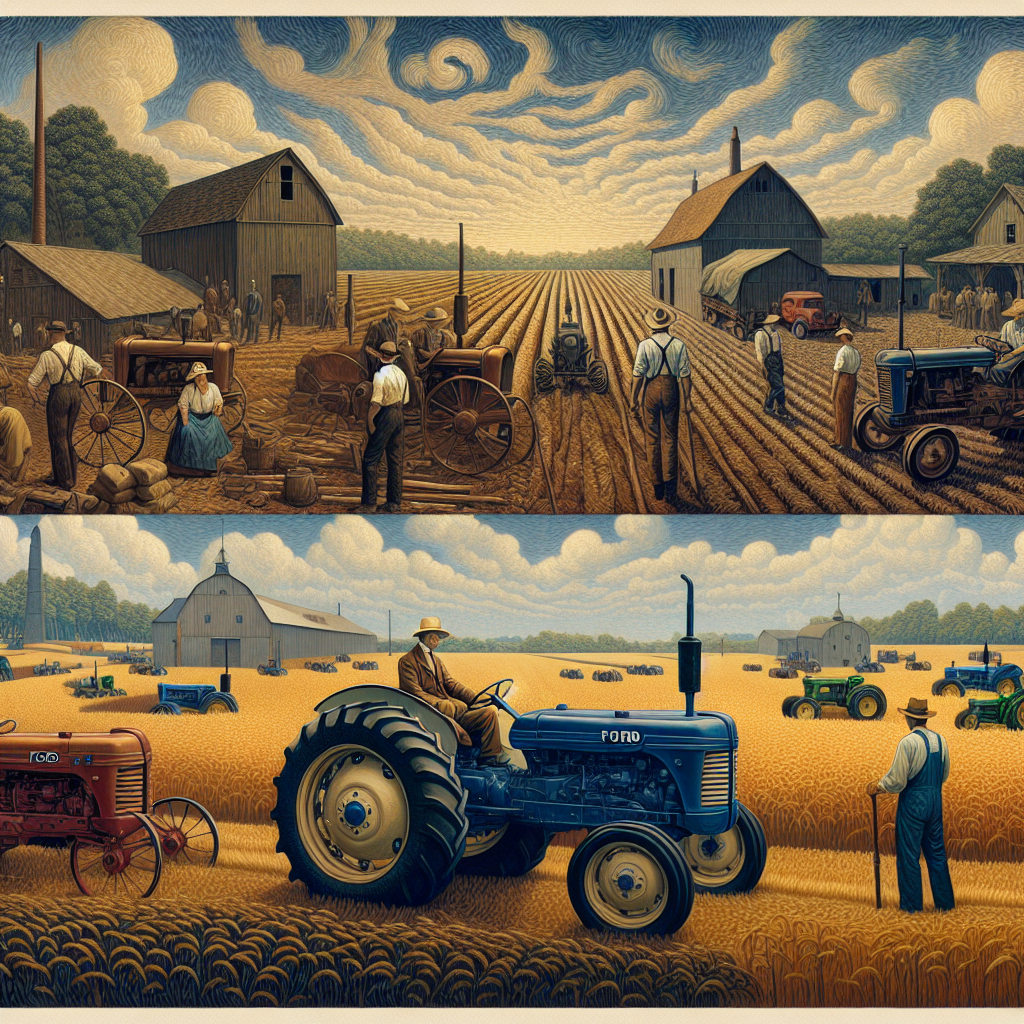
AI’s potential to enhance our everyday experiences isn’t just a matter of cold, hard logic; it’s deeply woven into the fabric of our lives. Imagine stepping outside to your trusty tractor, a machine that once required days of manual labor but now operates with a level of precision and efficiency that’s almost uncanny. Thanks to AI, farmers can utilize weather predictions, soil analysis, and crop health monitoring to make more informed decisions, transforming the timeless art of agriculture into a science.
Picture a farmer, let’s call him Tom. Every early morning, as he navigates his fields, his tractor is no longer just an engine; it becomes a partner in productivity. AI-equipped devices monitor the soil’s moisture levels, offering real-time feedback that helps him decide when to water or fertilize. This isn’t just technology at work—it’s a manifestation of a lifelong commitment to his land and family. The AI isn’t there to replace Tom’s experience; it elevates it. The work becomes less about sheer toil and more about informed choices, letting him focus on what truly matters—ensuring a bountiful harvest for the generations to come.
AI reaches beyond practical applications, touching the very essence of the human experience. It enhances our connections. With every notification, from managing a home to navigating daily commutes, AI learns about our preferences, habits, and needs. It’s not merely data collection; it’s about creating a familiar comfort zone within our increasingly hectic lives. Think how a smart assistant can remind you of that important anniversary amid the whirlwind of tasks, helping you cherish the moments that really count.
But should we trust it? The ethical considerations are crucial. Transparency in AI development encourages trust. When companies prioritize ethical standards, it reestablishes faith that these innovations serve humanity’s best interests. The story of AI is one of collaboration and responsibility. It asks us to consider not just what we can achieve with it but how it can empower the human spirit.
As we open ourselves to this brave new world, let’s remember to keep our hearts and minds receptive. This dialogue between humanity and technology is not about the machines taking over; it’s about finding a balance—ensuring that our daily experiences are enriched and that the charming imperfections of life remain intact. In embracing AI, we’re not just adopting tools; we’re inviting partners into our stories, forging a future where technology works alongside us, not instead of us.
How Can AI Enhance Our Everyday Experiences?
How Can AI Enhance Our Everyday Experiences?
- AI enhances everyday experiences, transforming agriculture into a science through precision and efficiency.
- Farmers like Tom utilize AI for real-time feedback on soil moisture levels, improving decision-making in farming.
- AI complements human experience, creating comfort and familiarity in managing daily tasks and interactions.
- Ethical considerations are vital; transparency in AI development builds trust among users.
- AI represents collaboration and responsibility, focusing on empowering the human spirit.
- The relationship between humanity and technology is about balance, enriching daily life without replacing human touch.
- Embracing AI integrates technology as a partner in personal narratives, forging a cooperative future.
How Can AI Enhance Our Everyday Experiences?
What Drives the Connection Between AI and Machines?
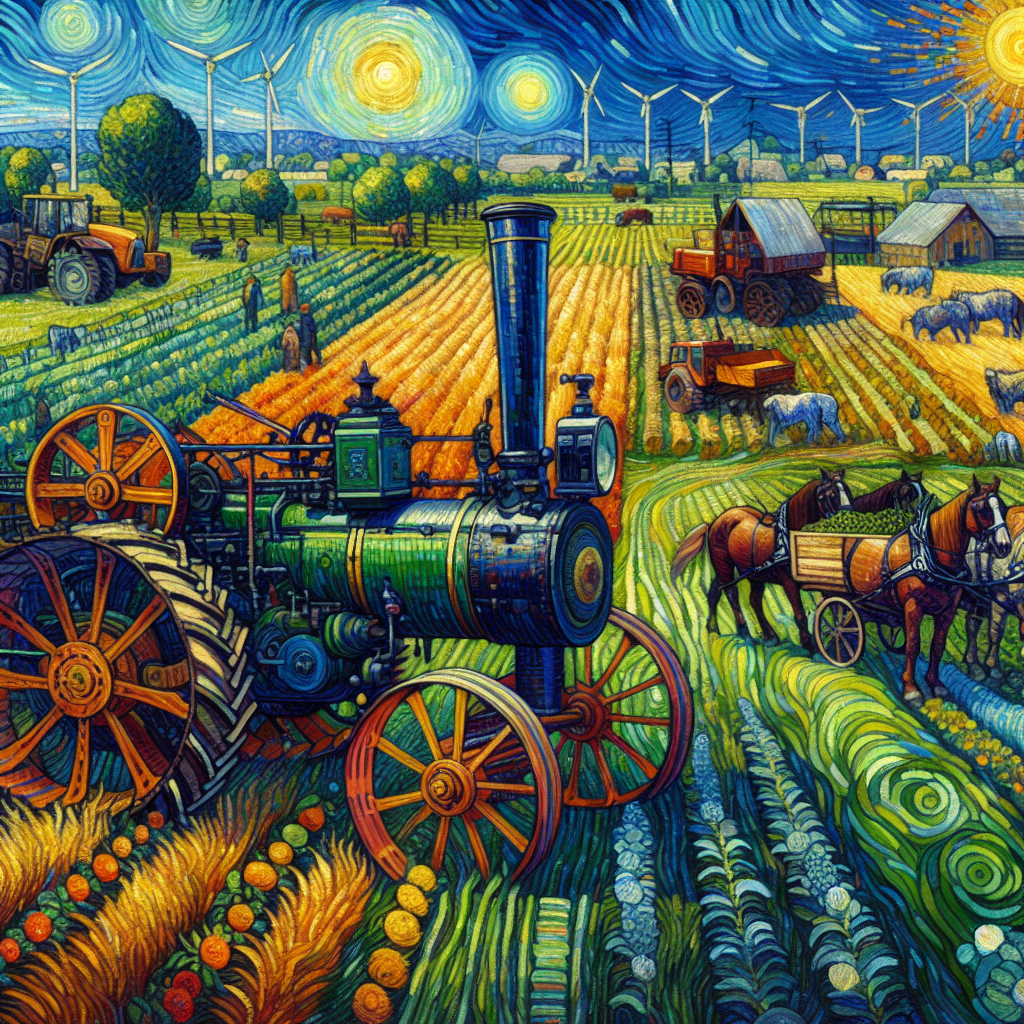
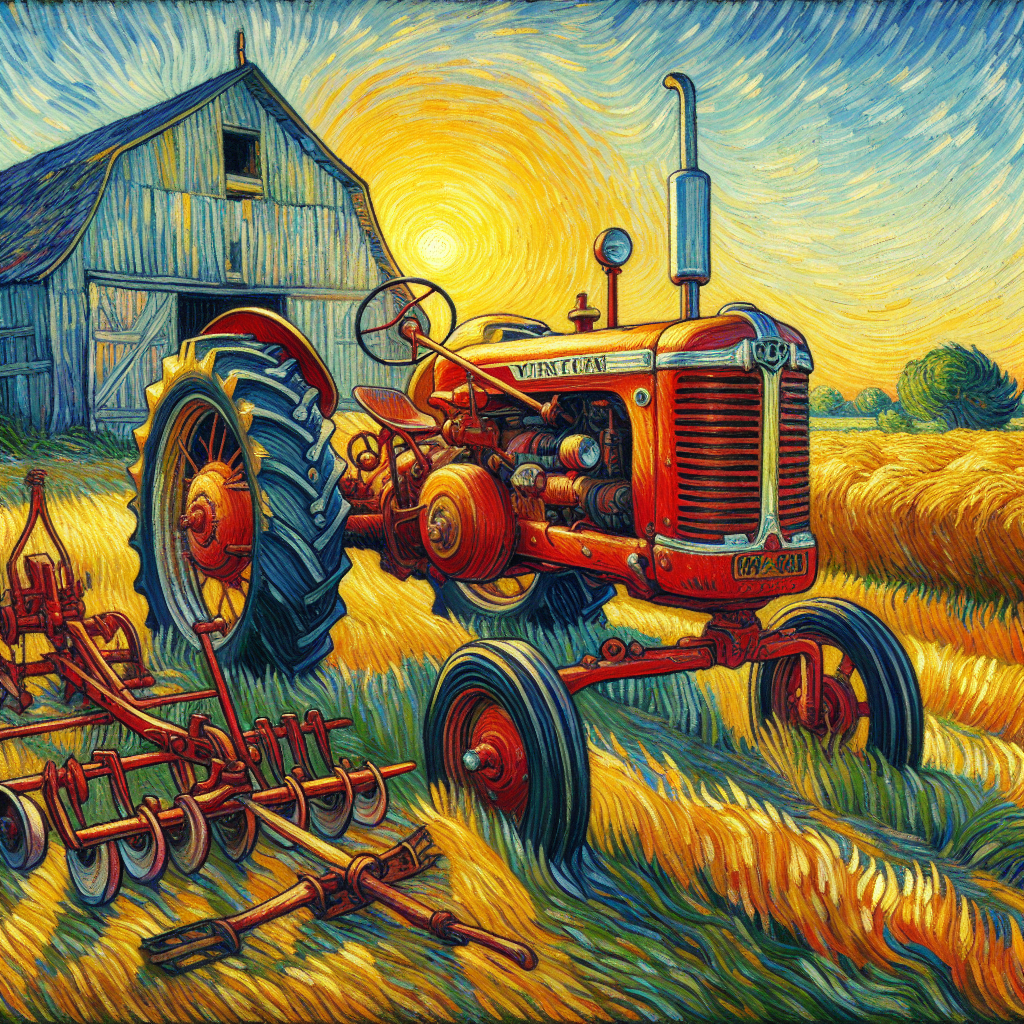
In the heart of every bustling workshop, the hum of machinery echoes a time-honored truth: craftsmanship is a dance between man and machine. Picture a rancher, hands weathered and calloused, bent over an old tractor. This piece of machinery isn’t just metal and gears; it’s a lifeline, a partner in the daily grind of cultivating the land. The relationship between AI and machines reflects this deep-rooted connection, where technology becomes not just a tool, but an extension of ourselves.
Consider the moment when that tractor roars to life, peeling away the silence of dawn. It’s more than a mere function; it’s purpose. Just like this piece of equipment, AI embodies the promise of efficiency and reliability, streamlining jobs that once took a toll on both body and spirit. Think of a farmer who takes advantage of AI-driven analytics to predict weather patterns or crop yields. This doesn’t just save time; it fosters security and peace of mind. When a machine begins to anticipate your needs, it transforms from an impersonal device into a trusted ally.
However, this connection isn’t simply about convenience. There’s an ethical dimension to consider. In a world quietly transitioning toward automation, the narrative must include the human element—the stories of resilience and adaptation. We see this in every industry: from healthcare professionals embracing AI for diagnostics to artisans using smart technology to refine their craft. Each story echoes the truth that machines, empowered by AI, can enhance what it means to be human.
Then there’s the social aspect: as we lean deeper into our partnerships with machines, we find ourselves confronted with the responsibility of stewardship. Our choice to embrace this technology hinges on applying it ethically, with respect for those who came before us. Every innovation should inspire trust, reminding us that while machines may listen, it’s our duty to ensure that they serve humanity’s best interests.
Finally, let’s tap into that gut feeling. Think back to the exhilaration of seeing the first crop sprout after a long winter. That moment of triumph symbolizes the journey we take in embracing new technology. The bond forged between AI and machines echoes the heartbeat of our desire for progress. We stand at a crossroads, capable of choosing a path where innovations not only propel us forward but elevate our shared humanity, cultivating a future where every individual—a farmer, an engineer, an artist—thrives alongside their mechanical companions.
What Drives the Connection Between AI and Machines?
What Drives the Connection Between AI and Machines?
- Craftsmanship merges man and machine, exemplified by a rancher’s bond with an old tractor.
- AI and machinery serve as extensions of ourselves, enhancing efficiency and reliability in various tasks.
- AI-driven analytics provide valuable insights, offering security and peace of mind to users.
- The ethical dimension of automation highlights the importance of the human element in technology adaptation.
- Machines empowered by AI can enhance human capabilities across diverse industries.
- Embracing technology entails a responsibility for ethical stewardship and trust in innovations.
- The bond between AI and machines symbolizes progress and the potential for a shared thriving future.
What Drives the Connection Between AI and Machines?
Is Reliance on AI Compromising Human Creativity?
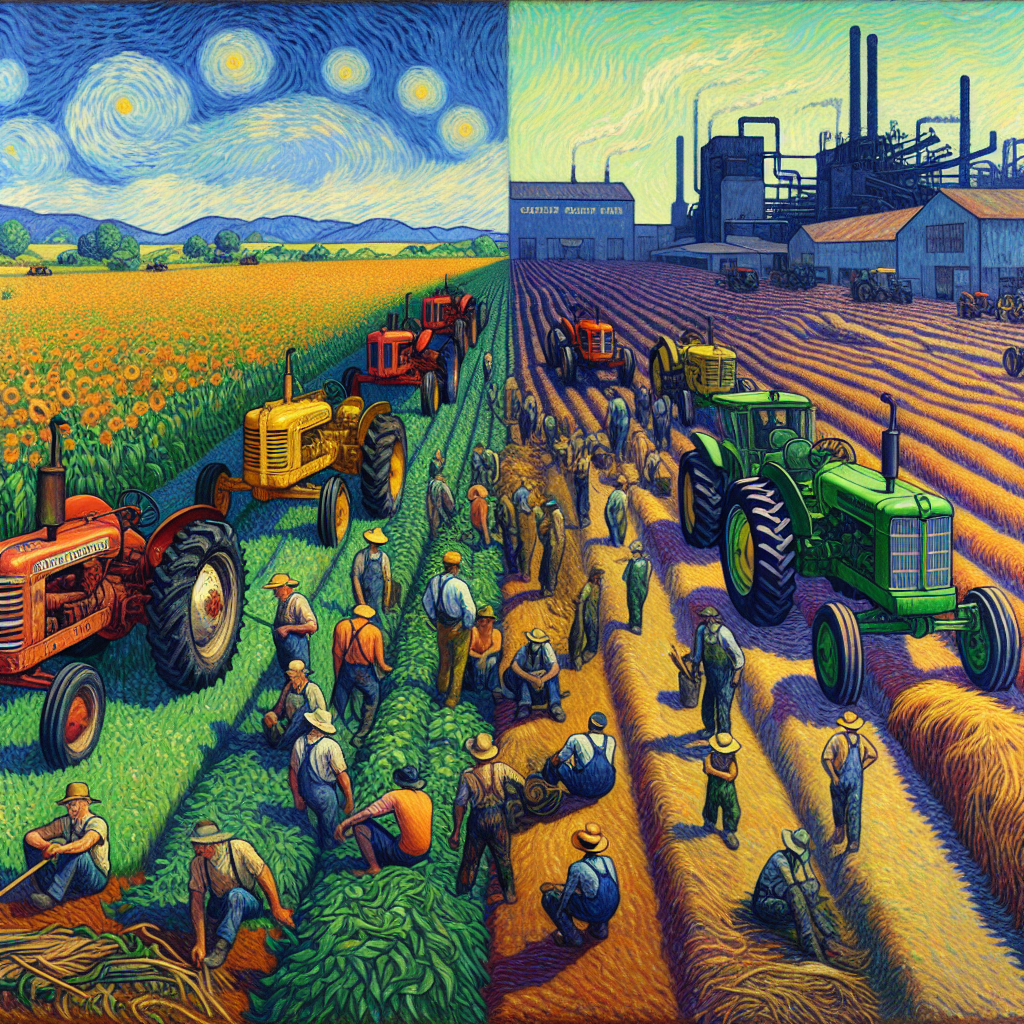
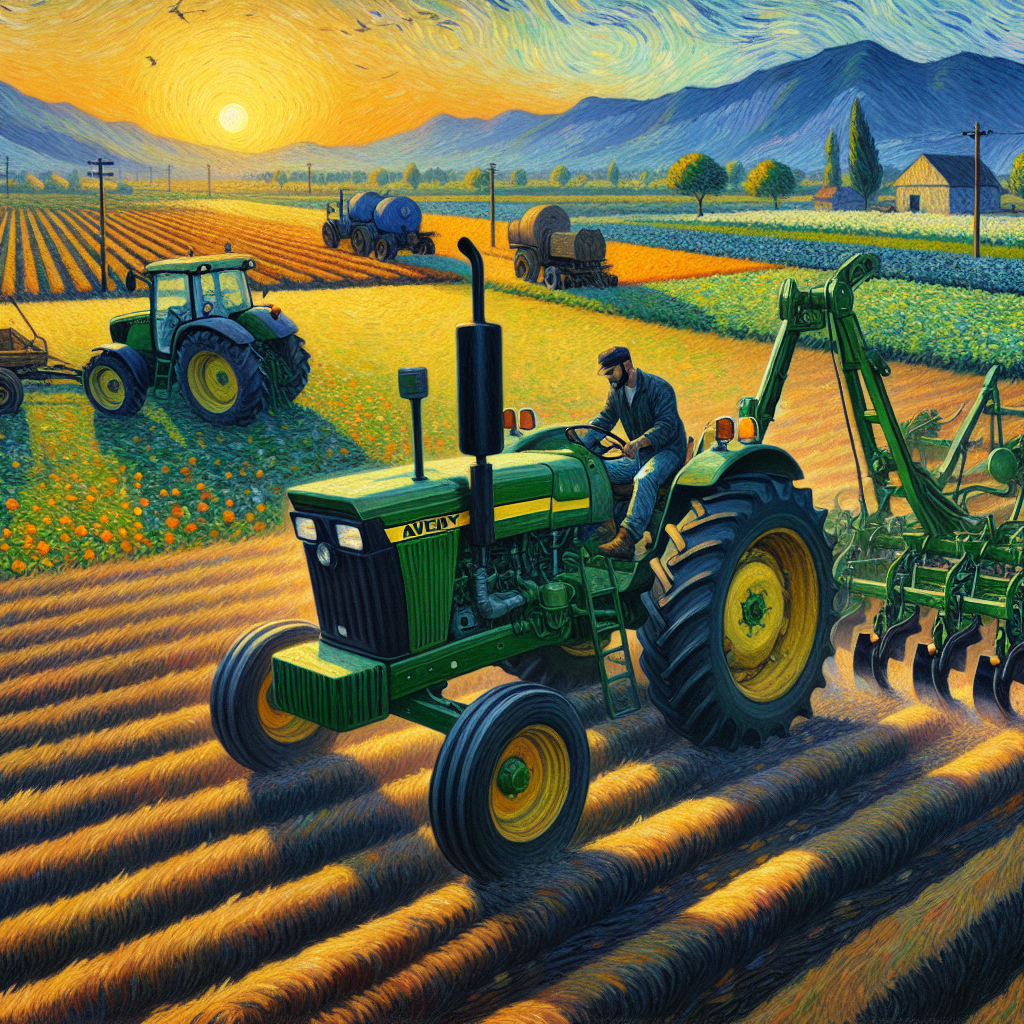
Imagine for a moment a farmer firing up their tractor under a brilliant sunrise, the promise of a new day stretching out like the vast fields before them. This is where creativity lives—not just in the sweeping strokes of a painter’s brush or the lyrics of a heartfelt song, but in the daily decisions made on the land, informed by experience, intuition, and passion. As we stand at the crossroads of technology and humanity, we grapple with a question that hits hard: Are we allowing artificial intelligence to erode that creative spirit?
Consider the farmer returning to their family farm, where every decision is layered with history and emotion. When machines swoop in, offering insights and suggestions, it can feel like a tug-of-war between human intuition and algorithmic efficiency. For many, relying too heavily on AI feels akin to letting a computer dictate how to balance a checkbook instead of using pen and paper—a skill deeply rooted in our very being. Creativity thrives on imperfections, on moments of doubt and unplanned mistakes. These machines, for all their efficiency, often lack that rich tapestry of human experience that breeds genuine creativity.
The ethical implications of AI also weigh on us. Let’s hold up a mirror to our cultural fabric: we’ve revered human craft, the artisan’s touch, and the nuanced processes that birth original ideas. When a software program can replicate a painter’s style or churn out new music, what becomes of the artist’s soul—the late-night struggles, the victories, the sharing of vulnerability with an audience? Authenticity is at stake, and we must consider whether we’re sacrificing our creative identities to the efficient gears of an AI tractor running the show.
In my journey, I’ve seen the magic that unfolds when people connect, whether it’s through storytelling, song, or the sweat of hard work. It’s emotional. It’s raw. Handcrafted creativity is a dance between heart and mind that no machine can replicate wholesale. Yet, let us not demonize AI. Instead, let’s challenge ourselves to find a balance where technology serves as a tool—a tractor, if you will—supporting the human spirit rather than replacing it. This requires us to remain vigilant, to uphold the value of the human touch amidst the waves of change.
As we navigate this evolving landscape, we must take a stand. Let’s craft a future where AI enhances, rather than overtakes, what it means to be creative.
Is Reliance on AI Compromising Human Creativity?
Is Reliance on AI Compromising Human Creativity?
- Creativity exists in daily decisions, informed by human experience and passion.
- The rise of AI raises concerns about eroding the creative spirit.
- Reliance on AI may undermine human intuition, reminiscent of traditional skills in writing.
- Creativity benefits from imperfections and unplanned mistakes, which machines often lack.
- The authenticity of artists faces threats as AI can replicate styles and produce content.
- Human connections and handcrafted creativity are irreplaceable and deeply emotional.
- A balance between using AI as a supportive tool and preserving human creativity is essential.
Is Reliance on AI Compromising Human Creativity?
How Does AI Change Our Perception Of Work and Productivity?
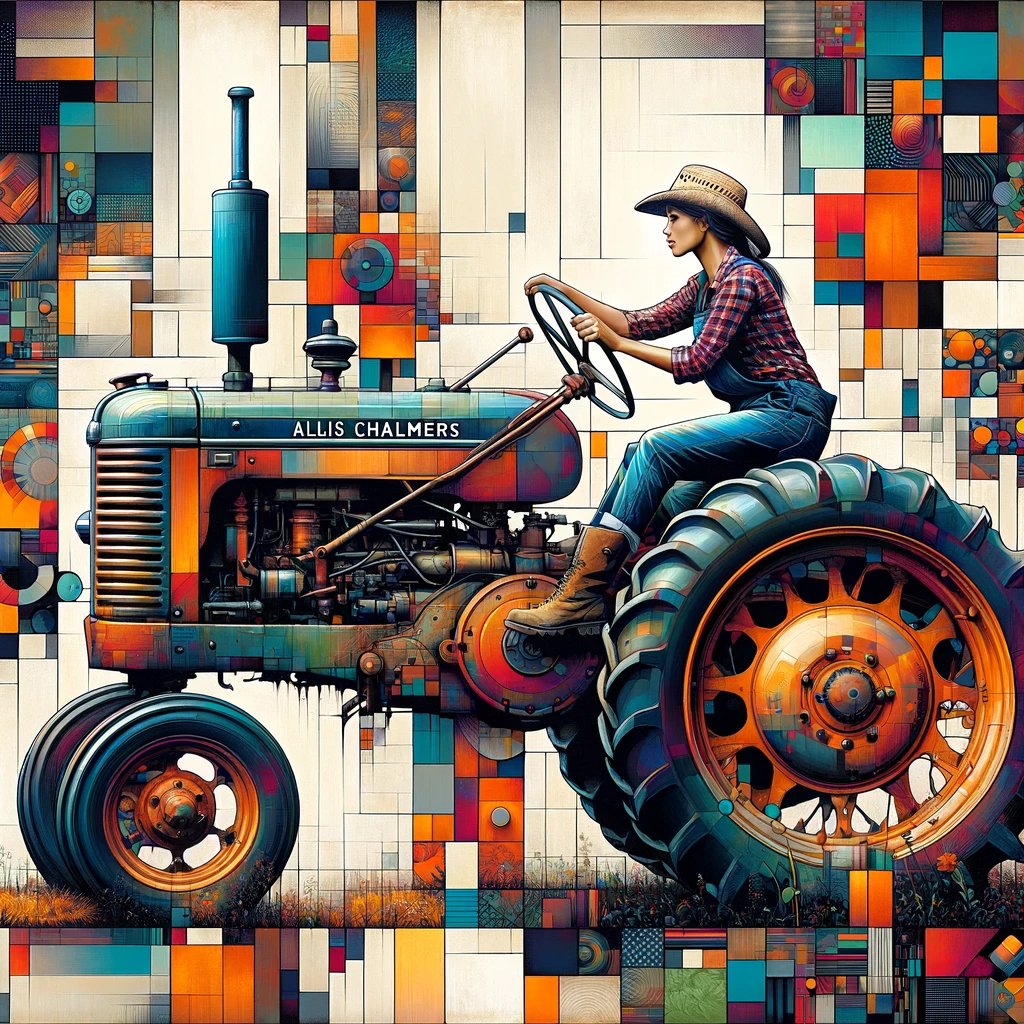
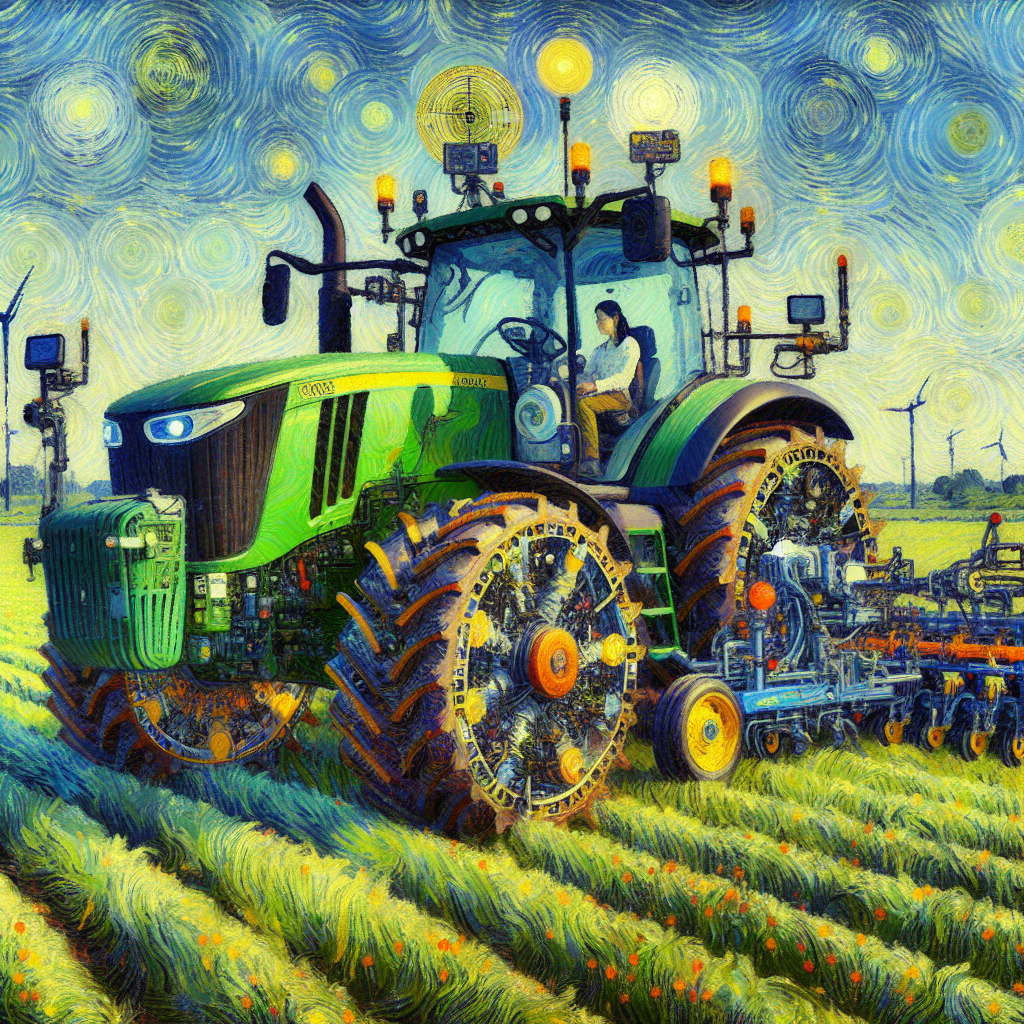
In a world buzzing with technology, the humble tractor stands as a symbol of productivity, transforming how we farm, produce, and ultimately, work. Picture a wide-open field, a sturdy tractor humming along, effortlessly plowing through soil that was once tilled by hand. It’s easy to think of AI in a similar light—an advanced implement that enhances our capabilities, arguably redefining our relationship with work.
When we hear about AI, the conversation often swings around efficiency and output, but there’s much more at stake. AI challenges us to reflect on the very essence of what we consider work. This isn’t just about machines doing tasks more quickly; it’s about reshaping our identity. In a time when job titles have shifted as rapidly as technology, many find themselves grappling with the question: “What does it mean to be productive?”
Let’s draw a parallel to the old days of farming. A farmer relied on muscle, sweat, and intuition, standing intimately connected to the land. Fast forward to the present, and that same farmer can now analyze weather patterns, soil health, and crop yield data—all thanks to AI. Suddenly, one person can cultivate more land, produce more food, and participate in the global economy with a precision that your great-grandparents could only dream of. Yet, as our reliance on technology grows, an essential piece of the puzzle remains unchanged: the human spirit behind the work.
There’s a transformative power in this shift: the opportunity to reclaim time for the pursuits that truly matter. Let’s imagine a father who, after a long day behind a computer programming AI systems, comes home not to exhaustion but to family time, storytelling, and playing catch in the backyard. This reclaiming of time, aided by AI, fosters deeper connections and a greater sense of community.
But it’s not without ethical considerations. We must navigate these advancements with care. The stories of workers displaced by automation underline the need for a collective responsibility to ensure that progress benefits all, not just a select few. This requires honest dialogue and cooperative effort among businesses, educators, and employees—a modern community committed to thriving alongside technological growth.
As we ride this wave of innovation, let’s harness the momentum to reimagine productivity as more than just numbers and efficiency. It’s about human connection, creativity, and purpose. With AI as our ally, we can cultivate a future where work nurtures not just our wallets, but our souls.
How Does AI Change Our Perception Of Work and Productivity?
How Does AI Change Our Perception Of Work and Productivity?
- Tractors symbolize productivity, transforming farming and work.
- AI is seen as a tool that enhances capabilities and redefines work relationships.
- The conversation around AI extends beyond efficiency, prompting reflection on the essence of work.
- Modern farmers utilize AI for data analysis, increasing productivity and crop management.
- Technology allows for reclaiming time for meaningful activities and fostering community connections.
- Ethical considerations arise from automation, emphasizing the need for collective responsibility in progress.
- AI should help redefine productivity to focus on human connection, creativity, and purpose.
How Does AI Change Our Perception Of Work and Productivity?
Can We Trust AI to Make Ethical Decisions on Our Behalf?
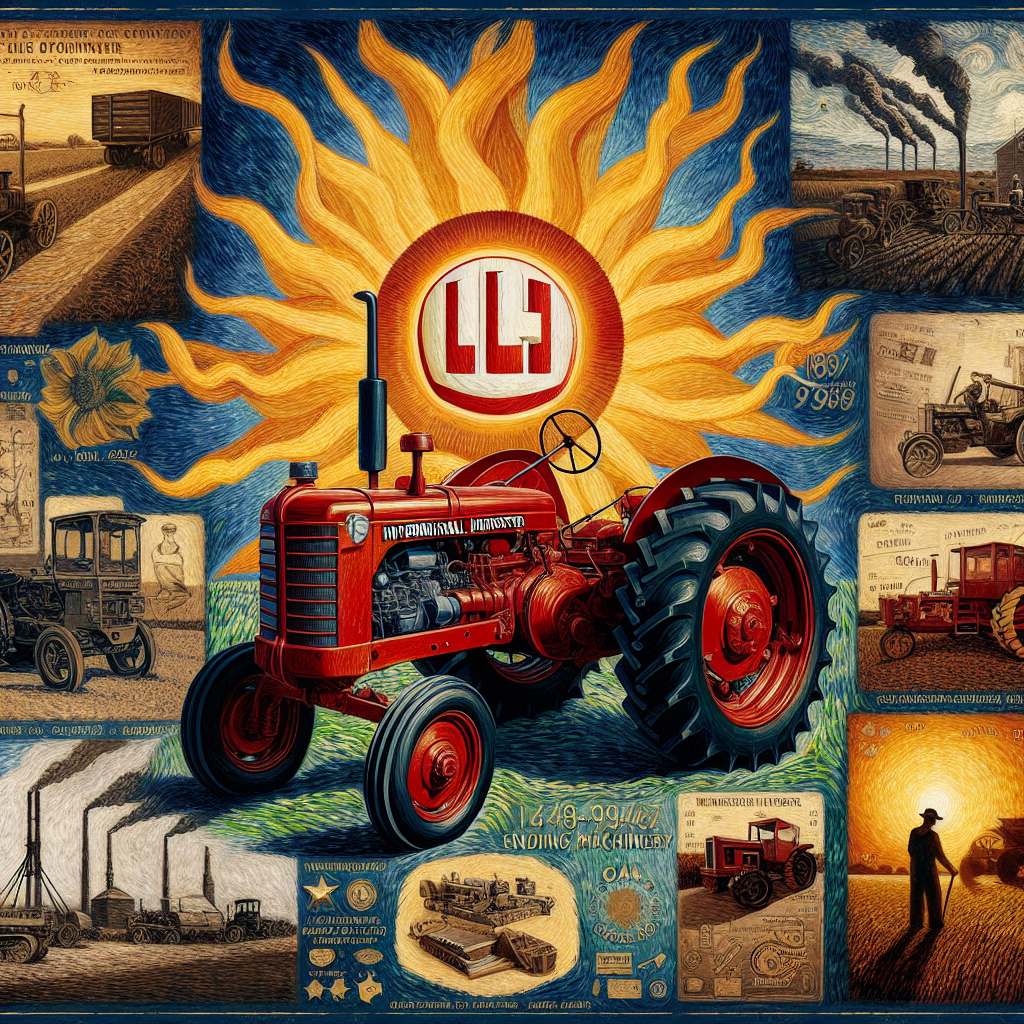
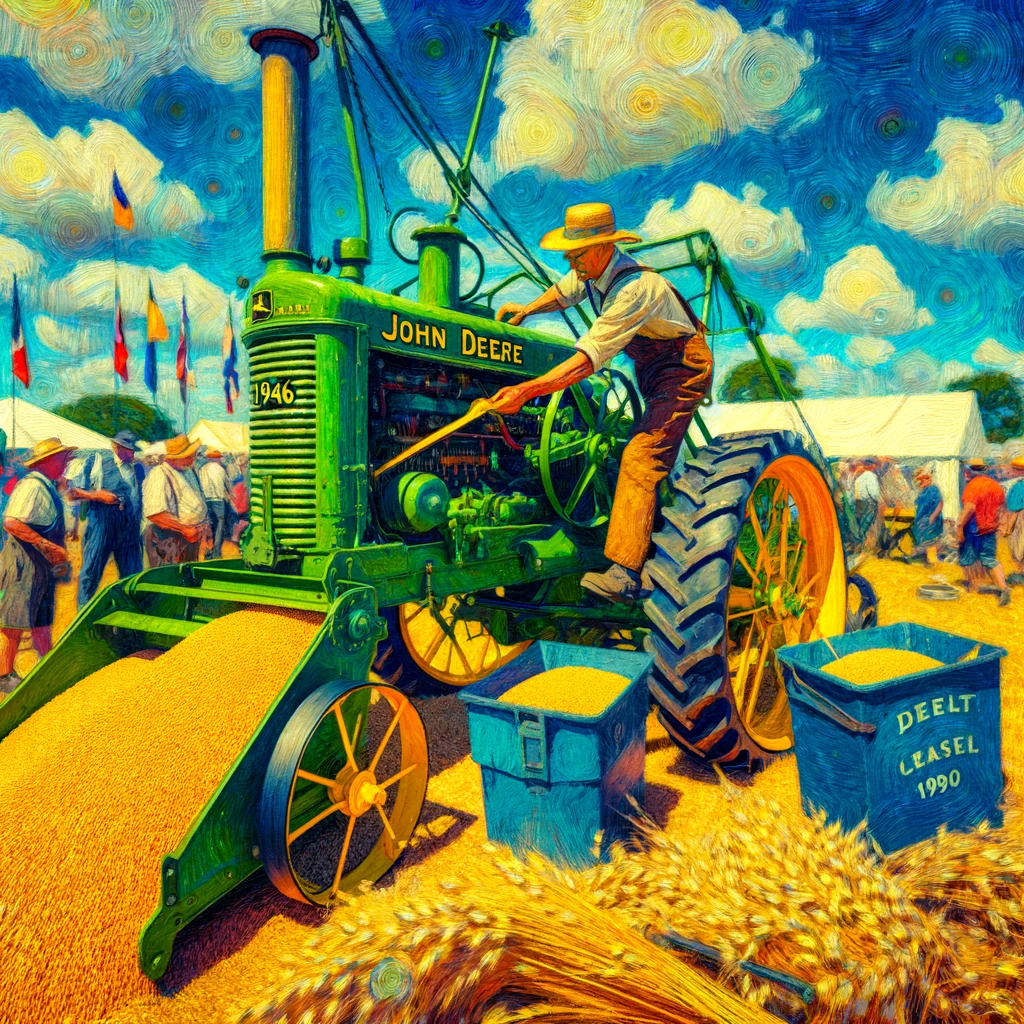
Imagine you’re on a tractor, plowing through a field that stretches as far as the eye can see. The sun’s warming your back, and the steady rumble of the engine is a familiar comfort. It’s a simple task, yet it carries a weight of responsibility. You’re not just moving dirt; you’re working the land that sustains your family, your community. Trust is ingrained in that process—you trust the machine to help you cultivate life, just as you trust your instincts to guide you in this endeavor.
When it comes to AI making ethical decisions, it’s worth asking: Can we extend that same trust to a machine? This question taps into both our heartstrings and our intellect. On one hand, the allure of AI is its ability to analyze vast amounts of data quickly, offering solutions where traditional methods might falter. It’s like having a partner on that tractor who can suggest optimal planting strategies based on years of accumulated knowledge. Yet, there’s a flicker of doubt that simmers below the surface when considering the moral implications of AI-driven choices.
Think of a time when you were faced with a tough decision—maybe it was choosing how to spend your last few dollars or whether to help a neighbor in need. Those choices aren’t just numbers on a spreadsheet; they’re rooted deeply in values, emotions, and the fabric of our humanity. Can an algorithm, no matter how advanced, replicate that complexity? Emotionally, we know that human touch matters. Ethical decisions are often gray, and while AI might color within the lines, it often struggles with nuance.
It’s easy to trust the power of data, but real trust is built through stories. When we hear about an AI making a significant decision—like recommending medical treatments or managing financial resources—can we truly feel confident that it has the ethical compass to make choices aligned with our values? Much like inviting someone into the tractor seat beside you, we have to share our values, our stories, and our emotions with AI for it to become a reliable partner in ethical decision-making.
We should envision a future where AI doesn’t replace our judgment but enhances it. By sharing our narratives, and working hand-in-hand like seasoned farmers with their trusted tractors, we could begin to cultivate a new kind of trust. One that’s not diminished by the calculating nature of algorithms but rather strengthened by the human stories they’re programmed to respect. AI has the potential to be a powerful tool, but it’s up to us to ensure that it doesn’t just plow the fields but does so with heart, understanding, and an ethics guide that reflects our shared humanity.
Can We Trust AI to Make Ethical Decisions on Our Behalf?
Can We Trust AI to Make Ethical Decisions on Our Behalf?
- Imagery of a farmer on a tractor symbolizes the relationship between human effort and ethical decision-making.
- AI’s ability to analyze data quickly raises questions about trust in machines for ethical choices.
- Human decisions are complex, influenced by values and emotions, which algorithms may struggle to replicate.
- Real trust in AI requires sharing human narratives and values for reliable ethical outcomes.
- AI could enhance human judgment rather than replace it, fostering collaboration and trust.
- Trust built through stories can lead to AI that respects human ethics and values.
- The future of AI lies in combining technological prowess with human understanding and compassion.
Can We Trust AI to Make Ethical Decisions on Our Behalf?
What Are the Social Implications Of Integrating AI In Industries?
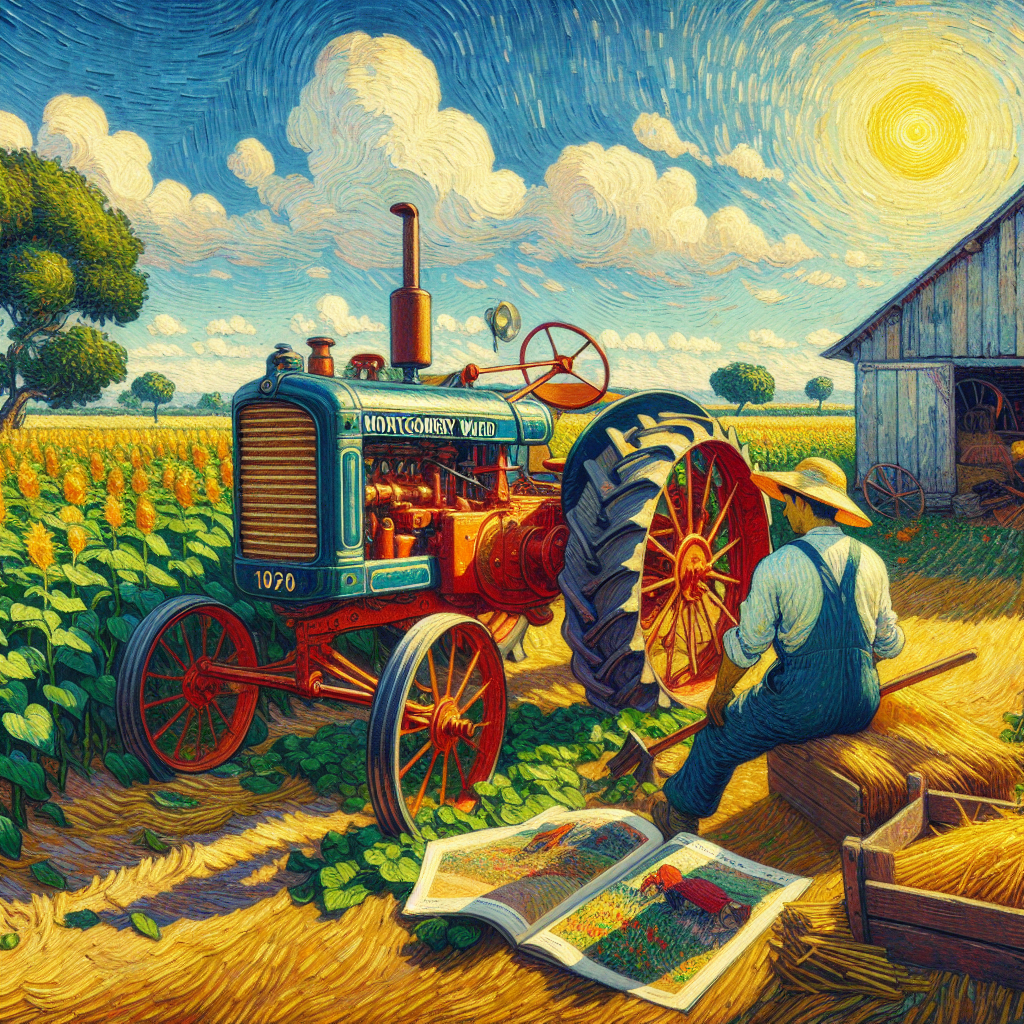
Imagine a tractor out on a sprawling farm, tirelessly plowing the fields from dawn till dusk. It’s a tool that represents hard work and tradition, yet it has seen its fair share of technological evolution. Just as tractors evolved from steam engines to modern machines with GPS, industries today are navigating their own technological revolution through the integration of artificial intelligence. This shift isn’t just about efficiency; it profoundly reshapes our society.
In many ways, the integration of AI serves as a mirror reflecting both our aspirations and anxieties. On one hand, it heralds unprecedented opportunities. Think about it: work that was once grueling can now become manageable. In manufacturing, AI-driven robots can handle repetitive tasks, allowing human workers to focus on creativity and problem-solving. This not only increases productivity but fosters an environment where innovation can thrive—where people’s unique contributions are valued.
Yet, with this transformation comes a wave of uncertainty. As we introduce AI into industries, we face essential questions about job security and the nature of work itself. It’s easy to fear that automation will replace skilled workers, but the reality is often more complex. For every job rendered obsolete by a machine, new roles and opportunities emerge. Consider the rise of AI ethics officers—professionals who ensure that technology is used responsibly. This is a new generation of jobs that revolves around the ethical deployment of machines in our daily lives.
An original point to ponder is the role of community in this technological shift. As industries evolve, we must remember the importance of connectivity—both socially and emotionally. The relationship we have with technology shouldn’t just be transactional; it should be personal. Storytelling can play a crucial role here. Picture a farmer who integrates AI into their operations, not to replace their efforts but to enhance them. They gain real-time insights into their crops, resulting in higher yields and sustainability, saving their family farm for generations to come. Emphasizing such narratives can encourage individuals to embrace AI rather than fear it.
Ultimately, integrating AI into industries is more than just a technological upgrade; it’s a societal reckoning. It challenges us to think about who we are and what we value. As we weave these intelligent systems into our lives, let’s ensure they reflect our best qualities—empathy, creativity, and community spirit. We stand at a crossroads; how we choose to navigate this journey will shape not just our industries but the very fabric of our society.

What Are the Social Implications Of Integrating AI In Industries?
What Are the Social Implications Of Integrating AI In Industries?
- Tractors represent hard work and tradition, evolving from steam engines to modern machines with GPS.
- AI integration reshapes industries, enhancing efficiency and fostering innovation.
- AIs introduction brings both opportunities for manageable work and concerns about job security.
- New roles, like AI ethics officers, emerge alongside automation, highlighting the complexity of job disruption.
- The importance of community and personal connections in technology use is emphasized.
- Storytelling can illustrate how AI enhances agricultural practices, promoting positive narratives.
- Integrating AI is a societal challenge that reflects values of empathy, creativity, and community spirit.
What Are the Social Implications Of Integrating AI In Industries?
Conclusion
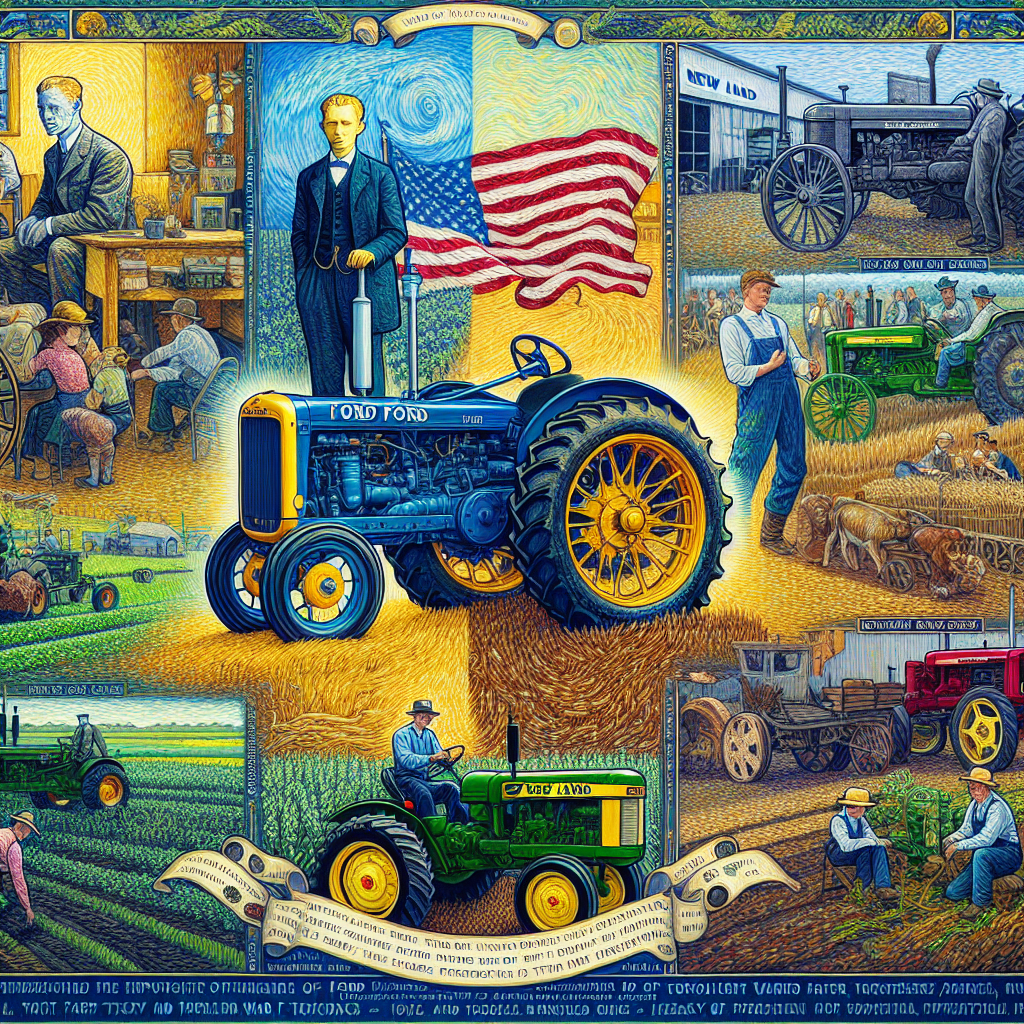
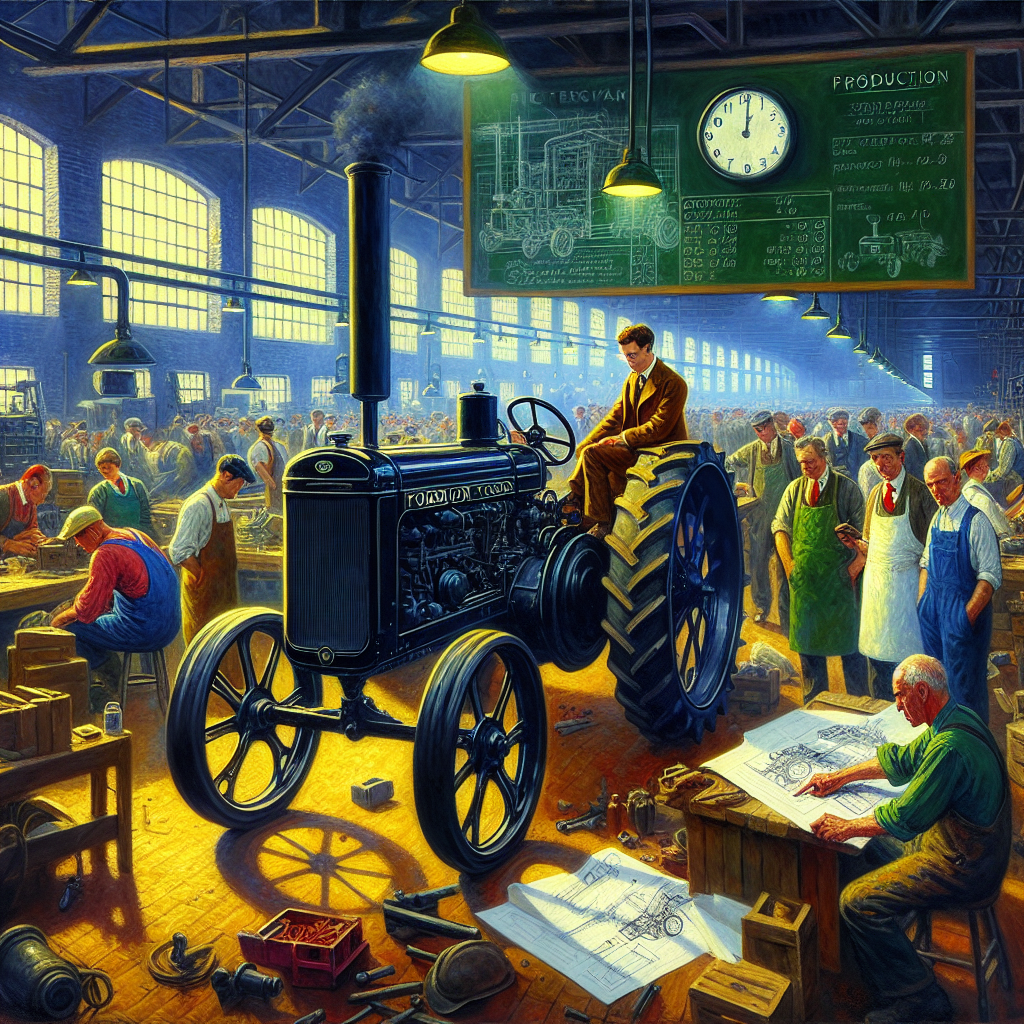
In an age where the fusion of technology and labor seems to draw sharper lines than ever, we stand on the precipice of transformation. When smart AI meets the tried-and-true dumb iron of machinery, we don’t just experience an upgrade; we see the birth of a dynamic partnership that redefines work itself. Imagine a farmer who, day before dawn, climbs into a tractor—once an unfeeling beast of burden—now endowed with intelligence. That transition is more than mere mechanics; it reawakens engagement with the land, allowing the farmer to tap into deeper insights about soil health and weather patterns.
This innovative duo isn’t merely about efficiency; it’s about restoring balance and enhancing our relationship with the earth. The synergy between human hands and machine precision creates opportunities that echo throughout the community, revitalizing rural economies and reinforcing family bonds. Picture the thriving local farms operating side-by-side with agribusiness. This technology arms farmers with the tools they need, not to sideline them, but to empower them, fostering stewardship rather than mere productivity.
Delving deeper, we recognize that this isn’t just an industry shift; it’s a narrative woven into the societal fabric. Trust emerges as the cornerstone of this partnership—trust in technology, trust in the human spirit, and trust in the ethical frameworks that guide this march forward. As AI integrates into our everyday experiences and decisions, we must ask ourselves: How does this shape our identity? It offers liberation from the incessant grind of manual labor, enabling people to refocus on what matters most—family, community, and connection. In this landscape, hard labor remains vital, but it’s augmented, not replaced.
Yet, the ethical implications of this marriage between AI and machinery are crucial. Just as tractors have become essential tools for sustainability, so too must we ensure that AI serves as a co-pilot, supporting human values and creativity. We reject the idea that our subjective experiences are diminished by technological advancements. The heart of creativity thrives amid imperfections, and as we navigate these evolving waters, we are tasked with finding harmony—a partnership where technology amplifies human potential rather than replaces it.
In embracing this revolutionary alliance, we foster a world where progress lifts us all. As we read the stories of those who labor, sweat, and innovate, we realize that true growth is not in letting go of the past but in weaving it with the future—a brighter, interconnected existence that celebrates both tradition and innovation. Together, we stand ready, not just as spectators of this change, but as active participants forging paths toward a vibrant tomorrow.
Conclusion
Conclusion:
- The fusion of technology and labor creates a transformative partnership, redefining work.
- Intelligent machinery enhances farmer engagement with their land, leading to better insights.
- This synergy promotes balance and strengthens relationships with the earth and community.
- Farmers are empowered by technology, fostering stewardship over mere productivity.
- Trust in technology and ethics is essential as AI becomes integral to daily experiences.
- AI should support human values, augmenting creativity rather than replacing it.
- Embracing this alliance fosters progress that combines tradition with innovation for a brighter future.
Conclusion
Other Resources
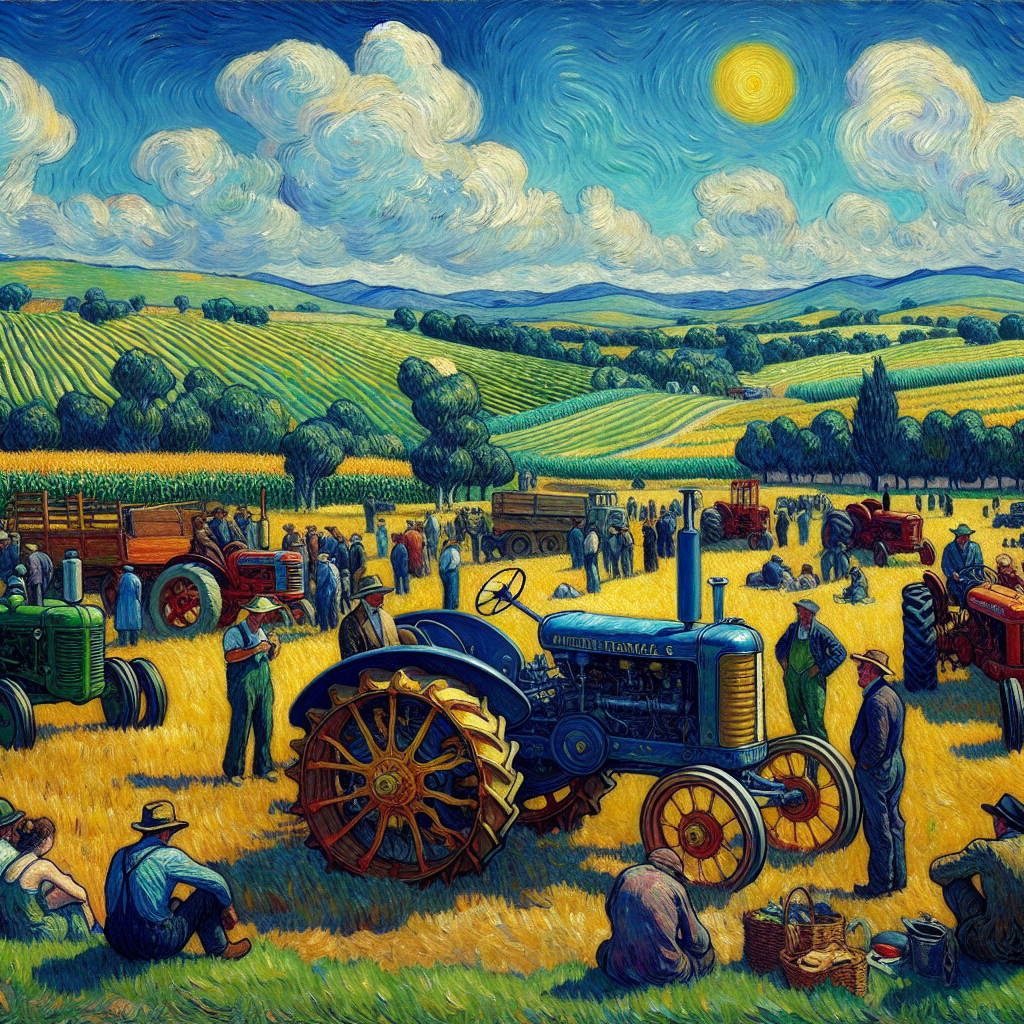
Other Resources
Here is a list of other resources you can review online to learn more:
- White
- JCB
- Dongfeng
- Titan Machinery
- Volvo
- Allis Chalmers
- Heider
- First State Antique Tractor Club
- County
- Muir-Hill
- Square Turn
- Farmall
- Florida Farm Days and Tractor Show
- Classic Tractor Calender
- TYM
- Minneapolis-Moline
- Cletrac
- McCormick Intl
Use This Prompt To Get More Resources With Your Favorite Online AI Tool: Please provide me with a list of online articles with their URLs in a bulleted list that I can read regarding Smart AI Meets Dumb Iron – Perfect Partnership
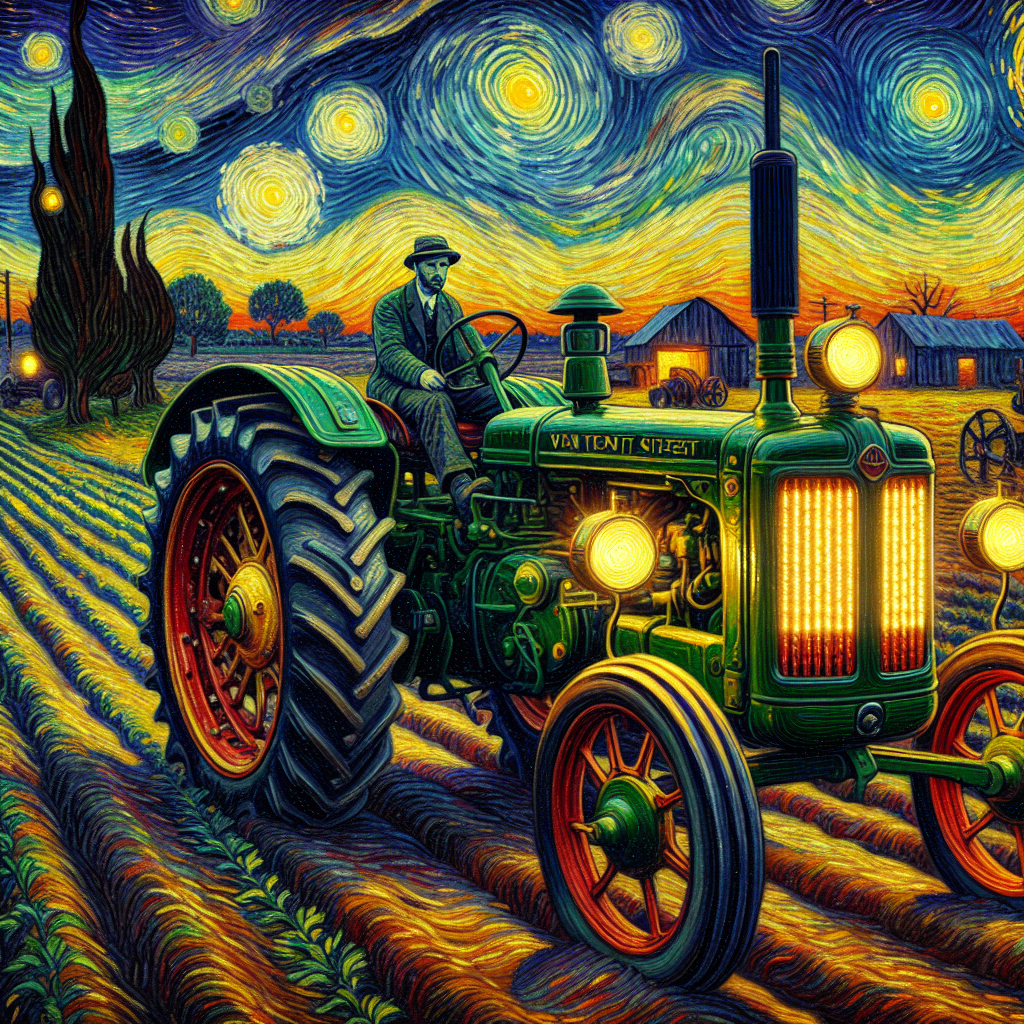
Other Resources
Glossary Terms
Smart AI Meets Dumb Iron – Perfect Partnership – Glossary Of Terms
1. Dumb iron — Legacy or purpose-built hardware with limited or no onboard intelligence, typically sensors, actuators, PLCs, motors, and simple controllers.
2. Smart AI — Artificial intelligence models and systems that analyze data, make predictions, and optimize behavior when paired with hardware.
3. Edge AI — Deployment of AI inference directly on or near devices to reduce latency and dependence on cloud connectivity.
4. Embedded system — A computing system integrated into hardware that performs dedicated functions with real-time constraints.
5. Microcontroller Unit (MCU) — A compact integrated circuit for controlling hardware tasks, often with limited compute and memory.
6. System on Chip (SoC) — A single chip integrating CPU, GPU, memory, and peripherals to run complex applications on-device.
7. Field-Programmable Gate Array (FPGA) — Reconfigurable silicon that implements custom hardware acceleration for specific AI workloads.
8. Application-Specific Integrated Circuit (ASIC) — Custom-designed silicon optimized for particular computations, offering high efficiency and performance.
9. Hardware accelerator — A dedicated component (FPGA, ASIC, GPU, TPU) that speeds up AI operations like matrix multiplication.
10. Tensor Processing Unit (TPU) — A specialized accelerator designed to perform tensor operations efficiently for neural networks.
11. Inference — The process of running a trained model on new data to produce predictions or decisions.
12. Training — The process of optimizing model parameters on large data sets, usually done off-device or in the cloud.
13. Model compression — Techniques that reduce model size and compute needs while retaining acceptable accuracy.
14. Quantization — Reducing numeric precision (e. g. , 32-bit to 8-bit) to save memory and accelerate inference on constrained hardware.
15. Pruning — Removing less-important weights or neurons from a model to lower compute and storage requirements.
16. Knowledge distillation — Training a smaller “student” model to mimic a larger “teacher” model for lightweight deployment.
17. Hardware–software co-design — Jointly designing algorithms and hardware to maximize performance, efficiency, and cost-effectiveness.
18. Hardware-aware optimization — Adapting models and code to the specific constraints and features of target hardware.
19. Real-time control — Deterministic computation and decision-making within strict timing bounds for physical systems.
20. Latency — Time delay between input and AI-driven response; critical for tight control loops and safety.
21. Throughput — The number of inference operations or data units processed per unit time by the hardware–AI pair.
22. Determinism — Predictable, bounded execution behavior required for reliable control in industrial and safety-critical contexts.
23. Sensor fusion — Combining data from multiple sensors to produce more accurate, robust inputs for AI models.
24. Actuator interface — The hardware and protocols used by AI systems to command motors, valves, relays, and other effectors.
25. Middleware — Software layer that glues AI models to hardware, handling messaging, scheduling, and data formatting.
26. Hardware Abstraction Layer (HAL) — An interface that hides hardware specifics so AI software can run across diverse devices.
27. Cross-compilation — Building software or models on one platform for execution on another, target-constrained device.
28. Firmware — Low-level control software that initializes hardware, provides drivers, and hosts embedded AI runtimes.
29. Over-the-Air (OTA) updates — Remote delivery of firmware or model updates to deployed devices for maintenance and improvement.
30. Digital twin — A virtual replica of physical hardware and systems used to simulate, test, and optimize AI–hardware interactions.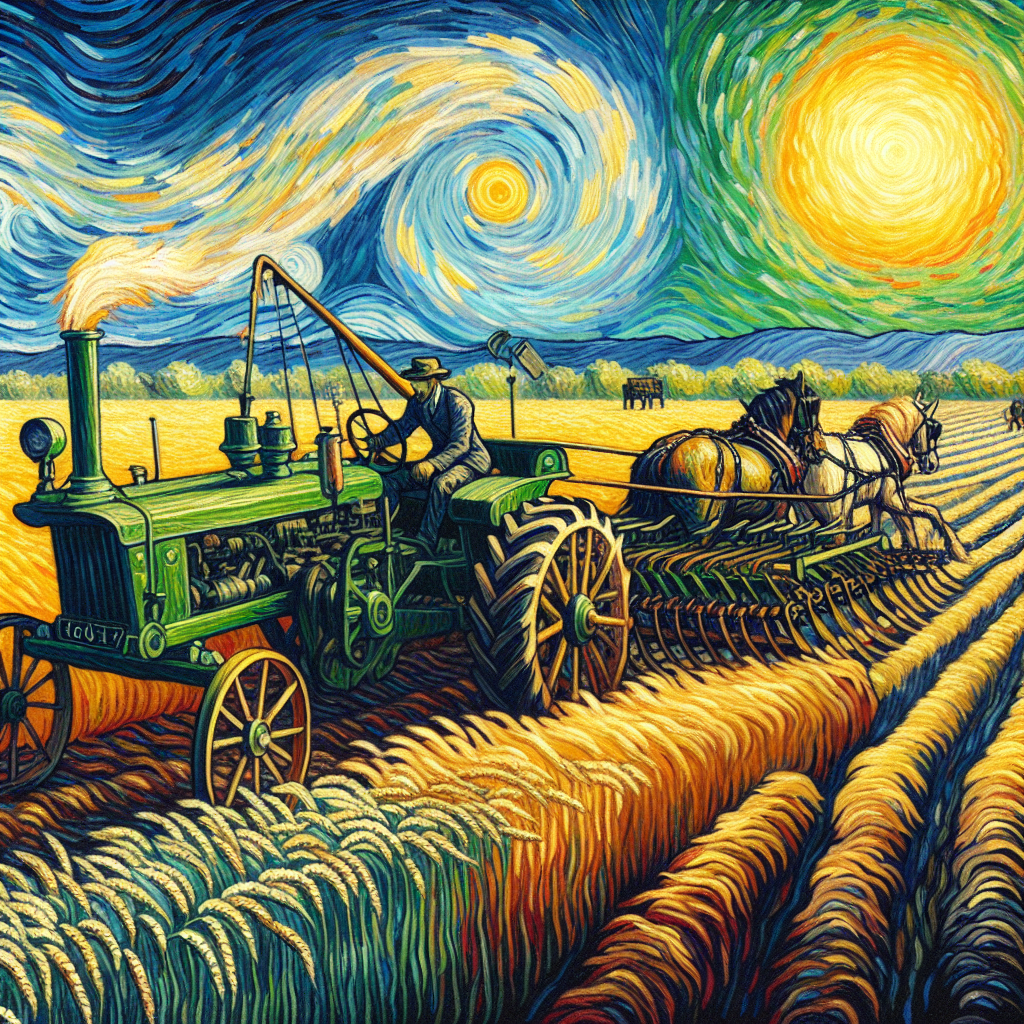 Glossary Of Terms
Other Questions
Smart AI Meets Dumb Iron – Perfect Partnership – Other Questions
If you wish to explore and discover more, consider looking for answers to these questions:
- What specific AI features are most useful on tractors and other farm machinery?
- How much does it cost to retrofit an older tractor with AI capabilities?
- What is the expected return on investment (ROI) for AI-equipped farm equipment?
- How reliable are AI systems in extreme weather or remote conditions?
- How do AI systems handle false readings or sensor failures?
- Who owns the data collected by AI-equipped tractors — the farmer, the manufacturer, or the software provider?
- How is farmers’ data protected from misuse or breaches?
- Can AI tools operate offline or do they require constant internet/cloud connectivity?
- What kind of infrastructure (connectivity, power, sensors) is required to run farm AI effectively?
- How much training is required for farmers to use AI-enhanced machinery confidently?
- Will AI reduce farm labor demand, and what jobs are most at risk?
- What new job roles or skills will emerge because of AI adoption in agriculture?
- How does AI impact small farms versus large agricultural enterprises?
- What ethical guidelines govern AI decision-making in agriculture?
- How transparent and explainable are the AI recommendations to end users?
- Who is legally liable if an AI-guided machine causes harm or crop loss?
- Are there standards or certifications for safe AI integration in heavy machinery?
- How does AI affect farming sustainability and environmental outcomes (water use, fertilizers, emissions)?
- Can AI reduce the environmental footprint of conventional farming practices?
- How do AI systems account for local variability in soil, climate, and crop types?
- What are the risks of algorithmic bias in agricultural recommendations?
- How are updates, maintenance, and repairs handled for AI-enabled equipment?
- Is specialized technical support available in rural communities?
- How interoperable are AI systems across different brands and models of machinery?
- Can older “dumb iron” machines be modularly upgraded, or is full replacement required?
- How do AI tools integrate with existing farm management software and records?
- What evidence or case studies demonstrate measurable benefits from AI in farming?
- How long does it take to realize benefits (yield improvements, cost savings) after implementation?
- What subsidies, grants, or financing options exist to help farmers adopt AI technologies?
- How does AI adoption affect rural economies and community resilience?
- What are the social and cultural barriers to adopting AI in traditional farming communities?
- How do farmers retain creative and tacit knowledge while using AI suggestions?
- What safeguards prevent AI from making ethically questionable resource-allocation decisions?
- How are safety protocols implemented to keep humans safe around autonomous or semi-autonomous machines?
- How does AI handle conflicting objectives, such as maximizing yield versus conserving biodiversity?
- What standards exist for testing and validating AI models used in agriculture?
- How will insurance and warranty models change for AI-enabled equipment?
- What long-term maintenance and obsolescence risks are associated with AI hardware and software?
- How do policymakers and regulators plan to govern AI deployment in critical industries like agriculture?
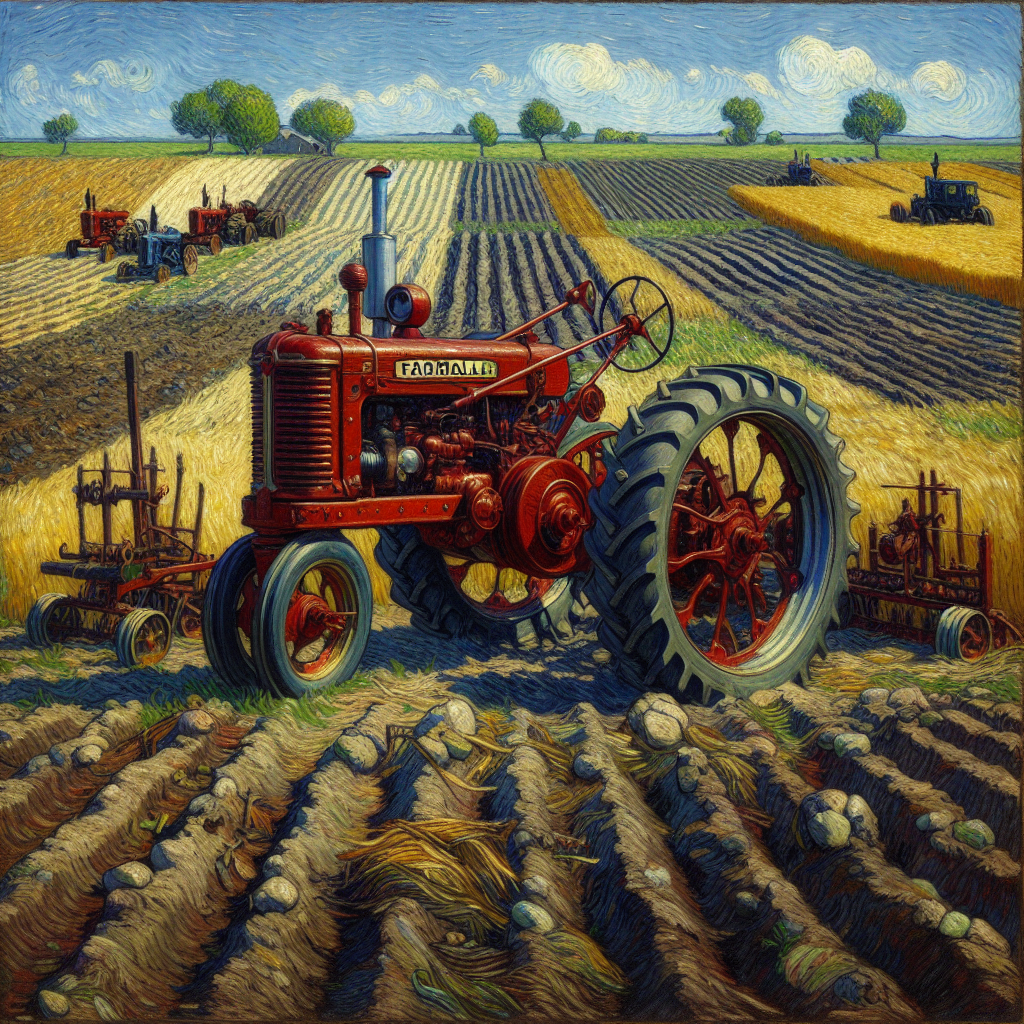
Other Questions
Haiku
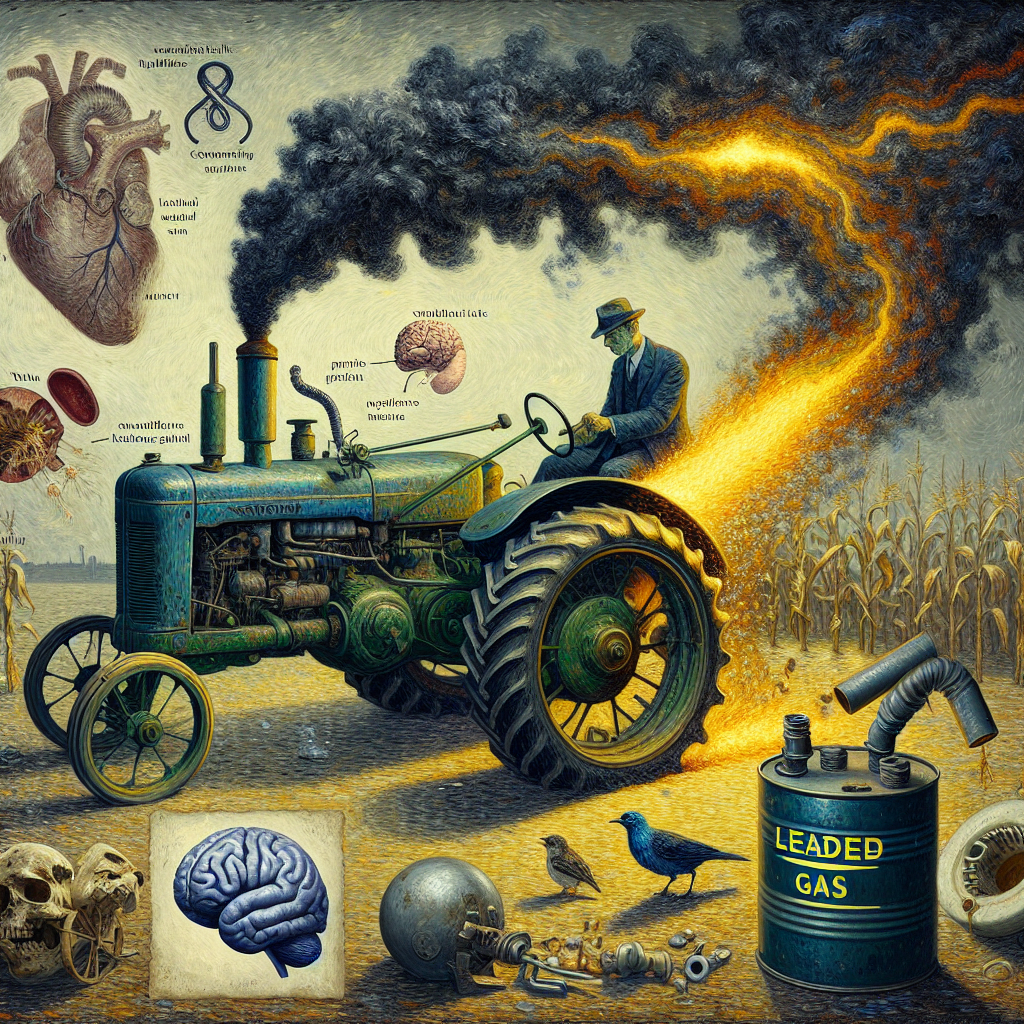
Smart AI Meets Dumb Iron – Perfect Partnership – A Haiku
Machines hum, hearts swell,
Trust blooms in fields green with hope,
AI, farmer’s friend.
Haiku
Poem
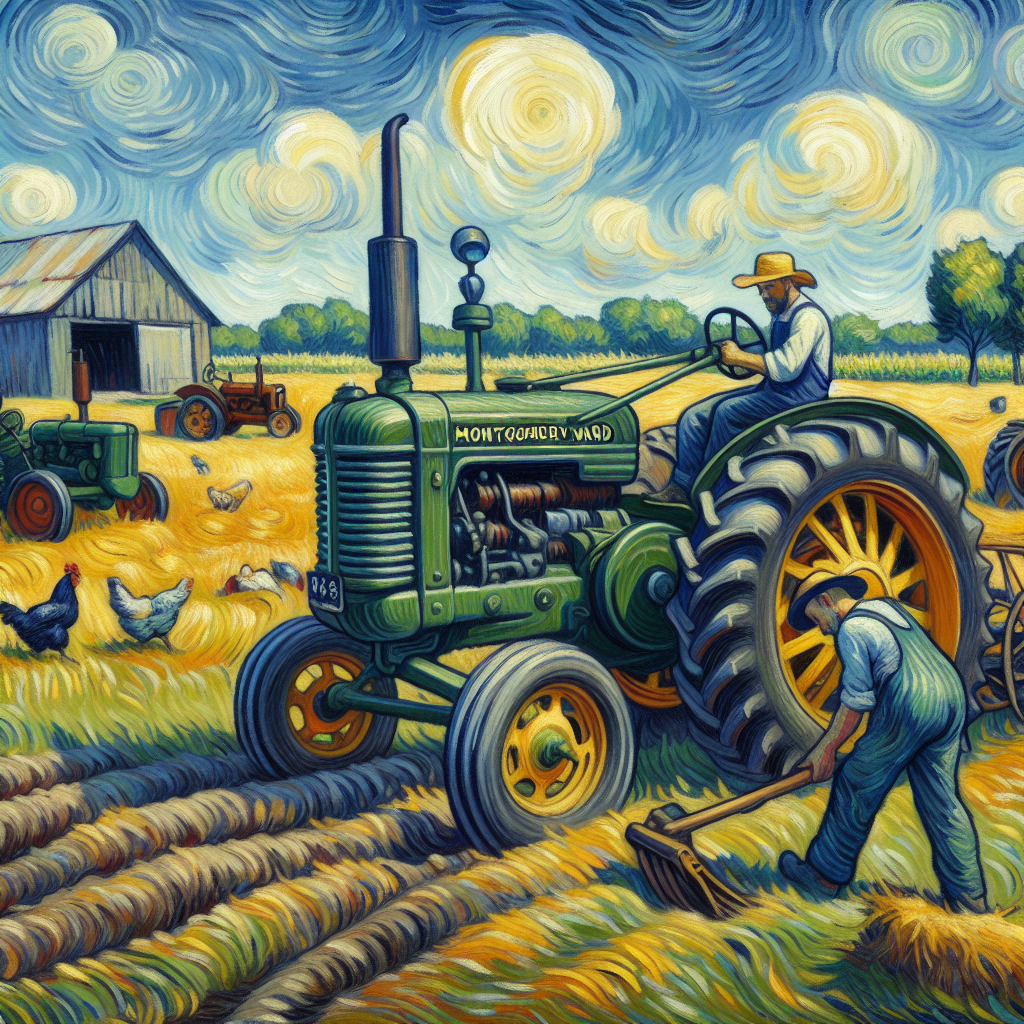
Smart AI Meets Dumb Iron – Perfect Partnership – A Poem
In fields where steel meets the sun’s golden glow,
The dance of man and machine, a harmonious flow.
Tractors once tireless, now imbued with smart might,
Harvesting not just crops, but a future shining bright.
AI whispers wisdom through the soil and air,
Guiding farmers with insights, nurtured with care.
A lifeline of data, empowering each hand,
Transforming humble toil into a bountiful land.
Trust emerges gently from the heart of the earth,
As innovation fosters both progress and worth.
Yet shadows of doubt linger in the night,
Can a machine grasp the soul’s deepest light?
Creativity thrives where the wildflowers grow,
In the space of imperfections, true artistry flows.
But as AI injects precision into the fray,
We ponder the essence of humankind’s way.
Through stories of sweat and late nights spent,
We ask of our tools, how should they be bent?
To uplift the spirit, weave dreams into our fate,
Not replace the artist, but collaborate.
Imagine a world where technology sings,
A balance of progress, where compassion springs.
In this partnership of brilliance and brawn,
Together we rise, toward a brighter dawn.
As jobs evolve, let humanity steer,
With ethics our compass, we navigate fear.
Let’s shape a future where each heart takes part,
In the labor of love, with machine and with art.
Poem
Checklist
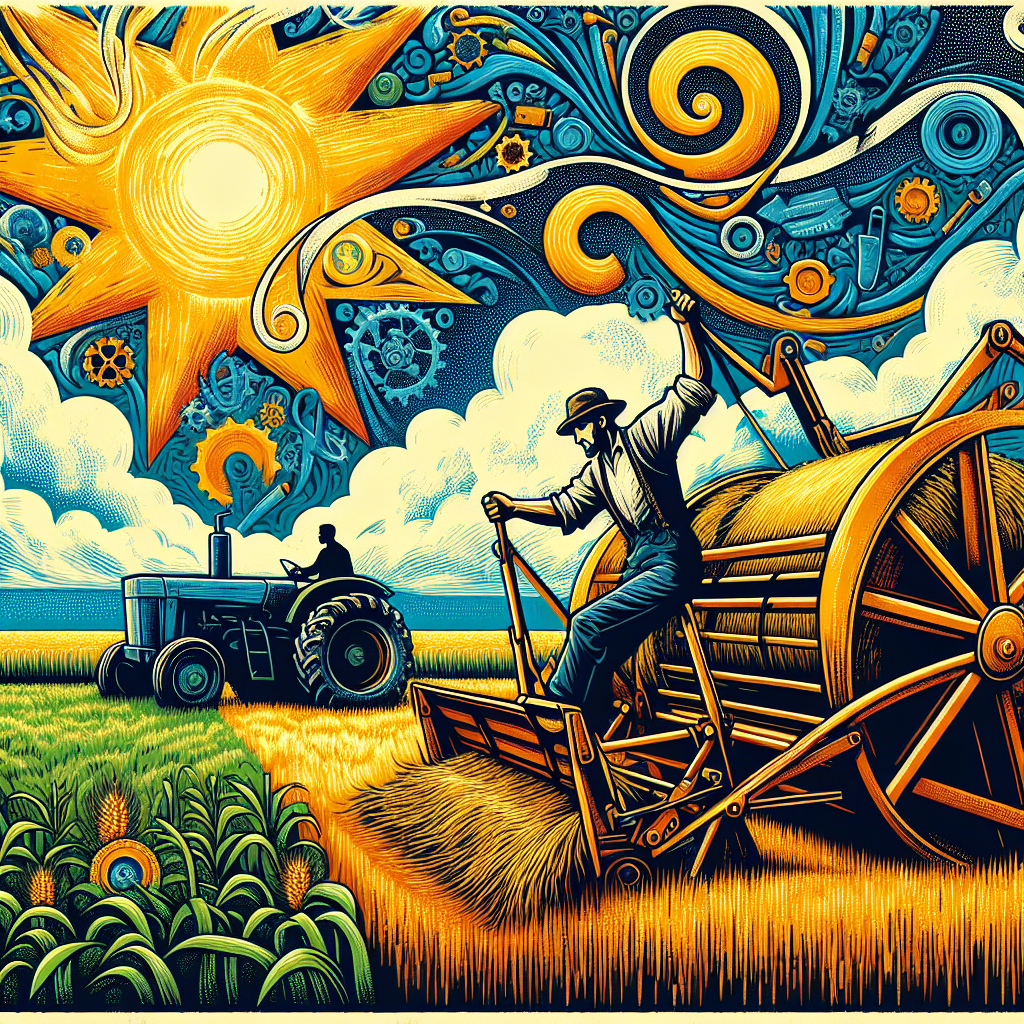
Smart AI Meets Dumb Iron – Perfect Partnership – A Checklist
Smart AI Meets Dumb Iron – A Perfect Partnership
✅______ Reflect on the emotional connection between farmers and their land.
✅______ Share personal stories of resilience and hard work in agriculture.
✅______ Consider how AI enhances our human experiences, not just through data but through shared journeys.
Head Appeals
✅______ Analyze potential productivity gains through AI integration in agriculture.
✅______ Discuss data-driven decisions enabled by AI and their impact on efficiency.
✅______ Evaluate the ethical implications of relying on AI for decision-making.
Gut Appeals
✅______ Trust in the partnership between humans and machines for sustainable farming.
✅______ Contemplate the exhilaration of innovation and progress in agriculture.
✅______ Acknowledge the complex emotional landscape of creativity alongside AI.
Emotional Appeals
✅______ Celebrate stories of tradition intertwined with modern technology.
✅______ Highlight the joys of community growth and economic benefits from AI.
✅______ Recognize the emotional weight of trusting machines with ethical decisions.
Rational Appeals
✅______ Provide data on how AI improves agricultural productivity and resource management.
✅______ Encourage critical thinking around the balance of technology and human intuition.
✅______ Offer insights into new job roles emerging from AI developments.
Ethical Appeals
✅______ Advocate for transparency in AI development to foster trust.
✅______ Emphasize the need for responsible AI integration within industries.
✅______ Challenge the narrative to include the human elements of ethics and creativity.
Authority Appeals
✅______ Cite experts in agriculture technology and AI ethics.
✅______ Reference successful case studies of AI implementation in farming.
✅______ Highlight industry standards for ethical AI use.
Narrative Appeals
✅______ Encourage sharing of community stories of AI’s impact in local farming.
✅______ Illustrate the journey of a farmer adapting to AI, emphasizing personal growth.
✅______ Frame AI as a partner that enhances the human experience rather than replaces it.
Social Appeals
✅______ Promote the idea of community collaboration in adapting to AI technologies.
✅______ Discuss societal responsibilities in ensuring AI benefits everyone.
✅______ Advocate for forming support networks to assist in technological transitions.
Checklist
At ClassicTractorNews, we help tractor lovers keep up with the latest news for classic and vintage tractors.
Please share this post with your friends, family, or business associates who may like old classic or vintage tractors.