

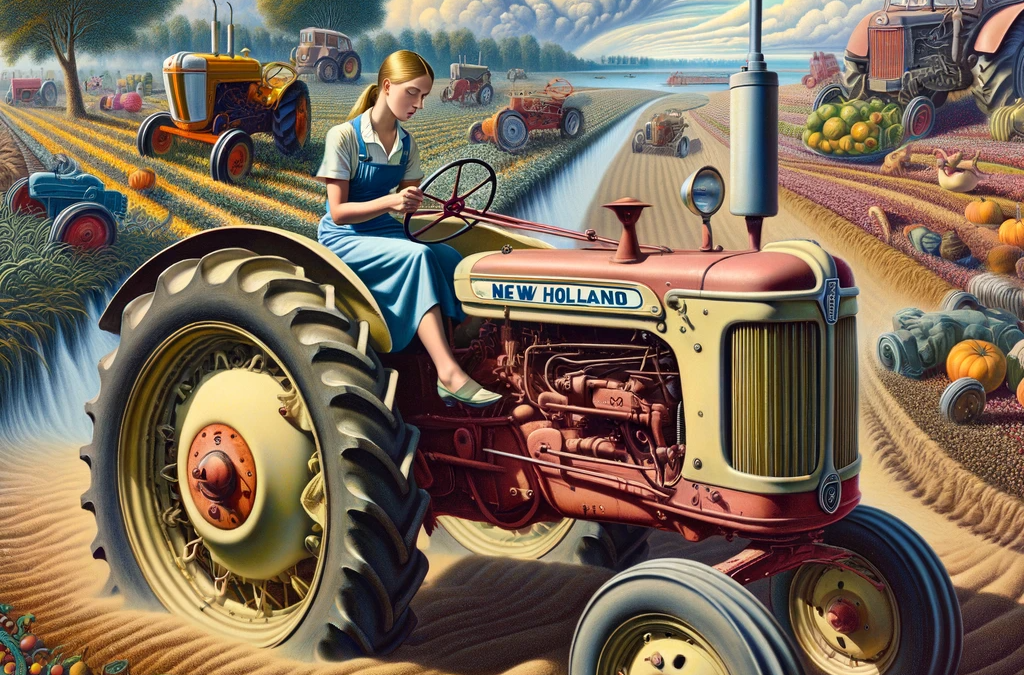
Rediscovering Fulfillment: A Farmer’s Journey To Simplicity And Joy
By Tom Seest
At ClassicTractorNews, we help tractor lovers keep up with the latest news for classic and vintage tractors.
Please share this post with your friends, family, or business associates who may like old classic or vintage tractors.
Simplicity Wins – How One Farmer Ditched His New Tractor Forever
In a world where bigger is often equated with better, one farmer decided to downsize, trading in his shiny new tractor for a simpler, more hands-on approach to farming. It’s a story that resonates deeply with many of us, as we navigate the complexities of modern life in search of authenticity.
Picture this: a sprawling field, the sun rising over rows of green, and instead of the rumble of a machine, there’s the quiet of nature, interrupted only by the rustle of leaves and the chirp of birds. This farmer, let’s call him Jake, once reveled in the power of his new tractor, with its cutting-edge technology and shiny chrome. It was supposed to make his life easier. But as weeks turned into months, Jake found himself tethered to the very machine that promised freedom. He realized that amidst the comforts and conveniences, something essential was slipping away—connection.
Jake’s journey of returning to simpler roots ignited a spark within him that he didn’t know he was missing. He began fostering a deeper relationship with the land, learning to read its signs, to engage with the soil under his hands rather than relying solely on gauges and controls. The shift wasn’t just physical; it was profoundly emotional. He found purpose in getting his hands dirty—literally and figuratively. The act of planting seeds became more than just a chore; it transformed into a ritual rich with meaning, a moment where he could reflect, breathe, and connect.
As neighbors witnessed his transition, skepticism initially lingered—who could farm without the technological crutch of a tractor? Yet, Jake’s small, hand-tilled patches blossomed into vibrant life, yielding both crops and a sense of community. Other farmers started to take notice, some even approaching for advice on reconnecting with their own land. What began as a private decision burgeoned into a collective movement toward mindfulness in farming.
Jake’s story illustrates a profound truth: sometimes, the simplest path is the most rewarding. In choosing to eschew the tractor, he redefined success not by the size of his equipment, but by the richness of his experiences—the laughter shared over harvests, the lessons learned in the quiet of a field. It’s a reminder for all of us: in the race for efficiency and productivity, we must not forget the call of our roots and the heart of our labor.
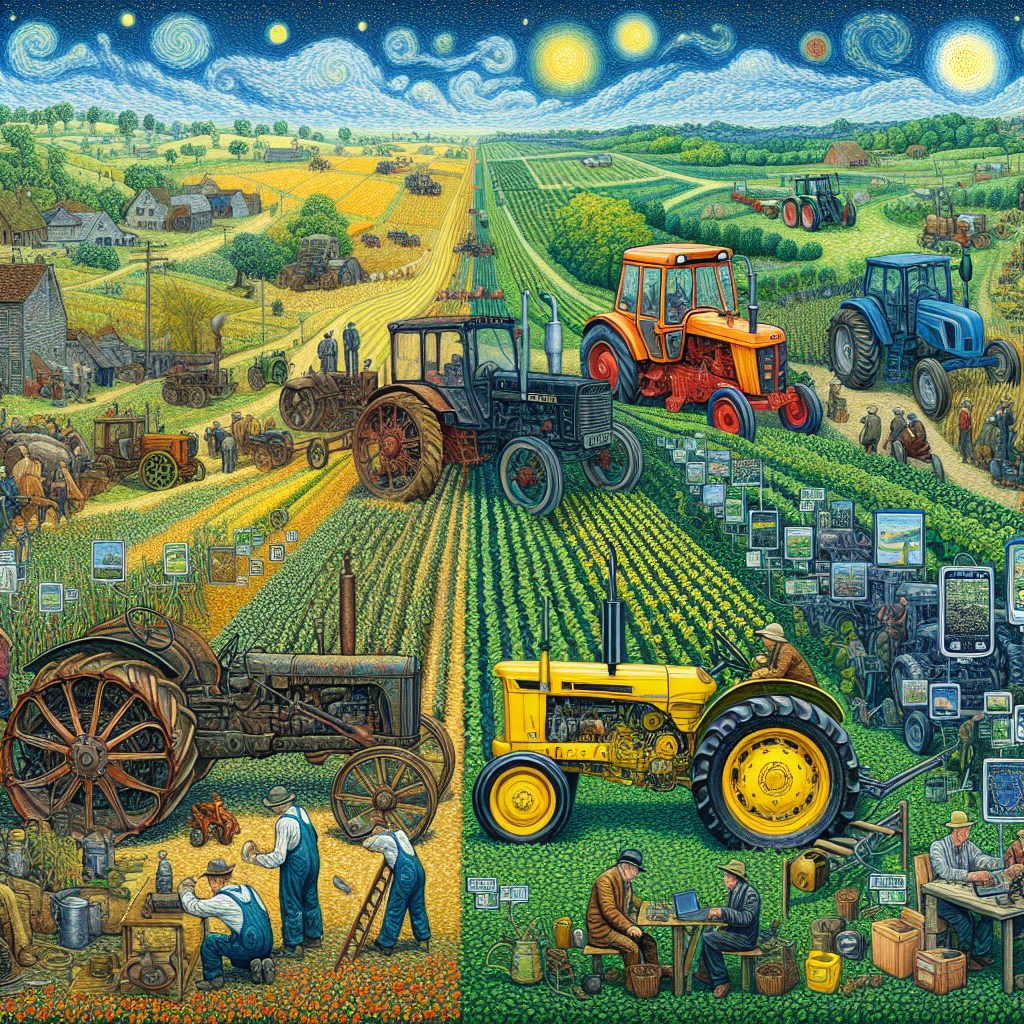
Simplicity Wins – How One Farmer Ditched His New Tractor Forever
Simplicity Wins – How One Farmer Ditched His New Tractor Forever
- A farmer named Jake downsizes, trading his tractor for a hands-on farming approach.
- His choice reflects a search for authenticity amid modern life’s complexities.
- Initially, Jake enjoyed the power of his tractor but felt disconnected over time.
- Returning to simpler roots helped him build a deeper connection with the land.
- His shift towards manual farming became a meaningful ritual, enriching his experience.
- Despite initial skepticism, neighbors noticed his successful small patches and sought his advice.
- Jake’s story emphasizes that simplicity can lead to more rewarding experiences in farming.
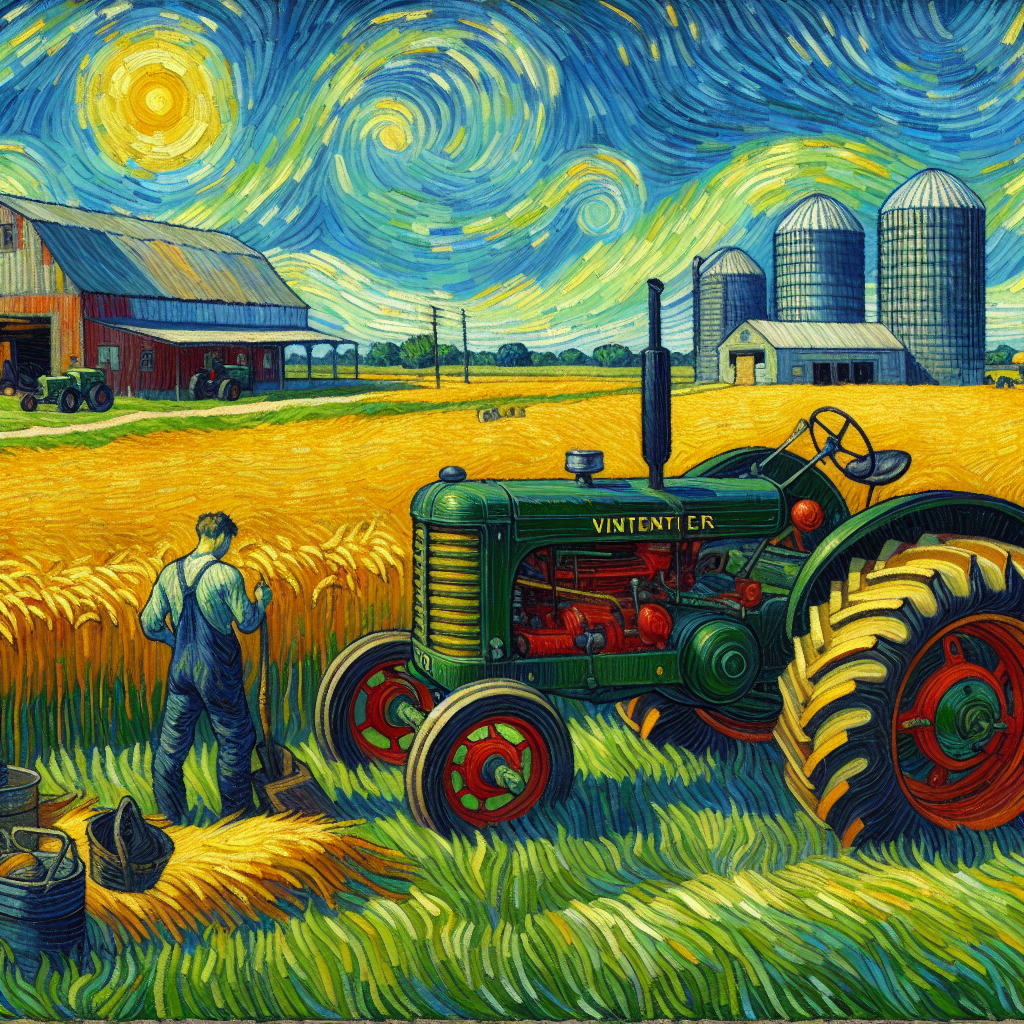
Simplicity Wins – How One Farmer Ditched His New Tractor Forever
Table Of Contents
- Simplicity Wins – How One Farmer Ditched His New Tractor Forever
- How Can Simplicity Transform Our Lives for the Better?
- What Do We Gain By Letting Go Of Complexity?
- Is the Pursuit Of Less Truly More Fulfilling?
- How Does Minimalism Enhance Our Connection to Nature?
- How Can Reducing Reliance on Technology Improve Our Well-Being?
- In What Ways Does Simplicity Foster Community and Relationships?
- Conclusion
- Other Resources
- Glossary Of Terms
- Other Questions
- Haiku
- Poem
- Checklist
How Can Simplicity Transform Our Lives for the Better?
In a world that often glorifies complexity, the allure of simplicity becomes a guiding light, an old tractor on a sprawling farm that reminds us of the strength found in straightforwardness. Life sometimes feels like a tangle of machinery, wires crossed in a mess of obligations and distractions. When we strip away the unnecessary layers, we can reconnect with what truly matters—family, purpose, and the satisfaction of a job well done.
Imagine a farmer, starting his day at dawn, hands caked with dirt, the steady rumble of that trusty tractor comforting beneath him. Each row plowed is more than just a chore; it’s a choice to focus on what he can control amidst a storm of external pressures. In embracing simplicity, he cultivates not just his fields but his well-being, finding joy and fulfillment in the rhythm of the work rather than the noise of the outside world.
The heart responds to this narrative. We all have burdens—an avalanche of commitments that wear us down. Simplifying our lives allows us to breathe again, to pursue passions that ignite our spirits. This isn’t merely about decluttering physical spaces; it’s a philosophy that resonates at a deeper level. When we carve out the unnecessary, we invite clarity and purpose back into our lives, paving the way for meaningful connections with those around us.
Rationally, consider this: studies show that simpler lives are often healthier. Less clutter leads to reduced stress, lower anxiety levels, and even better relationships. A straightforward existence fosters an environment where decisions can be made more effectively. When the noise subsides, creativity thrives, innovation flourishes, and we find ourselves motivated to take action—not just for ourselves, but for our communities.
Ethically, embracing simplicity echoes a profound respect for our planet and each other. It challenges us to consume less, think more, and appreciate the abundant resources our world offers. The more we simplify our choices, the more mindful we become, shaping a future where complexity does not define us but serves us.
Ultimately, it all comes down to choice. Choosing simplicity is an act of rebellion against a world that often values more over what truly matters. The old tractor symbolizes this rebellion—steady, reliable, grounding us in the importance of a life well-lived. By reclaiming simplicity, we are not just transforming our own lives; we are inspiring those around us to focus on what’s essential, creating a ripple effect that can transform communities for the better.

How Can Simplicity Transform Our Lives for the Better?
How Can Simplicity Transform Our Lives for the Better?
- The allure of simplicity serves as a guiding light in a complex world.
- By stripping away unnecessary layers, we reconnect with family, purpose, and fulfillment.
- A farmer’s routine exemplifies how embracing simplicity cultivates well-being amidst external pressures.
- Simplifying life allows for clarity, meaningful connections, and the pursuit of passions.
- Studies indicate that simpler lives lead to reduced stress, lower anxiety, and improved relationships.
- Embracing simplicity reflects respect for the planet and encourages mindful consumption.
- Choosing simplicity is an act of rebellion that inspires community transformation.
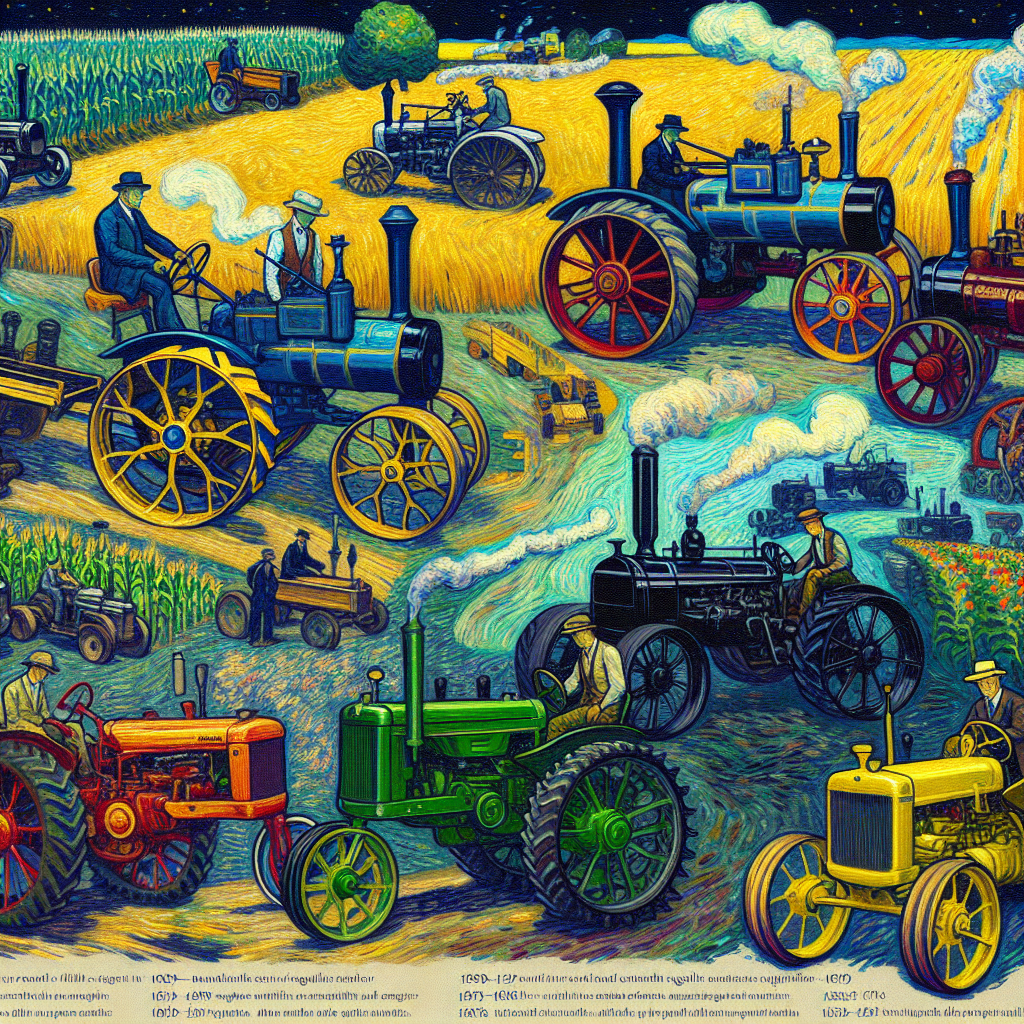
How Can Simplicity Transform Our Lives for the Better?
What Do We Gain By Letting Go Of Complexity?
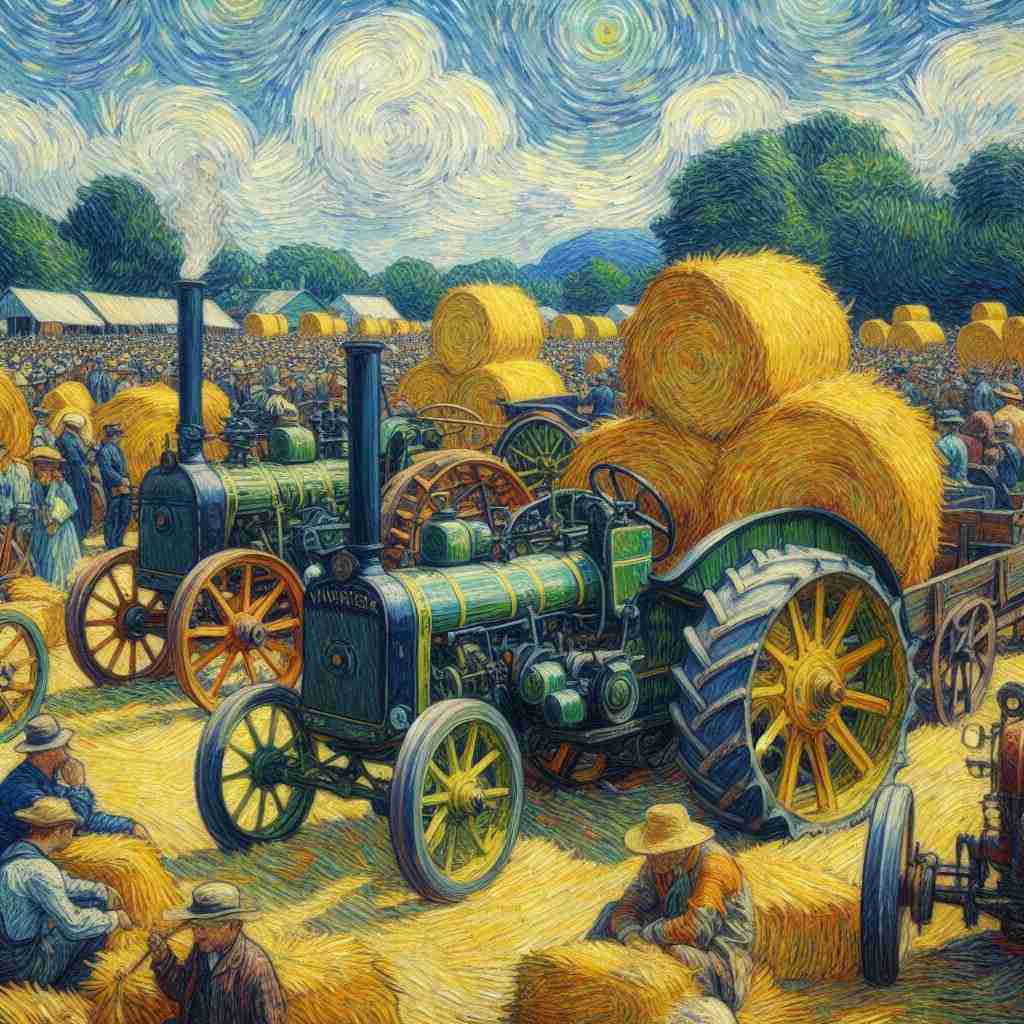
In a world obsessed with complexity, it’s easy to forget the beauty found in simplicity. Think about the humble tractor, that workhorse of agriculture. At first glance, it seems like a mere machine, but it represents something deeper—a connection to the land, a commitment to hard work, and a reminder that sometimes, the simplest solutions yield the best results. When we allow ourselves to shed the complexities of modern life, we can find strength in the straightforward, even in our most challenging moments.
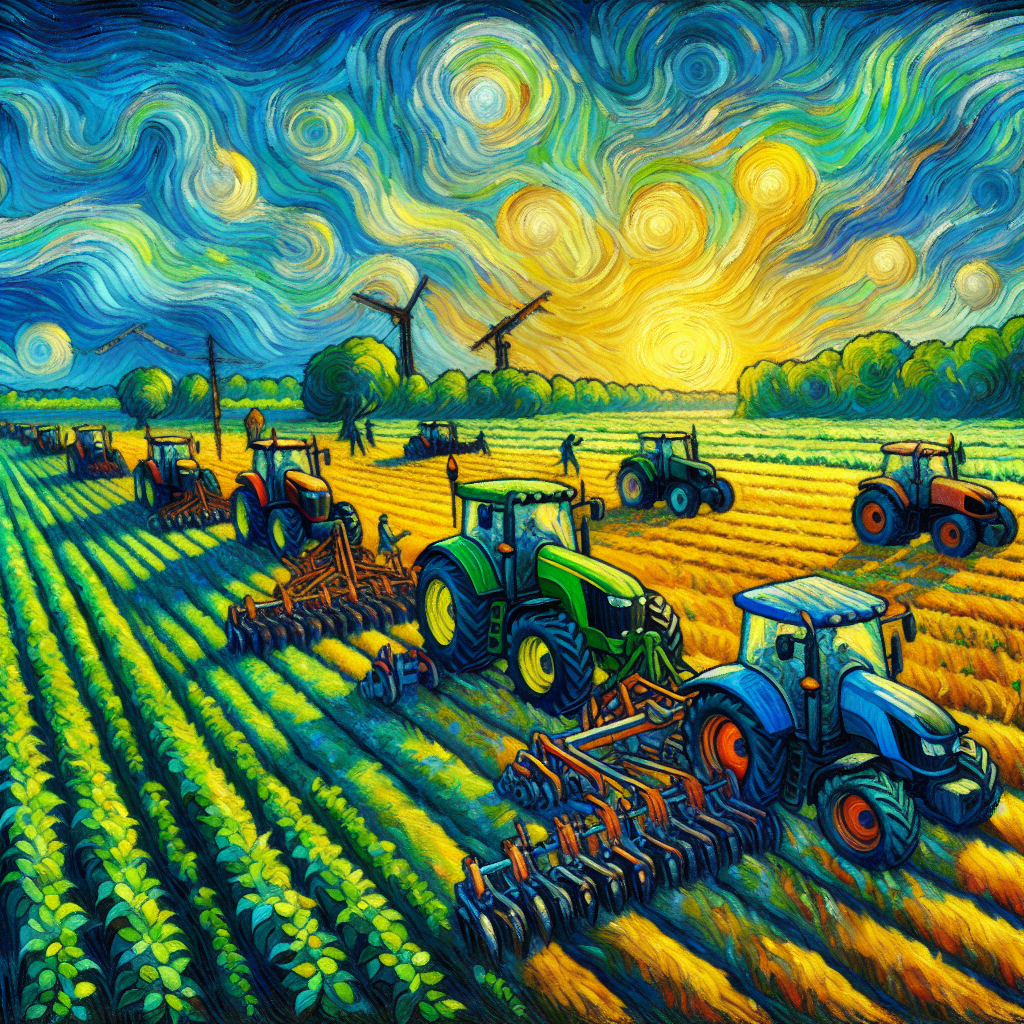
By letting go of complexity, we reclaim our time and our focus. There’s a story of a farmer, overwhelmed by the myriad decisions he faced each day. One morning, after grappling with complicated machinery and intricate crop schedules, he stripped back his methods. He focused instead on the basics: rotating crops, using natural fertilizers, and investing in a reliable tractor. The result? A thriving farm that not only produced more but also fostered community. This narrative reveals that the heart of success often lies in simplification—focusing on what truly matters rather than what dazzles the eye.
It’s about perspective. When we step away from the tangled web of our lives, we’re able to view our goals with clarity. Consider how refining our approach can lead to a powerful transformation. Just like that farmer who prioritized his well-being over complexity, we too can foster connections by removing barriers in our relationships. Vulnerability becomes strength when we admit that we don’t have all the answers.
Ethically, letting go of complexity invites a more authentic existence. We begin to discern what’s essential for our communities and ourselves, leading to deeper relationships built on trust. By clearing the clutter, we create space for meaningful connections and experiences. We become the tractor that drives our community forward, steady and unwavering.
Let’s not forget the intuitive pull of connection. In our narratives, as we reveal our struggles and triumphs born from simplicity, we invite others to join us on this journey. It’s a shared experience that can galvanize a community, reminding each individual that complexity does not equate to depth—emotion often resides in the simple truths we share. We gain clarity, foster relationships, and build trust, proving that sometimes the greatest gains come from lifting the weight of unnecessary complexity and embracing the straightforward paths that lead us home.
What Do We Gain By Letting Go Of Complexity?
What Do We Gain By Letting Go Of Complexity?
- In a complex world, simplicity offers beauty and strength.
- The tractor symbolizes connection to land and the value of straightforward solutions.
- A farmer’s story illustrates the benefits of simplifying agricultural practices.
- Clarity in goals emerges when we remove complexities from our lives.
- Embracing vulnerability fosters deeper relationships and community connections.
- Simplification leads to authentic existence and trust within communities.
- Sharing experiences of simplicity can unite individuals and challenge the notion that complexity equates to depth.
What Do We Gain By Letting Go Of Complexity?
Is the Pursuit Of Less Truly More Fulfilling?
Is the Pursuit of Less Truly More Fulfilling?
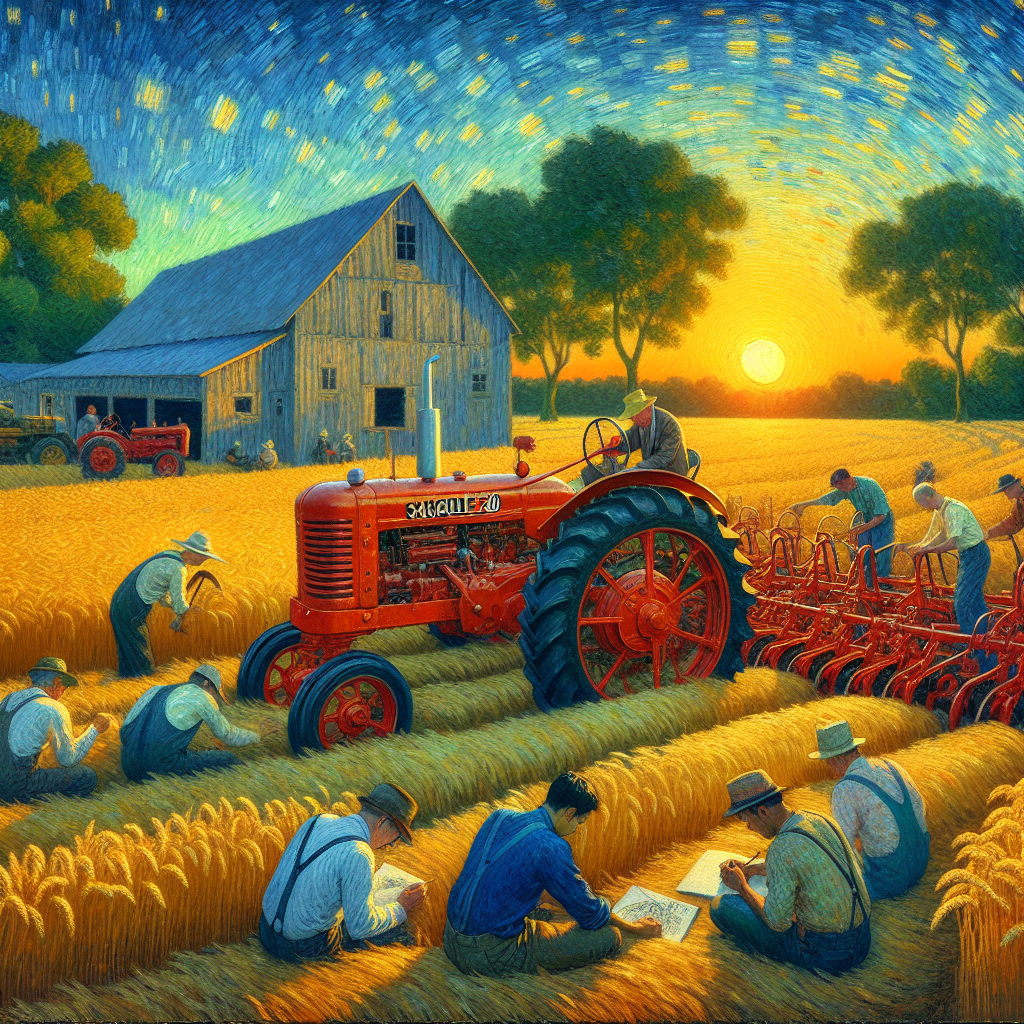
In a world that often equates success with accumulation, the idea that “less is more” can seem like a radical notion—a challenge to the status quo that invites skepticism. Yet, take a moment to ponder this: what if the pursuit of fewer possessions, obligations, and distractions led to a life that’s not just simpler, but richer? Imagine for a second a farmer, standing beside his weathered tractor, the sun setting behind him, casting a warm, golden hue over the fields he’s tended for decades. He doesn’t own the most advanced equipment or the largest spread of land, but it’s his pride and joy. Here lies an illustration of how fulfillment often springs from the meaningful connections we cultivate, not the material goods we gather.
There’s a certain truth to the notion that decluttering our lives—both physically and mentally—can create space for what truly matters. It’s more than just aesthetics; it’s about recognizing the value in experiences over possessions. When you strip away the excess, like peeling back layers of an onion, you discover the core—the relationships, passions, and identities that define us. It’s that connection to our craft, much like our farmer, where we find joy. He’s aware that the vintage tractor might not boast the latest technology, yet it weaves stories of sweat, soil, and success, imparting lessons on resilience and patience.
What’s often omitted from discussions on minimalism is the ethical angle. In seeking less, we also consider the impact of our choices on the community and the planet. The reduction of our carbon footprint, the support of local craftsmanship, and the embrace of sustainable practices creates a ripple effect, inspiring others to rethink their own consumption. That’s the heart of the matter—making choices not just for ourselves, but for a greater good. Imagine how powerful it would be if we all chose to invest in experiences that nurture community bonds, rather than in things that ultimately isolate us.
The pursuit of less doesn’t equate to sacrifice; it invites a deeper examination of our lives. Think of it as trading the overwhelming noise of a bustling city for a quiet evening on the porch, sipping sweet tea with a neighbor. In those moments, amidst laughter and shared stories, we find richness that goes far beyond anything money can buy. And perhaps, that is the essence of fulfillment—a life that resonates with purpose, connection, and joy, reminding us that what we really need can’t be found in a store, but rather in the hearts of those around us.

Is the Pursuit Of Less Truly More Fulfilling?
Is the Pursuit Of Less Truly More Fulfilling?
- The concept of “less is more” challenges traditional views equating success with accumulation.
- Fewer possessions and obligations may lead to a richer, more meaningful life.
- Fulfillment often arises from the connections we develop, rather than material wealth.
- Decluttering creates space for what truly matters: relationships, passions, and identity.
- A focus on minimalism includes ethical considerations impacting community and the environment.
- The pursuit of less invites a deeper examination of life, prioritizing experiences over material goods.
- True fulfillment lies in purpose, connection, and joy found in relationships rather than possessions.
Is the Pursuit Of Less Truly More Fulfilling?
How Does Minimalism Enhance Our Connection to Nature?
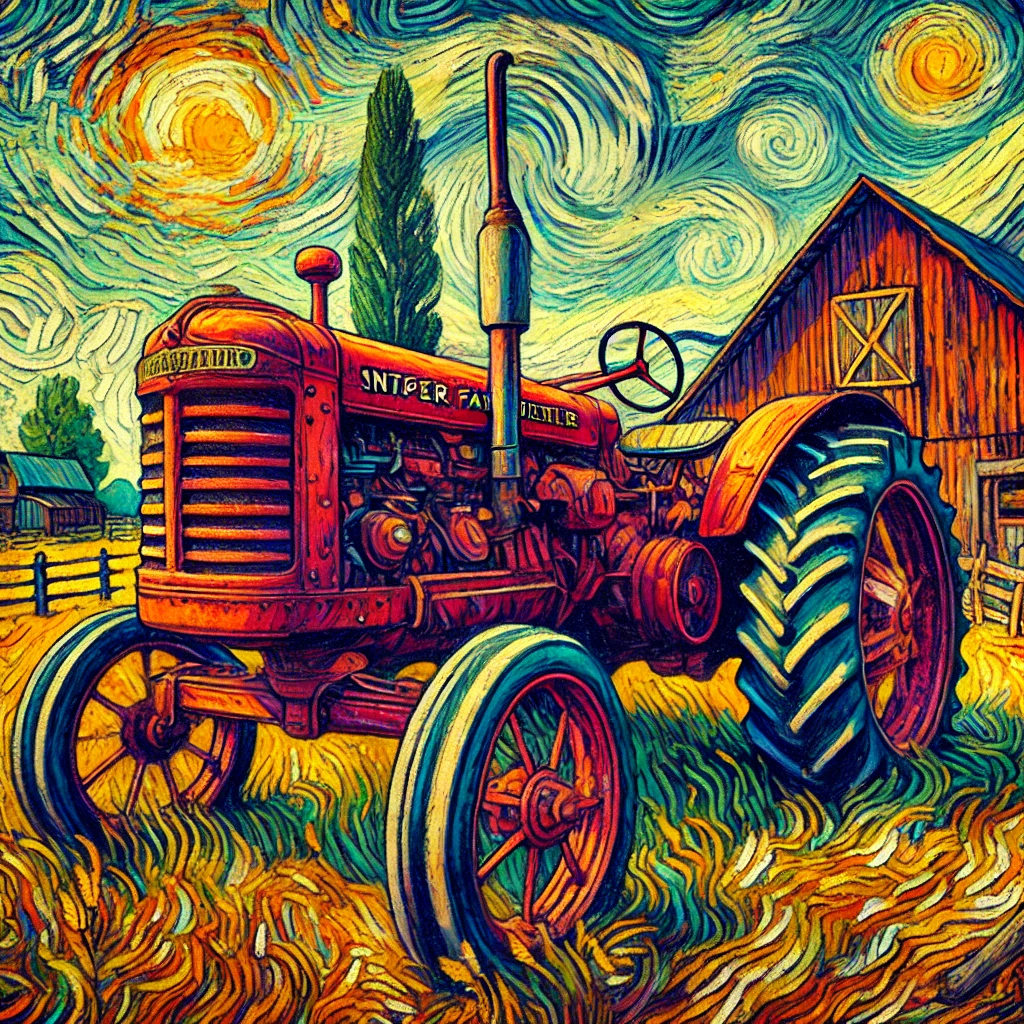
Imagine standing on the edge of vast, open fields where the only sound is the gentle hum of nature. Minimalism isn’t just a design choice; it’s a philosophy that strips away the clutter from our lives and makes way for meaningful connections, especially to the natural world. It’s akin to driving a well-tuned tractor through the heart of a farm, the engine purring as it efficiently embraces the earth, allowing us to focus on the landscape around us rather than being overwhelmed by distractions.
In a world saturated with consumer goods, minimalism encourages us to pare down, to recognize what truly matters. It’s not about deprivation; it’s about liberation. By shedding excess belongings, we make room for experiences that foster a deeper relationship with nature. Think about it: when was the last time you felt the cool breeze on your face during a hike, unencumbered by thoughts of your latest gadget? A minimalist approach invites us to notice those little moments—the colorful hues of a sunset or the rustle of leaves—and cultivates gratitude for nature’s offerings.
Moreover, minimalism reshapes how we perceive our role within the ecosystem. As we declutter our lives, we become more aware of our environmental footprint. The same way a farmer respects the land they tend to, we learn to appreciate the delicate balance of existence. This ethical connection urges us to act sustainably, fostering a sense of responsibility towards nature. When we cultivate a relationship with the earth, we also nurture our communities. Imagine sharing a story around a campfire under a starlit sky—these experiences become shared treasures that bind us together, reinforcing our social fabric.
Personal anecdotes further illustrate this connection. Picture a family who decides to spend weekends camping instead of binge-watching television. Every moment spent around a crackling fire, every hike through winding trails, deepens their appreciation for the wilderness. They don’t just observe nature; they engage with it, creating lasting memories that trivial possessions could never replicate.
When we embrace minimalism, we’re not just creating physical space; we’re fostering emotional connections to the world around us. It’s an invitation to slow down, breathe deeply, and truly experience life as it unfolds. In a society that often prioritizes noise over nature, choosing minimalism is a resounding declaration: we are ready to listen, engage, and connect more deeply with the very essence of our planet.
How Does Minimalism Enhance Our Connection to Nature?
How Does Minimalism Enhance Our Connection to Nature?
- Minimalism serves as a philosophy that removes clutter, fostering connections with nature.
- It promotes recognition of what truly matters, rather than focusing on consumer goods.
- Minimalism encourages liberation through shedding excess belongings, making space for meaningful experiences.
- Awareness of environmental impact increases as we declutter our lives.
- Building a relationship with nature can also strengthen community bonds through shared experiences.
- Personal anecdotes highlight the value of engaging with nature over material possessions.
- Embracing minimalism invites a deeper, more mindful experience of life.
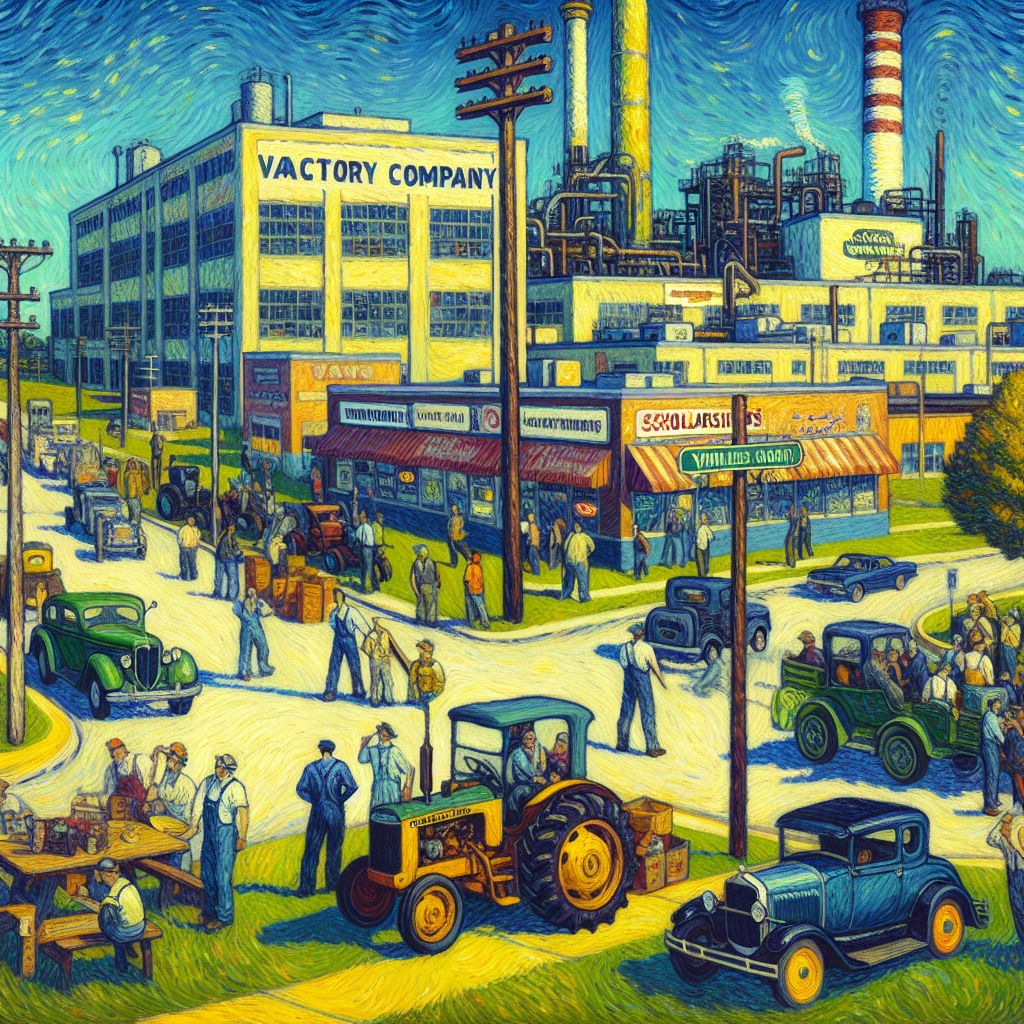
How Does Minimalism Enhance Our Connection to Nature?
How Can Reducing Reliance on Technology Improve Our Well-Being?
Reducing our reliance on technology can feel like stepping off a high-speed train and onto the solid ground of reality—a bit jarring at first but ultimately liberating. Picture a farmer rising with the sun, the gentle rumble of a tractor in the background. That machine, while a marvel of engineering, can’t replicate the satisfaction of feeling the soil beneath our hands or the pride of nurturing something tangible. In our tech-saturated world, moments of genuine connection with our surroundings can seem scarce, yet they’re essential for our well-being.
When we intentionally unplug, we not only decrease stress but also reconnect with what matters. Think back to a time when you took a leisurely walk without your phone, the sounds of nature filling your ears; it’s a stark contrast to the constant ping of notifications that often drown out life’s simple pleasures. Embracing this reduction can lead to moments of clarity, a chance to reflect and reinvigorate our spirits. Science supports this notion, too. Studies have shown that spending time in nature reduces anxiety and boosts mood, proving that less screen time can translate to more happiness, much like that vibrant field thriving under direct sunlight.
Now, let’s touch on the ethical aspect. Are we fostering genuine connections when our interactions are mediated by screens? Consider the impact on relationships when we prioritize a text over a face-to-face conversation. This choice shapes our social fabric. Think of your family gatherings, where laughter rings louder than the buzz of digital distractions. By embracing technology-less moments, we’re nurturing bonds that foster trust and understanding, the kind that last much longer than the latest app.
Finally, there’s an original point to consider: the cultivation of an ineffable sense of resilience. When we reduce our reliance on technology, we sharpen our problem-solving skills. Just as a tractor breaks the ground for crops to flourish, so can our ability to confront life’s challenges without a constant technological crutch. This adaptability transforms us, empowering us to tackle problems head-on and reminds us that we are capable of so much more than we might believe.
Taking small steps away from screens allows us to enrich our mental and emotional landscapes, fortifying not just our well-being but the ties that bind us to one another. Embrace these moments, and watch as the world opens up in ways you might never have imagined.

How Can Reducing Reliance on Technology Improve Our Well-Being?
How Can Reducing Reliance on Technology Improve Our Well-Being?
- Reducing technology reliance feels liberating, akin to stepping off a high-speed train onto solid ground.
- Genuine connections with our surroundings are essential for well-being, often lacking in a tech-saturated world.
- Unplugging decreases stress and allows for reflection and clarity.
- Studies show that time spent in nature reduces anxiety and boosts mood, enhancing happiness.
- Digital communication can hinder genuine social connections, impacting relationships.
- Reducing technology enhances problem-solving skills, cultivating resilience.
- Taking small steps away from screens enriches mental and emotional landscapes, fortifying well-being and social ties.
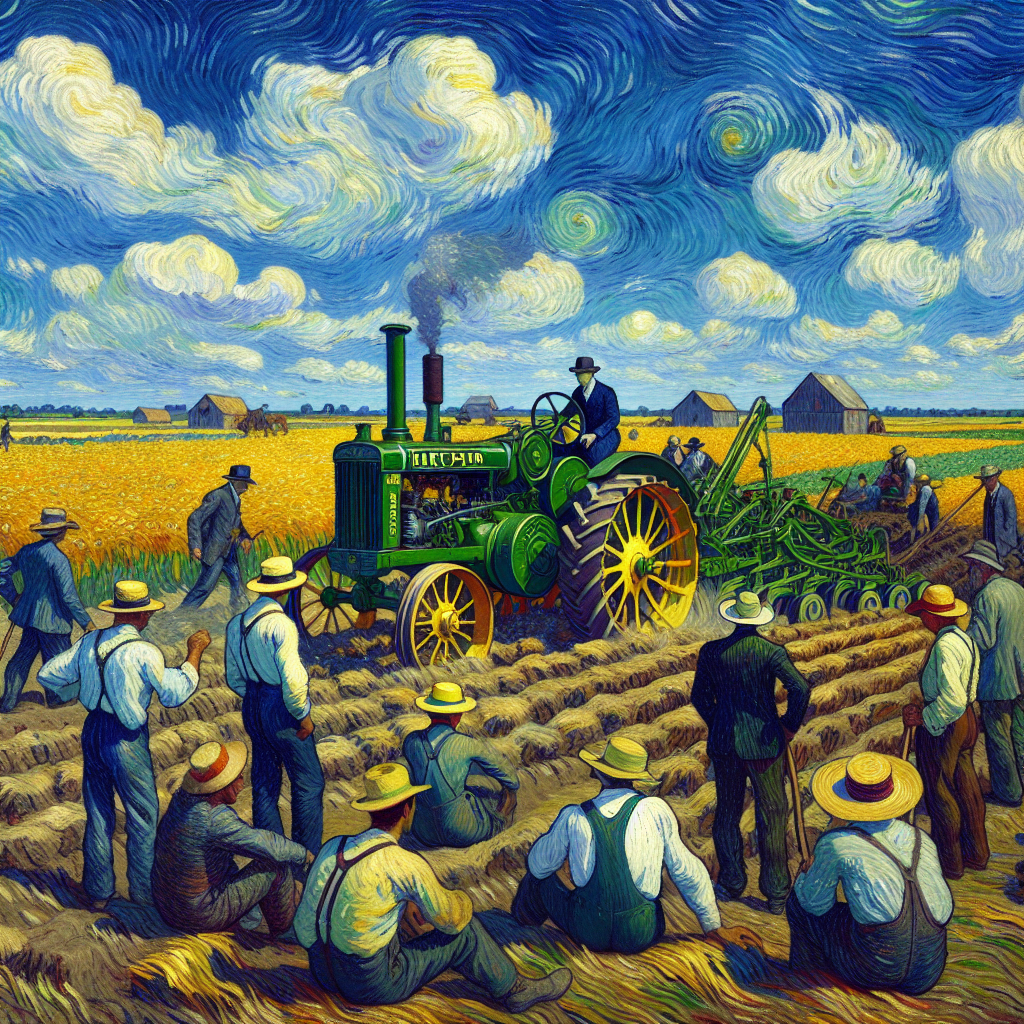
How Can Reducing Reliance on Technology Improve Our Well-Being?
In What Ways Does Simplicity Foster Community and Relationships?
In what ways does simplicity foster community and relationships? It’s a question worth diving into, especially when we consider how we often complicate our lives with unnecessary noise. Picture a tractor working the land—steady, uncomplicated, powerful in its purpose. Just like that tractor breaks through the hard soil to cultivate and grow, simplicity cuts through the clutter in our lives, allowing genuine connections to flourish.
When we embrace simplicity, we strip away the layers of pretense that often isolate us. Think about a community gathering around a bonfire. The warmth radiates not just from the flames but from the shared stories and laughter that flow freely when everyone is comfortable being themselves. There’s an undeniable power in sharing a straightforward meal or engaging in simple activities, like playing cards or collaborating on a project. These moments create bonds, reminding us of our shared humanity.
Now consider the rational aspect—complex relationships can soon become burdens. When communication is clear and uncomplicated, misunderstandings diminish. Trust grows. Reflect on a time when a friend reached out for help, maybe needing a hand with a project, like fixing that old tractor that had seen better days. It’s in those simple acts of kindness where we discover the strength of community. When one person steps up, another is likely to do the same, paving the way for a culture of support.
Then there’s the ethical dimension. In our fast-paced world, simplicity encourages an alignment with our values. When we reject the superficial and focus on what truly matters—honesty, respect, and kindness—we cultivate an environment rich in connection. People gravitate towards those who prioritize genuine interactions over flashy distractions.
And here’s the unique twist: simplicity is an act of rebellion in a society that often glorifies complexity. By choosing to live simply, whether it’s through decluttering our physical spaces or honing in on our authentic selves, we become exemplars of resilience. We invite others to join us, fostering a culture where relationships are built on trust, transparency, and shared experiences.
So, let’s take a cue from that trusty tractor. When we operate with simplicity as our guiding principle, we don’t just navigate the fields of life more effortlessly; we cultivate a flourishing community, grounded in relationships that stand the test of time.

In What Ways Does Simplicity Foster Community and Relationships?
In What Ways Does Simplicity Foster Community and Relationships?
- Simplicity cuts through life’s clutter, fostering genuine connections.
- It strips away pretense, creating comfortable environments for sharing stories and laughter.
- Engaging in simple activities strengthens bonds and highlights our shared humanity.
- Clear communication reduces misunderstandings and builds trust in relationships.
- Acts of kindness, often simple, empower community strength and support.
- Simplicity aligns with core values like honesty, respect, and kindness, promoting meaningful connections.
- Choosing simplicity serves as a rebellion against a complex society, encouraging resilience and trust in relationships.
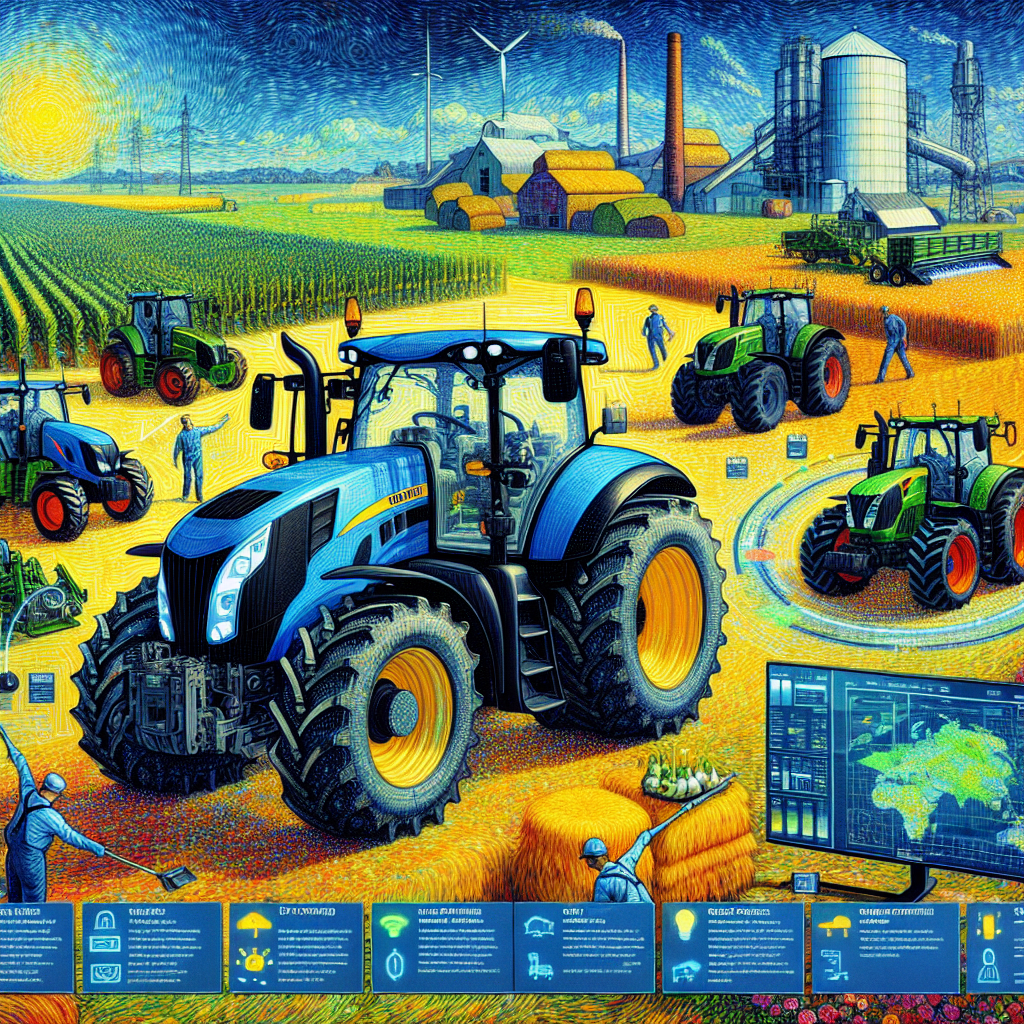
In What Ways Does Simplicity Foster Community and Relationships?
Conclusion
Simplicity has a way of breaking through the noise of our complex lives, as illustrated by a farmer named Jake who chose to exchange his new, high-tech tractor for a more intimate, hands-on approach to agriculture. In a world enamored with bigger and better, Jake’s decision to embrace simplicity reminds us of what truly holds value: connection, purpose, and community. As he stepped away from the machinery that kept him tethered, he rediscovered a profound relationship with the land, transforming ordinary farming tasks into meaningful rituals.
This shift wasn’t merely physical; it echoed in his emotional landscape. By getting his hands dirty and truly engaging with the soil, Jake found joy and fulfillment that a machine could never provide. His hand-tilled patches not only yielded crops but also sparked a movement among local farmers, inviting them to reflect on their own relationships with the land. A powerful narrative emerged: success is not determined by the size of your equipment but by the richness of your experiences and connections.
The heart of simplicity lies in its ability to enhance our quality of life. Stripping away excess reveals what genuinely matters—family, passion, and the satisfaction derived from hard work. Studies support that simpler lives lead to reduced stress and deeper relationships, paving the way for creativity, innovation, and community engagement. Ethically, embracing simplicity challenges us to consider the environmental impact of our choices, nurturing not only ourselves but also the planet.
As Jake’s story illustrates, the rebel spirit of simplicity asks us to prioritize depth over complexity. Moving away from the overwhelming demands of modern life, we can make room for experiences that foster genuine connections. Just as a farmer tends to the earth with care, we, too, can cultivate relationships that reflect trust and authenticity.
Choosing less doesn’t signify a sacrifice; rather, it’s an invitation to discover fulfillment in meaningful interactions. Imagine a warm evening spent with loved ones around a fire, devoid of distractions, where laughter and stories flow freely—these moments yield a richness that transcends material possessions.
Ultimately, minimalism encourages us to listen to what truly matters, both in life and in our surroundings. As we embrace a simpler, more intentional way of living, we not only transform our existence but also inspire those around us. Simplicity breeds community, fostering bonds strengthened by shared experiences and mutual support. As we navigate the complexities of life, let us remember that sometimes the simplest path leads us home.
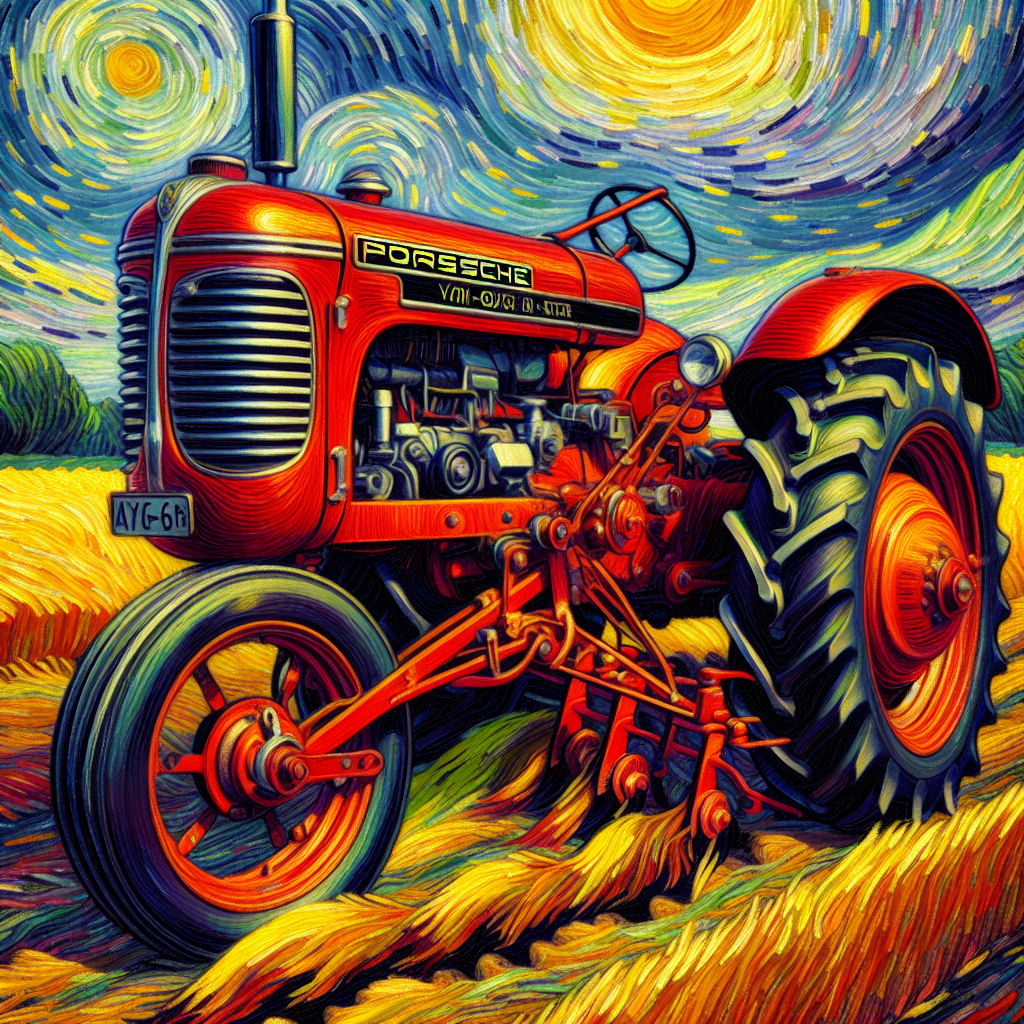
Conclusion
Conclusion:
- Jake, a farmer, traded a high-tech tractor for a hands-on approach to farming, embracing simplicity.
- His decision emphasizes the importance of connection, purpose, and community over modern complexities.
- Engaging directly with the soil brought Jake joy and fulfillment that machinery could not provide.
- Jake’s hand-tilled farming inspired local farmers to reevaluate their relationships with the land.
- Simplicity enhances quality of life by revealing what matters: family, passion, and hard work.
- Adopting simplicity nurtures creativity, innovation, and challenges us to consider our environmental impact.
- Minimalism fosters deeper connections and enriches life through meaningful interactions and shared experiences.
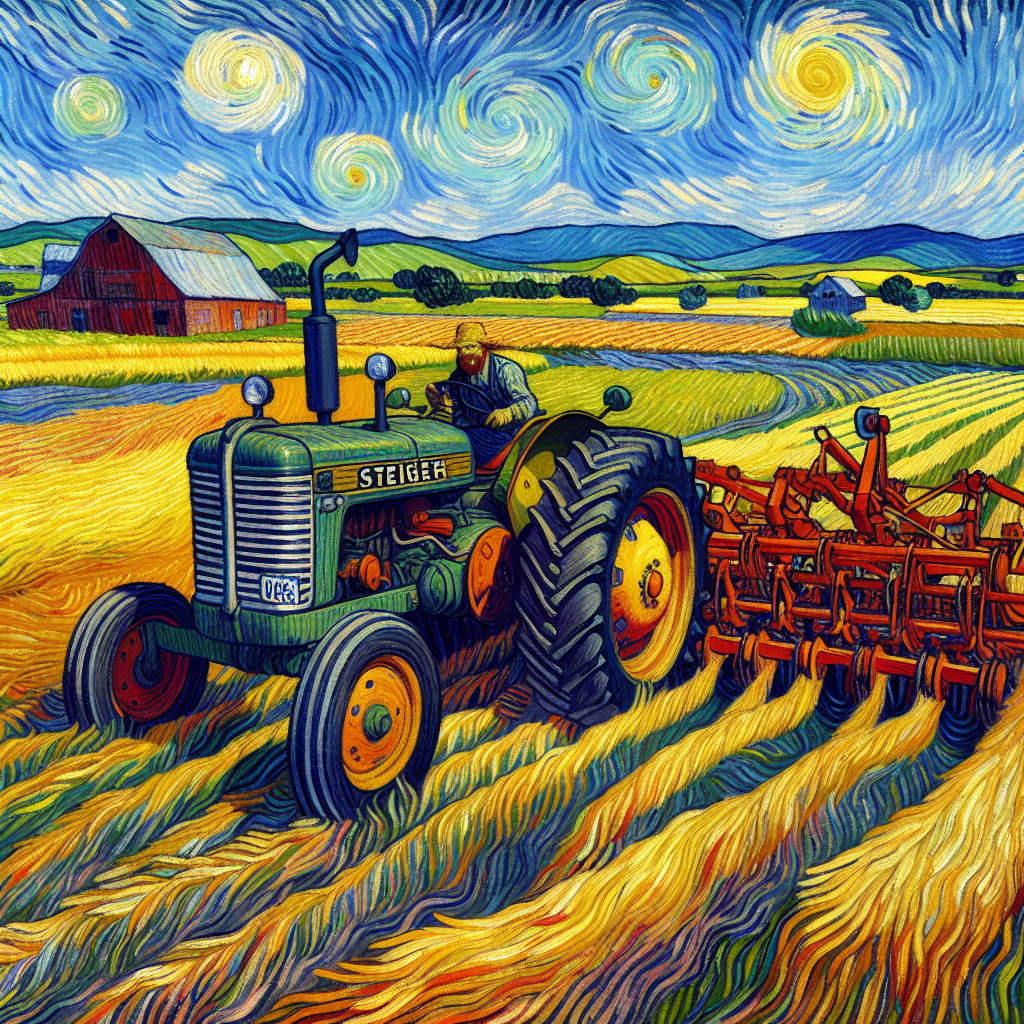
Conclusion
Other Resources

Other Resources
Here is a list of other resources you can review online to learn more:
- FARMSHOW Magazine
- Minnesota Machinery Museum
- Farmtrac
- Fate-Root-Heath
- Wallis
- Indiana Farm Equipmentand Technology Expo
- Bolinder-Munktell
- Farmall
- Ebro
- Arma Trac Tractors
- Montana
- Barreiros
- Custom
- Fieldking
- Long
- AG Museum
- Chery
- Wagner
- Shibaura
Use This Prompt To Get More Resources With Your Favorite Online AI Tool: Please provide me with a list of online articles with their URLs in a bulleted list that I can read regarding Simplicity Wins – How One Farmer Ditched His New Tractor Forever
Other Resources
Glossary Terms
Simplicity Wins – How One Farmer Ditched His New Tractor Forever – Glossary Of Terms
1. Simplicity — Prioritizing easy, low-cost, low-maintenance solutions that meet needs without unnecessary complexity.
2. Appropriate technology — Tools and machines sized and designed to fit local skills, resources, and scale rather than maximum mechanization.
3. Small-scale farming — Production oriented toward local markets or household needs, favoring simple equipment and labor-intensive methods.
4. Homestead — A self-sufficient small farm where simplicity, reuse, and multi-purpose systems are common.
5. Overcapitalization — Buying oversized or overly expensive equipment (like a new tractor) that reduces flexibility and increases costs.
6. Total cost of ownership — All costs of a machine over its life: purchase, fuel, maintenance, insurance, depreciation, and downtime.
7. Depreciation — Loss of value over time; a new tractor’s rapid depreciation often makes resale economics poor.
8. Fuel dependency — Reliance on fossil fuels for running machinery, increasing ongoing costs and vulnerability to price changes.
9. Soil compaction — Density increase from heavy equipment that reduces root growth, drainage, and long-term fertility.
10. No-till farming — Growing crops without plowing, reducing machinery needs and protecting soil structure.
11. Cover cropping — Planting protective crops to build soil, suppress weeds, and reduce the need for heavy cultivation.
12. Agroecology — Farming that integrates ecological principles to reduce inputs and favor simpler, resilient systems.
13. Polyculture — Growing diverse crops together to increase resilience and often reduce reliance on mechanized monoculture equipment.
14. Draft animals — Using horses, oxen, or mules as an alternative power source to heavy tractors for many tasks.
15. Two-wheel (walking) tractor — A smaller, more maneuverable machine that can replace large tractors for certain small-scale tasks.
16. Implements/attachments — Tools mounted to power sources (hoes, plows, harrows); simpler implements reduce complexity and maintenance.
17. Wheel hoe — Lightweight, human-operated tool for cultivating and weeding small beds as a tractor-free alternative.
18. Scythe — Hand tool for cutting grass and small grain; efficient for low-input mowing and drying tasks.
19. Hand tools — Basic implements (hoes, forks, spades) that are repairable, affordable, and often sufficient at small scale.
20. Maintenance — Regular care that determines whether equipment remains usable; simpler machines often require simpler maintenance.
21. Reparability — Ease with which a tool or machine can be fixed with local skills and parts; high reparability favors longevity.
22. Modularity — Designing systems or choosing machines with interchangeable parts to simplify repairs and reduce replacement costs.
23. DIY fabrication — Building or adapting equipment from local materials to meet needs without buying new complex machines.
24. Tool library / equipment co-op — Community sharing of seldom-used machines to avoid individual purchase of expensive items.
25. Labor intensity — The amount of human work required; higher labor can be a deliberate tradeoff for lower capital and simpler systems.
26. Efficiency (labor + energy) — Balance between human effort and energy inputs; simplicity often seeks optimal overall efficiency rather than mechanized speed.
27. Productivity per hectare — Output measure; achievable through management, not always needing larger tractors.
28. Resilience — Farm system’s ability to absorb shocks (fuel price spikes, breakdowns); simple, local solutions often increase resilience.
29. Knowledge capital — Skills, traditional techniques, and local know-how that reduce dependence on purchased machines.
30. Lifestyle economics — The farmer’s values, time priorities, and goals that drive decisions to forgo owning a new tractor in favor of simpler choices.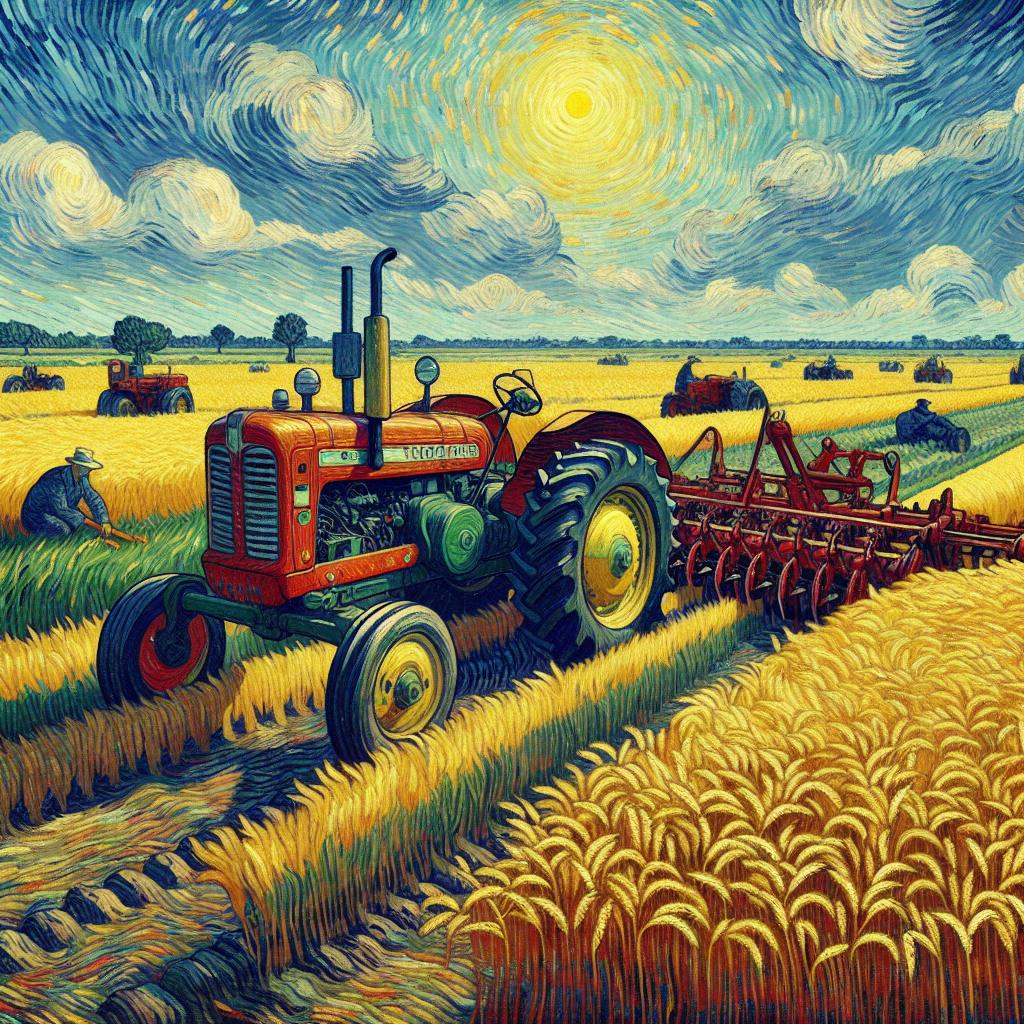 Glossary Of Terms
Other Questions
Simplicity Wins – How One Farmer Ditched His New Tractor Forever – Other Questions
If you wish to explore and discover more, consider looking for answers to these questions:
- Is Jake a real person or a fictional composite?
- What specific moment or experience prompted him to ditch the tractor?
- Did he sell the new tractor, store it, or repurpose it?
- Was his decision permanent or temporary/seasonal?
- How did ditching the tractor affect his crop yields and overall profitability?
- How much additional time and physical labor does manual or low‑tech farming require?
- What alternative tools, techniques, or equipment did he adopt in place of the tractor?
- Did he use animal power, small implements, or community labor as substitutes?
- What soil‑management practices did he implement (crop rotation, compost, cover crops)?
- How did his change in approach affect soil health, biodiversity, and long‑term land productivity?
- What were the short‑ and long‑term economic trade‑offs (cost savings vs labor costs)?
- How scalable is this simplicity-driven approach for medium or large farms?
- Which crops are most and least suited to low‑tech, hand‑tilled methods?
- How did his physical health, fatigue, and injury risk change after ditching heavy machinery?
- What safety concerns arise when replacing mechanized tasks with manual labor?
- How did he handle farm management tasks usually supported by technology (record‑keeping, planning, irrigation control)?
- Did reducing technology improve his mental health, stress levels, or sense of purpose—and how was that measured?
- How did neighbors and the local farming community react, and did any adopt similar methods?
- What community structures or support networks helped him transition (co‑ops, apprentices, mentors)?
- Were there any regulatory, insurance, or subsidy implications to farming without modern equipment?
- What marketing and distribution changes were needed to keep the farm financially viable?
- Are there documented case studies or research that back the article’s claims about simplicity and well‑being?
- What unintended negative consequences, if any, emerged from his change in practice?
- How did the shift affect his family life and relationships with farm workers or partners?
- Can a hybrid approach—selective use of technology—deliver similar emotional and environmental benefits?
- What practical first steps can a farmer or individual take to adopt more simplicity in work or life?
- What low‑cost or beginner resources (books, courses, organizations) can help someone learn these methods?
- How did he define and measure “fulfillment,” and what indicators showed improvement?
- What are the broader implications for food security and supply if more farms adopt low‑tech methods?
- How transferable is his story to urban or non‑agricultural contexts seeking simplicity?

Other Questions
Haiku
Simplicity Wins – How One Farmer Ditched His New Tractor Forever – A Haiku
Hands in the warm soil,
Tractor traded for stillness,
Joy blooms in each seed.
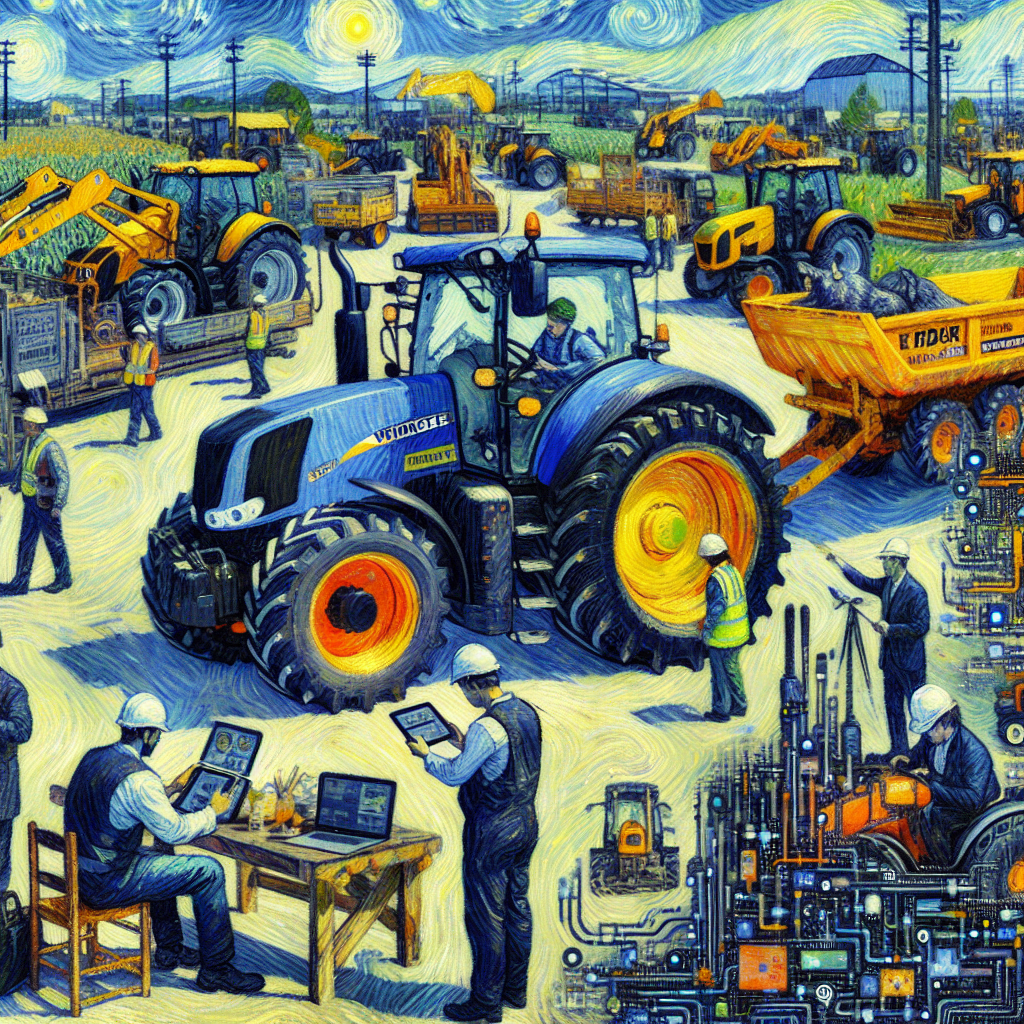
Haiku
Poem
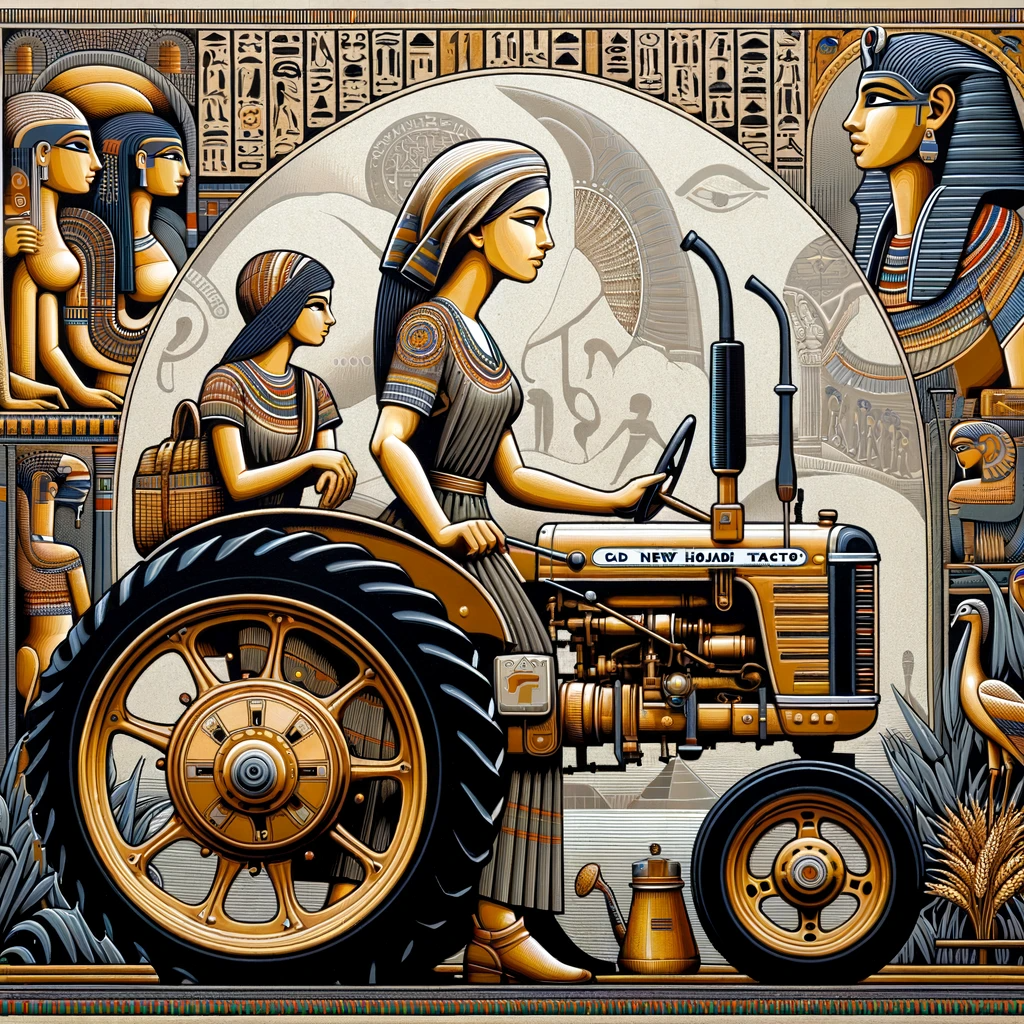
Simplicity Wins – How One Farmer Ditched His New Tractor Forever – A Poem
In a world of tractors grand and bright,
One farmer chose a path of light,
Trading metal’s noise for nature’s sound,
In simplicity, his joy was found.
Amidst the fields where wild winds play,
He tilled the earth with hands, not clay,
Each seed a story, each row a dream,
Life found purpose in the quiet gleam.
Neighbors questioned, some scoffed at first,
Could he succeed, or was it a curse?
Yet hands in soil, he nurtured grace,
A patch of green, a thriving space.
With laughter shared and hearts grown near,
The fruits of labor blossomed here,
For in the simple, connections grow,
A rhythm of life, a gentle flow.
As burdens lighten, clarity sings,
In letting go, fulfillment springs,
Each sunset’s glow, each shared embrace,
Reveals the treasures of this place.
Let us remember, in life’s grand race,
It’s the simplest joys we must embrace.
For fulfillment lies not in wealth unfurled,
But in honest ties that shape our world.
Poem
Checklist
Simplicity Wins – How One Farmer Ditched His New Tractor Forever – A Checklist
Emotional Appeals
✅______ Reflect on your connections: Identify areas in your life where you feel disconnected and seek to engage more deeply with those around you.
✅______ Create rituals: Establish daily practices that bring joy and meaning, such as gardening or family meals.
Rational Appeals
✅______ Assess your clutter: List physical and mental clutter that contributes to stress, and prioritize what to remove from your life.
✅______ Experiment with minimalism: Try a week of minimalism by reducing distractions and notice the impact on your well-being.
Ethical Appeals
✅______ Consider your impact: Reflect on how simplifying your life can benefit the environment and foster responsible consumption.
✅______ Support local: Choose to invest in local goods and services, prioritizing ethics over convenience.
Authority Appeals
✅______ Learn from experts: Seek resources and advice from thought leaders in minimalism or simplicity. Consider readings or talks that inspire a simpler life.
Narrative Appeals
✅______ Share your story: Write or share personal experiences related to embracing simplicity and the positive changes that followed.
✅______ Engage with others: Join community groups focused on simplicity or minimalism to share insights and gain support.
Social Appeals
✅______ Encourage community activities: Organize simple gatherings or events that promote connection without the need for elaborate planning.
✅______ Build supportive networks: Surround yourself with like-minded individuals who value simplicity and encourage one another in this journey.
Checklist
At ClassicTractorNews, we help tractor lovers keep up with the latest news for classic and vintage tractors.
Please share this post with your friends, family, or business associates who may like old classic or vintage tractors.