

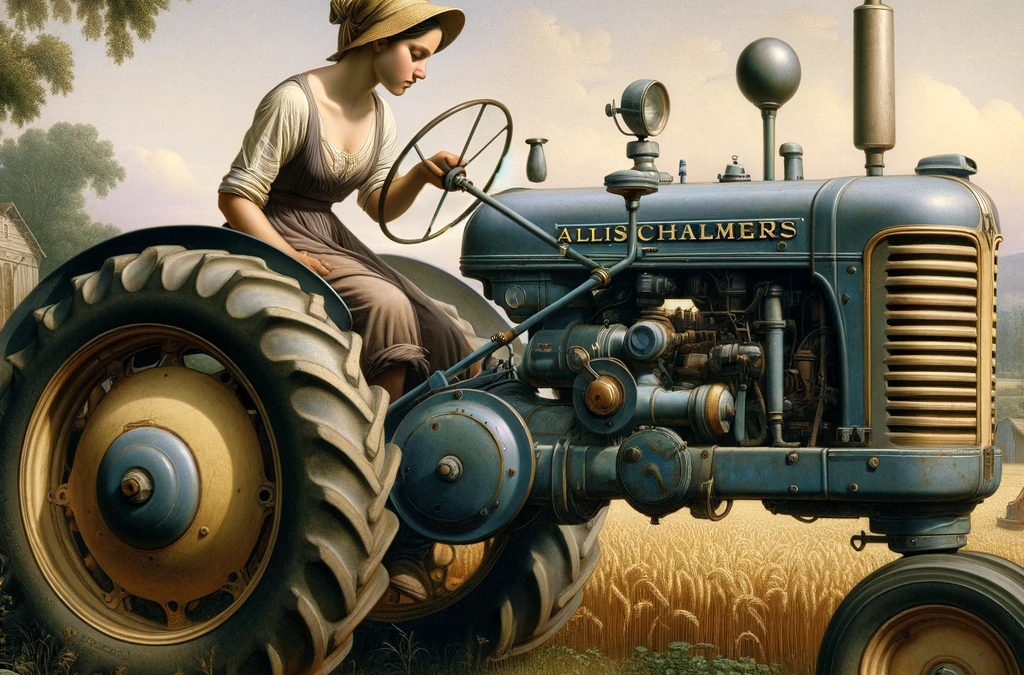
Transforming Fields: Farmers’ Inspiring Journeys To Smart Agriculture
By Tom Seest
At ClassicTractorNews, we help tractor lovers keep up with the latest news for classic and vintage tractors.
Please share this post with your friends, family, or business associates who may like old classic or vintage tractors.
Sensor Success – Farmers Share Their Upgrade Stories
In the heart of America’s farmland, where the soil meets the sky, there’s a quiet revolution happening, one that’s as transformative as the invention of the tractor itself. Farmers across the nation are not only embracing technology; they are upgrading their entire way of life. This isn’t just about new gadgets; it’s about real people with real stories who have discovered that sensors can bridge the gap between tradition and innovation, making their operations more efficient and sustainable while preserving what matters most.
Take, for instance, the tale of Grace, a second-generation farmer from Iowa. For years, she relied on her instincts and experience to manage her crops, but the unpredictability of weather patterns weighed heavily on her shoulders. When she finally decided to invest in moisture sensors, it felt like she was moving away from her roots. Yet, what she found was a tool that complemented her traditional practices. Those sensors became her silent partners, providing data that helped her make informed decisions about irrigation timing. The result? A 20% increase in yield and a telling decrease in water usage. Grace’s story exemplifies how technology doesn’t erase the farmer’s touch; it enhances it.
Consider the perspective of Mark and his son, Tom, who run a family dairy farm. One might think that cows are a manual affair, but they too have benefitted from sensor technology. With wearable devices on the herd, they monitor health and productivity without the daily rounds that used to consume hours. Each beep from a sensor could signal the difference between a healthy cow and an ailing one. This has not only bolstered their trust in technology but also strengthened the father-son bond, as they can now share responsibilities with newfound efficiency.
What’s truly special about these upgrades is the sense of community they foster. Farmers are not simply turning to sensors; they’re sharing their successes and challenges at local meetups, building a network that feels more like family than competition. Each upgrade comes with a story that resonates on a deeply human level. As these stories spread like wildfire through social media and local gatherings, they challenge the stigma attached to “big ag” and show a more personal face of technology in farming.
In a world pushed by rapid advancements, the real power lies in the hands of those who till the ground. It’s about trust, tradition, and the stories we tell. When farmers embrace these upgrades, they’re not just investing in equipment; they’re investing in their future, preserving their heritage while cultivating a sustainable path forward. This is the essence of progress—one sensor, one story at a time.
Sensor Success – Farmers Share Their Upgrade Stories
Sensor Success – Farmers Share Their Upgrade Stories
- A quiet revolution is occurring in American farming, driven by technological adoption.
- Farmers are integrating sensors to enhance efficiency and sustainability while maintaining traditions.
- Grace, a second-generation farmer, experienced a 20% yield increase by using moisture sensors to improve irrigation.
- Mark and his son Tom utilize wearable devices for their dairy herd, improving health monitoring and family collaboration.
- Technological upgrades foster a sense of community among farmers, promoting shared experiences and support.
- Stories of success and struggles challenge the negative perceptions of large-scale agriculture.
- Farmers are investing in their future by balancing innovation with heritage in their practices.
Sensor Success – Farmers Share Their Upgrade Stories
Table Of Contents
- Sensor Success – Farmers Share Their Upgrade Stories
- What Inspired Your Journey Toward Upgrading Your Farming Sensors?
- How Have Sensor Upgrades Impacted Your Crop Yields and Profits?
- What Challenges Did You Face During the Upgrade Process?
- How Do New Sensors Align with Sustainable Farming Practices?
- What Ethical Considerations Guided Your Decision to Upgrade?
- How Has Technology Reshaped Your Farming Identity and Community Role?
- Conclusion
- Other Resources
- Glossary Of Terms
- Other Questions
- Haiku
- Poem
- Checklist
What Inspired Your Journey Toward Upgrading Your Farming Sensors?
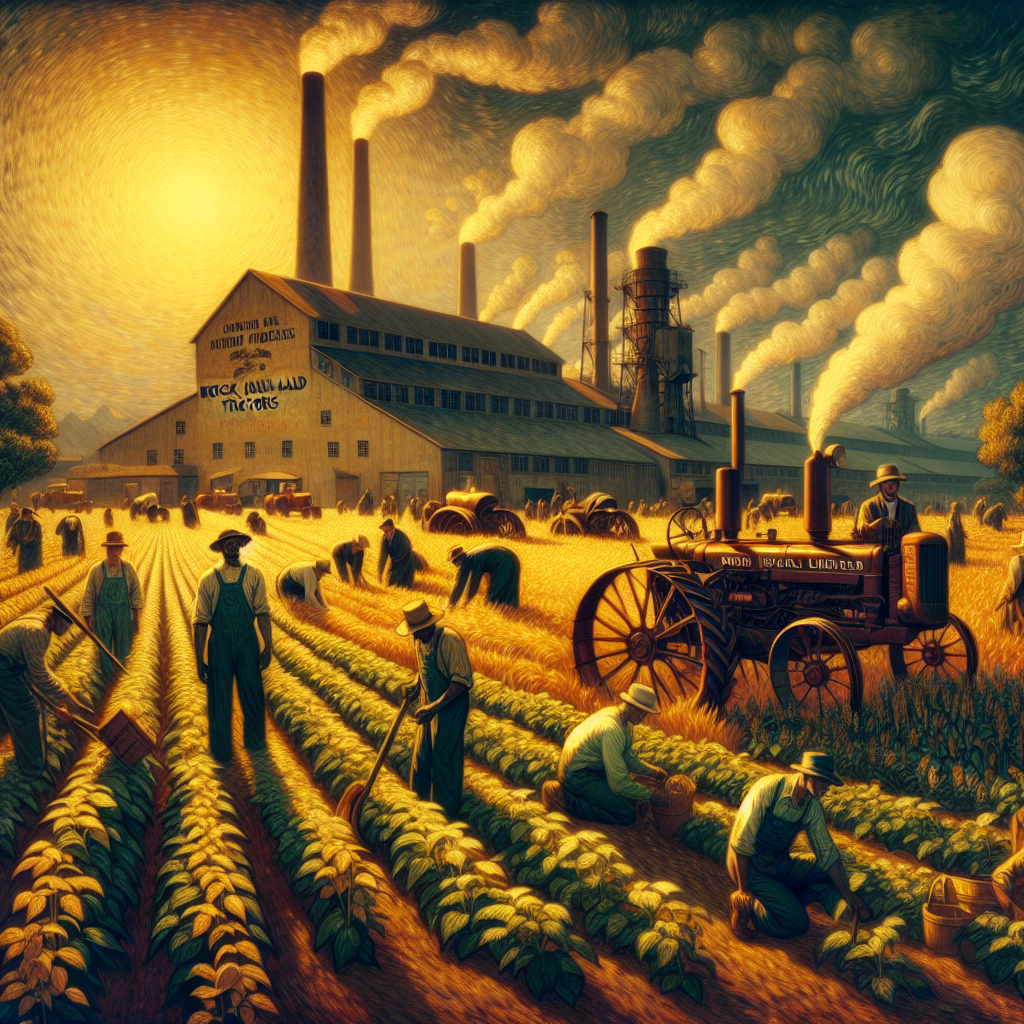
In the quiet dawn of another day on the farm, there’s a subtle hum that fills the air— the heartbeat of a thousand small innovations taking root in the rich, loamy soil. I still remember the day when my old tractor sputtered to a halt in the field, a well-worn companion that had carried me through seasons of sweat and triumph. As I sat on that dusty seat, surrounded by fields that begged for a spark of inspiration, I found myself confronted not just by the machine’s failure, but a growing realization: the world of agriculture was evolving, and so must we.
The notion of upgrading my farming sensors didn’t come from a glossy brochure or a tech expo, but from an earnest conversation with neighbors gathered around a bonfire one starry night. As we shared stories over a few cold beers, someone spoke about how precision farming is like tuning a musical instrument. You can hear the melody when everything is right, but when something’s off, it’s a cacophony of chaos—and crops can pay the price. That was the moment I grasped the weight of the decision ahead: not merely a choice to modernize my equipment, but a vital step toward nurturing our land responsibly.
Upgrading sensors isn’t just about data and analytics; it’s about stewardship and respect for the earth. The sustainable practices we adopt can lead to healthier soil, which means healthier food. There’s an ethical imperative there. It’s time to step up and become the caretakers we’ve always aspired to be, ensuring that farming isn’t just a business, but a legacy for the generations to come.
With each new sensor, I felt a renewed sense of agency, as if I were wielding a new tool that wasn’t just mechanical but profoundly transformative. The sensors became my eyes, ears, and even my instincts in the field. They allowed me to make informed decisions based on real-time data, reducing waste and increasing yields. It felt like upgrading my relationship with the earth, forging a partnership built on trust—me listening, learning, and adapting.
As I watch my fields flourish under this new regimen, a realization strikes deep in my gut: innovation doesn’t have to come at the expense of tradition. Instead, it can weave our past experiences into a better future. Embracing change doesn’t mean losing sight of where we came from; it’s about honoring our roots while reaching for the sky. This journey toward upgrading my farming sensors has rekindled a fire within me, reaffirming that progress doesn’t have to be cold and impersonal— it can be a heartfelt connection to the land and a commitment to those who will follow.
What Inspired Your Journey Toward Upgrading Your Farming Sensors?
What Inspired Your Journey Toward Upgrading Your Farming Sensors?
- The farm embodies small innovations in its rich soil during the quiet dawn.
- The narrator recalls the moment their old tractor failed, prompting a reflection on agricultural evolution.
- A conversation with neighbors highlights the importance of precision farming and its parallels to music.
- Upgrading sensors represents a commitment to responsible land stewardship and sustainability.
- New sensors provide valuable data, improving decision-making and fostering a relationship of trust with the land.
- Innovation can coexist with tradition, blending past experiences into future advancements.
- This journey reinforces the importance of a heartfelt connection to agriculture and future generations.
What Inspired Your Journey Toward Upgrading Your Farming Sensors?
How Have Sensor Upgrades Impacted Your Crop Yields and Profits?
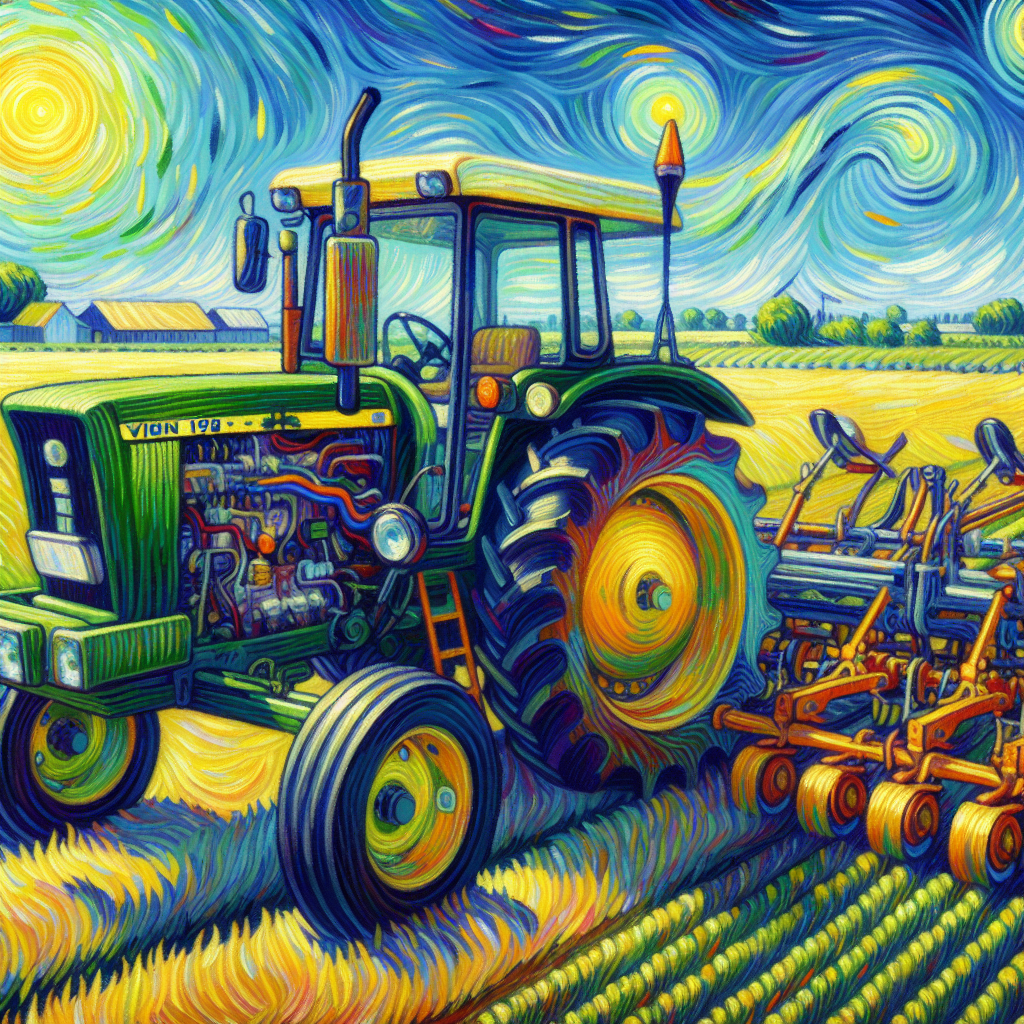
Across the sprawling fields where the horizon whispers tales of seasons past, the merging of tradition and technology has opened a new chapter for farmers. Imagine an early morning on the farm; the sun breaks over the dew-kissed crops as the old tractor roars to life. That same tractor, once a symbol of steadfastness, now partners with advanced sensors that redefine success in agriculture. It’s not just about harvesting bushels anymore; it’s about maximizing potential.
Farmers have long understood the delicate balance between toil and reward. However, the integration of sensor upgrades brings a fresh perspective. These smart devices, nestled among rows of corn or wheat, gather data and provide insights that were once mere aspirations. They measure soil health, monitor moisture levels, and track plant growth, transforming the farmer’s relationship with the land. It’s like having an expert agronomist by your side, whispering the secrets of your soil into your ear.
But it’s not all nuts and bolts. There’s a story woven through this technological tapestry. Take James, a third-generation farmer who once struggled against unpredictable weather and fluctuating prices. He’d wake up to check the sky rather than the soil. After integrating sensor technology into his farming practices, James began to understand his land like never before. The sensors revealed patterns he’d overlooked, allowing him to optimize planting schedules and irrigation. Last season, he increased his yield by thirty percent, but more importantly, he regained his peace of mind. Knowing that he’s working smarter—not harder—has revitalized his love for the land.
This innovation doesn’t just boost yields; it nurtures a sense of community. Farmers share data, experiences, and strategies, fostering a spirit of collaboration. When we equip each other with knowledge and tools, we become more than just individuals in a field; we become a united force, championing sustainability and the future of farming together.
As profits rise, so does the opportunity to invest back into the community—supporting local businesses, schools, and initiatives that build a stronger society. It’s about planting seeds not just in the ground, but in the heart of the community itself. Embracing sensor technology isn’t merely a business decision; it’s a commitment to future generations, ensuring the land thrives for years to come. So, as you fire up that trusty old tractor, you’re not just cultivating crops; you’re cultivating a legacy.
How Have Sensor Upgrades Impacted Your Crop Yields and Profits?
How Have Sensor Upgrades Impacted Your Crop Yields and Profits?
- The integration of tradition and technology is transforming farming practices.
- Advanced sensors provide data on soil health, moisture levels, and plant growth.
- Farmers can optimize planting schedules and irrigation for better yields.
- James, a third-generation farmer, saw a 30% increase in yield after adopting sensor technology.
- The use of technology fosters community among farmers through shared data and experiences.
- Increased profits allow farmers to invest back into their communities.
- Embracing technology is a commitment to sustainable farming for future generations.
How Have Sensor Upgrades Impacted Your Crop Yields and Profits?
What Challenges Did You Face During the Upgrade Process?
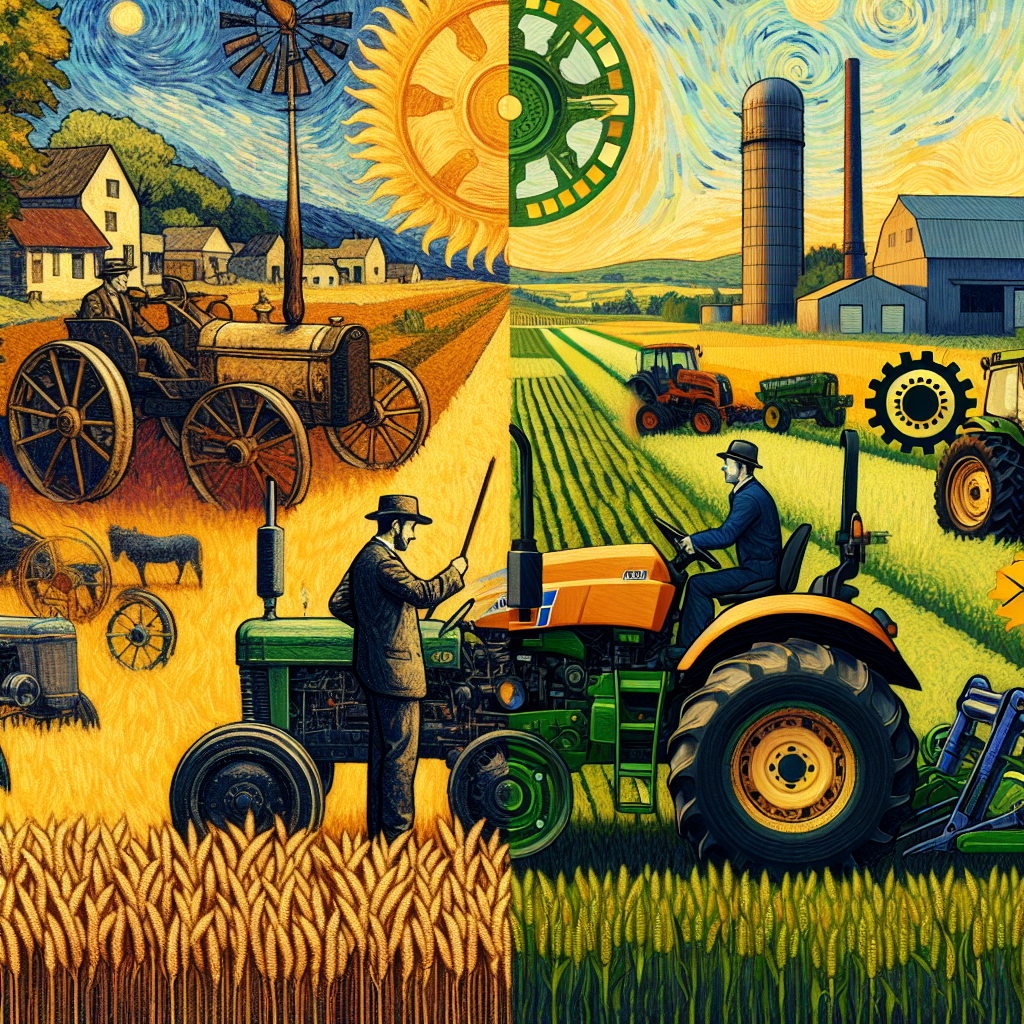
Upgrading systems isn’t just about swapping out old for new; it’s a journey fraught with unexpected bumps and detours. Imagine it as a farmer, a symbol of hard work, standing beside an aging tractor, its rusted frame telling tales of countless seasons, now struggling to keep pace with modern demands. That feeling of attachment, mingled with the knowledge that growth necessitates change, resonates deeply.
The first challenge that surfaces is often the emotional baggage. You can picture the long nights spent maintaining that tractor, the sweat and grit it took to get it through the harvest. It’s a piece of your history, tied to family traditions, and letting go can be heart-wrenching. This connection to our tools, our processes, reflects a broader truth in our lives: we often find comfort in the familiar, even when it no longer serves us well. Moving forward can feel like a betrayal, yet clinging to the past stifles our potential.
Then there’s the mental hurdle. Transitioning to new technology isn’t just flipping a switch. It’s similar to learning to drive a brand-new model of that tractor—everything seems familiar yet vastly different. New features and enhancements can overwhelm even the most seasoned operators, sparking a kind of cognitive dissonance. We relish certainty but are often trapped in a whirlpool of uncertainty, making the leap into the unknown feel like stepping off a cliff without a parachute.
Ethically, the decision to upgrade involves responsibility. If you’re leading a team, the stakes multiply. You’re not just wresting an antiquated tractor from the mud—you’re steering an entire crew toward a brighter future. The pressure mounts as you weigh the impact on colleagues, balancing productivity with the emotional toll of change. It’s a delicate dance that requires transparent communication, fostering trust among your team as you navigate the upgrade together.
Socially, we lean on our communities for support. Sharing fears and triumphs in the upgrade process fosters connection. It’s heartening to hear that your neighbor wrestled with similar dilemmas while upgrading their equipment. These threads of shared experience weave a network of resilience, reminding us we’re not alone in our trials.
The most original takeaway? Embracing change can become a shared story of renewal. Just as that old tractor has served its purpose, so too can we honor our experiences while confidently steering toward the future, one upgrade at a time. With every challenge, we uncover the collective strength that defines us, inspiring trust in the process and excitement for what’s next.
What Challenges Did You Face During the Upgrade Process?
What Challenges Did You Face During the Upgrade Process?
- Upgrading systems involves emotional challenges, akin to a farmer’s attachment to an old tractor.
- Letting go of familiar tools can feel like a betrayal, despite hindering personal growth.
- Transitioning to new technology requires learning and adaptation, which can induce cognitive dissonance.
- Leaders face ethical responsibilities in upgrades, balancing team productivity with emotional impacts.
- Transparent communication is essential to foster trust during the upgrade process.
- Community support is vital, as shared experiences can alleviate feelings of isolation during transitions.
- Embracing change can lead to collective renewal, inspiring confidence for future endeavors.
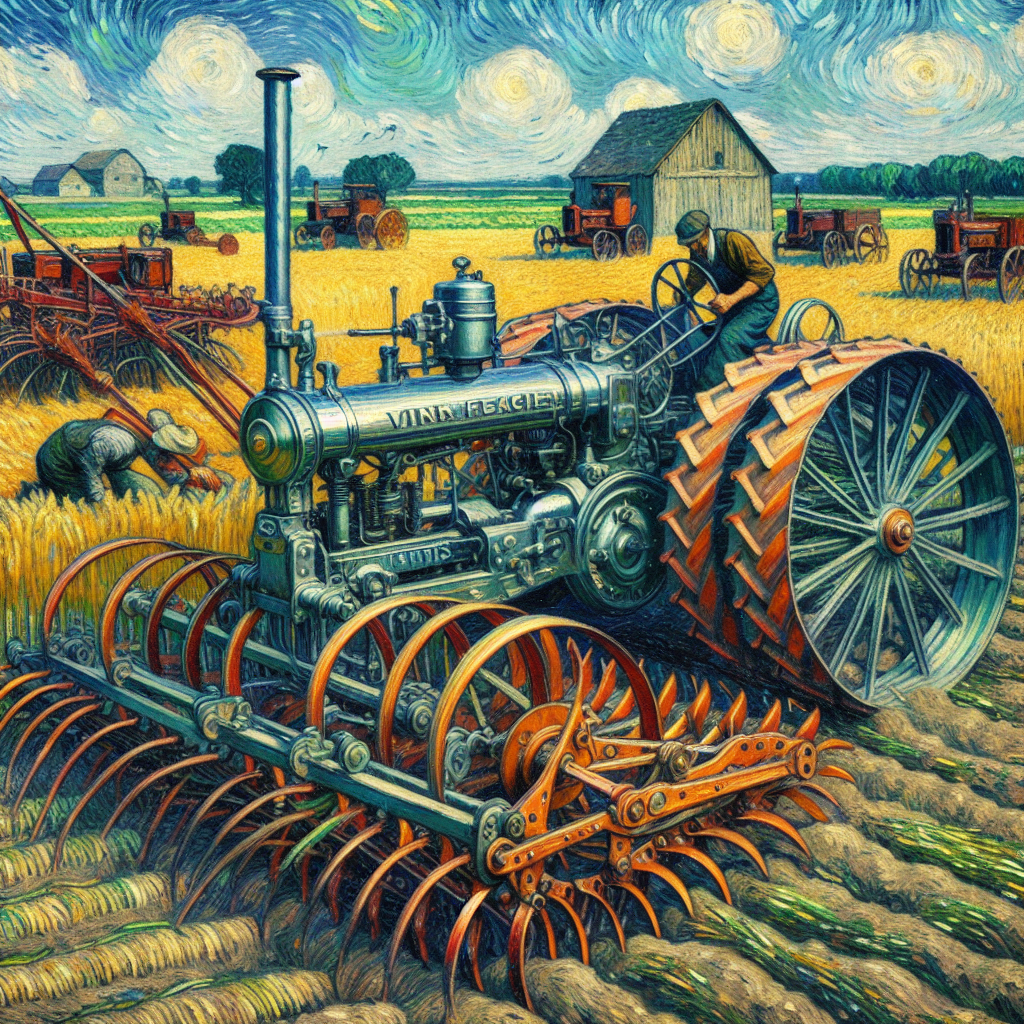
What Challenges Did You Face During the Upgrade Process?
How Do New Sensors Align with Sustainable Farming Practices?
In the vast expanse of agricultural fields, the heartbeat of farming has always resonated with the hum of machinery and the rhythm of nature. Today, as farmers embrace new technologies, a remarkable synergy emerges between cutting-edge sensors and sustainable farming practices. This isn’t just about employment for the latest gadgets; it’s about revolutionizing the way we cultivate the land and steward the resources that sustain us all.
Imagine a farmer standing beside a well-worn tractor, basking in the sun, the fruit of their labor glimmering like jewels in the morning light. Each crop represents not just a harvest, but a promise—of nourishment, livelihood, and sustainability. With the advent of new sensors, this promise is being fulfilled in ways we never thought possible. These sensors provide real-time data on soil health, moisture levels, and crop health, enabling farmers to make informed decisions that benefit both their yields and the environment.
Rationally, it’s hard to argue with the numbers. Precision farming, enhanced by these sensors, can reduce water usage significantly—conserving this vital resource during times of drought, when every drop counts. Yet, it’s not just about efficiency; it’s about legacy. Each farmer is part of a larger narrative, their actions impacting future generations. The ethical choice to embrace these technologies means adhering to a commitment to preserve the land for those who will come after us.
Consider the stories of innovators who have turned their farms into models of sustainability, sharing tips and best practices through community networks. The sense of connection among farmers, bonded by a shared purpose, amplifies the impact of these innovations. When one farmer shares how a simple sensor cut their pesticide use by a third, it resonates deeply among peers—spurring action and inspiring others to adapt.
The gut instinct of generations past beckons farmers toward responsible stewardship of the land, balanced with the head’s recognition of the advances these sensors provide. It’s about fostering a culture where progress doesn’t come at the expense of the planet, but rather as a partnership with it. As farmers fire up their tractors, they’re not just plowing fields; they’re planting the seeds of a new future, one where technology harmonizes with nature, and stewardship is the cornerstone of success. Embrace this moment, and let every sensor be a compass guiding us towards a more sustainable and connected agricultural landscape.
How Do New Sensors Align with Sustainable Farming Practices?
How Do New Sensors Align with Sustainable Farming Practices?
- Farmers are integrating new technologies, particularly sensors, to enhance sustainable farming practices.
- These sensors offer real-time data on soil health, moisture levels, and crop health, aiding informed decision-making.
- Precision farming through these technologies significantly reduces water usage, conserving resources during droughts.
- By adopting these advancements, farmers commit to preserving the land for future generations.
- Community networks among farmers facilitate the sharing of best practices and innovative sustainability successes.
- Farmers balance traditional stewardship instincts with modern technological advances to ensure both progress and environmental care.
- This synergy promotes a future where technology and nature coexist, fostering a sustainable agricultural landscape.
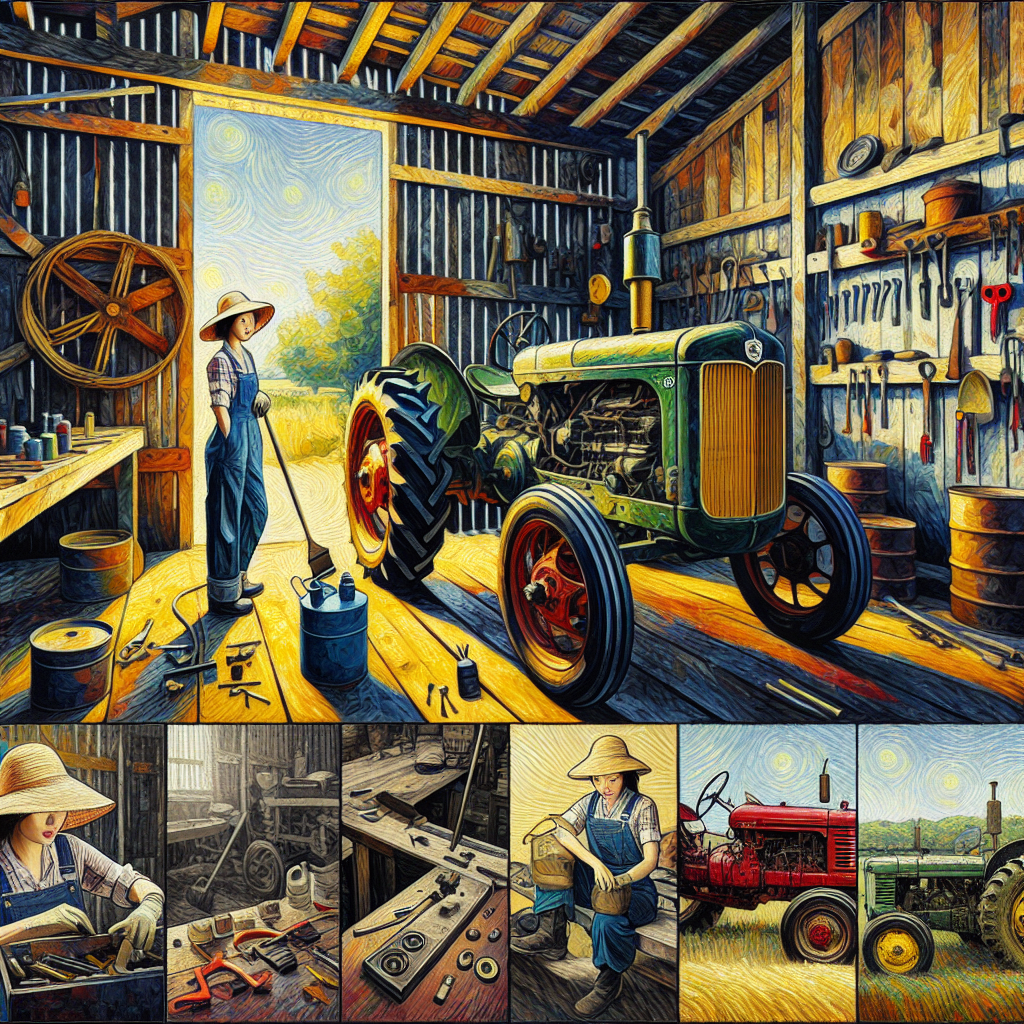
How Do New Sensors Align with Sustainable Farming Practices?
What Ethical Considerations Guided Your Decision to Upgrade?
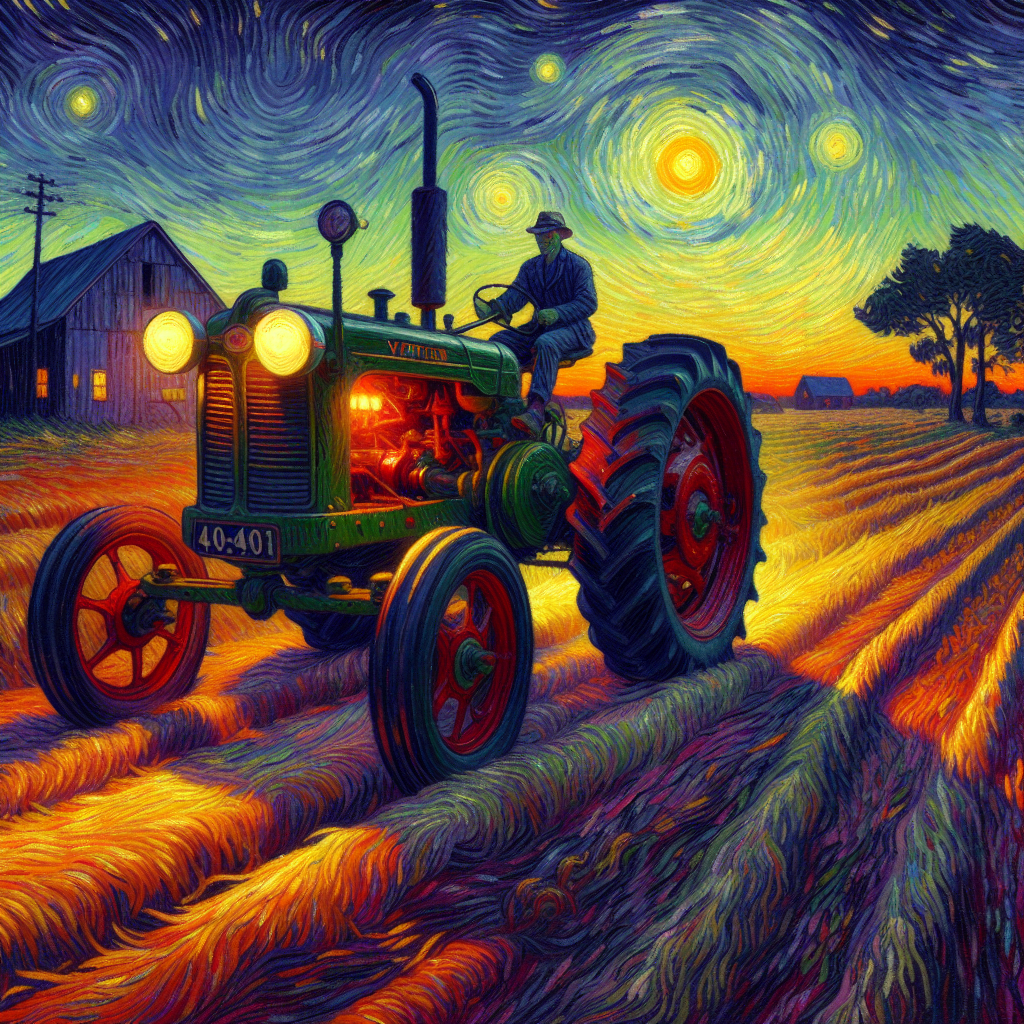
Upgrading isn’t just about shiny new gadgets or the latest tractor boasting more horsepower; it’s a deeply personal, ethical journey that intertwines with our values and responsibilities. Picture a farmer standing by a well-worn tractor, a trusted companion through seasons of toil and triumph. That tractor has seen better days, much like the farmer, and while it’s tempting to keep patching it up, there’s a decision that looms: to hold on or to upgrade.
The heart of this dilemma is weighing the impact of our choices—not just on ourselves but on the community and environment. An upgrade might mean investing in a machine that runs cleaner, uses less fuel, and helps preserve our precious earth for future generations. It’s a leap that reflects not only a personal commitment to sustainability but also an invitation for others to reconsider their own paths. When we choose the new over the familiar, we’re not just buying equipment; we’re endorsing a future where technology serves as a partner in progress, rather than just a tool.
Rationally speaking, the investment in a more efficient tractor can yield substantial returns. It can reduce operating costs, decrease labor time, and increase yield, ultimately leading to a healthier bottom line. But this isn’t just about dollars and cents; it’s about setting a precedent for ethical stewardship—demonstrating to neighbors and the next generation that we can do better.
Consider a fellow farmer, who was hesitant to retire his aging machinery. After much thought, he made the leap to an upgraded model that not only performed better but also significantly reduced emissions. He shared this experience with neighboring farms, not as a boast, but as a testament to shared aspirations for a more responsible industry. The ripple effects were profound; others began to ask questions, reevaluating their practices, and initiating conversations around sustainability in agriculture.
This journey is relatable to all of us. We all have our “old tractors”—decisions or habits that serve us well but hold us back. Upgrading is a call to action, urging us to reflect on what we stand for and how our choices shape the world. When faced with the decision to upgrade, the ethical considerations guide us not just in what we stand to gain but in what we owe—not just to ourselves, but to our communities and the environment. Let’s make choices that inspire trust and action, fostering a brighter future for all.
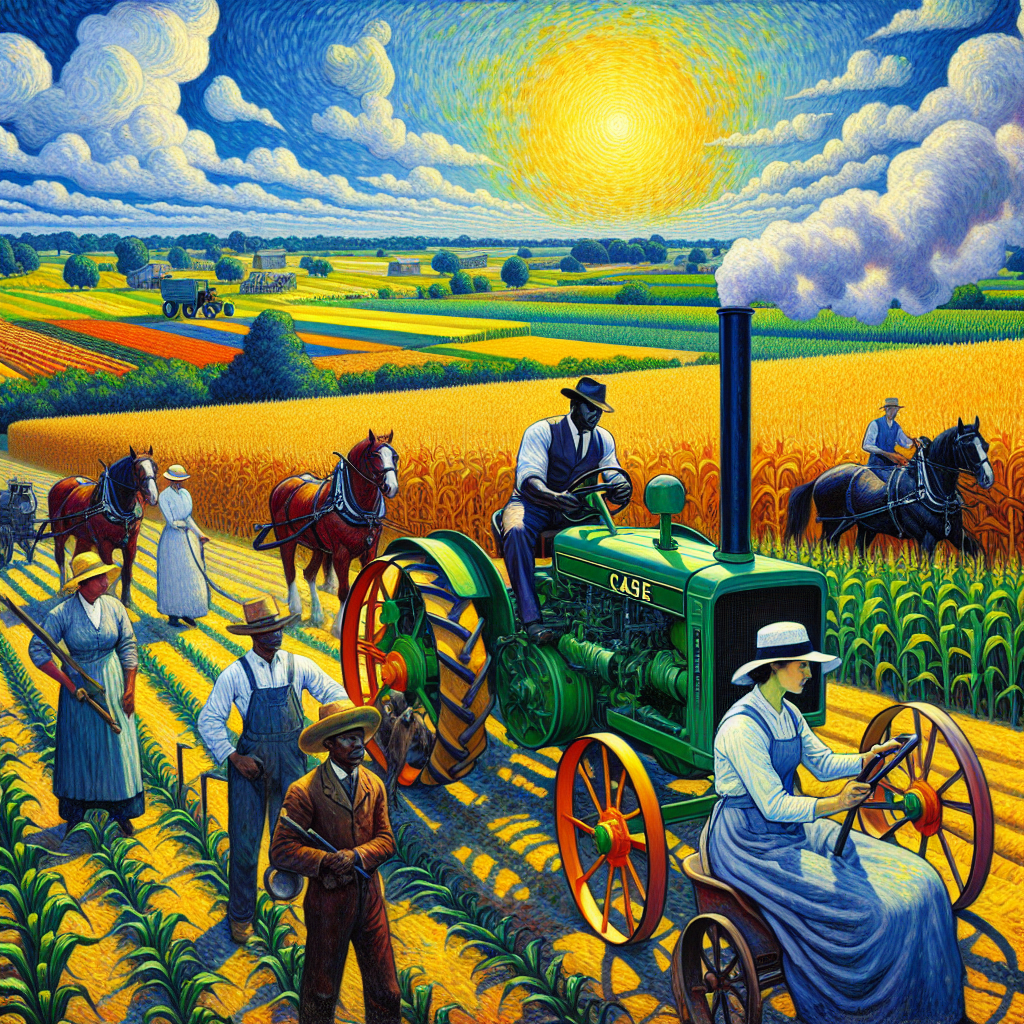
What Ethical Considerations Guided Your Decision to Upgrade?
What Ethical Considerations Guided Your Decision to Upgrade?
- Upgrading involves personal and ethical considerations, intertwined with values and responsibilities.
- The decision to upgrade means evaluating impacts on oneself, the community, and the environment.
- Investing in cleaner, more efficient technology supports sustainability and future generations.
- Upgrading can reduce operating costs, decrease labor time, and increase yield.
- It sets a precedent for ethical stewardship, showing neighbors and future generations the importance of better choices.
- Personal experiences of others can inspire collective action and reevaluation of practices in agriculture.
- Upgrading is a call to reflect on values and make choices that promote a responsible and brighter future.
What Ethical Considerations Guided Your Decision to Upgrade?
How Has Technology Reshaped Your Farming Identity and Community Role?
Title:
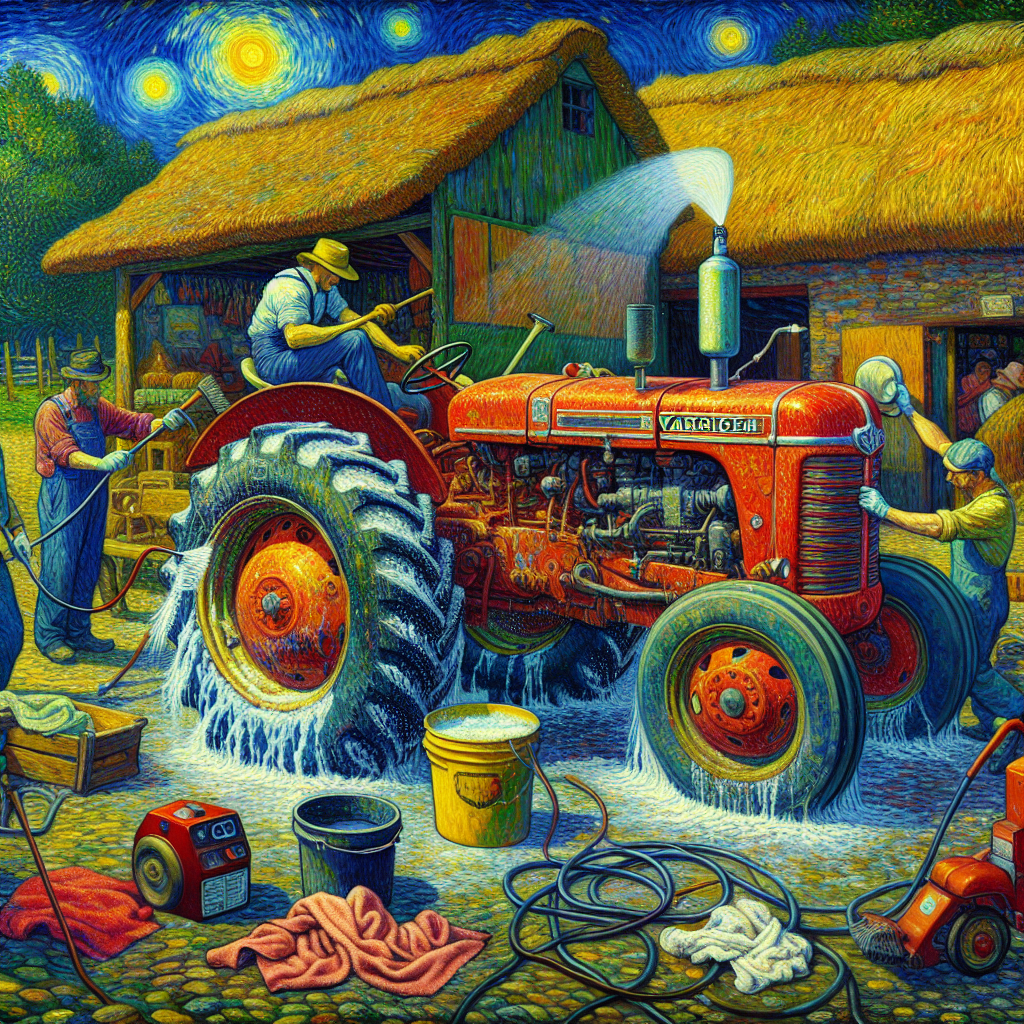
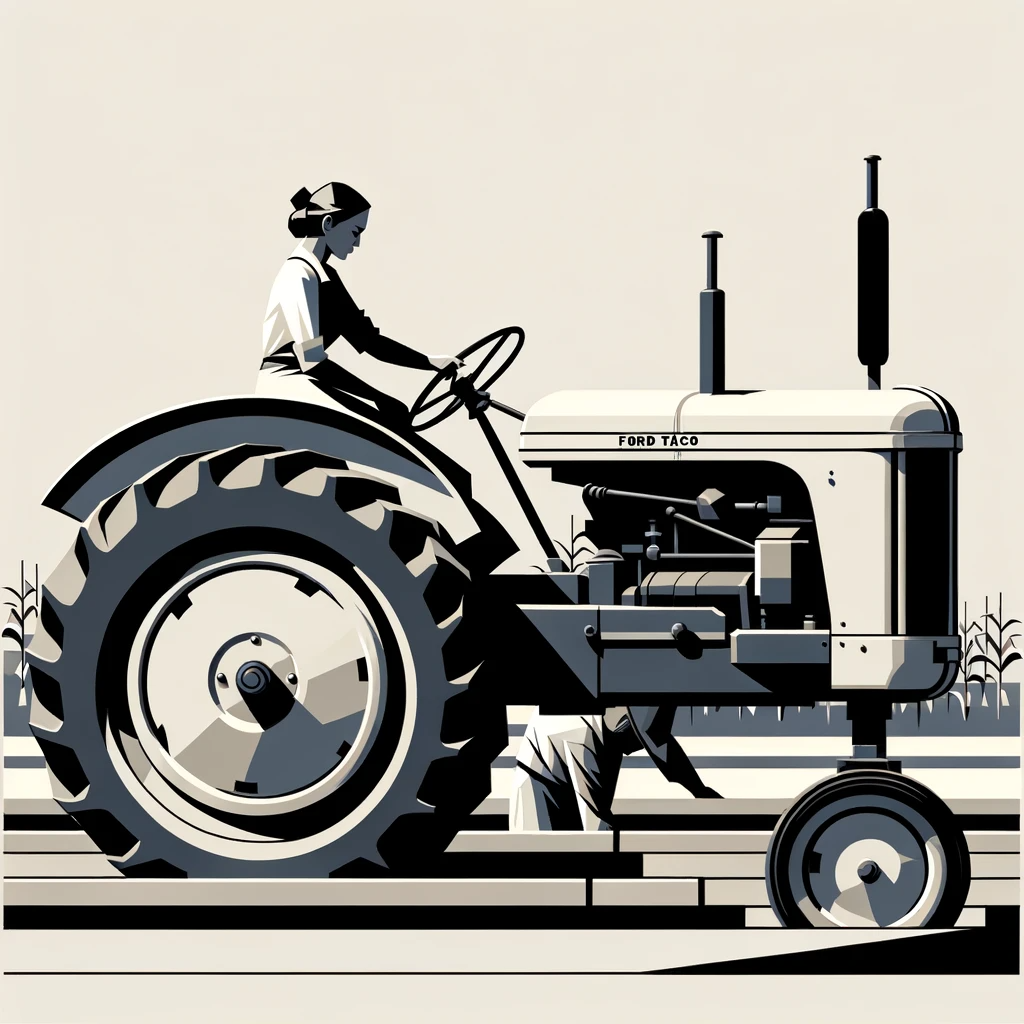
In the heart of every farm, there’s a rhythm—an unspoken bond between the land, the animals, and the people who steward them. This connection has been reshaped, often enhanced, by technology. Picture a day in the life of a farmer, where the robust growl of a tractor becomes a modern symphony. This machine, once a mere tool, has transformed into an extension of the farmer’s identity, a partner in the journey of nurturing the earth.
Technology has not just mechanized farming; it has redefined what it means to be a farmer in the 21st century. When I think of the old days, I recall my grandfather, who spent hours on the land, relying solely on his grit and the seasons’ whims. Yet today, farmers wield technology with the same pride my grandfather had for his plow. Drones now cut across the sky like hawks, giving them a bird’s-eye view of their fields. These tools allow farmers to monitor crop health, manage resources with surgical precision, and even predict weather patterns that can make or break a season.
But technology isn’t merely about efficiency; it’s about building community. Online platforms have connected farmers across the globe, enabling them to share knowledge and support one another. Imagine swapping stories and tips with a farmer thousands of miles away; it’s a network of shared struggles and triumphs that transcends borders. This camaraderie turns isolation into collaboration, fostering a sense of belonging among those who once might have felt alone in their fields.
While technology offers new tools, it also raises ethical questions. As we adapt to innovations, we must balance progress with preservation. Each time we rev up that tractor, we should consider our role as stewards of the land. An engaging farmer today embraces this dual identity, wielding technology to respect and protect the environment while enhancing productivity.
Ultimately, it’s the stories that bind us together. Just as my grandfather used to share tales while repairing equipment under the stars, today’s farmers share their journeys online, demonstrating vulnerability in their successes and failures. That authenticity builds trust—not just among peers but with consumers who are increasingly concerned about where their food comes from.
So, as we navigate this ever-evolving landscape, let’s remember that while technology may shape our tools, it’s our stories and relationships that define our farming identity, forging a community that is as resilient as the land we cultivate.
How Has Technology Reshaped Your Farming Identity and Community Role?
How Has Technology Reshaped Your Farming Identity and Community Role?
- Farmers share a deep bond with land, animals, and technology, enhancing their roles.
- Modern farming tools, such as tractors and drones, have become integral to the farming identity.
- Technology allows for precise resource management and crop health monitoring.
- Online platforms foster global connections among farmers, promoting knowledge sharing.
- Camaraderie among farmers transforms isolation into collaboration and belonging.
- Ethical considerations arise as farmers balance technology with environmental stewardship.
- Authentic storytelling among farmers builds trust with consumers concerned about food sourcing.
How Has Technology Reshaped Your Farming Identity and Community Role?
Conclusion
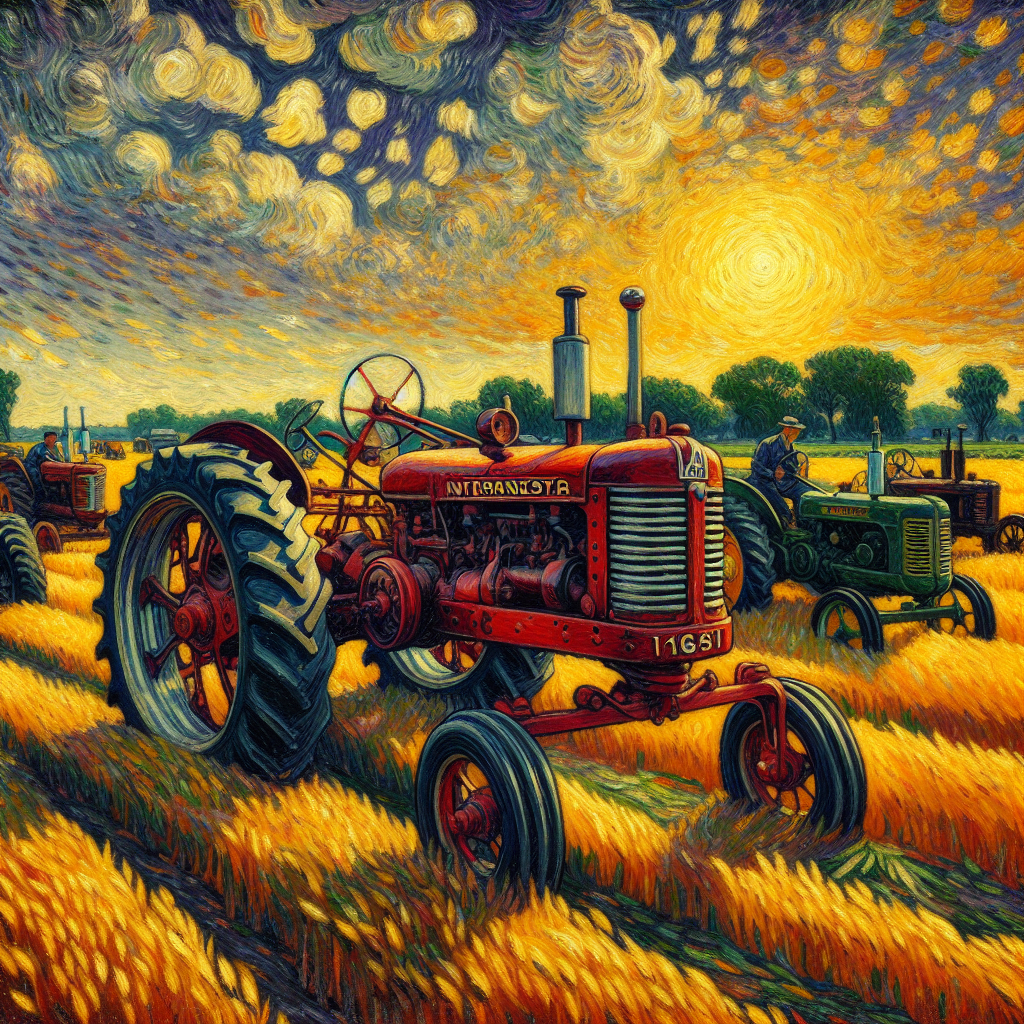
In the fertile heartland of America, a transformation is reshaping farming as we know it. This isn’t merely about adopting new technology; it’s about each farmer’s personal journey toward a more sustainable and efficient future. Picture Grace, a second-generation Iowa farmer, whose decision to invest in moisture sensors illustrates the harmonious blend of tradition and innovation. Initially hesitant to stray from her instinctual methods, she discovered that this new tool was a complement to her heritage, boosting her yields by 20% while conserving precious water resources. Such stories echo throughout the farming community, where the embrace of technology becomes a bridge, connecting generations of farmers from all walks of life.
Fathers and sons like Mark and Tom, bonded deeply through the shared responsibilities of their dairy farm, find that wearable technologies for their cows streamline their operations while enhancing well-being. These sensors represent more than just gadgets; they symbolize a trust in innovation that strengthens familial and community ties. Farmers are not alone in this journey; they are part of a supportive network that thrives on shared experiences, inspiring one another to challenge the conventional stigma of industrial agriculture.
With every sensor installed, the narrative shifts from purely individual success to collective growth. The upgrades lead to increased profits, but more importantly, they create pathways for reinvestment within local communities. Imagine farmers pooling knowledge to enhance crop yields and sustainability, fostering an environment where profitability aligns with ethical stewardship—reaffirming their commitment to the land for future generations.
The challenges faced during these upgrades are just as significant. Letting go of the old for the new involves emotional struggle and reconsideration of long-established practices. Farmers grapple with the cognitive shifts required by new technologies, all while balancing community expectations and cultivating trust among peers. The dual journey of progress and preservation reflects a broader dedication to responsible farming.
Ultimately, these advancements reshape not only farming identities but also the larger agricultural narrative. By weaving technology into the fabric of farming, these individuals are not merely modernizing their practice; they are redefining what it means to be stewards of the earth. As we look toward a future ripe with potential, let’s celebrate the stories of those leading this quiet revolution, reminding us that progress can flourish alongside tradition, one sensor and one heartfelt story at a time.
Conclusion
Conclusion:
- A transformation in American farming focuses on sustainability and efficiency through personal journeys.
- Grace, an Iowa farmer, uses moisture sensors to enhance her yields by 20% while conserving water.
- Wearable technologies for cows help farmers like Mark and Tom streamline operations and strengthen family bonds.
- Farmers share experiences within a supportive network, challenging the stigma of industrial agriculture.
- Upgrades in technology lead to increased profits and community reinvestment, promoting ethical stewardship.
- Farmers face emotional challenges in adapting to new technologies while maintaining trust within communities.
- The integration of technology into farming redefines agricultural identities and promotes responsible land stewardship.
Conclusion
Other Resources
Other Resources
Here is a list of other resources you can review online to learn more:
- Iseki
- Graham-Bradley
- Franklin County Antique Machinery Club
- Fortschritt
- Schwanke Car, Tractor and Truck Museum
- South Dakota Tractor Museum
- Daedong
- Vintage Tractor Digest
- Unimog
- Toro
- Jinma
- First State Antique Tractor Club
- Minnesota’s Machinery Museum
- Mitsubishi
- Satoh
- FTMTA
- Muskoka Pioneer Power
- Agri-Power
- Thieman Harvester
- Skoda-LIAZ
Use This Prompt To Get More Resources With Your Favorite Online AI Tool: Please provide me with a list of online articles with their URLs in a bulleted list that I can read regarding Sensor Success – Farmers Share Their Upgrade Stories
Other Resources
Glossary Terms
Sensor Success – Farmers Share Their Upgrade Stories – Glossary Of Terms
1. Precision agriculture — Using sensors, GPS and data analytics to apply water, fertilizer and inputs at the right place and time for higher efficiency and yields.
2. Soil moisture sensor — Device that measures volumetric water content in soil to guide irrigation decisions.
3. NDVI (Normalized Difference Vegetation Index) — Satellite or sensor-derived index that indicates crop vigor by comparing red and near-infrared reflectance.
4. Canopy sensor — Instrument that measures light interception, chlorophyll or biomass to assess crop health and growth stage.
5. Yield monitor — On-harvester sensor system that maps harvested yield and moisture by location.
6. Variable rate application (VRA) — Practice and technology that adjusts seed, fertilizer or pesticide rates across a field based on sensor data or maps.
7. IoT (Internet of Things) — Network of connected field sensors and devices that communicate data automatically.
8. Telemetry — Remote transmission of sensor readings from the field to a central system for monitoring and analysis.
9. LoRaWAN — Low-power long-range wireless protocol commonly used for farm sensor networks.
10. GSM/cellular connectivity — Use of mobile networks to send sensor data where short-range wireless is not feasible.
11. Edge computing — Processing and analyzing sensor data locally on the device or gateway to reduce latency and bandwidth use.
12. Cloud analytics — Centralized platforms that store, aggregate and analyze sensor data at scale.
13. API (Application Programming Interface) — Software interface that allows systems and apps to exchange sensor data and functionality.
14. Interoperability — Ability of sensors, software and equipment from different vendors to work together seamlessly.
15. Data logger — Hardware that records sensor readings over time for later retrieval and analysis.
16. Calibration — Process of adjusting a sensor’s output to match a known standard for accurate measurements.
17. Firmware update — Software revision installed on sensor hardware to add features, fix bugs or improve performance.
18. Battery life — Expected operational duration of a sensor before recharge or replacement is needed.
19. Solar charging — Use of photovoltaic panels to extend sensor autonomy in the field.
20. Retrofit kit — Package that enables older tractors, sprayers or equipment to accept modern sensors and controllers.
21. Plug-and-play — Design approach that simplifies sensor installation and configuration for quick use.
22. Hot-swappable — Feature allowing sensor modules or batteries to be exchanged without shutting down the system.
23. Latency — Time delay between a sensor measurement and when the data becomes available to users or systems.
24. Spatial resolution — The size of the smallest distinguishable area represented by sensor data (e. g. , meters per pixel or per reading).
25. Temporal resolution — Frequency at which a sensor collects or reports measurements (e. g. , minutes, hours).
26. Data visualization — Graphs, maps and dashboards that present sensor data in actionable formats for farmers.
27. Predictive analytics — Models that use sensor history and environmental data to forecast yields, disease risk or input needs.
28. Return on investment (ROI) — Financial metric comparing the costs of sensor upgrades to the economic benefits achieved.
29. Adoption curve — The stages and pace at which farmers adopt new sensor technologies, from early adopters to late majority.
30. Farmer testimonial — Firsthand account from a grower describing the experience, benefits and lessons learned after upgrading with sensors. Glossary Of Terms
Other Questions
Sensor Success – Farmers Share Their Upgrade Stories – Other Questions
If you wish to explore and discover more, consider looking for answers to these questions:
- How much do different types of farming sensors cost (initial and ongoing)?
- What is the typical return on investment (ROI) and payback period for sensor upgrades?
- Which sensors are most effective for specific crops and climates?
- How difficult is installation and can farmers install sensors themselves?
- What maintenance and calibration do sensors require and how often?
- How long do sensors typically last in the field?
- What power sources do sensors use and what are their battery lifespans?
- How reliable and accurate is the data produced by these sensors?
- How do sensors perform under extreme weather or harsh field conditions?
- What connectivity options exist (cellular, LoRaWAN, satellite) and what are coverage requirements?
- How is sensor data integrated with existing farm management software and machinery?
- Who owns the data collected by sensors and how is it shared or sold?
- What data privacy and cybersecurity risks should farmers consider?
- Are there interoperability standards so devices from different vendors work together?
- What training resources are available for farmers and farm workers?
- Are there local or federal grants, subsidies, or financing programs to help cover upgrade costs?
- How do sensors help reduce inputs like water, fertilizer, and pesticides, and by how much?
- Can sensors be used for small-scale and specialty farms, or are they only for large operations?
- What are common technical problems and how are they troubleshooted?
- Which vendors or brands have the best track record and local support?
- How do wearable sensors for livestock work and what metrics do they track?
- What ethical concerns arise from automation and monitoring on family farms?
- How do sensor upgrades affect labor needs and workforce roles on the farm?
- What measurable sustainability benefits (soil health, biodiversity, emissions) can be expected?
- How quickly do farmers typically see yield or profit improvements after installing sensors?
- Are there case studies or detailed performance reports from farms similar to mine?
- What regulatory or certification issues relate to using sensor-driven practices?
- How do sensors contribute to climate resilience and drought/flood response strategies?
- What community platforms or local groups exist for sharing sensor data and best practices?
- How should a farmer choose which sensors to buy first as part of a phased upgrade plan?
Other Questions
Haiku
Sensor Success – Farmers Share Their Upgrade Stories – A Haiku
Fields embrace the tech,
Tradition meets the new pulse,
Harvest hearts and hope.
Haiku
Poem
Sensor Success – Farmers Share Their Upgrade Stories – A Poem
In the heart of fields so wide and vast,
A new dawn breaks, a transformation cast.
Farmers, stewards of the land they know,
Embrace the sensors that help their gardens grow.
Grace in Iowa, once unsure and worn,
Found trust in moisture tools, her harvest reborn.
Twenty percent more yield with water saved,
Tradition enhanced, her roots still engraved.
Mark and Tom, with cows, a family bond,
Not just labor, but tech tools to respond.
Wearable devices bring health to their herd,
Efficiency shared, their tasks now heard.
From neighbors to networks, stories ignite,
Community blossoms in the soft twilight.
Big ag meets the personal, breaking the mold,
Sharing successes and fears, both young and old.
With data in hand and courage to steer,
Innovations not cold; it’s a path we hold dear.
Each farmers journey told through each sensor’s call,
A legacy nurtured, uniting us all.
Yet challenges loom in this quest for the new,
Emotional ties and fears to break through.
But together they rise, each journey a gem,
Redefining identity, embracing their stem.
Sustainable practices, grounded and true,
Our farming future, crafted by me and you.
So here’s to the farmers, the stories they weave,
A symphony of growth, in which we believe.
Poem
Checklist
Sensor Success – Farmers Share Their Upgrade Stories – A Checklist
Checklist for Embracing Agricultural Technology
✅______ Reflect on your farming roots and consider how technology can enhance your practices without losing tradition.
✅______ Share your journey with others in your community to foster a collective narrative.
Rational Assessment
✅______ Analyze the data; evaluate the potential yield increases and resource savings from sensor technology.
✅______ Research various sensor options to find the best fit for your specific farming needs.
Ethical Responsibility
✅______ Consider the long-term impact of technology on your land and future generations.
✅______ Explore sustainable practices that can be integrated alongside new technology.
Authority and Expertise
✅______ Attend workshops or webinars led by experts in agricultural technology.
✅______ Collaborate with local agricultural extension services for guidance and support.
Narrative Sharing
✅______ Document and share your experiences with sensor upgrades through social media or local gatherings.
✅______ Highlight stories of success and challenges to inspire fellow farmers in your network.
Community Engagement
✅______ Join local farmer groups to discuss technology adoption and share best practices.
✅______ Encourage open conversations about the benefits and hurdles of adopting new technology.
Gut Feelings
✅______ Trust your instincts when making decisions about technology; if it feels right, it often is.
✅______ Assess the emotional connection to your existing practices and the comfort level with new tools.
Support Systems
✅______ Build a support network with fellow farmers who are adopting or have adopted similar technologies.
✅______ Foster an environment where sharing knowledge and experiences is encouraged.
Legacy Thinking
✅______ Reflect on the legacy you want to leave for future generations of farmers.
✅______ Consider how technology can preserve and enhance the farming practices you value most.
Continuous Learning
✅______ Stay informed about advancements in agricultural technology through articles, podcasts, and news.
✅______ Embrace a mindset of lifelong learning to adapt effectively to ongoing changes in the industry.
Checklist
At ClassicTractorNews, we help tractor lovers keep up with the latest news for classic and vintage tractors.
Please share this post with your friends, family, or business associates who may like old classic or vintage tractors.