


Empower Your Passion: Restore, Repair, And Revive Vintage Tractors
By Tom Seest
At ClassicTractorNews, we help tractor lovers keep up with the latest news for classic and vintage tractors.
Please share this post with your friends, family, or business associates who may like old classic or vintage tractors.
Right-To-Repair Toolkit Every Classic Tractor Owner Needs
Imagine standing in the rustling fields, the sweet scent of soil and freshly cut grass enveloping you like an old friend. In the distance, a classic tractor sits quietly, its paint faded but spirit unbroken—much like the generations that have farmed with it. Owning a classic tractor is not just a matter of mechanics; it’s a relationship steeped in history, pride, and a sense of belonging. From the moment you first climb into the driver’s seat, you’re part of a lineage that values hard work, craftsmanship, and the sweat of your brow.
However, maintaining these stalwarts of the farm isn’t just about nostalgia; it’s about empowerment. The right-to-repair revolution is not merely a trend; it’s an ethical stance. Each tool you add to your toolkit represents not just the ability to fix a busted part but the very principles that allow you to possess that tractor from your grandfather—a symbol of independence and self-sufficiency. Equip yourself with manuals, tools, and access to parts. Understand your machine, and you uncover its secrets, not unlike farmers of the past who relied on their ingenuity to coax life from the land.
Every wrench turn and every bolt tightened connects you to a wider community of classic tractor enthusiasts. You’re not alone; you join a fellowship bound by a love for grit and determination. Sharing stories of triumphs and setbacks over a cup of coffee in the farmyard or on online forums ignites a sense of camaraderie that stretches far beyond fields and barns. Each repair you undertake together forges bonds and strengthens the fabric of this community—a tapestry woven from countless tales of restoration, resilience, and resourcefulness.
The real joy often lies in the stories these tractors carry. Take a moment to reflect on that first harvest you experienced while driving your trusty tractor or the fond memories of watching your child take the wheel for the first time. That’s where the heart of this right-to-repair movement beats most strongly. Empowering yourself with the knowledge and skills to keep these machines running isn’t just practical; it’s deeply personal, preserving the legacy of hard work and dedication for future generations.
So gather your toolkit, reach for that cup of coffee, and get ready to dive into the world that keeps the spirit of the classic tractor alive. With every repair, you honor not just your machine but the very essence of what it means to be a steward of the land.
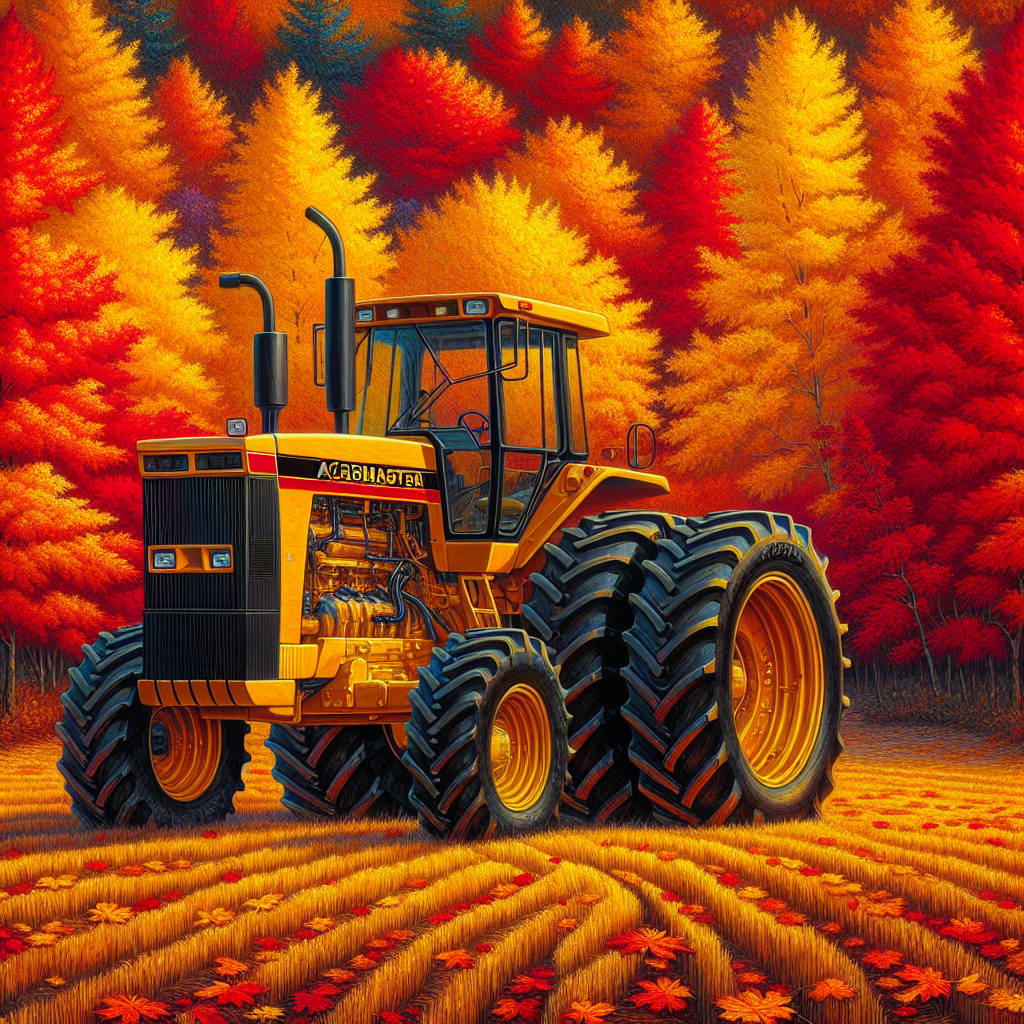
Right-To-Repair Toolkit Every Classic Tractor Owner Needs
Right-To-Repair Toolkit Every Classic Tractor Owner Needs
- Owning a classic tractor embodies a relationship with history, pride, and craftsmanship.
- The right-to-repair movement emphasizes empowerment and self-sufficiency for tractor owners.
- Equipping your toolkit with manuals and parts is essential for understanding and maintaining your machine.
- Every repair connects you with a community of classic tractor enthusiasts fostering camaraderie.
- Stories of personal experiences with tractors strengthen community bonds and shared memories.
- The movement is about preserving legacy and ensuring future generations benefit from hard work.
- Each repair honors the machine and the stewardship of the land.

Right-To-Repair Toolkit Every Classic Tractor Owner Needs
Table Of Contents
- Right-To-Repair Toolkit Every Classic Tractor Owner Needs
- What If Repairing Your Tractor Could Save You Money?
- How Does the Right to Repair Impact Your Ownership?
- What Emotional Connection Do You Have with Your Classic Tractor?
- Can You Trust Your Local Mechanic with Repairs?
- How Would Owning Repair Rights Change Your Farming Experience?
- What Ethical Obligations Do Manufacturers Have to Their Customers?
- Conclusion
- Other Resources
- Glossary Of Terms
- Other Questions
- Haiku
- Poem
- Checklist
What If Repairing Your Tractor Could Save You Money?
When you think of the tractor, what comes to mind? For many, it’s the symbol of hard work, commitment to the land, and the backbone of their farming operations. Yet, when that sturdy beast starts showing signs of wear, the inclination is often to replace it rather than invest in its repair. But what if repairing your tractor could save you money, not just in the short term but for years to come?
Consider this: repair is not just a choice; it’s an act of stewardship. It’s about maintaining the very tools that allow us to cultivate our dreams, quite literally. The first time I repaired a piece of old machinery, I wasn’t just fixing metal; I was reconnecting with the history that machine carried. Each rusted bolt and each worn tire told a story of seasons past, of labor, of challenges overcome. When I turned that wrench, I felt a sense of responsibility—not just to the tractor but to the legacy it represented. It’s easy to dismiss older models as obsolete, but often, they’re works of art in their own right, crafted with care rather than the mass production techniques we see today.
Financially, repairing your tractor can be a game-changer. You don’t always have to fork out for a shiny new model. Many repairs are straightforward and, when tackled with some elbow grease, can cost a fraction of what you’d pay for a new machine. Think about what you could do with those savings: invest in seeds, upgrade equipment, or treat your family to a long-overdue outing. With a little patience and the willingness to learn, your machine might not only survive; it could thrive.
On an ethical level, repairing what you already own champions sustainability. In a world where consumerism reigns, opting for repair promotes a mindset of resourcefulness. You become part of a community that respects the past while building a resilient future.
Ultimately, it comes down to trust. Trust in your ability to tackle repairs and trust in your equipment to keep serving you well if you nurture it. We live in a society that too often suggests that new is better, but that old tractor? It has more to give. By choosing to repair, you’re not just saving money; you’re forging a deeper connection with your work, your equipment, and perhaps even your self-reliance. So next time that old tractor rumbles to a halt, think twice. You might just find that repairing it is a decision that reaps rewards far beyond the fiscal.

What If Repairing Your Tractor Could Save You Money?
What If Repairing Your Tractor Could Save You Money?
- Tractors symbolize hard work and are essential to farming operations.
- Repairing a tractor can save money in the long term compared to replacing it.
- Repair is an act of stewardship, connecting with the history and legacy of the machinery.
- Older models are often crafted with care and may be seen as works of art.
- Many repairs are straightforward and cost-effective, freeing up funds for other investments.
- Repairing promotes sustainability and resourcefulness in a consumer-driven society.
- Choosing to repair fosters trust in one’s ability and strengthens the connection to equipment and self-reliance.

What If Repairing Your Tractor Could Save You Money?
How Does the Right to Repair Impact Your Ownership?
The Right to Repair touches on something deeply personal—the sense of ownership we have over our possessions. Imagine hauling out that old Tractor you inherited from your grandfather. It’s more than just machinery; it’s a piece of your family’s legacy, a tool that has plowed through generations of hard work, sweat, and stories. But what happens when that trusty machine breaks down? You instinctively want to fix it, to breathe life back into it, and yet suddenly find yourself at the mercy of manufacturers who may not want you to touch a bolt or screws without their say-so.
Ownership is about autonomy, a fundamental belief that if you’ve purchased something, you should have the power to care for it as you see fit. It’s not just economical; it’s ethical. The Right to Repair champions this principle, pushing back against a culture of disposability that tells us when something breaks, we should toss it and buy anew. This mindset robs us of our agency, forcing us to rely on technical jargon that feels foreign and intimidating. But we’re capable of more than we’re often allowed to handle.
I remember a time when my own pride and joy, an old tractor, sputtered and wheezed like an asthmatic on a long trek. I could hear the mechanics of it—the engine’s reluctant cough, the gears grinding in protest. Instead of succumbing to the dread of a costly trip to a repair shop, I rolled up my sleeves. With some online guidance and an old service manual, I replaced spark plugs, cleaned filters, and ultimately coaxed it back to life. The feeling? Exhausting yet exhilarating. It wasn’t just about fixing a machine; it was a reaffirmation of my capacity to reclaim ownership, to connect with the very essence of what makes us human.
When we fight for the Right to Repair, we’re pushing back against an invisible force that seeks to erode our independence. We’re fostering a community that shares knowledge, skills, and resources, creating a network of support that empowers each of us. By choosing to repair instead of replace, we send a clear message: our possessions aren’t just commodities; they’re extensions of ourselves.
Think about it. When you can fix your own Tractor or any tool that comes your way, you’re not just saving money. You’re making a stand against a system that disregards the value of your hard-earned property, embracing a philosophy of stewardship rather than dispossession. In this world of constant consumption, the Right to Repair is a clarion call to recover the pride of ownership we all deserve.

How Does the Right to Repair Impact Your Ownership?
How Does the Right to Repair Impact Your Ownership?
- The Right to Repair emphasizes personal ownership and autonomy over possessions.
- Inherited items, like a tractor, symbolize family legacy and hard work.
- Manufacturers often restrict the ability to repair, creating dependency on their services.
- The movement advocates for ethical consumerism and opposes a culture of disposability.
- Repairing items fosters a sense of accomplishment and reclaiming one’s ability to maintain possessions.
- A community built on sharing skills and knowledge empowers individuals in their repair efforts.
- The Right to Repair serves as a stand against consumerism, advocating stewardship of personal property.

How Does the Right to Repair Impact Your Ownership?
What Emotional Connection Do You Have with Your Classic Tractor?
When you sit on a classic tractor, it’s more than just a vehicle; it’s like straddling a bridge between generations. Each dent and scratch tells a story, a testament to the labor pulled and the love poured into your land. For many, these machines are akin to old friends—they grumble to life in the morning sun, their engines humming the familiar tune of hard work and dedication. They are more than metal and wheels; they are the embodiment of nostalgia and kinship.
There’s something profoundly satisfying about working with a classic tractor. The tactile feel of the steering wheel, the simple mechanics that connect you to the earth—these are the elements that forge deep emotional connections. Unlike modern machines, which often seem more like computer terminals than tractors, these vintage beasts demand your attention and respect. You learn their quirks, their personalities, and over time, you’ll find that they respond almost intuitively to your touch. This relationship isn’t just about function; it’s about trust. They rely on you to maintain them, and in return, they offer you a sense of accomplishment every time you fire up the engine and tackle a field.
As you plow through the rows, memories flood back—summer mornings spent under the wide expanse of blue skies, or perhaps the day you first took the wheel, your father’s laughter echoing in your ears. It’s not just a task; it’s a rite of passage, an unwritten agreement between you and the land. In those moments, the tractor is an extension of yourself—a tool that connects you not just to the earth but to your history, your family, and a legacy that’s larger than life.
In today’s fast-paced world, there’s a yearning for authenticity, for something tangible. Classic tractors epitomize that authenticity. They stand as symbols of resilience and hard work in an era that often overlooks these values. By nurturing this connection, we are also preserving our culture and ethics; we recognize the importance of hard work and dedication, values that seem increasingly rare.
So, next time you find yourself on that faithful machine, take a moment. Listen to its engine. Feel the ground beneath the tires. Reflect on the stories embedded in its frame. There’s an unspoken bond, one that resonates with your very essence and encourages you to carry the torch forward, ensuring that the legacy of labor and love continues for those who will follow in your tracks.

What Emotional Connection Do You Have with Your Classic Tractor?
What Emotional Connection Do You Have with Your Classic Tractor?
- Classic tractors serve as a bridge between generations, symbolizing labor and love for the land.
- Each scratch and dent on a tractor tells a unique story of hard work and dedication.
- Working with classic tractors creates deep emotional connections and a sense of trust.
- They demand attention and respect, differing from modern machines that feel more mechanical.
- Using a classic tractor evokes powerful memories and acts as a rite of passage.
- Classic tractors represent authenticity, resilience, and the values of hard work.
- Owners are encouraged to cherish the connection with these machines to preserve cultural values.

What Emotional Connection Do You Have with Your Classic Tractor?
Can You Trust Your Local Mechanic with Repairs?
When it comes to trusting your local mechanic with repairs, it’s all about the relationship. Picture this: a small-town mechanic shop where the smell of motor oil mingles with freshly brewed coffee. The owner, let’s call him Joe, has been working with this community for decades. He’s the kind of guy who knows not just your car but your kid’s name and that your wife prefers the oil changed every three thousand miles. There’s an inherent comfort in knowing someone genuinely cares about your vehicle’s health—and your peace of mind.
Mechanics, like the finest tractors, can cultivate trust. Imagine a tractor plowing a field; it’s built to tackle tough times and come through in a pinch. In the same way, a reliable mechanic helps you navigate the rough patches of car ownership. It’s not just metal and wheels; it’s your lifeline to independence and mobility. As you pull into that familiar garage, that leap of faith is akin to trusting a trusty tractor to get you through harvest season.
Now, let’s engage the head. The truth is, car repairs can be daunting. You might feel like you’re stepping into a minefield of jargon and upcharges. But consider this: a good mechanic isn’t just a repairman; they’re an educator. They should explain what’s broken and why it matters, helping you make informed decisions. Just as you wouldn’t buy a tractor without knowing how it works, you shouldn’t leave your car in the care of someone who doesn’t offer clarity.
Ethically, it boils down to values. If Joe has been part of the community for years, chances are he values his reputation far too much to jeopardize it with shortcuts or dishonesty. Build a relationship rooted in transparency and trust, and you’ll find the right mechanic is as loyal to you as you are to your regular coffee shop.
Lastly, let’s not overlook the narrative. The moment you’re stuck on the side of the road, who do you call? Knowing there’s someone who understands the intricacies of your vehicle and echoes the values of the community reinforces a bond that’s irreplaceable. So, as you contemplate your next car repair, remember that it’s not just about the service; it’s about building a connection with someone who knows you and values your trust. In this world of high-tech machinery and fleeting connections, a local mechanic can feel like a lifeline—a trustworthy companion in the journey of life.

Can You Trust Your Local Mechanic with Repairs?
Can You Trust Your Local Mechanic with Repairs?
- Building a relationship with your local mechanic is key to trust.
- A small-town mechanic like Joe knows both customers and their vehicles personally.
- Reliable mechanics are essential for navigating challenges in car ownership.
- A good mechanic educates customers about repairs, offering clarity and transparency.
- Ethically, experienced mechanics prioritize their reputation over dishonest practices.
- Community connection enhances the bond between mechanics and customers.
- Your local mechanic serves as a trusted partner in the journey of vehicle ownership.

Can You Trust Your Local Mechanic with Repairs?
How Would Owning Repair Rights Change Your Farming Experience?
Owning repair rights can fundamentally shift the experience of farming, transforming it from a battle against the machines to a partnership with them. Picture this: you’re in the fields, the sun kissing the horizon as your tractor hums with the promise of another productive day. Suddenly, it sputters and dies. Frustration bubbles up—this isn’t just a machine; it’s an extension of your hands, your hard work, and your dreams. But what if you could dive right in, armed with the tools and knowledge to fix it?
When farmers have the right to repair their equipment, they recapture vital autonomy. It’s a return to the roots of agriculture, reminiscent of the days when mechanics wielded wrenches with pride, and the ability to mend your own tractor wasn’t a luxury, but a necessity. This shift isn’t just emotional; it’s practical. Imagine bypassing the frustrating wait for a technician who might be busy three towns over, or the spiraling costs of repairs that can chip away at your profits. With the ability to repair your machinery, you can keep your operations running smoothly and efficiently, reducing downtime and preserving your hard-earned income.
Furthermore, this empowerment fosters a deeper ethical responsibility—a sense of stewardship toward your land and equipment. When farmers embrace repair rights, they’re not just wrangling machinery; they’re preserving the very essence of agriculture, creating a sustainable future that respects both the environment and the farmer’s role within it. The act of repairing becomes a narrative that intertwines with the broader story of community resilience. Each fix is a testament to ingenuity, resourcefulness, and the shared experience of those who toil under open skies.
Let’s recognize that owning repair rights doesn’t merely affect the individual farmer; it ripples through the community. Information about repairs circulates among neighbors, tips are exchanged over backyard fences, and a culture of collaboration emerges. You’re not just owning a tractor; you’re joining a community of problem solvers and innovators. In a world that often feels disconnected, these shared experiences forge strong bonds.
So, as you picture that broken-down tractor, remember that fixing it is more than a task—it’s a declaration of independence, a stand against the throwaway culture that threatens modern farming. By embracing repair rights, farmers invite empowerment, creativity, and community back into their fields, ensuring that their stories—like the rich soil they cultivate—can be nurtured and grown for generations to come.

How Would Owning Repair Rights Change Your Farming Experience?
How Would Owning Repair Rights Change Your Farming Experience?
- Owning repair rights shifts farming from a struggle against machines to a collaborative partnership.
- Farmers regain autonomy by repairing their own equipment, reminiscent of traditional agricultural practices.
- The ability to fix machinery reduces downtime and costs, enhancing operational efficiency and preserving profits.
- Repair rights foster ethical stewardship toward land and equipment, promoting sustainability in agriculture.
- Each repair narrative contributes to community resilience, showcasing ingenuity and resourcefulness.
- Repair rights create a culture of collaboration, with information and tips circulating among neighbors.
- Embracing repair rights symbolizes independence and fights against the throwaway culture in farming, nurturing future generations.

How Would Owning Repair Rights Change Your Farming Experience?
What Ethical Obligations Do Manufacturers Have to Their Customers?
In the heart of America’s factories and assembly lines, where machines roar and sparks fly, one truth remains undeniable: ethical obligations are as vital as the metal that forms our tractors. Manufacturers are not simply producers of goods; they are custodians of trust, charged with an immense responsibility to the people who rely on their products. This is about more than just profit margins; it’s about human lives, dreams, and the pursuit of a better tomorrow.
Imagine a farmer waking before dawn, his hands covered in the earth of his fields, trusting that the tractor he purchased will not only start on the first crank but will carry the weight of his hopes for a bountiful harvest. When manufacturers prioritize quality and safety, they’re not just ensuring that their tractors run smoothly; they’re nurturing the dreams of that farmer and countless others like him. There’s an ethical imperative here: to create products that don’t just meet regulatory standards but inspire confidence and pride.
Rationally speaking, this commitment to ethical practices isn’t just good for the customer; it’s good for business. Companies that embrace transparency and hold themselves accountable foster loyalty and long-term relationships far beyond a single transaction. When customers feel that a manufacturer genuinely cares about their welfare, they’re more likely to share their experiences, creating a ripple effect that benefits everyone involved.
Let’s consider the authority of shared stories. Recall the plight of a manufacturing giant faced with a critical defect that could impact safety. Instead of hiding behind corporate jargon, they took a bold stand, initiating a recall—losing millions upfront but gaining a coalition of trust among consumers. People remembered that decision; they felt they were valued, not merely as consumers but as partners in a shared journey.
Ethical obligations extend beyond the individual product. They encompass environmental stewardship, community engagement, and sustainability. When a manufacturer utilizes eco-friendly materials or invests in local economies, they’re not just fulfilling a corporate responsibility; they’re acknowledging that their impact reaches far beyond the assembly line.
In a world where choices abound, the brands that foster connection and embody ethical values shine brightest. As consumers, we have the power to demand better—to expect our manufacturers to step up to the plate, not just for their bottom line but for the vibrant communities that thrive on their commitment. This, after all, is the foundation of trust. In the pursuit of progress, let us never forget that the heart of manufacturing beats strongest when it is rooted in ethical obligations to those they serve.

What Ethical Obligations Do Manufacturers Have to Their Customers?
What Ethical Obligations Do Manufacturers Have to Their Customers?
- Manufacturers are custodians of trust, responsible for the well-being of their consumers.
- Quality and safety in products not only ensure functionality but also support the hopes of users like farmers.
- Commitment to ethical practices fosters customer loyalty and strengthens business relationships.
- Transparency in addressing issues, such as product recalls, builds trust and values customers as partners.
- Ethical obligations include environmental stewardship and community engagement, impacting society beyond products.
- Brands that embody ethical values gain a competitive edge in a crowded marketplace.
- Consumer expectations influence manufacturers to prioritize ethical commitments for community benefit.

What Ethical Obligations Do Manufacturers Have to Their Customers?
Conclusion
The Right-to-Repair movement isn’t just about fixing machinery; it’s a celebration of legacy, autonomy, and community. For classic tractor owners, these machines symbolize hard work and connection to tradition. Standing in a field beside a vintage tractor, you’re not merely in the presence of a tool; you’re in the embrace of history, a living testament to generations dedicated to farming. It’s the deep-seated pride of owning a piece of machinery that has plowed countless fields and nurtured precious memories—each scratch and rust mark telling a story worth preserving.
Repairs transform the relationship you have with your tractor from one of dependence on external help to one of empowerment. By equipping yourself with the right tools and knowledge, you don’t just revive a machine; you breathe life into a family legacy. The process builds an ethical framework that counters the culture of disposability. Every time you mend a worn part, you stand against the tide of consumerism, choosing sustainability over waste. It’s about recognizing that fixing what you already own is not only cost-effective but also an act of stewardship towards the land and the economy.
This journey of repair connects you with a community that values resilience and resourcefulness. The sharing of knowledge, tips, and stories fosters a sense of belonging among fellow enthusiasts. Those evenings spent around a fire or conversations over coffee about the latest repair project create a tapestry of shared experiences—bonds forged in labor and mutual respect.
Moreover, the emotional ties we have to our tractors remind us of the importance of authenticity in our lives. They connect us to our roots, evoking a sense of nostalgia while embodying timeless values of hard work and dedication. In a fast-paced world that often overlooks these ideals, classic tractors stand resilient, inviting us to embrace our heritage.
The Right to Repair is not just a legal framework; it’s a call to reclaim our independence and regain control over our possessions. It’s about trust—trust in our abilities to maintain our machines and trust in the moral obligation of manufacturers to support that freedom. When we advocate for these rights, we ensure the survival of not just the tractors but also the stories and values they uphold, empowering future generations to honor their heritage through the craft of repair rather than the allure of the new. Ultimately, every fix is not just a mechanical task but a reaffirmation of what it means to be connected—to your equipment, your community, and your roots.

Conclusion
Conclusion:
- The Right-to-Repair movement celebrates legacy, autonomy, and community.
- Classic tractors symbolize hard work and a connection to farming traditions.
- Repairs foster empowerment and counteract a culture of disposability.
- Fixing machinery is cost-effective and promotes sustainability.
- The journey of repair builds a community of resilience and resourcefulness.
- Emotional ties to tractors evoke nostalgia and authenticity in our lives.
- The Right to Repair advocates for independence and trust between owners and manufacturers.

Conclusion
Other Resources

Other Resources
Here is a list of other resources you can review online to learn more:
- Carraro
- CBT
- Bolens
- Legacy of the Plains Museum
- Sears
- Lindner
- Sublette Farm Toy & Antique Tractor Show
- Solis
- AGCOAllis
- Limb
- Hill Country Antique Tractor & Engine Club Show
- Lamborghini
- General Ordnance
- GBT
- Wagner
- The American Tractor Museum
- Silver King
- Gibson
- Jackson
- Ascot Universal
Use This Prompt To Get More Resources With Your Favorite Online AI Tool: Please provide me with a list of online articles with their URLs in a bulleted list that I can read regarding Right-To-Repair Toolkit Every Classic Tractor Owner Needs

Other Resources
Glossary Terms
Right-To-Repair Toolkit Every Classic Tractor Owner Needs – Glossary Of Terms
1. Right-to-Repair — Legal and consumer-rights principle ensuring owners and independent repairers access to parts, manuals, diagnostic tools, and software needed to repair equipment.
2. OEM (Original Equipment Manufacturer) — Company that produced the tractor or original parts; source of original specifications and part numbers.
3. Aftermarket Parts — Replacement components made by third-party manufacturers compatible with the original equipment.
4. Parts Cross-Reference — Table or database that maps OEM part numbers to compatible aftermarket or substitute part numbers.
5. Service Manual — Detailed procedures, specifications, diagrams, and troubleshooting steps for maintenance and repair.
6. Parts Catalog — Exploded diagrams and part numbers for assemblies to identify and order correct components.
7. Technical Service Bulletin (TSB) — Manufacturer-issued update or repair clarification addressing known issues or improved procedures.
8. Wiring Diagram — Schematic showing electrical circuits, component locations, wire colors, and connector pinouts.
9. Wiring Harness — The bundled wires and connectors that distribute power and signals across the tractor.
10. Diagnostic Codes — Numeric or alphanumeric fault codes produced by engine controllers or sensors to pinpoint problems.
11. ECU/ECM Access — Ability to connect to and interface with the tractor’s electronic control unit for diagnostics, calibration, or reflashing.
12. Diagnostic Interface/Adapter — Hardware (and sometimes software) used to read codes, sensor data, and live parameters from control modules.
13. Firmware Flasher — Tool/software used to update or reprogram electronic control units and embedded firmware.
14. Service PIN/Authentication — Security tokens, passcodes, or handshake procedures required by some manufacturers to unlock repair functions.
15. Serial/VIN Number — Unique machine identifier used to verify model, order parts, and obtain correct documentation.
16. Torque Wrench — Tool for tightening bolts and nuts to precise torque values to avoid damage or failure.
17. Torque Specs — Manufacturer-specified torque values and tightening sequences for fasteners and assemblies.
18. Compression Tester — Instrument to measure cylinder compression and help diagnose engine wear or valve issues.
19. Multimeter — Handheld meter to measure voltage, current, resistance, continuity, and basic circuit diagnostics.
20. Fuel-System Tools — Items such as fuel-line disconnects, pressure gauges, clamps, and carburetor rebuild kits for fuel repairs.
21. Grease Gun — Tool to apply lubricant to grease fittings on bearings, linkages, and fittings.
22. Penetrating Oil — Solvent-lubricant used to free seized or corroded fasteners and parts.
23. Pullers (Gear/Bearing Puller) — Mechanical tools to remove gears, bearings, pulleys, and hubs without damaging components.
24. Hydraulic Jack / Shop Crane — Lifting equipment to raise the tractor or remove heavy components like engines and transmissions.
25. Threadlocker / Anti-seize — Chemical adhesives to prevent fastener loosening or galling and to ease future disassembly.
26. Gasket and Seal Kits — Replacement gaskets, O-rings, and seals for engines, transmissions, and hydraulic assemblies.
27. Replacement Fasteners / Grade Bolts — Correct grade and size bolts, nuts, washers, and locking hardware for safe reassembly.
28. Seal Drivers / Bearing Drivers — Tools that install seals and bearings squarely without damage.
29. Parts Sourcing Platforms — Salvage yards, specialist suppliers, online marketplaces, and community forums for locating hard-to-find components.
30. 3D Printing & Reverse Engineering — Using CAD, scanning, and additive manufacturing to reproduce obsolete or custom parts and create replacement designs.

Glossary Of Terms
Other Questions
Right-To-Repair Toolkit Every Classic Tractor Owner Needs – Other Questions
If you wish to explore and discover more, consider looking for answers to these questions:
- What specific tools should be in a right-to-repair toolkit for classic tractors?
- Which service manuals or documentation are essential and where can I obtain them?
- How do I identify the exact model and serial numbers needed for parts and manuals?
- Where can I source original or compatible replacement parts for vintage tractors?
- How do I assess whether a repair is worth doing versus replacing the tractor?
- What are common, high-impact repairs that save the most money?
- Which repairs require specialty tools or professional assistance?
- How do modern electronic controls and ECUs affect the right to repair older tractors?
- Are there legal limitations or warranty issues around repairing or modifying tractors?
- What local, state, or national right-to-repair laws apply to agricultural equipment?
- How can I safely lift and support a tractor for undercarriage work?
- What safety gear and procedures should I use when doing tractor repairs?
- How do I diagnose common engine, hydraulic, electrical, and transmission problems?
- What are typical parts lifespans and maintenance intervals for classic tractors?
- How can I source or fabricate hard-to-find parts (machining, 3D printing, NOS)?
- How do I evaluate the quality of aftermarket parts versus OEM parts?
- How should I document repairs and maintenance for resale value or historical records?
- What are best practices for rust removal, bodywork, and paint matching on vintage tractors?
- How should I winterize and store a classic tractor to prevent deterioration?
- How do I handle fuel, oil, and hydraulic fluid disposal and environmental compliance?
- What troubleshooting steps should I take when a tractor won’t start?
- How do I rebuild or service carburetors, fuel pumps, and ignition systems?
- How do hydraulic systems on older tractors differ and what maintenance do they need?
- How can I find and join local or online communities and clubs for parts sharing and advice?
- What training resources, courses, or apprenticeships are available for tractor repair?
- How do I choose a trustworthy local mechanic or shop for complex repairs?
- What tests and inspections should be done before buying a classic tractor?
- How will exercising repair rights affect insurance coverage or liability?
- Are there grants, tax incentives, or preservation programs for restoring historic agricultural equipment?
- How do I balance preserving originality versus performing modern upgrades for reliability?
- What common electrical issues occur and how are wiring and charging systems repaired?
- How do emissions equipment and regulations impact repairing older tractors?
- How can I obtain diagnostic codes or firmware access for newer-model tractors with proprietary software?
- What are the costs and lead times typically associated with major restorations?
- How do I evaluate the resale value impact of different levels of restoration?
- What specialty fasteners, seals, or adhesives are commonly needed for vintage tractor repairs?
- How can I safely weld or fabricate parts without damaging aged metal or components?
- Where can I find exploded parts diagrams and OEM torque specifications?
- What ethical obligations should manufacturers meet regarding repair information and parts availability?

Other Questions
Haiku
Right-To-Repair Toolkit Every Classic Tractor Owner Needs – A Haiku
Old tractor in fields,
Wrenches turn, ties of the past—
Repair, hearts unite.

Haiku
Poem
Right-To-Repair Toolkit Every Classic Tractor Owner Needs – A Poem
In fields where old machines still roam,
A vintage tractor calls you home.
Its rusted past, a badge of pride,
Of toil and dreams that coincide.
Tools in hand, a spirit free,
Repair not just a necessity.
Each wrench that turns, each bolt that’s spun,
Revives the stories, the battles won.
With laughter shared and coffee sipped,
In community, bonds are gripped.
The value lies in hands that strive,
To breathe new life, to keep them alive.
Ownership echoes through each repair,
A testament to love and care.
Not just machines but legacies—
In every act, a soul that sees.
Repair rights spark autonomy’s flame,
In fields we nurture, we reclaim.
Against the tide of throwaway ways,
We stand united; together we’ll raise.
Manufacturers, bear their weight,
With ethics steering each fate.
Trust is forged in honesty,
In every tractor, shared history.
So gather tools, embrace the fight,
In every repair, find pure delight.
For in this dance of labor and grace,
Lives the heart of a timeless place.

Poem
Checklist
Right-To-Repair Toolkit Every Classic Tractor Owner Needs – A Checklist
Emotional Appeals
✅______ Reflect on personal connections: Write down a significant memory associated with your classic tractor.
✅______ Share your story: Connect with fellow tractor enthusiasts and share anecdotes about your experiences.
Rational Appeals
✅______ Evaluate repair costs: List potential savings from repairing vs. replacing your tractor.
✅______ Identify repair needs: Create a checklist of tools and manuals needed for common repairs.
Ethical Appeals
✅______ Understand repair rights: Research the Right to Repair laws in your area and how they affect ownership.
✅______ Commit to sustainability: Record ways repairing your tractor promotes environmental stewardship.
Authority Appeals
✅______ Gather expert resources: Compile a list of trusted mechanics or resources for repair guidance.
✅______ Learn from the community: Join online forums or local clubs focused on classic tractors and repairs.
Narrative Appeals
✅______ Document your journey: Keep a journal of repairs made and lessons learned from each experience.
✅______ Connect with others: Encourage sharing of repair success stories within your community.
Social Appeals
✅______ Engage with neighbors: Plan a repair workshop or gathering to foster community skills sharing.
✅______ Build a support network: Create a contact list of fellow tractor owners for sharing tips and advice.

Checklist
At ClassicTractorNews, we help tractor lovers keep up with the latest news for classic and vintage tractors.
Please share this post with your friends, family, or business associates who may like old classic or vintage tractors.