

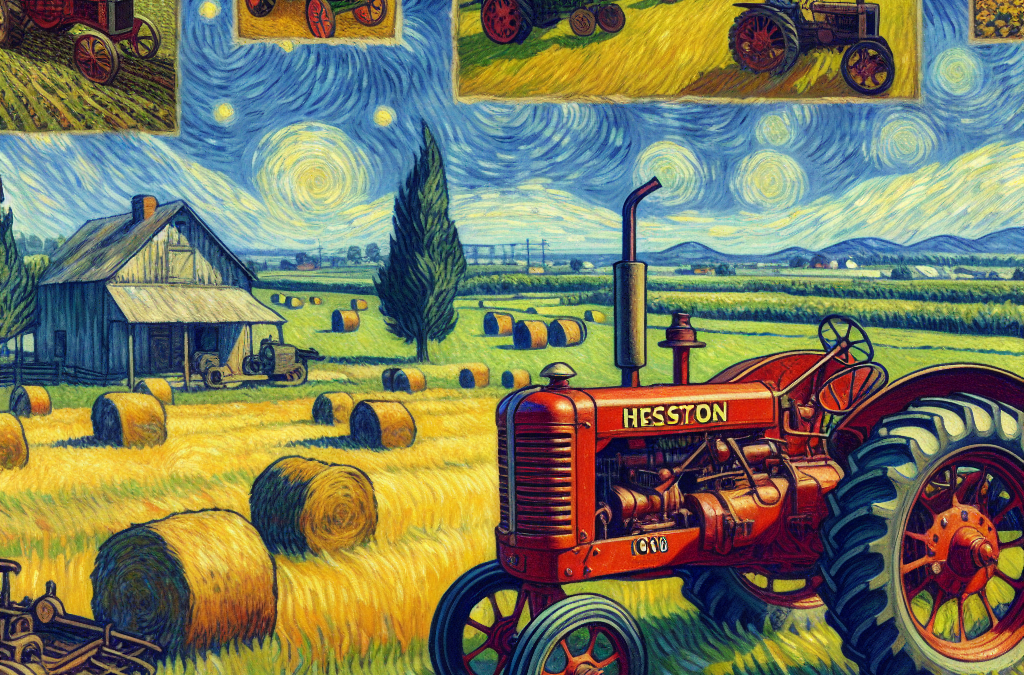
Reviving Heritage: Inspiring Tales Of Restoration And Resilience
By Tom Seest
At ClassicTractorNews, we help tractor lovers keep up with the latest news for classic and vintage tractors.
Please share this post with your friends, family, or business associates who may like old classic or vintage tractors.
Right-To-Repair Success Stories From Real Classic Tractor Sheds
Digging into the world of classic tractors, one uncovers a treasure trove of stories that reveal the heart and soul of farming. These machines, often passed down through generations, speak volumes of resilience and the value of repair over replacement. When you walk into a classic tractor shed, you’re not just stepping into a space filled with rusted metal and old grease; you’re entering a sanctuary of memories, lessons, and pride.
Take, for instance, the story of a family farm in Iowa where a grandfather’s 1958 International Harvester still stands tall. After decades of reliance on this trusty beast, it developed engine trouble. Most would have viewed this as a reason to trade in for a flashier, more modern model. But thanks to the Right-to-Repair movement, which champions the ability to fix our own tools, the family rolled up their sleeves instead. Armed with a manual and a few YouTube videos, they transformed a daunting task into a bonding experience, teaching the younger generation how to nurture heritage rather than indulge in disposability. This isn’t just about fixing a tractor; it’s about preserving family history, instilling values, and reclaiming control over their livelihood.
In many ways, classic tractors symbolize a deeper, ethical responsibility. These machines were built to last, a testament to an era of craftsmanship that is becoming rare in modern consumer culture. By restoring these tractors, farmers celebrate sustainability, resist the throwaway mindset, and build a narrative that emphasizes durability and connection to the land. Each repair is an act of defiance against a society that often prioritizes the new over the tried-and-true.
Moreover, in communities across the country, tractor sheds have become gathering spots, creating a sense of camaraderie and collective purpose. Neighbors come together, sharing tools, wisdom, and laughter as they tackle repair projects. This social fabric fosters connection and reinforces the idea that maintaining our equipment is not just an individual act, but a community effort.
When we reclaim our right to repair, we embrace a philosophy that says we can and should take responsibility for our tools and, by extension, our lives. Every bolt tightened and every engine revved is a step towards empowerment, reminding us that sometimes the best way to move forward is to reach back and honor the legacy of those who came before us. In these classic tractor sheds, whether it’s the smell of gasoline or the sound of laughter, the values of perseverance and trust echo loud and clear. So, the next time you encounter a classic tractor, remember: it isn’t just machinery; it embodies the spirit of resilience and the unyielding bond between people and their roots.
Right-To-Repair Success Stories From Real Classic Tractor Sheds
Right-To-Repair Success Stories From Real Classic Tractor Sheds
- Classic tractors serve as symbols of resilience and the importance of repair over replacement.
- A family in Iowa restored a 1958 International Harvester, fostering generational bonding and heritage preservation.
- The Right-to-Repair movement promotes the ability to fix tools, encouraging independence from disposable consumer culture.
- Restoring tractors reflects a commitment to sustainability and craftsmanship, countering the throwaway mindset.
- Tractor sheds foster community, with neighbors sharing tools and knowledge, reinforcing collective responsibility.
- Reclaiming the right to repair empowers individuals to take charge of their tools and lives.
- Classic tractors embody the legacy and connection between people and their farming roots.
Right-To-Repair Success Stories From Real Classic Tractor Sheds
Table Of Contents
- Right-To-Repair Success Stories From Real Classic Tractor Sheds
- What Makes You Feel Empowered to Repair Your Own Equipment?
- How Can Fixing Your Tractor Save You Money In the Long Run?
- Which Stories Inspire You to Embrace the Right to Repair?
- How Does Repairing Your Machinery Contribute to Sustainability?
- What Do You Believe Is the Ethical Obligation to Maintain Our Tools?
- How Have Repairs Improved Your Relationship with Your Community?
- Conclusion
- Other Resources
- Glossary Of Terms
- Other Questions
- Haiku
- Poem
- Checklist
What Makes You Feel Empowered to Repair Your Own Equipment?
There’s a certain sense of ownership that comes with rolling up your sleeves and tackling a problem head-on. Think about a time when you faced a challenge—a malfunctioning tractor, perhaps. It’s more than just a piece of machinery; it’s a lifeline that connects you to the land and your livelihood. When that tractor sputters and dies in the middle of a crucial task, it’s like a chord struck out of tune. It’s both frustrating and humbling, but here’s where empowerment creeps in.
Repairing your own equipment starts with a seed of confidence. It invites you to invest not just in the machinery but in yourself. When you pop the hood of that tractor, you step into a role that seamlessly blends the mind, heart, and gut. You embrace the rational knowledge that you can troubleshoot and identify the issue. Yet, it’s the emotional connection—the memories of your grandfather showing you how to fix things—that fuels your motivation. If you listen closely, you can still hear his voice guiding you through a tough spot.
Let’s face it: there’s an undeniable ethos in self-reliance. There’s a kind of honor in knowing that you aren’t at the mercy of a repair shop’s schedule or fees. It transforms the seemingly mundane task of fixing into a statement of independence. Every tightened bolt and adjusted lever becomes a badge of honor, a small rebellion against the idea that service manuals and experts are your only options.
But it isn’t just about fixing a tractor; it’s about fixing your own perspective. Empowering yourself to repair fosters resilience. Each success builds accountability and encourages a mindset shift. Next time you encounter a problem, your gut instinct leans toward action instead of despair.
Consider the stories that come out of this journey. You aren’t just one person caught in a dilemma; you’re part of a larger narrative where each repair becomes a learning experience shared among friends and family. It’s through these stories that bonds are forged and trust is built, making the act of repairing not just a task but a communal act.
Repairing your own equipment isn’t merely a practical skill; it’s a fulfilling endeavor that brings you closer to your roots, your community, and ultimately, to yourself. The next time your tractor gives you trouble, remember—it’s not just about getting it running again. It’s about reclaiming your power, one repair at a time.
What Makes You Feel Empowered to Repair Your Own Equipment?
What Makes You Feel Empowered to Repair Your Own Equipment?
- Repairing your own equipment fosters a sense of ownership and empowerment.
- A malfunctioning tractor symbolizes a deeper connection to the land and livelihood.
- Self-reliance transforms the act of fixing into a statement of independence.
- Emotional connections, such as memories of mentorship, enhance motivation.
- Empowerment through repair builds resilience and encourages proactive problem-solving.
- The journey of repair creates shared stories and strengthens community bonds.
- Repairing equipment is a fulfilling endeavor that deepens connections to roots and self.

What Makes You Feel Empowered to Repair Your Own Equipment?
How Can Fixing Your Tractor Save You Money In the Long Run?
Fixing Your Tractor: A Path to Financial Wisdom
When you think about your tractor, what comes to mind? It’s more than just a piece of machinery; it’s a lifeline that connects you to the land, a trusty companion that shoulders the heavy lifting of your daily life. But in a world obsessed with the latest gadgets and shiny new models, the heart of the matter is often overlooked: fixing your tractor can actually save you more than just a few bucks; it can safeguard your future.
Consider this: every time you delay a small repair, you’re not just walking away from a simple fix—you’re potentially inviting a larger, more costly problem. Think of your tractor as a car engine. If you ignore a funny noise, you could be looking at a major overhaul down the line. It’s a fine balance between convenience and cost, and understanding that delicate nature can save you a significant amount in the long run.
Here’s a story that speaks to this point. My grandfather had a knack for fixing his equipment. I watched him turn wrenches in the early hours, a symphony of grunts and clanks resonating across the yard. He’d often say, “A stitch in time saves nine.” While I didn’t grasp the full meaning back then, I now see the wisdom in his words. His repaired tractor ran smoothly for years, while neighbors traded their machines in every few seasons, always attempting to chase the next big thing. My grandfather’s patience and commitment meant fewer trips to the dealership and more cash in his pocket.
From an ethical standpoint, fixing your tractor isn’t just good for your wallet; it’s also good for the environment. Repairing rather than replacing reduces waste and the demand for new resources. A well-maintained tractor emits fewer pollutants and requires less energy to run, contributing to sustainable farming practices.
On a rational level, think of the community that relies on your tractor. When it’s up and running, you’re not just ensuring your own livelihood; you’re indirectly supporting others who depend on you. Farmers, suppliers, and even local businesses flourish when every tractor is in the field, working toward a common goal.
So, the next time your tractor gives you trouble, take a deep breath. Channel that gut feeling to roll up your sleeves and dive into the repair. With each twist of the wrench, you’re not just fixing a machine; you’re investing in a future filled with possibilities and savings.
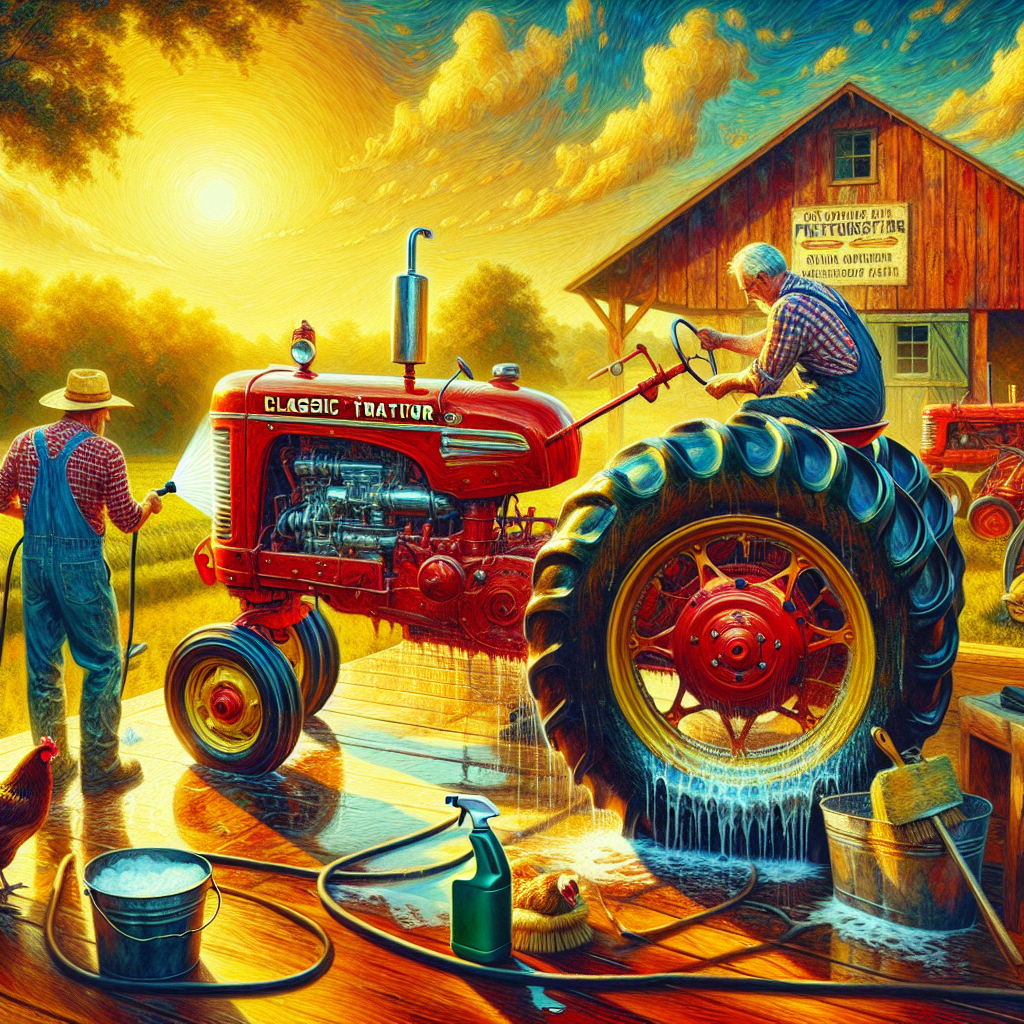
How Can Fixing Your Tractor Save You Money In the Long Run?
How Can Fixing Your Tractor Save You Money In the Long Run?
- Fixing your tractor is essential for maintaining a connection to the land and daily life.
- Delaying repairs can lead to larger, more expensive issues in the future.
- Historical wisdom emphasizes that addressing small problems early saves time and money.
- Repairing equipment supports financial savings by reducing trips to the dealership.
- Fixing machinery is environmentally responsible, reducing waste and resource demand.
- A well-maintained tractor contributes to sustainable farming practices and lower emissions.
- Keeping your tractor operational benefits the wider community that relies on your farming efforts.
How Can Fixing Your Tractor Save You Money In the Long Run?
Which Stories Inspire You to Embrace the Right to Repair?
There’s something deeply satisfying about getting your hands dirty, whether it’s repairing a trusty old tractor or fixing a broken appliance. These acts are not just about saving a few bucks; they tap into a heritage of self-reliance and craftsmanship that seems to diminish in our fast-paced, disposable culture. Imagine a grandmother working in her garage, bending over a rusted piece of machinery, wielding tools that have been passed down through generations. Each twist of the wrench carries the weight of stories untold, echoing back to a time when making do meant something more profound than mere survival.
This isn’t just a nostalgic look back; it’s a call to embrace the present and future of repairability. Consider a community that bands together to revive dilapidated tractors, pooling knowledge and resources to transform old iron into working models that power their farms. These tractors, once struggling under years of neglect, become the lifeblood of their livelihoods again. It’s about the empowerment that comes from fixing what’s broken, challenging the notion that we must bow to the whims of manufacturers who push us to buy new when repair is wholly possible.
On a rational level, the right to repair isn’t merely a savvy financial decision. It’s an ethical imperative. We live in a world swimming in e-waste, and every device discarded because the screen cracked or the battery died contributes to a growing environmental crisis. Think of the mountains of unused technology filling landfills while perfectly good machinery gathers dust simply because we were told it’s too hard to fix.
In embracing repair, we also foster a sense of authority and ownership over our possessions. We challenge corporations that profit off our dependence on new products, asserting our right to mend, modify, and make decisions about what we own. The act of repair transforms an object into a tangible extension of our values, fueling a social movement grounded in resilience and self-sufficiency.
Real stories of repair can ignite this fire within us. When you hear about a local hero who spent nights bringing a dilapidated community center back to life or a father teaching his son how to fix a tractor instead of tossing it away, you can’t help but feel that spark of inspiration.
Engage with those stories, let them stoke the flames of courage in your belly, and remind yourself that you hold the power not just to consume, but to create, revive, and connect, one repair at a time.
Which Stories Inspire You to Embrace the Right to Repair?
Which Stories Inspire You to Embrace the Right to Repair?
- Repairing items like tractors and appliances promotes self-reliance and craftsmanship in a disposable culture.
- Communities can come together to restore old machinery, empowering themselves and challenging consumerism.
- The right to repair is an ethical imperative, addressing the rising e-waste crisis from discarded technology.
- Fixing broken items fosters ownership and personal authority over possessions.
- Repairing transforms objects into extensions of personal values, promoting resilience and self-sufficiency.
- Inspirational stories of restoration can motivate individuals to engage in repair efforts.
- Embracing repair challenges corporate dependence and encourages a culture of creation and revival.
Which Stories Inspire You to Embrace the Right to Repair?
How Does Repairing Your Machinery Contribute to Sustainability?
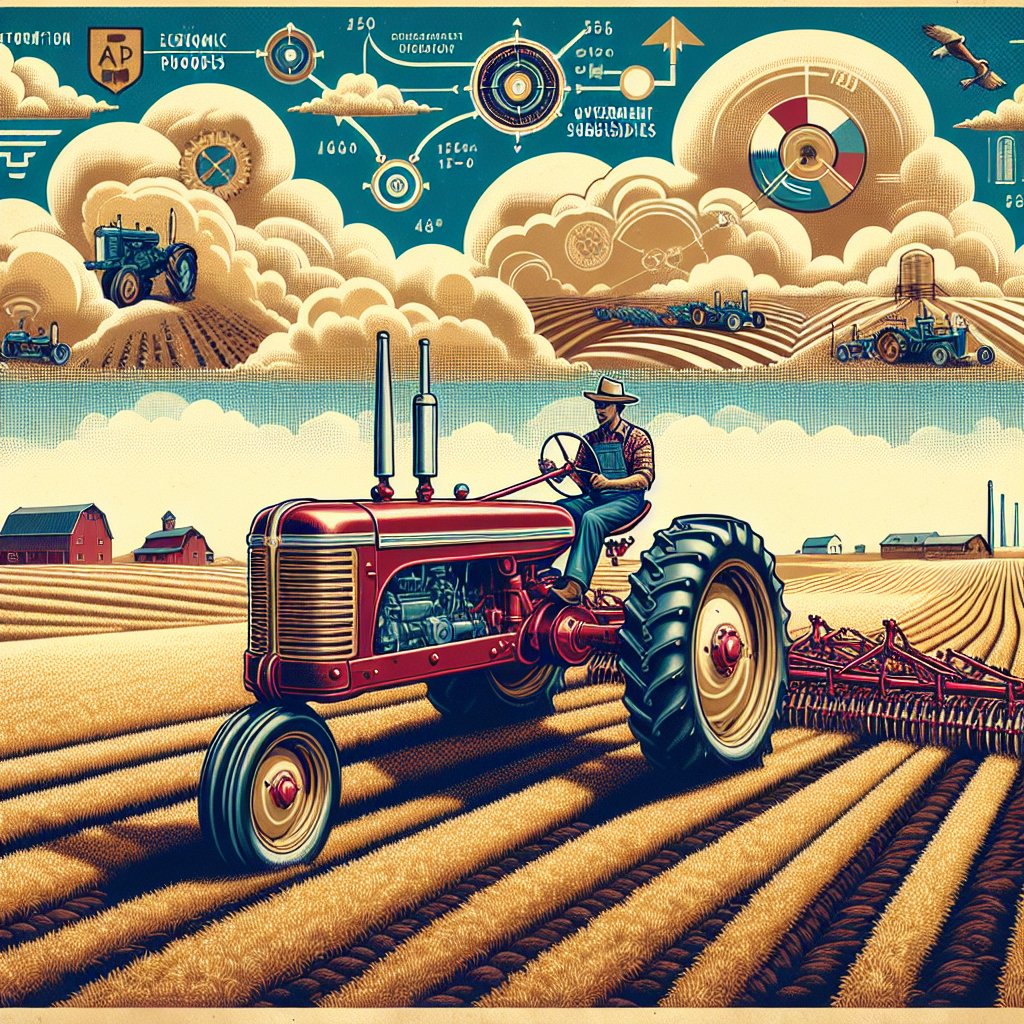
Repairing your machinery isn’t just about getting things running again; it’s a profound commitment to sustainability that reverberates through our communities and environments. Imagine a well-loved tractor—rusty in spots, but with an engine that purrs like a contented feline. Each dent and scratch tells a story, one of hard work, dedication, and resilience. When you choose to repair rather than replace this machinery, you’re doing more than just fixing a tool; you’re fostering a culture of respect for resources and the labor that goes into them.
Take, for instance, those moments on the farm—where you and a neighbor come together to troubleshoot a stubborn piece of equipment. There’s a camaraderie in sharing knowledge and skills, passing down wisdom like a family heirloom. This connection to each other and the land enhances not only your relationship with machinery but also with the environment. That tractor, once a simple machine, transforms into a communal symbol. You’re not just repairing a vehicle; you’re preserving stories, histories, and relationships that weave the fabric of our rural life.
But there’s a rational side to it as well. The more we repair instead of replacing, the less waste we produce. Globally, we generate millions of tons of equipment waste every year, all of which creates an environmental burden. By keeping our machines in service longer, we reduce our footprint and delay the need for new resources, making every repair a small act of defiance against a culture of disposability.
On an ethical level, consider the impact of your choices. Supporting local repair shops not only sustains small businesses but also keeps vital skills alive in our communities. It encourages a mindset where we value craftsmanship over convenience and quality over quantity. It’s a stand against the trend that pushes us toward ever-newer models, each designed to be discarded at the first sign of wear.
Lastly, think of the legacy you want to leave behind. Every time you choose to repair that trusty tractor, you inspire others to rethink their own habits and decisions. By fostering a community that values fixing over discarding, you create a ripple effect, encouraging more sustainable practices and deepening the roots of our shared values. Each repaired machine is a testament to our commitment not only to our work but to the world we inhabit, echoing the notion that sustainability isn’t just a buzzword; it’s a lifestyle that nurtures both our planet and our communities.
How Does Repairing Your Machinery Contribute to Sustainability?
How Does Repairing Your Machinery Contribute to Sustainability?
- Repairing machinery represents a commitment to sustainability, impacting communities and environments.
- A well-loved tractor symbolizes hard work, resilience, and respect for resources.
- Repair fosters camaraderie through knowledge-sharing and enhances connections to the land.
- Repairs reduce waste and environmental burden, aligning with sustainable practices.
- Supporting local repair shops sustains small businesses and promotes valuing craftsmanship.
- Repairing machinery encourages a shift away from a disposable culture toward sustainability.
- Each repair inspires a legacy of sustainability, influencing community habits and values.

How Does Repairing Your Machinery Contribute to Sustainability?
What Do You Believe Is the Ethical Obligation to Maintain Our Tools?
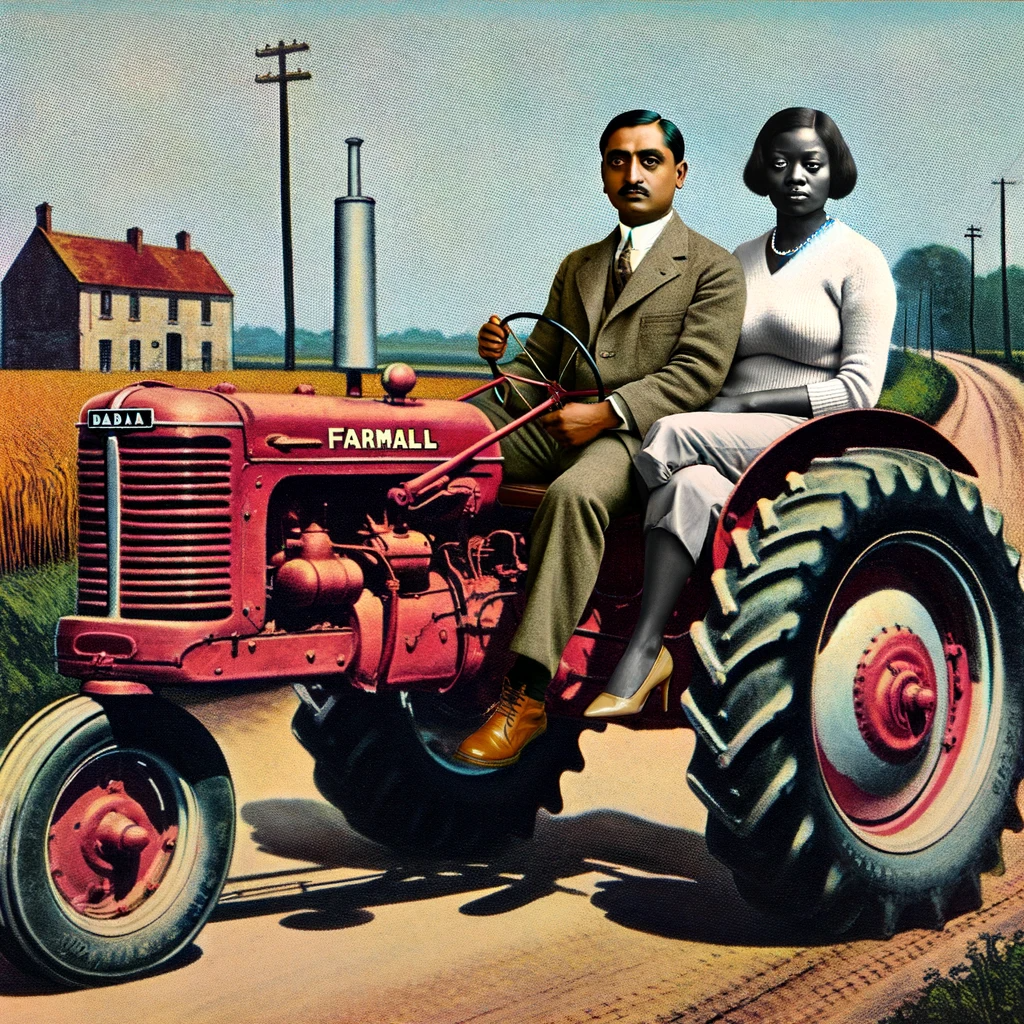
Tools are more than just metal and plastic; they embody our labor, aspirations, and craftsmanship. Consider a farmer with a worn tractor; it’s not just a machine but a companion on the journey of the harvest, the silent witness to the season’s cycle. The ethical obligation to maintain our tools extends beyond the physical act of upkeep; it’s about honoring the countless hours of work and sweat they represent. When we take the time to care for our tools, we aren’t just preserving their functionality; we’re upholding a legacy.
Imagine standing in a vast field, sunlight drenching the earth, the sound of a tractor humming softly in the background. It’s more than a moment of peace; it’s a reminder of generations before us, hands weathered from toil, who understood the profound relationship between human effort and the tools that elevate it. Just like that trusty tractor, our tools—whether hammers, computers, or gardens—serve as a bridge connecting us to our work, our passions, and our communities.
Rationally, maintaining tools is vital for efficiency and safety. A well-maintained tractor operates effectively, reducing the risk of accidents and costly repairs. It’s simple mathematics: the more effort you put into your tools, the more they yield for you. This logic extends to all aspects of life. When we take pride in the equipment we use, we invite respect and professionalism into our endeavors, enhancing not just our outcomes but the entire community around us.
Ethically, neglecting our tools can mirror how we neglect our responsibilities. Each scratch on a blade or dent on a chassis tells a story—of quick fixes, running on fumes, or overlooking the signs of wear. By committing to regular maintenance, we express a dedication not just to efficiency but to responsibility for our environment and the people who will inherit these tools.
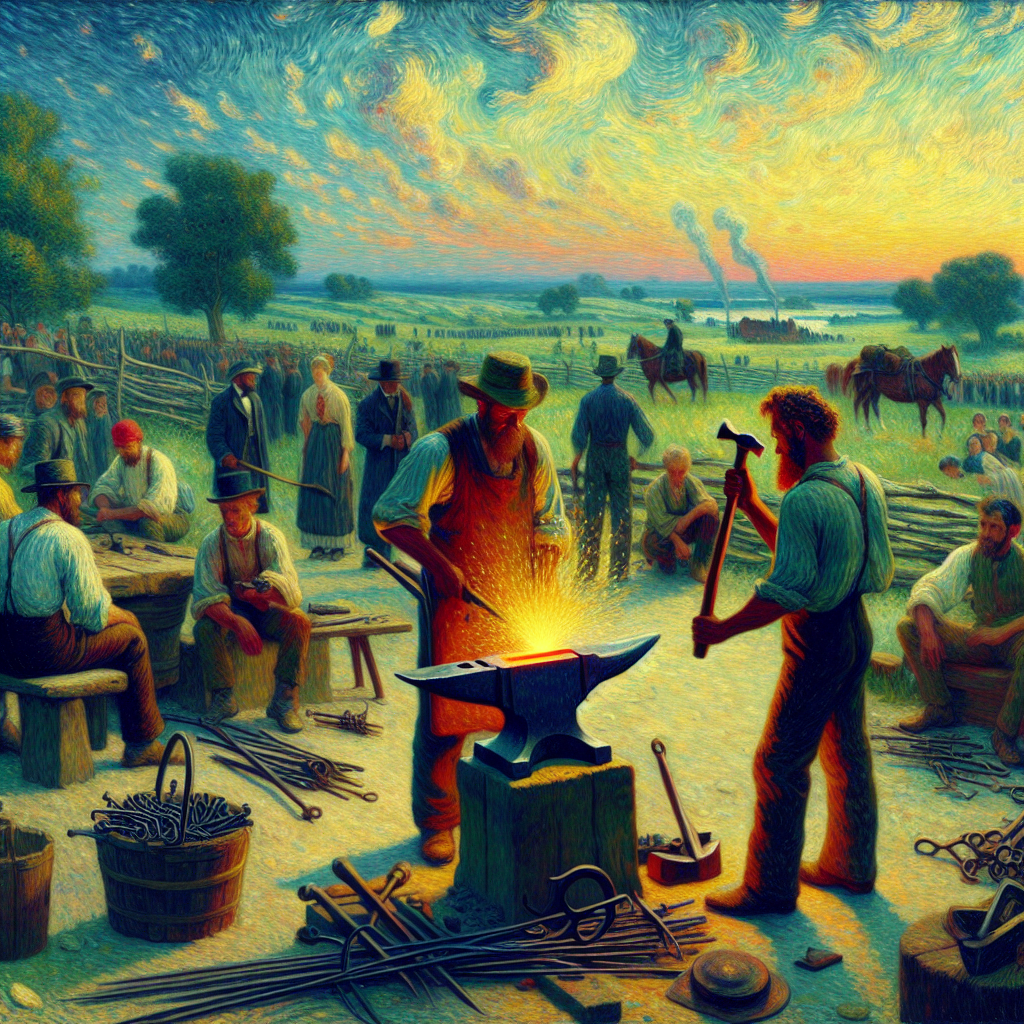
From a narrative perspective, consider the stories hidden in our tools. Each time a farmer feels the warm metal of the tractor wheel as they turn a corner, they remember late nights and early mornings when the land demanded everything they had. It becomes a part of their identity. By maintaining these tools, we keep the stories alive, ensuring future generations can share in the same experiences, passing down a culture of respect, responsibility, and reverence.
This is our charge: to foster a connection with what we create and use. We are stewards, not just of physical tools but of an ethos that prioritizes care and intention. So the next time you pick up that wrench or approach your trusty tractor, remember—it’s not just about the tool itself; it’s about the story it tells, the work it enables, and the respect we owe to our craft.
What Do You Believe Is the Ethical Obligation to Maintain Our Tools?
What Do You Believe Is the Ethical Obligation to Maintain Our Tools?
- Tools represent our labor, aspirations, and craftsmanship, exemplified by a farmer’s relationship with a worn tractor.
- The ethical duty to maintain tools honors the hard work they symbolize, preserving their functionality and upholding a legacy.
- Well-maintained tools enhance efficiency and safety, reducing the risk of accidents and costly repairs.
- Taking pride in our tools invites respect and professionalism, benefiting both individual endeavors and the surrounding community.
- Neglecting tools reflects a neglect of responsibilities, with each mark telling a story of care or lack thereof.
- Maintaining tools helps preserve narratives and experiences, fostering a culture of respect and reverence for future generations.
- We are stewards of our tools and the values associated with them, emphasizing the importance of care and intention in our work.
What Do You Believe Is the Ethical Obligation to Maintain Our Tools?
How Have Repairs Improved Your Relationship with Your Community?
Repairing the fabric of a community goes far beyond fixing broken objects or mending fences; it’s about fostering relationships and rebuilding trust. Imagine a small town, where the sound of a tractor echoing through vast fields is as familiar as the laughter of children playing in the streets. Many of us have felt the sting of disconnection in our communities, often noticing how these little moments of neglect can grow into gaping holes. Yet, when repairs begin—not just of property, but of hearts and minds—a remarkable transformation unfolds.
Consider a local mechanic, known for his ability to breathe life into old machines. He doesn’t just fix tractors; he listens to the stories of their owners. Each tractor symbolizes hard work and dreams, carrying with it tales of perseverance. By engaging in these dialogues, he inspires others to connect, share, and rebuild bonds that had frayed over time. When someone feels heard, it ignites a ripple effect; they start reaching out to neighbors, sharing how their family traditions have shaped their lives.
Repairing “things” often serves as a metaphor for healing relationships. Picture a farmer whose tractor stalls in the field, halting progress and leaving crops vulnerable. As neighbors gather to assist, the physical act of repair becomes secondary to the conversations that flow between them. A simple task evolves into a revival of community spirit. In these moments, it becomes evident that the heart of a community beats strongest when everyone rolls up their sleeves, uniting not just over work, but over shared aspirations and dreams.
Repair isn’t merely about fixing what’s broken; it’s establishing a framework of support. As community members work together to restore both fields and connections, they find strength in vulnerability. It challenges the notion that independence is paramount; instead, it reveals the raw truth that we thrive through interdependence. Ethically, every act of repair intertwines our fate with others, igniting an awareness that our stories are interwoven.
Embracing repair encourages a shift in perspective—seeing potential in the imperfect. It levels the playing field, allowing individuals to claim ownership of their community. It invites everyone to acknowledge their role in a greater narrative. As these relationships blossom, trust solidifies like the sturdy frame of a restored tractor, able to endure the toughest seasons. Through engagement in repair, communities not only overcome physical challenges but also cultivate bonds that promote resilience and unity, transforming mere coexistence into genuine connection.

How Have Repairs Improved Your Relationship with Your Community?
How Have Repairs Improved Your Relationship with Your Community?
- Repairing communities involves fostering relationships and rebuilding trust, not just fixing objects.
- A small town exemplifies how disconnection can grow from neglect, highlighting the need for repair of hearts and minds.
- A local mechanic listens to stories behind tractors, symbolizing hard work and dreams, inspiring connection among community members.
- The act of repairing fosters dialogue and revives community spirit, emphasizing collaboration over individualism.
- Repair establishes a framework of support, unveiling the importance of interdependence among community members.
- Embracing repair shifts perspectives, allowing individuals to see potential in imperfections and claim ownership of their community.
- Engagement in repair cultivates resilience and unity, transforming mere coexistence into genuine connection.

How Have Repairs Improved Your Relationship with Your Community?
Conclusion
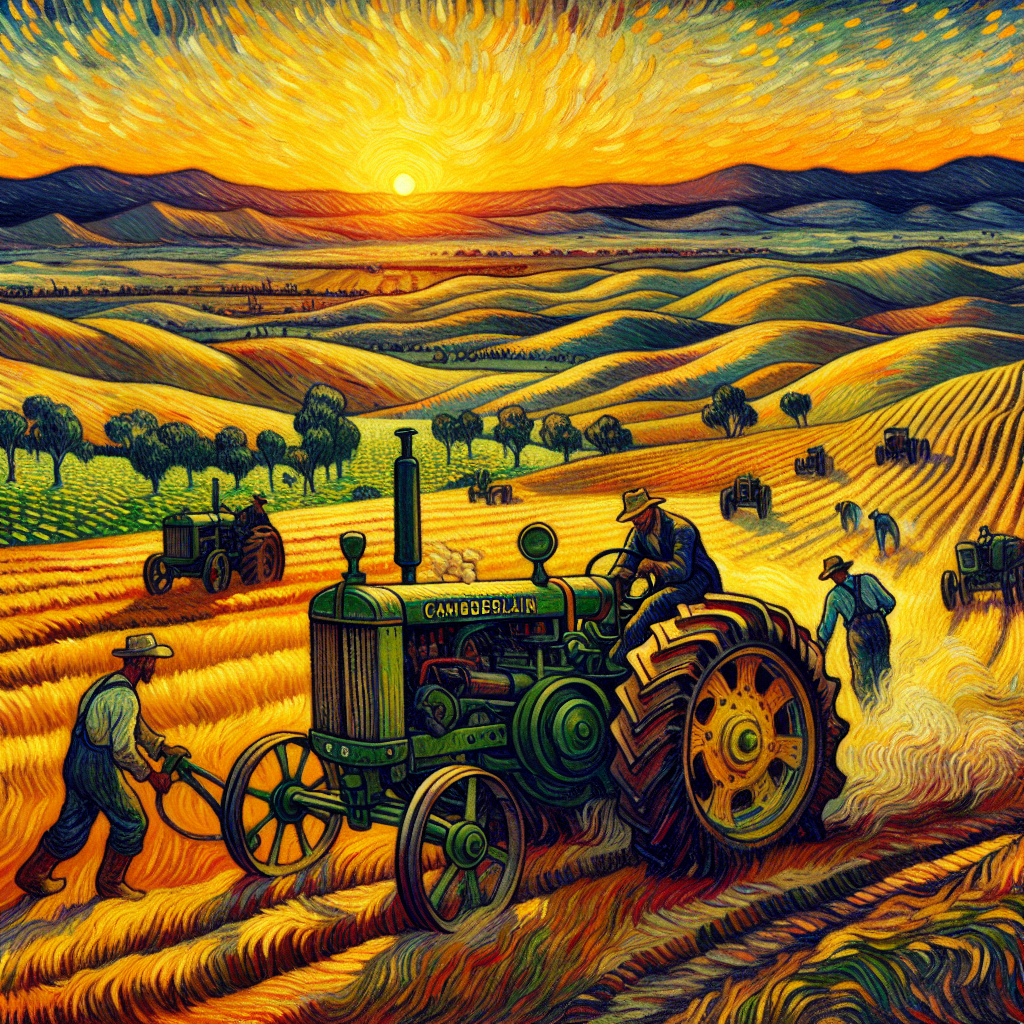
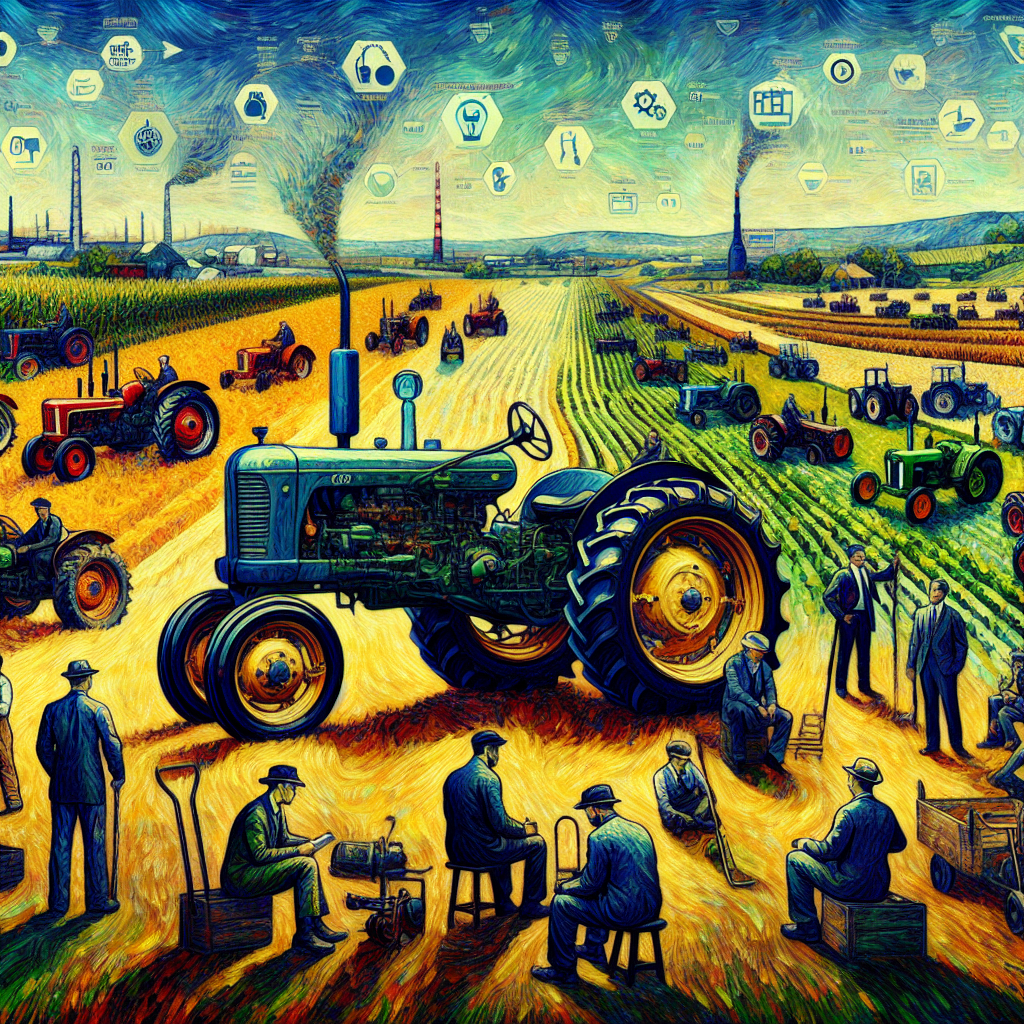
In the heart of rural America, classic tractors are more than machines; they embody the spirit of resilience, history, and community. Stepping into a classic tractor shed is like stepping into a treasure chest of memories, where each rusted piece metal tells a story—a story about hard work, familial bonds, and the unwavering connection to the land. The Right-to-Repair movement has sparked a renaissance in these sheds, transforming what could easily be dismissed as outdated machinery into symbols of empowerment and ingenuity.
Take, for instance, the tale of a family in Iowa dedicated to reviving a worn-out 1958 International Harvester. Faced with daunting repairs that might tempt many to upgrade, they chose instead to repair. Guided by a manual and YouTube tutorials, this family forged bonds across generations, teaching the value of perseverance and the critical lesson that fixing one’s tools is a sacred act of reclaiming heritage. Each repair isn’t merely mechanical; it is a reflection of values—sustainability, self-reliance, and a defiance against the throwaway culture that pervades modern life.
In communities across the country, these tractor sheds become hubs of camaraderie, where neighbors unite, sharing tools and wisdom. Such communal activities foster deep connections and nurture a sense of belonging. When people come together to repair machinery, they also repair their relationships, reinforcing daily acts of solidarity and support. This shared journey embodies a philosophy that recognizes our collective responsibility, something far deeper than individualism; it is the acknowledgment that we thrive together.
Repair is not merely a practical endeavor. It serves as an ethical stance, challenging the relentless pursuit of newness that often ignores the environmental implications of wastage. By choosing to fix rather than replace, we reduce our carbon footprint and honor our ancestors’ craftsmanship—each repaired tractor stands as a testament to our commitment to future generations.
These stories of restoration are more than inspiration; they are rallying cries for an era that respects the wisdom of past generations. As you embrace the right to repair, remember that each twist of a wrench is not just about getting a machine up and running; it’s about reclaiming agency over your life, strengthening ties within your community, and preserving a legacy that transcends generations. In every repair lies the power to connect, create, and ultimately redefine the world around us, one bolt at a time.
Conclusion
Conclusion:
- Classic tractors symbolize resilience, history, and community in rural America.
- Each piece of rusted metal in a tractor shed tells a story of hard work and familial bonds.
- The Right-to-Repair movement revitalizes these tractors, making them symbols of empowerment.
- A family in Iowa opts to repair a 1958 International Harvester, fostering generational bonds.
- Repairing tractors promotes values of sustainability and self-reliance against throwaway culture.
- Tractor sheds serve as community hubs, promoting camaraderie and strengthening relationships.
- Every repair is a commitment to honoring craftsmanship and preserving a legacy for future generations.
Conclusion
Other Resources
Other Resources
Here is a list of other resources you can review online to learn more:
- Lanz
- Central Washington Agricultural Museum
- Zetor Zebra
- Classic Tractor Fever
- Farm Progress Show
- Montgomery Ward
- Wisconsin Tractor
- John Deere
- Classic Farm Tractors
- Sublette Farm Toy & Antique Tractor Show
- Suzue
- Froelich Tractor Museum
- McCormick
- Aultman & Taylor
- Orange County Farmers Museum
- GBT
- KUHN
- Ranch Hand
- Waltanna
Use This Prompt To Get More Resources With Your Favorite Online AI Tool: Please provide me with a list of online articles with their URLs in a bulleted list that I can read regarding Right-To-Repair Success Stories From Real Classic Tractor Sheds
Other Resources
Glossary Terms
Right-To-Repair Success Stories From Real Classic Tractor Sheds – Glossary Of Terms
1. Right-to-Repair — Principle and legal framework that ensures owners and independent shops can access parts, documentation, and tools to repair tractors themselves.
2. Barn Find — Discovery of an overlooked or long-stored classic tractor that becomes a restoration project and right-to-repair success story.
3. Parts Donor — A tractor sacrificed for reusable components that enable the repair or restoration of another machine.
4. OEM (Original Equipment Manufacturer) — The original maker of tractor components; OEM parts are often referenced for fit, spec, and authenticity.
5. Aftermarket Parts — Non-OEM replacement parts produced by third parties, frequently used when original parts are unavailable.
6. NOS (New Old Stock) — Original factory-made parts never used and still in original packaging, prized for authenticity in classic restorations.
7. Salvage/Salvaged Components — Recovered parts from scrapped machines that are refurbished or repurposed for repairs.
8. Service Manual — Official or aftermarket manuals detailing maintenance procedures, specifications, and step-by-step repairs critical to successful restorations.
9. Parts Diagram — Exploded-view illustrations showing component relationships and part numbers used to locate and order replacements.
10. Wiring Diagram — Electrical schematics that map circuits and connections, essential for diagnosing and repairing electrical faults.
11. Serial/Model Tag — Identification plates or stamped numbers used to verify model, year, and correct parts compatibility.
12. Core Charge/Core Exchange — Deposit/refund system for returning old components (like starters or pumps) when buying rebuilt units, encouraging reuse and remanufacture.
13. Rebuild/Overhaul — Comprehensive disassembly and restoration of assemblies (engines, transmissions, hydraulics) to return them to serviceable condition.
14. Remanufacturing — Factory-grade restoration of a component to like-new condition, often with updated seals and tolerances.
15. Machine Shop Work — Precision services (boring, grinding, turning, milling) used to restore worn components to specification.
16. CNC Machining — Computer-controlled fabrication and restoration of precision parts when originals are unavailable.
17. 3D Printing/Additive Manufacturing — Rapid prototyping or production of hard-to-find small parts, brackets, or fittings for classic tractors.
18. Custom Fabrication — Hand or machine-formed metalwork (brackets, panels, mounts) created when replacement parts cannot be sourced.
19. Pattern Making — Creating models or molds from an original part to cast replacements in metal or resin.
20. Thread Repair (Helicoil/Insert) — Restoring stripped threads in heads or housings using inserts to regain secure fastener engagement.
21. Sleeving/Reboring — Repairing damaged cylinders by inserting sleeves or boring to the next oversize and fitting larger pistons.
22. Valve Job — Refacing and reseating valves and valve seats to restore compression and engine performance.
23. Gasket Kit — Matched set of seals and gaskets used during engine or component rebuilds to ensure leak-free assembly.
24. Bearing Fitment/Press Fit — Correct selection and installation of bearings with precise interference or clearance for long-term reliability.
25. Welding/Brazing/Metal Repair — Joining and repairing cracked or corroded castings, frames, and sheet metal during restorations.
26. Parts Cross-Reference — Identifying alternative compatible parts from different models or manufacturers to solve shortages.
27. Community Co-op/Tool Library — Shared local resources where enthusiasts borrow specialty tools and equipment needed for repairs.
28. Crowdsourced Parts Database — Online community-maintained catalogs and forums documenting part numbers, interchangeability, and sources from real tractor-shed restorations.
29. Documentation Preservation — Digitizing service literature, schematics, and build notes from real projects to preserve knowledge for future repairs.
30. Advocacy & Success Story — Local campaigns, case studies, and documented restorations that demonstrate the practical benefits of right-to-repair in classic tractor communities.
Glossary Of Terms
Other Questions
Right-To-Repair Success Stories From Real Classic Tractor Sheds – Other Questions
If you wish to explore and discover more, consider looking for answers to these questions:
- What is the Right-to-Repair movement and how did it start?
- How does Right-to-Repair specifically affect classic tractors and farm equipment?
- Which manufacturers restrict access to parts, manuals, or diagnostic tools for tractors?
- Where can I find original service manuals, wiring diagrams, and part numbers for vintage tractors?
- How do I locate rare or discontinued parts for older tractor models?
- Can I legally use aftermarket or reproduced parts in a classic tractor restoration?
- What essential tools and equipment do I need to begin restoring a tractor?
- How do I diagnose common engine, transmission, and hydraulic issues on classic tractors?
- What are the typical costs and timeframes for a full tractor restoration?
- How can fixing a tractor save money compared with buying a used or new replacement?
- How do I decide whether to repair, restore, or replace a particular component?
- What safety precautions should be taken when working on heavy farm machinery?
- How do you find reliable mechanics or specialist restorers for vintage tractors?
- What training, courses, or apprenticeships are available to learn tractor repair skills?
- How do community repair events, clubs, or swap meets work and where can I find them?
- How do you preserve original paint, patina, and provenance versus doing a full cosmetic restoration?
- What are the most common mistakes beginners make during restorations and how can they be avoided?
- How do repairs and restorations impact the market value of a classic tractor?
- Are there grants, tax incentives, or programs that support heritage equipment restoration?
- How can modern upgrades (electrical, brakes, safety) be integrated without ruining authenticity?
- What environmental benefits result from repairing tractors instead of replacing them?
- How should obsolete electronics or proprietary software in newer tractors be handled?
- Does performing your own repairs void warranties or create legal risks?
- How do you document a restoration project for historical records or resale?
- What insurance considerations apply to operating or storing restored classic tractors?
- How can younger generations be taught mechanical skills and the value of repair?
- What are the best practices for long-term storage and preservation of restored tractors?
- How do repair communities share knowledge—forums, social media, local clubs, or publications?
- Where can I find step‑by‑step case studies or success stories with parts lists and procedures?
Other Questions
Haiku
Right-To-Repair Success Stories From Real Classic Tractor Sheds – A Haiku
Worn wheels bear stories,
Hands unite through rust and toil,
Roots reviving hope’s call.
Haiku
Poem
Right-To-Repair Success Stories From Real Classic Tractor Sheds – A Poem
In the heart of old tractor sheds,
Where rust and legacy intertwine,
Tools echo tales of toil and dreams,
Each repair a bond, a lifeline.
From grandfathers hands to eager youth,
The wisdom of ages shines bright,
Turning trouble into triumph,
In the glow of shared delight.
Each bolt tightened, a story told,
Of grit against a throwaway tide,
Repairing machines, we claim our roots,
With laughter and sweat as our guide.
Sustainability whispers in the wind,
As neighbors unite, raising spirits high,
From broken dreams to thriving farms,
A community’s might can never die.
Ethics and action, intertwined paths,
With every repair, a future we craft,
A testament to love and respect,
In each fixed flaw, a legacy draft.
So, roll up your sleeves, take a stand,
In the soil of shared endeavor we thrive,
Together we mend, together we grow,
In the art of repair, we come alive.
Poem
Checklist
Right-To-Repair Success Stories From Real Classic Tractor Sheds – A Checklist
Heart
✅______ Reflect on personal stories of repair from family or community that inspire you.
✅______ Consider how repairing your equipment strengthens your emotional connection to your heritage.
✅______ Think about a time when working together with others on repairs brought joy and laughter.
✅______ Identify the memories tied to your tools and machinery that remind you of your roots.
Head
✅______ Analyze the potential financial savings of repairing versus replacing equipment.
✅______ Evaluate how timely repairs can prevent larger, more costly issues in the long run.
✅______ Research local repair resources and manuals that can assist you in your repair journey.
✅______ Understand the environmental benefits of reducing waste through repair.
Gut
✅______ Trust your instincts about the satisfaction and fulfillment that comes from self-repair.
✅______ Assess your readiness to take on repair tasks and the empowerment that comes with it.
✅______ Engage in conversations with neighbors about their repair experiences to enrich your perspective.
✅______ Embrace the idea that each repair is a bold step against disposability and a statement of independence.
Emotional Appeal
✅______ Share stories of triumph in overcoming repair challenges within your community.
✅______ Highlight the cultural significance of maintaining old machinery and passing down skills.
Rational Appeal
✅______ Present data on the financial benefits of repair versus replacement.
✅______ Discuss the efficiency gains and safety improvements connected to well-maintained tools.
Ethical Appeal
✅______ Advocate for the moral responsibility to repair and maintain machinery for future generations.
✅______ Encourage a sustainable mindset that values craftsmanship over consumerism.
Authority Appeal
✅______ Cite local experts or community leaders who endorse repair practices.
✅______ Highlight successful case studies from those who have embraced repair within their professions.
Narrative Appeal
✅______ Share engaging anecdotes from individuals who restored equipment, emphasizing community impact.
✅______ Illustrate the transformation of relationships through collaborative repair efforts.
Social Appeal
✅______ Foster a community gathering or event focused on sharing repair skills and knowledge.
✅______ Encourage mentorship between experienced individuals and those new to repairs to strengthen communal bonds.
Checklist
At ClassicTractorNews, we help tractor lovers keep up with the latest news for classic and vintage tractors.
Please share this post with your friends, family, or business associates who may like old classic or vintage tractors.