


Transforming Challenges Into Triumphs With Ai-Powered Solutions
By Tom Seest
At ClassicTractorNews, we help tractor lovers keep up with the latest news for classic and vintage tractors.
Please share this post with your friends, family, or business associates who may like old classic or vintage tractors.
Revolutionary AI Tools for Hydraulic and Electrical Gremlins
In the world of hydraulic and electrical repair, the landscape is shifting, much like the soil beneath your trusty tractor as it plunges into the earth. What was once a chaotic battle against copper wires and hydraulic lines has become a dance, guided by revolutionary AI tools. These advancements aren’t just about efficiency; they touch the core of our humanity and our shared experiences.
Imagine a farmer, weary from countless hours troubleshooting persistent faults in his tractor. He’s spent more time wrestling with schematics than tending to his crops. Enter AI—a tool that doesn’t just diagnose a problem, but tells a story. It listens and learns from the myriad of inputs and outputs, transforming complex data into actionable insights. With each repair, it empowers not only mechanics but the farmers who depend on their machinery. The emotional relief of returning to the fields, knowing that the AI has streamlined the diagnosis and repair process, is a power that resonates deeply.
Rationally, the equation becomes simple. With the right AI tools, mechanics can pinpoint issues in seconds rather than hours. It’s not just about fixing a hydraulic leak; it’s about freeing up precious time for what truly matters—family dinners, community engagements, or simply enjoying the beauty of a sunset over wide-open fields. These tools are not just technical marvels but bridges that reconnect us with our original purpose.
Ethically, the deployment of AI makes our jobs safer and our workplaces more accessible. As mechanics adapt to these changes, they become empowered advocates for innovation, ensuring that we not only fix machines but also train the next generation to embrace technology with confidence. Sharing stories of success, like how a local shop integrated AI tools and saw a 30% increase in efficiency, inspires others to take that leap as well.
Moreover, stories of camaraderie emerge. Mechanics across the country are beginning to share their experiences, inviting others into a community that thrives on knowledge-sharing. When one mechanic in a small town discovers a breakthrough using AI for hydraulic systems, it sparks interest and discussion far beyond his garage. This ripple effect builds trust within the profession, creating a network of support.
We stand at the crossroads of tradition and innovation. Embracing these revolutionary AI tools for hydraulic and electrical challenges isn’t just a step toward modernization; it’s a revival of our commitment to craftsmanship and community. Together, we can harness technology not as a threat, but as a powerful ally in our ongoing journey with grease, grit, and a good ol’ tractor.

Revolutionary AI Tools for Hydraulic and Electrical Gremlins
Revolutionary AI Tools for Hydraulic and Electrical Gremlins
- The repair landscape for hydraulics and electrical systems is evolving with AI tools.
- AI not only diagnoses issues but also enhances the human experience for farmers and mechanics.
- Using AI can significantly reduce diagnosis time, allowing more focus on personal and community priorities.
- AI deployment improves workplace safety and accessibility, empowering mechanics for innovation.
- Successful AI integration can lead to increased efficiency, fostering inspiration and knowledge-sharing within the community.
- A network of support develops as mechanics share breakthroughs and experiences across the profession.
- Adopting AI represents a blend of tradition and innovation, reinforcing commitments to craftsmanship and community.
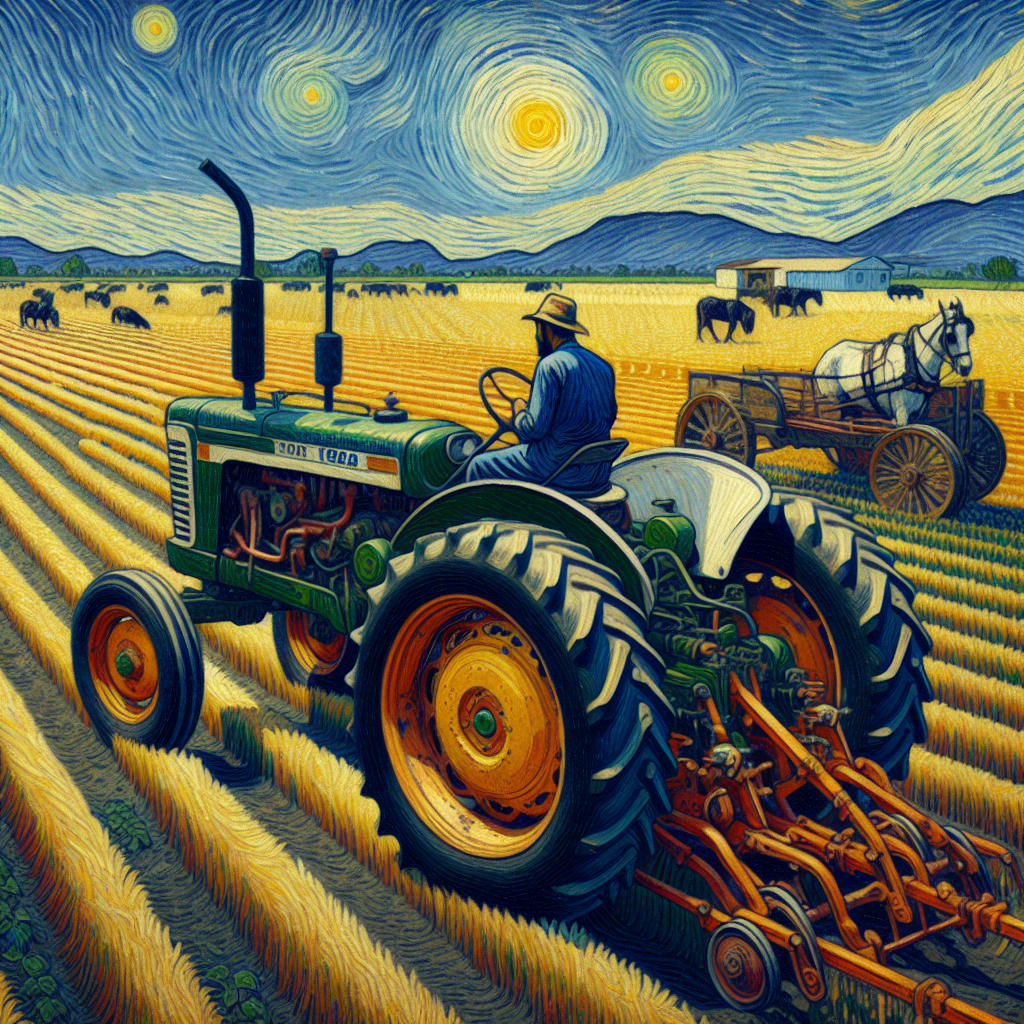
Revolutionary AI Tools for Hydraulic and Electrical Gremlins
Table Of Contents
- Revolutionary AI Tools for Hydraulic and Electrical Gremlins
- What Are the Emotional Costs Of Unresolved Hydraulic Issues?
- How Do Faulty Electrical Systems Impact Our Daily Lives?
- What Ethical Considerations Arise From Using AI In Maintenance?
- How Can AI Tools Enhance Our Understanding Of Hydraulic Failures?
- What Narrative Can We Build Around Successful AI Interventions?
- How Do Industry Leaders View the Role Of AI In Troubleshooting?
- Conclusion
- Other Resources
- Glossary Of Terms
- Other Questions
- Haiku
- Poem
- Checklist
What Are the Emotional Costs Of Unresolved Hydraulic Issues?
What Are the Emotional Costs of Unresolved Hydraulic Issues?
Unresolved hydraulic issues in machinery, like your trusty tractor, often bring more than just mechanical headaches; they can weigh heavily on the heart and mind. Imagine standing beside a tractor, its engine still, the hydraulic system silent, the job at hand stalling. It’s more than just a pause in work; it’s an emotional tug-of-war. You can feel the frustration bubbling up as you think of the day’s tasks looming over you like dark clouds. This is where the unseen costs come into play.
Emotionally, when a machine fails to perform, it becomes a reflection of our own struggles. We invest ourselves into these tools, much like the farmers who nurture their land. When the hydraulics falter, it feels as though a part of our identity stops working. The weight of unfulfilled responsibilities drags on our spirit, and the defeated feeling comes with a heavy price—one we seldom account for in spreadsheets.
From a rational perspective, ignoring these issues doesn’t just lead to costly repairs down the line—it generates a cycle of stress and anxiety. Picture the worry that festers when you’re aware of a problem in the system, knowing that it’ll only get worse. Each day brings a new potential crisis, putting more strain on both the machinery and the person operating it. These unresolved issues don’t just accumulate in repair bills; they stack up in mental fatigue and emotional turmoil.
Ethically, we owe it to ourselves and our community to operate at our best. Delaying repairs on hydraulic systems isn’t just about the individual; it impacts everyone relying on that tractor and its efficiency. The burdens can extend beyond personal frustration; eventually, they seep into relationships, affecting those who depend on our hard work. There’s a collective responsibility in keeping these machines running smoothly, ensuring we all reap the benefits of our labor.
Sharing personal experiences can bridge the gap between these burdens. Each farmer or worker has a story—perhaps of a delayed harvest, a missed opportunity, or a cherished moment lost to machinery failure. These stories resonate, creating a sense of camaraderie—a realization that everyone faces similar struggles. It’s a call to action to address these issues proactively. A simple hydraulic fix can restore not just the machinery’s function, but reinvigorate the spirit of those who rely on it.
When you think of the toll unresolved hydraulic issues take, remember that it’s not just about fixing a lever or a hose. It’s about preserving our sense of purpose and pride in our work, keeping the engines of our lives and our communities running smoothly. Let’s unite and face these challenges head-on, ensuring no tractor—or person—stands still for too long.
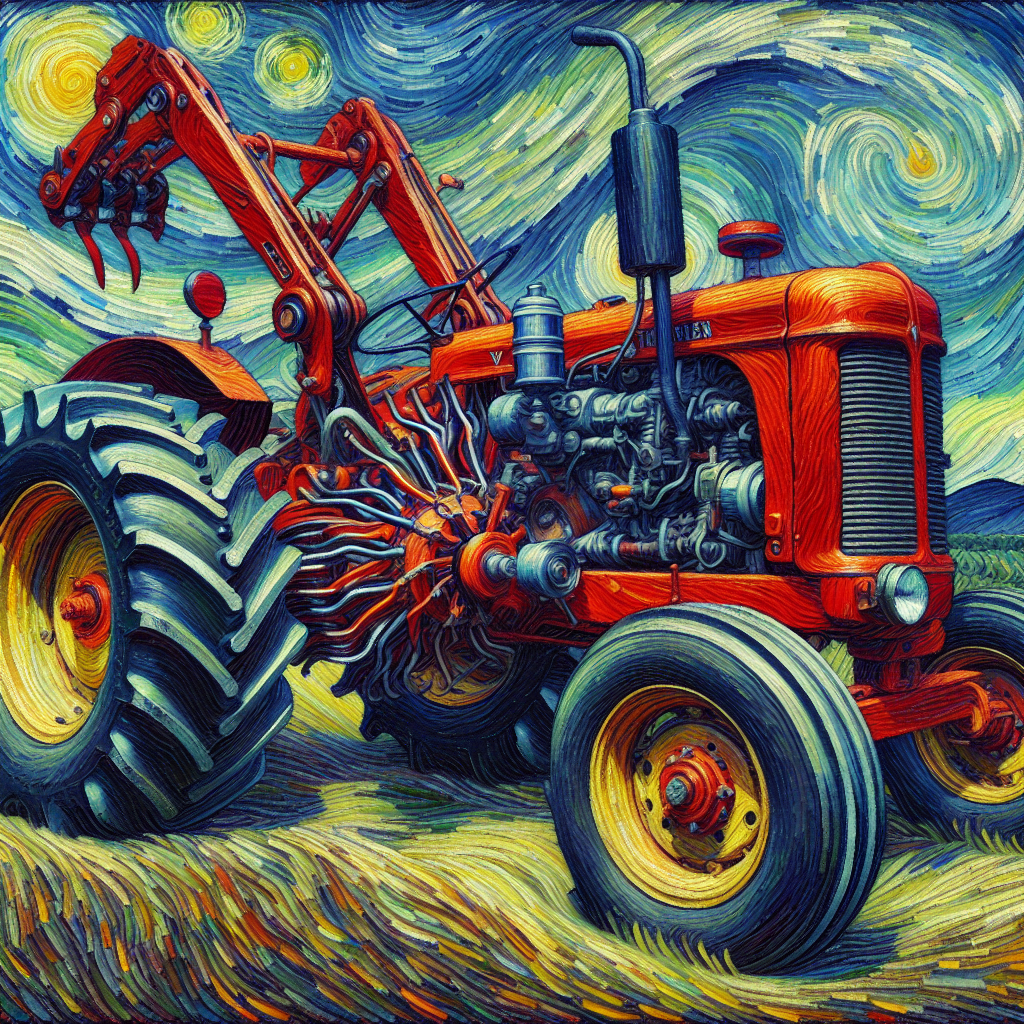
What Are the Emotional Costs Of Unresolved Hydraulic Issues?
What Are the Emotional Costs Of Unresolved Hydraulic Issues?
- Unresolved hydraulic issues cause emotional stress beyond mechanical problems.
- Failure of machinery reflects personal struggles and affects identity.
- Ignoring hydraulic issues leads to costly repairs and increased anxiety.
- Daily awareness of problems creates pressure on both the operator and machinery.
- Delaying repairs impacts not only the individual but also the community relying on the equipment.
- Sharing experiences fosters camaraderie and highlights shared challenges among workers.
- Addressing hydraulic issues proactively restores function and enhances purpose in work.
What Are the Emotional Costs Of Unresolved Hydraulic Issues?
How Do Faulty Electrical Systems Impact Our Daily Lives?
Faulty electrical systems are not just a nuisance—they’re a silent force that can shake the very foundations of our lives. Picture this: a family gathered around the dinner table, laughter echoing through the home, when suddenly, the lights flicker and die. The comforting hum of the refrigerator fades, the warmth from the oven evaporates, and in that moment, the ordinary routine melts away, leaving uncertainty in its wake. It’s a small but poignant reminder of how dependent we are on electricity.
Consider the story of a local farmer. Every spring, he gears up for planting season, ensuring his tractor is ready to hit the fields. It’s not just a piece of machinery; it’s an extension of his livelihood. One day, a minor electrical fault leaves him stranded, unable to cultivate the land. The delays cost him precious time—time that could mean the difference between a hearty harvest and a season of struggle. In agricultural communities across the country, a single faulty component can ripple through economies, affecting everyone from local suppliers to consumers at the grocery store.
Rationally, faulty electrical systems create a cascade of consequences. They affect safety, productivity, and even our peace of mind. Consider how often we trust technology without a second thought, flipping a switch expecting light and energy. Yet, behind these simple actions lies a labyrinth of circuits and wires, each one vital to our daily functioning. When one goes awry, we’re not just inconvenienced; we are reminded how fragile our comfort can be.
From an ethical standpoint, we owe it to ourselves and our families to ensure that our homes and workplaces are safe. Regular maintenance and awareness are crucial. Each of us has a role to play not only in our safety but also in fostering a culture of accountability regarding electrical systems. Communities thrive when they prioritize this shared responsibility, ensuring that everyone has access to safe, reliable electrical infrastructure.
Imagine a world where we come together as stewards of our environments, understanding the intimate relationship between our technology and our lives. It’s about harnessing the power of both community and innovation. So next time you flip the switch in your home—or see that farmer on his tractor—take a moment to appreciate the unseen network that supports our daily existence. Acknowledge the profound impact faulty electrical systems can have, and let that awareness inspire preventive action. Together, we can cultivate a future where light is a guarantee, not a gamble.
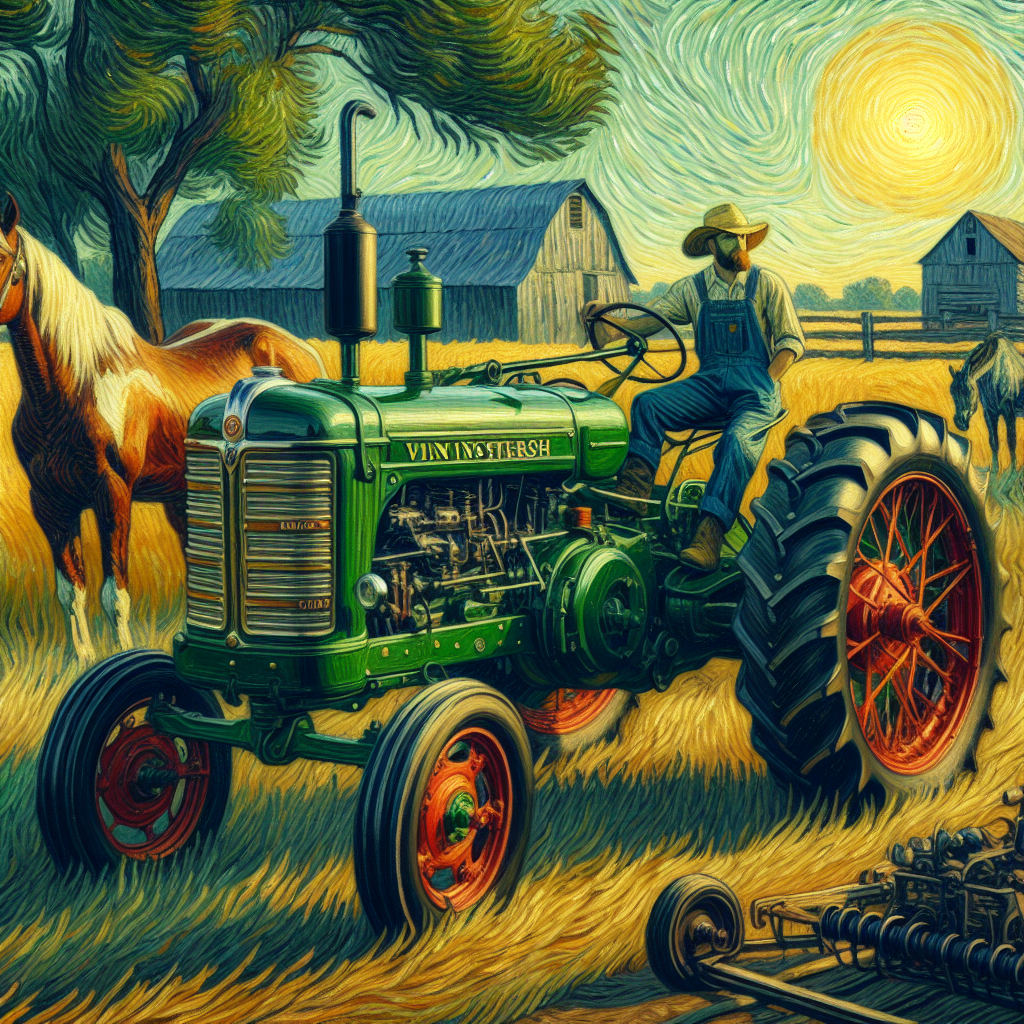
How Do Faulty Electrical Systems Impact Our Daily Lives?
How Do Faulty Electrical Systems Impact Our Daily Lives?
- Faulty electrical systems can disrupt daily life, causing uncertainty in households.
- A local farmer’s minor electrical fault can prevent timely planting, impacting agricultural communities.
- Electrical faults lead to broader economic consequences, affecting local suppliers and consumers.
- Dependence on technology highlights vulnerability; a single failure can disrupt comfort and safety.
- Regular maintenance and public awareness are vital for safe electrical systems.
- Communities must foster a culture of accountability regarding electrical safety.
- Collective efforts can ensure reliable electrical infrastructure, making safety a shared responsibility.

How Do Faulty Electrical Systems Impact Our Daily Lives?
What Ethical Considerations Arise From Using AI In Maintenance?
When we think about maintenance, we picture the everyday heroes working behind the scenes, ensuring our machines run smoothly—the mechanics, the technicians, the unsung champions of the blue-collar world. Now, with AI striding onto the scene, there’s an exciting yet sobering dynamic at play. This transformative technology can streamline maintenance processes, but it’s essential to pause and consider: what are we trading off?
Imagine a tractor, the backbone of the farming community, engineered to withstand the rigors of nature. Picture a farmer relying on this trusted machine not just for productivity, but for livelihood. Now, add AI into the mix. Yes, AI can predict when a tractor might need repairs, optimizing operations and minimizing downtime. But the flip side? If we’re not careful, we might entrust our lives, our livelihoods, to algorithms that can’t understand the sweat, the grit, and the emotional weight behind those machines.
The heart of the matter lies in trust. Trust in the technology that tracks vulnerabilities, anticipates failures, and ultimately dictates how we manage these crucial lifelines. As we integrate AI into our maintenance routines, we must ensure that this trust isn’t merely a data-driven wager but rooted in a genuine ethical framework. The farmers, the mechanics—these folks deserve more than just numbers. They deserve to know that the technology working for them respects their expertise and recognizes the stakes involved.
Financial decisions typically hinge on cold, hard analytics, but the stories behind those numbers breathe life into them. A farmer, struggling to make ends meet, invests in a high-tech tractor with AI capabilities, certain it will boost his yield. If the machine fails due to an overlooked flaw in its AI, the ramifications are profound—not just financially but emotionally. That farmer’s family, the community’s trust, and one’s sense of dignity are all woven into that machinery.
Ethically, we need to ponder the implications of AI replacing human roles in maintenance. Are we paving the way for greater efficiency, or are we edging towards a world where the art of skilled craftsmanship becomes obsolete? It’s a delicate balance. As we invite AI into our workshops and fields, let’s make sure the connection between humanity and machine remains strong, honoring the craftsmanship that built our industries while enhancing it with innovative technology. This blend can lead to a rich tapestry of collaboration that respects our roots while looking toward the future. This is where we find our true potential—where AI becomes a partner, not a replacement, and we gain back the heart within our maintenance practices.

What Ethical Considerations Arise From Using AI In Maintenance?
What Ethical Considerations Arise From Using AI In Maintenance?
- Maintenance relies on skilled workers like mechanics and technicians, crucial for smooth machine operation.
- AI can enhance maintenance by predicting repairs and optimizing operations but carries risks of over-reliance on technology.
- Trust in AI is essential, necessitating an ethical framework that acknowledges the human element behind maintenance.
- Financial decisions in agriculture are influenced not just by metrics but also by the personal narratives of farmers.
- Failures in AI can lead to significant emotional and financial consequences for farmers and their communities.
- The rising integration of AI raises concerns about diminishing the value of skilled craftsmanship in maintenance fields.
- A balance between technology and human expertise is vital to foster collaboration and preserve the essence of maintenance practices.

What Ethical Considerations Arise From Using AI In Maintenance?
How Can AI Tools Enhance Our Understanding Of Hydraulic Failures?
Artificial intelligence has emerged as a vital ally in demystifying the complexities of hydraulic failures, and it’s nothing short of revolutionary. Picture this: a hardworking farmer out in the field, reliant on his trusty tractor. It’s a machine that represents years of investment and labor, and when it goes down due to a hydraulic failure, it’s not just an inconvenience—it’s a potential loss of income, a risk to the crops, and a source of frustration. This is where AI steps in, bridging the gap between mechanical breakdown and knowledge.
Imagine if that tractor could think, could analyze patterns in its own performance. AI tools, through data analysis and machine learning algorithms, can monitor hydraulic systems in real time, identifying anomalies that might precede failures. It’s like having a seasoned mechanic riding along, whispering insights about what’s going wrong long before those gears grind to a halt. We’re talking about transforming reactive measures into proactive solutions, where anticipation replaces desperation. This isn’t just technology; it’s your reliable partner in the trenches of agriculture.
Think about the implications: fewer emergency breakdowns mean more reliability, which translates to stronger crops and healthier profits. This technology builds trust, not just between farmer and tractor but also within the community. Farmers share stories of how their operations have transformed—less downtime means more family dinners, more time in the fields enjoying what they love. It’s a cascading effect; when we lighten the burden of hydraulic failures, we uplift entire communities.
By embracing AI, we’re making a commitment to ethical farming—prioritizing sustainability and efficiency while reducing waste and resource consumption. This aligns with our values as stewards of the land. AI doesn’t replace the skilled hands of farmers; it amplifies their capabilities, fostering a collaborative relationship between man and machine.
Consider a simple analogy: just as a farmer knows his tractors like the back of his hand, AI tools learn and adapt, growing in their understanding of the intricacies of hydraulic systems. This relationship cultivates an ethos of continuous improvement, where learning is celebrated and failures are not setbacks but stepping stones toward mastery.
Now, think of that tractor once more. It’s not merely metal and gears; it’s a lifeline. AI brings a fresh perspective, inviting us deeper into the narrative of agricultural advancement and resilience. That’s where the magic happens—when technology meets humanity’s age-old desire to cultivate, to nurture, and to thrive.
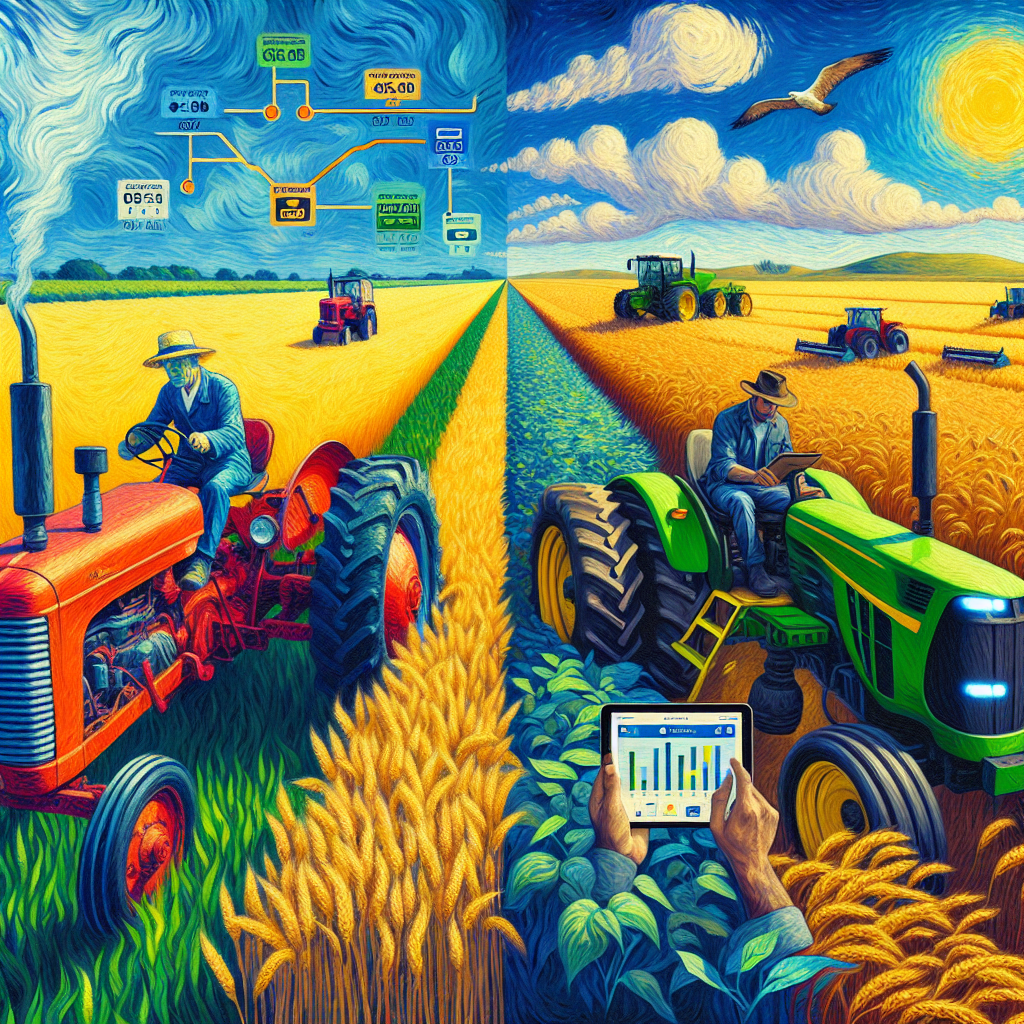
How Can AI Tools Enhance Our Understanding Of Hydraulic Failures?
How Can AI Tools Enhance Our Understanding Of Hydraulic Failures?
- AI plays a crucial role in understanding hydraulic failures in agriculture.
- Farmers rely on their tractors, and hydraulic failures can lead to significant losses.
- AI tools utilize data analysis to monitor hydraulic systems in real time, predicting failures.
- This technology promotes proactive solutions, enhancing reliability and efficiency.
- Fewer breakdowns lead to stronger crops and better community well-being.
- AI fosters a collaborative relationship between farmers and technology, emphasizing ethical farming.
- The continuous improvement ethos supported by AI transforms failures into learning opportunities.
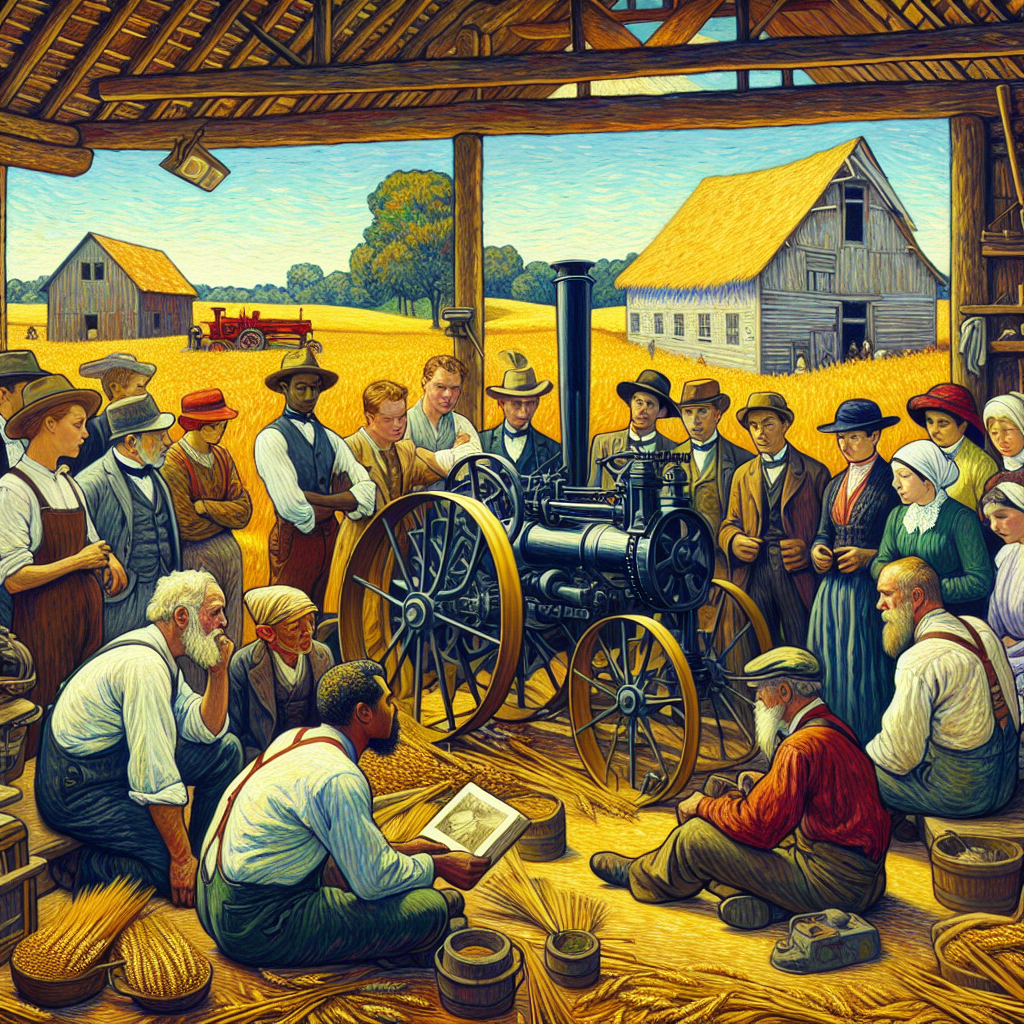
How Can AI Tools Enhance Our Understanding Of Hydraulic Failures?
What Narrative Can We Build Around Successful AI Interventions?
In the vast landscape of technology, artificial intelligence often feels like it’s riding a mighty tractor, churning through fields of possibility. Picture this: a farmer, equipped with AI-driven tools, transforms barren land into fertile ground, not solely through technology but with a vision that resonates at the very core of what it means to be human. Here, we find a narrative that connects our hearts, heads, and guts—one that speaks to our intrinsic desire for growth and improvement.
Think of the countless stories where a small AI intervention shifts the trajectory of lives. Consider hospitals using AI algorithms to predict patient needs before they even walk through the door. The result? Lives saved, families united, hope restored. In these moments, technology becomes more than just cold code; it’s a lifeline woven into our communal fabric. It’s not merely about efficiency but about compassion—a reassuring hand guiding us through the fog of uncertainty.
Now, let’s dive deeper. Beyond the clinical efficiency, AI interventions reflect a profound ethical responsibility. When we implement AI, we must ask ourselves: who benefits? It’s essential that the narrative includes diverse voices, ensuring we’re not just writing a script for the privileged few. Think of the power dynamics at play; reflecting on this can keep us grounded. Successful AI should foster inclusivity, empowering those often sidelined in the conversation.
Leverage the authority of lived experience; that’s where trust blossoms. Imagine a mentor, weathered by time, sharing lessons learned over countless seasons. Their stories remind us that every industry, every community has roots intertwined with technology. We often think of AI through the lens of data and algorithms, but at its heart, it echoes the wisdom of those who walked the path before us.
Finally, let’s embrace the social aspect of this transformation. AI doesn’t exist in a vacuum; it’s interwoven with our lives, our communities, and our social networks. When we think about successful interventions—whether it’s AI in education, healthcare, or agriculture—it’s about creating a dialogue. It’s a conversation around trust and collaboration, a call to action urging us to actively participate in shaping the future.
As we look ahead, let’s craft a narrative that embodies resilience, compassion, and unity. It’s not just about what AI can do; it’s about what we can achieve together, hand in hand with this remarkable technology, steering the tractor of progress into fields ripe with potential.
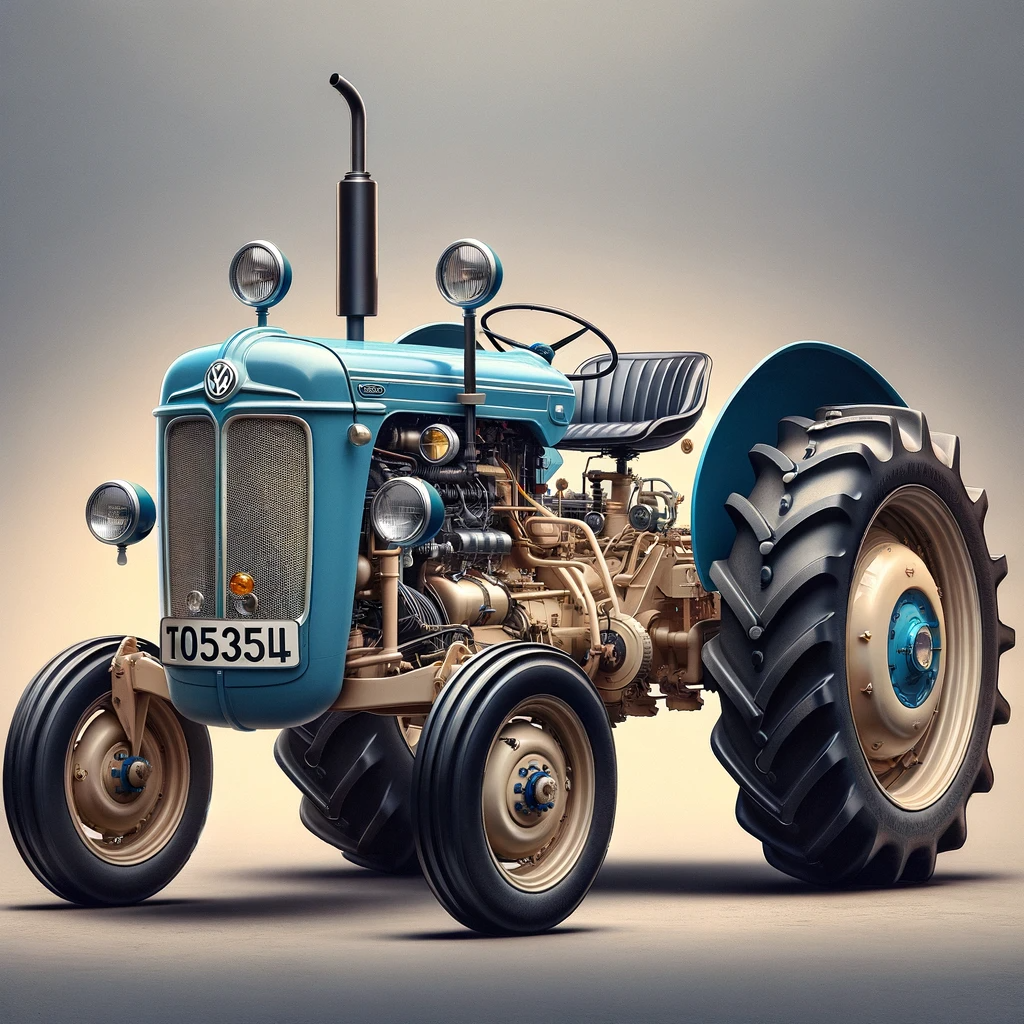
What Narrative Can We Build Around Successful AI Interventions?
What Narrative Can We Build Around Successful AI Interventions?
- AI is likened to a tractor, transforming barren land into fertile ground through human vision and technology.
- AI interventions have the potential to save lives, as evidenced by hospitals using algorithms to predict patient needs.
- Technology serves as a lifeline, emphasizing compassion rather than just efficiency.
- Implementing AI requires ethical considerations, particularly regarding who benefits from its use.
- Diverse voices must be included in the narrative to ensure inclusivity and empowerment.
- Lived experiences foster trust and remind us of the intertwined nature of technology and community.
- Successful AI interventions require dialogue and collaboration, shaping a future based on resilience and unity.
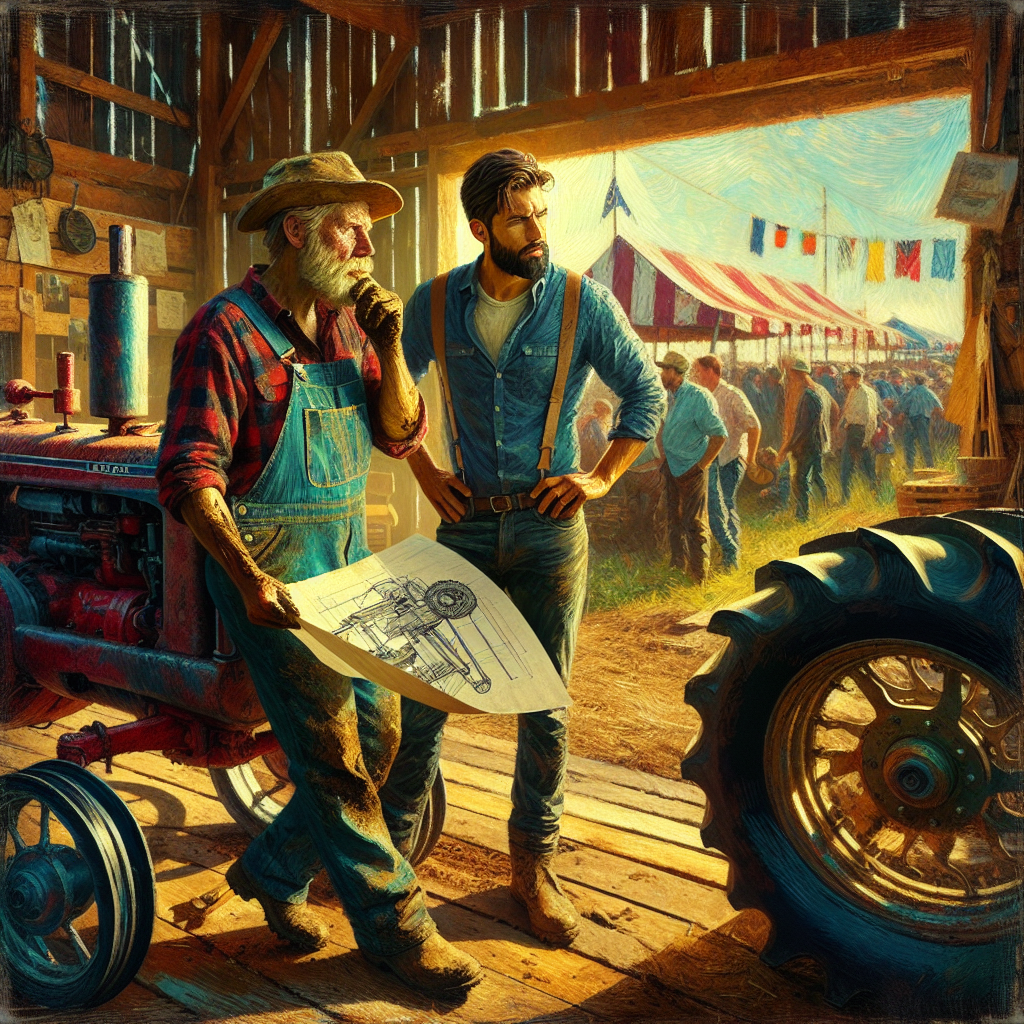
What Narrative Can We Build Around Successful AI Interventions?
How Do Industry Leaders View the Role Of AI In Troubleshooting?
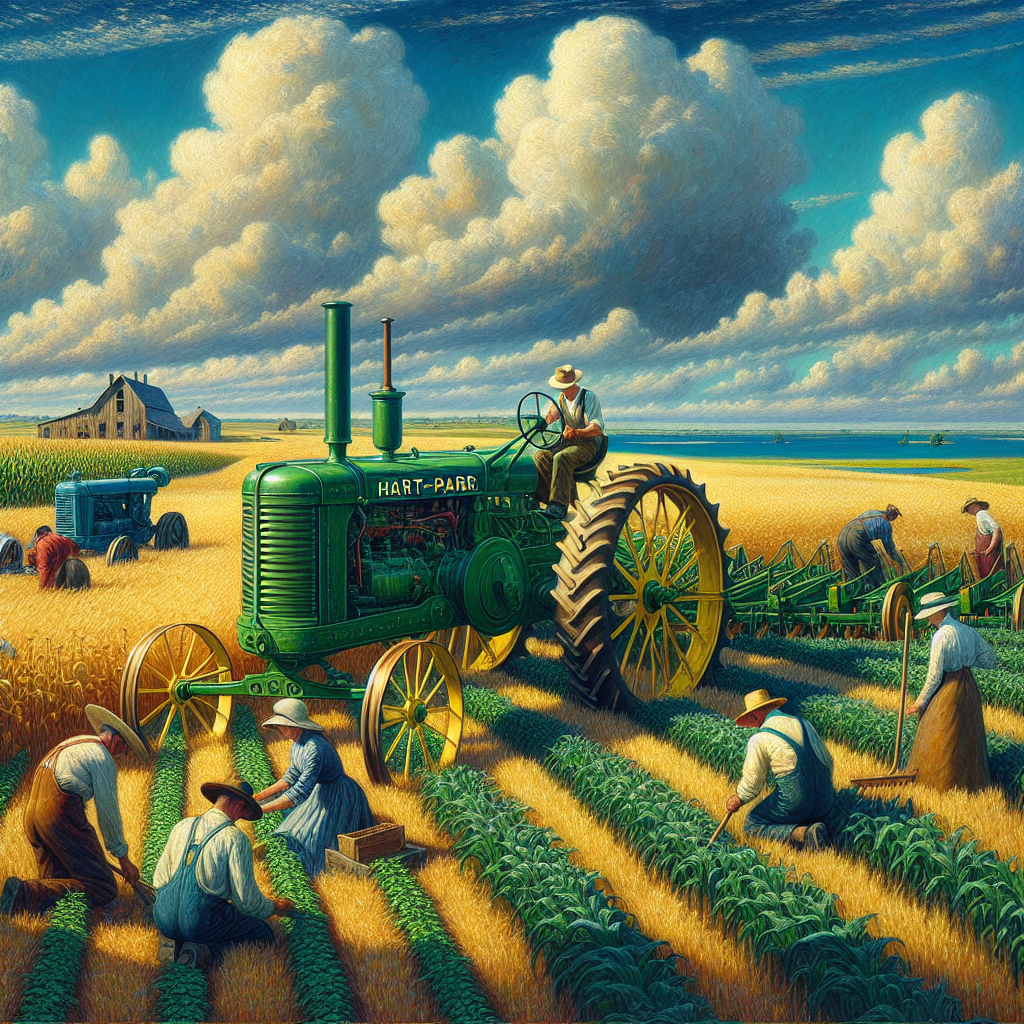
In the ever-evolving landscape of technology, AI is emerging as more than just a tool; it’s becoming a partner in the complex dance of troubleshooting. It’s like a trusty tractor in a field of chaos, transforming a daunting task into something manageable. Industry leaders recognize that just as a tractor revolutionized farming, AI can turn the tide in troubleshooting—melding raw data with human insight to plant seeds of innovation.
Picture this: a small-town mechanic with decades of experience, smart enough to diagnose a tricky issue at a glance. Now imagine integrating that nuanced understanding with AI’s vast capacity to analyze patterns across countless machines. This synergy is where true magic happens. Leaders see AI not as a replacement, but as an augmentation of human expertise—an ally that sifts through mountains of data faster than any human could, yet still leaves room for the irreplaceable spark of intuition.
From the heady heights of a corporate boardroom to the gritty feel of a garage, the message is clear: AI empowers teams to tackle problems head-on, fostering a collaborative spirit. Consider the story of a manufacturing plant that recently faced recurring equipment failures. Traditional troubleshooting methods resulted in downtime and frustration. Then, they enlisted AI to analyze trends and predict failures before they occurred. The outcome was nothing short of remarkable: unexpected breakdowns plummeted, and staff morale soared. Leaders who embrace this change understand that investing in AI translates not just to efficiency but to a renewed sense of purpose among workers, ensuring their roles remain relevant in a tech-driven world.
However, with great power comes great responsibility. Ethical considerations loom large. Executives understand that deploying AI is not merely a technical challenge; it’s also a moral one. Transparency in algorithms and fairness in data use are paramount in fostering trust. The last thing these leaders want is for a new tool to unintentionally perpetuate biases or create inequities—a lesson that cannot be ignored in today’s socially conscious climate.
In this brave new world, the narrative is about human connection. AI’s role in troubleshooting is not just about solving problems; it’s about enhancing the human experience. Leaders who champion this view are building a future where technology elevates craftsmanship and restores pride in workmanship—much like that dependable tractor turning heavy soil into fertile ground. It’s a call to action: to integrate AI not just as a crisis tool, but as a trusted ally in crafting a more resilient, connected, and innovative future.
How Do Industry Leaders View the Role Of AI In Troubleshooting?
How Do Industry Leaders View the Role Of AI In Troubleshooting?
- AI is becoming a key partner in troubleshooting, transforming complex tasks into manageable ones.
- Industry leaders view AI as an augmentation of human expertise, enhancing diagnostics with data analysis.
- AI fosters collaboration and empowers teams to tackle problems efficiently.
- A manufacturing plant utilized AI to predict failures, resulting in decreased breakdowns and improved morale.
- Investing in AI provides efficiency and a renewed sense of purpose for workers in a tech-driven world.
- Ethical considerations, such as transparency and fairness, are crucial in deploying AI responsibly.
- AI’s role enhances the human experience, elevating craftsmanship and promoting a connected, innovative future.

How Do Industry Leaders View the Role Of AI In Troubleshooting?
Conclusion
Transforming challenges into triumphs through innovative AI solutions for hydraulic and electrical problems is a journey fueled by human resilience and technological advancement. In this evolving landscape, we witness a shift from the chaos of machinery malfunctions to a harmonious partnership with AI. Picture a farmer grappling with faulty hydraulics on a warm summer morning, burdened by the weight of his reliance on equipment. Yet, with AI’s intervention, that struggle transforms. The once onerous repair becomes a streamlined process, allowing the farmer to reclaim valuable time—time that should be spent nurturing crops and making memories with family.
The emotional undertones of this narrative resonate deeply. Every breakdown isn’t just a technical hiccup; it’s a reminder of our shared struggles, an echo of our dedication and identity. When machines fail, they can drag down spirits and challenge livelihoods, underscoring the need for timely, effective solutions. AI steps in not just as a tool for efficiency but as a lifeline, alleviating stresses that threaten both individual well-being and broader community resilience.
Rationally, the numbers speak for themselves. By harnessing AI, mechanics can address issues in moments rather than hours, freeing them up for what matters—family time, community involvement, and the rewarding work of farming. This rational appeal is complemented by an ethical responsibility to ensure that technology enhances, rather than replaces, the artistry involved in skilled labor. As we embrace AI, we must prioritize safety and accessibility, ensuring that these advancements empower a new generation of technicians and farmers alike.
Community plays a crucial role in this transformation. As stories of success spread, they create a network of shared experiences — mechanics supporting one another through knowledge-sharing and camaraderie. Each breakthrough fosters trust, reminding us of our interconnectedness. The result is a collective commitment to craftsmanship and innovation, where traditional skills meet cutting-edge technology.
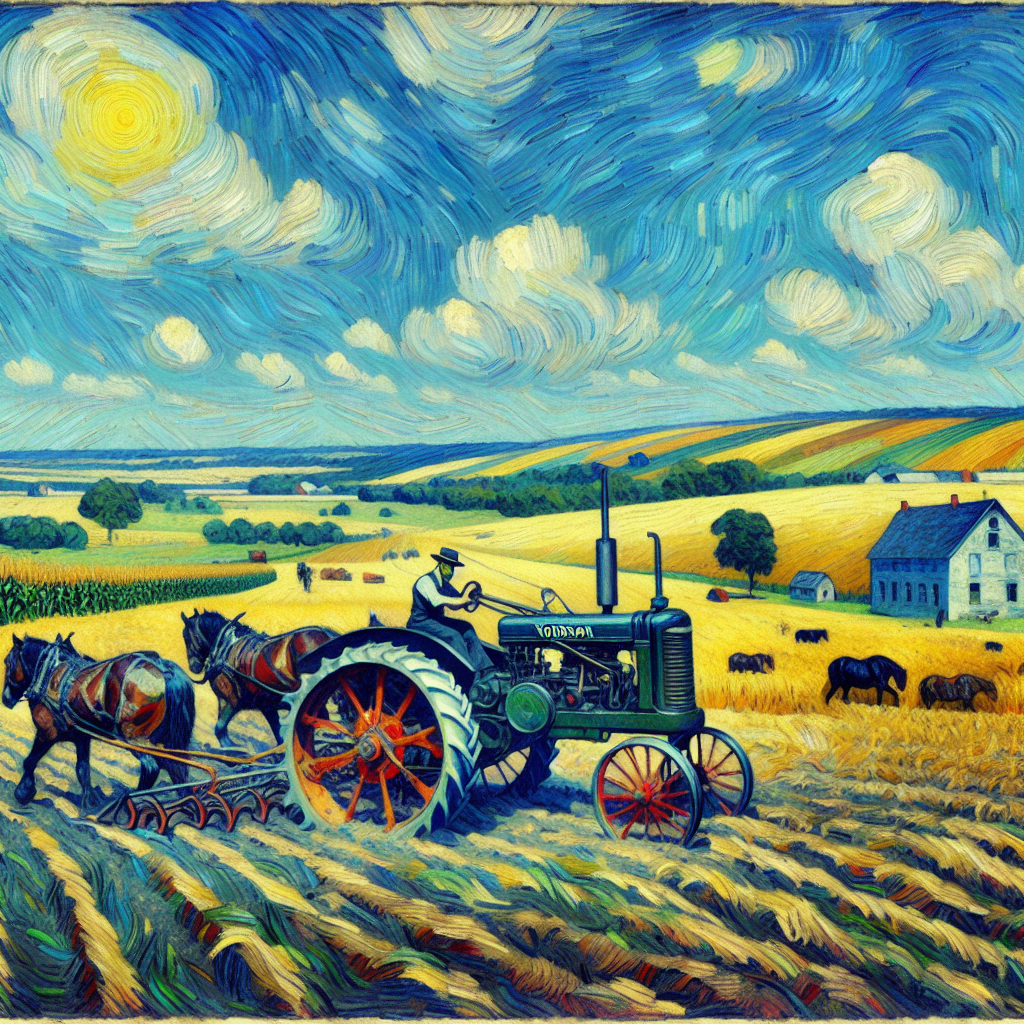
This narrative isn’t merely about embracing technology; it’s about reviving our core values. Tools of the past and present converge, forging new paths forward while ensuring we maintain our ties to the craftsmanship that defines us. Together, we can harness the full potential of AI, not as a threat to our way of life but as a powerful ally in a shared journey of growth, progress, and resilience. So, let’s shift gears, hold onto the reins, and steer our future with purpose, pride, and the promise of possibility.

Conclusion
Conclusion:
- AI solutions transform challenges in hydraulic and electrical systems into triumphs through innovation.
- Farmers benefit from streamlined processes that reclaim time for nurturing crops and family.
- Every machinery breakdown highlights shared struggles and the need for effective solutions.
- AI serves not just for efficiency but as a lifeline, supporting individual well-being and community resilience.
- Mechanics can resolve issues quickly with AI, allowing for more time in family and community activities.
- Community support and knowledge-sharing enhance the adoption of technology while valuing traditional craftsmanship.
- The narrative emphasizes the importance of maintaining core values while embracing advances in technology.
Conclusion
Other Resources

Other Resources
Here is a list of other resources you can review online to learn more:
- The New England Antique Truck and Tractor Association
- Antique Tractor Blog
- New Holland
- IMR Rakovica
- Northeast Nebraska Farm & Equipment Show
- First State Antique Tractor Club
- Erkunt
- Sublette Farm Toy & Antique Tractor Show
- Sheppard Diesel
- Saunderson
- Bristol
- Interstate Tractor
- AGCO
- NM Farm & Ranch Heritage Museum
- Long
- Ford-New Holland
- Minsk Tractor Works
- Tri-State Gas Engine and Tractor Association
- Keystone Tractor Museum
Use This Prompt To Get More Resources With Your Favorite Online AI Tool: Please provide me with a list of online articles with their URLs in a bulleted list that I can read regarding Revolutionary AI Tools for Hydraulic and Electrical Gremlins

Other Resources
Glossary Terms
Revolutionary AI Tools for Hydraulic and Electrical Gremlins – Glossary Of Terms
1. Predictive Maintenance — AI models that analyze sensor, operational and historical data to predict component degradation and schedule repairs before failures occur.
2. Digital Twin — A real-time virtual replica of hydraulic and electrical systems used for simulation, diagnostics and what-if analysis.
3. Anomaly Detection — Algorithms that identify deviations from normal behavior in pressure, flow, voltage or current patterns to flag potential faults.
4. Root Cause Analysis (RCA) — Automated methods that trace observed symptoms back through system dependencies to identify the underlying cause of failures.
5. Fault Localization — Techniques that pinpoint the specific valve, pump, cable or circuit element responsible for a malfunction.
6. Sensor Fusion — Combining data from pressure transducers, flow meters, current clamps, thermography and acoustics to create richer diagnostics.
7. Edge AI — On-site inference engines that analyze sensor streams locally for low-latency detection and control of hydraulic and electrical issues.
8. Federated Learning — Collaborative model training across multiple assets/sites without sharing raw data, preserving privacy while improving detection models.
9. Transfer Learning — Reusing models trained on one machine or environment to accelerate learning on different but related hydraulic or electrical systems.
10. Physics-Informed Machine Learning — ML models constrained by fluid dynamics and circuit laws to improve accuracy and interpretability of predictions.
11. Explainable AI (XAI) — Tools and methods that produce human-readable explanations for AI diagnoses and control decisions in maintenance workflows.
12. Reinforcement Learning Control — Algorithms that learn optimal control policies for pumps, valves and power electronics through trial-and-error simulation or safe online learning.
13. Adaptive Control — AI-driven controllers that continuously tune control parameters in response to changing hydraulic loads or electrical conditions.
14. Prescriptive Maintenance — Systems that recommend specific repair actions, spare parts and schedules based on predicted failure modes and downstream impacts.
15. Condition-Based Monitoring — Continuous measurement and assessment of equipment health to trigger maintenance only when condition thresholds are exceeded.
16. Vibration Analysis (AI-enhanced) — Machine learning applied to vibration spectra to detect bearing wear, cavitation, misalignment and hydraulic pump faults.
17. Acoustic Emission Analysis — Sound-based AI diagnostics that identify leaks, valve chatter, arcing or partial discharge events from acoustic signatures.
18. Thermal Imaging Diagnostics — AI interpretation of infrared imagery to detect hot spots in motors, connections, valves and hydraulic components.
19. Power Quality Analytics — AI tools that monitor harmonics, transients and unbalanced loads to diagnose electrical anomalies affecting hydraulic drives and controls.
20. Model-Based Diagnostics — Using first-principles simulation models together with AI residual analysis to detect inconsistencies and failures.
21. Bayesian Networks — Probabilistic graphical models that represent causal relationships among components and quantify failure likelihoods under uncertainty.
22. Probabilistic Prognostics — Time-to-failure estimation techniques that provide probability distributions and confidence intervals for remaining useful life.
23. Self-Healing Systems — Automated routines that isolate faults, re-route flows or reconfigure controls to maintain operation while awaiting repair.
24. Closed-Loop Real-Time Control — Integrated sensing, AI inference and actuation that maintains stable hydraulic and electrical operation under disturbances.
25. OPC-UA Integration — Standardized industrial communication interfaces enabling AI tools to ingest metadata, telemetry and control commands across devices.
26. Cyber-Physical Security for ICS — AI-driven detection and mitigation of cyber threats that could masquerade as or cause hydraulic/electrical faults.
27. Synthetic Data Generation — Creating realistic simulated sensor traces and failure scenarios to augment training datasets for rare gremlin events.
28. Generative Adversarial Networks (GANs) for Augmentation — Generative models that produce diverse fault signatures for improved anomaly and fault classifier robustness.
29. Augmented Reality Diagnostics — AR overlays driven by AI that guide technicians to fault locations, show live sensor metrics and step-by-step repair instructions.
30. Human-in-the-Loop — Interfaces and workflows that incorporate expert feedback to validate, correct and continuously improve AI diagnoses and control policies. Glossary Of Terms
Other Questions
Revolutionary AI Tools for Hydraulic and Electrical Gremlins – Other Questions
If you wish to explore and discover more, consider looking for answers to these questions:
- What specific AI tools and platforms are available for hydraulic diagnostics and electrical troubleshooting?
- How do these AI tools integrate with existing tractors and industrial machinery?
- What kinds of sensors and data are required for effective AI-driven hydraulic monitoring?
- How accurate and reliable are AI predictions for impending hydraulic or electrical failures?
- What is the typical return on investment (ROI) and payback period for adopting AI maintenance tools?
- How do AI systems handle noisy, incomplete, or inconsistent field data?
- What are the common failure modes or blind spots of AI in maintenance contexts?
- How much training is required for mechanics and farmers to use these AI tools effectively?
- Will AI adoption displace skilled mechanics, or will it change job roles and responsibilities?
- How is responsibility and liability managed when an AI system recommends an incorrect diagnosis?
- What privacy and data ownership issues arise when machine performance data is collected and analyzed?
- Are AI maintenance tools interoperable across different manufacturers and legacy equipment?
- What cybersecurity risks do connected diagnostic systems introduce, and how are they mitigated?
- How do AI solutions account for environmental variables specific to agriculture (dust, moisture, temperature)?
- What are the upfront and ongoing costs (software, hardware, subscriptions) for small operations?
- Are there case studies or documented examples showing measurable efficiency gains and downtime reduction?
- How can shops and farms validate AI recommendations before acting on them?
- What ethical frameworks or standards should guide the deployment of AI in maintenance?
- How transparent and explainable are the AI models—can technicians understand why a recommendation was made?
- What regulatory or compliance issues affect the use of AI in industrial and agricultural equipment?
- How do AI tools support preventative and predictive maintenance workflows in practice?
- What metrics should organizations track to measure the success of AI-driven maintenance programs?
- How can communities and small shops share insights and best practices when using AI tools?
- Are there open-source or low-cost AI options suited for rural or resource-constrained users?
- How do AI interventions impact sustainability, resource use, and waste in maintenance operations?
- What steps should be taken to pilot AI tools safely before full-scale implementation?
- How do vendors handle updates, model drift, and continuous improvement of AI diagnostic models?
- What training materials, certifications, or support networks exist for technicians learning AI-enabled maintenance?
- How do AI systems prioritize which faults to alert on, and can thresholds be customized by users?
Other Questions
Haiku
Revolutionary AI Tools for Hydraulic and Electrical Gremlins – A Haiku
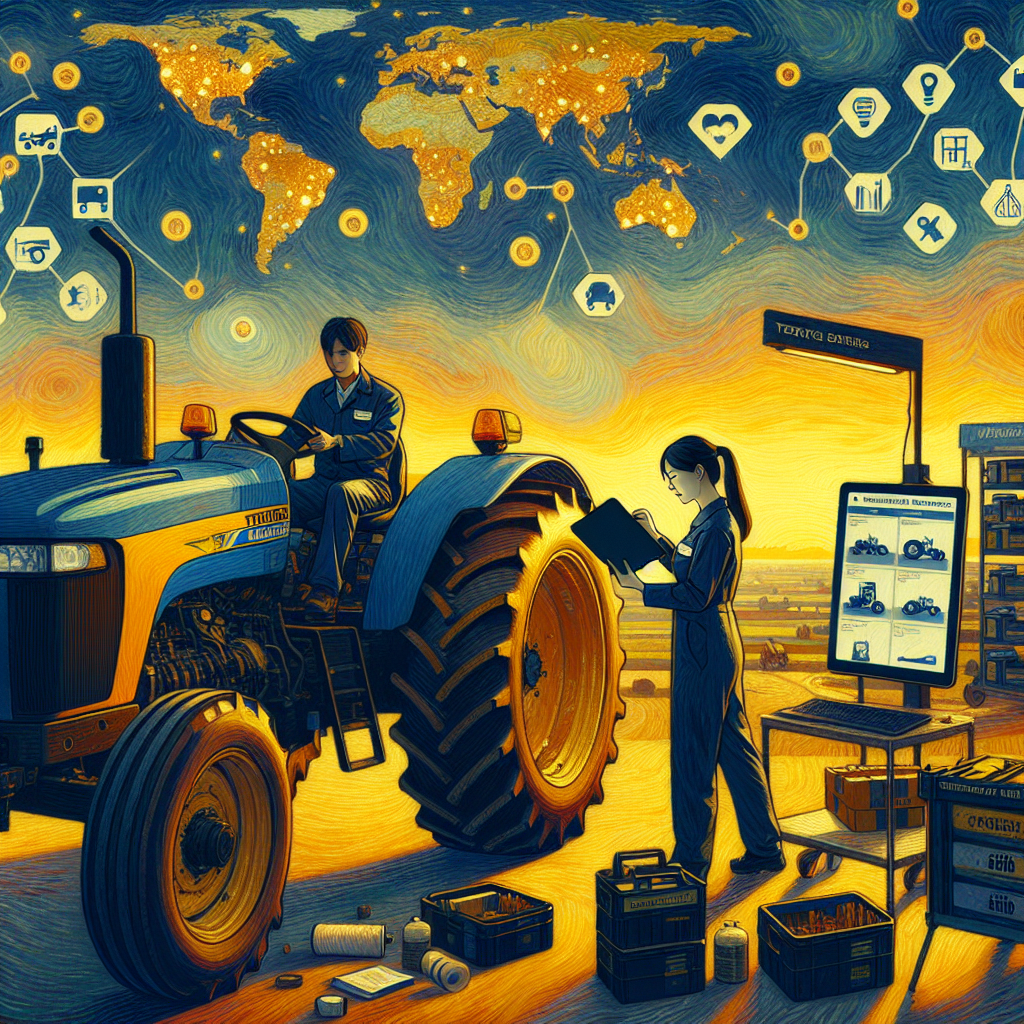
AI tools arise,
Bridging gaps in toil and strife,
Hearts, hands, futures thrive.
Haiku
Poem
Revolutionary AI Tools for Hydraulic and Electrical Gremlins – A Poem
In fields where wires and hydraulics intertwine,
A revolution brews, a spark divine.
No more chaos, but a dance of art,
AI steps in, mending each part.
Imagine a farmer, weathered yet bold,
With tales of toil, his harvests unfold.
Though troubles loom, with machines to mend,
AI listens, learns, becomes a friend.
From complex faults to simple gains,
It transforms despair into hopeful chains.
A heart once heavy, now light as air,
With time reclaimed for loved ones to share.
Rational minds see logic unfold,
In seconds, diagnoses replace the old.
No longer bound by mechanical strife,
Freedom returns, enriching our life.
Ethically, we embrace the new dawn,
Where safety prevails, and trust is reborn.
A network of stories, a community grows,
Camaraderie blooms, as knowledge flows.
Yet behind the tech, a pulse still beats,
For each machine holds dreams and defeats.
We ponder the balance, the trade we make,
As AI guides hands that are worn and awake.
For every fix, a story is spun,
Of families gathered when the day is done.
It’s more than metal, it’s a lifeline,
In the heart of our world, where hopes intertwine.
So let’s harness this force, let it thrive,
With craftsmanship fused, we feel alive.
Together we stand at this pivotal brink,
Embracing the future, we bravely think.
In the dance of innovation, let’s not forget,
Our roots nourish all that we can be yet.
With AI by our side, let’s journey ahead,
Crafting a future where dreams are widespread.

Poem
Checklist
Revolutionary AI Tools for Hydraulic and Electrical Gremlins – A Checklist
Checklist for Embracing AI in Hydraulic and Electrical Repairs
✅______ Acknowledge the emotional strain of unresolved hydraulic and electrical issues on productivity and personal well-being.
✅______ Share personal stories of triumph and relief experienced after integrating AI tools in machinery repair.
✅______ Encourage open discussions about the emotional impacts of machinery failures within the community.
✅______ Highlight the efficiency gains achieved through AI diagnostics, reducing troubleshooting time from hours to seconds.
✅______ Present data on time saved and improved productivity after adopting AI solutions.
✅______ Provide case studies of successful AI implementation leading to quantifiable results.
✅______ Address ethical considerations around AI in maintenance, emphasizing responsible use and transparency.
✅______ Stress the duty to ensure that AI enhances human jobs rather than replaces them, preserving craftsmanship.
✅______ Discuss the importance of training and equipping the next generation with both AI technology and traditional skills.
✅______ Share insights and endorsements from industry leaders who advocate for AI integration in troubleshooting and repairs.
✅______ Include testimonials from mechanics and technicians who have witnessed firsthand the transformative impact of AI tools.
✅______ Reference authoritative studies or reports on the effectiveness and reliability of AI in maintenance practices.
✅______ Craft a compelling narrative around AI as a partner in agriculture and mechanical fields, reinforcing its role in community success.
✅______ Encourage storytelling among peers about successful AI interventions that underscore its importance and benefits.
✅______ Emphasize the journey from tradition to innovation, illustrating the evolution of craftsmanship through technology.
✅______ Promote community-building efforts where mechanics and farmers share their experiences and knowledge regarding AI tools.
✅______ Establish platforms for sharing success stories and best practices related to AI integration.
✅______ Foster an environment of collaboration, encouraging local mechanic shops to engage in knowledge-sharing networks.
✅______ Create a plan for gradual AI adoption in your repair practices, including training and resource allocation.
✅______ Schedule regular check-ins and discussions about the challenges and successes of using AI in everyday operations.
✅______ Encourage participation in workshops or seminars focusing on AI technology in the hydraulic and electrical repair fields.
Checklist
At ClassicTractorNews, we help tractor lovers keep up with the latest news for classic and vintage tractors.
Please share this post with your friends, family, or business associates who may like old classic or vintage tractors.