


Revive Your Classic With Confidence: Understand The New Laws Today
By Tom Seest
At ClassicTractorNews, we help tractor lovers keep up with the latest news for classic and vintage tractors.
Please share this post with your friends, family, or business associates who may like old classic or vintage tractors.
Repair Your Classic Without Fear – New Laws Explained Simply
When the sun sets behind the barn and the scent of aged metal fills the air, there’s a magical connection that folks experience with their classic tractors. It’s not just an object; it’s a touchstone for memories, labor, and family history. The recent changes in repair laws are ushering in an era that champions your right to restore and cherish these machines without dread. Imagine a time when your granddad taught you the intricacies of that old John Deere, every twist and turn becoming a lesson not just in mechanics, but in perseverance.
Rationally, the clarifications in these laws mean fewer headaches when sourcing parts or tackling repairs yourself. There’s a thrill in knowing you can pop the hood and get your hands dirty, feeling the grit under your fingernails as you breathe new life into a trusted companion. Legally speaking, you’re now equipped with the authority to access repair manuals and parts that were once locked away by manufacturers. This newfound knowledge demystifies the process, moving it from a daunting task to a gratifying journey.
But this isn’t merely about fixing something; it’s about reclaiming your heritage and wielding the power to preserve it. From a human perspective, every repair story becomes a chapter in the larger narrative of craftsmanship, a testament to our ability to nurture not just vehicles, but the legacies they represent. You’re not just repairing a tractor; you’re reinforcing connections with your family, your roots, and your past. It’s a visceral experience—like pulling the starter on a cold morning only to hear that engine roar back to life.
Think about the countless folks in your community who have also felt overwhelmed but excited by the prospect of tackling their classic. Sharing your journey creates connections and inspires others to take on their own challenges, forming a shared network of enthusiasts who value the beauty of restoration. Imagine a town buzzing with the sound of revived engines, the laughter of families swapping tips over coffee, all sparked by a simple change in the law that empowers individuals to take control of their repairs.
It’s not just about a law; it’s about the freedom to craft, create, and connect. Let that classic tractor stand as a proud reminder that nostalgia and progress can indeed coexist, urging you to step forward without fear and dive into the gratifying experience of restoration.

Repair Your Classic Without Fear – New Laws Explained Simply
Repair Your Classic Without Fear – New Laws Explained Simply
- Changes in repair laws empower individuals to restore classic tractors with confidence.
- These machines serve as connections to family history and cherished memories.
- New laws facilitate easier access to repair parts and manuals previously restricted by manufacturers.
- Repairing tractors transforms from a daunting task to a fulfilling experience.
- Repair stories contribute to a larger narrative of craftsmanship and heritage preservation.
- Sharing repair journeys fosters community connections among enthusiasts.
- The laws symbolize freedom to craft and connect, blending nostalgia with progress.

Repair Your Classic Without Fear – New Laws Explained Simply
Table Of Contents
- Repair Your Classic Without Fear – New Laws Explained Simply
- What Does Your Classic Car Mean to Your Personal History?
- How Can Understanding New Laws Transform Your Repair Experience?
- What Risks Have You Faced When Repairing Your Classic Vehicle?
- How Do You Feel When You Think About Restoring Your Classic Car?
- How Can Expert Advice Help You Navigate New Repair Regulations?
- What Stories Do Your Classic Car Repairs Tell About Your Journey?
- Conclusion
- Other Resources
- Glossary Of Terms
- Other Questions
- Haiku
- Poem
- Checklist
What Does Your Classic Car Mean to Your Personal History?
A classic car isn’t just a vehicle; it’s a time capsule, a rolling repository of memories that reflects our personal journeys. Picture this: a dusty tractor parked in the back of your childhood home, where summers were spent plowing fields and dreaming under the open sky. That machine doesn’t just represent agricultural labor; it is a symbol of hard work, responsibility, and the values instilled by family. It’s a reminder that everything we do is rooted in our past, forming the corners of our identity.
The moment you grip the steering wheel of your classic car and feel that familiar rumble of the engine start, a flood of emotions hits you. You’re not merely driving; you’re retracing steps, revisiting moments that shaped who you are. Each dent, scratch, and patina tells a story, reflecting both triumphs and challenges. You recall the summer nights spent cruising the backroads, the laughter of friends, and the romantic whispers shared in the passenger seat. In that instant, the car becomes your confidant, a trusted companion in the adventure of life.
Beyond nostalgia, there’s a deeper, more profound connection. Classic cars evoke a sense of responsibility to preserve history. You’re not just a custodian of your vehicle; you’re a steward of memories and traditions passed down through generations. Every time you take it out for a spin, you’re not just celebrating your own past. You’re honoring the sweat and determination of those who came before you, like that old tractor—an heirloom that speaks of hard-earned lessons and enduring legacy.
This relationship extends beyond personal enjoyment. It taps into a broader community, one where shared passions create bonds. Attending car shows or local meet-ups, you find others who feel the same, exchanging stories that intertwine history and innovation. You’re part of a lineage of enthusiasts who understand that each classic car is not just metal and machine but an embodiment of dreams and aspirations.
Cultivating this connection with your classic car inspires trust—trust in yourself, your heritage, and your community. It encourages you to take pride in where you come from and who you are becoming. You learn that the road ahead may have twists and turns, but with every kilometer driven, you carry with you the stories, values, and aspirations that define your journey. So, rev that engine and hit the road; your classic car is not just a vehicle; it’s a heartfelt narrative waiting to unfold.

What Does Your Classic Car Mean to Your Personal History?
What Does Your Classic Car Mean to Your Personal History?
- A classic car serves as a time capsule, reflecting personal journeys and memories.
- It symbolizes hard work, responsibility, and family values, rooted in one’s past.
- Driving evokes emotions and revisits moments that shape identity, with each imperfection telling a story.
- Classic cars foster a sense of responsibility to preserve history and honor previous generations.
- The connection extends to a community of enthusiasts who share stories about history and innovation.
- This relationship inspires trust in oneself, heritage, and the community, encouraging pride in one’s origins.
- Each drive is an opportunity to carry forward the stories and values that define personal journeys.

What Does Your Classic Car Mean to Your Personal History?
How Can Understanding New Laws Transform Your Repair Experience?
Understanding new laws can be as transformative for your repair experience as using the right tool to fix a stubborn bolt on a tractor. When you’re knee-deep in grease and grit, it’s not just about getting the job done; it’s about knowing the laws that govern how you maintain and care for your machinery. Imagine standing in your workshop, a worn-out tractor in front of you, and realizing that the regulations surrounding repairs aren’t just legal jargon. They’re key to ensuring that you don’t find yourself in the crosshairs of a costly compliance issue.
Laws governing repair practices—like warranty rights or permissible modifications—can feel dry, even daunting. But here’s a nugget of truth: understanding these laws can equip you with the knowledge that turns a chore into an empowering experience. When you know your rights as a consumer, or the obligations of a service provider, you can approach your repairs with newfound confidence. It’s like knowing how to handle a tricky repair manual; suddenly, the mysteries of your tractor’s engine become a map to success rather than a puzzle.
One night, as I was elbow-deep fixing an old tractor that had seen better days, I stumbled upon the local laws regarding repair shops. I learned that many shops must provide transparency about parts, prices, and warranties. Armed with this knowledge, I walked into my local shop feeling like I was stepping onto a level playing field. Instead of handing over my wallet without a second thought, I engaged with my mechanic. We shared stories about old machines and the joy they bring, forging a connection that extended beyond a simple transaction.
This is the heart of the message: understanding new laws transforms your repair experience from a potential headache into an opportunity for engagement. When you actively participate in the process, you cultivate relationships with those in your community who share your passion for keeping your equipment running smoothly. You’re not just a customer; you become part of a social fabric woven together by shared interests and mutual respect.
So, the next time you turn the wrench on your tractor, remember this: the knowledge of laws isn’t just about compliance; it’s also about empowerment. It’s your ticket to better conversations, honest exchanges, and ultimately, a more fulfilling repair journey. Embrace that knowledge, and let it guide you to not just repair a machine, but strengthen the bonds within your community.
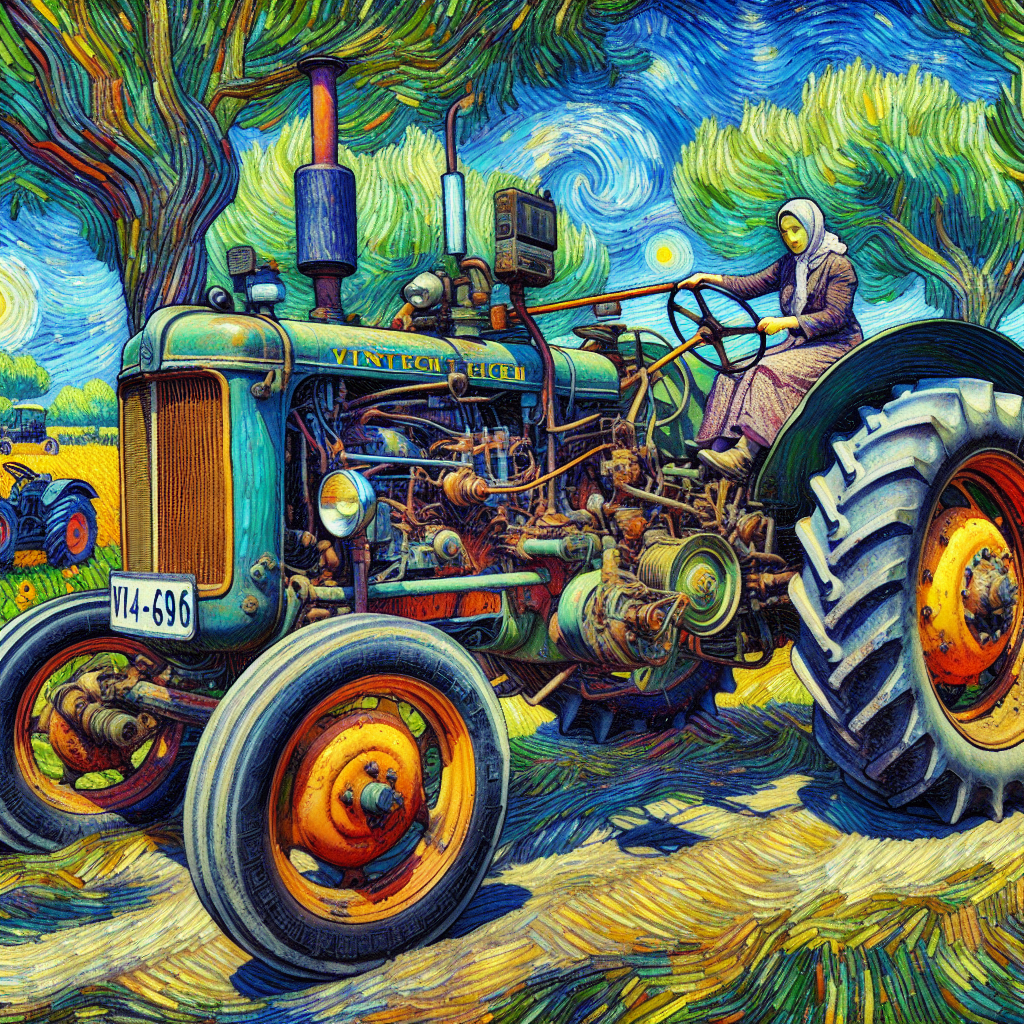
How Can Understanding New Laws Transform Your Repair Experience?
How Can Understanding New Laws Transform Your Repair Experience?
- Understanding new laws can enhance your repair experience, similar to using the right tools.
- Knowledge of repair laws helps avoid costly compliance issues.
- Laws affect warranty rights and permissible modifications, impacting repairs.
- Being informed allows for more confident customer interactions with service providers.
- Transparency in repair shops regarding parts, prices, and warranties fosters engagement.
- Active participation in repair creates community connections and shared interests.
- Knowledge of laws empowers better conversations and a more fulfilling repair journey.

How Can Understanding New Laws Transform Your Repair Experience?
What Risks Have You Faced When Repairing Your Classic Vehicle?
Repairing a classic vehicle is not just a mechanical endeavor; it’s an emotional journey woven through the fabric of nostalgia and passion. There’s a certain thrill in resurrecting an old tractor or muscle car, embodying the grit and stories that cling to its frame. With every wrench turn, there’s the risk of disappointment lurking behind the excitement, much like confronting a ghost of your past that might come back to haunt you yet can also fill you with unexpected joy.
Consider the moment you pull off that weathered hood, revealing the engine that hasn’t purred in years. You can almost hear the decades whispering— tales of lost road trips and sun-drenched days that linger like the scent of motor oil. That’s the heart of classic restoration. However, it’s a double-edged sword. Have you ever encountered a rusted bolt that refuses to budge? It’s in that moment, right there, where risk and reward dance a precarious tango. You could break it and open a Pandora’s box of unforeseen complications, or you could finesse it, earning a small victory that feels monumental.
Let’s face it, trusting your instincts is crucial. You might get a recommendation from a guru at the local auto shop or scour forums filled with enthusiasts echoing their hard-earned wisdom. But when the stakes are personal and the sweat is real, you come to realize that the best kind of advice often comes from the voices of those who’ve walked the same pavement—who’ve wrestled with their own rusted struggles and emerged with battle scars wrapped in stories.
There’s an ethical aspect to restoring classics. You’re not just fixing a vehicle; you’re preserving history. The act becomes a bridge between generations, fostering connections with family and friends who share the same enthusiasm. Any time you gather around that old tractor, reminiscing about the past, you’re also igniting conversations about dreams and aspirations.
But let’s get to the gut of it—there’s risk in every venture we undertake. Each scraped knuckle and missed market opportunity to find parts is a reminder of the effort required to revive something beautiful. You might even find yourself considering whether it’s worth the trade-offs, like time, money, and heartache. As those bolts come to life under your hands, remember: every challenge faced is an opportunity to grow. Embracing those risks paves your path toward not just restoring a classic vehicle but also discovering a piece of yourself you may have thought long gone.

What Risks Have You Faced When Repairing Your Classic Vehicle?
What Risks Have You Faced When Repairing Your Classic Vehicle?
- Repairing a classic vehicle is an emotional journey filled with nostalgia and passion.
- Resurrecting old tractors or muscle cars involves confronting challenges that can evoke both excitement and disappointment.
- Discovery occurs when revealing hidden components, such as engines that haven’t run in years, connected to past memories.
- Trusting instincts and drawing from community experiences is vital for successful restoration efforts.
- Restoration serves as a way to preserve history and create connections across generations.
- Every challenge faced during restoration represents an opportunity for personal growth.
- The journey of restoring a classic vehicle reflects risk and reward, shaping one’s identity along the way.

What Risks Have You Faced When Repairing Your Classic Vehicle?
How Do You Feel When You Think About Restoring Your Classic Car?
Restoring a classic car isn’t just a hobby; it’s a journey that tugs at the very core of who we are. When you think about that rusted chassis sitting in your garage, memories flood back like the soft hum of an engine on a quiet country road. It’s not just a project; it’s an act of love and respect for a bygone era. Like the old tractor that once plowed your grandfather’s field, your classic car is a slice of history, a tangible connection to the past waiting to be revived.
Imagine sinking your hands into that worn leather interior, each crease telling a story, each scratch a testament to bygone adventures. The moment you inhale the scent of aged metal and gasoline, it’s as if you’re inhaling the laughter and tears of previous owners who cherished that same ride. That deep-seated desire to restore the car is about reclaiming those memories, about weaving a new narrative that respects its rightful place in your life and in the fabric of automotive history.
Rationally speaking, there’s a certain satisfaction in taking something forgotten and restoring it to its former glory. It’s akin to the satisfaction of a farmer who fixes up an old tractor that’s seen better days. You understand that it’s not just about the end product; it’s about the skills developed along the way. You learn how to maneuver tools, troubleshoot problems, and think critically. Each turn of a wrench teaches perseverance, just as every completed project stirs a sense of accomplishment.
Ethically, this restoration journey embodies a commitment to preservation. In a world flooded with disposable culture, choosing to invest time and energy into something that has soul reflects a deeper connection to craftsmanship and sustainability. You’re saying, “I refuse to let this piece of history fade away.” By honoring the past, you inspire others to see the beauty in what once was, passing down a legacy of appreciation for craftsmanship to future generations.
And there’s a community wrapped around this passion. Car shows become gatherings of kindred spirits, where stories are exchanged over engine blocks and restoration tips flow like fine wine. This bond fosters trust and camaraderie, as you engage with others who understand the call of the classic, the thrill of the project, and the poignant pleasure of seeing a beloved machine come back to life.
Restoring your classic car isn’t just about reviving metal and paint; it’s about reviving who we are, our stories, and the connections that carry us through. It’s a glorious reminder of what it means to cherish the past while steering resolutely into the future.

How Do You Feel When You Think About Restoring Your Classic Car?
How Do You Feel When You Think About Restoring Your Classic Car?
- Restoring a classic car is a journey that connects us with our past and our identity.
- The process evokes memories and serves as an act of love for automotive history.
- Each element of the car, like the leather interior, tells a unique story of past adventures.
- Restoration provides satisfaction through skill development and perseverance.
- This journey reflects a commitment to preserving craftsmanship and sustainability.
- A community exists around classic car restoration, fostering camaraderie and shared experiences.
- Ultimately, it revitalizes our narratives and reinforces connections to the past and future.

How Do You Feel When You Think About Restoring Your Classic Car?
How Can Expert Advice Help You Navigate New Repair Regulations?
In a world where repair regulations can feel as complex as the machinery they govern, expert advice acts as the compass guiding those who navigate this intricate landscape. Picture this: a farmer, weary from long days in the fields, decides it’s time to repair his trusty tractor, the very machine that keeps his livelihood afloat. Yet, looming over him are the uncertainties of new regulations that seem to sprout faster than the crops he tends. This moment is not just about mechanics; it’s about trust, reputation, and ethical responsibility.
Expert advice brings clarity to confusion. Just as a seasoned mechanic can differentiate between a simple fix and a catastrophic overhaul, so too can a knowledgeable consultant illuminate the implications of these regulations. Imagine sitting across the table from someone who has taken the time to understand the nuances of the law, who can offer insights into how these rules protect both the worker and the community. This connection fosters confidence; suddenly, the overwhelming complexity feels manageable.
Emotions are tied deeply to the things we cherish, and a farmer’s tractor is not merely a machine; it’s a lifeline. When faced with regulations, it’s easy to feel powerless. But an expert’s guidance can transform that feeling of frustration into empowerment. It’s like having that wise neighbor who pops over to lend a hand, armed with tools and know-how. They don’t just fix the problem; they help you understand it, making you feel part of the solution.
Rationally, navigating regulations is about minimizing risk. Compliance means fewer fines, smoother operations, and a stronger reputation in the community. It’s a sound investment in your future. But there’s more to it—ethically, adhering to these guidelines protects not just your interests but also those of your neighbors and the environment. It ensures that every repair adheres to standards meant to safeguard everyone’s well-being.
Now, let’s talk about connection. We are all part of a larger social fabric. When we share knowledge and support one another in understanding these changes, we build a community that values shared success over individual gain. Like that farmer, grappling with the regulations, every consultation creates a network of informed individuals ready to tackle the challenges ahead together.
Ultimately, seeking expert advice on repair regulations isn’t just about compliance; it’s about rejuvenating our sense of agency and ensuring that every action we take, every tractor we maintain, is another step toward a sustainable and thriving future.

How Can Expert Advice Help You Navigate New Repair Regulations?
How Can Expert Advice Help You Navigate New Repair Regulations?
- Repair regulations can be complex, requiring expert guidance to navigate effectively.
- A farmer’s tractor symbolizes both a livelihood and the challenges of compliance with new regulations.
- Expert advice clarifies the implications of regulations, fostering confidence in navigating the complexities.
- Emotional connections to equipment transform feelings of powerlessness into a sense of empowerment.
- Navigating regulations rationally minimizes risks and enhances community reputation through compliance.
- Ethical adherence to guidelines protects both personal and community interests, as well as the environment.
- Sharing knowledge builds community connections, facilitating collective efforts to tackle regulatory challenges.

How Can Expert Advice Help You Navigate New Repair Regulations?
What Stories Do Your Classic Car Repairs Tell About Your Journey?
When you dive into the world of classic car repairs, you’re not just fixing machines; you’re knitting the fabric of your personal narrative. Each dent, rust spot, and replaced part whispers a tale of persistence, nostalgia, and learning. Imagine a vintage tractor sitting in a sun-drenched field, rumored to be the last remnant of simpler times. You approach it, tools in hand, remembering the days spent with your grandfather, grease on your hands, laughter in the air. That tractor could’ve easily been left to decay, but instead, it became a gateway, a bridge between past and present.
Every repair is an opportunity to reflect on the journey you’ve taken, filled with trials and triumphs. Perhaps you were once intimidated by the engine, unsure of how to even approach it. Over time, as you learned the nuances of tools and mechanics, you’ve transformed uncertainty into mastery. This isn’t just about engines and gears—this embodies the grit it takes to face adversity head-on. Each bolt you tighten stands as a testament to personal growth, a reminder that you can confront challenges.
Consider the ethical dimension of preserving these classic cars. Unlike the fast-paced world of modern vehicles, which often promotes disposability, fixing up an old car champions sustainability. You’re not just breathing life into steel; you’re honoring a piece of automotive history that connects generations. It represents a commitment to preservation, speaking to a social conscience that values legacy over convenience.
However, the most resonant stories come from the community you find along the way. Each time you gather with fellow enthusiasts, sharing tips over coffee, swapping tales of the latest repair, you see that you’re part of a broader narrative. This camaraderie creates a support system, reinforcing that you’re never alone on this journey. You realize that, like you, others have felt the frustration of stuck bolts and the exhilaration of a taken-for-granted part coming to life once more.
Ultimately, what these repairs teach us is about the interwoven stories of people and machines. Each repair isn’t merely a task but a reflection of our resilience, our desire to connect, and our need for a narrative that goes beyond the surface. It’s a call to action—a reminder to dive into your own stories and celebrate the journey, one repair at a time.

What Stories Do Your Classic Car Repairs Tell About Your Journey?
What Stories Do Your Classic Car Repairs Tell About Your Journey?
- Classic car repairs connect personal narratives through the stories of each dent and rust spot.
- Each repair reflects trials, triumphs, and personal growth, transforming uncertainty into mastery.
- Repairing old cars promotes sustainability and honors automotive history, contrasting the disposability of modern vehicles.
- Community among enthusiasts offers support, sharing tips and experiences to reinforce a collective journey.
- The process of repair symbolizes resilience and the desire for meaningful connections beyond mere tasks.
- Engaging in classic car repairs encourages celebrating one’s journey through personal stories.
- Each repair serves as a reminder of the importance of legacy and preserving the past.

What Stories Do Your Classic Car Repairs Tell About Your Journey?
Conclusion
In the world of classic vehicle restoration, every old tractor and vintage car represents more than just machinery; they are portals to our past, synonymous with hard work and cherished memories. The recent changes in repair laws have opened doors, allowing enthusiasts to engage with these machines without fear, fostering a sense of empowerment and community. This isn’t merely about fixing engines; it’s about reclaiming a piece of our heritage. Each wrench turn is a step back in time, reigniting bonds with family and friends while forging new relationships with fellow enthusiasts.
Imagine the thrill of reinstating life into an old tractor—it’s visceral. Each engine roar signals a triumph not just over rust and age, but over the adversities of life. The renewed laws surrounding repairs mean that knowledge is now accessible, making the daunting task of restoration feel like a gratifying adventure. This newfound clarity transforms the process, enabling enthusiasts to overcome obstacles equipped with legal knowledge, thereby asserting their right to access repair manuals and parts that manufacturers once hoarded.
Restoration is a narrative we weave, threading together not only our own journeys but those of others in our communities. Picture towns bustling with the sounds of revived engines and laughter shared over repairs and restorations. This is a collective victory, highlighting that more than machines are being restored; connections among people are revitalized, cultivating a network of support and camaraderie that enriches lives.
These efforts reflect an ethical responsibility to preserve history. In a society often inclined toward disposability, choosing to restore a classic vehicle embodies a commitment to sustainability and craftsmanship. It stands as an act of rebellion against a throwaway culture, affirming the importance of legacy as we invest time and skill into what we cherish.
Navigating the new laws surrounding repairs presents challenges, but with the right guidance from experts, it becomes manageable—and even inspiring. Knowledge transforms confusion into engagement, empowering individuals to take responsibility for their repairs, building stronger communities in the process.
Every repair tells a story; it’s about resilience, learning, and connections. As you wield tools in the workshop, remember that every challenge met—and every bolt tightened—not only revives the machine but also reinforces your journey. It’s an invitation to embrace both the past and the future, forging ahead with confidence, fueled by passion and purpose. So rev those engines and relish the ride—your classic vehicle isn’t just a project; it’s a heartfelt testament to who you are and where you’ve been.

Conclusion
Conclusion:
- Classic vehicle restoration connects us to our past, symbolizing hard work and cherished memories.
- Recent changes in repair laws empower enthusiasts to engage with machines without fear.
- Restoration fosters bonds with family, friends, and fellow enthusiasts through shared experiences.
- The thrill of reviving old tractors signifies triumph over challenges and brings joy.
- New laws improve access to repair knowledge, transforming restoration from a daunting task into an adventure.
- Restoration activities create a network of support and camaraderie within communities.
- Choosing to restore vehicles reflects a commitment to sustainability and craftsmanship, opposing disposability.

Conclusion
Other Resources

Other Resources
Here is a list of other resources you can review online to learn more:
- Dutra
- Eastern Carolina Vintage Farm Equipment Club
- Long
- Agra Cat
- NH Farm Museum
- CLAAS of America
- Ag King
- Force Motors
- Chery
- SAME Tractors
- Creekside Farm & Market Tractor Show
- Valtra
- Tractor Data
- KUHN
- Ranch Hand
- Shaktimaan
- Eicher
- Waterloo Manufacturing Company
- Ageless Iron
- Case IH
Use This Prompt To Get More Resources With Your Favorite Online AI Tool: Please provide me with a list of online articles with their URLs in a bulleted list that I can read regarding Repair Your Classic Without Fear – New Laws Explained Simply

Other Resources
Glossary Terms
Repair Your Classic Without Fear – New Laws Explained Simply – Glossary Of Terms
1. Right-to-Repair — Laws and rules that require manufacturers to provide independent owners and repair shops access to service manuals, diagnostic data, tools, and parts needed to diagnose and fix vehicles.
2. Historic Vehicle Registration — A registration class for vehicles meeting an age threshold that often carries relaxed inspection or emissions requirements and limits on daily use.
3. Emissions Exemption — A legal allowance under which older or historic vehicles are exempt from modern emissions testing or standards.
4. OBD-II Port — The standardized onboard diagnostics interface used to read fault codes and emissions data; recent laws address independent access and data sharing.
5. Telematics — Remote vehicle data and connectivity systems; regulations now govern who can access onboard data and how it may be used in repairs.
6. Diagnostic Trouble Code (DTC) — Error codes produced by vehicle systems that identify faults; access to these codes is central to modern repair rights.
7. ECU/ECM (Engine Control Unit/Module) — The vehicle’s computer controlling engine functions; laws affect who may reprogram, reset, or access its software.
8. Aftermarket Parts — Replacement parts made by non-OEM manufacturers; legal rules cover labeling, emissions compliance, and interchangeability.
9. OEM (Original Equipment Manufacturer) Parts — Parts produced by the vehicle maker; often desired for authenticity and guaranteed fit.
10. Anti-Tampering Rules — Regulations prohibiting disabling or altering emissions or safety devices, with specific carve-outs for certified restorations or historic vehicles.
11. Emissions Waiver — Official documentation permitting a vehicle to bypass standard emissions testing due to age, condition, or classification.
12. VIN (Vehicle Identification Number) — Unique vehicle identifier used for titles, registrations, recalls, and ensuring correct parts or records.
13. Salvage Title — A title designation indicating a vehicle was previously severely damaged; affects registration, resale, and restoration rules.
14. FMVSS (Federal Motor Vehicle Safety Standards) — Federal safety standards that can limit certain modifications or require compliance during repairs.
15. CARB (California Air Resources Board) — Influential state agency setting strict emissions standards that can affect classic-car repair requirements nationally.
16. EPA (Environmental Protection Agency) — Federal agency setting emissions regulations and enforcement priorities relevant to repairs and replacements.
17. Technical Service Bulletin (TSB) — Manufacturer-issued guidance on known issues and repair procedures that independent shops rely on.
18. Recall Repair — Mandatory manufacturer fixes for safety-related defects; owners are typically entitled to free repair regardless of vehicle age if applicable.
19. Immobilizer/Anti-Theft System — Security systems that can complicate repairs; laws and guidelines cover proper servicing and authorized bypass procedures.
20. Catalytic Converter — Emissions-control device with replacement rules and theft-related considerations; older vehicles may have different requirements.
21. Parts Interchangeability — The ability to use parts from different years/models; legal and technical guidance helps determine acceptable substitutes.
22. Reprogramming/Flashing — Updating vehicle software; new rules increasingly require manufacturers to provide access or data to independent technicians.
23. Accessory Installation Rules — Legal limitations and compliance needs when adding aftermarket accessories that may affect emissions or safety.
24. Independent Repair Provider — Non-dealer mechanics and shops whose rights to parts, tools, and data are protected or expanded by repair laws.
25. Warranty Preservation — Rules governing how independent repairs and modifications affect existing manufacturer warranties.
26. Smog Check/Emissions Testing — State programs for verifying vehicle emissions compliance; classic vehicles may qualify for alternate testing or exemptions.
27. Historic Vehicle Inspection — Specialized inspections for older vehicles that focus on safety and authenticity rather than contemporary emissions standards.
28. Certification Letter/Compliance Statement — Written proof from a mechanic or authority that a repair or modification meets legal or emissions requirements.
29. Proprietary Diagnostics — Manufacturer-unique diagnostic tools and software; legislation addresses whether and how those tools must be shared.
30. Grandfathering Clause — A provision that allows older vehicles or existing owners to remain under prior rules when new regulations take effect.

Glossary Of Terms
Other Questions
Repair Your Classic Without Fear – New Laws Explained Simply – Other Questions
If you wish to explore and discover more, consider looking for answers to these questions:
- What specific rights do the new repair laws grant to owners of classic cars and tractors?
- Which repair manuals, diagnostic software, and technical data are now legally accessible?
- Are there limits or exceptions to what manufacturers must provide under the new laws?
- How do the laws affect existing warranties and warranty disputes?
- Can using non‑OEM or aftermarket parts void a warranty or create legal exposure?
- Do the laws change what modifications are permissible for classic vehicles?
- Are there new liability risks for DIY repairs, and how can owners protect themselves?
- What documentation should I keep to demonstrate lawful repair and compliance?
- Who enforces the new repair laws, and how will enforcement work in practice?
- What penalties or fines apply for non‑compliance by owners, repairers, or manufacturers?
- Do the laws treat agricultural equipment (tractors) differently than passenger classics?
- How is a “classic” or “historic” vehicle defined for the purposes of these laws?
- Do the new rules change emissions, safety inspections, or registration requirements?
- How do the laws affect access to vehicle onboard software, firmware, and telematics?
- Will independent repair shops be required to disclose parts, prices, and repair data?
- How will insurers respond to repairs done under the new access rights?
- Are repair costs likely to rise or fall as a result of the new regulations?
- Where is the best place to source authentic, compatible, or reproduction parts safely?
- Are reproduced or aftermarket parts permitted for certified historic preservation?
- How can I verify the legitimacy and quality of parts suppliers?
- Are there grants, tax credits, or financial incentives available to support restorations?
- What training or certifications should I or my mechanic pursue to comply with the law?
- Will access to OEM diagnostic tools require credentials or registration?
- Do the laws affect cross‑border import/export of parts and technical data?
- What steps can I take if a manufacturer refuses to provide required parts or information?
- How should I legally document modifications to avoid future disputes or title issues?
- Do the laws permit bypassing digital locks or DRM to access vehicle systems?
- Will classic vehicle registration, titling, or salvage rules change under these laws?
- How should hazardous waste (oil, solvents, batteries) from restorations be managed legally?
- What impact will the laws have on resale value and collectibility of restored vehicles?
- Can museums, preservation societies, or clubs obtain special access or exemptions?
- Do safety standards for restored vehicles change, or are inspections stricter?
- How should I document provenance, authenticity, and repair history during a restoration?
- Where can I find reliable legal or technical experts to advise on compliance?
- When do the new laws take effect and are there transitional or grandfathering provisions?

Other Questions
Haiku
Repair Your Classic Without Fear – New Laws Explained Simply – A Haiku
Old tractors whisper tales,
Rust and sweat blend past with pride,
Heritage restored.

Haiku
Poem
Repair Your Classic Without Fear – New Laws Explained Simply – A Poem
In the twilight glow, where memories rise,
Classic tractors stand, beneath the vast skies,
Echoes of laughter, tales of old grace,
A bond forged in steel, time cannot erase.
New laws emerge, like a dawn to embrace,
Empowering hands to restore and retrace,
Rational paths open, once shrouded in doubt,
No longer in fear, let the engines shout.
Grime on your fingers, a testament bold,
Each wrench a reminder of stories retold,
The thrill of the challenge, a journey profound,
In this sacred pursuit, our heritage found.
Communities gather, in fellowship strong,
Sharing adventures, where we all belong,
Over coffee and engines, we laugh and we learn,
In each twist of a bolt, our passions discern.
Through trials and risks, our spirits ignite,
Each challenge embraced, fuels the fire of light,
For in every repair, the heart beats anew,
A legacy cherished, a connection so true.
So rev up those engines, let the journey unfold,
With passion as fuel, let your story be told,
In the dance of restoration, we all find our part,
Reviving the classics, reviving the heart.

Poem
Checklist
Repair Your Classic Without Fear – New Laws Explained Simply – A Checklist
Emotional Appeals
✅______ Reflect on what memories your classic vehicle represents.
✅______ Consider how restoring this machine can strengthen family bonds and connections to your past.
✅______ Recall the joy and satisfaction that comes from bringing a beloved machine back to life.
Rational Appeals
✅______ Familiarize yourself with the new repair laws that allow for greater access to parts and manuals.
✅______ Assess the benefits of understanding repair regulations and how they minimize risks.
✅______ Set clear goals for each repair project, focusing on what skills you want to develop.
Ethical Appeals
✅______ Acknowledge the responsibility you have to preserve history through restoration.
✅______ Consider the impact of your repairs on the community and the environment.
✅______ Commit to sharing knowledge and encouraging others in restoration efforts.
Authority Appeals
✅______ Seek expert advice for navigating new regulations and repair practices.
✅______ Build trust with local mechanics and restoration professionals.
✅______ Learn from the experiences and stories shared by fellow enthusiasts.
Narrative Appeals
✅______ Document your repair journey, capturing both challenges and successes.
✅______ Share stories of previous owners and the history of your classic vehicle.
✅______ Reflect on the life lessons learned through the process of restoration.
Social Appeals
✅______ Engage with local car clubs and communities of classic car enthusiasts.
✅______ Organize or participate in meet-ups to foster connections and share tips.
✅______ Celebrate collective achievements within the community, reinforcing the value of shared passions.

Checklist
At ClassicTractorNews, we help tractor lovers keep up with the latest news for classic and vintage tractors.
Please share this post with your friends, family, or business associates who may like old classic or vintage tractors.