


Embrace Tradition: Cultivating Connection Through Every Turn Of The Wheel
By Tom Seest
At ClassicTractorNews, we help tractor lovers keep up with the latest news for classic and vintage tractors.
Please share this post with your friends, family, or business associates who may like old classic or vintage tractors.
Rediscovering the Joy Of Old-School Tractor Operation
Rediscovering the Joy of Old-School Tractor Operation
There was something undeniably magical about the first time I climbed onto a tractor, its solid steel frame cradling me like a steadfast companion ready to tackle the day. The roar of the engine awakened senses long dulled by the humdrum of modern life. Operating a tractor isn’t just about farming; it’s a tactile experience that connects us to our roots, to a time when folks built their lives with grit and sweat, when the rhythm of the seasons dictated our pace.
The allure of old-school tractor operation lies in its simplicity and authenticity. In a world overflowing with distractions—endless notifications, digital complexities—there’s a profound satisfaction in the straightforward task of farming. Each turn of the wheel and shift of the gears is a conscientious act. You feel the earth beneath you, the weight of responsibility, the assurance that you’re doing something meaningful. It’s about craftsmanship and care, a direct antidote to the impersonal nature of technology.
Take a moment to imagine the vast fields bathed in golden sunlight, stretching far beyond the horizon, each inch cultivated by hands that understand the essence of hard work. There’s a communal spirit at play here, where neighbors exchange stories over the fence, sharing not only tips on crops but also life lessons. Those moments foster a sense of belonging, a rare connection as people gather under a sunset, tractors lined up as silent witnesses to shared histories.
Embracing this relic of the past is not a mere nostalgia trip. It’s a declaration of values—grounded in sustainability, ethics, and stewardship of the land. The modern tractor may boast technological advances, but the old-school variant teaches us patience and nuances, urging us to slow down and respect the natural world. Operating one is an exercise in mindfulness, an invitation to appreciate the sweat equity that goes into feeding not just a family but an entire community.
As we journey through life, it’s often the simple joys that remind us of who we are. So, dust off that old tractor sitting in the barn, feel the leather of the seat, grip the wheel tightly, and embrace the sense of purpose it brings. This is not merely an act of driving; it’s a way to reconnect with ourselves and our heritage, and to rediscover the joy that comes from a life intimately entwined with the land.
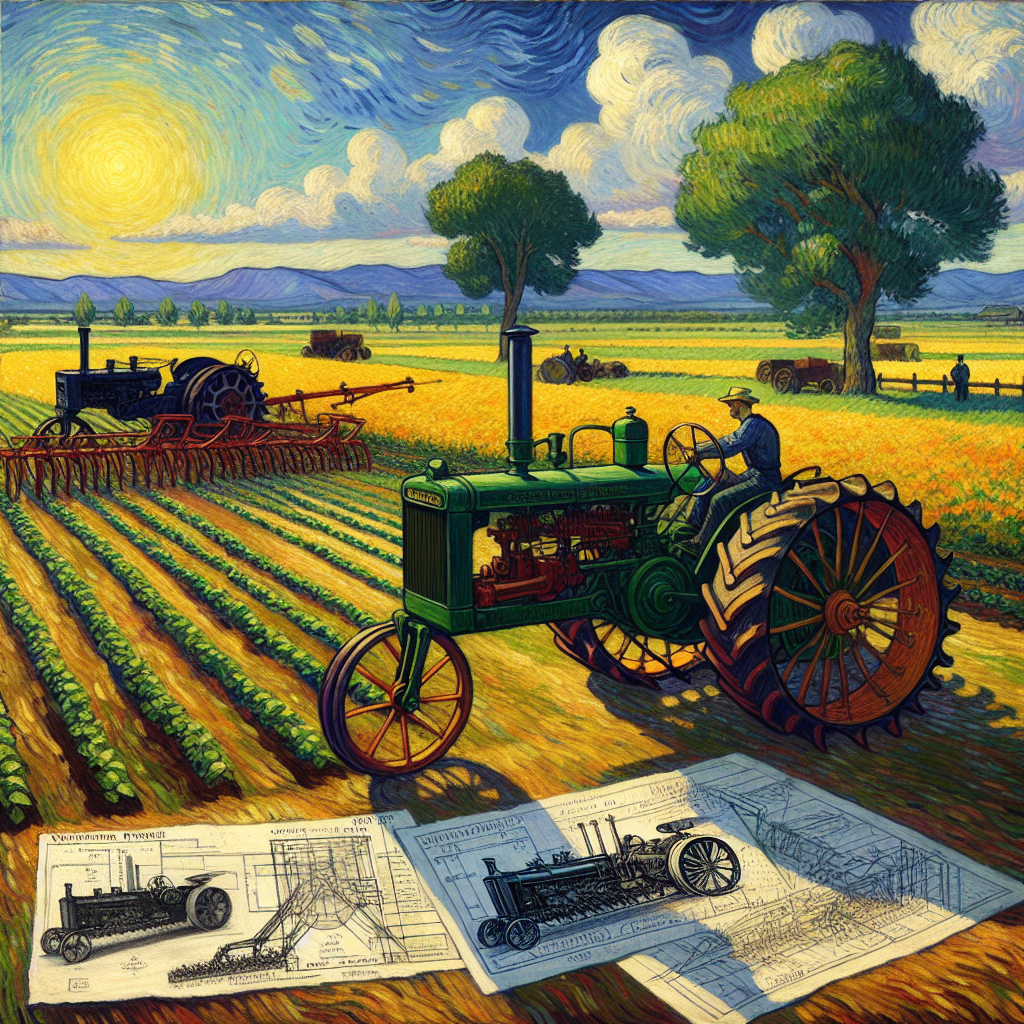
Rediscovering the Joy Of Old-School Tractor Operation
Rediscovering the Joy Of Old-School Tractor Operation
- First experiences with a tractor evoke a sense of magic and nostalgia.
- Operating a tractor connects us to our roots and the rhythm of the seasons.
- Old-school tractor operation emphasizes simplicity and authenticity amidst modern distractions.
- Every action while farming is a meaningful and conscientious act.
- Tractors foster community spirit, with neighbors sharing stories and life lessons.
- Engaging with old tractors reflects values of sustainability, ethics, and land stewardship.
- Driving a tractor offers a way to reconnect with heritage and find joy in the land.
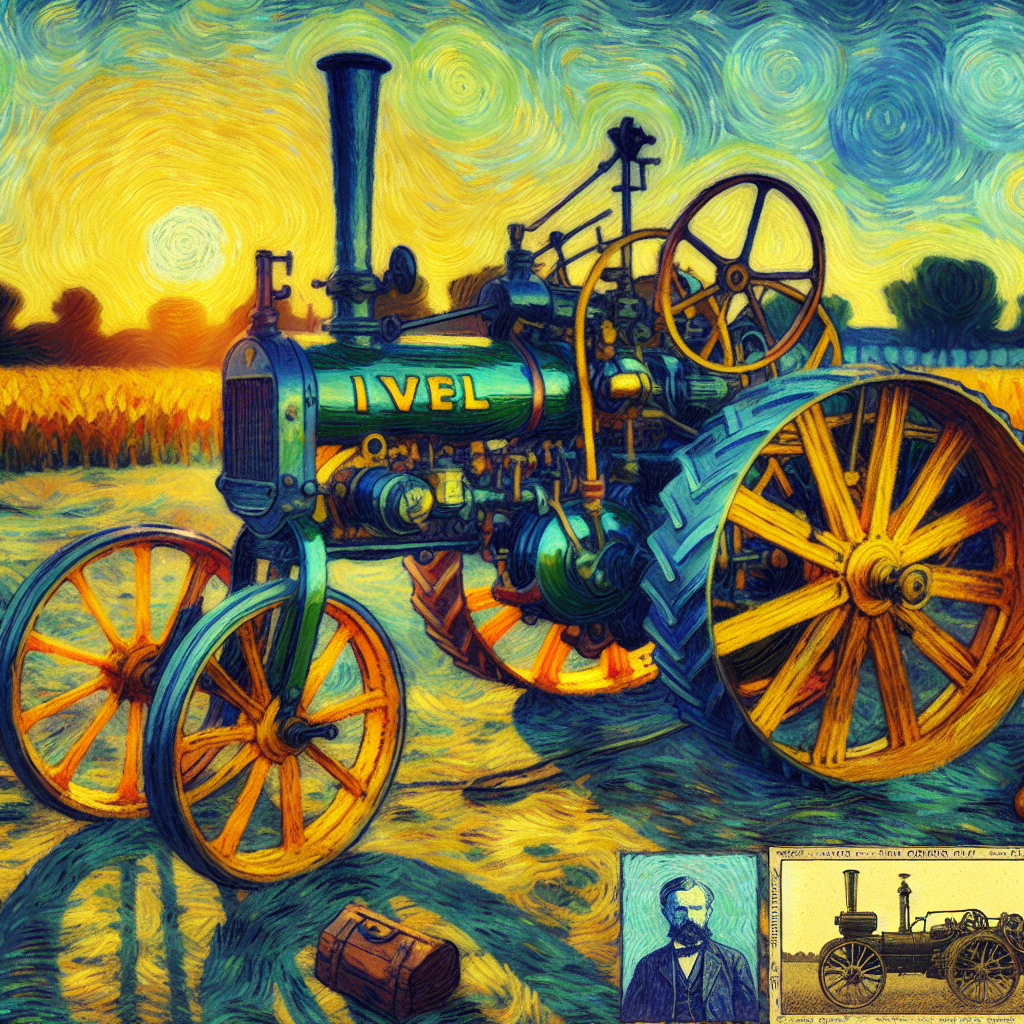
Rediscovering the Joy Of Old-School Tractor Operation
Table Of Contents
- Rediscovering the Joy Of Old-School Tractor Operation
- What Memories Do You Associate with Old-School Tractors?
- How Can the Simplicity Of Vintage Tractors Inspire Us Today?
- What Ethical Lessons Can We Learn From Traditional Farming Practices?
- How Does Operating a Vintage Tractor Foster a Connection to the Land?
- In What Ways Can Old-School Tractors Symbolize Community and Heritage?
- What Practical Skills Can We Gain From Hands-On Tractor Operation?
- Conclusion
- Other Resources
- Glossary Of Terms
- Other Questions
- Haiku
- Poem
- Checklist
What Memories Do You Associate with Old-School Tractors?
When you think of a tractor, what comes to mind? For many, it’s not just a hulking piece of machinery; it represents the heart of hard work, the sweat of perseverance, and the essence of simplicity. Old-school tractors tell stories—tales intertwined with the lives they’ve touched, the fields they’ve tilled, and the generations they’ve served.
Consider the first time you hopped on a tractor. The cool metal, the rough vibration beneath you, and the hum of the engine brought about a sense of power—a power that made you feel connected to something greater. Perhaps that was the day you learned the value of labor, working alongside a family member who shared with you not just the mechanics of farming but the wisdom of resilience. Every mile traveled in those open pastures is marked by moments of laughter and learning, where the sights and sounds of nature meld with the rhythm of the ride.
But it’s more than just nostalgia. Let’s examine the role of tractors in the fabric of our society. Each tractor is a symbol of the work ethic that built our communities. Think about it: when a farmer fires up that old machine, they’re not just preparing for a day of labor; they’re participating in a legacy of sustenance. They hold the weight of history—a history that teaches us the importance of commitment, responsibility, and the fruit of one’s labor.
Yet, there’s a deeper connection that often gets overlooked—the ethical dimension of the relationship between man and machine. Those old-school tractors were built to last, a stark contrast to our increasingly disposable culture. They embody durability, reminding us of a time when things, including our commitments, were made to endure. In a world racing toward quick fixes and instant gratification, that steadfastness resonates. These machines remind us that the values we instill in ourselves and our children require time, effort, and a little grit.
Amid the clamor of modern machinery, let’s not forget that the old iron teaches us about patience and stewardship. Each rusty bolt or weathered tire is a badge of honor, a testament to the toil that comes with truly tending to our responsibilities. So, as you reflect on the memories linked to those iconic tractors, embrace the entirety of what they represent. They are not just machines; they are custodians of our history, emblematic of toil, triumph, and the relentless spirit of those who came before us. Engage with the past, and carry it forward, honoring the lessons of hard work etched into every field they’ve plowed.
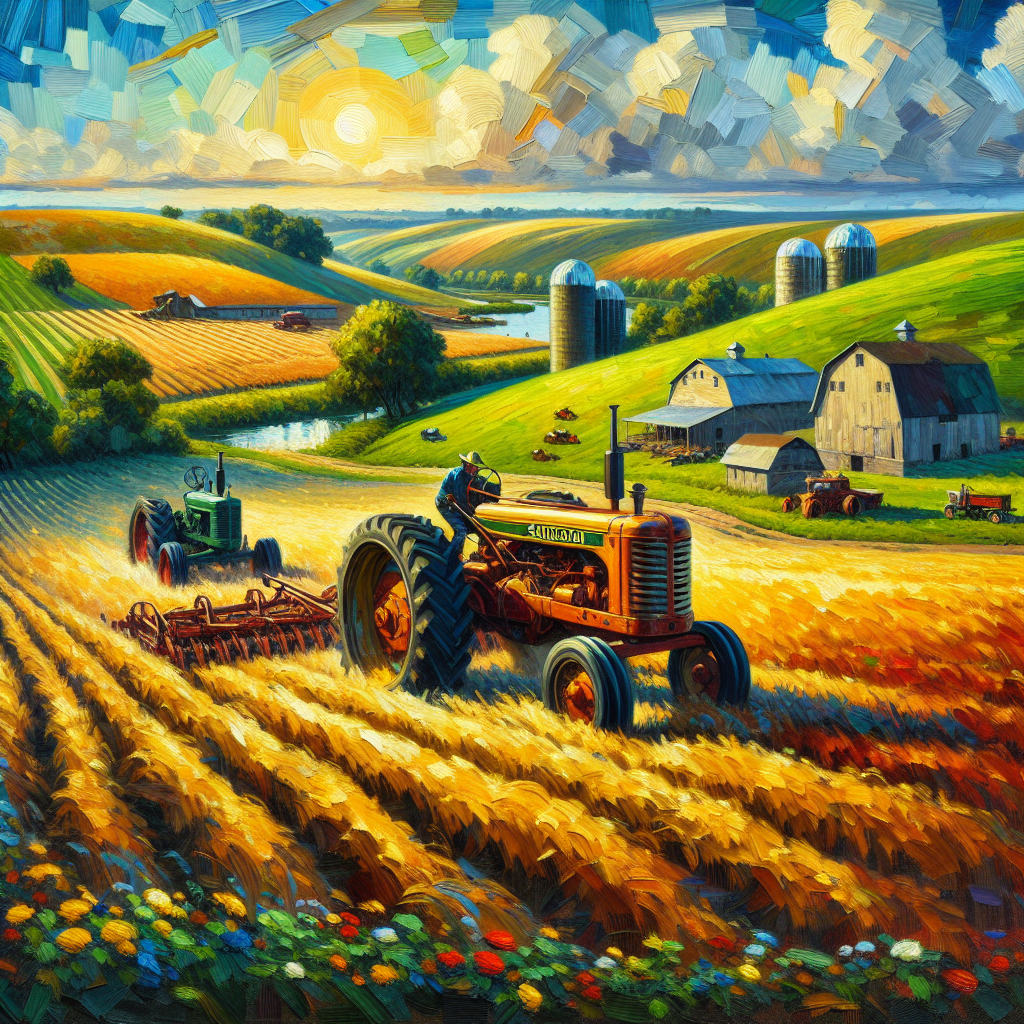
What Memories Do You Associate with Old-School Tractors?
What Memories Do You Associate with Old-School Tractors?
- Tractors symbolize hard work, perseverance, and simplicity.
- They tell stories of the generations they’ve served and the fields they’ve tilled.
- The experience of riding a tractor connects individuals to labor and resilience.
- Tractors represent a work ethic essential to community building and sustenance.
- They embody durability and a commitment to lasting values in contrast to disposable culture.
- Old tractors teach patience and stewardship, highlighting the importance of responsibility.
- They serve as custodians of history, representing toil, triumph, and enduring spirit.
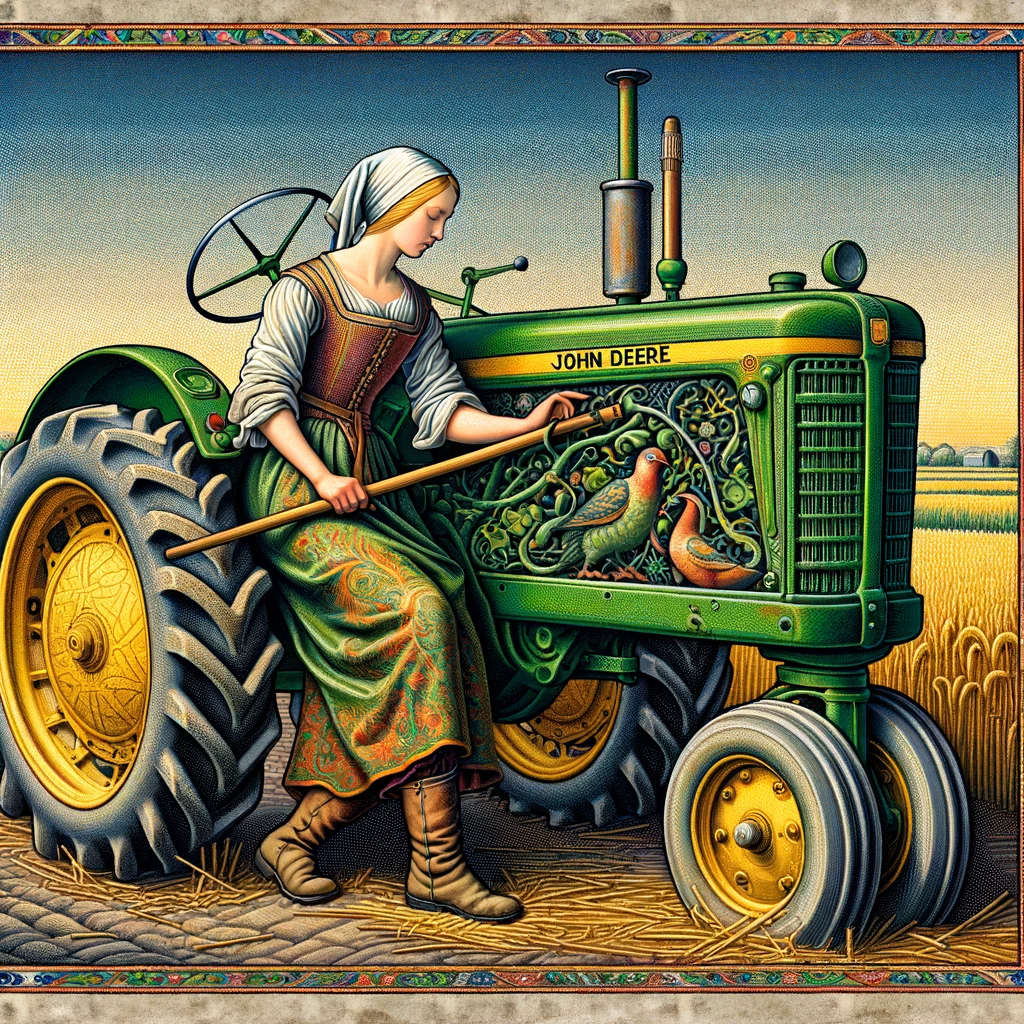
What Memories Do You Associate with Old-School Tractors?
How Can the Simplicity Of Vintage Tractors Inspire Us Today?
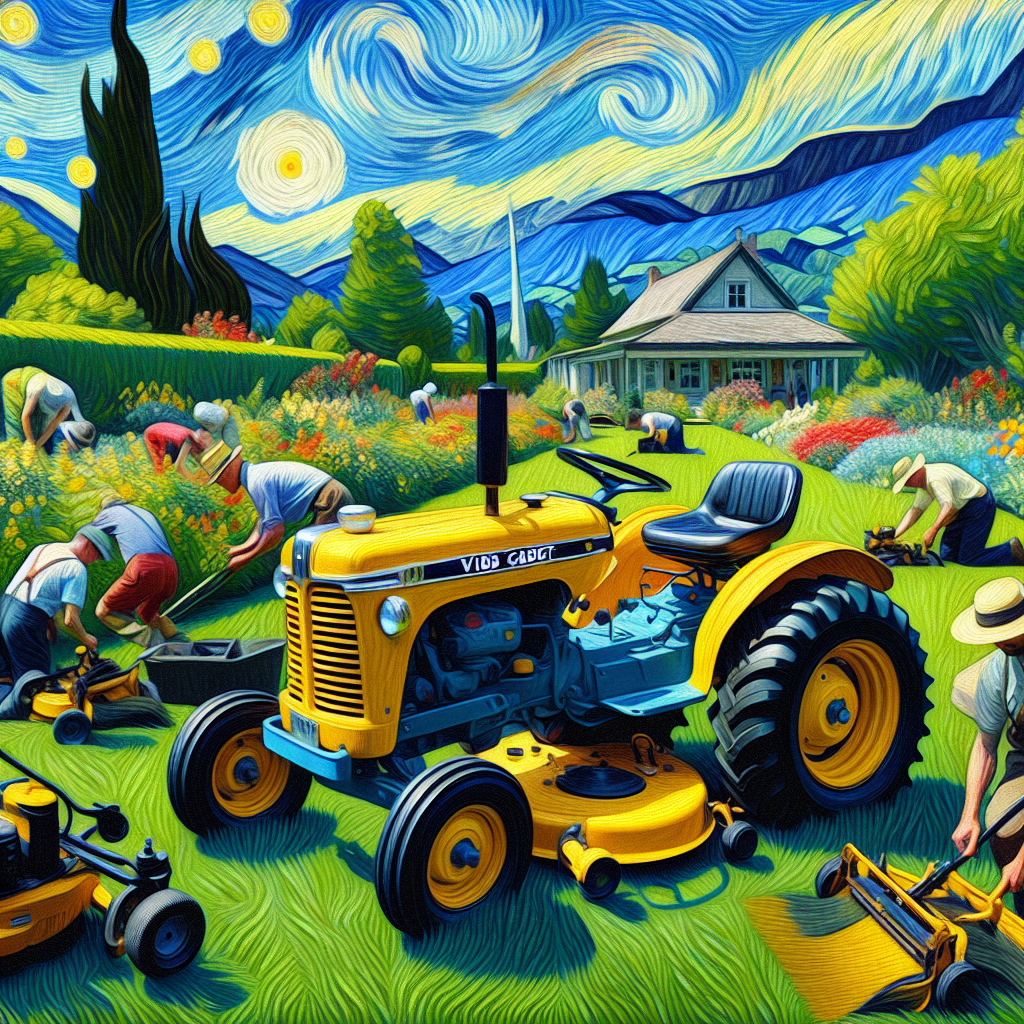
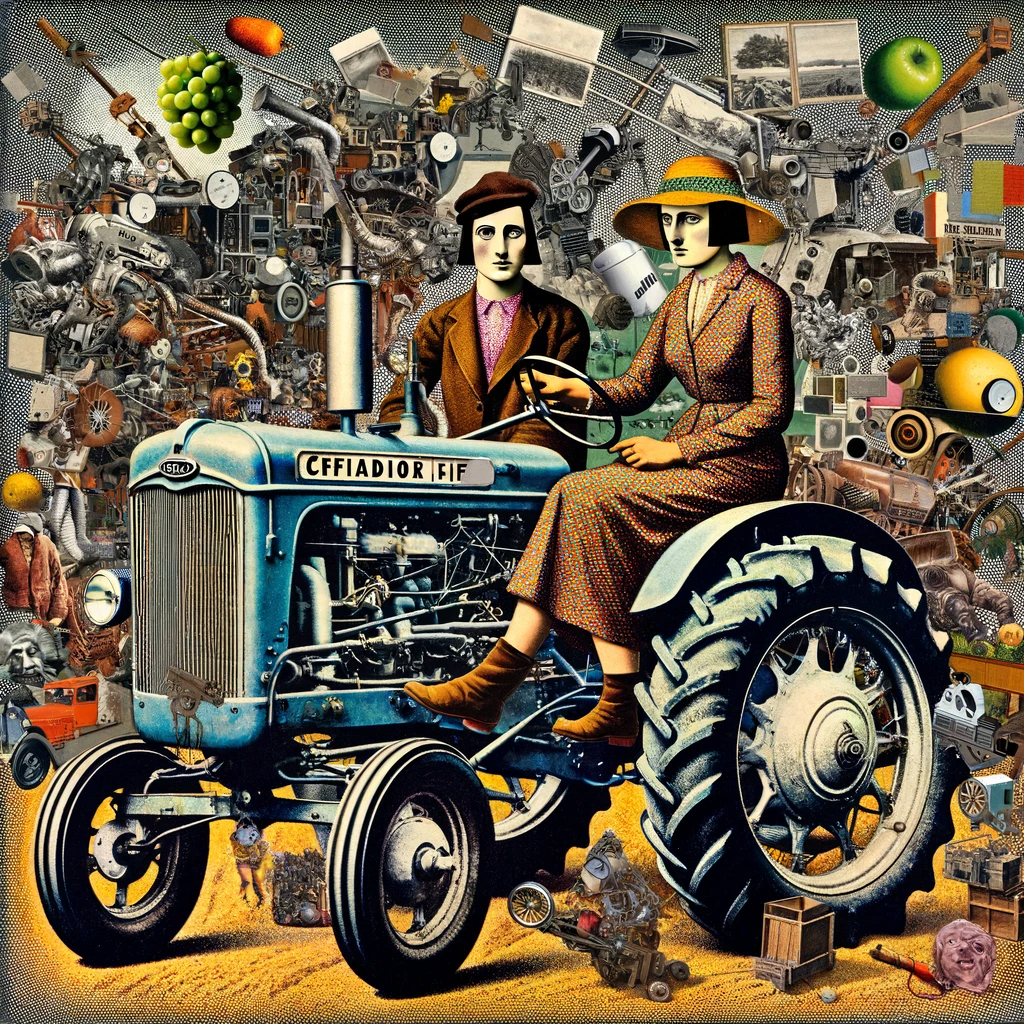
In a world dominated by complexity, the vintage tractor stands as a monument to simpler times. Picture a sturdy machine, its paint faded but its spirit undiminished, chugging along fields that have known the toil of generations. These tractors are not merely relics; they are symbols of grit, resilience, and an unwavering commitment to the land. They remind us that sometimes, the simplest solutions yield the most profound results.
Take a moment to reflect on the stories these tractors could tell. They’ve plowed the earth from dawn to dusk, carved out destinies on stubborn soil, just as we carve out our paths in an ever-rapidly changing world. Growing up, I watched my grandfather work alongside his vintage tractor, a loyal companion as reliable as his heart. The moment he would clamp his weathered hands on the steering wheel, it was clear this machine was a part of him, a bridge between man and the earth. It not only simplified his work but instilled a sense of purpose that still echoes in our family.
This relationship between man and machine transcends mere functionality; it invites us to consider our own lives. As we rush through our days, juggling responsibilities and navigating the noise of modern existence, we often lose sight of what truly matters. The vintage tractor teaches us the value of slowing down, prioritizing quality over speed, and fostering connections over distractions. It’s a reminder that simplicity doesn’t mean sacrificing sophistication; on the contrary, it embodies a refined approach to both work and life.
From an ethical standpoint, embracing the simplicity of these tractors inspires a more sustainable lifestyle. They are efficient, designed with the intention of lasting a lifetime, and they encourage us to appreciate the resources we have. By valuing what’s tried and true, we can cultivate a deeper respect for the land and the communities that depend on it. In a frantic world fixated on the next big thing, these humble machines speak volumes about durability, legacy, and respect.
So, the next time you encounter a vintage tractor, consider its legacy. Let it ignite a spark. It’s a call to action for us all—to simplify, to connect, to remember the joys of hard work and the satisfaction of tangible results. Embrace the principles they represent, and you may find that life, like that old tractor, is best driven with purpose and a gentle touch.
How Can the Simplicity Of Vintage Tractors Inspire Us Today?
How Can the Simplicity Of Vintage Tractors Inspire Us Today?
- The vintage tractor symbolizes simpler times and resilience in a complex world.
- These machines represent durability, a commitment to the land, and the value of simplicity.
- They have historical significance, having worked tirelessly to shape destinies on the land.
- The relationship between man and vintage tractor fosters purpose and connection to the earth.
- They teach the importance of slowing down and prioritizing quality and meaningful connections.
- Embracing such simplicity encourages sustainable living and respect for resources.
- Encountering a vintage tractor serves as a reminder to connect with hard work and tangible results.
How Can the Simplicity Of Vintage Tractors Inspire Us Today?
What Ethical Lessons Can We Learn From Traditional Farming Practices?
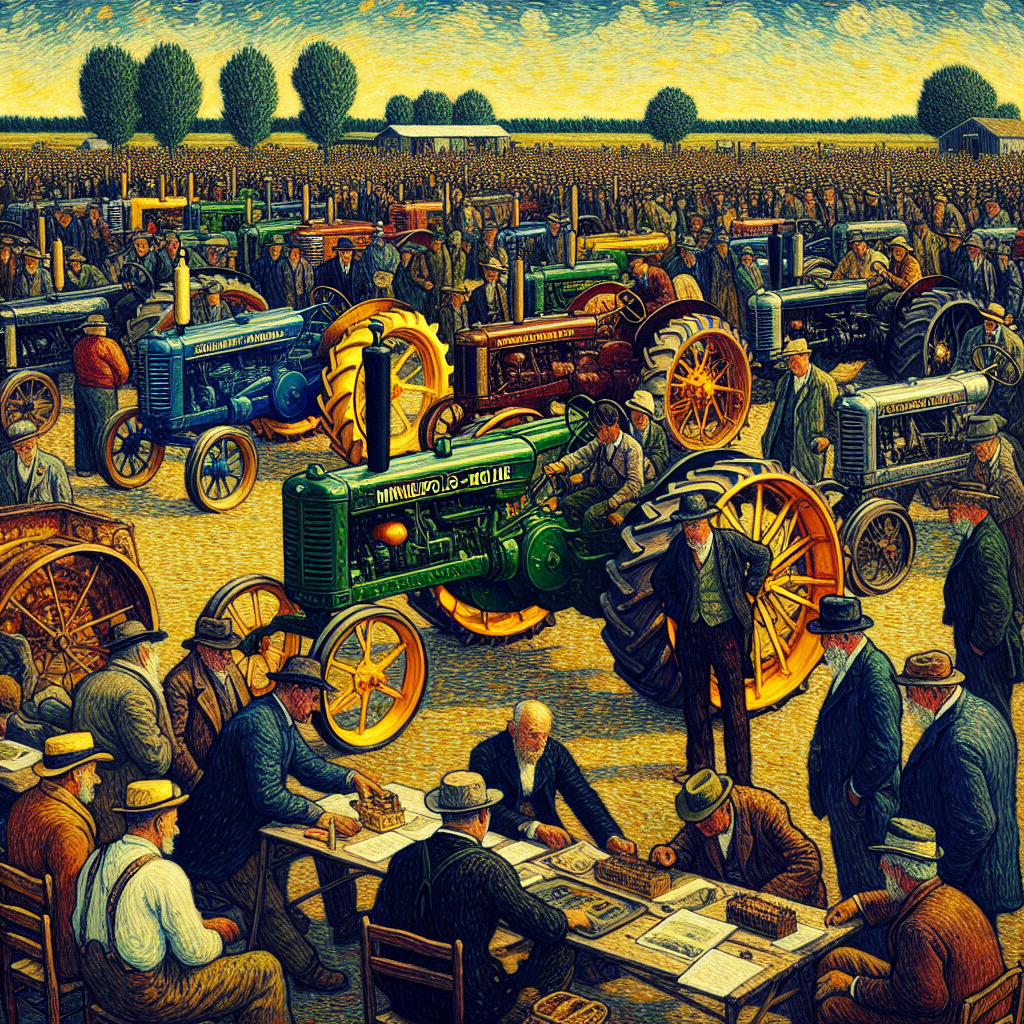
In a world racing towards gadgets and technologies, it’s easy to overlook the wisdom found in the crevices of traditional farming. Imagine the hum of a tractor, its rhythmic clattering a reminder of manual labor—hands in the soil, sweat on brows, and generations of knowledge passed down. These practices strike a chord not just with the head but deep in the gut, reminding us of our roots and the importance of stewardship over land.
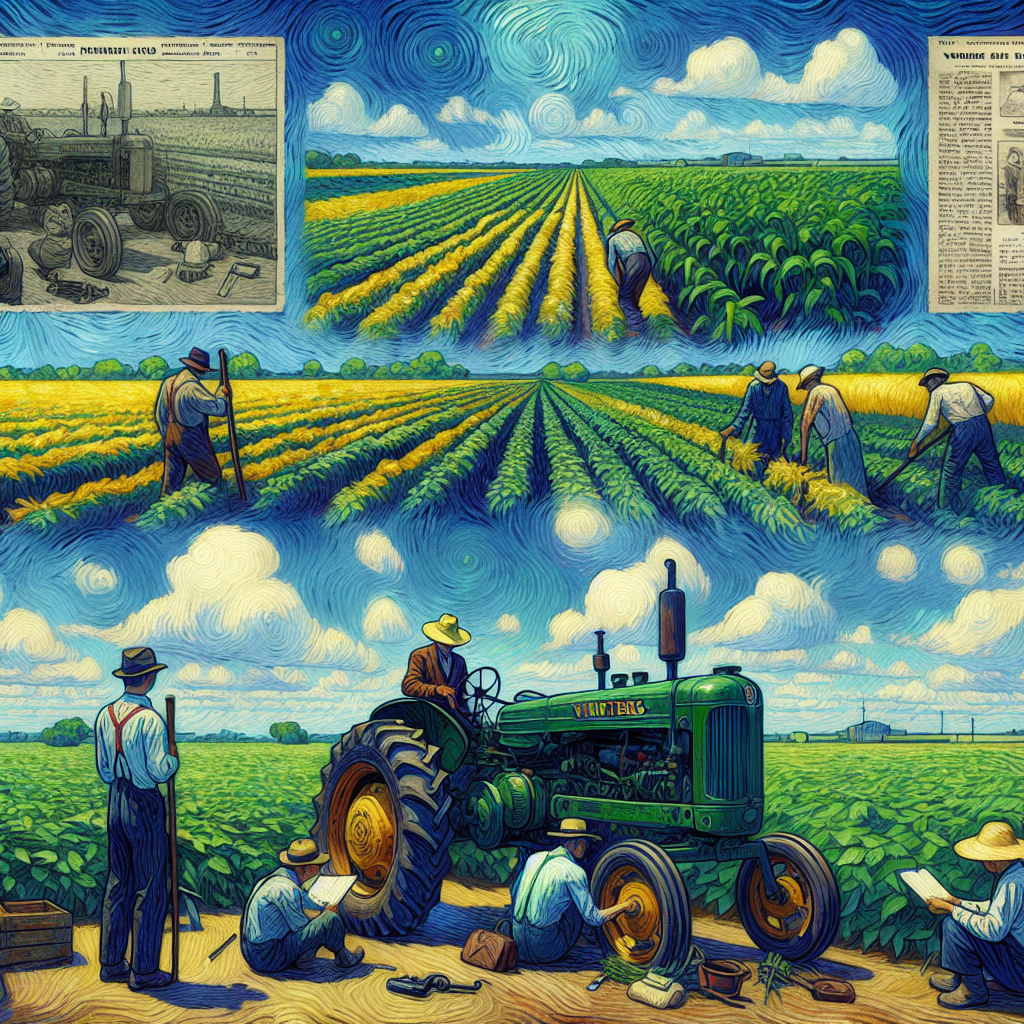
Traditional farming is more than just a method; it embodies a set of values that prioritize community and sustainability. Farmers sit at the center of an intricate web of relationships—with the soil, the weather, and their neighbors. They understand that every action has a consequence; for every seed planted, there is a ripple effect—an interdependency that challenges the isolation fostered by modern technology. This connection can inspire trust; it teaches that taking care of the earth ensures bountiful harvests not just for today but for future generations.
Consider the practices of crop rotation and polyculture, where different plants grow together, each benefiting from the other’s presence. This symbiosis evokes a crucial lesson: collaboration leads to resilience. The same principle can be seen in our communities. When we work together, combining our unique strengths, we can face challenges more effectively. It’s about understanding that we are stronger unified, echoing a sentiment often lost in the noise of individualism.
Take a moment to reminisce about family gatherings around harvests, laughter mingling with the earthy aroma of fresh produce. Those moments remind us that nourishment is not just about physical sustenance; it’s about connection, belonging, and shared joy. Ethical lessons from traditional farming encourage us to reflect on how we support our local farmers and communities. When we choose to buy from local markets, we’re not just nourishing ourselves; we’re participating in a dance that honors the labor and love embedded in every bite.
Perhaps the most profound lesson we can gather is to value simplicity. In a fast-paced world filled with complex solutions, traditional farming teaches the beauty of doing less yet achieving more through mindfulness and respect for nature’s cycles. It invites us to embrace a lifestyle that is sustainable, ethical, and gratifying. So, as we navigate our modern lives, let’s remember the tractor that once symbolized hard work and innovation—a testament to the roots that still ground us in ethical living, encouraging us to foster a deeper connection with the world around us.
What Ethical Lessons Can We Learn From Traditional Farming Practices?
What Ethical Lessons Can We Learn From Traditional Farming Practices?
- Traditional farming emphasizes the importance of stewarding the land, connecting us to our roots.
- It embodies values of community and sustainability, highlighting interdependence between farmers, soil, and weather.
- Practices like crop rotation and polyculture demonstrate that collaboration fosters resilience.
- Family gatherings around harvests symbolize nourishment that goes beyond physical sustenance, encompassing connection and joy.
- Supporting local farmers through market choices honors the labor and love involved in food production.
- Traditional farming teaches the value of simplicity, encouraging mindfulness and respect for nature’s cycles.
- This approach to living promotes a sustainable and ethical lifestyle, grounding us in our connection to the world.
What Ethical Lessons Can We Learn From Traditional Farming Practices?
How Does Operating a Vintage Tractor Foster a Connection to the Land?
Operating a vintage tractor is more than just a means of cultivating land; it’s a bridge connecting us to our roots, a tangible reminder of our heritage, and a stepladder into a world where resilience and hard work shaped communities. When you climb aboard that weathered seat, you’re not merely engaging with machinery; you’re inviting a narrative that whispers tales of sweat, determination, and a profound bond with the earth.
Imagine the vibrations of the engine thrumming beneath you, echoing like a heartbeat of a forgotten era, as you maneuver through the fields. That tractor, with its rusted charm, embodies a lifetime of stories. Each scratch and dent tells of storms weathered and seasons celebrated. There’s a certain magic in feeling the soil give way under the weight of your vintage companion. It’s intimate work—fingers in the dirt, the sun on your back, and the scent of earth awakening around you. This is where the head meets the heart; where the intellectual understanding of sustainable practices collides with the emotional investment in a legacy.
The act of operating a vintage tractor fosters ethical responsibility, too. It’s a reminder that farming isn’t just about profit margins but about stewardship. When we tend to the land with care and tradition, we honor those who’ve come before us. We uphold the silent pact between humans and nature, ensuring that future generations will also know the taste of homegrown tomatoes and the smell of freshly tilled soil.
There is a sense of authority that comes with wielding this machinery. You become a custodian of history, a guardian of techniques that have stood the test of time. Service manuals may give you the technical know-how, but it’s the stories shared over cup after cup of coffee with old-timers that provide the wisdom necessary to navigate the challenges of modern-day agriculture.
Furthermore, operating a vintage tractor fosters a community connection. Picture gatherings at local fairs, where neighbors exchange tales and laughter while showcasing their restored machines. It’s an inclusive circle, where young and old bond over grease-stained hands and shared experiences, creating a tapestry of collective nostalgia.
In this way, vintage tractors become symbols of unity and continuity, inviting us to not only cultivate the land but also nurture our relationships with one another. Taking the time to operate these historical machines brings us not just closer to the land, but also to each other—reminding us that we are all part of a much larger story, rooted deeply in the soil we stand upon.
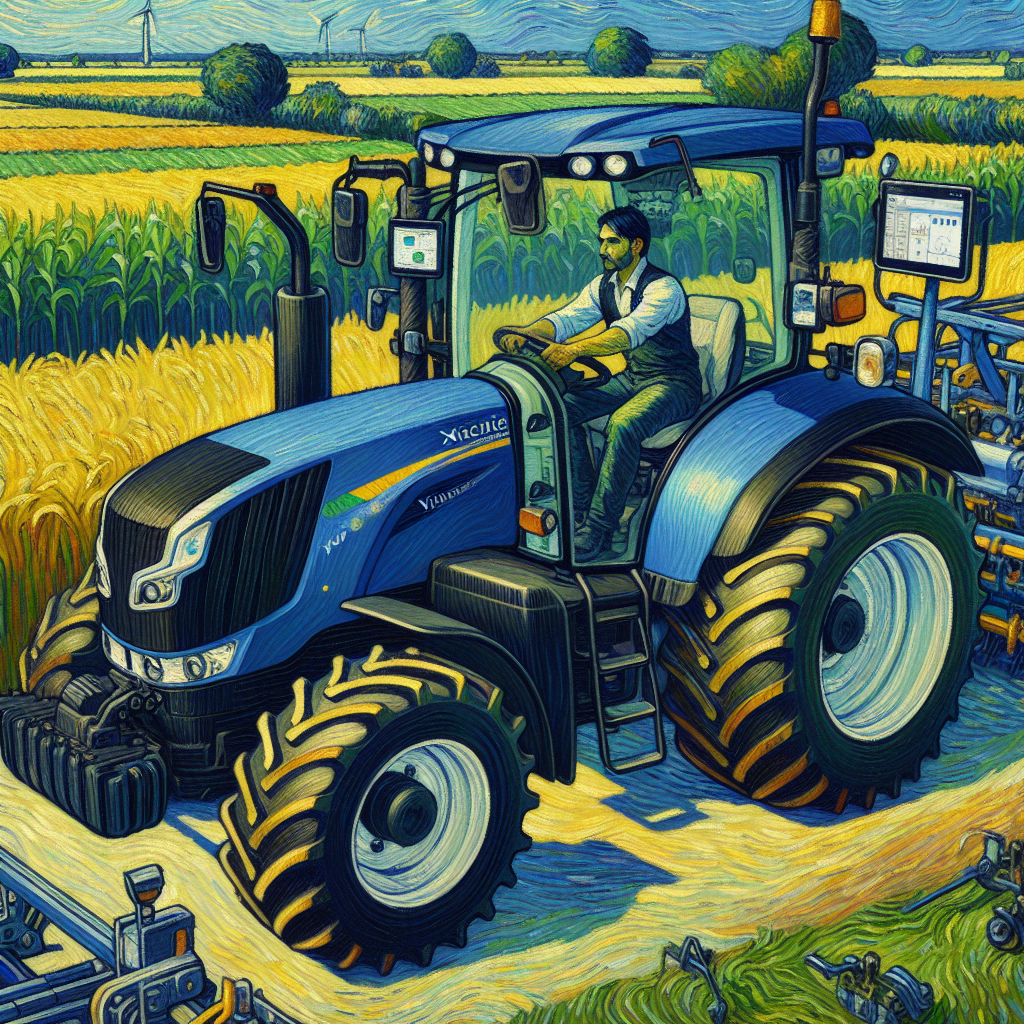
How Does Operating a Vintage Tractor Foster a Connection to the Land?
How Does Operating a Vintage Tractor Foster a Connection to the Land?
- Operating a vintage tractor connects us to our roots and heritage.
- The experience involves not just machinery but also stories of resilience and hard work.
- Each tractor carries a history, with every scratch representing challenges overcome.
- Using a vintage tractor emphasizes ethical farming and stewardship of the land.
- Custodians of history, operators learn from both technical manuals and shared wisdom of experienced farmers.
- Operating vintage tractors fosters community connections through gatherings and shared experiences.
- These machines symbolize unity, deepening our relationships with each other and the land.
How Does Operating a Vintage Tractor Foster a Connection to the Land?
In What Ways Can Old-School Tractors Symbolize Community and Heritage?
Old-school tractors, with their rusted paint and worn-out seats, do more than serve the land; they embody the spirit of community and heritage. Picture a sun-soaked field at harvest time. Neighbors gather, not just to help but to connect. Each tractor roars to life, a familiar symphony that rings through the air. It’s not merely machinery; it’s a familial bond, a rite of passage.
For many families, that well-used tractor is an heirloom, passed down from generation to generation. Each scratch and dent tells a story. When we see these machines, we see the hands that once turned the wrench, the faces that squinted against the sun, and we hear the laughter shared over a repair gone awry. There’s a lesson in that wear and tear: every imperfection is a reminder of shared effort and struggle. This isn’t just metal and rubber; this is history, stitched together with sweat and pride.
Rationally, tractors provide an undeniable efficiency in agriculture, allowing communities to produce food more effectively. However, it’s the connection they foster among people that makes them truly invaluable. In an age dominated by technology, where digital communication often lacks the warmth of a handshake, these machines remind us of a simpler time. They invite us to slow down, engage with our surroundings, and recognize the value of labor and togetherness.
Ethically, keeping these tractors alive is an act of preservation. It’s a commitment to honoring the past while nurturing the next generation. When we gather for tractor shows or community fairs, it’s not just for nostalgia; it’s an affirmation of our values—hard work, collaboration, and the importance of roots. Young people, eyes wide with curiosity, are drawn to these machines, not just for their age but for the stories they carry, igniting a spark of interest in history and community.
Consider small towns where these tractors are not just personal assets but community symbols. They represent resilience, showcasing how entire communities come together for a common cause. From farmer’s markets to parades, the old-school tractor becomes a focal point, uniting people, creating a sense of place and belonging. It’s a visual reminder that we’re all in this together, a connection stretching far beyond fields and pastures. Just like the tractors, our communities thrive when we invest in one another, reminding us that heritage is not just something we inherit; it’s something we build together, year after year.
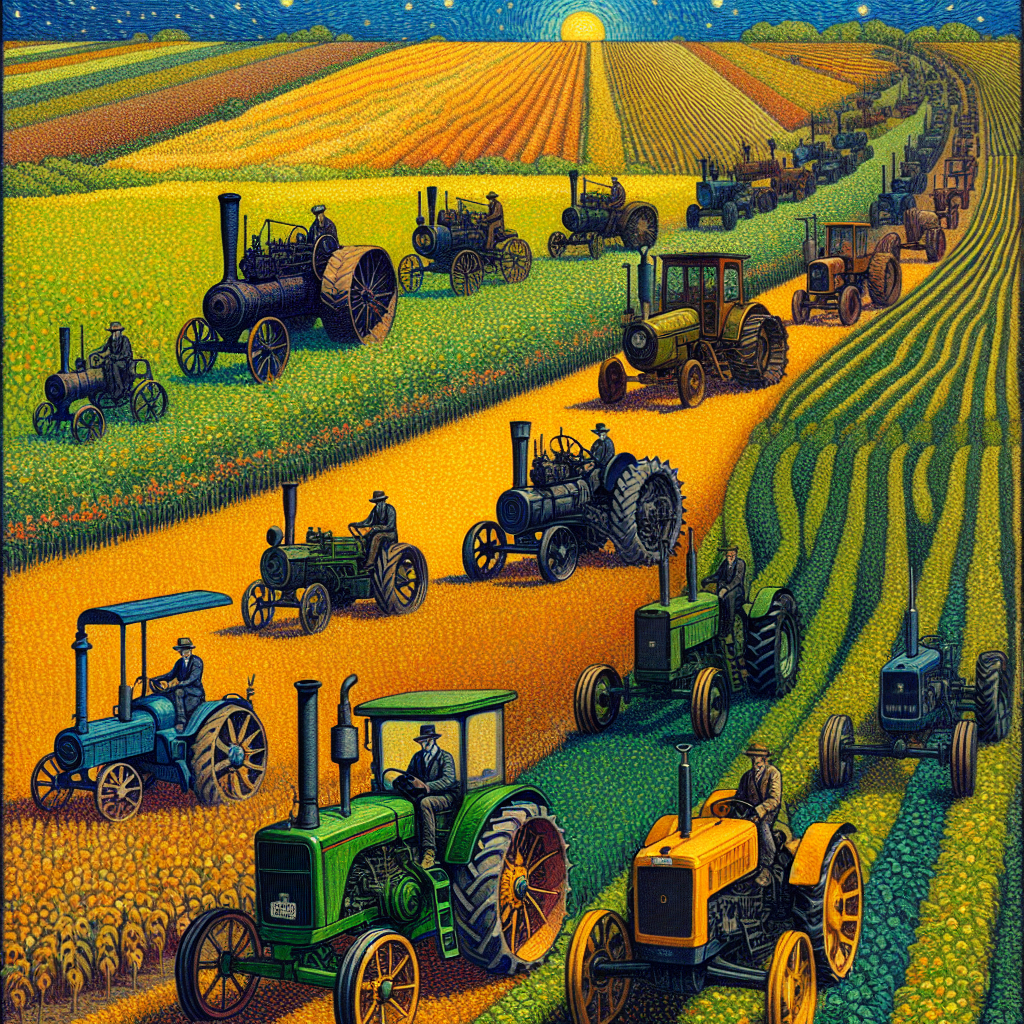
In What Ways Can Old-School Tractors Symbolize Community and Heritage?
In What Ways Can Old-School Tractors Symbolize Community and Heritage?
- Old-school tractors symbolize community and heritage, serving more than just agricultural purposes.
- They foster connections among neighbors during harvest time, creating a familial bond.
- Many tractors are heirlooms, with each imperfection telling a story of shared history and effort.
- They offer efficiency in agriculture while reinforcing the value of labor and togetherness.
- The preservation of these tractors is an ethical commitment to honor the past and inspire future generations.
- In small towns, tractors serve as symbols of resilience, bringing communities together for common causes.
- Tractors remind us that heritage is built collectively, emphasizing the importance of investing in one another.
In What Ways Can Old-School Tractors Symbolize Community and Heritage?
What Practical Skills Can We Gain From Hands-On Tractor Operation?
Operating a tractor isn’t just about driving; it’s about connecting with the land and understanding the intricate dance between man and machine. When you climb into that seat, it’s as if you’re stepping into a living classroom, where every turn of the wheel and every adjustment of the throttle teaches you something invaluable.
Consider the very nature of how a tractor functions. It’s a magnificent piece of engineering, designed to perform tasks that shape our reality—planting seeds, cultivating soil, harvesting bounties. Just as a musician learns to read notes and feel rhythm, a tractor operator learns to interpret the whispers of the machine and the land. Each vibration signals purpose; every subtle shift in the seat brings insights that can’t be found in textbooks. This is where hands-on experience becomes paramount—working with the tractor allows for genuine growth, both personal and practical.
Emotionally, the satisfaction of watching a field transform under your care is unparalleled. There’s a raw honesty in working the earth, connecting with nature in a way that transcends the artificial distractions of modern life. You learn the art of patience—waiting for seasons to change and crops to grow. This isn’t just farming; it’s character building. The grit required to maintain and operate a tractor instills a work ethic that spills over into every facet of life.
Rationally, the skills you gain from hands-on tractor operation are incredibly practical. From understanding mechanics to mastering the intricacies of agricultural management, these skills prepare you for a variety of professions. Many find themselves repairing machinery, understanding hydraulic systems, and even managing business operations in agriculture. Each experience accrued while operating a tractor serves as a building block for future endeavors, fostering a sense of self-reliance.
And let’s not ignore the ethical implications. Engaging with agriculture through tractor operation fosters a sense of responsibility toward food production and environmental stewardship. It’s a visceral reminder of where our food comes from and the labor involved in every bite we take. It builds an appreciation for the farmers who toil tirelessly to sustain us.
Ultimately, the essence of this experience is captured in a simple truth: there’s a powerful synergy of mind and matter when we engage with our hands. Whether you’re a novice or seasoned operator, the stories, the sweat, and the triumphs lived behind the wheel of a tractor carve deep connections to yourself and the world around you. This is where true learning happens, where you not only acquire skills but also weave a narrative that speaks to the heart, head, and gut. Embrace it, and let it shape who you are.
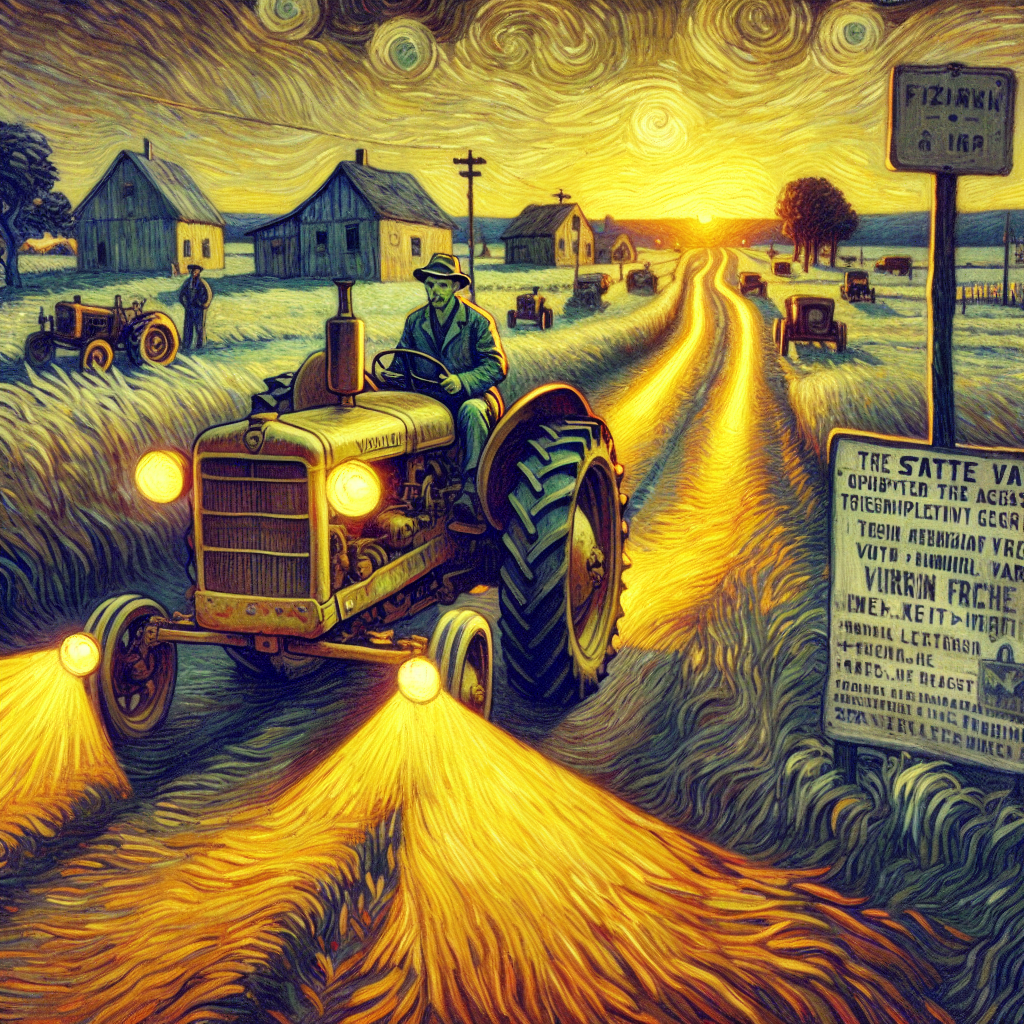
What Practical Skills Can We Gain From Hands-On Tractor Operation?
What Practical Skills Can We Gain From Hands-On Tractor Operation?
- Operating a tractor involves connecting with the land and understanding the relationship between man and machine.
- Hands-on experience provides valuable learning opportunities beyond theoretical knowledge.
- Tractors perform essential tasks like planting, cultivating, and harvesting, highlighting their engineering significance.
- Working with tractors promotes personal growth, patience, and a strong work ethic.
- Practical skills gained include mechanics, agricultural management, and self-reliance for future careers.
- Engagement in agriculture fosters a sense of responsibility for food production and environmental stewardship.
- The experience of operating a tractor creates deep connections to oneself and the world, blending skill acquisition with personal narrative.
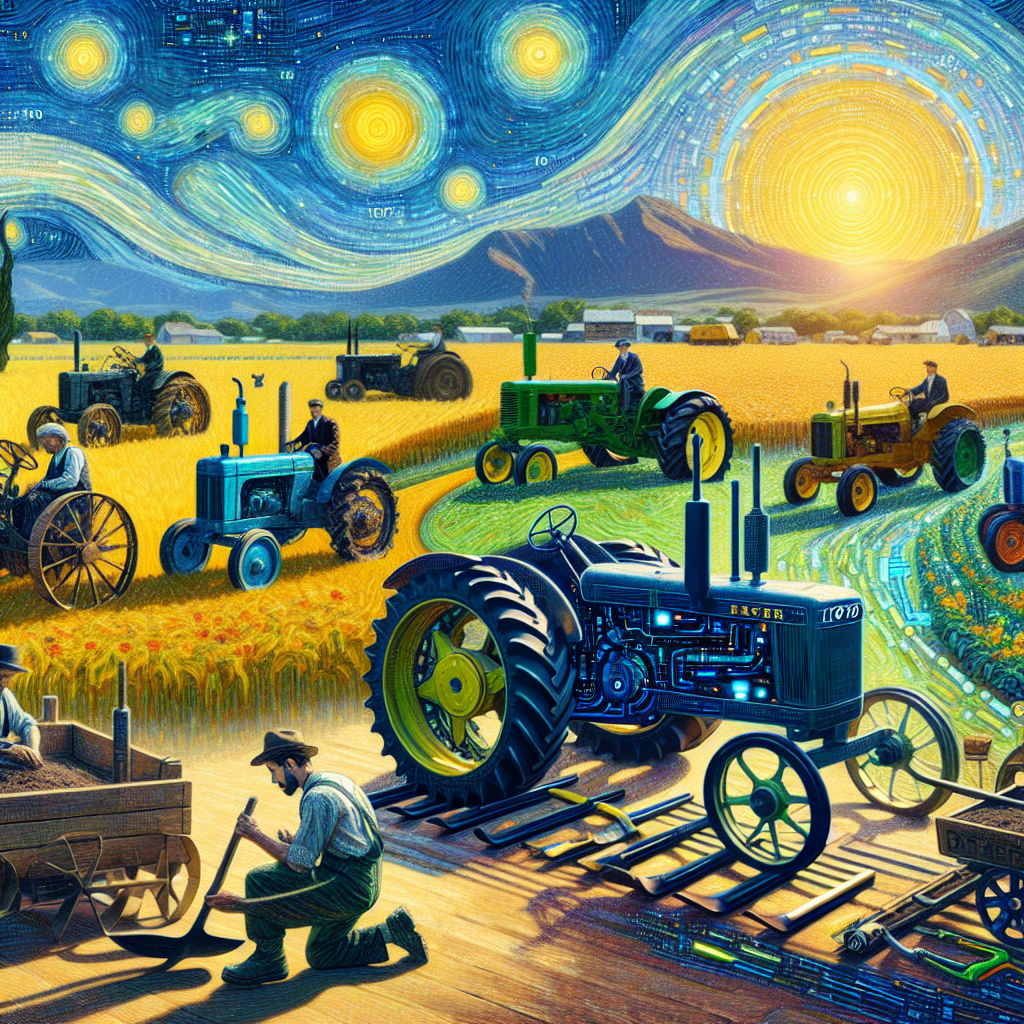
What Practical Skills Can We Gain From Hands-On Tractor Operation?
Conclusion
Old-school tractors are more than just machines; they symbolize a connection to our heritage and the simple joys of life. Climbing aboard a vintage tractor evokes a sense of nostalgia and invites us to embrace the tactile experience of working the land. Each ride reminds us of an era characterized by hard work, resilience, and community spirit—values that often get overshadowed in our fast-paced, technology-driven world.
Operating these tractors is not merely an agricultural task; it’s a journey back to basics, where every shift of the gears and every rev of the engine can reconnect us to our roots. The sound and feel of the machinery awaken forgotten senses and stir memories of shared labor and laughter in the fields. Each tractor carries the weight of history and the stories of the generations that have come before us, reminding us that hard work has always been the bedrock of our communities.
Ethically, choosing to restore and operate old tractors reflects our commitment to sustainability and respect for the earth. These machines remind us of the importance of stewardship and the interconnectedness of our lives and the land. As we engage with the soil, we foster an appreciation for the delicate balance of nature and the importance of community. The shared effort in farming not only cultivates crops but also strengthens bonds among neighbors, creating a support system that thrives on collaboration and shared values.
The lessons learned from hands-on tractor operation extend far beyond mechanics. They teach responsibility, patience, and the value of labor. Each interaction with the machinery fosters a sense of purpose, instilling a work ethic that translates to various aspects of life. As we navigate life’s complexities, the simplicity of operating a vintage tractor serves as a powerful reminder to slow down, appreciate hard-earned results, and cherish the connections we have with both the land and each other.
Old-school tractors inspire us to cultivate a deeper connection with our roots and community. They embody a collective heritage rich in hardship and triumph, urging us to uphold these values in an ever-changing world. As you dust off that old tractor, remember that it symbolizes more than just farming; it’s a beacon of tradition, a call to reconnect with our past, and an invitation to find joy in every turn of the wheel.
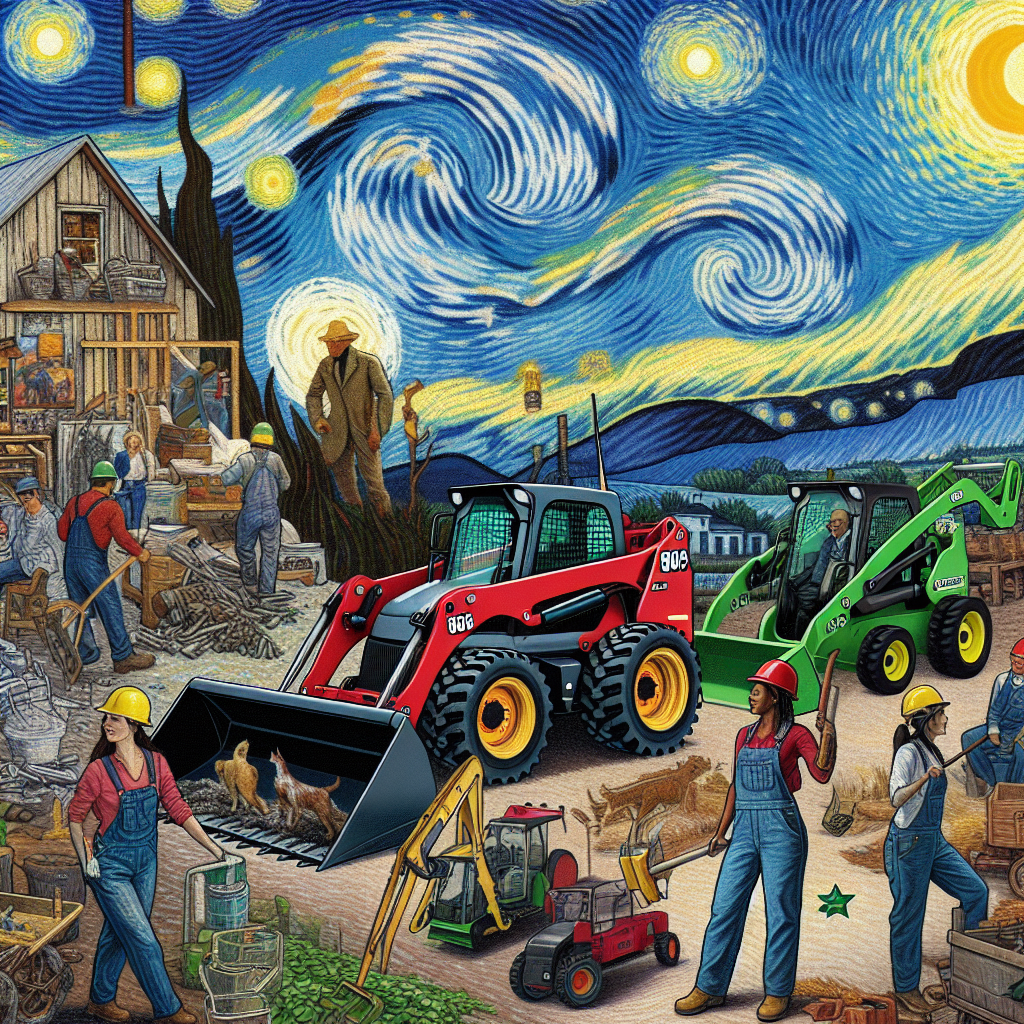
Conclusion
Conclusion:
- Old-school tractors symbolize a connection to heritage and simple joys of life.
- Climbing aboard a vintage tractor evokes nostalgia and embraces tactile experiences of working the land.
- Each ride reflects values of hard work, resilience, and community spirit, often overlooked in modern society.
- Operating tractors allows a journey back to basics, reconnecting us with our roots and shared memories.
- Choosing to restore and operate old tractors demonstrates a commitment to sustainability and respect for the earth.
- Hands-on tractor operation teaches responsibility, patience, and the value of labor, influencing various life aspects.
- Old-school tractors inspire deeper connections with our roots and community, embodying tradition and prompting joy in every turn of the wheel.
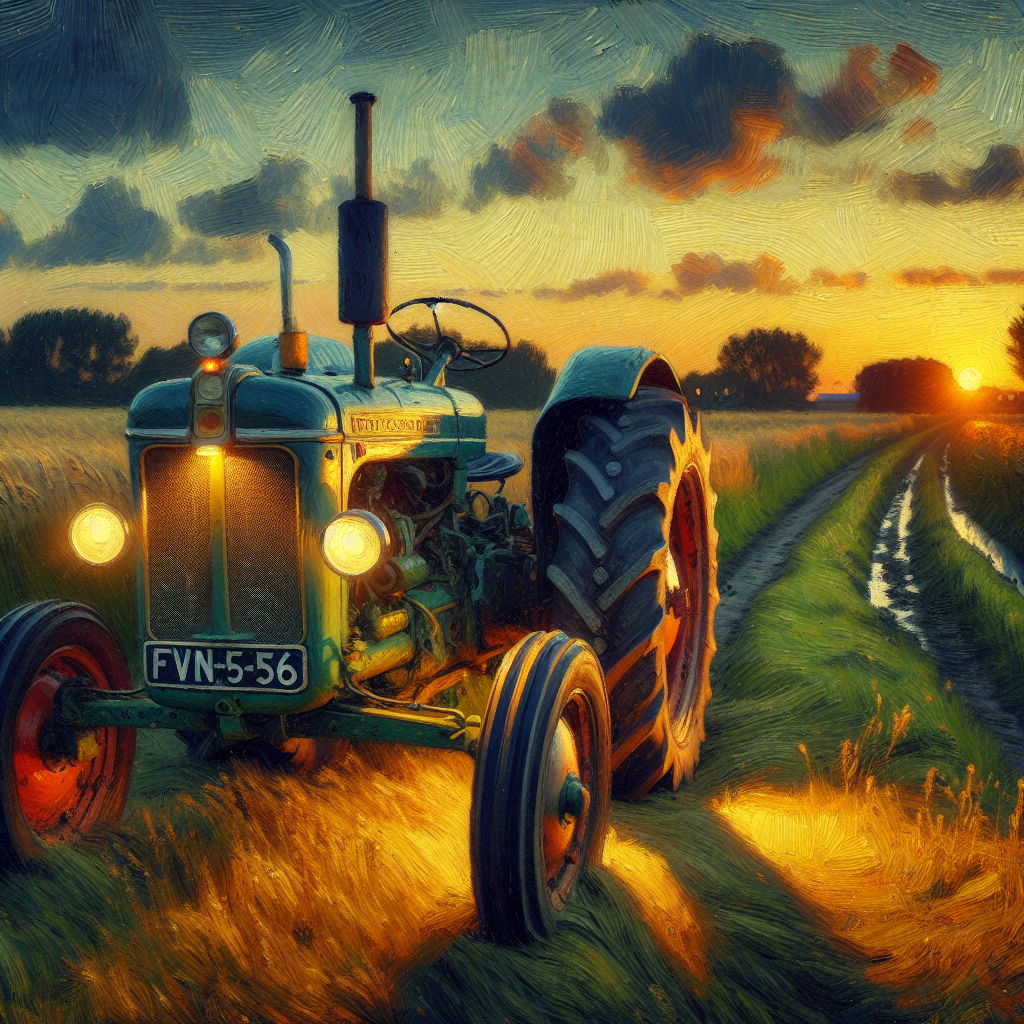
Conclusion
Other Resources
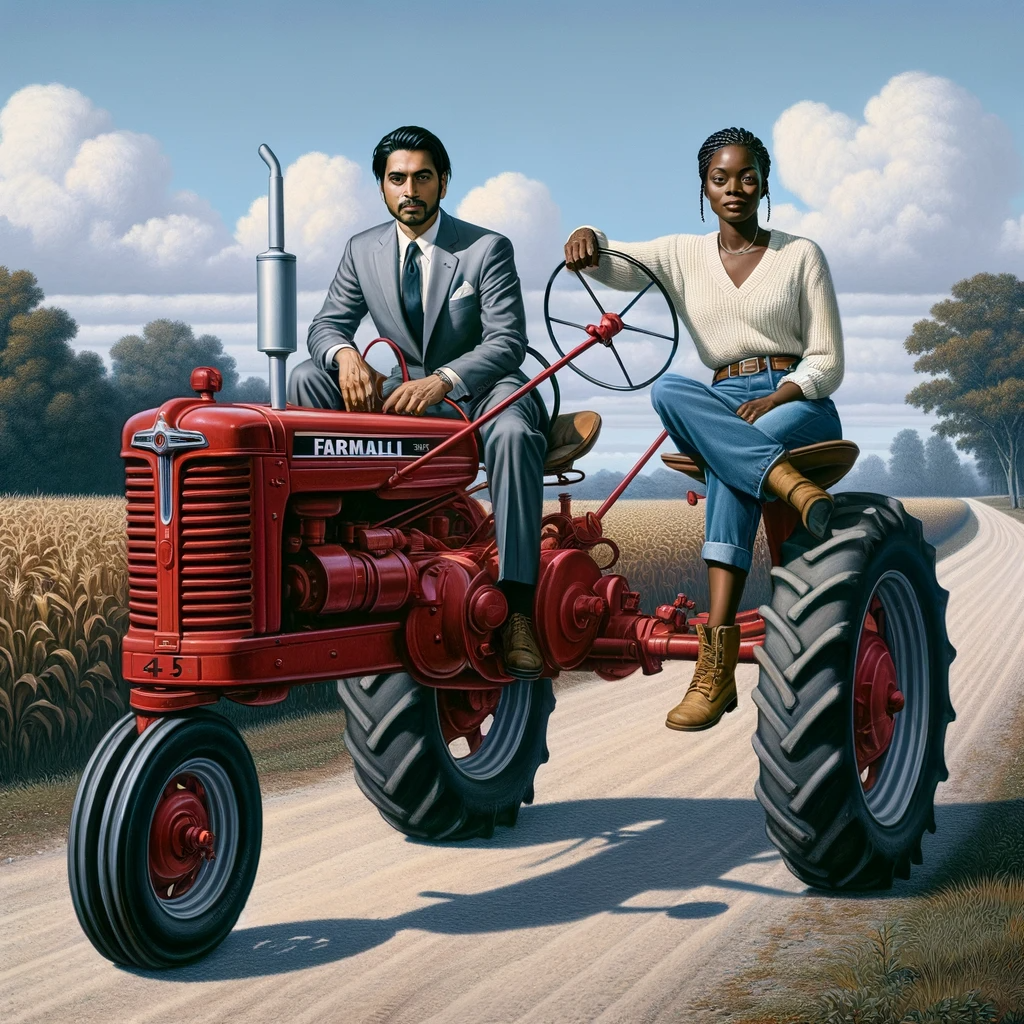
Other Resources
Here is a list of other resources you can review online to learn more:
- Satoh
- Woods Equipment
- YANMAR
- Massey-Harris
- Fort Allen Antique Farm Equipment
- Agri-Power
- Hefty
- Cub Cadet
- McCormick
- Newark Vintage Tractor & Heritage Show
- Rock Island
- Florida Flywheelers Antique Engine & Tractor Show
- Fahr
- Froelich Tractor Museum
- Solis
- Terrion
- Huber
- Eagle Manufacturing
- J.I.Case
Use This Prompt To Get More Resources With Your Favorite Online AI Tool: Please provide me with a list of online articles with their URLs in a bulleted list that I can read regarding Rediscovering the Joy Of Old-School Tractor Operation
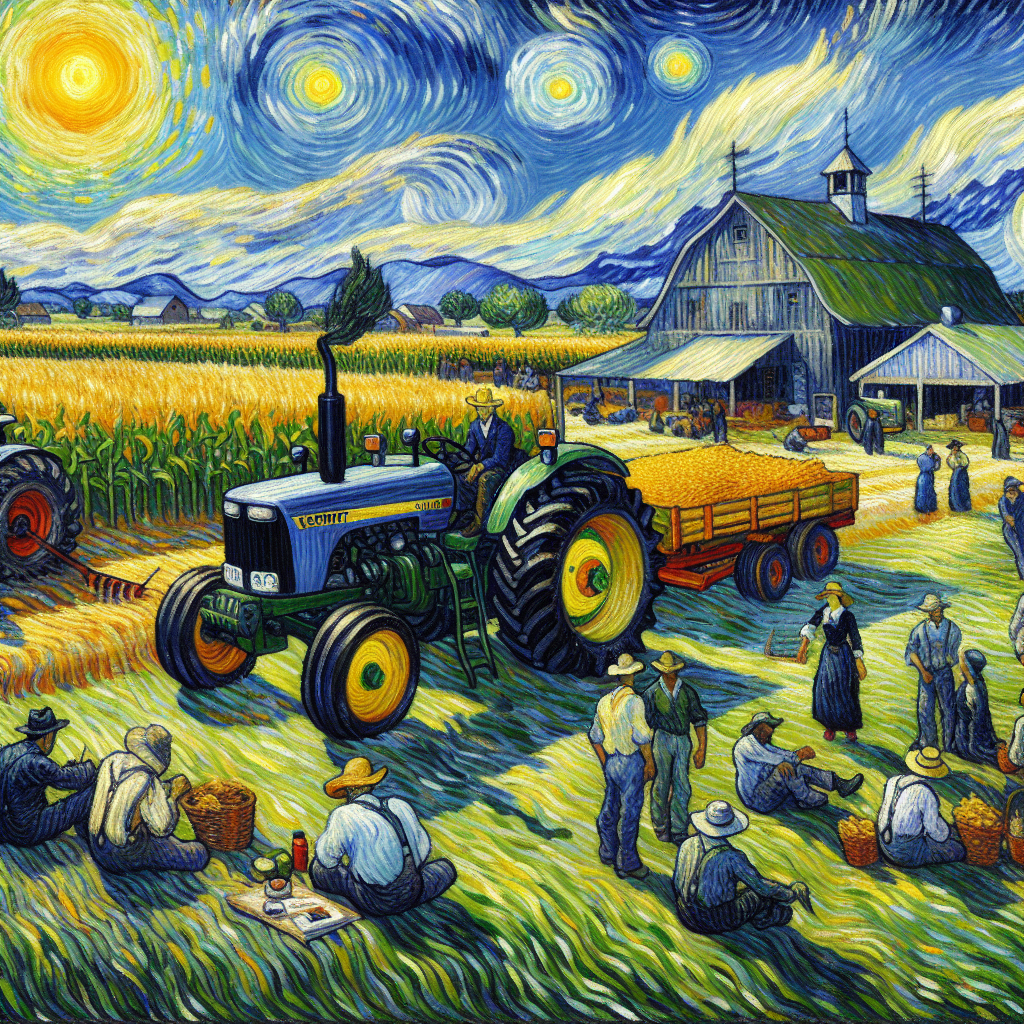
Other Resources
Glossary Terms
Rediscovering the Joy Of Old-School Tractor Operation – Glossary Of Terms
1. Tractor — A self-propelled agricultural vehicle designed to deliver high torque at low speeds for pulling, powering implements, and performing farm work; old-school models emphasize mechanical simplicity and manual controls.
2. Power Take-Off (PTO) — A rotating output shaft that transfers engine power to implements via shafts or belts; common on older tractors for running mowers, balers, and stationary equipment.
3. Live PTO — A PTO system that remains engaged independently of tractor ground speed, allowing implements to run while the tractor is stopped or shifting gears.
4. Drawbar — A rigid hitching bar at the rear used to tow implements and trailers; central to old-fashioned pulling tasks and measuring drawbar pull.
5. Three-Point Hitch — A triangular linkage (two lower lift arms and a top link) that mounts and stabilizes implements, allowing controlled lift and depth; pioneered in mid-20th century but essential to old-school operation.
6. Lift Arms — The lower arms of a three-point hitch that raise and lower implements, often adjustable by manual levers or simple hydraulics on classic tractors.
7. Top Link — The adjustable upper link of a three-point hitch that sets implement pitch and angle relative to the tractor.
8. Ballast — Added weight (liquid, concrete, or steel) applied to wheels, tires, or rims to improve traction and stability when pulling heavy implements.
9. Belt Pulley — A large pulley fitted to the PTO or engine used with flat or V-belts to transfer power to stationary equipment or belts-driven implements.
10. Flat Belt — A wide leather or fabric belt used on older tractors and stationary engines to transfer power between pulleys; requires careful alignment and tensioning.
11. Hand Crank — A manual starter crank used to turn the engine flywheel for starting early gasoline tractors before electric starters became common.
12. Magneto — A self-contained ignition generator that produces spark for combustion engines without a battery, common on vintage tractors for reliability.
13. Spark Advance — Manual or mechanical timing adjustment that advances or retards ignition timing to suit starting, load, and engine speed on older gasoline engines.
14. Choke — A throttle plate or valve that enriches the fuel-air mixture for cold starting; often a manual lever or knob on carbureted tractors.
15. Governor — A mechanical device that regulates engine speed under varying loads by adjusting fuel or throttle to maintain a set rpm.
16. Throttle — The control that regulates engine speed and power output; on classic tractors it’s often a lever with detents for hand-throttle operation.
17. Clutch — A mechanical coupling that engages or disengages engine power to the transmission; older tractors use single-plate or cone clutches requiring deliberate foot or lever control.
18. Crash Gearbox — A non-synchronized transmission requiring clutching or rev-matching to change gears; typical of many vintage tractors.
19. Differential Lock — A mechanism that locks the rear axle halves together to prevent wheelspin and improve traction in slippery or uneven conditions.
20. Draft Control — A mechanical or hydraulic system that senses implement load and automatically adjusts hitch height to maintain consistent draft and working depth.
21. Live Rear End — A rear axle arrangement that allows the differential and wheels to be driven while the PTO remains engaged; term used historically to describe certain driveline layouts.
22. Rim/Wheel Spacing — Adjustable rear wheel width achieved by moving rims on the hub or using spacers, allowing row-crop clearance and crop protection.
23. Row-Crop Tractor — A tractor designed with high clearance and narrow front or adjustable wheels for cultivating between crop rows.
24. Cultivator — A soil-working implement with tines or shovels used to aerate soil and control weeds between crop rows, commonly towed by old tractors.
25. Moldboard Plow — A multi-share plow that turns over soil in furrows; an iconic pulled implement historically matched to tractor horsepower and hitching style.
26. Harrow — An implement with teeth or disks used to break clods, level seedbeds, or incorporate residues after plowing.
27. Mechanical Steering — Direct, non-assisted steering using a steering box and linkages; common on vintage tractors and different in feel from modern power steering.
28. Hydraulic Remote / Selective Control Valve (SCV) — A tractor-mounted hydraulic outlet that supplies fluid power to implements; older systems are simpler and lower-flow than modern equivalents.
29. Compression Release — A starting aid on diesel tractors that vents cylinder pressure during cranking for easier starting, often used with a hand-turned or electric starter.
30. Torque — The rotational force produced by the engine at low rpm that determines pulling power and the tractor’s ability to move heavy loads; central to the feel and capability of old-school operation.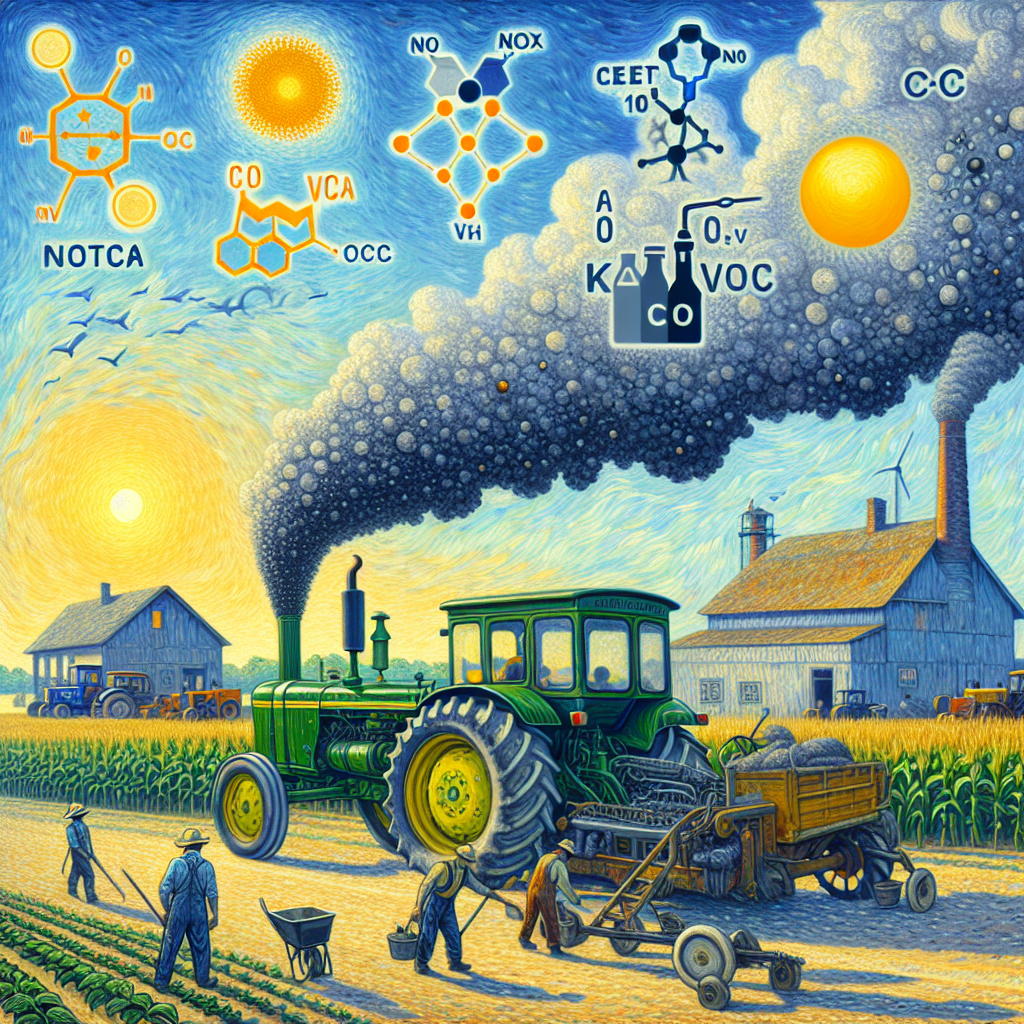 Glossary Of Terms
Other Questions
Rediscovering the Joy Of Old-School Tractor Operation – Other Questions
If you wish to explore and discover more, consider looking for answers to these questions:
- How do I get started learning to operate an old-school tractor safely and confidently?
- Where can I find hands-on training, apprenticeships, or local clubs for vintage tractor operation?
- What are the most common safety hazards with vintage tractors and how are they mitigated?
- What protective gear and safety modifications should I use when operating or restoring an old tractor?
- How much does it typically cost to buy and restore a vintage tractor?
- Where can I source authentic replacement parts, service manuals, and technical diagrams for older models?
- Which tractor brands and models are most durable or easiest to restore?
- What basic mechanical skills and tools are required to maintain and repair a vintage tractor?
- How do I diagnose and troubleshoot common starting, fuel, or electrical problems?
- What fuels and lubricants are best for older engines, and are there modern alternatives that are safe to use?
- How energy- and fuel-efficient are vintage tractors compared to modern machines?
- What environmental and emissions concerns are associated with operating older tractors?
- Can vintage tractors be retrofitted with emissions controls or modern safety equipment without compromising authenticity?
- How do traditional farming practices used with old tractors affect soil health and long-term sustainability?
- What are the legal, licensing, registration, and insurance requirements for operating a vintage tractor on roads or public land?
- How do taxes, subsidies, or incentives apply to small-scale or traditional farmers using older equipment?
- What storage, winterization, and preservation techniques prolong the lifespan of a vintage tractor?
- How much time should I expect to invest in maintenance and daily operation versus using modern equipment?
- What are the advantages and disadvantages—practical, economic, and ethical—of choosing an old tractor over a modern one?
- How can vintage tractors be used effectively in small-scale or community-supported agriculture?
- What skills transferable to other jobs or crafts does hands-on tractor operation develop?
- How can families involve children and younger generations safely in vintage tractor activities?
- Where are local or national events, shows, and competitions for vintage tractor enthusiasts?
- What restoration projects are suitable for beginners versus advanced hobbyists?
- How do I evaluate a used vintage tractor before purchase—what should I inspect and ask about?
- What common restoration pitfalls should I avoid, and how do I estimate time and parts required?
- How do traditional techniques like crop rotation and polyculture integrate with tractor-based farming?
- What community resources exist to help source labor, expertise, or shared equipment for small farms?
- How can vintage tractors support local food systems, farmers’ markets, and community resilience?
- What stories, records, or oral histories are useful for documenting a tractor’s provenance and preserving heritage?
- How do I balance preserving historical authenticity with modern safety and regulatory compliance?
- What insurance or liability considerations apply during restoration work or public displays?
- How do I transport a vintage tractor between fields, shows, or repair shops safely and legally?
- What are the best resources—books, forums, clubs, or museums—for learning more about vintage tractors and traditional farming?
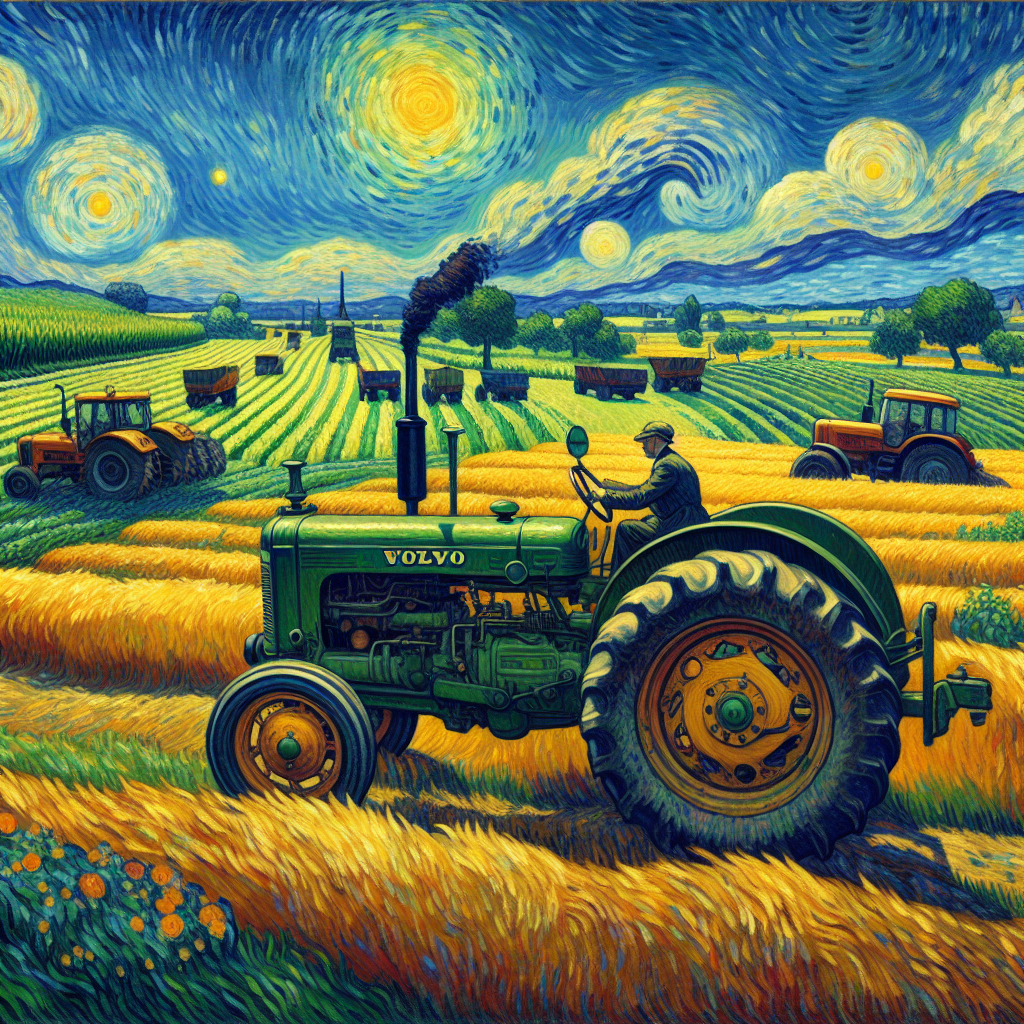
Other Questions
Haiku
Rediscovering the Joy Of Old-School Tractor Operation – A Haiku
Old iron wheels turn slow,
Rooted in the earth’s embrace,
Tradition’s heartbeat.
Haiku
Poem
Rediscovering the Joy Of Old-School Tractor Operation – A Poem
On weathered wheels, a tale unfolds,
Of tractors old, with stories bold.
A bridge to roots, where spirits roam,
In sunlit fields, we find our home.
With hands that toil, the earth we greet,
Each turn of the wheel, a rhythmic beat.
In the hum of engines, magic flows,
Simplicity dances as the sunlight glows.
Gathered neighbors, laughter and cheer,
Silhouettes of legacy, precious and dear.
In rust and wear, the memories bind,
Of sweat and grit in the fields we find.
Patience whispers from gears that grind,
A bond with the land, with nature aligned.
Community thrives, together we stand,
In the old-school spirit of this steadfast land.
These metal giants teach virtues profound,
Stewardship, respect—where roots are found.
Through hands-on experience, wisdom, we reap,
In every hard-won harvest, our promise to keep.
So embrace the past, let its lessons ignite,
In the heart of each farmer, the future shines bright.
For in each vintage ride, there’s purpose and grace,
A reminder to cherish our shared earthly space.
Poem
Checklist
Rediscovering the Joy Of Old-School Tractor Operation – A Checklist
Heart Appeals
✅______ Reflect on personal memories associated with tractors—what emotions do they evoke?
✅______ Consider the community stories passed down through generations—how do they shape your connection to farming?
✅______ Engage in conversations with neighbors about their experiences—what wisdom can they share?
Head Appeals
✅______ Research traditional farming techniques and their benefits—how do they contribute to sustainable practices?
✅______ Evaluate the mechanics of vintage tractors—what skills can you learn from their operation?
✅______ Analyze the ethics of traditional farming compared to modern approaches—what values resonate with you?
Gut Appeals
✅______ Experience the tactile sensations of operating a tractor—how does it connect you to the land?
✅______ Participate in local farming activities—what does it feel like to contribute physically to your community?
✅______ Embrace the simplicity of vintage machinery—how does this experience challenge your perception of technology?
Emotional Appeals
✅______ Relive the joy of hands-on labor—what fulfillment comes from working the earth?
✅______ Celebrate community gatherings around tractors—how do these events foster a sense of belonging?
✅______ Acknowledge the lessons learned from hard work and perseverance—what personal growth have you experienced?
Ethical Appeals
✅______ Commit to supporting local farmers and sustainable practices—how does this choice align with your values?
✅______ Reflect on the responsibility of stewardship—what are your thoughts on caring for the land?
✅______ Advocate for the preservation of traditional farming—how can you contribute to this cause?
Authority Appeals
✅______ Seek knowledge from seasoned farmers—how can their insights enhance your understanding?
✅______ Attend workshops or tractor shows—what expertise can you gain from these experiences?
✅______ Read literature on agricultural practices—how does this information empower your decisions?
Narrative Appeals
✅______ Share your own story of tractor operation—what journey has it taken you on?
✅______ Listen to the narratives of others in your community—how do their experiences enrich your understanding?
✅______ Create a blog or journal documenting your journey with vintage tractors—what reflections emerge along the way?
Checklist
At ClassicTractorNews, we help tractor lovers keep up with the latest news for classic and vintage tractors.
Please share this post with your friends, family, or business associates who may like old classic or vintage tractors.