


Uncovering The Heartfelt Truths Of Owning Tractors Through A Decade
By Tom Seest
At ClassicTractorNews, we help tractor lovers keep up with the latest news for classic and vintage tractors.
Please share this post with your friends, family, or business associates who may like old classic or vintage tractors.
Real Numbers – 10 Years Owning Modern Vs. Classic Tractors
In the vast expanses of America’s heartland, where the horizon meets the soil, tractors become more than just machinery; they embody the spirit of hard work, tradition, and innovation. Over the last decade, the debate between modern and classic tractors has stirred passion among farmers and enthusiasts alike. It’s not merely a matter of horsepower or technological gadgets; it’s about the stories these machines tell and the lives they touch.
Imagine a classic tractor, with its weathered paint and enduring charm. Each scratch and dent holds memories of seasons past—the joy of a bountiful harvest, the quiet moments spent under the sun. These tractors were built with a hands-on approach, often passed down through generations. They represent a heritage that connects us to our roots, a tangible link to the farmers who toiled before us. Yet, they demand diligence; many hours spent under the hood with grease-stained hands are a rite of passage.
Contrast this with modern tractors, sleek and fortified with the latest technology: GPS guidance, advanced diagnostics, and eco-friendly engines. They promise efficiency and ease, revolutionizing how we cultivate the earth. The rational mind might conclude that investing in a modern tractor is the smart choice, offering unparalleled productivity. However, the heart often finds itself yearning for the simplicity and authenticity of days gone by. There’s a beauty in turning wrenches and repairing the machine yourself—an organic connection that whispering motors and cloud-based apps can seldom replicate.
One particularly rainy season, I found myself stranded in the barn next to an old tractor, its massive frame a fortress against the storm. While waiting for the clouds to clear, I learned how to fix a stubborn fuel line from the local repairman, an experience that turned into a treasured lesson. This interlude between man and machine opened a window to the past, showcasing the ethical responsibility we hold to preserve that knowledge.
In a world racing towards automation, holding onto our classic tractors can be an act of defiance—a declaration that tradition matters as much as progress. It’s a balance; the relationship between classic and modern reflects our commitment to the land and each other. Each type of tractor, in its essence, speaks to our values, evoking trust and confidence as we draw from both innovation and heritage. So whether you find yourself behind the wheel of a vintage beauty or a high-tech marvel, remember: each tractor tells a story, a narrative that weaves through time, connecting us all in the rich tapestry of farming life.

Real Numbers – 10 Years Owning Modern Vs. Classic Tractors
Real Numbers – 10 Years Owning Modern Vs. Classic Tractors
- Tractors symbolize hard work, tradition, and innovation in America’s heartland.
- The debate between classic and modern tractors evokes strong emotions among farmers and enthusiasts.
- Classic tractors, with their wear and charm, connect us to farming heritage and require hands-on maintenance.
- Modern tractors offer advanced technology, promising efficiency and ease in agriculture.
- The allure of classic tractors lies in their simplicity and the hands-on experience they provide.
- Preserving knowledge of traditional maintenance is crucial as we face increasing automation in farming.
- Both classic and modern tractors reflect our values and connect us through the narratives of farming life.

Real Numbers – 10 Years Owning Modern Vs. Classic Tractors
Table Of Contents
- Real Numbers – 10 Years Owning Modern Vs. Classic Tractors
- What Will You Miss About Classic Tractors In 10 Years?
- How Do Modern Tractors Reduce Operating Costs Over Time?
- What Emotional Connection Do We Have with Classic Tractors?
- Are Modern Tractors More Reliable Than Classic Ones After a Decade?
- How Do Community Values Shape Opinions on Tractor Ownership?
- What Stories Do Classic Tractors Tell About Our Agricultural Past?
- Conclusion
- Other Resources
- Glossary Of Terms
- Other Questions
- Haiku
- Poem
- Checklist
What Will You Miss About Classic Tractors In 10 Years?
As the dust settles on the field and the sun sets behind the barn, the image of a classic tractor plowing through the earth is one that resonates deeply. In ten years, when future generations are navigating their sleek, digital machines, what will we remember fondly about these iron giants of agriculture? The answer isn’t just about heritage; it’s about the stories wrapped in their rust and paint.
Think about that first moment you climbed aboard a tractor. The smell of the engine, the vibrations under your feet, the sense of purpose as you prepared to conquer the land. Those machines weren’t just tools; they were a bridge between man and nature. Each scratch and dent tells a story—like the time your father taught you how to drive for the first time, or the weeks spent preparing for harvest. It was in those moments that you felt the heartbeat of the land, intertwined with the steadiness of that big, green beast.
Fast forward to a decade from now. The landscape will surely be dotted with newer, more efficient models, but what about the connections? Classic tractors embody a certain authenticity, a gritty reminder of hard work and perseverance. They represent a code: work hard, respect the land, and value the labor behind what feeds us. That’s a message worth preserving. The conversations held around a weathered tractor after a long day’s work, the laughter shared with friends at a local tractor pull, and the simple joy of teaching a child how to respect machinery—those are legacies that can’t be replicated by shiny dashboards and touch screens.
From a rational standpoint, we know that advances in technology bring efficiency and precision that classic machines can’t match. But sometimes, the most important things aren’t measured by efficiency. They are felt. When you look back at those classic tractors, you’re also looking at a tapestry of values: responsibility, community, and the sweat of those who came before us. Those values are not just ethical; they shape our identity, reminding us of where we came from and the stories we carry.
So, in ten years, when you find yourself reminiscing about classic tractors, remember that it’s not just about the machines themselves; it’s about the connection they foster. It’s about honoring the past while embracing the future and finding value in the stories that unite us all.

What Will You Miss About Classic Tractors In 10 Years?
What Will You Miss About Classic Tractors In 10 Years?
- The classic tractor symbolizes a deep connection to the past and the land.
- Personal memories associated with tractors include teaching moments and hard work.
- Classic tractors represent authenticity, hard work, and perseverance.
- Their legacy includes conversations, laughter, and teaching respect for machinery.
- Technological advancements offer efficiency, but classic tractors embody emotional values.
- Values linked to classic tractors shape individual identity and community connections.
- Reminiscing about tractors highlights the importance of honoring the past while embracing the future.

What Will You Miss About Classic Tractors In 10 Years?
How Do Modern Tractors Reduce Operating Costs Over Time?
Imagine standing in a vast field, sunlight glistening off the steel of a modern tractor—a far cry from the rickety machines of yesteryear. Today’s tractors are not just robust workhorses; they’re marvels of technology designed to cut operating costs and elevate farming into the 21st century. Reducing expenses isn’t simply an economic necessity; it’s about preserving a way of life that generations before us fought hard to maintain.
These machines are equipped with advanced precision agriculture technology, allowing farmers to optimize planting and harvesting like never before. GPS systems guide tractors through fields with pinpoint accuracy, reducing seed wastage and minimizing overlaps. Picture a farmer watching his tractor glide confidently along perfectly calculated paths—not a single seed wasted, every inch of land utilized efficiently. That’s not just saving money; it’s honoring the land that feeds us all.
Modern tractors also incorporate fuel-efficient engines and hybrid technologies that don’t just sip diesel—they save it. Think back to the days when farmers would anxiously calculate fuel costs while estimating how far a tank of gas would take them. Now, with real-time monitoring systems, farmers can track fuel consumption and adjust their practices to maximize efficiency, leading to significant savings over time. It’s the difference between a finger in the wind and an accurately read roadmap.
Equally important is the reduced need for extensive maintenance. With improved design and materials, today’s tractors are built to last. A sturdy, well-maintained tractor can serve a farmer for years without requiring costly repairs. It’s a testament to the evolution of agriculture, where durability and reliability go hand in hand with financial savvy. Farmers are no longer burdened by the anxiety of equipment breakdown; instead, they can focus on their crops and their communities.
And let’s not ignore the community aspect. When a farmer invests in modern equipment, they not only bolster their own operations but ripple effects flow through local economies. Fewer input costs mean more money to spend at the local feed store, mechanic, or diner. Each tractor in use is not just a machine; it’s a connection to something larger—a network of farmers supporting one another, and ensuring that future generations can thrive in agriculture.
Ultimately, modern tractors represent a fusion of tradition and innovation, a commitment to a sustainable future, and an affirmation that the heart of farming still beats strong. Investing in this new technology isn’t merely a choice; it’s a vital step toward ensuring the viability of farming for years to come.

How Do Modern Tractors Reduce Operating Costs Over Time?
How Do Modern Tractors Reduce Operating Costs Over Time?
- Modern tractors are technologically advanced, designed to reduce operating costs and enhance farming efficiency.
- Equipped with precision agriculture technology, they optimize planting and harvesting with GPS accuracy, minimizing seed wastage.
- Fuel-efficient engines and hybrid technologies enable significant savings on fuel costs, monitored in real-time to improve efficiency.
- These tractors require less maintenance due to improved design and durability, allowing them to serve farmers for years.
- Investing in modern equipment benefits local economies, increasing spending at feed stores, mechanics, and diners.
- Each tractor supports a larger network of farming communities, fostering connections and ensuring sustainability.
- Modern tractors symbolize the integration of tradition and innovation, vital for the future viability of farming.

How Do Modern Tractors Reduce Operating Costs Over Time?
What Emotional Connection Do We Have with Classic Tractors?
There’s something about a classic tractor that evokes a certain nostalgia, a visceral tie to the land and the labor that defined generations. Picture this: a rusted, bright red Massey Ferguson sitting in a sun-soaked field, the paint faded but the spirit undimmed. For many, these machines are more than just steel and wheels; they are relics of a simpler time when hard work and ingenuity led the way. They represent the promise of what could be accomplished through sweat and perseverance.
Every dent and scratch on these tractors tells a story, kind of like weathering on a faithful old dog. My grandfather had a John Deere he cherished. It wasn’t just a tool; it was a friend, a partner in the grueling task of bringing life from the soil. Each turn of the key echoed the sound of family gatherings, summer days, and the smell of freshly tilled earth. That emotional connection to classic tractors stems from their representation of values—sacrifice, dedication, and the unbreakable bond between man and machine.
Rationally, we understand that these tractors signify a bygone era of farming practices that built communities and supported families. Every detail, from their robust engines to their simplistic designs, speaks to a time when craftsmanship mattered. These machines, often preserved or restored, stand as a testament to human ingenuity, and their functionality proves that they have been, and still are, reliable allies on the farm. When we look at a tractor, we see durability, a promise of hard work rewarded, and an unwavering commitment to tradition.
The ethical connection lies in our responsibility to honor the past while we progress toward the future. Classic tractors didn’t just facilitate agricultural efficiency; they helped cultivate a connection to the land, reminding us of our roots and the hard work that sustains us. In a world buzzing with technology, there’s a beckoning back to basics. These tractors invite us to remember where we came from and inspire us to preserve the values that matter—community, sustainability, and resilience.
Socially, owning or even just restoring a classic tractor can foster connections with others who appreciate the art of agriculture, sharing tips, stories, and history. The thrill of participating in tractor shows or local fairs transforms these machines into community connectors, stirring pride and a sense of belonging.
In this way, classic tractors go beyond farming. They evoke an emotional tapestry stitched with shared experiences, values, and aspirations, reminding us that our legacies are powered by the stories we carry and the connections we build.

What Emotional Connection Do We Have with Classic Tractors?
What Emotional Connection Do We Have with Classic Tractors?
- Classic tractors evoke nostalgia and a connection to land and labor.
- They are relics of a simpler time, representing hard work and ingenuity.
- Each tractor tells a story, symbolizing dedication and the bond between man and machine.
- Classic tractors signify a bygone era that built communities and supported families.
- They serve as a testament to craftsmanship and human ingenuity, showcasing durability and tradition.
- Owning or restoring tractors fosters community connections and shared agricultural appreciation.
- Classic tractors inspire a return to values of community, sustainability, and resilience.

What Emotional Connection Do We Have with Classic Tractors?
Are Modern Tractors More Reliable Than Classic Ones After a Decade?
When you think about tractors, it’s easy to conjure up images of those sturdy, paint-chipped, classic machines that have plowed fields and pulled heavy loads through rain and shine for decades. They carry the weight of stories, memories, and a certain romanticism that connects us to our agricultural roots. But in this age of rapid technological advancements, the question lingers: are modern tractors truly more reliable than those classic stalwarts after a decade in the field?
Consider the heart of the matter—reliability isn’t just about metal and gears; it’s about trust. Every farmer who climbs into the cab of a tractor wants to know it’s going to start on the first crank and keep going, even when the weather turns sour. Modern tractors, with their sleek lines and advanced engines, are built with precision. They boast features that their predecessors could only dream of, like intuitive controls and real-time diagnostics that alert you to potential issues before they become costly repairs. Here, the head takes over. Rationally speaking, it’s easier to manage a sophisticated machine with built-in tech that can anticipate trouble.
Yet, the true essence of reliability goes beyond the specs and features—it’s about ethics and community. Classic tractors were often the backbone of family farms, passed down through generations, and imbued with heartfelt stories of struggle, sweat, and success. They embody a camaraderie among farmers, a shared heritage. Modern tractors, while engineered for efficiency, can sometimes lack that deep-rooted connection. But there’s hope. Many manufacturers now realize the importance of blending nostalgia with innovation, creating machines that honor their heritage while pushing the boundaries of farming technology.
A compelling story illustrates this evolution. A friend of mine once inherited his grandfather’s old tractor, a rusted hunk of metal that came with a lifetime of memories. He restored it, pouring in hours of labor, turning it into a symbol of his family’s legacy. But when that tractor was down and out, he found himself in a pinch. Enter the modern tractor—a reliable partner that got him through planting season with sturdy efficiency. It was a blend of past and present, reminding him of the strength found in both old and new.
It’s about finding the right balance. Modern tractors may have the edge after a decade, but the soul of farming lies in nurturing a good relationship with whichever machine you choose. Trusting each one to get the job done while respecting the stories that have come before will always serve the farmer best. Whether classic or contemporary, it’s the connection to the earth and the community that truly defines reliability in the field.

Are Modern Tractors More Reliable Than Classic Ones After a Decade?
Are Modern Tractors More Reliable Than Classic Ones After a Decade?
- Classic tractors evoke nostalgia and represent agricultural heritage.
- Reliability is based on trust, crucial for farmers in challenging conditions.
- Modern tractors feature advanced technology, improving efficiency and diagnostics.
- The essence of reliability also encompasses ethics and community connections.
- Classic tractors symbolize family legacy and shared experiences among farmers.
- Modern tractors can lack the emotional connection of traditional machines.
- Balancing nostalgia with innovation is key to evolving farming technology.

Are Modern Tractors More Reliable Than Classic Ones After a Decade?
How Do Community Values Shape Opinions on Tractor Ownership?
In the heart of rural America, the sight of a tractor tends to evoke a sense of pride and identity. It’s not just a piece of machinery; it represents hard work, independence, and a connection to the land. This connection weaves through the lives of people in these communities, shaping not only their opinions on tractor ownership but also reflecting the values that bind them together.
Imagine a farmer rising before dawn, the soft hum of a tractor soon cutting through the morning stillness. This moment, seemingly ordinary, is steeped in tradition. For generations, families have relied on these machines not just to plow fields but to plow through life’s challenges. In a community where neighbors still lend a hand, the presence of a tractor symbolizes unity and shared purpose. It’s a testament to an unspoken agreement: that hard work pays off, and support is never far away.
Rationally, the investment in a tractor makes sense. It’s a practical, financial decision rooted in the local economy. A well-maintained tractor can be a ticket to profitability, providing the means to cultivate larger fields, increase yield, and ultimately sustain a family. Yet, beyond the numbers lies an ethical narrative. The choice to own a tractor is often linked to sustainability, to being stewards of the land. It’s about making environmentally conscious decisions that honor the very soil that feeds the community.
Authority voices in these neighborhoods, local farmers and agronomists, reinforce both the practicality and principles of tractor ownership. They share their experiences, guiding newcomers on the best models and maintenance practices, fostering a culture of knowledge and shared success. This environment helps alleviate fears that can often weigh heavy on those contemplating the leap into ownership.
On a deeper level, the community narrative is rich with stories of resilience. Think of the elderly farmer who, with hands weathered by time, recounts how a single tractor allowed his family to flourish through droughts and storms. Or consider the young couple who pooled resources with friends to purchase a shared tractor, fostering both camaraderie and economic efficiency. These personal stories resonate with the heart, connecting individuals through shared struggles and triumphs.
In essence, community values breathe life into tractor ownership, transforming it from mere utility into a symbol of collective identity. This blend of practicality, emotion, and ethics inspires trust, urging individuals to not just consider a tractor as an asset, but as a vital part of the community’s narrative—one that encourages growth, collaboration, and a sense of belonging.

How Do Community Values Shape Opinions on Tractor Ownership?
How Do Community Values Shape Opinions on Tractor Ownership?
- Tractors symbolize pride, identity, and hard work in rural America.
- They connect individuals to their land, shaping community values and opinions on ownership.
- Tractors represent both tradition and unity, fostering neighborly support.
- Owning a tractor is a practical investment essential for profitability and family sustainability.
- Ethical considerations include sustainability and stewardship of the land.
- Local farmers and agronomists promote tractor ownership, sharing knowledge and experiences.
- Personal stories of resilience illustrate tractor ownership as a vital part of community identity.

How Do Community Values Shape Opinions on Tractor Ownership?
What Stories Do Classic Tractors Tell About Our Agricultural Past?
Classic tractors are more than just machines; they are vessels of history, embodying the hopes, struggles, and advancements of our agricultural past. Each dent, scratch, and rusted part has a story that echoes through generations, resonating with those who’ve witnessed the evolution of farming. Take a moment to reflect on the first tractor that rolled onto your family farm. For many, it symbolizes a pivotal shift—a transition from the backbreaking labor of horses and hand tools to the mechanized muscle that allowed dreams to grow.
Picture an early morning on a farm, where the sun begins to rise, casting long shadows behind that trusty tractor. It’s for many a daily ritual, a sense of purpose as one steps into the driver’s seat, feeling not just the power of the engine, but also the weight of responsibility. This is where the narrative takes a heartwarming turn. The sound of the engine starting is a familiar lullaby, a call to action to the fields that have fed families for generations. It evokes a sense of continuity; every farmer who’s ever gripped that steering wheel is tied to countless others who have done the same, connecting us through time and shared experience.
Rationally, we recognize that tractors revolutionized agriculture, enabling greater efficiency and productivity. They symbolized innovation—the tool that freed farmers from the shackles of physical toil. With each crop season, these machines buoyed communities, ensuring that local economies thrived while nourishing families. Here lies an ethical appeal: we owe it to those who came before us to preserve these classic tractors, not as relics, but as reminders. They teach us about resilience and adaptation, principles that continue to govern modern-day farming amidst a changing climate and technology landscape.
It’s in the social realm where the classic tractor truly stands out. Communities often rally around tractor shows and restoration projects, fostering connections among diverse individuals united by a common respect for heritage. Sharing these stories inspires trust—not just in one another but in our collective ability to navigate the future, armed with lessons from the past.
Finally, it’s essential to recognize that classic tractors teach us more than farming techniques; they instill values of hard work and dedication. Like those steadfast machines, our labor in the fields and on the ground sustains not just our families but the very fabric of our society. In preserving these stories, we honor our agricultural roots and inspire the next generation to cherish the land they stand on.
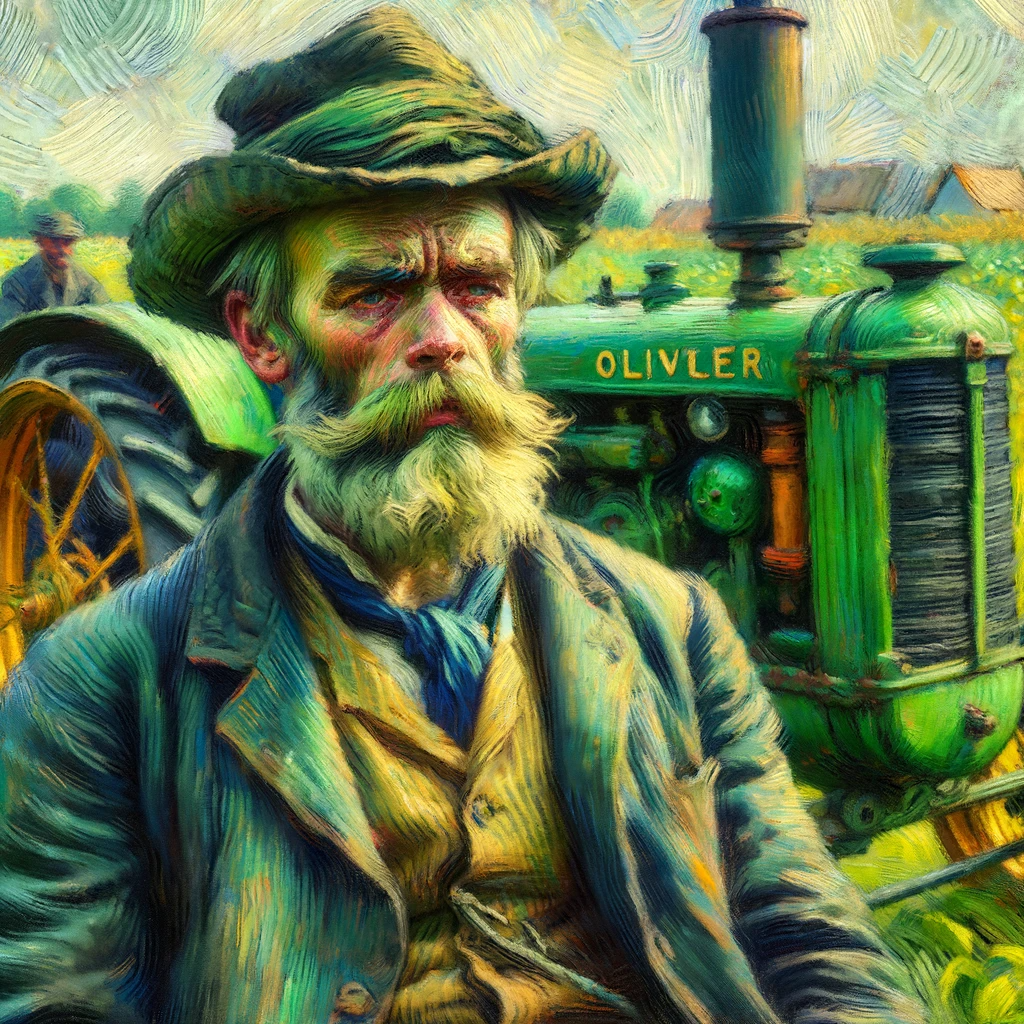
What Stories Do Classic Tractors Tell About Our Agricultural Past?
What Stories Do Classic Tractors Tell About Our Agricultural Past?
- Classic tractors represent historical significance, embodying the evolution of agriculture.
- They symbolize a shift from manual labor to mechanization, allowing for greater productivity.
- The sound of an engine starting evokes a daily ritual, connecting generations of farmers.
- Tractors have revolutionized local economies and sustained communities through enhanced efficiency.
- Preserving classic tractors serves as a reminder of resilience and adaptation in farming.
- They foster community connections through restoration projects and tractor shows.
- Classic tractors teach values of hard work and dedication, inspiring future generations in agriculture.

What Stories Do Classic Tractors Tell About Our Agricultural Past?
Conclusion
In the intricate dance between modernity and tradition, tractors symbolize more than just farming tools; they are icons of identity, culture, and values deeply embedded in the American heartland. The ongoing debate between classic and modern tractors transcends technical specifications. It is about the legacy each machine carries—the laughter shared while fixing a stubborn part, the lessons learned at a grandparent’s knee, and the sweat invested in a harvest. Classic tractors evoke nostalgia and a sense of authenticity, representing generations of dedication to the land. Each dent and scratch narrates a story of perseverance, family history, and the bond between farmer and machine.
Conversely, modern tractors, equipped with cutting-edge technology, present a rational choice for efficiency and productivity. With GPS guidance and real-time diagnostics, they maximize every inch of farmland, demonstrating a commitment to sustainability and economic viability. They ease the burdens of operating costs and maintenance, promising farmers reliability in uncertain times. Yet, there is an irreplaceable essence in the tactile experience of engaging with classic machinery, where the hands-on approach fosters connections to heritage, hard work, and community values.
This dialogue between old and new is not merely theoretical; it impacts our daily lives and the agricultural landscape. Farmers must navigate the duality of retaining traditions while embracing advancements that promise a sustainable future. It calls for a balance—recognizing that each type of tractor has its place and purpose. While modern machines might cut through fields with precision, classic tractors remind us of the roots that nourish our passion for farming.
As we look ahead, the emotional ties to classic tractors serve as beacons that guide future generations. They embody a world where farming is more than a profession; it’s a legacy. Today’s decisions affect the fabric of our communities, shaping narratives that intertwine technology and tradition. Owning a tractor is about more than ownership; it’s a declaration of respect for where we came from and our hopes for the future. Whether you’re seated in a vintage beauty or a state-of-the-art marvel, remember that each tractor tells a story that connects us all, reinforcing the importance of our shared agricultural heritage.

Conclusion
Conclusion:
- Tractors symbolize identity, culture, and values in the American heartland beyond their role as farming tools.
- The debate between classic and modern tractors involves legacy, personal stories, and emotional connections to farming.
- Classic tractors evoke nostalgia, representing generations of dedication, and narrate stories of perseverance and family history.
- Modern tractors offer advanced technology for efficiency, sustainability, and economic viability in farming practices.
- Farmers face a balance of preserving traditions while adopting advancements for sustainable futures.
- Emotional ties to classic tractors influence future generations and highlight farming as a legacy rather than just a profession.
- Each tractor, whether vintage or modern, tells a story that reinforces the importance of shared agricultural heritage.

Conclusion
Other Resources

Other Resources
Here is a list of other resources you can review online to learn more:
- Rock Island
- Bruce County Heritage Farm Show
- Holt
- Dillon Farm Museum
- Samson
- Newark Vintage Tractor & Heritage Show
- Arma Trac
- J.I.Case
- Froelich Tractor Museum
- Versatile
- Bristol
- Schluter
- Tri-State Gas Engine and Tractor Association
- Avery
- Lenar
- Dutra
- The AgriCultural Museum & Arts Center
- Pioneer Farm Days
- Farm Progress Show
Use This Prompt To Get More Resources With Your Favorite Online AI Tool: Please provide me with a list of online articles with their URLs in a bulleted list that I can read regarding Real Numbers – 10 Years Owning Modern Vs. Classic Tractors

Other Resources
Glossary Terms
Real Numbers – 10 Years Owning Modern Vs. Classic Tractors – Glossary Of Terms
1. Acquisition cost: Purchase price paid for a tractor, including taxes, delivery, customization, and dealer fees; often higher for modern models and lower for classic restorations.
2. Depreciation: Loss of asset value over time; typically faster for new modern tractors in initial years, slower or variable for classic tractors.
3. Resale value: Expected amount recoverable when selling after ownership period; influenced by condition, rarity, and market demand for modern vs. classic units.
4. Salvage value: Estimated remaining value at end of useful life for parts or scrap; classics may retain higher salvage if collectible.
5. Total cost of ownership (TCO): Sum of acquisition, operating, maintenance, financing, insurance, and disposal costs over 10 years.
6. Operating cost: Recurring expenses to run the tractor (fuel, oils, filters, tires) usually lower per hour for newer, more efficient machines.
7. Maintenance cost: Scheduled service expenses (inspections, tune-ups, consumables); modern tractors can have advanced systems that change cost structure versus classic mechanical servicing.
8. Repair frequency: How often unscheduled repairs are needed; newer tractors may have fewer mechanical failures but potential electronic faults.
9. Downtime cost: Economic loss from hours a tractor is out of service; affected by parts lead time and repair complexity.
10. Fuel consumption: Volume of fuel used over time (e. g. , liters/hour); modern engines usually offer improved consumption rates.
11. Fuel efficiency: Work output per unit of fuel (e. g. , acres/hour per liter); influenced by engine tech, load matching, and transmission type.
12. Hours of operation: Cumulative engine hours logged; primary metric for wear and service scheduling over a 10-year span.
13. Utilization rate: Percentage of available time tractor is actively used; higher utilization accelerates wear and operating costs.
14. Mean time between failures (MTBF): Average operational time between breakdowns; useful to compare reliability of modern electronics vs. simple classic mechanics.
15. Overhaul interval: Recommended engine/transmission rebuild schedule in hours or years; classic tractors may require more frequent mechanical overhauls.
16. Parts availability: Ease of sourcing replacement parts; modern OEM parts may be widely available but proprietary, while classic parts can be rare or aftermarket-dependent.
17. Parts lead time: Typical wait time to obtain necessary parts; affects downtime and planning for repairs.
18. Parts interchangeability: Ability to use parts across models/years; classics often have greater interchangeability among contemporaneous models.
19. Modernization/retrofit cost: Expense to add GPS, autosteer, emissions kits, or newer engines to classics or upgrade older modern units.
20. Restoration cost: Expense to refurbish a classic tractor to original or show condition; can be large and vary widely by condition and rarity.
21. Telematics: Remote monitoring systems for location, hours, diagnostics, and performance; common in modern tractors to reduce downtime and optimize maintenance.
22. Emissions compliance: Regulatory requirements for exhaust emissions; modern tractors meet stricter standards, while classics may be exempt or require modification.
23. Warranty coverage: Manufacturer or dealer-backed assurances covering defects for a fixed period; modern tractors typically include limited warranties, classics often sold as-is.
24. Insurance premium: Annual cost to insure against theft, damage, or liability; influenced by value, usage, and safety features.
25. Capital expenditure (CapEx): Upfront investment in equipment and major upgrades; key when deciding between buying new or restoring a classic.
26. Operating expenditure (OpEx): Ongoing day-to-day expenses required to operate the tractor during the 10-year period.
27. Return on investment (ROI): Financial gain (or loss) relative to money invested, considering productivity gains, resale, and cost differences between modern and classic tractors.
28. Hourly cost of ownership: Total annual costs divided by annual operational hours to yield cost per engine-hour, useful for comparing models.
29. Effective horsepower: Delivered usable power at drawbar or PTO under real working conditions, which determines productivity and fuel usage.
30. Collector/appreciation value: Potential for classic tractors to increase in market value over time due to rarity, provenance, or nostalgia, affecting long-term economics.

Glossary Of Terms
Other Questions
Real Numbers – 10 Years Owning Modern Vs. Classic Tractors – Other Questions
If you wish to explore and discover more, consider looking for answers to these questions:
- How do upfront purchase prices compare between modern and classic tractors?
- What is the total cost of ownership over 10 years for modern versus classic tractors (purchase, maintenance, fuel, parts, depreciation)?
- How do annual maintenance and repair costs typically differ?
- How available and affordable are replacement parts for classic tractors?
- How easy is it to find mechanics experienced with vintage tractors versus technicians for modern, computerized systems?
- What are the typical resale values and depreciation rates for each type?
- How do fuel efficiency and fuel/type requirements compare?
- What are the emissions differences and regulatory compliance concerns for classic vs modern models?
- Can classic tractors be safely retrofitted with modern safety features (ROPS, seatbelts, lights)?
- What ongoing subscription or software costs come with modern tractors (GPS, telematics, updates)?
- What cybersecurity and data-privacy risks are associated with connected tractors?
- How often do software or hardware components in modern tractors become obsolete?
- What warranty, dealer support, and parts-backup differences exist between manufacturers?
- Do modern tractors require factory or dealer-only servicing for certain systems?
- How do breakdown frequencies and typical failure modes compare after a decade?
- What is the expected operational lifespan in hours/years for well-maintained classic and modern tractors?
- How do each type affect soil compaction and field performance?
- Which type is better suited to small-scale/specialty farms versus large commercial operations?
- How do operator comfort, ergonomics, and cab features differ?
- What is the learning curve for operation and basic troubleshooting of modern tractors vs classics?
- Is it realistic to restore a classic tractor for everyday farm use, and what are the costs?
- What are the costs and technical challenges of converting classic tractors to electric or hybrid power?
- How do insurance premiums and liability risks compare?
- What legal or registration issues affect classic tractors used on public roads?
- What safety standards and active safety systems are included on modern tractors?
- What are the most common safety hazards associated with classic tractors?
- How compatible are older tractors with modern implements, hydraulic systems, and PTO standards?
- What are typical PTO, hydraulic flow, and hitch capacity differences?
- What financing, leasing, or grant options are available for new or refurbished tractors?
- Are cooperative ownership, custom hire, or rental models viable ways to access modern equipment?
- Are there tax incentives, subsidies, or rebates for low-emission or precision-ag equipment?
- How does precision agriculture tech on modern tractors translate into measurable ROI?
- How does automation and tech adoption affect farm labor needs and skills?
- What are best practices for storing, preserving, and preventing theft of classic tractors?
- Where can owners source manuals, parts catalogs, and restoration communities for specific vintage models?
- How does the collector market value classic tractors and how does that affect ownership decisions?
- How does tractor choice influence farm resale value and succession planning for family farms?
- What are the environmental lifecycle impacts of buying new modern tractors versus maintaining older ones (manufacturing, disposal)?
- How do both types perform in extreme climates or seasonal conditions (cold starts, heat, humidity)?
- What common aftermarket modifications do owners pursue and what do they cost?
- What checklist or decision framework should a buyer use to choose between modern and classic tractors for their specific needs?

Other Questions
Haiku
Real Numbers – 10 Years Owning Modern Vs. Classic Tractors – A Haiku
Rusty giants stand tall,
Stories carved in every scratch,
Roots of toil and pride.

Haiku
Poem
Real Numbers – 10 Years Owning Modern Vs. Classic Tractors – A Poem
In fields where stories intertwine,
Modern dreams and classic times align,
Iron giants speak with weathered grace,
Carving paths through the laboring space.
The heart remembers rust and paint,
Family legends, where sweat cannot faint,
Each scratch tells of seasons gone by,
Harvests remembered beneath the wide sky.
Modern machines, sleek as the dawn,
Whisper of progress, but where have they drawn?
Efficiency sleek, with gadgets galore,
Yet, do they feel the soil’s core?
Glimmers of GPS through acres they glide,
Fueling the future, with pride as their guide,
But what of the stories that linger in dust?
The grit, the labor—that’s the farmer’s trust.
Rational minds weigh the cost with care,
Yet the spirit’s bond is too rich to compare,
An old tractor stands, steadfast and bold,
Teaching lessons worth more than gold.
Sown deep in the community’s heart,
The values of respect, where memories start,
Sharing labor, sharing tales,
Uniting through hardships, where compassion prevails.
So as we look back, let us not forsake,
The blend of the old, for the new we must make.
In engines that roar or whisper with age,
Each tractor we own is a turning page.
Honor the past while we forge ahead,
With both steel and stories, in unity we tread.
For in every tractor lies more than machines,
A legacy woven of hopes and dreams.

Poem
Checklist
Real Numbers – 10 Years Owning Modern Vs. Classic Tractors – A Checklist
Emotional Appeals
✅______ Reflect on memories. Recall your first experience with a tractor and the feelings it evokes.
✅______ Share stories. Connect with others through anecdotes about classic tractors and their significance.
✅______ Celebrate heritage. Acknowledge the emotional ties to your family’s farming history through these machines.
Rational Appeals
✅______ Consider efficiency. Evaluate the benefits of modern tractors in productivity and cost savings.
✅______ Analyze maintenance. Note the reliability and lower maintenance costs associated with modern technology.
✅______ Weigh investment. Assess the long-term financial implications of owning a classic versus a modern tractor.
Ethical Appeals
✅______ Practice sustainability. Reflect on how your choice of tractor impacts the environment and community.
✅______ Honor traditions. Recognize your responsibility to preserve agricultural heritage through classic machinery.
Authority Appeals
✅______ Leverage expertise. Seek advice from local farmers and agronomists on best practices for tractor ownership.
✅______ Engage with resources. Access manuals and community forums dedicated to tractor maintenance and history.
Narrative Appeals
✅______ Connect generational stories. Share how tractors transition from one generation to another and what that represents.
✅______ Engage in community events. Participate in tractor shows or local fairs that celebrate agricultural heritage.
Social Appeals
✅______ Forge connections. Build relationships with fellow tractor enthusiasts to share knowledge and experiences.
✅______ Participate in restoration projects. Collaborate with others to restore classic tractors, enhancing community bonds.
✅______ Advocate for collective values. Promote a sense of belonging within your community through discussions about the values represented by tractors.

Checklist
At ClassicTractorNews, we help tractor lovers keep up with the latest news for classic and vintage tractors.
Please share this post with your friends, family, or business associates who may like old classic or vintage tractors.