


Embrace Tradition: Where True Farming Meets Heartfelt Wisdom
By Tom Seest
At ClassicTractorNews, we help tractor lovers keep up with the latest news for classic and vintage tractors.
Please share this post with your friends, family, or business associates who may like old classic or vintage tractors.
Real Farmers Choose Simplicity Over Shiny Gadgets
Real Farmers Choose Simplicity Over Shiny Gadgets
In a world awash with shiny gadgets promising to revolutionize farming, the true essence of agriculture lies not in complexity, but in simplicity, as embodied by the unwavering spirit of the real farmer. Picture a weathered tractor, its paint chipped but its engine humming steadily beneath the sun. This is where the heart of farming beats; it’s not about high-tech tools but about hard work, dedication, and knowing the land.
Every farmer has a story, a connection to the earth that transcends flashy machinery. I once met a farmer named Jim, who, despite the latest technology beckoning him, chose to stick with his grandfather’s old tractor. Jim claimed the simplicity of that machine allowed him to focus on what truly mattered: nurturing his crops and caring for his livestock. With each turn of the soil, he feels the heartbeat of generations before him, trusting in the time-tested methods that have fed not just his family but the entire community.
When we strip away the noise of new gadgets, we find a common thread that connects farmers across generations—the simple joy of working with nature. There’s a genuine satisfaction in knowing how to maintain a beloved tractor, listening to its sounds, and understanding its quirks. This relationship fosters a feeling of authority and competence that the latest gadget simply can’t replicate. While tech advances may offer convenience, there’s an emotional weight in the hands-on experience that can’t be digitized.
Ethically, a return to simplicity invites sustainability. The most effective techniques are often the oldest, reliant on soil health and crop rotation rather than synthetic inputs. A farmer who respects nature doesn’t just preserve an ecosystem; they invest in their community’s health and future. It’s a collective movement, where farmers share wisdom, fostering a sense of camaraderie that promotes resilience against the market volatility affected by trends and fads.
Moreover, embracing simplicity doesn’t mean rejecting progress. It’s about choosing the right tools for the right job, emphasizing durability and purpose. Farming is as much about the heart as it is about the head. Each decision reflects values—nurturing connections, honoring traditions, and cultivating pride in one’s work. It’s not just about growing food; it’s about growing a community that values authenticity over allure, timelessness over trendiness.
The choice is clear: real farmers know that the essence of their craft is not found in the glint of a new gadget but rather in the resolute hum of a trusty tractor and the deep-rooted connections to the land and each other.

Real Farmers Choose Simplicity Over Shiny Gadgets
Real Farmers Choose Simplicity Over Shiny Gadgets
- The essence of agriculture lies in simplicity, not complexity.
- Farmers like Jim choose old, reliable machinery over new technology to focus on nurturing crops and livestock.
- Farmers share a connection to the land that transcends flashy gadgets, valuing hard work and dedication.
- Hands-on experience with farming tools fosters authority and competence that technology cannot replicate.
- A return to simplicity promotes sustainability and effective techniques reliant on soil health and crop rotation.
- Embracing simplicity involves selecting durable tools that reflect farming values and traditions.
- Real farmers prioritize deep-rooted connections to their land and community over trendy gadgets.

Real Farmers Choose Simplicity Over Shiny Gadgets
Table Of Contents
- Real Farmers Choose Simplicity Over Shiny Gadgets
- What Drives Real Farmers to Choose Simplicity Over Technology?
- Can Embracing Simplicity Improve Crop Yields and Efficiency?
- What Stories Highlight the Benefits Of Simplicity In Farming?
- How Do Real Farmers Define Success In Their Work and Lives?
- What Role Does Intuition Play In the Decision-Making Of Farmers?
- How Can Simplifying Operations Reduce Stress In Farming?
- Conclusion
- Other Resources
- Glossary Of Terms
- Other Questions
- Haiku
- Poem
- Checklist
What Drives Real Farmers to Choose Simplicity Over Technology?
In a world dominated by sophisticated machinery and GPS-guided tractors, many farmers still cling to simplicity as their guiding principle. It’s not that they reject technology outright; instead, they embrace a profound truth: sometimes, less really is more. The heart of farming beats strongest when hands are in the soil, not just behind the screens of cutting-edge gadgets.
Take the story of a farmer named Bill. He rises at dawn with a cup of coffee and the faint sounds of roosters heralding the morning light. His tractor, an older model with character etched into its frame, is less a piece of machinery and more a beloved companion. For Bill, every dent carries a memory, and every scratch tells a story. While many of his peers invest heavily in the latest models with all the bells and whistles, Bill finds that fewer buttons mean fewer complications—and far fewer sleepless nights worrying about what might break next.
This preference for simplicity can often be traced back to practicality. Most traditional farmers understand that while technology can deliver efficiency, it often comes with hidden costs—both financial and emotional. A malfunctioning tractor disrupts not just a day’s work but potentially the entire season, putting livelihoods at risk. A wise farmer knows that the best tools are those he can fix himself—those that don’t require a technician on call or specialized software updates.
Moreover, there’s something deeply ethical about choosing simplicity. It champions sustainability, aligning farming practices with nature. Simplicity fosters a closer connection to the land, where the focus shifts from maximizing yields to nurturing ecosystems. It’s an ethos that respects the rhythm of the seasons, understanding that true farming respects balance and reciprocity.
In the rich tapestry of the agricultural community, the stories of farmers who champion simplicity resonate like a familiar tune. They gather at local fairs, sharing tales of trials and triumphs, validating the choices they made. There’s an unspoken bond, a camaraderie built on the understanding that farming is as much about community as it is about crops.
Ultimately, choosing simplicity over technology embodies a powerful paradox: it’s not about the absence of tools, but an abundance of wisdom. Bill’s tractor may be old-fashioned, but the heart that drives it knows what it means to work hard, to respect the land, and to nurture hope for future harvests. In these choices lies the true spirit of farming—rooted in tradition, strengthened by resilience, and ultimately, bound by an unwavering commitment to the earth.

What Drives Real Farmers to Choose Simplicity Over Technology?
What Drives Real Farmers to Choose Simplicity Over Technology?
- Many farmers prioritize simplicity over advanced technology in agriculture.
- Bill, an example of a traditional farmer, values his older tractor as both a tool and a companion.
- Fewer technological complications lead to reduced stress and maintenance concerns for farmers like Bill.
- Traditional farmers recognize that technology’s efficiency may come with hidden costs, risking livelihoods.
- Choosing simplicity aligns farming with sustainability and fosters a deeper connection to the land.
- Farmers who embrace simplicity build community through shared experiences and knowledge exchange.
- Ultimately, simplicity reflects a wealth of wisdom, focusing on tradition, resilience, and commitment to the earth.

What Drives Real Farmers to Choose Simplicity Over Technology?
Can Embracing Simplicity Improve Crop Yields and Efficiency?
In the gritty world of farming, where every sunrise brings new challenges, there’s an undeniable truth: sometimes, less really is more. Simplifying processes can transform not only the way we cultivate our fields but also the way we connect with the land and each other. Picture a farmer, hands calloused from years of labor, maneuvering a tractor with a sense of purpose. Each turn of the wheel isn’t just about tilling soil; it’s about cultivating a future.
Embracing simplicity means stripping away the excess that clutters our routines and our fields. Take, for example, the age-old practice of crop rotation, a straightforward yet often overlooked strategy. Farmers who rotate their crops aren’t merely following tradition; they’re tapping into a natural rhythm that enriches the soil and boosts yields. By letting the land lie fallow and restoring its nutrients, farmers see how a simple change can lead to a bounty of harvest. It’s like giving the earth a chance to breathe—a concept as profound as it is effective.
This isn’t just an agricultural strategy; it’s a philosophy that resonates in the heart of every diligent worker. The stories of farmers who decided to simplify their practices often echo with the sound of joy mixed with relief. They share tales of how letting go of complex machinery and adopting time-honored methods brought them closer to their crops and their families. There’s a shared ethos in the farming community that emphasizes the importance of connection: between farmer and field, soil and seed, and, ultimately, the food we all share around our tables.
Moreover, in a world grappling with environmental concerns, simplicity poses a practical solution. By choosing organic practices over chemical inputs, farmers not only improve their yields but also adhere to an ethical commitment to sustainability. This choice fosters a narrative of hope, showing that with responsible stewardship, agriculture can feed the world without harming it. It’s a story of trust—trust in the knowledge that a single tractor can lead the way towards a more sustainable future, alongside the collective efforts of farmers who believe in the land.
As we consider the implications of embracing simplicity in farming, we realize that this shift isn’t merely about efficiency. It’s about nurturing relationships—between ourselves, the land, and the food system we depend on. When we embrace simplicity, we cultivate not just crops, but a deeper connection to what truly matters.

Can Embracing Simplicity Improve Crop Yields and Efficiency?
Can Embracing Simplicity Improve Crop Yields and Efficiency?
- Simplifying farming processes transforms cultivation and connections with the land.
- Crop rotation is a vital, natural method that enriches soil and boosts yields.
- Letting land lie fallow restores nutrients, leading to better harvests.
- Simplifying practices brings farmers joy and strengthens their bond with crops and families.
- Adopting organic methods enhances sustainability and addresses environmental concerns.
- A single tractor symbolizes a move towards a sustainable agricultural future.
- Embracing simplicity nurtures deeper relationships within the food system.

Can Embracing Simplicity Improve Crop Yields and Efficiency?
What Stories Highlight the Benefits Of Simplicity In Farming?
What Stories Highlight the Benefits of Simplicity in Farming?
In the world of farming, simplicity often gets overshadowed by the high-tech allure of modern equipment and precision agriculture. Yet, some of the most captivating stories emerge from those who embrace a back-to-basics approach, showcasing the profound benefits of simplicity. Picture a farmer, standing tall next to their timeworn tractor, a piece of machinery that has seen decades of toil but remains a trusted companion. This tractor doesn’t rely on fancy gadgets or computer systems; it’s sturdy, straightforward, and gets the job done.
Consider the tale of a small family farm, where sustainability isn’t just a buzzword but a way of life. Here, the farmers cultivate not just crops but community connections. Each harvest is a celebration, drawing neighbors together to share meals made from organic produce that has been nurtured with care, not excess. Their simplicity isn’t a lack of ambition; it’s a conscious choice to focus on what matters most—healthy soil, healthy food, and healthy relationships. It’s a powerful reminder that sometimes, less truly is more.
This approach transcends economics, tapping into the human spirit. Imagine sitting around a dinner table, the air filled with laughter and the aroma of fresh bread baked from grain harvested just hours before. This is the essence of farming simplicity: the ability to feed body and soul, creating bonds that technology can never replicate. It’s a narrative where hard work and heartfelt connection intersect, inspiring trust among neighbors who recognize the value of supporting one another.
With sustainability in mind, the simplicity of choosing local seeds over hybrids can transform an entire community. Beyond the practicality—less dependence on chemical inputs and higher resilience to local pests—there’s an emotional heartbeat driving this decision. It stirs pride in preserving the unique traits of your land, crafting a legacy for your children that extends beyond the immediate yield.
In a world obsessed with speed and efficiency, the tales of farmers who rely on the tried-and-true methods evoke a gut-level response. Their lives remind us that farming isn’t just about the end product; it’s about the journey, the relationships, and the respect for the land that sustains us. So, next time you see a tractor in the field, remember it’s not just a tool but a symbol of simplicity—a testament to a life dedicated to real values. Embrace those stories, for they remind us that the best things in life are often the simplest.

What Stories Highlight the Benefits Of Simplicity In Farming?
What Stories Highlight the Benefits Of Simplicity In Farming?
- Simplicity in farming contrasts with high-tech modern agriculture, highlighting a back-to-basics approach.
- Timeworn tractors symbolize reliability and straightforwardness, serving as trusted tools for farmers.
- A small family farm emphasizes sustainability and community connections, celebrating harvests with shared meals.
- Farming simplicity focuses on healthy soil, food, and relationships, demonstrating that less can indeed be more.
- Stories of simplicity evoke emotional connections, showcasing the joys of shared experiences and trust among neighbors.
- Choosing local seeds over hybrids fosters community pride, reduces chemical dependence, and strengthens resilience.
- Ultimately, farming is about the journey, relationships, and respect for the land rather than just the end product.
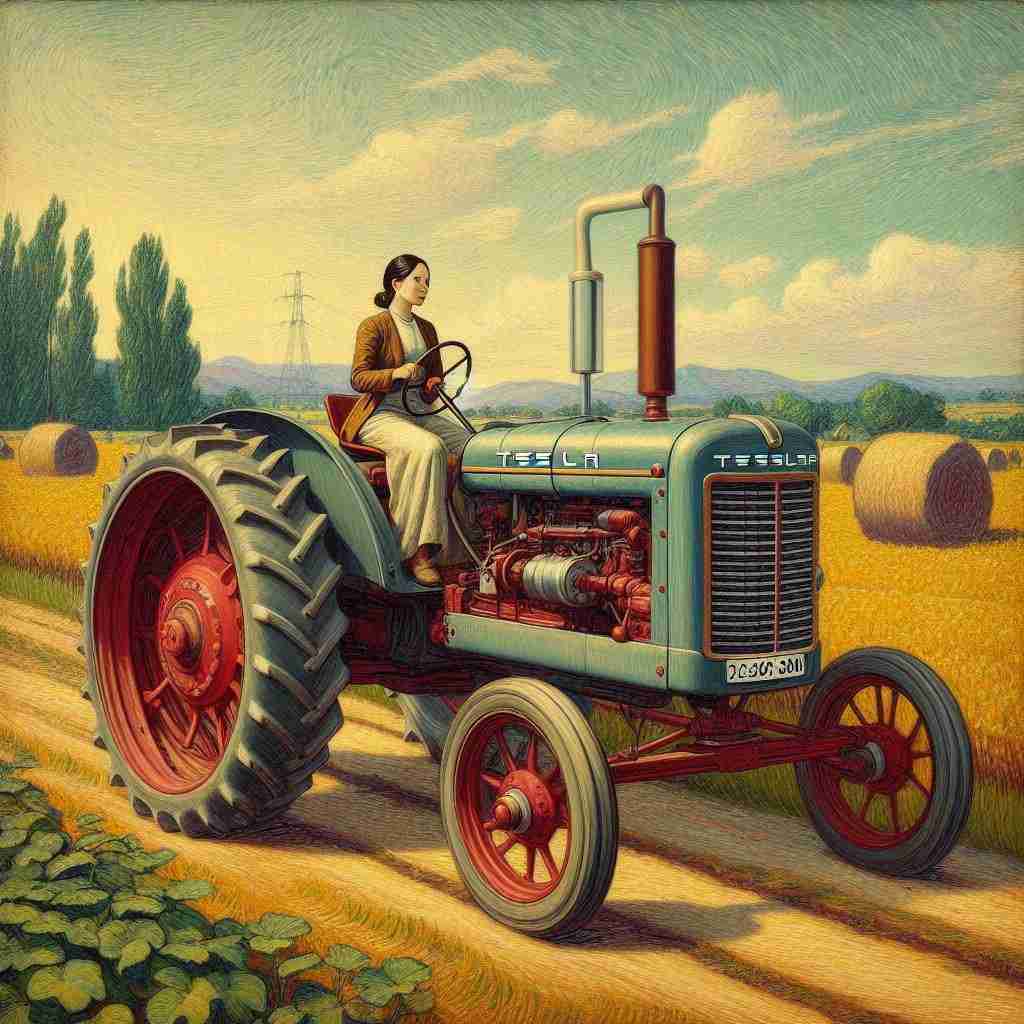
What Stories Highlight the Benefits Of Simplicity In Farming?
How Do Real Farmers Define Success In Their Work and Lives?
In the quiet moments of dawn, when the sun starts to creep over the horizon, a farmer stands beside his tractor, contemplating what success truly means. For many, success is often measured in tangible achievements: the size of a harvest, the number of awards on the wall, or the bottom line of a balance sheet. Yet, real farmers know their success runs deeper than financial metrics or surface-level accolades.
Imagine an old family farm, passed down through generations. Each scratch on that aged tractor tells a story of toil, perseverance, and community. A farmer’s success isn’t solely about accumulating wealth; it’s about cultivating relationships and fostering a sense of belonging. It’s the laughter shared with neighbors during harvest, the satisfaction of teaching a child how to plant a seed, and the pride in seeing crops flourish under a clear sky. Here, success is interwoven with legacy, purpose, and the shared struggles that bind a community.
Farmers often find meaning in resilience, overcoming the inevitable challenges that accompany their work. Drought, pests, and market fluctuations are formidable foes, but it’s in tackling these hardships together that a deeper sense of accomplishment emerges. The farming community supports each other through struggles, reflecting a commitment to not just survive but to thrive. The narrative of success transforms from individual triumph to a collective journey where every farmer’s battle contributes to a larger story of endurance.
Furthermore, consider the new trends in sustainable farming practices. As more farmers adopt methods that protect the soil and promote biodiversity, they redefine success in ethical terms. It’s about leaving the land in better condition for future generations. This pivot towards sustainability is an emerging standard, one that encourages the heart and ignites action. Farmers are becoming stewards of the environment, and in doing so, they create a legacy that resonates with a growing number of consumers who value responsibility alongside their food choices.
Ultimately, success, as defined by real farmers, encompasses the courage to face uncertainty, the strength to forge connections, and the commitment to nurturing the land for generations to come. Whether it’s from the seat of a tractor or the kitchen table, their stories remind us that true success is not just about what we reap, but what we sow—both in the fields and in our lives.

How Do Real Farmers Define Success In Their Work and Lives?
How Do Real Farmers Define Success In Their Work and Lives?
- Success for farmers goes beyond financial metrics or tangible achievements.
- Family farms hold stories of toil, perseverance, and community legacy.
- Relationships and shared experiences, such as teaching and neighborly support, define success.
- Farmers face challenges like drought and pests, finding resilience through community support.
- Sustainable farming practices are redefining success in ethical terms for future generations.
- Farmers are becoming environmental stewards, creating a legacy of responsibility.
- True success involves courage, connections, and nurturing the land for future generations.

How Do Real Farmers Define Success In Their Work and Lives?
What Role Does Intuition Play In the Decision-Making Of Farmers?
Farming often feels like a throwback to a simpler time, where the sound of a tractor humming gently in the distance signals hard work and fresh possibilities. But underneath that pastoral image lies a web of choices. For many farmers, intuition guides these choices, whispering in their ears while data and technology shout for attention.
Consider the latter part of a long season, when farmers stand in vast fields, gazing at their crops. They often confront not just the weight of their decisions, but the depth of their connection to the land. A farmer once shared a story about the day his tractor broke down right before harvest. Instead of panicking, he paused and thought about the weather patterns, soil conditions, and previous years’ yields. His instinct told him to delay the harvest, despite what the experts would say. That gut feeling saved him from losing much of his crop to an unexpected storm. Intuition, forged through years of experience, can sometimes outperform cold, hard data.
It’s a delicate balance; on one hand, farmers depend on advancements in agriculture and the latest technologies to inform their decisions. On the other, they cultivate a profound relationship with the land—nurtured by trial and error, sunrises and sunsets, seasons of plenty and drought. This relationship fosters a unique brand of wisdom that data alone can’t provide.
Intuition appeals to the heart. It carries the weight of ethics, forcing decisions that resonate not just on a balance sheet, but within local communities. When a farmer decides to go organic, they make a choice rooted in personal beliefs and social responsibility. This kind of intuition creates ripples beyond their land, affecting the health of whole communities.
Moreover, farmers are often perceived as authority figures in their regions. Their knowledge is earned through sweat and sacrifice, making their gut feelings credible. They listen to the land, envisioning a collective future that others may overlook. This profound trust in one’s own instincts can be the key to sustainable and responsible farming.
Intuition isn’t just a solitary guide, but a shared journey encompassing family, neighbors, and generations of wisdom. When farmers embrace this inner voice alongside empirical evidence, they position themselves not just as producers, but as stewards of their communities and the earth. Ultimately, it is this extraordinary interplay of heart, head, and gut that defines the art of farming in an ever-changing world.

What Role Does Intuition Play In the Decision-Making Of Farmers?
What Role Does Intuition Play In the Decision-Making Of Farmers?
- Farming embodies a connection to simpler times, marked by the hum of tractors and hard work.
- Farmers face a complex decision-making landscape, balancing intuition with data and technology.
- Experienced intuition can sometimes succeed over data-driven decisions, as shown in a farmer’s story about delayed harvesting.
- A deep relationship with the land provides wisdom beyond what technology can offer.
- Intuition influences ethical decisions, such as choosing organic methods for community well-being.
- Farmers are often viewed as local authority figures due to their earned knowledge and experience.
- Embracing both intuition and empirical evidence allows farmers to act as stewards of their communities and the environment.

What Role Does Intuition Play In the Decision-Making Of Farmers?
How Can Simplifying Operations Reduce Stress In Farming?
Farming is a labor of love, yet it can often feel like a chaotic dance amidst machinery, deadlines, and nature’s whims. Simplifying operations is not just a matter of efficiency; it’s a pathway to reclaiming joy on the farm. Picture this: you’re in the cab of your well-worn tractor, the engine humming beneath you. It’s more than just a machine; it’s a seat to your life’s purpose, a tool that connects you to the land. Yet, every additional complexity—overly intricate crop plans, excessive reliance on technology, or poorly organized schedules—threatens to drown out that comforting hum.
When you streamline processes, you create space for what really matters: connecting with the earth, your family, and your community. Each time you simplify your operations, you move one step closer to that feeling. For example, consider the impact of a crop rotation schedule that’s straightforward and easy to manage. Instead of spreading yourself thin, you can focus on nurturing what you’ve planted. A simple, clear plan allows you to anticipate, adapt, and react to the unpredictable nature of farming. The result? Less stress and more time to watch the sunsets paint the fields.
In embracing simplicity, you also foster deeper connections within your community. Sharing stories of triumph and trial around a fire pit becomes a seamless part of the rural experience. When your farm isn’t bogged down by needless complications, you can join your neighbors without feeling like you’re juggling chainsaws. The heart of farming beats in the community, and a less-stressed farmer is an empowered one, ready to lend an ear or a hand.
Moreover, the mental shift from complexity to simplicity nurtures personal well-being. Farming is a demanding lifestyle that often takes a toll on mental health. A streamlined approach reduces the cognitive load, letting farmers focus on the tasks that bring satisfaction. Imagine the peace of mind that comes when operations are manageable, allowing for that precious downtime—a moment to breathe, reflect, and experience life beyond the fields.
Ultimately, embracing simplicity is not just a strategy; it’s a declaration that you value your time, your health, and your connection to the land. It’s about harnessing the power of your tractor and making it work for you, instead of being dragged around by the demands of your operation. Simplifying farming isn’t merely a choice; it’s a commitment to a life that’s nourished, both in body and spirit.

How Can Simplifying Operations Reduce Stress In Farming?
How Can Simplifying Operations Reduce Stress In Farming?
- Farming is a labor of love, often complicated by machinery and nature’s unpredictability.
- Simplifying operations enhances joy and connection to the land and community.
- Streamlined processes allow farmers to focus on nurturing crops and reduce stress.
- A straightforward crop rotation schedule facilitates better management and adaptation.
- Embracing simplicity strengthens community ties and makes collaboration easier.
- A reduced cognitive load promotes mental well-being and allows for downtime.
- Simplifying farming reflects a commitment to valuing time, health, and land connection.

How Can Simplifying Operations Reduce Stress In Farming?
Conclusion
In today’s agricultural landscape, where technological marvels often overshadow time-tested traditions, it’s vital to remember that the heart of farming lies in simplicity. Real farmers, grounded in their craft, don’t chase the latest gadgets; instead, they invest in enduring practices that honor their roots and the land. These farmers understand that the bond formed with a reliable, well-worn tractor speaks volumes about their commitment to the soil and community.
Take, for instance, Jim and Bill, two farmers embodying this ethos. They cherish their older tractors, every dent telling a story of dedication and hard work. Choosing simplicity over advanced technology isn’t merely practical; it’s an emotional and ethical choice. For them, farming is about nurturing crops, preserving ecosystems, and fostering a sense of community built on shared experiences and trust.
This back-to-basics approach isn’t just nostalgic; it’s a powerful philosophy. Practices like crop rotation reconnect farmers with the land, enhancing soil health while honoring the rhythms of nature. Real farming embraces community ties, where gatherings for harvests resonate with laughter and shared victories, elevating the narratives that unite them. Simplicity fosters resilience; farmers support one another through market fluctuations and unpredictable weather, illustrating that their true success lies not in individual accolades, but in collective triumphs.
Moreover, taking steps toward simplification aligns with sustainability. By prioritizing organic methods and local seeds, these farmers not only improve yields but also cultivate a legacy of environmental stewardship. It’s this deep-rooted commitment that consumers increasingly value, as they seek authentic connections with food and the people who grow it.
Ultimately, the choice for simplicity reflects a profound understanding of what it means to farm. It’s not simply about production; it’s about relationships, resilience, and responsibility. As farmers embrace these ideals, they demonstrate that true success encompasses the courage to face challenges and the wisdom to nurture traditions while forging a sustainable path forward. In a world captivated by the allure of the new, real farmers remind us that often, the best path is the one that stays true to the land and its timeless rhythms.

Conclusion
Conclusion:
- The essence of farming lies in simplicity and enduring practices, rather than in chasing technological advances.
- Real farmers, like Jim and Bill, have deep connections with their well-worn equipment, reflecting their dedication to the land and community.
- Choosing simplicity is both practical and an emotional, ethical decision that honors traditional farming values.
- Back-to-basics farming practices, such as crop rotation, enhance soil health and respect natural rhythms.
- Community ties are vital, with shared experiences during harvests fostering a sense of unity and collective success.
- Prioritizing organic methods and local seeds leads to sustainability and cultivates a legacy of environmental stewardship.
- True farming success encompasses relationships, resilience, and responsibility, staying true to the land’s timeless rhythms.

Conclusion
Other Resources

Other Resources
Here is a list of other resources you can review online to learn more:
- Belarus
- Minneapolis
- SE Indiana F.A.R.M. Club’s Antique Machinery Show
- Mastodon
- Tractor Data
- TYM
- Ohio Crawford County Antique Farm Equipment Museum
- Lamborghini
- Atlantic Farm Mechanization Show
- Keystone Tractor Museum
- Zetor Zebra
- AGCO
- Best
- Woods & Copeland
- Cabelas
- Idaho Farmand Ranch Museum
- National Farm Show Tractor Pull
- Erkunt
Use This Prompt To Get More Resources With Your Favorite Online AI Tool: Please provide me with a list of online articles with their URLs in a bulleted list that I can read regarding Real Farmers Choose Simplicity Over Shiny Gadgets

Other Resources
Glossary Terms
Real Farmers Choose Simplicity Over Shiny Gadgets – Glossary Of Terms
1. Simplicity Principle — preferring straightforward, reliable methods that require minimal complexity.
2. Appropriate Technology — tools and techniques matched to local needs, skills, and resources.
3. Low-tech — practical equipment and methods that work without advanced electronics or infrastructure.
4. On-farm Knowledge — experience-based understanding of land, weather, and crops developed over seasons.
5. Observation-based Management — making decisions from direct field observation rather than data-heavy systems.
6. Soil Health — biologically active, well-structured soil that supports plant growth and resilience.
7. Composting — converting organic waste into nutrient-rich soil amendment on the farm.
8. Cover Crops — plants grown to protect, feed, and rebuild soil between main crops.
9. Crop Rotation — alternating crops across seasons to break pest cycles and restore nutrients.
10. Seed Saving — preserving seeds from harvested crops to maintain adapted varieties and lower costs.
11. Heirloom Varieties — traditional cultivars valued for taste, adaptability, and seed-saving potential.
12. Manual Tools — hoes, spades, rakes and other hand tools that are easy to maintain and repair.
13. Draft Animals — using animal power for traction and tasks where machinery isn’t practical.
14. Regenerative Agriculture — practices focused on rebuilding soil, biodiversity, and ecosystem function.
15. Integrated Pest Management (IPM) — combining cultural, biological, and mechanical controls to minimize chemical use.
16. Water Harvesting — capturing and storing rainfall for irrigation and drought resilience.
17. Mulching — applying organic cover to conserve moisture, suppress weeds, and feed soil life.
18. Smallholder Farming — small-scale operations prioritizing self-reliance and diversified production.
19. Diversification — growing multiple crops and/or livestock to spread risk and enhance ecosystem services.
20. Local Inputs — sourcing seeds, compost, and materials nearby to reduce dependence on external supply chains.
21. Community-Supported Agriculture (CSA) — direct producer-consumer relationships that simplify marketing and share risk.
22. Direct Marketing — selling farm products straight to consumers to capture value and reduce intermediaries.
23. Frugality — careful, resource-conscious decision-making that minimizes unnecessary expense.
24. Labor Investment — prioritizing human work as a flexible, repairable resource instead of costly tech.
25. On-farm Experimentation — small-scale trials to evaluate practices under real farm conditions.
26. Resilience — the farm’s ability to recover from shocks using simple, robust systems.
27. Stewardship — long-term care and responsibility for land, water, and community well-being.
28. Maintenance Over Replacement — repairing and adapting existing tools and systems rather than buying new.
29. Knowledge Sharing — exchanging practical techniques and observations within farming networks.
30. Appropriate Scaling — matching solutions to the farm’s size, labor, and goals rather than adopting oversized tech. Glossary Of Terms
Other Questions
Real Farmers Choose Simplicity Over Shiny Gadgets – Other Questions
If you wish to explore and discover more, consider looking for answers to these questions:
- What specific traditional practices improve soil health and how do they compare to modern alternatives?
- How do simplified methods affect short-term yields versus long-term productivity?
- What are the actual cost savings of using older equipment versus buying new technology?
- How do farmers maintain and repair vintage tractors and where do they source parts?
- Which crops or farm sizes benefit most from a low-tech approach?
- How can small-scale farms compete in markets dominated by high-efficiency industrial operations?
- What are the environmental trade-offs between simplicity and precision agriculture?
- Are there hybrid approaches that combine simplicity with select useful technologies?
- How do simplified practices influence labor needs and worker skills?
- What financial risks are associated with relying on older equipment or manual methods?
- How does embracing simplicity affect a farm’s resilience to extreme weather and climate change?
- What government programs, subsidies, or certifications support low-input, traditional farming methods?
- How do consumer preferences and marketing affect the viability of simple, local farms?
- What are measurable indicators of success for farmers who prioritize simplicity (profit, wellbeing, soil quality)?
- How do farmers make the decision to resist or adopt new technology—what criteria do they use?
- What training or knowledge transfer methods preserve generational farming wisdom?
- How do simplified systems handle pest and disease management without heavy chemical inputs?
- What role do cooperatives and local networks play in sustaining simple farming practices?
- How does insurance, financing, and access to credit differ for farms that reject high-tech investments?
- What are common misconceptions about the productivity of traditional farming methods?
- How do younger farmers view simplicity compared with older generations?
- What case studies exist of farms that successfully increased profitability by simplifying?
- How can urban or peri-urban farmers apply the principles of simplicity?
- What steps can a farmer take to transition from high-tech dependence to simpler operations?
- How do simplified practices impact animal welfare on mixed or livestock farms?
- What monitoring or recordkeeping is still necessary when operating with fewer technological tools?
- How does choosing simplicity affect access to markets that demand certifications or traceability?
- What community or mental-health benefits have been documented among farmers who simplify?
- How can policy-makers encourage sustainable simplicity without harming innovation?
- What are the long-term legacy implications for family farms that maintain traditional methods?

Other Questions
Haiku
Real Farmers Choose Simplicity Over Shiny Gadgets – A Haiku
Old tractors still hum,
Heart and soil intertwined,
Simplicity reigns.

Haiku
Poem
Real Farmers Choose Simplicity Over Shiny Gadgets – A Poem
In fields where old dreams softly tread,
The heart of farming finds its thread.
Not in the lure of machines that gleam,
But in the wisdom of a simpler dream.
A weathered tractor stands, a steadfast friend,
With every scratch, a story to lend.
Hands in the soil, toil and song,
Where roots of tradition and spirit belong.
Jim and Bill, with their tales of old,
Choose the familiar over the bold.
With less to distract, they connect with the land,
Nurturing crops with a gentle hand.
Community bonds flourish and grow,
In laughter and toil, as neighbors bestow
Support and strength, a shared embrace,
A legacy grounded in love and grace.
Natures rhythm guides their way,
In crop rotations, both wise and gray.
Ethics collide with intuitions art,
Each choice a seed sown from the heart.
So let us remember, as tractors hum low,
That success is more than the harvest we sow.
It’s in the connections, the joy that we find,
In the stories of farmers, both gentle and kind.
Embrace the simple, let complexity fade,
For in the heart of farming, true value is made.
A life of balance, where joy is the yield,
With every heartbeat, the essence revealed.

Poem
Checklist
Real Farmers Choose Simplicity Over Shiny Gadgets – A Checklist
Emotional Appeals
✅______ Reflect on your connection to the land and its history.
✅______ Recall personal stories from farming experiences that emphasize joy and fulfillment.
✅______ Identify sources of pride in traditional farming methods.
Rational Appeals
✅______ Evaluate the practicality of old tools versus modern gadgets.
✅______ Analyze the cost-effectiveness of maintaining simple machinery.
✅______ Assess the benefits of crop rotation for soil health and yields.
Ethical Appeals
✅______ Consider the sustainability of your farming practices.
✅______ Ensure that your choices prioritize ecological balance over synthetic inputs.
✅______ Reflect on the long-term impact your farming has on the community and environment.
Authority Appeals
✅______ Trust in the knowledge gained from years of hands-on experience.
✅______ Share lessons learned from seasoned farmers who value simplicity.
✅______ Encourage discussions with local experts about the benefits of traditional practices.
Narrative Appeals
✅______ Collect and share stories from farmers who prioritize simplicity.
✅______ Document experiences of community-building through shared agricultural practices.
✅______ Highlight anecdotes that showcase the emotional rewards of farming.
Social Appeals
✅______ Engage with your farming community about the importance of traditional methods.
✅______ Organize community events that promote sustainable, simple farming practices.
✅______ Foster relationships based on mutual support and shared wisdom in the farming network.

Checklist
At ClassicTractorNews, we help tractor lovers keep up with the latest news for classic and vintage tractors.
Please share this post with your friends, family, or business associates who may like old classic or vintage tractors.