


Investing In Reliability: The True Cost Of Farming Equipment
By Tom Seest
At ClassicTractorNews, we help tractor lovers keep up with the latest news for classic and vintage tractors.
Please share this post with your friends, family, or business associates who may like old classic or vintage tractors.
Real Farmer – My New Tractor Cost Me More In Downtime Than Purchase Price
When I bought my new tractor, I envisioned long days in the field, the sun overhead, and the hum of productivity echoing across the open land. The scent of fresh soil mixed with the promise of harvest fueled my anticipation. But no one talks about the reality of machine downtime, how the gleaming metal can turn into a monument of frustration.
Downtime is more than just idle hours; it’s fleeting days filled with the weight of unmet expectations and the anxiety of looming deadlines. Picture this: You have your tractor, a proud beast of engineering, ready to help you plow through the season’s work. But one morning, as you turn the key with hope, it doesn’t roar to life. Instead, a feeble sputter greets you. Just like that, your day slows to a standstill, and the rising sun casts long shadows on your plans. Those moments add up—days spent waiting for parts, hours lost to repairmen who treat your calls like debts they can defer.
There’s an ethical expectation we place on our machines, a belief that a hefty price tag guarantees reliable service. When that trust is broken, it’s not just a financial blow; it’s a betrayal. Every hour the tractor sits idle costs you money and erodes your sense of self-reliance. You start to question your choices: was this the right investment? That initial excitement morphs into unease, turning a proud purchase into an emotional anchor dragging you down.
Let’s take a step back. If we dig a little deeper, we see the real cost of any machinery isn’t just the sticker price. It’s the stories we accumulate around our work and the resilience we must summon when things go awry. As farmers, we’re not just dealing with tools; we’re wrestling with our reliance on them. Each repair signifies lost opportunities, yet it also teaches us something pivotal about our character and commitment to the land.
So, what’s the point? If you’re out there navigating the fields of machinery and maintenance, remember that every setback is a testament to your dedication. You are not defined by the downtime associated with your tractor; rather, you grow alongside it. In this shared journey, every bump in the road reinforces the bonds we have—not just to our work, but to each other as a community of farmers. We forge ahead, learning and adapting in the face of the unexpected, ensuring that the heartbeat of our land never truly goes silent.

Real Farmer – My New Tractor Cost Me More In Downtime Than Purchase Price
Real Farmer – My New Tractor Cost Me More In Downtime Than Purchase Price
- Initial excitement about the new tractor is overshadowed by downtime and repair issues.
- Downtime creates anxiety and unmet expectations, affecting productivity.
- Ethical trust in machinery’s reliability is often broken when issues arise.
- Every hour of idleness incurs financial costs and diminishes self-reliance.
- The real cost of machinery includes emotional and practical impacts beyond the purchase price.
- Setbacks highlight the resilience and dedication required in farming.
- Community support and learning are vital in overcoming machinery challenges.
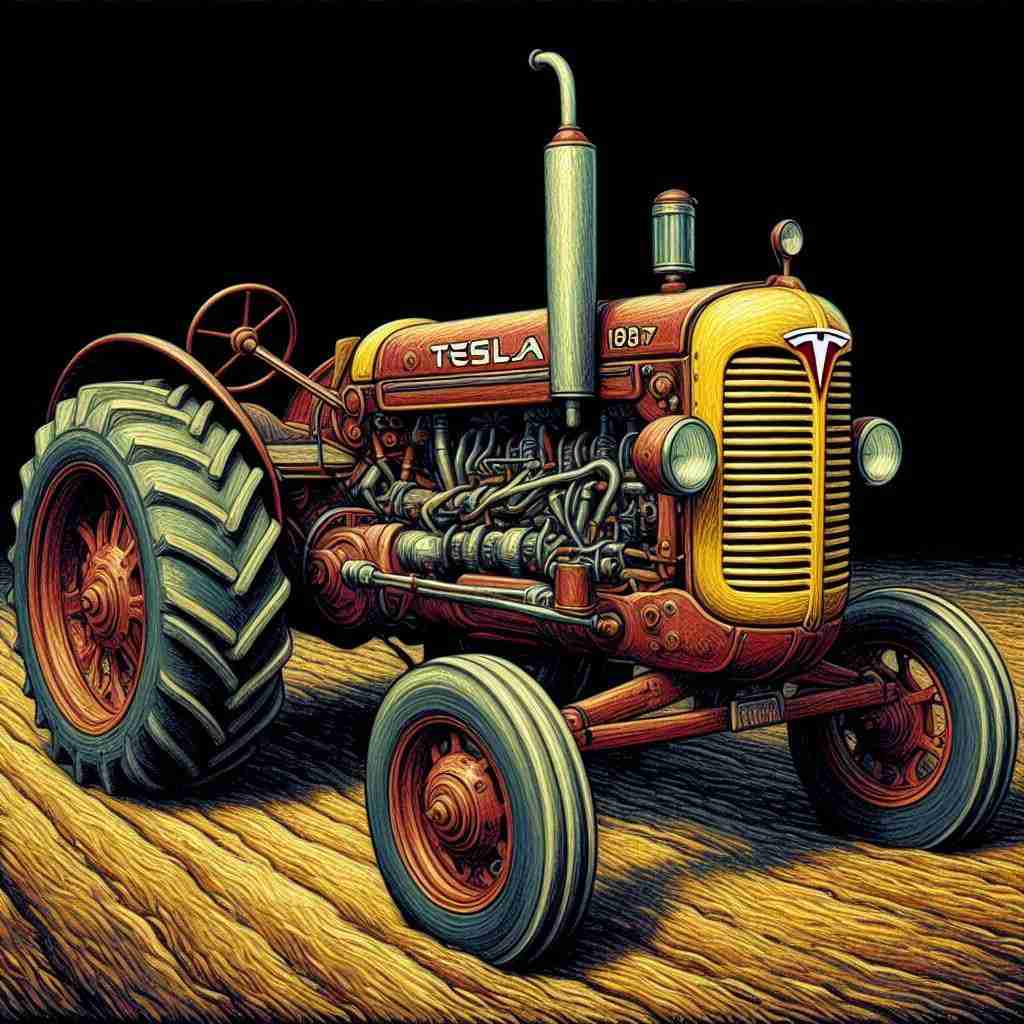
Real Farmer – My New Tractor Cost Me More In Downtime Than Purchase Price
Table Of Contents
- Real Farmer – My New Tractor Cost Me More In Downtime Than Purchase Price
- What If Your Tractor Downtime Could Ruin Your Farming Season?
- How Can You Minimize Losses While Using New Equipment?
- Is the Cost Of Downtime Worth the Features Of New Tractors?
- What Support Can You Receive From Manufacturers If Downtime Occurs?
- How Do Peer Experiences Influence Your Tractor Purchasing Decisions?
- What Emotional Toll Does Equipment Failure Take on Farmers?
- Conclusion
- Other Resources
- Glossary Of Terms
- Other Questions
- Haiku
- Poem
- Checklist
What If Your Tractor Downtime Could Ruin Your Farming Season?
Picture this: dawn breaks over the horizon, and as the sun starts to cast its warm glow on the fields, you rev up your trusty tractor, the mechanical beast that’s been your partner in toil. Each vibration under your hands reminds you of the sweat-soaked hours, the hopes, and the dreams riding on those massive tires. But what if, in a moment of misfortune, that tractor grinds to a halt, leaving you stranded in a field of opportunity? Downtime isn’t just an inconvenience; it’s a ticking clock that threatens your entire farming season.
The heart of farming lies in the cycle of planting and harvesting. Every seed you plant carries the weight of your family’s legacy, your community’s future, and your own aspirations. Your tractor isn’t just machinery; it’s a lifeline to that future. When it breaks down, it’s as if time freezes. Crops suffer; deadlines slip; profits dwindle. The gut-wrenching anxiety is palpable. Can you afford the repairs? Can you recover if the season is lost?
Now, let’s engage your rational side. Imagine the financial implications. A week without your tractor can lead to ruined crops, lost market opportunities, and significantly reduced yields. A breakdown during peak season is not just a setback; it spells disaster. Investing in maintenance isn’t just wise—it’s a survival strategy. Think of the costs of a good harvest versus the expense of regular upkeep. The math is simple, but the stakes are high.
Ethically, it’s important to consider the broader impact. Your farm sustains not just your family but also the livelihood of your workers and the vitality of your community. The tractor downtime creates a ripple effect—jobs lost, families affected, and production delayed.
This isn’t simply a story about machines and grease. It’s about resilience and responsibility. One farmer I spoke to had a near-catastrophe when his tractor failed just days before planting. In a panic, he recalled the story of his grandfather, who once faced the same dilemma but innovated a solution that turned the season around. He had foresight and a backup plan, reminding us that preparation leads to survival.
Our collective narrative in agriculture bonds us together. We share victories and setbacks, and every piece of equipment is a part of that story. Trust in your tools, in your community, and in the resilience of the human spirit. The stakes are high, but so is our capacity for ingenuity and connection. Don’t wait for the breakdown—invest in your tractor and, by extension, your future.

What If Your Tractor Downtime Could Ruin Your Farming Season?
What If Your Tractor Downtime Could Ruin Your Farming Season?
- Dawn signifies the start of the farming day with a tractor as a vital partner.
- A breakdown of the tractor represents a major setback, risking the entire farming season.
- The financial implications of tractor downtime include ruined crops and lost market opportunities.
- Ethically, farm operations impact not just the owner but also workers and the community.
- Preparation and maintenance are crucial for resilience in farming to avoid catastrophic losses.
- A farmer’s legacy and community future hinge on each planting cycle supported by equipment.
- Investing in tractor upkeep is essential for ensuring productivity and long-term success.

What If Your Tractor Downtime Could Ruin Your Farming Season?
How Can You Minimize Losses While Using New Equipment?
Using new equipment can feel like driving a brand-new tractor down an unfamiliar dirt road—exciting yet daunting. There’s a thrill in the promise of innovation, but navigating the uncharted territory often brings anxiety about setbacks and losses. Understanding how to minimize those losses involves more than just familiarizing yourself with the manuals and operating procedures; it requires you to connect with the experience deeply and personally.
First, consider the emotional stake in this journey. We invest our time, resources, and hopes in new equipment. Each piece represents not just metal and wires, but dreams of efficiency and growth. When my grandfather bought his first tractor, it wasn’t simply a tool; it was a way to turn the sweat of our brows into the fruits of our labor. The stories around that tractor taught us to respect both its power and its limitations. Recognizing this emotional connection can inspire you to treat your new equipment with the care it deserves.
Rational thinking plays its part too. Before you unleash your new machine in the field, dedicate time to understand its nuances. Familiarize yourself with each feature, like a seasoned farmer taking the time to understand the contours of their land. This diligence not only prevents mishaps but also maximizes performance. Just as a well-tuned tractor can plow through the toughest terrain, a well-understood machine can drastically reduce operational inefficiencies.
Ethical considerations also matter. It’s important to recognize the responsibility that comes with operating new equipment. Ensuring safety protocols, following proper training, and being mindful of the environment are crucial. When you respect the equipment’s capabilities, you foster a culture of safety and sustainability that resonates beyond just your operation—it extends to the entire community.
Additionally, listen to the whispers of those who have come before you. Leverage the wisdom of trusted colleagues and mentors. I recall a neighbor who saved countless dollars by sharing strategies on upkeep and maintenance of machinery—a lesson that transformed those initial months of uncertainty into a smooth ride. This sense of community support not only enhances trust but also embeds you into a network of shared knowledge.
Lastly, embrace the inevitable bumps along the way as learning opportunities. When my own equipment failed during peak season, it felt like a punch to the gut. But by analyzing what went wrong alongside a few old-school buddies, we turned obstacles into lessons. Every scrape and dent became a story, enriching our journey with deeper understanding and resilience.
All it takes to minimize losses is a blend of heartfelt connection, rational understanding, ethical responsibility, and community support. By treating your equipment not just as a tool, but as an extension of your values and expertise, you lay the groundwork for success, transforming that new tractor from a simple machine into a vital partner on the road ahead.

How Can You Minimize Losses While Using New Equipment?
How Can You Minimize Losses While Using New Equipment?
- Using new equipment can be both exciting and daunting, resembling a new tractor on an unfamiliar road.
- Emotional investment in equipment signifies dreams of efficiency and growth, necessitating care and respect for its power and limitations.
- Understanding equipment thoroughly prevents mishaps and maximizes performance, akin to knowing land contours.
- Ethical responsibilities include ensuring safety, following training, and being environmentally conscious.
- Seeking wisdom from colleagues and mentors can provide insights that ease the transition into using new machinery.
- Embracing challenges as learning opportunities fosters resilience and deeper understanding.
- Minimizing losses requires a blend of connection, rational understanding, ethical responsibility, and community support.

How Can You Minimize Losses While Using New Equipment?
Is the Cost Of Downtime Worth the Features Of New Tractors?
Is the Cost of Downtime Worth the Features of New Tractors?
When you stand in the middle of a field, surrounded by the hum of machinery, you realize that each tractor isn’t just a tool; it’s the lifeblood of a farm, a vital cog in a timeless wheel that grinds slowly but steadily. They’re not merely pieces of equipment; they symbolize tradition, hard work, and generations of sweat-soaked labor. Yet, as the world evolves with technological advancements, the question arises: is the cost of downtime worth the features of new tractors?
Take a moment to consider a story of an old farmer, who one day decided to upgrade his trusted but aging tractor. The shiny new model boasted all the bells and whistles—auto-steering, GPS guidance, and a cab equipped with more gadgets than a spaceship. But as he drove it for the first time, something felt amiss. He had to navigate the complexities of a modern machine while his fields waited, and with every minute of downtime, he felt the weight of the world pressing on his shoulders.
Emotions can cloud judgement, but rational thought brings clarity. The features of new tractors promise increased productivity and efficiency. They purport to save time, which could mean more money in the pocket—but come with a hefty price tag and a learning curve. It’s easy to be dazzled by shiny dashboards and automated features, yet the true test is in whether those features ultimately translate to a smoother operation or a series of headaches.
Ethically speaking, investing in the latest technology can’t overshadow the importance of reliability and trust. A tractor—new or old—should be dependable, a partner in the field. Reflect on the times farmers band together during harvest, sharing stories and labor. Those moments forged through shared struggles don’t come from a tractor’s tech specs but from the bond of camaraderie built in the face of adversity.
The gut response often tells us what the heart feels—nothing can replace the familiarity of a trusty machine that has seen decades of labor. What if, instead of trading reliability for cutting-edge features, you considered the unique value of hybrid solutions? Picture revamping your old tractor, integrating modern enhancements without losing its soul. It’s a fresh take that marries the old and new, enhancing productivity without sacrificing reliability.
Every decision—whether it’s to embrace the shiny allure of new tractors or to hold onto tried-and-true tools—boils down to trust: trust in the machine, trust in each other, and trust in the choices that drive us forward.

Is the Cost Of Downtime Worth the Features Of New Tractors?
Is the Cost Of Downtime Worth the Features Of New Tractors?
- Tractors symbolize tradition, hard work, and generations of effort on farms.
- The decision to upgrade to modern tractors involves weighing the cost of downtime against advanced features.
- Modern tractors offer features like auto-steering and GPS, but may create complexities and require a learning curve.
- Reliability and trust are crucial, regardless of whether the tractor is new or old.
- Shared experiences among farmers during harvest highlight the importance of camaraderie over technological specifications.
- Considering hybrid solutions can provide modern advantages without sacrificing the reliability of old tractors.
- Ultimately, trust in the machinery and in collaborative efforts is essential for farming success.

Is the Cost Of Downtime Worth the Features Of New Tractors?
What Support Can You Receive From Manufacturers If Downtime Occurs?
When the wheels of your operation come to a grinding halt, and the rumble of your tractor fades into an unsettling silence, you feel it in your gut. That knot tied tight in your stomach is all too familiar to anyone who relies on machinery for their livelihood. But in those desperate moments, it’s essential to know that you’re not alone. Manufacturers often extend a lifeline when downtime strikes, providing not just expertise but also a partnership that can lead you through the storm.
Think of those first moments when something goes wrong. Maybe it’s a stubborn engine that refuses to start or a sudden breakdown that leaves your tractor in a state of despair. The immediate reaction? Panic can set in, but instead, take a deep breath and pick up the phone. Many manufacturers have dedicated support teams that can troubleshoot issues in real-time, turning your frustration into a swift resolution. They’re not just faceless voices; these are skilled professionals who understand your needs and the urgency of getting you back on track.
But it’s not just about technical support. Ethically, manufacturers have a vested interest in your success. They’ve built an entire business model on the reliability of their equipment, understanding that when their machines fail, so do your plans. This mutual dependency fosters a spirit of cooperation. Consider a farmer who encounters a problem during the busiest season. A manufacturer’s prompt help can be the difference between thriving in harvest season or watching potential profits slip away.
Connections matter. One story from the field involves a farmer named Sam, who faced a critical breakdown just before plowing. He called his tractor’s manufacturer, and within hours, a technician arrived with parts in hand. More than just a repair, this visit reinforced a relationship built on trust. Sam wasn’t just another customer; he was part of a community that shared challenges and victories.
Then, there are the social aspects of support. Many manufacturers hold workshops and training sessions, inviting customers to learn about maintenance and troubleshooting. This approach fosters an environment of shared knowledge and camaraderie, ensuring that you’re never alone in facing your challenges.
So when that unexpected downtime occurs, remember that the manufacturers are more than just suppliers; they are your allies. Their support is a reminder that behind every tractor is a network of dedicated people ready to lend a hand, offering not only solutions but also a sense of belonging in the farming community.

What Support Can You Receive From Manufacturers If Downtime Occurs?
What Support Can You Receive From Manufacturers If Downtime Occurs?
- Unexpected machinery breakdowns can cause significant stress for operators relying on equipment for their livelihood.
- Manufacturers provide essential support during downtime, offering expertise and partnership to resolve issues.
- Dedicated support teams can troubleshoot problems in real-time, transforming frustration into quick solutions.
- Manufacturers have a vested interest in their customers’ success, knowing that machine failures impact both parties.
- Strong customer-manufacturer relationships foster a sense of community and cooperation, particularly during critical times.
- Manufacturers often organize workshops and training sessions to help customers learn maintenance and troubleshooting skills.
- Overall, manufacturers serve as allies, providing not just solutions but also a support network within the farming community.

What Support Can You Receive From Manufacturers If Downtime Occurs?
How Do Peer Experiences Influence Your Tractor Purchasing Decisions?
When it comes to buying a tractor, the process often feels daunting. Yet, the voices of those around us—friends, neighbors, and fellow farmers—play an unexpected but profound role in shaping our purchasing decisions. The peer experience can be a compass, guiding us through the vast landscape of choices, with all its bells and whistles.
Consider this: you’re standing in a dealership, eyes grazing over rows of powerful machines, each gleaming with promise. But amidst the clamor of sales pitches, it’s the stories from those who’ve walked this path before that resonate the most. A neighbor recounts how their trusty tractor tackled rocky terrain, saving both time and tears during the harvest. That narrative sticks with you, not just as information but as an emotional anchor—a tale of reliability in the field that tugs at your gut and your heart.
When it’s time to buy, it’s not just about specs on a brochure; it’s about trust built through shared experiences. Have you heard the buzz about the model that thrives in all conditions, standing tall in the snow and rain? That’s not just marketing; it’s the communal wisdom that wades through the noise, shaping our decisions with both authenticity and authority. It reminds us that we’re part of a larger story, one woven together through trials and triumphs.
Ethics come into play too. When a friend shares their experience with a particular brand, it’s powerful. It’s the unvarnished truth behind glossy ads that matters most. The ethical dilemma emerges: do you choose the flashy, new model everyone raves about, or the steady workhorse trusted by those whose opinions you value? Choosing the latter fosters a sense of community and connection, reinforcing the bonds of trust that are often more substantial than any sales pitch.
Ultimately, the decision of which tractor to purchase isn’t simply about machinery; it’s about embracing a lifestyle and a network of shared experiences. Think of it as joining a tribe—a community welcoming you with open arms. So next time you find yourself mulling over that significant purchase, lean on those peer experiences. They not only illuminate the way but also ensure you’re making a choice that reflects not just your needs, but the stories that have shaped your journey, reaffirming that behind every great tractor is a community that believes in its power.

How Do Peer Experiences Influence Your Tractor Purchasing Decisions?
How Do Peer Experiences Influence Your Tractor Purchasing Decisions?
- The tractor buying process can be challenging, influenced significantly by the experiences of friends and fellow farmers.
- Stories from past users provide emotional insights and build trust, guiding purchasing decisions beyond just technical specifications.
- Peer recommendations highlight the reliability of models that perform well under various conditions, countering sales pitches.
- Ethical considerations arise when weighing choices between popular models and trusted brands recommended by peers.
- Purchasing a tractor symbolizes joining a community with shared values and experiences.
- Peer experiences serve as vital touchpoints that help consumers make informed decisions reflecting their needs and values.
- Behind every tractor purchase lies a supportive network that reinforces community bonds and trust.

How Do Peer Experiences Influence Your Tractor Purchasing Decisions?
What Emotional Toll Does Equipment Failure Take on Farmers?
In the vast swathes of farmland where the horizon meets the sky, farmers pour their sweat, dreams, and hopes into the soil. Yet, lurking behind the shimmering promise of harvest lies an often-unseen struggle: equipment failure. When a trusty tractor, the very backbone of their operation, sputters and dies, the emotional toll can feel like a gut punch. It’s more than just a mechanical breakdown; it’s a blow to their identity and purpose.
Imagine a farmer, knee-deep in mud, watching helplessly as the sun dips lower in the sky, knowing the crops depend on timely planting. The tractor, which stood as a symbol of hard work and resilience, now looms as an unwelcome reminder of fragility. In those moments, the weight of responsibility feels insurmountable. The emotional landscape is dotted with anxiety, frustration, and despair, as thoughts spiral: “What will I tell my family?” or “Will I lose everything I’ve worked for?”
From a rational standpoint, the stakes are staggering. For many, the financial implications of equipment failure can be ruinous. Delays in planting ripples through the supply chain, affecting not just the farmer but consumers and local economies. It’s a domino effect where hope transforms into uncertainty, not just for the farmer, but for the community that relies on their yield. Agricultural equipment is not merely a tool; it is the lifeline that connects farmers to their families, their neighbors, and the marketplace.
Ethically, we must recognize the profound respect due to these individuals whose daily lives depend on the reliable functioning of their equipment. The machinery is an extension of their commitment to stewardship of the land. It should serve, not betray. Beyond expert knowledge or technical skills lies an unseen bond—a code shared among farmers who understand the adversities faced on the field.
Consider the stories of generations; the farmers who inherited their tractors, painstakingly repaired their oldest machines, breathing life back into steel when all seemed lost: fixing what they could, leaning on neighbors, and sometimes just hoping for the best. Such narratives weave a tapestry of resilience that reflects the heart of farming life.
Every hiccup a farmer faces with their equipment is not just a mechanical nuisance; it is a testament to their tenacity. Rather than simply fixing a tractor, they are mending the threads of their past, present, and future, holding onto hope as they push through adversity. It’s time we honor those who cultivate our land—not just for what they produce, but for the unyielding spirit they embody.

What Emotional Toll Does Equipment Failure Take on Farmers?
What Emotional Toll Does Equipment Failure Take on Farmers?
- Farmers invest dreams and hopes into their crops, facing hidden struggles such as equipment failure.
- A malfunctioning tractor can deeply impact a farmer’s identity and emotional well-being.
- Delays in planting due to equipment issues can have significant financial repercussions for farmers, affecting communities and supply chains.
- Agricultural machinery serves as a vital link between farmers, their families, and the marketplace.
- Farmers deserve respect for their reliance on equipment to fulfill their stewardship of the land.
- Generational stories of farmers repairing old tractors illustrate resilience and commitment to their craft.
- Each equipment challenge reflects the farmer’s perseverance and dedication to their livelihood.

What Emotional Toll Does Equipment Failure Take on Farmers?
Conclusion
Farming is more than a profession; it’s a legacy woven into the very fabric of our communities. Every farmer has experienced that moment when their trusted tractor, once a symbol of hard work and ambition, suddenly turns into a source of anxiety. The heart-stopping sputter of a malfunctioning engine can rip through the daydreams of productivity, replacing them with questions like, “Can I afford these repairs?” and “Have I jeopardized my season?” This scenario isn’t just a mundane inconvenience; it’s a gut-wrenching intrusion that can redefine the trajectory of a farmer’s livelihood.
Consider this: you’ve invested not just financially, but emotionally in equipment that carries the weight of your hopes and dreams. Each seed planted is tied to your family’s legacy, a promise made to the land itself. When machinery fails, it’s not just the crops that suffer; it’s a profound betrayal of trust. The system of farming relies on reliable tools to maneuver the daunting demands of nature, but unexpected downtime tests the very essence of that relationship. It can shake the foundational belief that a hefty price tag guarantees dependable service, leaving behind a sense of vulnerability that seeps into every corner of your operation.
The emotional toll of equipment failure transcends interruption; it reverberates through every aspect of life on the farm. The anxiety builds as deadlines approach and the sun hangs low in the sky. Rationally, the calculations become stark: delayed planting leads to diminished yields, which threaten not only your income but also your community’s economic fabric. Each moment wasted can resonate beyond your fields, impacting suppliers, workers, and families who depend on your success.
Amidst these challenges, peer relationships evolve into lifelines. The collective wisdom and shared experiences of fellow farmers serve as both guidance and consolation in tough times. Stories of resilience and ingenuity inspire confidence, reminding you that you’re part of a community forged in shared trials. The heart of farming pulses in these connections, where mutual support transforms isolated struggles into collective strength.
Ultimately, investing in reliable equipment becomes not just a financial decision, but a pledge to uphold the sanctity of the agricultural craft. It’s about embracing both the old and the new, treating machinery as integral extensions of your values. Every sprout that breaks the earth is a marker of perseverance, and each setback can be reframed as a lesson learned, fortifying both your resolve and your ties to the community. So, when that new tractor finally roars to life, it won’t just symbolize efficiency; it will embody the spirit of a relentless pursuit of dreams, shared resilience, and the unwavering heartbeat of farming life.

Conclusion
Conclusion:
- Farming is a legacy intertwined with community values and emotions.
- Equipment failures evoke anxiety, impacting productivity and financial stability.
- Investments in machinery carry emotional weight tied to family and legacy.
- Downtime challenges the belief in reliable agricultural tools and creates vulnerability.
- The emotional impact of delays affects not just farmers, but also their communities.
- Peer relationships among farmers provide support and shared resilience in difficult times.
- Reliable equipment symbolizes commitment to the agricultural craft and community ties.

Conclusion
Other Resources

Other Resources
Here is a list of other resources you can review online to learn more:
- Paquette Farmall Tractor Museum
- AgTrac
- Corbitt
- General Ordnance
- Zanello
- Yanmar
- Ebro
- Porsche
- Carraro
- Big Iron Farm Show
- Vintage Tractor Digest
- VST
- Wagner
- Landini
- Toro
- Fendt
- McCormick
- Long
- Pasquali
- Oklahoma City Farm Show
Use This Prompt To Get More Resources With Your Favorite Online AI Tool: Please provide me with a list of online articles with their URLs in a bulleted list that I can read regarding Real Farmer – My New Tractor Cost Me More In Downtime Than Purchase Price

Other Resources
Glossary Terms
Real Farmer – My New Tractor Cost Me More In Downtime Than Purchase Price – Glossary Of Terms
1. Total cost of ownership (TCO): The sum of purchase price, maintenance, repairs, fuel, insurance, financing, downtime losses and resale value over the tractor’s useful life.
2. Downtime cost: The monetary loss caused by the tractor being unavailable, including lost revenue, idle labor, missed windows and repair expenses.
3. Uptime: The portion of scheduled time the tractor is operational and able to perform work.
4. Mean time between failures (MTBF): The average running time between one failure and the next under normal operating conditions.
5. Mean time to repair (MTTR): The average elapsed time required to diagnose and restore the tractor to working condition after a failure.
6. Preventive maintenance: Scheduled servicing and inspections intended to reduce the likelihood of failures.
7. Corrective maintenance: Repairs or replacements performed after a component fails.
8. Unplanned downtime: Unexpected interruptions to operations caused by breakdowns or sudden faults.
9. Planned downtime: Scheduled pauses for maintenance, inspections, or upgrades that are accounted for in planning.
10. Opportunity cost: The value of the work or profit lost because the tractor is not available for use.
11. Service interval: The recommended hours or calendar time between routine maintenance actions.
12. Parts lead time: The time between ordering a replacement part and receiving it on site.
13. OEM (original equipment manufacturer): The company that built the tractor or its original components.
14. Aftermarket parts: Replacement parts produced by third parties rather than the OEM.
15. Warranty: A manufacturer or dealer commitment to repair or replace covered defects within a set period.
16. Warranty claim: A request to the manufacturer or dealer for service or parts under the terms of the warranty.
17. Telematics: Remote monitoring systems that collect operational and diagnostic data from the tractor.
18. Diagnostic trouble codes (DTCs): Electronic error codes produced by onboard systems to indicate faults.
19. Root cause analysis (RCA): A structured process for identifying the underlying reason a failure occurred.
20. Reliability: The likelihood that the tractor will perform required functions without failure for a given period.
21. Serviceability: How easily and quickly the tractor can be inspected, serviced and repaired.
22. Field productivity: The amount of work (area, tasks or output) the tractor completes per unit of time.
23. Throughput: The volume of material or tasks processed by the tractor/implement system over time.
24. Labor utilization: The percentage of worker time spent on productive tasks versus idle or waiting time.
25. Idle time: Periods when the tractor or operator is not actively performing productive work.
26. Salvage value: The expected resale or scrap value of the tractor at the end of its useful life.
27. Depreciation: The loss of the tractor’s book or market value over time and use.
28. Lifecycle cost: Total expenses associated with the tractor from acquisition through disposal, including downtime impacts.
29. Call-out fee: The charge for a technician’s travel and initial attendance to diagnose or start repairs on site.
30. Planned parts replacement: Replacing wear items (belts, filters, hoses, batteries) on a schedule to avoid unplanned failures.

Glossary Of Terms
Other Questions
Real Farmer – My New Tractor Cost Me More In Downtime Than Purchase Price – Other Questions
If you wish to explore and discover more, consider looking for answers to these questions:
- How do you calculate the true cost of downtime versus the purchase price of a tractor?
- What are the most common causes of tractor downtime?
- How long does it typically take to source parts for major brands in my region?
- What warranty coverages exist and what do they actually include or exclude?
- Are extended service contracts worth the extra cost?
- How can I estimate lost revenue from a week of downtime during planting or harvest?
- What preventative maintenance schedule should a new tractor follow to minimize failures?
- How much should I budget annually for maintenance and unexpected repairs?
- Which features on new tractors most commonly cause reliability issues?
- How do software/telemetry updates affect uptime and long‑term reliability?
- Can remote diagnostics reduce repair times, and which manufacturers offer it?
- What local dealer support options and response times can I expect?
- Do manufacturers provide loaner or rental equipment when a tractor is down?
- How do service level agreements (SLAs) differ between brands and dealers?
- What spare parts should every farm keep on hand for common failures?
- How feasible is it to retrofit an older tractor with modern features to avoid downtime?
- When is it better to repair versus replace a failing tractor?
- How does tractor downtime impact financing payments, loans, or lease agreements?
- Are there insurance products that cover lost income from tractor downtime?
- How do peer reviews and farmer communities rank reliability across tractor models?
- What training is available for operators to reduce user‑caused downtime?
- How much does operator error contribute to equipment failures?
- What metrics should I track to measure reliability and maintenance effectiveness?
- How does investing in maintenance influence resale value and depreciation?
- What contingency plans can farms implement to protect a season from a breakdown?
- How common are software/firmware bugs in modern tractors and how are they patched?
- What are the environmental or regulatory considerations when choosing new tech on tractors?
- How does fuel efficiency and operating cost compare between new models and rebuilt older tractors?
- What are typical turnaround times for emergency field repairs versus shop repairs?
- How can cooperative equipment sharing or custom hire reduce the risk of catastrophic downtime?
- What are the ethical and community impacts of farm downtime on workers and buyers?
- How do manufacturers handle recalls or widespread reliability issues?
- What documentation should I keep to support warranty or insurance claims after a breakdown?
- How do seasonal timing and crop type change the acceptable risk level for equipment downtime?
- What practical steps can be taken immediately after a breakdown to limit damage to the season?

Other Questions
Haiku
Real Farmer – My New Tractor Cost Me More In Downtime Than Purchase Price – A Haiku
Tractor waits in vain,
Hope fades with each ticking clock,
Farms bound by the land.

Haiku
Poem
Real Farmer – My New Tractor Cost Me More In Downtime Than Purchase Price – A Poem
In fields where dreams take flight,
A tractor stands, a beacon bright.
With promise of toil in mornings glow,
Yet shadows loom where hopes may go.
Days once painted with the sun,
Now stall, for downtimes just begun.
A sputter here, a stalled advance,
Trust betrayed, the hearts lost chance.
Equipment gleams with features new,
But reliability fades from view.
Costs extend beyond the price,
For every hour lost, a heavy slice.
Ancestral hands once knew the toil,
Now wrestle with metal, dreams and soil.
Yet in the struggle, bonds are made,
Resilience found when plans have frayed.
Each setback whispers lessons raw,
The gut knows well what the mind must draw.
Community thrives when trials arise,
Together, we stand, where our spirit lies.
Manufacturers hear the call of woe,
In support we find the strength to grow.
Through stories shared, decisions mold,
In wisdom of peers, the future unfolds.
Yet beyond machines and risk-laden dreams,
Lies the heart of farming, stitched at the seams.
Honor the toil, the legacy spun,
For through every failure, our journeys begun.

Poem
Checklist
Real Farmer – My New Tractor Cost Me More In Downtime Than Purchase Price – A Checklist
Emotional Appeals
✅______ Reflect on your hopes and dreams for productivity and harvest.
✅______ Consider the emotional connection to your equipment and the legacy it represents.
✅______ Acknowledge the feelings of frustration and anxiety caused by downtime.
Rational Appeals
✅______ Calculate the potential cost of downtime and the financial impact on your farming season.
✅______ Evaluate the efficiency gains versus maintenance costs of new equipment.
✅______ Research equipment specifications and manufacturer reliability.
Ethical Appeals
✅______ Assess the ethical implications of investing in reliable machinery for the greater community.
✅______ Consider the environmental impact and sustainability of your farming practices.
✅______ Reflect on the responsibility you hold towards your workers and community.
Authority Appeals
✅______ Consult with trusted colleagues and industry experts about equipment choices.
✅______ Seek manufacturer warranties and support options for reassurance.
✅______ Attend workshops or training sessions for hands-on learning from reputable sources.
Narrative Appeals
✅______ Reflect on personal stories or anecdotes from farmers who faced downtime.
✅______ Share experiences with peers about the importance of reliable machinery.
✅______ Document your own journey with equipment, noting lessons learned through adversity.
Social Appeals
✅______ Network with fellow farmers to share insights and advice on equipment choices.
✅______ Join agricultural communities or forums to exchange experiences and recommendations.
✅______ Participate in cooperative buying groups for better equipment deals and shared knowledge.

Checklist
At ClassicTractorNews, we help tractor lovers keep up with the latest news for classic and vintage tractors.
Please share this post with your friends, family, or business associates who may like old classic or vintage tractors.