


Rediscover Reliability: The Timeless Strength Of Classic Machines
By Tom Seest
At ClassicTractorNews, we help tractor lovers keep up with the latest news for classic and vintage tractors.
Please share this post with your friends, family, or business associates who may like old classic or vintage tractors.
No Computers, No Problems – Why Old Iron Just Works
No Computers, No Problems – Why Old Iron Just Works
In a world where technology is king, it’s easy to forget the steadfast reliability of what we often call the “old iron.” Picture a vintage tractor, its weathered paint telling stories of seasons past, chugging along a field, fueled not by complex algorithms or fragile software, but by simple mechanical ingenuity. This machine stands as a monument to durability, a reminder that sometimes, less truly is more.
Old tractors connect us to the spirit of hard work and the authenticity of experience. These machines, rooted in a time when craftsmanship reigned supreme, offer a tactile engagement that modern gadgets simply cannot replicate. There’s a certain magic in rolling up your sleeves, feeling the grit of grease under your nails, and knowing that with a turn of a wrench, you can bring this rugged piece of iron back to life. It’s about recognizing that while technology often complicates, old iron simplifies.
Consider the narrative of a farmer who, after years of battling with high-tech equipment, returned to his trusty tractor. It didn’t have fancy screens or automated features, but it roared to life with a dependable hum that reminded him of simpler times. That tractor, with its honest functionality, taught him lessons that no smart machine ever could—patience, resilience, and the value of hard-earned knowledge. It was more than a tool; it became a companion in his daily grind, illustrating how profoundly human connection to machinery can be.
We live in an age where convenience often trumps reliability, but with old iron, what you see is what you get. The beauty lies not just in its ability to work but in its refusal to malfunction in a spectacular fashion. There’s something deeply ethical about reviving these machines. Choosing to restore an old tractor isn’t just a nod to nostalgia; it’s a stand against the disposable culture, a commitment to sustainability, and a way to honor the wisdom of generations before us.
As we walk among these tangible relics, we’re reminded that they embody not just history, but a promise for the future. When we choose to embrace the old, we invite trust back into our lives. These tractors symbolize a kinship rooted in shared experiences and manual labor, a connection to our land and our forebears. The next time you hear the rumble of an engine, take a moment to appreciate the old iron that ‘just works’—a reliable friend in a fast-paced world saturated with uncertainty.

No Computers, No Problems – Why Old Iron Just Works
No Computers, No Problems – Why Old Iron Just Works
- Old iron, such as vintage tractors, symbolizes durability and reliability in a technology-driven world.
- These machines evoke the spirit of hard work and offer a tactile connection that modern gadgets lack.
- Restoring old tractors fosters lessons in patience, resilience, and hard-earned knowledge.
- Old iron simplifies tasks compared to complicated, high-tech equipment.
- Reviving these machines reflects a stand against disposable culture and a commitment to sustainability.
- Old tractors represent a kinship rooted in shared experiences and a connection to our land and history.
- Appreciating old iron invites trust and reliability amid the uncertainties of modern life.

No Computers, No Problems – Why Old Iron Just Works
Table Of Contents
- No Computers, No Problems – Why Old Iron Just Works
- Why Do We Romanticize the Simplicity Of Old Technology?
- Can Older Machines Offer Reliability We Crave Today?
- How Does Nostalgia Shape Our Relationship with Old Iron?
- What Emotional Connections Do We Have to Forgotten Tools?
- Are Modern Advancements Leaving Us Less Satisfied with Our Choices?
- What Ethical Responsibilities Do We Have to Preserve Old Machines?
- Conclusion
- Other Resources
- Glossary Of Terms
- Other Questions
- Haiku
- Poem
- Checklist
Why Do We Romanticize the Simplicity Of Old Technology?
There’s a certain magic to the past, especially when we think about old technology. Take a tractor, for instance. These machines symbolize more than just farming; they evoke memories of simpler times when the world felt a tad more manageable. Picture a dusty field, the sun setting low, and that tractor methodically turning the earth. It’s not just about tilling soil; it’s about connection—to the land, to our roots, and to each other.
Old technology, like that reliable tractor, embodies a time when life was less overwhelmed by noise and distraction. There’s a visceral pleasure in physicality, in the tactile experience of pulling a lever or listening to the rhythmic chug of an engine. This simplicity strikes a chord with many of us craving authenticity in an increasingly virtual world. It invites us to reclaim our sense of purpose, reminding us that innovation doesn’t always equate to improvement.
Let’s take a moment to think about the farm from one summer when I was a kid. My grandfather taught me how to drive that rusty old tractor. The engine sputtered, and for a brief moment, the world slowed. The air was thick with dust, the smell of earth mixing with the lingering scent of gasoline. In that moment, I felt a connection not only to that machine but to generations before me. It was a rite of passage—a universal experience that transcends time and age. Every bump in the dirt road echoed a story, a lesson, a life well-lived.
Romanticizing old technology isn’t merely nostalgia; it’s an ethical stance. It’s a recognition of the craftsmanship, the care, and the sheer human effort poured into every machine. As we navigate a world filled with disposable gadgets, there’s a growing awareness of the value inherent in simplicity, durability, and reliability. Old tractors weren’t just tools; they were part of a larger narrative about resilience, resourcefulness, and community.
There’s a growing movement today, one that chooses to embrace these older technologies, seeing them as not just relics but as teachers. By holding onto the simplicity of what came before, we inspire trust in our ability to solve today’s problems. We remind ourselves that in a world moving at lightning speed, sometimes it’s the slow, steady heartbeat of a tractor that helps us find our way back home. Each time we choose to engage with the past, we’re not taking a step back; we’re leaning into a future that honors where we came from while forging ahead.

Why Do We Romanticize the Simplicity Of Old Technology?
Why Do We Romanticize the Simplicity Of Old Technology?
- Old technology, such as tractors, symbolizes more than farming; it evokes simpler times and connections to land and roots.
- These machines represent a time less overwhelmed by distraction, offering a tactile and authentic experience.
- Personal memories associated with old tractors highlight generational connections and life lessons.
- Romanticizing old technology is an ethical stance recognizing craftsmanship and human effort.
- Amid disposable gadgets, there’s a growing appreciation for simplicity, durability, and reliability.
- Older technologies are seen as teachers that inspire trust in solving modern problems.
- Engaging with the past helps build a future that honors history while moving forward.

Why Do We Romanticize the Simplicity Of Old Technology?
Can Older Machines Offer Reliability We Crave Today?
In a world obsessed with the latest and greatest, it’s easy to overlook the steadfast reliability of older machines—the trustworthy tractors that still rumble through fields, doing the hard, honest work they were designed for. These machines, with their weathered frames and time-tested engines, symbolize a different era when things were built to last. They offer a kind of reliability that, in today’s fast-paced milieu, often feels like an elusive dream.
Think back to the days when a farmer would fire up a trusty tractor, not worrying about whether it would break down mid-harvest. We all have stories like that—of someone in our lives who swore by their vintage machine. My uncle, for instance, could fix just about anything, but he had a soft spot for his ancient tractor. It wasn’t about horsepower alone; it was about the connection he felt every time he climbed aboard. That machine brought him more than just function; it was a thread in the fabric of our family history, a vehicle of memories.
There’s something deeply ethical about embracing these older machines. They teach us the value of simplicity and sustainability, reminding us that efficiency doesn’t always mean trading in for the newest model. While slick advertisements tout the high-tech features of modern equipment, they often ignore the soul that an older tractor carries—its scars, stories, and reliability. It’s a call to reflect on our consumption habits. Are we so eager to embrace the new that we forget the old could serve us well, perhaps even better?
Moreover, there’s an authority in utilizing what has already proven its worth. These machines have weathered the storms of time—literal and metaphorical—standing strong when newer, shiner models have faltered. In an age when planned obsolescence seems commonplace, finding joy and reliability in a vintage tractor becomes an act of defiance against the norm.
Finally, let’s not overlook the social aspect. Imagine communities gathering around a classic tractor at a local fair, sharing stories, exchanging knowledge, building connections. That tractor becomes more than a machine; it becomes a symbol of resilience, drawing people together through shared experiences and values.
Older machines, particularly tractors, don’t just offer reliability; they hold the promise of relationships, a rich history, and a unique perspective on sustainability that today’s fast-paced innovations often overlook. Embrace the old, and you may just find the reliability we all crave today isn’t as scarce as we think.

Can Older Machines Offer Reliability We Crave Today?
Can Older Machines Offer Reliability We Crave Today?
- Older machines, especially tractors, symbolize reliability and a different era when quality was prioritized.
- Farmers relied on vintage tractors without fear of breakdown during critical times, creating lasting memories.
- Embracing older machines promotes simplicity and sustainability, challenging the need for constant upgrades.
- Vintage tractors carry stories and history, offering a connection that modern equipment often lacks.
- These machines have proven their worth over time, standing strong against newer, trendier models.
- Using older tractors can be seen as an act of defiance against planned obsolescence.
- Classic tractors foster community connections, becoming symbols of resilience and shared experiences.

Can Older Machines Offer Reliability We Crave Today?
How Does Nostalgia Shape Our Relationship with Old Iron?
Nostalgia has a remarkable way of shaping our relationship with old iron, particularly when it comes to the machines that have steered our lives forward—like a trusty tractor. These hulking pieces of metal, often weathered and worn, carry with them stories of toil, triumph, and family legacy. Each dent and scratch whispers tales of seasons gone by, where a farmer tilled the field, each furrow delineated with purpose, sweat, and sometimes even laughter.
It’s easy to dismiss these machines as mere relics of the past, but to truly appreciate them, we must reflect on what they represent. When you sit on a weathered seat, gripping the steering wheel, you’re not just commanding an engine; you’re connecting with generations. There’s something wildly compelling about a tractor that has plowed up the earth for decades, its engine a heartbeat echoing through time. It’s a testament to hard work, resilience, and innovation—a narrative that intertwines with our personal stories.
Rationally, this connection runs deep. Statistically, nostalgia has been shown to enhance our mood and foster social bonds. Remember the way your grandfather used to work that tractor, or how your father taught you the ropes? Those moments are steeped in emotion, turning a simple machine into a vessel of memory. Every time we see that old iron, it invites us to reflect on who we are and where we come from. It’s a reminder that traditions, like the sturdy machinery that helped build our communities, deserve to be honored and remembered.
Ethically, preserving these relics honors both the past and future. It’s about understanding our roots while paving the way for our descendants to appreciate the hard work that built their world. These machines don’t just sit in fields; they hold histories, and their survival allows future generations to acknowledge the labor that turned dreams into reality.
In a society that often rushes forward, the charm of nostalgia reminds us to pause—to take a moment, run our hands along the cold metal, and acknowledge its place in our personal and collective narratives. That old tractor can teach us about patience, perseverance, and purpose, urging us to invest not just in our future but to cherish our past. So next time you see a rusty old machine, remember: it’s more than just iron; it’s a link to a legacy, an emotional anchor that brings us closer to our roots and each other.

How Does Nostalgia Shape Our Relationship with Old Iron?
How Does Nostalgia Shape Our Relationship with Old Iron?
- Nostalgia shapes our connection with old machines, like tractors, representing toil and family legacy.
- Every dent and scratch tells a story of hard work and memorable experiences on the farm.
- Tractors embody resilience and innovation, acting as a link between generations.
- Nostalgia enhances mood and fosters social bonds, turning machines into vessels of memory.
- Preserving these relics honors both our past and future, helping descendants appreciate historical labor.
- The charm of nostalgia prompts us to pause and acknowledge our personal and collective narratives.
- Old machinery serves as an emotional anchor, reminding us to value our roots and shared experiences.

How Does Nostalgia Shape Our Relationship with Old Iron?
What Emotional Connections Do We Have to Forgotten Tools?
In the quiet corners of old barns and shedding houses, forgotten tools gather dust, each with a story longing to be told. Picture an old tractor, its paint chipped and rust creeping in, yet once it roared to life like a beast of burden, plowing fields and feeding families. This machine wasn’t just a tool; it was a lifeline, a partner in the dance of life on a farm, transforming soil into sustenance. The emotional connections we forge with such forgotten relics are profound—intertwined with nostalgia, sacrifice, and purpose.
These tools symbolize our collective history, though we may overlook them in our fast-paced lives. They remind us of simpler times when hard work and grit were king. Each scratch on a handle or dent in a toolbox tells us of hands that molded them, hands that poured sweat and dreams into the very fibers of their being. The stories behind these tools are not just personal; they echo through generations, weaving a rich tapestry of family legacies and shared labor. They remind us that progress is built upon the backs of those who came before us, urging us to honor the labor of our ancestors.
When we come into contact with these artifacts, it evokes something primal. It’s not merely about utility but about connection—an invitation to reflect on what it means to be human. Do we not yearn for the tangible, the real, something that connects us to the earth and our roots? Forgotten tools are an embodiment of resilience, screaming silently from their corners, urging us not to forget the value of hard work and the fruits it bears.
There’s an ethical weight to reclaiming these items, as they remind us of our responsibility to respect and preserve our past. Every rusty wrench or battered hammer is a testament to sacrifice, a narrative of struggle and triumph that shapes our identity. Through storytelling, we can bridge generations, sharing not just the tool’s history, but also the values instilled in us by those who wielded them.
So, the next time you cross paths with a neglected tractor or an old toolbox, take a moment. Acknowledge the history that it holds and the lessons it offers. Each connection fosters a deeper sense of belonging, urging us to appreciate the winding paths that brought us here while reminding us that beneath the dust lies a world of potential waiting to be revived.

What Emotional Connections Do We Have to Forgotten Tools?
What Emotional Connections Do We Have to Forgotten Tools?
- Forgotten tools in old barns hold stories and memories waiting to be discovered.
- Old tractors symbolize the emotional connections and roles they played in sustaining families.
- These tools reflect a rich history and are reminders of hard work and grit from simpler times.
- Each dent and scratch represents the labor and dreams of those who worked with them.
- The ethics of preserving these artifacts highlight our responsibility to honor our past.
- Forgotten tools embody resilience and urge us to remember the value of hard work.
- Engaging with these tools fosters a deeper sense of belonging and appreciation for our heritage.
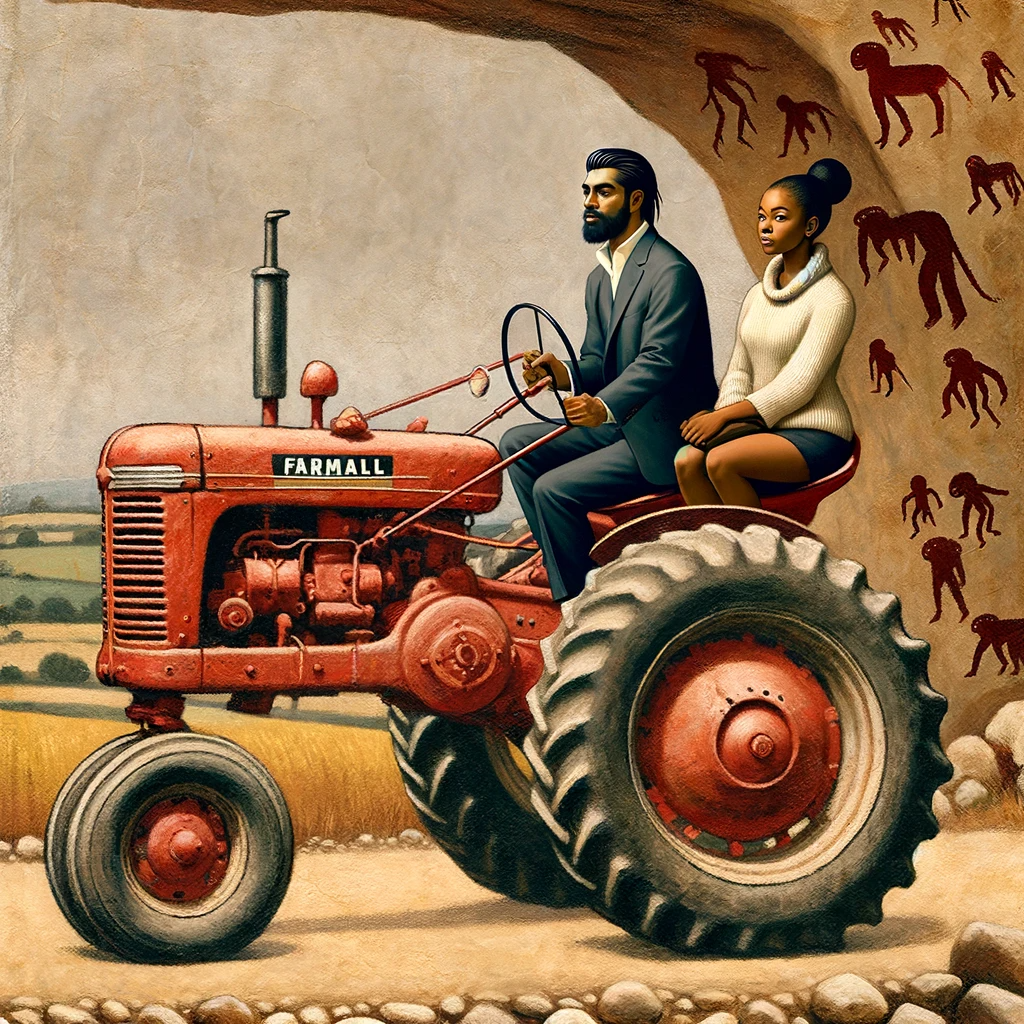
What Emotional Connections Do We Have to Forgotten Tools?
Are Modern Advancements Leaving Us Less Satisfied with Our Choices?
In a world saturated with options, the simple act of choosing has ballooned into a daunting task. Picture a farmer, standing in a sun-drenched field, the gentle hum of a tractor serving as a backdrop. When that farmer makes a choice—perhaps selecting a seed to plant—each decision carries weight, history, and purpose. Contrast that with today’s consumer landscape, where we find ourselves bombarded by endless varieties of every product imaginable. The thrill of choice swiftly morphs into paralysis.
The paradox of modern advancements lies in their promise of freedom against a backdrop of choice overload. In theory, this abundance should lead to greater satisfaction, yet many find themselves disillusioned. Think about your last shopping experience. Did the sheer number of options create excitement, or did it leave you feeling frustrated, exhausted, and second-guessing every decision? This isn’t just about shopping; it extends to major life choices—career paths, relationships, even social engagements. When every decision seems to carry the weight of comparison and judgment, satisfaction dwindles.
Innovations are meant to simplify our lives, but they often do the opposite. Take social media, for instance—a tool designed to connect us. Instead, it can leave us feeling adrift, comparing our behind-the-scenes to everyone else’s highlight reels. Engaging with those who share our values or passions becomes lost in the noise, and we find ourselves questioning our self-worth based on likes and shares. We are left torn between our digital personas and our authentic selves, leading to a crisis of identity and satisfaction.
The ethical implications are profound. When we become more detached from our choices, we risk losing our sense of agency. We turn into spectators in our own lives, longing for authenticity but drowning in manufactured perfection. It’s time to strip away the excess and get back to the core of what truly matters.
Let’s embrace simplicity, much like that farmer on his tractor, making deliberate choices with conviction. Imagine a world where we slow down and prioritize quality over quantity, where our decisions reflect our values rather than societal pressures. It’s this deliberate approach—a rediscovery of intention—that can lead to a deeper satisfaction with our choices. It’s less about the sheer volume of options and more about the meaningfulness of what we choose.

Are Modern Advancements Leaving Us Less Satisfied with Our Choices?
Are Modern Advancements Leaving Us Less Satisfied with Our Choices?
- Choosing has become a daunting task in a world full of options.
- A farmer’s deliberate choice contrasts with today’s consumer landscape’s overwhelming variety.
- Choice overload leads to frustration and dissatisfaction, impacting major life decisions.
- Innovation often complicates lives, as seen with social media’s effects on self-worth.
- Detachment from choices risks our sense of agency and authenticity.
- Embracing simplicity and intentionality can enhance satisfaction with decisions.
- Prioritizing quality over quantity helps align choices with personal values.

Are Modern Advancements Leaving Us Less Satisfied with Our Choices?
What Ethical Responsibilities Do We Have to Preserve Old Machines?
Old machines, much like the seasoned hands that built them, embody stories and skills that connect us to our past. Think about the tractor that once plowed your grandfather’s fields. It didn’t just cultivate the land; it cultivated a legacy. Each dent and scratch on that machine tells tales of toiling under the sun, of hard-earned harvests, and of family traditions passed down through generations. Preserving these machines isn’t merely an act of nostalgia; it’s an ethical obligation to honor the people, the craft, and the sweat that shaped our communities.
As we forge ahead in a world driven by rapid innovation, we must pause and reflect on the value of these relics. Not simply as artifacts collecting dust but as heralds of a time when every part of a machine served a purpose, and every purpose connected to a person. Each tractor and tool in vintage workshops symbolizes the principles of craftsmanship and the dedication to doing a job right. They remind us that progress should not erase our history but rather build upon it.
The call to action lies in recognizing that preserving old machines helps maintain a continuity of skills and knowledge. When we restore a vintage tractor, we are not just fixing machinery; we’re maintaining a reservoir of expertise. This knowledge, honed through years of practice, is at risk of being lost amidst the clamor for the latest technology. Our responsibility extends to teaching the next generation the value these machines represent. Sharing how to nurture, respect, and operate such incredible inventions fosters a connection with history, creating a sense of pride in our roots.
It’s about community too. When we gather to restore a classic tractor or vintage equipment, we cultivate relationships. Conversations spark over grease and gears, connecting young and old, sharing wisdom, stories, and laughter. This communal effort nurtures a culture that honors originality and innovation alike—a balancing act where old meets new.
Ultimately, saving an old machine is more than just preserving metal and mechanics; it’s about preserving the spirit and resilience that built our society. Each machine holds within it the ethos of perseverance and resourcefulness. It asks us to admire our past while daring us to think about how we can carry those lessons forward. Recognizing this responsibility ignites a passion for preservation, urging us not just to look back but to drive forward with purpose, intention, and respect for the hands that shaped our world.

What Ethical Responsibilities Do We Have to Preserve Old Machines?
What Ethical Responsibilities Do We Have to Preserve Old Machines?
- Old machines tell stories and preserve skills connecting us to our past.
- Each scratch and dent carries tales of hard work and family traditions.
- Preserving these machines is an ethical obligation to honor craftsmanship.
- Old machines symbolize principles of doing a job right, reminding us of our history.
- Restoration helps maintain continuity of skills and knowledge at risk of being lost.
- Community efforts in restoration foster relationships and shared wisdom across generations.
- Saving old machines preserves the spirit of resilience, urging reflection on how to carry lessons forward.

What Ethical Responsibilities Do We Have to Preserve Old Machines?
Conclusion
Old iron—those vintage tractors and machines that have weathered time—embodies a unique blend of nostalgia, reliability, and authenticity in our increasingly complex world. In an era dominated by technology, it’s easy to forget the dependable nature of these classic machines that connect us to a simpler past. They remind us of grit, hard work, and a level of craftsmanship that modern gadgets often lack.
Imagine a farmer returning to his roots, opting for the familiar growl of his aged tractor instead of grappling with high-tech equipment. The tractor, while devoid of frills, represents lessons in patience and the sheer satisfaction of tangible work—lessons that today’s smart devices rarely impart. It fosters a bond, becoming more than just a vehicle; it evolves into a trusty companion in his agricultural journey.
The allure of old iron also lies in its ethical resonance. Choosing to restore a vintage machine is a rejection of our disposable culture, a statement that cherishes sustainability and historical significance. Each tractor not only signifies history but also represents a promise—a commitment to pass down the values of perseverance and resourcefulness. These machines embody tradition, igniting connections to our land and ancestors.
There’s profound importance in confronting today’s overwhelming array of choices. With so many options, simplicity often feels elusive. In contrast, vintage machinery offers clarity. The emotional ties we develop with these tools serve as anchors amidst the chaos of modern life—reminding us of the fundamental values we often overlook.
Reviving old machines does more than preserve their physicality; it safeguards stories and skills that hold the potential to educate future generations. It transforms preservation into a communal effort—moments spent restoring these relics become opportunities to share wisdom, forge connections, and celebrate a collective legacy.
Every scratch and dent on a vintage tractor tells a story of resilience and labor, inviting appreciation for the history embedded in each part. These old iron machines highlight the importance of understanding our roots while encouraging us to lean into a future that respects the past.
In a world focusing on the fleeting and convenient, let’s pause and recognize the value of reliability rooted in history. The next time you hear that engine rumbling to life, take a moment to appreciate the old iron that stands as a testament to the enduring spirit of craftsmanship, community, and the deep-rooted connections that define our existence.

Conclusion
Conclusion:
- Old iron, including vintage tractors, symbolizes nostalgia, reliability, and authenticity.
- Classic machines connect us to a simpler past, embodying grit, hard work, and craftsmanship.
- Farmers may prefer aged tractors for their dependable nature over high-tech equipment.
- Restoring vintage machines rejects disposable culture, promoting sustainability and historical significance.
- Vintage machinery provides clarity in a complex modern world, reminding us of fundamental values.
- Reviving old machines preserves stories and skills, fostering community and legacy.
- Every imperfection on a vintage tractor tells a story, highlighting the importance of history and craftsmanship.

Conclusion
Other Resources

Other Resources
Here is a list of other resources you can review online to learn more:
- Rhino
- Unitrak
- AGCOAllis
- Steiner Tractor
- Versatile
- LeRoi
- McCormick Intl
- Holder
- Titan Machinery
- Hurlimann
- Classic Old Tractors
- Sears
- Fate-Root-Heath
- Benye
- Challenger
- Big Iron Farm Show
- Antique Tractor Supply
- Foton
Use This Prompt To Get More Resources With Your Favorite Online AI Tool: Please provide me with a list of online articles with their URLs in a bulleted list that I can read regarding No Computers, No Problems – Why Old Iron Just Works

Other Resources
Glossary Terms
No Computers, No Problems – Why Old Iron Just Works – Glossary Of Terms
1. Old Iron — Colloquial name for vintage mechanical machines and equipment built with heavy, non-electronic components that emphasize durability and simplicity.
2. Mechanical Simplicity — Design philosophy favoring few moving parts and straightforward mechanisms to reduce failure modes and ease repair.
3. Analog Controls — Non-digital interfaces such as levers, knobs, and cables that provide direct, observable control without software layers.
4. Manual Transmission — Gearbox operated by human input (clutch and shifter) that is mechanically simple, durable, and repairable in the field.
5. Carburetor — Fuel-metering device that mixes air and fuel mechanically, offering predictable behavior and simple adjustments without electronic control.
6. Points Ignition — Mechanical contact breaker system for timing sparks, easy to inspect, adjust, and replace without electronic modules.
7. Magneto — Self-contained mechanical ignition generator that produces spark without battery power, valued for reliability in remote conditions.
8. Mechanical Governor — Device that regulates engine speed through physical linkages or springs rather than electronic sensors and actuators.
9. Camshaft — Rotating shaft with cam lobes that mechanically open and close valves, central to timing and robust compared with electronic valve control.
10. Pushrod — Simple rod that transfers motion from cam to valve mechanism, enabling straightforward diagnostics and replacement.
11. Cast Iron — Heavy, wear-resistant material used in blocks and components that tolerates rough use and is forgiving to maintenance errors.
12. Forging — Manufacturing process producing strong, fatigue-resistant parts that endure heavy loads and shocks common in old machinery.
13. Overengineering — Intentional design margin and use of heavier components to extend life and tolerate abuse rather than minimizing weight/cost.
14. Robustness — Ability of a system to continue functioning under stress, dirt, vibration, and imperfect maintenance common in non-digital designs.
15. Redundancy — Inclusion of multiple simple systems or backup parts (mechanical linkages, spare belts) to maintain basic function when one fails.
16. Serviceability — Ease with which a machine can be inspected, adjusted, and repaired using basic tools and local parts.
17. Field Repairability — Capability to perform fixes on-site without specialized diagnostic equipment or software, often with improvised parts.
18. Parts Interchangeability — Standardized components and dimensions that allow substitution and reuse across years/models for easy sourcing.
19. Modularity — Construction from discrete, separable units (engines, axles, pumps) that can be swapped or repaired independently.
20. Ease of Diagnosis — Ability to detect faults by sight, sound, smell, or basic measurement rather than relying on electronic fault codes.
21. Fail-safe Design — Mechanical arrangements that default to a safe state or permit continued operation when a component fails.
22. Lubrication System — Simple oiling methods (splash, grease fittings) that protect moving parts and are easy to maintain without sensors.
23. Plain Bearings — Simple bearing surfaces that tolerate contamination and can be serviced or replaced without high-precision tooling.
24. Ball and Roller Bearings — Durable, widely available bearings that provide predictable wear characteristics and straightforward replacement.
25. Gaskets and Seals — Mechanical seals that contain fluids; easy to inspect and replace to prevent leaks without electronic intervention.
26. Heat Treatment — Metallurgical process that hardens parts to resist wear and cracking, contributing to long component life.
27. Torque — Rotational force concept central to mechanical function, designed and tunable through gearing rather than electronic torque management.
28. Mechanical Advantage — Use of levers, gears, and pulleys to amplify force in a simple, reliable way without control software.
29. Preventive Maintenance — Scheduled, hands-on upkeep (adjustments, lubrication, part replacement) that keeps simple machines running reliably.
30. Spare Parts Culture — Habit and infrastructure of keeping common replacement parts, tools, and know-how on hand to enable quick fixes and prolonged service life. Glossary Of Terms
Other Questions
No Computers, No Problems – Why Old Iron Just Works – Other Questions
If you wish to explore and discover more, consider looking for answers to these questions:
- What specific makes and models are considered “old iron” or worth preserving?
- How do I assess the condition of a vintage tractor before buying?
- What are the most common mechanical problems on older tractors and how serious are they?
- Where can I source replacement parts, manuals, and original components for vintage machines?
- How much does a typical restoration cost and how long does it take?
- What basic tools, skills, and workshop space are required to maintain or restore an old tractor?
- Can older tractors be upgraded to meet modern safety standards without ruining authenticity?
- How fuel-efficient are vintage tractors compared with modern equipment?
- What are the environmental impacts of restoring and running old machines versus buying new ones?
- Is restoring an old tractor cost-effective compared to purchasing a new one for practical farm use?
- How do you safely start, operate, and transport a vintage tractor?
- Are there legal, licensing, emissions, or road-use regulations that apply to vintage farm equipment?
- How can younger generations learn the skills needed to maintain and operate old iron?
- Where can I find clubs, shows, communities, or online forums dedicated to classic tractors and tools?
- What are best practices for storing and preserving old machinery to prevent rust and decay?
- Can old engines be converted to run on alternative fuels (biodiesel, propane) or electrified?
- How do you determine historical/collector value versus functional value when restoring?
- What ethical considerations surround restoring, displaying, or repurposing old agricultural machines?
- How do you insure a vintage tractor or other classic farm equipment?
- Which safety upgrades (seat belts, roll bars, lighting) are recommended for working machines?
- How easily can old tractors be adapted to work with modern implements and attachments?
- What return on investment might one expect from restoring and reselling a vintage tractor?
- How should restoration work be documented to preserve provenance and value?
- How do you safely handle and dispose of hazardous materials found in old machines (oil, lead paint, coolant)?
- How does the longevity of old iron compare with the planned obsolescence common in modern equipment?
- What common scams and pitfalls should buyers watch for when purchasing vintage machinery?
- How do the maintenance demands of older machines impact farm productivity and labor costs?
- Are there grants, tax incentives, or preservation programs that support restoring historic farm equipment?
- What are the best books, courses, or online resources to learn vintage tractor restoration and maintenance?

Other Questions
Haiku
No Computers, No Problems – Why Old Iron Just Works – A Haiku
Old iron stands steadfast,
Stories of toil and grit shared,
Roots and bonds endure.

Haiku
Poem
No Computers, No Problems – Why Old Iron Just Works – A Poem
In fields where old iron stands so proud,
With dusty paint and stories loud,
These tractors, strong without designs,
Whisper tales of simpler times.
No screens, no codes, just metals heart,
A steadfast pulse, a solid start,
In every dent, a life once lived,
In every scratch, a lesson given.
A farmers grip on steering wheel,
Churning soil, what joy to feel!
Through toils embrace, we find our root,
With sweat and grit, our world’s pursuit.
Against the tide of fleeting trends,
These vintage machines become our friends,
Their reliability, a precious creed,
In hurried times, they sow our need.
Through rust and age, we find our lore,
Stories etched, demanding more,
Each restoration, a bridge we build,
Connecting past to future, fulfilled.
In gathering hands around their might,
Generations share the light,
Reviving crafts that time has spurned,
A noble mission; respect weve earned.
So pause, reflect, as engines hum,
In this old iron, we hear the drum,
A rhythm of lives, etched through the years,
So let us honor, cherish, and steer.

Poem
Checklist
No Computers, No Problems – Why Old Iron Just Works – A Checklist
Emotional Appeals
✅______ Reflect on personal stories associated with vintage machines ⠀
✅______ Consider how these machines evoke nostalgia and a sense of belonging ⠀
✅______ Encourage sharing experiences of working with or learning about old technology ⠀
Rational Appeals
✅______ Assess the reliability and simplicity of older machines compared to modern alternatives ⠀
✅______ Highlight the cost-effectiveness of maintaining older equipment ⠀
✅______ Examine the efficiency of vintage machinery in specific tasks and applications ⠀
Ethical Appeals
✅______ Promote the environmental benefits of restoring and using older machines over disposable models ⠀
✅______ Advocate for the preservation of craftsmanship and traditional skills ⠀
✅______ Encourage critical thinking about consumer habits and the value of sustainability ⠀
Authority Appeals
✅______ Share expert opinions on the advantages of older technologies in today’s context ⠀
✅______ Reference historical achievements and contributions of vintage machines to agriculture and industry ⠀
✅______ Utilize testimonials from seasoned professionals who advocate for old machinery ⠀
Narrative Appeals
✅______ Encourage storytelling around personal and familial connections to older equipment ⠀
✅______ Frame the importance of these machines within broader societal narratives about progress ⠀
✅______ Illustrate lessons learned from experiences with vintage machinery that modern technology cannot provide ⠀
Social Appeals
✅______ Foster community engagement through workshops or events focused on restoring and preserving old machines ⠀
✅______ Create platforms for sharing knowledge among enthusiasts and newcomers alike ⠀
✅______ Highlight the sense of community built around shared experiences and the appreciation of vintage technology ⠀

Checklist
At ClassicTractorNews, we help tractor lovers keep up with the latest news for classic and vintage tractors.
Please share this post with your friends, family, or business associates who may like old classic or vintage tractors.