

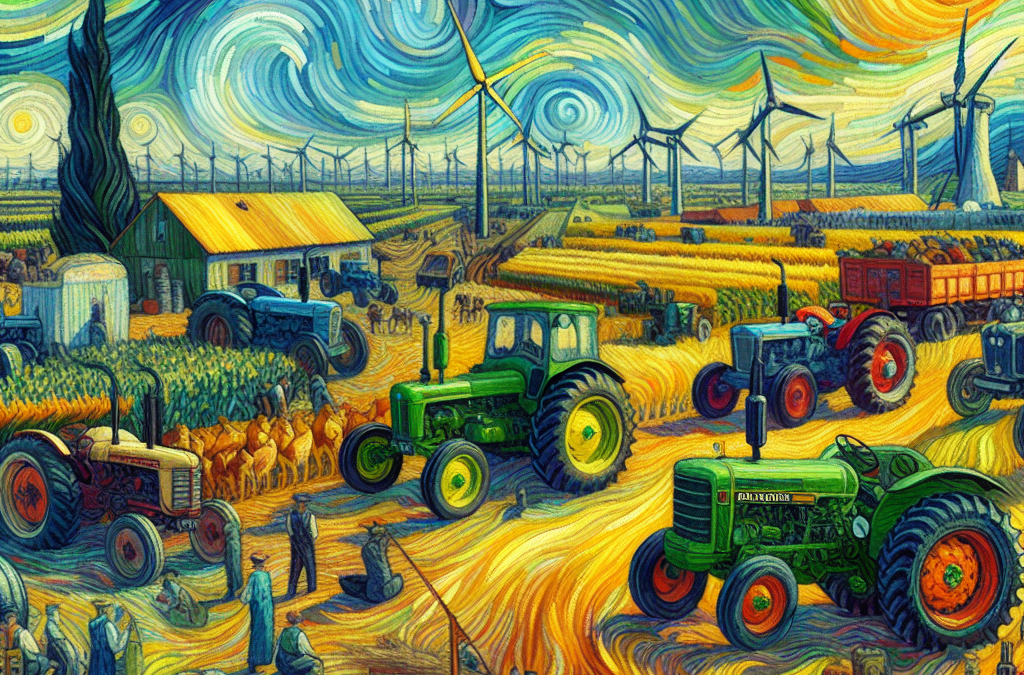
Rethink Farming: When Innovation Becomes A Heavy Burden
By Tom Seest
At ClassicTractorNews, we help tractor lovers keep up with the latest news for classic and vintage tractors.
Please share this post with your friends, family, or business associates who may like old classic or vintage tractors.
Modern Tractors – Great Until They Won’t Move Without a Laptop
Modern tractors have come a long way from their mechanical ancestors, boasting GPS navigation, advanced sensors, and even the ability to connect to the internet. But there’s a hitch: when these marvels of engineering fail, they often require more than a wrench—they demand a laptop.
Picture this: you’re sitting in the cab of your gleaming new tractor, ready to plow the fields as generations before have done. You fire it up, but instead of the comforting roar of an engine, you’re met with a disheartening silence and an error message that seems to have come from another planet. There you sit, with a phone in one hand and a laptop in the other, desperately searching for solutions, while the crops wait. There’s something deeply unsettling—almost tragic—about this predicament. It’s as if the very machine designed to make our lives easier has instead thrown us into a technological labyrinth, leaving us at the mercy of tech support.
This dilemma resonates on multiple levels. On a rational plane, we all appreciate the benefits of technology—like precision farming methods that ensure better yields and less waste. However, it begs an ethical question: should we really allow our reliance on complex systems to outpace our understanding of simple mechanics? When we’re left powerless, staring at a screen rather than hands-on with our equipment, we lose a piece of ourselves—our connection to the land and the agricultural traditions that have sustained us for generations.
Let’s take a step back. Think about the farmers who came before us. They relied on instinct and knowledge passed down through the ages, using their gut feelings as their primary guide. This new era seems to ask us to trade that intuitive feel for a series of algorithms and codes. Yet, there’s an undeniable beauty in knowing your machine inside and out, being able to fix it with your own hands. The trustworthy, robust tractor of yesteryear instilled a sense of pride; it was reliable and didn’t require a tech degree just to turn the key.
It’s time to rethink this relationship. Let’s advocate for technology that empowers instead of immobilizes. Embracing innovation is crucial, but let’s also cherish and teach the foundational skills that led us to this point. We can have both—a modern tractor that works seamlessly with the understanding of what makes it run. By balancing cutting-edge technology with our agricultural heritage, we can cultivate not just fields but a lasting bond with the land, ensuring both progress and our roots remain intact.
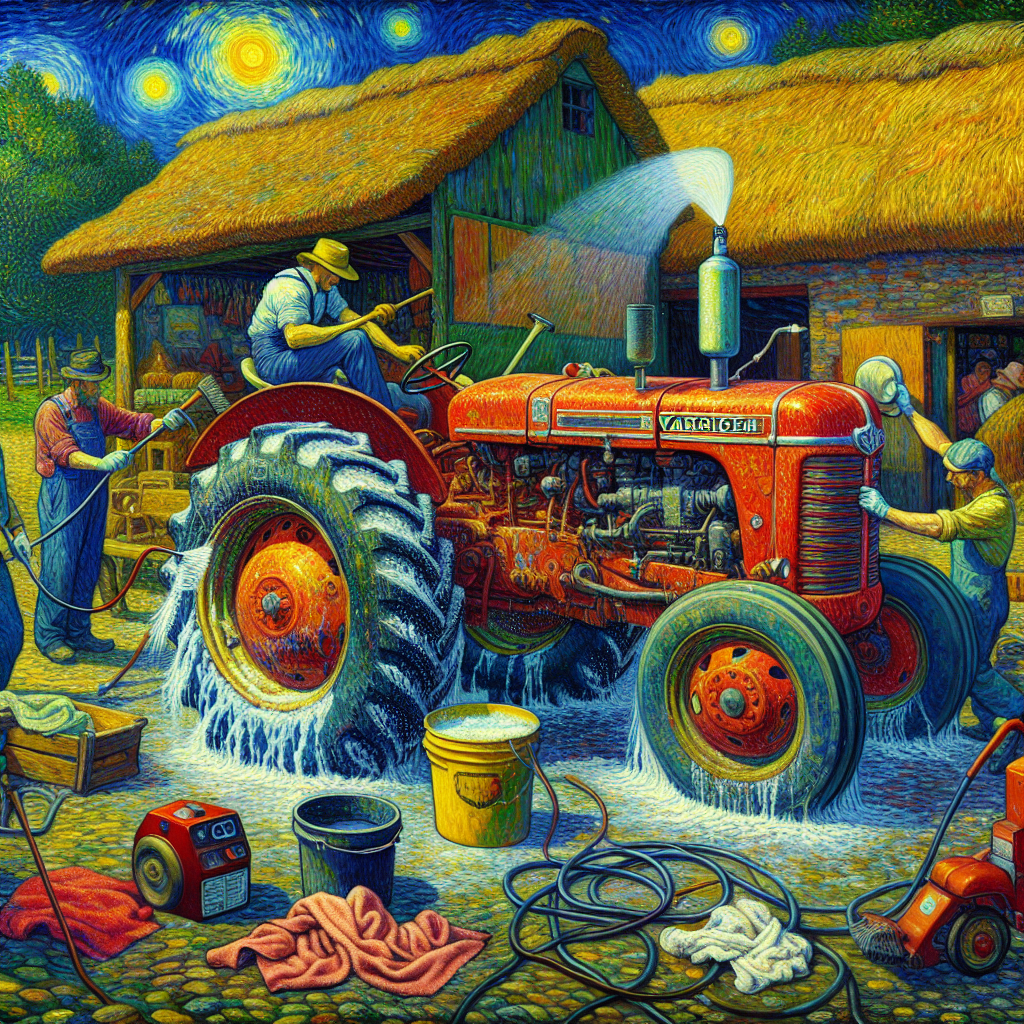
Modern Tractors – Great Until They Won’t Move Without a Laptop
Modern Tractors – Great Until They Won’t Move Without a Laptop
- Modern tractors incorporate GPS, advanced sensors, and internet connectivity.
- Technological failures often require laptops for troubleshooting instead of traditional mechanical skills.
- The reliance on technology can lead to feelings of disconnection from agricultural traditions.
- Farmers of the past used instinct and experience rather than complex technology.
- Preserving foundational mechanical skills is essential in an increasingly tech-driven environment.
- There is value in understanding machinery fully, fostering pride and independence in farming.
- Balancing modern technology with agricultural heritage can strengthen the connection to the land.
Modern Tractors – Great Until They Won’t Move Without a Laptop
Table Of Contents
- Modern Tractors – Great Until They Won’t Move Without a Laptop
- What Happens When Technology Fails on Your Farm?
- Are We too Reliant on Digital Solutions?
- How Do Repairs Impact Your Productivity and Profits?
- What Emotional Toll Does Tractor Downtime Take on Farmers?
- How Can We Balance Tradition with Modern Advancements?
- What Happens to Skills When Machines Do the Heavy Lifting?
- Conclusion
- Other Resources
- Glossary Of Terms
- Other Questions
- Haiku
- Poem
- Checklist
What Happens When Technology Fails on Your Farm?
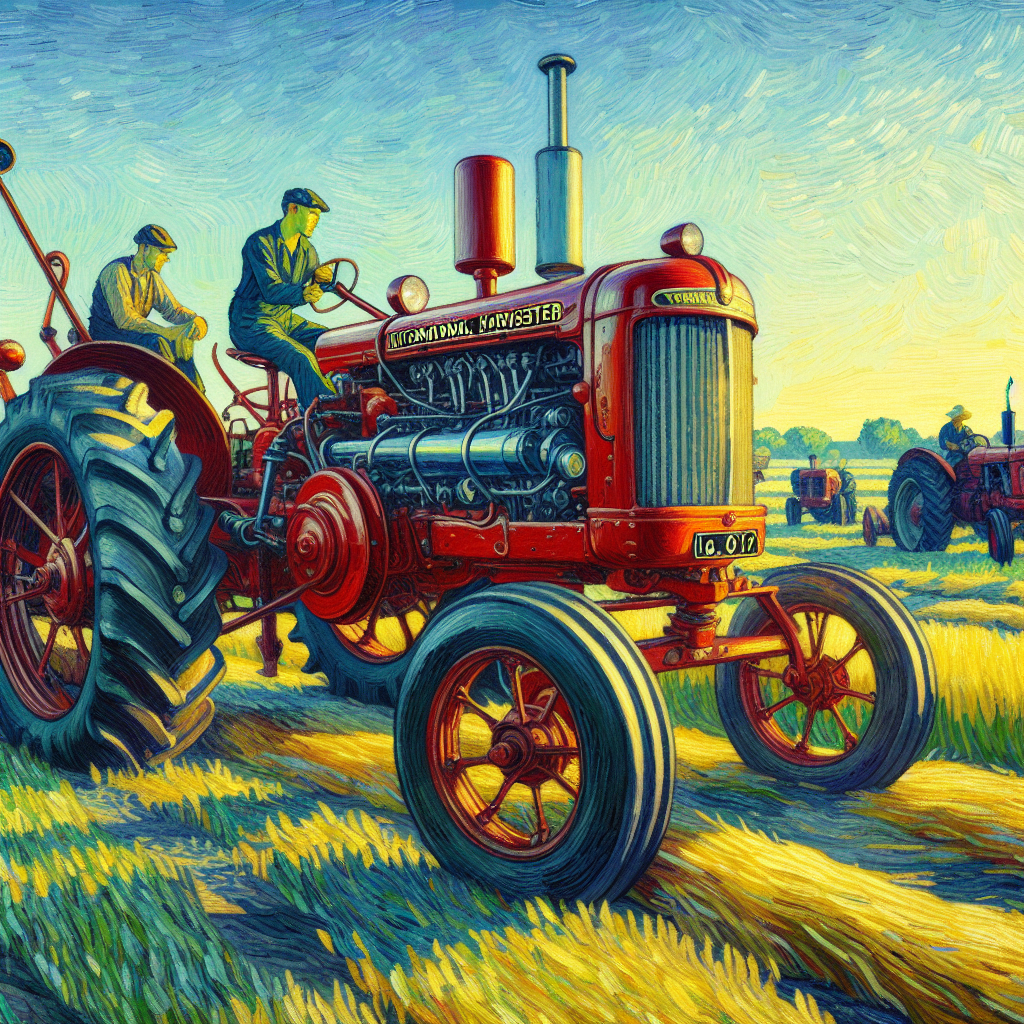
When you wake up before dawn, the crisp air fills your lungs, and the soft light of a new day seeps through the barn doors. This is not just another day on the farm; it’s a livelihood, a way of life steeped in history. But what happens when the very technology meant to make farming easier decides it’s done working? Picture a seasoned farmer, weathered hands gripping a steering wheel as the trusty tractor hums along. One minute, it’s a smooth ride; the next, it sputters and dies. Suddenly, the certainty of daily tasks collapses into chaos.
Imagine standing there, surrounded by fields of promise, now threatened by a malfunctioning piece of equipment. The heart starts racing; this moment feels all too real. When technology fails, it’s not just metal and mechanics breaking down. It feels personal. It plays with emotions—frustration cascades into fear, and fear morphs into anger, all while the ticking clock reminds you of the harvest window closing.
From a logical standpoint, relying on technology is almost a necessity in today’s agriculture. With every spark plug and software update, farms become more productive, efficient, and theoretically invulnerable to the whims of nature. However, machines are not infallible; they’re complex systems that can fail at the most critical times. The ethical dilemma emerges when you realize you’ve put so much faith in technology that you might have overlooked the tried-and-true methods passed down through generations.
Consider those bygone days when farming was dictated by the rhythm of nature—seasons, moons, rain. There’s a comforting authenticity to tilling the soil with your bare hands, to relying on the energy of the earth rather than a battery. The very essence of farming is about connection—between the farmer and their land, and between the farmer and their community. When the tractor fails, it’s not just an inconvenience; it’s a reminder of the relationships that sustain us.
In that moment of frustration, gather your community. Communicate. Share stories of past failures and victories, and lean on one another for support. There’s power in coming together, demonstrating that it’s not just about the machines we use but about the people we are and the relationships we build. Ultimately, technology can let us down, but it’s our ability to overcome these challenges, with grit and determination, that redefines what it truly means to be a farmer. Embrace the old alongside the new. When steel meets soil, resilience takes root.
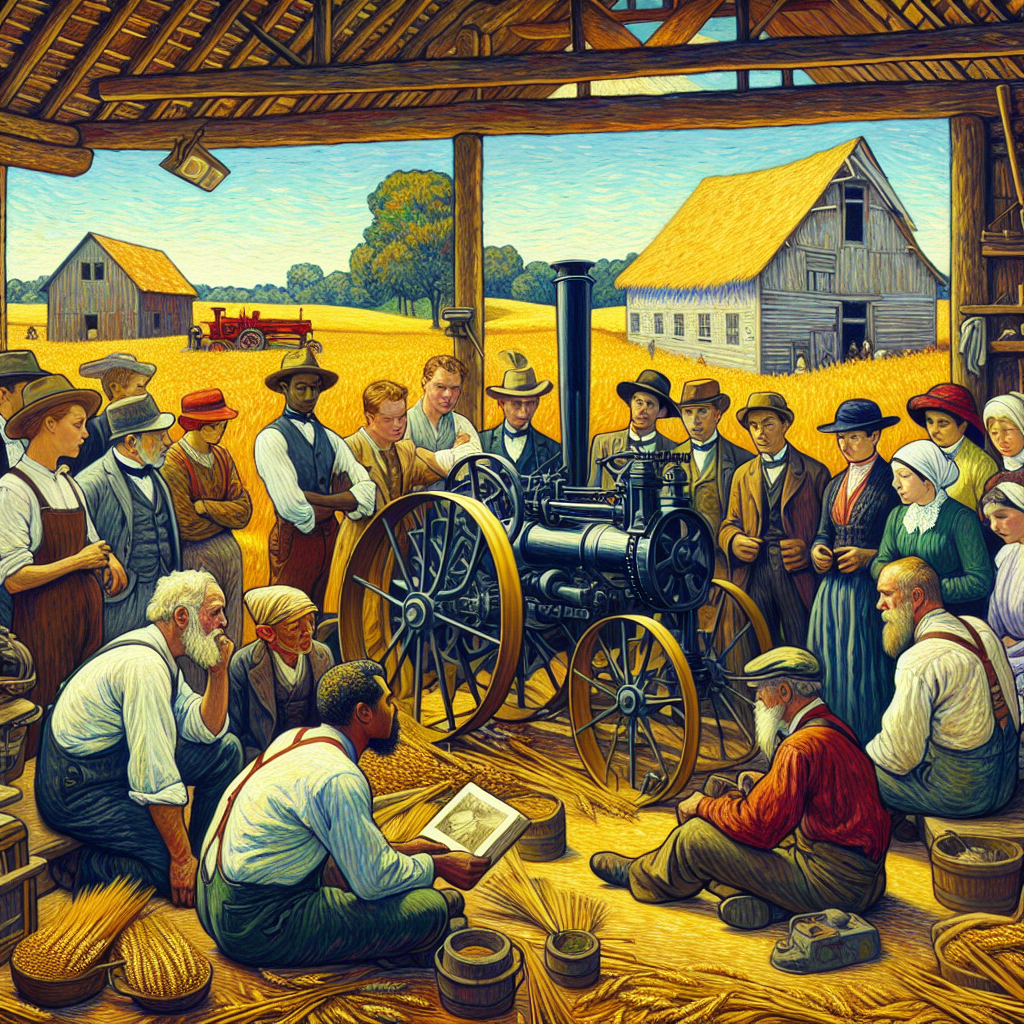
What Happens When Technology Fails on Your Farm?
What Happens When Technology Fails on Your Farm?
- Waking up before dawn, the farm comes alive with crisp air and soft light.
- Technology intended to aid farming can unexpectedly fail, leading to chaos.
- A malfunctioning tractor causes frustration and fear, threatening the harvest timeline.
- Relying on technology is essential but can lead to overlooking traditional farming methods.
- Farming historically aligns with nature’s rhythms, emphasizing authenticity and connection.
- Community support during equipment failures highlights the importance of relationships in farming.
- Overcoming technological challenges with resilience redefines the essence of being a farmer.
What Happens When Technology Fails on Your Farm?
Are We too Reliant on Digital Solutions?
Are we too reliant on digital solutions? Look around, and you’ll see the growing dependence on screens and devices—a world where the hum of a tractor in a field has been replaced by the buzz of notifications. There’s an undeniable convenience in having the world at our fingertips, yet this reliance can come at a cost.
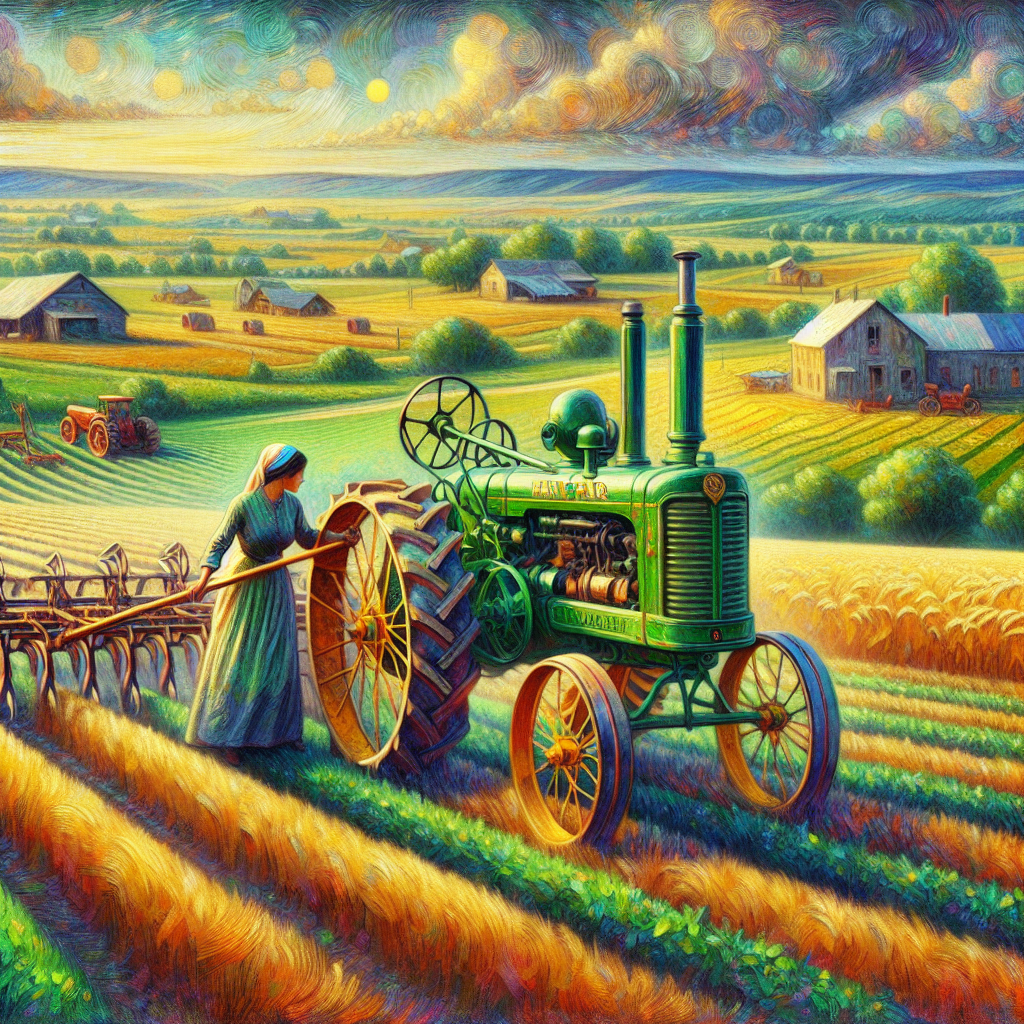
Consider the farmer, who once spent hours in the fields, hands dirty and heart aligned with the rhythm of nature. Every seed planted, every crop harvested, was an intimate dance with the land. Now, many rely on advanced algorithms and apps to manage their yield and analyze soil health. While these tools can bolster efficiency and profits, they risk severing the deep-rooted connection between the farmer and the earth. When was the last time you walked barefoot on that soil? Felt the earth’s pulse telling you what it needs?
Relying solely on digital solutions can leave us feeling vacuous. It’s a slippery slope. We’ve handed so much control over to technology that we sometimes forget our own instincts. Picture this: a farmer faces a sudden drought. An app can’t diagnose the urgency born from years of experience; it can’t read the signs of a struggling crop with the same sensitivity as someone who has dedicated their life to understanding the land. It’s about connection, not just convenience.
The emotional pull is palpable; we’re losing that sense of place and purpose. We must question where we draw the line between innovation and intuition. There’s a line between embracing technology and allowing it to define us. We can integrate digital tools while still ensuring that our roots—the ones that connect us to each other, our communities, and the earth—remain intact.
This isn’t just a call to nostalgia; it’s a plea for balance. Lives are lived, and stories are told, not through data alone but through the shared experience of shaking hands, sharing meals, and standing shoulder-to-shoulder in the fields—whether next to a tractor or across a dinner table. Let’s reignite that spirit of community and individuality, ensuring that technology serves us, rather than isolates us. After all, progress shouldn’t erase our past; it should illuminate the path forward, connecting us to both our heritage and our future.
Are We too Reliant on Digital Solutions?
Are We too Reliant on Digital Solutions?
- Growing dependence on digital solutions is evident in daily life.
- Farmers are increasingly using algorithms and apps for managing crops, risking a disconnection from nature.
- Reliance on technology may lead to neglecting instinct and experience.
- An app cannot replace a farmer’s intuition, especially in times of crisis like drought.
- There’s a need to balance embracing technology while maintaining roots in community and nature.
- Shared human experiences are essential and can be overshadowed by data-driven approaches.
- Progress should connect us to our past, heritage, and future rather than erasing it.
Are We too Reliant on Digital Solutions?
How Do Repairs Impact Your Productivity and Profits?
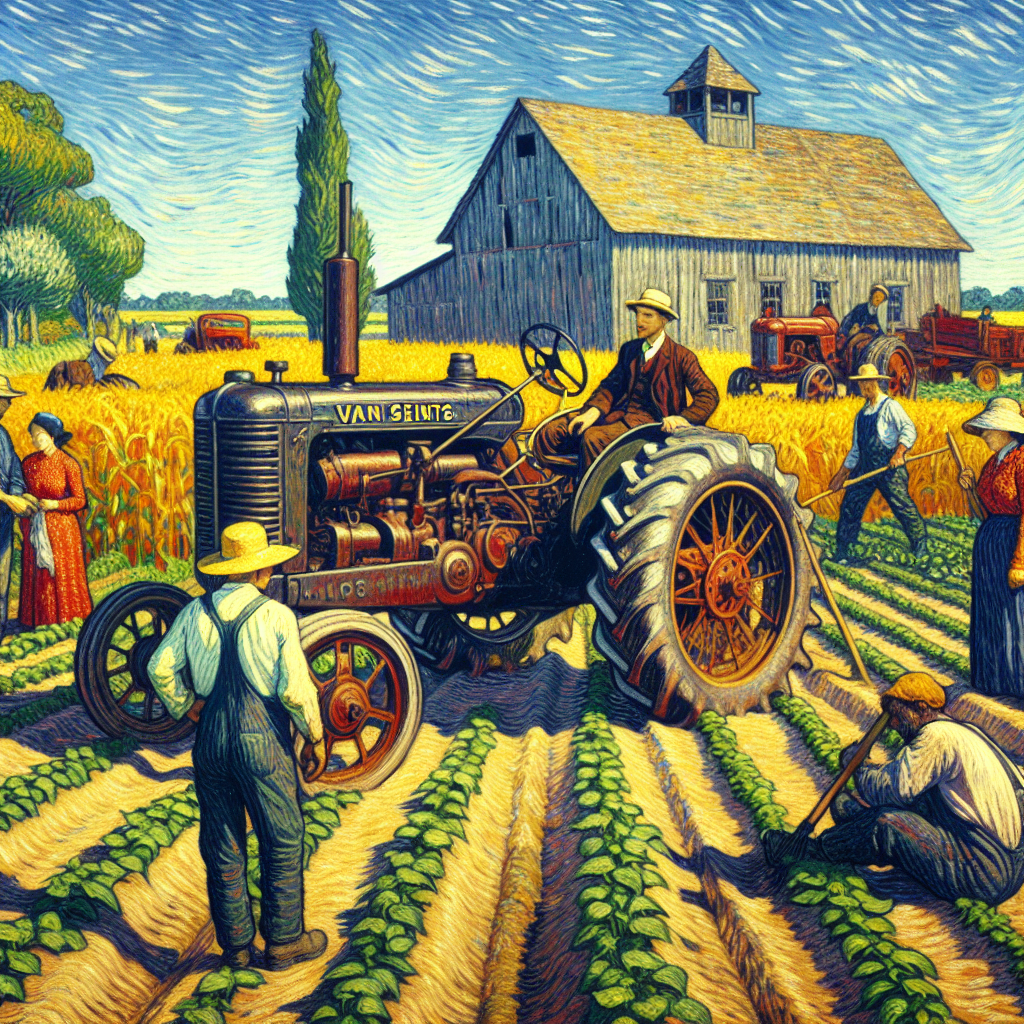
Repairs often feel like an unwelcome interruption, a necessary evil in the relentless grind of business. But let’s take a moment to flip that script. Imagine a farmer tending to his trusty tractor, the backbone of his operation. When that machine starts to sputter, it’s not just a metal beast breaking down; it’s potential profit slipping away, and dreams of harvest fading into the distance. Investing time and resources in repairs isn’t just about fixing what’s broken; it’s about revitalizing the very engine that fuels productivity and profit.
Consider this: when equipment goes down, it doesn’t just halt production; it sends ripples through the entire operation. Deadlines are missed, and customer satisfaction plummets. Every hour lost is a dollar not earned, but the impact goes deeper. Employees feel the strain. Morale dips when they are forced to wrestle with faulty equipment, leading to frustration and diminished output. Conversely, a well-maintained tractor doesn’t just run smoother; it lifts spirits. It empowers workers, fosters teamwork, and ultimately boosts profits.
There’s a profound responsibility in keeping our tools and machines in top shape. It speaks to the ethics of stewardship. We owe it not just to ourselves but to our employees and customers. When we prioritize repairs, we model integrity and respect for the resources we’ve been entrusted with. This creates trust—both within our teams and with those who depend on our products or services.
Let’s talk social appeal. In a community, businesses thrive on reputation. A company known for cutting corners on repairs quickly earns a bad name. “If they can’t take care of their tractors, how can they take care of me?” That’s the attitude you can’t afford to elicit. Instead, share stories—let customers see how a small investment in repairs leads to better service and higher quality products. Let them witness the difference that commitment makes.
Ultimately, think of repairs as an invitation, a call to action. Every time you fix something, you make a statement: that you care about your work, your people, and your customers. Repairing isn’t just maintenance; it’s a commitment to growth and excellence. It’s the difference between a company that merely survives and one that truly thrives. So, the next time you face an equipment issue, remember: it’s not just a repair; it’s an opportunity to connect with your purpose and reinforce the foundation of your success.
How Do Repairs Impact Your Productivity and Profits?
How Do Repairs Impact Your Productivity and Profits?
- Repairs are crucial for maintaining productivity and profit, not just interruptions.
- Equipment failures affect production, leading to missed deadlines and lower customer satisfaction.
- Investing in repairs boosts employee morale and encourages teamwork.
- Maintaining tools reflects ethical stewardship and builds trust within teams and with customers.
- A business known for poor maintenance risks damaging its reputation in the community.
- Sharing success stories about repairs can enhance customer perception and service quality.
- Repairs symbolize commitment to growth, excellence, and connecting with your business purpose.
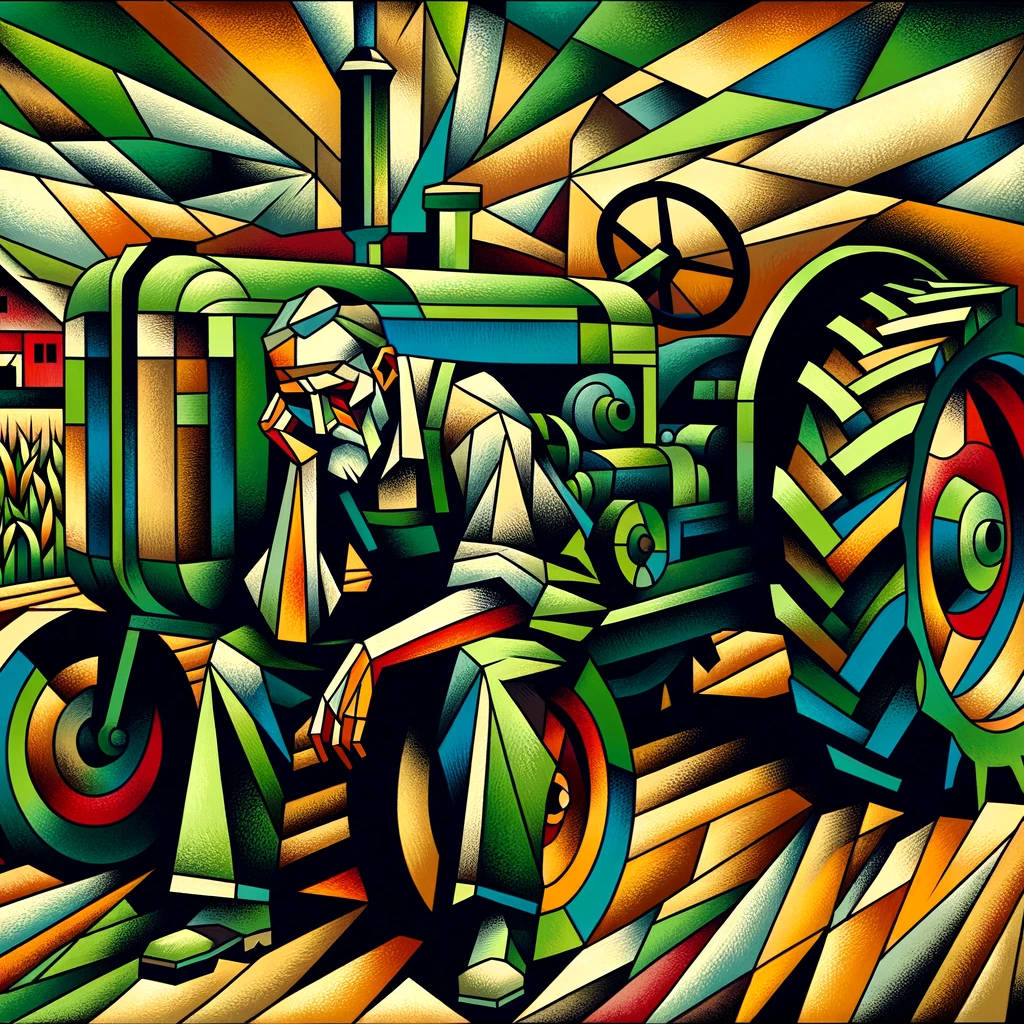
How Do Repairs Impact Your Productivity and Profits?
What Emotional Toll Does Tractor Downtime Take on Farmers?
For farmers, a broken tractor isn’t just an inconvenience; it can feel like a seismic event that sends shockwaves through their lives. Each morning, farmers rise before dawn, driven by the relentless hope of a good harvest. But when that trusty machine, which roars to life each day like a loyal companion, suddenly sits silent in the shed, it stirs a mix of anxiety and frustration. The clock ticks loudly, and the weight of the world bears down as responsibilities loom larger, reminding them of milestones that must be met.
Imagine a farmer named John, who has diligently nurtured his fields through every season. When his tractor breaks down just days before harvest, it’s like watching a storm brew on the horizon. There’s not just the pressure of lost productivity; the very identity of his family’s legacy feels threatened. For many farmers, their work is interwoven with their self-worth. The sense of pride tied to a bountiful harvest can swiftly transform into a gnawing worry when machinery failures occur.
The psychological toll can be profound. Each day spent watching crops stale in the field feels like a kick in the gut, reminding farmers that nature waits for no one. Friends and fellow farmers may come to lend a hand, yet the gnawing silence of downtime can feel isolating. The social fabric of farming—where neighbors rely on one another—also shines a light on the vulnerability these hardworking individuals face. Behind every piece of equipment lies a story, a family’s hopes wrapped in metal and horsepower.
The ethical dilemma presents itself: who will bear the burden of delays? The consequences ripple through the community as food supply chains quiver, impacting local markets and consumers alike. In this tightly knit world, the stakes are more than just financial; they tether back to a collective responsibility.
And yet, during these chaotic moments, there’s an opportunity for connection and resilience. Farmers possess an unwavering spirit, drawing on generations of wisdom that celebrates perseverance. While downtime may feel insurmountable, it often fosters a deeper bond among the community. Neighbor helps neighbor, and that spirit of togetherness can build a bridge over the emotional chasm that downtime creates.
Yes, there’s heartache, but there’s also hope. Every breakdown has the potential to transform into a rallying point—an invitation for empathy and solidarity. That’s where the true power lies, in the ability to weather the storm together, turning downtime into a testament of resilience and community strength.
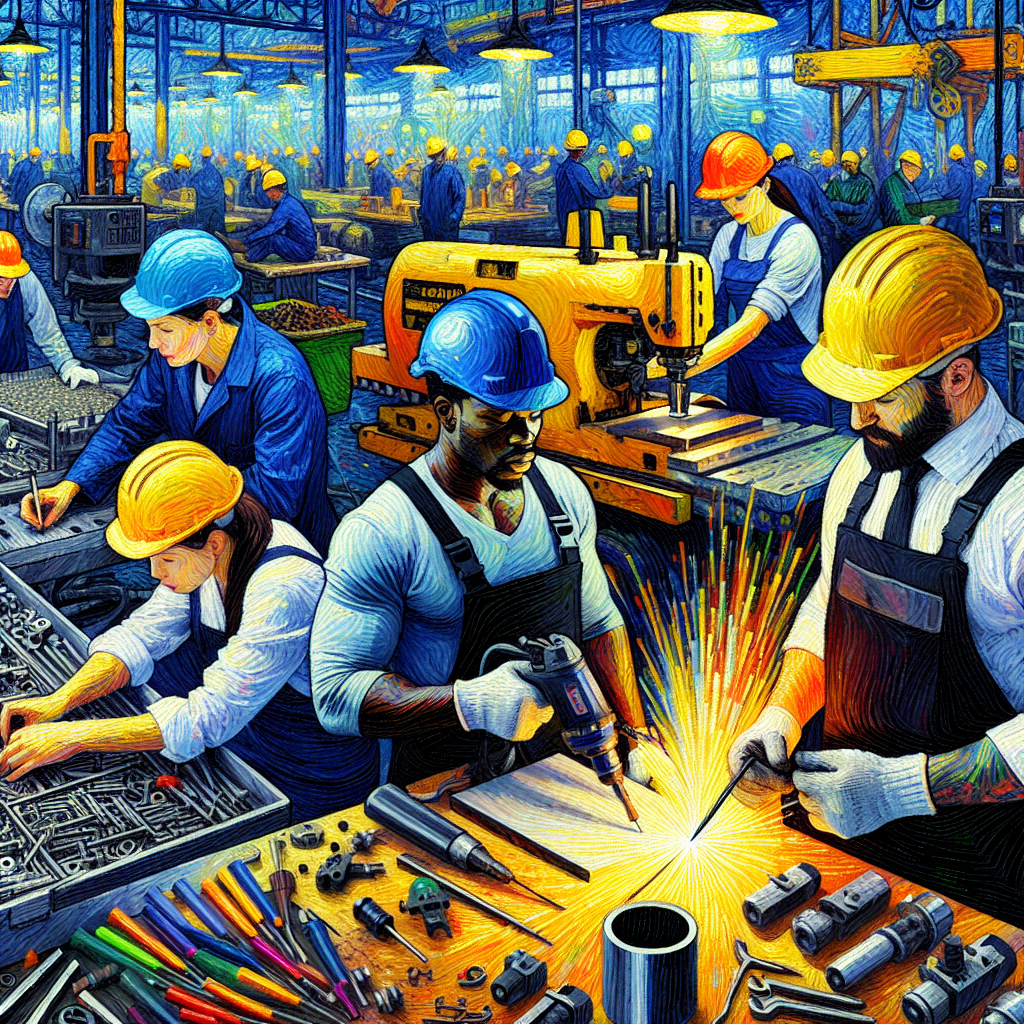
What Emotional Toll Does Tractor Downtime Take on Farmers?
What Emotional Toll Does Tractor Downtime Take on Farmers?
- A broken tractor significantly impacts farmers’ lives, causing anxiety and frustration before crucial harvests.
- Farmers’ self-worth is intertwined with their productivity and the success of their harvests.
- Machinery failures can create a profound psychological toll, making farmers feel isolated despite community support.
- The breakdowns not only affect individual farmers but also ripple through food supply chains, impacting local markets and consumers.
- Amidst challenges, farmers often find resilience and connection within their community, drawing on shared experiences and support.
- Downtime can strengthen communal bonds, turning struggles into opportunities for empathy and solidarity.
- Each tractor breakdown can become a rallying point, highlighting the collective strength of the farming community.
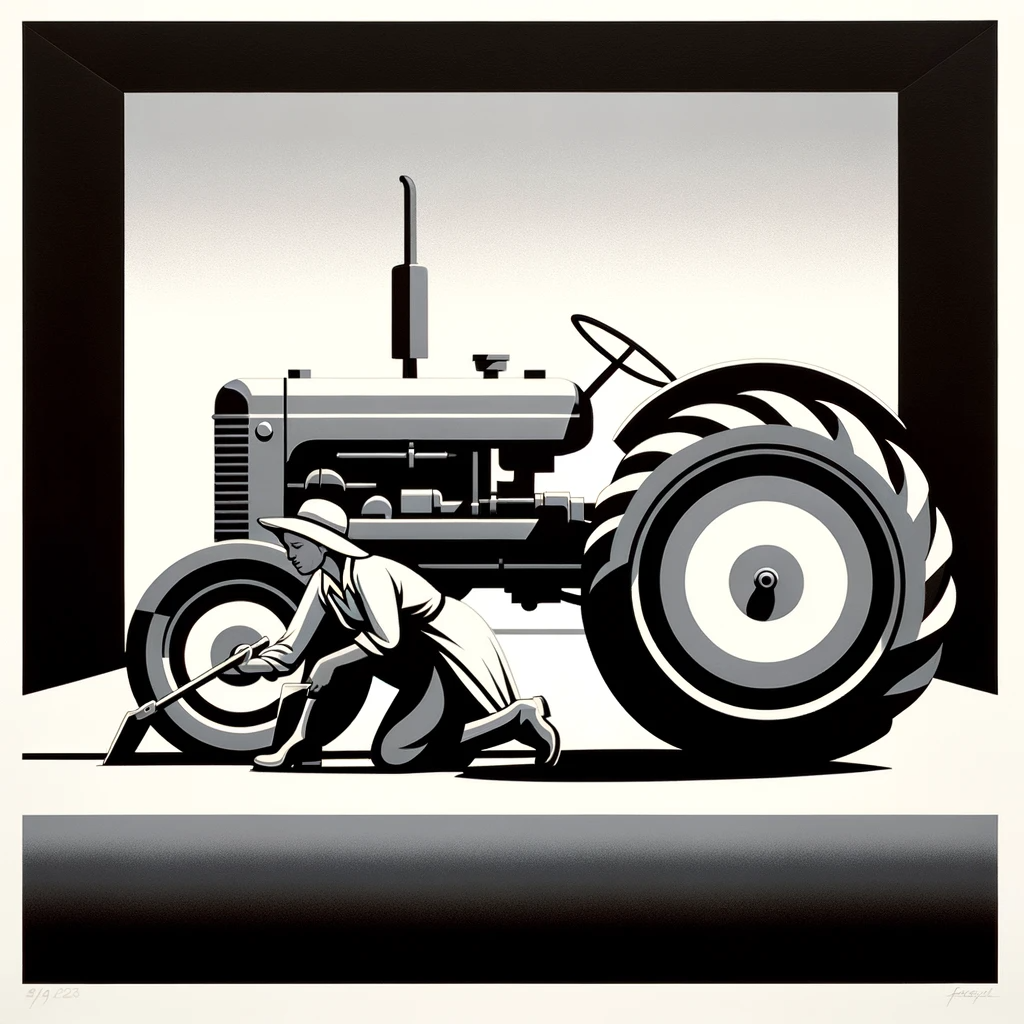
What Emotional Toll Does Tractor Downtime Take on Farmers?
How Can We Balance Tradition with Modern Advancements?
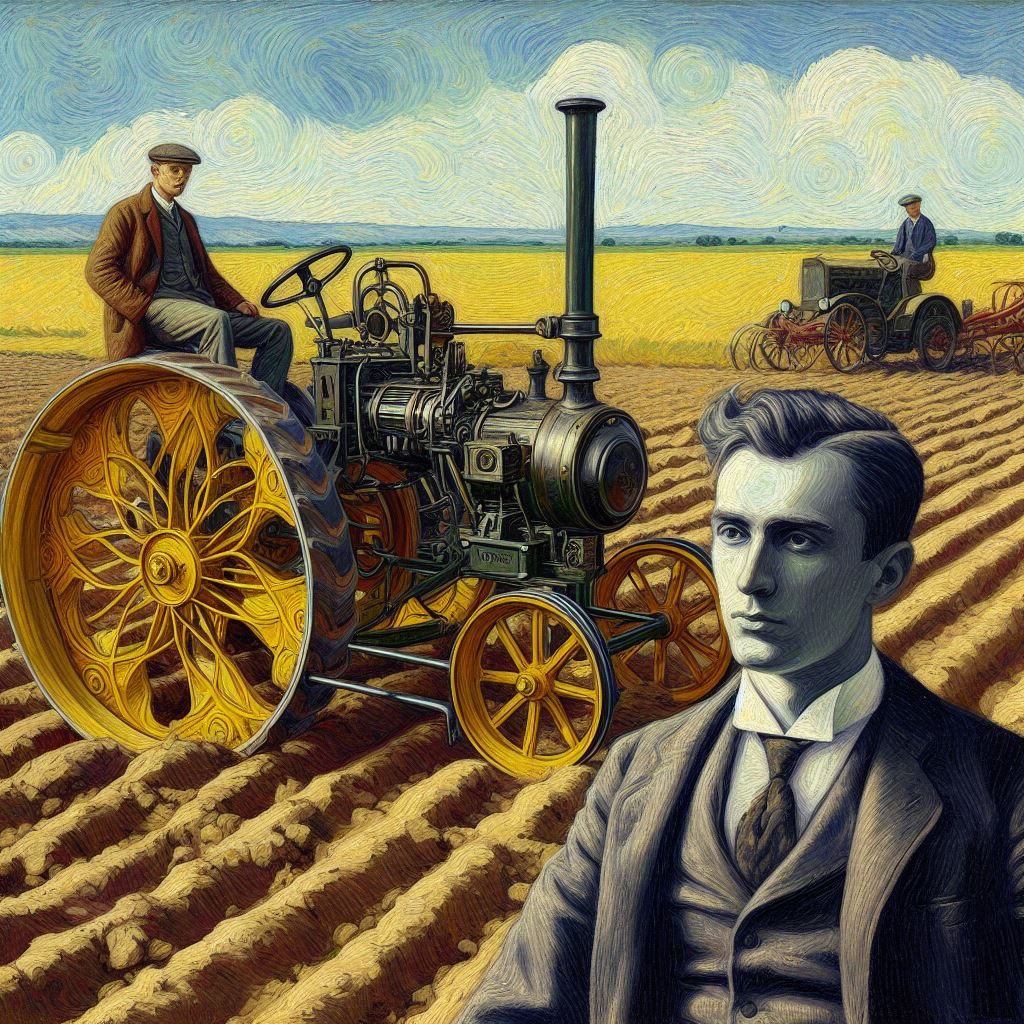
Balancing tradition with modern advancements is a challenge reminiscent of the age-old tension between the horse and the tractor. On one hand, we have the time-honored values and practices that have shaped our identities, and on the other, we face the relentless march of innovation. This isn’t just a philosophical debate; it’s the pulse of everyday life.
Take the farmer, for example. Picture a seasoned veteran who learned his craft from his father—each furrow plowed by hand, each seed sown with care, the land speaking the language of generations. Now, imagine the arrival of the tractor, a mechanical beast that promises efficiency and speed. The farmer stands at a crossroads: embrace this new technology and risk losing the very essence of his heritage, or hold fast to tradition and potentially fall behind in a competitive world.
It’s a dilemma that echoes in our personal lives too. We all have those cherished family recipes passed down through the years, but when a new diet trend catches on, we find ourselves questioning the value of tradition. The challenge lies in finding a way to intertwine these extremes. What if we could take that cherished recipe, once cooked over simmering pots, and adapt it for a modern kitchen without sacrificing the love that went into it? It’s not about erasing our past; it’s about enriching it, blending old and new like flavors in a well-prepared meal.
This merger is not without its ethical implications. As technology advances, we must consider its impact on our communities and the environment. The tractor can till more land, but at what cost? It’s essential to engage in dialogues about sustainable practices that honor our roots while also embracing progress. When we invest in modern solutions that are kind to our planet, we build trust within our communities. People want to know that their traditions matter and can coexist with advancement.
Ultimately, it’s about connection—between generations, between the past and the future. We can cultivate a cultural landscape where innovation doesn’t discard tradition but rather enhances it. By marrying these two worlds, we become storytellers of our own lives, weaving a narrative that respects where we came from while boldly stepping into tomorrow. This balance isn’t just desirable; it’s essential for a thriving, dynamic society that honors its past while welcoming the future.
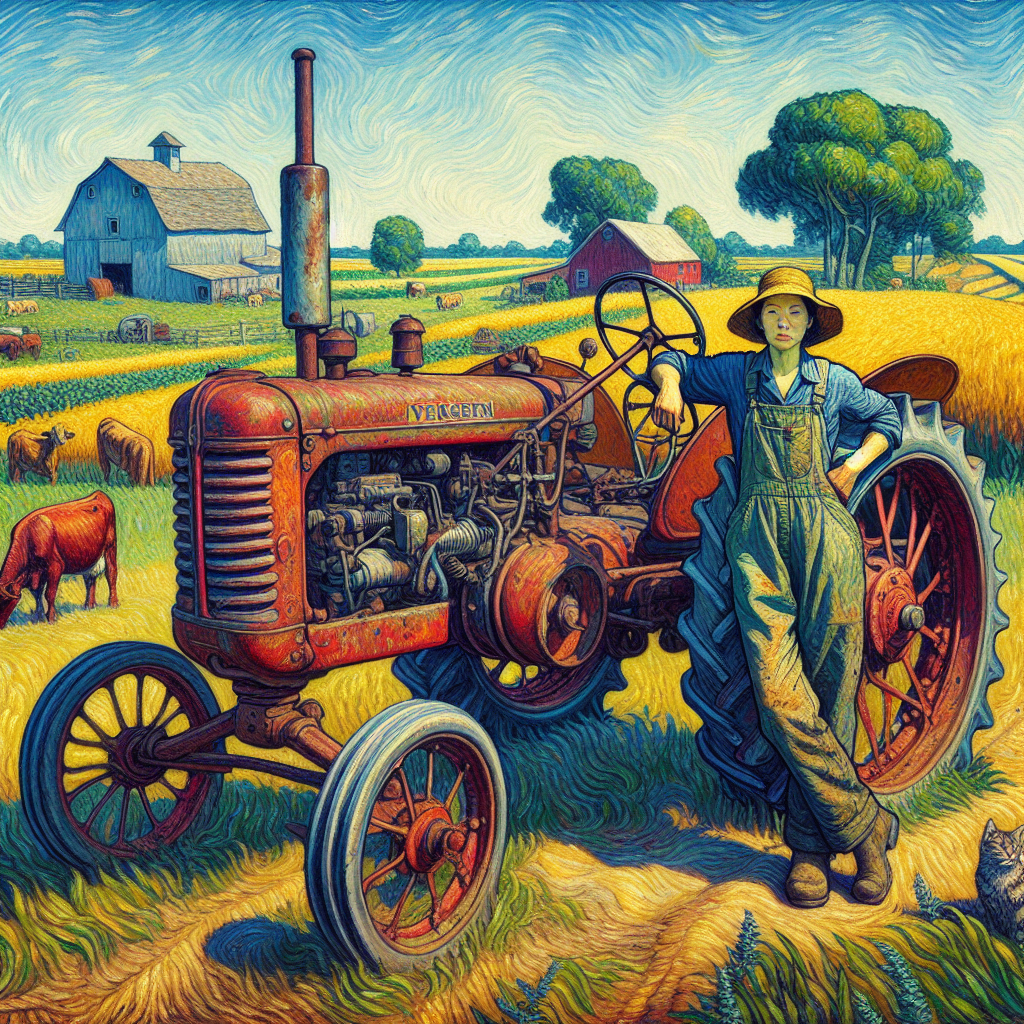
How Can We Balance Tradition with Modern Advancements?
How Can We Balance Tradition with Modern Advancements?
- Balancing tradition and modern advancements reflects the tension between historical values and innovation.
- Farmers face a dilemma of embracing technology, like tractors, versus preserving their heritage.
- This challenge also appears in personal lives, such as adapting cherished family recipes to meet modern trends.
- The goal is to enrich tradition while integrating modern practices without losing their essence.
- Technological advancements raise ethical questions about their impact on communities and the environment.
- Building trust within communities requires solutions that respect both traditions and progress.
- The balance between old and new is essential for a dynamic society that honors its past while embracing the future.
How Can We Balance Tradition with Modern Advancements?
What Happens to Skills When Machines Do the Heavy Lifting?
In a world increasingly dominated by machines, we find ourselves grappling with an intriguing quandary: what becomes of our skills when technology takes over the heavy lifting? Picture the hard-working farmer, calloused hands gripping the steering wheel of a tractor, each bump and turn a testament to years of toil and skill. As automation carries the load, we might wonder—are we losing something invaluable in this transition?
First, it’s essential to recognize that machines can only replicate what we teach them. They may mimic physical strength, but they lack the intuition and creativity that human labor brings to the table. Think about that tractor—a marvel of engineering, no doubt. Yet, it requires a skilled operator who understands the land, the weather, and the nuances of each harvest. The triumphs achieved through hard work forge a bond with the land, a legacy passed down through generations. When we replace that connection with cold steel, something vital gets left behind.
But there’s a duality to this shift. While machines alleviate the physical burden, they also compel us to rethink what it means to work. This isn’t simply about losing skills; it’s about redefining them. What if we viewed this evolution as a chance to elevate our craft? As tractors and automation take on the mundane, we are free to delve deeper into innovation and creativity—our true strengths as humans. Consider the artisan who once spent tireless hours in the field; with time reclaimed, that same individual could transform the farming landscape, investing in sustainable practices or developing new agricultural technologies that machines alone cannot envision.
This transition isn’t just about technology; it speaks to our ethics and values. Trust emerges when we recognize that humanity still holds the reins. We should champion skill-building and education, fostering a workforce that adapts and thrives alongside machines. It’s important to embrace change willingly, not with fear. The success of this collaborative future relies on our belief that we can harmonize our skills with machines to create something greater.
As we redefine our roles in a machine-dominated future, let us remember: it’s not merely about the skills we might lose, but rather the opportunities we gain to innovate, connect, and nurture our communities. Heavy lifting may now be a job for machines, but the heart of what we do—our creativity, commitment, and passion—remains distinctly human. Embrace this transformation as more than a loss of skill; it’s a call to rise, evolve, and forge a future where our human touch is irreplaceable.

What Happens to Skills When Machines Do the Heavy Lifting?
What Happens to Skills When Machines Do the Heavy Lifting?
What Happens to Skills When Machines Do the Heavy Lifting?
Conclusion
Modern tractors have transformed farming, incorporating cutting-edge technology to enhance efficiency and productivity. However, this reliance on advanced machinery raises serious questions about the balance between innovation and the essential skills cultivated through generations of farming traditions. The reality is stark: as tractors become reliant on complex software, farmers who once thrived on instinct and hands-on experience may find themselves at the mercy of technology when machines fail.
Imagine a farmer, steadfast in his daily routine, suddenly faced with a silent tractor, a piece of equipment immobilized by software issues rather than mechanical failure. The frustrations of this scenario resonate deeply—not just as a practical inconvenience but as a profound emotional burden. The heart of farming lies in its connections: with the land, with heritage, and with community. When technology falters, it disrupts not only operations but the very essence of what it means to be a farmer, fostering feelings of disconnection and helplessness.
From a rational perspective, embracing technological advancements seems inevitable, promising greater yields and streamlined operations. Yet the ethical dilemma looms: in our pursuit of progress, have we sacrificed the wisdom of simpler mechanics and the foundational understanding of our tools? The beauty of farming has always been the tactile relationship with the soil, the rhythmic dance with nature—not the sterile interactions driven by screens and algorithms. As machines dominate our processes, we risk losing the sense of self and community that comes from working the land by hand.
There’s an intrinsic value in skills honed over years of experience, where knowledge is passed down through stories and shared labor. The challenge lies in striking a harmonious balance; we must advocate for technology that empowers rather than inhibits. Innovation should be viewed through the lens of enrichment—how can we harness advances while ensuring our roots remain intact?
Reconnecting with our agricultural heritage doesn’t entail forsaking progress but rather integrating the wisdom of the past with modern methodologies. Ultimately, it’s a call to embrace both past and present. As farmers and communities grapple with the implications of modern machinery, the goal should be to cultivate resilience and solidarity, ensuring that while we advance, we do not drift away from the very values that ground us in this honorable vocation. Progress should illuminate our path forward, fostering a thriving agricultural landscape where tradition and innovation walk hand in hand.
Conclusion
Conclusion:
- Modern tractors have revolutionized farming with advanced technology for better efficiency and productivity.
- This dependency on machinery raises concerns about the balance between innovation and traditional farming skills.
- Farmers may become vulnerable to technology failures, especially when reliant on complex software.
- Technology disruptions can lead to emotional burdens and disconnection from the core essence of farming.
- There exists an ethical dilemma regarding the loss of simpler mechanics and foundational knowledge in pursuit of progress.
- Striking a balance between modern technology and traditional skills is essential to retain agricultural heritage.
- The goal is to integrate past wisdom with new methods, fostering resilience and community in the agricultural landscape.

Conclusion
Other Resources
Other Resources
Here is a list of other resources you can review online to learn more:
- Bolinder-Munktell
- Northern Neck Farm Museum
- Agrico
- Earth Force
- Corbitt
- Daedong
- Antique Farm Equipment Museum
- Unimog
- First State Antique Tractor Club
- Minot
- Keystone Tractor Museum
- General Ordnance
- Vintage Tractor Digest
- Ferguson
- Shaktimaan
- Custom
- Hitachi
- Cub Cadet
- Ivel Agricultural Motors
- Huber
Use This Prompt To Get More Resources With Your Favorite Online AI Tool: Please provide me with a list of online articles with their URLs in a bulleted list that I can read regarding Modern Tractors – Great Until They Won’t Move Without a Laptop
Other Resources
Glossary Terms
Modern Tractors – Great Until They Won’t Move Without a Laptop – Glossary Of Terms
1. ECU (Engine Control Unit) — Electronic module that monitors and controls engine functions such as fuel injection, ignition timing and emissions systems.
2. ECM (Engine Control Module) — Synonymous with ECU; the onboard computer responsible for engine management and diagnostics.
3. TCM (Transmission Control Module) — Controller that manages transmission shifting, torque converters and gearbox protection logic.
4. CAN bus (Controller Area Network) — A vehicle network standard that allows ECUs and sensors to exchange messages over shared wiring.
5. J1939 — Heavy-duty vehicle communications protocol built on CAN, used for engine, transmission and diagnostic messaging in agricultural equipment.
6. ISOBUS (ISO 11783) — Agricultural data and implement-control standard enabling tractors and implements to communicate and share task data.
7. Telematics — Remote systems that collect, transmit and visualize vehicle data (location, faults, performance) to cloud services and dealers.
8. OTA updates (Over-the-Air updates) — Remote software/firmware updates delivered wirelessly to a tractor’s control units.
9. Firmware — Embedded software running on ECUs and modules that implements control algorithms and device interfaces.
10. Calibration — Parameter set or map loaded into an ECU that defines control behavior (e. g. , fuel curves, shift points, safety limits).
11. Immobilizer — Electronic anti-theft system that prevents engine start or movement unless authenticated by a recognized key or module.
12. Electronic throttle / drive-by-wire — System where throttle input is interpreted by sensors and controlled electronically rather than by a mechanical linkage.
13. Diagnostic port — Physical connector (manufacturer-specific or standardized) used by technicians to read fault codes, run tests and configure modules.
14. Dealer/service software — Proprietary tools and applications used by manufacturers and authorized dealers to diagnose, configure and repair tractors.
15. Service mode — Special software state exposing advanced functions for maintenance, calibration or configuration, often requiring authentication.
16. Firmware signing — Cryptographic process that verifies firmware authenticity and integrity before an ECU accepts an update.
17. Secure boot — Boot-time protection that allows a control unit to run only approved, signed firmware to prevent unauthorized code execution.
18. Encryption — Use of cryptography to protect data in transit and at rest, commonly applied to telematics and firmware distributions.
19. Bricking — Condition where a module becomes nonfunctional due to corrupted or incompatible software, power loss during update, or failed flash.
20. Reverse engineering — Analyzing hardware and software to understand behavior and protocols; often complex and subject to legal constraints.
21. Right-to-repair — Policy and consumer movement advocating access to repair information, tools and parts so owners and independent shops can fix equipment.
22. Aftermarket ECU / remapping — Third-party units or altered ECU calibrations intended to change performance, fuel use or implement compatibility.
23. PTO (Power Take-Off) — Mechanism, often electronically controlled, that transfers engine power to implements and accessories.
24. Autosteer / Guidance — GPS-based automated steering systems that control steering to follow preplanned paths for precision tasks.
25. Precision agriculture — Technology-driven farming practices using sensors, GPS and data to optimize input use and field operations.
26. Sensor fusion — Combining inputs from multiple sensors (GPS, wheel speed, accelerometers, hydraulics) to produce robust control signals.
27. CAN gateway — Module that routes and filters messages between different CAN networks or domain controllers, often enforcing access rules.
28. Immobilizer transponder/key — Physical device with embedded electronics used to authenticate operator presence or authorize starts.
29. Data logging — Recording of operational parameters, fault events and sensor streams for later analysis, diagnostics or regulatory compliance.
30. Vendor lock-in — Situation where proprietary protocols, tools or parts limit owners to manufacturer-authorized service and updates.
Glossary Of Terms
Other Questions
Modern Tractors – Great Until They Won’t Move Without a Laptop – Other Questions
If you wish to explore and discover more, consider looking for answers to these questions:
- What immediate steps should I take when a modern tractor displays an error and won’t start?
- How common are software-related failures compared with mechanical breakdowns?
- Who is liable when a software glitch causes crop loss or missed deadlines?
- Do manufacturers provide on-site repair or remote diagnostics, and how fast is the response?
- What does a typical warranty cover for electronics and software in new tractors?
- Are there affordable insurance options that cover technology-induced downtime?
- Can I perform basic diagnostics and repairs myself, or do I need certified technicians?
- What training exists for farmers to learn diagnostics, firmware updates, and software troubleshooting?
- How does right-to-repair law affect access to diagnostic tools, software, and parts?
- Who owns the data collected by GPS, sensors, and onboard systems—me or the manufacturer?
- How is my farm data stored, shared, and protected from misuse or breaches?
- What cybersecurity risks do connected tractors introduce and how can they be mitigated?
- What offline or manual fallback options exist if connectivity or software fails in the field?
- How do software updates impact tractor performance, compatibility, and reliability?
- Are older, simpler tractors more cost-effective over the long term than feature-rich models?
- What are the true lifetime costs of modern tractors including subscriptions, updates, and diagnostics?
- How do repairs and downtime affect labor, schedules, and overall farm profitability?
- Where can small-scale or remote farmers find affordable repair services and spare parts?
- What community or cooperative models exist for shared tech support and equipment maintenance?
- How do advanced tractor systems impact traditional farming skills and generational knowledge transfer?
- What training or apprenticeship programs help preserve mechanical skills alongside digital literacy?
- Do precision farming tools actually improve yields enough to justify their complexity and cost?
- How sustainable are modern tractors in terms of repairability, recyclability, and environmental impact?
- What legal or regulatory standards govern software reliability and safety in agricultural machinery?
- How do manufacturers handle interoperability between brands, aftermarket tools, and third-party software?
- What contingency plans should a farm have to minimize losses during prolonged equipment outages?
- How do software licenses, subscriptions, or telemetry fees affect resale value and transferability?
- Are there case studies or real-world examples showing best practices for integrating tech without losing tradition?
Other Questions
Haiku
Modern Tractors – Great Until They Won’t Move Without a Laptop – A Haiku
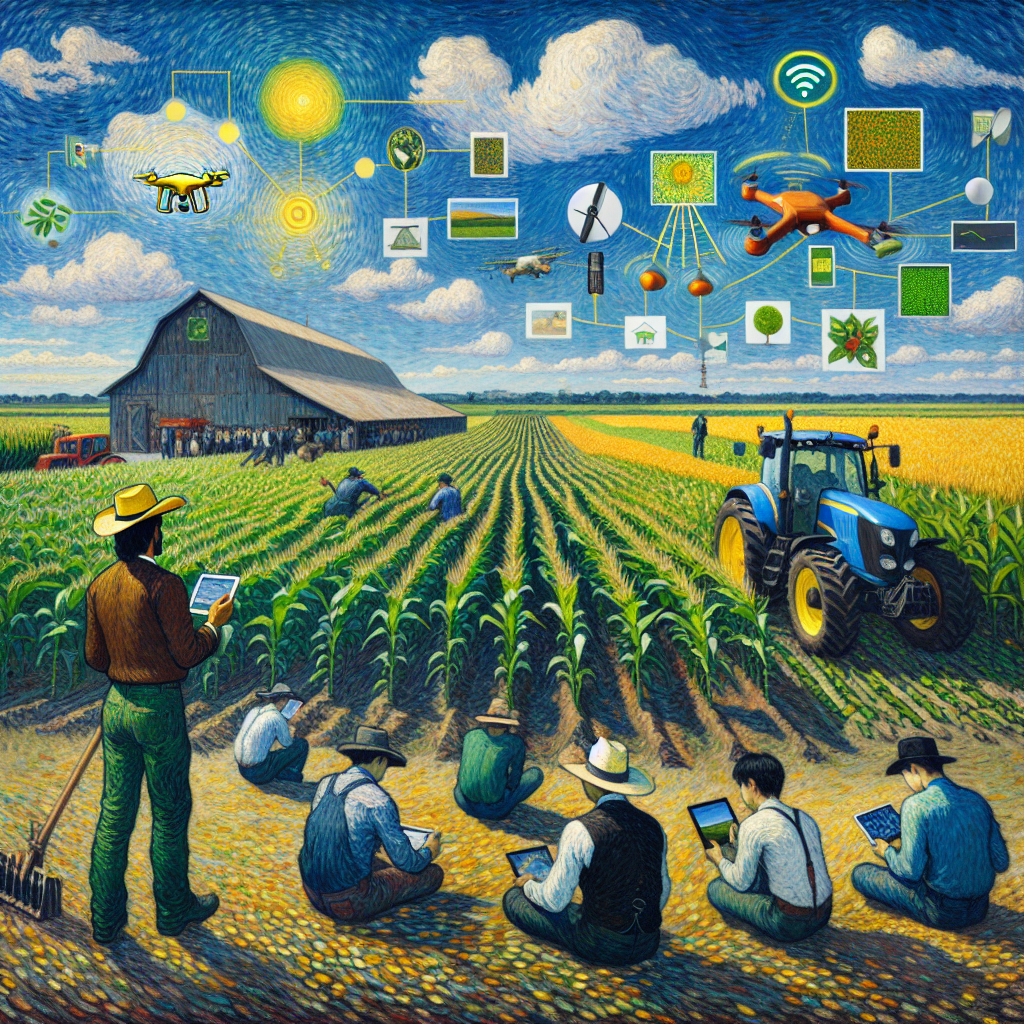
Fields once connected,
Now machines hold the harvest,
Hearts yearn for the past.
Haiku
Poem
Modern Tractors – Great Until They Won’t Move Without a Laptop – A Poem
In fields where tractors once roamed free,
Now screens dictate what’s to be.
With engines silent, dreams on hold,
Machines, once trusted, now feel cold.
Farmers rise with dawn’s first light,
Their hands, a testament to labor’s might.
But a breakdown whispers doubt and fear,
As harvests hover ever near.
Traditions deep as roots below,
Yet innovation’s tide seeks to flow.
A dance with data, algorithms tight,
Might sever bonds that feel so right.
What of the feel of soil and seed,
Instincts lost in digital need?
Can we not blend the old and new,
Farming with heart, not just whats due?
In crises, community holds the key,
A neighbor’s hand, a shared decree.
Repair the machines, yes, but do not forget,
The stories of courage and toil we beget.
Let pride in work, in honest sweat,
Guide us through challenges we’re bound to beget.
For in the struggle, we find our place—
A balance crafted with timeless grace.
Embrace technology, yet hold it dear,
For the pulse of farming beats sincere.
Beneath the metal, the spirit thrives,
In unity, compassion, our heritage survives.

Poem
Checklist
Modern Tractors – Great Until They Won’t Move Without a Laptop – A Checklist
Emotional Appeals
✅______ Reflect on your connection to the land—when was the last time you worked soil with your hands?
✅______ Share stories with fellow farmers about the emotional impact of technology on your farming experiences.
✅______ Acknowledge the pride and skills passed down through generations in your family farming legacy.
Rational Appeals
✅______ Assess the cost-benefit ratio of advanced technology versus traditional methods in your farming practices.
✅______ Consider the productivity gains versus potential losses during technology breakdowns.
✅______ Research best practices for integrating modern technology while maintaining foundational agricultural skills.
Ethical Appeals
✅______ Evaluate your reliance on technology—does it overshadow your understanding of traditional farming practices?
✅______ Consider the social responsibility of preserving farming heritage while embracing innovation.
✅______ Discuss the ethical implications of technological advancements on community relations.
Authority Appeals
✅______ Seek expertise from agricultural extension services on balancing technology and traditional skills.
✅______ Attend workshops or seminars that focus on sustainable practices and innovative farming solutions.
Narrative Appeals
✅______ Document your farming journey, capturing both traditional methods and new technologies to share with others.
✅______ Create a narrative around how you overcame technology failures in meaningful ways that could resonate with the community.
Social Appeals
✅______ Join or create a local farming group to discuss the integration of technology and traditional practices; foster community dialogue.
✅______ Participate in community events that celebrate both modern advancements and the historical aspects of farming.
✅______ Share successes of blending tradition with technology in your social circles to inspire others.
Checklist
At ClassicTractorNews, we help tractor lovers keep up with the latest news for classic and vintage tractors.
Please share this post with your friends, family, or business associates who may like old classic or vintage tractors.