


Unveiling The Cost: How Equipment Shortcuts Impact Our Future
By Tom Seest
At ClassicTractorNews, we help tractor lovers keep up with the latest news for classic and vintage tractors.
Please share this post with your friends, family, or business associates who may like old classic or vintage tractors.
Modern Equipment’s Dirty Secret – Planned Obsolescence and Downtime
In our fast-paced world, we often place unwavering trust in modern equipment. We invest in the latest innovations, believing they’ll usher in an era of efficiency and productivity. However, lurking beneath the surface is a troubling reality: planned obsolescence. It’s a strategy that thrives on our dependence, crafting machines designed not for longevity, but for eventual breakdown. Take, for instance, the humble tractor. Once a robust beast, built to till the fields for decades, today’s agricultural machines are engineered for overdue retirement. They leave farmers wrestling not just with crops, but with the ticking clock and ever-increasing costs of repairs.
Imagine a farmer, dusk settling over his land, facing a critical deadline to harvest. He hops on his sturdy tractor, a trusted companion through seasons of toil. Yet, that evening, the tractor’s engine sputters and dies. He either confronts the expense of an outlandish repair bill or must navigate the daunting process of purchasing a new model—one designed with a shelf life just shy of the next generation’s advancements. This isn’t just inconvenience; it’s an emotional upheaval that thrusts dreams of good harvests into uncertainty and doubt.
Rationally speaking, this cycle of despair yields profit for manufacturers but cripples those on the ground. It’s a paradox—while companies tout progress and ingenuity, they simultaneously bind us to a system that thrives on our fears of obsolescence. We’re scripted into a narrative that convinces us the shiny new model is always better, when sometimes, the older, reliable machines hold the true grit needed for the job.
Ethically, we must question this practice. Are we comfortable with these facades of advancement if they come at the expense of trust? Should we not advocate for equipment built with the intention to endure? When we embrace sustainable practices and demand transparency, we can shift the tides of industry.
After all, the true heart of farming isn’t the horsepower of a tractor; it’s the dedication of those who wield it, forging connections with the land and the community. Isn’t it time we reclaimed that narrative? Instead of succumbing to the cycle of planned obsolescence, let’s inspire one another to seek solutions that honor both the equipment we depend on and the labor behind it. Together, we can forge a future where innovation respects its roots, giving rise to machines that empower—not enslave—our workers.

Modern Equipment’s Dirty Secret – Planned Obsolescence and Downtime
Modern Equipment’s Dirty Secret – Planned Obsolescence and Downtime
- Modern equipment often relies on the strategy of planned obsolescence, leading to eventual breakdowns.
- Today’s agricultural machines, like tractors, are designed for earlier retirement and increasing repair costs.
- Farmers face emotional and financial turmoil when relying on equipment that fails at critical times.
- Manufacturers profit from this cycle of despair, binding consumers to a system that plays on fears of obsolescence.
- Older, reliable machines may be more effective than newer models promoted by companies.
- Advocating for durable equipment and sustainable practices is essential to shift industry standards.
- The true essence of farming lies in the dedication of laborers, not just the machinery they use.

Modern Equipment’s Dirty Secret – Planned Obsolescence and Downtime
Table Of Contents
- Modern Equipment’s Dirty Secret – Planned Obsolescence and Downtime
- What Emotional Toll Does Planned Obsolescence Take on Consumers?
- How Does Downtime Affect Productivity and Profits In Your Business?
- Can We Trust Manufacturers to Prioritize Quality Over Profit?
- What Ethical Responsibilities Do Companies Have to Their Customers?
- How Can Storytelling Illuminate the Impact Of Planned Obsolescence?
- What Role Does Consumer Demand Play In Perpetuating This Cycle?
- Conclusion
- Other Resources
- Glossary Of Terms
- Other Questions
- Haiku
- Poem
- Checklist
What Emotional Toll Does Planned Obsolescence Take on Consumers?
In a world brimming with innovation, the notion of planned obsolescence lurks behind the glossy screens and shiny packaging. It’s a business strategy that pulls on our heartstrings, turning us into willing participants in a game rigged against us. Imagine a farmer, hands roughened by years of toil, investing in a trusty tractor. Each dent and scratch tells a story of hard work and perseverance. But what if this steadfast companion was designed to fail? That’s the emotional toll of planned obsolescence—it creates a sense of betrayal. The tractor should symbolize reliability, not a ticking time bomb of inefficiency.
This phenomenon isn’t just about machinery; it extends to every corner of our lives. We find ourselves caught in a relentless cycle of purchasing the latest gadget, only to watch it falter and fade just as we become accustomed to its presence. Rationally, we know companies must make a profit, but ethically, it feels disingenuous. Our memories are shaped by these fleeting encounters; they are not just products but extensions of ourselves. When something we relied on crumbles, it’s more than just an item lost—it’s a hit to our confidence, a nagging whisper that we’ve been duped.
Consider the emotional journey of a consumer. There’s excitement when a new product arrives, yet that is often overshadowed by the impending sense of loss when it inevitably hits the obsolescence wall. We feel trapped in a cycle where our attachments are fostered, only to be discarded like yesterday’s news. This is where the gut punch comes in. Each replacement isn’t just another purchase; it’s a small, profound heartbreak, a reminder of our disposable society.
The stories of individuals affected by this phenomenon are countless. From families who saved diligently for the latest appliance only to have it break down after months of use, to individuals who discover their trusted electronics are obsolete just as they’ve learned to navigate their intricacies. It goes beyond mere inconvenience; it touches our self-worth and financial stability.
This cycle of dependency fosters a culture that prioritizes profit over authenticity and genuine connection. Yet, the power lies within us as consumers to challenge this narrative. By choosing to support companies that prioritize durability and sustainability, we take a stand. The next time a product claims to be the best thing since sliced bread, remember the farmer’s tractor. Choose to invest in what lasts, knowing that each well-made decision sends a ripple effect through a marketplace yearning for change.

What Emotional Toll Does Planned Obsolescence Take on Consumers?
What Emotional Toll Does Planned Obsolescence Take on Consumers?
- Planned obsolescence is a business strategy that emotionally manipulates consumers into a cycle of frequent purchases.
- This strategy can create feelings of betrayal, as reliable products like tractors may be designed to fail prematurely.
- Consumers often become attached to products, leading to disappointment and a sense of loss when they become obsolete.
- The emotional journey includes excitement for new products, overshadowed by the eventual heartbreak of their failure.
- Stories of individuals affected range from families investing in appliances to people struggling with suddenly obsolete electronics.
- This cycle undermines self-worth and financial stability, fostering a culture prioritizing profit over genuine connections.
- Consumers have the power to challenge this by supporting durable and sustainable brands, promoting change in the marketplace.

What Emotional Toll Does Planned Obsolescence Take on Consumers?
How Does Downtime Affect Productivity and Profits In Your Business?
Downtime in a business, much like a tractor stuck in the mud, can be both a frustrating and a costly affair. You might picture a farmer, eager to till the earth, watching helplessly as their vital machinery sits idle. The tractor symbolizes not just productivity, but also the pulse of the entire operation. When downtime strikes, it’s not merely a clock ticking away; it’s potential profits evaporating like morning dew under the sun.
Consider the emotional weight of a team member who has poured their heart and soul into a project only to see it halted by unforeseen circumstances. This person feels a sense of loss—not just of time but of the momentum that drives ambition. On a rational level, every hour of downtime can translate to thousands of dollars lost. It’s a stark reality that many businesses face, revealing the fragility of their operations. The toll is not just financial; it seeps into employee morale and can even disrupt company culture.
Ethically, we must assess the impact on our workforce. An engaged employee is a productive one. However, when faced with repeated downtime, the spirits can sour, leading to a workforce that drags, rather than pulls together. This isn’t merely about mechanics; it’s about connections, trust, and the shared goal of moving forward. People thrive in environments where they see tangible results from their efforts.
Let’s consider a small manufacturing company. After grappling with frequent machinery failures (akin to a tractor stuck in the mud), they decided to invest in preventive maintenance. This choice wasn’t simply about fixing problems; it became a testament to their commitment to their employees and their craft. Suddenly, the team felt a renewed sense of ownership and pride. Their downtime decreased significantly, productivity soared, and profits climbed. The company didn’t just regain lost ground; they forged a stronger community among workers who felt valued and empowered.
Lastly, there’s a social aspect we can’t overlook. A business that effectively manages downtime creates a resilient reputation within its community. Stakeholders notice a company that thrives despite challenges, reflecting its ability to adapt and grow. In essence, tackling downtime head-on can transform a struggling business into one that not only survives but truly thrives, just like that steadfast tractor ultimately overcoming its obstacles to plow ahead.

How Does Downtime Affect Productivity and Profits In Your Business?
How Does Downtime Affect Productivity and Profits In Your Business?
- Downtime in business is likened to a tractor stuck in mud, symbolizing lost productivity and potential profits.
- The emotional toll on employees experiencing downtime can lead to feelings of loss and disrupted momentum.
- Every hour of downtime can result in significant financial losses, reflecting operational fragility.
- Employee morale and company culture can suffer due to repeated instances of downtime.
- Investing in preventive maintenance can enhance employee engagement, fostering a sense of ownership and pride.
- A business that effectively manages downtime can strengthen its community reputation and stakeholder confidence.
- Addressing downtime proactively helps businesses not just survive but thrive, overcoming challenges efficiently.

How Does Downtime Affect Productivity and Profits In Your Business?
Can We Trust Manufacturers to Prioritize Quality Over Profit?
In the world of manufacturing, trust isn’t just an abstract concept; it’s a sturdy, reliable tractor that can pull entire industries forward. Picture this: an old diesel tractor, the kind that farmers rely on day in and day out. It has its dents and scratches, but it’s a dependable workhorse. That’s how customers should feel about manufacturers—they should be able to count on their products to stand the test of time.
The heart of manufacturing lies in the relationships forged between makers and consumers. People want to believe that the companies they support have their best interests at heart. When a family purchases a piece of equipment or a household appliance, they are not just buying a product; they’re investing in peace of mind, in safety, in the promise that their needs will be met—if not today, then tomorrow. This is where the dilemma sets in. Large corporations may prioritize profit, putting a price tag over a product’s durability, but at what cost? When consumers uncover shortcuts taken in production—using inferior materials or skimping on quality control—it crafts a narrative rooted in disappointment and betrayal.
Here’s an interesting perspective: Imagine a manufacturer who views every product as an extension of their legacy. They know that each item that rolls off the assembly line bears their name. When their tractor makes it to the fealty of a local farm, it’s not merely steel, rubber, and plastic; it symbolizes a promise—a commitment to craftsmanship that cultivates trust as vigorously as it cultivates crops. This ethos doesn’t just foster loyalty; it builds a community. A group of individuals sharing stories around bonfires or at backyard barbecues, recounting how a trusted tractor saved them from a harvest crisis, solidifying the emotional bond that runs deeper than any profit margin.
However, here lies the unique twist—we often overlook the fact that consumers hold incredible power. With every purchase made or avoided, buyers can shape the manufacturing landscape. Opt for the well-made, the reliable, and the lasting. Embrace your role in this relationship as not only a consumer but as an advocate for quality. Manufacturers will respond. They must, or they risk losing their place in the market. Prioritize the makers who prioritize you. Because when we hold manufacturers accountable, we’re not just looking for quality; we’re investing in a future where trust and integrity are the foundation of every product we rely on.

Can We Trust Manufacturers to Prioritize Quality Over Profit?
Can We Trust Manufacturers to Prioritize Quality Over Profit?
- Trust in manufacturing acts as a reliable force driving industries forward, similar to a dependable tractor.
- Customers should feel confident in manufacturers’ commitment to long-lasting products.
- Relationships between makers and consumers are crucial; buyers invest in peace of mind and safety.
- Large corporations may prioritize profits over durability, leading to consumer disappointment.
- Manufacturers should view products as extensions of their legacy, reinforcing trust through quality.
- Consumers hold power in shaping manufacturing by advocating for quality and reliability.
- Holding manufacturers accountable fosters a future rooted in trust and integrity.

Can We Trust Manufacturers to Prioritize Quality Over Profit?
What Ethical Responsibilities Do Companies Have to Their Customers?
In today’s world, where choices abound and trust is in short supply, companies find themselves at a crossroads—caught between profit margins and the ethical commitment they owe to their customers. It’s all too easy to forget that behind every transaction stands a human being. Just as a farmer relies on a sturdy tractor to plow the fields, businesses depend on the trust of their customers to cultivate a thriving enterprise.
Picture this: a family gathers around the dinner table, each member sharing their experiences of the day. The excitement of a child who just bought their first bicycle, the weariness of a parent who queried a customer service line for over an hour—these narratives ripple through families and communities. These stories connect us. When a company fails to deliver on its promises, it isn’t just a bad review; it’s a disappointment that can echo through the lives of many.
Companies must embrace their ethical responsibilities as more than mere obligations; they’re opportunities to forge meaningful connections. In an age where transparency is paramount, businesses should open their doors—figuratively and literally—allowing customers a peek behind the curtain. When a company prioritizes ethical practices, it cultivates a sense of belonging. This cultivates loyalty deeper than a simple transaction.
Let’s not overlook the power of storytelling here. Take, for example, a local craft brewery. It doesn’t just sell beer; it shares the journey—from the selection of hops to the brewing process—inviting customers to be part of that journey. When businesses weave their narratives into the fabric of their operations, they create a tapestry that customers can proudly display in their lives.
Moreover, ethical responsibility extends beyond transactions. It is about understanding the social impact and responsibility that comes with being a corporate citizen. For instance, companies should consider the environmental footprint of their products. Customers today are more aware and concerned about how their choices affect the world. Just as a farmer would think of the land when buying a tractor, businesses must think about their community when making decisions.
When companies prioritize the well-being of their customers through integrity, transparency, and sustainable practices, they’re not just safeguarding their own profits; they’re sowing seeds of trust that will yield a harvest of loyalty. In this marketplace of souls, the companies that understand their responsibilities and embrace them are the ones that will thrive—not just in wealth but in the hearts and minds of those they serve.
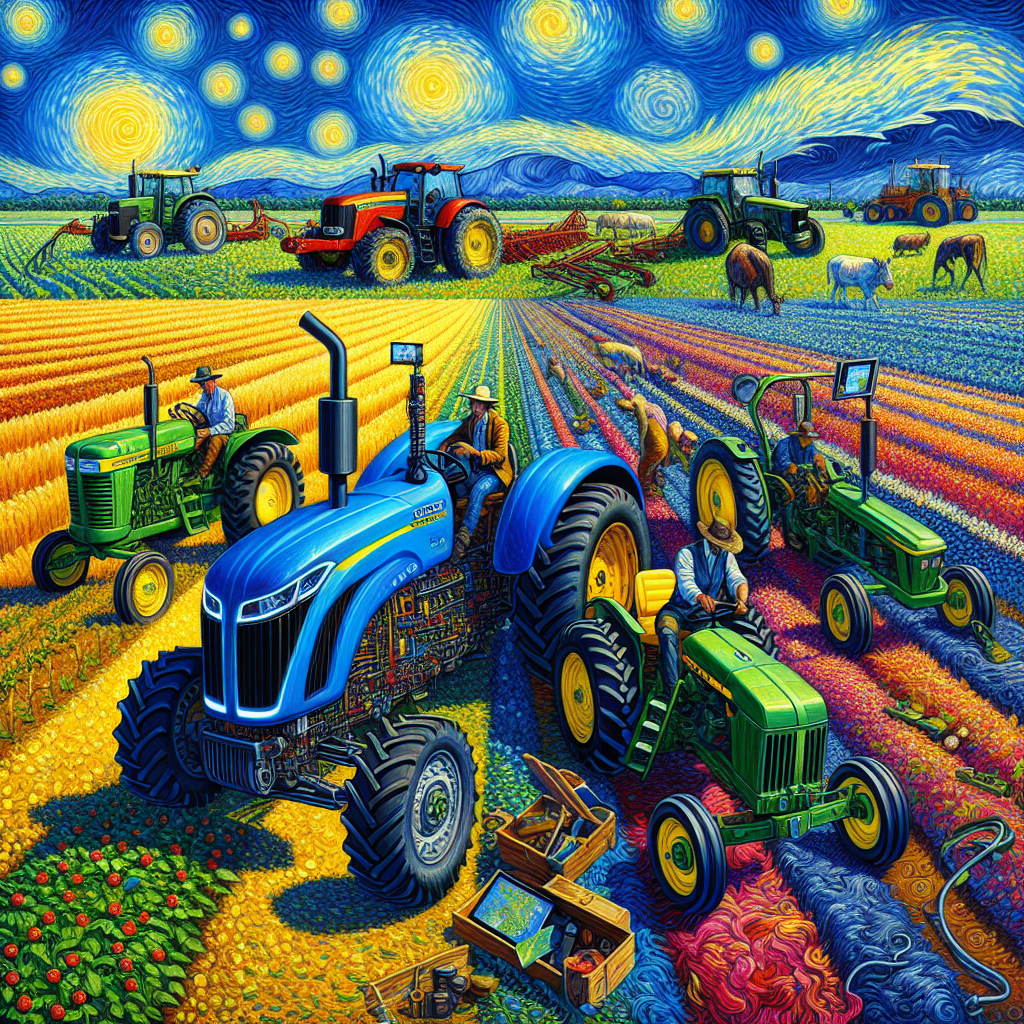
What Ethical Responsibilities Do Companies Have to Their Customers?
What Ethical Responsibilities Do Companies Have to Their Customers?
- Companies face a dilemma between profit margins and ethical commitments to customers.
- Every transaction represents a human being, highlighting the importance of customer trust.
- Failures in delivering promises lead to wider disappointments beyond just negative reviews.
- Embracing ethical responsibilities can strengthen meaningful connections with customers.
- Transparency allows customers insight into a company’s practices, fostering loyalty.
- Storytelling can engage customers, as illustrated by breweries sharing their brewing journey.
- Ethical responsibility encompasses social impact, encouraging companies to consider their environmental footprint.

What Ethical Responsibilities Do Companies Have to Their Customers?
How Can Storytelling Illuminate the Impact Of Planned Obsolescence?
How Can Storytelling Illuminate the Impact of Planned Obsolescence?
Planned obsolescence isn’t just a headline in the sustainability debate; it’s a daily reality that shapes our lives, often without us realizing it. Picture a family on a Sunday afternoon. The parents tuck their kids into the back of a trusty old pickup truck, the kind of vehicle that knows every pothole on the road like it’s a friend. But just a year later, a shiny new model rolls out—a glimmering monument to modernity, promising features and performance that make their old truck feel like an artifact. This is not just a story about a vehicle; it’s a narrative about choice, value, and our emotional attachment to the things we own.
Consider the Tractor—a symbol of hard work and reliability, rooted in our agricultural heritage. Farmers have relied on these machines for generations, yet many are now left contemplating whether to invest in the latest models. The allure of shiny gadgets can overshadow the simple, rugged dependability of the old. Why is that? Because marketing pulls at our emotions, planting ideas that our old friends—the Tractors—are somehow inadequate. This clever manipulation nudges us toward buying new, not always because we need to, but because we feel pressured to keep up.
Yet beneath that pressure lies a much deeper issue. Every time we toss an old gadget in the trash—not the recycling bin—because it’s “no longer supported,” we contribute to an overwhelming waste crisis. Storytelling can draw us into the human aspect of this problem. A farmer’s daughter, who grew up learning the ropes from her father, might face the decision to sell their family’s old Tractor, only to find they are now disconnected from the agrarian past that shaped her identity.
This is where the heart, head, and gut connection comes into play. Storytelling can illuminate the emotional landscape of everyday choices, urging us to reconsider what we truly value—not just in our possessions but in our lives. Each decision reverberates through communities, affecting how we relate to each other and to the environment. The old Tractor isn’t merely a machine; it embodies a legacy of perseverance, connection, and sustainability.
By engaging with these narratives, we build trust and forge a collective identity that prioritizes mindful consumption. We can draw from our past, honoring legacy over fleeting trends, and in doing so, we reclaim our agency against planned obsolescence, ensuring that we are not just passive consumers but active stewards of the world we inhabit. Each story told is a powerful reminder that our choices matter, inviting us to take action and inspire change in how we view the lifecycle of what we own.

How Can Storytelling Illuminate the Impact Of Planned Obsolescence?
How Can Storytelling Illuminate the Impact Of Planned Obsolescence?
- Planned obsolescence affects daily life and influences consumer behavior subtly.
- A family’s emotional attachment to their old pickup truck illustrates choice and value in possessions.
- Tractors symbolize reliability and tradition, yet marketing pressures consumers to upgrade unnecessarily.
- Each discarded item contributes to a growing waste crisis, emphasizing sustainability concerns.
- Storytelling connects personal history to consumer choices, highlighting emotional ties to objects.
- The narrative fosters mindful consumption, encouraging communities to value legacy over trends.
- Engaging with stories inspires awareness and agency in addressing planned obsolescence and environmental impact.

How Can Storytelling Illuminate the Impact Of Planned Obsolescence?
What Role Does Consumer Demand Play In Perpetuating This Cycle?
Consumer demand is like the engine of a tractor—powerful, essential, and capable of moving mountains or getting stuck in the mud. Picture a small, family-owned farm, where the local community trusts each other to support livelihoods. Farmers find themselves at a crossroads; do they cultivate sustainable practices, or do they bend to the relentless pull of short-term profits dictated by consumer whims? This poignant question digs deep into our collective conscience and underscores how demand shapes not just markets, but the very fabric of our communities.
Every time we swipe our cards or click ‘add to cart,’ we cast a vote for what we value. It may seem trivial, but this simple act carries weight. When we demand more convenience and lower prices, we’re often inadvertently endorsing practices that exploit resources and labor. Back on that farm, if consumers only seek out the cheapest, flashiest produce, they may drive local farmers into a race to the bottom. They are left wrestling with unsustainable methods, sacrificing quality for quantity, and eroding the ethics we hold dear regarding our food supply.
Yet, there’s a ray of hope. As consumers recognize their power, there’s an opportunity to shift the narrative. Imagine being part of a community where the yard sign doesn’t just promote a product, but also illustrates a commitment to ethical practices. When shoppers share their stories—of loving fresh vegetables from a neighbor’s garden or the pride of knowing their eggs come from a local farm—these personal connections spark a movement toward better choices. It invites others to join in, creating a ripple effect that fosters awareness and even accountability.
We must wield our consumer habits like a seasoned farmer uses a tractor: with intention. Choosing to support local businesses and sustainable brands doesn’t just benefit the environment; it nurtures the soul of our communities. It breeds resilience against the cycle of demand that perpetuates harmful practices. Let’s become more discerning in our choices, cultivating a marketplace that values quality over convenience. Together, we can redefine consumer demand, transforming it from a force that exploits to one that enriches both our lives and the planet we all share. Every decision, every purchase is an opportunity to shape a future we can be proud of.

What Role Does Consumer Demand Play In Perpetuating This Cycle?
What Role Does Consumer Demand Play In Perpetuating This Cycle?
- Consumer demand drives economic and community dynamics, likened to a tractor’s power.
- Farmers face a choice between sustainable practices and short-term profit due to consumer preferences.
- Every purchase reflects consumer values, impacting resource and labor exploitation.
- Demand for cheap products can lead to unsustainable farming practices and erode food quality ethics.
- Consumers have the potential to instigate change by supporting ethical practices and local businesses.
- Personal connections with local producers encourage community engagement and awareness.
- Intentional consumer choices can transform demand into a force for environmental and community enrichment.

What Role Does Consumer Demand Play In Perpetuating This Cycle?
Conclusion
In today’s fast-paced world, our relationship with modern equipment is a complex dance between trust and trepidation. We invest in shiny, cutting-edge machines with the expectation that they’ll enhance our efficiency. Yet, lurking beneath that glossy exterior is the unsettling reality of planned obsolescence. This practice, which crafts products with built-in lifespans shorter than we deserve, raises profound questions about our values and reliance on technology.
Take, for instance, the story of the farmer and his tractor—a symbol of dedication and hard work. Once strong and steadfast, tractors now often seem designed to fail, leaving farmers more anxious than empowered as they face not only the financial burden of repairs but the emotional weight of uncertainty. This isn’t just about the machinery; it encapsulates the dreams woven into each harvest. The trust we’ve placed in our tools turns to betrayal when they falter, underscoring a cycle that profits manufacturers but devastates those who toil in the field.
Rationally, we know that businesses exist to make a profit, but ethically, we must ask ourselves if we are comfortable supporting systems that thrive on our dependency. This isn’t merely about tractors; it speaks to a broader narrative that permeates our consumer choices. We must rally for equipment built not just to last but to support the foundational ethics of our communities.
Downtime in business, much like a tractor stuck in the mud, compounds these frustrations. It drains productivity and morale, reminding employees that their hard work can be derailed by equipment failure. The real cost isn’t just seen in dollars and cents but felt deeply in the spirit of a workforce desperate for momentum and purpose. A wise investment in well-maintained equipment can rejuvenate not just productivity but also a sense of pride among workers—building a community committed to integrity and shared success.
We need to shift our narrative. As consumers, we hold significant power to shape the marketplace. Choose companies that prioritize quality over mere profit. By embracing durable products and transparent practices, we foster a culture that values trust and authenticity, ensuring that the innovations of tomorrow are rooted in the resilience of our past.
When we tell our stories—of the tractors that have weathered storms or the tools that have served us faithfully—we weave a tapestry of connection. These narratives empower us to reclaim our roles not just as consumers but as advocates for a sustainable future. Together, let’s cultivate a marketplace that respects both our heritage and our hopes, ensuring that the machinery we rely on serves us, rather than enslaves us.

Conclusion
Conclusion:
- Our relationship with modern equipment involves a balance of trust and concern.
- Planned obsolescence raises important ethical questions about reliance on technology.
- The story of farmers and failing tractors illustrates the emotional burden of equipment failure.
- Businesses prioritize profit, leading to a cycle that harms consumers and workers.
- Downtime caused by equipment issues affects productivity and employee morale.
- As consumers, we need to support companies that prioritize quality and transparency.
- Sharing stories of reliable tools can strengthen our advocacy for a sustainable future.

Conclusion
Other Resources

Other Resources
Here is a list of other resources you can review online to learn more:
- Holt
- Chery
- Ohio Crawford County Antique Farm Equipment Museum
- Branson
- ATC
- California Antique Farm Equipment Show
- Skoda-LIAZ
- Allis Chalmers
- International Harvestor
- Stihl
- Saunderson
- XTZ
- Kartar Tractors
- Agrinar
- Jackson County Iowa Fair Antique & Classic Tractor Show
- M-R-S
- Keck-Gonnerman
- SAME Tractors
Use This Prompt To Get More Resources With Your Favorite Online AI Tool: Please provide me with a list of online articles with their URLs in a bulleted list that I can read regarding Modern Equipment’s Dirty Secret – Planned Obsolescence and Downtime

Other Resources
Glossary Terms
Modern Equipment’s Dirty Secret – Planned Obsolescence and Downtime – Glossary Of Terms
1. Planned obsolescence — Deliberate design or business decisions that shorten a product’s useful life to drive repeat purchases or service revenue.
2. Downtime — Period when equipment is unavailable for use due to failure, maintenance, or intentional disablement.
3. Reliability — Probability that equipment performs its required functions under stated conditions for a specified time.
4. Availability — Proportion of time equipment is operational and ready for use, typically expressed as a percentage.
5. Maintainability — Ease, speed, and cost at which equipment can be restored to operational condition after a failure.
6. Mean Time Between Failures (MTBF) — Average operational time between inherent failures of a system during normal use.
7. Mean Time To Repair (MTTR) — Average time required to diagnose, repair, and restore equipment to operation after a failure.
8. Mean Time To Failure (MTTF) — Average time to the first failure for non-repairable components; used for items that are replaced rather than repaired.
9. Design life — Intended operational lifespan specified by designers or manufacturers for a piece of equipment.
10. End of Life (EOL) — Official point when a manufacturer stops selling, supporting, or updating a product.
11. Software rot — Gradual degradation of software performance, compatibility, or security due to environment changes, neglected updates, or accumulating errors.
12. Firmware-induced obsolescence — When firmware updates, locks, or unsigned updates intentionally or unintentionally render hardware unusable or unsupported.
13. Component obsolescence — When specific parts (ICs, sensors, connectors) become unavailable, making repair or maintenance difficult or impossible.
14. Vendor lock-in — Dependency on a single supplier’s proprietary parts, protocols or services that restricts switching or independent servicing.
15. Right to Repair — Legal and consumer movement advocating access to manuals, diagnostic tools, and spare parts so users and independent shops can fix products.
16. Spare parts scarcity — Short or discontinued supply of replacement parts that raises repair time and costs or forces premature device replacement.
17. Preventive maintenance — Scheduled servicing intended to reduce likelihood of failure and prolong equipment life.
18. Predictive maintenance — Condition-based maintenance driven by sensor data and analytics to repair equipment only when indicators predict failure.
19. Reactive maintenance — Fixing equipment only after a failure occurs; often increases downtime and overall lifecycle costs.
20. Reliability-Centered Maintenance (RCM) — Systematic process to determine appropriate maintenance strategies based on risk, criticality, and failure modes.
21. Total Cost of Ownership (TCO) — All costs associated with acquiring, operating, maintaining, and disposing of equipment over its life.
22. Lifecycle cost — Sum of costs across procurement, operation, maintenance, upgrades, and disposal for a specific asset.
23. Redundancy — Duplicate components or systems designed to take over if primary elements fail, reducing downtime risk.
24. Failover — Automatic or manual switching to a redundant system when primary equipment fails.
25. Hot spare / cold spare — Hot spare: standby equipment powered and ready to operate immediately; cold spare: stored, unpowered replacement requiring installation and setup.
26. Aftermarket — Third-party market for replacement parts, upgrades, or repair services outside of the original manufacturer’s ecosystem.
27. Service monopoly — Situation where one provider controls maintenance, parts, or repair services, allowing price or support restrictions.
28. Regulatory obsolescence — Loss of product usability or legality due to changes in standards, safety, emissions, or compliance requirements.
29. Designed-in non-serviceability — Design choices (sealed batteries, glued components, proprietary fasteners) that intentionally impede repair.
30. Obsolescence management — Strategies and practices (lifecycle planning, part equivalencing, redesign, stockpiling) to anticipate, mitigate, and manage aging or unsupported components.

Glossary Of Terms
Other Questions
Modern Equipment’s Dirty Secret – Planned Obsolescence and Downtime – Other Questions
If you wish to explore and discover more, consider looking for answers to these questions:
- What exactly is planned obsolescence and how is it implemented in modern equipment?
- Which industries and types of equipment are most affected by planned obsolescence?
- Are there verifiable case studies or data showing deliberate shortening of product lifespans?
- How can a buyer identify signs that a product has been designed to fail sooner?
- What legal protections exist against planned obsolescence in different countries?
- What is the environmental impact of replacing equipment more frequently?
- How do total lifecycle costs (purchase + maintenance + downtime) compare between durable and disposable equipment?
- What are the long-term economic effects of planned obsolescence on small businesses and farmers?
- How does planned obsolescence influence supply chains and spare-parts availability?
- What role does “right to repair” legislation play in reducing downtime and extending equipment life?
- How reliable are manufacturer warranties and service agreements in protecting customers?
- What maintenance practices most effectively reduce unplanned downtime?
- How can businesses build cost-justified preventive-maintenance programs?
- What alternative business models (leasing, remanufacturing, service-based) mitigate planned obsolescence?
- Which certifications, standards, or labels indicate higher durability or repairability?
- How do manufacturers justify design choices that reduce longevity, and what incentives drive those choices?
- What consumer behaviors and purchasing decisions most influence manufacturer practices?
- How can communities or cooperatives pool resources to buy or maintain longer-lasting equipment?
- What practical steps can consumers take when a piece of equipment fails prematurely?
- How feasible and cost-effective is third-party repair versus OEM repair for major equipment?
- What training or skills should operators develop to maximize equipment lifespan?
- How does planned obsolescence affect resale and secondary markets for used equipment?
- What policies or corporate practices have successfully reduced planned obsolescence in any sector?
- How do financing and depreciation rules influence decisions to replace vs. repair?
- What role do consumer watchdogs, NGOs, and journalists play in exposing bad manufacturer practices?
- How can storytelling and marketing be used ethically to promote durable products?
- What metrics should buyers track to measure downtime impact on productivity and profit?
- How can buyers demand transparency about expected service life, parts lifespan, and repair costs?
- What are realistic expectations for equipment lifespan given modern materials and electronics?

Other Questions
Haiku
Modern Equipment’s Dirty Secret – Planned Obsolescence and Downtime – A Haiku
Machines designed to fade,
Farmers’ toil met with deceit;
Choose strength, not the sheen.

Haiku
Poem
Modern Equipment’s Dirty Secret – Planned Obsolescence and Downtime – A Poem
In shadows of our trusted machines,
Where promise turns to fleeting dreams.
A farmer’s hope on weathered ground,
In silence, tractors’ sorrows sound.
Engineered to fade, they hold us tight,
In the race for progress, we lose the fight.
Each shiny model, a tale of woe,
Replaced too soon, yet we still bestow.
The heart once forged in iron and steel,
Now aches for honest work we feel.
Rational minds grasp profits snare,
Yet ethics whisper—do we care?
With every breakdown, a story’s lost,
The human cost, we must accost.
What’s progress worth if it breaks our soul?
Machines should serve; we seek to be whole.
Let’s reclaim the strength of bonds unbent,
For durable love, not just intent.
Together, let’s challenge this brutal game,
Invest in trust, not just the name.
Through stories shared, hearts intertwined,
Empowerment grows, as we redefine.
Each choice we make, a seed we sow,
In fields of resilience, together we grow.

Poem
Checklist
Modern Equipment’s Dirty Secret – Planned Obsolescence and Downtime – A Checklist
Emotional Appeals
✅______ Reflect on the stories behind your equipment and appliances. What memories do they hold?
✅______ Consider the emotional toll of replacing trusted items. How does it affect your sense of reliability and security?
✅______ Engage with narratives that celebrate durability and craftsmanship over fleeting trends.
Rational Appeals
✅______ Analyze the long-term costs associated with frequent replacements versus investing in durable goods.
✅______ Evaluate the environmental impact of planned obsolescence and support products that offer sustainability.
✅______ Investigate the technical specifications and durability ratings of products before purchasing.
Ethical Appeals
✅______ Question whether the companies you support prioritize quality over profit. Do they uphold ethical manufacturing practices?
✅______ Advocate for transparency in production processes. Do brands openly share their sourcing and manufacturing standards?
✅______ Consider the broader societal implications of planned obsolescence. How does it affect your community and the environment?
Authority Appeals
✅______ Research statistics and expert opinions on the impact of planned obsolescence in your industry.
✅______ Follow thought leaders and experts who advocate for sustainable and ethical practices in manufacturing.
✅______ Stay informed about policies and regulations related to consumer rights and product durability.
Narrative Appeals
✅______ Share your experiences with planned obsolescence. How has it impacted your daily life?
✅______ Listen to others’ stories about their struggles with product breakdowns. Connect through shared experiences.
✅______ Create a community narrative that emphasizes the value of investing in quality and sustainability.
Social Appeals
✅______ Participate in community discussions about sustainable practices and consumer behavior.
✅______ Support local businesses that focus on lasting quality. Share your findings with peers to encourage mindful purchasing.
✅______ Create or join support groups focusing on advocacy for transparency and ethics in product manufacturing.
Checklist
At ClassicTractorNews, we help tractor lovers keep up with the latest news for classic and vintage tractors.
Please share this post with your friends, family, or business associates who may like old classic or vintage tractors.