

Rediscover Timeless Farming With Classic Tractors
By Tom Seest
At ClassicTractorNews, we help tractor lovers keep up with the latest news for classic and vintage tractors.
Please share this post with your friends, family, or business associates who may like old classic or vintage tractors.
Is Your Small Farm Missing The Simplicity Of Classic Tractors
?
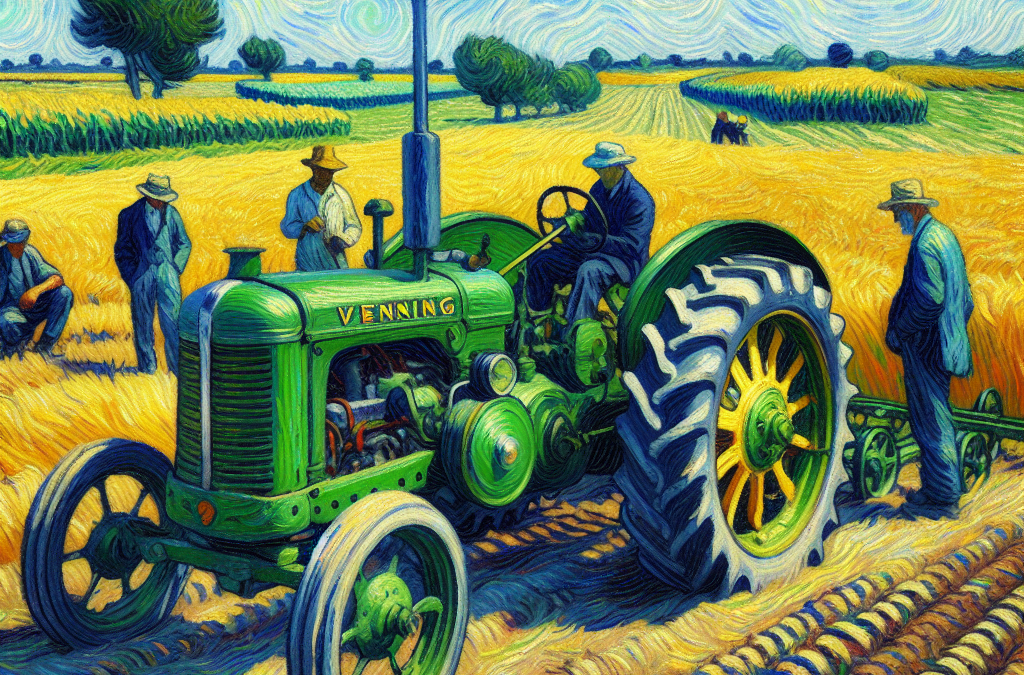
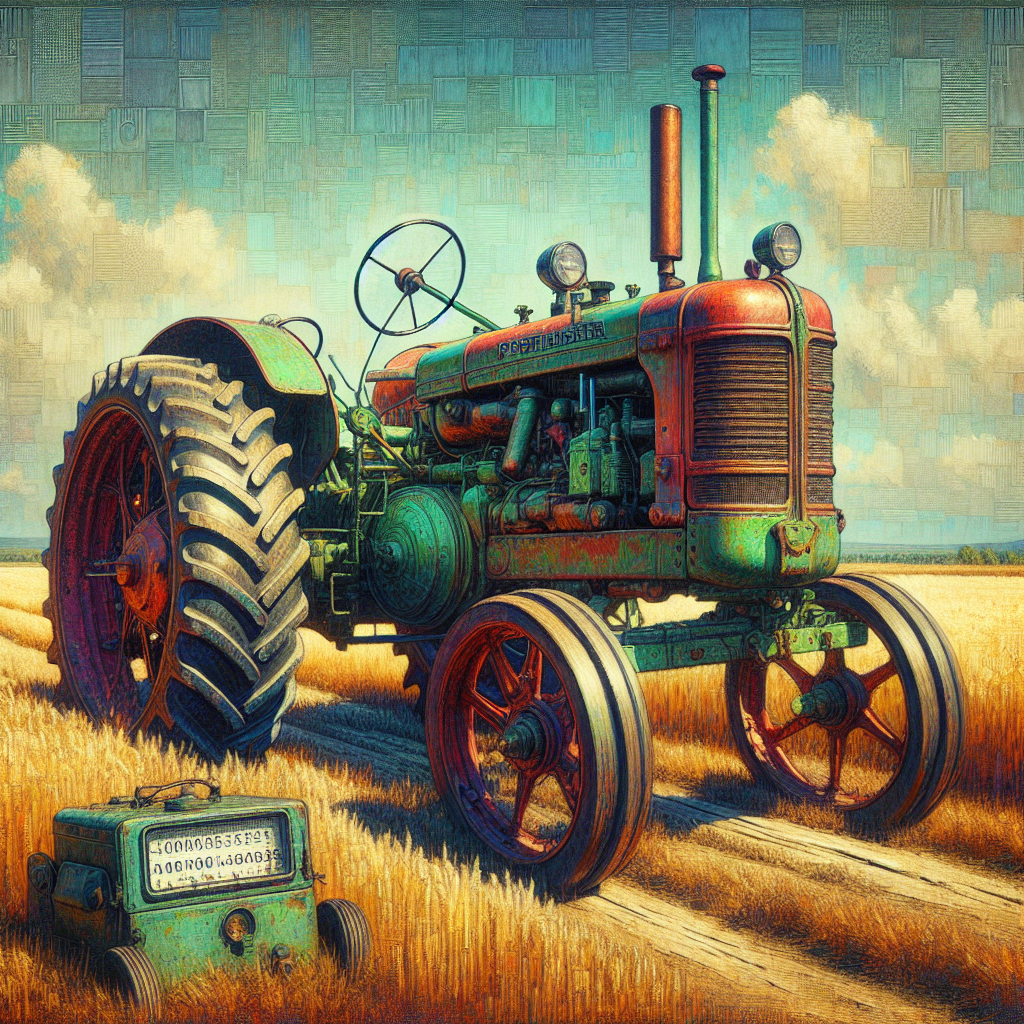
Picture this: The sun rises over your small farm, casting golden rays on the fields that stretch out before you. In the distance, you spot a classic tractor, its vibrant red paint glistening in the dawn light. It’s not just a simple piece of machinery; it’s a bastion of tradition, a steadfast companion on your journey through the ebbs and flows of farming life.
Let’s think about that tractor for a moment. It’s more than steel and horsepower; it’s a link to our past—a reminder of the grit and perseverance it took to cultivate land before the age of automation. Each scratch and dent tells a story of hard work, family gatherings, and perhaps, a few stubborn moments when the tiller just wouldn’t cooperate. It speaks to the heart of anyone who’s ever plowed a furrow or mended a fence. The nostalgia isn’t merely sentimental; it’s a rallying cry to honor the simplicity that once connected us to the land and our labor.
Now, you might ask: Why is that simplicity still relevant in today’s fast-paced world? The answer lies in the balance between technology and tradition. Most gadgets promise efficiency; they dazzle with bells and whistles but often drown us in complexity. Classic tractors bring back a pragmatic approach—their design allows for ease of use and low maintenance, enabling you to spend less time in the shop and more time in the field. When a machine is straightforward, it frees you to focus on what truly matters: nurturing your crops and connecting with your community.
Ethically speaking, in a world obsessed with rapid advancement, embracing the tried-and-true isn’t just practical; it’s a statement. It signifies a commitment to sustainability, to simplicity, and to supporting local economies. It fosters a sense of community amongst like-minded folks who understand that every time we restore an old tractor, we’re preserving not just a piece of machinery but a vital part of agricultural history.
So, if your small farm is feeling a little chaotic, if the modern landscape is leaving you disoriented, look to those classic tractors for clarity. Embrace that simplicity, find confidence in time-tested tools, and reignite your passion for farming. Your heart, head, and gut are telling you something important: the essence of farming is not lost in the latest gadget. Sometimes, it’s found in the rust and charm of a classic tractor, nurturing your fields as they did generations ago.
Is Your Small Farm Missing The Simplicity Of Classic Tractors
Is Your Small Farm Missing The Simplicity Of Classic Tractors
- The sun rises over a small farm, illuminating fields and a classic red tractor.
- The tractor symbolizes tradition and a connection to the past in farming life.
- Each scratch and dent on the tractor narrates stories of hard work and perseverance.
- Classic tractors highlight the balance between technology and tradition, promoting ease of use.
- Using simple, reliable equipment allows farmers to focus on crops and community connections.
- Embracing classic machinery promotes sustainability and supports local economies.
- Classic tractors offer clarity amidst modern chaos, reigniting passion for farming.
Is Your Small Farm Missing The Simplicity Of Classic Tractors
Table Of Contents
- Is Your Small Farm Missing The Simplicity Of Classic Tractors
- Is Modern Farming Technology Overwhelming Your Passion For Simplicity?
- How Do Classic Tractors Enhance The Connection To Your Land And Roots?
- How Can Classic Tractors Improve Your Workflow And Efficiency Today?
- What Stories Do Classic Tractors Tell About The History Of Farming?
- How Do Your Farming Values Align With The Use Of Classic Tractors?
- What Challenges Do You Face When Maintaining Modern Machinery?
- Conclusion
- Other Resources
- Glossary Of Terms
- Other Questions
- Haiku
- Poem
- Checklist
Is Modern Farming Technology Overwhelming Your Passion For Simplicity?
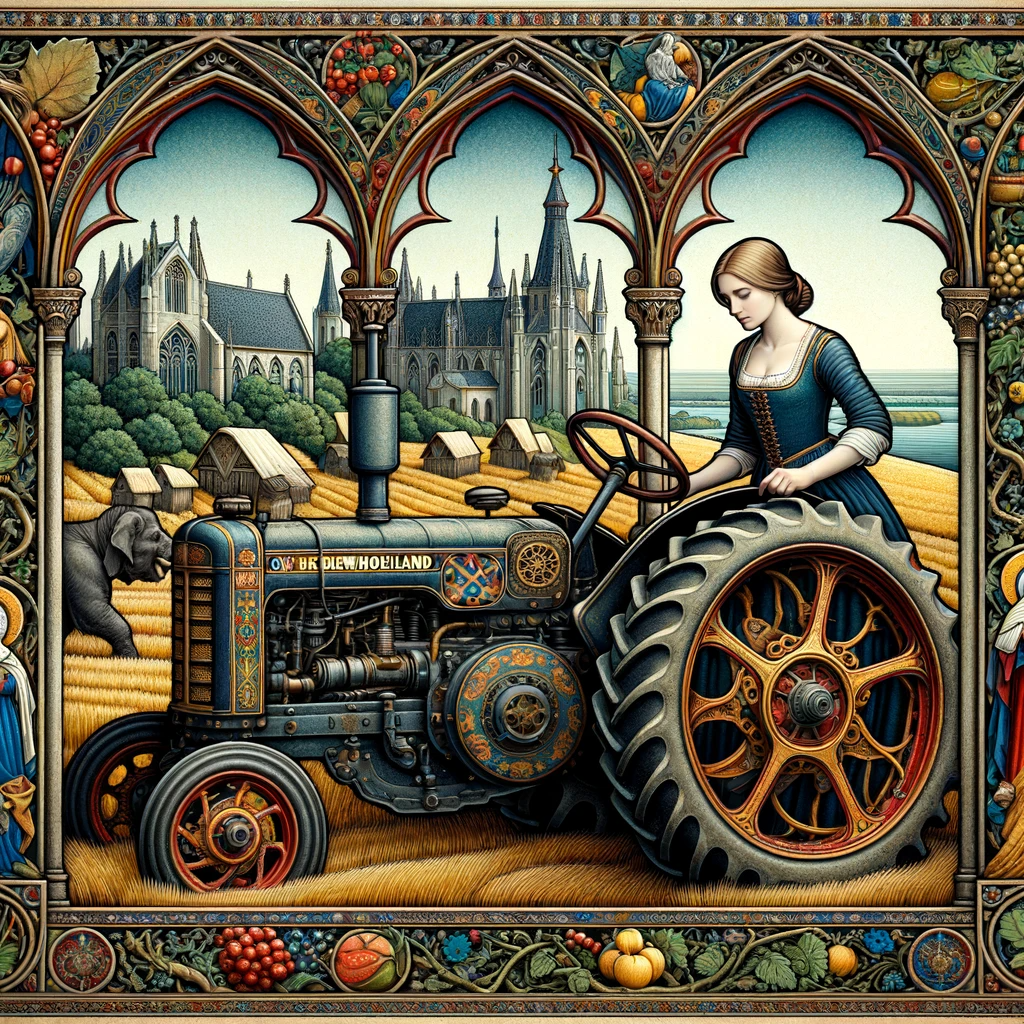
In a world where innovation seems to be racing ahead at breakneck speed, it’s easy to feel like a solitary figure standing in the shadow of a towering tractor. These magnificent machines, symbols of modern farming prowess, conjure images of efficiency and progress, but they can also evoke a certain nostalgia for the simplicity of days gone by. Yearning for the taste of freshly plucked veggies or the sight of a sun-dappled field, many of us feel a tug at the heartstrings when we think of what farming used to represent: hard work, connection to the land, and the smell of earth after a rain.
Now, let’s be honest. The symbols of modern agriculture—drones, automated irrigation systems, and GPS-guided anything—can seem daunting. They offer promises of increased yields and less labor, and when we hear the numbers, it all sounds impressively rational. After all, who doesn’t want to be more productive? Yet, with these advancements also comes an unshakable feeling that something precious is being lost. The straightforward joy of plowing a row with your own hands or sowing seeds in the soil might feel overshadowed by an array of buttons and screens that seem to complicate rather than simplify the connection to the earth.
From an ethical perspective, the question looms large—are we sacrificing the essence of what it means to farm in the name of efficiency? When we abandon traditional practices in pursuit of modernity, are we still respecting the age-old rhythms of nature? It doesn’t take a seasoned agronomist to recognize that beyond the cutting-edge technology lies a partnership with the land that cannot be quantified.
Let’s not forget the narrative that shapes our lives, though. Many of us grew up hearing tales of farmers who awoke before dawn, toiled under the sun, and shared meals rich with the fruits of their labor. They embodied resilience, community, and a deep-seated bond with the soil. As we navigate this era of rapid change, let’s acknowledge that our identity as caretakers of the land is precious.
So, if your heart is tugged by a longing for simplicity amidst complexity, perhaps it’s time to ask yourself: How can we blend the best of modern technology with the timeless values of craftsmanship and connection? It’s not just about choosing efficiency; it’s about preserving a way of life that honors our roots while embracing the opportunities of tomorrow. In this delicate balance, we may just find a richer, more fulfilling path to sustainable farming.
Is Modern Farming Technology Overwhelming Your Passion For Simplicity?
Is Modern Farming Technology Overwhelming Your Passion For Simplicity?
- Innovation in farming is advancing rapidly, creating feelings of isolation for individuals amidst modern machinery.
- Modern tractors symbolize efficiency in farming, but evoke nostalgia for traditional, simpler days.
- Technological advancements like drones and automated systems promise increased productivity but may complicate the farming experience.
- There’s a concern that modern farming practices may sacrifice the essence of traditional agriculture for efficiency.
- The narrative of hardworking farmers shapes our understanding and appreciation of farming as a community-focused and resilient practice.
- It’s important to balance modern technology with traditional values of craftsmanship and connection to the land.
- Seeking harmony between advances in agriculture and respect for farming traditions can lead to sustainable and fulfilling practices.
Is Modern Farming Technology Overwhelming Your Passion For Simplicity?
How Do Classic Tractors Enhance The Connection To Your Land And Roots?
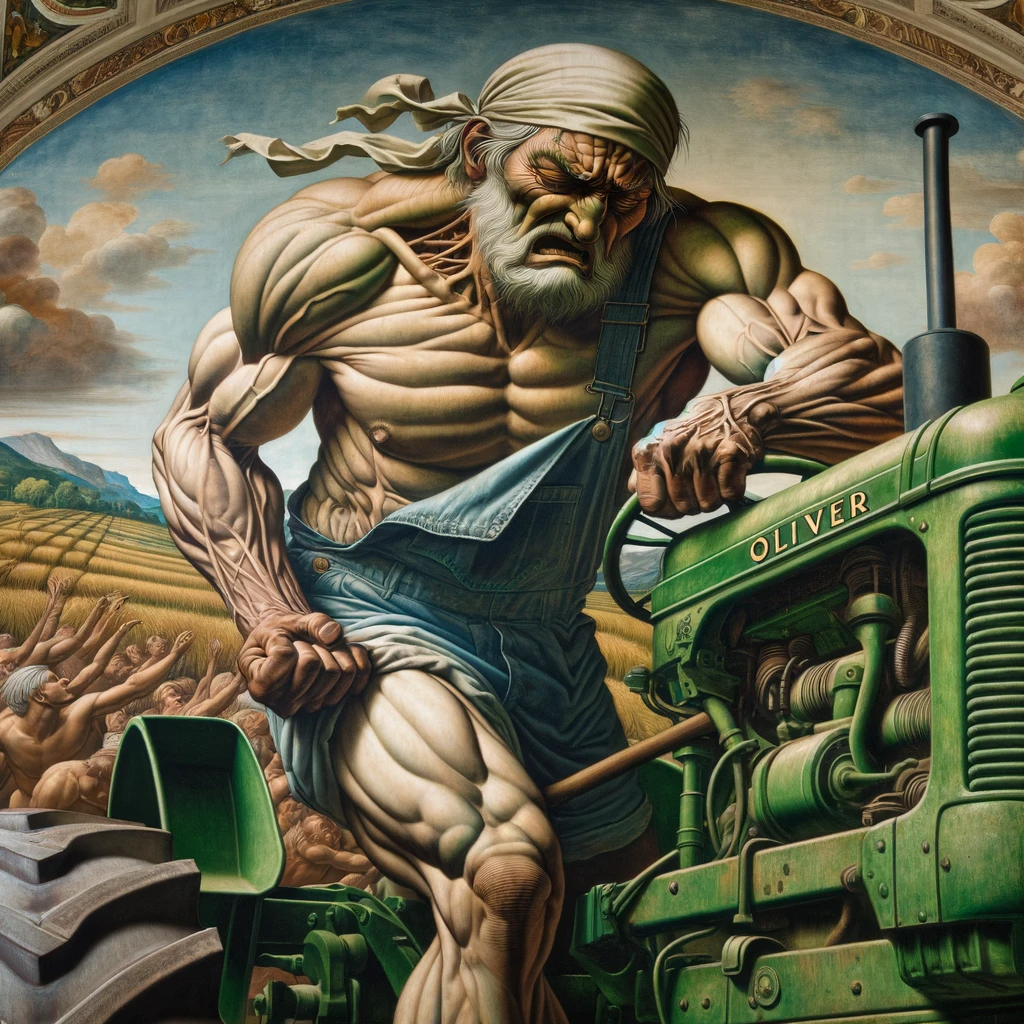
Imagine rolling up your sleeves, stepping into the dirt, and firing up a classic tractor. That’s more than just a piece of machinery; it’s a time machine transporting you back to the very essence of what it means to nurture the land. These tractors tell a story. They echo the determination and grit of those who came before us, toiling under the sun, planting seeds of promise for future generations. The moment you take the reins, you can almost hear their voices resonating through the engine’s hum, urging you to honor their legacy.
Connecting with your land goes beyond the physical. It’s about understanding the rhythms of nature—the seasons, the soil, and the hard work it takes to coax bounty from the earth. A classic tractor, with its rugged charm and historical significance, becomes a trusted partner in this endeavor. It inspires you to dig deeper, quite literally and figuratively, into what it means to cultivate not just crops, but also your identity. The ethics of stewardship come alive in these moments. You realize that caring for your land isn’t just a task; it’s a responsibility passed down through generations.
Now, let’s talk about performance. Old-school tractors, with their simplicity and durability, offer something many modern machines lack. They remind us that sometimes, less is more. There’s a beauty in their straightforward engineering that encourages hands-on learning and reinforces problem-solving skills. Moreover, when you’re knee-deep in the mud, struggling to fix a stubborn issue with your tractor, you aren’t just battling machinery; you’re battling your own limits. You grow, you learn, and you discover the remarkable strength within you.
Beyond the hard work, classic tractors evoke a sense of community. They bridge generations—bringing families together and sparking conversations among neighbors. At fairs and shows, enthusiasts gather, sharing stories and laughter, each encounter reinforcing that we’re part of something bigger. Everyone has a story about their tractor, a connection deeply rooted in the land we love.
So the next time you glance at that old tractor sitting in the barn or parked mission-ready in the field, remember—it’s not just metal and wheels. It’s a vessel for our history, a tool for growth, and a beacon of the legacy we’ll pass on. The heart of our connection to the land beats stronger with every turn of its wheels.
How Do Classic Tractors Enhance The Connection To Your Land And Roots?
How Do Classic Tractors Enhance The Connection To Your Land And Roots?
- Classic tractors serve as a time machine, linking us to the hard work of previous generations who nurtured the land.
- They embody the spirit of determination and grit, representing the legacy of those who cultivated the earth for future generations.
- Connecting with the land involves understanding nature’s rhythms and embracing the responsibility of stewardship.
- Classic tractors inspire hands-on learning and problem-solving skills, showcasing the beauty of straightforward engineering.
- Working with these machines helps individuals confront their limits, fostering personal growth and resilience.
- Classic tractors evoke community spirit, uniting families and fostering connections among neighbors during events.
- Each tractor represents more than just machinery; it is a vessel of history and a tool for growth and connection to the land.
How Do Classic Tractors Enhance The Connection To Your Land And Roots?
How Can Classic Tractors Improve Your Workflow And Efficiency Today?
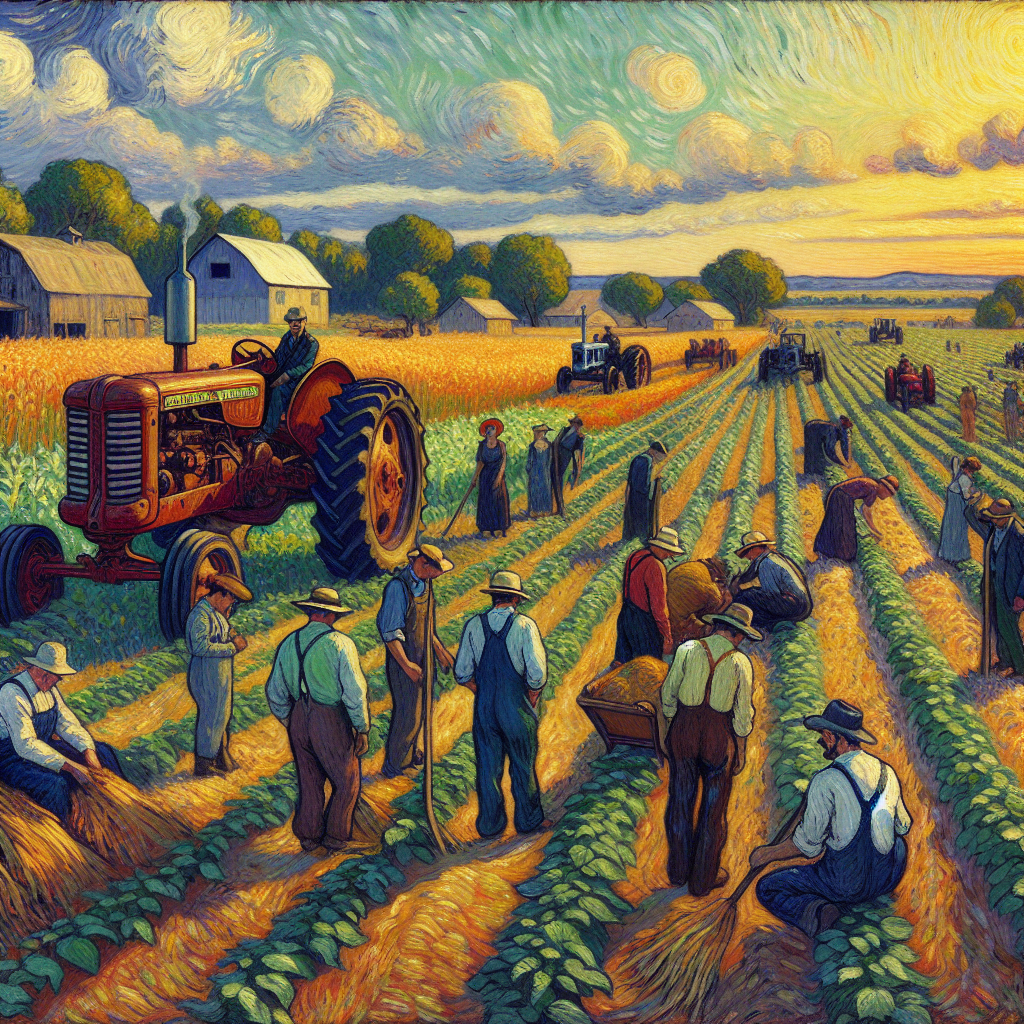
Picture this: You’re standing on the edge of your field, breath clouding in the crisp morning air. Before you stretches a landscape of promise, a canvas where hard work meets harvest. And there, nestled among the rows of green, is a classic tractor—the kind that has weathered the years like a trusty companion. It’s not just a machine; it’s a bridge to the legacy of agricultural innovation and grit.
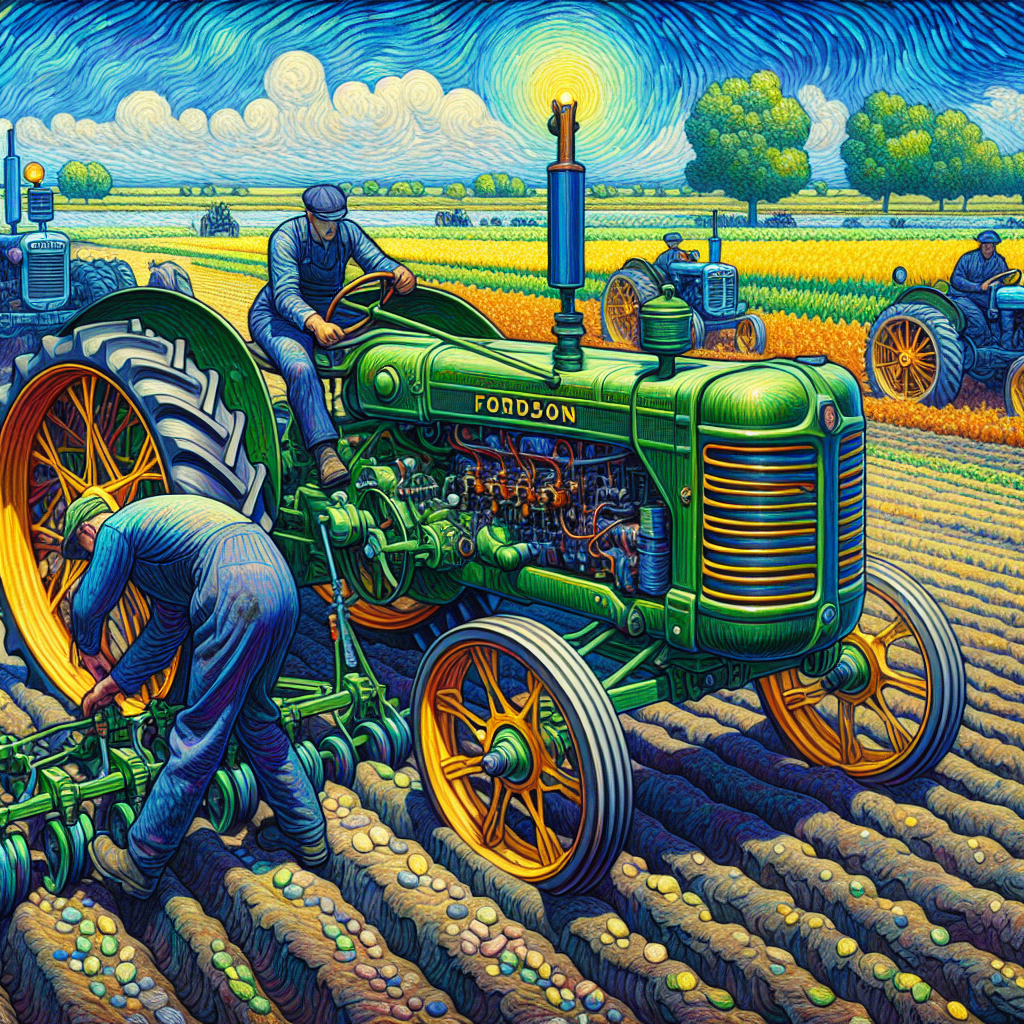
Now, let’s talk about workflow. A classic tractor isn’t just about nostalgia; it’s about efficiency. These machines were built with simplicity and durability in mind, often requiring less complex repairs and maintenance than their modern counterparts. You see, when you entrust your daily tasks to a vintage model, you’re working with the heart of agriculture, machinery designed to withstand the test of time. By embracing these robust tractors, you can optimize your workflow, reducing downtime and freeing you up to focus on what truly matters—growing your crops, nurturing your livestock, or simply enjoying a well-earned break.
From a rational perspective, consider the economics. Classic tractors often come at a fraction of the cost of newer models, but with a bit of elbow grease and care, they can run circles around flashy, high-tech alternatives. They don’t often require fancy electronics—just good ol’ fashioned engineering that you can actually understand. For farmers and hobbyists alike, that means less time fixing and more time doing. In a world where efficiency is the name of the game, won’t you bet on the machinery that has a proven track record?
Reflect on the ethical angle too. By choosing to restore and work with classic tractors, you’re celebrating a rich history of craftsmanship and sustainability. You’re choosing to honor those who plowed that first furrow, who faced the struggles of their time head-on, much like we do today. In the process, you’re connecting with a community of fellow enthusiasts who understand that soil, sweat, and hard work don’t just yield crops; they yield stories, friendships, and a profound sense of belonging.
So, whether you’re a seasoned farmer or a weekend warrior, consider taking a classic tractor for a spin. It’s not just about getting the job done; it’s about connecting with your roots, fostering a deeper appreciation for the land you work, and celebrating the timeless tradition of agriculture. In embracing these machines, you don’t just cultivate crops; you cultivate a culture of hard work, connection, and perseverance. And that, my friend, is something worth driving home about.
How Can Classic Tractors Improve Your Workflow And Efficiency Today?
How Can Classic Tractors Improve Your Workflow And Efficiency Today?
- Classic tractors symbolize a legacy of agricultural innovation and resilience.
- These machines prioritize efficiency, requiring simpler maintenance and repairs compared to modern tractors.
- Using vintage models can optimize workflow, reducing downtime and allowing focus on essential farming tasks.
- Economically, classic tractors can be more affordable, providing better value with less need for intricate repairs.
- Restoration and use of classic tractors celebrate craftsmanship and sustainability in agriculture.
- Engaging with classic tractors fosters a sense of community among enthusiasts and preserves agricultural history.
- Embracing these machines enriches one’s connection to the land and cultivates a culture of hard work and perseverance.
How Can Classic Tractors Improve Your Workflow And Efficiency Today?
What Stories Do Classic Tractors Tell About The History Of Farming?
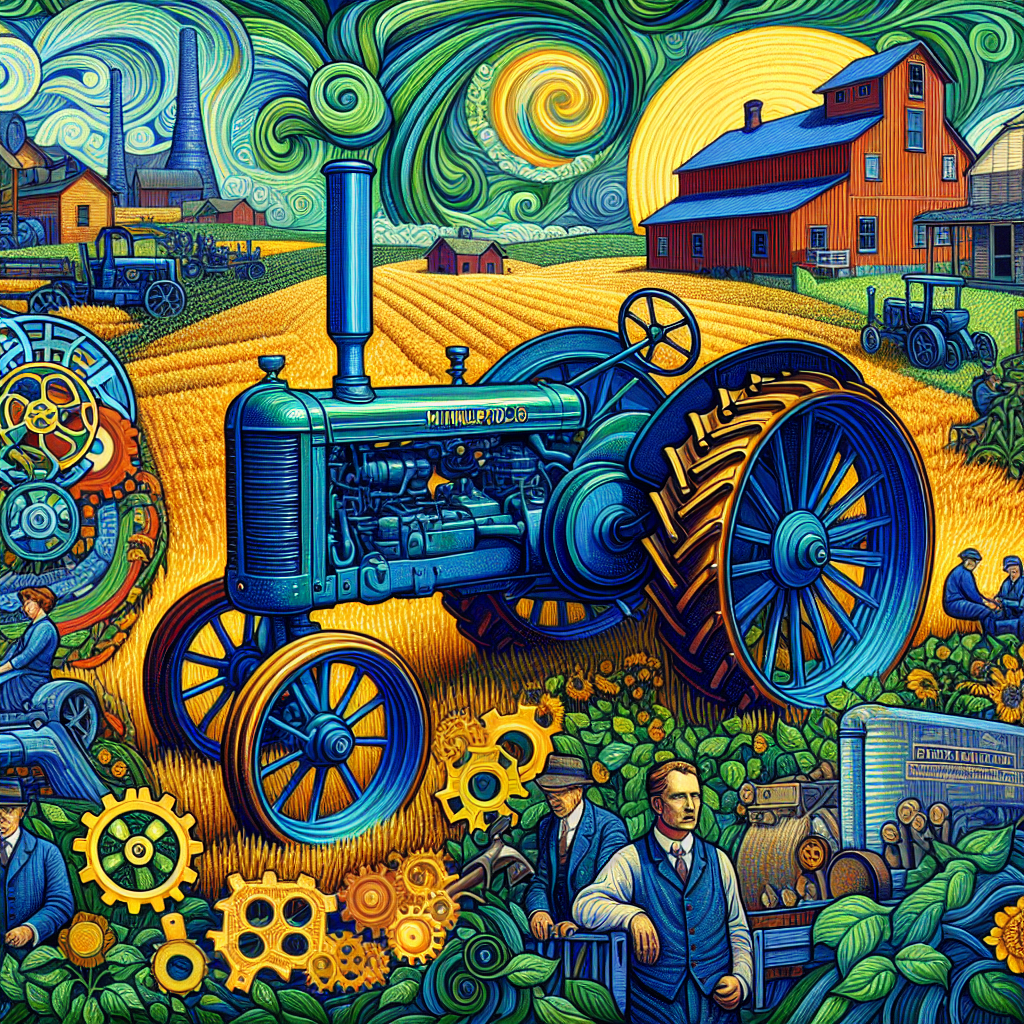
When you gaze upon a classic tractor—rusted, worn, and full of character—it’s hard to miss the stories deeply embedded in every dent and scratch. These machines are more than mere tools; they are the embodiment of human ingenuity and perseverance. Picture a farmer, hands callused from years of toil, forging a connection with the earth. That tractor didn’t just plow fields; it transformed lives, producing food, community, and hope.
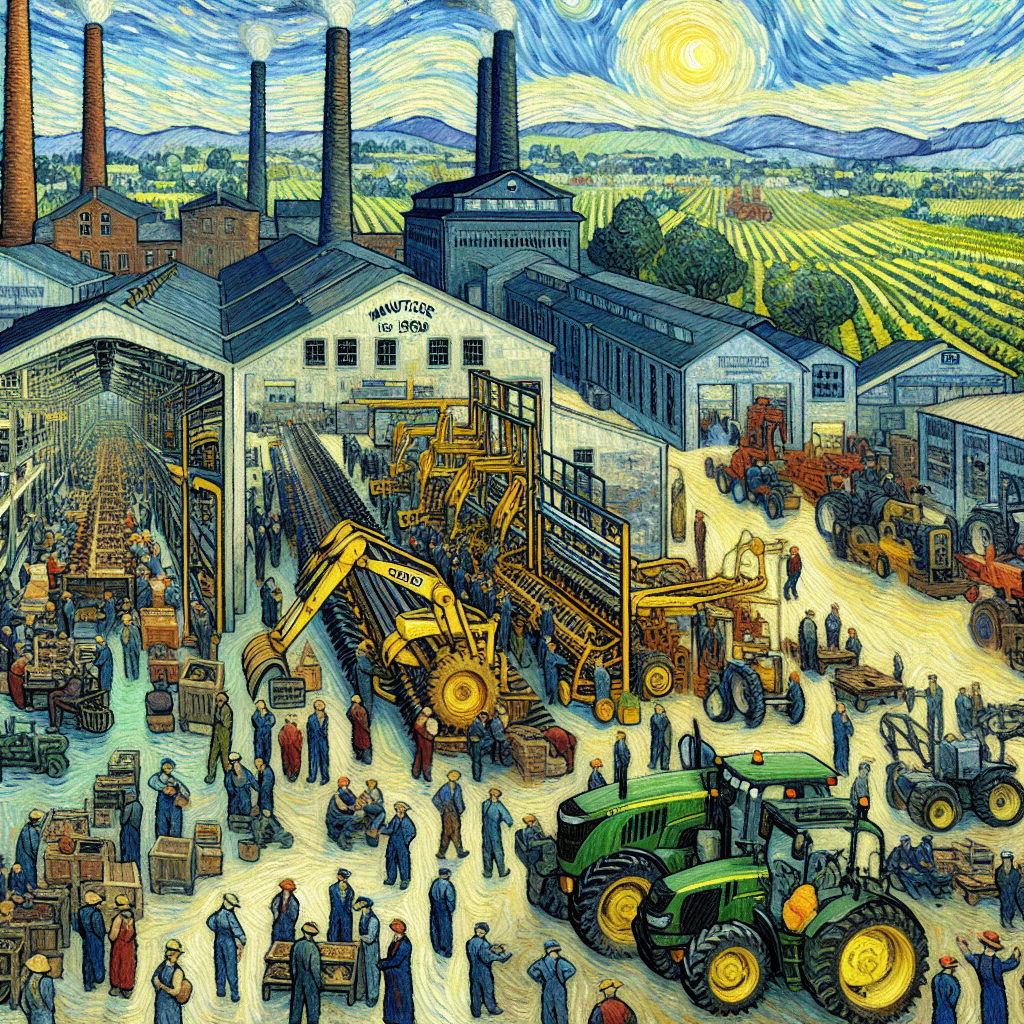
Let’s begin by acknowledging that every classic tractor represents a different era of farming history. From the earliest steam-powered giants to the streamlined diesel models that came later, each one is a testament to technological evolution. These machines reflect the innovations that have shaped agriculture as we know it. When farmers adopted the tractor, they unlocked the ability to cultivate more land than ever before, feeding not just their families but entire communities, laying the foundation for the modern food system we enjoy today.
But it’s not only about the mechanics; it’s about the connection to the land and to each other. Think back to the countless families who gathered around these metal beasts, celebrating the harvests they helped to nurture. Tractors became conversation starters, community builders, symbols of American resilience. They also convey an important ethical narrative about sustainability. Today, as we confront the challenges of climate change and food security, classic tractors can remind us of our responsibility to farm wisely and sustainably. They embody the lessons of the past—when agriculture was slow, intentional, and in harmony with nature.
Yet, it’s not just nostalgia that pulls at our heartstrings. There’s an innate authority in these machines; they are a testament to hard work and dedication. Behind every classic tractor is a story of ambition, whether it’s a farmer rising before dawn to till the fields or a child learning the ropes of agriculture from a parent. Each story resonates, and collectively, they tell us that farming is not just a profession; it’s a way of life that enriches our communities.
So, the next time you see a classic tractor, take a moment to appreciate the legacy it carries. These machines, in all their beauty and imperfection, invite us to reflect on our own journeys, our own battles. They encourage us to cultivate not only the land, but also relationships, values, and a deeper understanding of the world around us. Join the conversation and keep the stories alive—because in every tractor, there’s a history waiting to be honored.
What Stories Do Classic Tractors Tell About The History Of Farming?
What Stories Do Classic Tractors Tell About The History Of Farming?
- Classic tractors embody human ingenuity, perseverance, and the connection to farming history.
- Each tractor represents a different era, showcasing technological evolution in agriculture.
- Tractors have transformed farming, allowing for greater land cultivation and feeding entire communities.
- They symbolize resilience, community building, and the celebration of harvests.
- Classic tractors highlight the importance of sustainability and responsible farming practices.
- Behind every tractor is a story of ambition and dedication to agricultural life.
- These machines invite reflection on personal journeys and encourage the cultivation of relationships and values.
What Stories Do Classic Tractors Tell About The History Of Farming?
How Do Your Farming Values Align With The Use Of Classic Tractors?
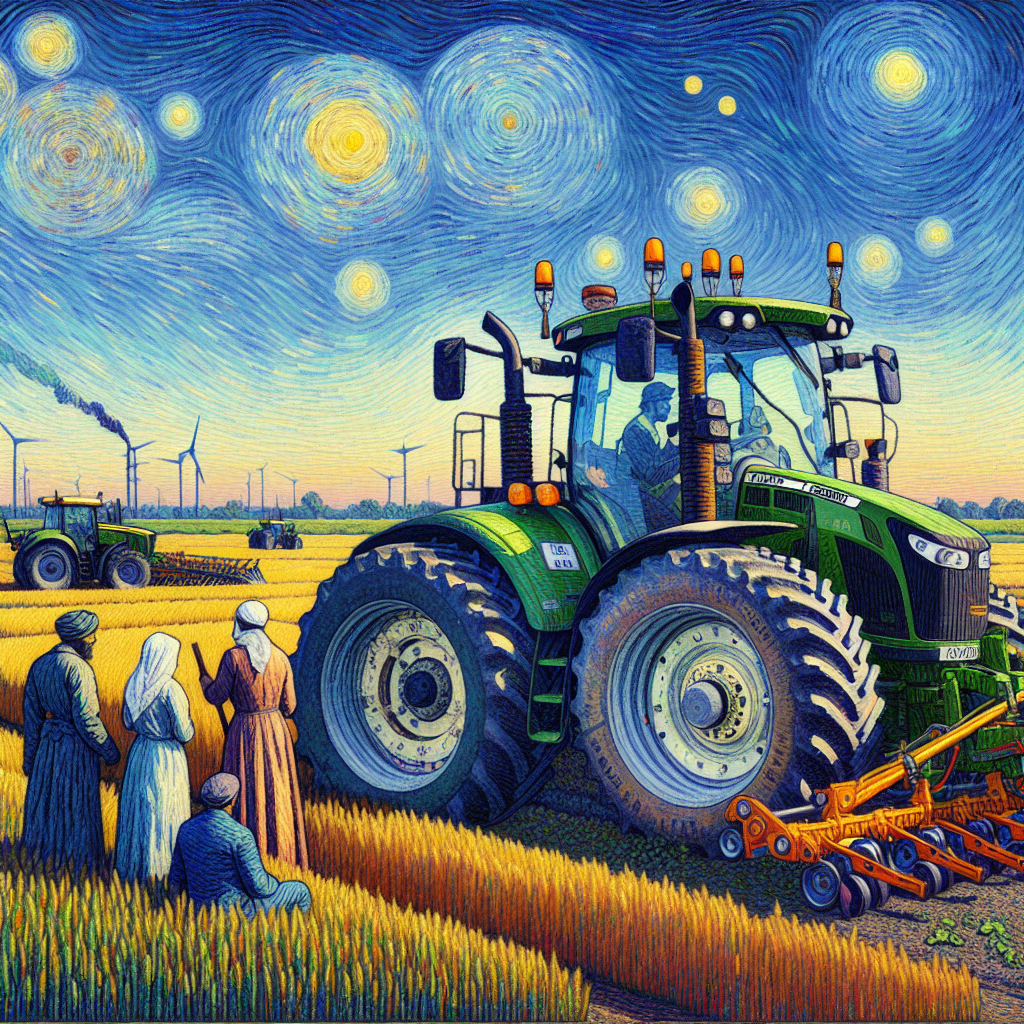
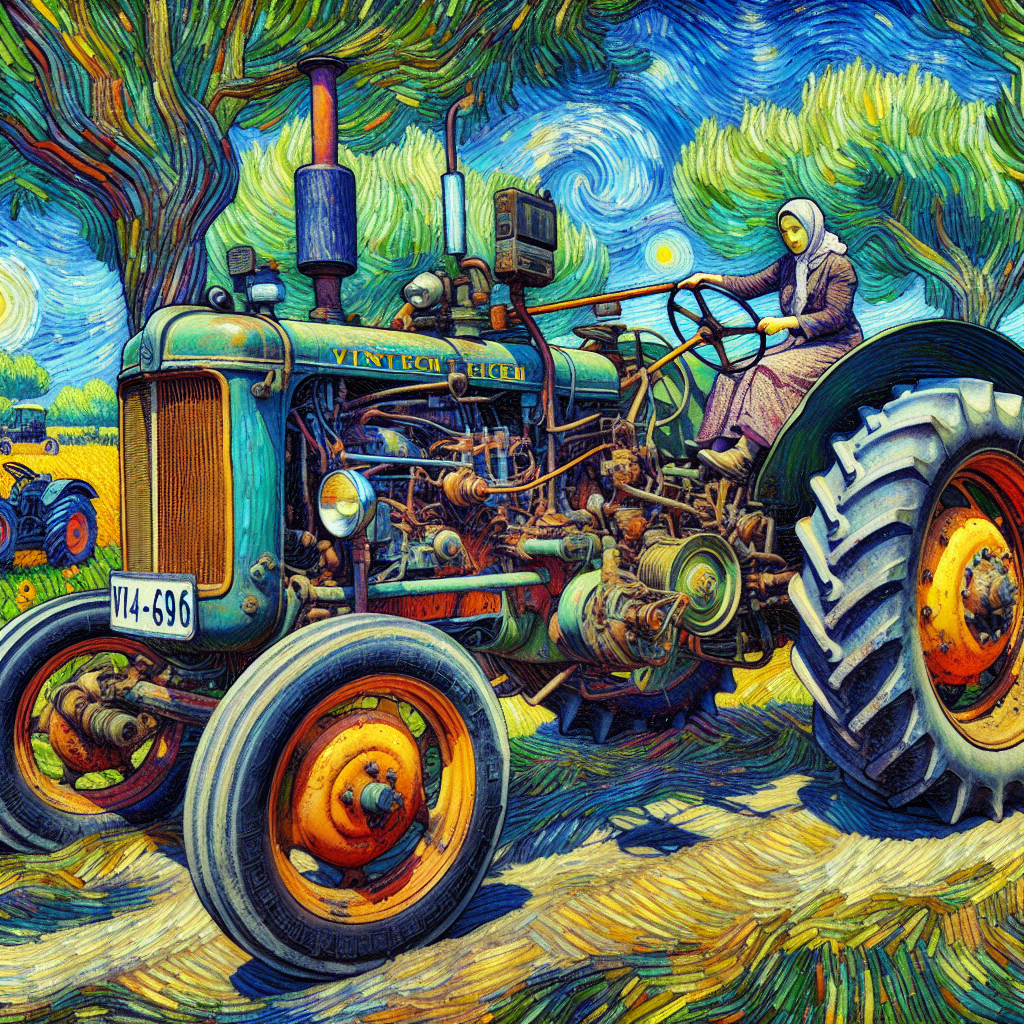
When you think about the classic tractor, what comes to mind? For some, it’s the nostalgia of simpler times, the memory of a grandparent working the land, sweat dripping from their brow under a wide-brimmed hat. For others, that old tractor is a symbol of resilience, a rugged machine that has plowed through the generations, carving landscapes and cultivating dreams.
These machines aren’t just metal and horsepower; they represent enduring values that resonate deeply with many farm families. The classic tractor stands as a testament to hard work, dedication, and a way of life centered around the seasons. Choosing to restore or maintain one of these relics isn’t merely about preserving history; it’s a commitment to sustainability and stewardship. Every time you crank the engine, you’re not only igniting the past but also sending a message to future generations that this is more than just a way to get from point A to point B—it’s a lifestyle steeped in heritage.
Let’s break it down: emotionally, there’s warmth in the connection to the past and the stories these old machines carry. Intellectually, it’s about making choices that favor durability over disposability, recognizing the robust engineering that has withstood the test of time. Ethically, using a classic tractor in a time of environmental concerns sends a powerful statement about valuing what’s sustainable. These tractors often embrace simplicity and efficiency, distinctly contrasting the complication of modern machinery that leads us to chase fleeting innovations.
The narrative doesn’t end there. We gather as communities, at tractor shows and rural farm events, connected by a shared appreciation for craftsmanship and the stories these machines tell. We’re all part of a larger conversation—one that reminds us to respect the land and those who toil upon it. Choosing a classic tractor is not just an individual decision; it’s a ripple of influence that inspires neighbors, friends, and the next generation to appreciate the roots of agriculture.
So, as you stand on your farm, surrounded by fertile fields, ask yourself: how do your farming values align with these classic tractors? Understand that every time you fire up that engine, you join a lineage built on hard work, love for the land, and a commitment to keeping traditions alive. Embrace the journey. Embrace the story. Drive forward, but don’t forget where you came from. Let that classic tractor be a bridge to your heritage and a beacon for the future.
How Do Your Farming Values Align With The Use Of Classic Tractors?
How Do Your Farming Values Align With The Use Of Classic Tractors?
- Classic tractors evoke nostalgia and memories of simpler times in farming.
- They symbolize resilience, embodying hard work and dedication over generations.
- Restoring these machines represents a commitment to sustainability and heritage.
- Classic tractors highlight durability and craftsmanship compared to modern, disposable machinery.
- They foster community connections through events and shared appreciation for agricultural history.
- Choosing a classic tractor influences others to respect agricultural roots and traditions.
- Engaging with classic tractors deepens one’s connection to farming values and heritage.
How Do Your Farming Values Align With The Use Of Classic Tractors?
What Challenges Do You Face When Maintaining Modern Machinery?
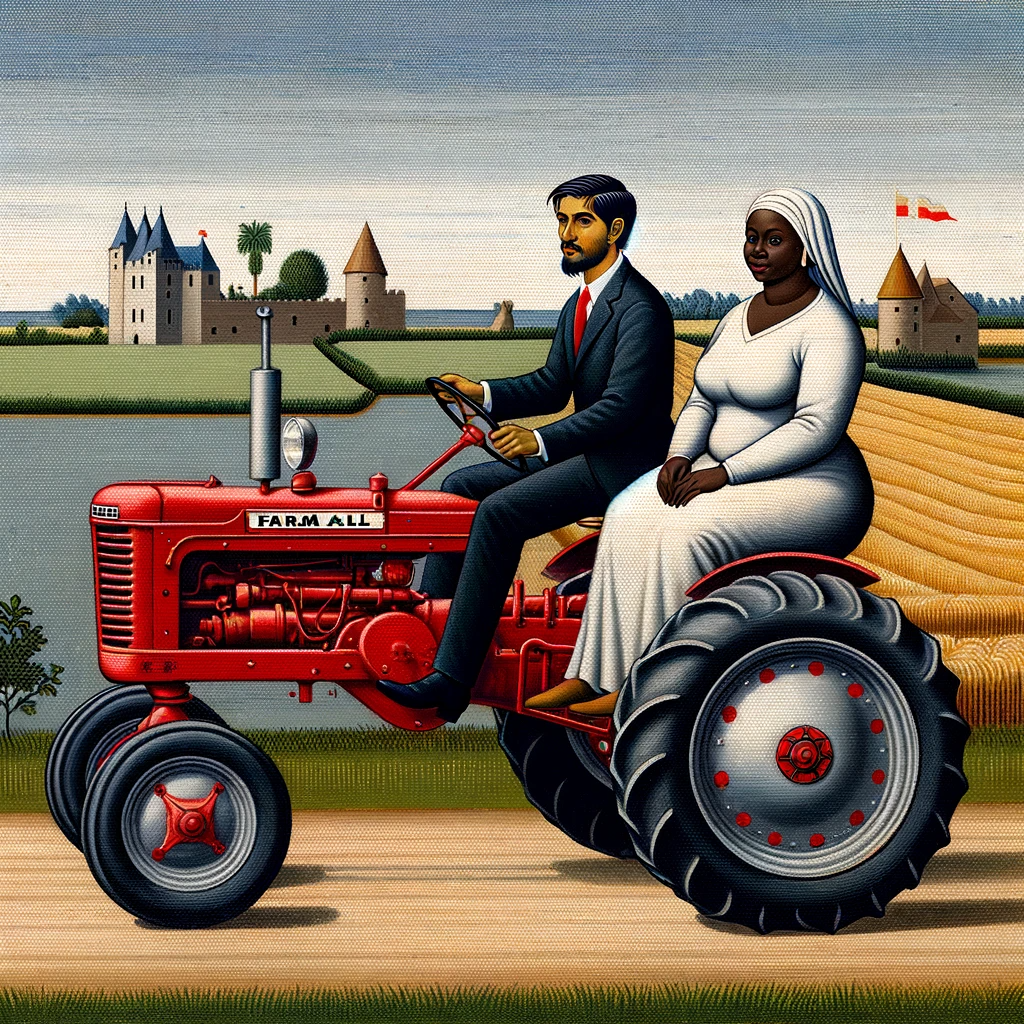
When you think about modern machinery, your first thought might drift to the sleek exterior of a brand-new tractor, gleaming in the morning sun. But peel back the skin of shiny paint, and you’ll find a labyrinth of challenges waiting to test not just your skills but your heart and resolve. The truth is, maintaining this high-tech marvel is more than a matter of turning wrenches and reading manuals; it’s a journey into the very essence of what it means to work with tools that shape our lives.
On a visceral level, there’s the physical and emotional toll of keeping pace with machinery that seems to evolve faster than we can keep up. Gone are the days when you could fix a machine with nothing but a hammer and good instincts. Today, you’re wrestling with a symphony of sensors, screens, and software updates that require a blend of mechanical intuition and digital literacy. It can be daunting, making the very act of maintenance feel like navigating an intricate maze. These machines demand respect and understanding, and when something goes wrong—when that tractor falters with the weight of a harvest on the line—the frustration can feel overwhelming.
Rationally, the stakes are high. A single breakdown during peak season can ripple through not just your day but the livelihood of entire communities. The tractor isn’t just a piece of equipment; it symbolizes our dedication, our sweat, and our willingness to invest in a future. So, the pressure to keep that machinery running smoothly is not just about productivity; it’s about sustaining our way of life. It’s an ethical responsibility that weighs on your shoulders, and failure here can have consequences that reach far beyond your own farm.
But it’s also a social contract, isn’t it? Think of all the stories that bind us together—the neighbor who loaned you that specialized tool, the late-night phone calls with seasoned pros who’ve seen it all. Maintaining machinery champions camaraderie. Every challenge is an invitation to share knowledge, to bond over grease-stained manuals and shared triumphs amidst adversity.
So the next time you find yourself hunched over a tractor, surrounded by the hum of machinery and the scent of oil, remember: you’re part of a legacy. Embrace the challenges, because every battle won is a step toward mastery—and therein lies the heart of true craftsmanship that fuels our industry and binds us together.
What Challenges Do You Face When Maintaining Modern Machinery?
What Challenges Do You Face When Maintaining Modern Machinery?
- Modern machinery presents both physical and emotional challenges for maintenance..
- Today’s equipment requires a blend of mechanical skills and digital literacy.
- Breakdowns can have significant impacts on productivity and community livelihoods.
- The responsibility of maintaining machinery symbolizes dedication and investment in the future.
- Maintenance fosters camaraderie and knowledge sharing among peers in the industry.
- Every challenge in maintaining machinery is an opportunity for bonding and mastery.
- Embracing these challenges is key to true craftsmanship and connection in the field.
What Challenges Do You Face When Maintaining Modern Machinery?
Conclusion
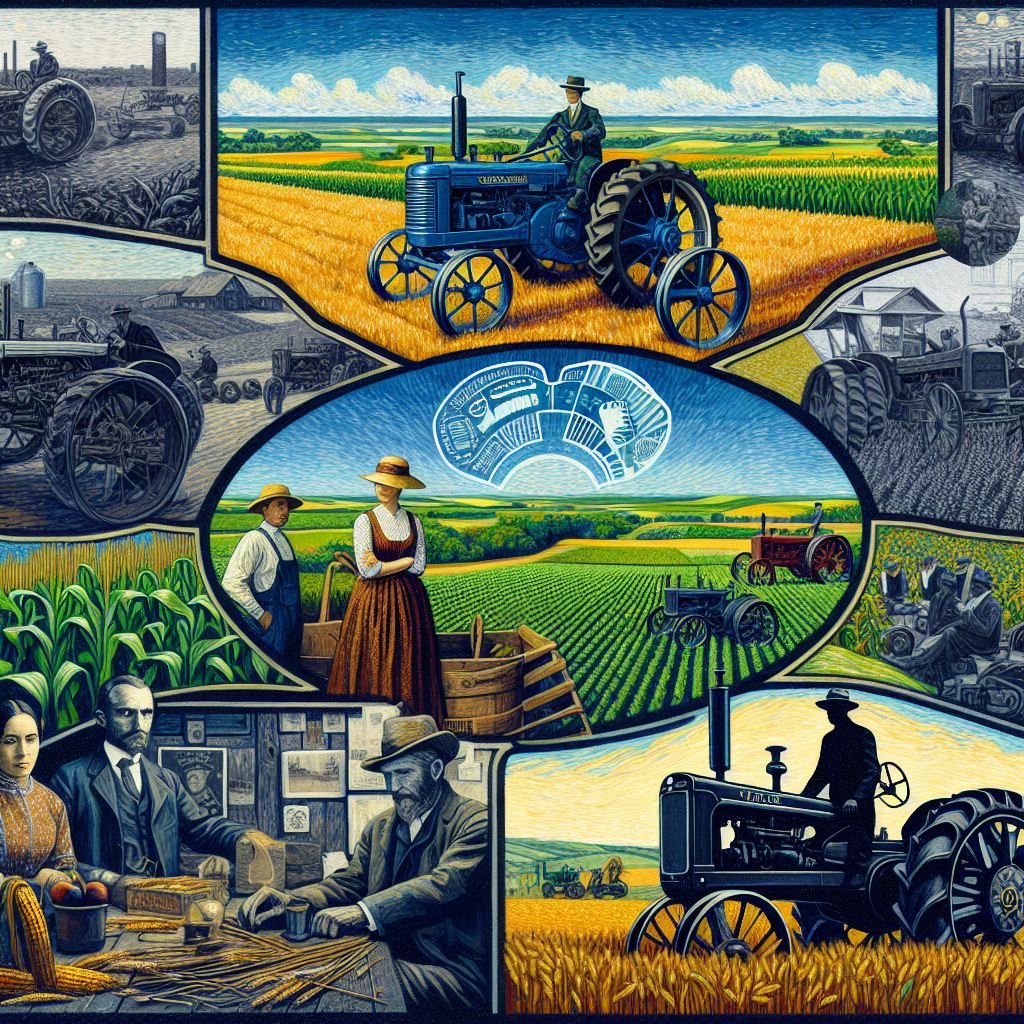
As we wrap up this exploration of classic tractors and their role in revitalizing small farming, let’s take a moment to pause and reflect. Picture that classic tractor again, the one with a story etched into its rust and paint. It’s not just machinery; it’s a monument—a living history that ties us, not only to our land but also to the generations of farmers who toiled before us. These tractors symbolize an era marked by simplicity, hard work, and resilience—a stark contrast to the dizzying pace of modern agricultural technology that often overwhelms us with its complexity.
In this day and age, where we’re constantly bombarded by flashy gadgets promising efficiency, it’s essential to ask ourselves: What are we sacrificing in our quest for progress? By championing classic tractors, we forge a deep connection to sustainable practices, embracing the grit and determination of our farming roots. We draw a line in the sand, vowing to honor the essence of farming: the moments spent tending to our fields, nurturing crops, and fostering community ties.
Think about it: modern machines—while impressive in their capability—often come with a hefty price tag and a steep learning curve. They demand time and attention that could be better spent in the fields engaging with the soil, the plants, and our neighbors. Classic tractors, on the other hand, offer a straightforward relationship with agriculture. Opening their hoods reveals a simplicity in design, allowing us to focus on what truly matters: connecting with the land and the people who share our journey.
From an ethical standpoint, restoring that old tractor isn’t merely an act of nostalgia; it’s a commitment to craftsmanship and stewardship. It’s about drawing strength from our shared stories and experiences, not just reaping a harvest. Each tractor embodies a legacy that begs to be passed down—encouraging the next generation to appreciate the hard work and dedication it takes to cultivate both land and life.
So, let’s put our hands back on the wheel, literally and metaphorically. As you consider your own farming journey, think about integrating the timeless values held within those classic tractors. Embrace the simplicity they embody, and let them guide you back to what truly matters: the labor of love that forms the heartbeat of agriculture. In doing so, you honor not just a way of life, but also the shared history that shapes our collective future. And that, my friends, is the true beauty of farming—a legacy worth driving home about.
Conclusion
Conclusion:
- Classic tractors serve as monuments to agricultural history, connecting us to past generations of farmers.
- They symbolize simplicity, hard work, and resilience, contrasting with the complexity of modern agricultural technology.
- Championing classic tractors fosters a commitment to sustainable practices and honors our farming roots.
- Modern machines often require significant investment and time, diverting focus from essential farming activities.
- Classic tractors provide a straightforward relationship with agriculture that emphasizes connection with the land and community.
- Restoring old tractors reflects a commitment to craftsmanship and the sharing of agricultural legacies.
- Embracing the values of classic tractors encourages a return to the core of farming—a labor of love and a shared history.
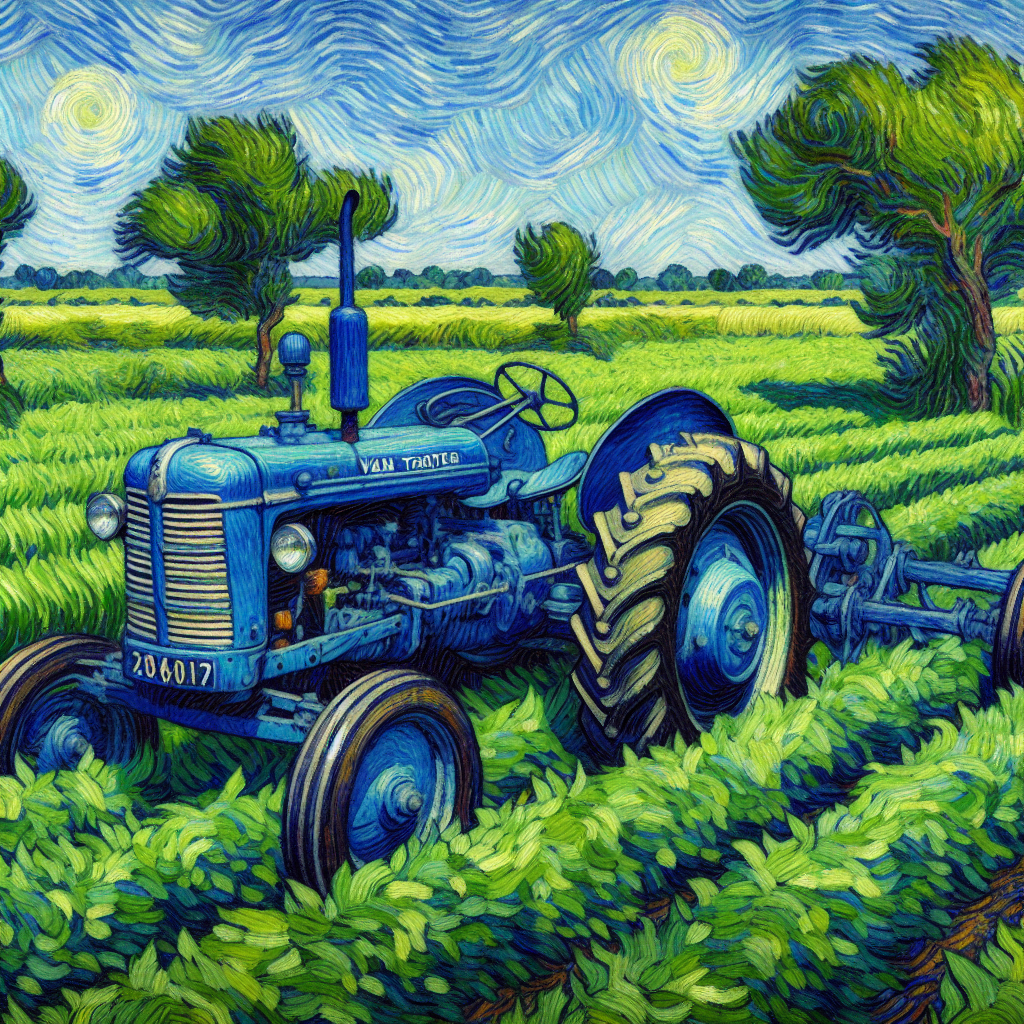
Conclusion
Other Resources
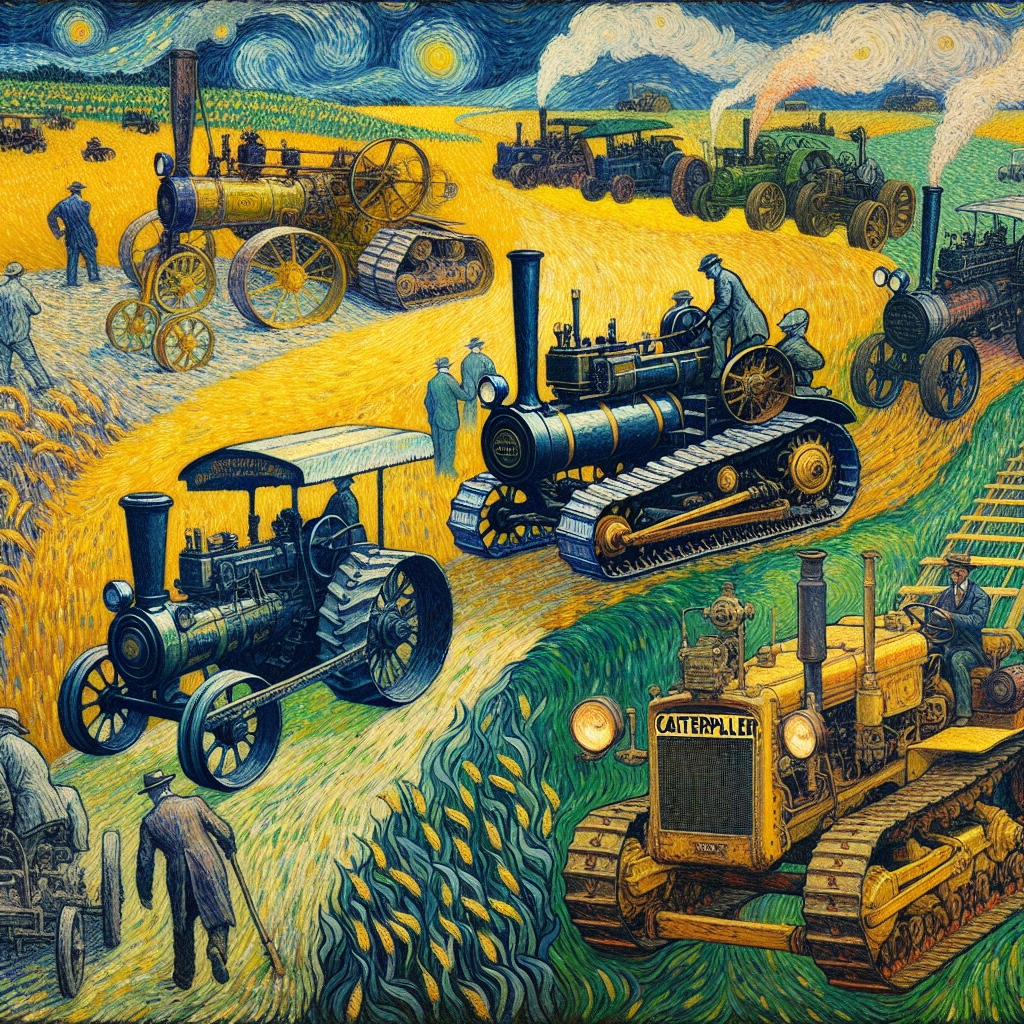
Other Resources
Here is a list of other resources you can review online to learn more:
Use This Prompt To Get More Resources With Your Favorite Online AI Tool: Please provide me with a list of online articles with their URLs in a bulleted list that I can read regarding Is Your Small Farm Missing The Simplicity Of Classic Tractors
Other Resources
Glossary Terms
Is Your Small Farm Missing The Simplicity Of Classic Tractors – Glossary Of Terms
1. Antique Tractor: A tractor manufactured more than 25 years ago, often valued for its craftsmanship and functionality in small farming.
2. Classic Tractor: A tractor recognized for its historical significance and design, typically from the mid-20th century, utilized by small farmers before modern machinery innovation.
3. Simplicity: The quality that defines the straightforward design and ease of use in older tractors, focusing on basic functionality over complex technology.
4. Reliability: The dependability of classic tractors, which often require less frequent repairs compared to modern high-tech machines.
5. Fuel Efficiency: The ability of classic tractors to operate on less fuel relative to their power, often emphasizing the old-fashioned mechanics that are simpler to maintain.
6. Maintenance: The regular care necessary to keep tractors in working order, typically easier with classic models due to their simpler components.
7. Work Horse: A term used to describe tractors that are robust and hardworking, capable of performing labor-intensive tasks consistently.
8. Restoration: The process of bringing an old tractor back to its functional condition and appearance, often vital for preserving classic machines for modern use.
9. Vintage Equipment: Term referring to older agricultural machinery, including tractors that embody the historical context of farming practices.
10. Farm Heritage: The tradition and historical practices associated with farming, often represented through the use of classic tractors.
11. Sustainable Farming: Agricultural practices that focus on environmental health, sometimes favoring classic tractors due to their lower carbon footprint.
12. Mechanical Simplicity: An aspect highlighting how classic tractors often feature fewer electronic components, making them easier to operate and repair.
13. Fuel Type: The kind of energy source (gasoline, diesel, etc. ) used in tractors, with classic models often running on more traditional fuels.
14. Horsespower (HP): A unit of measurement for tractor engine power, significant in understanding the capabilities of classic tractors compared to modern machines.
15. Tillage: The agricultural preparation of soil for planting, often performed using classic tractors equipped with necessary attachments.
16. Plowing: The primary function of tractors where they turn over the soil to aerate it, a task historically performed by classic tractors.
17. PTO (Power Take-Off): A device on tractors that allows power from the engine to be transferred to other agricultural equipment for a variety of tasks.
18. Farm Implements: Tools and equipment that are used alongside tractors for various farming tasks, often compatible with classic models.
19. Tractor Show: An event where classic tractors are displayed and antique farming equipment is showcased, promoting heritage and community.
20. Collectible: A term for items, such as classic tractors, that are sought after by enthusiasts for their historical and aesthetic value.
21. Torque: A measure of rotational force; significant in discussing tractor performance, especially in older models known for their strong low-end power.
22. Farming Efficiency: The ability to maximize production with minimal resources, a characteristic that classic tractors can contribute to on small farms.
23. Community Supported Agriculture (CSA): A model of farming where consumers support local farms; classic tractors are often emblematic of this grassroots farming movement.
24. Ergonomics: The design of a tractor’s layout for user comfort and ease of use, which is often simpler in classic tractors than in modern designs.
25. Chasis: The base frame of the tractor that supports the entire structure, often seen as enduring in classic models.
26. Tractor Restoration Clubs: Organizations dedicated to preserving, restoring, and showcasing classic tractors, fostering a community around agricultural history.
27. Hydraulics: The use of hydraulic systems in older tractors for various operational capabilities, which can be simpler than modern systems.
28. Land Stewardship: The responsible management of agricultural land, often highlighted in discussions about sustainable practices using classic tractors.
29. Agricultural Innovation: The evolution of farming practices and technologies, contrasting modern solutions with the time-tested effectiveness of classic tractors.
30. Nostalgia: The sentimental longing for the past, often felt by farmers reminiscing about simpler times with classic tractors in the field.
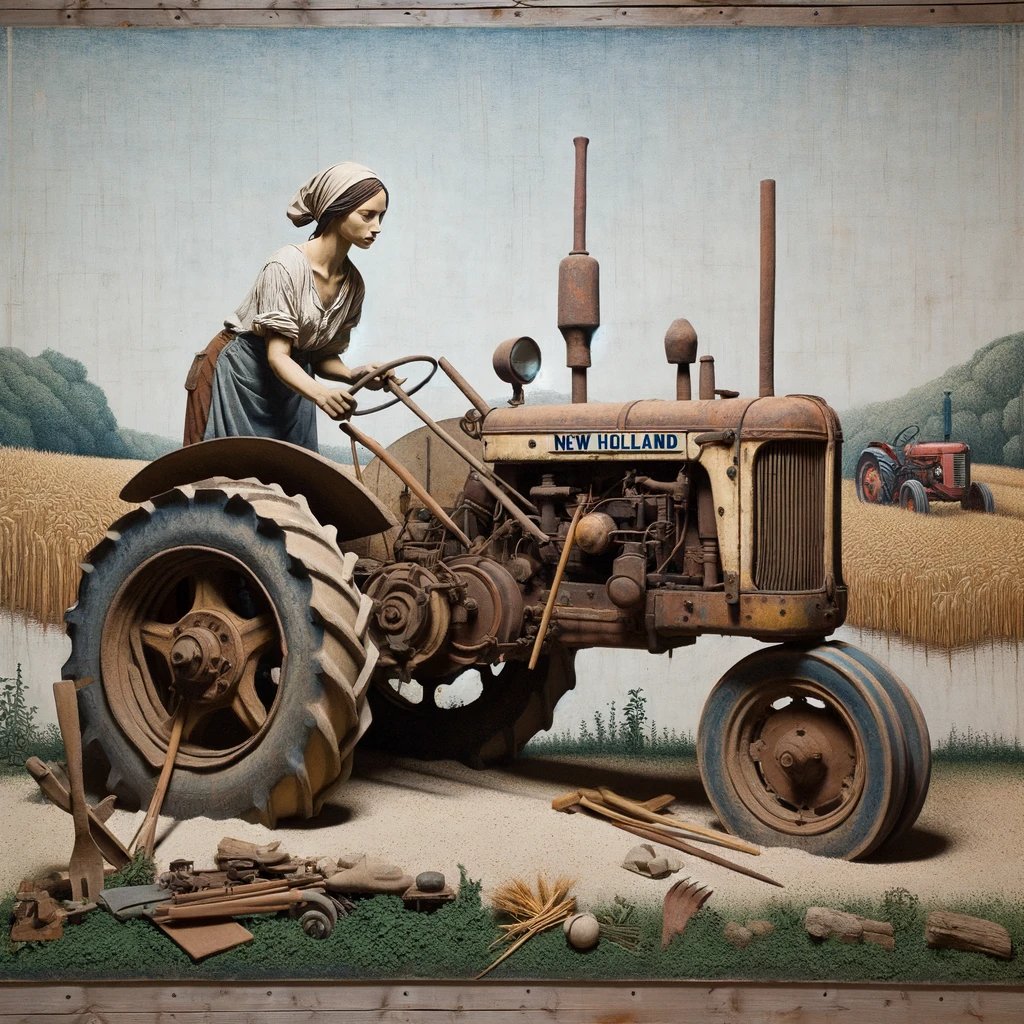
Glossary Of Terms
Other Questions
Is Your Small Farm Missing The Simplicity Of Classic Tractors – Other Questions
If you wish to explore and discover more, consider looking for answers to these questions:
- What are the benefits of using classic tractors compared to modern farming technology?
- How can I find and purchase a classic tractor for my farm?
- What types of classic tractors are best suited for small farms?
- What maintenance do classic tractors require compared to modern tractors?
- Can classic tractors be modified for modern agricultural needs?
- What skills are necessary to operate and maintain a classic tractor?
- How do classic tractors contribute to sustainable farming practices?
- What are some common repairs or issues with classic tractors?
- How can restoring a classic tractor impact its resale value?
- What are the historical models of classic tractors that have made significant impacts in agriculture?
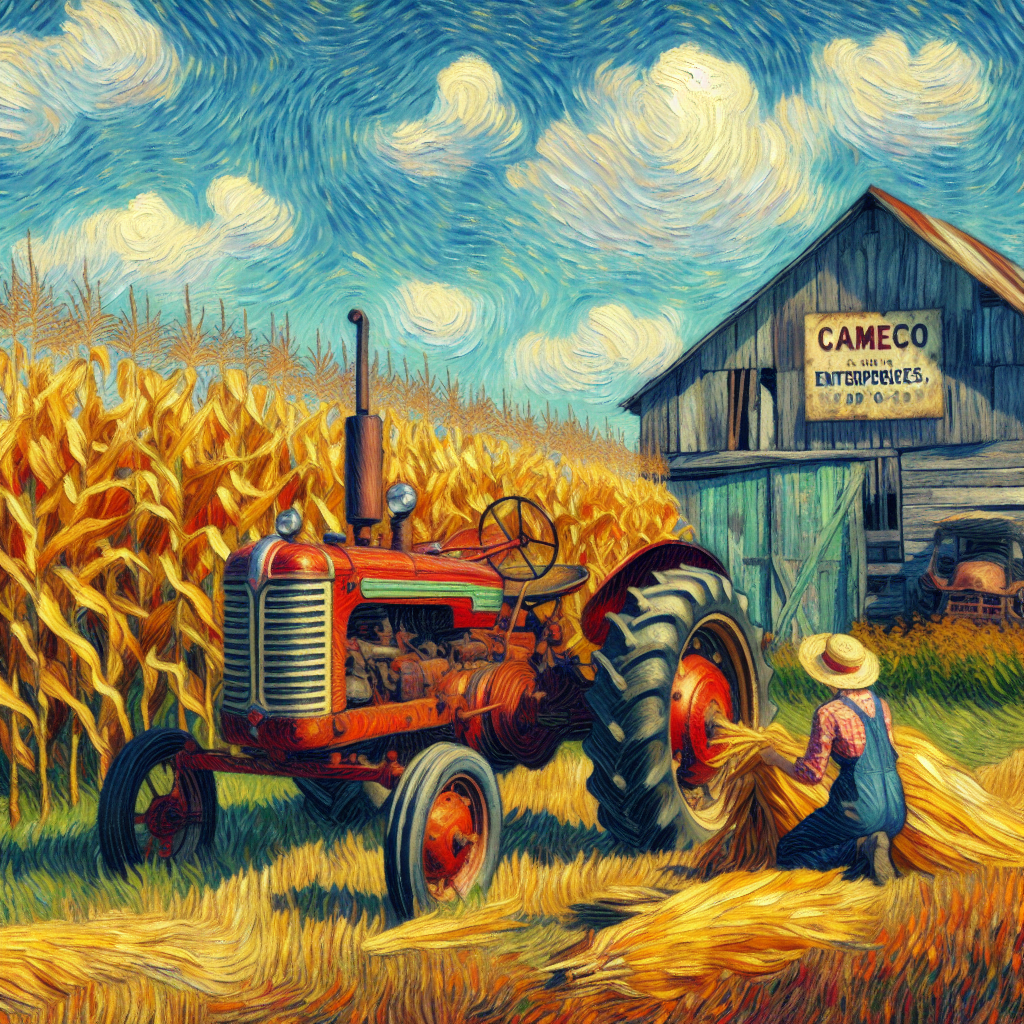
Other Questions
Haiku
Is Your Small Farm Missing The Simplicity Of Classic Tractors – A Haiku
Classic iron beckons,
Roots deep in soil and heart,
Nurture past and future.
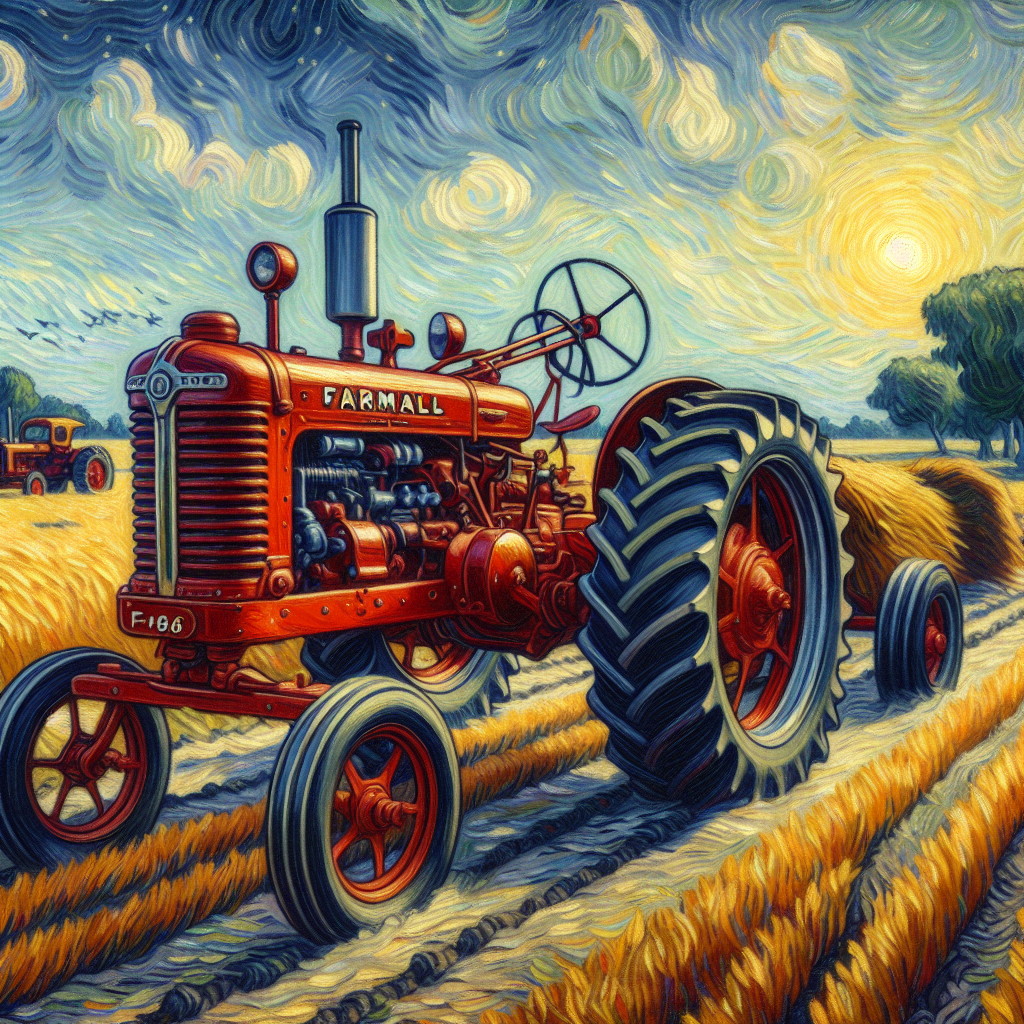
Haiku
Poem
Is Your Small Farm Missing The Simplicity Of Classic Tractors – A Poem
Resurrection of the Rusted Heart
In the dawn’s embrace, a tale unfolds,
Of sturdy steel in crimson bold.
A classic tractor, weathered yet bright,
Whispers of days bathed in golden light.
With each scratch and dent, memories arise,
Echoes of toil beneath endless skies.
A steadfast companion through hardship and grace,
Tethered to rhythms of this sacred space.
Oh, how the modern machines shine,
Promising ease, efficiency divine.
But in their complexity, a silence looms,
As the farmer’s heart yearns for simpler tunes.
What of the joy in the soil’s embrace,
The calloused hands, the sweat on the face?
Can we not balance innovation’s song,
With the cherished past where we truly belong?
In the rust and charm, stories reside,
Of families gathered, hearts opened wide.
An ethical choice, to honor our roots,
To embrace tradition, and the life it hoots.
For a classic tractor is more than a tool,
It’s a bridge to the past where the waters run cool.
Each turn of the wheel, a lesson in might,
Of fingers in dirt, feeling life ignite.
So let’s rally together, both old and new,
Farming’s essence flows in what we pursue.
With grit in our hearts and hope in our hands,
We’ll cultivate futures, connect with the lands.
As the engine roars back to life once more,
With the scent of the earth, our spirits soar.
Revived by the past while we navigate now,
In the rusted heart beats the farmer’s vow.
Embrace the challenge, let history stay,
As we drive forward with the wisdom of play.
For in every tractor, each wheel that does spin,
Lies the legacy whispered—let the journey begin.
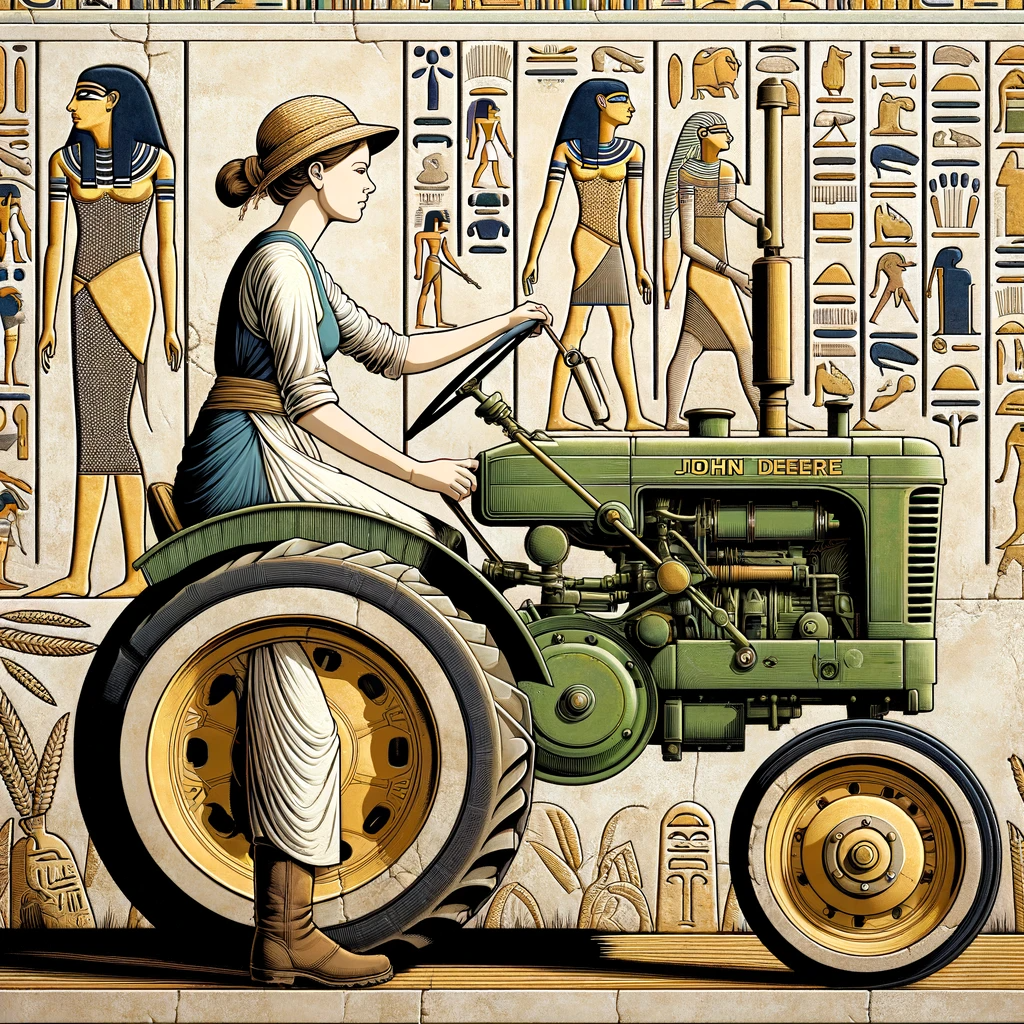
Poem
Checklist
Is Your Small Farm Missing The Simplicity Of Classic Tractors – A Checklist
Classic Tractors: A Heart-Head-Gut Checklist for Rediscovering Simplicity in Farming
Heart Appeals
1. Reflect on Your Roots: Take a moment to think about the legacy of farming in your family. How can classic tractors help you connect with that history?
2. Embrace Nostalgia: Write down a memory related to farming or tractors that brings you joy. How can you incorporate those feelings into your current farming practices?
3. Story Sharing: Consider sharing your experiences with fellow farmers about the traditional values and stories tied to classic tractors. How can these stories strengthen community bonds?
Head Appeals
4. Evaluate Efficiency: Analyze the maintenance requirements of your current machinery versus classic tractors. Can simpler machines improve your workflow?
5. Cost-Benefit Analysis: Research the costs associated with maintaining modern machinery. How do these compare to the costs of classic tractors in the long run?
6. Performance Review: Assess how well your current machinery performs during peak seasons. Could classic tractors help reduce downtime and enhance productivity?
Gut Appeals
7. Trust Your Instincts: Pay attention to your feelings about modern technology. Do you feel a longing for the hands-on experience that classic tractors offer?
8. Identify Complexity: List the aspects of your current farming technology that feel overwhelming. How do you think a classic tractor could simplify your daily tasks?
9. Assess the Connection: Consider how working with classic tractors might strengthen your personal connection to the land. How does that align with your values?
Ethical Appeals
10. Commit to Sustainability: Reflect on how choosing classic tractors supports sustainable farming practices. How does this decision align with your ethical beliefs about land stewardship?
11. Support Local Economies: Explore options for sourcing and restoring classic tractors. How can you contribute to and engage with local communities that value traditional farming practices?
Authority Appeals
12. Learn from Experts: Seek out stories and case studies from experienced farmers who’ve transitioned back to classic tractors. What insights can they offer?
13. Join Organizations: Look into local or national tractor clubs. How can participating in these communities enhance your understanding and appreciation for classic tractors?
Narrative Appeals
14. Tell Your Story: Document your journey of rediscovering classic tractors. How can sharing this narrative inspire others in your community?
15. Connect Generations: Encourage younger family members to participate in the restoration or operation of classic tractors. How can this foster a sense of belonging and pride?
Social Appeals
16. Gather the Community: Plan a gathering or event focused on classic tractors—share skills, stories, or even hold a small show. How can such gatherings strengthen community ties?
17. Collaborate with Neighbors: Consider pooling resources with neighboring farmers for restoration projects. In what ways can teamwork increase the sense of camaraderie?
Engagement Questions
18. Future Visioning: Imagine your farm five years from now, utilizing classic tractors. What does that look like for you and your community?
19. Personal Action Plan: What are three actionable steps you can take this week to start incorporating classic tractors into your farming practice?
20. Legacy Assessment: How do you want to be remembered in the farming community? What role can classic tractors play in that legacy?
By using this checklist, you can reconnect with the heart of farming while assessing the practicality and impact of integrating classic tractors into your agricultural practices.
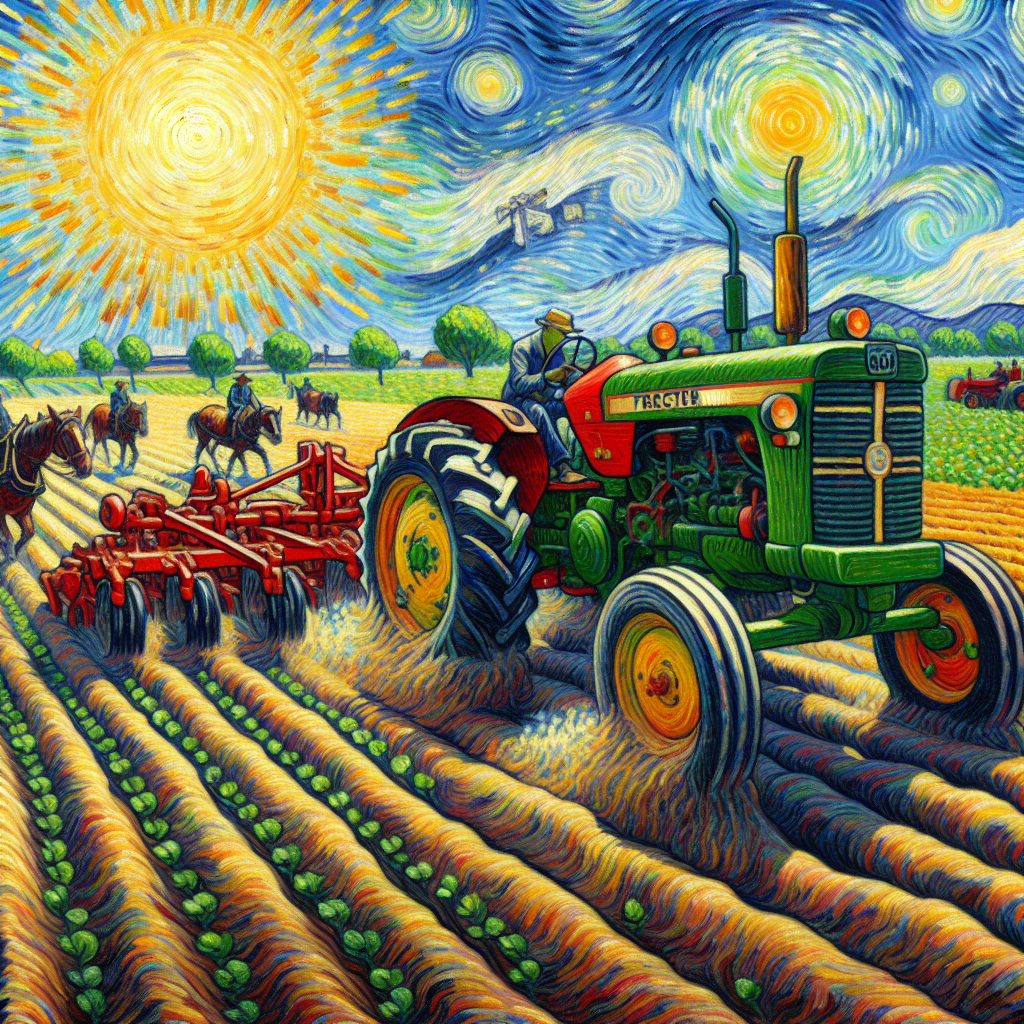
Checklist
At ClassicTractorNews, we help tractor lovers keep up with the latest news for classic and vintage tractors.
Please share this post with your friends, family, or business associates who may like old classic or vintage tractors.