

Unlocking Timeless Dependability For Your Farm
By Tom Seest
At ClassicTractorNews, we help tractor lovers keep up with the latest news for classic and vintage tractors.
Please share this post with your friends, family, or business associates who may like old classic or vintage tractors.
Is Your Farm Missing Out on The Reliability Of Classic Tractors
?
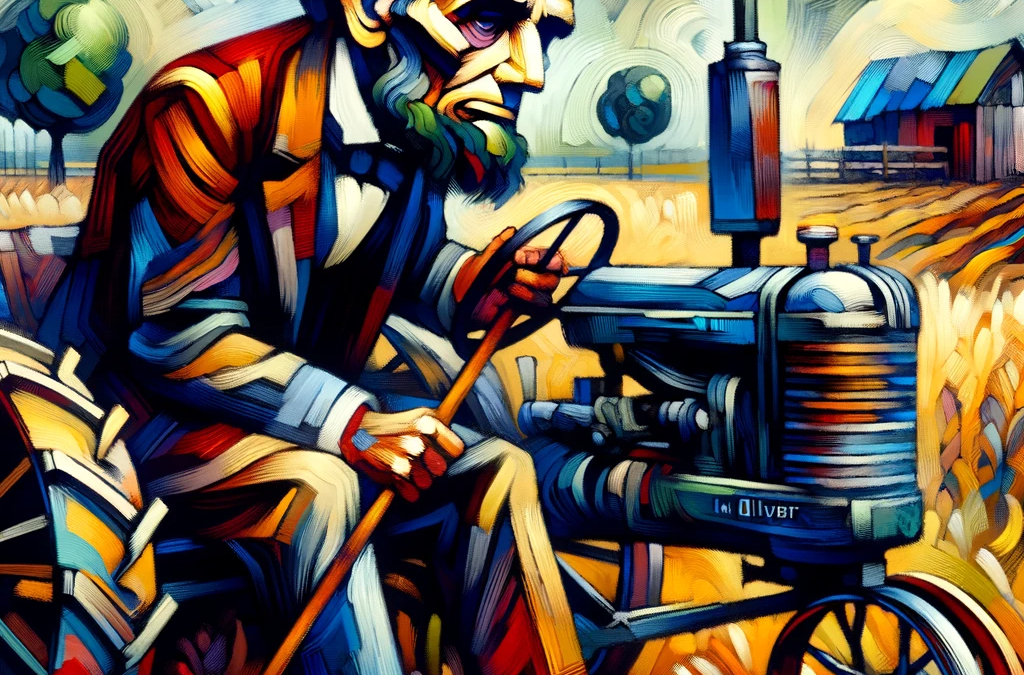
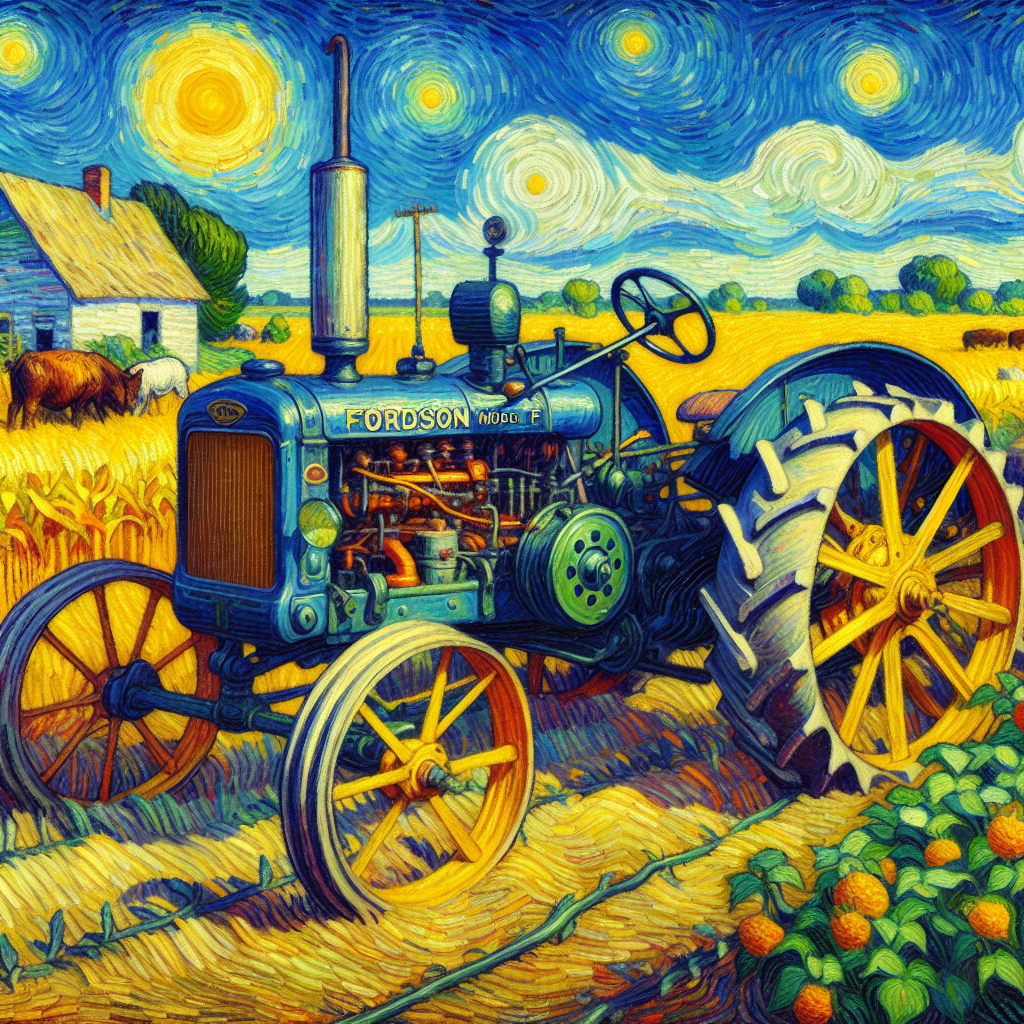
In the hustle and bustle of modern farming, it’s easy to forget what made the industry tick in the first place. Picture a classic tractor, its sturdy frame and timeless lines whispering stories of generations past, laboring diligently on a sun-drenched field. This isn’t just machinery; it’s the lifeblood of countless family farms, each scratch and dent a badge of honor earned through seasons of service. Have we lost sight of this connection in our pursuit of the latest and greatest?
When you peel back the layers of sleek, high-tech alternatives, you find a simple truth: classic tractors offer reliability that can’t be quantified by flashy features or smartphone compatibility. These tractors were built to last, designed for hard work, and they come with a history that connects us to the very roots of agriculture itself. Ask yourself: which tractor would you trust to plow through the toughest soil, the one that’s all bells and whistles or one that’s seen decades of dependable service?
Emotionally, there’s a pull in nurturing legacy over novelty. Each time you roll out that vintage beauty, you’re not just revving an engine; you’re reviving stories of your ancestors, their sweat soaking into the earth, their ideals etched into the very metal of their machines. That connection runs deeper than any tech innovation—it’s a testament to tradition that ties us to our past and provides a sturdy foundation for the future.
Rationally speaking, classic tractors often have simpler mechanics, making them not just easier to repair but also far less prone to the complications that can punctuate modern equipment breakdowns. For every farm owner that shudders at the thought of a tech-saturated breakdown, there’s a counterpart smiling at the reliability of their trusty old tractor. It’s a choice that speaks to stewardship and sustainability, cycling back to practices that respect the land rather than exploit it.
From a social standpoint, imagine the conversations sparked when you pull up to the local farmer’s market in a restored classic. Suddenly, you find yourself part of a community that values craftsmanship over consumables, fostering camaraderie with fellow farmers who understand what it means to work hard and respect the land. It’s a chance to engage with the past and inspire the next generation to appreciate the rugged beauty of these workhorses.
So, ask yourself: Is your farm missing out on the reliability of classic tractors? Donning the grit of generations, they are not merely machines; they are an invitation to reconnect with the very heart and soul of farming. It’s time to cultivate that relationship again.
Is Your Farm Missing Out on The Reliability Of Classic Tractors
Is Your Farm Missing Out on The Reliability Of Classic Tractors
- Classic tractors symbolize the deep-rooted history and tradition of farming, representing generations of hard work.
- They offer unmatched reliability, often outlasting modern high-tech alternatives with their straightforward mechanics.
- The connection to the past evokes emotions, reviving stories and legacy through the machinery.
- Classic tractors are easier to repair and less prone to breakdowns compared to contemporary tech-heavy equipment.
- Owning a classic tractor fosters a sense of stewardship and sustainability, respecting the land’s resources.
- Engaging with classic tractors promotes community connections among farmers who value craftsmanship.
- Reconsidering the use of classic tractors can help reconnect farms with the essence of agricultural roots.
Is Your Farm Missing Out on The Reliability Of Classic Tractors
Table Of Contents
- Is Your Farm Missing Out on The Reliability Of Classic Tractors
- Is Your Farm Ready For The Benefits Of Classic Tractor Reliability?
- Have Modern Machines Compromised The Heart Of Farming Traditions?
- What Cost Savings Can You Expect From Investing In Classic Tractors?
- How Do Classic Tractors Inspire A Loyalty That Modern Machines Lack?
- What Future Innovations Could Arise From Investing In The Past?
- How Much Do You Value Reliability In Your Farming Equipment?
- Conclusion
- Other Resources
- Glossary Of Terms
- Other Questions
- Haiku
- Poem
- Checklist
Is Your Farm Ready For The Benefits Of Classic Tractor Reliability?
When you think about the heart of any farm, what comes to mind? The sound of a tractor humming in the fields, the scent of fresh soil ready to yield its bounty. We often underestimate the grounding presence of a classic tractor—those sturdy workhorses that have carried our ancestors through countless seasons. This isn’t just machinery; it’s a connection to tradition, perseverance, and the future of our land.
Let’s hit the head for a moment. A classic tractor, with its honest engineering and rugged design, offers reliability like few things in this fast-paced world. On a day when the weather is unpredictable and deadlines loom large, you need to know that your equipment won’t let you down. These machines are built to last and stand the test of any challenge Mother Nature throws your way. The investment you make in a dependable tractor as part of your farming strategy pays off in time saved, crops harvested, and dollars earned.
But beyond the practical side, there’s an ethical dimension too. By choosing classic tractors—often built with simpler technology and greater ease of repair—you’re championing sustainability. You’re saying yes to less waste and a more circular economy. In a world that often leans toward gimmicks and throwaway culture, investing in timeless machines reflects a responsible stewardship of the land.
And let’s not forget the stories connected to these iconic vehicles. Picture a wise farmer sharing tales of a tractor that’s played roll after roll over the years, surviving storms and droughts, telling tales of hard work etched into its rusted frame. Those stories create a deep-rooted social connection, bringing together generations around a cab, teaching the young and admiring the old. When your neighbors see your classic tractor chugging along, it’s not just the sight of a machine; it’s a symbol of resilience and community spirit.
So, are you ready to harness the benefits of classic tractor reliability? Imagine standing proudly at the end of a long, hard day—your crops flourishing, your land cared for, and your trusted tractor by your side, ready to take on tomorrow’s challenges. It’s time to invest not just in equipment, but in a philosophy of farming that values reliability, connection, and a legacy that will feed both the present and the future.
Is Your Farm Ready For The Benefits Of Classic Tractor Reliability?
Is Your Farm Ready For The Benefits Of Classic Tractor Reliability?
- Classic tractors symbolize the heart and tradition of farming, connecting generations through their history.
- They provide reliable performance, built to endure harsh conditions and unpredictable weather.
- Investing in dependable tractors saves time, increases crop yield, and boosts profitability.
- Choosing classic tractors promotes sustainability with simpler technology and easier repair.
- Investing in timeless machines supports a circular economy and reduces waste.
- Classic tractors are vessels of stories, fostering community and sharing knowledge between generations.
- Adopting a philosophy of reliability and connection in farming can yield benefits for both the present and future.
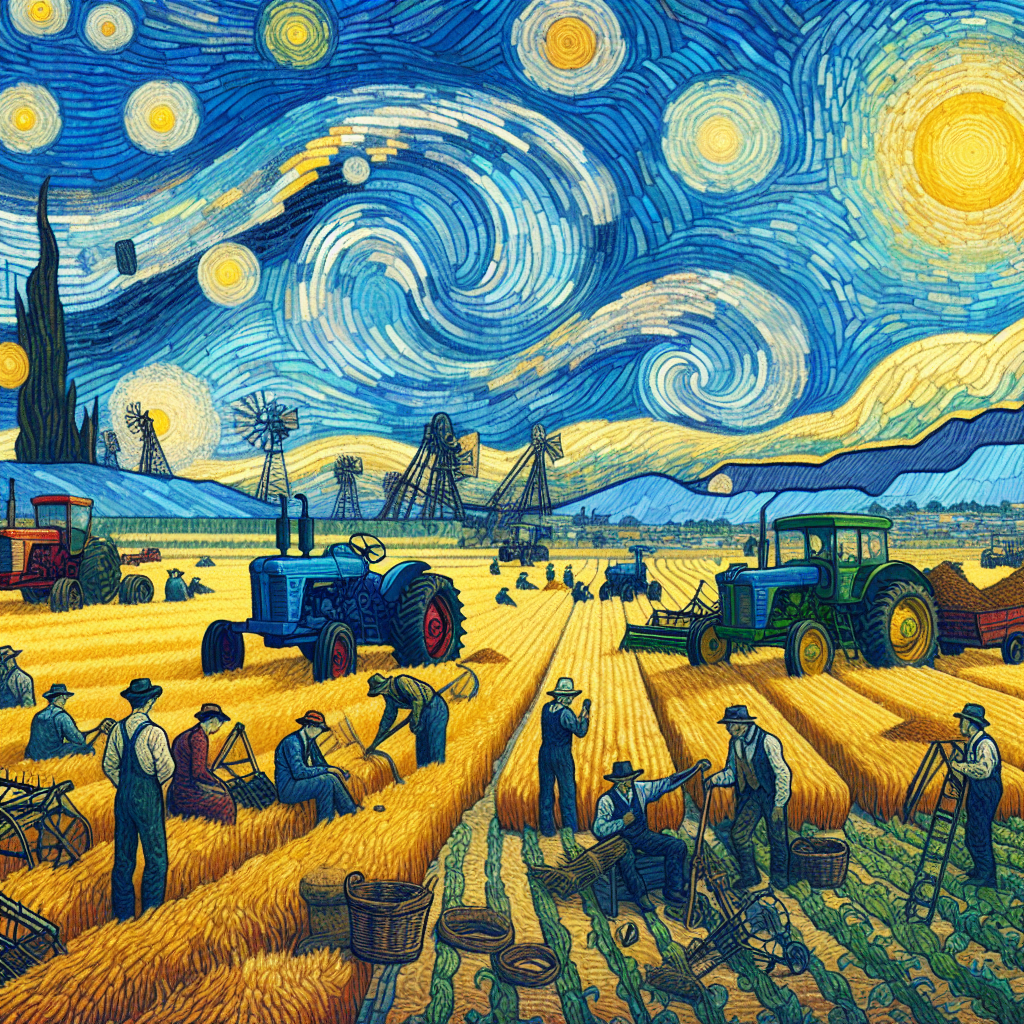
Is Your Farm Ready For The Benefits Of Classic Tractor Reliability?
Have Modern Machines Compromised The Heart Of Farming Traditions?
When you look out over fields that stretch as far as the eye can see, it’s hard not to feel a deep respect for those who put their hands in the dirt. Farming has always been a noble pursuit, a tradition woven into the very fabric of our society. Yet, as we ponder the question of whether modern machines have compromised the heart of farming traditions, we must consider the emotional, rational, and ethical dimensions stirring within us.
The tractor, that mighty beast of burden, stands as both a symbol of progress and an emblem of change. Its roar has revolutionized the way crops are planted, tended, and harvested. But we must ask ourselves: at what cost does this convenience come? It’s heart-wrenching to think about the generations of families who have cultivated their land with sheer grit and determination, only to watch as their legacies face the glare of mechanization. Is the efficiency gained worth the artistry lost?
Rational thinking tells us that modern agriculture has fed billions and transformed economies. Yet, if we peer deeper, ethical questions arise. When a farmer can plant an entire field in a matter of hours with a computerized tractor, what happens to the relationship between man and land? That intimate connection—learning the soil’s language, understanding the rhythms of the seasons—seems to fade with each whir of a machine.
We also have to consider authority. There are experts who argue that without these advancements, sustainable farming wouldn’t be possible in the face of a growing global population. But let’s not forget that true progress doesn’t have to erase tradition. It can blend the old with the new, honoring the spirits of our forebears while embracing innovation.
In sharing stories of farmers across the country, we find narratives that echo the universal struggle of balancing modern tools with age-old wisdom. Many have chosen to adopt technology in ways that celebrate and preserve their heritage—pairing tractors with time-honored techniques. They prove that it’s not just about machines; it’s about maintaining a connection that is as vital as the crops they grow.
So as we grapple with these questions, let’s foster a conversation that builds bridges between the past and the present. It’s about finding a way for tractors and tradition to coexist, ensuring that farming remains a deeply rooted expression of who we are, not just a business of what we do. This isn’t just farming; it’s a testament to our shared human experience.

Have Modern Machines Compromised The Heart Of Farming Traditions?
Have Modern Machines Compromised The Heart Of Farming Traditions?
- Farming is a noble pursuit, deeply embedded in societal tradition.
- The tractor symbolizes progress but may compromise farming’s heart and legacy.
- Modern agriculture has significantly increased efficiency, but raises ethical questions about the relationship between farmers and the land.
- The intimate connection with land and seasons diminishes with mechanization.
- Experts advocate for technological advancements to support sustainable farming amidst population growth.
- Many farmers successfully combine modern tools with traditional techniques to honor their heritage.
- Conversations should focus on integrating tractors with tradition, keeping farming a vital expression of our identity.
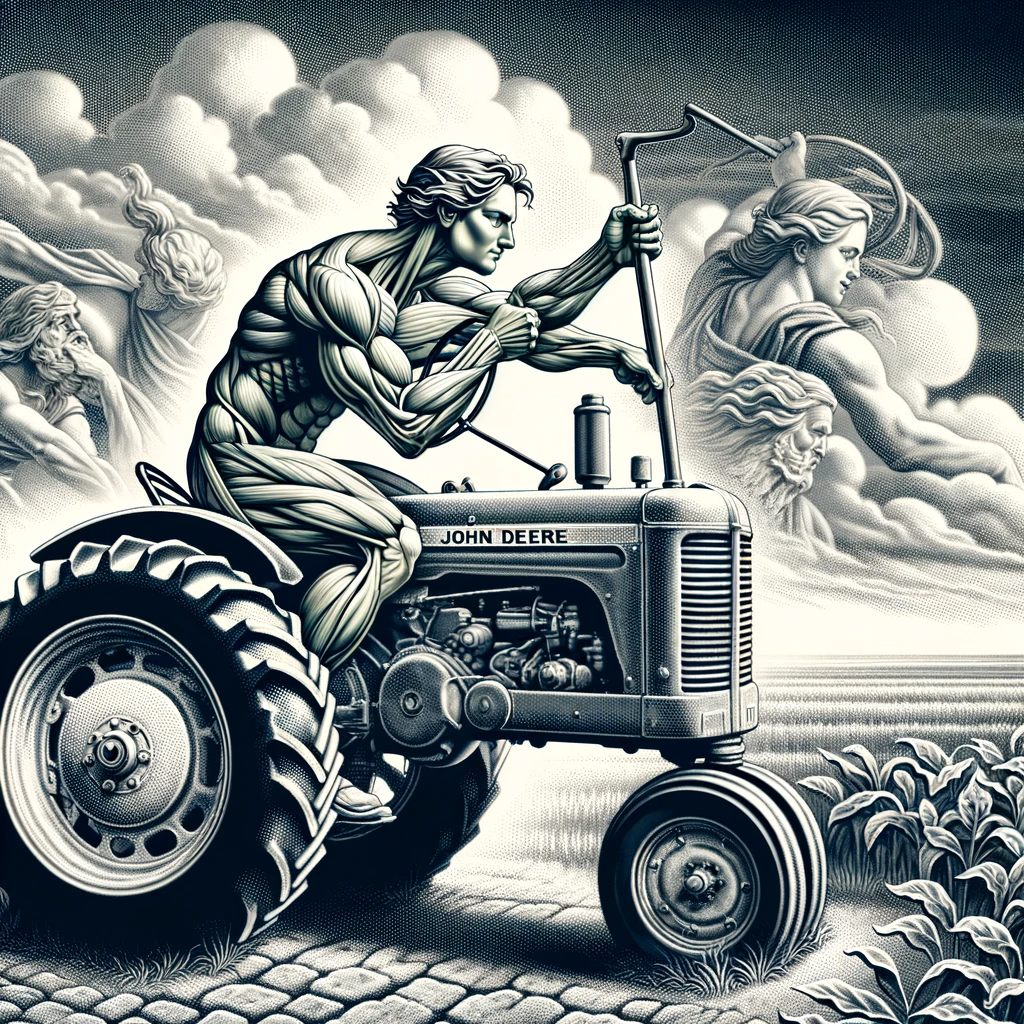
Have Modern Machines Compromised The Heart Of Farming Traditions?
What Cost Savings Can You Expect From Investing In Classic Tractors?
When you first lay your eyes on a classic tractor, something inside you stirs—a connection to the earth, to simpler times, where hard work and integrity were as fundamental as the fuel that powers these machines. Investing in a classic tractor isn’t simply a purchase; it’s a commitment to a way of life, one that can lead to significant cost savings down the line.
Imagine this: You’re out in the field, the sun setting over the horizon, your dependable tractor rumbling along, pulling that vintage plow. As you engage with that old iron, you realize it’s more than machinery; it’s a partner in your labor. Classic tractors, designed to be durable and easily repairable, often require less frequent maintenance and fewer costly parts than their modern counterparts. With a bit of elbow grease and knowledge, you can keep these beauties running without breaking the bank.
Now let’s talk numbers—something that appeals to our rational side. A classic tractor can often be purchased at a fraction of the cost of new models. For many, this initial investment pays off, as these tractors can retain or even appreciate in value over time. That’s the essence of a classic: it tells a story while saving you hard-earned cash.
From an ethical standpoint, restoring and preserving classic tractors contributes to sustainable farming practices. You’re not only keeping history alive but also promoting an approach that values craftsmanship over consumerism. In a world increasingly dominated by disposable culture, investing in these time-honored machines offers a refreshing counter-narrative, championing a return to durability and simplicity.
Think about the community aspect—classic tractors connect you to a rich network of enthusiasts. Whether it’s local shows, clubs, or online forums, sharing experiences and advice amplifies the sense of belonging. It’s a reminder that as times change, certain traditions remain invaluable. By investing in a classic tractor, you cement your ties to this enduring legacy.
So, let’s dig a little deeper. When you invest in a classic tractor, you’re not just choosing a tool; you’re cultivating a lifestyle rooted in reliability, community, and a profound respect for the land. Each turn of the wheel is a reminder of your commitment—not just to cost savings, but to a way of life that celebrates craftsmanship, history, and the beauty of hard work. Now that’s a return on your investment that resonates far beyond dollars and cents.
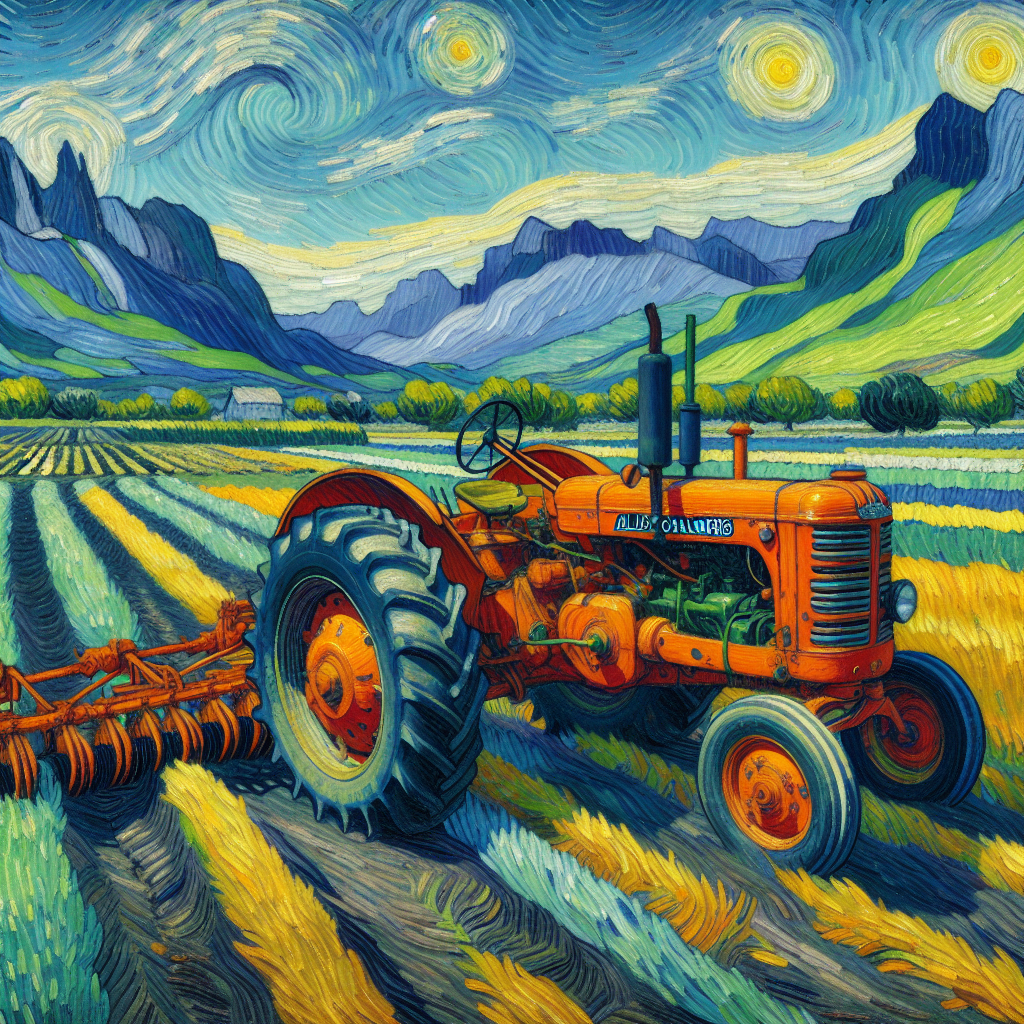
What Cost Savings Can You Expect From Investing In Classic Tractors?
What Cost Savings Can You Expect From Investing In Classic Tractors?
- Classic tractors symbolize a connection to the earth and simpler times characterized by hard work and integrity.
- Investing in a classic tractor is a commitment to a sustainable lifestyle with potential cost savings over time.
- These durable machines often require less maintenance and cheaper repairs compared to modern tractors.
- Classic tractors can be bought at a lower cost and may retain or increase in value, providing financial benefits.
- Restoring classic tractors supports sustainable farming and promotes a culture of craftsmanship over consumerism.
- Owning a classic tractor connects you to a community of enthusiasts, enhancing the sense of belonging through shared experiences.
- Investing in classic tractors cultivates a lifestyle of reliability, respect for the land, and appreciation for history and craftsmanship.
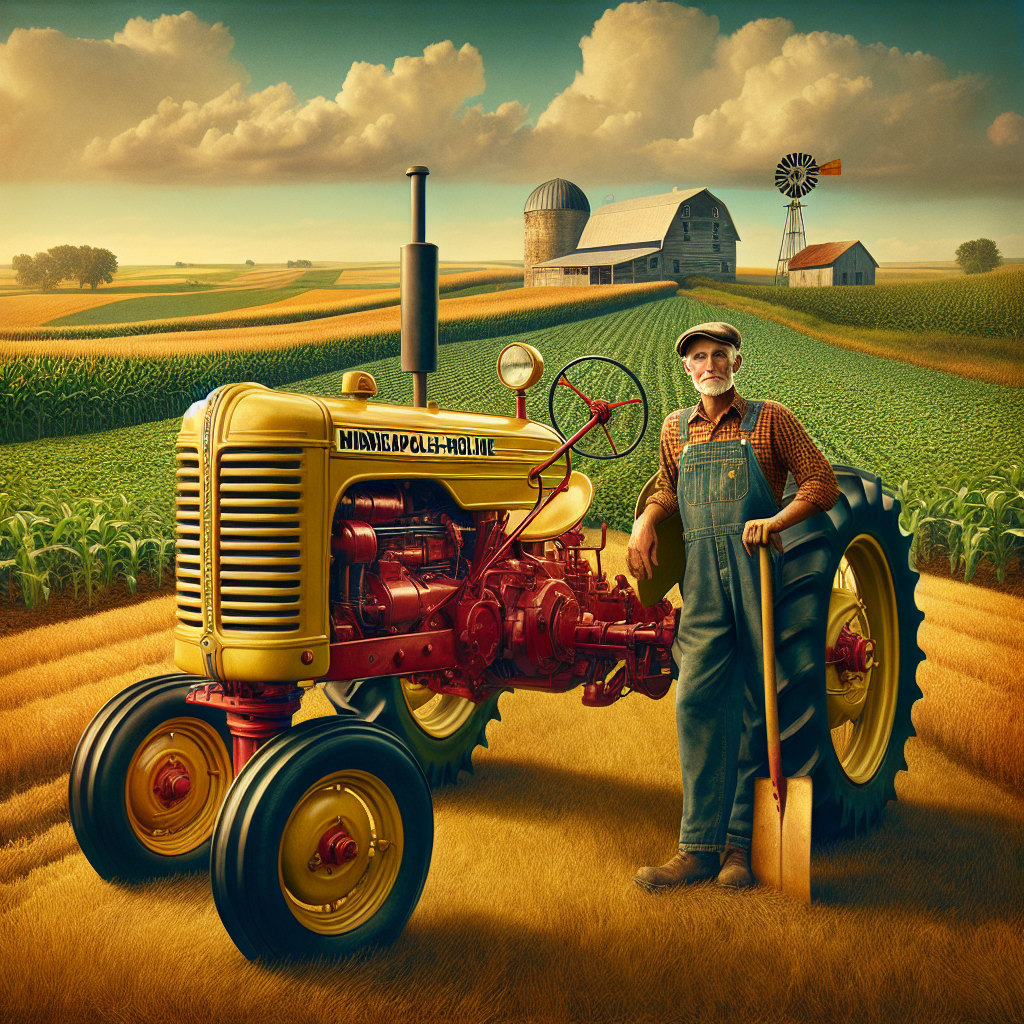
What Cost Savings Can You Expect From Investing In Classic Tractors?
How Do Classic Tractors Inspire A Loyalty That Modern Machines Lack?
When you think about tractors, what comes to mind? For many, it isn’t just a piece of machinery; it’s a symbol of hard work, culture, and community. This connection is at the heart of why classic tractors inspire a loyalty modern machines often lack. They represent a simpler time, when toil under the sun bore tangible results and the relationship between farmer and machine was personal and profound.
Classic tractors, with their robust engines and timeless designs, evoke a sense of nostalgia that connects generations. It’s the stories passed down from grandparents, sharing how they plowed fields and harvested crops on those bright summer mornings. Each scratch, dent, and rust spot tells a history that new tractors simply can’t replicate. They carry with them a weight of memories; they are not just tools but companions in labor, driving home the emotional bond that fuels our dedication to them.
From a rational standpoint, classic tractors often prove their worth in terms of durability and simplicity. These machines were built to last — to endure the grit of the farm and the grind of the seasons. When you know that parts can be fixed with basic tools rather than complicated computer systems, it creates a sense of empowerment. There’s a satisfaction in the sweat that comes from genuinely understanding your equipment, knowing how to care for it, and breathing life back into something that defines your livelihood.
Ethically, choosing a classic tractor is a commitment to sustainability. These machines often have a smaller environmental footprint than their modern counterparts, reminding us that we don’t always need the latest technology to get the job done. Preserving these machines stands as a testament to our respect for tradition and our responsibility to future generations — a reminder that innovation doesn’t have to mean abandoning what already works.
Socially, classic tractors serve as gathering points. From county fairs to vintage tractor pulls, communities bond over shared experiences and a love for their heritage. They foster conversations, igniting relationships born from a mutual love of craftsmanship and toil.
So, whether you’re reviving an old tractor from the barn or simply admiring it from afar, remember: it’s more than just machinery. It’s a vessel of culture, a raffle ticket in the lottery of community, and a steadfast ally in the everyday battle of life on the farm. In a world increasingly dominated by the disposable, these timeless workhorses stand as a beacon of loyalty, honor, and connection. It calls out to all of us — the heart, the head, and the gut — to embrace what remains tried, true, and incredibly valuable.
How Do Classic Tractors Inspire A Loyalty That Modern Machines Lack?
How Do Classic Tractors Inspire A Loyalty That Modern Machines Lack?
- Classic tractors symbolize hard work, culture, and community, fostering loyalty over modern machines.
- They evoke nostalgia and connect generations through shared stories of labor and dedication.
- Each classic tractor bears a unique history, represented by its scratches and rust spots.
- Constructed for durability and simplicity, classic tractors empower users with easier repairs and maintenance.
- Choosing classic tractors supports sustainability by reducing environmental footprints compared to modern machines.
- Classic tractors serve as social gathering points, fostering community bonds at events like fairs and tractor pulls.
- They represent a connection to tradition and values that endure in an increasingly disposable world.
How Do Classic Tractors Inspire A Loyalty That Modern Machines Lack?
What Future Innovations Could Arise From Investing In The Past?
Imagine standing beside a vintage tractor, its metal body weathered by decades of hard work. Each scratch and dent tells a story not just of labor, but of innovation, determination, and progress. This old piece of machinery represents a bridge from a time when things were built to last, to an era where many seem disposable. When we invest in our past, we’re not just resurrecting old technology; we’re igniting a spark of inspiration for a future that respects our roots while seeking innovation.
Because let’s be honest — there’s a deep connection between who we are today and where we came from. Each tractor, each tool, embodies human ingenuity. These artifacts don’t just sit quietly; they sing songs of resilience and creativity. If we pay attention, they can teach us valuable lessons about sustainability, craftsmanship, and even community spirit. Companies that delve into the archives can resurrect timeless principles, integrating them into modern practices that resonate with today’s challenges.
Take, for instance, the notion of durability. In a world dominated by sleek gadgets designed to break or become obsolete within a couple of years, the sturdy, unapologetic build of a vintage tractor reminds us of a time when quality mattered. By revisiting these designs, we can inspire engineers and designers to create products that last longer and make a difference in our lives. This isn’t just about nostalgia; it’s about harnessing the ethics of sustainability and responsibility, leading to innovations that honor both the environment and our consumers.
Moreover, investing in the past fosters a narrative of accountability. Every time we dig into the history of agriculture or craftsmanship, we unearth stories of trial and triumph, of communities crafting their futures against overwhelming odds. These stories matter. They create a social fabric that binds us together, reminding us that our struggles today will echo in the innovations of tomorrow.
So, the next time you see an old tractor rusting in a field, don’t just walk by. Stop, reflect, and envision the possibilities. What lessons lie hidden in its machinery? What innovations could emerge if we dared to learn from yesterday? By honoring our history, we are not shackling ourselves but opening the door wide to a future built on the principles of trust, respect, and unparalleled creativity. Let’s embrace the past; after all, it might just hold the keys to our future.
What Future Innovations Could Arise From Investing In The Past?
What Future Innovations Could Arise From Investing In The Past?
- Vintage tractors symbolize innovation, determination, and progress through their weathered history.
- Investing in the past sparks inspiration for a future that honors our roots while fostering innovation.
- Artifacts embody human ingenuity and teach lessons about sustainability, craftsmanship, and community spirit.
- Revisiting durable designs can inspire modern engineers to create long-lasting, meaningful products.
- Exploring agricultural and craftsmanship history fosters accountability and unearths stories of resilience.
- Old machinery encourages reflection on possibilities and valuable lessons for future innovations.
- Honoring history opens doors to a future built on trust, respect, and creativity.
What Future Innovations Could Arise From Investing In The Past?
How Much Do You Value Reliability In Your Farming Equipment?
When you wake up before dawn and step outside to embrace the crisp morning air, the steady hum of your tractor becomes more than just background noise. It’s a heartbeat—an assurance that all your hard work, your endless sacrifices, are not in vain. You see, the reliability of your farming equipment is not just a convenience; it’s woven into the very fabric of your livelihood. When that trusty tractor rolls out of the barn, it’s a promise that you can meet the challenges of the day head-on.
Picture this: a sudden rainstorm threatens to wash away a week’s worth of labor. Your heart races, but your mind is steady. Why? Because you’ve invested in dependable machinery that’s built to endure the elements and keep you moving forward. Your tractor isn’t merely a tool; it’s a lifeline that allows your family’s legacy to flourish. It takes you across fields that span generations—fields where your father and grandfather once toiled, teaching you the values of work and resilience.
However, while sentimental connections often tug at our heartstrings, the head must also be engaged. The truth is, downtime translates into lost profits and missed opportunities. If your tractor lets you down when you need it most, how can you possibly keep up with the demands of the market? Choosing reliable equipment is as much an ethical obligation to your family as it is a financial decision. A farmer’s responsibility extends beyond their own needs; it encompasses their community, their suppliers, and the consumers who depend on their harvests.
But before you dismiss these thoughts as mere rhetoric, consider the experience of others. Collaborate with fellow farmers who share their tales of heartbreak and triumph. Hear about the days when a malfunctioning machine left them stranded, and contrast that with moments when reliable equipment turned a challenging day into a manageable one. Community isn’t just a nice idea—it’s the bedrock of farming.
So, as you stand by your equipment today, ask yourself this: How much do you value reliability? Is it a mere checkbox on your list, or is it an essential creed that defines your approach to farming? Trust your gut, and make choices that echo in the roar of your tractor and the quiet moments in your fields, knowing that with each decision, you are building a future grounded in reliability and strength.
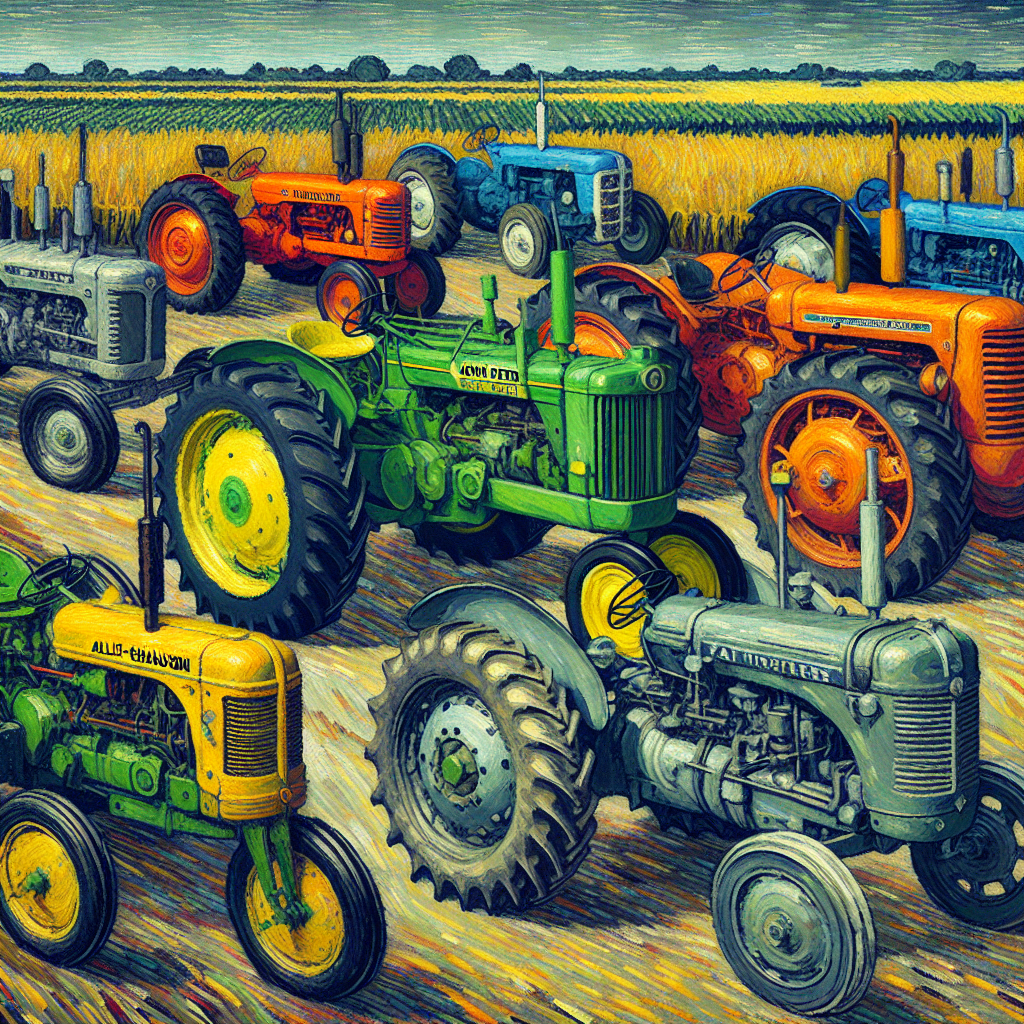
How Much Do You Value Reliability In Your Farming Equipment?
How Much Do You Value Reliability In Your Farming Equipment?
- Waking up to the sound of a reliable tractor symbolizes a farmer’s hard work and commitment to their livelihood.
- A dependable tractor provides reassurance during unexpected challenges, such as severe weather.
- The tractor represents more than machinery; it is a lifeline that supports the family’s legacy and values of resilience.
- Downtime due to equipment failure can lead to lost profits and missed opportunities in a competitive market.
- Investing in reliable equipment is both an ethical obligation to family and a practical financial decision.
- Building connections with fellow farmers fosters a sense of community and shared experiences regarding equipment reliability.
- Farmers should prioritize reliability in their equipment choices as it impacts their future and the strength of their farming practices.
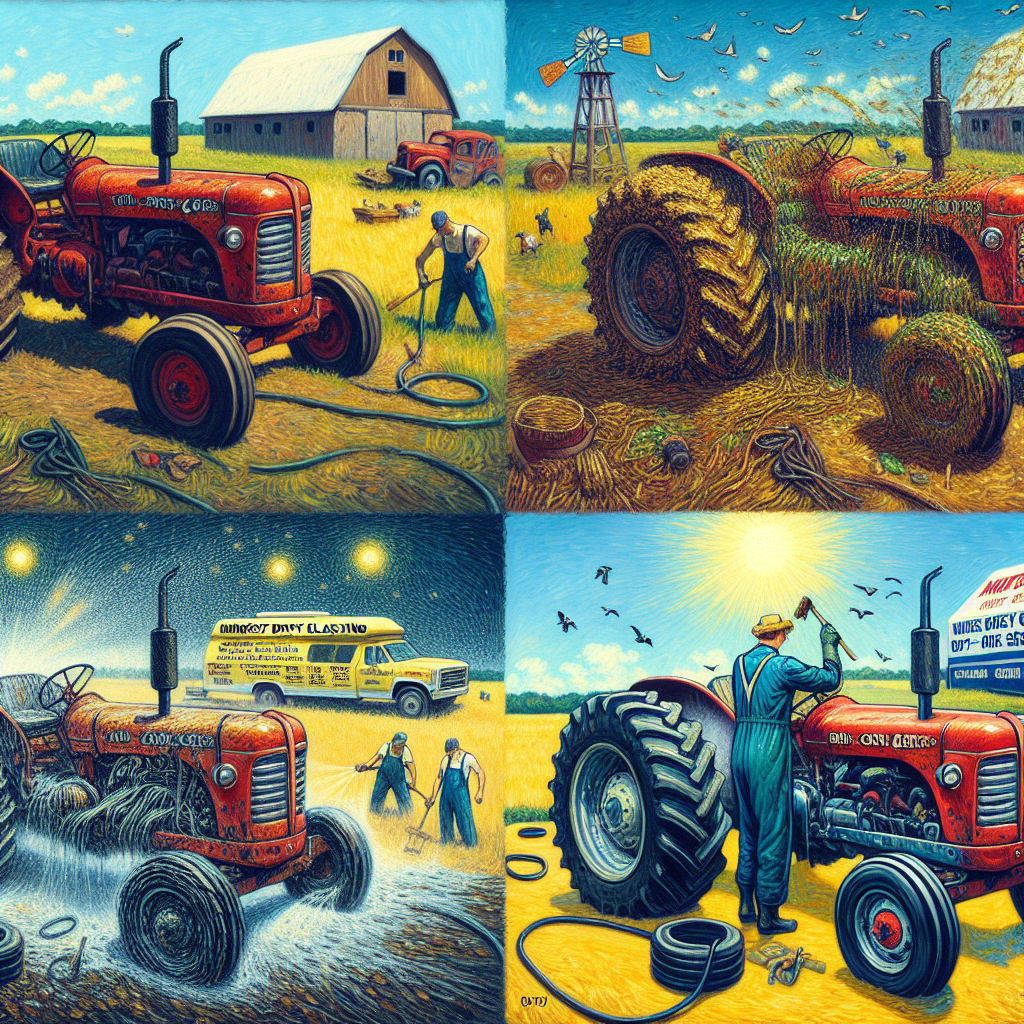
How Much Do You Value Reliability In Your Farming Equipment?
Conclusion
Conclusion: The Timeless Bond Between Man, Machine, and the Land
Alright, folks, gather ’round because we’re about to wrap this up with a reality check—one that could change the way you think about farming. We live in a time where the allure of modernity often distracts us from the essence of what makes an honest living on the land. Classic tractors, with their rugged charm and storied past, invite us to rediscover a relationship that’s as vital today as it was for generations before us. They are not just relics rusting in fields; they are the heartbeats of our agricultural legacy.
Imagine the simplicity of a classic tractor rolling out with you into the dawn, its engine a reliable companion in the midst of unpredictable weather and the relentless demands of the farm. These aren’t just machines with wheels; they are your connection to the earth, embodying the hard-won wisdom of those who tilled the land before you. It’s a truth that tugs at your gut—these tractors taught generations about endurance and integrity, offering lessons deeper than any high-tech gadget.
From a rational perspective, these tried-and-true workhorses are masters of efficiency. Simpler mechanics mean less downtime and easier repairs—a compelling checklist for anyone looking to safeguard their livelihood. When storm clouds gather and deadlines loom, it’s this unwavering reliability that counts. And let’s face it, economic wisdom underlines an investment in a classic: it’s a better financial bet compared to modern machines laden with complexity.
Ethically, embracing classic tractors means championing sustainability. Opting for more durable machines reduces waste while enhancing your bond with the land—a legacy that respects the environment rather than exploiting it. Each scratch and dent tells its own story, an ethos that combines craftsmanship with a commitment to stewardship.
Community connections matter, too. Picture yourself at the local farmer’s market, your vintage tractor parked proudly as fellow farmers nod in acknowledgment. It’s more than a ride; it’s a conversation starter, a catalyst for relationships rooted in shared experiences and respect for hard work.
So, I ask you, is your farm missing out on this timeless dependability? It’s time to rekindle that bond with machinery that not only gets the job done but does so with character and grit. Let’s think beyond profits and productivity; let’s build a future anchored in tradition, resilience, and reliability. Dust off that classic, and let it become a part of your everyday life again. The legacy of farming is not just about what we grow; it’s about who we become in the process. A classic tractor isn’t just machinery—it’s an invitation to reconnect with the very heart and soul of farming. Now, that’s a ride worth taking.
Conclusion
Conclusion:
- Modernity often distracts from the essence of farming and honest living on the land.
- Classic tractors symbolize a vital relationship with agricultural legacy and history.
- These tractors serve as reliable companions, teaching endurance and integrity.
- They are efficient and boast simpler mechanics, leading to less downtime and easier repairs.
- Investing in classic tractors is financially smarter compared to complex modern machines.
- Embracing classic tractors promotes sustainability and environmental stewardship.
- Classic tractors foster community connections and shared experiences among farmers.
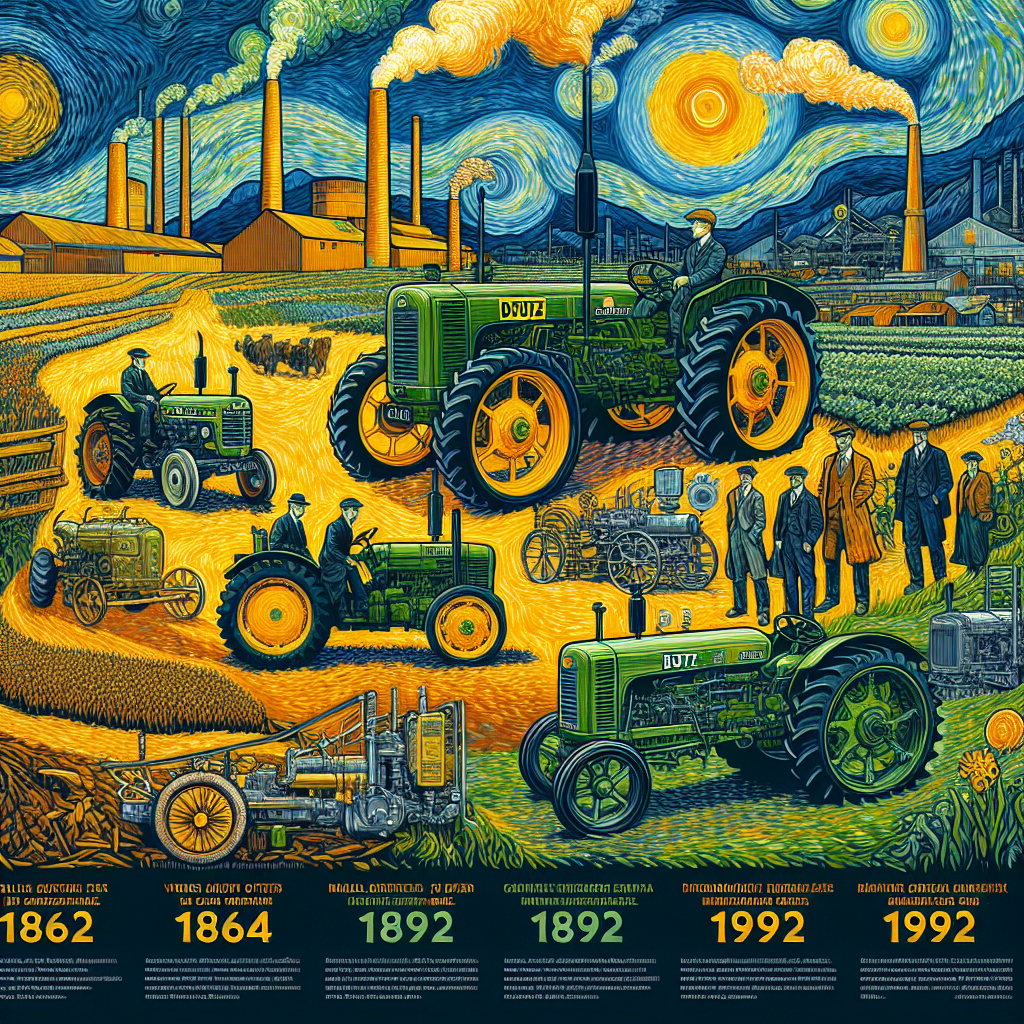
Conclusion
Other Resources
Other Resources
Here is a list of other resources you can review online to learn more:
- Know Your Classic Tractors
- SAME
- McKee
- C.O.D. Tractor Company
- Hefty
- The National Farm Machinery Show
- Heider
- Chery
- FTMTA
- Creekside Farm & Market Tractor Show
Use This Prompt To Get More Resources With Your Favorite Online AI Tool: Please provide me with a list of online articles with their URLs in a bulleted list that I can read regarding Is Your Farm Missing Out on The Reliability Of Classic Tractors
Other Resources
Glossary Terms
Is Your Farm Missing Out on The Reliability Of Classic Tractors – Glossary Of Terms
1. Classic Tractor: A farming vehicle that is typically over 25 years old and is valued for its vintage appeal and simplicity in mechanics.
2. Reliability: The ability of a tractor to perform consistently over time without failures or breakdowns.
3. Restoration: The process of returning a classic tractor to a good working condition while preserving its original features.
4. Parts Availability: The ease with which replacement components for classic tractors can be sourced, influencing their usability and maintenance.
5. Fuel Efficiency: A measure of how effectively a classic tractor converts fuel into agricultural work, often compared to modern tractors.
6. Versatility: The capability of a classic tractor to perform a variety of farming tasks, such as plowing, hauling, and tilling.
7. Torque: The twisting force produced by the engine of a tractor, essential for plowing and heavy work.
8. Maintenance: Routine tasks performed to keep a classic tractor in working order, which can enhance reliability and longevity.
9. Hydraulics: A system used in tractors to power attachments and implements, often less complex in classic models.
10. Field Performance: The effectiveness of a classic tractor in completing agricultural tasks within various soil and field conditions.
11. Historical Value: The cultural significance or heritage associated with classic tractors that can enhance their appeal for collectors and enthusiasts.
12. Mechanics: The system of components within a tractor that work together, often simpler in classic models, making them easier to repair.
13. Weight Distribution: The balance of a tractor’s weight, critical for traction and stability during operation.
14. Tread Width: The width of the tractor’s tires which impacts its ability to navigate narrow rows and stability in the field.
15. Lift Capacity: The maximum weight a tractor can lift using its hydraulic system, important for implementing tasks like loading and transporting.
16. Operator Comfort: Features in a tractor that enhance usability, such as seat design and controls, impacting the efficiency of work.
17. Collectibility: The desirability of classic tractors among collectors, which can influence market prices and interest.
18. Implement Compatibility: The ability of classic tractors to work with a range of attachments, such as plows and seeders.
19. Simplicity: Refers to the straightforward design and functionality of classic tractors, making them easier for farmers to operate and maintain.
20. Overhauling: The comprehensive process of disassembling and refurbishing a tractor to restore it to optimal performance.
21. Heritage Farming: A movement focusing on traditional farming methods, often highlighting the use of classic tractors.
22. Sustainable Practices: Farming methods that prioritize environmental health, which classic tractors may support due to their lower fuel consumption and mechanical simplicity.
23. Mechanical Drawbar: A vital component used for hitching implements to the tractor, crucial for various farming activities.
24. Retrofitting: The addition of new technology or equipment to classic tractors to enhance performance, efficiency, or productivity.
25. Tire Traction: The grip of a tractor’s tires on the ground, essential for preventing slippage during operation.
26. Operation Manual: A booklet that provides guidelines on how to operate and maintain a specific model of classic tractor.
27. Restoration Costs: The expenses associated with refurbishing and upgrading a classic tractor to keep it functional.
28. Farming Heritage: The traditions and historical practices associated with agriculture, including the use of classic machinery.
29. Agri-Collector: Individuals or groups who specialize in collecting vintage agricultural machinery, including classic tractors.
30. Trade Shows: Events or exhibitions where classic tractors and farming equipment are showcased, allowing farmers and collectors to network and exchange information.
Glossary Of Terms
Other Questions
Is Your Farm Missing Out on The Reliability Of Classic Tractors – Other Questions
If you wish to explore and discover more, consider looking for answers to these questions:
- What are the key advantages of classic tractors over modern machinery?
- How can classic tractors contribute to sustainable farming practices?
- What specific models or brands of classic tractors are highly recommended for reliability?
- How does the maintenance cost of classic tractors compare to modern machines?
- Are there local communities or clubs focused on classic tractor restoration and use?
- What stories and histories are associated with classic tractors in farming culture?
- Can classic tractors be used effectively in modern sustainable farming techniques?
- What skills are necessary for maintaining and repairing classic tractors?
- How do classic tractors enhance community engagement among farmers?
- What innovations have come from the adoption of classic tractor technology?
- How do farmers balance tradition and technology in contemporary farming?
- What role does nostalgia play in the preferences for classic tractors?
- Are there financial incentives or grants for restoring classic tractors for farming use?
- What future trends might emerge for farming equipment related to classic principles?
- How do classic tractors compare in fuel efficiency to modern tractors?
Other Questions
Haiku
Is Your Farm Missing Out on The Reliability Of Classic Tractors – A Haiku
Classic iron whispers,
Stories of toil and past grace;
Roots of strength endure.
Haiku
Poem
Is Your Farm Missing Out on The Reliability Of Classic Tractors – A Poem
Ode to the Classic Tractor
In the shadow of dawn, where fields stretch wide,
A steadfast hum echoes, with grit as its guide.
Not just iron and steel, but legacy’s friend,
A classic tractor’s heartbeat—a farmer’s true blend.
Generations have toiled, with sweat on their brow,
Each dent tells a story, we honor them now.
In modernity’s rush, have we lost our true art?
The strength of a classic still echoes in heart.
Reliability whispers through engines of old,
While sleek tech may glimmer, it cannot be sold,
A promise of endurance, through storms that may come,
In each rivet and line, a tale remains spun.
Think of the roots that link soil to soul,
A narrative rich, making the weary whole.
Simple and sturdy, they weather the trials,
Crafted with care, bringing forth farmer’s smiles.
From village to market, in fellowship’s throng,
The roar of these tractors, a cherished old song.
They bridge us to past, where the earth’s true embrace,
Maintains traditions, preserves dignity’s place.
To choose what endures is not just a choice,
It’s a stance for our future, a dignified voice.
With hands in the dirt, and spirits aligned,
Classic tractors invite us to leave none behind.
So stand by your plow, let history remind,
Of the bounty from nature, the love intertwined.
In every roll forward, a legacy’s grace,
Let’s celebrate tradition, our farming embrace.
Poem
Checklist
Is Your Farm Missing Out on The Reliability Of Classic Tractors – A Checklist
Checklist: Are You Ready to Invest in Classic Tractors for Your Farm?
Emotional Appeals (Heart)
1. Connect with Your Heritage: Reflect on family stories tied to farming. Do you feel a connection to your ancestors through their machinery?
2. Celebrate Legacy: Each scratch on a classic tractor tells a story. How does preserving these machines allow you to honor the traditions of your family and community?
3. Nurture Community Bonds: Consider how a classic tractor can serve as a social connector at local events. Can you picture yourself sharing stories with fellow farmers?
Rational Appeals (Head)
4. Evaluate Reliability: Assess the dependability of classic tractors compared to modern options. Do the proven results of classic machinery inspire confidence in your farming operations?
5. Consider Cost Savings: Analyze the financial benefits: Are classic tractors typically less expensive to maintain and repair? What is the potential return on investment?
6. Check Maintenance Simplicity: Are you comfortable with the simpler mechanics of classic tractors? Do you have the skills or resources for DIY repairs?
Ethical Appeals
7. Support Sustainability: Do you believe in promoting sustainable farming practices? How does choosing classic tractors align with your values of environmental stewardship?
8. Reject Throwaway Culture: Evaluate your commitment to a circular economy and craftsmanship. Are you ready to invest in machines that last rather than disposable products?
Authority Appeals
9. Research Expert Insights: Seek out testimonials or case studies from successful farmers who rely on classic tractors. What do these trusted voices say about their experiences?
10. Consult Local Communities: Engage with local farming clubs focusing on classic machinery. Are there mentors who can guide you in appreciating and maintaining these machines?
Narrative Appeals
11. Explore Personal Stories: Reflect on your agricultural journey. Can you envision a future where classic tractors play a pivotal role in your farming narrative?
12. Understand the Machine’s History: Learn about the engineers and manufacturers behind classic tractors. How do their stories resonate with current farming practices?
Social Appeals
13. Foster Connections in the Community: Envision yourself at local markets or fairs with your classic tractor. How does this enhance your relationships with fellow farmers and community members?
14. Join the Enthusiast Network: Are you excited about participating in online forums or clubs dedicated to classic tractors? This can enrich your farming experience.
Gut Instincts
15. Trust Your Instincts: When considering a classic tractor, do you feel a sense of excitement and confidence? Trust those feelings!
16. Embrace Change: Are you ready to make a commitment to the past while embracing the future? Reflect on how such investments can shape your identity as a farmer.
Final Thoughts:
_____ Compile your responses and assess how investing in classic tractors might fit into your farming philosophy.
_____ Are you ready to reconnect with the heart and soul of agriculture through timeless machinery?
By completing this checklist, you’ll be well on your way to making informed decisions that resonate emotionally, intellectually, and ethically in your farming journey.
At ClassicTractorNews, we help tractor lovers keep up with the latest news for classic and vintage tractors.
Please share this post with your friends, family, or business associates who may like old classic or vintage tractors.