


Harvesting Strength: The Power Of Tradition In Sustainable Farming
By Tom Seest
At ClassicTractorNews, we help tractor lovers keep up with the latest news for classic and vintage tractors.
Please share this post with your friends, family, or business associates who may like old classic or vintage tractors.
Is Tradition The Secret Ingredient for Small Farm Resilience
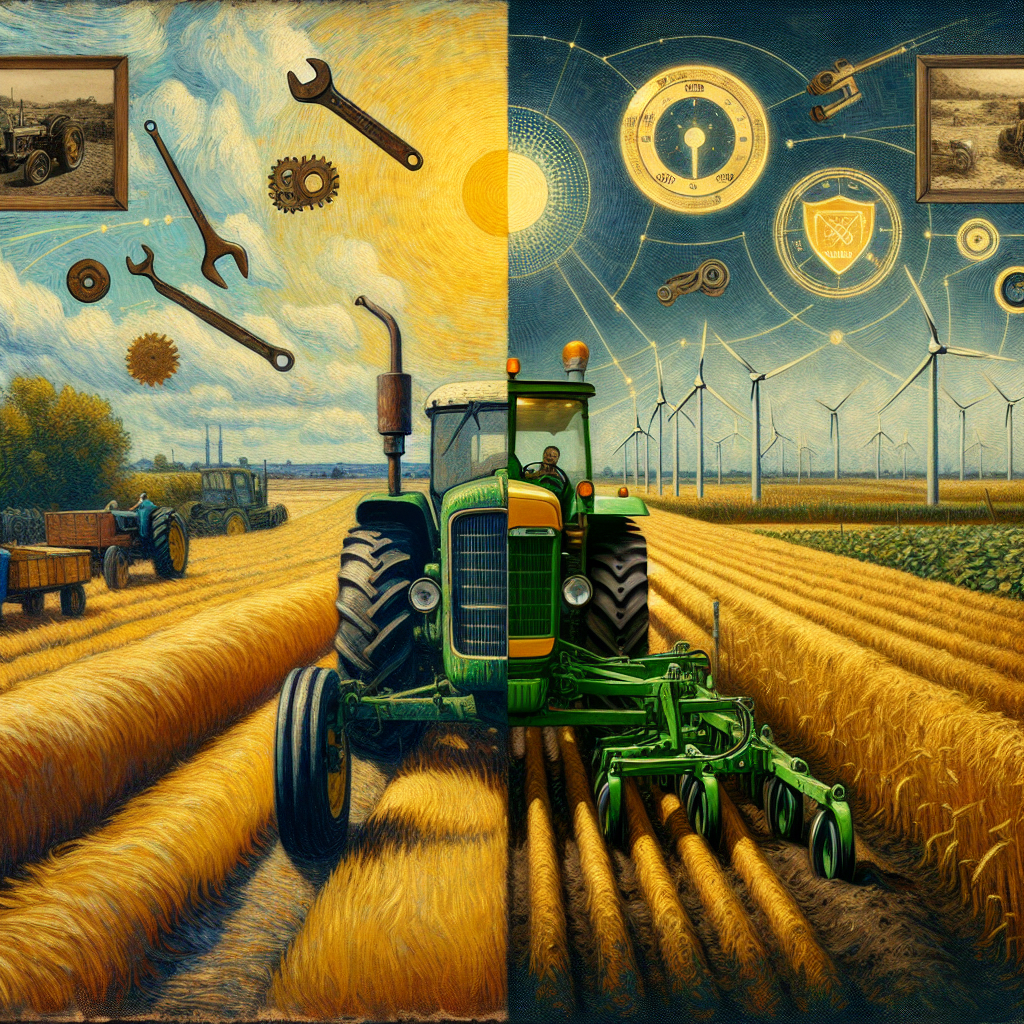
Tradition as the Secret Ingredient for Small Farm Resilience
The roar of a tractor engine cutting through the early morning silence is more than just sound; it’s the heartbeat of a tradition that runs deep in the veins of our farming communities. Picture the rugged hands of our grandparents, gripping the steering wheel while they navigate their land—each row plowed, each seed sown, a lesson passed down. This isn’t merely farming; it’s a legacy, stitched together over generations by the very soil that nourishes us.
In today’s high-tech agricultural landscape, it’s easy to become enamored with the newest innovations promising higher yields and greater efficiency. But fret not; there’s something irreplaceable about the old ways—about planting with the seasons, about knowing when the rain sings and when the skies grumble. Those who understand this connection recognize that tradition cultivates resilience in a world often dictated by fickle markets and unpredictable weather. Without that grounding, we can easily lose sight of our purpose, becoming just another cog in a relentless machine.
From crop rotation practices that promote soil health to the stories shared around campfires that teach the next generation the value of this hard work, traditions breathe life into our existence. These aren’t simply blueprints for survival; they embody an ethical commitment to caring for the land and our community. They remind us that, while growth is vital, nurturing our roots is just as essential.
As we stand shoulder to shoulder in our fields, we aren’t just farming—we’re weaving a narrative of hope and possibility. Small farms, with their unique approaches, become beacons of resilience. They remind us that there’s more to this life than profitability; there’s humanity, there’s connection, and there’s the understanding that we are part of a larger tapestry. Each time we gather at the local market or roll up our sleeves for a harvest festival, we reinforce that bond, creating a network of support and trust.
So take a moment to pause and reflect on the power of tradition. Let’s champion these time-honored practices that weave resilience into the fabric of small farming. Together, we can ensure that the roar of the tractor is not just a sound echoing in our fields, but a rallying cry for generations to come. Stand beside your neighbors, share their burdens, and celebrate their triumphs. After all, we are all in this together, and the strength of our traditions is the tie that binds us.

Is Tradition The Secret Ingredient for Small Farm Resilience
Is Tradition The Secret Ingredient for Small Farm Resilience
- Traditions in farming resonate through generations, linking past and present practices.
- Modern innovations in agriculture should not overshadow the significance of traditional methods.
- Understanding seasonal changes and natural signs reinforces resilience amidst market fluctuations and unpredictable weather.
- Practices like crop rotation promote soil health and exemplify ethical commitments to the land.
- Small farms exemplify community and connection, prioritizing humanity over mere profitability.
- Gathering at markets and festivals strengthens community bonds and fosters support networks.
- Championing traditional practices ensures their continuity and reinforces the community’s collective strength.

Is Tradition The Secret Ingredient for Small Farm Resilience
Table Of Contents
- Is Tradition The Secret Ingredient for Small Farm Resilience
- Is Tradition The Key To Preserving Our Agricultural Heritage?
- How Can Traditional Methods Enhance Farm Sustainability?
- Are The Lessons Of Past Farming Practices Still Relevant Today?
- What Role Does Cultural Heritage Play In Farming Resilience?
- Are We Losing Vital Agricultural Knowledge By Abandoning Tradition?
- How Can Connecting With Our Roots Inspire New Generations Of Farmers?
- Conclusion
- Other Resources
- Glossary Of Terms
- Other Questions
- Haiku
- Poem
- Checklist
Is Tradition The Key To Preserving Our Agricultural Heritage?
When the sun rises over the fields, illuminating the rusted tractor parked solemnly in the barn, it’s a testament to the enduring legacy of those who toiled before us. This old machine isn’t just a tool; it’s a bridge that connects generations of farmers. Each dent and scratch tells a story—of hard work, innovation, and resilience. But as we stare down the barrel of modernity and the incessant buzz of technology, we must ask ourselves: can tradition hold its ground against the relentless tide of change?
Let’s think about this for a moment. Agriculture has carried humanity through millennia. It’s not just a means of putting food on the table; it’s a way of life passed down from parent to child. The rituals, the seasonal cycles, the specific techniques honed over decades—they form a tapestry rich with culture and community. When we cultivate our crops while honoring the wisdom of our ancestors, we do more than just preserve heritage; we nurture our soul.
Consider the ethical implications of abandoning these traditions. With the rise of monoculture and industrial farming, we risk losing more than biodiversity; we risk losing connections to our land. Each seed sown with intention is a step toward sustainable practices that respect the earth. It’s about understanding that what nourishes us is also what we must protect. To ignore these nuances would be, at its core, to ignore our humanity.
Yet there’s authority in the stories shared around the dinner table—the laughter echoing against the backdrop of an old tractor, memories made in the early morning light. These shared moments ignite a spark, reminding us that we are part of something much larger than ourselves. Imagine passing these stories on to the next generation, kindling their passion for the land and its history.
And let’s not forget the social fabric woven through agricultural traditions. Communities formed around shared practices foster a sense of belonging and purpose. They remind us that we are not just isolated individuals; we are interdependent, thriving together as stewards of the land.
So, the question remains: Is tradition the key to preserving our agricultural heritage? Maybe it is—and might just be the very thing that helps us face our future with confidence and courage. By embracing our past, we cultivate not only fields, but also hope for generations to come. Let’s pick up that old hoe, fire up that vintage tractor, and get to work—because if tradition teaches us anything, it’s that the earth does not wait.

Is Tradition The Key To Preserving Our Agricultural Heritage?
Is Tradition The Key To Preserving Our Agricultural Heritage?
- The rising sun illuminates a rusted tractor, symbolizing the legacy of past farmers.
- This old machine connects generations, representing stories of hard work and resilience.
- Agriculture is a way of life, rich in culture and community, passed from parent to child.
- Abandoning agricultural traditions risks losing biodiversity and our connection to the land.
- Sharing stories and experiences around the dinner table fosters community and a sense of belonging.
- Embracing tradition may help preserve agricultural heritage and provide hope for the future.
- To honor our past is to cultivate a sustainable and mindful approach to farming.

Is Tradition The Key To Preserving Our Agricultural Heritage?
How Can Traditional Methods Enhance Farm Sustainability?
When it comes to sustainability on the farm, traditional methods offer a treasure trove of lessons, many of which we’ve overlooked in our rush to embrace technology. Picture this: a weathered tractor, its paint chipped but its engine purring with steady reliability. This isn’t just machinery; it’s a testament to decades of knowledge, a bond with the land that transcends generations. For the farmers who rely on these trusty machines, the relationship is more than transactional; it’s deeply personal.
Now, let’s get into the heart of the matter. Farmers have always been stewards of the land, guided by rhythms that cannot be hurried. Traditional farming methods—the kind passed down through family lore—emphasize sustainability in ways that are both practical and profoundly ethical. Crop rotation isn’t just a rotation of seeds; it’s a celebration of diversity, a dance with the earth that nourishes the soil and fights off pests without the heavy hand of chemicals. This process nurtures not only the crops but also the ecosystem, fostering a balance that modern methods often disrupt in their quest for quicker yields.
Rationally, let’s consider the outcomes. Traditional practices typically require fewer synthetic fertilizers and pesticides, leading to a healthier product—free from the chemical residues that can linger on our food and in our bodies. This isn’t just a matter of personal health; it’s about the broader impact on our community. Farmers who adopt these practices often find their soils becoming more resilient, their crops thriving with less intervention. Moreover, these techniques can enhance water retention and reduce erosion, contributing to a farming system that’s robust against climate change.
And let’s not forget the profound narratives behind these methods. Every time a farmer rotates their crops, they are actively participating in a story that connects us all—one of stewardship and respect for the earth. This is where the gut feeling comes in; it’s as much about feeling good as it is about doing good. When we align our agricultural practices with the wisdom of tradition, we become part of something bigger than ourselves—part of a movement that prioritizes the planet and future generations.
So when you think about sustainability, consider the humble tractor. Its role as a workhorse is vital, but its presence signifies something deeper: a commitment to cultivating not just crops but a legacy of responsibility. Embracing traditional methods doesn’t mean rejecting progress; it means honoring our past while building a sustainable future—one field, one harvest at a time. Together, let’s harness the wisdom of time-tested practices to enrich our farms and our lives.

How Can Traditional Methods Enhance Farm Sustainability?
How Can Traditional Methods Enhance Farm Sustainability?
- Traditional farming methods provide valuable lessons on sustainability that are often overlooked due to a focus on technology.
- Farmers have a deep, personal connection with their machinery, reflecting decades of knowledge and generational bonds with the land.
- These time-honored practices emphasize sustainability through crop rotation, increasing soil health and reducing chemical use.
- Traditional methods lead to healthier produce by minimizing synthetic fertilizers and pesticides, benefiting personal health and community wellness.
- Farmers using these practices often experience improved soil resilience, enhanced water retention, and reduced erosion, crucial for climate change adaptation.
- Crop rotation embodies a narrative of stewardship that aligns farming with ethical responsibilities toward the planet and future generations.
- Embracing traditional methods honors our agricultural past while fostering a sustainable future, enriching our farms and lives.

How Can Traditional Methods Enhance Farm Sustainability?
Are The Lessons Of Past Farming Practices Still Relevant Today?
When we think about farming, it’s easy to picture a shiny tractor roaring through the fields, the hum of its engine echoing against the backdrop of the rolling hills. But tractors, as great as they are, symbolize just a fraction of what farming truly means. There’s a deeper legacy at play here, one that intertwines innovation with tradition, and wisdom with resilience.
The lessons learned from generations of farmers are not mere relics of a bygone era; they resonate with our modern challenges in ways that are profoundly relevant. Just as those who toiled the earth before us faced unpredictable weather, pest invasions, and the sheer unpredictability of nature itself, today’s farmers grapple with climate change, market fluctuations, and food security concerns. The key? Adaptation.
Imagine a farmer in the early 20th century standing knee-deep in a field, a rough-hewn handbook of experience in one hand and hope in the other. Against all odds, they developed rotations, planting methods, and relationships with the land that nurtured not only crops but entire communities. Fast forward to today, and we’re still learning from their pathways. It’s about building resilience—both for the soil under our tractors and for the communities they support.
Let’s connect the dots. When you buy local produce or support sustainable practices, you’re not just making a purchase; you’re honoring that legacy. It’s an ethical choice that aligns with not just your values, but the values of those who came before us, creating a ripple effect in our social fabric. The confidence we build in these practices fosters trust among our neighbors and strengthens our food systems.
So, how do we take these age-old lessons and make them relevant today? It starts by recognizing the responsibility we hold to the earth and to each other. The stories of those early farmers remind us that every seed sown is a step toward a better future. Embrace the knowledge of past practices: companion planting to combat pests, organic methods that respect the soil, and community engagement that transforms eating into an act of connection.
Let’s keep the spirit of collaboration alive, keeping the hum of the tractor not just in our fields, but in our communities. Together, we can cultivate a future where the lessons of yesterday flourish in the gardens of tomorrow.

Are The Lessons Of Past Farming Practices Still Relevant Today?
Are The Lessons Of Past Farming Practices Still Relevant Today?
- Farming encompasses more than just equipment; it represents a blend of innovation, tradition, wisdom, and resilience.
- Lessons from past generations of farmers remain relevant in addressing modern challenges like climate change and food security.
- Adaptation is key in both historical and contemporary farming practices.
- Farmers of the early 20th century developed methods and relationships that supported crops and communities.
- Supporting local produce and sustainable practices honors the legacy of past farmers and strengthens community bonds.
- Recognizing our responsibility to the earth and community is crucial for fostering a better future.
- Embracing traditional practices can enhance modern agriculture and community engagement.

Are The Lessons Of Past Farming Practices Still Relevant Today?
What Role Does Cultural Heritage Play In Farming Resilience?
Picture this: a majestic tractor rolling through fields that have been nurtured by generations. It’s more than just machinery; it’s a symbol of resilience, a beacon of tradition that links the present to the past. Cultural heritage in farming offers a treasure trove of wisdom that can fortify communities against the unpredictability of climate change and market fluctuations. It serves as both a compass and an anchor, guiding our actions while grounding us in time-tested practices.
At the heart of every farming community lies a story—a tapestry woven from the threads of countless lives. Each farmer’s method, recipe, and way of life breathe life into the soil, telling us what it means to truly cultivate. These aren’t just agricultural practices; they are legacies passed down through generations, often enriched by the trials and triumphs of those who came before us. Such narratives foster a deep-seated connection to the land, motivating farmers to adapt while remaining rooted in their history.
Rationally, seasonal cycles, local crops, and traditional farming methods form a blueprint for sustainability. What has worked in the past can be a guiding light for the future. Farmers who draw from their cultural heritage often employ techniques that are better suited to their environment, enhancing soil health and biodiversity. This knowledge can dramatically inform the way we approach challenges such as drought or pest outbreaks, showcasing that sometimes, the old ways are the best ways.
Ethically, embracing our cultural heritage cultivates a sense of belonging and social responsibility. It’s not just about individual farms; it’s about fostering resilient communities. When farmers rally together to preserve their shared history, they reinforce social bonds that lead to collective strength. This solidarity can be pivotal in times of crisis, prompting communities to work together in innovative ways.
In a world marked by rapid change, cultural heritage is not simply a relic of the past; it is a living tool that can forge a path forward. So, next time you see that reliable tractor on the horizon, remember: it’s not just plowing through dirt, it’s breaking new ground for future generations. Embracing our cultural roots is much like nurturing a seed in the soil; it connects us, empowers us, and cultivates resilience against whatever storms may come. Let’s lift the veil on tradition and leverage it to fortify our farms, families, and futures.

What Role Does Cultural Heritage Play In Farming Resilience?
What Role Does Cultural Heritage Play In Farming Resilience?
- A tractor symbolizes resilience and tradition in farming, connecting past and present.
- Cultural heritage in farming provides wisdom that helps communities adapt to climate change and market fluctuations.
- Each farming community has a unique story, enriching the soil with the legacy of past generations.
- Traditional farming practices serve as a blueprint for sustainability and adaptation to environmental challenges.
- Utilizing cultural heritage fosters a sense of belonging and social responsibility among farmers.
- Communities that preserve their history strengthen social bonds and collective resilience in times of crisis.
- Cultural heritage is a vital tool for navigating rapid change and ensuring a sustainable future for generations.

What Role Does Cultural Heritage Play In Farming Resilience?
Are We Losing Vital Agricultural Knowledge By Abandoning Tradition?
Picture the farmer atop his tractor, a steadfast symbol of grit and determination. This machine, while undeniably a marvel of engineering, represents a larger legacy—one built on a wealth of agricultural knowledge passed down through generations. When we glance at that farmer, we see more than just a man and his machine; we see a connection to the earth, to his ancestors, and to a world where farming was approached with reverence and a deep understanding of natural cycles. However, as modern agriculture increasingly favors sleek technology and streamlined processes, we risk leaving behind vital insights cultivated through years of toil and perseverance.
Let’s get to the heart of the matter: farming is not just a job; it’s an identity. Traditions shaped by experience and passed through word-of-mouth are as important as any high-tech innovation. These age-old practices hold secrets unknown to most of us—how to read the land, how to interpret the shifting seasons, how to nurture the soil. It’s a profound relationship, one that goes beyond crops and yields; it’s about respect for the land that sustains us. When we abandon these traditions for convenience, we not only step away from the dirt beneath our fingernails but also from the wisdom held by those who have come before us.
Logically, this knowledge is an asset. It may not reside in any textbook or app, but it is crucial for resilience in an ever-changing climate. Think of it as a toolbox filled with strategies honed over time, ready to be deployed when crops face pest invasions or a drought threatens dinner tables. The ethical implications cannot be overstated; neglecting this legacy may not only jeopardize food security but also diminish our social fabric, where communities rallied around shared farming practices and mutual aid.
In every story of success we hear, whether it’s a small organic farm or a large sustainable enterprise, there’s a hidden thread connecting past and present. We owe it to ourselves—and future generations—to nurture that connection. Let’s honor the old ways, embrace their lessons, and recommit to the land and each other. Each tractor that roars to life in the fields today should remind us of the invaluable knowledge waiting to be reclaimed. Together, let’s dig deep, hold on to tradition, and cultivate the future.

Are We Losing Vital Agricultural Knowledge By Abandoning Tradition?
Are We Losing Vital Agricultural Knowledge By Abandoning Tradition?
- The farmer on his tractor symbolizes grit and the legacy of agricultural knowledge passed through generations.
- Farming is seen as an identity, with traditions shaped by experience being as important as modern technology.
- Age-old farming practices provide valuable insights into land management, seasonal changes, and soil nurturing.
- Abandoning traditional practices for convenience risks losing vital agricultural wisdom and connection to the land.
- This traditional knowledge is crucial for resilience against climate challenges such as pests and droughts.
- Neglecting farming heritage can jeopardize food security and weaken community bonds formed through shared practices.
- Honoring and integrating these traditions can ensure a sustainable future for farming and strengthen our connection to the earth.

Are We Losing Vital Agricultural Knowledge By Abandoning Tradition?
How Can Connecting With Our Roots Inspire New Generations Of Farmers?
Connecting with our roots can be a transformative experience—not just for individuals but also for entire communities. Imagine a young farmer standing at the edge of a sprawling field, the hum of a tractor in the distance, its engine rumbling like a heartbeat against the earth. This image is powerful; it tells a story of hard work, heritage, and the promise of the future.
Many of us carry stories from generations past—stories of those who tilled the soil, wrestled with nature, and coaxed life out of the stubborn ground. They bravely faced droughts and floods with unparalleled tenacity and innovation. By connecting the new generation of farmers to these narratives, we unlock valuable insights that can guide them in their own journeys, blending tradition with modern practices.
The head knows the statistics—farming is one of the oldest professions on Earth, yet it faces monumental challenges today. Climate change, market fluctuations, and technological advancements create a landscape that can feel overwhelming to newcomers. But tapping into the wisdom of our ancestors provides a roadmap. Their experiences offer guidance on sustainable practices and resilience. They remind us that tending to the land is about more than just profit; it’s about stewardship, community, and the satisfaction that comes from hard-earned success.
The gut craves authenticity, and there’s nothing more authentic than getting our hands dirty and engaging with the earth. When young people step into the fields, they feel the richness of the soil and the weight of expectation. These tactile experiences forge emotional connections to agriculture that transcend mere statistics. When we bring together stories from the past and hands-on experiences, we inspire young farmers not just to cultivate crops but also to cultivate a legacy.
Ethically, it’s our responsibility to preserve the farming traditions that safeguard our shared food supply. By encouraging the next generation to connect with their agricultural heritage, we promote a culture of respect for the land and its resources. This is not just about individual choices; it’s about creating a collective movement that values farming as a noble profession.
Ultimately, inspiring a new generation of farmers means fostering a sense of belonging. It’s about gathering around a metaphorical table where the past meets the present, where we can share knowledge, forge alliances, and appreciate the tireless work that the farming community invests every day. The tractor may be a symbol of modernity, but its power lies in the history that drives it forward—our roots, intertwining with the aspirations of those who will feed the world tomorrow. By nurturing this connection, we cultivate not just crops, but hope, purpose, and passion for generations to come.

How Can Connecting With Our Roots Inspire New Generations Of Farmers?
How Can Connecting With Our Roots Inspire New Generations Of Farmers?
- Connecting with our roots can transform individuals and communities, linking the present with heritage.
- Youth farmers gain valuable insights from ancestral stories about farming, resilience, and innovation.
- Farming faces modern challenges like climate change and technological advancements, but ancestral wisdom offers guidance.
- Engagement with the earth creates emotional connections for young people involved in agriculture.
- Preserving farming traditions is crucial for safeguarding the food supply and promoting respect for land and resources.
- Inspiring new farmers fosters a sense of belonging and community through shared knowledge and collective movement.
- Nurturing connections between the past and present cultivates hope, purpose, and passion for future generations.

How Can Connecting With Our Roots Inspire New Generations Of Farmers?
Conclusion
As we round out our exploration of the powerful role tradition plays in the resilience of small farming, it’s essential to take stock of what we’ve learned. Picture the sun rising over a patchwork quilt of fields, the rhythmic pulse of a tractor making its rounds—a symbol not just of machinery, but of endurance, tenacity, and humanity itself. This isn’t just about growing food; it’s about nurturing a legacy forged in the soil by generations of farmers who knew the secrets of their land like the back of their weathered hands.
Tradition isn’t a dusty relic; it’s a living, breathing philosophy. As we stand at the intersection of innovation and history, many modern farmers may be tempted to cast aside age-old practices for the latest tech trends. But let’s not forget: amidst this relentless march toward modernization, we stand to lose more than just a few tools—we risk severing our vital connections to the earth, our communities, and each other. The stories of our ancestors, passed down like precious heirlooms, carry lessons on sustainable practices that promote resilience in a world fraught with challenges.
Imagine the young farmer hesitating at the edge of a field—overwhelmed by climate change, shifting markets, and technological intricacies. But when they tap into the wisdom of those who worked the land before them, they find more than just guidance; they discover hope and camaraderie. Each seed sown becomes a commitment, not just to themselves, but to the broader community reliant on their stewardship.
It’s ethically imperative that we honor that history and recognize the collective responsibility we have to preserve it. Tradition invites us to stand shoulder to shoulder with our neighbors, fostering social bonds that are as crucial as the crops we cultivate. When we gather at the local market or celebrate a harvest festival, we reinforce our interconnectedness—this is our social fabric, our safety net.
Let’s rally behind these practices that have weathered the storms of change, ensuring our agricultural heritage remains vibrant for generations. As we roar into the future, let the sound of that tractor be a clarion call—not just a mechanical noise, but a testament to resilience, community, and the enduring spirit of farming. Together, we can cultivate not just fields, but a rich legacy of hope, determination, and shared purpose. Let’s dig deep, embrace our roots, and ensure that tradition remains the cornerstone of sustainable farming. No matter how high-tech our future, our past will always guide us home.

Conclusion
Conclusion:
- Tradition plays a crucial role in the resilience of small farming, symbolizing endurance and humanity.
- It is a living philosophy, not just an outdated practice, balancing innovation with historical knowledge.
- Modern farmers risk losing connections to the earth and community by abandoning age-old agricultural practices.
- Stories of ancestors provide essential lessons on sustainable practices that enhance resilience amid challenges.
- Young farmers can find hope and guidance by tapping into the wisdom of previous generations.
- Preserving tradition fosters social bonds that are essential for community strength and cohesion.
- Embracing agricultural heritage ensures a vibrant future, linking past lessons with innovative practices.

Conclusion
Other Resources

Other Resources
Here is a list of other resources you can review online to learn more:
- JCB
- Farmall
- GBT
- McKee
- Rutherford County Farm Museum
- Louisville Tractor and Truck Pull
- Fort Allen Antique Farm Equipment
- Tri-State Gas Engine and Tractor Association
- Samson
Use This Prompt To Get More Resources With Your Favorite Online AI Tool: Please provide me with a list of online articles with their URLs in a bulleted list that I can read regarding Is Tradition The Secret Ingredient for Small Farm Resilience

Other Resources
Glossary Terms
Is Tradition The Secret Ingredient for Small Farm Resilience – Glossary Of Terms
1. Resilience: The ability of a farm to withstand and adapt to challenges, such as climate change or economic pressures.
2. Tradition: Practices, beliefs, or customs passed down through generations, often guiding the way farming is conducted.
3. Agroecology: A sustainable farming approach that integrates ecological principles into agricultural practices, focusing on environmental health and social equity.
4. Sustainability: The practice of farming in a way that meets current needs without compromising future generations’ ability to meet their own needs.
5. Heritage Seeds: Traditional varieties of seeds that have been passed down through generations and are often adapted to local climates and conditions.
6. Permaculture: A design system for creating sustainable and self-sufficient agricultural ecosystems that mimic natural ecosystems.
7. Local Food Systems: Food production and distribution channels that emphasize local sourcing, minimizing transportation and supporting community health.
8. Crop Diversity: The practice of growing multiple species of plants in a given area to enhance resilience against pests and diseases.
9. Intercropping: Growing two or more crops in proximity for greater yields and pest resistance.
10. Agroforestry: A land-use management system that combines agriculture and forestry to create more diverse, productive, and sustainable land-use systems.
11. Community Supported Agriculture (CSA): A model where consumers subscribe to receive regular deliveries of farm products, fostering a direct relationship between consumers and farmers.
12. Soil Conservation: Practices aimed at preventing soil erosion and maintaining soil health, essential for sustainable farming.
13. Farm-to-Table: A movement that emphasizes local food sourcing and highlights the connection between producers and consumers.
14. Traditional Knowledge: The accumulated wisdom and practices of local communities that inform agricultural methods and resource management.
15. Biodiversity: The variety of life in a particular ecosystem, crucial for maintaining ecological balance and resilience.
16. Organic Farming: A method of farming that avoids synthetic fertilizers and pesticides, focusing instead on natural processes and biodiversity.
17. Crop Rotation: The practice of alternating different crops in a field across seasons to improve soil health and break pest cycles.
18. Organic Matter: Decomposed plant and animal residues that enrich soil, improving fertility and structure.
19. Food Sovereignty: The right of people to access healthy and culturally appropriate food produced through ecologically sound methods.
20. Value-Added Products: Products created from raw agricultural goods that have been processed or enhanced to increase market value.
21. Smallholder Farmers: Farmers who cultivate small plots of land, often relying on family labor and traditional practices.
22. Water Management: Practices and technologies used to efficiently manage water resources for irrigation and livestock.
23. Farming Cooperatives: Associations of farmers who work together to share resources, reduce costs, and enhance market access.
24. Cultural Identity: The shared beliefs, values, and practices of a community, often reflected in its agricultural traditions.
25. Ecosystem Services: The benefits provided by natural ecosystems, such as pollination, water purification, and climate regulation.
26. Market Access: The ability of farmers to reach consumers and sell their products, crucial for the economic viability of small farms.
27. Crop Insurance: Financial protection for farmers against loss of crops due to natural disasters or market fluctuations.
28. Agricultural Innovation: The introduction of new technologies, practices, or ideas that improve farming efficiency and sustainability.
29. Ritual Practices: Ceremonial traditions related to agriculture that reinforce community bonds and cultural identity.
30. Resilient Practices: Strategies and methods that enhance a farm’s ability to cope with and recover from disturbances, often rooted in traditional knowledge.

Glossary Of Terms
Other Questions
Is Tradition The Secret Ingredient for Small Farm Resilience – Other Questions
If you wish to explore and discover more, consider looking for answers to these questions:
- What specific traditional practices can small farms implement to enhance resilience?
- How does tradition influence community engagement in farming?
- What are the economic benefits of preserving traditional farming methods?
- In what ways can technology and tradition coexist in modern farming?
- What examples exist of communities successfully blending modern techniques with traditional practices?
- How can educational programs incorporate traditional farming knowledge into their curriculum?
- What challenges do farmers face when trying to pass down traditional methods to the next generation?
- How can consumers support farmers who utilize traditional practices?
- What role do local markets play in reinforcing agricultural traditions?
- How does cultural identity influence farming practices in different regions?

Other Questions
Haiku
Is Tradition The Secret Ingredient for Small Farm Resilience – A Haiku
In fields where heart grows,
Tradition hums through the soil,
Roots bind us to hope.

Haiku
Poem
Is Tradition The Secret Ingredient for Small Farm Resilience – A Poem
Harvesting Heritage: A Poem of Resilience
In the hush of dawn, where the horizon glows,
A tractor’s roar stirs, as the earthy rhythm flows,
With hands once weathered, now guided by intent,
Tradition, the secret, where our farming strength is lent.
Oh, the stories stitched in the fabric of soil,
Each seed sown whispers of our ancestors’ toil,
From crop rotation’s embrace to the campfire’s light,
Their wisdom illuminates the path through the night.
Amidst the gleaming machines, sleek, and so new,
Let us not forget the ties that hold us true;
For in every wrinkle of that seasoned face,
Lies knowledge of seasons, a nurturing grace.
What profit lies in yields, devoid of the heart?
When humanity’s roots are the true work of art,
Nurture the land, and let gratitude bloom,
Together we gather, dispelling the gloom.
So, take up the hoe, let tradition ignite,
In community’s warmth, we’ll find our shared light,
A tapestry woven, vibrant and strong,
Each voice a note in our harmonious song.
For over the fields where our cultures entwine,
May the lessons of old seep into the vine,
Together we labor, through struggle and strife,
Creating a future, infused with true life.
And as we stand shoulder to shoulder, let’s vow,
To honor the past, in the here and the now,
In the depths of the earth, our legacy’s thread—
For each harvest we gather is a tribute to the dead.
Celebrate together, let the tractors hum true,
For when we embrace our roots, we forge something new—
In this dance with the earth, in the sun’s golden rays,
Resilience blossoms in our grandmother’s ways.
So heed this call to unite for the land,
With tradition as compass, and compassion our hand,
For every harvest binds us with stories to tell,
Resilience through tradition—there, we weave our spell.

Poem
Checklist
Is Tradition The Secret Ingredient for Small Farm Resilience – A Checklist
Embracing Tradition: A Checklist for Resilient Small Farming
Emotional Appeal
1. Connect with Your Roots: Reflect on your family’s agricultural history. Write down stories of ancestors who farmed before you and what you learned from them.
2. Celebrate the Land: Plan a day to engage with your farm. Spend time just observing nature, appreciating the beauty and complexity of the ecosystem around you.
3. Share Stories: Organize a gathering or story night with fellow farmers and community members to share experiences and lessons learned from farming traditions.
Rational Appeal
4. Research Traditional Practices: Identify and study at least three traditional farming methods relevant to your region that enhance sustainability, such as crop rotation or companion planting.
5. Assess Your Use of Technology: Evaluate how current technological methods can be balanced with traditional approaches for maximum benefit, focusing on reducing synthetic inputs.
Ethical Appeal
6. Commit to Sustainable Practices: Choose one traditional practice to implement that focuses on soil health and biodiversity. Document the process and its effects.
7. Community Engagement: Volunteer for a local organization that supports sustainable agriculture or hosts a farmers’ market, reinforcing connections within your community.
Authority Appeal
8. Learn from Experts: Attend workshops or seek mentorship from experienced farmers who utilize traditional practices in their work.
9. Follow Respected Voices: Subscribe to podcasts or follow authors and organizations that promote the blend of traditional and modern farming practices.
Narrative Appeal
10. Create Your Farming Narrative: Write a short essay or narrative about your vision for the future of your farm and how integrating traditional methods will shape that vision.
11. Document Progress: Keep a farming journal to record your experiences, reflections, and outcomes as you implement traditional practices.
Social Appeal
12. Forge Alliances with Neighbors: Form or join a local farming group to share resources, knowledge, and experiences related to maintaining traditional farming practices.
13. Host Community Events: Organize seasonal festivals or workshops that involve the community, focusing on traditional methods and their importance to local heritage.
Inspirational Conclusion
14. Reflect on the Legacy: Set aside time to ponder what legacy you want to leave for future generations of farmers. Craft a plan or vision statement encapsulating your commitment to tradition in farming.
Checklist
At ClassicTractorNews, we help tractor lovers keep up with the latest news for classic and vintage tractors.
Please share this post with your friends, family, or business associates who may like old classic or vintage tractors.