

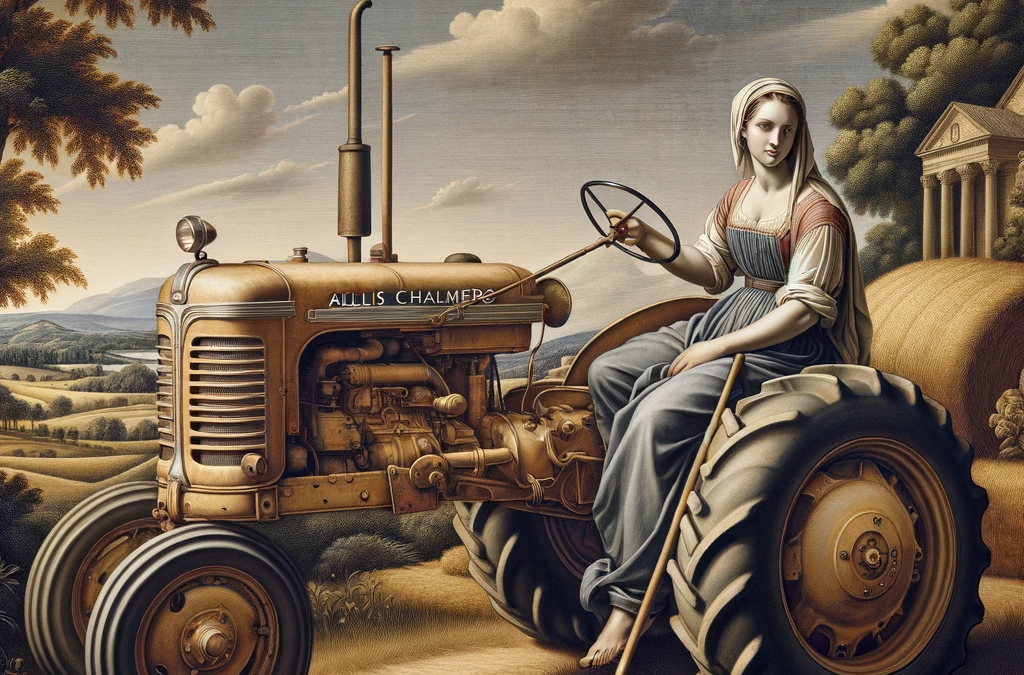
Unearthing The Timeless Insights Of Vintage Farming Gear
By Tom Seest
At ClassicTractorNews, we help tractor lovers keep up with the latest news for classic and vintage tractors.
Please share this post with your friends, family, or business associates who may like old classic or vintage tractors.
Is There Wisdom In The Worn Tires Of Classic Farming Equipment
In a world racing toward automation and sleek efficiency, there’s something profound about the worn tires of classic farming equipment, particularly the humble tractor. Picture this: a dusty fields, where time seems to lumber along like the old machines that once tilled the earth. Those tractor tires, though treadbare and cracked, carry stories etched into their rubber like wrinkles on a wise elder’s face. Each scuff and scrape is a testament to long days spent under the sun, battling rain and dirt, and harnessing nature’s raw power.
You might wonder, “What wisdom can be found in such relics?” Well, let’s strip away the gloss of modernity and dig into the heart of that question. While our society clamors for speed and instant gratification, the simple act of farming—like life itself—reminds us that good things take time. The farmer who hops onto that old tractor is not just steering machinery, they’re crafting a connection with the soil, a symbiosis that nurtures the earth and feeds generations. It’s a beautiful dance.
Rationally, consider the benefits of these classic machines. They’re often built to last, constructed with a spirit of durability and efficiency that today’s throwaway culture has all but forgotten. In an age where planned obsolescence reigns supreme, farming with these trusted workhorses fosters a respect for craftsmanship and sustainability. They whisper to us about resourcefulness, providing endless opportunities for repair and reinvention—the kinds of traits that might just be essential in our fast-paced world.
Ethically, by choosing to spend time with these tractors, we are not just preserving a method of working the land; we are honoring a legacy of hard work, resilience, and innovation rooted in community. These machines remind us of our responsibilities to the environment and local economies. They beckon us to think about our roots and the impact we have on the world around us.
Narratively, consider the tales woven through those tires—the farmer’s hands that gripped the wheel for countless hours, the laughter shared over a hard day’s work, the struggles and triumphs on every furrow. In our increasingly disconnected lives, these narratives call for a reconnection to our heritage, to the stories that shape who we are.
So next time you see a classic tractor rolling through a field, take a moment to appreciate those tires—worn but full of wisdom, just like the people who drive them. In them lies an invitation: to slow down, to learn, to remember what it means to truly cultivate both the land and our humanity.
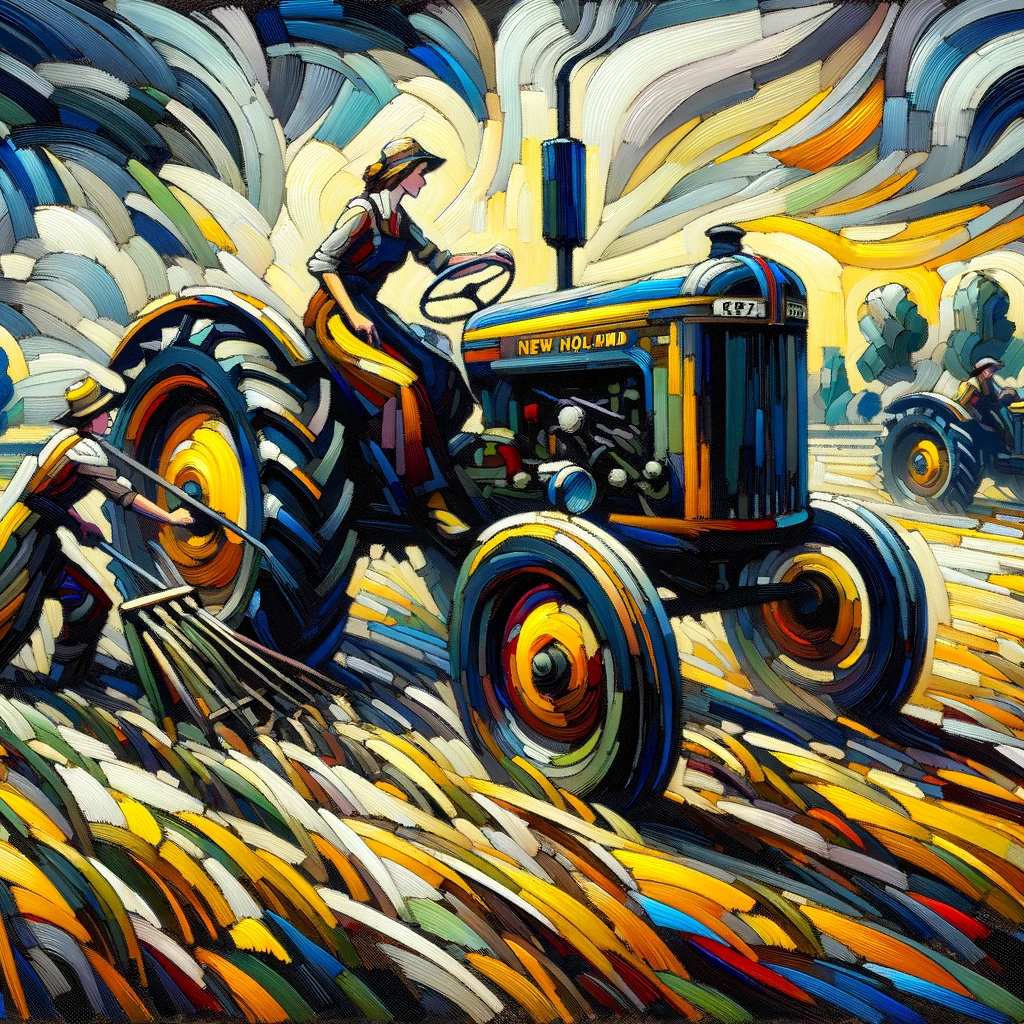
Is There Wisdom In The Worn Tires Of Classic Farming Equipment
Is There Wisdom In The Worn Tires Of Classic Farming Equipment
- The worn tires of classic farming equipment symbolize deep stories and histories.
- Time spent farming teaches that good things require patience and nurturing.
- Classic tractors embody durability and efficiency, contrasting today’s throwaway culture.
- Farming with these machines promotes craftsmanship, sustainability, and resourcefulness.
- Engaging with classic tractors honors a legacy of hard work and innovation within communities.
- The narratives connected to these tractors highlight the importance of our heritage and roots.
- Classic tractors remind us to slow down and cultivate both the land and our humanity.
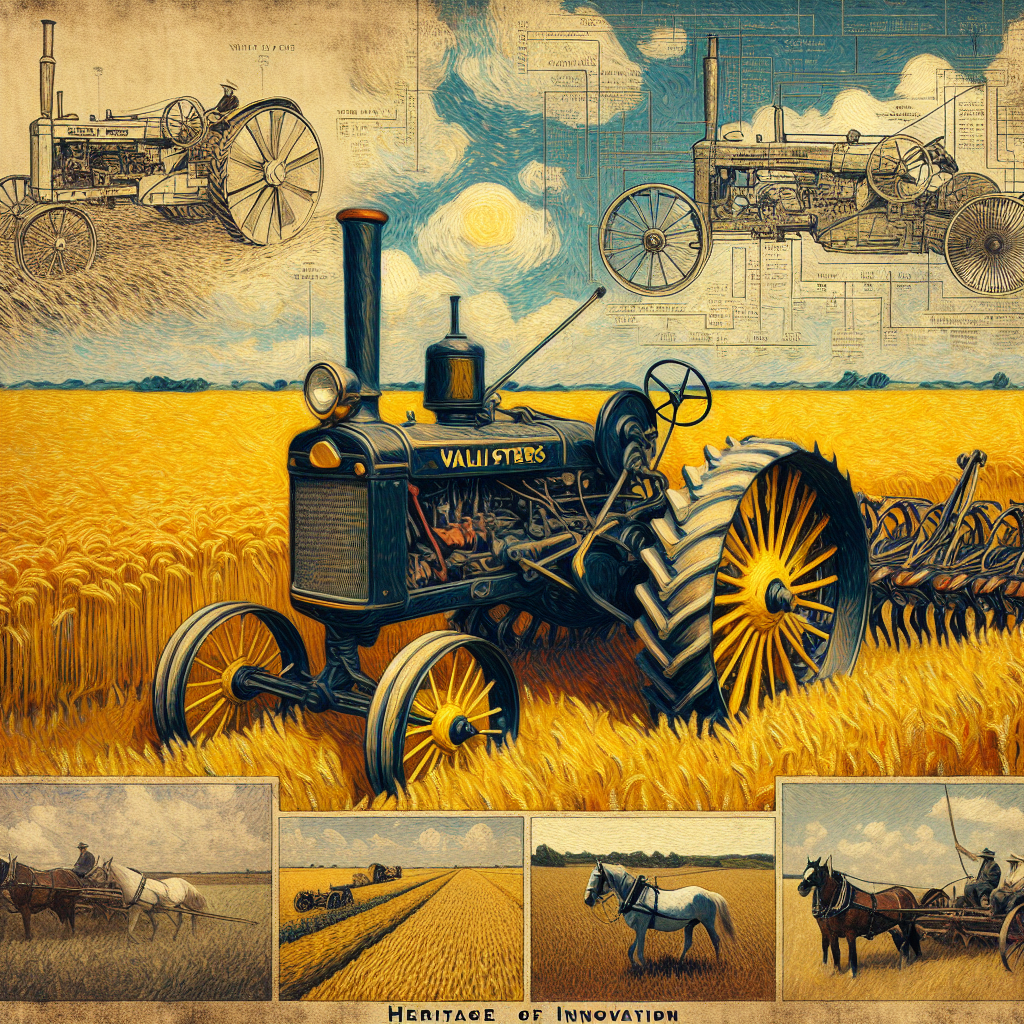
Is There Wisdom In The Worn Tires Of Classic Farming Equipment
Table Of Contents
- Is There Wisdom In The Worn Tires Of Classic Farming Equipment
- Is There A Story Behind Your Connection To Classic Farming Equipment?
- What Wisdom Do Veteran Farmers Share About The Value Of Experience?
- What Role Do These Worn Tires Play In Community And Farming Culture?
- How Can We Honor The Legacy Of Classic Farms Through Storytelling?
- What Insights Do The Imperfections Of These Tires Reveal About Life?
- Are We Losing Touch With The Lessons Of Our Agricultural Past?
- Conclusion
- Other Resources
- Glossary Of Terms
- Other Questions
- Haiku
- Poem
- Checklist
Is There A Story Behind Your Connection To Classic Farming Equipment?
When you think of a tractor, what comes to mind? For many, it’s not just the robust machinery that plows fields or hauls loads; it’s the heartbeat of generations woven into the land. Each rusted bolt and weathered paint job is a silent testament to labor, love, and dreams manifested in the soil.
Imagine a young child standing next to their grandfather, wide-eyed, as he shows them this hulking machine that seems to roar with stories of the past. “This tractor,” he might say, “has been here longer than I have. It carried me through storms and sunny days alike, each season a chapter in our family saga.” The nostalgia clings to the air like the smell of fresh earth after rain—a mix of sweat and satisfaction, of challenges met head-on.
This connection to classic farming equipment transcends mere utility, tapping into the very fabric of our identity. For some, it’s the believable reliability of a time-tested tractor that instills confidence—a reminder that hard work yields results, whether in the fields or in life. Every time you maneuver that gear wheel, you’re engaging with history, honoring the labor of those who came before you, carving your own path into a future that honors tradition.
There’s a sense of responsibility that accompanies this machinery, too. Maintaining a tractor is not just about repairs; it’s about preserving a way of life, a commitment to stewardship where we don’t merely take from the land but actively cultivate it. Each repair or tune-up speaks to a belief in sustainability and respect for the earth, resonating deeply with those who find themselves committed to ethical farming practices.
But let’s not forget the community aspect of it all. Owning classic farming equipment often invites camaraderie, fostering connections with neighbors and fellow farmers. Barn gatherings to share stories, swap machinery tips, or even just reminisce about the good ol’ days deepen our roots to each other and the land we farm. We are not merely isolated operators; we are threads in a rich tapestry of agricultural life, entwined through shared experiences and challenges.
So, whether you own a vintage tractor or just admire its iconic silhouette on the horizon, ask yourself: what lies beneath that connection? Is it the legacy of those who toiled before you, the pride of craftsmanship, or perhaps the promise of tomorrow? Embrace that story, breathe life into it, and let it inspire you to make your mark on this ever-turning earth.
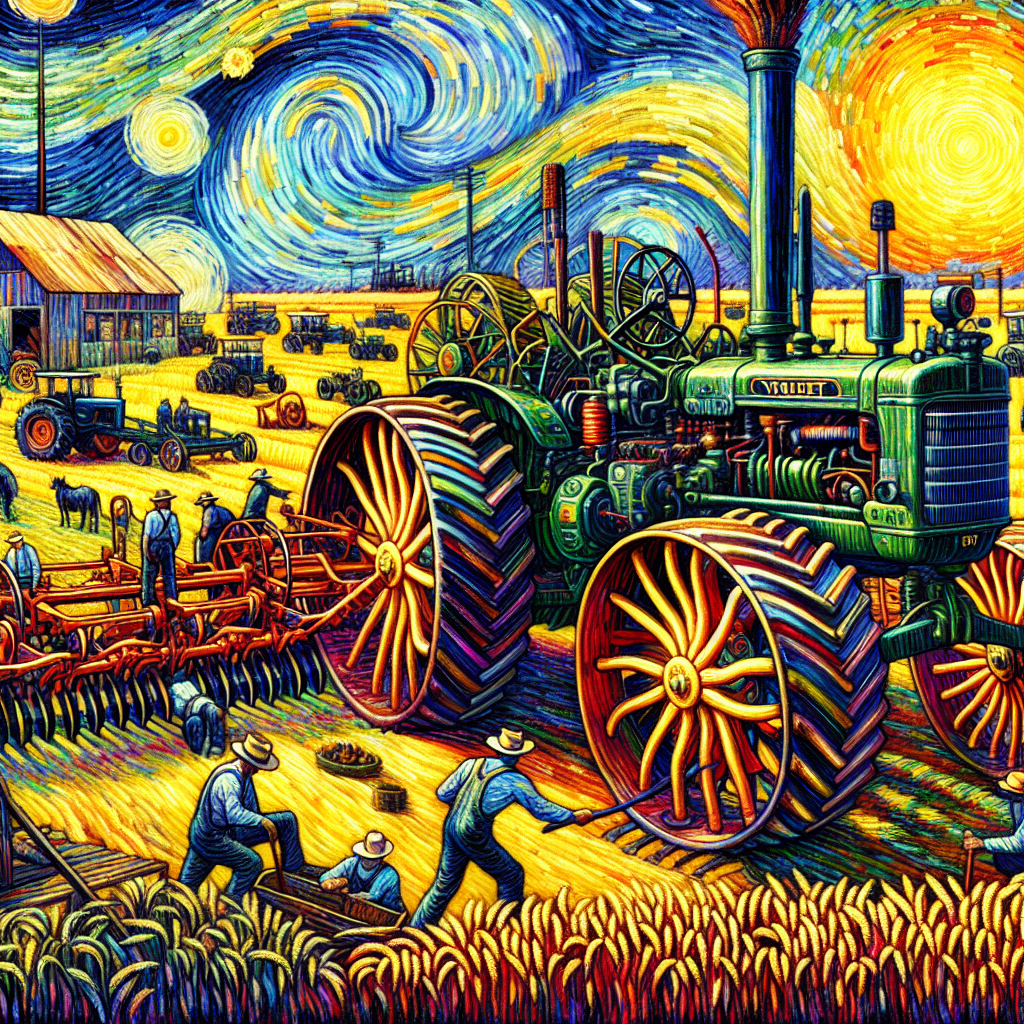
Is There A Story Behind Your Connection To Classic Farming Equipment?
Is There A Story Behind Your Connection To Classic Farming Equipment?
- The image of a tractor embodies generations of labor and love intertwined with the land.
- A child’s experience with a tractor can evoke nostalgia and familial connections to agriculture.
- Classic tractors symbolize reliability and hard work, instilling a sense of confidence in users.
- Maintaining a tractor represents a commitment to sustainability and responsible stewardship of the land.
- Owning classic farming equipment fosters community connections and camaraderie among farmers.
- Engaging with tractors links individuals to a larger agricultural heritage and shared experiences.
- Reflect on the deeper connections to the legacy, craftsmanship, and future of farming through tractors.
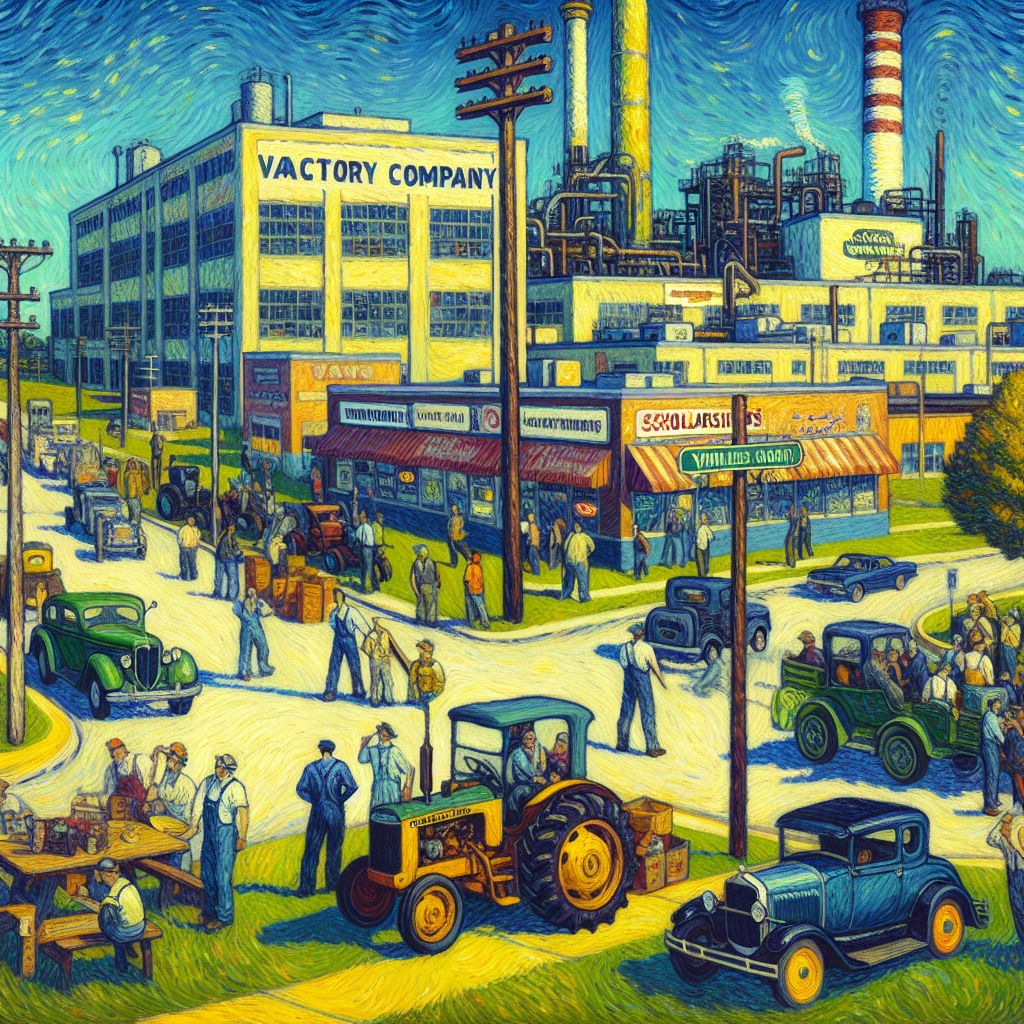
Is There A Story Behind Your Connection To Classic Farming Equipment?
What Wisdom Do Veteran Farmers Share About The Value Of Experience?
In the early morning light, just as the sun starts to rise over the rolling fields, you’ll find an old tractor humming steadily, its faded paint a testament to years of labor. It’s more than just a machine; it’s a symbol of resilience and dedication—one that embodies the hard-earned wisdom of veteran farmers who’ve spent their lives cultivating the land. These seasoned hands, with sun-weathered skin and eyes that tell stories, often echo one undeniable truth: experience is the greatest teacher.
As they lean against the fence, sharing tales from the field, you can hear the rhythm of their words—the lessons learned the hard way. They speak of the time the storm rolled in unexpectedly, how they banded together as a community to salvage what they could from Mother Nature’s wrath. “Each battle faced out there on the farm builds character,” one farmer says, pointing to the horizon where the sky meets the earth. “You learn to adapt, innovate, and dig deep.”
Their messages resonate well beyond the farm’s boundaries. In a time when instant gratification has replaced the love for the long haul, these farmers remind us of the value of patience and perseverance. They impart a simple yet profound lesson: real growth takes time. The roots of corn don’t reach deep into the soil overnight, and neither do our lives. It’s the slow, steady toil that yields the sweetest rewards.
Moreover, their insights transcend mere practicality. They come from a place of authority, each story rooted in years of trial and error. It’s not just about planting and harvest; it’s about ethics, responsibility for the land, and nurturing the next generation. “We’re stewards of these fields,” one veteran reflects, his voice rich with conviction. “What we do today shapes tomorrow for our children and grandchildren.”
And let’s not overlook the social fabric woven through farming life. When one farmer has a hardship, neighbors rally to help, creating a tapestry of support that strengthens bonds. It’s a lesson in humility and the profound strength found in community.
As we step away from our screens and reconnect with the earth, let’s invite that wisdom into our lives. The stories of these veteran farmers remind us that experience is not merely a collection of years. It’s an invaluable resource, waiting to be tapped into. Let’s take heed of their words, share their lessons, and cultivate our own paths with purpose. Because in the end, we… and the land we nurture… are all connected.

What Wisdom Do Veteran Farmers Share About The Value Of Experience?
What Wisdom Do Veteran Farmers Share About The Value Of Experience?
- An old tractor symbolizes resilience and dedication, reflecting the hard-earned wisdom of veteran farmers.
- Seasoned farmers share stories that illustrate the importance of experience as the greatest teacher.
- They emphasize community strength, recalling how they banded together during unexpected challenges.
- The farmers highlight the value of patience and perseverance, noting that real growth takes time.
- Their insights encompass ethics and responsibility for nurturing future generations.
- Support and camaraderie within the farming community reinforce the importance of humility and connection.
- Veteran farmers’ experiences invite us to cultivate our paths with purpose, reminding us that we are all interconnected with the land.
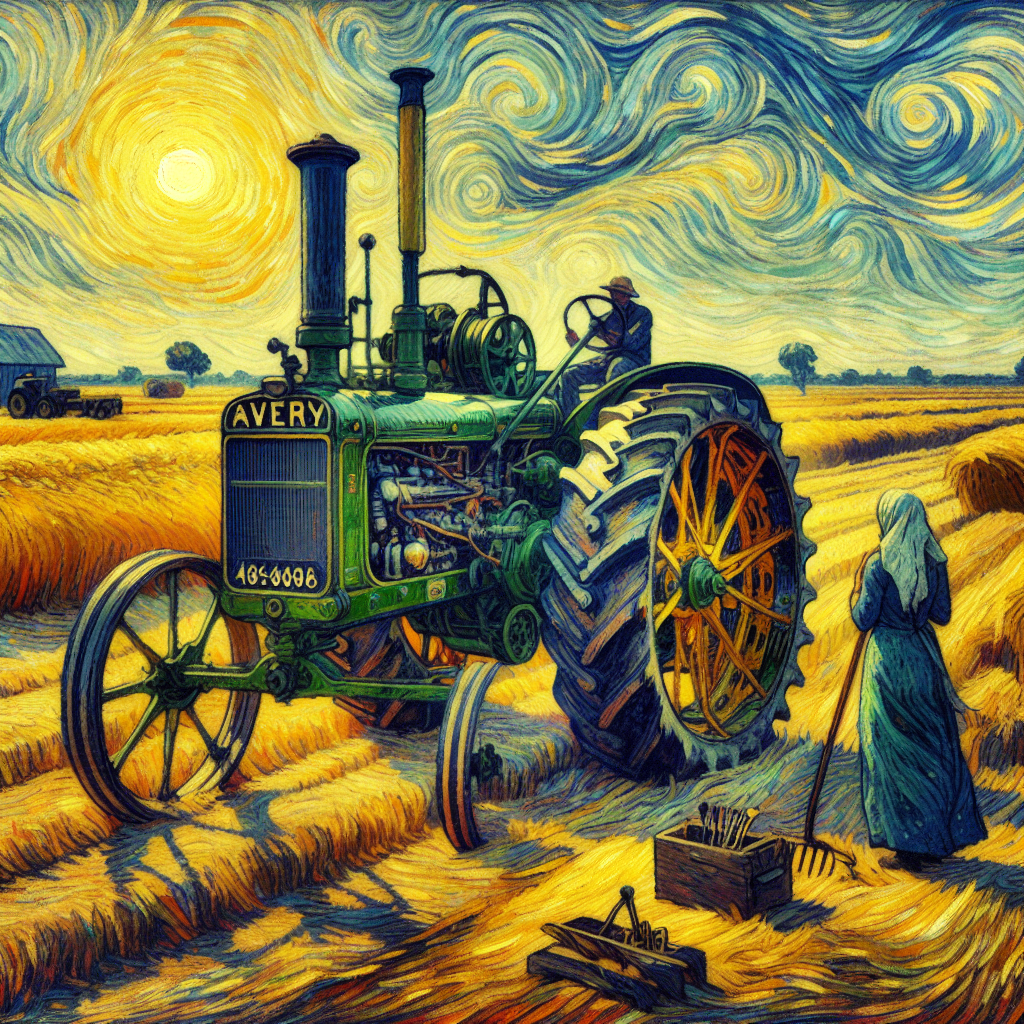
What Wisdom Do Veteran Farmers Share About The Value Of Experience?
What Role Do These Worn Tires Play In Community And Farming Culture?
In the heart of every farming community, you’ll find something that goes beyond crops and livestock—an unbreakable bond forged in the soil. At the center of this bond is the humble tractor, a symbol of hard work and resilience, often relying on tires that have seen countless seasons come and go. These worn tires play a significant role in more ways than one, spanning the emotional terrain of tradition, practicality, and resourcefulness.
Imagine a farmer at dawn, the first rays of sunlight kissing the earth as they approach their beloved tractor. It’s not just a machine; it’s an extension of themselves—a trusted partner in the daily grind. Those worn tires, caked with mud and history, tell stories of long days spent nurturing the land. They symbolize perseverance and commitment, crafted to endure despite the wear and tear of every harrowing season. The sight of a tractor battling through the mud, its tires resilient yet battered, resonates deeply with anyone who understands the challenges of rural life.
Rationally speaking, tires may be worn, but they hold undeniable value. Every mark on their surface signifies labor done, miles traveled, and obstacles overcome. Farmers know that transforming obstacles into achievements is all part of the journey. These tires are repurposed and recycled, preventing waste and showcasing a community’s dedication to sustainability. It’s a practical choice that mirrors a collective ethos—using what you have to push through adversity while caring for the earth.
Ethically, the message rings clear: respect and responsibility toward the land and resources. Supporting local farmers isn’t simply about purchasing produce; it’s about nurturing a culture built on shared values and mutual support. Every tractor on the field, every worn tire, and every ounce of sweat spills into a collective effort that elevates the entire community. It’s a reminder that our actions today pave the way for future generations.
These worn tires serve as a testament to tenacity, forging connections that weave through our communities. They embody the spirit of rural life—a tenacity that inspires trust among neighbors and instills confidence in our collective future. So the next time you see a tractor with worn tires rolling down a dirt road, remember: it’s more than just rubber on the ground. It’s a lifeline, a legacy, and a reminder that hard work and heart truly cultivate not just crops, but community.
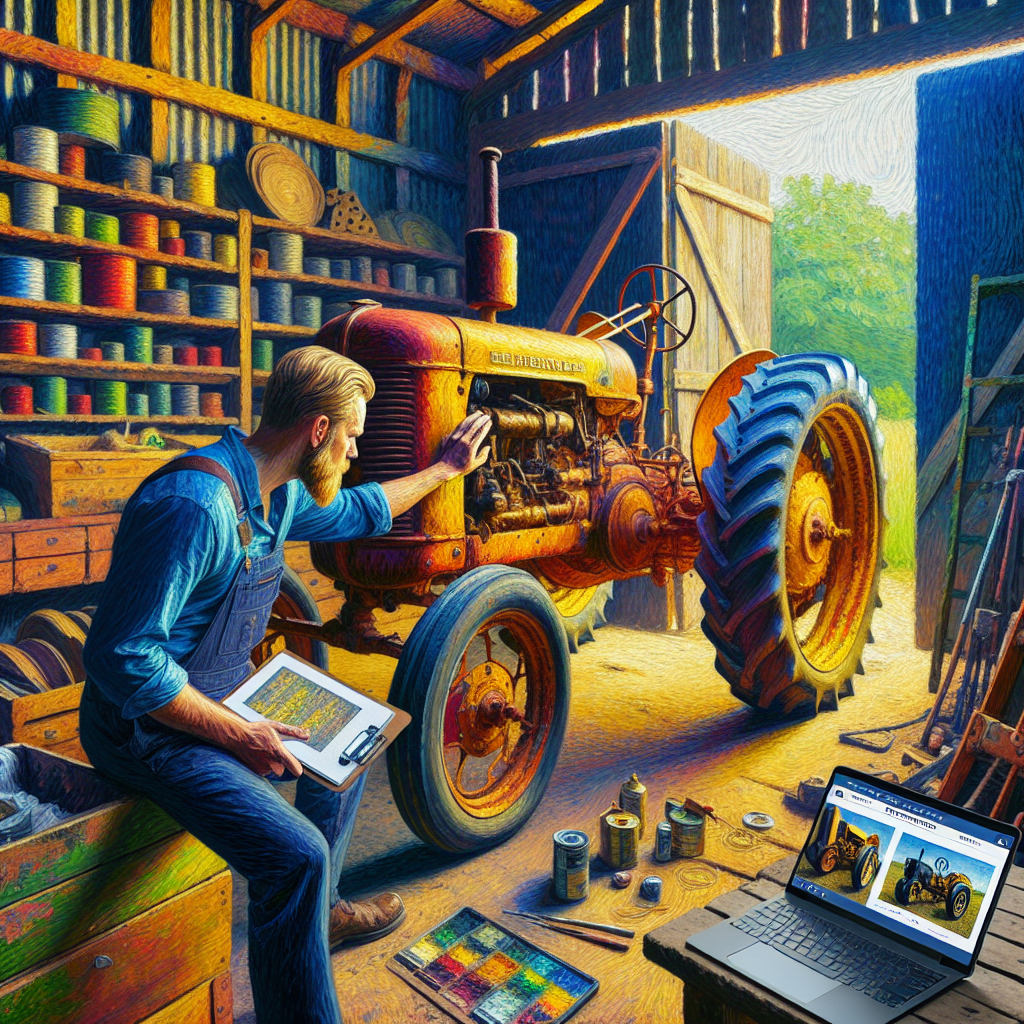
What Role Do These Worn Tires Play In Community And Farming Culture?
What Role Do These Worn Tires Play In Community And Farming Culture?
- The tractor symbolizes an unbreakable bond in farming communities, representing hard work and resilience.
- Worn tires on tractors signify history, perseverance, and the daily challenges faced by farmers.
- Every mark on a tire reflects labor, miles traveled, and obstacles overcome, showcasing a farmer’s journey.
- Repurposing and recycling tires illustrate the community’s commitment to sustainability and resourcefulness.
- Supporting local farmers cultivates a culture of shared values and mutual support within the community.
- The worn tires represent tenacity and forge connections that strengthen community bonds.
- Tractors with worn tires serve as reminders of hard work, legacy, and the importance of community cultivation.
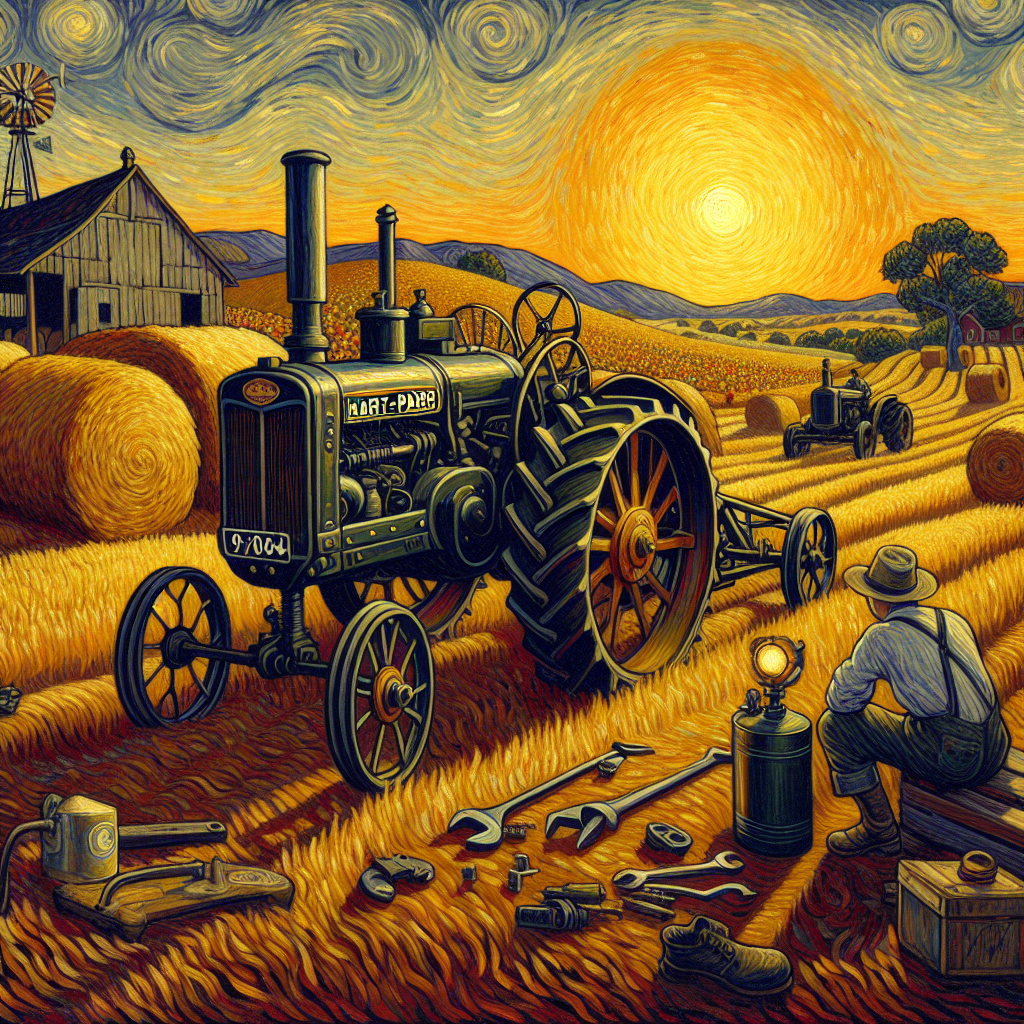
What Role Do These Worn Tires Play In Community And Farming Culture?
How Can We Honor The Legacy Of Classic Farms Through Storytelling?
In a world that rushes forward, it’s essential to pause and consider the stories behind the machines and methods that have shaped our agricultural landscape. Every lonely tractor, parked beneath the old oak tree, carries whispers of the families who’ve toiled from sunup to sundown, planting seeds of both crops and community. These stories, rich in history and character, serve as a powerful reminder of our roots and values.
Embracing this narrative aspect is not just a fanciful endeavor; it’s a rational call to recognize the achievements and sacrifices of those who came before us. Every farmer, armed with grit and determination, understands the sweat and struggle that a single furrow in the earth symbolizes. By sharing these stories, we can foster a deep connection that celebrates our agricultural heritage, reminding us of the people behind the tractors and the sustainable practices that bring food from field to fork.
Ethically, we owe it to the next generation to preserve this legacy. As we face an ever-evolving landscape of agriculture and technology, we must cultivate a sense of responsibility. Engaging with these stories can inspire confidence in our practices, encouraging a community rooted in respect—for the land, for the farmers, and for the stories that bind us together.
Consider the young child marveling at an old tractor’s rusted chassis. To them, it’s not just a hunk of metal; it’s a portal to the past. When we share tales about that tractor—the generations who lovingly maintained it, the bountiful harvests it helped produce, or the late nights spent in the barn—we invite them to understand their place in this continuum. This narrative builds a bridge between generations, allowing them to appreciate and understand the sacrifices made and the joy found in this noble calling.
Thus, we have both an opportunity and a responsibility. Honor the legacy of classic farms by weaving these stories into our everyday lives. Share your tales at family gatherings, write them down for future generations, or even create a local storytelling night where farmers can recall their history. By doing so, we collectively keep the spirit of classic farms alive, assuring that it thrives long past our own time. In this shared responsibility, we nurture trust, foster connections, and inspire action, ensuring the tractors that once paved paths through fields of dreams continue to inspire us all.
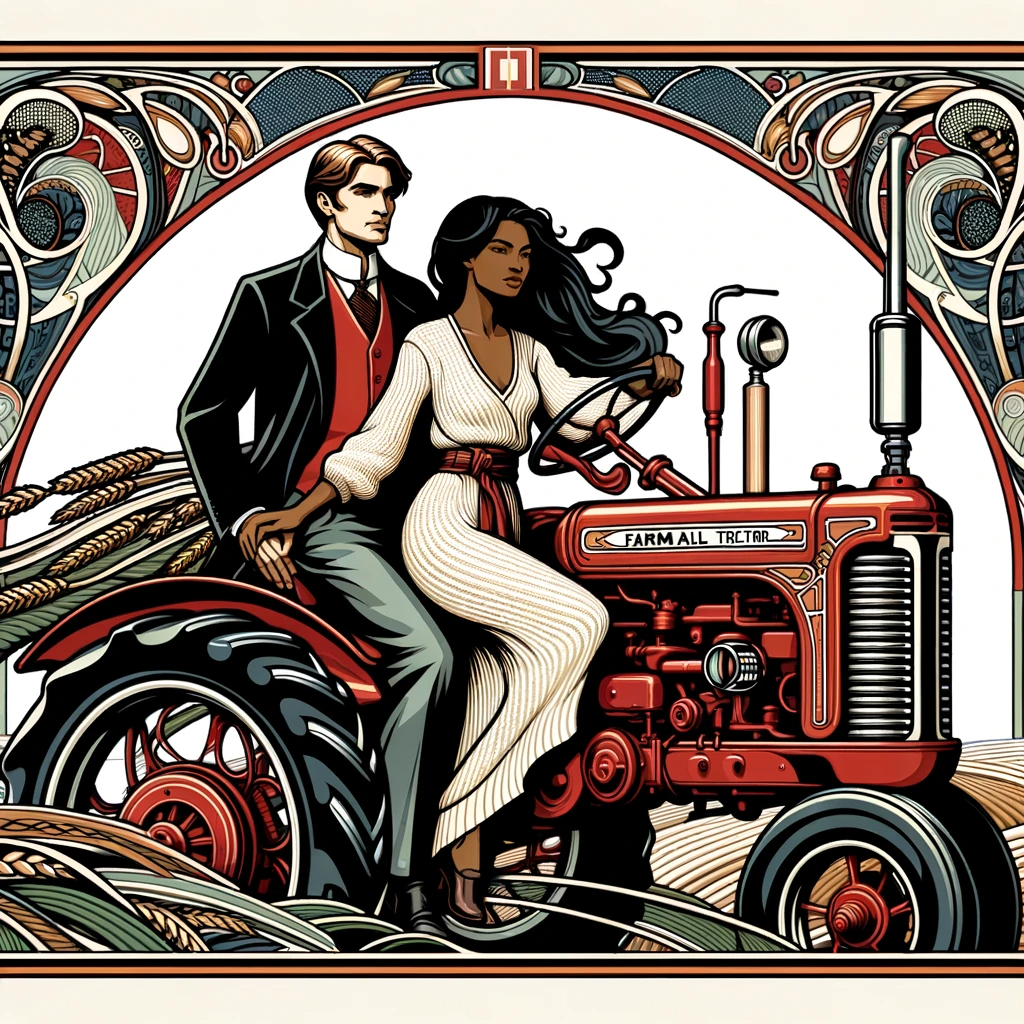
How Can We Honor The Legacy Of Classic Farms Through Storytelling?
How Can We Honor The Legacy Of Classic Farms Through Storytelling?
- Pause to consider the stories behind agricultural machinery and methods.
- Each tractor symbolizes the hard work of families, reflecting shared history and community values.
- Embracing these narratives honors the achievements and sacrifices of past farmers.
- Sharing stories fosters a connection to agricultural heritage and sustainable practices.
- Passing down this legacy is an ethical responsibility to the next generation.
- Engaging with these stories inspires respect for the land and the people involved in farming.
- Encouraging storytelling cultivates trust, connections, and communal action in preserving agricultural history.
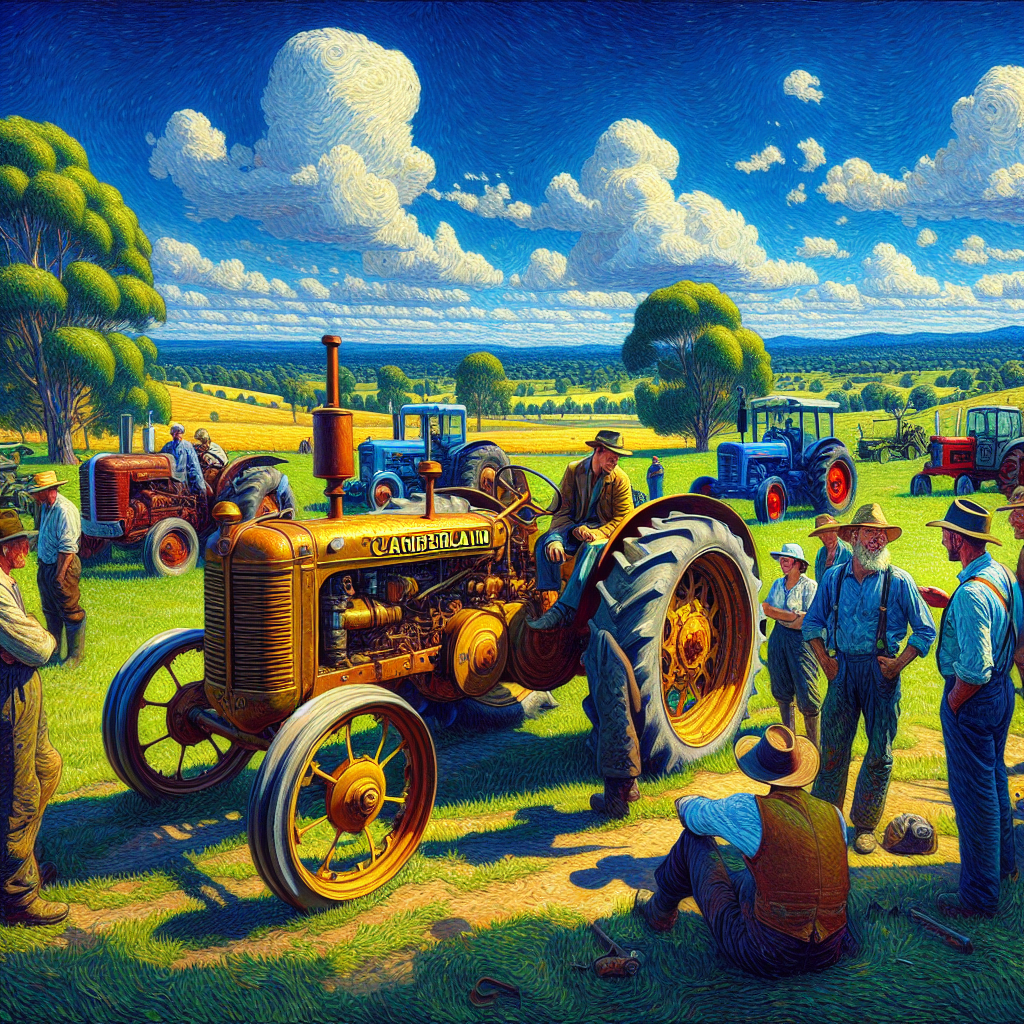
How Can We Honor The Legacy Of Classic Farms Through Storytelling?
What Insights Do The Imperfections Of These Tires Reveal About Life?
Every tractor tire tells a story, and if you care to listen, you’ll discover that those stories are full of unpolished truths about life itself. Picture a farmer making his rounds in the early morning light, the heavy tread of his tires leaving imprints in the soil. Yet, as you study those tires more closely, imperfections begin to reveal an extraordinary narrative. Cracks, worn patches, and occasional bulges are not merely flaws; they are symbols of resilience and struggle.
Imagine the first time that tire encountered a rough patch of land. It didn’t choose the smooth path; it adjusted, adapted, finding its footing on rocky terrain, much like we all must do when faced with life’s uncertainties. Each dent or scratch is a badge of honor, a testament to battles fought and overcome. In those moments, we learn something profound: our imperfections define us not as failures, but as beings in constant evolution.
In a world obsessed with perfection, the distinctive marks on those tractor tires echo the wisdom of our ancestors, teaching us that life isn’t about maintaining a shiny exterior. It’s about getting dirty, taking risks, and navigating the unavoidable bumps along the way. Each time we slip or stumble, we’re building character, much like that worn-out tire that continues to work tirelessly, despite its flaws.
Ethically, we must ask ourselves: how do we treat our own imperfections? Are we ready to embrace that unvarnished truth? Just as farmers depend on their trusty tractors to get the job done, we too rely on our experiences—both good and bad—to cultivate our identities. Accepting our flaws invites a deeper understanding of our shared humanity, fostering connection among us all.
Here’s the heart of the matter: embracing these imperfections isn’t just about individual growth; it’s also about community. When we show our scars and share our stories, we inspire others to do the same. That worn tire will pull the plow, empowering the farmer to sow, grow, and ultimately harvest. Likewise, when we acknowledge our cracked exteriors, we enable others to start their own journey toward authenticity and connection.
So, the next time you hear the rumble of a tractor, remember the imperfections of its tires. They teach us the real lessons of hard work, resilience, and shared experiences. In a world that often demands perfection, let’s celebrate the beauty of our messy lives, transforming our imperfections into tools for growth and connection.
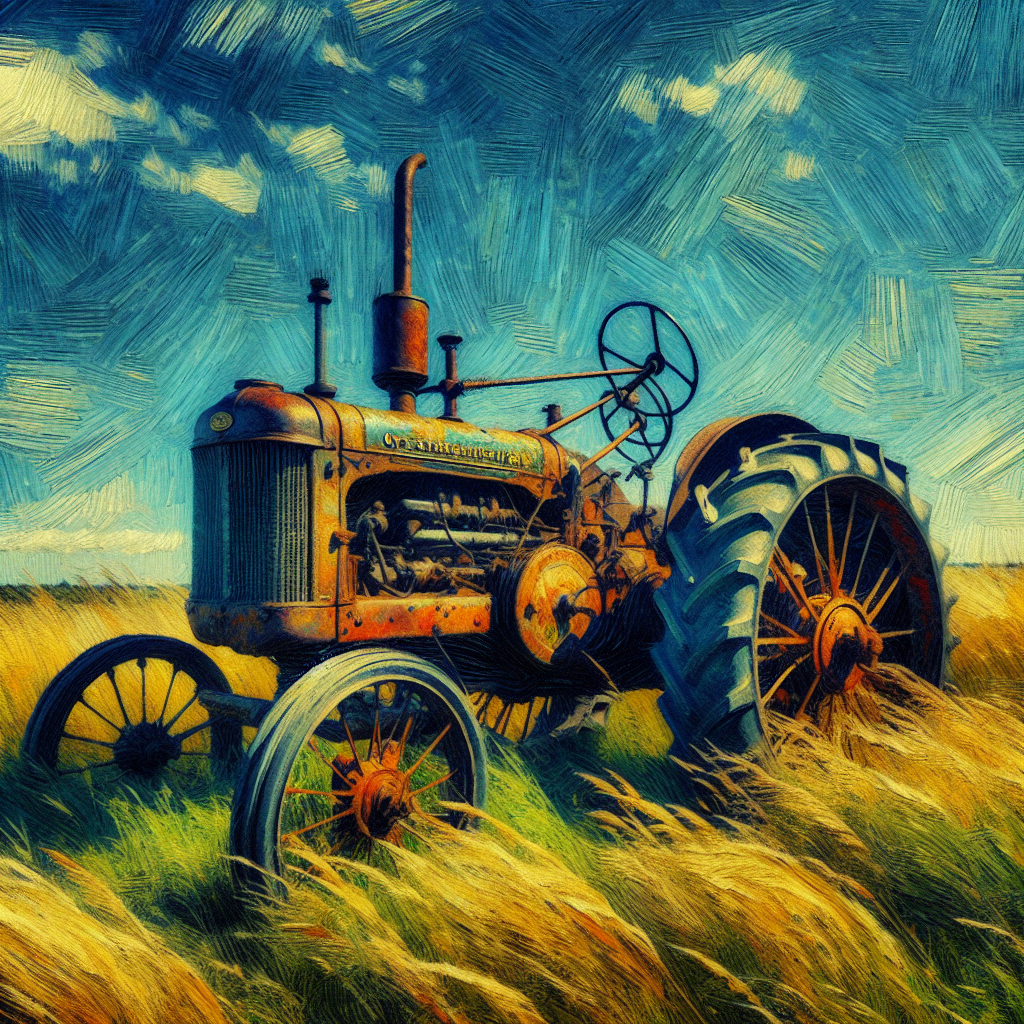
What Insights Do The Imperfections Of These Tires Reveal About Life?
What Insights Do The Imperfections Of These Tires Reveal About Life?
- Tractor tires symbolize resilience and struggle, revealing truths about life.
- Imperfections in tires, such as cracks and worn patches, tell a story of adaptation and overcoming challenges.
- Each dent or scratch on a tire serves as a badge of honor, reflecting personal growth and evolution.
- Life is not about maintaining a perfect exterior; it involves taking risks and navigating challenges.
- Embracing our imperfections fosters a deeper understanding of shared humanity and connection.
- Sharing our scars and experiences can inspire others to embrace their authenticity.
- Tractor tires remind us to celebrate the beauty of our messy lives and use imperfections as tools for growth.
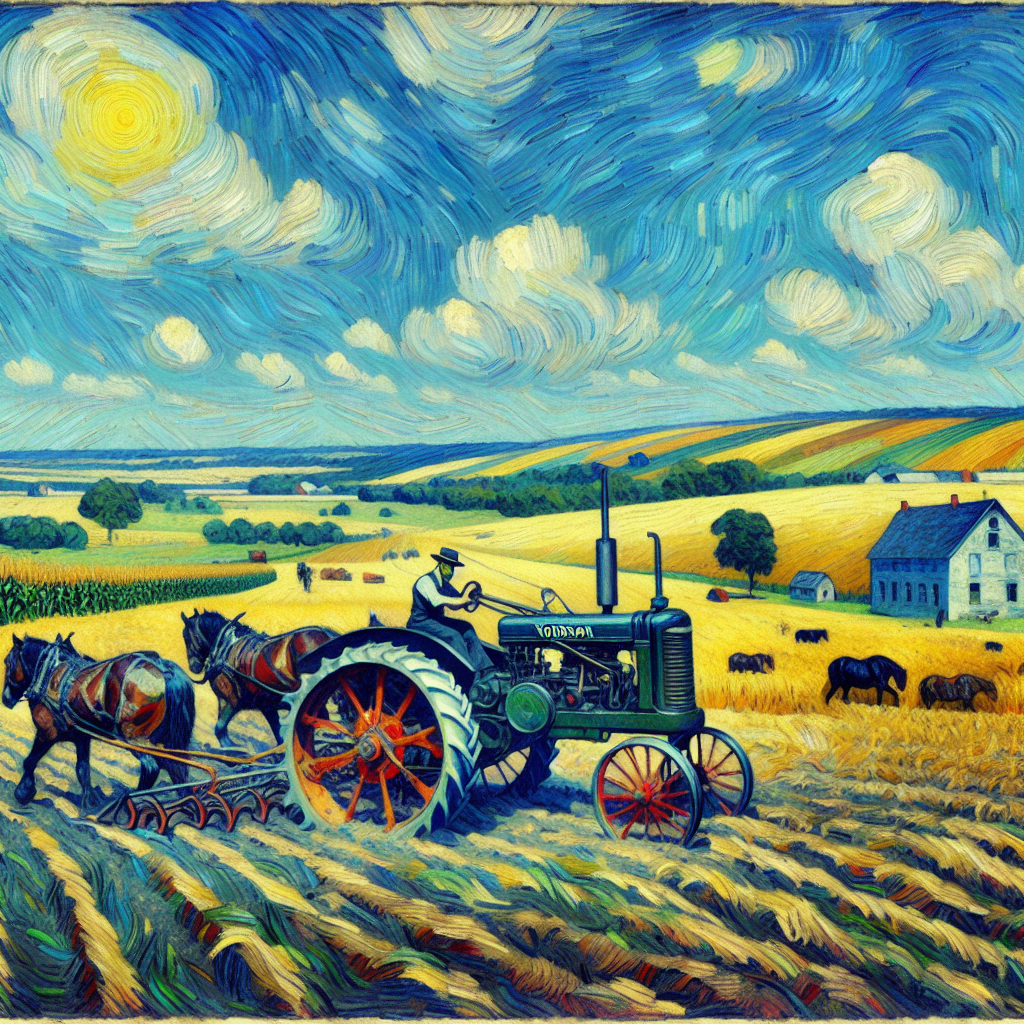
What Insights Do The Imperfections Of These Tires Reveal About Life?
Are We Losing Touch With The Lessons Of Our Agricultural Past?
As we navigate the digital age with its drones and algorithms, it’s easy to forget the simple lessons that our agricultural past has to teach us. Picture a tractor in the early morning light, its engine humming a steady rhythm that’s both mechanical and alive. This isn’t just a machine; it’s a symbol of hard work, sweat, and the human connection to the earth. Each time farmers climbed aboard these giants of steel, they weren’t merely plowing fields—they were cultivating a way of life, a bond with the soil that nourished families and communities for generations.
But here’s the thing: when we lose touch with the land, we also start to lose touch with ourselves. In a world filled with screens and instant gratification, we risk becoming spectators in our own lives, disconnected from the grit and growth that define the human experience. We’ve swapped the smell of freshly turned soil for the sterile scent of office air, and in the process, we’ve muted our history and dulled our senses. We need to remember that the act of farming is not merely a profession but also a profound narrative of resilience, responsibility, and respect for the cycle of life.
Rationally speaking, reconnecting with our agricultural roots could provide us with invaluable insights into sustainability. Modern farming techniques, influenced by centuries of wisdom, can teach us how to nurture our environment rather than deplete it. The reality is, in today’s rapidly changing climate, we can’t afford to ignore the lessons embedded in our past. Every seed sown, every harvest reaped, tells a story that is as relevant today as it was a hundred years ago.
At the ethical level, we owe it to future generations to honor the hard work of those who came before us. By fostering a deeper connection to our agricultural heritage, we cultivate not just a more sustainable future but also a more empathetic society. There’s something primal about digging your hands into the earth, feeling its texture, and understanding its needs. It resonates in our gut, reminding us of our place in the grand tapestry of life.
So let’s not merely admire that old tractor rusting in a field. Let’s roll up our sleeves, embrace our past, and cultivate a future that remembers where we’ve come from, enabling us to grow wiser together.
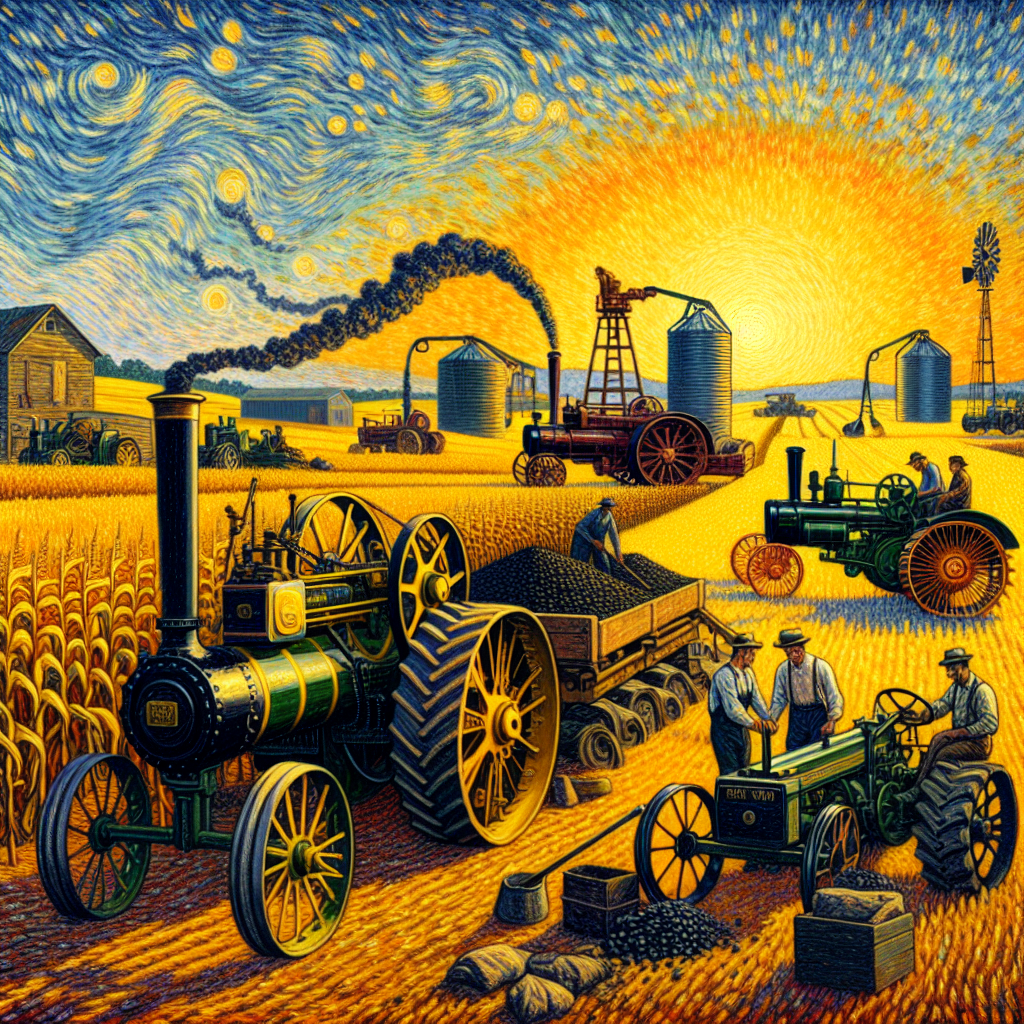
Are We Losing Touch With The Lessons Of Our Agricultural Past?
Are We Losing Touch With The Lessons Of Our Agricultural Past?
- The digital age can cause us to forget important lessons from agriculture.
- Tractors symbolize hard work and a connection to the earth for farmers.
- Loss of touch with the land leads to a loss of touch with ourselves and our history.
- Modern farming offers insights into sustainability influenced by centuries of wisdom.
- Reconnecting with agricultural roots is crucial in today’s rapidly changing climate.
- Honoring agricultural heritage fosters a more sustainable and empathetic society.
- Embracing our past allows us to cultivate a future informed by history and responsibility.
Are We Losing Touch With The Lessons Of Our Agricultural Past?
Conclusion
Now, gather ‘round, folks—because in the simple contours of those worn tractor tires lies a profound truth, a lesson begging to be unearthed. Picture the sun rising over the fields, casting light on a seasoned machine still chugging along, its scars a testament to years of plowing through life’s challenges and triumphs. This isn’t just a story about agriculture; it’s a reflection of our shared journey—the grit we all possess that nurtures both crops and communities.
Those aging tires whisper stories of resilience, dedication, and connection—not only to the earth but to each other. Each crack and bulge isn’t a flaw; it’s a badge of honor, signalling the tire’s history of adaptation and persistence. Just like us, those tires have weathered the storms, faced uncertainties, and emerged on the other side, filled with wisdom earned through hard work. They teach us that perfection is overrated; it’s the imperfections that tell the real story of survival and growth.
Rationally, we live in a fast-paced world obsessed with speed and efficiency, often overlooking the value of the slow, thoughtful cultivation that defines both farming and life. Every furrow turned and seed sown takes time—much like the paths we carve in our own lives. We learn from veteran farmers that patience and perseverance yield the richest harvests, not the quick returns promised by modernity.
Ethically, there’s a shared responsibility here. By honoring the legacy of classic farming equipment, we respect not just the craft of those who came before us but also the land that sustains us all. When farmers gather to repair a tractor, they’re nurturing more than machinery—they’re building community, fostering connections that remind us we are all part of a larger tapestry woven through shared struggles and successes.
And let’s face it, in our digital-driven society, it’s all too easy to lose touch with the life lessons steeped in our agricultural past. The stories of those humble tractors call us to reconnect—to get our hands dirty, to dig into the earth of our existence, and to remember: every tire wandering down that dirt road carries with it a narrative rich with heritage and heart.
So, the next time you see those worn tires, take a moment to appreciate their wisdom. They are an invitation to slow down, to reflect, and to cultivate something truly meaningful—not just in the fields we tend, but in the way we embrace our shared human experience. Let’s honor that journey together, ensuring that, just like those classic tractors, our stories drive us forward—tirelessly, resiliently, and with purpose.
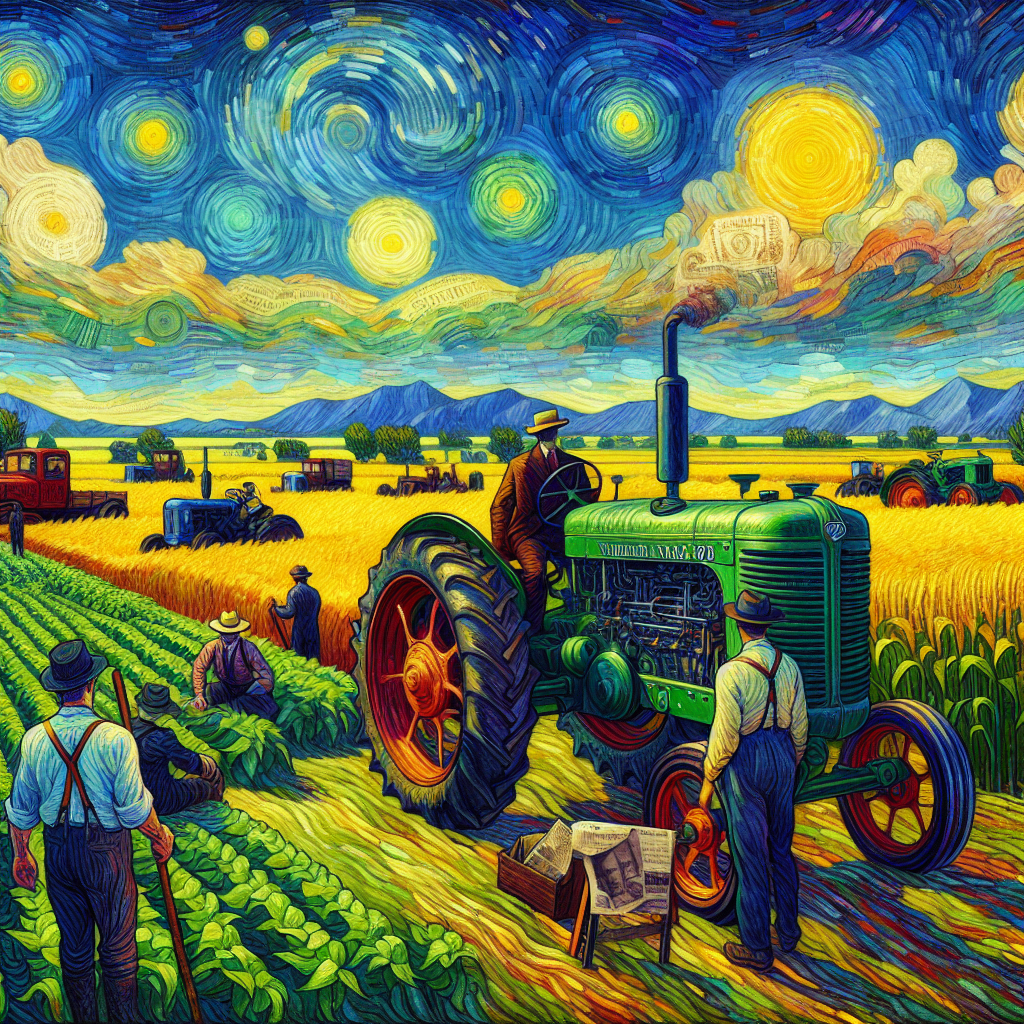
Conclusion
Conclusion:
- Worn tractor tires symbolize resilience, reflecting life’s challenges and triumphs.
- The imperfections of the tires are badges of honor, representing adaptation and persistence.
- In a fast-paced world, the value of slow, thoughtful cultivation is often overlooked.
- Patience and perseverance, as taught by veteran farmers, yield the richest harvests.
- Honoring classic farming equipment fosters community and respect for the land.
- The stories of tractors encourage us to reconnect with our agricultural heritage.
- Worn tires remind us to slow down, reflect, and cultivate meaning in our lives.
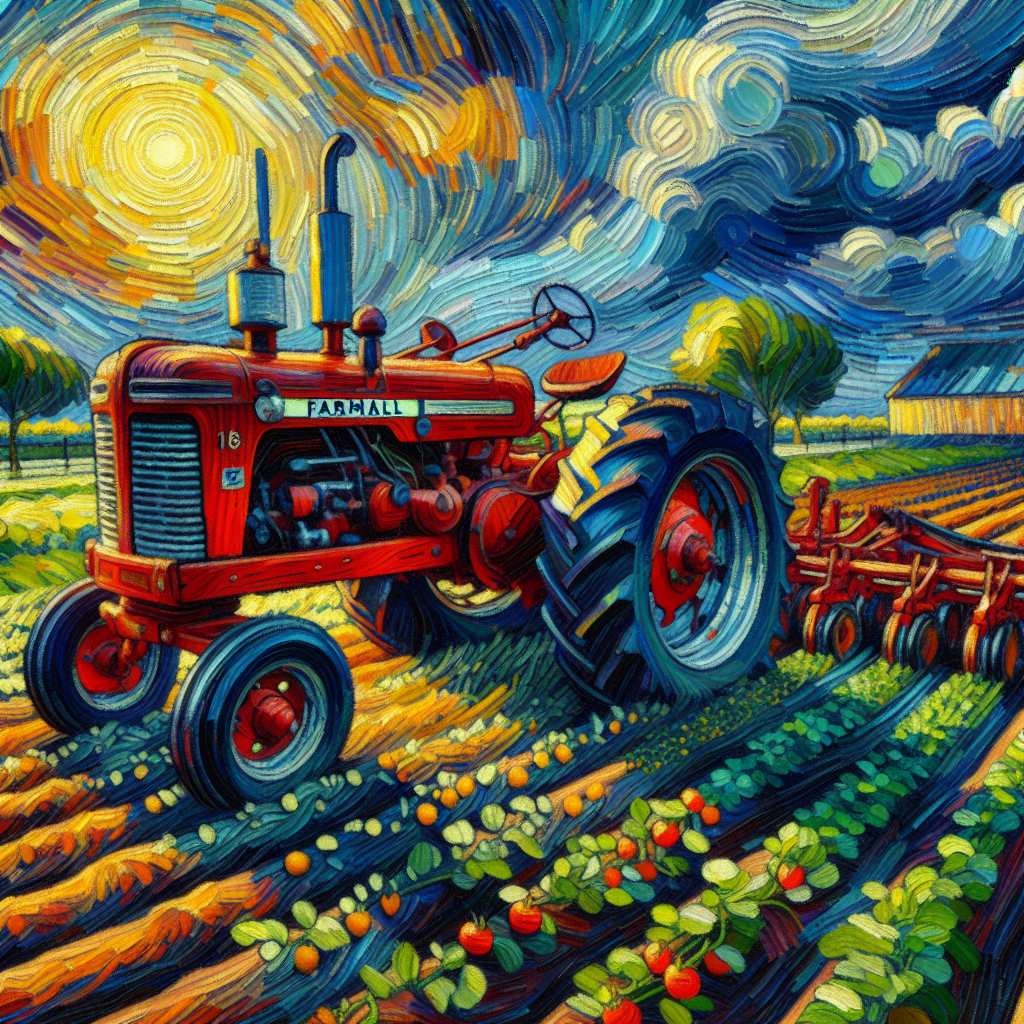
Conclusion
Other Resources
Other Resources
Here is a list of other resources you can review online to learn more:
- Farmtrac
- Ranch Hand
- Fort Allen Antique Farm Equipment
- Case IH
- Kirovets
- Gaetz Tractor Museum
- ATC
- Case
- Holder
- Dutra
Use This Prompt To Get More Resources With Your Favorite Online AI Tool: Please provide me with a list of online articles with their URLs in a bulleted list that I can read regarding Is There Wisdom In The Worn Tires Of Classic Farming Equipment
Other Resources
Glossary Terms
Is There Wisdom In The Worn Tires Of Classic Farming Equipment – Glossary Of Terms
1. Agriculture: The science, art, and practice of cultivating soil, raising crops, and livestock for food, fiber, and other products.
2. Classic Farming Equipment: Older machinery and tools used in agriculture, often characterized by traditional designs and durable components.
3. Tires: Rubber coverings on wheels that provide traction, stability, and support for vehicles and machinery, including farming equipment.
4. Wear and Tear: The deterioration of materials over time due to use, which can impact the performance and safety of farming equipment.
5. Resilience: The ability of farming equipment or crops to withstand difficult conditions, reflecting the durability of classic designs.
6. Heritage: The cultural legacy and historical significance of traditional farming practices and equipment that connect generations of farmers.
7. Efficiency: The effectiveness of farming equipment in achieving maximum productivity with minimum wasted resources, often influenced by tire condition.
8. Maintenance: The regular upkeep and repair of equipment to ensure optimal performance and longevity, including tire inspection and replacement.
9. Agribusiness: The business sector encompassing farming, agronomy, and the supply chains involved in producing and selling agricultural products.
10. Sustainability: Practices that maintain ecological balance and resource conservation in farming, which can include using older, durable machinery.
11. Erosion: The gradual wearing away of the land, which can be influenced by the type of agricultural equipment used and its impact on soil health.
12. Cultivation: The act of preparing and working the land for crop production, often requiring specific types of equipment.
13. Field Capacity: The maximum amount of water the soil can hold, influencing farming techniques and equipment design.
14. Tread: The pattern on a tire’s surface that provides traction and grip on various terrains, essential for effective farming operations.
15. Load Bearing: The ability of tires to support weight, critical in farming scenarios involving heavy machinery and equipment.
16. Soil Compaction: The process where soil particles are pressed together, increasing density and reducing aeration; can be affected by the type of tires used.
17. Mechanical Advantage: The benefit gained from using machinery to accomplish tasks more efficiently than human labor alone in farming.
18. Adaptability: The capacity of farming equipment to be modified or repurposed to meet varying agricultural needs over time.
19. Tire Pressure: The inflation level of tires, which affects their performance, lifespan, and the quality of work done by farming equipment.
20. Land Use: The management of land for various purposes, including agriculture, affected by the choice and efficiency of farming equipment.
21. Operational Costs: The expenses associated with running farming equipment, including fuel, maintenance, and wear on tires.
22. Innovation: The introduction of new ideas and technologies in agriculture, which can be contrasted with traditional practices and equipment.
23. Tire Composition: The materials used to manufacture tires, impacting their durability, traction, and overall performance in farming applications.
24. Historical Farming Techniques: Traditional practices and methods used in agriculture that inform the design and use of classic farming equipment.
25. Resource Management: The strategic approach to utilizing farming inputs such as machinery and tires efficiently for sustainable production.
26. Tire Slip: The loss of traction between the tire and the ground, which can hinder the effectiveness of farming equipment.
27. Durability: The ability of tires and equipment to withstand wear, pressure, and environmental conditions over time.
28. Vintage: Referring to old or classic farming equipment that still holds relevance and value in modern agriculture.
29. Industry Standards: Guidelines and benchmarks established within the agricultural industry that influence equipment design and usage.
30. Retrofitting: The process of adding new technology to existing machinery, enhancing its functionality while preserving classic elements.
This list offers insights into the considerations and understandings surrounding classic farming equipment’s worn tires and their significance in farming practices.
Glossary Of Terms
Other Questions
Is There Wisdom In The Worn Tires Of Classic Farming Equipment – Other Questions
If you wish to explore and discover more, consider looking for answers to these questions:
- What are some specific stories told by farmers about their experiences with classic farming equipment?
- How can modern farming practices learn from the wisdom of vintage farming techniques?
- What are the environmental benefits of using vintage farming equipment?
- How can communities effectively share and preserve the stories of their agricultural heritage?
- What challenges do farmers face today that vintage farming equipment could help address?
- How do vintage tractors and equipment foster community relationships among farmers?
- What practical maintenance tips can be applied to ensure the longevity of classic farming equipment?
- How does the emotional connection to farming history influence the farming practices of younger generations?
- In what ways can storytelling be incorporated into modern agricultural education?
- What specific characteristics of vintage farming equipment contribute to its durability and efficiency?
- How can we promote respect for craftsmanship in farming culture today?
- What role does nostalgia play in the appreciation of classic farming equipment?
Other Questions
Haiku
Is There Wisdom In The Worn Tires Of Classic Farming Equipment – A Haiku
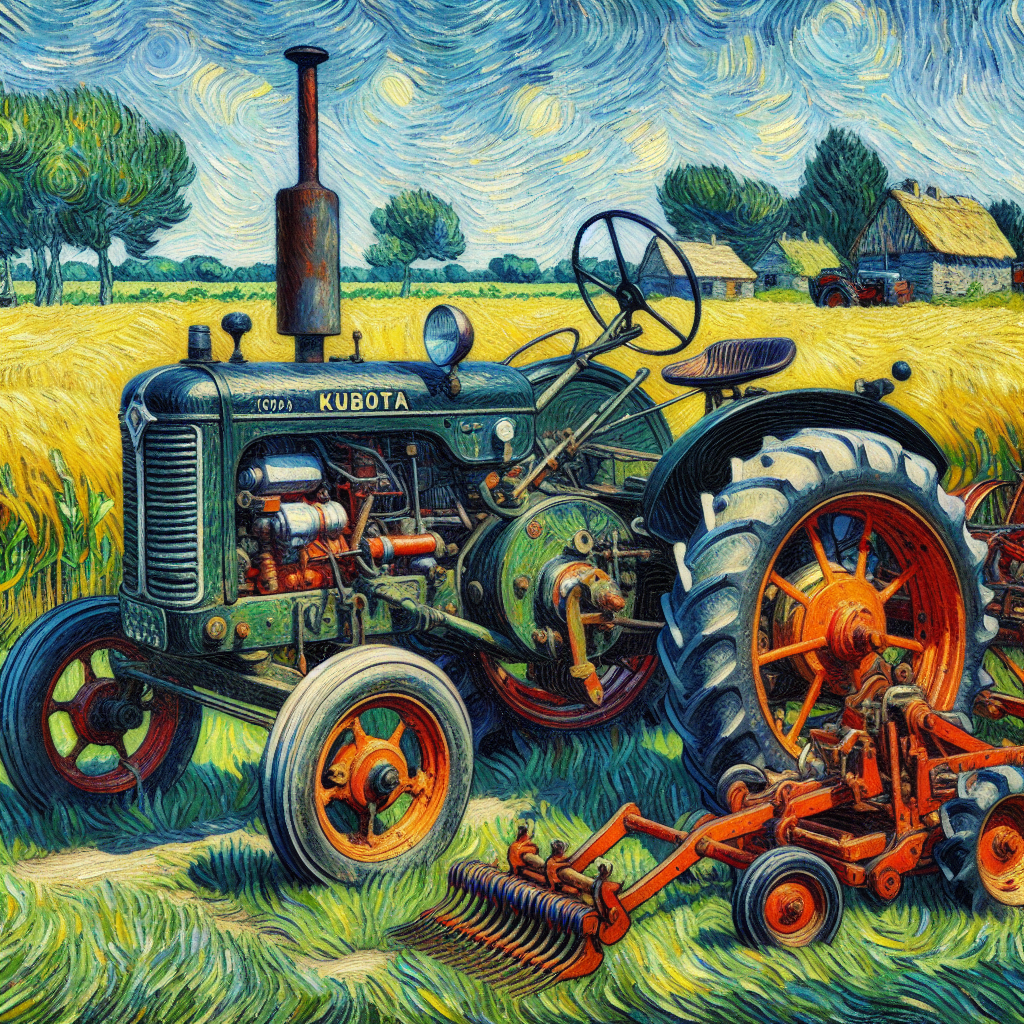
Worn tires tell the tales,
Resilience in every mark,
Roots deep in the soil.
Haiku
Poem
Is There Wisdom In The Worn Tires Of Classic Farming Equipment – A Poem
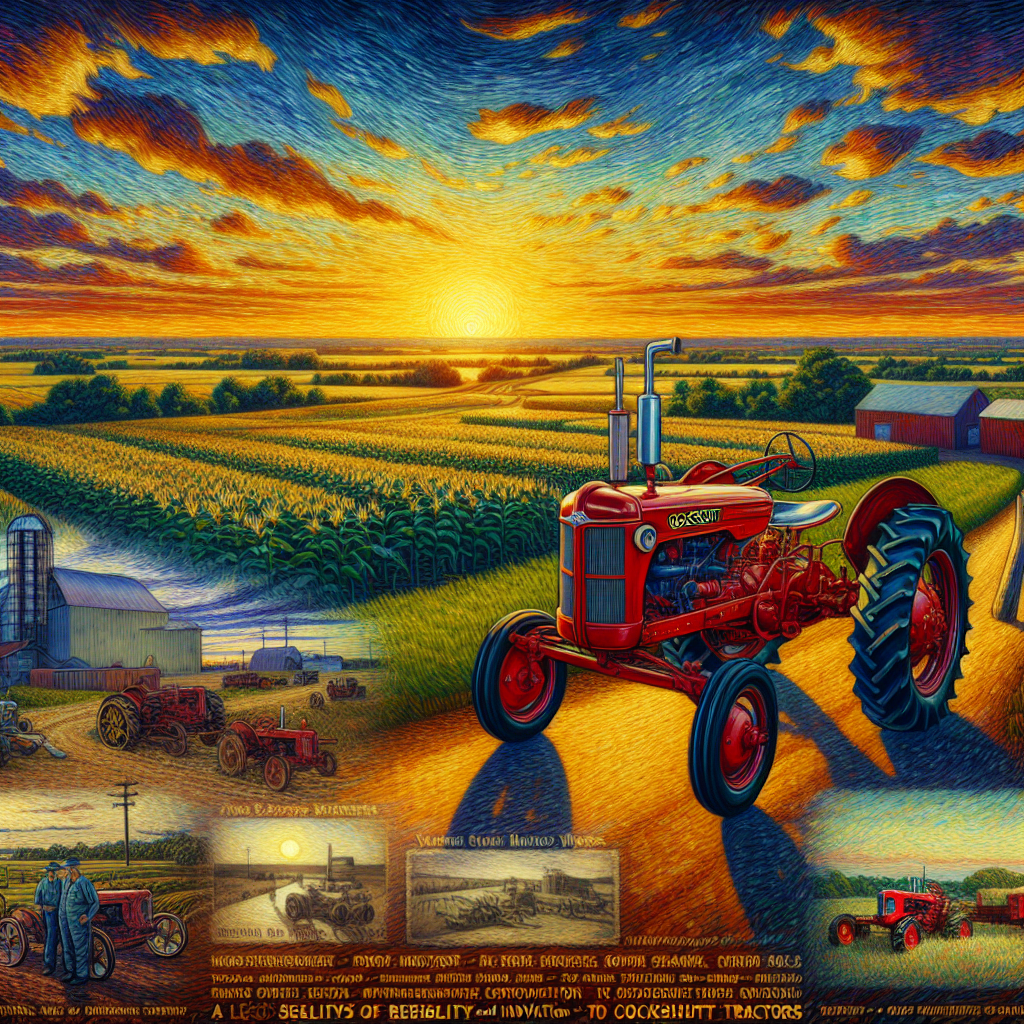
Worn Tires, Wise Tales
In fields where echoes of labor bloom,
Beneath the sun, amidst dust and gloom,
Worn tires tell stories, both rich and wide,
Of farmers and friendships, side by side.
Each crack a chapter, each scuff a song,
In the rhythm of seasons, we all belong.
A legacy grounded in sweat and in soil,
A tapestry woven from hard-fought toil.
In a world racing fast, where machines gleam bright,
The heartbeat of farming brings truth to light.
It whispers of patience, resilience, and care,
Of nurturing life with the love that we share.
Those tired old tires, so humble and worn,
Reveal that in struggle, true strength is born.
Like the farmer who plows, day after day,
We too must embrace the mud on our way.
The tales of old tractors, echoing lore,
Invite us to ponder, to question, explore:
What lessons reside in the paths we’ve tread,
In imperfections and trials that lie ahead?
For each rusted bolt carries echoes of fate,
Of laughter and challenges, love that won’t wait.
So pause by the field, let the breeze intertwine,
With stories of growth, past and divine.
Connect with your roots in the soil so deep,
In the dance of the seasons, let memories seep.
For in every worn tire, a truth we find clear:
Life’s beauty is found where we labor, we hear.
To honor this legacy, from now to the end,
We share our narratives, we cultivate, mend.
Let the wisdom of farming, from hearts and from hands,
Guide us to futures where community stands.
So cherish the tractors, their stories unfold,
In their worn-out tires, a treasure of old.
May we learn from the past as we venture and strive,
In the fields of togetherness, may we all thrive.
Poem
Checklist
Is There Wisdom In The Worn Tires Of Classic Farming Equipment – A Checklist
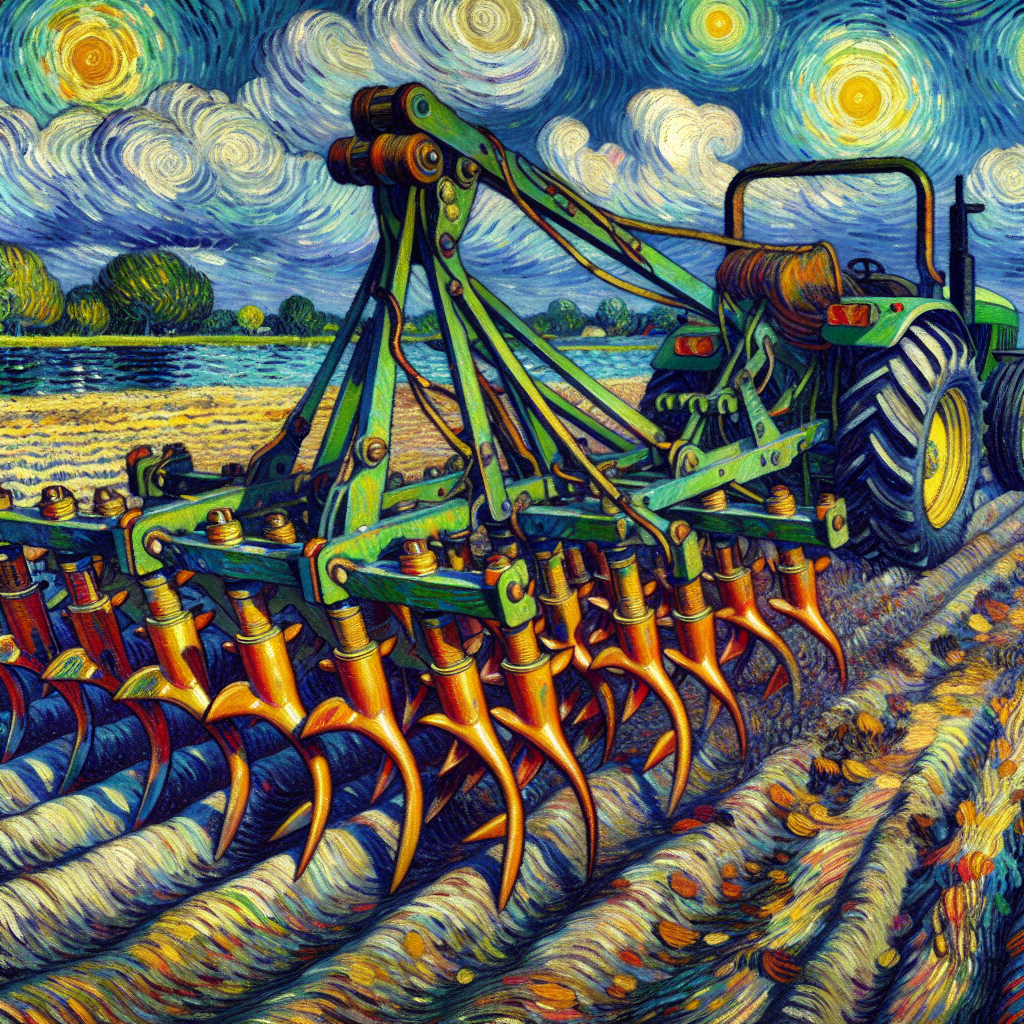
Checklist: Cultivating Wisdom from the Worn Tires of Classic Farming Equipment
Heart: Emotive Connections
1. Reflect on Your Connection
_____ Consider a personal story or memory related to farming or tractors in your life.
2. Share a Story
_____ Take the time to share your family’s agricultural stories at gatherings—connect younger generations to their roots.
3. Prepare a Tribute
_____ Write a letter to a farmer or community member who has inspired you; express gratitude for their hard work and legacy.
Head: Rational Insights
4. Evaluate Durability
_____ Research the benefits of classic farming equipment in terms of sustainability and efficiency in modern farming.
5. Analyze Practical Lessons
_____ List skills or lessons learned from working with or observing classic farming methods (e. g. , patience, resourcefulness).
6. Consider Repair Options
_____ Explore ways to maintain or repurpose old equipment, reducing waste and honoring craftsmanship.
Gut: Instinctual Wisdom
7. Embrace Imperfection
_____ Identify personal or communal imperfections and consider how they shape your character and strengthen community ties.
8. Cultivate Connection
_____ Engage with local farmers; attend community events that celebrate agricultural history to build deeper relationships.
9. Reflect on Experience
_____ Contemplate how the challenges of farming resonate with your life experiences. Jot down lessons learned through struggle.
Ethical Considerations: Responsibility & Legacy
10. Honor the Past
_____ Commit to learning about the agricultural history in your area; engage in discussions about its importance.
11. Sustain Ethical Practices
_____ Consider ways to support local farmers and promote sustainable agriculture in your community.
12. Engage Future Generations
_____ Mentor or teach younger individuals about the importance of farming, sustainability, and community values.
Authority Check: Knowledge and Expertise
13. Consult Veteran Farmers
_____ Reach out to experienced farmers to gain insights and wisdom; listen to their stories and lessons from agriculture.
14. Attend Workshops
_____ Participate in workshops about traditional farming practices or sustainability to deepen your knowledge.
15. Read and Share Literature
_____ Explore books or articles on farming history or sustainable practices; share your readings with others.
Narrative Building: Stories That Connect Us
16. Create a Community Storytelling Event
_____ Organize an event where community members can share their agricultural stories and experiences.
17. Document Your Own Narrative
_____ Write down your own experiences with farming or farming equipment; consider creating a blog or journal.
18. Film Memories
_____ Capture video interviews with older generations about their experiences with classic farming equipment.
Social Engagement: Building Community
19. Join a Local Farm Group
_____ Participate in or form a group dedicated to preserving local farming culture and practices.
20. Share Knowledge
_____ Host or participate in discussions about sustainable farming practices—encourage community participation.
21. Promote Local Events
_____ Support and promote local agricultural fairs or events that celebrate the farming community’s heritage.
Conclusion
Using this checklist, take active steps to connect with your agricultural heritage, honor the wisdom of those before you, and grow both personally and communally through the timeless lessons embodied in classic farming equipment.
Checklist
At ClassicTractorNews, we help tractor lovers keep up with the latest news for classic and vintage tractors.
Please share this post with your friends, family, or business associates who may like old classic or vintage tractors.