

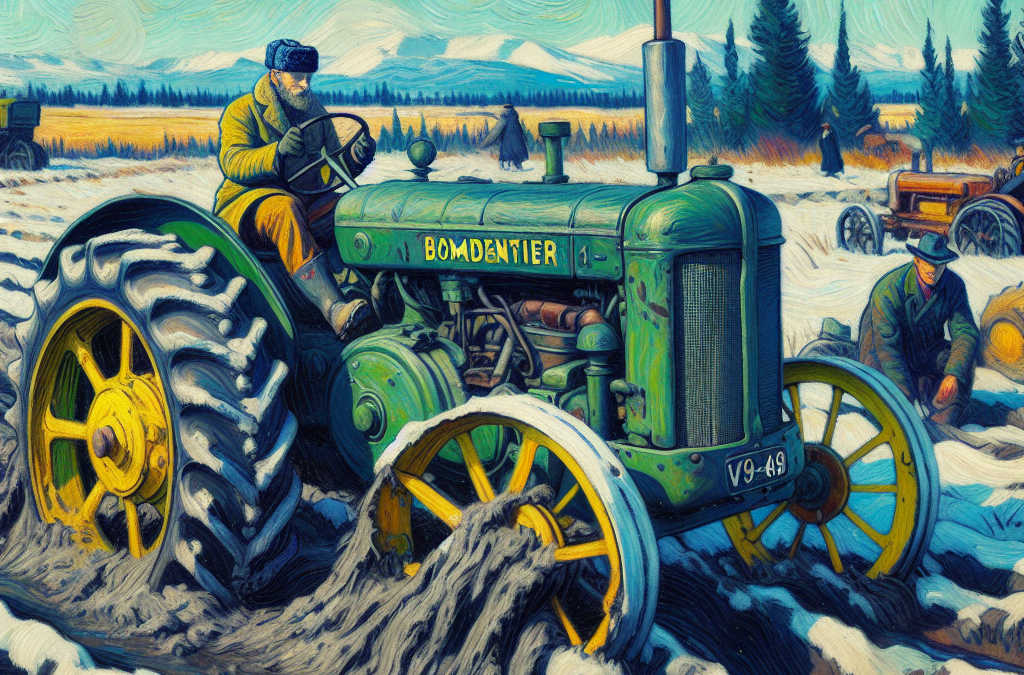
Balancing Innovation And Tradition: The Consequences For Small-Scale Farming
By Tom Seest
At ClassicTractorNews, we help tractor lovers keep up with the latest news for classic and vintage tractors.
Please share this post with your friends, family, or business associates who may like old classic or vintage tractors.
Is The Search for Modern Solutions Hurting Small-Scale Farming
The allure of modern technology is hard to resist. With a warm sun setting behind a shiny new tractor, it’s easy to paint a rosy picture of farming today. The promise of precision agriculture, drones, and big data often comes wrapped in convenience and efficiency—qualities that sound irresistible when we think about feeding the world. But sometimes progress carries a price tag that’s too heavy for the small-scale farmer to bear.
Growing up, I watched my own family connect with the land. The simple, rhythmic life of farming instilled values that run deeper than any corporate bottom line. Farmers learned to read the signs in the sky, understand the soil, and adapt to nature’s whims. But today, with the push for modern solutions, we might be trading that wisdom for a glossy brochure filled with graphs and algorithms. This is the emotional tug-of-war: between heartfelt tradition and the cold calculations of the modern age.
Our small-scale farmers are confronted with an overwhelming choice: invest in cutting-edge technology or risk getting left behind. Yet with each new shiny tractor equipped with the latest satellite-guided features, the soul of farming seems to slip a little further away. This isn’t just about machinery; it’s about the community—the families, the heritage, the stories passed down through generations. When did farming become less about cultivating relationships and more about maximizing yields?
Rationally, we know that large-scale operations can generate higher outputs. But let’s not forget who feeds our communities: those small farmers who grow the heirloom tomatoes at the local market and support the local economy. Ethical considerations arise, too. As we prioritize efficiency, we risk squashing the values that define who we are as a society—that sense of interconnectedness, sustainability, and stewardship of the earth.
What if we flipped the script? Instead of racing toward modernity, what if we focused on resilience—melding new insights with age-old traditions? It’s about applying the best of both worlds, empowering small-scale farmers to thrive without losing their identity. If we invest in innovation that respects the roots of farming, we nurture not just the land, but the people and communities that depend on it. It’s not just about a shiny new tractor; it’s about the heart that drives it. That’s a legacy worth cultivating.
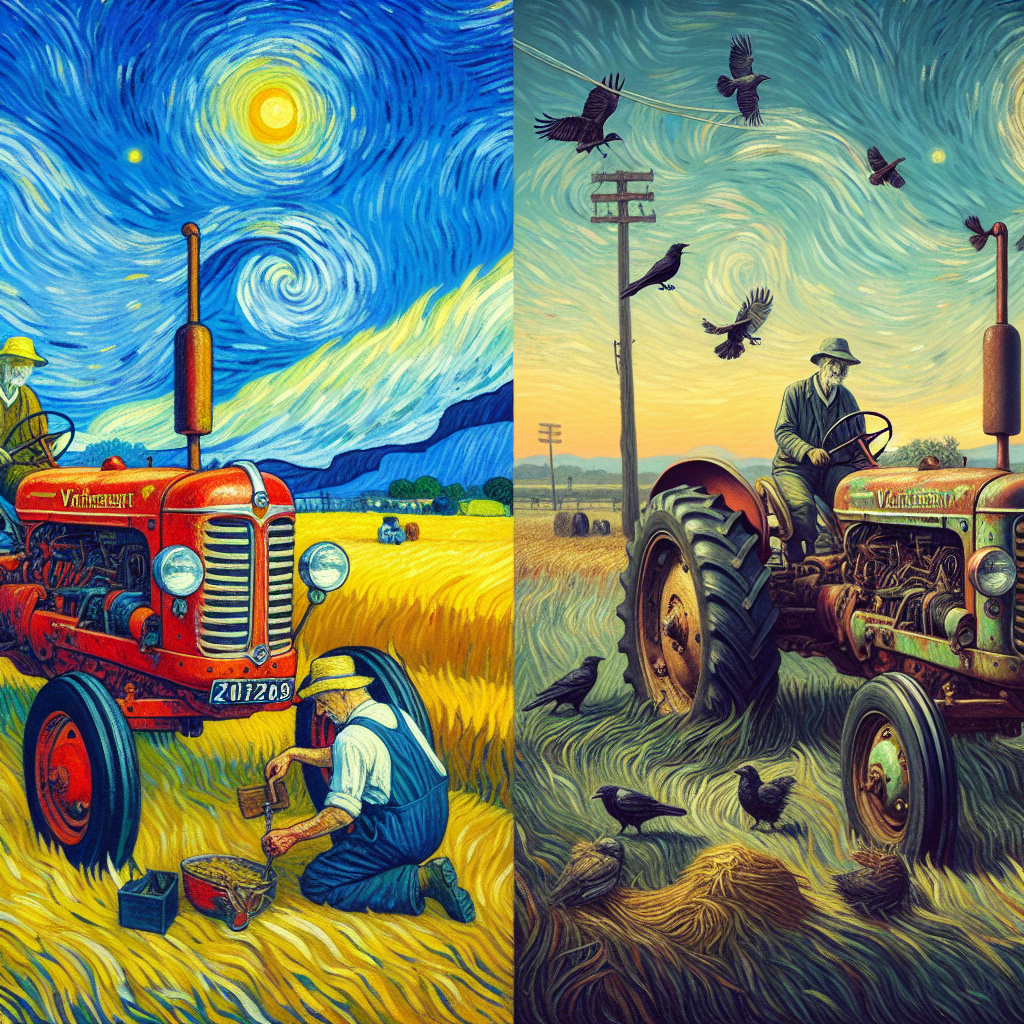
Is The Search for Modern Solutions Hurting Small-Scale Farming
Is The Search for Modern Solutions Hurting Small-Scale Farming
- Modern technology in farming presents an appealing picture of efficiency and convenience.
- The push for advanced solutions might overshadow traditional farming wisdom and values.
- Small-scale farmers face pressure to invest in technology or risk obsolescence.
- Each advancement in machinery can distance farming from its emotional and community roots.
- While large operations may yield high outputs, small farmers contribute significantly to local economies and culture.
- There is an ethical dilemma in prioritizing efficiency over community values and sustainability.
- Combining modern insights with traditional practices could empower small farmers and preserve their identity.

Is The Search for Modern Solutions Hurting Small-Scale Farming
Table Of Contents
- Is The Search for Modern Solutions Hurting Small-Scale Farming
- Is The Pressure To Modernize Diminishing Our Farming Heritage?
- How Can We Balance Innovation With Tradition In Agriculture?
- Are Small Farmers Losing Their Identity In A Tech-Driven World?
- Do Modern Solutions Prioritize Profit Over Farmer Well-Being?
- Is The Quest For Efficiency Sidelining Sustainable Farming Practices?
- How Can We Ensure That Small Farms Thrive Amidst Industrialization?
- Conclusion
- Other Resources
- Glossary Of Terms
- Other Questions
- Haiku
- Poem
- Checklist
Is The Pressure To Modernize Diminishing Our Farming Heritage?
Farming has long been the backbone of our society, a tradition that connects us to the land, to our ancestors, and to the cycle of life itself. Yet today, many feel the weight of modernization pressing down like an overly heavy tractor. We’re racing toward a future that promises efficiency and profitability, but at what cost to our roots?
Let’s take a moment to step back and consider what farming truly represents. It’s not just about tilled soil and harvest time; it’s about the stories echoed in every furrow, the wisdom passed down through generations. Each tractor that plows a field does more than till the earth; it churns memories of family gatherings, shared labor, and the satisfaction that comes from a job well done. When we prioritize shiny, new technology over the old ways, aren’t we trading more than just methods? We’re risking the very identity of farming itself.
Imagine a child, excited and curious, helping their grandparent on a small, humble farm. As they plant seeds, they’re not just learning about agriculture; they’re grasping the essence of perseverance and care for the earth. This kind of hands-on experience shapes character, instills work ethic, and fosters a deep respect for nature. Contrast this with today’s sterile, mechanized operations, where the human touch is often displaced by the cold efficiency of a machine. Sure, the bottom line may look better on a spreadsheet, but what about the values we’re erasing in the process?
Let’s not forget our ethical obligation to preserve the rich tapestry of farming history. The stories that our farms tell are not merely nostalgic; they are lessons that shape our community’s values. When we choose to embrace heritage farming methods, we’re not just acting in our own interest; we’re safeguarding our culture for future generations. We owe it to ourselves—and to them—to ensure that the land continues to teach, nourish, and inspire.
Ultimately, the question isn’t just about modernization vs. tradition. It’s about connection. We crave relationships with the food we eat, the land we cultivate, and the people we work alongside. So, let’s not allow the pressure to modernize to overshadow the stories and wisdom that have sustained farming for centuries. It’s time to blend innovation with tradition—a powerful partnership that honors both our past and our future. Let’s keep the heart, head, and gut of farming alive, ensuring that as we move forward, we don’t lose sight of where we’ve come from.
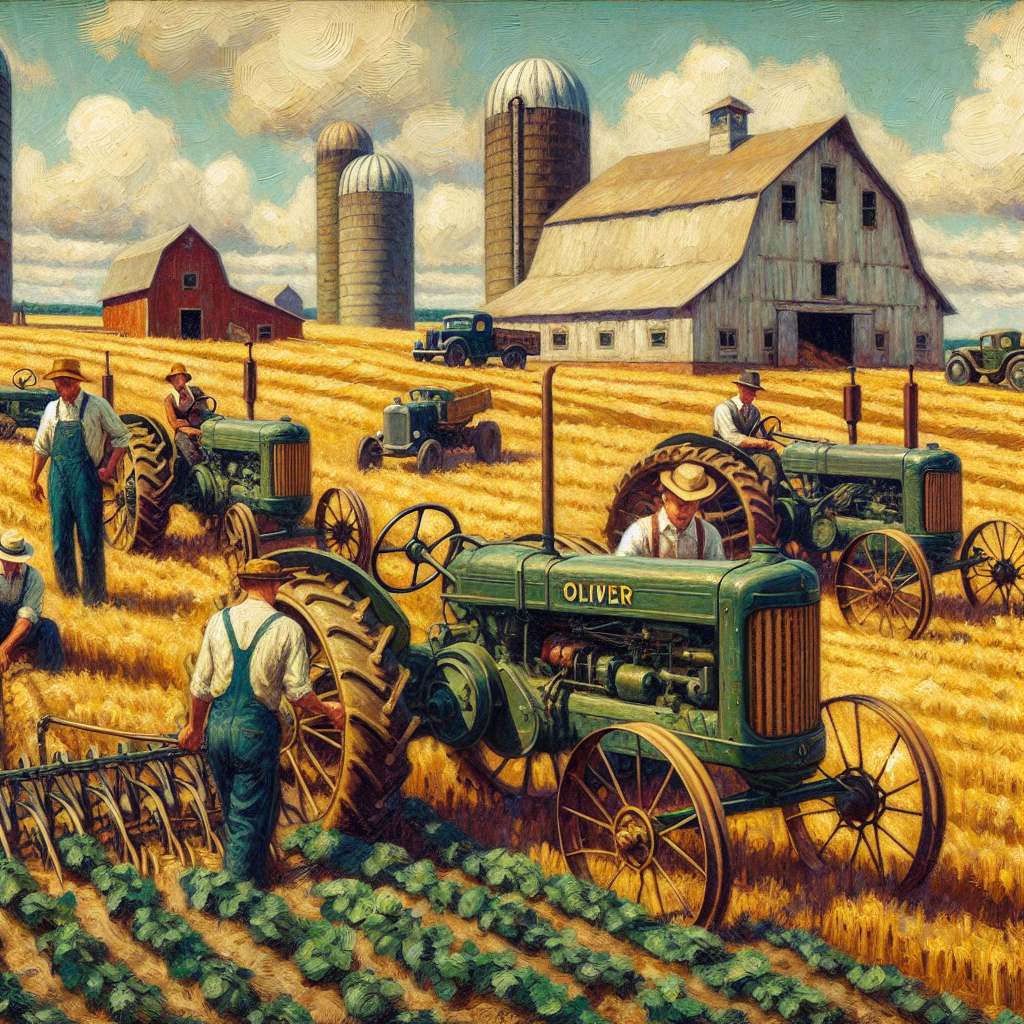
Is The Pressure To Modernize Diminishing Our Farming Heritage?
Is The Pressure To Modernize Diminishing Our Farming Heritage?
- Farming has deep historical roots connecting society to the land and ancestors.
- The push for modernization risks losing the essence and identity of farming.
- Farming embodies shared stories, wisdom, and the satisfaction of hard work.
- Hands-on farming experiences foster character, work ethic, and respect for nature.
- Choosing heritage methods preserves the ethical obligation to farming history.
- Connection to food, land, and community is vital in the farming discussion.
- A blend of innovation and tradition can honor both the past and future of farming.
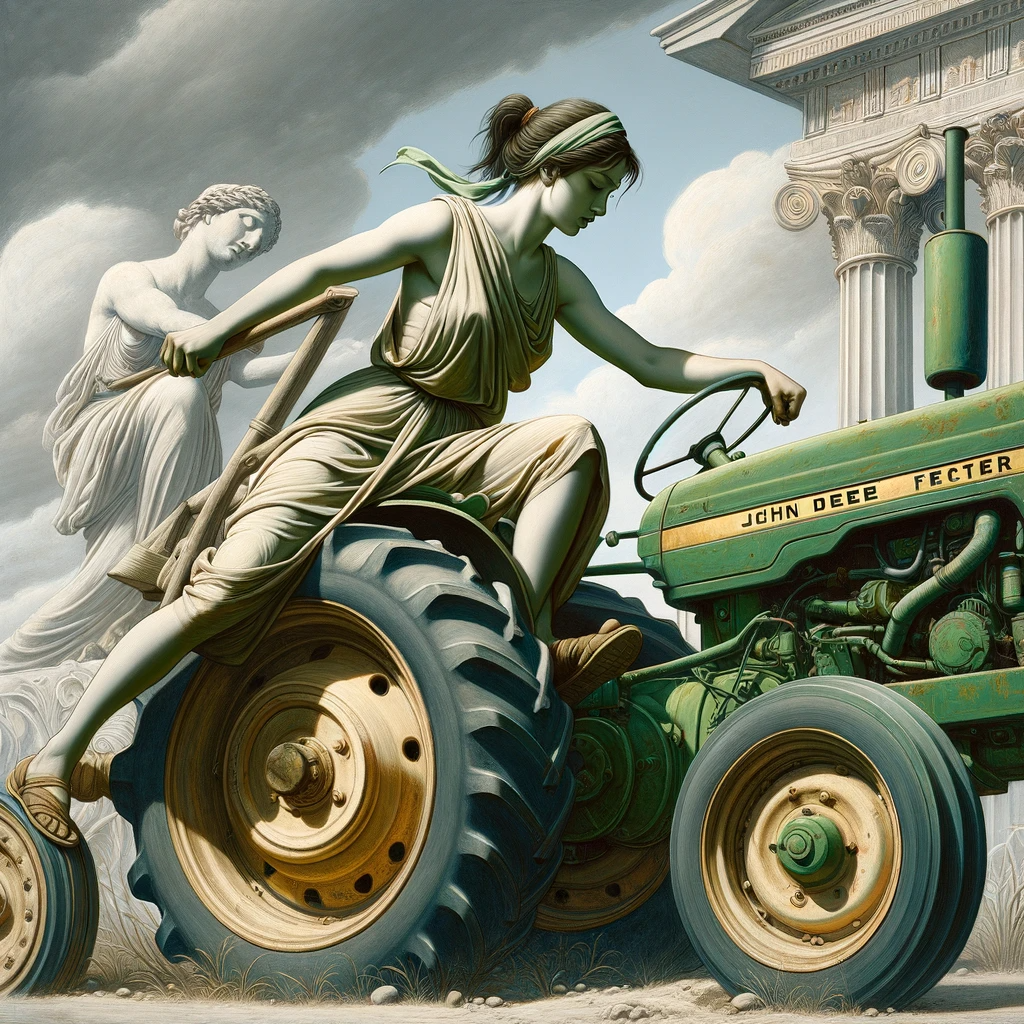
Is The Pressure To Modernize Diminishing Our Farming Heritage?
How Can We Balance Innovation With Tradition In Agriculture?
In today’s rapidly evolving world, the dichotomy between innovation and tradition in agriculture isn’t just an intellectual challenge; it’s a heartfelt quest for harmony. Picture this: a farmer, hands calloused by years of toil, stands beside a gleaming new tractor that promises to revolutionize their work. It’s not about rejecting the soil-encrusted methods of yesteryear but rather embracing a future where those methods can thrive alongside cutting-edge technology. How do we strike that balance?
Let’s start with the heart. Generations before us have cultivated these lands with unwavering dedication. Their stories resonate—farming isn’t merely a job; it’s a legacy, steeped in cultural identity and community. When you till the earth, you’re not just nurturing crops; you’re honoring those who came before, the values they instilled in us, and the lessons learned through sun-soaked afternoons and rain-soaked nights. This deep-rooted connection to tradition shouldn’t just be preserved—it can be enhanced.
Now, consider the head. Innovation in agriculture—like precision farming, biotechnology, and sustainable practices—offers compelling answers to issues like food security and environmental sustainability. The gut tells us that we need to eat, yet we also know that our land needs care. Marrying the analytical mind with the wisdom of past practices creates a robust framework for solving today’s pressing problems. When you equip a farmer with the smartest technology—perhaps that shiny new tractor—it’s not about replacing decades of tradition; it’s about empowering them.
Ethically, we have a responsibility to recognize that all progress comes with its challenges and trade-offs. The wise leaders in agriculture advocate for solutions that honor both the soil and the soul of our farming communities. By fostering open dialogues between tech innovators and seasoned farmers, we can ensure that advancements in our fields don’t erode our cultural identity but rather enrich it.
Moreover, sharing these stories and successes fosters a powerful social connection. Whether hanging out at the local diner or gathering for a county fair, we build trust and share knowledge. Our individual narratives create a tapestry of resilience, illustrating that when we meet at the intersection of innovation and tradition, we don’t just grow crops; we cultivate a brighter future for generations to come.
So, as we steer that tractor into the next chapter of agriculture, let’s ensure we’re driving forward with respect for what has always worked alongside a fearless embrace of what could be. Let’s balance innovation with tradition, not just because we can, but because we must.
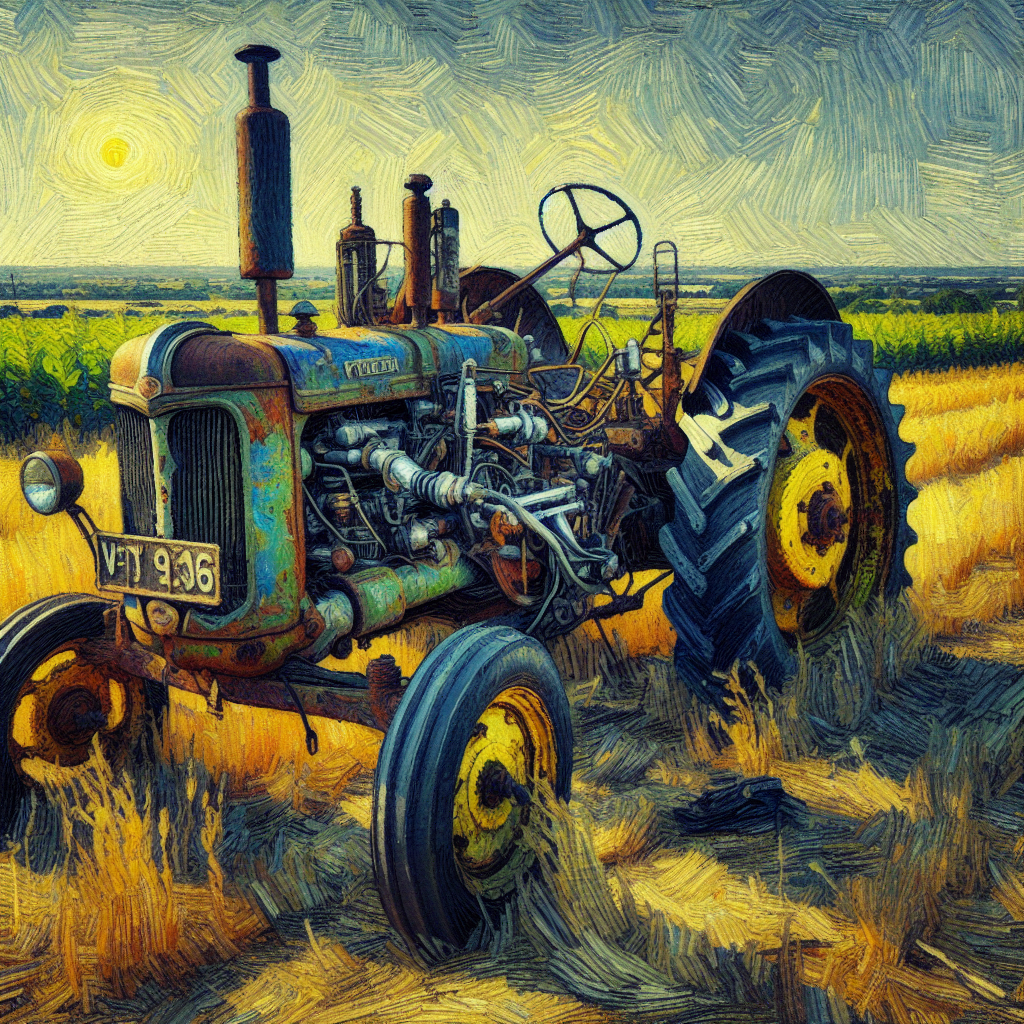
How Can We Balance Innovation With Tradition In Agriculture?
How Can We Balance Innovation With Tradition In Agriculture?
- The balance between innovation and tradition in agriculture is a quest for harmony.
- Farming is a legacy that honors the dedication of previous generations and cultural identity.
- Innovative practices like precision farming and biotechnology address food security and environmental issues.
- Technology should empower farmers rather than replace traditional methods.
- Ethical considerations arise from the challenges and trade-offs of agricultural progress.
- Open dialogues between tech innovators and veteran farmers can enrich cultural identity.
- Sharing stories and successes fosters community trust and creates a resilient agricultural future.
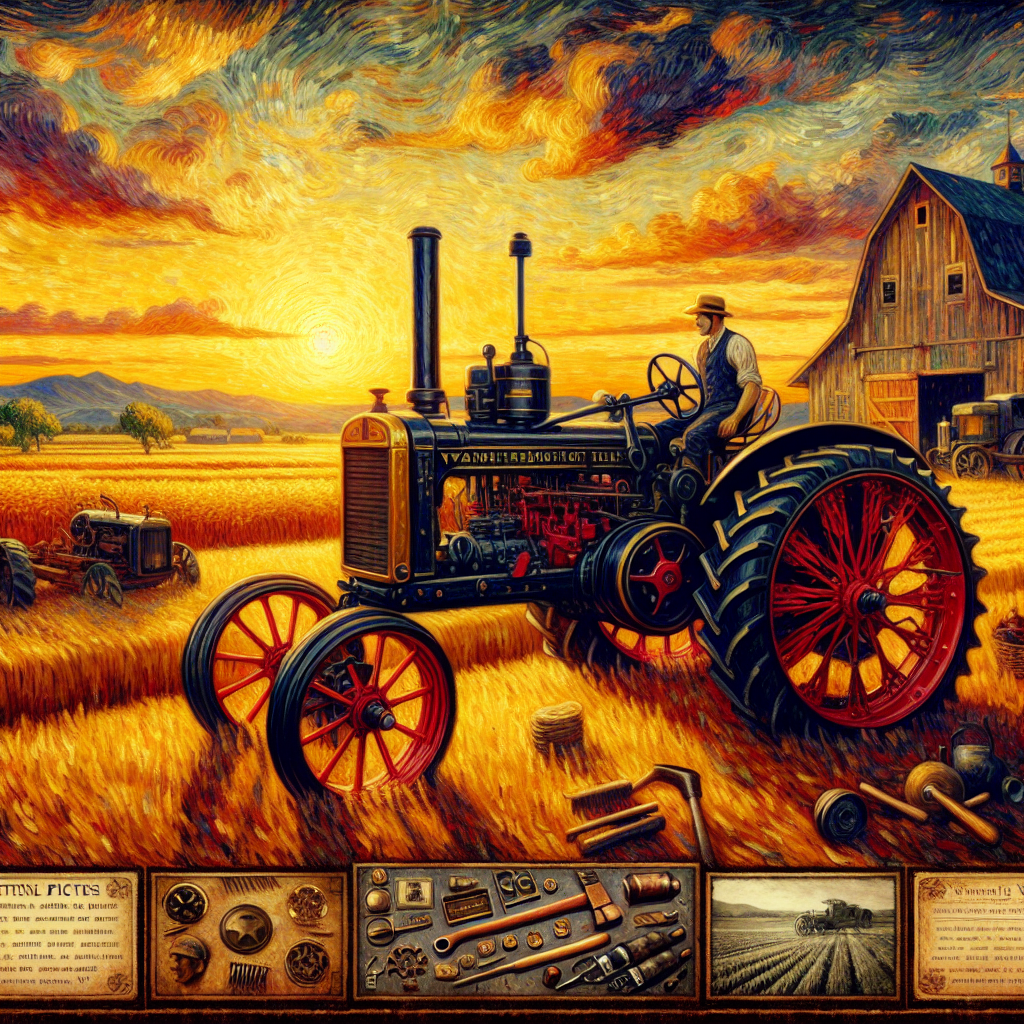
How Can We Balance Innovation With Tradition In Agriculture?
Are Small Farmers Losing Their Identity In A Tech-Driven World?
In the heart of rural America, where the sun rises over cornfields and the smell of fresh earth fills the air, there lies a deep-rooted tradition—the small farmer, a pillar of our communities and our food systems. But in a world increasingly dominated by tech giants and algorithmic efficiencies, one can’t help but wonder: Are these small farmers losing their identity amidst the relentless march of innovation?
Picture the small farmer climbing onto a well-worn tractor—its paint faded but its wheels still turning—ready to nurture the land that has sustained generations. This is more than just a machine; it’s a part of their story, a symbol of hard work and resilience. But that tractor is increasingly overshadowed by the flashy new precision farming equipment. While technology can drive yield improvements, the question resonates: at what cost do we trade heritage for horsepower?
The answer isn’t simply economic. It strikes at the core of values and identity. These small farmers aren’t just producers; they’re stewards of the land with a narrative that spans decades. They know their soil, their weather, and their community. The ethical dilemma rests in the longing to maintain that intimate connection with the earth while navigating a modern landscape that often prioritizes profit over the people who nurture it.
As we ponder this transformation, let’s remember that the heartbeat of a community lies in its connections. The small farmer represents more than just a way of life; they embody the ethos of hard work, trust, and sustainability. When we support local farming, we aren’t just preserving an industry—we’re investing in the social fabric of our society. Our choices at the grocery store can either uplift or erase these farmers’ stories.
Yes, innovation holds promise, but it’s essential to foster a balance where technology enhances rather than replaces the deeply personal connections we have with farming. Collectively, we have the power to ensure that while new tractors may shine brighter and bring efficiency, the soul of small farming persists undiminished. Let’s raise our forks and our voices to support these stewards who grow not just crops but the very identity of rural life. When we choose to engage, we choose to care. The question is no longer just about what we feed ourselves; it’s about protecting the heart of our agriculture. Are you in?
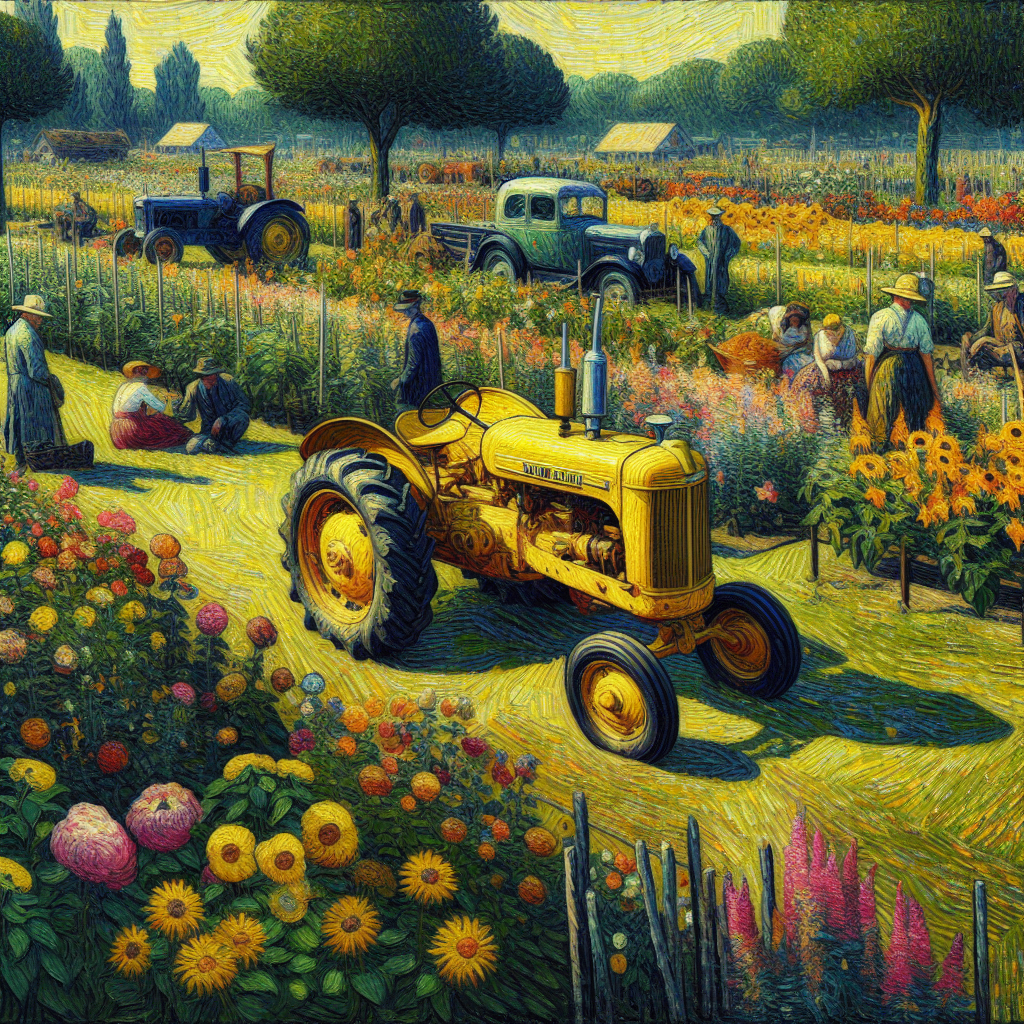
Are Small Farmers Losing Their Identity In A Tech-Driven World?
Are Small Farmers Losing Their Identity In A Tech-Driven World?
- The small farmer plays a crucial role in rural communities and food systems.
- Traditional farming practices are being overshadowed by modern technology and precision farming.
- The shift towards innovation raises questions about the loss of heritage and identity among small farmers.
- Small farmers are not just producers; they are stewards of the land with deep connections to their community.
- Supporting local farming is essential for preserving the social fabric and values of society.
- Innovation should enhance, not replace, the personal connections inherent in farming.
- Engaging with and supporting small farmers is vital for protecting the essence of agriculture.
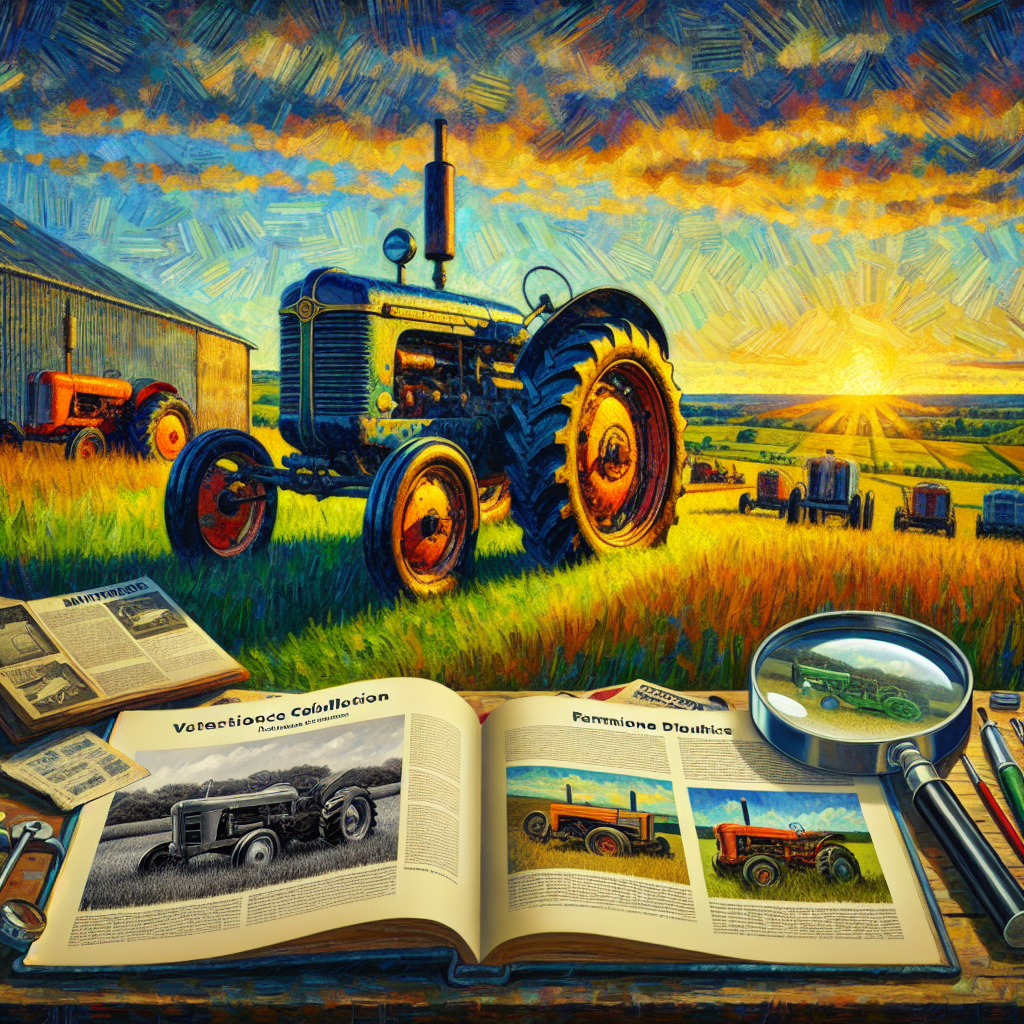
Are Small Farmers Losing Their Identity In A Tech-Driven World?
Do Modern Solutions Prioritize Profit Over Farmer Well-Being?
Let’s take a moment to imagine a farmer at dawn. He stirs with the roosters, a steaming cup of coffee in hand, the familiar sound of his trusty tractor humming in the distance. For him, every sunrise is a new opportunity, a chance to cultivate not just crops, but a future for his family and his community. The buzz of modern solutions—precision agriculture, drone technology, and data analytics—has made promises of enhanced productivity and profit. Yet, as we dig deeper, a troubling question emerges: at what cost?
First, let’s engage the heart. Farmers represent the backbone of our society, working tirelessly to provide sustenance while often facing the brunt of nature’s fury and market fluctuations. They wake up every day with a sense of purpose, yet the relentless drive for efficiency can overshadow their well-being. Are these shiny new tools—meant to optimize their hard work—prioritizing profit margins over the very people who bring food to our tables?
Now, let’s engage the head. While technology can vastly improve yield, it also demands significant investments. Many farmers find themselves in a cycle of debt, bound to corporate entities that prioritize their own bottom line over the sustainability of rural livelihoods. Economic realities don’t align with ethical choices when family farms struggle to compete with agri-business giants wielding an arsenal of advanced tools.
From an ethical perspective, we must ask: Is it fair that a farmer, who has devoted his life to his land, is pushed to the brink while corporate conglomerates reap the rewards? This is not just a tragedy of economics—it’s a narrative of community and tradition slipping away. Farmers hold a story that runs deep in our culture; their struggles reflect our values.
While modern solutions can offer efficiency, they must not come at the expense of human connection. Farmers need support, understanding, and a fair share of the wealth they create. This isn’t just about profit or loss—it’s about respect, dignity, and a commitment to the people who toil in fields across our nation.
It’s time to champion a movement that genuinely supports our farmers. It’s time to prioritize well-being over profit. Let’s forge initiatives that honor their labor and empower their futures. Because, in the end, we’re all intertwined in this journey, mutually dependent on the soil, the harvest, and those who work tirelessly to feed us all.
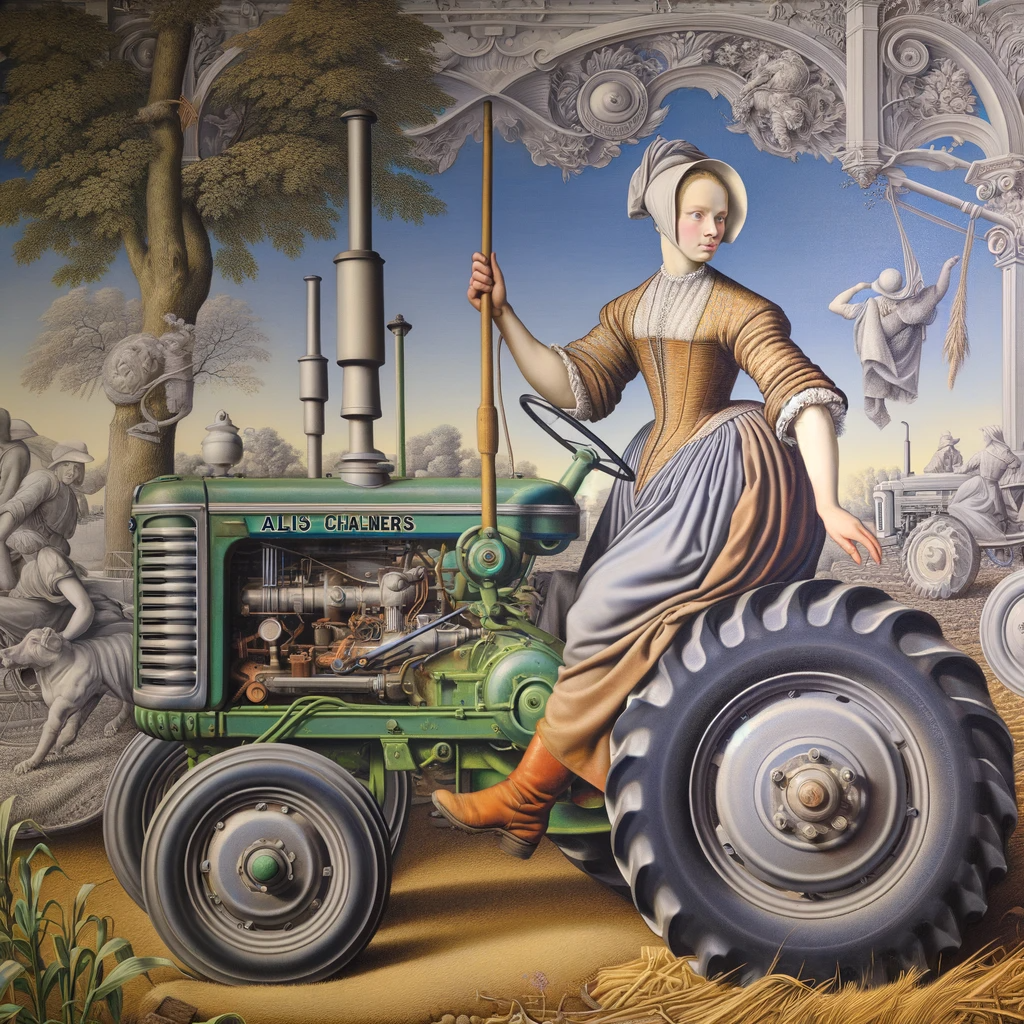
Do Modern Solutions Prioritize Profit Over Farmer Well-Being?
Do Modern Solutions Prioritize Profit Over Farmer Well-Being?
- A farmer begins his day at dawn, symbolizing the start of new opportunities for family and community.
- Modern agricultural technologies offer improved productivity but raise concerns about the cost to farmers’ well-being.
- Farmers are essential to society, facing challenges from nature and market fluctuations while striving to sustain their purpose.
- Technology requires significant financial investment, often leading many farmers into debt and dependence on corporate entities.
- The ongoing struggle reveals a disparity between dedicated farmers and corporate agribusinesses profiting from advanced tools.
- Human connection and respect for farmers should be prioritized alongside technological efficiency, supporting their dignity and labor.
- There’s a call for a movement that values farmers, emphasizing well-being over profit, and recognizing their vital role in feeding communities.
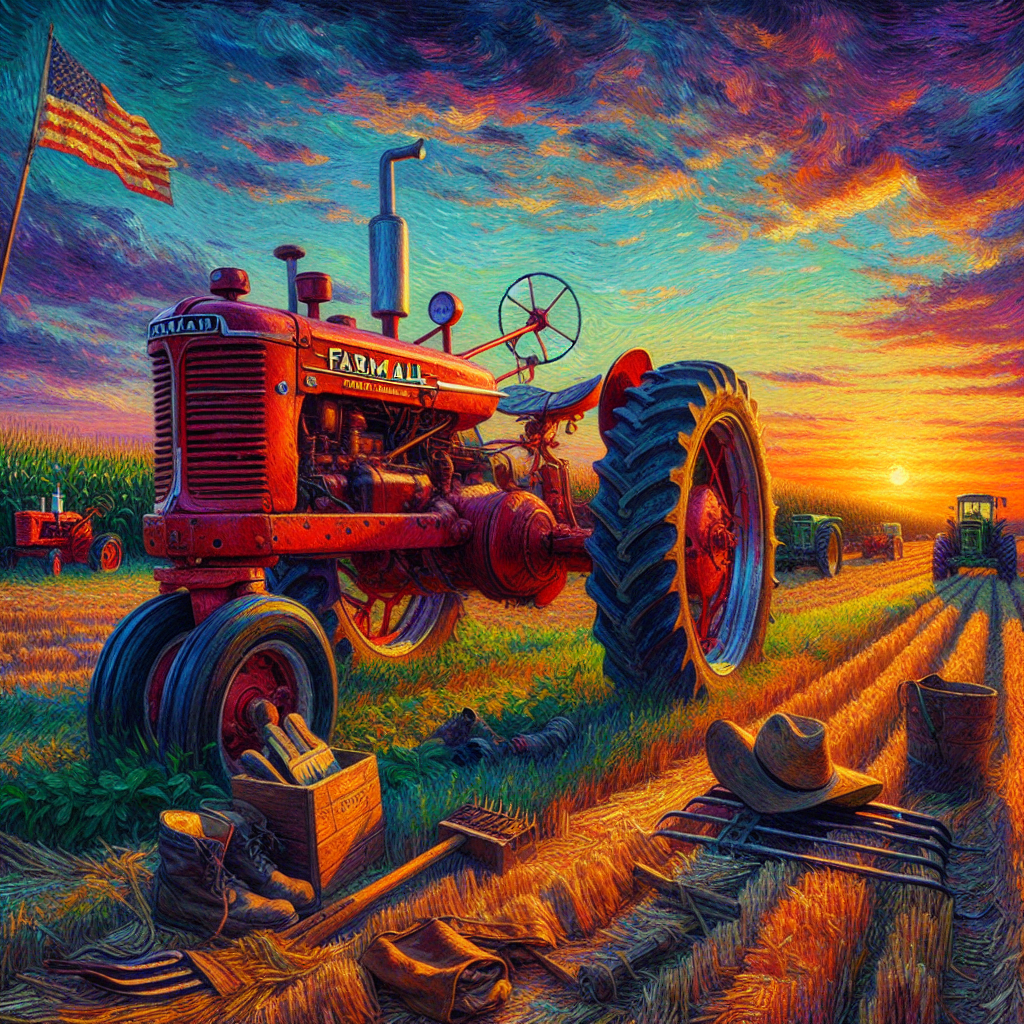
Do Modern Solutions Prioritize Profit Over Farmer Well-Being?
Is The Quest For Efficiency Sidelining Sustainable Farming Practices?
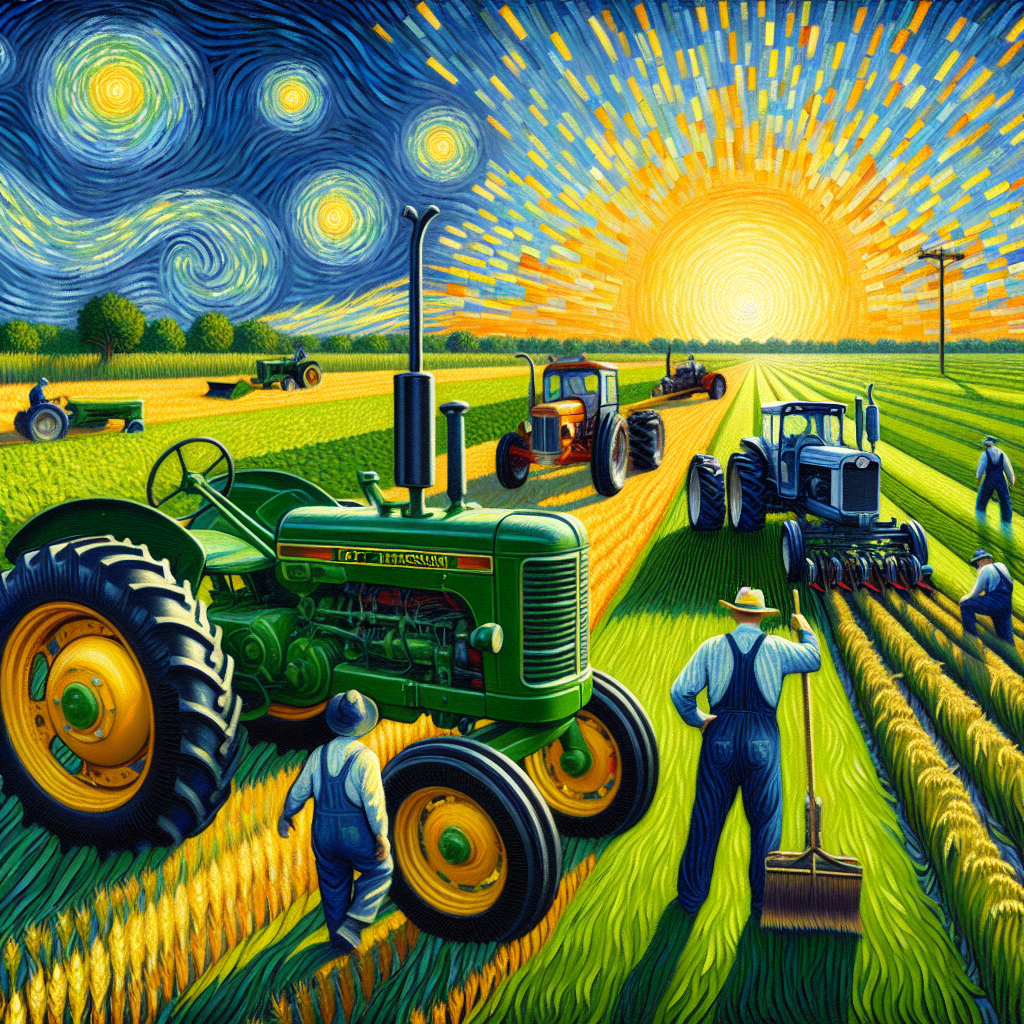
When the sun rises over vast, green fields, a tractor hums to life, cutting a straight path through the earth. The scene is one of progress, a testament to human ingenuity. Yet, beneath that hum lies a tension, a push and pull between efficiency and sustainability. For every row of corn planted with precision, there’s a question lurking in the shadows: at what cost?
Imagine the farmer, hands calloused and heart full, rising with the dawn. With each turn of the tractor’s wheels, he’s not just tilling soil; he’s nurturing life, stewarding the land handed down through generations. Yet, as agriculture becomes increasingly driven by the promise of high yields and low costs, that connection to the land can start to fray. Big data and shiny machinery can streamline operations, but they can also create a disconnection—an abstraction of the very ecosystems we depend upon.
We cannot ignore the facts. Pesticides, monocultures, and chemical fertilizers have paved the path to greater efficiency but may also be paving over the rich biodiversity that’s vital to our planet’s health. There’s a weight in this realization—a gut-punch reminder that our choices resonate far beyond the confines of a single field. It’s a moral dilemma, one that forces us to confront how our relentless thirst for productivity might veer us off course, into territory we didn’t sign up for.
Consider our children, playing in the dirt, laughing at the world around them. What kind of future are we crafting when we prioritize immediate gains over the integrity of our soil and water? When we embrace sustainable practices, we communicate trust—not just to nature, but to our communities and families. We’re choosing values over profits, and legacy over convenience.
A farmer’s wisdom runs deep; it’s rooted in the rhythms of the seasons, the song of the birds, and the dance of the bees. As stewards of the land, we have the power to turn the tide. By investing in sustainable farming practices, we’re not just growing crops; we’re cultivating a future where our children can know the joy of the earth, much like we once did. The tractor can be a tool of innovation, but it can also be a bridge back to our roots. It’s time to remind ourselves that true efficiency is not just about output; it’s about enduring connection— to the land, to each other, and to the threads of life we all share.
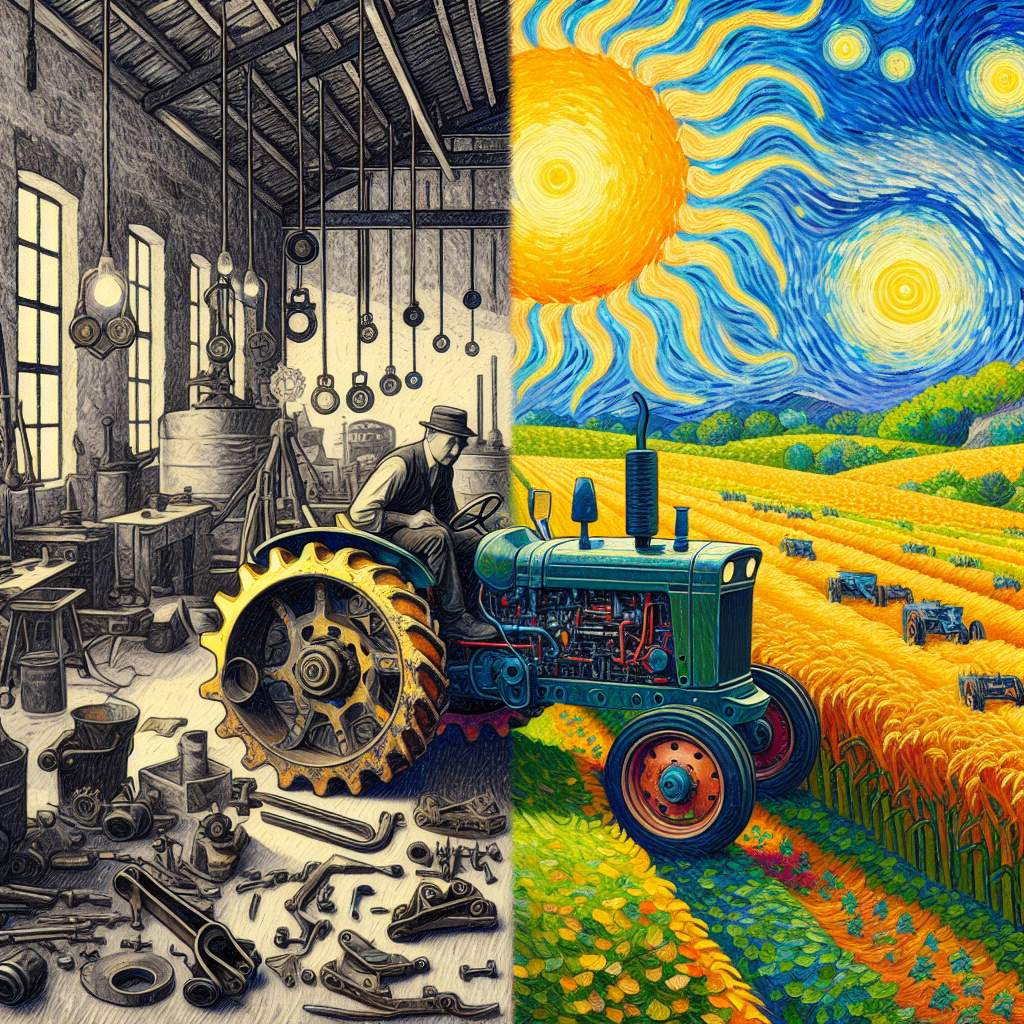
Is The Quest For Efficiency Sidelining Sustainable Farming Practices?
Is The Quest For Efficiency Sidelining Sustainable Farming Practices?
- The rising sun over green fields symbolizes human progress and ingenuity, yet reveals tensions between efficiency and sustainability.
- The farmer, embodying hard work and lineage, faces disconnection from the land due to high-yield agricultural practices.
- While big data and advanced machinery enhance efficiency, they may obscure essential ecosystems and biodiversity.
- The reliance on pesticides, monocultures, and chemical fertilizers raises concerns about the health of our planet.
- This moral dilemma challenges priorities, questioning the impact of productivity on the environment and future generations.
- Embracing sustainable farming fosters trust in communities and prioritizes environmental integrity over immediate profits.
- Investing in sustainable practices connects us to the land and nurtures a legacy for future generations, promoting the joy of nature.
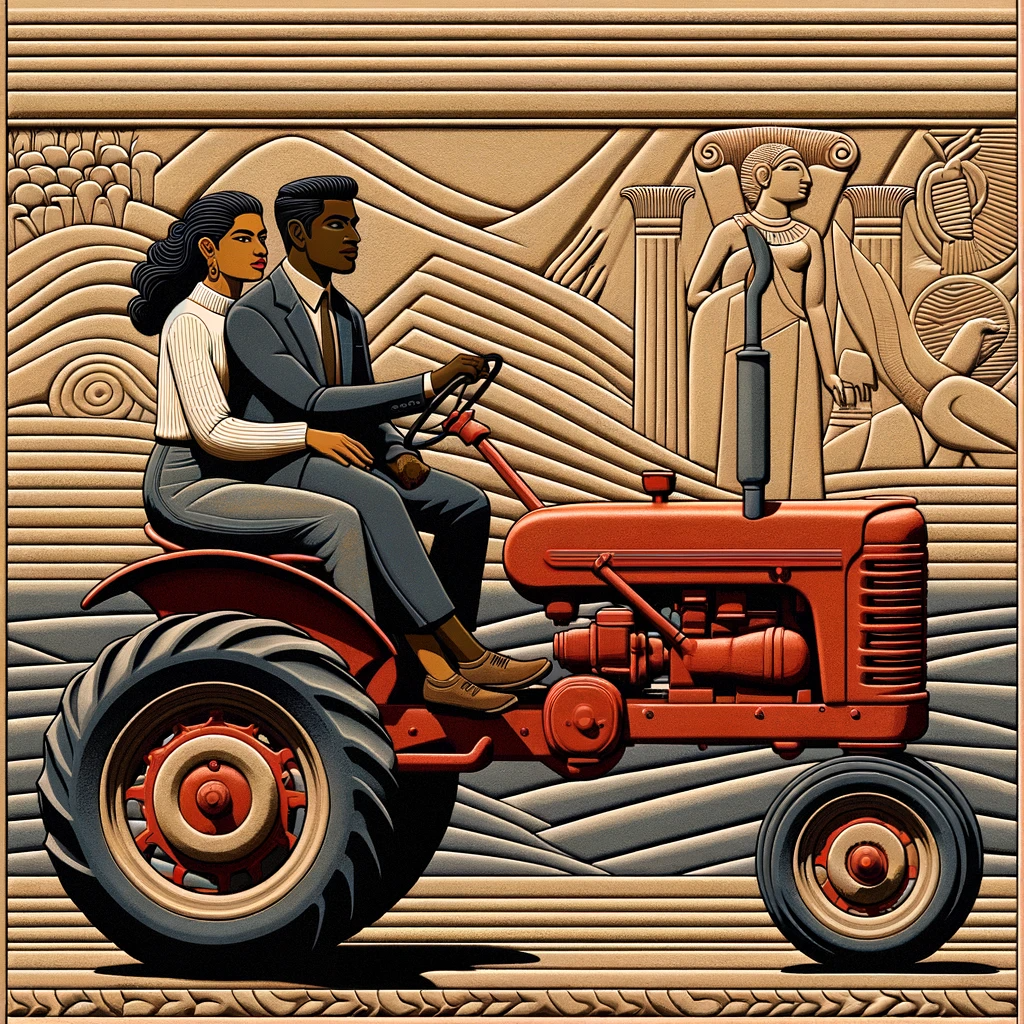
Is The Quest For Efficiency Sidelining Sustainable Farming Practices?
How Can We Ensure That Small Farms Thrive Amidst Industrialization?
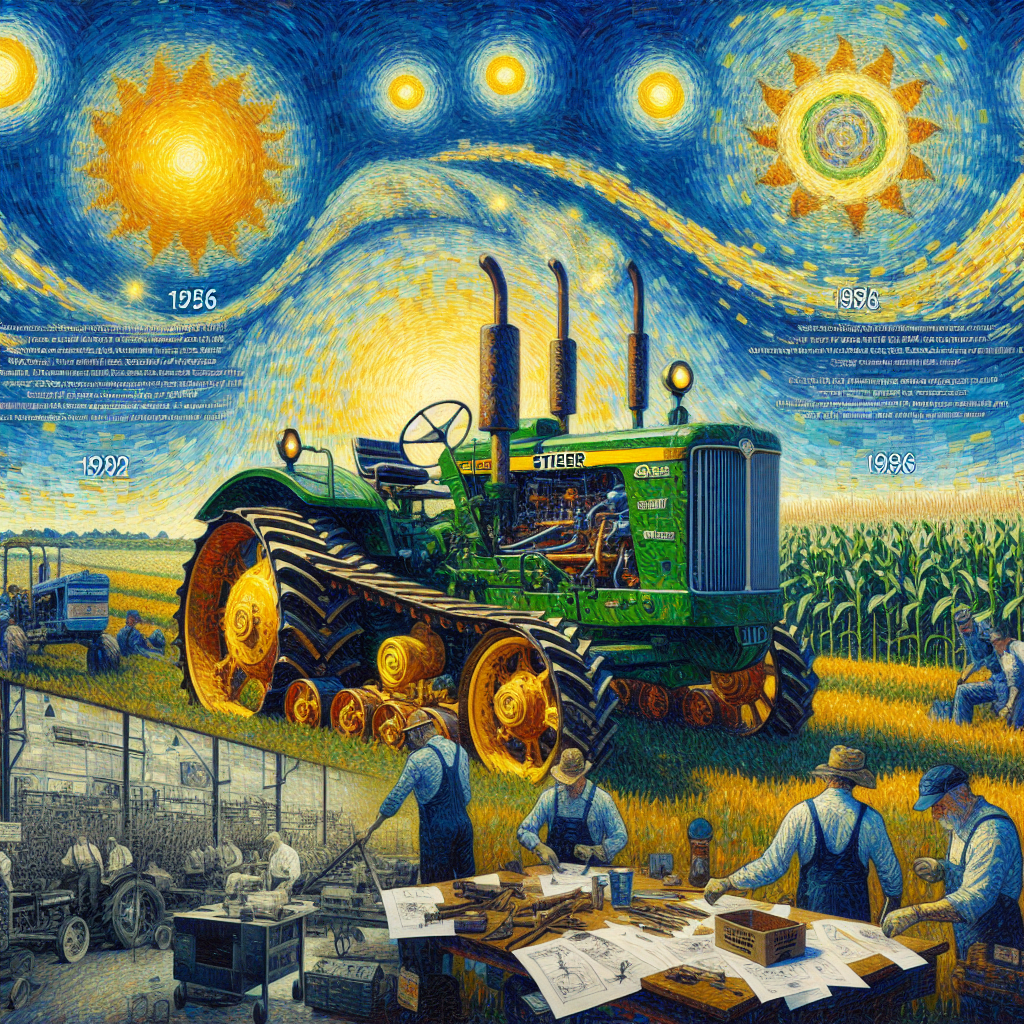
Picture a sun-drenched morning on a small farm, the kind where the smell of freshly tilled soil mingles with the crispness of dew on grass. It’s easy to forget, in this age of high-tech marvels and industrial machinery, that those rolling fields and barnyards are not merely relics of a bygone era. They are vibrant ecosystems, pulsing with life and hope. But, as towering tractors and mass production dominate our agricultural landscape, small farms find themselves at a tipping point.
It’s heart-wrenching when we consider the struggles of smallholders who wake up at the crack of dawn, every day fueled by the love of their land. They don’t just grow food; they cultivate communities. When you support these farmers, you’re not merely buying produce; you’re investing in a lifestyle, a commitment to authenticity. You’re tangibly saying, “I believe in the value of hard work and passion.”
But let’s shift gears for a moment. The rational mind wonders: Can small farms compete? Absolutely. Here’s where the power of community comes into play! Consider that every dollar you spend at your local farmer’s market nourishes not just the farmer but the entire community. It keeps local economies vibrant and fosters innovation—small farms are often the birthplace of the next great idea in sustainable agriculture. They might be using an old-fashioned tractor, but they are inventing new ways to thrive in an industrial age.
Ethically speaking, cultivating small farms ensures biodiversity and humane practices that industrial giants often overlook. Each crop grown and livestock raised on a small farm respects the intricate dance of life—something that mass production too often disrupts for the sake of profit.
And let’s not forget the tales we tell around dinner tables. It’s about connection—connecting to the land, to the hard-working farmers, and ultimately to each other. When families choose to gather over meals made from ingredients sourced locally, they become part of a powerful narrative that values people over profit.
So, how can we ensure these farms thrive? It begins with choices—simple actions that ripple into a wave of impact. Let’s lean into local, support farm-to-table initiatives, and champion policies that empower smallholders. Together, we can cultivate a future where small farms are not only surviving but thriving, standing proud against the industrial tide, offering us all a fresher, kinder path forward.
How Can We Ensure That Small Farms Thrive Amidst Industrialization?
How Can We Ensure That Small Farms Thrive Amidst Industrialization?
- Small farms represent vibrant ecosystems that embody life and hope, despite the dominance of industrial agriculture.
- Smallholders work tirelessly at dawn, not just to grow food, but to cultivate communities and a sense of authenticity.
- Supporting local farmers means investing in a lifestyle that values hard work and passion.
- Every purchase at farmer’s markets nourishes local economies and fosters innovation in sustainable agriculture.
- Small farms promote biodiversity and humane practices often overlooked by large industrial producers.
- Gathering over locally sourced meals fosters connection to the land and to each other, prioritizing people over profit.
- We can ensure small farms thrive by making intentional choices, supporting local initiatives, and advocating for empowering policies.

How Can We Ensure That Small Farms Thrive Amidst Industrialization?
Conclusion
As we draw the curtain on this discussion about the delicate dance between tradition and technology in small-scale farming, it becomes painfully clear: our quest for modern solutions cannot come at the expense of our heritage. Picture for a moment a small farmer, perspiration glistening on their brow, waking before dawn to the crisp promise of a day filled with possibilities. With each seed they plant, they aren’t just feeding a market—they’re deepening the roots of their family’s legacy, a narrative spun from generations of hard work, resilience, and connection to the land.
But today, all that is at risk. While innovation heralds advances like precision agriculture and lofty promises of efficiency, we must ask ourselves—at what cost? As our small-scale farmers wrestle with the allure of new technology, they face an unbearable choice: adapt to a rapidly industrializing landscape or watch their identity and purpose slip away, along with their ability to support local communities that rely on them for fresh produce and agricultural heritage.
This isn’t just an economic issue; it speaks to the heart of who we are. Each farm tells a story, one woven with the threads of family, community, and tradition. As vibrant as the harvest may be, every shiny new innovation that replaces the weathered hands of tradition erases a piece of our agricultural soul. We must frame this not as an isolation of past methods against modernity, but as an opportunity to integrate the best of both worlds.
Let’s engage our heads and our hearts to reimagine what is possible. It’s clear that supporting small farms is not merely a choice—it’s a commitment to investing in the ethos of hard work and sustainability that binds our communities together. By nurturing small-scale agriculture, we revive connections to the land while fostering economic health that keeps local economies thriving.
As we gather around our tables, let’s prioritize local produce, share stories of our farmers, and advocate for policies that honor both progress and tradition. Together, we can ensure that our farms don’t just survive—they thrive, adding richness to our culture and our plates for generations to come. As we navigate this new era of farming, let’s remember: it’s about cultivating a future that celebrates those who feed us and the rich heritage that nourished us all along. Are we bold enough to support this vital mission? Because if the heart of farming is lost, so too will be the very essence of community itself.
Conclusion
Conclusion:
- The balance between tradition and technology is crucial in small-scale farming.
- Small farmers embody resilience and a deep connection to their family legacy with each seed they plant.
- Innovation in agriculture presents challenges, forcing farmers to choose between adapting or risking their identity.
- The impact of farming extends beyond economics; it reflects community and tradition.
- Integrating modern technology with traditional practices can preserve agricultural heritage while promoting efficiency.
- Supporting small farms strengthens community bonds and fosters economic sustainability.
- It is essential to prioritize local produce and advocate for policies that honor both progress and tradition.
Conclusion
Other Resources
Other Resources
Here is a list of other resources you can review online to learn more:
- Muskoka Pioneer Power
- Hinomoto
- Farm Collector Show Directory
- Dongfeng
- Bukh
- AGCOAllis
- Solis
- Custom
- Ascot Universal
- Allis Chalmers
Use This Prompt To Get More Resources With Your Favorite Online AI Tool: Please provide me with a list of online articles with their URLs in a bulleted list that I can read regarding Is The Search for Modern Solutions Hurting Small-Scale Farming
Other Resources
Glossary Terms
Is The Search for Modern Solutions Hurting Small-Scale Farming – Glossary Of Terms
1. Industrial Agriculture: A system of farming that relies on large-scale operations, mechanization, and chemical inputs to maximize yield and profit.
2. Small-scale Farming: Agricultural practices conducted on smaller plots of land, often characterized by labor-intensive methods and diverse crop production.
3. Sustainability: The ability to maintain healthy farming practices over the long term without compromising future generations’ ability to farm.
4. Agroecology: An ecological approach to farming that integrates principles of ecology, social justice, and local knowledge to create sustainable systems.
5. Precision Agriculture: The use of technology to monitor and manage crop production and soil health with high accuracy, potentially benefiting larger farms more than smaller ones.
6. Monoculture: Agricultural practice of growing a single crop species over a wide area for consecutive years, often leading to reduced biodiversity.
7. Threat of Homogenization: The risk that modern agricultural practices will standardize farming, undermining local varieties and traditional practices.
8. Biotechnology: The use of scientific tools and techniques, such as genetic engineering, to enhance crop traits, which may benefit some farmers while disadvantaging smallholders.
9. Vertical Farming: A modern farming method that involves growing crops in vertically stacked layers, often using technology that small-scale farmers may find difficult to implement.
10. Food Sovereignty: The right of people to define their own food systems, including the production, distribution, and consumption of food.
11. Organic Farming: Agricultural practices that avoid the use of synthetic fertilizers and pesticides, focusing on natural processes and biodiversity.
12. Food Miles: The distance food travels from where it is produced to where it is consumed, with implications for the environmental and economic viability of local farming.
13. Market Access: The ability of small-scale farmers to sell their products in local, regional, or national markets, which can be hindered by modern production systems.
14. Value-added Products: Processed goods made from raw agricultural products that can provide small-scale farmers with additional revenue.
15. Livelihood Diversification: Strategies that farmers employ to generate multiple sources of income, reducing reliance on a single crop or farming method.
16. Climate Change Resilience: The ability of farming systems to withstand or adapt to the impacts of climate change, a critical concern for small-scale farmers.
17. Community Supported Agriculture (CSA): A system where consumers purchase shares of a farm’s harvest, providing steady income for farmers and fostering local food networks.
18. Agri-tourism: Opportunities for farmers to supplement their income by inviting visitors to experience their farms, which can be challenging for those focused on high-tech solutions.
19. Farm Bill: Legislation in the U. S. that influences agricultural policy, including funding for various programs that may favor large operations over small-scale farms.
20. Soil Health: The condition of soil for supporting plant life, vital for sustainable agriculture and often degraded by intensive modern practices.
21. Input Costs: Expenses incurred by farmers for seeds, fertilizers, pesticides, and machinery, which can disproportionately burden small-scale farmers.
22. Rural Development: Economic and social improvements in rural areas, which can impact small-scale farming viability through infrastructure and resource allocation.
23. Food System: The interconnected network of processes involved in producing, processing, distributing, and consuming food.
24. Shared Economy: Economic models that focus on shared resources, which can provide small-scale farmers with opportunities to access tools and markets.
25. Diminishing Returns: A principle in economics where beyond a certain point, increases in inputs do not lead to proportional increases in outputs, often affecting small farms.
26. Green Revolution: A period of agricultural transformation marked by the adoption of high-yield crops and chemical inputs, altering traditional farming practices.
27. Resilience: The capacity of farming systems to recover from shocks and stresses, which may be compromised when reliant on modern technology.
28. Consumer Trends: Changes in consumer preferences, such as a shift towards locally-sourced and organic foods, impacting small-scale farmers.
29. Tech Equity: The principle that access to agricultural technology should be equitable, ensuring that small-scale farmers aren’t marginalized.
30. Biodiversity: The variety of plant and animal species in an ecosystem, crucial for resilient farming systems and often threatened by industrial practices.
Glossary Of Terms
Other Questions
Is The Search for Modern Solutions Hurting Small-Scale Farming – Other Questions
If you wish to explore and discover more, consider looking for answers to these questions:
- What specific modern technologies are most detrimental to small-scale farming?
- How can small-scale farmers best incorporate technology without losing their traditional values?
- What role do local communities play in supporting small-scale farmers amid modernization?
- What are some successful case studies of small farms that have balanced innovation and tradition?
- How does consumer behavior impact the survival of small-scale farmers?
- What policies can be enacted to protect small farmers from the pressures of industrialization?
- How can education play a role in preserving farming traditions among younger generations?
- What are the environmental impacts of ditching traditional farming practices for modern technology?
- How can small farmers leverage social media and technology to tell their stories and attract customers?
- What are the emotional and psychological impacts on farmers who feel pressured to modernize?
Other Questions
Haiku
Is The Search for Modern Solutions Hurting Small-Scale Farming – A Haiku
Fields of green whisper,
Tech’s shine may blind our vision—
Heart and soil entwined.
Haiku
Poem
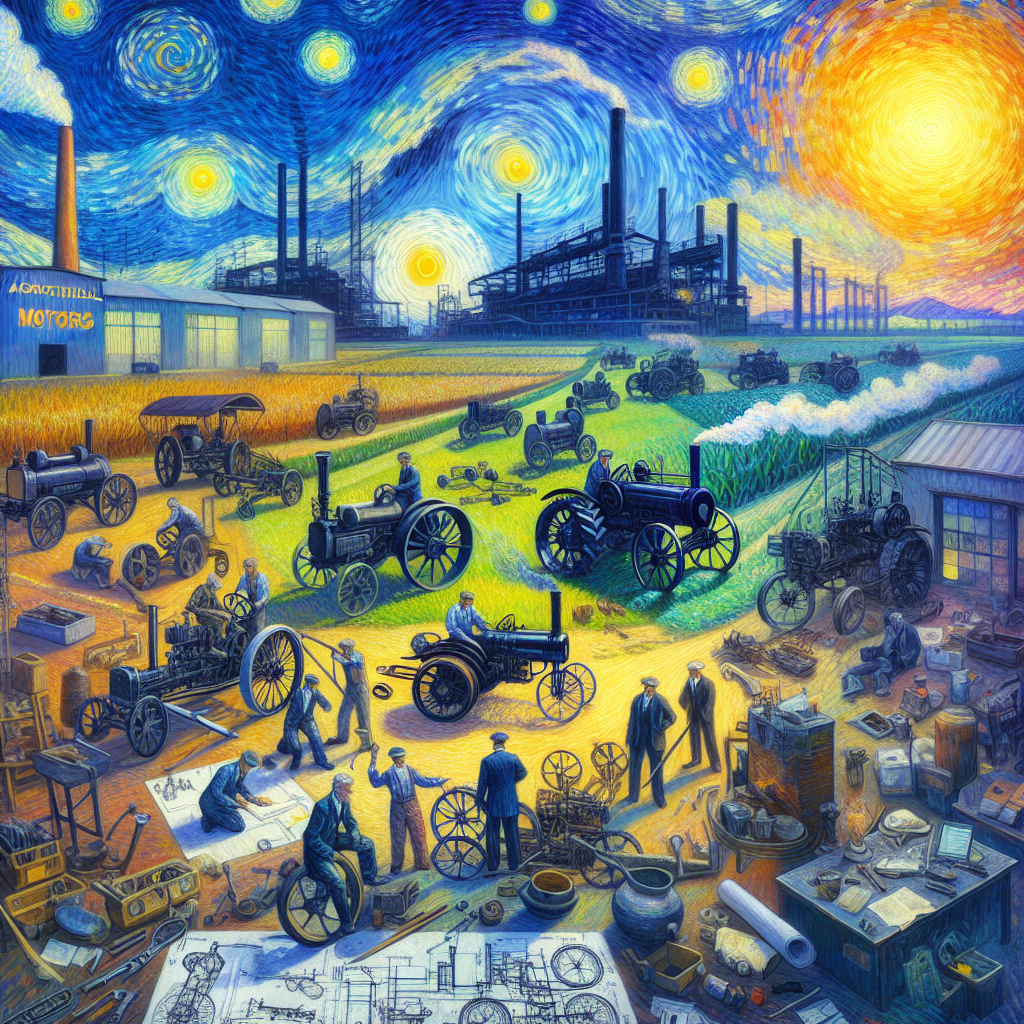
Is The Search for Modern Solutions Hurting Small-Scale Farming – A Poem
The Heart, Head, and Gut of Farming
In fields where sunbeams dance on dew,
A farmer wakes with dreams anew,
Hands calloused from the toil of time,
In soil rich with steadfast rhyme.
But shadows loom from modern’s might,
With shiny tractors gleaming bright,
Precision, profit, promises vast,
Yet whispers of tradition fade fast.
Oh, the heart cries out: “What’s lost in gain?
The stories, the roots, the weathered grain?
Where’s the bond with soil, the touch of earth,
The laughter, the struggles, the sense of worth?”
In the head we see the numbers climb,
Yet ponder: is this peace or just a crime?
For who will nurture our homes and kin,
When the farmer’s identity wears so thin?
Ethics weigh heavy in the balance we seek,
Should profit’s quest silence the weak?
Let’s remember, we’re all intertwined,
In every harvest, our futures aligned.
As tractors hum a digital tune,
Let’s inspire a dance with nature, not ruin.
Innovate, yet honor the wisdom of old,
With stories of soil, and hearts brave and bold.
Communities thrive when small farms persist,
In every bite, a connection exists.
So gather round tables, the meals we share,
Support local farmers, show them we care.
For every farm stands not just for food,
But narrates a legacy, a vibrant mood.
Let’s forge a path, where progress and past
Create a tapestry of farming that lasts.
Together we can mend this divide,
In hearts and in minds, let respect be our guide.
With each choice we make, let’s choose to uplift,
For small farmers nurture the world’s greatest gift.
Poem
Checklist
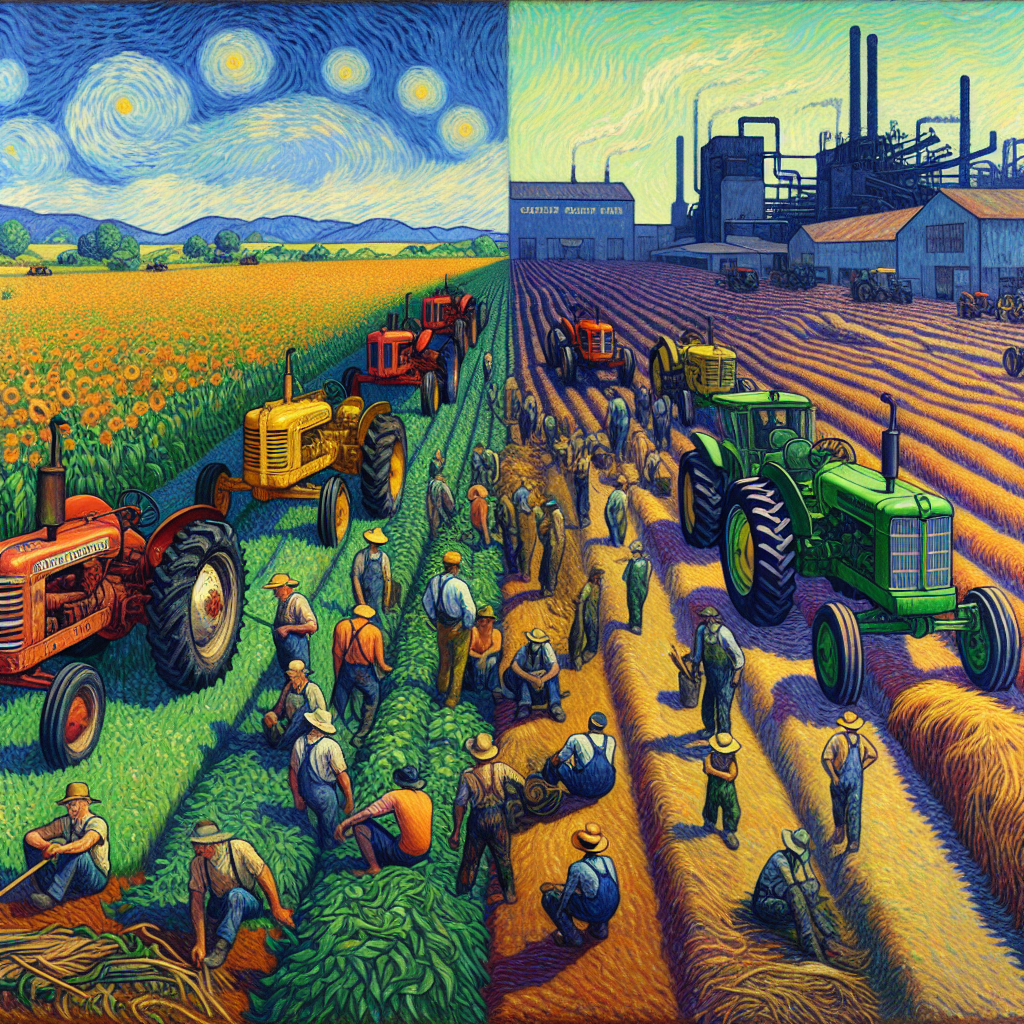
Is The Search for Modern Solutions Hurting Small-Scale Farming – A Checklist
Checklist: Balancing Innovation and Tradition in Small-Scale Farming
For the Heart: Emotional Connections
1. Reflect on Your Roots: Take a moment to think about your family’s agricultural history and the memories tied to farming.
2. Storytelling: Share a story about a family member who farmed or about a memorable farming experience that emphasizes human connection to the land.
3. Appreciate Local Farmers: Visit a local farm or farmers market and engage with the farmers. Listen to their stories and understand their challenges.
For the Head: Rational Considerations
1. Evaluate Modern Solutions: Research how modern farming technologies can support small farmers while also considering the costs involved.
2. Community Impact Assessment: Analyze how supporting local farms can enhance the economy and food security of your community.
3. Sustainability Metrics: Understand the environmental impact of both traditional and modern farming practices, considering sustainability in your food choices.
For the Gut: Ethical and Instinctual Appeals
1. Support Ethical Choices: Commit to buying local and sustainably sourced products whenever possible.
2. Promote Community Initiatives: Participate in or advocate for community-supported agriculture (CSA) programs.
3. Make Conscious Decisions: Reflect on how your purchasing habits impact small-scale farmers and the agricultural landscape; choose to support those who nurture the land.
For Authority: Expert Insights
1. Follow Thought Leaders: Stay informed by reading articles and books from agricultural experts who advocate for small-scale farming.
2. Attend Workshops: Participate in local agricultural workshops that teach about blending innovative practices with traditional farming methods.
3. Engage in Discussions: Join online forums or local groups focused on sustainable farming practices.
For Narrative: Creating a Shared Story
1. Write a Perspective Piece: Pen an article or blog post about the importance of small farms in your community and share it on social media.
2. Document Your Journey: Keep a journal documenting your experiences with local farming, including insights gained from farmers you meet.
3. Visual Representation: Create a visual project (like a photo series) capturing the essence of small-scale farming and its cultural significance.
For Social Appeal: Community Engagement
1. Volunteer: Offer your time to local farms or community gardens that promote sustainable practices.
2. Support Local Events: Attend community events that celebrate local agriculture, such as harvest festivals or cooperative fairs.
3. Foster Dialogue: Start conversations with friends and family about the importance of supporting small farmers and the value of traditional farming methods.
Final Reflection:
_____ Create a Personal Mission Statement: Write a statement that reflects your commitment to balancing innovation and tradition in agriculture, and how your efforts can contribute to fostering a vibrant community and preserving farming heritage.
Checklist
At ClassicTractorNews, we help tractor lovers keep up with the latest news for classic and vintage tractors.
Please share this post with your friends, family, or business associates who may like old classic or vintage tractors.