

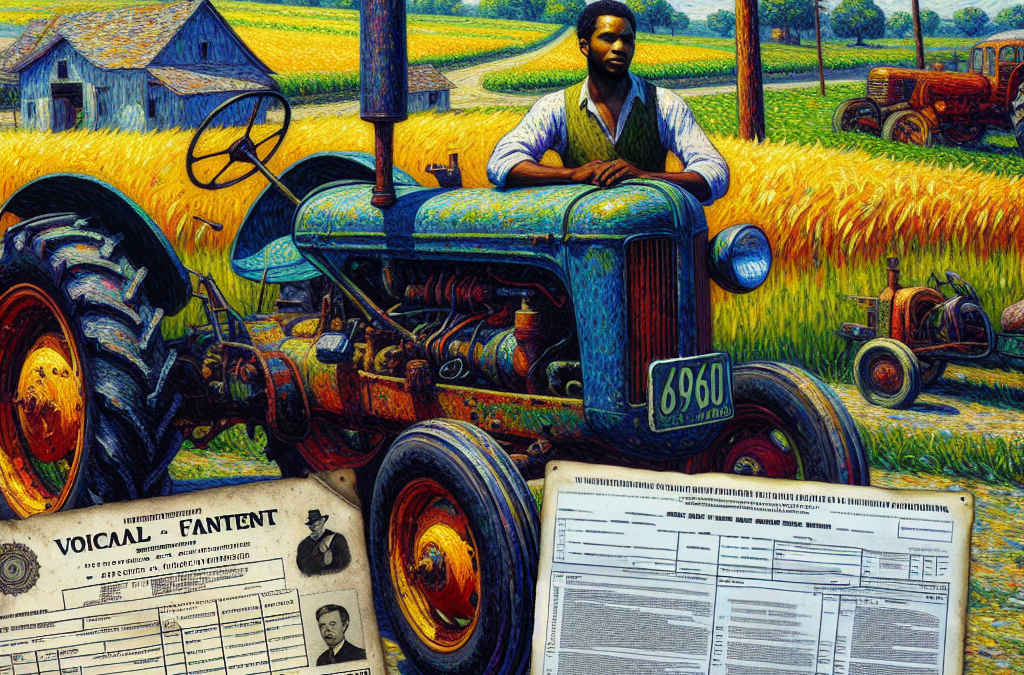
The Enduring Legacy Of Classic Tractors: A Timeless Investment
By Tom Seest
At ClassicTractorNews, we help tractor lovers keep up with the latest news for classic and vintage tractors.
Please share this post with your friends, family, or business associates who may like old classic or vintage tractors.
Is The Reliability Of Classic Tractors Worth Its Weight In Gold Today
?
When you think about it, a classic tractor isn’t just a machine; it’s a symbol of grit and determination, a link to our agricultural roots. Imagine a sturdy piece of iron, weathered by the sun and rain, standing firm against the elements. Each dent and scratch tells a story—perhaps of long days spent in a field or a sudden thunderstorm that caught a farmer off-guard. Reliability in a classic tractor isn’t merely a feature; it’s a trust woven into the fabric of farming life.
Picture this: you wake up before dawn, the air crisp, and you climb into the cab of your vintage tractor. It rumbles to life, sounding almost like an old friend greeting you from a long night’s rest. We’ve all been there, those early mornings where the world is still waking up. A reliable tractor is a lifeline during those hours where every moment counts. The head knows that these machines have a track record, built when quality overruled cost-cutting measures. The kind of tractors that last decades are treasures you can depend on and pass down through generations.
Emotionally, we connect to these machines not just as farm tools, but as part of our heritage. They evoke memories of loved ones who toiled on the land before us, reminding us of the sacrifices made and the victories celebrated. A trusty tractor means that we honor their legacy by carrying forward the values they instilled in us. It’s about resilience, about not backing down when faced with hard work.
Rationally speaking, classic tractors often require simpler maintenance than their modern counterparts, a boon for anyone tired of complex electronics and hefty repair bills. They may lack the flashy gizmos of contemporary models, but what they offer is stone-cold reliability that gets the job done. You can fix them with your own two hands, which can be a true source of pride.
Ethically, investing in a classic tractor encourages a sustainable way of farming and underscores the importance of keeping tradition alive. Each restoration project breathes life back into a piece of history, creating a community of enthusiasts who value craftsmanship.
So, is the reliability of classic tractors worth its weight in gold today? Well, if you treasure stories, craftsmanship, and that unapologetic connection to the land, then the answer is a resounding yes. In a world that shifts beneath our feet, some things—like the trust we place in a hard-working tractor—are worth their weight and more.
Is The Reliability Of Classic Tractors Worth Its Weight In Gold Today
Is The Reliability Of Classic Tractors Worth Its Weight In Gold Today
- Classic tractors symbolize grit, determination, and a connection to agricultural roots.
- Each tractor’s wear and tear tells stories of hard work and unexpected challenges faced by farmers.
- Reliable tractors are essential during early mornings when every moment in the field counts.
- These machines are treasures, built to last decades, and can be passed down through generations.
- Owners connect to classic tractors emotionally, honoring the legacies of family members who worked the land.
- Classic tractors offer simpler maintenance, avoiding the complexities and costs of modern vehicles.
- Investing in classic tractors promotes sustainable farming and values traditional craftsmanship.
Is The Reliability Of Classic Tractors Worth Its Weight In Gold Today
Table Of Contents
- Is The Reliability Of Classic Tractors Worth Its Weight In Gold Today
- Is Owning A Classic Tractor Truly A Labor Of Love?
- How Do Classic Tractors Compare In Reliability To Modern Models?
- Are Classic Tractors An Ethical Investment For Sustainable Farming?
- Do Classic Tractors Foster A Sense Of Belonging Among Enthusiasts?
- Can The Craftsmanship Of Classic Tractors Be Considered A Lost Art?
- How Do Classic Tractors Symbolize Resilience And Hard Work?
- Conclusion
- Other Resources
- Glossary Of Terms
- Other Questions
- Haiku
- Poem
- Checklist
Is Owning A Classic Tractor Truly A Labor Of Love?
When you own a classic tractor, you’re not just acquiring a piece of machinery; you’re becoming part of a rich narrative woven through generations of agriculture. Picture this: a majestic, rust-worn tractor, lovingly restored and lovingly used, stands as a testament to hard work and dedication. This isn’t merely about machinery—it’s about connection. Each scratch and dent tells a story, perhaps of long days spent in sun-soaked fields, battling the elements, or nurturing the land your family has cherished for decades.
Emotionally, that connection runs deep. Imagine the sense of pride that wells in your chest as you take the wheel of a tractor that has seen the fruits of labor from your forebears. The engine’s roar isn’t just a sound; it’s a call to legacy, a reminder that you’re part of something larger than yourself. With every turn of the wheel, you’re not just farming—you’re honoring those who came before you, rekindling traditions that might otherwise fade away.
Yet, let’s engage the rational side. Owning a classic tractor is not just about nostalgia—it’s a smart investment. These machines, often characterized by simplicity and durability, can outlast their modern counterparts when cared for properly. You’re not just buying a tractor; you’re investing in a reliable workhorse that can help cultivate your fields while giving you the satisfaction of knowing it’s built to last. Moreover, vintage tractors often appreciate in value, making them not just symbols of your dedication, but also articles of financial purpose.
Ethically, you also take a stand against the incessant churn of consumerism. Why buy new when you can breathe life into an old, tried-and-true tractor? By restoring and maintaining these machines, you contribute to sustainable practices that honor craftsmanship over disposability.
Socially, classic tractor enthusiasts form a unique community—a bond among those who understand what it means to toil with a sense of purpose. Join gatherings and shows, and you’ll find yourself amid a group of passionate individuals eager to share tips, stories, and laughter.
So, is owning a classic tractor truly a labor of love? It’s more than just love; it’s a commitment—an embrace of history, an act of preservation, and a journey into the landscape of what it means to connect with the earth and each other. Whether it’s in the fields or at the heart of your community, your classic tractor helps keep the spirit of hard work alive.
Is Owning A Classic Tractor Truly A Labor Of Love?
Is Owning A Classic Tractor Truly A Labor Of Love?
- Owning a classic tractor connects you to a rich agricultural narrative.
- Each tractor carries emotional significance, representing hard work and dedication.
- Driving a classic tractor instills pride and honors your family’s legacy.
- Classic tractors are a smart investment, known for their simplicity and durability.
- Restoration promotes sustainable practices and counters consumerism.
- A unique community of classic tractor enthusiasts fosters connection and shared experiences.
- Owning a classic tractor is a commitment to history, preservation, and community spirit.
Is Owning A Classic Tractor Truly A Labor Of Love?
How Do Classic Tractors Compare In Reliability To Modern Models?
When we think of tractors, we often picture those stubbornly reliable machines that have powered farms for generations. Classic tractors, with their well-worn frames and stories etched into every rusted bolt, bring a nostalgia that transcends mere function. They remind us of the long days of labor, sweat-soaked shirts, and the satisfying sound of a diesel engine that just won’t quit. But how do these timeless beasts stack up against their sleek, modern counterparts in reliability?
It’s a compelling question. Classic tractors often boast a simplicity and ruggedness that just seems to resonate with the farmer’s soul. These machines were built to last—not in some sterile factory but on the very land they worked, created by hands that understood both craftsmanship and the hard realities of agricultural life. When you climb onto a classic tractor, there’s a connection; that old machine knows the earth, the seasons, and the blood, sweat, and tears that have poured into it. It’s not just a tool; it’s part of a legacy.
From a rational standpoint, classic tractors can often be repaired and maintained by anyone with basic mechanical skills. They don’t require proprietary software updates, specialized training, or expensive diagnostics. The parts are often easier to find, thanks to decades of production and a dedicated community that values the “old school” approach to machinery. This is reliability that doesn’t just manifest when the sun sets, but also in the knowledge that you can get your hands dirty and keep things running when the stakes are high.
Now let’s not discount the ethics of simplicity. In an age saturated with plastic components and planned obsolescence, classic tractors stand as bastions of durability. They ask us to reconsider our relationship with the land and the tools we use to cultivate it. By choosing classic, we aren’t just opting for a machine; we’re choosing sustainability and a bond that’s been constructed over years of grit.
And let’s get real—there’s an ever-growing social movement toward embracing the tried and true. Enthusiasts unite at tractor shows, share restoration tips, and build a community based on a shared love for these undying workhorses. It’s more than just reliability; it’s about belonging to something greater, something authentic.
So, the next time you weigh the choice between classic and modern, remember that reliability isn’t just about how a tractor runs; it’s about how it resonates with your heart, engages your mind, and keeps you grounded in the real world—the world that demands sweat equity and devotion. To many, it’s not just a tractor; it’s a testament to hard work, resilience, and tradition.
How Do Classic Tractors Compare In Reliability To Modern Models?
How Do Classic Tractors Compare In Reliability To Modern Models?
- Classic tractors evoke nostalgia with their reliability and connection to agricultural history.
- These machines are known for their simplicity and ruggedness, resonating with the farmer’s spirit.
- Classic tractors are easier to repair and maintain, requiring basic mechanical skills rather than specialized training.
- Parts for classic tractors are often more accessible due to decades of production and an engaged community.
- They embody ethical sustainability in an age of planned obsolescence and plastic components.
- A growing social movement embraces classic tractors, fostering community among enthusiasts through shared interests.
- Choosing classic tractors represents a deeper commitment to hard work, resilience, and tradition.
How Do Classic Tractors Compare In Reliability To Modern Models?
Are Classic Tractors An Ethical Investment For Sustainable Farming?
When you stand in the presence of a classic tractor, you’re not just gazing at a piece of machinery; you’re looking at a testament to resilience, ingenuity, and the land itself. These hulking beauties, often boasting decades of history, represent the heart of agriculture—farmers who have worked tirelessly under the sun, their hands cemented in the soil, embodying a commitment to the earth that today’s mass-produced machines can’t quite capture. But what does it mean to invest in these vintage marvels? Let’s take a closer look.
First, let’s appeal to the head; classic tractors are not just relics, but wise investments for sustainable farming. Many of these machines can be refurbished to run efficiently and effectively, often using less fuel than their modern counterparts. In an age where emissions and ecological footprints dominate conversation, a durable tractor can offer a pragmatic solution. They remind us that sometimes, the old ways are the best ways. In a world driven by consumerism, investing in classic machinery showcases a conscious choice to embrace sustainability and preserve valuable resources.
Now, let’s dig into the gut. Think about that feeling of satisfaction when you plow a field with a tractor that has history—its engine roaring like a steadfast companion. Each bump and clank tells a story, connecting generations of farmers who relied on it in their darkest hours and brightest triumphs. This isn’t just about farming; it’s about legacy. When you maintain a classic tractor, you’re not just preserving a machine; you’re nurturing a relationship with the land, with the past, and with fellow farmers who share your passion.
Ethically, the decision to invest in classic tractors also aligns with a communal approach to farming. You’re tapping into a rich social network of aficionados who value craftsmanship and tradition. These tractors bring people together—be it at tractor shows, farm auctions, or in workshops where stories are swapped over grease-stained hands. Each encounter fosters a sense of belonging, a united front of sustainable agriculture enthusiasts, dedicated to nurturing our planet.
Ultimately, classic tractors are more than mere investments; they are lectures on durability, friendship, and ethical farming practices. They invite us to consider not just the land we till but the legacy we leave behind. So, whether you’re a seasoned farmer or just starting out, consider making a classic tractor part of your journey. It’s an investment that feeds the soul as much as it nourishes the soil.
Are Classic Tractors An Ethical Investment For Sustainable Farming?
Are Classic Tractors An Ethical Investment For Sustainable Farming?
- Classic tractors are symbols of resilience, ingenuity, and agricultural history.
- They serve as wise investments for sustainable farming, often using less fuel than modern machines.
- Investing in classic tractors reflects a commitment to sustainability and resource preservation.
- Operating a classic tractor offers a sense of satisfaction and connection to farming legacy.
- Maintaining these tractors nurtures relationships with the land and fellow farmers.
- Classic tractors foster a communal approach to farming, connecting enthusiasts through shared experiences.
- They embody lessons on durability, friendship, and ethical farming practices, enhancing the journey of any farmer.
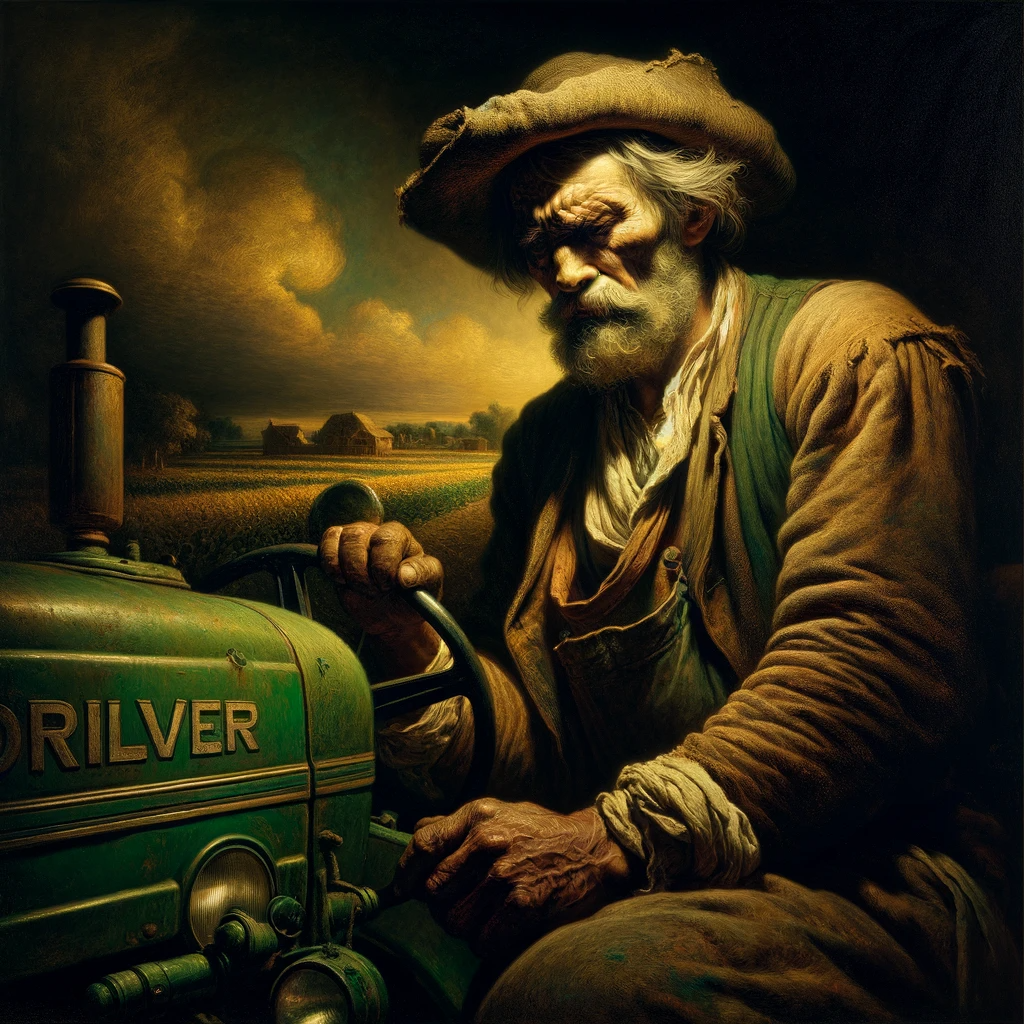
Are Classic Tractors An Ethical Investment For Sustainable Farming?
Do Classic Tractors Foster A Sense Of Belonging Among Enthusiasts?
When we think about classic tractors, we often picture rusted metal, churning engines, and fields that stretch as far as the eye can see. But beyond their practical use and rugged construction lies something much deeper: a sense of belonging. These machines, often regarded as simple tools of agriculture, embody stories, memories, and a shared culture that unites those who gather around them.
First, there’s an emotional connection that runs deep. Many enthusiasts remember sitting on their grandfather’s lap, gripping the worn steering wheel of a tractor, feeling the vibrations pulse through their core as the engine roared to life. It’s a rite of passage, a tangible link to generations past. These tractors aren’t just steel and rubber; they represent outdoor adventures, long summer days, and the satisfaction of hard work. Each scratch and dent tells a story, inviting others to share their own tales.
On a rational level, the preservation of classic tractors is an act of stewardship. Enthusiasts become guardians of history, ensuring that these iconic machines don’t fade into obscurity. They attend shows, join clubs, and swap stories about the big red beast that might have graced a family farm generations ago. There’s a sense of purpose in rebuilding an engine or restoring a faded paint job, creating not just a machine, but a piece of history. It’s a tangible way to connect with one’s roots, whilst preserving craftsmanship for future generations.
Ethically, embracing classic tractors fosters a sense of community. These gatherings bring together people from all walks of life, bridging gaps that time and technology have created. Farmers, collectors, and novices alike come together with a shared love for these machines. They share knowledge, help each other through repairs, and celebrate victories over stubborn machinery. There’s a palpable sense of camaraderie—an understanding that everyone is here not just for the tractors, but for the connections they create.
The social aspect is undeniable. Engaging in conversations about tractors often leads to friendships that last a lifetime; friendships forged through mutual respect and admiration. Each meetup is an opportunity to learn, share, and connect—building a network of support that extends beyond the tractor itself.
Classic tractors don’t simply cultivate crops; they cultivate community. In an age where isolation often prevails, these machines remind us of the power of belonging, spurring us to gather, share, and celebrate our shared heritage. So, the next time you see a classic tractor rumbling through a field or shining under the summer sun, remember: it’s more than just wheels and gears—it’s a heart, a soul, and a sense of belonging waiting to be embraced.
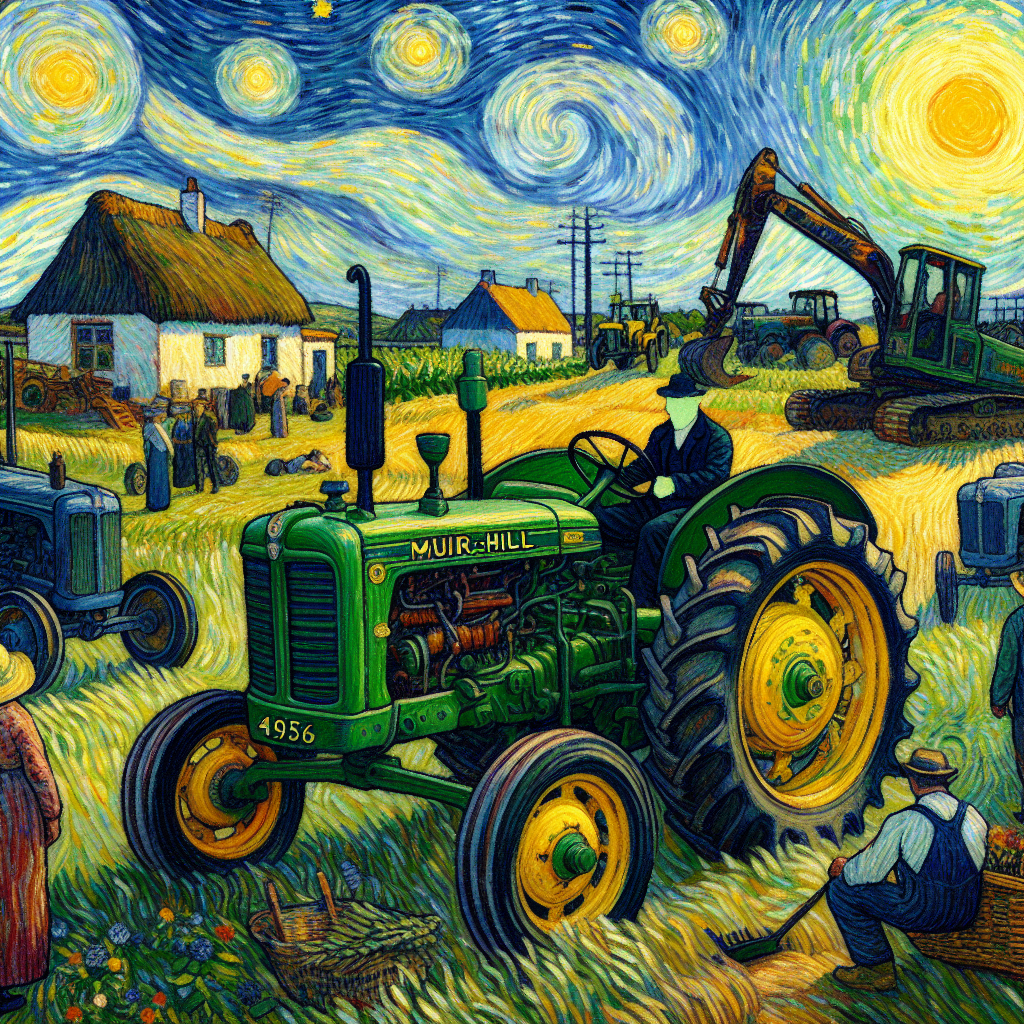
Do Classic Tractors Foster A Sense Of Belonging Among Enthusiasts?
Do Classic Tractors Foster A Sense Of Belonging Among Enthusiasts?
- Classic tractors evoke nostalgia and represent a deeper sense of belonging beyond their practical use.
- Emotional connections to tractors often stem from generational experiences, such as sitting on a grandfather’s lap.
- Each tractor tells a story through its wear and tear, inviting shared memories among enthusiasts.
- Preserving classic tractors acts as a stewardship, ensuring historical significance is not lost.
- Classic tractor gatherings foster community, bridging gaps across different backgrounds.
- Engaging with tractors creates lasting friendships and networks based on mutual respect and shared interests.
- Overall, classic tractors are symbols of community and connection, highlighting the importance of belonging.
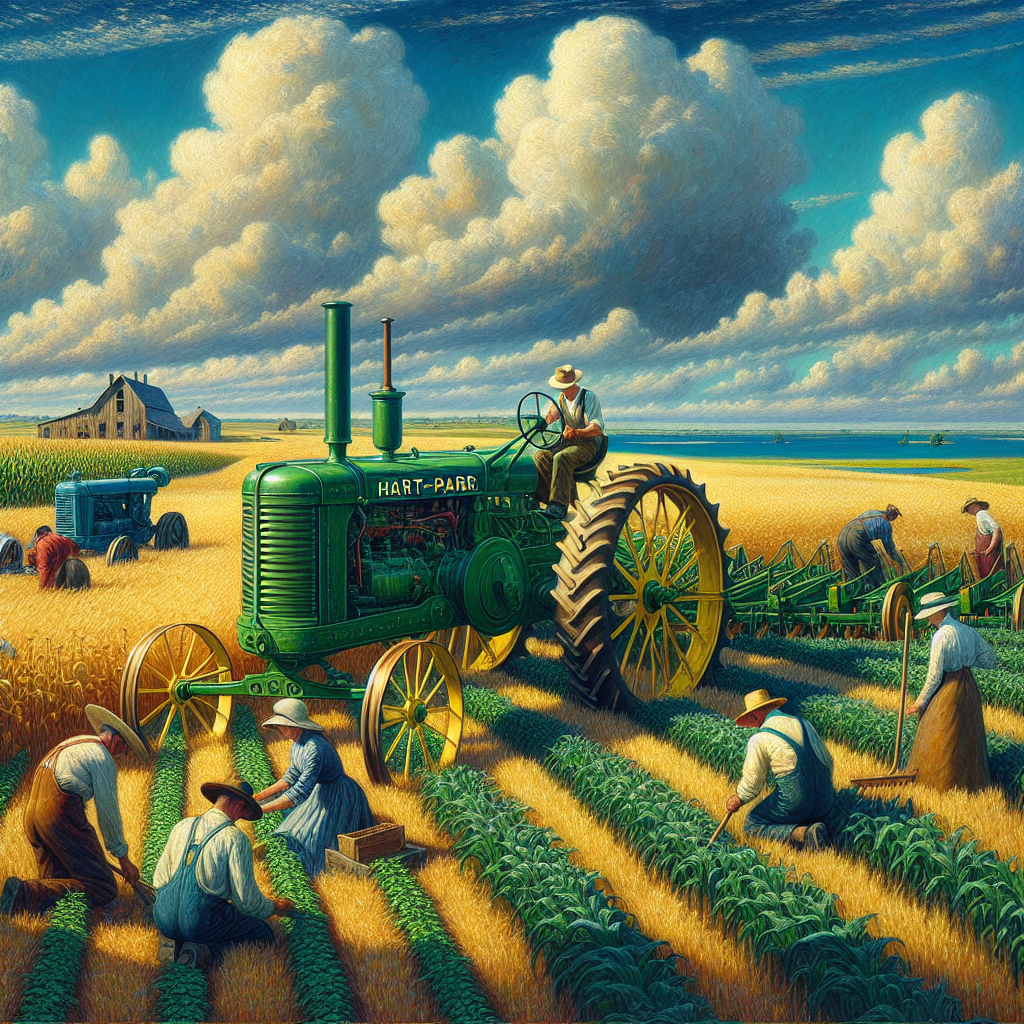
Do Classic Tractors Foster A Sense Of Belonging Among Enthusiasts?
Can The Craftsmanship Of Classic Tractors Be Considered A Lost Art?
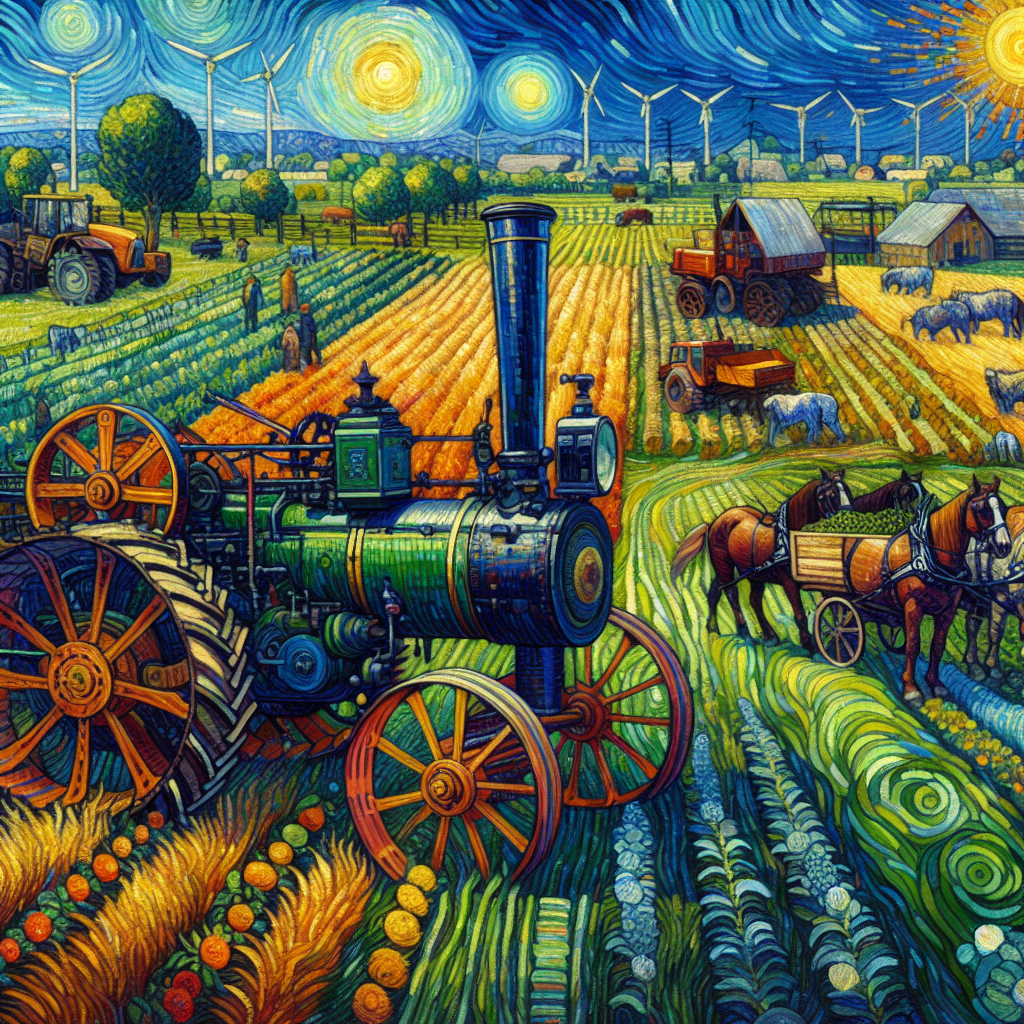
In an age where automation reigns supreme and everything is just a click away, the world of tractor craftsmanship stands as a poignant reminder of a more thoughtful era—one where man’s hands sculpted metal and machinery with intention and artistry. The classic tractor, with its sturdy frame and unmistakable charm, is more than a tool; it’s a testament to hard work, ingenuity, and a connection to the land that—let’s face it—many of us have lost touch with.
As you walk through a vintage tractor show, the gleam of polished steel and the earthy aroma of aged oil evoke a palpable nostalgia. Each tractor tells a story, woven together through time by the hands of artisans who poured sweat, care, and countless hours into their craft. Remember listening to the low rumble of a beloved old tractor as it plowed fields, shaping the very soil that nourished our families? Those memories are infused in every curve and detail of these machines. It’s not just about farming; it’s about a way of life, a shared experience that resonates with generations.
But, let’s engage our heads for a moment. Why does the craftsmanship of these tractors matter? Beyond their nostalgic value, classic tractors represent sustainable practices and the hard-won skills that are becoming rare. As technology continues to advance at a dizzying pace, we risk losing the artistry that comes from hands-on work. The meticulous engineering and design of these machines provide a blueprint for how we could innovate today—if only we take the time to learn from our past.
Ethically, preserving this craftsmanship encourages a sense of responsibility toward our heritage. Each restoration project acts as an act of conservation, reminding us that our legacy isn’t built on the machines of tomorrow, but on the foundations laid by those who painstakingly crafted the machines of yesterday. And here’s the gut check: If we lose the art of building, we lose the connection to our roots—both literally and metaphorically.
In an age of mass production and disposable everything, let’s rally around the classic tractor as a symbol of enduring craftsmanship. Join your local tractor club, attend a restoration workshop, or simply open up a conversation with the mechanic at your local repair shop. Together, we can rekindle the spark of craftsmanship, ensuring that the legacy of these vintage tractors isn’t just remembered but honored and carried forward. It’s time to take action—because the art of true craftsmanship shouldn’t just be a memory; it should be a movement.
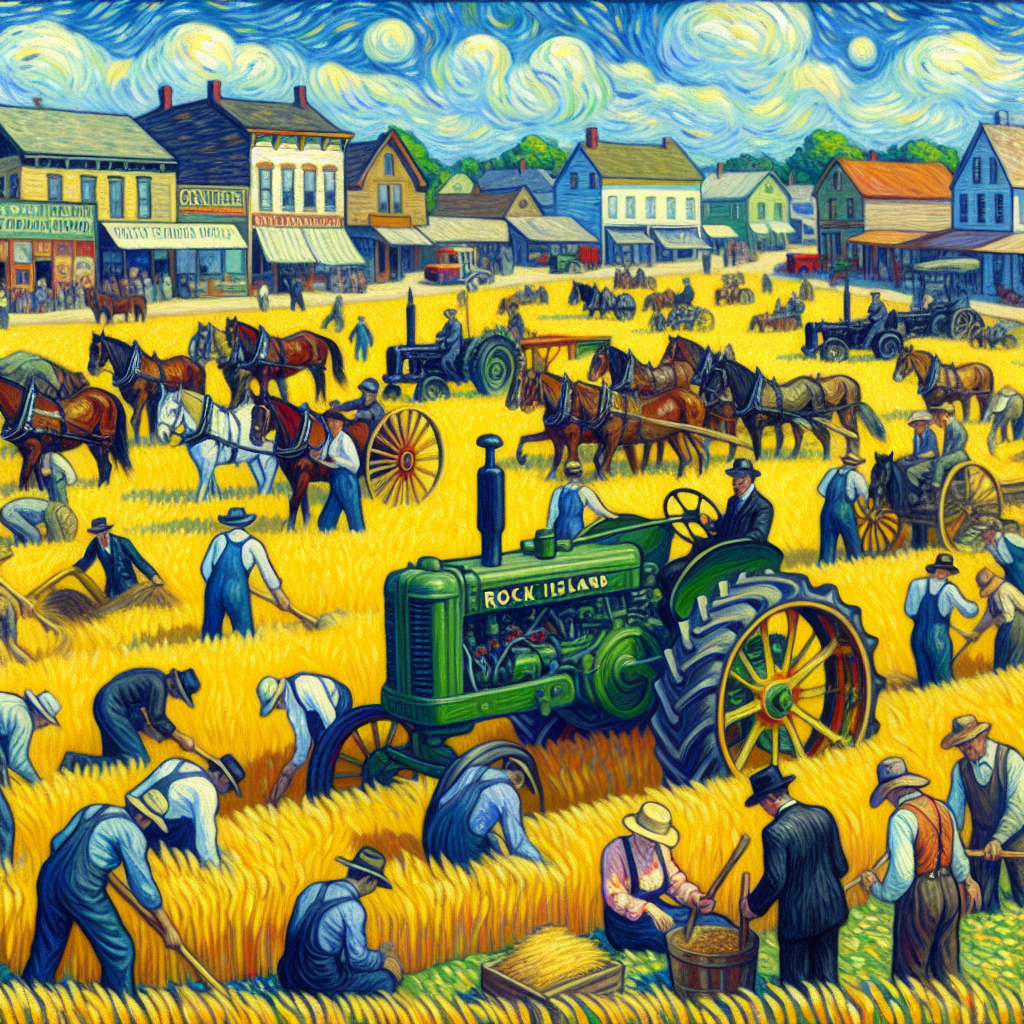
Can The Craftsmanship Of Classic Tractors Be Considered A Lost Art?
Can The Craftsmanship Of Classic Tractors Be Considered A Lost Art?
- The craftsmanship of classic tractors reflects a thoughtful era of manual artistry and intention.
- These tractors symbolize hard work, ingenuity, and a lost connection to the land.
- Vintage tractor shows evoke nostalgia, with each machine telling a unique story of skilled artisanship.
- Classic tractors embody sustainable practices and the diminishing skills of hands-on work.
- Preserving this craftsmanship nurtures responsibility towards our heritage and legacy.
- The loss of building skills diminishes our connections to our roots.
- Engaging in tractor clubs and workshops can revive the spirit of craftsmanship and honor the legacy of vintage tractors.
Can The Craftsmanship Of Classic Tractors Be Considered A Lost Art?
How Do Classic Tractors Symbolize Resilience And Hard Work?
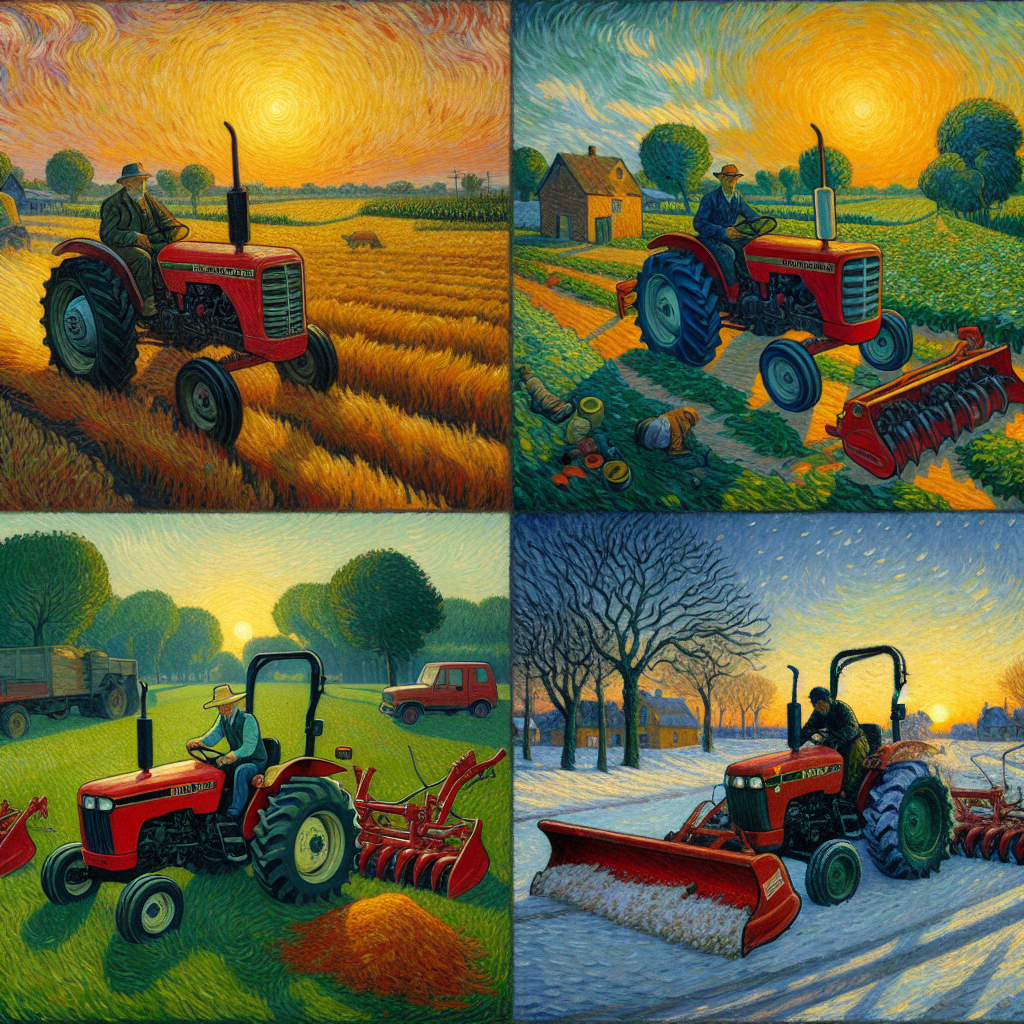
When you hear the rumble of a classic tractor, it’s not just a mechanical sound; it’s a heartbeat—a testament to the grit of generations who have toiled in fields and fought against nature’s unpredictable whims. These machines, often weathered by time yet steadfast in purpose, embody the spirit of resilience. They’re not merely vehicles; they are the muscled arms of labor, stretching across vast landscapes, reminding us that hard work is the foundation upon which dreams are built.
For many, the sight of a vintage tractor evokes memories of simpler times. A child standing watch as their parent farms the land, hands gripping the steering wheel, sweat glistening in the golden sunlight. This imagery underscores a powerful narrative—a connection between past and present that resonates within us. The triumphs and trials faced by those who came before us are mirrored in the endurance of a classic tractor. Every dent, scratch, and faded paint is a badge of honor, illustrating the enduring strength that hard work demands.
But let’s not just romanticize the tractor and its role in agricultural history; there’s a deeper, rational appeal to the resilience they represent. In a world that changes rapidly, classic tractors remind us of the values that have always mattered: commitment, diligence, and a willingness to roll up our sleeves. These machines were built to last, just like the people who operate them. In owning, maintaining, and restoring these icons, we honor an ethical obligation to respect our roots and the labor that feeds us.
Moreover, the classic tractor community speaks to a vital social connection. Enthusiasts gather at fairs and events, sharing stories that bridge age gaps and foster relationships. It’s a gathering of people united not only by a machine but also by the shared understanding that hard work connects us all—whether we’re farmers, mechanics, or city dwellers dreaming of soil under our nails.
So, next time you hear that familiar chug-chug-chug, take a moment to appreciate the doughty spirit it embodies. These tractors are more than just metal and gears; they are a call to action for each of us. They remind us that resilience and hard work are not outdated concepts, but rather the very essence of what it means to be human. Just like those classic tractors, we too have the power to withstand the trials of life, proving that endurance is its own kind of triumph.
How Do Classic Tractors Symbolize Resilience And Hard Work?
How Do Classic Tractors Symbolize Resilience And Hard Work?
- The rumble of a classic tractor symbolizes the hard work and resilience of generations in agriculture.
- Vintage tractors evoke nostalgic memories, connecting past and present experiences of farming.
- Every imperfection on a tractor represents honor and the enduring strength required by hard work.
- Classic tractors emphasize timeless values like commitment, diligence, and hard work in a rapidly changing world.
- Owning and maintaining classic tractors helps honor our roots and the labor that sustains us.
- The classic tractor community fosters social connections, bringing together people from various backgrounds.
- These machines serve as a reminder that resilience and hard work are essential qualities of the human experience.
How Do Classic Tractors Symbolize Resilience And Hard Work?
Conclusion
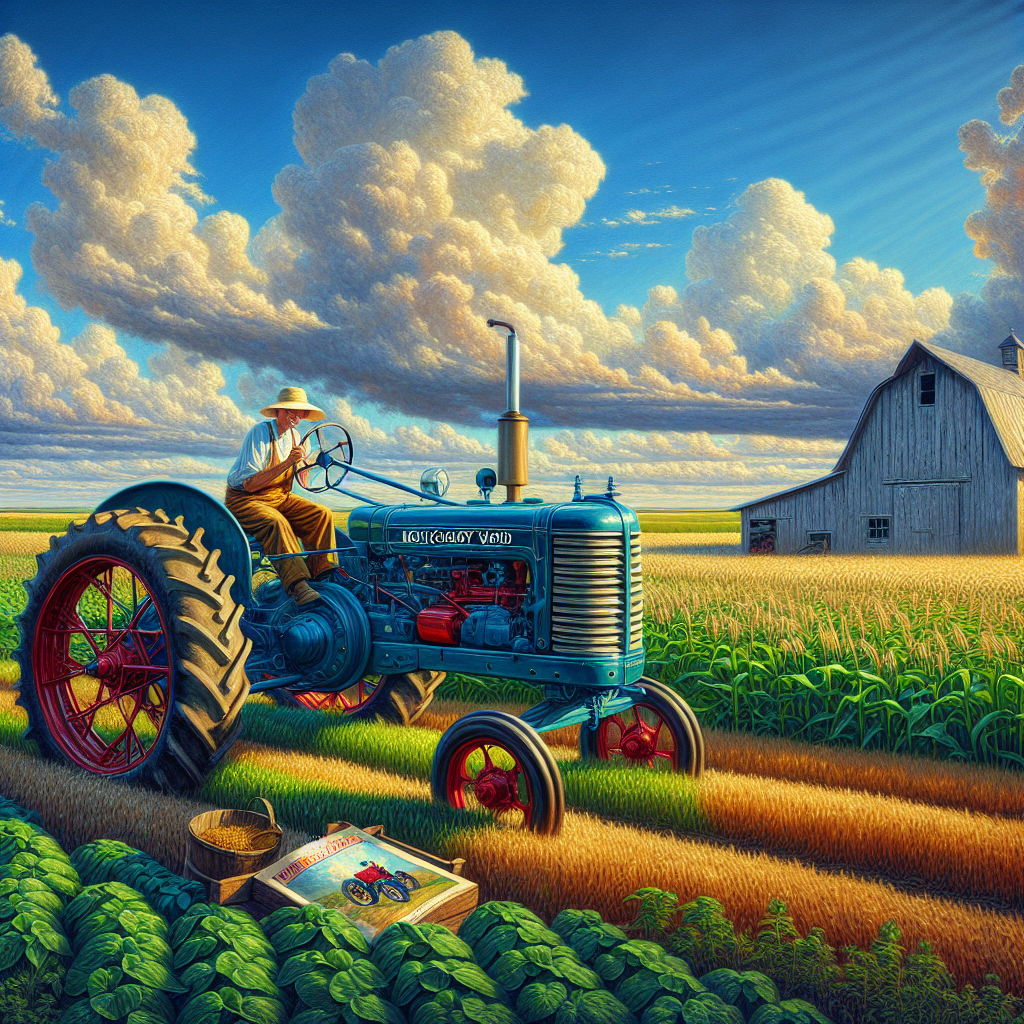
Classic tractors aren’t just hunkering machines rusting away in fields; they are vibrant narratives etched in iron, symbols of resilience and the ageless bond between man and land. These earth-scraping behemoths evoke memories of sunlit days, carved by hard work, sweat, and a focus on craftsmanship—an outright romance with a bygone era. Owning one is more than having a reliable tool; it’s like holding a time capsule that connects you to generations of farmers who’ve shared similar salutes to the dawn.
Emotionally, classic tractors offer a sense of pride and honor. Picture yourself behind the wheel of a vintage piece, feeling the grit and grind beneath your hands, whispering stories of perseverance and legacy. This isn’t just nostalgia; it’s a heart-to-heart connection with the history of agriculture, a tribute to those who labored before us. Each scratch and dent symbolizes a tale of triumph, ingenuity, and the spirit of the land—binding you to the essence of what it means to work the earth.
Rationally speaking, the reliability of classic tractors is unmatched. Built with an ethos of quality and simplicity, these machines often require fewer intricate repairs compared to their modern counterparts, which often come with a myriad of high-tech complexities and pricy bills. This straightforward design invites even the greenest novice to roll up their sleeves and fix them themselves, creating a sense of accomplishment that new models simply can’t deliver.
From an ethical standpoint, investing in classic tractors fosters sustainability and champions the importance of preserving our agricultural heritage. Every restoration effort breathes life back into machines that can continue serving a purpose in today’s farming narrative. By choosing to invest in these antiques, you’re making a conscious choice to honor craftsmanship and reject the throwaway culture that often permeates modern manufacturing.
Socially, classic tractors cultivate a sense of community among enthusiasts—from tractor shows to online forums, there’s a vibrant tapestry of shared experiences, camaraderie, and passion for the land and machinery. These gatherings remind us that we are part of something greater than ourselves, knitting together a strong fabric of mutual respect and admiration.
So, if you’re pondering whether the reliability of classic tractors is worth its weight in gold today, let’s put it simply: if you value heritage, connection, and hard work, then the answer is a definitive “yes.” In times of rapid change, these tractors stand like steadfast sentinels, offering not just agricultural tools but timeless treasures awaiting your stories for generations to come. Whether you’re farming fields or connecting with community, classic tractors are indeed worth every ounce of their heavy, golden legacy.
Conclusion
Conclusion:
- Classic tractors symbolize resilience and the enduring bond between humans and the land.
- They serve as time capsules connecting owners to generations of farmers and their stories.
- Emotionally, they evoke pride and honor, representing perseverance and legacy in agriculture.
- Reliable and simpler to repair than modern machines, classic tractors invite hands-on involvement.
- Investing in them supports sustainability and the preservation of agricultural heritage.
- They foster a community among enthusiasts, enhancing shared experiences and camaraderie.
- Classic tractors are timeless treasures, offering both practical agricultural use and a connection to history.
Conclusion
Other Resources
Other Resources
Here is a list of other resources you can review online to learn more:
- Fortschritt
- Wagner
- Wuzheng
- Kubota
- Fort Allen Antique Farm Equipment
- Stihl
- Jackson County Iowa Fair Antique & Classic Tractor Show
- Erkunt
- Valtra
- Branson
Use This Prompt To Get More Resources With Your Favorite Online AI Tool: Please provide me with a list of online articles with their URLs in a bulleted list that I can read regarding Is The Reliability Of Classic Tractors Worth Its Weight In Gold Today
Other Resources
Glossary Terms
Is The Reliability Of Classic Tractors Worth Its Weight In Gold Today – Glossary Of Terms
1. Classic Tractor: A vintage tractor that is typically at least 25 years old and valued for its historical significance, design, and functionality.
2. Reliability: The degree to which a tractor consistently performs its intended functions without failure over time.
3. Value Appreciation: The increase in worth of classic tractors over time due to rarity, condition, and demand.
4. Rarity: The scarcity of a specific model of tractor, which often elevates its status and value among collectors and enthusiasts.
5. Durability: The ability of a tractor to endure wear, pressure, and damage, contributing to its long-lasting performance.
6. Restoration: The process of repairing and refurbishing a classic tractor to return it to its original condition, often enhancing its value and reliability.
7. Collector’s Item: A classic tractor that is sought after by enthusiasts and collectors, often due to its historical significance, design, or limited availability.
8. Mechanical Simplicity: The straightforward engineering of older tractors, making them easier to repair and maintain compared to modern machinery.
9. Parts Availability: The accessibility of replacement components for classic tractors, which can affect their reliability and upkeep.
10. Field Performance: The effectiveness of a classic tractor in carrying out agricultural tasks, crucial for assessing its reliability in practical use.
11. Heritage: The cultural and historical significance of tractors in agriculture, influencing their desirability and value.
12. Owner Experience: The firsthand knowledge and satisfaction that comes from using and maintaining a classic tractor, impacting its perceived reliability.
13. Market Demand: The level of interest and willingness of buyers to purchase classic tractors, which can influence their market value.
14. Restoration Costs: The expenses associated with bringing a classic tractor back to operational or showroom condition, which can affect investment value.
15. User Community: The network of enthusiasts, collectors, and restorers who share knowledge and resources about classic tractors.
16. Investment Potential: The capacity of classic tractors to appreciate in financial value over time, making them appealing as investment assets.
17. Emotional Value: The sentimental worth that can be assigned to classic tractors by owners, influencing their attachment and investment decisions.
18. Vintage: A term used to denote items that are at least 20-30 years old, often implying quality craftsmanship and historical value.
19. Operational Costs: Expenses related to the maintenance and operation of a classic tractor, which can affect ownership satisfaction.
20. Maintenance Regimen: The schedule and practices used to keep a classic tractor in optimal working condition, essential for ensuring reliability.
21. Engineering Quality: The level of craftsmanship and design excellence in the construction of classic tractors, contributing to their longevity.
22. Fuel Efficiency: The measure of how effectively a classic tractor uses fuel, impacting its operating costs and performance.
23. Warranty: A promise or guarantee related to the reliability of newer tractors, which is often absent in classic models, emphasizing their mechanical straightforwardness.
24. Signature Features: Unique characteristics or innovations found in specific classic tractor models that contribute to their desirability and reliability.
25. Cultural Icon: A classic tractor that has gained fame or recognition beyond its functional use, symbolizing a particular era or lifestyle.
26. Agricultural History: The role and evolution of tractors in farming practices over time, affecting the appreciation and value of classic models.
27. Oil Consumption: The amount of oil a classic tractor uses during operation, which can influence maintenance and cost considerations.
28. Trade Shows: Events where classic tractors are showcased, allowing enthusiasts to connect, buy, sell, or learn about vintage machinery.
29. Documentation: Records that provide proof of a classic tractor’s history, maintenance, and restoration, significantly affecting its market value.
30. Auction Market: The venue where classic tractors are bought and sold, often influencing their perceived value and desirability based on bidding activity.
Glossary Of Terms
Other Questions
Is The Reliability Of Classic Tractors Worth Its Weight In Gold Today – Other Questions
If you wish to explore and discover more, consider looking for answers to these questions:
- What are the most popular classic tractor models today?
- How can one get started in restoring a classic tractor?
- What maintenance is required for classic tractors compared to modern tractors?
- Are there specific brands known for their reliability in classic tractors?
- What are the costs associated with owning and maintaining a classic tractor?
- How do classic tractors contribute to sustainable farming practices?
- What is the history behind the most iconic classic tractors?
- What are the common challenges faced when restoring a classic tractor?
- Are there communities or clubs for classic tractor enthusiasts?
- What tools and skills are needed for repairing classic tractors?
- How do classic tractors appreciate in value over time?
- What ethical considerations should be made when investing in classic tractors?
- What events or shows are dedicated to classic tractors?
- How do classic tractors impact the agricultural industry today?
- Can classic tractors be adapted for modern agricultural techniques?
Other Questions
Haiku
Is The Reliability Of Classic Tractors Worth Its Weight In Gold Today – A Haiku
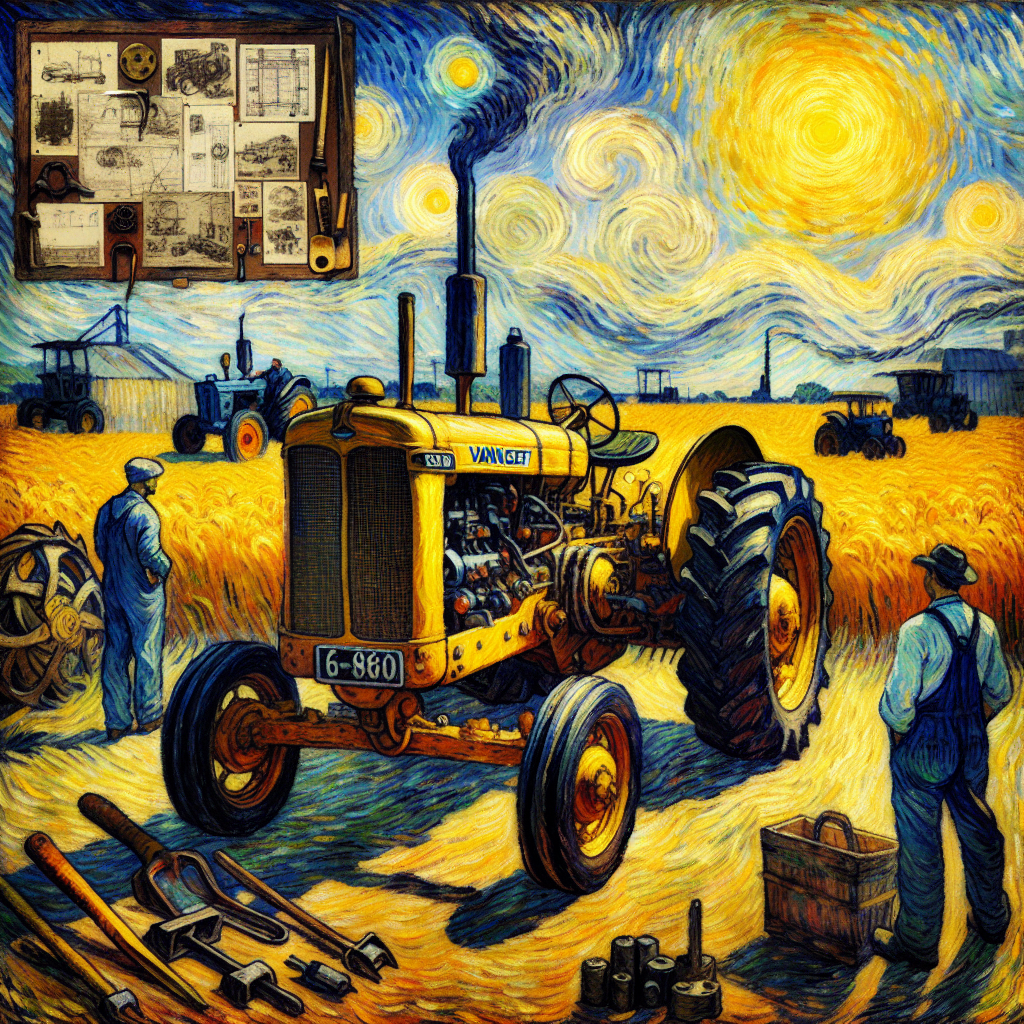
Rusty wheels rumble on,
Roots of labor pulse with pride,
Legacy lives strong.
Haiku
Poem
Is The Reliability Of Classic Tractors Worth Its Weight In Gold Today – A Poem
Ode to the Classic Tractor
In fields where ancient echoes play,
A steadfast beast stands proud and gray,
Not just a machine, but a heart of steel,
Whispers of grit, of toil, and zeal.
With sun-kissed paint and rusted clank,
It carries our past, our roots in its tank,
Each dent a chapter, each scratch a song,
A legacy of labor, where we all belong.
Awake before dawn, in crisp morning air,
You climb in the cab, a ritual rare,
The engine’s rumble, an old friend’s call,
Binding us together, each rise and fall.
In a world that turns so fast and bright,
Where convenience reigns in cold daylight,
These tractors remind us of hands that shaped,
Of craftsmanship treasured, of hope that escaped.
Invest in these titans, not just with coin,
But with love and labor, let history join.
For what is a tractor, if not a tale,
Of resilience, community, where dreams prevail?
So gather, dear friends, at shows and fairs,
Share laughter and stories, breathe in the airs,
A bond over machines that once plowed the ground,
In this nostalgia’s embrace, new friendships are found.
Ethics of earth, of choices we make,
To restore our past, for future’s sake,
A circle of farmers, united, profound,
In classic tractors, our souls are unbound.
So let us lift up this emblem of old,
For in every tractor, a story is told.
A testament to hard work, to love that won’t fade,
In the fields of our hearts, this legacy’s laid.

Poem
Checklist
Is The Reliability Of Classic Tractors Worth Its Weight In Gold Today – A Checklist
Classic Tractor Investment Checklist: Tapping Into the Heart, Head, and Gut
Emotional Appeals
1. Reflect on Heritage
_____ Think about the emotional connection you have with farming traditions and family history.
2. Visualize Connections
_____ Picture moments with loved ones on classic tractors. Celebrate those memories and the stories your tractor will tell.
3. Consider Legacy
_____ Imagine passing down your classic tractor to future generations as a symbol of resilience and dedication.
Rational Appeals
4. Assess Reliability
_____ Research the proven track record of classic tractors versus modern models for sustainability and functionality.
5. Evaluate Maintenance
_____ Look into the simpler maintenance requirements of classic tractors, and determine your comfort level with DIY repairs.
6. Estimate Value Appreciation
_____ Consider the investment aspect: evaluate how classic tractors can appreciate in value over time compared to modern machinery.
Ethical Appeals
7. Embrace Sustainable Practices
_____ Commit to restoring and maintaining a classic tractor as a conscious choice against consumerism and for environmental sustainability.
8. Honor Skills and Craftsmanship
_____ Reflect on the value of preserving traditional craftsmanship and artisanal practices behind classic tractors.
9. Participate in Community
_____ Join a local club or community dedicated to classic tractors and farming heritage, engaging in shared values and lifelong learning.
Authority Appeals
10. Seek Expert Opinions
_____ Read testimonials or case studies from seasoned farmers who have experience with classic tractors as reliable workhorses.
11. Attend Workshops
_____ Participate in restoration workshops or tractor shows to gain insights and learn from authorities in vintage machinery.
Narrative Appeals
12. Share Your Story
_____ Write down or share your personal narrative related to agriculture and how classic tractors resonate with your life story.
13. Connect with Others’ Stories
_____ Engage with fellow enthusiasts to exchange stories that highlight the significant moments in each tractor’s history.
Social Appeals
14. Foster Community Engagement
_____ Attend local events, tractor shows, or fairs where vintage tractor enthusiasts gather. Establish connections and friendships with like-minded individuals.
15. Champion Collective Stewardship
_____ Advocate for the importance of preserving classic machines as a community responsibility that feels greater than any individual ownership.
By considering these points, embark on your journey of discovering the timeless appeal and investment potential of classic tractors. Their stories and lasting value await to be woven into your own narrative.
Checklist
At ClassicTractorNews, we help tractor lovers keep up with the latest news for classic and vintage tractors.
Please share this post with your friends, family, or business associates who may like old classic or vintage tractors.