


The Enduring Legacy Of Classic Tractors: A Holistic Examination
By Tom Seest
At ClassicTractorNews, we help tractor lovers keep up with the latest news for classic and vintage tractors.
Please share this post with your friends, family, or business associates who may like old classic or vintage tractors.
Is The Reliability Of Classic Tractors Overstated In Farming
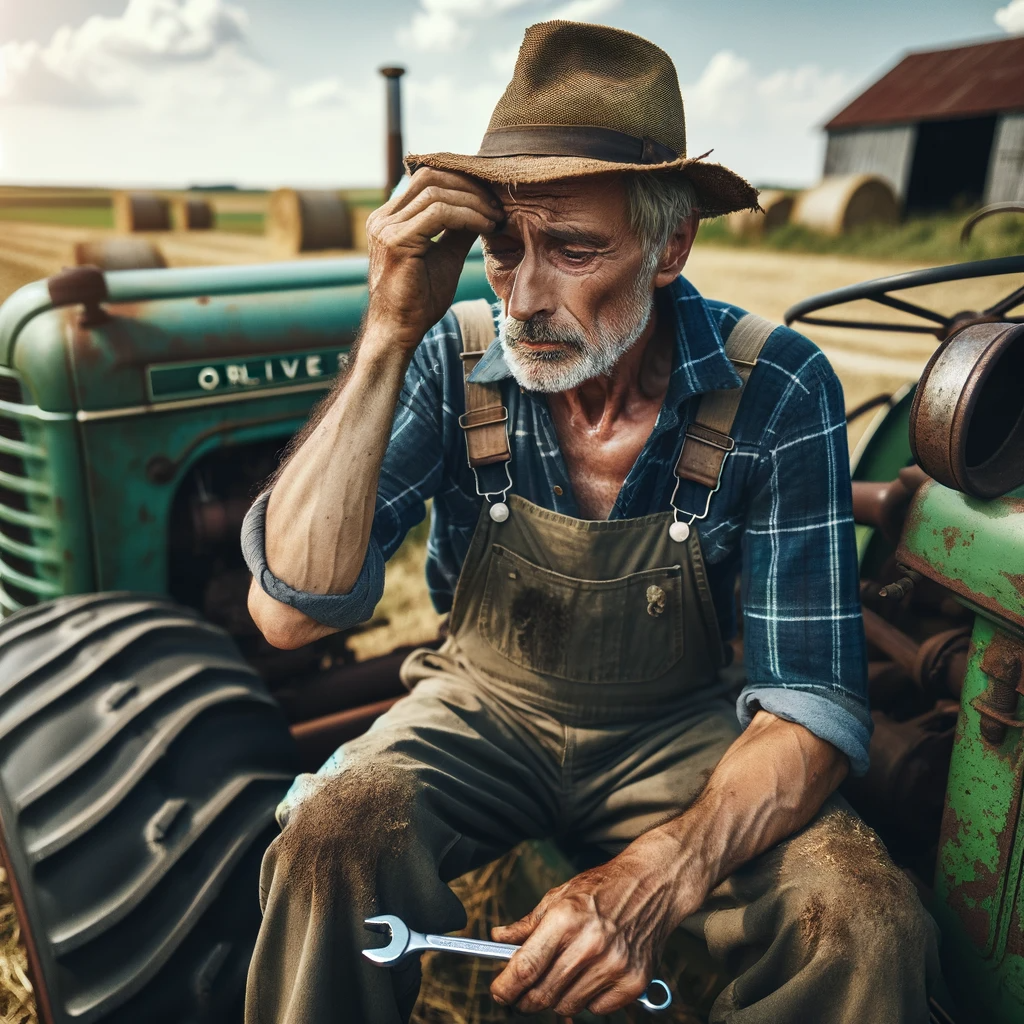
When we talk about classic tractors, we often conjure up images of sun-drenched fields, hardworking farmers, and the sweet scent of freshly turned earth. There’s a romance woven into the very fabric of these machines, an allure that goes well beyond their steel and iron. But if we ask ourselves—are these tractors really as reliable as the stories suggest?—we risk shaking the foundations of that sweet nostalgia.
At its core, a tractor isn’t just a piece of machinery; it’s the lifeblood of countless family farms and the backbone of agricultural heritage. Yet, it’s essential to recognize that every rusted bolt and weathered seat has its own story—a story that often includes breakdowns at critical moments. For farmers deeply rooted in tradition, the bond with a classic tractor runs deep; it’s the sturdy companion that has witnessed years of toil. However, a tractor’s reliability shouldn’t solely be measured by sentiment or the romanticized tales of yesteryears.
Let’s be real: in the modern age, when time is money and labor is often scarce, can we afford to place blind faith in nostalgia? The hard truth is that classic tractors, while charming, may not always possess the technological advancements that ensure efficiency and dependability in today’s fast-paced farming environment. They can become a liability rather than a lifeline, a costly reminder of the days when “fixing it with a wrench” was more than just a catchy motto.
This is where the heart meets the head. It’s not about choosing innovation over tradition but rather finding harmony between the two. Countless farmers today are blending the old with the new, keeping their classic tractors alive while leveraging modern technology to enhance performance. This blend ensures that the charm of the past doesn’t overshadow the pressing need for reliability.
Yet, let’s not lose sight of the ethical obligation to our land and livelihoods. What good is a tractor that sputters out when the sun is setting and harvest time is slipping through our fingers? As stewards of the earth, it’s our responsibility to weigh the romantic allure against practical efficacy.
The beauty of farming lies in its connections—not just with machines or land, but with the community. By embracing a balanced approach, we can honor our roots while paving the way for a sustainable future. The most reliable tractor is the one that allows us to connect with the very essence of farming: nurturing, growing, and sustaining life.

Is The Reliability Of Classic Tractors Overstated In Farming
Is The Reliability Of Classic Tractors Overstated In Farming
- Classic tractors evoke nostalgia, symbolizing the bond between farmers and their agricultural heritage.
- Every tractor has a unique story, often filled with instances of mechanical breakdowns.
- Reliability should not be based solely on sentimental value but also on efficiency in modern farming.
- Classic tractors may lack the technological advancements necessary for today’s fast-paced agricultural demands.
- Farmers are increasingly blending traditional tractors with modern technology for enhanced performance.
- It is crucial to balance romanticism with practicality in selecting farming equipment.
- Farming is about connections—with machines, land, and community—emphasizing the importance of reliable equipment for sustainable practices.

Is The Reliability Of Classic Tractors Overstated In Farming
Table Of Contents
- Is The Reliability Of Classic Tractors Overstated In Farming
- What Emotional Ties Do Farmers Have To Their Classic Tractors?
- Do Classic Tractors Represent A Sustainable Farming Choice Today?
- How Do Peer Opinions Shape The Value Of Classic Tractors In Farming?
- How Has The Reliability Of Classic Tractors Changed Over The Decades?
- Are Farmers Being Misled About The Performance Of Classic Tractors?
- How Can The Community Support Farmers In Maintaining Classic Tractors?
- Conclusion
- Other Resources
- Glossary Of Terms
- Other Questions
- Haiku
- Poem
- Checklist
What Emotional Ties Do Farmers Have To Their Classic Tractors?
You see, a classic tractor is not just a piece of machinery; it’s a vessel of memories, a testament to years of toil and triumph. For farmers, these relics of a bygone era evoke nostalgia that runs deeper than the furrows they plow. Each rust and dent tells a story, like scars of a life well-lived. Standing before a classic tractor, it’s as if time slows down, and you can almost hear the echoes of laughter, the whispers of late-night harvests, and the heavy sighs that come with both the struggles and successes of a season.
Think about it—each farmer typically learns the ropes of their trade perched atop one of these robust machines, gaining not just skills, but a profound connection to the land they cultivate. In many cases, these tractors were passed down through generations, embodying the very essence of family legacies. You might even say these machines are the beating heart of a farm, pumping life into the fields and memories into the souls of those who yearn for tradition in a world that’s constantly changing.
From an ethical standpoint, the bond between a farmer and their classic tractor goes beyond mechanics and horsepower; it’s about stewardship and respect for the land. The farmer’s hands, weathered and worn, reflect a lifetime of care and dedication to nurturing both crops and the machinery that supports them. In a society constantly chasing the next new invention, there’s a raw beauty in clinging to something proven, steadfast, and connected to ethical farming.
Rationally, let’s not forget the craftsmanship that defines these classic tractors. Built to last, they often hold their value better than many modern machines, turning out work like a seasoned veteran. There’s an inherent pride in maintaining nearly century-old equipment, knowing that these machines can still get the job done with grace and reliability. They become a point of authority—a reassurance that no matter the challenges brought by storms or seasons, these classic tractors have held their ground.
As you walk the rows between towering corn and fragrant soybeans, take a moment to appreciate not just the fields, but those long-standing machines rumbling quietly in the background. They bind the past to the present, and inspire confidence as farmers look toward the future. Embracing this heritage fosters a sense of community among those who share similar stories, reminding us all that, at its core, farming is not just about the soil; it’s about the ties we cultivate—both to our land and to our history. So, next time you see a classic tractor, remember: it’s more than steel; it’s a heartbeat that reverberates through time, echoing the strength, resilience, and heart of farmers everywhere.

What Emotional Ties Do Farmers Have To Their Classic Tractors?
What Emotional Ties Do Farmers Have To Their Classic Tractors?
- A classic tractor symbolizes memories and experiences from years of farming.
- Each tractor’s rust and dents tell stories of a farmer’s toil and triumph.
- These machines often connect farmers deeply to their land, serving as family legacies.
- The relationship with classic tractors embodies ethical stewardship and respect for the land.
- Classic tractors are built to last and often retain better value than modern machines.
- Maintaining these tractors fosters a sense of pride and authority amidst farming challenges.
- They serve as reminders of the connections between past, present, and future in farming communities.

What Emotional Ties Do Farmers Have To Their Classic Tractors?
Do Classic Tractors Represent A Sustainable Farming Choice Today?
When we think about sustainability in farming, it’s easy to get swept up in the latest innovations: the sleek, shiny tractors equipped with all the tech bells and whistles, boasting advanced precision farming capabilities. But let’s take a moment to consider an alternative—those sturdy classic tractors that have stood the test of time. You know the ones: they may not have Bluetooth connectivity or self-driving features, but they carry with them a legacy and a connection to the land that new machines simply can’t replicate.
Picture a farmer, dirt under their nails and sun on their back, proudly standing next to their beloved old tractor. This isn’t just a hunk of metal; it’s a tool that has helped create an enduring relationship with the soil, deeply rooted in tradition, sweat, and hard work. It’s an extension of the farmer’s commitment to sustainable practices that prioritize the earth and its resources. Classic tractors are often simpler in design and easier to maintain, which can lead to lower fuel consumption and less waste. This isn’t just rational; it’s ethical. The choice to use reliable, tried-and-true equipment honors the past while making decisions that resonate with the future.
Now, let’s talk about community. In a world that often feels disconnected, classic tractors have a way of bringing people together. Farmers gather at local shows, swap tales over coffee, and share tips on making that older engine purr like a kitten again. There’s a shared understanding here—a recognition that keeping our agricultural traditions alive is just as important as adopting new techniques. Using a classic tractor is akin to a nod to our ancestors who plowed these fields before us, linking generations through the shared act of farming.
We can’t ignore the emotional pull of these machines; they carry stories of families, resilience, and enduring pride. When we choose classic tractors over their more modern counterparts, we are making a personal statement—a choice for sustainability that respects the land and its history. It sends a clear message: we value quality over quantity, community over isolation, and authenticity over mere efficiency.
So, as we look toward a sustainable future in agriculture, let’s not forget the wisdom that comes from the past. Classic tractors may not be the latest marvel, but they can indeed represent a sustainable farming choice—a choice that nourishes both the earth and our hearts.

Do Classic Tractors Represent A Sustainable Farming Choice Today?
Do Classic Tractors Represent A Sustainable Farming Choice Today?
- Sustainability in farming often emphasizes technological innovations like advanced tractors.
- Classic tractors, though lacking modern tech, embody a rich legacy and a deep connection to the land.
- The use of classic tractors reinforces a farmer’s commitment to sustainable practices through simplicity and ease of maintenance.
- Classic tractors can lead to lower fuel consumption and reduced waste, presenting an ethical choice in farming.
- They foster community engagement as farmers share experiences and knowledge, keeping agricultural traditions alive.
- Classic tractors carry personal and emotional significance, representing resilience and family stories in agriculture.
- Choosing classic tractors signals a preference for quality, community, and authenticity over the latest efficiency trends.

Do Classic Tractors Represent A Sustainable Farming Choice Today?
How Do Peer Opinions Shape The Value Of Classic Tractors In Farming?
When you drive down a dusty old road, the sight of a well-preserved classic tractor is like a trip back in time. These machines aren’t just metal and gears; they embody history, tradition, and labor. For many farmers, a classic tractor is more than just a tool; it’s a symbol of their family’s legacy. But how do peer opinions, rooted in deep-seated values and shared experiences, influence the worth of these agricultural icons?
Consider the heart of the farming community. Trust is everything, and word-of-mouth recommendation traverses generations. When folks gather at the local diner or swap tales at the tractor shows, they talk about their favorite brands, their beloved models, and yes, that one time they fixed up an old International Harvester. These stories forge a social fabric, intertwining shared values and experiences that elevate specific tractors in the eyes of the community. If Farmer Joe swears by a particular model, you can bet it holds more weight than any glossy ad in a magazine. That sense of community creates an invisible price tag, one far more valuable than dollars and cents.
Now, shift your gaze to the rational aspect. Every classic tractor has its own tale—a story of reliability and resilience. When farmers consider what makes one model more valuable than another, they look to the tried-and-true experiences of their peers. It’s less about horsepower or shiny paint and more about dependability. The sound of that familiar engine, the ease of maintenance, and the camaraderie that comes from sharing repair tips—all are part of that hidden equation. A tractor known for its steadfastness automatically rises in value, as it’s endorsed by those who rely on it every day.
Ethics also plays a part in shaping these opinions. Farmers often strive for sustainability, valuing machines with lower emissions and longer lifespans. A tractor that’s praised for its eco-friendly features or its ability to last decades becomes a communal hero, an authority in sustainability. The farming community values heritage and responsibility, viewing classic tractors not just as relics, but as partners in the ongoing journey of stewardship over the land.
As we reflect on the essence of these classic tractors, we find that their worth is deeply intertwined with the opinions, stories, and values of those who have lived with them. Each conversation, each shared experience, weaves a narrative that transcends mere functionality. Together, they shape a collective understanding of value—one that invites new generations to appreciate the past while plowing forward into the future. The story isn’t just about tractors; it’s about connection, tradition, and the enduring spirit of farming itself.

How Do Peer Opinions Shape The Value Of Classic Tractors In Farming?
How Do Peer Opinions Shape The Value Of Classic Tractors In Farming?
- Classic tractors represent history, tradition, and labor for many farmers.
- Peer opinions and shared experiences significantly influence the perceived value of these machines.
- Trust within farming communities is built through word-of-mouth recommendations and shared stories.
- The reliability and resilience of a tractor are often prioritized over aesthetic features like horsepower and paint.
- Farmers value sustainability, leading to greater admiration for eco-friendly tractors with long lifespans.
- Conversations within the community shape collective understanding of a tractor’s worth, weaving a rich narrative.
- The essence of classic tractors ties together connection, tradition, and the enduring spirit of farming.

How Do Peer Opinions Shape The Value Of Classic Tractors In Farming?
How Has The Reliability Of Classic Tractors Changed Over The Decades?
When you look at a classic tractor, you’re not just gazing at a machine; you’re peering into the soul of farming itself. These robust giants have stood the test of time, symbolizing the grit and determination of countless farmers who relied on them to till the earth, harvest their crops, and sustain their families. However, as the decades roll by, the story of these beloved machines morphs from a tale of rugged reliability to one of evolving technology and modern expectations.
In the early days, farmers found solace in the simplicity of classic tractors. They were built with brawn rather than brain, featuring iron frames and mechanical guts that demanded labor from the operator but rewarded them with a raw, visceral connection to the land. Each crank of the engine wasn’t just a ritual; it was a declaration of independence. But as time marched forward, so did the challenges of agriculture, including changing weather patterns, rising demands, and market pressures. Modern tractors emerged, boasting tech-savvy features and reliability that made the old iron feel a bit like a relic from a bygone era.
Yet, there’s a beauty in relishing the old ways. These classic machines are not merely remnants; they are bridges to a thriving past. They embody a world where every scratched fender and worn wheel tells a story. The reliability of these tractors may have diminished in the face of advanced processing units and GPS guidance, but their essence remains. It’s about history, about values, and about the farmers who navigated hardship with steely resolve.
Today, classic tractors have gained a new kind of respect. Vintage agriculture events celebrate these machines as icons of resilience, drawing crowds who share an unbreakable bond—an understanding of what it means to invest your heart in the ground you till. Enthusiasts tinker with their antique engines, keeping the spirit alive, while farmers search for that reliable piece of history to bring back to life in their fields.
So, the next time you see a classic tractor, remember: it’s not merely a piece of equipment that has faded in reliability; it’s a lesson in loyalty, perseverance, and the unwavering drive to nurture the land. Like a faithful old friend, these tractors remind us that while technology may evolve, the stories we carry in our hearts are timeless. Embrace the legacy, restore the trust, and keep that connection to the soil strong.

How Has The Reliability Of Classic Tractors Changed Over The Decades?
How Has The Reliability Of Classic Tractors Changed Over The Decades?
- Classic tractors symbolize the essence of farming and the perseverance of farmers.
- Initially valued for their simplicity and ruggedness, they demanded physical labor from operators.
- Modern tractors have introduced advanced technology, making older models seem outdated.
- Classic tractors serve as reminders of agricultural history, with every scratch and wear telling a story.
- Vintage agriculture events now celebrate classic tractors as icons of resilience and dedication.
- Enthusiasts and farmers alike continue to restore classic tractors, preserving their legacy.
- These machines represent loyalty and perseverance, reinforcing a timeless connection to the land.
How Has The Reliability Of Classic Tractors Changed Over The Decades?
Are Farmers Being Misled About The Performance Of Classic Tractors?
In the heart of America, there’s a story that is as old as the soil itself. You pull on your boots, step out into the crisp morning air, and take a moment to admire that trusty tractor, the one that’s been with you through droughts, floods, and everything in between. It’s not just a machine; it’s an extension of your own labor, sweat, and dreams. But have you ever paused to wonder if you’re getting the full story about its performance and capabilities?
Every farmer knows that the days are long, the work is hard, and the margins are tight. As you leverage your tractor to plow fields and sow seeds, there’s a nagging apprehension in the back of your mind: Are you truly maximizing its potential, or are you simply being led down a path paved by flashy marketing and industry jargon? The truth is, many farmers may unknowingly be misled about the performance of these classic tractors that have held a revered place in our communities for generations.
Now, let’s be real—investing in a tractor is not just an economic decision; it’s deeply personal. Every dent, scratch, and wear mark tells a story, a narrative of resilience and commitment. However, when the wool is pulled over your eyes about what that vintage marvel can actually deliver, it can feel like a betrayal. You trust your tractor as a partner in your daily grind, so when claims of performance don’t match reality, it’s not just the machine that’s let you down; it’s the industry that has forgotten the very farmers who keep it alive.
Consider the ethics of it all. Your labor supports families, feeds communities, and upholds traditions. Shouldn’t you, the backbone of agriculture, have transparency when it comes to the tools you depend on? It’s time to demand answers and hold those who market these tractors accountable. This isn’t just about figures and horsepower; it’s about being informed and empowered to make choices that benefit both your operation and the future of farming.
Engage with others in your community; share stories, ask questions, and seek the truth. In a world where misinformation can sow confusion, know that you’re not alone. Let’s navigate this landscape together, fostering a new narrative—one where farmers are not just consumers but informed decision-makers with a voice, demanding respect and honesty in every aspect of their trade. With every turn of that tractor, let’s ensure it’s crafting a legacy founded on trust, transparency, and hard-earned know-how.

Are Farmers Being Misled About The Performance Of Classic Tractors?
Are Farmers Being Misled About The Performance Of Classic Tractors?
- Farmers often have a deep emotional connection with their tractors, viewing them as extensions of their labor and dreams.
- Many farmers may be unaware of the true performance capabilities of their classic tractors, potentially misled by marketing hype.
- Investing in a tractor is not merely an economic choice; it carries personal significance tied to resilience and commitment.
- When performance claims about tractors don’t meet reality, it can feel like a betrayal to the farmers who rely on them.
- Farmers deserve transparency and accountability from the industry regarding the tools they use for their livelihood.
- Building community connections and sharing experiences can help farmers navigate misinformation and empower informed decision-making.
- By focusing on trust, transparency, and knowledge, farmers can shape a legacy that honors their hard work and contributions to agriculture.

Are Farmers Being Misled About The Performance Of Classic Tractors?
How Can The Community Support Farmers In Maintaining Classic Tractors?
There’s something undeniably captivating about classic tractors. Standing strong against the backdrop of sprawling fields, they are more than mere machines; they embody decades of blood, sweat, and toil. They are the weathered guardians of agricultural history, lovingly restored by farmers who see not just metal and gears, but a vibrant story echoing through time. But these magnificent machines require care and attention, and as a community, we have a crucial role to play in safeguarding their legacy.
To support our farmers in maintaining these classic tractors, we can take a multi-faceted approach, starting by engaging local workshops and enthusiasts who possess the skills to repair and restore. Imagine a community event where seasoned mechanics share their knowledge with aspiring young hands, fostering a sense of pride and commitment. Teaching the next generation how to fix a tractor is not just about preserving a vehicle; it’s about passing down values that connect us to our roots.
But it doesn’t end there. Local businesses can step up, providing sponsorship or resources. Think of hardware stores donating tools for maintenance or food co-ops organizing fundraisers. This isn’t just altruism; when farmers thrive, our local economy grows, creating a cycle of support that benefits everyone. We become part of the intricate web that sustains our community.
Let’s also harness the power of storytelling. Each classic tractor holds a narrative of hard work and dreams—stories that need telling. Organizing events—like tractor shows or parades—can celebrate this rich heritage and connect an audience with our farmers’ journeys. These gatherings not only showcase the tractors but also create a space for relationships to flourish, encouraging conversations that can spark new ideas on how to provide support.
Moreover, we must remember the ethical responsibility we share. Preserving these tractors means preserving the culture of farming. It means honoring the dedication and grit that farmers put into their craft, ensuring that future generations can appreciate the hard-won victories that paved the way for modern agriculture.
So, let’s roll up our sleeves. Whether it’s volunteering time, organizing events, or simply showing up to lend a hand, we can foster a community that thrives on mutual respect and support. Each contribution, no matter how small, fortifies the roots of our agricultural tapestry. Supporting farmers in maintaining classic tractors is not just about preserving a piece of machinery; it’s about nurturing a part of who we are. Let’s make the effort to ensure these stories continue to roll through our fields for generations to come.

How Can The Community Support Farmers In Maintaining Classic Tractors?
How Can The Community Support Farmers In Maintaining Classic Tractors?
- Classic tractors are more than machines; they represent agricultural history and the hard work of farmers.
- Community involvement is essential for the maintenance and restoration of these tractors.
- Local workshops and mechanics can share their skills with younger generations through community events.
- Support from local businesses, such as tool donations and fundraisers, can aid farmers and strengthen the local economy.
- Storytelling through events like tractor shows helps celebrate the heritage of farming and connect with the community.
- Preserving classic tractors is an ethical responsibility that honors the dedication of farmers and their contributions.
- Every contribution, no matter how small, reinforces our agricultural community and preserves our shared history.

How Can The Community Support Farmers In Maintaining Classic Tractors?
Conclusion
As we bring our discussion about classic tractors to a close, let’s take a moment to reflect on the broader narrative that these machines represent. Iconic images of farmers in sun-drenched fields are more than just nostalgic fantasies; they’re steeped in the essence of hard work, heritage, and community. But nostalgia can cloud judgment. The reliability of these vintage tractors, while cherished, can sometimes fall short of the mark when measured against the technological demands of modern agriculture.
Let’s face it: in a world where every second counts, can we cling to memories at the expense of efficiency and reliability? For many hardworking farmers, that classic tractor is more than gears and rust; it represents a lifelong relationship that has shaped their farming identities. Each dent and scratch is a testament to a laborious past filled with late-night harvests and the unyielding rhythms of the seasons. Yet, the question we must ask ourselves is: when does tradition begin to hinder our ability to thrive in the present?
As stewards of the land, we have an ethical obligation to balance nostalgia with practicality. Classic tractors, while charming, can also become costly liabilities if not blended with the right modern technologies. Fortunately, many innovators are finding ways to marry the old with the new, bringing together the lore of classic machines with the reliability of cutting-edge advancements.
Moreover, embracing these agricultural giants isn’t merely about maintaining machines; it’s about nurturing community. When farmers rally around classic tractors, they forge connections—not just with the land and its seasons, but also with each other. Through local gatherings and shared stories, we build a culture that honors the traditions of the past while welcoming the innovations of the future.
In the end, the true reliability of classic tractors isn’t just about horsepower or the ability to plow a field. It lies in how these machines allow us to connect with our roots, foster community, and carry forward the values that define sustainable farming. So, let’s acknowledge the legacy they offer, not as relics of a bygone era, but as vital elements in our collective journey, honoring our past while paving the way for a prosperous future in agriculture. After all, the most enduring tractor isn’t just the one that can churn the soil; it’s the one that helps us cultivate connections and preserve the stories that echo through generations.

Conclusion
Conclusion:
- Classic tractors symbolize hard work, heritage, and community through iconic imagery.
- Nostalgia can overshadow practical considerations like efficiency and reliability in modern agriculture.
- Many farmers have a strong emotional bond with their classic tractors, which embody their farming identity.
- It is essential to consider when tradition may hinder progress and adaptation in farming practices.
- Balancing nostalgia with practicality is crucial; classic tractors can become financial liabilities without modern technology.
- Community building occurs when farmers engage with classic tractors, fostering connections through local gatherings and shared stories.
- The true value of classic tractors lies in their ability to connect us to our roots and the sustainable farming values they represent.

Conclusion
Other Resources

Other Resources
Here is a list of other resources you can review online to learn more:
- Bristol
- Raba
- Idaho Farmand Ranch Museum
- Benefits of Classic Tractors
- Rutherford County Farm Museum
- TYM
- Suzue
- Wingin
- KAMCO
- Fahr
Use This Prompt To Get More Resources With Your Favorite Online AI Tool: Please provide me with a list of online articles with their URLs in a bulleted list that I can read regarding Is The Reliability Of Classic Tractors Overstated In Farming

Other Resources
Glossary Terms
Is The Reliability Of Classic Tractors Overstated In Farming – Glossary Of Terms
1. Classic Tractor: A vintage or older model tractor, typically produced before the 1980s, revered for simplicity and mechanical reliability.
2. Reliability: The ability of a tractor to consistently perform its intended function without failure over time.
3. Farming Equipment: Machinery and tools used in agriculture to assist in farm operations like planting, harvesting, and maintaining crops.
4. Maintenance: Routine procedures performed to keep tractors operational and to prevent breakdowns, including oil changes, filter replacements, and lubrication.
5. Fuel Efficiency: The measure of how effectively a tractor uses fuel to perform work, often impacting operational cost.
6. Mechanical Failure: Any incident where a tractor experiences a breakdown or malfunction, hindering its ability to function.
7. Durability: The capacity of a tractor to withstand wear, pressure, or damage over an extended period.
8. Parts Availability: The ease of obtaining replacement or repair parts for a tractor model, impacting its long-term usability.
9. Operational Cost: The total expenses associated with owning and operating a tractor, including fuel, maintenance, and repairs.
10. Versatility: The ability of a tractor to perform multiple functions or adapt to various agricultural tasks.
11. Historical Value: The significance and worth attributed to classic tractors based on their heritage and contribution to farming culture.
12. Performance Metrics: Standards or measures used to evaluate the efficiency and effectiveness of tractors in various farming conditions.
13. User Experience: The overall satisfaction and interaction a farmer has while operating a tractor, often influenced by ergonomics and controls.
14. Second-hand Market: The marketplace for buying and selling used tractors, which can influence perception of reliability based on age and condition.
15. Mechanized Farming: The use of machinery to perform agricultural tasks, which has transformed traditional farming practices.
16. Restoration: The process of repairing and refurbishing a classic tractor to its original working condition or aesthetic appeal.
17. Technology Integration: Incorporating modern technology into classic tractors for improved functionality, including GPS guidance and precision farming tools.
18. Reputation: The public perception of a tractor model’s reliability, which may not always reflect actual performance statistics.
19. Agricultural Practices: The methods and techniques used in farming that can be supported or hindered by the reliability of the machinery employed.
20. Sustainability: The ability of farming practices and machinery to be maintained over the long term without depleting resources or causing environmental harm.
21. Field Tests: Practical evaluations of tractor performance under actual farming conditions to assess reliability and effectiveness.
22. Cost-benefit Analysis: A systematic approach to evaluating the financial and operational advantages versus the expenses involved with classic tractors.
23. Endurance: Refers to how well a tractor can sustain heavy use over time without significant degradation in performance.
24. Historical Documentation: Written records and resources that provide insight into the development, performance, and reliability of classic tractors.
25. User Manuals: Instructions provided with tractors, offering guidance on operation, maintenance, and troubleshooting to enhance reliability.
26. Transportation Regulations: Legal rules governing the use and transportation of tractors, which can impact their usability in certain regions.
27. Operational Lifespan: The estimated duration a tractor can be expected to reliably perform before requiring extensive repairs or replacement.
28. Resale Value: The potential market value of a classic tractor when sold, influenced by its reliability and condition.
29. Aging Mechanisms: The natural deterioration of components in tractors over time, affecting overall performance and reliability.
30. Community Forums: Online or physical spaces where farmers share experiences, advice, and evaluations regarding the reliability of classic tractors.

Glossary Of Terms
Other Questions
Is The Reliability Of Classic Tractors Overstated In Farming – Other Questions
If you wish to explore and discover more, consider looking for answers to these questions:
- What are the most common issues faced by classic tractors in modern farming?
- How can farmers effectively maintain their classic tractors?
- What advancements in technology could potentially enhance classic tractor reliability?
- Are there specific brands or models of classic tractors known for their reliability?
- What role do classic tractors play in preserving farming traditions?
- What resources are available for farmers looking to restore or maintain classic tractors?
- How do classic tractors compare in cost-effectiveness to modern tractors?
- What communities or organizations exist that support classic tractor enthusiasts?
- How can farmers balance the use of classic tractors with modern farming practices?
- What are the environmental impacts of using classic tractors versus modern tractors?
- Are there any legal considerations regarding the maintenance and operation of classic tractors?
- What training or skills are necessary for farmers to successfully maintain classic tractors?
- How does the emotional value of a classic tractor impact a farmer’s decision to use it?
- What events or gatherings celebrate classic tractors and their importance to farming culture?

Other Questions
Haiku
Is The Reliability Of Classic Tractors Overstated In Farming – A Haiku
Vintage iron stands strong,
Whispers of toil and the past—
Future’s heart nurtured.

Haiku
Poem
Is The Reliability Of Classic Tractors Overstated In Farming – A Poem
Ode to the Classic Tractor
In sunlit fields where stories bloom,
Stands a faithful friend, carved from iron and gloom.
Each rusted bolt, a memory’s thread,
Whispers of toil, of seasons long fled.
Heart of a farmer, it rumbles and roars,
Echoing laughter and labor that pours,
From weathered hands, hard-earned craft,
In the folds of the earth, where dreams are grafted.
Yet as we ponder these legends of yore,
Do they still deliver as they did before?
For nostalgia’s embrace, though sweet and profound,
In the race to feed futures, must not weigh us down.
Modern demands, they tug at our trail,
Time, like the seasons, won’t wait or curtail.
So blend the old with the new, let them dance,
Honor the past but give progress a chance.
For what is reliability, if not found in grace?
In the heart of the farmer, in this sacred space—
A bond forged in struggle, a trust to sustain,
Yet let’s not ignore when nostalgia brings pain.
Our ethics entwined with the soil we hold dear,
To yield full harvests, we must face the fear:
Of tractors that falter when the sun’s sinking low,
And the weight of our choices, for our families to sow.
Together we gather—the community thrives,
In tales shared over coffee, our spirit derives.
For tractor shows spark connections anew,
Each engine a heartbeat that still pulls us through.
So let us support the care of these beasts,
With hands joined together, our efforts released.
From workshops to fundraisers, we’ll share in the fight,
Preserving our heritage, shining through night.
Remember, dear farmers, as seasons unfold,
Each classic machine has a history bold.
With transparency sought and networks entwined,
We’ll cultivate strength, with our futures aligned.
With tractors as symbols of resilience and pride,
May we forge paths together, with hearts open wide.
For farming’s not merely in tilling the ground,
But in cherishing roots where our legacies sound.

Poem
Checklist
Is The Reliability Of Classic Tractors Overstated In Farming – A Checklist
Sure! Here’s a checklist designed to accompany the article, appealing to the heart, head, and gut through emotional, rational, ethical, authority, narrative, and social appeals. This checklist is structured to resonate with farmers and readers who are interested in classic tractors and farming practices.
Classic Tractors Checklist: Bridging Tradition with Modern Farming
Emotional Appeals:
1. Reflect on Memories: Take a moment to recall your fondest memories associated with classic tractors. Write down at least three stories that illustrate their significance in your farming journey.
2. Honor Your Tradition: Consider how you honor your farming heritage. Do you have rituals or practices that celebrate your connection with classic tractors?
Rational Appeals:
3. Evaluate Reliability: Assess the performance of your classic tractor. Have you kept track of its maintenance history, reliability issues, and overall efficiency in comparison to modern equipment?
4. Cost Analysis: Conduct a cost-benefit analysis of maintaining a classic tractor versus investing in newer models. Factor in repair costs, fuel efficiency, and resale value.
Ethical Appeals:
5. Sustainability Practices: Research how your classic tractor can contribute to sustainable farming practices. List three ways its simpler design might reduce your environmental impact.
6. Stewardship Commitment: Reflect on your role as a steward of the land. How does using a classic tractor shape your ethical approach to farming and the environment?
Authority Appeals:
7. Engage Experts: Identify a local mechanic or tractor enthusiast. Arrange a meeting to gain insight into maintaining classic tractors and share your own experiences.
8. Peer Testimonials: Gather stories from fellow farmers about their experiences with classic tractors. What models do they swear by, and what lessons have they learned?
Narrative Appeals:
9. Share Your Story: Write a brief narrative about your relationship with your classic tractor. How has it shaped your farming identity and community connections?
10. Connect Generations: Invite younger family members or community members to share their thoughts on classic tractors and farming. Encourage them to describe what these machines represent to them.
Social Appeals:
11. Community Engagement: Plan or participate in a local tractor show or farm event. Share your classic tractor stories and encourage conversations about agricultural traditions.
12. Support Networks: Join or create a farmers’ group focused on classic tractors. Collaborate with others to share resources, repair tips, and foster a culture of support.
Feel free to give away this checklist with the article to help readers reflect and engage with the themes presented in the article!

Checklist
At ClassicTractorNews, we help tractor lovers keep up with the latest news for classic and vintage tractors.
Please share this post with your friends, family, or business associates who may like old classic or vintage tractors.