


Reviving The Legacy: Classic Tractors Resurging In Farming
By Tom Seest
At ClassicTractorNews, we help tractor lovers keep up with the latest news for classic and vintage tractors.
Please share this post with your friends, family, or business associates who may like old classic or vintage tractors.
Is The Reliability Of Classic Tractors Making a Comeback In Farming
In the heartland of America, where the soil meets the sweat of hardworking farmers, classic tractors are more than just machines; they’re embodiments of grit and tradition. As the sun rises over the fields, casting golden hues on rolling landscapes, one can’t help but feel the weight of history resonating in the hum of a well-tuned engine. These tractors, often passed down through generations, speak to a time when farming was about more than just profit margins and efficiency charts—they were about connection, community, and cultivating a way of life.
Now, as modern agriculture races towards the next big thing—fueled by cutting-edge technology—there’s a growing conversation about the reliability of classic tractors. For many farmers, these old workhorses symbolize more than nostalgia; they represent unwavering dependability. When you climb into the seat of a classic tractor, the worn leather and faded paint tell stories of seasons past—of triumphs during droughts, of friendships forged over long hours in the fields, and of resilience in the face of unpredictable weather. There’s an undeniable emotional weight in keeping that legacy alive.
But let’s not overlook the numbers. Statistically, vintage tractors have shown incredible durability and ease of maintenance. Without the complexity of digital systems, farmers can fix these classics with simple tools and a little elbow grease. The rational side of us recognizes that for many, this means fewer trips to the dealership and more time spent nurturing the land. In an era where costs can spiral out of control, there’s comfort in knowing that you can rely on a machine that’s simple, durable, and efficient.
Ethically, choosing a classic tractor aligns with a growing movement toward sustainable farming. By extending the life of these vintage machines, farmers are making a powerful statement against the throwaway culture that seems to dominate the modern landscape. They are saying, “I stand for a more sustainable future,” while fostering a sense of camaraderie among those who value hard work and heritage.
This isn’t just about tractors; it’s about the values they represent: perseverance, community, stewardship. When you see a farmer proudly tending to their classic tractor, it’s a reminder of the unbreakable bond between people and the land they cultivate. These machines are not just tools but vital links to the past, paving the way for a sustainable future. So, whether you’re a seasoned farmer or an eager newcomer, let’s embrace the reliability of classic tractors and honor the tradition they uphold, together.

Is The Reliability Of Classic Tractors Making a Comeback In Farming
Is The Reliability Of Classic Tractors Making a Comeback In Farming
- Classic tractors embody grit and tradition, representing a rich farming heritage.
- These machines symbolize dependability and resilience, often passed down through generations.
- Classic tractors evoke emotional connections tied to past triumphs, friendships, and hard work.
- Statistically, vintage tractors are durable and easy to maintain, saving time and costs for farmers.
- Using classic tractors supports sustainable farming by promoting longevity and reducing waste.
- These tractors reflect values of perseverance, community, and stewardship in agriculture.
- Embracing classic tractors honors tradition and fosters a connection between people and the land.

Is The Reliability Of Classic Tractors Making a Comeback In Farming
Table Of Contents
- Is The Reliability Of Classic Tractors Making a Comeback In Farming
- How Can Classic Tractors Provide A Sustainable Farming’solution?
- Are Farmers Prioritizing The Emotional Bond With Classic Tractors?
- Can Classic Tractors Contribute To More Ethical Farming Practices?
- What Stories Do Classic Tractors Tell About Farming’s Evolution?
- Are Classic Tractors A Safer Investment In Challenging Economic Times?
- What Impact Does Community Knowledge Play In Using Classic Tractors?
- Conclusion
- Other Resources
- Glossary Of Terms
- Other Questions
- Haiku
- Poem
- Checklist
How Can Classic Tractors Provide A Sustainable Farming’solution?
When you witness the steadfast grace of a classic tractor plowing through the earth, it’s hard not to feel a pang of nostalgia. These machines, some born from a time when farming was not just a business but a way of life, symbolize an enduring connection to the land. A classic tractor isn’t just a piece of machinery; it’s a narrative that intertwines with generations of farmers who relied on its strength and reliability.
From the humble beginnings of farming in small plots to expansive fields, these tractors represent a seismic shift in how we can approach agriculture sustainably. With their simple mechanics and rugged durability, vintage tractors often require far less energy than modern machines, reminding us that sometimes, less is more. In a world fixated on rapid innovation and relentless efficiency, there’s something profoundly reassuring in embracing the old-school methods that have sustained our food systems for generations.
Now, let’s think rationally for a second. A classic tractor, with minimal electronic components, is easier to repair and maintain. In many cases, farmers can fix these machines with a wrench and some elbow grease, as opposed to needing complex diagnostics and high-tech troubleshooting. This reliability not only saves money but also reduces waste. In a time when environmental consciousness is more critical than ever, opting for a classic tractor can be a small yet significant step towards reducing our carbon footprint.
Ethically, there’s a sense of responsibility to honor the farming traditions that have enriched our soil and our communities. Choosing classic machinery means supporting sustainable practices that respect our history while nurturing our future. Each time that iconic engine roars to life, it sends a signal: we can farm not just for profit, but for the environment, for the soil, and for the generations yet to come.
And let’s not overlook the community aspect. When farmers choose classic tractors, they often find themselves part of a network of like-minded individuals who share a passion for heritage farming. It becomes more than just work; it’s a shared commitment, a camaraderie born from the love of the land.
So here’s to classic tractors—a sustainable farming solution that beckons us to reconnect with our roots, one furrow at a time. With each rev of the engine and each patch of tilled soil, we’re not just cultivating crops; we’re cultivating hope for a more sustainable, responsible future.

How Can Classic Tractors Provide A Sustainable Farming’solution?
How Can Classic Tractors Provide A Sustainable Farming’solution?
- Classic tractors evoke nostalgia and symbolize a deep connection to farming traditions.
- They reflect a sustainable approach to agriculture, requiring less energy than modern machines.
- Vintage tractors are easier to repair and maintain due to minimal electronic components.
- Using classic tractors can help reduce waste and carbon footprints.
- Choosing classic machinery honors farming traditions and promotes sustainable practices.
- Farmers using classic tractors often become part of a community that values heritage farming.
- Classic tractors represent a commitment to nurturing the environment and future generations.

How Can Classic Tractors Provide A Sustainable Farming’solution?
Are Farmers Prioritizing The Emotional Bond With Classic Tractors?
In today’s fast-paced world, where everything seems to be about speed and efficiency, there’s something refreshingly grounding about a classic tractor. This robust piece of machinery is more than just a tool; it’s a testament to history, tradition, and the indomitable spirit of farming. For many farmers, the emotional bond they share with their classic tractors transcends mere functionality. It’s a relationship rooted in nostalgia, pride, and a deep connection to the land they cherish.
Imagine an early morning, the sun peeking over the horizon, casting golden rays across a dew-kissed field. A farmer, weathered yet resilient, steps up to their trusted tractor—a vintage model, perhaps, that has seen years of toil and triumph. Every scratch tells a story, every dent a memory. The hum of the engine is like a conversation between old friends, resonating with every farmer who has put their heart and soul into the earth. It’s not just about harvesting crops; it’s about honoring the legacy of those who toiled before them and cultivating a future for those who will follow.
Rationally, a classic tractor often boasts reliability that outmatches many modern machines. While advancements in technology can improve efficiency, there’s an undeniable charm in the simplicity and durability of older models. They resonate with farmers on a practical level, delivering the performance they need while sparking joy in the journey. But the emotional and ethical dimensions can’t be ignored. By restoring and maintaining these classic machines, farmers participate in something larger: the conservation of agricultural heritage, the preservation of artisanal crafts, and a commitment to sustainable practices.
Socially, owning a classic tractor brings farmers together. It creates a community of enthusiasts who gather at fairs, competitions, and gatherings, sharing tips, stories, and camaraderie. The dialogue that springs forth isn’t just about tractors; it’s about resilience, hard work, and an enduring passion for the land. It’s an unspoken acknowledgment that farming is not just a job, but a lifestyle anchored in values that honor both past and present.
As we reflect on this emotional bond, it becomes clear: these classic tractors are the heart and soul of farming, celebrating the rich tapestry of our agricultural identity. In a world that often cherry-picks progress, wouldn’t it be wise to embrace the depth found in our roots? The call to action is simple: cherish these machines, honor their stories, and in doing so, be part of a legacy that breeds connection and resilience.

Are Farmers Prioritizing The Emotional Bond With Classic Tractors?
Are Farmers Prioritizing The Emotional Bond With Classic Tractors?
- Classic tractors symbolize history, tradition, and the spirit of farming.
- Farmers often have an emotional bond with their classic tractors, rooted in nostalgia and pride.
- Each scratch and dent on a classic tractor tells a story of toil and triumph.
- Classic tractors offer reliable performance and stand as a testament to durability and simplicity.
- Restoring classic tractors contributes to the conservation of agricultural heritage and sustainability.
- Owning a classic tractor fosters a community among farmers, promoting camaraderie and shared experiences.
- Classic tractors reflect the enduring values of hard work and a lifestyle that honors the past.

Are Farmers Prioritizing The Emotional Bond With Classic Tractors?
Can Classic Tractors Contribute To More Ethical Farming Practices?
When we think of tractors, we often envision vast fields, rugged machinery, and hardworking farmers. But let’s pause for a moment and dig deeper. The charming allure of a classic tractor, with its rusted edges and storied history, is more than just nostalgia; it’s a testament to a simpler, more ethical way of farming. Think back to those times when farming wasn’t a competition of who could produce more but rather a commitment to the land and the community.
Classic tractors symbolize an approach grounded in respect for nature. Unlike the colossal machinery of today boasting high-tech features, these machines invite us to reconnect with the earth. They were built to serve—not to dominate. When we see a farmer tending to fields with a vintage John Deere or a Farmall, we’re witnessing a dialogue between man and soil. These tractors, often repaired rather than replaced, stand as proof that farming can be sustainable and respectful.
From a rational standpoint, these classic machines boast an impressive track record. Their durability is legendary, with many still operational after decades of service. This longevity leads to reduced waste and lower carbon footprints. These tractors remind us that responsible farming practices can be both economically viable and environmentally sound. When a farmer opts to restore and make use of what was once deemed obsolete, they are not just saving money; they are participating in a movement toward sustainable agriculture.
Ethically, classic tractors offer a blueprint for a farming renaissance rooted in localism. They often operate in smaller, family-owned farms that prioritize quality over quantity. This shift encourages the consumption of local produce, solidifying bonds within communities and fostering a cycle of trust. Investing in local farming, powered by classic tractors, cultivates a sense of belonging—an emotional connection that goes far beyond merely buying groceries.
So next time you see an aged tractor rolling through the fields, take a moment to appreciate it. It’s not just a piece of machinery; it’s a beacon of ethical farming practices, a reminder that our agricultural choices can nurture both land and community. Together, let’s inspire a movement where classic tractors aren’t merely relics of the past but champions of a sustainable future. Let’s celebrate them as we cultivate a deeper bond with the earth, our food, and each other.

Can Classic Tractors Contribute To More Ethical Farming Practices?
Can Classic Tractors Contribute To More Ethical Farming Practices?
- Classic tractors embody a nostalgic and ethical approach to farming, reflecting commitment to land and community.
- These machines promote a reconnection with nature, contrasting with modern, high-tech agricultural machinery.
- Farmers using vintage tractors exemplify a dialogue between humans and soil, emphasizing sustainability through repair rather than replacement.
- Classic tractors are known for their durability, often remaining operational for decades, which reduces waste and carbon footprints.
- Restoring old tractors promotes sustainable agriculture and demonstrates that responsible farming can be economically viable.
- Investment in local family-owned farms utilizing classic tractors encourages quality over quantity, strengthening community bonds.
- Classic tractors serve as symbols of ethical farming practices, inspiring a movement toward sustainable agricultural choices that benefit both land and community.

Can Classic Tractors Contribute To More Ethical Farming Practices?
What Stories Do Classic Tractors Tell About Farming’s Evolution?
When you look at a classic tractor, you see more than just a hulking piece of engineering; you witness a tale as rich as the soil it once plowed. These machines are the heart of American agriculture, weaving together stories of resilience, innovation, and hard work. Each dent in the hood, each scar from a tough harvest, reflects decades spent toiling under the sun—an unyielding spirit in the face of nature’s whims.
Consider the iconic John Deere or the rugged Farmall. At first glance, they’re simply metal and gears, but upon closer inspection, they represent a pivotal shift in an industry that has cultivated sustenance for billions. The evolution from horses to horsepower revolutionized farming, turning backbreaking labor into something more manageable, efficient, and productive. The farmers who worked these tractors didn’t just invest in machinery; they invested in their dreams, their families, and their communities. You can almost hear the echoes of their laughter mingling with the roar of engines, a symphony of hope and promise.
But let’s be honest: it hasn’t been an easy journey. Every farmer has stories entwined with these machines—from the excitement of a first tractor purchase that signified independence to the trials of financial uncertainty during difficult farming seasons. It’s a gamble every farmer takes, choosing to trust metal over muscle, but it’s a gamble rooted in the desire for progress. With every crop harvested and every field cultivated, these classic tractors stand as symbols of not just what’s been achieved, but what’s possible.
The relationship between farmers and their tractors is more than mere machinery; it’s a partnership. Think about the countless stories shared around the farmhouse table—where laughter, love, and a shared life’s work are blended with the scent of freshly baked bread. Those tractors supported families economically, fostering a culture of community and resilience that still thrives today.
So the next time you see a classic tractor parked in a field, don’t just notice it. Pause and let the stories wash over you. The evolution of farming encapsulates our shared history, ethics, and the relentless pursuit of a better tomorrow. It reminds us that every farmer is a storyteller, and every tractor is a chapter in the ongoing saga of humanity’s quest to nurture the land and feed our future.

What Stories Do Classic Tractors Tell About Farming’s Evolution?
What Stories Do Classic Tractors Tell About Farming’s Evolution?
- Classic tractors symbolize the heart of American agriculture, embodying resilience and hard work.
- Iconic models like John Deere and Farmall represent a pivotal shift from horses to horsepower, revolutionizing farming practices.
- Farmers invest in tractors not just as machinery but as a part of their dreams, families, and communities.
- The journey of farming with tractors includes excitement, challenges, and financial risks faced by farmers.
- These tractors symbolize the progress achieved in agriculture while highlighting future possibilities.
- The relationship between farmers and tractors is a deep partnership fostering community and resilience.
- Classic tractors are reminders of shared history and the ongoing quest to nurture the land and feed our future.

What Stories Do Classic Tractors Tell About Farming’s Evolution?
Are Classic Tractors A Safer Investment In Challenging Economic Times?
When the winds of economic uncertainty blow through our lives, it’s easy to feel unmoored, searching for stability amid the chaos. In times like these, classic tractors stand firm as a beacon of value—a powerful emblem of tradition and resilience. Imagine it: a beautifully restored tractor, with its paint still vibrant, ready to roll out into a golden field. The heartbeat of agriculture echoes through its engine, a reminder that some investments don’t just sit idly by; they cultivate a sense of belonging to something greater.
Let’s approach this from a rational standpoint. Classic tractors increase in value, not following the erratic whims of stocks, but rooted in the timeless appeal of hard work and dedication. As economic pressures grow, collectors and enthusiasts alike recognize the wisdom in acquiring tangible assets. A well-cared-for tractor not only holds its value but can also appreciate over the years. The truth is, while other investments may dive like a lead balloon in turbulent waters, a classic tractor stands the test of time, drawing admirers and buyers alike, ensuring it remains a solid choice for those looking to secure their financial future.
But let’s not forget the emotional anchor here: the stories woven into every dent and scratch of these machines. Each tractor is steeped in history, resonating with the experiences of generations before us—farmers who relied on their trusty steeds to till the earth and sow the seeds of hope. When you restore a classic tractor, you’re not just reviving metal and machinery; you’re nurturing a legacy. You’re connecting to a community that values hard work, craftsmanship, and the freedom of the open fields.
And then there are the ethical considerations. Investing in classic tractors supports local artisans and restoration businesses, empowering those who share a passion for this nostalgic craftsmanship. By pouring resources into classic machinery, you join a movement to preserve history, promoting sustainability over the disposable culture that so often surrounds us today.
So, as you contemplate where to place your hard-earned dollars, consider what a classic tractor offers: a tangible piece of history, a sound financial investment, and a reminder of the values that brought us together in the first place. In uncertain times, trust in something that stands strong—something that goes beyond metal and tires. Each time you turn the key and hear that engine roar to life, remember you’re not just investing in a tractor. You’re investing in your future, your values, and your story.

Are Classic Tractors A Safer Investment In Challenging Economic Times?
Are Classic Tractors A Safer Investment In Challenging Economic Times?
- Classic tractors symbolize value, tradition, and resilience amidst economic uncertainty.
- They represent tangible assets that appreciate over time, unlike volatile stocks.
- Well-maintained tractors hold their value, making them a wise investment choice.
- The emotional connection to classic tractors includes stories of hard work and past generations.
- Restoring tractors nurtures a legacy and connects owners to a community that values craftsmanship.
- Investing in classic tractors supports local artisans and promotes sustainable practices.
- Choosing classic tractors is about investing in history, values, and personal stories for the future.

Are Classic Tractors A Safer Investment In Challenging Economic Times?
What Impact Does Community Knowledge Play In Using Classic Tractors?
In the world of classic tractors, there’s a thread that weaves us together, connecting generations over rusty gears and faded paint. Picture this: a group of farmers gathered under a sprawling oak, the distant hum of engines threading through laughter and stories. Each one possesses a wealth of community knowledge, passed down like a treasured heirloom, and therein lies the heart and soul of using these machines. It’s more than just knowing how to operate a tractor; it’s about understanding the artisanship behind it, the stories woven into its very frame.
Every classic tractor has a tale. It could be the machine that helped plow a family farm for decades or the one that sparked a lifelong passion for agriculture in a young child. This narrative doesn’t just hinge on mechanics; it’s about relationships—family, friends, and neighbors who’ve shared experiences and wisdom. When you gather around these iconic machines, you’re not just sharing information; you’re sharing a piece of each other’s lives. This is where the impact of community knowledge shines.
Let’s be honest. It’s one thing to read about how to fix a tractor in a dusty manual, and quite another to learn from a seasoned hand who’s spent countless hours in the seat, feeling every bump and jolt of the terrain. That’s the authority we trust—the lived experience that gives us confidence in what we do. When we listen to the stories and techniques of those who came before us, we not only gain invaluable knowledge, but we also become part of a legacy built on patience and perseverance.
This community is not just about skills; it’s a moral compass pointing toward sustainability and stewardship. By engaging with classic tractors, we’re embracing a slower pace—a reminder that the value of hard work and connection to the land shouldn’t be lost in the rush of modernity. It’s about respecting where we’ve been and dreaming of where we can go together.
So, as you turn the key in that classic tractor, think of the hands that have shaped its history and the stories waiting to be written anew. Engage with your community, foster relationships, and share your knowledge. After all, the heart of agriculture isn’t just in the field; it pulses within the very fabric of community, reminding us that what we do is more than just a job—it’s a calling. Now that’s a trust worth cultivating.

What Impact Does Community Knowledge Play In Using Classic Tractors?
What Impact Does Community Knowledge Play In Using Classic Tractors?
- Classic tractors connect generations through shared experiences and knowledge.
- Each tractor has its own story, often linked to family history and community ties.
- Learning from experienced individuals offers richer insight than manuals alone.
- Community knowledge fosters relationships and a sense of belonging.
- Engaging with classic tractors promotes sustainability and respect for land.
- Involvement in the tractor community emphasizes hard work and connection.
- The essence of agriculture lies in community, transforming work into a meaningful calling.

What Impact Does Community Knowledge Play In Using Classic Tractors?
Conclusion
Conclusion: Embracing the Heart of Farming with Classic Tractors
As we pull into the final stretch of this journey through the fields of classic tractors, it becomes crystal clear that these machines embody much more than just machinery; they are living testaments to the spirit of farming itself. In an age dominated by digital screens and automated precision, the heart of the land still beats strongest in the rusted gears and simple mechanics of vintage tractors. These machines are our storytellers, each scratch and dent weaving a narrative filled with hard work, resilience, and an unwavering bond between people and the earth.
When you consider the rich tapestry of history wrapped up in every classic tractor, it’s hard not to feel a tug at your emotional core. Farmers who climb aboard their vintage tractors aren’t just starting an engine; they’re igniting a connection to their past, a celebration of generations who toiled in the fields before them. These are not just workhorses—they’re vessels that transport us through time, reminding us of the camaraderie formed under the vast skies, the laughter shared over crop successes, and the tears shed when nature throws its curveballs.
Rationally speaking, the practicality of these machines cannot be ignored. With their straightforward designs, classic tractors represent an economic and sustainable solution to modern farming challenges. Their ease of repair means that farmers can tackle maintenance without the need for complex diagnostics, saving both time and money. In a world grappling with rising costs and unstable markets, the reliability of these timeless tractors stands as a beacon of hope—a wise investment not just for one’s pocket, but for the planet.
Ethically, embracing classic tractors aligns with a movement toward sustainable farming; it’s a stand against the throwaway culture that has permeated so many corners of our lives. By valuing and maintaining these machines, farmers send a powerful message: sustainability is not just chic; it’s a mission worth the toil. And with every turn of the wheel on those fields, a network of passionate farmers fosters a sense of belonging, working together not just for profit, but for an enduring legacy that nurtures the earth.
So, whether you’re a seasoned farmer or just starting out, join in honoring the tradition that classic tractors represent. Through the revival of these machines lies an opportunity to reconnect with our roots and to cultivate a sustainable future. Together, let’s embrace the reliability of classic tractors and carry forward the stories they tell—one furrow at a time. Let’s not just plant seeds in our fields; let’s plant the seeds of tomorrow, deep in the soil of our shared dreams.

Conclusion
Conclusion:
- Classic tractors symbolize the spirit of farming, serving as living testaments to agricultural heritage.
- Each vintage tractor carries a unique narrative of hard work, resilience, and the bond between people and the land.
- Using classic tractors connects farmers to their past and honors generations of agricultural labor.
- The practical design of classic tractors offers economic and sustainable solutions to modern farming challenges.
- These tractors are easy to repair, saving farmers time and money amidst rising costs and unstable markets.
- Embracing classic tractors promotes sustainable farming and counters the prevalent throwaway culture.
- Reviving classic tractors provides an opportunity to reconnect with agricultural roots and plant seeds for a sustainable future.
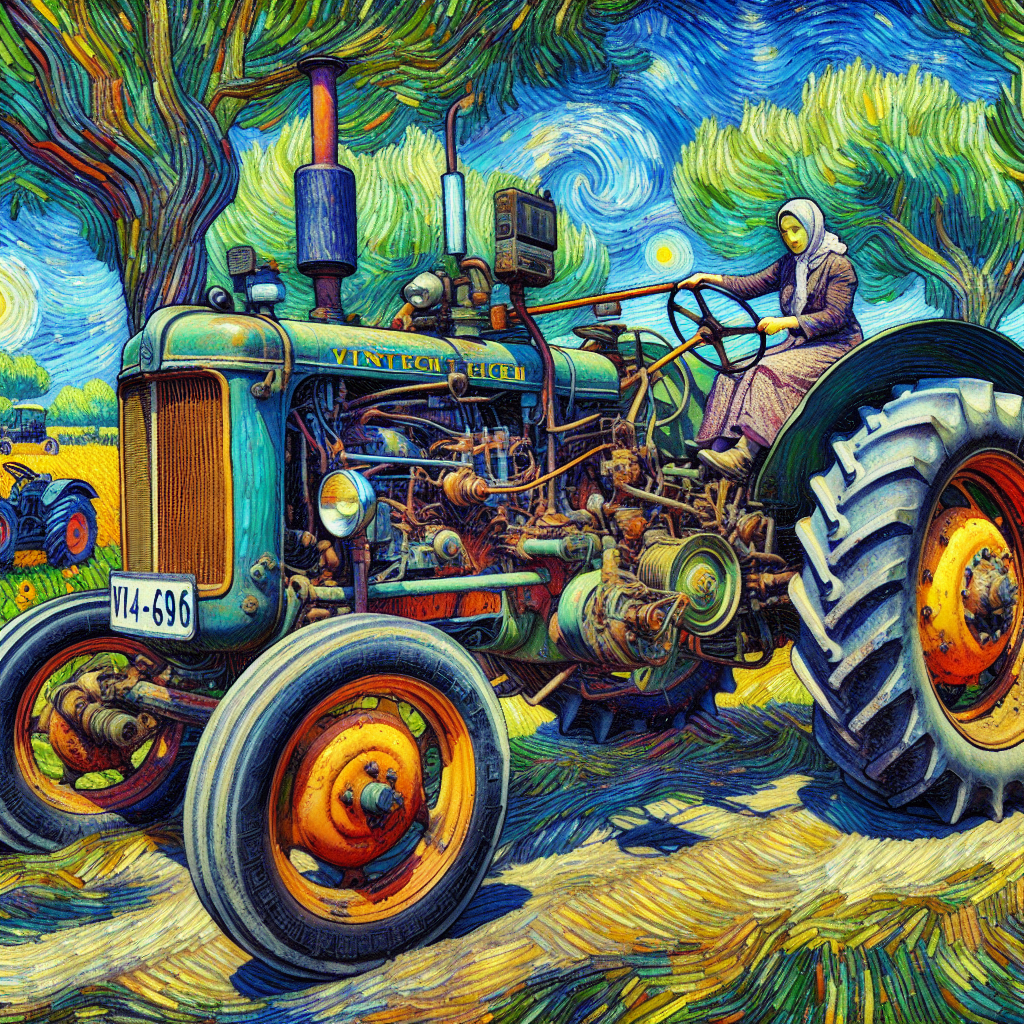
Conclusion
Other Resources

Other Resources
Here is a list of other resources you can review online to learn more:
- Simpson Jumbo
- Deutz-Fahr
- Barn Finds
- Branson
- Tri-State Gas Engine and Tractor Association
- Tytan
- C.O.D. Tractor Company
- Minneapolis
- Dongfeng
- McCulloch
Use This Prompt To Get More Resources With Your Favorite Online AI Tool: Please provide me with a list of online articles with their URLs in a bulleted list that I can read regarding Is The Reliability Of Classic Tractors Making a Comeback In Farming

Other Resources
Glossary Terms
Is The Reliability Of Classic Tractors Making a Comeback In Farming – Glossary Of Terms
1. Classic Tractor: A vintage agricultural vehicle typically built between the 1920s and 1980s, known for its simplicity and durability.
2. Reliability: The ability of a tractor to perform consistently over time without frequent breakdowns or repairs.
3. Restoration: The process of returning a classic tractor to its original condition through repairs, maintenance, and cosmetic improvements.
4. Simplicity: Refers to the straightforward design and mechanics of classic tractors, often leading to ease of repair and maintenance.
5. Durability: The ability of a tractor to withstand wear, pressure, or damage over extended periods, especially in demanding agricultural settings.
6. Mechanics: The study or trade involving the operation, maintenance, and repair of machinery, including tractors.
7. Fuel Efficiency: A measure of how effectively a tractor converts fuel into work; classic tractors often boast impressive fuel efficiency due to their simpler designs.
8. Heritage Farming: A farming practice that embraces traditional techniques and equipment, including the use of classic tractors.
9. Mechanical Advantage: A property of tractors that allows them to perform tasks more easily, often achieved through leverage and gear systems.
10. Collectibility: The value and desirability of classic tractors among collectors, often influencing their restoration and use.
11. Farm Value: The economic importance of tractors to farming operations, including their contribution to productivity and operational efficiency.
12. Gardening: A subset of farming that may utilize smaller classic tractors for landscaping, planting, and maintenance tasks.
13. Rural Revival: A movement focused on revitalizing rural areas and farming practices, often including a resurgence in classic tractor use.
14. Mechanized Farming: The use of machinery and tractors to conduct agricultural activities more efficiently and effectively.
15. Field Operations: The various tasks performed in the field, such as plowing, planting, and harvesting, for which classic tractors may still be used.
16. Operator Skill: The level of expertise required to effectively use and maintain classic tractors, often becoming a valued skill among enthusiasts.
17. Tillage: The agricultural preparation of soil by mechanical agitation, commonly performed with classic tractors.
18. Agricultural Engineering: The branch of engineering focused on the design and improvement of equipment and machinery used in farming, including classic tractors.
19. Cultivator: A tool or implement often towed by tractors for breaking up soil and controlling weeds between rows of crops.
20. Biodynamic Farming: A holistic approach to agriculture that may utilize classic tractors in harmony with natural systems and cycles.
21. Customization: Modifications made to classic tractors to enhance performance, aesthetics, or functionality.
22. Sustainable Agriculture: Farming practices aimed at meeting the needs of the present without compromising future generations, which may incorporate classic tractors for their low environmental impact.
23. Land Stewardship: The responsible management of agricultural land, which can include the careful use of classic tractors to preserve soil and resources.
24. Community Supported Agriculture (CSA): A model of food production and distribution that may utilize classic tractors, fostering local agricultural sustainability.
25. Vintage Equipment Shows: Events that showcase classic tractors and other vintage farming equipment, celebrating their reliability and history.
26. Implement: Any agricultural tool or device, often attached to tractors, used to perform specific farming tasks.
27. Retrofitting: The addition of new technology or features to existing classic tractors in order to enhance performance or efficiency.
28. Operational Longevity: The length of time a classic tractor remains functional and effective, often studied as a measure of reliability.
29. Tractor Enthusiast: An individual passionate about collecting, restoring, or using classic tractors, often contributing to their renaissance in farming.
30. Agricultural History: The study of the development of farming practices and technologies over time, highlighting the role of classic tractors in shaping modern agriculture.

Glossary Of Terms
Other Questions
Is The Reliability Of Classic Tractors Making a Comeback In Farming – Other Questions
If you wish to explore and discover more, consider looking for answers to these questions:
- What are the most popular classic tractors among farmers today?
- How do classic tractors compare in terms of efficiency with modern tractors?
- What maintenance practices are recommended for keeping classic tractors in good condition?
- Are there any specific challenges in using classic tractors in modern farming?
- What are the most notable stories or legends associated with iconic classic tractors?
- How can one get involved in the community of classic tractor enthusiasts?
- What are the best resources for learning about classic tractor restoration?
- How do local communities support farmers who use classic tractors?
- What impact do classic tractors have on local economies?
- Are there environmental benefits to using classic tractors over modern machinery?

Other Questions
Haiku
Is The Reliability Of Classic Tractors Making a Comeback In Farming – A Haiku
Classic steel whispers,
Tales of grit, soil, and the past—
Roots with hope take hold.

Haiku
Poem
Is The Reliability Of Classic Tractors Making a Comeback In Farming – A Poem
In the Heart of the Fields, Classic Tractors Rise
In the heart of the fields where the strong winds sigh,
Classic tractors hum beneath an amber sky,
Emblems of grit and the sweat of the land,
Whispers of history formed by calloused hands.
As the dawn breaks over rows of gold,
Their stories awaken, both timeless and bold,
Each dent, each scratch, a memory unfurled,
In the machinery, echoes of a laboring world.
Not just metal, but legacies sewn,
Living tales of resilience, of seeds brightly sown;
Where profit margins fade within shadows of night,
These tractors remind us—there’s more than just might.
With mechanics simple, they hold a great truth,
In fading paint and worn leather, we find our roots;
Rational minds see their lasting esteem,
While our hearts beat faster, igniting hope’s dream.
For farming’s not merely about modern machine,
But a bond with the soil, like a well-loved routine,
Sustainability thrives in each vintage tale,
A ride on these giants leads to community’s trail.
Ethically standing against wasteful creation,
Farmers unite with a powerful dedication,
Restoring and mending, choosing to care,
They cultivate not just crops, but a future we share.
So gather ’round wrenches, let the engines roar,
As friendships blossom in the fields we explore;
Together we rise, in each gathered line,
Embracing the old while the new intertwines.
In times of uncertainty, let steadfastness lead,
For classic tractors are more than just speed;
They offer connection, a culture reborn,
Reminding us gently of the legacy worn.
So as you harness the strength of the past,
Remember, dear farmer, this bond is steadfast;
With each rev of the engine, they sing of our ways,
An enduring reminder of life’s precious days.

Poem
Checklist
Is The Reliability Of Classic Tractors Making a Comeback In Farming – A Checklist
Classic Tractors: A Heartfelt, Rational, and Ethical Checklist for Farmers and Enthusiasts
Emotional Appeals:
1. Reconnect with Tradition: Reflect on how classic tractors represent your family’s legacy and the history of farming.
2. Share Stories: Gather with friends and family to share the memories and stories tied to classic tractors in your community.
3. Create a Scrapbook: Document the emotional journey of your relationship with your tractor, including photos, stories, and experiences.
Rational Appeals:
4. Evaluate Durability: List the benefits of owning a classic tractor, including their reliability and ease of maintenance.
5. Calculate Cost Savings: Compare the cost of maintaining a classic tractor versus modern machinery to understand long-term financial benefits.
6. Assess Sustainability: Research how classic tractors can contribute to sustainable farming and lower your operational carbon footprint.
Ethical Appeals:
7. Support Sustainable Practices: Pledge to invest in classic tractors as a commitment to preserving agricultural heritage and sustainable practices.
8. Engage Local Artisans: Seek out local restoration experts to support and nurture the craftsmanship within your community.
9. Honor the Land: Reflect on the impact of traditional farming methods on environmental stewardship and community bonding.
Authority Appeals:
10. Learn from Experts: Attend workshops or fairs featuring classic tractor restoration or repair to gain insights and knowledge from seasoned professionals.
11. Join a Community: Become part of local or online groups dedicated to classic tractors to share expertise and build relationships with fellow enthusiasts.
Narrative Appeals:
12. Document Your Journey: Start a blog or journal detailing your experiences with classic tractors, including maintenance, restoration, and farming stories.
13. Build Community: Organize events such as tractor shows or gatherings to foster community connections and celebrate shared experiences.
Social Appeals:
14. Encourage Networking: Connect with other classic tractor owners to exchange tips and stories of restoration or farming achievements.
15. Participate in Local Events: Engage with your community by attending parades, fairs, or competitions that showcase classic tractors and their stories.
16. Champion Sustainable Farming: Share your commitment to ethical farming practices through social media or community platforms to inspire others.
Final Reflection:
Embrace the journey of preserving agricultural heritage through classic tractors—not just as machinery, but as vital links to the past and future of farming. Each tractor has a story that deserves to be told, cherished, and honored.

Checklist
At ClassicTractorNews, we help tractor lovers keep up with the latest news for classic and vintage tractors.
Please share this post with your friends, family, or business associates who may like old classic or vintage tractors.