

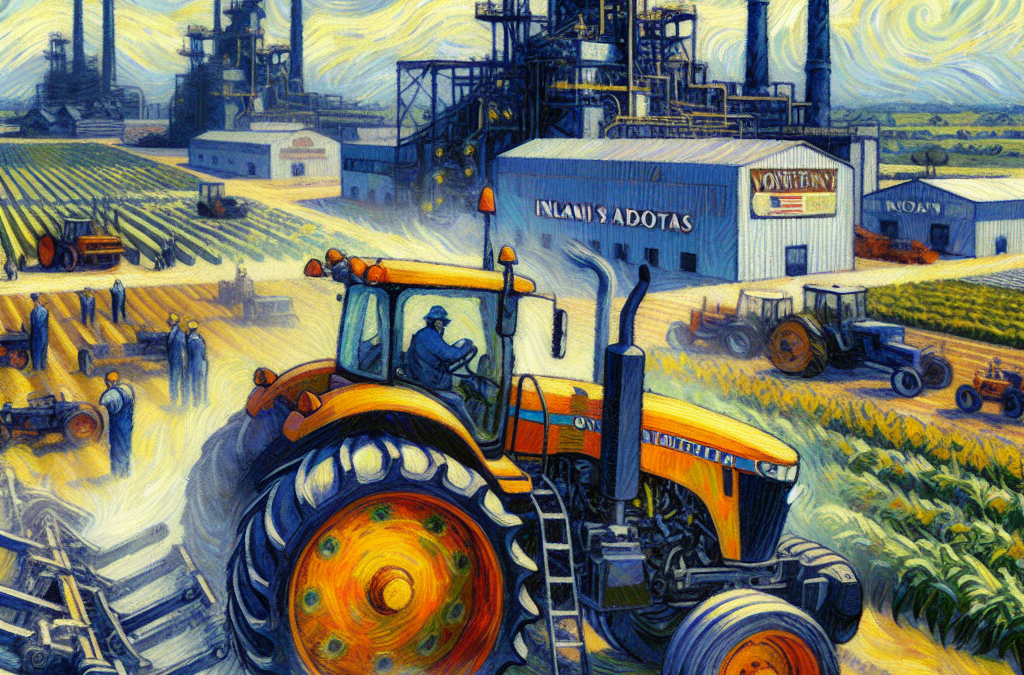
The Unbeatable Legacy: How Classic Tractors Transform Farming
By Tom Seest
At ClassicTractorNews, we help tractor lovers keep up with the latest news for classic and vintage tractors.
Please share this post with your friends, family, or business associates who may like old classic or vintage tractors.
Is The Reliability Of Classic Tractors a Game Changer for Your Farm
When you stroll beside a classic tractor, running your fingers along its weathered metal and faded paint, you feel a connection—a bit of history tied to the land you work. This isn’t just a machine; it’s a testament to resilience, craftsmanship, and connection. Imagine that rumble of its engine, the faint scent of diesel mingling with freshly turned soil. It’s a sound that has been part of farming for generations, an instrument wielded by those who know what it means to rely on its power.
The classic tractor isn’t merely reliable; it’s a steadfast partner in the daily grind of farm life. You’re not just investing in iron and steel; you’re investing in a legacy. Picture this: your grandfather, sweating under the summer sun, guiding that same model through the fields, working in harmony with Mother Nature. Each revolution of its wheels offers assurance that this machine knows how to get the job done without the bells and whistles of modernity. This is a relationship built on trust—one forged over years, where the tractor doesn’t just serve you, but becomes a part of your story.
Now let’s think rationally. Newer, flashier machinery dazzles with technology and promises efficiency, yet how often have you heard stories of breakdowns or the inability to find replacement parts? Classic tractors are often simpler in design, creating fewer opportunities for failure and allowing for easier maintenance, which translates to less downtime during peak seasons. Objectively, when that harvest window shrinks, you want something you can depend on. With far fewer moving parts, these machines often turn out to be the most cost-effective option in the long run.
What about ethics? In an age where sustainability is paramount, restoring and using a classic tractor reduces waste. Each refurbished unit is one less machine needing production, contributing to a cycle of life that respects the resources of our planet.
Let’s not overlook the community aspect. Think of the connections forged at vintage tractor shows and dealership revivals where like-minded farmers gather to share stories, tips, and tricks. These gatherings remind us that farming isn’t just a profession; it’s a shared passion.
So, when you choose to trust in a classic tractor, you’re not just making a decision based on reliability. You’re investing in history, forging connections, and nurturing the farming community—all while ensuring that your farm runs smoothly, season after season.
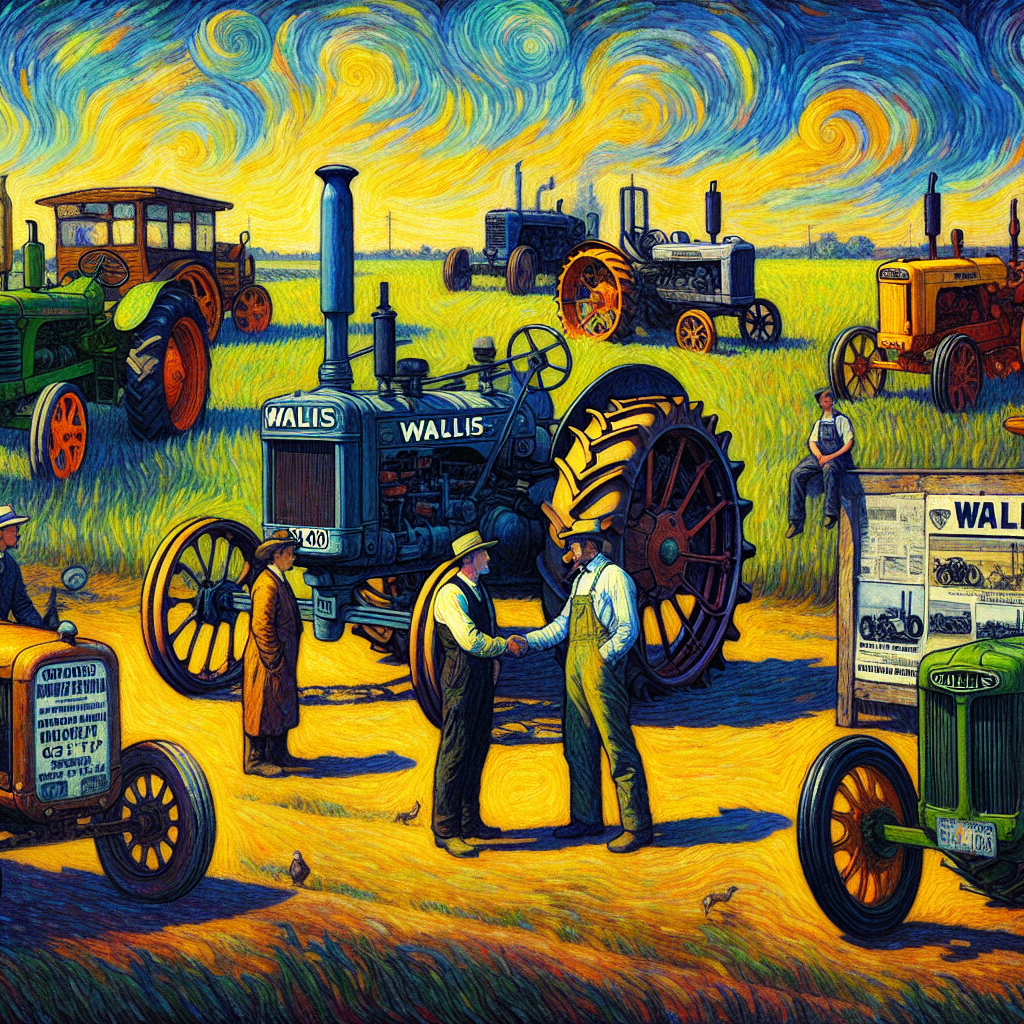
Is The Reliability Of Classic Tractors a Game Changer for Your Farm
Is The Reliability Of Classic Tractors a Game Changer for Your Farm
- Classic tractors evoke a sense of history and connection to the land.
- They symbolize resilience, craftsmanship, and reliable partnership in farming.
- Classic tractors have stood the test of time, often linked to family legacy and traditions.
- They are simpler in design, resulting in fewer breakdowns and easier maintenance.
- Using classic tractors can be more cost-effective due to fewer moving parts.
- Restoring and using classic tractors supports sustainability by reducing waste.
- Vintage tractor shows foster community among farmers, highlighting shared passions.
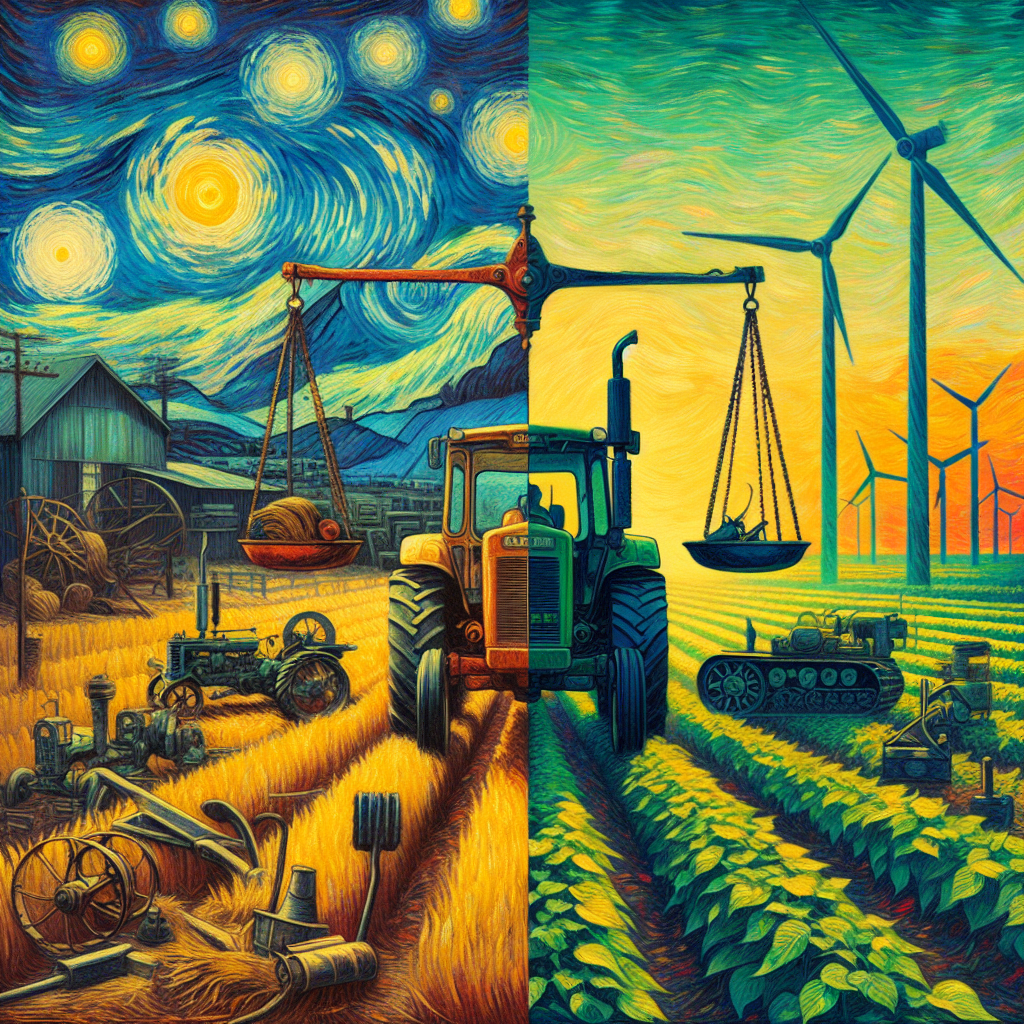
Is The Reliability Of Classic Tractors a Game Changer for Your Farm
Table Of Contents
- Is The Reliability Of Classic Tractors a Game Changer for Your Farm
- Is Maintaining A Classic Tractor Worth The Emotional Investment?
- How Does A Classic Tractor Enhance Farm Efficiency And Productivity?
- How Do Classic Tractors Reflect The Values Of Farming Communities?
- What Stories Do Classic Tractors Carry From Generations Past?
- Can You Trust Classic Tractors To Deliver On Tough Farming Demands?
- Do Classic Tractors Foster A Sense Of Pride And Identity For Farmers?
- Conclusion
- Other Resources
- Glossary Of Terms
- Other Questions
- Haiku
- Poem
- Checklist
Is Maintaining A Classic Tractor Worth The Emotional Investment?
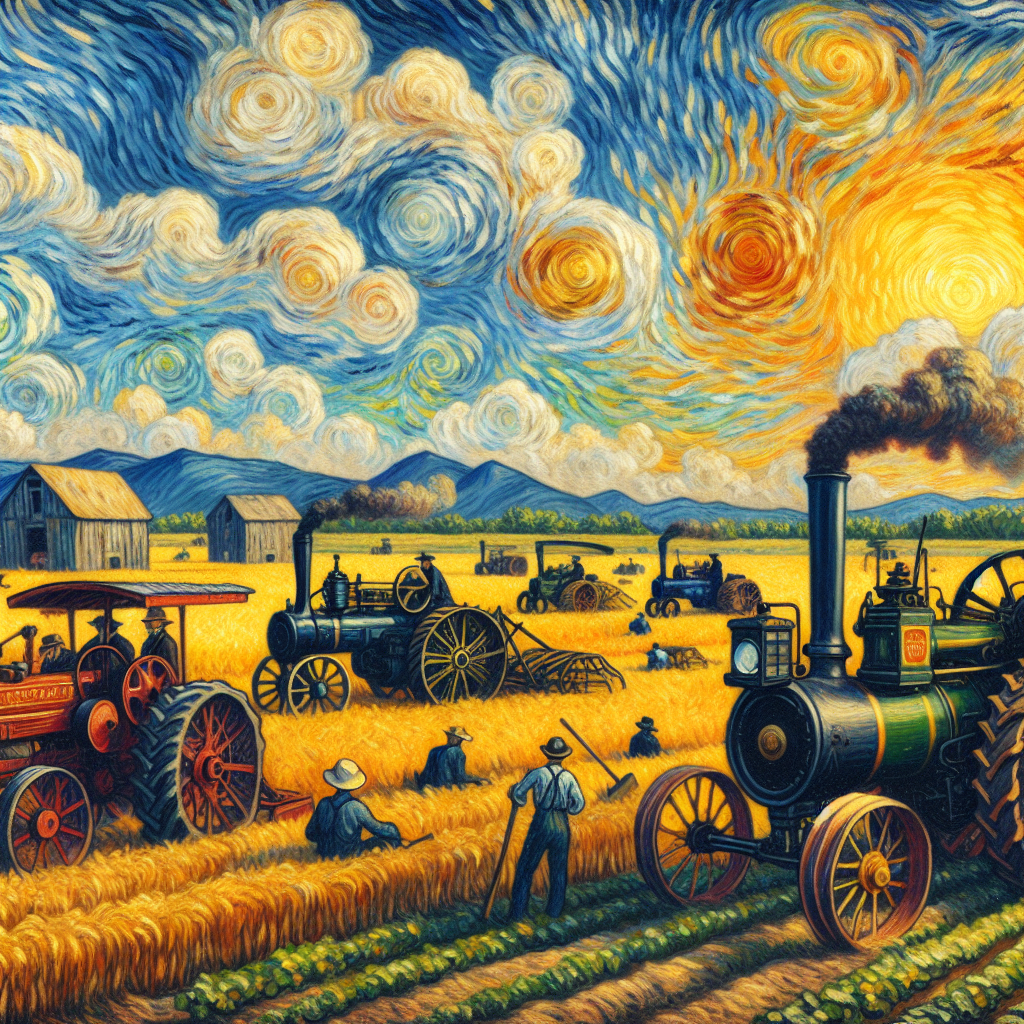
When you find yourself standing beside an old tractor, the once-bright paint now faded and the engine’s rumble a distant echo of its glory days, you’re not just looking at a machine. You’re staring into a tapestry of history woven with grit, sweat, and long-forgotten stories. This rusting giant has plowed through storms, weathered the trials of time, and set the stage for countless memories. But the real question isn’t whether maintaining that classic tractor is worth the effort—it’s whether the emotional investment holds up against the soothing whispers of nostalgia and the calling of family legacy.
Now, let’s get real for a moment. Maintaining a classic tractor isn’t a weekend hobby; it’s a commitment. You may find yourself knee-deep in grease and dirt, utterly exhausted, questioning your sanity while the sun sets on your long day’s work. But when you stand back and admire the shine of new paint or hear that engine roar back to life, it’s like reawakening an old friend. Your heart swells, and you realize that those grueling hours were mere deposits into the wealth of joyful moments yet to come.
From a rational viewpoint, the return on investment isn’t defined merely by dollar signs. Imagine passing that tractor on to your children, teaching them the lessons of hard work, resilience, and the importance of preserving what once was. Every time your family gathers around that tractor, it becomes a beacon of connection—a legacy that transcends generations, nurturing not just pride, but familial bonds that are often diluted in today’s fast-paced world.
Let’s not forget the ethical dimension. In a time of disposable culture, committing to maintain a classic tractor challenges us to consider the value of history and craftsmanship. It’s a stand against obsolescence, a celebration of what was, and a promise of what can be. Joining a community of fellow enthusiasts cultivates a shared mission—a camaraderie that resonates deeply, turning solitude into solidarity.
So, as you wipe that stubborn grease from your hands, remember that this isn’t just maintenance; it’s preservation. It’s about honoring the journey, connecting the past with the future. The question isn’t whether you should invest your time and energy—it’s whether you’ll let the heartbeat of history fade away, or if you’ll let it thrive, one repaired tractor at a time.
Is Maintaining A Classic Tractor Worth The Emotional Investment?
Is Maintaining A Classic Tractor Worth The Emotional Investment?
- Standing beside an old tractor symbolizes a connection to history filled with grit and untold stories.
- Maintaining a classic tractor requires significant commitment and effort, often leading to physical exhaustion and self-doubt.
- The rewards of restoration include emotional satisfaction and the joy of reviving an “old friend.”.
- Passing the tractor to the next generation imparts lessons of hard work, resilience, and family legacy.
- The tractor becomes a focal point for family gatherings, strengthening bonds amidst a fast-paced world.
- Preserving a classic tractor counters the disposable culture, valuing history and craftsmanship.
- This effort is a form of preservation, honoring the journey while connecting past and future.
Is Maintaining A Classic Tractor Worth The Emotional Investment?
How Does A Classic Tractor Enhance Farm Efficiency And Productivity?
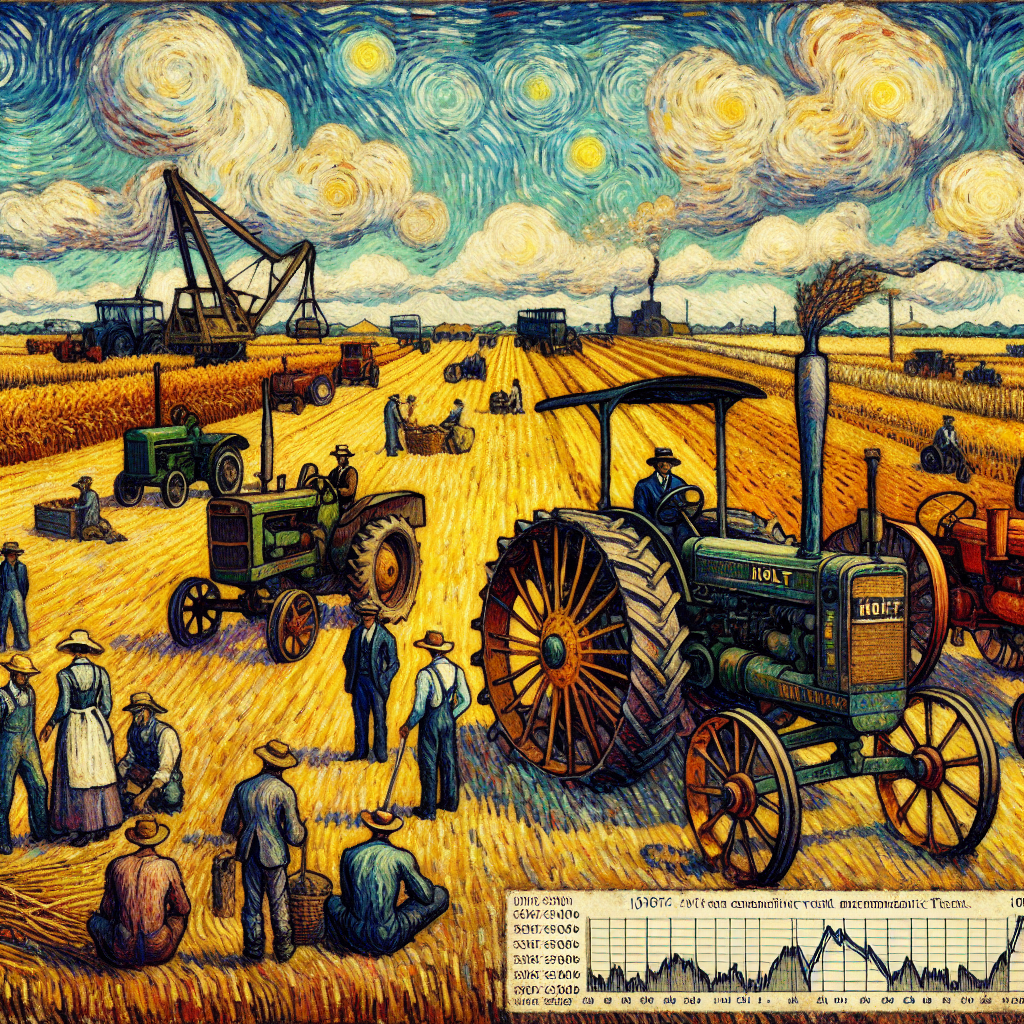
In the quiet embrace of dawn, the rumble of a classic tractor stirs the earth to life. This isn’t just a piece of machinery; it’s a bridge—connecting generations of hard work, ingenuity, and sweat to fields that have been cultivated for centuries. Picture pulling away from the barn, the smell of diesel mingling with the crisp morning air, as you slide into the weathered seat. You’re not just operating a tractor; you’re wielding a tool that has stood the test of time, one that has powered countless families through their daily struggles and triumphs.
Consider the heart behind that steel—farmers who put soul into every row they plant and every crop they harvest. In an era where precision farming and technology have taken the spotlight, the classic tractor invites you into a different kind of dialogue. It whispers of simplicity and resilience. While the latest gadgets boast efficiency metrics, it’s the classic tractor that embodies a rugged reliability, reminding us that true productivity lies not just in speed but in the steady rhythm of the earth.
Now, let’s engage the head. There’s something remarkable about a classic tractor’s ability to adapt. Its design may be simple, yet its capacity to haul heavy loads, till fertile soil, or navigate uneven terrain showcases an unmatched versatility. This kind of dependability translates directly to farm efficiency. When the sun begins to set and the workday seems vast, knowing that you have an unwavering partner in the field can mean the difference between harvest losses and record yields.
Emotionally, we’re drawn to the stories these tractors tell—the family barbecues after a hard day’s work, the child learning to drive as a rite of passage, and the community gatherings that center around shared labor. These aren’t just nostalgic memories; they’re threads that weave the fabric of rural life, creating bonds that can only be formed around shared purpose and common struggles.
Finally, consider the ethical implications. Utilizing a classic tractor not only preserves a rich farming heritage but also promotes sustainability. These machines often demand less from modern infrastructure and come with lower environmental footprints. By valuing the past, we pave the way for responsible stewardship of the land.
So next time you see a classic tractor, remember—it’s more than just a vehicle; it’s a testament to what has been, a tool for what is, and a promise of what can be. Embrace the power it holds, and let it inspire you to cultivate not just the land, but relationships and a way of life that honors tradition while pushing toward the future. Your farm, and the world, will be better for it.
How Does A Classic Tractor Enhance Farm Efficiency And Productivity?
How Does A Classic Tractor Enhance Farm Efficiency And Productivity?
- Classic tractors embody a connection to generations of hard work and ingenuity in agriculture.
- They offer a sense of simplicity and resilience amidst the rise of precision farming and technology.
- These machines demonstrate remarkable versatility in hauling, tilling, and navigating diverse terrains.
- The dependability of classic tractors directly impacts farm efficiency and productivity.
- They evoke emotional connections through shared experiences and communal activities in rural life.
- Using classic tractors helps preserve farming heritage and promotes sustainability with lower environmental footprints.
- Classic tractors serve as a testament to the past, a tool for the present, and a promise for the future.
How Does A Classic Tractor Enhance Farm Efficiency And Productivity?
How Do Classic Tractors Reflect The Values Of Farming Communities?
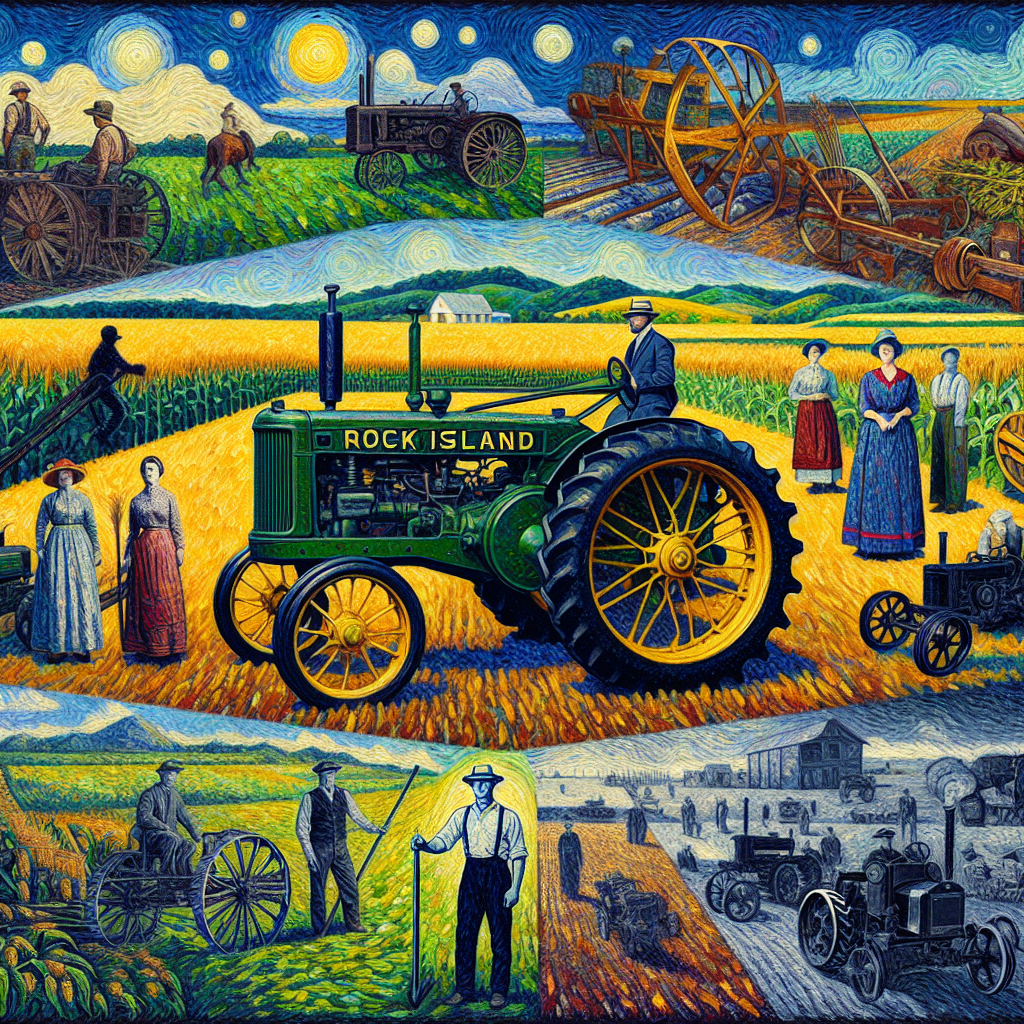
When you look at a classic tractor, you’re not just staring at a machine; you’re gazing into the heart of farming communities that have shaped our world. These old iron beasts, with their weathered paint and rugged lines, embody a spirit of resilience, hard work, and dedication that transcends generations. They resonate like an anthem sung by farmers past—each scratch on the metal telling a story, each dent holding a memory.
These tractors are often the backbone of traditions passed down through families, each one a symbol of the values instilled in those who work the land. Think of the late-night repairs by lantern light, the laughter shared among neighbors who gathered to lend a hand. For many, these machines represent not just a means of production but a way of life rooted in community and cooperation. There’s an intrinsic beauty in knowing that each turn of the wheel has cultivated not only crops but relationships—building a tapestry of shared experiences that define a community.
Now, let’s get real here. These classic tractors aren’t just artifacts; they are testaments to durability and craftsmanship. When you drive one of these marvels, you feel it—the weight, the power, the connection to the soil. You understand that it’s a tool, yes, but also a symbol of ethical stewardship. These tractors were built to last, echoing the farmer’s commitment to land and legacy. In an age of disposable culture, they stand tall as reminders that real value comes from enduring quality and the promise of a sustainable future.
When we consider why we should care about these transformative machines, we touch on something deeper. Owning a classic tractor means supporting local economies, preserving history, and nurturing the next generation of farmers. It’s about fostering a connection with the land that sustains us and recognizing the expertise that goes into every farming practice. By embracing these dependable companions, we align ourselves with a powerful narrative—one that values hard work and honors the sacrifices made by those who tread the fields before us.
So, the next time you see a classic tractor, take a moment. Appreciate its presence. Let it remind you of the passions that take root every season, and perhaps, consider how you might be part of that legacy. Trust in the machine, trust in the story, and maybe even trust in each other. After all, in farming communities, that’s what it’s really all about.
How Do Classic Tractors Reflect The Values Of Farming Communities?
How Do Classic Tractors Reflect The Values Of Farming Communities?
- Classic tractors symbolize resilience, hard work, and dedication in farming communities.
- They are often the backbone of traditions passed down through families, representing community values.
- These machines foster relationships, creating a tapestry of shared experiences within communities.
- Classic tractors are testaments to durability and craftsmanship, connecting farmers to their land.
- They serve as symbols of ethical stewardship and enduring quality in a disposable culture.
- Owning a classic tractor supports local economies, preserves history, and nurtures future farmers.
- Appreciating classic tractors reinforces the values of hard work and honors the sacrifices of previous generations.

How Do Classic Tractors Reflect The Values Of Farming Communities?
What Stories Do Classic Tractors Carry From Generations Past?
In every rusted bolt and cracked panel of a classic tractor, there lies a tapestry woven with the threads of hard work, resilience, and dreams. These beloved machines are more than mere tools; they are vessels of history, carrying with them the stories of families who toiled under the changing skies of their homesteads. Each tractor stands as a testament to the age-old bond between humanity and the land—a connection that transcends generations.
Picture this: a weathered farmer, just a boy when his father first handed him the reins of a beloved old tractor. The two of them would spend long days plowing fields, laughing and learning together. The hum of the engine was a melody of determination—a lullaby of sweat and soil, meant to remind them that nothing worth having comes easy. In those moments, the virtues of hard work and dedication were not just lessons learned, but values embodied.
But why does this matter? Because beyond the sentimental nostalgia, there lies a rational understanding of the importance of preserving these machines as symbols of our past. They are reminders of an era when we relied on our own grit to survive, fostering a sense of pride that too often gets lost amid our digital lives. By preserving these classic tractors, we acknowledge the sacrifices our forebearers made, connecting the dots between our present and their struggles. There is an ethical obligation to remember where we came from; after all, our roots shape who we become.
Moreover, the stories these tractors carry are not confined to the fields. They ripple through our communities, drawing farmers, restorers, and historians into a shared narrative. Each restoration project becomes a communal effort, a pulsing heartbeat of camaraderie where neighbors unite over shared experiences and collective nostalgia. When a classic tractor fires up for the first time after years of neglect, it’s not just the engine revving; it’s a legacy roaring back to life.
So next time you see a classic tractor sitting quietly in a field, don’t just view it as an old piece of machinery. Instead, consider the lives it has touched. Reflect on the laughter, the tears, and the countless lessons it has imparted. In honoring the stories of these tractors, we honor the humanity that surrounds them, forging connections that bridge the gap between generations—a call to remember, to appreciate, and to reclaim the enduring legacy of the land we call home.
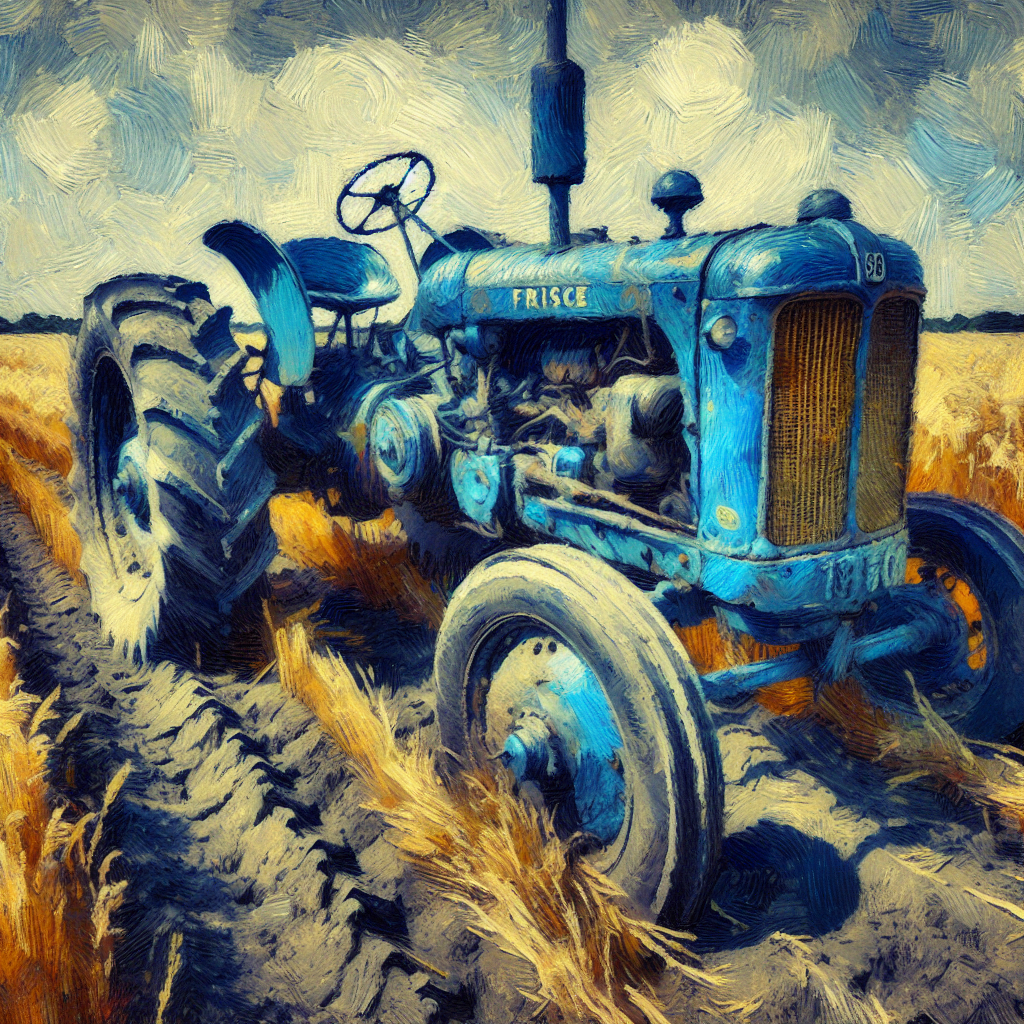
What Stories Do Classic Tractors Carry From Generations Past?
What Stories Do Classic Tractors Carry From Generations Past?
- Classic tractors embody hard work, resilience, and dreams, woven into their rusted bolts and cracked panels.
- These machines serve as vessels of history, reflecting the narratives of families who toiled on their homesteads.
- They symbolize the deep-rooted bond between humanity and the land, transcending generations.
- Preserving classic tractors is vital for acknowledging the sacrifices of our ancestors and connecting us to our roots.
- The stories tied to these tractors extend beyond fields, fostering community among farmers, restorers, and historians.
- Restoration projects become collaborative efforts that revive not just machinery, but a shared legacy.
- Honoring classic tractors means recognizing the emotions and lessons they carry, bridging the generational gap.
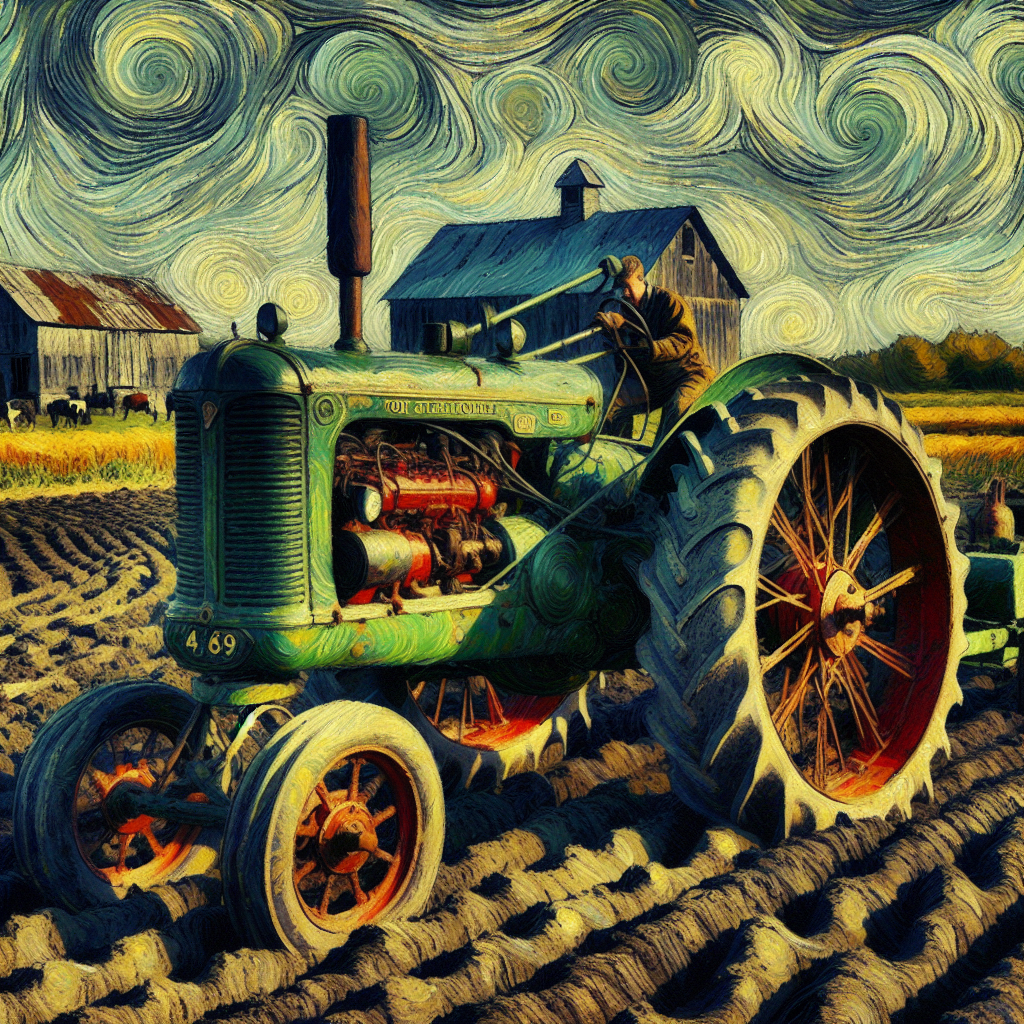
What Stories Do Classic Tractors Carry From Generations Past?
Can You Trust Classic Tractors To Deliver On Tough Farming Demands?
When the dust settles at the end of a long day on the farm, the real question isn’t just whether your tractor can pull that plow or haul those bales. It’s whether it has the heart and soul to stand by you through the grime, grit, and glory of farming life. Classic tractors, those timeless workhorses, have been a part of our agricultural narrative for generations. They offer more than just horsepower; they weave a tapestry of trust and durability that new machinery struggles to replicate.
Picture this: You’re out in the fields, the sun rising on a crisp autumn morning, and you’re relying on that sturdy tractor to get the job done. Sure, the new models boast the latest bells and whistles, but there’s something undeniably reassuring about the rumble of an old tractor’s engine—a loyal companion that’s weathered storms, always ready to deliver when the going gets tough. This is more than a piece of equipment; it’s part of a lineage that carries the sweat and tears of those who came before you, an embodiment of resilience against the ever-changing tide of nature.
Now, let’s get into the nuts and bolts of why you can trust these classic machines. The sheer mechanics of their simplicity mean fewer things can go wrong. They’re built not just to last, but to handle the grueling demands of farm life. You’ve got your hands on machinery that, for decades, has been the backbone of every great harvest, and it shows. With fewer electronics and a straightforward design, your classic tractor is more likely to be a reliable partner when the corn is high and time is short.
Yet, it doesn’t stop there. The community built around these beloved tractors reflects a shared commitment to farming traditions, ethics, and values that foster trustworthiness. When you choose to invest in a classic tractor, you’re joining a network of farmers who respect quality over quantity, who understand that some of the best lessons come from a worn-out steering wheel and a dashboard full of stories.
So, as you stand there, hand on the throttle, ask yourself: Can you really trust anything else to deliver on your farming demands? With classic tractors, you’re not just buying machinery; you’re embracing a legacy of dependability, community, and a promise that the work will get done, come rain or shine. It’s not just about farming; it’s about forging a connection with your land and your roots. Choose wisely, my friends.
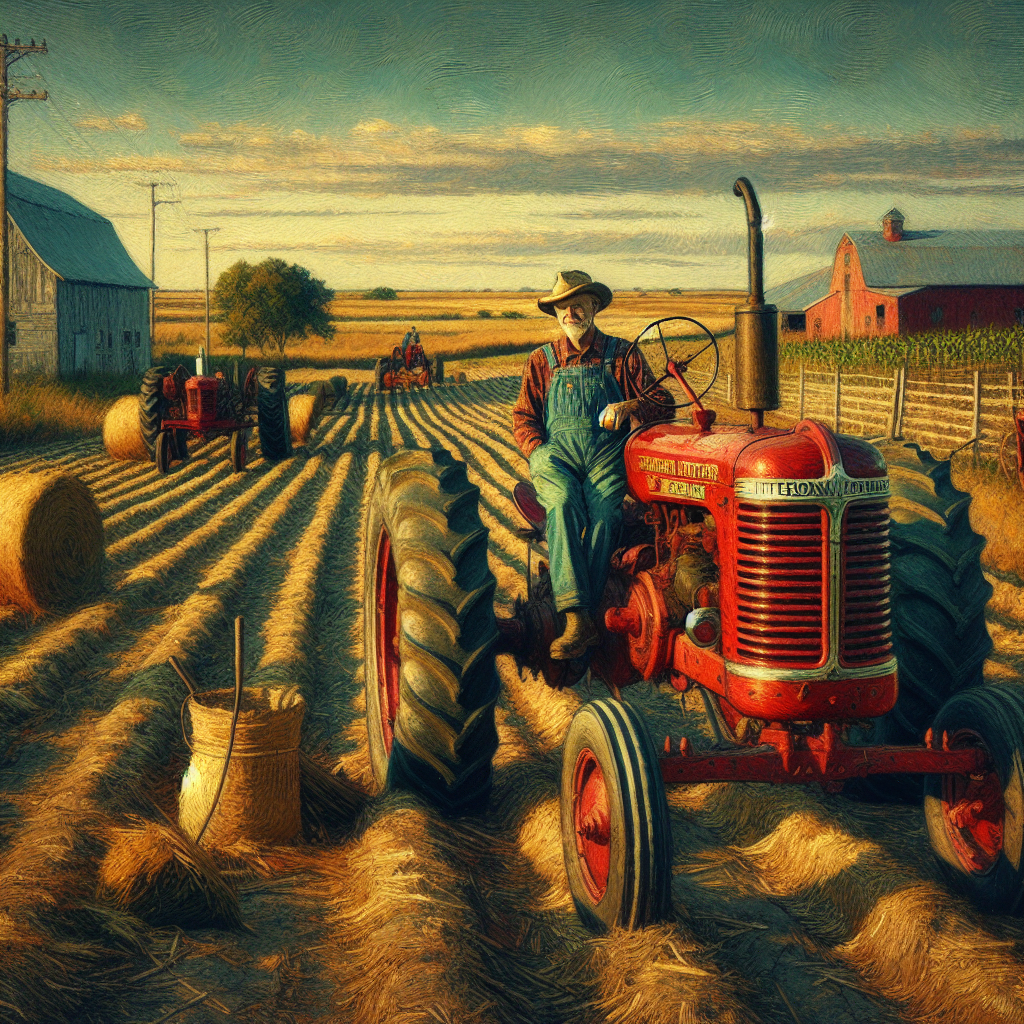
Can You Trust Classic Tractors To Deliver On Tough Farming Demands?
Can You Trust Classic Tractors To Deliver On Tough Farming Demands?
- Classic tractors serve as timeless workhorses with heart and soul, essential for the farming life.
- They offer more than horsepower, providing trust and durability that new machinery often lacks.
- Old tractors are reliable companions, weathering storms and ready to perform under pressure.
- The simplicity of classic tractor mechanics leads to fewer breakdowns and greater reliability.
- These machines have historically been the backbone of harvesting, representing decades of resilience.
- Investing in classic tractors connects you with a community that values farming traditions and ethics.
- Choosing a classic tractor is about embracing a legacy of dependability and forging a deeper connection with your land.
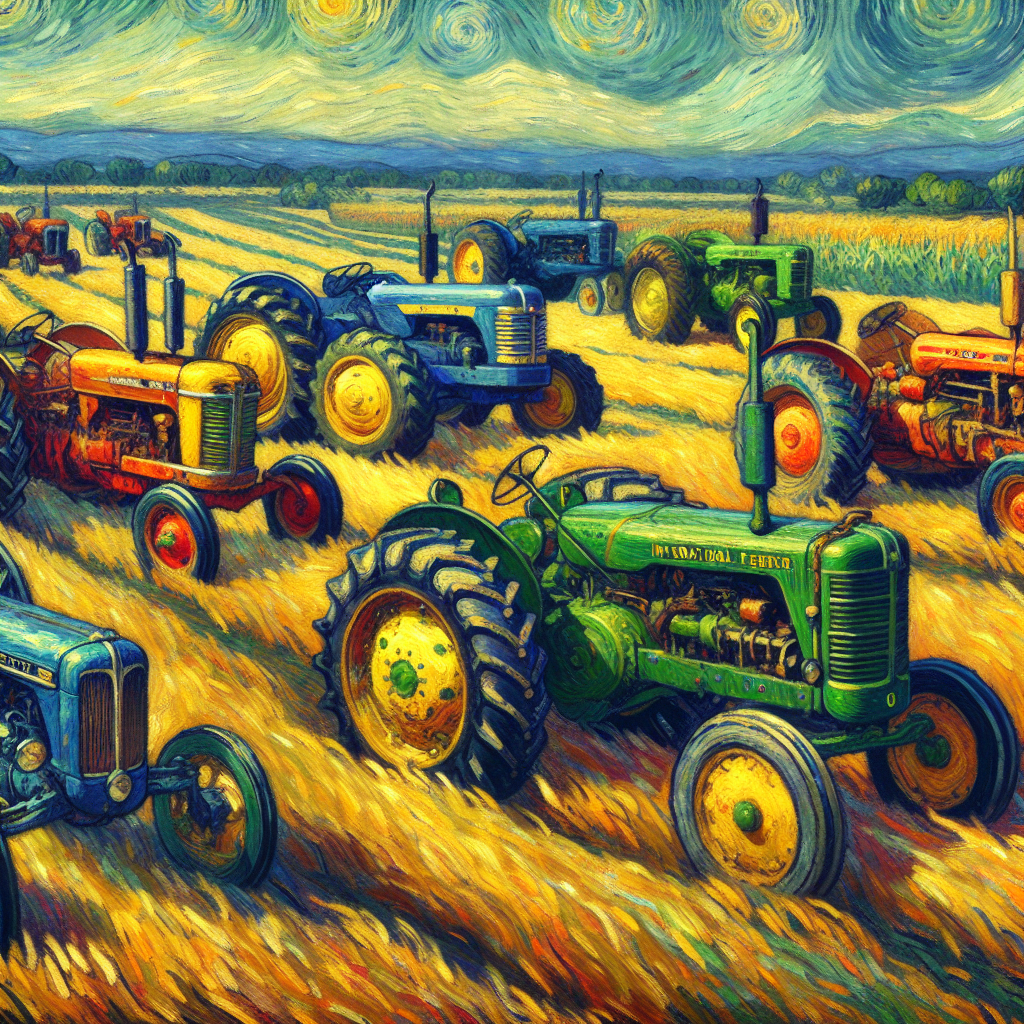
Can You Trust Classic Tractors To Deliver On Tough Farming Demands?
Do Classic Tractors Foster A Sense Of Pride And Identity For Farmers?
When you step onto a classic tractor, something magical happens. It’s not just a machine; it’s a bridge to a rich heritage that pulses through the veins of those who toil on the land. Picture this: the rumble of an old engine, the earthy scent of freshly turned soil, and the sun setting behind fields that have been nurtured for generations. There’s an unspoken bond between farmers and their tractors—one forged in sweat, determination, and an unwavering commitment to the land.
For many, these vintage machines represent more than just equipment; they symbolize hard-earned pride and identity. Think about it: a farmer’s relationship with their tractor is as deeply rooted as the crops they cultivate. It tells a story—a narrative of resilience, of seasons that arrived too early or too late, of family gatherings that revolved around the harvest, and of strangers become friends through shared labor. Each dent, scratch, and rust spot carries a tale that whispers of dedication and history. Classic tractors are not just tools; they embody the very soul of farming.
Now, consider the emotional weight this carries. Farmers take immense pride in their work, and a classic tractor stands as a badge of honor, a testament to their hard work through the years. It evokes respect, not only from those who understand the nuances of farming but also from the community at large. You see, farmers are the backbone of our society. They feed us, and their commitment is reflected in every lovingly maintained tractor that still turns the soil.
But there’s a rational aspect to this connection, too. For many, a classic tractor is not just a piece of nostalgia; it’s an investment in sustainability. These machines, built to last, often offer reliability that outstrips many newer alternatives. Farmers know that when they invest their time and energy into restoring a classic, they’re not only preserving history; they’re ensuring a future rooted in craftsmanship and efficiency.
So, next time you see a classic tractor rolling across the fields, take a moment to appreciate its legacy. It’s more than just wheels and metal—it’s a symbol of unwavering dedication, a call to honor the past while nurturing the future. It invites all of us to reconnect with our roots and recognize that in the heart of agriculture lies an unyielding spirit, embodied in every farmer willing to rise with the sun and nurture the land. This pride and identity—rich and deep—are what truly drive our agricultural community.
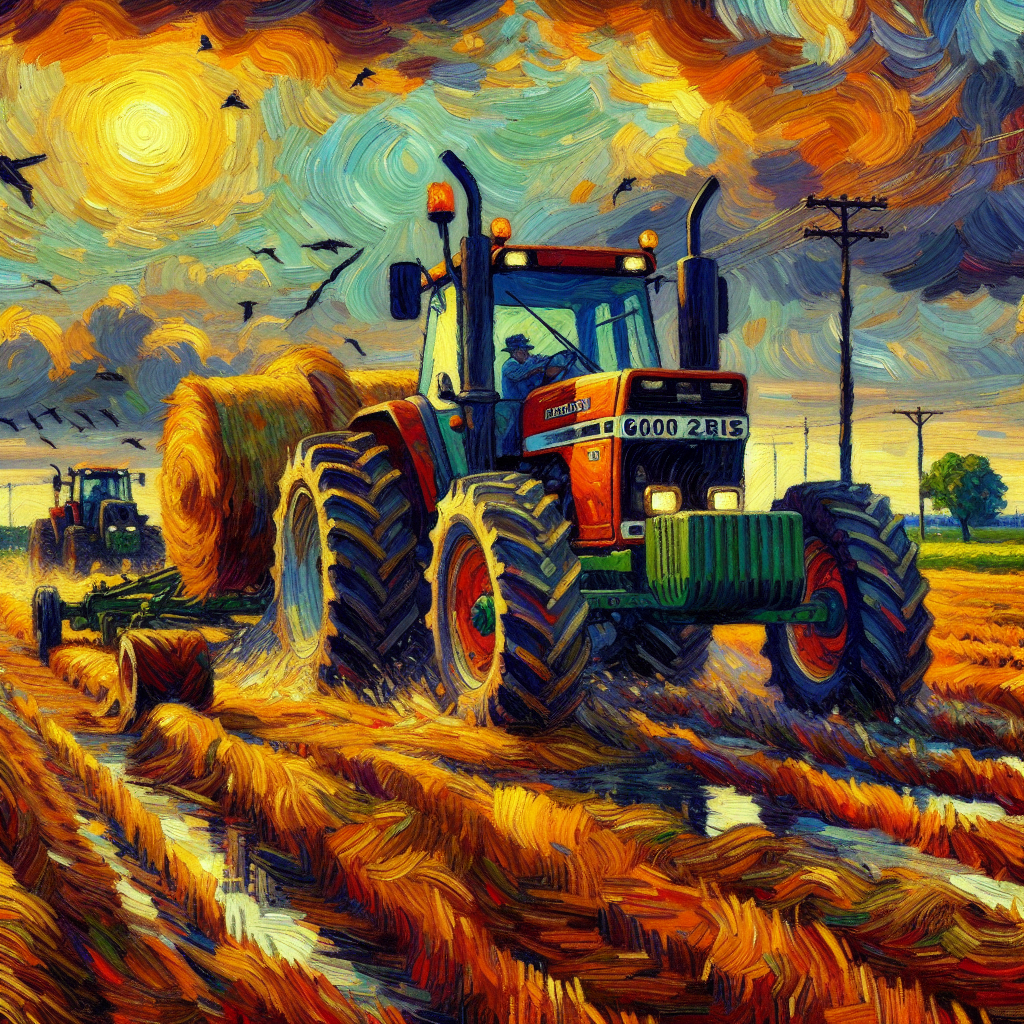
Do Classic Tractors Foster A Sense Of Pride And Identity For Farmers?
Do Classic Tractors Foster A Sense Of Pride And Identity For Farmers?
- Classic tractors serve as a bridge to agricultural heritage, embodying the history and dedication of those who farm the land.
- The relationship between farmers and their tractors symbolizes their hard-earned pride and identity, much like the crops they cultivate.
- Each vintage tractor carries stories of resilience, seasonal challenges, family gatherings, and camaraderie amongst farmers.
- Classic tractors are more than tools; they represent the essence and soul of the farming lifestyle.
- These machines are seen as badges of honor, reflecting a farmer’s dedication and garnering respect from the community.
- Classic tractors also represent an investment in sustainability, often offering greater reliability than newer alternatives.
- The legacy of classic tractors invites appreciation for the unwavering spirit of farmers who nurture the land and keep agricultural traditions alive.
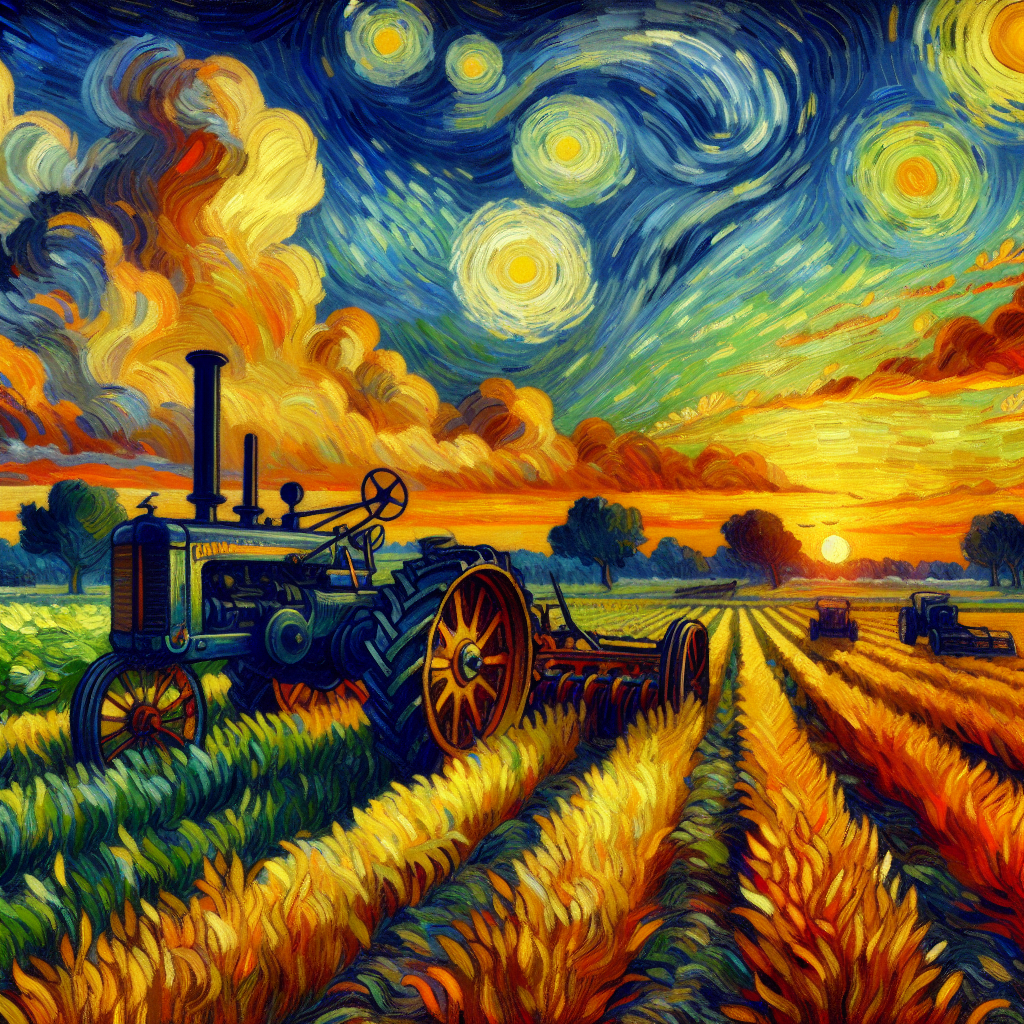
Do Classic Tractors Foster A Sense Of Pride And Identity For Farmers?
Conclusion
As we wrap up our exploration into the enduring legacy of classic tractors, let’s take a moment to reflect on what it truly means to engage with these iconic machines. When you stand next to a classic tractor, it’s more than just rusted metal and faded paint; it’s an emblem of dedication, a tangible link to the struggles and triumphs of those who came before us. Each scratch and dent tells a story, echoing the sweat and toil of generations that have forged a close bond with the land. These machines are more than mere tools; they are steadfast partners in the daily grind of farming life, embodying the essence of hard work and resilience.
Rationally speaking, the simplicity of classic tractors brings reliability that often outshines their modern counterparts. In an era dominated by flashy technology, the straightforward design of these machines means they’re less prone to breakdowns, easier to maintain, and ultimately, more cost-effective over time. When your farming demands grow and the harvest window is tight, you’ll appreciate knowing that a classic tractor won’t let you down. It’s a decision grounded in practicality—a testament to why so many farmers continue to rely on this sturdy ironwork.
Yet, let’s not forget the heart and ethical dimensions of this conversation. Restoring and preserving classic tractors is an act of sustainability. By choosing to breathe new life into these historic machines, we reduce waste and honor the craftsmanship that has withstood the test of time. Each refurbished tractor is a victory against the throwaway culture, a stand for what was and a promise for what can still be.
Now, think about the community aspect. The gatherings at vintage tractor shows and local events are more than just social outings; they forge friendships, share knowledge, and foster support networks among farmers. In this sense, classic tractors become conduits for connection—reminding us that farming isn’t just an occupation, but a shared passion that binds us together.
So, when you choose a classic tractor, you’re investing in much more than machinery; you’re embracing history, nurturing community, and holding fast to the values that sustain us. You’re carrying forward a legacy that honors the past and it’s a commitment to craftsmanship and resilience that benefits future generations. It’s a journey woven with stories and camaraderie. Ultimately, these timeless machines are rooted in the idea that while technology may change, the heart of farming remains steadfast—resilient, grounded, and deeply connected to the land. Embrace that connection. Your farm, your community, and your legacy will thrive because of it.
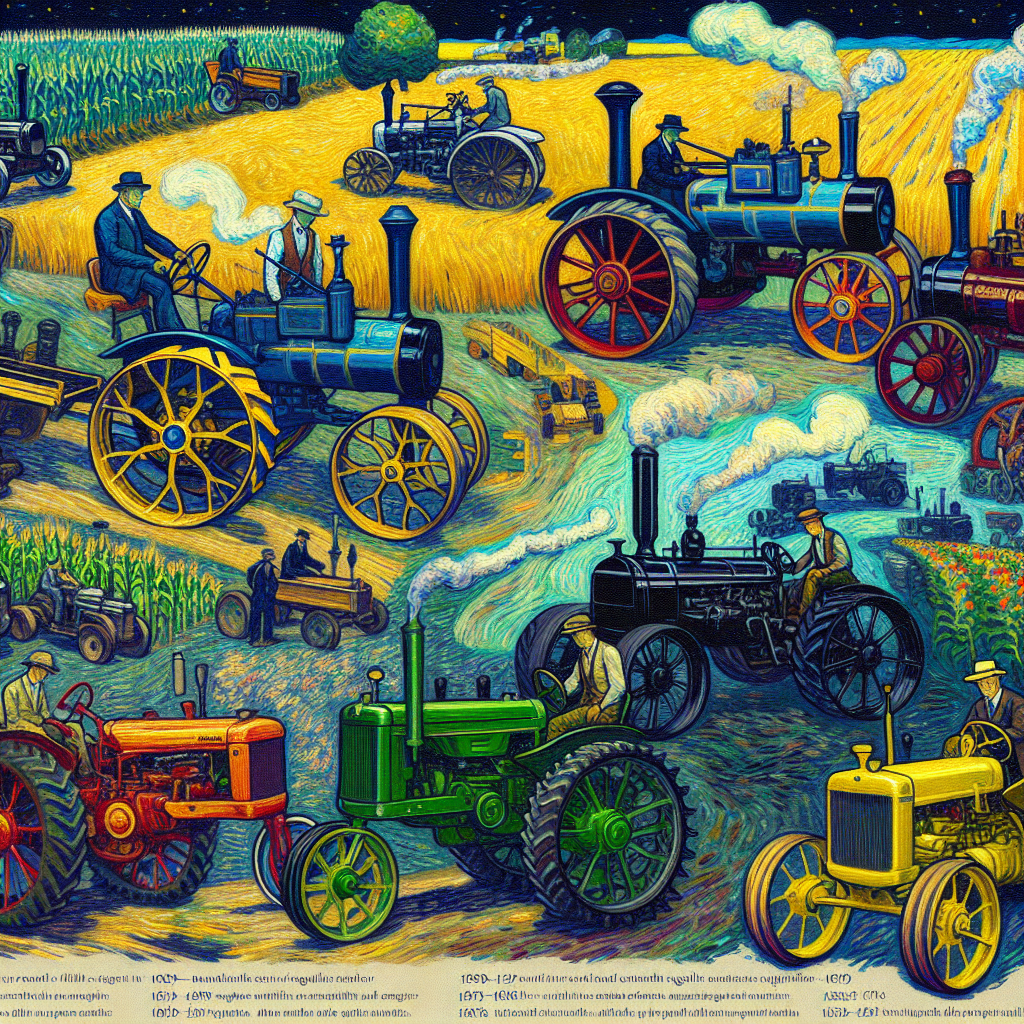
Conclusion
Conclusion:
- Classic tractors symbolize dedication and serve as a link to the historical struggles and triumphs of previous generations.
- Each tractor, with its unique imperfections, tells a story of hard work and resilience in farming life.
- The simplicity of classic tractors offers reliability, making them easier to maintain and more cost-effective than modern machinery.
- Restoring classic tractors promotes sustainability by reducing waste and honoring timeless craftsmanship.
- Vintage tractor shows and local events foster community, friendship, and knowledge among farmers.
- Investing in a classic tractor means embracing history, nurturing community, and upholding values essential to farming.
- Ultimately, classic tractors remind us that while technology evolves, the core of farming remains steadfast and connected to the land.
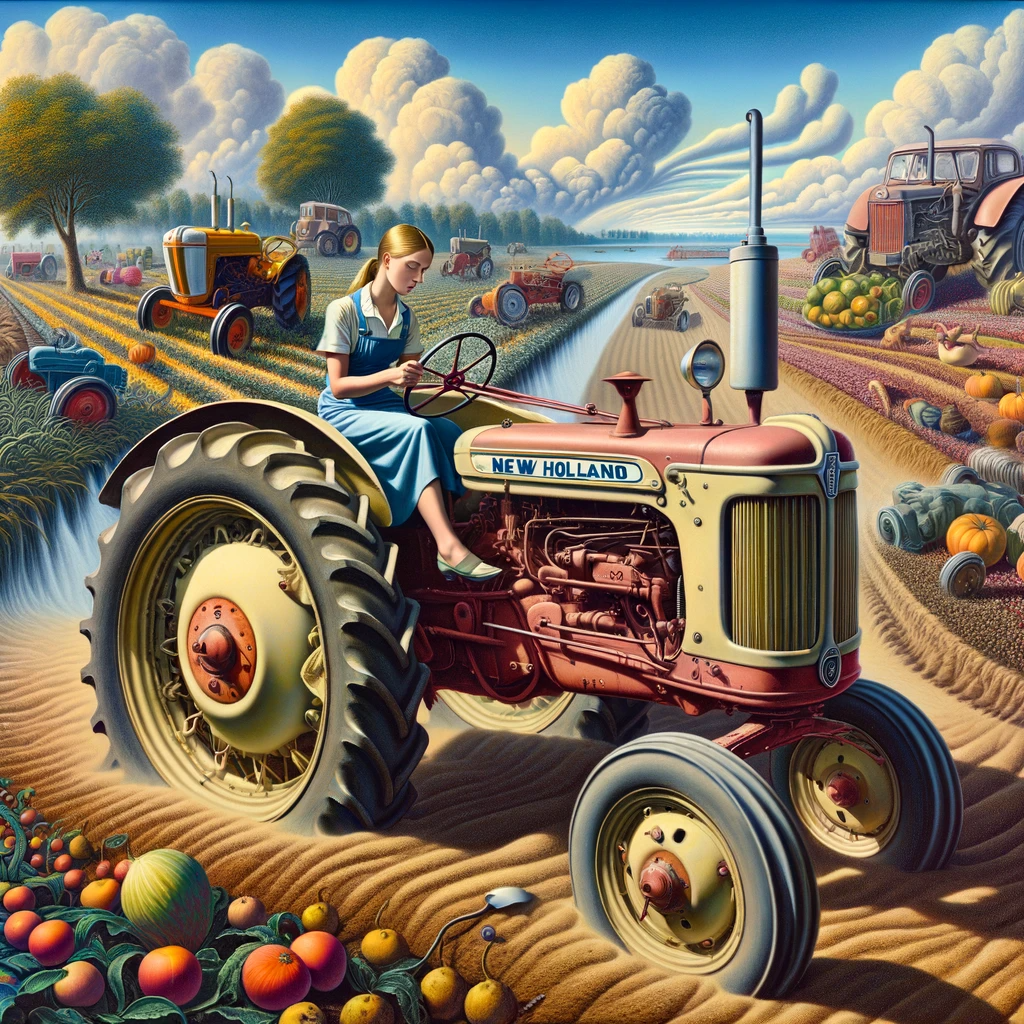
Conclusion
Other Resources

Other Resources
Here is a list of other resources you can review online to learn more:
- Eastern Carolina Vintage Farm Equipment Club
- Interstate Tractor
- Ivel Agricultural Motors
- Ursus
- Massey Ferguson
- Bima
- Sonalika
- Agri-Power
- Challenger
- Silver King
Use This Prompt To Get More Resources With Your Favorite Online AI Tool: Please provide me with a list of online articles with their URLs in a bulleted list that I can read regarding Is The Reliability Of Classic Tractors a Game Changer for Your Farm
Other Resources
Glossary Terms
Is The Reliability Of Classic Tractors a Game Changer for Your Farm – Glossary Of Terms
1. Classic Tractor: A vintage or older model of tractor known for its simplicity, durability, and historical significance.
2. Reliability: The ability of a tractor to perform consistently without failure over time, crucial for farm operations.
3. Durability: The capacity of a tractor to withstand wear, pressure, or damage, ensuring longevity and sustained performance.
4. Maintenance: Routine care and servicing of tractors to ensure their optimal performance and longevity, including oil changes and inspections.
5. Torque: The rotational force produced by an engine, which is vital for pulling heavy loads or performing labor-intensive tasks.
6. Fuel Efficiency: A measure of how well a tractor converts fuel into work, influencing operational costs and environmental impact.
7. PTO (Power Take-Off): A device that transfers mechanical power from the tractor to an implement, enhancing versatility in farming tasks.
8. Hydraulics: A system that uses fluid pressure to operate machinery and attachments, crucial for lifting and controlling implements.
9. Tread Design: The pattern on the tires of a tractor that affects traction, stability, and the ability to navigate various terrains.
10. Cultivation: The process of preparing soil for planting, which may involve the use of tractors for tilling or plowing.
11. Harvesting: The act of gathering mature crops from the fields, often performed using tractors to pull harvesting equipment.
12. Implement: Attachments or tools used with a tractor to perform specific tasks, such as plows, seeders, or mowers.
13. Engine Size: The capacity of a tractor’s engine, which influences power output and suitability for various farming tasks.
14. Towing Capacity: The maximum weight a tractor can safely tow, important for transporting equipment and trailers.
15. Safety Features: Systems and components designed to protect operators and bystanders, including ROPS (Roll Over Protective Structures).
16. Restoration: The process of refurbishing or rebuilding a classic tractor to restore its functionality and aesthetic appeal.
17. Versatility: The ability of a classic tractor to perform multiple agricultural tasks, making it a valuable asset on a farm.
18. Cost-Effectiveness: The economic advantages achieved through the use of classic tractors, often resulting from lower purchase and maintenance costs.
19. Operational Simplicity: The straightforward nature of older tractor designs, making them easier to operate and repair compared to modern models.
20. Sustainability: The environmentally friendly aspect of using classic tractors, often powered by simpler, less resource-intensive technology.
21. Parts Availability: The accessibility of components needed for maintenance and repair, which can vary significantly between classic and modern tractors.
22. Community Support: The network of enthusiasts, mechanics, and collectors that can provide help and resources for preserving classic tractors.
23. Regenerative Practices: Farming methods that ensure soil health and productivity, often enhanced by reliable tractors and their efficient operations.
24. Performance History: The track record of a classic tractor’s reliability and functionality over the years, helping farmers make informed decisions.
25. User Manuals: Guides that provide information on the operation, maintenance, and troubleshooting of tractors, invaluable for classic models.
26. Tractor Shows: Events that celebrate vintage agriculture machinery, allowing farmers to connect, share knowledge, and learn about classic tractors.
27. Restoration Projects: Hands-on initiatives aimed at bringing old tractors back to working condition, enhancing their life and utility on the farm.
28. Field Trials: Tests conducted to evaluate the performance of tractors in various agricultural settings, assessing reliability and efficiency.
29. Agricultural Innovation: Advances in farming practices and equipment that can enhance the effectiveness of traditional machinery like classic tractors.
30. Legacy: The enduring value and importance of classic tractors in the agricultural community, representing a tradition and commitment to farming.
Glossary Of Terms
Other Questions
Is The Reliability Of Classic Tractors a Game Changer for Your Farm – Other Questions
If you wish to explore and discover more, consider looking for answers to these questions:
- What are some examples of classic tractor models that are highly regarded for reliability?
- How do classic tractors compare to modern tractors in terms of maintenance costs?
- What are the most common repairs needed for classic tractors?
- How can one find replacement parts for classic tractors?
- What impact do classic tractors have on farm sustainability?
- Are there specific vintage tractor events or shows that farmers can participate in?
- What skills are necessary for maintaining a classic tractor?
- How can restoring a classic tractor be a bonding experience for families?
- What role do classic tractors play in preserving local farming traditions?
- Are there organizations or groups dedicated to classic tractor enthusiasts?
- What are some challenges associated with using classic tractors in modern farming?
- How do farmers who use classic tractors feel about their productivity compared to using newer models?
- What are some tips for new farmers considering investing in a classic tractor?
- How can classic tractors help in teaching agricultural practices to the younger generation?
- What stories have been shared by farmers about their experiences with classic tractors?
- In what ways do classic tractors contribute to a sense of community among farmers?
Other Questions
Haiku
Is The Reliability Of Classic Tractors a Game Changer for Your Farm – A Haiku
Old iron, still strong,
Whispers of farms, roots entwined—
Legacy’s heartbeat.
Haiku
Poem
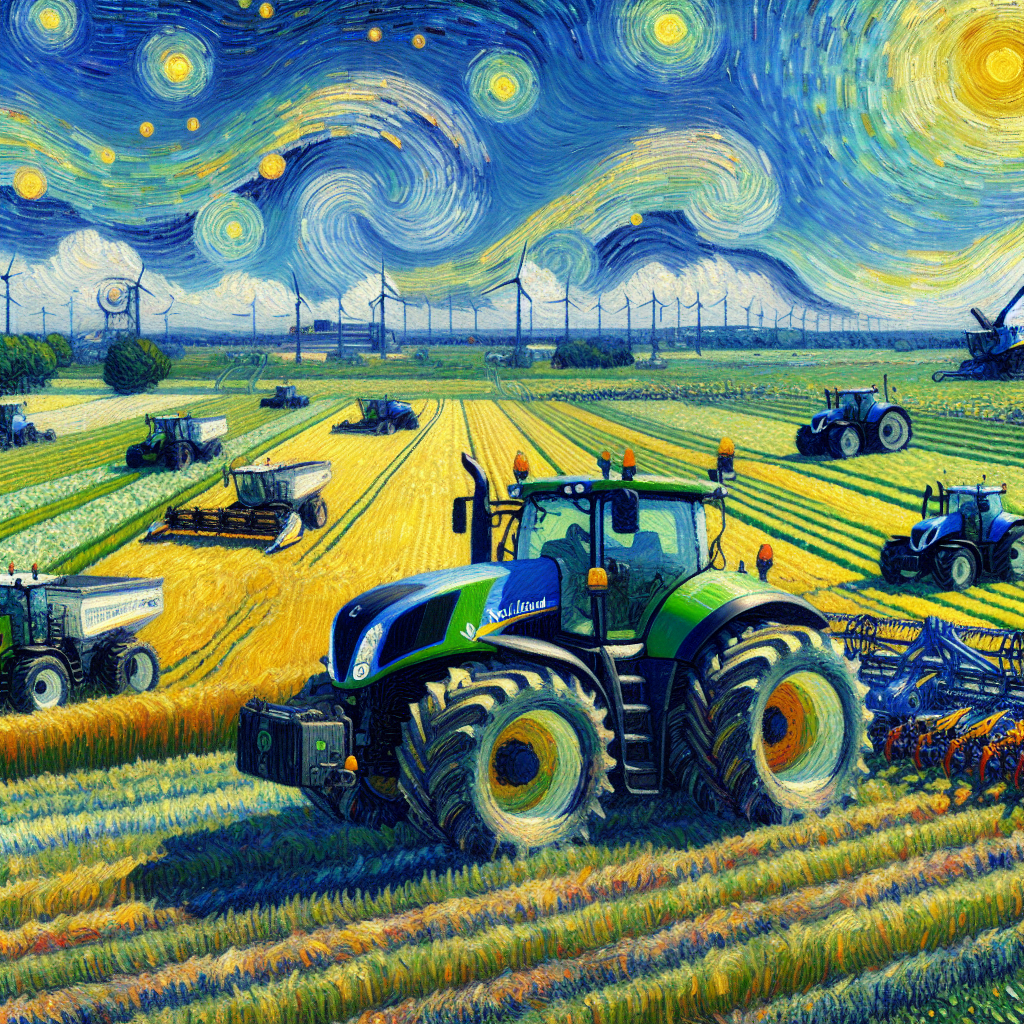
Is The Reliability Of Classic Tractors a Game Changer for Your Farm – A Poem
A Legacy on Wheels
In fields where whispers of history dance,
Amidst sunbeams and scented earth,
Old iron giants take their stance,
Reminders of toil, of struggle, of worth.
Beneath faded paint, stories reside,
Of relentless hands and dreams immense,
Through storms they’ve plowed, side by side,
With farmers their partners, through thick and tense.
Trust is their engine, reliable and true,
In the dusty embrace of morning light,
Echoes of laughter and lessons accrue,
In the hum of the engine, a rugged delight.
Newfangled machines with their glimmers and charms,
Promise efficiency, yet often succumb,
To breakdowns and parts that cause farmers harm,
While classics boast sturdiness, tried and won.
From a wiser place, they stand, a bold choice,
An investment in legacy, a nod to the past,
In each dent and scratch, hear the heart’s voice,
Whispering pride, echoing steadfast.
Around them, communities gather and bond,
Vintage shows where the stories flow free,
Neighbors united, the ties that respond,
In shared experiences, a tapestry.
Let’s honor the earth and the tools forged in flame,
Sustainability wrapped in each rusted wheel,
For every restoration, there’s more than a name,
It’s a promise, a future, a shared ideal.
So, when in the field, with that trusty machine,
Remember the values it carries with grace,
Pride in the craft, simplicity keen,
In every turn, it reflects our place.
Stand tall with your tractor, let history roll,
As you sow seeds of tomorrow with hands that are worn,
For in farming’s embrace, we find spirit and soul,
In the legacy built, our true roots are born.
Poem
Checklist
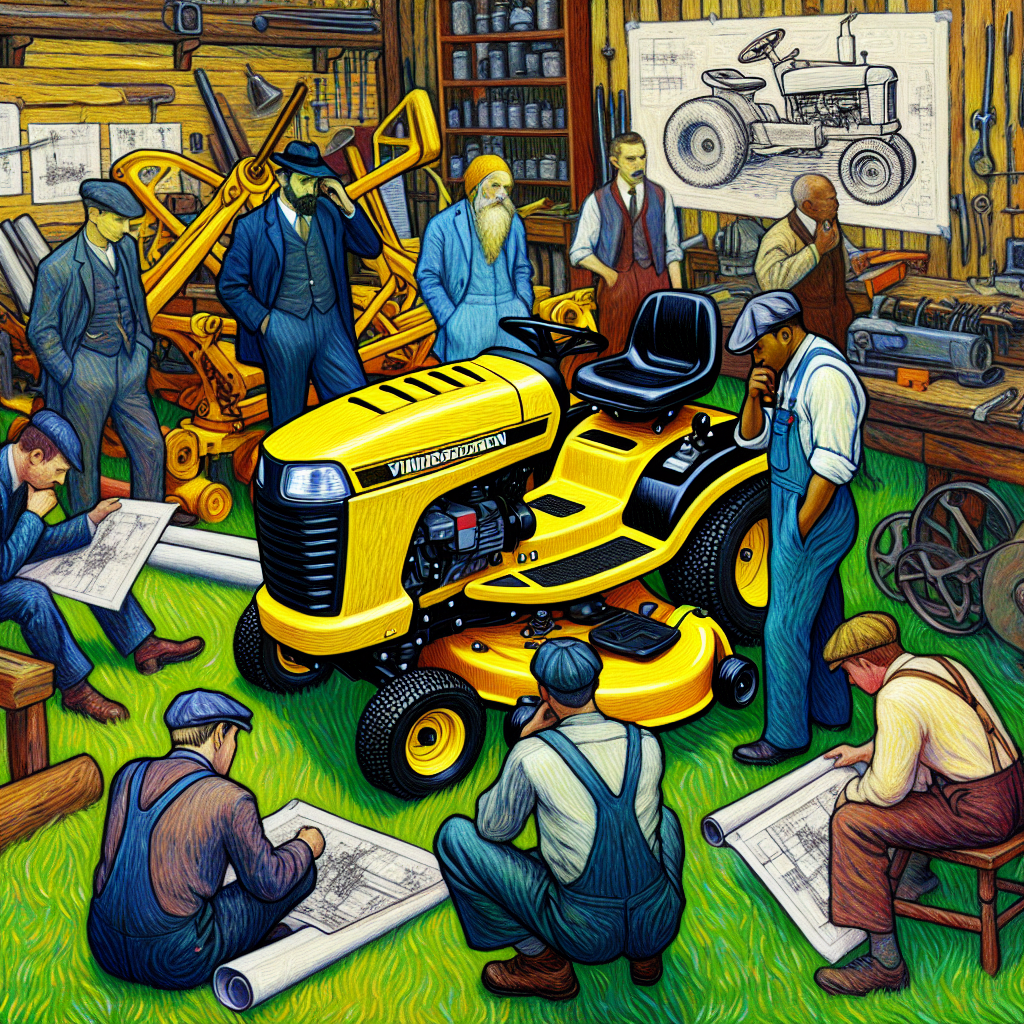
Is The Reliability Of Classic Tractors a Game Changer for Your Farm – A Checklist
Classic Tractors: A Comprehensive Checklist for Farmers
1. Emotional Appeal: Connecting with Legacy
_____ Reflect on personal connections to family history tied to classic tractors.
_____ Share a story or memory related to the first tractor you or your family owned.
_____ Consider how restoring a classic tractor can create new memories with future generations.
2. Rational Appeal: Dependability and Efficiency
_____ Research the design simplicity of classic tractors to understand maintenance needs.
_____ Compare long-term costs of owning a classic tractor versus new machinery.
_____ Make a list of tasks classic tractors are well-suited for on your farm.
3. Ethical Appeal: Emphasizing Sustainability
_____ Investigate the sustainability benefits of restoring classic tractors versus purchasing new ones.
_____ Consider how using classic tractors contributes to reducing waste in agriculture.
_____ Join discussions or forums on sustainable farming practices related to classic machinery.
4. Authority Appeal: Seeking Expertise
_____ Consult with local mechanics or restoration experts about classic tractor reliability and upkeep.
_____ Attend workshops or seminars on maintaining and restoring classic tractors.
_____ Reach out to local farming communities for shared insights and experiences with classic machinery.
5. Narrative Appeal: Sharing Experiences
_____ Write an account detailing how classic tractors have shaped your farming experience.
_____ Collect testimonials or stories from fellow farmers about their classic tractor journeys.
_____ Create a photo collage of classic tractors in action to highlight their role in your farming story.
6. Social Appeal: Community Engagement
_____ Attend vintage tractor shows and connect with other enthusiasts to share knowledge.
_____ Engage with local farming groups on social media to discuss classic tractors.
_____ Organize a community event focused on classic tractors to foster deeper connections.
7. Trust and Reliability: Assessing Needs
_____ Evaluate your farming demands—what tasks do you need reliability for?
_____ Make a list of the features you value most in a tractor (e. g. , power, ease of repair).
_____ Test-drive a few classic tractors to see which model aligns with your farming style.
Conclusion:
This checklist isn’t just about tractors; it’s about the legacy, community, and sustainable practices of farming. Embrace the stories, build connections, and invest in machinery that resonates with your heart, mind, and soul.
Checklist
At ClassicTractorNews, we help tractor lovers keep up with the latest news for classic and vintage tractors.
Please share this post with your friends, family, or business associates who may like old classic or vintage tractors.