

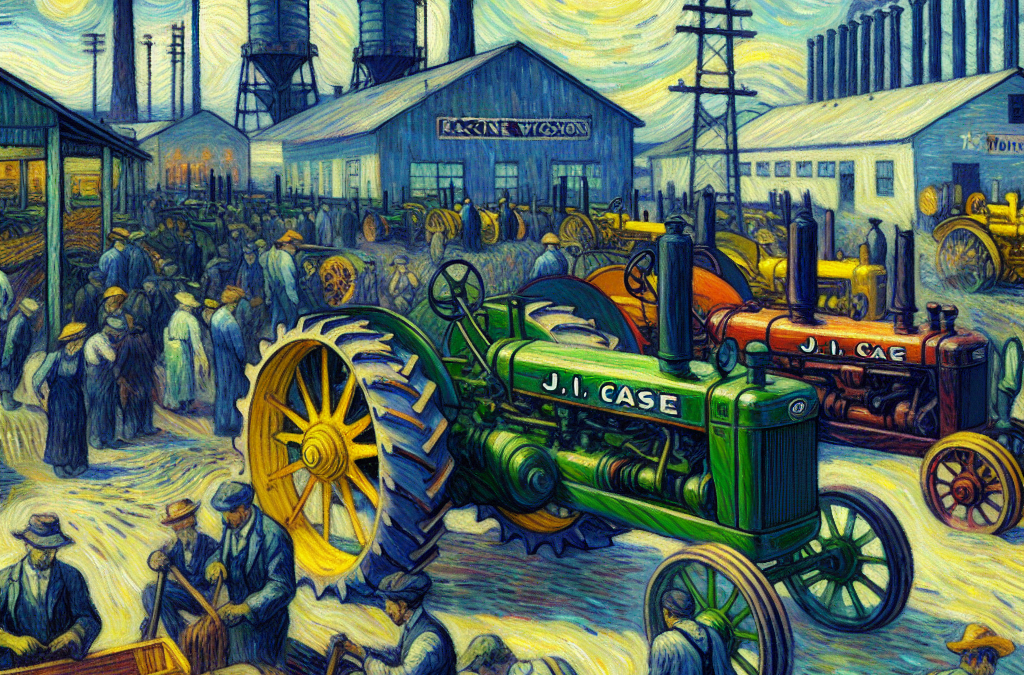
Reviving The Soul Of Farming: The Resurgence Of Classic Tractors
By Tom Seest
At ClassicTractorNews, we help tractor lovers keep up with the latest news for classic and vintage tractors.
Please share this post with your friends, family, or business associates who may like old classic or vintage tractors.
Is The Heart Of Small Farming Beating Stronger with Classic Tractors
?
In the quiet hum of a small farm, where the rhythm of nature intertwines with the rusted steel of a classic tractor, there’s a heartbeat that tells a story—one of resilience, connection, and tradition. Picture this: a sun-drenched field, dust swirling around the tires of an old green John Deere, its engine a symphony of sounds that echoes the labor of generations past. This isn’t just a machine; it’s a vessel of hope, a bridge between yesterday and tomorrow.
For many, owning a classic tractor represents more than mere nostalgia; it embodies a commitment to sustainable agriculture and a rejection of rapid industrialization. It appeals directly to our heads and our hearts, coaxing us to appreciate the charm of simplicity in a world craving complexity. When farmers roll into the fields not with the latest automatic marvel, but with a hand-painted icon of days gone by, it’s a statement of authenticity. It says, “I trust this machine; it has helped my family thrive.” It’s hard not to feel the pull of that trust—it resonates deeply within us. We cheer for the underdog, after all.
But there’s also an ethical call embedded in this choice. By embracing classic tractors, small farmers reduce their carbon footprint, opting for durable machinery that’s often easier to repair and maintain. This isn’t just good practice; it’s a responsible stewardship of the land. It fosters a deeper connection with the soil, empowering farmers to cultivate not just crops but a more sustainable future. Isn’t that something to rally behind?
The narrative grows even richer when we consider community. Classic tractors are often the stars of local gatherings, where stories are swapped like seeds. They bring farmers together, sparking conversations about techniques, traditions, and even triumphs over adversity. Each dent and scratch tells a tale of hard work, lending authority to their owners as they share their insights with the next generation.
So, as the sun sets over the horizon, painting the farmland in hues of gold and orange, it’s clear: the heart of small farming is indeed beating stronger with classic tractors. They symbolize the enduring spirit of agriculture, inviting us all to reconnect—to the land, to our roots, and to each other. And in this revival, we find not only trust and confidence but the chance to stand together, side by side, cultivating something truly beautiful.
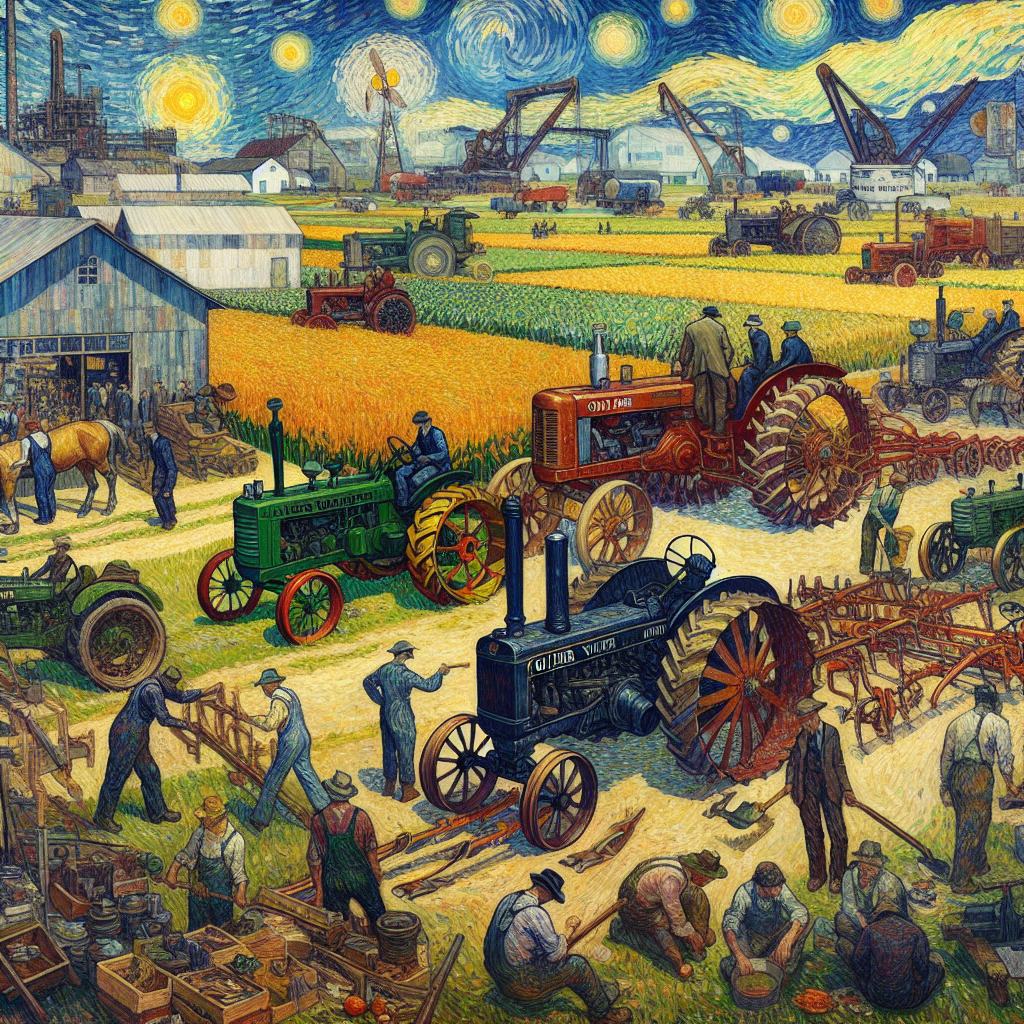
Is The Heart Of Small Farming Beating Stronger with Classic Tractors
Is The Heart Of Small Farming Beating Stronger with Classic Tractors
- Classic tractors represent resilience, connection, and tradition on small farms.
- These machines symbolize hope, bridging the past and future in agriculture.
- Owning a classic tractor reflects a commitment to sustainable farming and simplicity.
- The choice of classic tractors fosters a sense of trust and authenticity among farmers.
- Classic tractors help reduce carbon footprints and promote responsible land stewardship.
- Community gatherings around classic tractors encourage sharing techniques and stories.
- Classic tractors embody the enduring spirit of agriculture, fostering reconnection with land and roots.
Is The Heart Of Small Farming Beating Stronger with Classic Tractors
Table Of Contents
- Is The Heart Of Small Farming Beating Stronger with Classic Tractors
- Is The Classic Tractor A Symbol Of Hope For Small Farmers?
- Can Vintage Machinery Revive Our Connection To The Land?
- Are We Preserving Farming Heritage By Restoring Classic Tractors?
- What Stories Do Classic Tractors Tell About Our Agricultural Past?
- How Do These Machines Embody The Spirit Of Community In Farming?
- Are Classic Tractors More Reliable Than Modern Farming Equipment?
- Conclusion
- Other Resources
- Glossary Of Terms
- Other Questions
- Haiku
- Poem
- Checklist
Is The Classic Tractor A Symbol Of Hope For Small Farmers?
As we drive down the winding country roads that carve through the fabric of rural America, we often catch glimpses of classic tractors standing tall amidst fields of golden wheat or vibrant corn. These machines, often weathered but undeniably resilient, are more than just farming equipment; they are, for many small farmers, symbols of hope—a testament to endurance and tradition in the face of modern challenges.
Picture a small family farm, where generations have plowed the same soil, nurturing not just crops but a way of life. These classic tractors are not merely machines; they’re the heartbeat of that land, turning dreams into reality with every rhythmic chug of the engine. When a farmer fires up a vintage tractor, it’s not just the aroma of diesel and steel that fills the air; it’s a blend of nostalgia, commitment, and an unyielding spirit. It evokes the ethics of sustainability, highlighting the importance of farming practices that respect the earth, their roots deepened by the values passed down from parent to child.
However, in this era of industrial giants and corporate farming, small farmers confront towering obstacles. The rational mind knows that competition can be fierce, and the margins extremely thin, yet it’s here that the classic tractor rises above the noise. It represents a different way forward, merging the old with the new—embracing technology while cherishing tradition. It reminds us that farming is about connection: to the land, to the community, and to one another.
And then there’s the narrative. Each scratch and dent on that old tractor tells a story—stories of hard work, of sweat and resilience, of joy and heartbreak. These tales resonate with the very core of what it means to be human; they pull at our heartstrings while instilling a sense of pride and belonging. This is a voice people can trust, built on authenticity and hard-earned experience, resonating far beyond the confines of the fields.
As we reflect on the role these classic tractors play, we are reminded that therein lies a greater narrative: one of hope and possibility. For every farmer who climbs aboard a well-loved tractor, chasing dawn’s light over the horizon, they are also igniting a movement, one small plot at a time. It compels us to engage, to support local agriculture, and to remember that sometimes the simplest machines carry the greatest hopes. In each turn of the wheel, a chance awaits—one that could steer small farming back into the spotlight for generations to come.
Is The Classic Tractor A Symbol Of Hope For Small Farmers?
Is The Classic Tractor A Symbol Of Hope For Small Farmers?
- Classic tractors symbolize hope, endurance, and tradition for small farmers in rural America.
- They are viewed as the heartbeat of family farms, connecting generations through shared values and practices.
- The experience of driving a vintage tractor evokes nostalgia and reflects a commitment to sustainable farming.
- Small farmers face challenges from corporate farming, but classic tractors provide a unique way forward by merging tradition with technology.
- Each scratch and dent on a classic tractor tells a story of hard work, resilience, joy, and heartbreak.
- These tractors foster trust and authenticity, resonating with community and human experience beyond the fields.
- Driving a classic tractor ignites a movement supporting local agriculture and highlights the potential for small farming to thrive again.
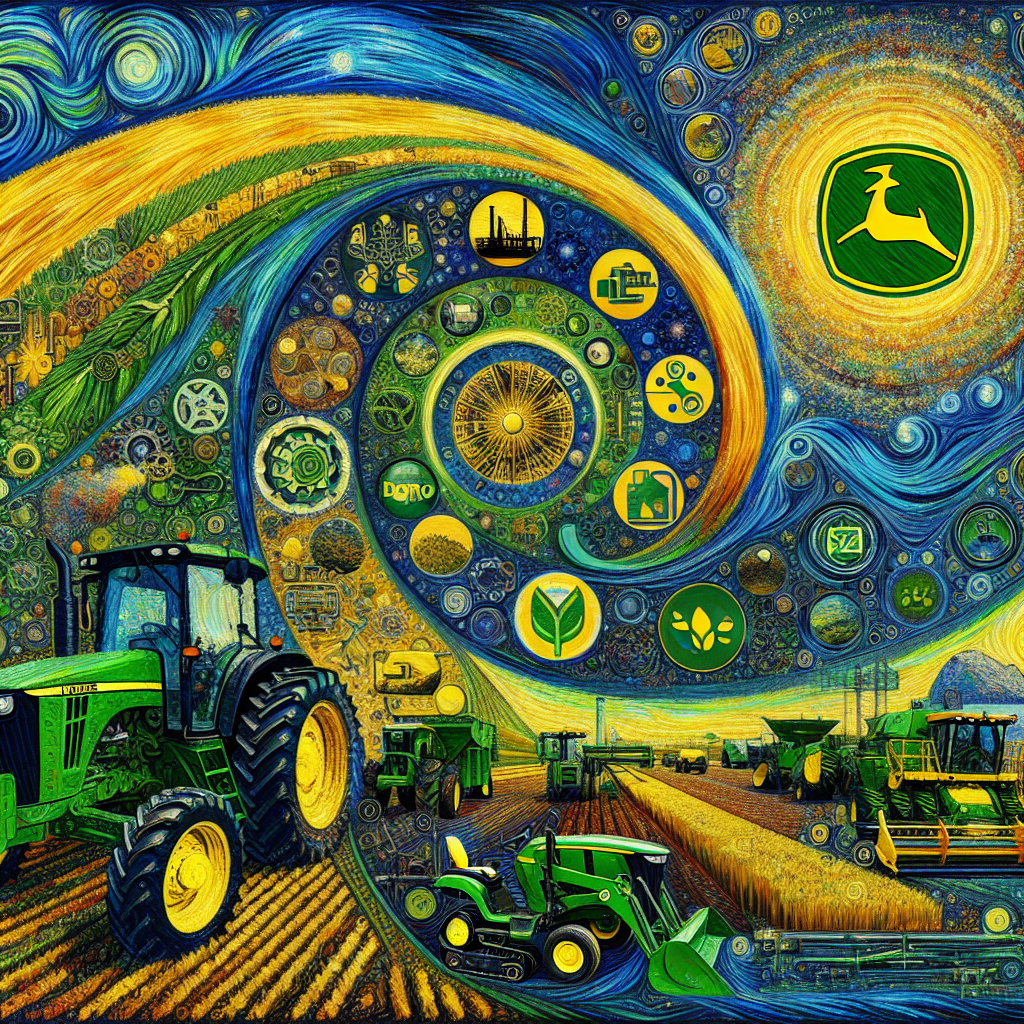
Is The Classic Tractor A Symbol Of Hope For Small Farmers?
Can Vintage Machinery Revive Our Connection To The Land?
When we think about vintage machinery, the images that come to mind often evoke a sense of nostalgia. Perhaps you’ve seen an old tractor chugging along a sun-soaked field, its paint slightly chipped but still gleaming with a certain pride. That tractor doesn’t just symbolize days gone by; it embodies a connection to the land, a relationship that’s been cultivated over generations. It’s not just metal and gears; it’s a testament to hard work, ingenuity, and the tenacity of those who’ve come before us.
Imagine standing beside that trusty machine, its engine rumbling softly, and feeling a bond that transcends time and technology. This isn’t just about farming; it’s about stewardship. When you climb into the driver’s seat of a vintage tractor, you become part of a legacy. Every creak of the chassis and every puff of exhaust sends a message—the land you’re working is alive, and it needs your care. You’re not just tilling soil; you’re nurturing a relationship with Mother Earth, honoring traditions passed down through families and communities.
Let’s get practical for a moment. Many of us are moving further away from our roots; modern agriculture often strips away the human touch, opting for sterile efficiency over connection. But vintage machinery invites us back. It calls us to appreciate the nuances of the seasons, the subtlety of weather patterns, and the delicate balance required to cultivate responsible farming practices. When we engage with these old tractors, we reconnect our hands to the soil and our hearts to the cycle of life.
Ethically, we’re not just preserving a piece of history; we’re cultivating sustainability. Vintage tractors often represent longevity and resilience, reminding us of a time when things were made to last. By utilizing them today, we embrace a mindset of resourcefulness and respect for the earth—a step towards a more sustainable future.
The revival of vintage machinery is more than a passing trend; it’s a movement toward a deeper understanding of our relationship with the land. So, let’s roll up our sleeves, hop onto those tractors, and drive not just through the fields, but into a renewed commitment to nurture the earth we all share. Together, we can reclaim our connection to the land, machinery in hand and heart wide open.
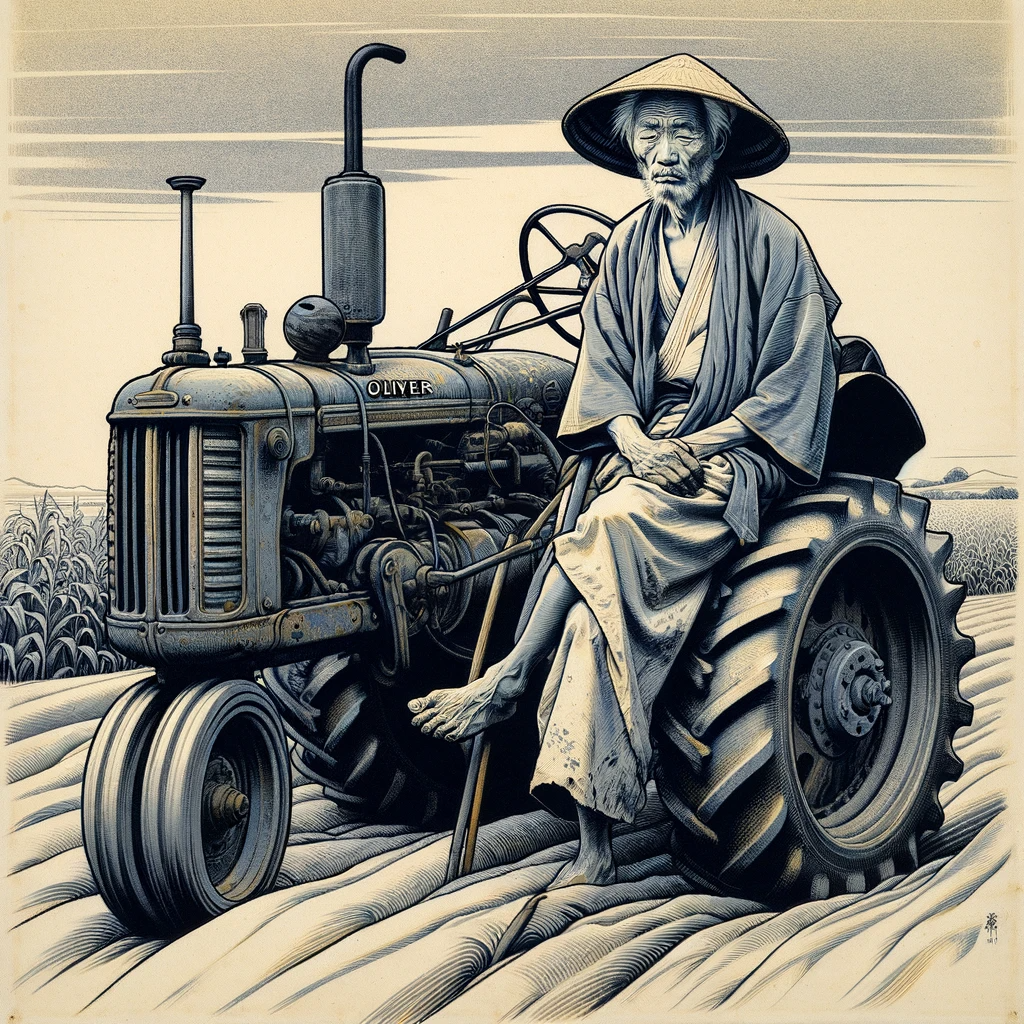
Can Vintage Machinery Revive Our Connection To The Land?
Can Vintage Machinery Revive Our Connection To The Land?
- Vintage machinery evokes nostalgia and symbolizes a connection to the land.
- Tractors embody hard work, ingenuity, and the legacy of those before us.
- Using vintage tractors fosters a sense of stewardship and nurtures relationships with the earth.
- Modern agriculture often lacks a personal touch, while vintage machines encourage connection.
- Engaging with vintage tractors helps reconnect us to the cycles of life and responsible farming practices.
- Utilizing vintage machinery promotes sustainability by valuing longevity and resourcefulness.
- The revival of vintage machinery represents a movement towards a deeper understanding of our land relationship.
Can Vintage Machinery Revive Our Connection To The Land?
Are We Preserving Farming Heritage By Restoring Classic Tractors?
Reviving the Cult of the Tractor
When you think about it, restoring classic tractors is more than just a hobby—it’s a heartfelt effort to preserve a way of life that feeds our souls and our communities. These machines, often rusting quietly in some corner of a barn, represent the golden age of farming—an era where hands were calloused, and toil was a badge of honor. As we pull these metal giants from their slumber, we’re not just fixing machines; we’re connecting to a narrative deeply rooted in our heritage, one that tells the story of resilience, hard work, and the land that nourishes us all.
Imagine the smell of freshly tilled earth and the comforting sound of a tractor rumbling to life after years of silence. That roar carries with it a legacy—a legacy of families who scratched out a living, who faced down storms and droughts with nothing but grit and determination. Each restored tractor stands as a testament to the trials faced by generations, reminding us that farming isn’t just about crops; it’s about the spirit of community and the ethics of stewardship.
Now, let’s engage our rational side. The revival of classic tractors taps into an age-old philosophy: sustainability. In a world where industrial farming often prioritizes short-term profit over long-term viability, these vintage machines remind us of a simpler, more sustainable approach. They use less fuel, have fewer electronic components, and require human intuition over algorithmic precision. Restoring and utilizing these tractors can reduce our carbon footprint while simultaneously fostering a connection to the earth that new, flashy models just can’t replicate.
And let’s not forget the social aspect. Every time someone restores a tractor, they’re not just engaging in a solitary task; they are inviting friends, neighbors, and fellow enthusiasts into their lives. They are sharing stories, imparting skills, and building connections across generations. The bond formed over a shared grease-stained experience can strengthen the very fabric of our communities, reminding us that we’re all part of something bigger.
In our fast-paced, digitally driven world, let’s take a moment to reflect on what we might lose if we let our farming heritage fade away. Restoring classic tractors isn’t simply an act of nostalgia; it’s a call to preserve a future that honors the past. So, let’s rally together, honor the labor of our forebears, and keep those tractors rolling—because in every turn of the wheel, we’re embedding ourselves in the fabric of our history and the soil beneath our feet.
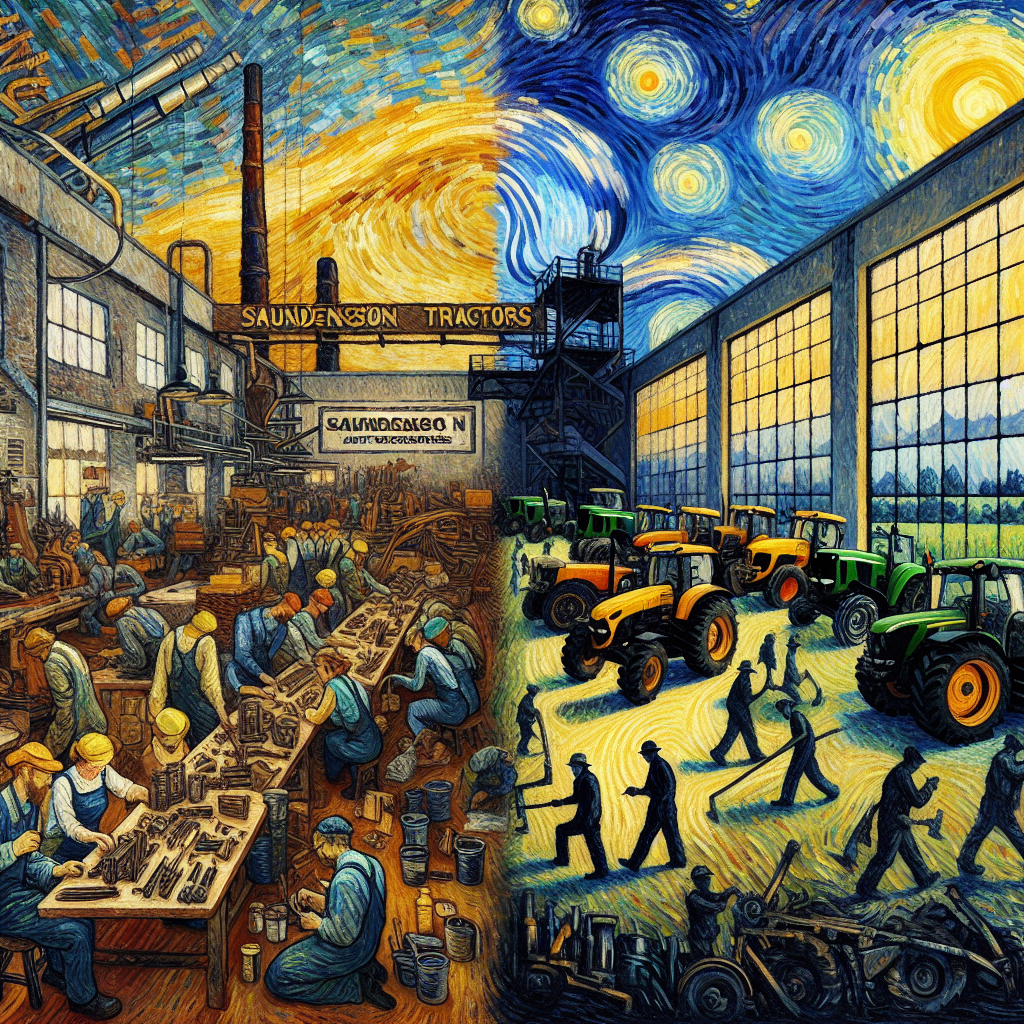
Are We Preserving Farming Heritage By Restoring Classic Tractors?
Are We Preserving Farming Heritage By Restoring Classic Tractors?
- Restoring classic tractors is a heartfelt effort to preserve a significant aspect of agricultural heritage.
- These tractors symbolize a golden age of farming, representing hard work and resilience.
- Each restored tractor serves as a testament to the struggles faced by farming families over generations.
- The revival of classic tractors aligns with sustainability principles, highlighting a simpler farming approach.
- Vintage tractors consume less fuel, have fewer electronics, and require human intuition over technology.
- Restoration fosters community connections as enthusiasts share skills and stories with one another.
- Preserving farming heritage through tractor restoration is a way to honor the past while securing a meaningful future.
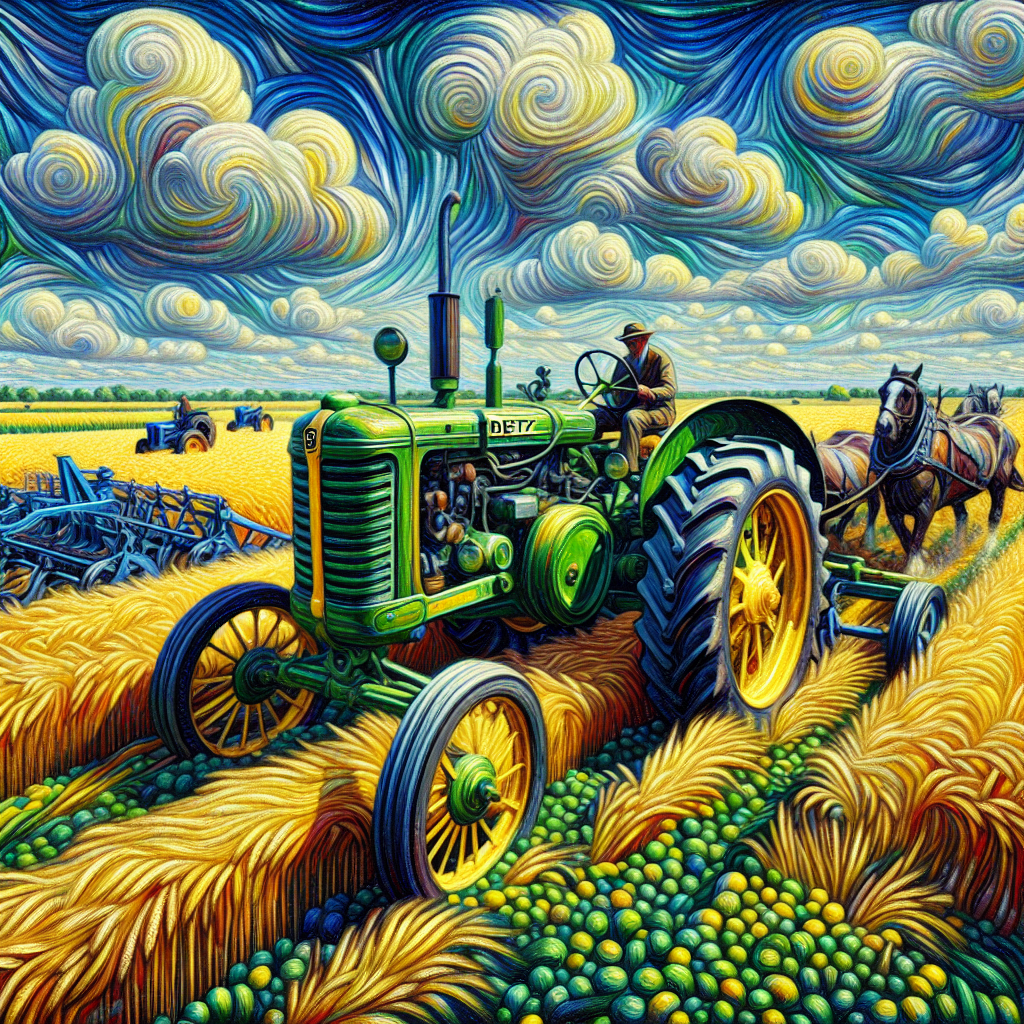
Are We Preserving Farming Heritage By Restoring Classic Tractors?
What Stories Do Classic Tractors Tell About Our Agricultural Past?
When you think of a tractor, what comes to mind? For some, it’s just a piece of machinery—a tool designed to plow fields and harvest crops. But for many, these steadfast monoliths whisper tales of resilience, toil, and the unwavering spirit of our agricultural past. Picture a dusty lane bordered by golden fields, where generations of farmers have guided their timeless tractors through seasons of promise and struggle. It’s not merely metal and steel; it’s a bridge to our heritage, a connector of lives.
These classic tractors stand as symbols of hard work and dedication. You can almost feel the stories etched into their rusted frames, echoing the laughter of children who learned to drive before they could reach the pedals, or the quiet conversations shared between neighbors as they repaired an engine under the wide-open sky. Each scratch, dent, and faded paint splatter narrates an enduring legacy—one that speaks of collective perseverance and the ethical heart of farming communities.
In a world where agriculture faces enormous challenges from climate change to corporate consolidation, these vintage machines remind us of the importance of small-scale farming and sustainability. They prompt us to reflect: What kind of world do we want to cultivate? The stories they carry teach us about responsibility—not just to the land, but to each other. In every field tilled by a classic tractor, there’s an ethical call to honor the past while nurturing the future, fostering an environment where family farms can thrive amidst modernity.
When we gather at county fairs or classic tractor shows, it’s more than just a parade of old machinery; it’s a celebration of community, lineage, and ingenuity. Conversations flourish around these tractors, sparking connections that transcend generations. They inspire us to delve deeper into our own stories and to understand the roots of our agricultural identity.
So, the next time you spot an old tractor parked in a field, take a moment to appreciate the weight of its history. Think about what it represents—a legacy of hard work, a connection to our ethical responsibilities, and a vision for the agricultural practices of tomorrow. Trust in these timeless machines, not just as tools, but as storytellers of our past; they nurture the soil of our shared experience, inviting us to engage with the land and each other in meaningful ways.
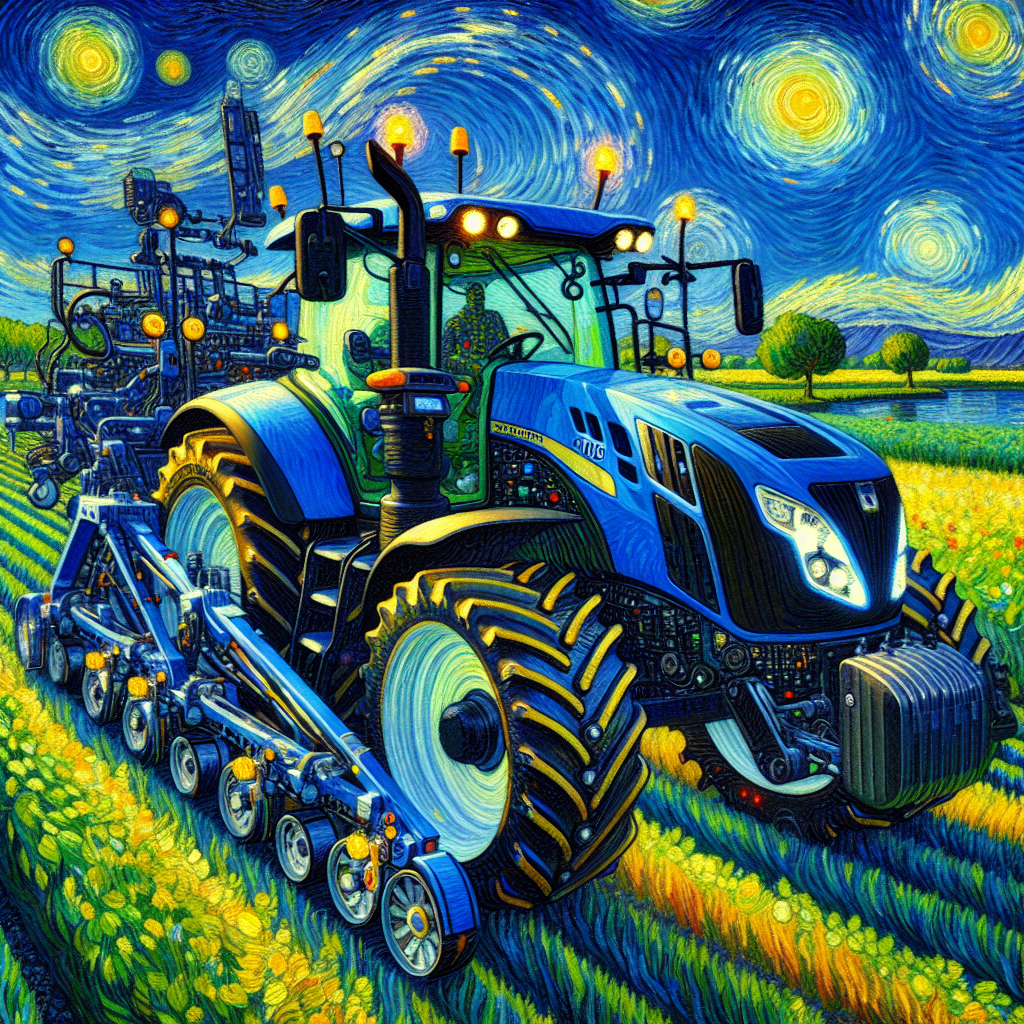
What Stories Do Classic Tractors Tell About Our Agricultural Past?
What Stories Do Classic Tractors Tell About Our Agricultural Past?
- Tractors symbolize resilience and the agricultural past, connecting generations of farmers.
- They represent hard work and dedication, with stories etched into their frames from community experiences.
- Each mark on a tractor narrates a legacy of perseverance within farming communities.
- Vintage tractors remind us of the importance of small-scale farming and sustainability amidst modern challenges.
- They encourage reflection on our ethical responsibilities to the land and each other.
- Events like county fairs celebrate community, lineage, and inspire deeper connections to agricultural identity.
- Old tractors serve as storytellers of the past, inviting meaningful engagement with the land and community.
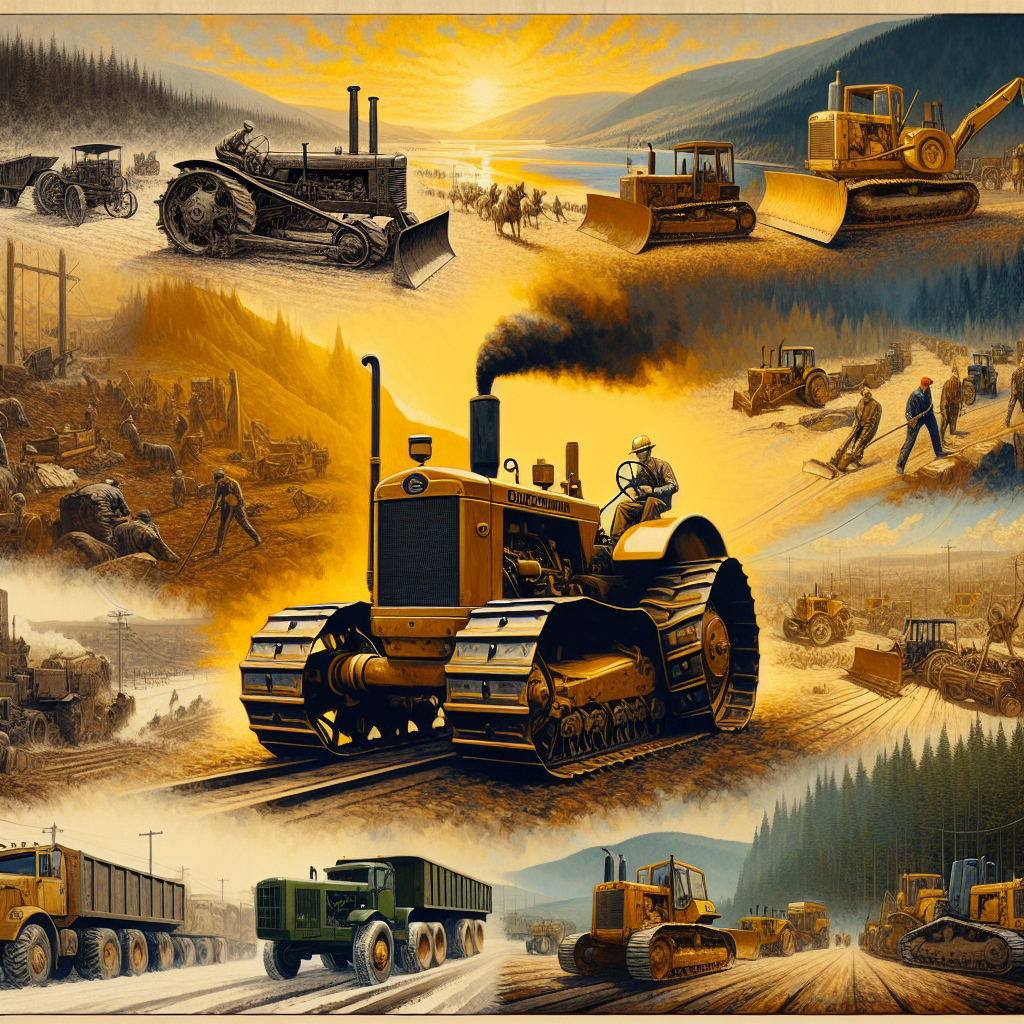
What Stories Do Classic Tractors Tell About Our Agricultural Past?
How Do These Machines Embody The Spirit Of Community In Farming?
When you think of a tractor, what comes to mind? For some, it’s just another piece of machinery—sturdy, dependable, and ever-present on a farm. But the truth is, a tractor is much more than its metal frame and roaring engine. It embodies the spirit of community in farming in ways that resonate deeply with our values, our connections, and our very livelihoods.
Picture this: early morning light breaking over a dew-drenched field. The steady rumble of a tractor ignites the day, inviting farmers to gather, share stories, and offer a helping hand. It’s not simply a tool; it’s a catalyst for collaboration, illustrating the essence of working together. These machines have become the heart of farming communities, where neighbors lean on each other to tackle the challenges of the season. The local farmer knows that while a tractor can break through soil, it is ultimately people—family, friends, and fellow farmers—who cultivate resilience.
The rational side of this story is equally compelling. Tractors improve efficiency and promote sustainability—essential components of modern agriculture. From planting to harvesting, their design evolves to meet not just the needs of individual farms but the whole community’s sustainability goals. So while one farmer may drive his tractor into fields to plow, he’s also nurturing a network of shared resources, maximizing yield, and reducing waste. This is the beauty of cooperation—a community picking one another up and pushing forward.
Ethically, there’s a deeper conversation. Tractors represent a commitment to future generations, ensuring that the land we love can thrive. They embody a promise to the community: that agriculture is about more than individual success; it’s about the welfare of our soil, our environment, and our neighbors. When farmers invest in these mighty machines, they also invest in their community’s prosperity.
As you sit in a tractor cab surrounded by fields and friends, it’s more than just a job—it’s a legacy. A legacy built on hard work, trust, and shared moments. It fuels stories passed down through generations, from the fun of summer harvests to the lessons learned through tough winters. So the next time you hear the rumble of a tractor, remember, it’s not just a machine; it’s the spirit of community in farming—alive, thriving, and grounded in our shared humanity.
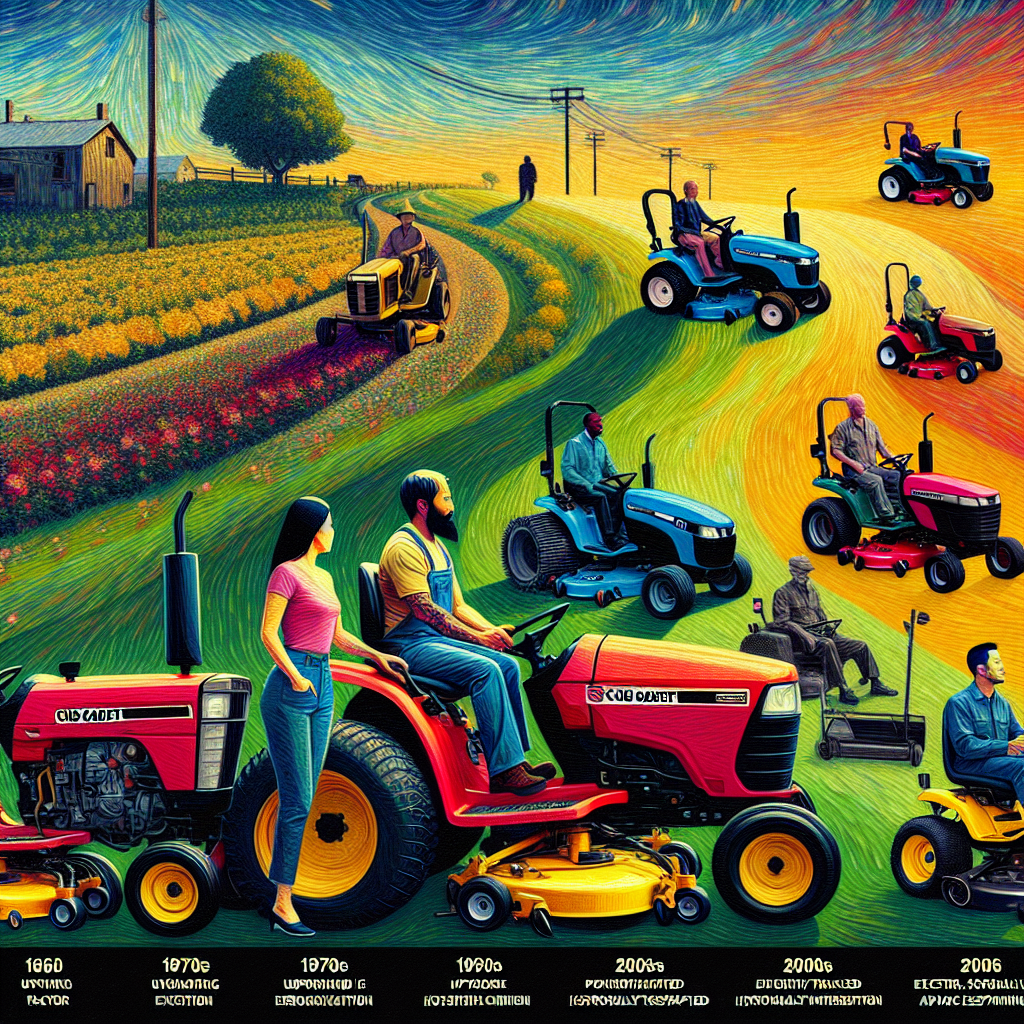
How Do These Machines Embody The Spirit Of Community In Farming?
How Do These Machines Embody The Spirit Of Community In Farming?
- A tractor symbolizes more than machinery; it embodies the spirit of community in farming.
- Tractors foster collaboration among farmers, encouraging them to share stories and offer support.
- They serve as the heart of farming communities, helping neighbors tackle seasonal challenges together.
- Tractors enhance efficiency and promote sustainability, contributing to modern agriculture’s goals.
- Using a tractor means nurturing a network of shared resources and maximizing yields while reducing waste.
- Investing in tractors represents a commitment to future generations and the overall welfare of the community.
- Being in a tractor cab is about legacy, trust, and the shared experiences that bond generations of farmers.
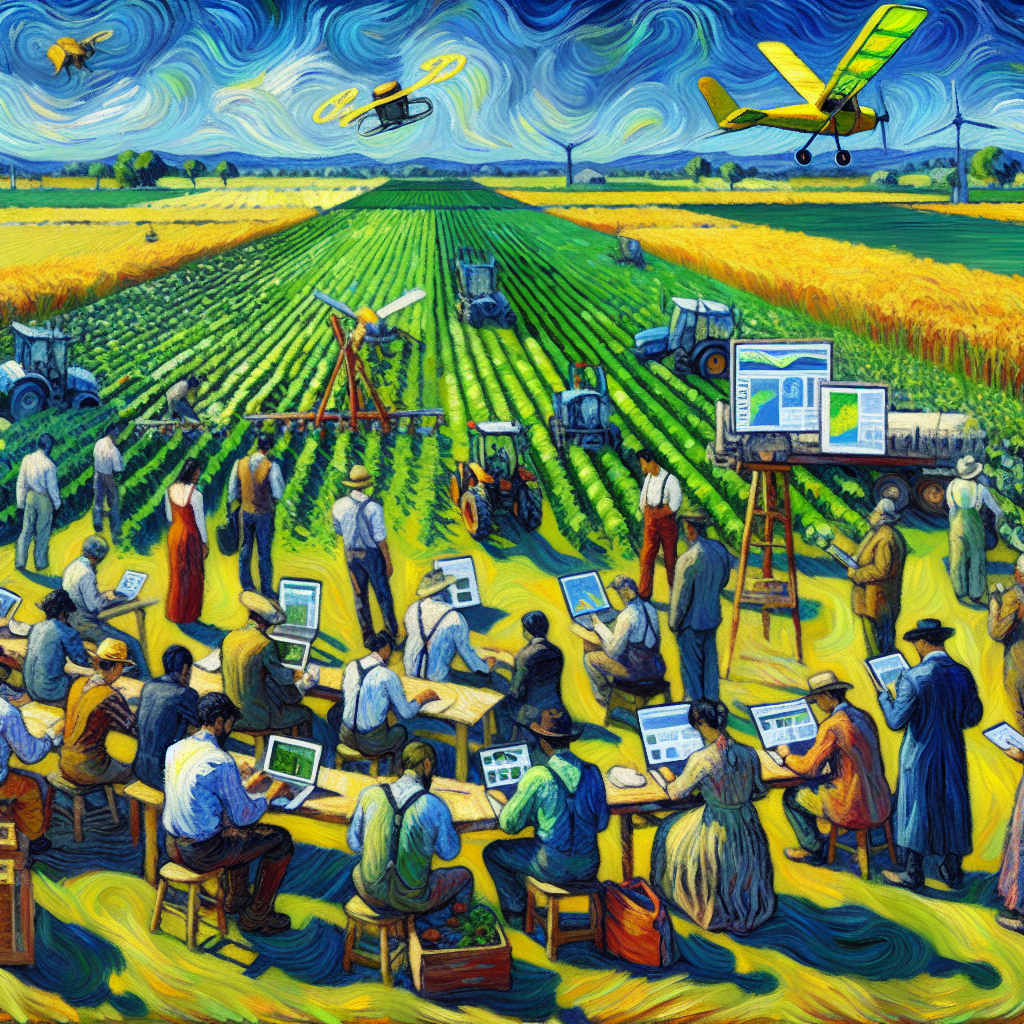
How Do These Machines Embody The Spirit Of Community In Farming?
Are Classic Tractors More Reliable Than Modern Farming Equipment?
When you think about a tractor, what comes to mind? For some, it’s a gleaming new model outfitted with the latest technology, promising efficiency at the push of a button. For others, it’s a weathered classic, perhaps painted red or green, bearing the scars of years spent in the field. This isn’t just a matter of aesthetics; it reflects a deeper conversation about reliability and trust, an emotional bond forged over time.
Let’s face it: farming is not for the faint of heart. The pressures of unpredictable weather, fluctuating markets, and demanding schedules can leave even the most seasoned farmers feeling overwhelmed. In that storm of chaos, you need a tractor that won’t let you down—something that can gut it out through grit and sweat. Those classic tractors, often built with simpler parts and tried-and-tested designs, offer reassuring reliability in a world that can feel unsteady at times.
Consider the story of farmers who have chosen to fix up their family’s old tractor instead of investing in the latest model. These machines, often passed down through generations, carry more than just fuel in their tanks; they carry history, memories, and the tangible bond of hard work. Each scratch tells a story, each dent a lesson learned. The simple mechanics not only make them easier to repair but also instill a sense of pride and ownership. That farmer isn’t just operating machinery; they’re reviving a piece of their legacy.
Now, let’s be rational. Classic tractors often come with fewer electronic components, which means fewer things can go wrong. With the right maintenance, they can run for decades. Modern equipment, while impressive in its capabilities, can also lead to frustration when something goes awry. You may spend more time fixing it than using it, especially when the clock is ticking, and harvest waits for no one.
Then there’s the ethical consideration of sustainability. By repairing and using these older tractors, farmers are making a choice to go green, reducing waste and supporting a culture of reuse. It’s a choice that says you care about the earth you cultivate, not just the profits you can harvest.
As technology advances, it’s vital to keep our roots intact. Classic tractors remind us that sometimes what’s old is still gold—a dependable friend in the tireless journey of farming. Whether you’re plowing new fields or tilling the past, there’s no better partner than a reliable machine that carries a story as rich as the soil it works. So, which side do you choose? Let your heart, head, and gut guide you to a tractor that resonates with your ethos as a farmer.
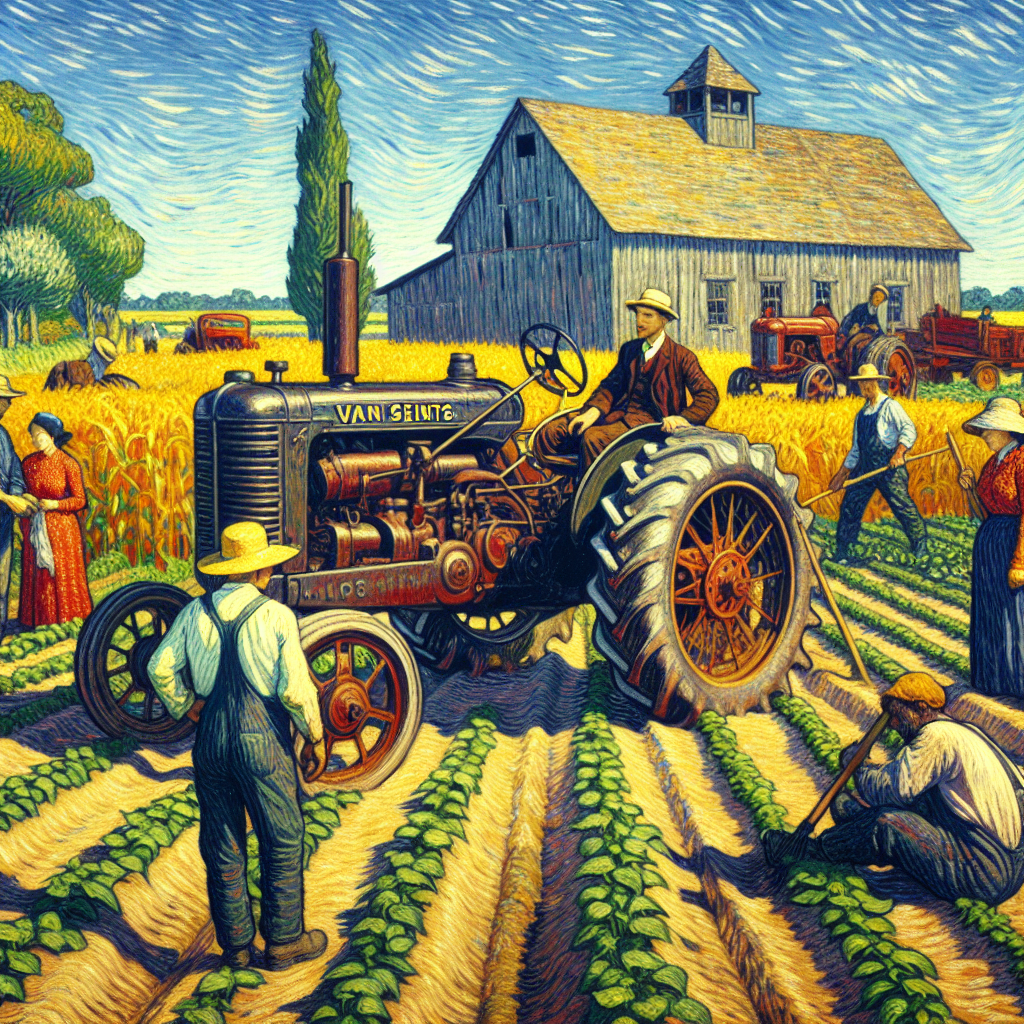
Are Classic Tractors More Reliable Than Modern Farming Equipment?
Are Classic Tractors More Reliable Than Modern Farming Equipment?
- Tractors symbolize different ideals, from modern efficiency to classic reliability.
- Farming is challenging, with unpredictable factors requiring dependable equipment.
- Classic tractors, known for their simpler, reliable design, offer a sense of trust.
- Older tractors carry history and personal stories, fostering emotional bonds for farmers.
- Classic tractors tend to have fewer electronic parts, leading to lower chances of malfunction.
- Repairing older tractors promotes sustainability and reduces waste in farming practices.
- Choosing a tractor reflects a farmer’s values, balancing tradition with modern needs.
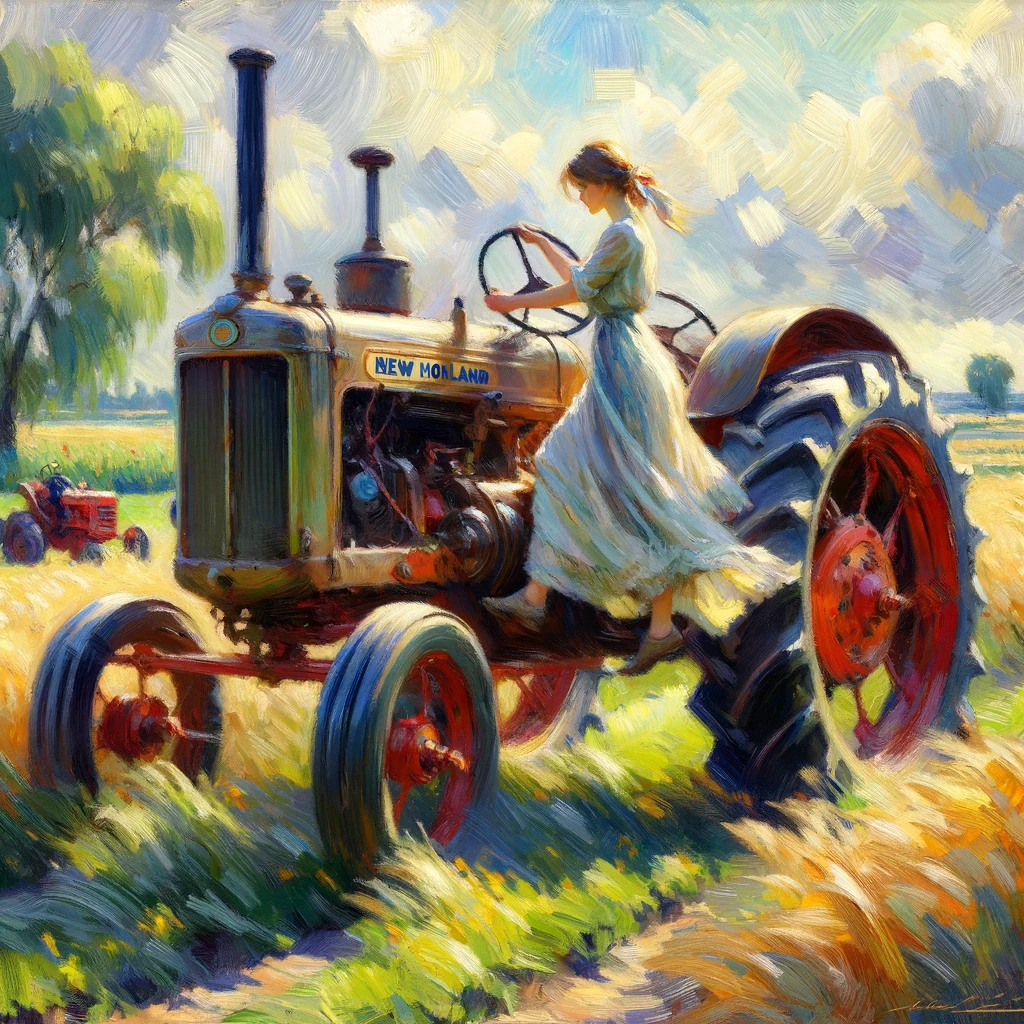
Are Classic Tractors More Reliable Than Modern Farming Equipment?
Conclusion
Conclusion: The Heartbeat of Farming—Reviving Hope with Classic Tractors
As we journey through the winding roads of small farms, we encounter more than just fields and crops; we witness an enduring legacy embodied in classic tractors. These machines stand tall against the backdrop of hard work and tradition, whispering stories of resilience, community, and care—a connection to our agrarian roots that modern equipment often overlooks. When a farmer climbs into the driver’s seat of an old green John Deere, it isn’t merely about operating machinery; it’s about reviving a heartbeat that often mellows in the cacophony of industrial agriculture.
These classic tractors symbolize authenticity in a world craving simplicity amidst overwhelming complexity. They call out not just to our heads—with their reliability and ease of repair—but resonate deeply within our hearts and guts. Each scratch and dent tells a tale of generations who toiled the land, preserving a sustainable approach to farming while fostering a relationship with the earth that is both ethical and profound. By choosing vintage machinery, farmers join a movement against corporate consolidation, opting instead for stewardship that resonates with their legacy of nurturing the soil for future generations.
Beyond individual tractors, the narrative expands into the heart of our communities. Classic tractors draw farmers together, sparking conversations and igniting collaborative spirit. Local gatherings flourish around these venerable machines, where friendships blossom and knowledge is shared, reinforcing the very fabric of rural life. As we gather to admire their charm, we revive a sense of hope, connection, and responsibility that spans generations—a reminder that farming is about the people and their stories as much as it is about the land and equipment.
As we watch the sun dip below the horizon, casting warm hues over the fields, we recognize the impact of these classic tractors. They are more than just vehicles; they serve as a bridge connecting yesterday’s wisdom with tomorrow’s potential. In each rumble of the engine, we feel the pulse of community and the essence of our farming heritage—tales of perseverance that remind us what’s essential in this fast-paced, digitized world.
So, let’s celebrate this revival. Let’s embrace a future where our small farmers continue to stand strong, fueled by the trust, pride, and authenticity that classic tractors represent. In every turn of the wheel, we plant the seeds of hope for a better tomorrow, cultivating not just crops, but a renewed commitment to our earth and each other. Together, we can keep the heart of small farming beating strong.
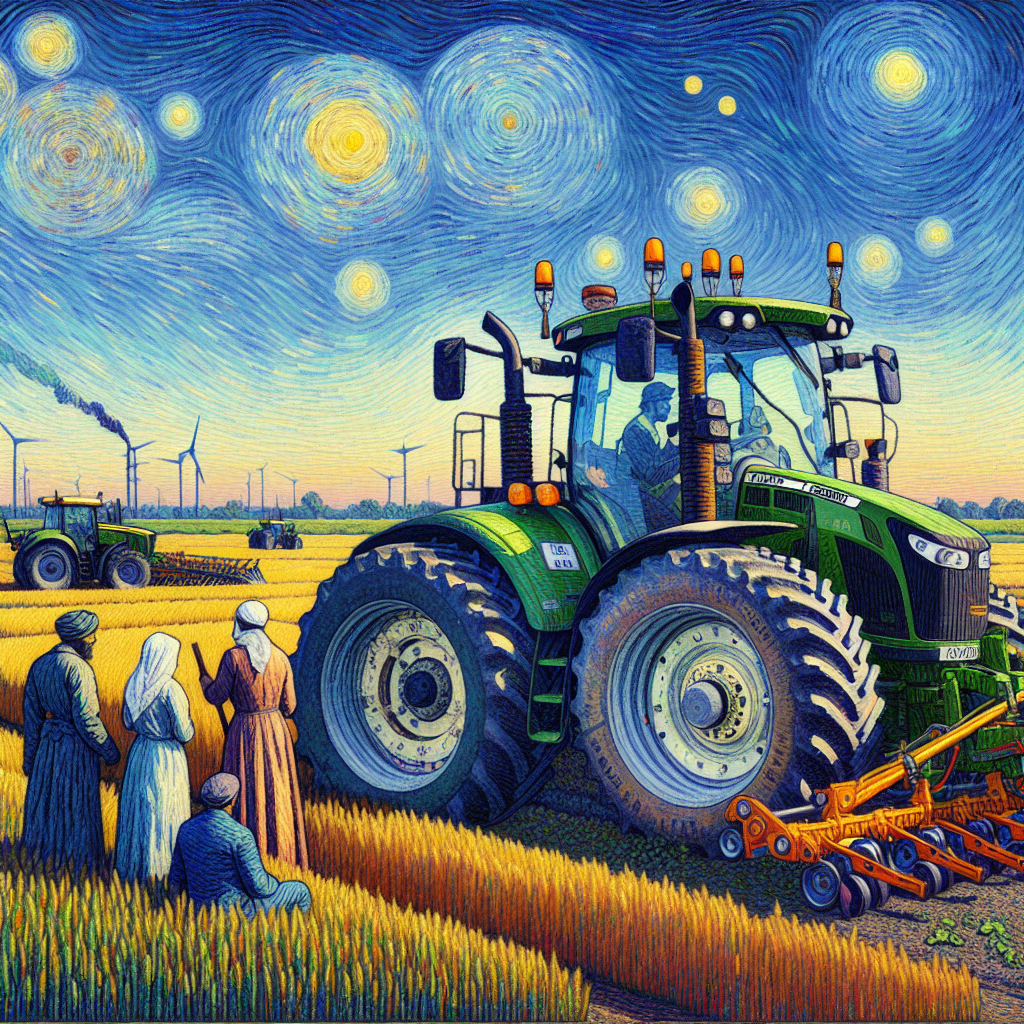
Conclusion
Conclusion:
- Classic tractors embody an enduring legacy of resilience, community, and care in small farming.
- These machines symbolize authenticity and simplicity amidst the complexity of modern agriculture.
- Each scratch and dent represents generations of sustainable farming practices and ethical relationships with the earth.
- Farmers choosing vintage machinery promote stewardship against corporate consolidation.
- Classic tractors foster community ties, sparking conversations, friendships, and shared knowledge.
- They connect the wisdom of the past with the potential of the future, emphasizing the human stories behind farming.
- Embracing classic tractors reinforces trust, pride, and commitment to nurturing land and community.
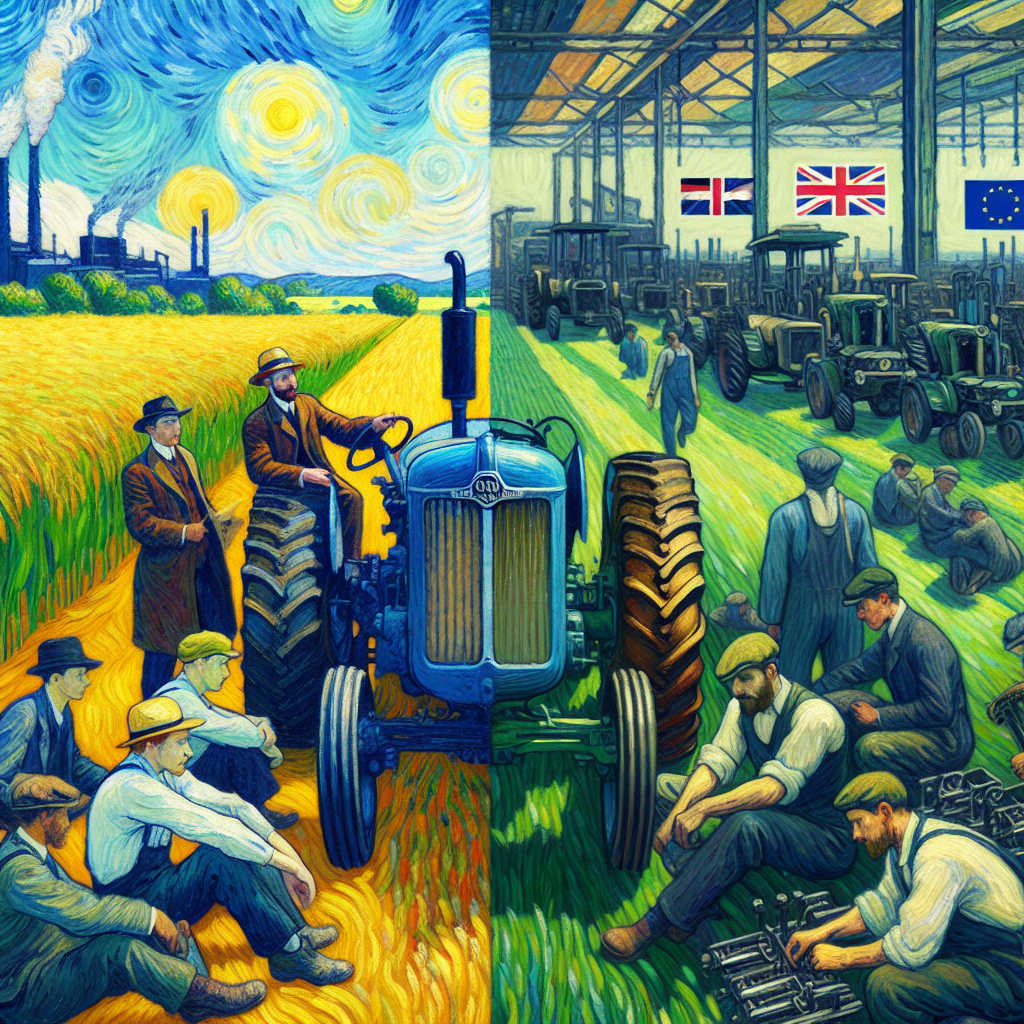
Conclusion
Other Resources
Other Resources
Here is a list of other resources you can review online to learn more:
- Benefits of Classic Tractors
- Cletrac
- International Harvestor
- Suzue
- Agriculture Heritage Center & Museum
- Leyland
- VST
- Muller
- Ford-New Holland
- Florida Farm Days and Tractor Show
Use This Prompt To Get More Resources With Your Favorite Online AI Tool: Please provide me with a list of online articles with their URLs in a bulleted list that I can read regarding Is The Heart Of Small Farming Beating Stronger with Classic Tractors
Other Resources
Glossary Terms
Is The Heart Of Small Farming Beating Stronger with Classic Tractors – Glossary Of Terms
1. Agriculture: The science or practice of farming, including cultivation of the soil for growing crops and raising animals for food, fiber, and other products.
2. Classic Tractors: Vintage agricultural machines used primarily in farming that have become iconic for their design, functionality, and cultural significance.
3. Small Farming: Agricultural practices that are typically carried out on small plots of land, often focusing on sustainability and community-focused production.
4. Sustainability: The ability to maintain agricultural productivity without compromising the environment, future generations, or the economic viability of farming.
5. Heritage Farming: Farming practices that emphasize the use of traditional techniques and tools, often passed down through generations.
6. Restoration: The process of repairing and refurbishing classic tractors to return them to working condition, often preserving their historical accuracy.
7. Tractor Efficiency: A measure of how effectively a tractor performs its intended tasks, such as plowing or hauling, relative to fuel usage and time.
8. Biodiversity: The variety of plant and animal life in a particular habitat or ecosystem, which is crucial for maintaining ecological balance in farming.
9. Community Supported Agriculture (CSA): A model where consumers buy shares of a farm’s harvest in advance, supporting small farms while receiving fresh produce.
10. Crop Rotation: The practice of alternating different crops in a specific order over the seasons to improve soil health and reduce pests.
11. Soil Health: The condition of soil based on its ability to support plant life, maintain biodiversity, and function as an ecosystem.
12. Mechanization: The use of machines in farming operations to improve productivity and efficiency, often leading to changes in labor dynamics.
13. Agroecology: A holistic approach to farming that integrates ecological principles into crop and livestock production.
14. Farmers’ Markets: Local marketplaces where farmers sell their products directly to consumers, fostering community connections and promoting local agriculture.
15. Vintage Equipment: Old and often collectible farming machinery that has historical significance and may still be used for practical purposes.
16. Manual Labor: Work performed by hand rather than through machines, often prevalent in small farming operations alongside mechanization.
17. Local Food Movement: A grassroots effort to promote food produced locally, thereby supporting local economies and reducing the carbon footprint of food transportation.
18. Permaculture: A design philosophy aimed at creating sustainable and self-sufficient agricultural systems modeled after natural ecosystems.
19. Farming Heritage: The traditions, techniques, and values passed down through generations of farmers which contribute to the cultural identity of agriculture.
20. Diversification: The practice of growing a variety of crops and raising multiple types of livestock to minimize risk and enhance sustainability.
21. Nitrogen Fixation: A process by which certain plants, particularly legumes, convert atmospheric nitrogen into a form usable by plants, enriching soil fertility.
22. Organic Farming: A method of farming that avoids synthetic fertilizers and pesticides, focusing on natural processes and materials.
23. Tractor Collecting: A hobby or profession where individuals gather, restore, and showcase classic tractors, often involving a community of enthusiasts.
24. Agri-tourism: A form of tourism that involves visiting farms or agricultural settings, helping to promote local farming and increase awareness about agriculture.
25. Crop Yield: The total quantity of crop production per unit of land area, a critical measurement for farmers to assess productivity.
26. Integrated Pest Management (IPM): A sustainable approach to managing pests by combining biological, cultural, and chemical practices to minimize their impact.
27. Soil Erosion: The removal of the topsoil layer by wind or water, which can significantly impact agricultural productivity if not managed properly.
28. Fallow Land: Land that is left uncultivated for a period to restore its fertility and break pest and weed cycles.
29. Rural Development: Economic, social, and community growth initiatives focused on improving the quality of life in rural areas, often linked to agriculture.
30. Farm Equipment: Tools and machinery used in agricultural production, including tractors, tillers, harvesters, and other tools essential for farming operations.
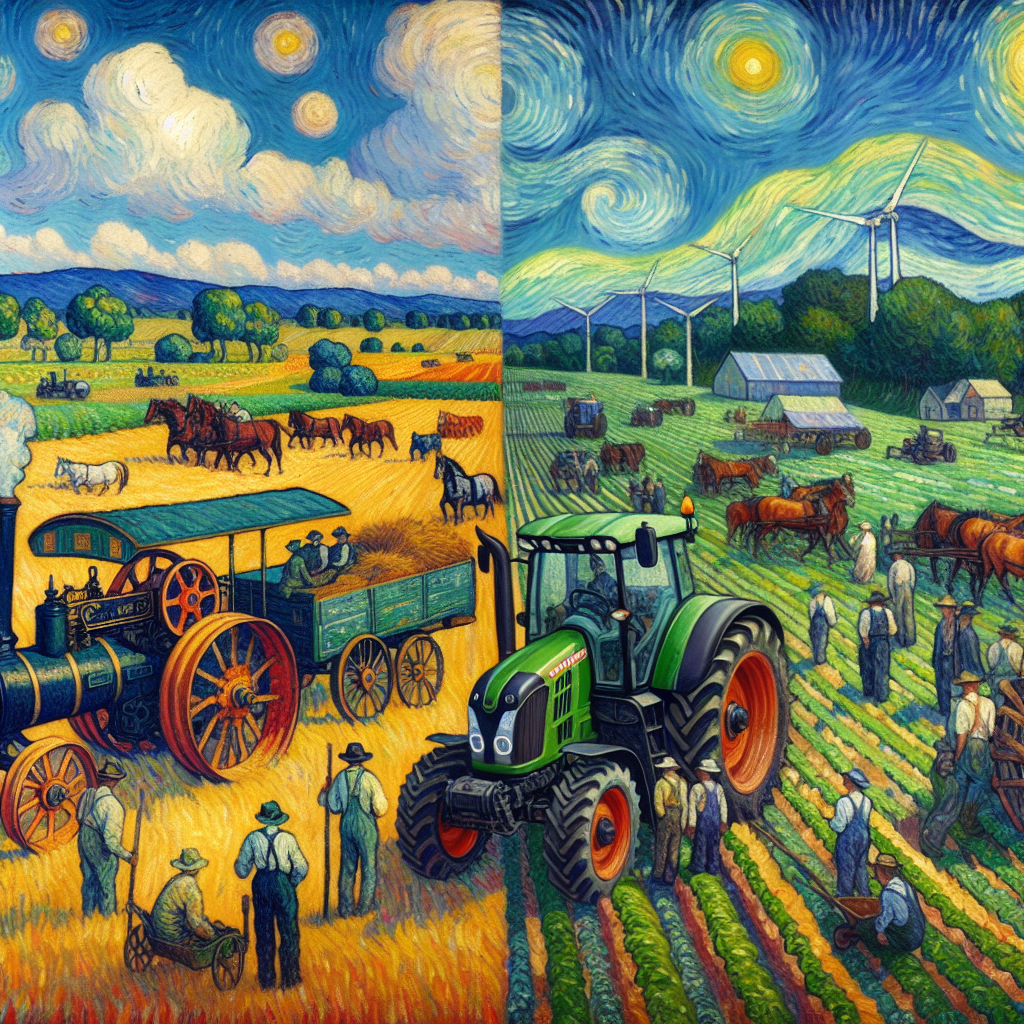
Glossary Of Terms
Other Questions
Is The Heart Of Small Farming Beating Stronger with Classic Tractors – Other Questions
If you wish to explore and discover more, consider looking for answers to these questions:
- What are the benefits of using classic tractors over modern farming equipment?
- How does the revival of classic tractors impact small farming communities?
- What challenges do small farmers face in the era of industrial agriculture?
- How can classic tractors contribute to sustainable farming practices?
- What specific stories do classic tractors tell about farming traditions?
- In what ways do classic tractors foster community among farmers?
- What role do vintage tractors play in agricultural education for future generations?
- How can restoring classic tractors be a form of activism for environmental sustainability?
- What are some examples of successful small farms using classic tractors?
- How can individuals get involved in the restoration of classic tractors?
- Are there any organizations or events dedicated to promoting classic tractors in agriculture?
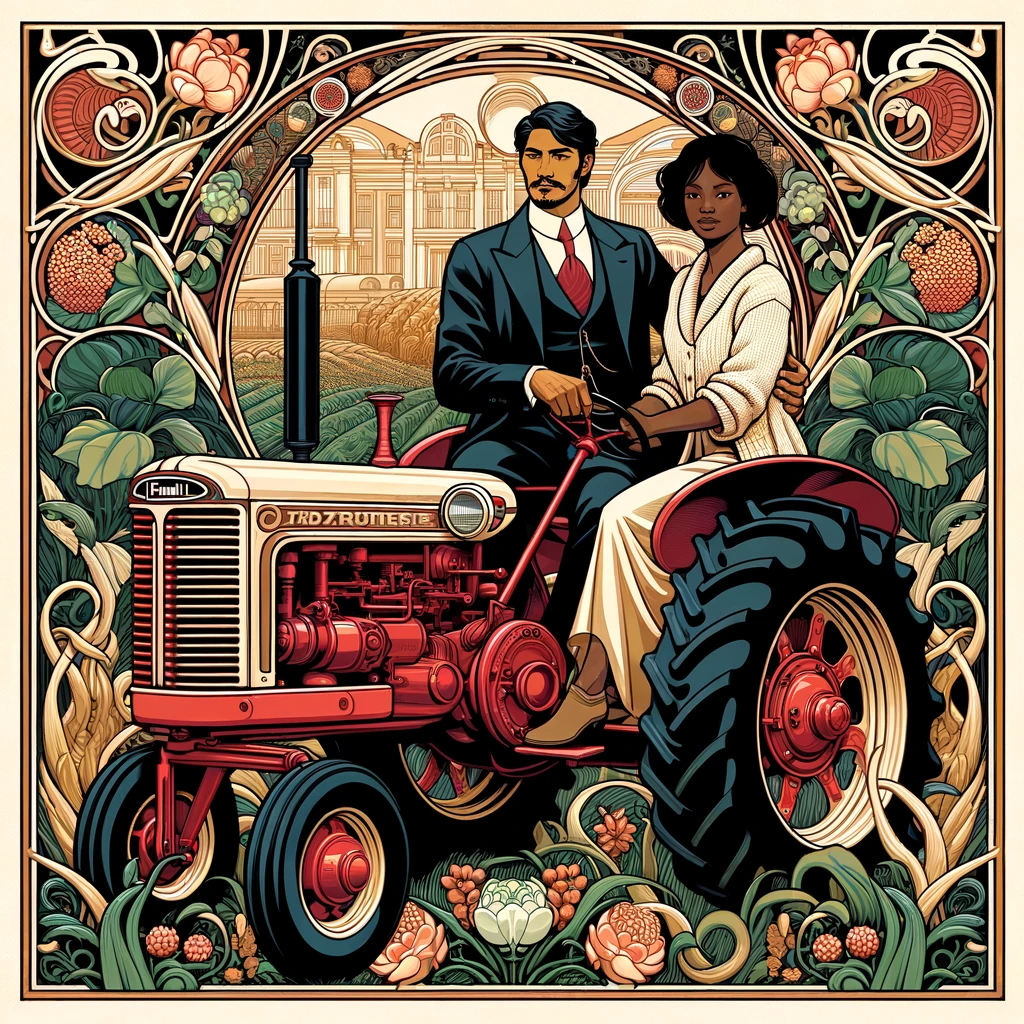
Other Questions
Haiku
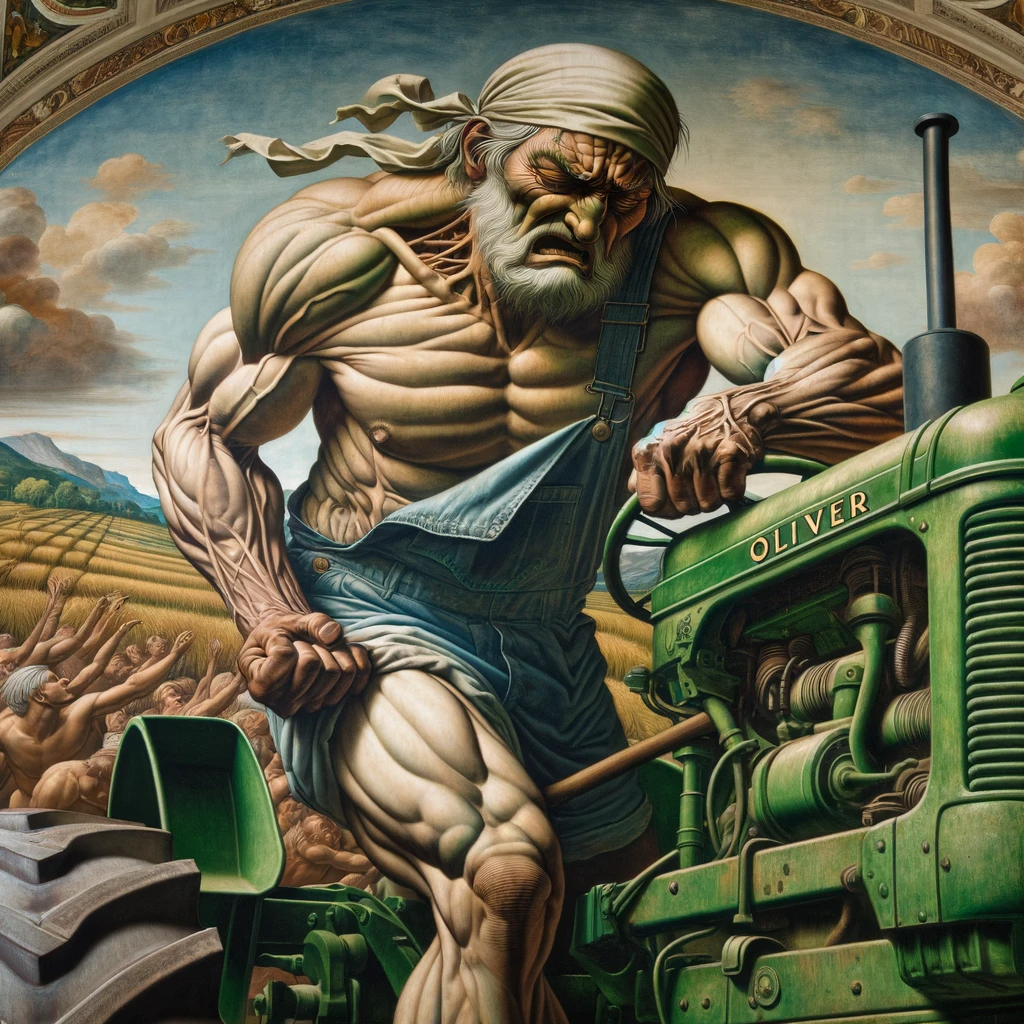
Is The Heart Of Small Farming Beating Stronger with Classic Tractors – A Haiku
Classic green machines,
Whisper tales of toil and trust;
Roots deep in rich soil.
Haiku
Poem
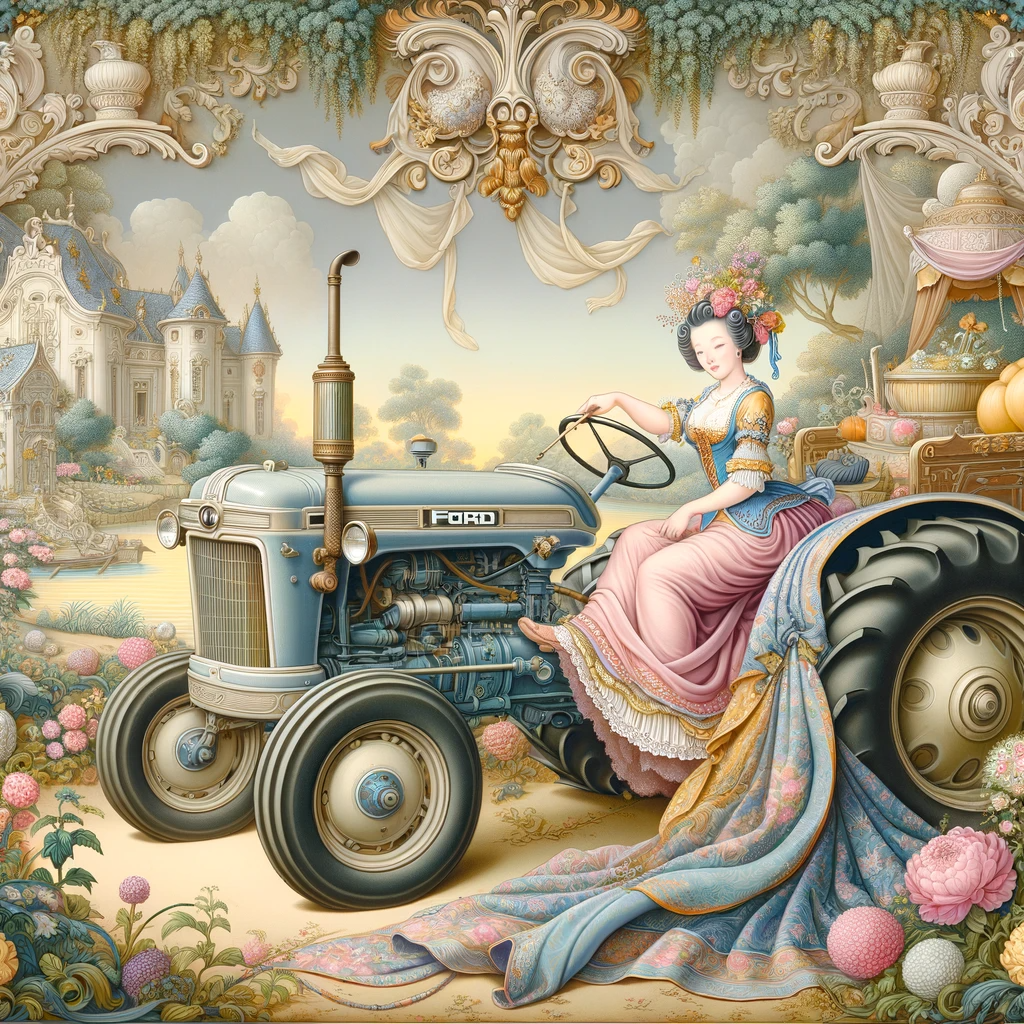
Is The Heart Of Small Farming Beating Stronger with Classic Tractors – A Poem
The Heart of the Tractor: A Poem of Resilience and Connection
In the quiet hum of dawn’s embrace,
A classic tractor stirs in place,
With rusted metal and weary wheels,
It speaks of history, and the strength it yields.
Through fields of gold, where stories intertwine,
Each dent and scratch—a tale divine,
Of hands that toiled beneath the sun,
In rhythm with the earth, their journey spun.
This antique machine, more than a tool,
A vessel of hope, where dreams unspool,
It draws us close, in community we stand,
Together we nurture this cherished land.
With engines rumbling, they greet the day,
Fostering connections—showing the way,
To a sustainable future, they beckon us near,
Whispering trust in a voice we revere.
As corporate giants loom and tensions rise,
These tractors remind us of simpler skies,
Where farming’s ethos beats strong and true,
A legacy forged with every plow through.
So let’s roll up our sleeves and join the fight,
To preserve our heritage, set the future right,
With every turn of the wheel, we’re rewriting a tale,
Of resilience and community—the heart will prevail.
In vintage iron, our spirits unite,
Tales of perseverance igniting the light,
Let’s rally together, come rain or shine,
For the heart of small farming is forever entwined.
Poem
Checklist
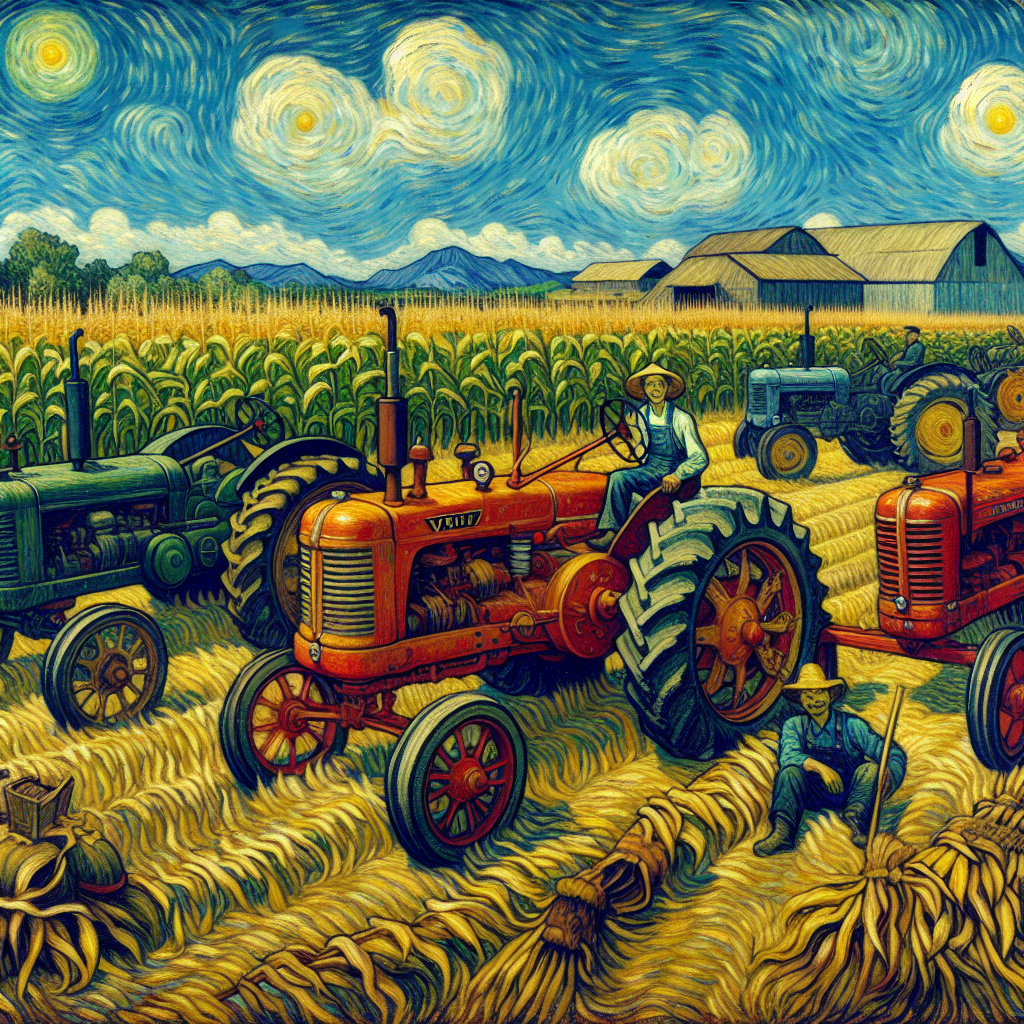
Is The Heart Of Small Farming Beating Stronger with Classic Tractors – A Checklist
Reviving the Soul of Farming Checklist
Emotional Appeals (Heart)
_____ Reflect on Your Connection: Take time to think about your personal connection to farming and the history behind the classic tractors that have shaped this industry.
_____ Share Your Story: Write down or share with someone a memory you have associated with farming or classic tractors.
_____ Join a Community: Find and participate in local gatherings or clubs centered around classic tractors—meet others who share your passion.
Rational Appeals (Head)
_____ Consider the Benefits: List the practical advantages of using classic tractors over modern machinery, such as reliability, ease of repair, and lower maintenance costs.
_____ Understand Sustainability: Research how classic tractors contribute to sustainable farming practices and lower carbon footprints.
_____ Explore Costs: Analyze the financial implications of using vintage equipment versus newer, more automated models.
Ethical Appeals (Gut)
_____ Assess Your Values: Reflect on your values when it comes to agriculture. How do classic tractors align with your commitment to environmental stewardship?
_____ Think about the Future: Commit to supporting small farmers and sustainable practices; consider how your choices impact the next generation.
_____ Share Knowledge: Offer to teach or mentor someone in your community about the importance of traditional farming techniques and machinery.
Authority Appeals
_____ Seek Expert Opinions: Read articles or attend seminars on the evolution of farming equipment to enrich your understanding.
_____ Engage with Farmers: Connect with seasoned farmers who use classic tractors and learn from their experiences and insights.
Narrative Appeals
_____ Document Stories: Write down the stories behind your favorite tractors or farming gear—what do they mean to you?
_____ Attend Events: Participate in local agricultural fairs where classic tractors are showcased, and engage with the narrative surrounding them.
Social Appeals
_____ Connect with Others: Join social media groups or forums focused on classic tractors or small, sustainable farming.
_____ Collaborate: Plan or participate in community restoration projects for vintage tractors—invite friends and neighbors to join.
Final Thoughts
Each item on this checklist invites you to explore a deeper connection, informed understanding, ethical stance, and community bonding around the timeless practice of farming. Embrace the revival of classic tractors as not just a nostalgic endeavor, but as a conscious choice towards a more connected and sustainable future in agriculture.
Checklist
At ClassicTractorNews, we help tractor lovers keep up with the latest news for classic and vintage tractors.
Please share this post with your friends, family, or business associates who may like old classic or vintage tractors.