


Reviving Farming Tradition For Sustainable Future Harmony
By Tom Seest
At ClassicTractorNews, we help tractor lovers keep up with the latest news for classic and vintage tractors.
Please share this post with your friends, family, or business associates who may like old classic or vintage tractors.
Is The Future Of Farming Rooted In Classic Tractor Simplicity
In the middle of a field, beneath a sprawling sky, you’ll often find a classic tractor, its paint faded but its spirit unyielding. This rugged machine, a marvel of simplicity, carries with it the heart and soul of generations of farmers. Every scar on its frame is a reminder of the struggles faced, the rainstorms weathered, and the harvests gathered. Those unassuming tractors symbolize something profound: resilience.
Farmers today stand at a crossroads—caught between the promises of advanced technology and the timeless wisdom that has nourished the land for centuries. As flashy gadgets push the envelope of innovation, we mustn’t forget the value embedded in the basics: a well-functioning tractor that gets the job done without the bells and whistles. It’s more than just a machine; it’s a trusted partner in the relentless pursuit of sustainability, efficiency, and productivity.
At its core, farming has always been about relationships—not just with the earth but with the community around it. A farmer on a classic tractor becomes a storyteller, weaving tales of hard work and dedication for the generations to come. As neighbors lend a hand with a simple nod or a cup of coffee, they cultivate a culture of shared experience. When we rally together, our collective grit has the power to transcend modern complexities.
Moreover, let’s think about the environmental impact of our choices. Classic tractors, often easier to repair than their high-tech counterparts, encourage a culture of maintenance and stewardship rather than throwaway consumerism. It’s a call to ethics; do we really need to sacrifice durability for constant upgrades? These machines remind us that sometimes, less is more, as they fulfill their earthly duty without creating an overwhelming carbon footprint.
So, as we look toward the future of farming, let’s embrace the essence of that classic tractor while weaving in the best of innovation. The simplicity of its design serves as a model, urging us to move forward while remembering our roots. This isn’t just about farming—it’s about nurturing a community and a planet through an approach grounded in trust, tenacity, and a time-honored respect for the land we cherish. The field is wide open, and the choice is ours—to nurture our future with both heart and hardware.
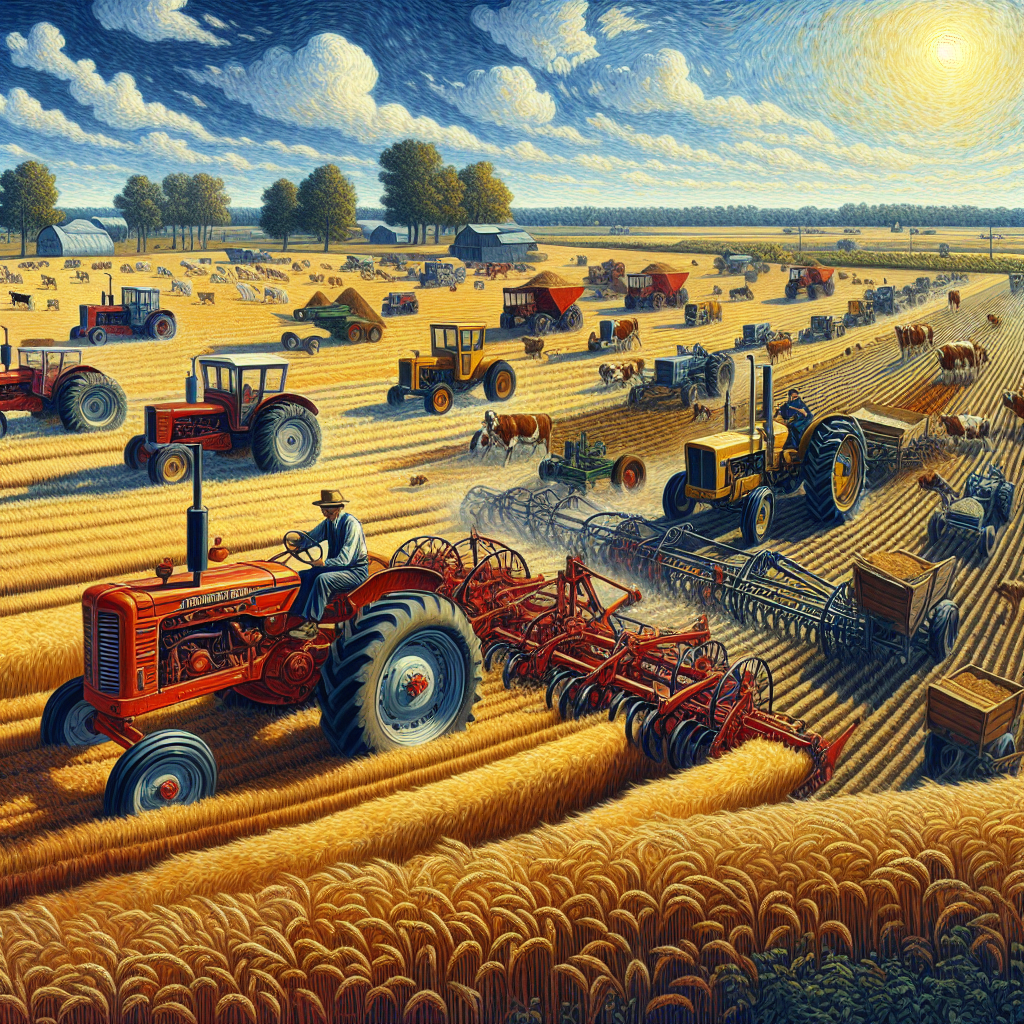
Is The Future Of Farming Rooted In Classic Tractor Simplicity
Is The Future Of Farming Rooted In Classic Tractor Simplicity
- Classic tractors symbolize resilience, representing the history and struggles of farmers.
- Farmers face a dilemma between advanced technology and the wisdom of traditional farming practices.
- Well-functioning tractors serve as trusted partners in sustainability, efficiency, and productivity.
- Farming is about relationships with the earth and the surrounding community, fostering shared experiences.
- Classic tractors promote maintenance and stewardship, encouraging ethical consumerism over throwaway culture.
- These machines illustrate that simplicity can coexist with innovation while minimizing environmental impact.
- The future of farming should blend classic values with modern advancements, prioritizing community and environmental care.
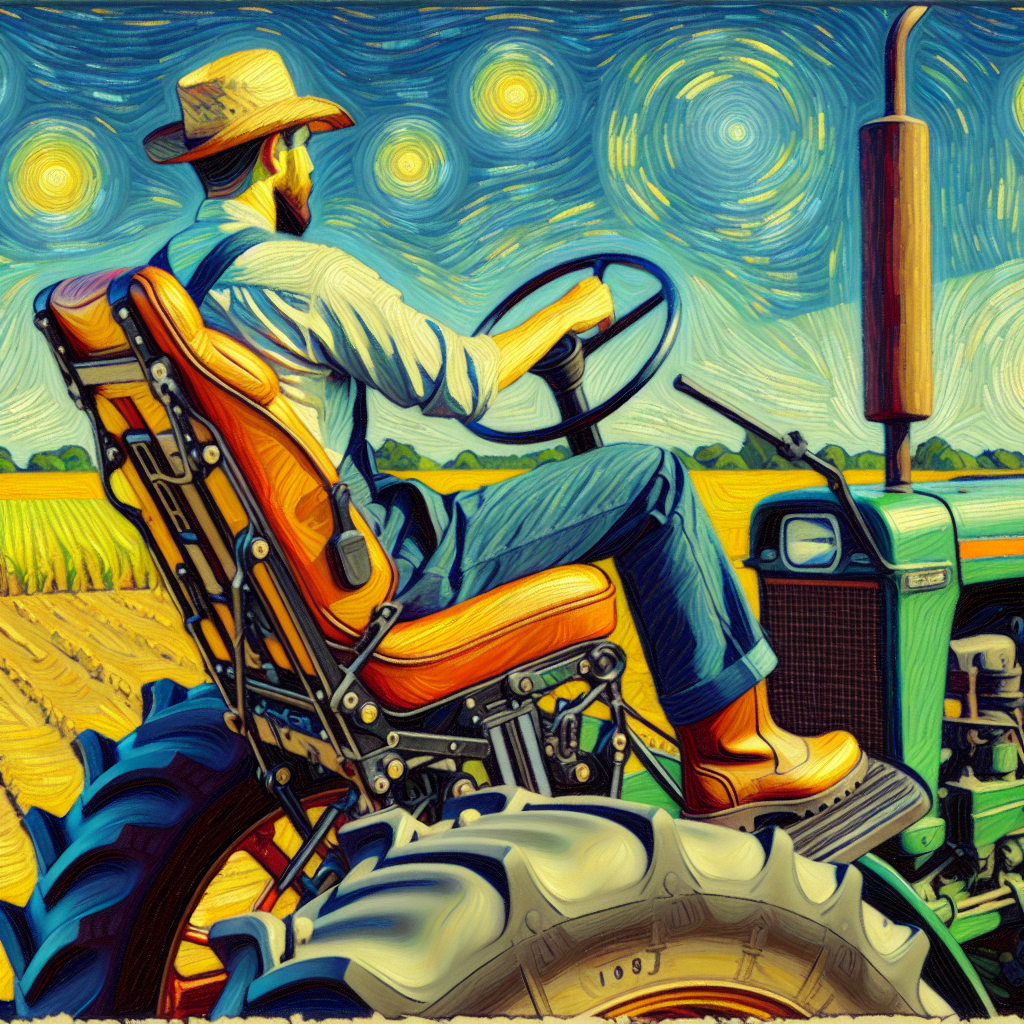
Is The Future Of Farming Rooted In Classic Tractor Simplicity
Table Of Contents
- Is The Future Of Farming Rooted In Classic Tractor Simplicity
- Is Technology Overshadowing The Value Of Classic Tractors?
- How Do Classic Tractors Embody Sustainable Farming Practices?
- Can Modern Farming Learn From The Simplicity Of Vintage Equipment?
- What Emotional Connections Do Farmers Have To Their Classic Tractors?
- Are We Sacrificing Quality For Technology In Modern Farming?
- What Ethical Implications Arise From Mechanizing Agriculture Too Much?
- Conclusion
- Other Resources
- Glossary Of Terms
- Other Questions
- Haiku
- Poem
- Checklist
Is Technology Overshadowing The Value Of Classic Tractors?
There’s a certain magic in the rumble of a classic tractor’s engine that modern machinery simply can’t replicate. It’s like the heartbeat of a farm, an anthem of hard work and perseverance, echoing stories of countless hands that toiled to turn the earth. Imagine the smell of fresh soil and grease, the sound of a well-oiled machine gliding through the fields—these are the sensory experiences that remind us of our roots. They stir something deep within us, a connection to a simpler time when life pulsed to the rhythm of the seasons rather than the click of a touchscreen.
Yet we stand at a crossroads. On one side lies the allure of technological advancements: precision farming tools, drones surveying the land, self-driving tractors that promise efficiency at the push of a button. Each innovation shines with the promise of a brighter, more efficient future. But as we race to embrace these glittering advancements, let’s pause and consider what we might be overshadowing in the process.
Rationally speaking, yes, modern technology is undeniably more efficient. It can dramatically reduce labor costs and increase crop yields, which is especially appealing in a world that’s rapidly growing and changing. But while we chase after technological efficiency, let’s not forget the ethics and values rooted in tradition. Classic tractors were built with an understanding of the land; they were reliable companions of farmers who knew the rhythms of their fields intimately. They symbolize a way of life that prioritized hands-on experience over algorithms.
When we embrace our classic tractors, we’re honoring the legacy of those who came before us—our parents, grandparents, and communities who labored tirelessly to feed us. These machines tell stories; each dent and scratch a badge of honor, a testament to the hard work that shaped our present. By cherishing and preserving these classic marvels, we strengthen our social fabric, fostering connections between generations and invoking pride in our shared heritage.
So, let’s strike a balance. Technology will undoubtedly make our lives more convenient, but it should not come at the cost of our history, our values, and the very essence of farming. Instead of letting modern advancements overshadow what came before, we should celebrate both worlds. Let’s transform our fields not just through innovation, but through a deep-rooted appreciation for the past—because a classic tractor isn’t just a machine; it’s a piece of our soul.
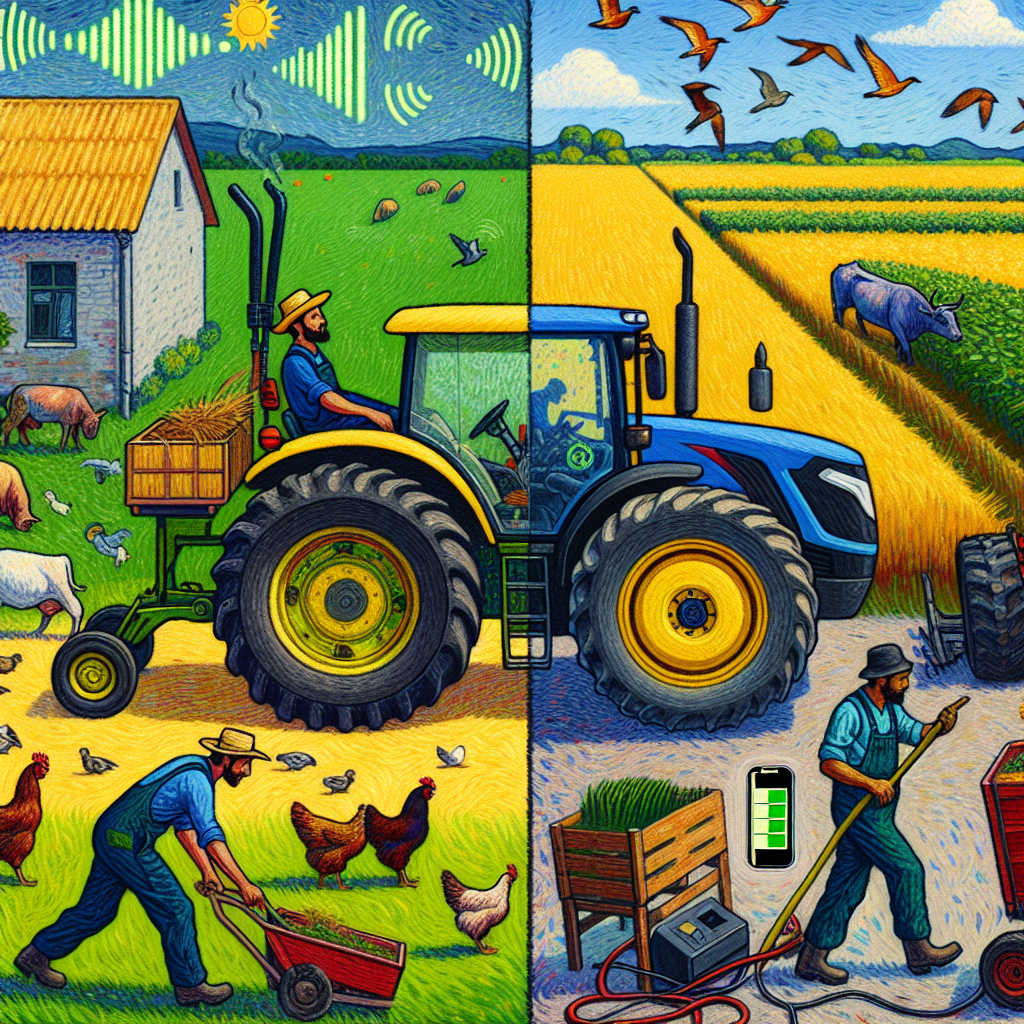
Is Technology Overshadowing The Value Of Classic Tractors?
Is Technology Overshadowing The Value Of Classic Tractors?
- The rumble of classic tractor engines evokes a connection to farming traditions and hard work.
- Modern technology offers efficiency through advancements like precision farming tools and self-driving tractors.
- While technology enhances productivity, it risks overshadowing traditional values and ethics in farming.
- Classic tractors symbolize hands-on experience and a deeper understanding of the land.
- Preserving classic tractors honors the legacy of previous generations who contributed to agriculture.
- There is a need to strike a balance between embracing technology and valuing farming history.
- A classic tractor represents more than equipment; it embodies a sense of heritage and community pride.
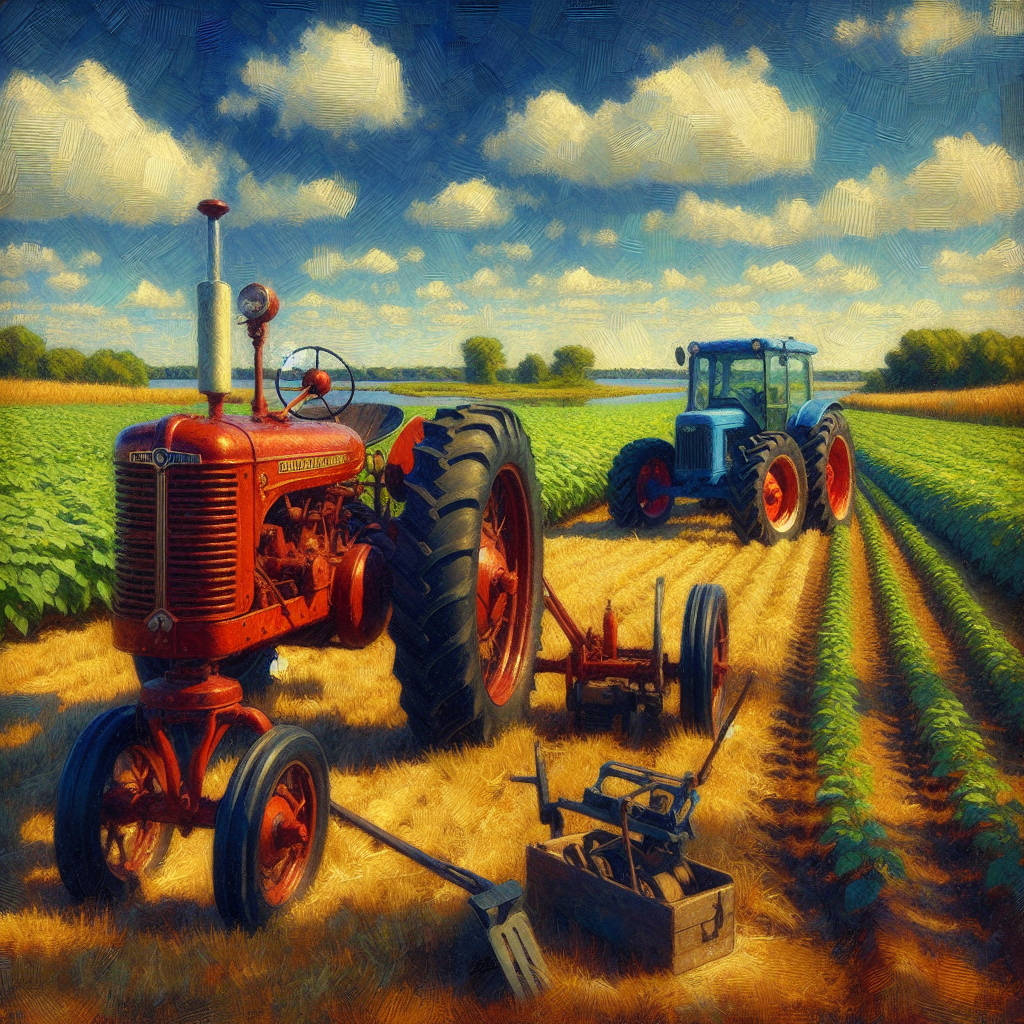
Is Technology Overshadowing The Value Of Classic Tractors?
How Do Classic Tractors Embody Sustainable Farming Practices?
When you think of a tractor, many images may come to mind: the rumbling of powerful engines, dust swirling beneath sun-drenched fields, or perhaps a farmer’s strong hands gripping the wheel. But beyond these simple scenes lies a profound connection to sustainable farming practices that echo our most cherished values about land stewardship and community.
Classic tractors, like the beloved Ford 8N or Allis Chalmers G, stand not just as machinery but as symbols of resilience and responsibility. These durable machines were built to last—designed with simplicity and efficiency in mind. Unlike their modern counterparts, which often rely on complex electronics and fuels, classic tractors run on straightforward principles. They embody an ethos that champions resourcefulness, reminding us that sustainable farming does not depend solely on high-tech innovations but also on time-tested practices.
Consider this: the farmers who once operated these tractors didn’t just see them as tools. They viewed them as partnerships—an extension of their own commitment to the land they nurtured. Those early farming days were riddled with challenges: unpredictable weather, fluctuating markets, and the ever-looming threat of soil depletion. Yet, they pushed forward, utilizing their tractors to cultivate the land effectively without overcomplicating life.
Using a classic tractor means embracing a slower, more deliberate approach to agriculture. These machines can often run on biodiesel or even vegetable oil, reducing carbon footprints and fostering a deep respect for our environment. When we lean into these methods, we’re connecting with tradition and ensuring that the soil will be rich for future generations. It’s an act that goes beyond individual choice; it becomes a collective mission that reverberates through communities.
Moreover, there’s something inherently ethical about supporting farms that utilize classic tractors. Every time we choose products sourced from sustainable practices, we are casting our vote in favor of the planet. We are choosing to align our values with those who carry the torch of responsible stewardship, honoring the legacy of farmers before us.
Ultimately, classic tractors evoke a sense of unity. They are the heartbeats of farmland, connecting generations through shared values of hard work and pride. So, the next time you see one roaming the fields, take a moment to reflect. Recognize that by cherishing these tractors, you’re honoring a way of life that champions sustainability, respect for our roots, and the promise of a healthier planet for all.
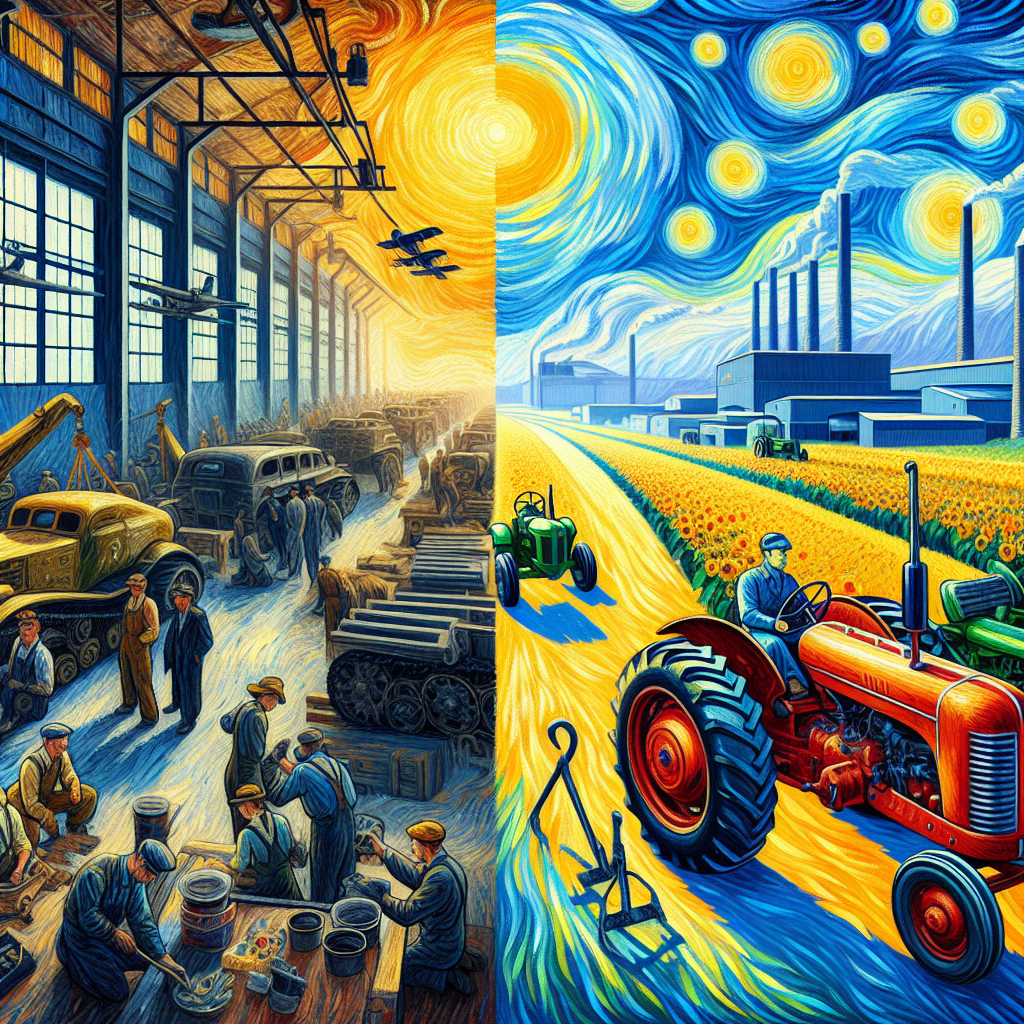
How Do Classic Tractors Embody Sustainable Farming Practices?
How Do Classic Tractors Embody Sustainable Farming Practices?
- Tractors symbolize a profound connection to sustainable farming practices and land stewardship.
- Classic tractors like the Ford 8N and Allis Chalmers G represent resilience and responsibility.
- Designed for simplicity and efficiency, classic tractors rely on straightforward principles rather than complex technology.
- Farmers viewed these tractors as partnerships, helping them navigate challenges like unpredictable weather and soil depletion.
- Using classic tractors promotes a more deliberate agricultural approach, often utilizing biodiesel or vegetable oil to reduce carbon footprints.
- Supporting farms that use classic tractors aligns consumer values with sustainable practices and responsible stewardship.
- Classic tractors evoke unity, connecting generations through shared values of hard work and pride in sustainable agriculture.
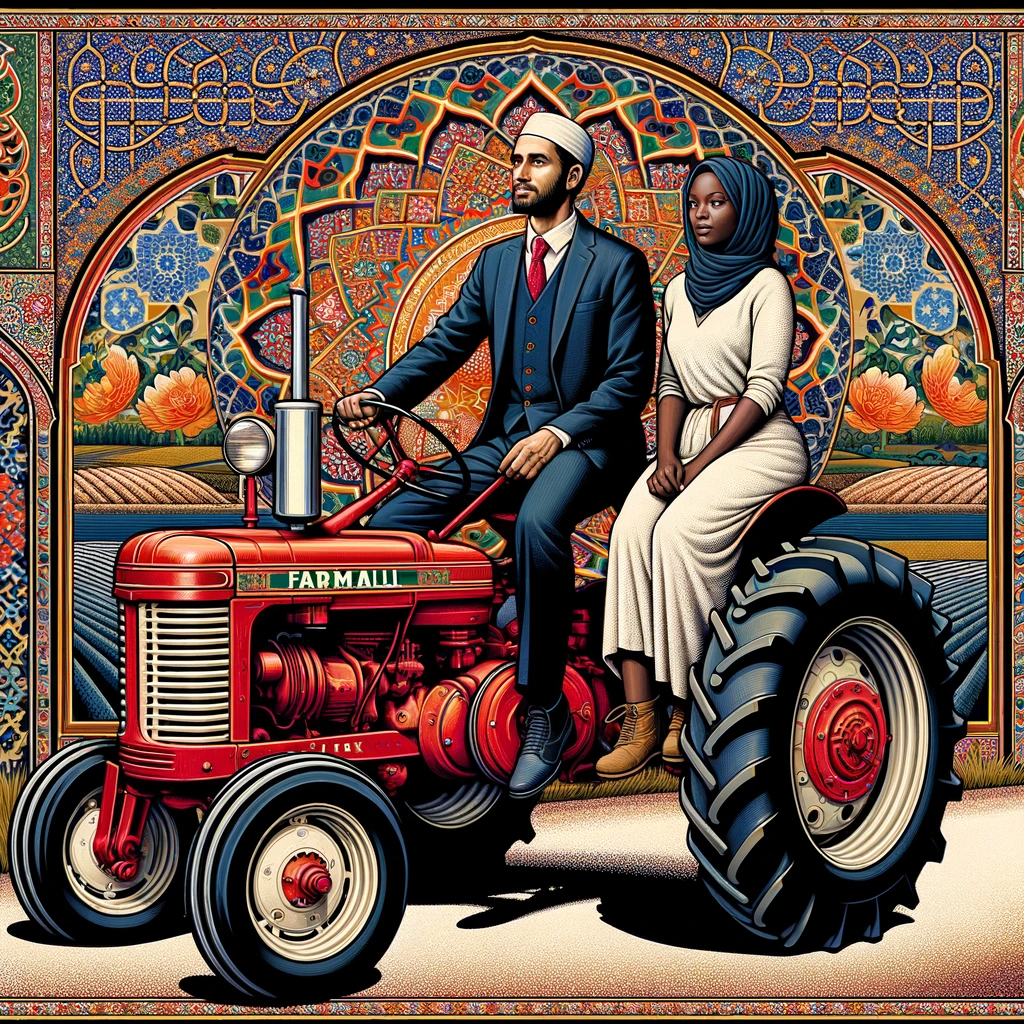
How Do Classic Tractors Embody Sustainable Farming Practices?
Can Modern Farming Learn From The Simplicity Of Vintage Equipment?
In the ever-evolving world of modern farming, where technology often takes the center stage, it’s easy to forget the robust simplicity of vintage equipment. Picture a time when a farmer relied on a tractor that was more than just a machine; it was an extension of their very being. A rugged, reliable companion built to weather the challenges of the land. Today, as we race toward agricultural advancements that sometimes feel impersonal, we might find wisdom in those old-fashioned tools—wisdom that speaks to the heart, head, and gut.
Let’s first consider the emotional connection. Imagine a farmer on their vintage tractor on a crisp morning, the sun peeking over the horizon while the earth hums beneath them. That tractor wasn’t just metal and gears; it embodied years of sweat, determination, and resilience. It was a testament to the idea that dedication could yield a rich harvest. Every bump on the field was a memory, every turn a lesson in patience, and every successful crop a celebration of hard work. In today’s fast-paced environment, those feelings often get lost in the digital buzz.
Rationally, there’s merit in reflecting on how vintage farming equipment was designed for longevity and ease of maintenance. While modern inventions can streamline production, they can also lead to dependency on complex systems that require extensive training and costly repairs. A vintage tractor, on the other hand, wasn’t just a shiny tool—it was straightforward, functional, and repairable by anyone with a little elbow grease and know-how. The ruggedness and simplicity of these machines taught a practical lesson: sometimes less is more.
Ethically, we must confront the disconnection between the farmer and the land that high-tech farming can create. Vintage tractors symbolize a time when farming was personal, grounded in a commitment to sustainable practices and ethical choices. Each turn of the wheel was thoughtful and deliberate, nurturing both the land and the community it served. These ideals foster a sense that farming is not merely a business but a vocation—a calling to improve lives through stewardship and care.
Let’s not forget the social impact of sharing stories about our farming roots and the legendary tractors that helped define them. These tales create bonds, sparking conversations that can inspire a new generation of farmers to appreciate the grit and determination that history offers.
So as we stand on the cusp of innovation, let’s take a moment to remember where we came from. In that nostalgia, we find not just inspiration but also clarity; maybe modern farming could read a lesson or two from the simplicity and soul of vintage equipment.
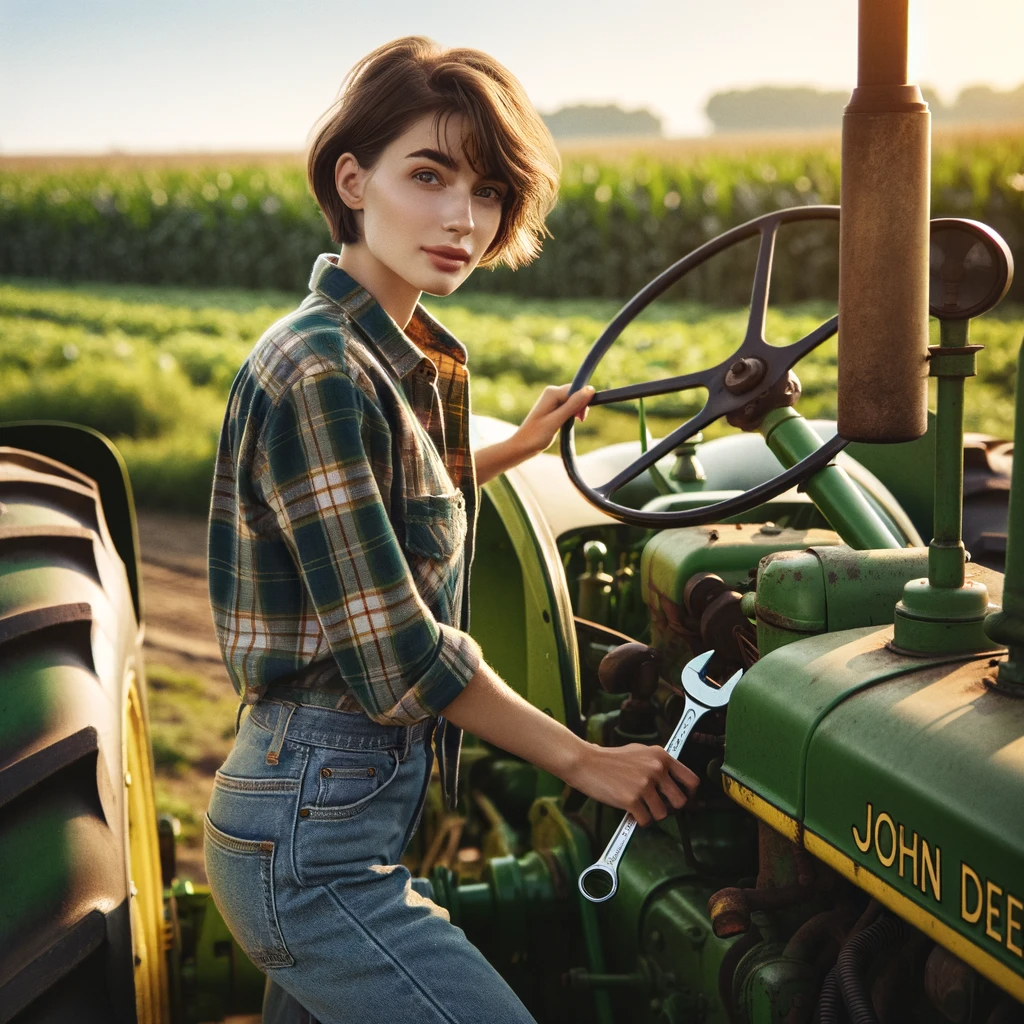
Can Modern Farming Learn From The Simplicity Of Vintage Equipment?
Can Modern Farming Learn From The Simplicity Of Vintage Equipment?
- Modern farming often prioritizes technology, overshadowing the value of vintage equipment.
- Vintage tractors symbolize emotional connections between farmers and their land, representing years of dedication.
- These machines offer practical lessons in resilience and the importance of hard work.
- Vintage equipment is designed for longevity and ease of maintenance, contrasting with the complexity of modern systems.
- There is an ethical consideration regarding the disconnection created by high-tech farming methods.
- Vintage tractors encourage a personal, sustainable approach to farming that nurtures both land and community.
- Sharing stories about farming history can inspire future generations and strengthen community bonds.
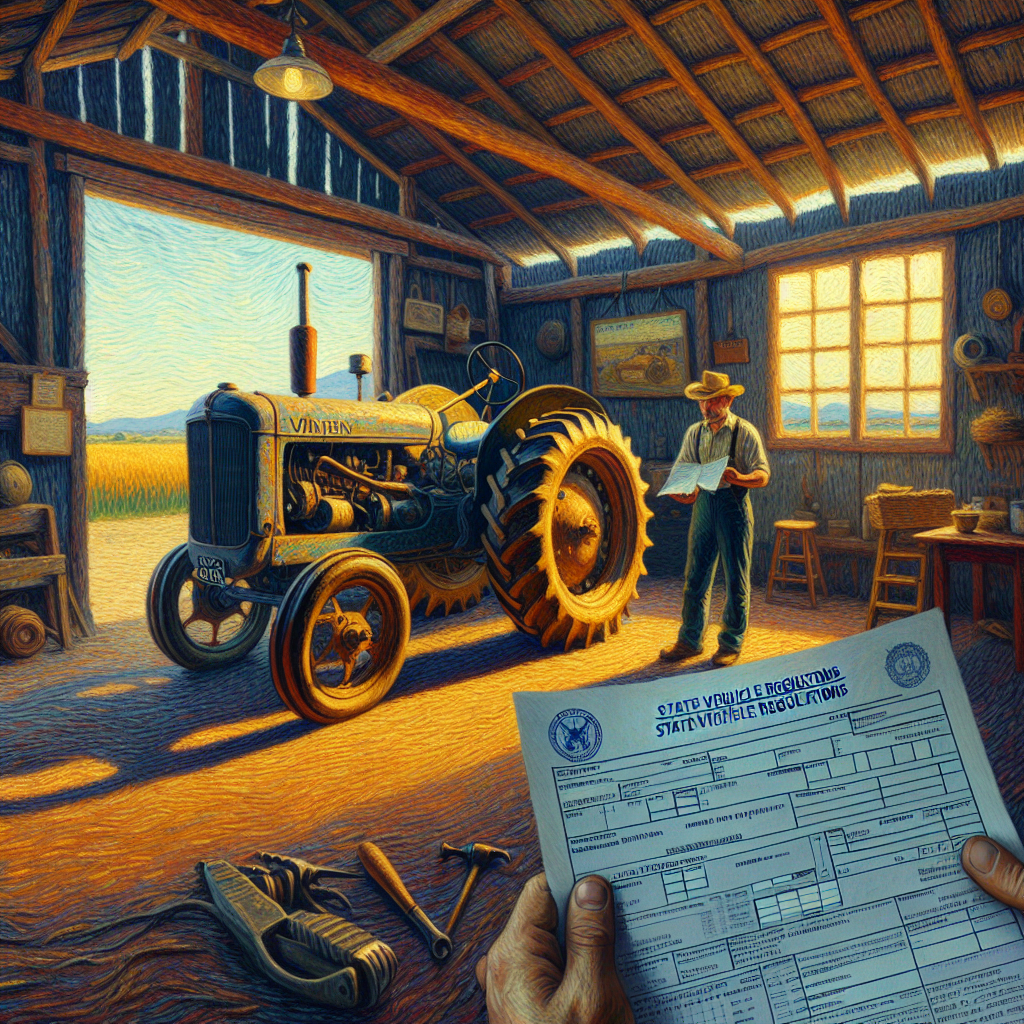
Can Modern Farming Learn From The Simplicity Of Vintage Equipment?
What Emotional Connections Do Farmers Have To Their Classic Tractors?
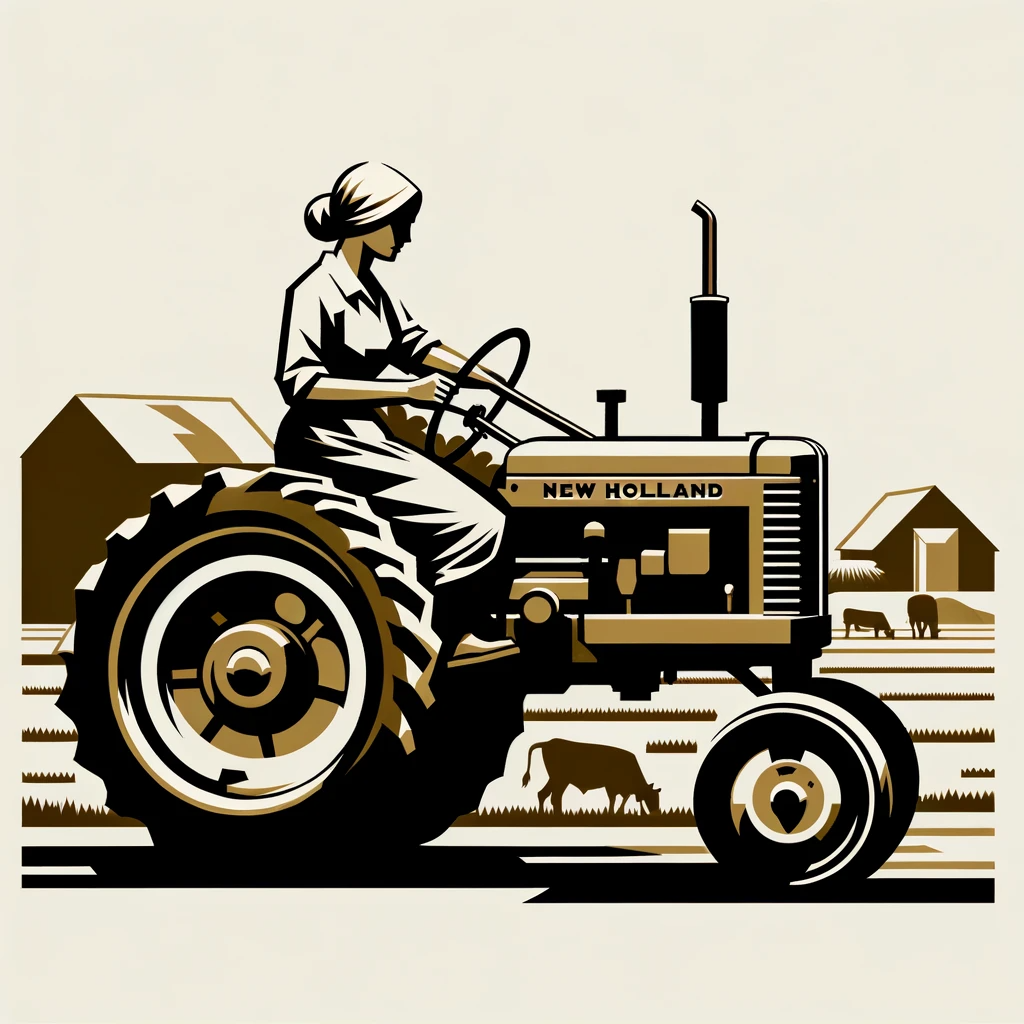
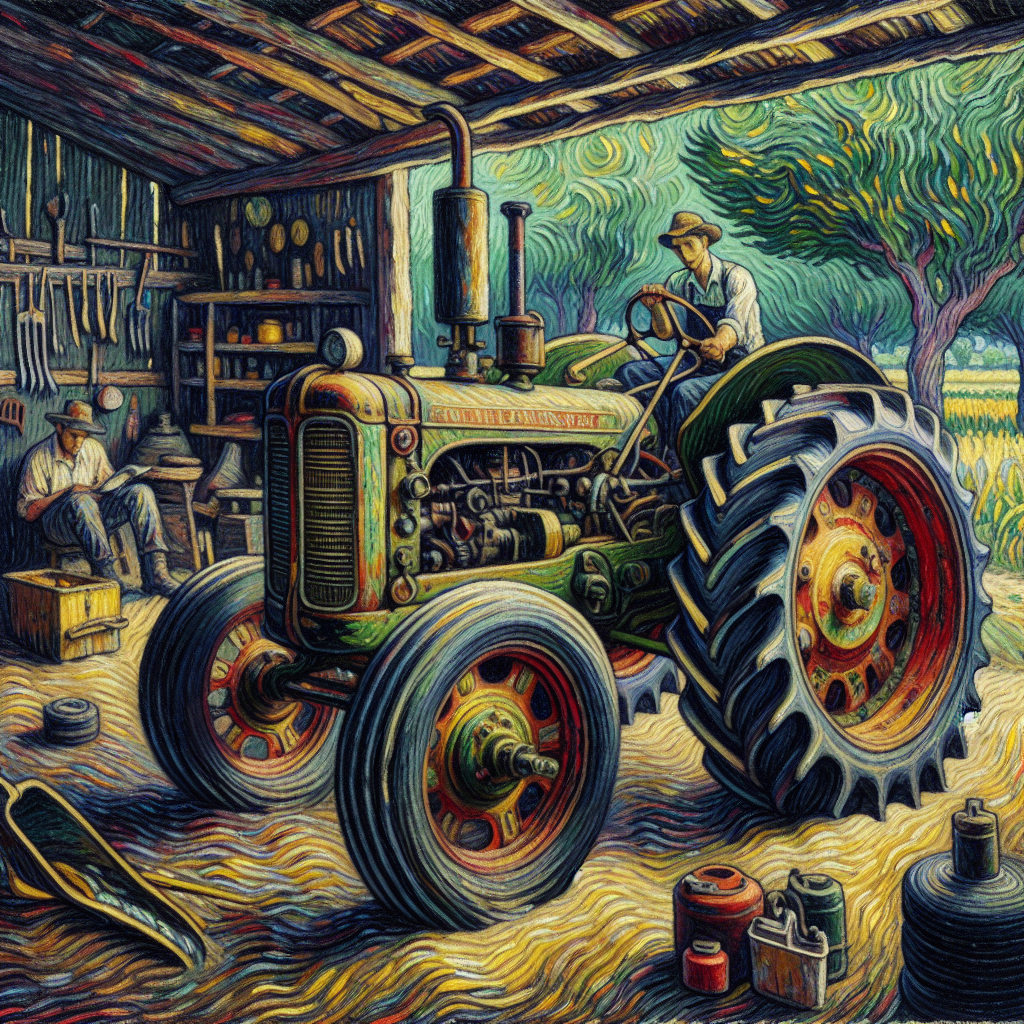
When you think about classic tractors, what comes to mind? Rusty paint and old engines, or perhaps the heart and soul of farmland? For many farmers, these machines are far more than just a hunk of metal; they are embodiments of history, hard work, and family legacy. Each scratch in the paint tells a story, each dent a lesson learned in the fields. They symbolize resilience—much like the farmers who have relied on them for generations.
Picture a farmer standing in the early morning light, the sun’s rays dancing over the weathered hood of a classic tractor. It’s not just a vehicle; it’s a trusted companion that has seen countless seasons come and go, fought fierce storms, and played a vital role in feeding families. The engine’s rumble is as comforting as a mother’s lullaby, a sound that resonates deep within the gut. It’s a bond rooted in the earth, tempered by sweat and perseverance, and it speaks to the heart of what it means to cultivate the land and raise a family.
These machines also carry an ethical weight. Owning a classic tractor isn’t just about nostalgia; it’s a conscious choice to honor the past while working toward a sustainable future. Farmers who restore and maintain these beloved machines demonstrate immense pride and responsibility. By keeping vintage tractors in operation, they promote longevity, resourcefulness, and a respect for craftsmanship that modern conveniences often overlook.
Moreover, there’s an authority that comes with knowing how to operate these robust machines. Farmers are often innovators and inventors at heart, and the hands-on experience of tinkering with an old tractor fosters a palpable connection to the land and the tools that cultivate it. When they share their restoration stories, they inspire trust in their methods and pass down valuable skills to the next generation.
The social fabric among farmers strengthens through their shared experiences with these classic tractors. Gathering at local fairs, showing off lovingly restored models, or trading stories about their favorite machines creates a sense of community. It’s a brotherhood and sisterhood built upon respect for the land, for family heritage, and for the classic vehicles that have helped shape their livelihoods.
In every turn of the wheel lies a rich tapestry of emotion—inviting, engaging, and profoundly relatable. When farmers work the land with their classic tractors, they’re not just tilling soil; they’re nurturing a legacy that connects them to the past, honoring their roots while planting seeds for the future. These machines carry the weight of numerous stories and aspirations, an enduring reminder of the indelible bond between farmer and tractor.
What Emotional Connections Do Farmers Have To Their Classic Tractors?
What Emotional Connections Do Farmers Have To Their Classic Tractors?
- Classic tractors symbolize more than machinery; they represent history, hard work, and family legacy.
- Each scratch and dent on a tractor tells a story, embodying resilience and the experiences of generations of farmers.
- Farmers view these tractors as trusted companions that have helped them weather challenges and feed families.
- Owning and maintaining a classic tractor reflects a commitment to honoring the past while striving for sustainability.
- Restoration of vintage tractors showcases pride, resourcefulness, and respect for craftsmanship often overlooked today.
- Farmers gain valuable hands-on experience and community through shared restoration stories and gatherings at local fairs.
- Classic tractors connect farmers to their roots, nurturing a legacy that fosters responsibility and future aspirations.
What Emotional Connections Do Farmers Have To Their Classic Tractors?
Are We Sacrificing Quality For Technology In Modern Farming?
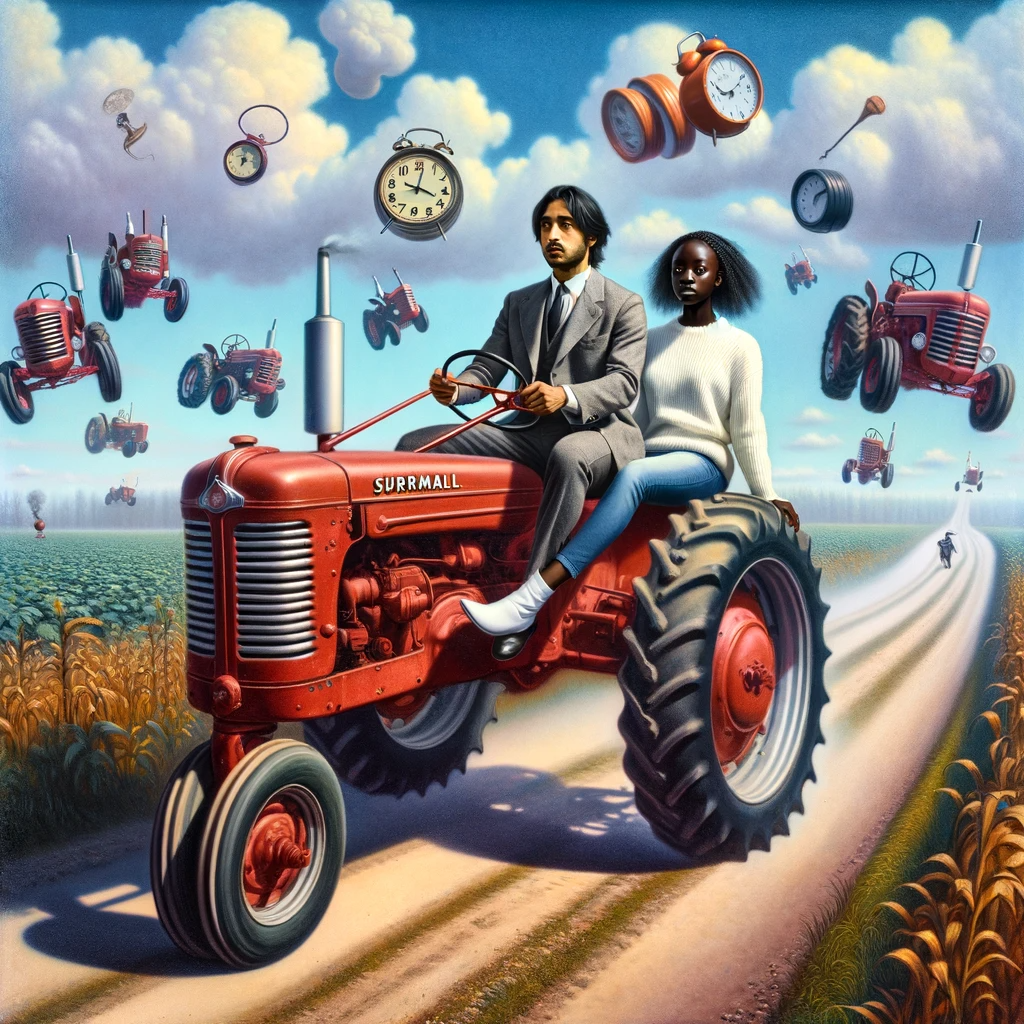
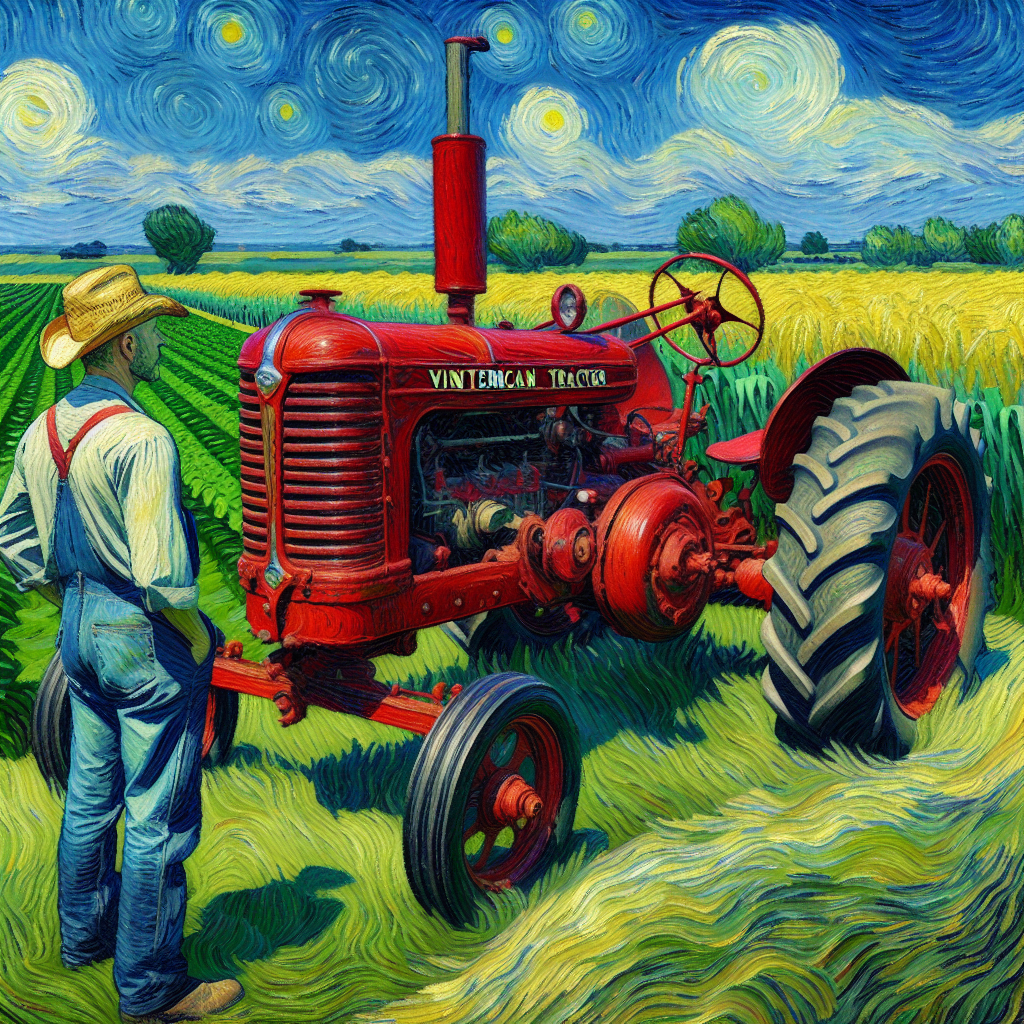
In the heart of America’s fields, where the hum of a tractor had once harmonized with the rhythm of nature, a silent revolution is underway. As the sun rises over rolling acres, casting golden light on crops ready for harvest, one can’t help but question: Are we trading the time-honored wisdom of our farming ancestors for shiny gadgets and data-driven decisions?
Imagine a farmer, calloused hands gripping the wheel of an imposing tractor, navigating his land with instinct and intuition. He knows every inch of soil like a craftsman knows his tools. Each furrow tells a story—a tale of weather patterns and crop rotations, of successes and failures etched in time. Now, picture that same farmer, tasked with mastering an array of artificial intelligence and state-of-the-art technology. Sure, precision farming can increase yields, but at what cost to that deep, unquantifiable connection to the earth?
Let’s think this through. Modern agricultural technology promises efficiency, reducing the cost of production and maximizing profits. It dazzles the most rational minds with numbers and projections, appealing to our desire for a better bottom line. Yet, can we quantify the value of biodiversity in our fields or the taste of a ripe tomato that comes from a season well spent?
Ethically speaking, we must consider the ramifications of this compelling shift. As we automate the processes that once connected men and women to their land, will we lose sight of the very essence of farming? The act of planting, growing, and harvesting is steeped in tradition, an age-old practice that binds generations. We owe it to ourselves and to the future to ensure that technology enhances, not replaces, the deep-rooted human spirit of farming.
But it’s not just a farmer’s dilemma—it’s a societal concern. Our relationship with food is changing. Do we want to cultivate a culture that prioritizes disconnected efficiency over a relationship with the land? What happens when we alienate ourselves from the source of our sustenance?
We stand at a crossroads. With innovation knocking at our doors, we have the power to shape the future of farming. We can integrate technology while holding onto the traditions that define us. The choice is ours: to embrace a harmonious coexistence between man, machine, and nature. Let’s ensure that as we move forward, we don’t leave quality behind.
Are We Sacrificing Quality For Technology In Modern Farming?
Are We Sacrificing Quality For Technology In Modern Farming?
- A silent revolution in farming is challenging traditional practices with modern technology.
- Farmers traditionally relied on instinct and experience, forming deep connections with their land.
- Modern agricultural technology promises increased efficiency and higher profits, but at a potential cost to heritage.
- The value of biodiversity and the sensory experiences of farming are difficult to quantify against productivity metrics.
- Ethically, there is a risk of losing the essence of farming as processes become automated.
- The shift in farming practices reflects a broader societal concern regarding our relationship with food.
- We have the opportunity to integrate technology with tradition, ensuring a balance between innovation and the human spirit in agriculture.
Are We Sacrificing Quality For Technology In Modern Farming?
What Ethical Implications Arise From Mechanizing Agriculture Too Much?
Let’s roll our sleeves up and dig into the earth itself—the very essence of our connection to nature and to one another. Farming once drew from the sweat and toil of human hands, sturdy against the weather, and strengthened by the power of family bonds. Now, as we look over vast fields tended by tractors humming like bees on autopilot, we must consider what’s lost alongside the efficiency.
Sure, the allure of mechanization is enticing. Who wouldn’t prefer a tidy, predictable harvest to swinging a scythe under the burning sun? But here’s the rub: with every additional piece of machinery rolling into our barns, there’s a ticking clock counting down the minutes until we forget what it means to truly cultivate not just the land, but also our communities.
As we replace hardworking farmers with shiny, GPS-guided tractors, we risk sidelining human skill and companionship. Imagine a local farmer, a familiar face at the market, being replaced by a faceless entity— a machine that knows no laughter, no shared stories about the soil’s richness, and no passion for growers’ markets. The heart of agriculture isn’t solely about productivity; it’s about community, tradition, and the stories that bind us to each other.
The ethical implications stretch far and wide. There’s the risk of driving small farmers—those who rely on personal relationships and local knowledge—into extinction. Our society thrives on diversity, not just in crops but in the people who grow them. When every field is owned by a corporation wielding an armada of tractors with no stake in the local ecosystem, we jeopardize the resilience of our food systems and the livelihoods of many.
Moreover, what does it imply for our values when we replace human labor with metal monsters? We must ask ourselves: Is progress worth sacrificing our connection to agriculture—the grit, the determination, and yes, the humanity? Every time we push the pedal on a shiny new tractor, we need to remember the farmers who come before us, craftsmen and caretakers who took pride in their labor and passion for the land.
It’s time to pause, think, and rally together. As stewards of our planet, let us strive for a harmonious balance between technology and tradition, where tractors enhance rather than replace the human spirit. Engage with your local farmers, support sustainable practices, and forge a future where we nurture both the soil and our communities. After all, it’s not just about what we harvest; it’s about how we leave this earth for the generations to come.
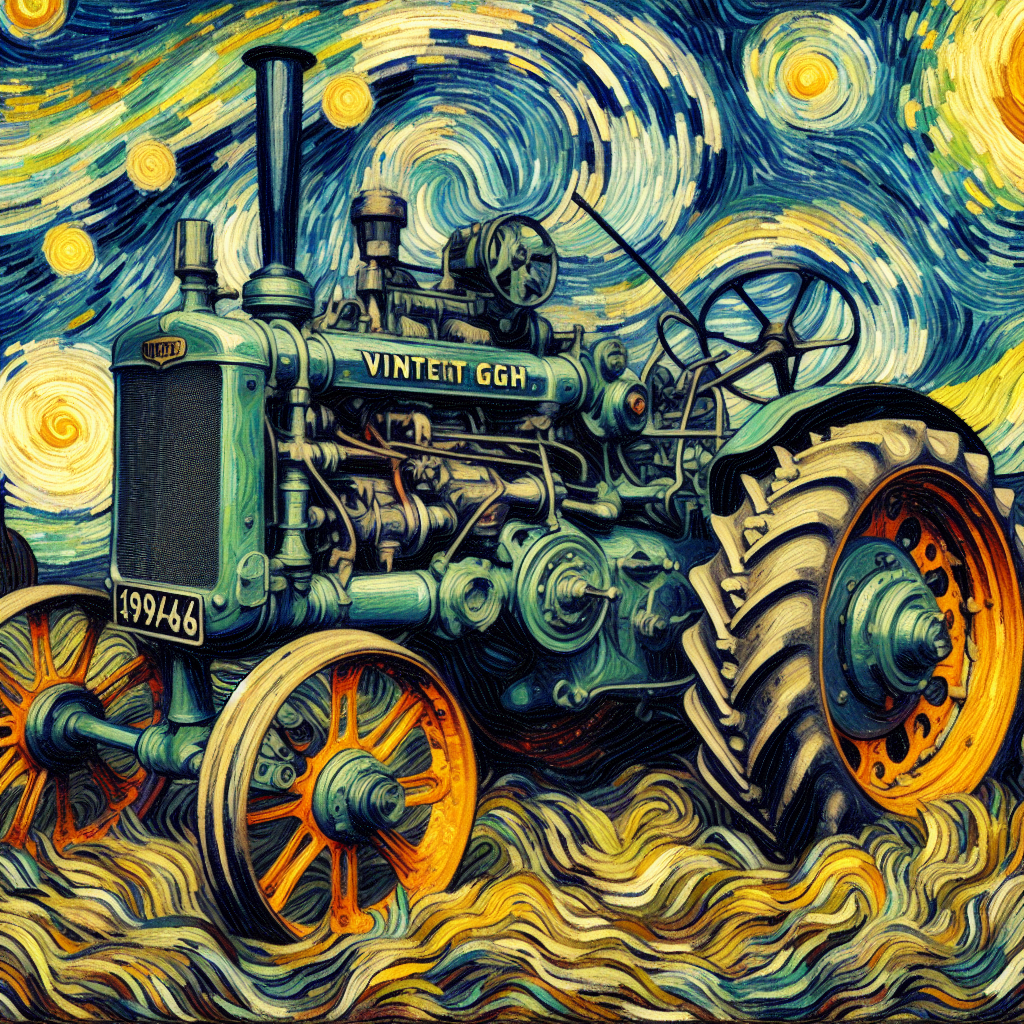
What Ethical Implications Arise From Mechanizing Agriculture Too Much?
What Ethical Implications Arise From Mechanizing Agriculture Too Much?
- Exploration of the connection between farming, nature, and community.
- While mechanization in farming offers efficiency, it risks losing human touch and community bonds.
- The shift from farmers to machines can diminish personal relationships and local knowledge.
- There are ethical concerns regarding the extinction of small farmers in favor of corporate agriculture.
- Replacing human labor with machines raises questions about the values of progress.
- A call to focus on balancing technology with tradition to enhance rather than replace human involvement.
- Encouragement to support local farmers and sustainable practices for a better future.
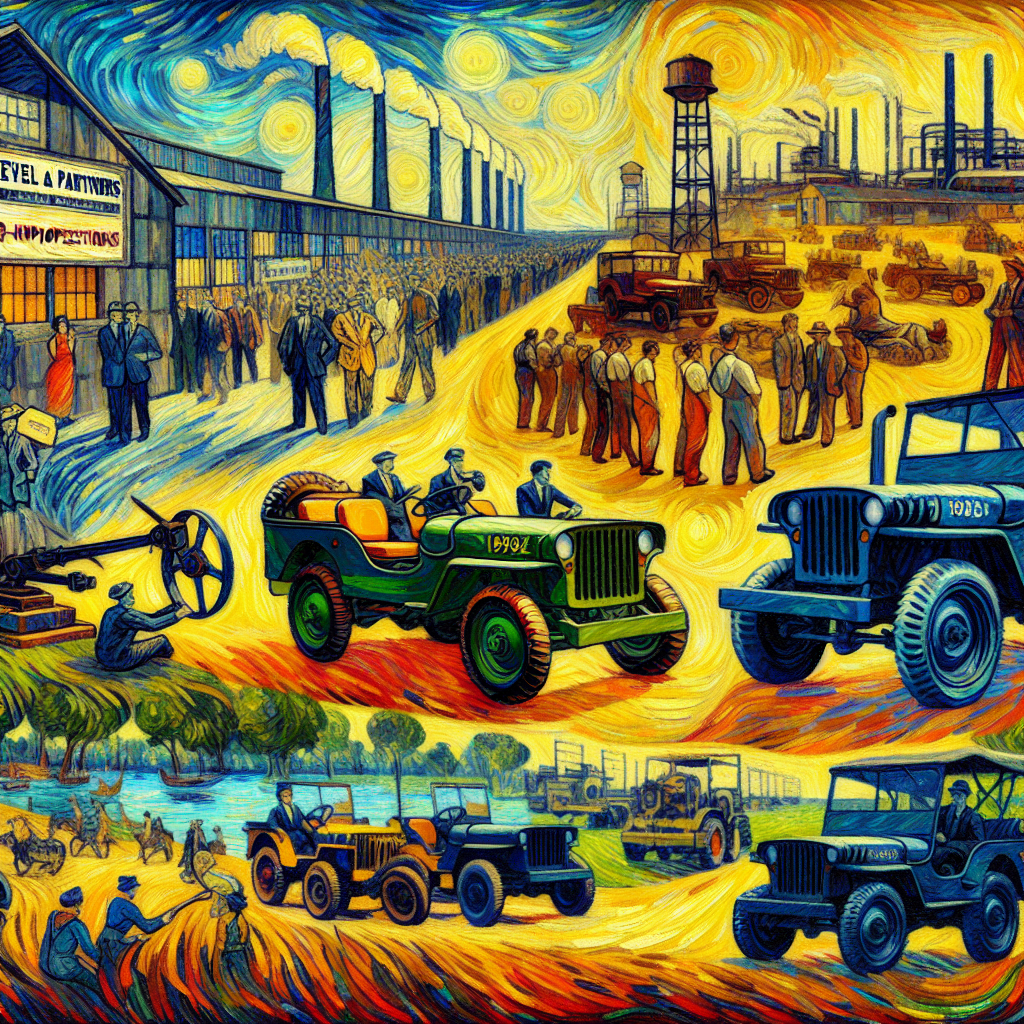
What Ethical Implications Arise From Mechanizing Agriculture Too Much?
Conclusion
As we stand on the precipice of a new era in agriculture, it’s vital to reflect on what makes farming truly meaningful. Here’s a little secret: the soul of farming isn’t just in high-tech gadgets or algorithms. It’s often found in the unyielding spirit of classic tractors, the kind that have been rusting and roaring in fields for generations. These machines are more than machines; they embody the experiences, struggles, and triumphs of every farmer who has ever gripped their steering wheel with determination. They remind us of our roots, of a time when farming was as much about community and connection as it was about productivity.
As we ponder the future of farming, we find ourselves at a crossroad—the tantalizing allure of cutting-edge technology beckons, promising efficiency, higher yields, and less labor. But what is that we risk losing in this pursuit? As we transition from the grit of hands-on farming to the sterile functionalities of AI-driven equipment, do we lose the raw, beautiful narrative that connects us to the earth?
Classic tractors resonate with the values of simplicity, durability, and sustainability, virtues that modern farming sometimes neglects in the name of progress. There’s a profound ethical lens here: every time we opt for the latest technology, we must ask, “Are we sacrificing our heritage, our connection to the soil, and our neighbors?” Farming is not just about inputs and outputs—it’s about stewardship and nourishing a community that thrives collectively.
Let’s not forget the emotional bond many have with these tractors; they carry the heartbeats of countless laborers who toiled season after season, cultivating more than just crops—but histories. When we restore and cherish these machines, we respect the legacy of those who came before us. Owning a classic tractor isn’t merely an act of nostalgia; it’s a commitment to a way of life steeped in responsibility and resilience.
As we charge into the future, let’s embrace the harmony between the old and the new. The latest technologies can be sidekicks, not replacements, enhancing our capabilities without diluting our essence. Next time you see a classic tractor beneath the open sky, remember: every dent and scratch doesn’t just tell a story; it invites us to carry that story forward. The choice is ours—to nurture a future where human spirit and technological prowess can flourish side by side, cultivating both the earth and our deeper connections with one another.
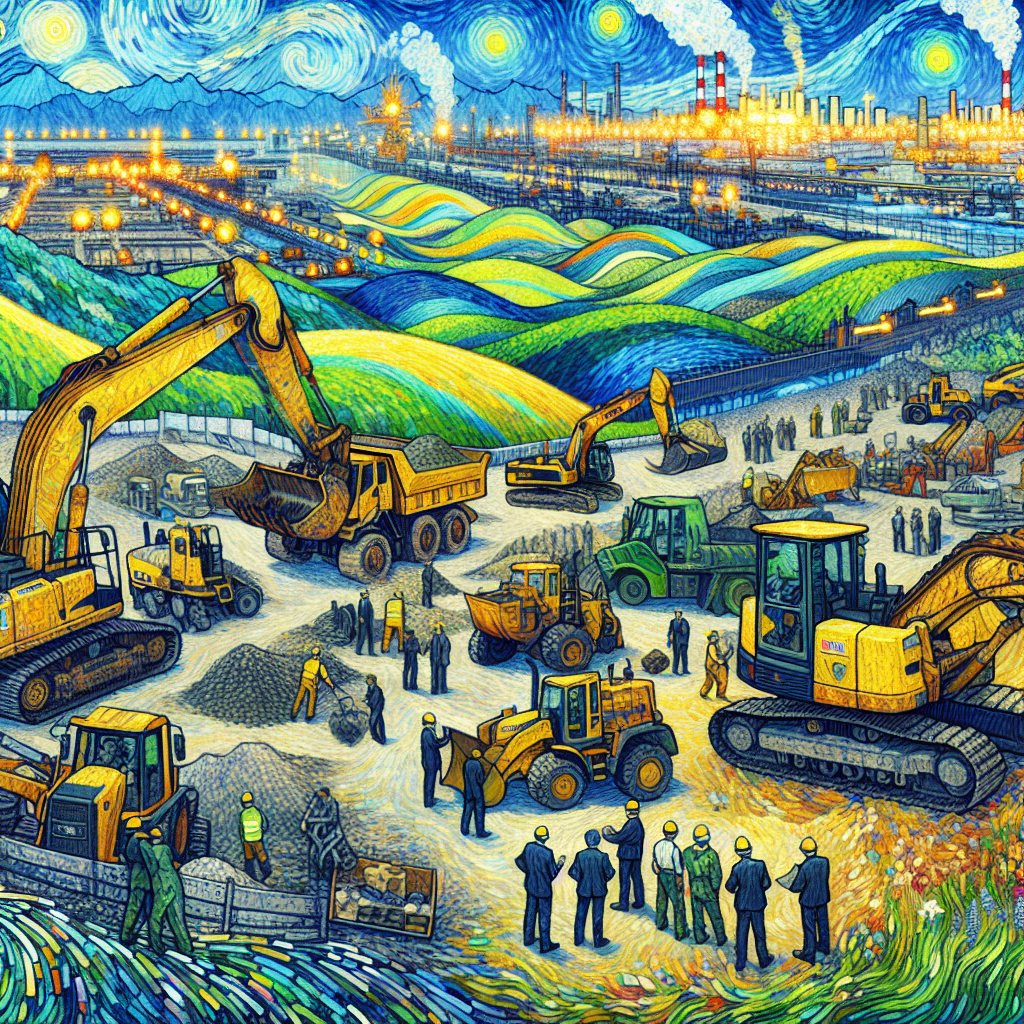
Conclusion
Conclusion:
- A new era in agriculture prompts reflection on the true meaning of farming.
- The soul of farming is found in classic tractors, symbolizing farming’s rich history.
- Modern technology offers efficiency and higher yields but risks losing the narrative connection to the earth.
- Classic tractors represent values of simplicity, durability, and sustainability, often overlooked in modern practices.
- Choosing technology over tradition raises ethical questions about heritage and community connection.
- Restoring classic tractors honors the legacy of those who worked the land and nurtures emotional bonds.
- The future of farming should blend old and new technologies, enhancing rather than replacing our agricultural essence.
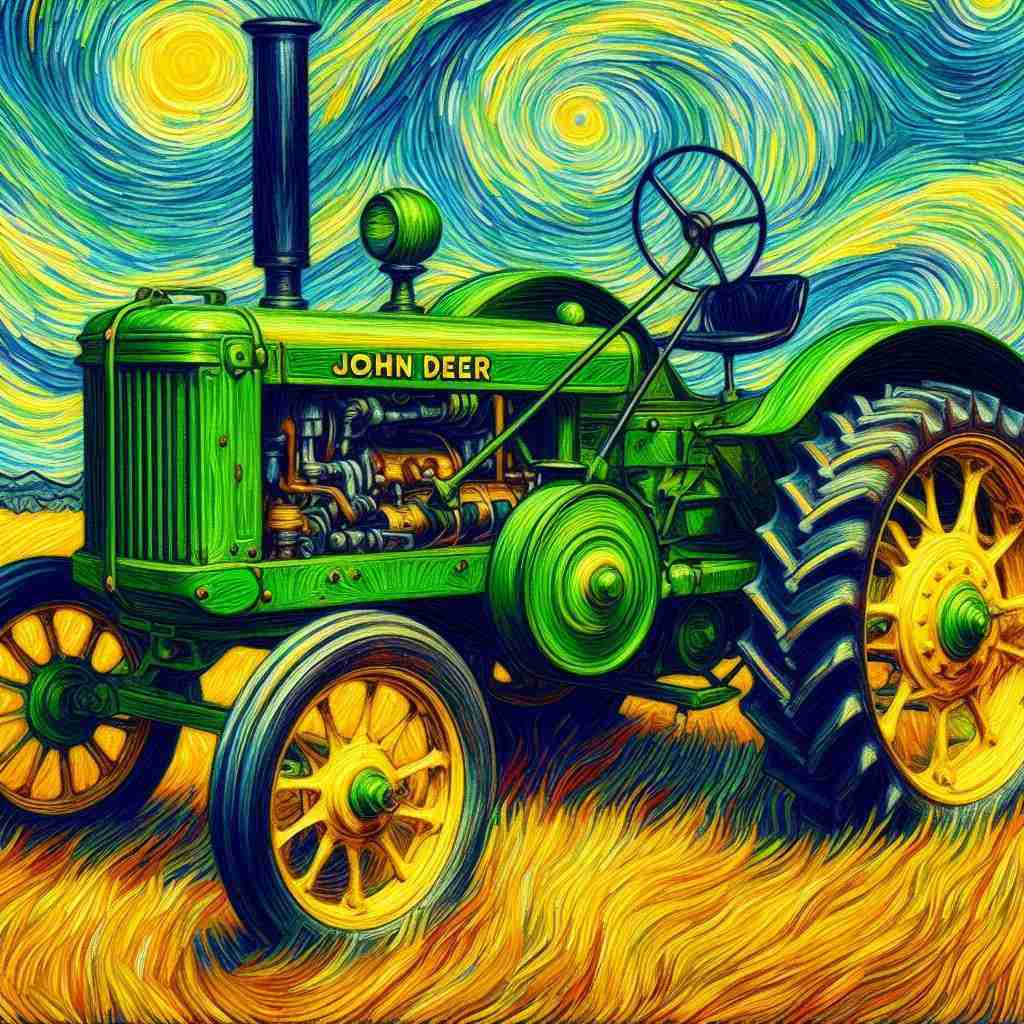
Conclusion
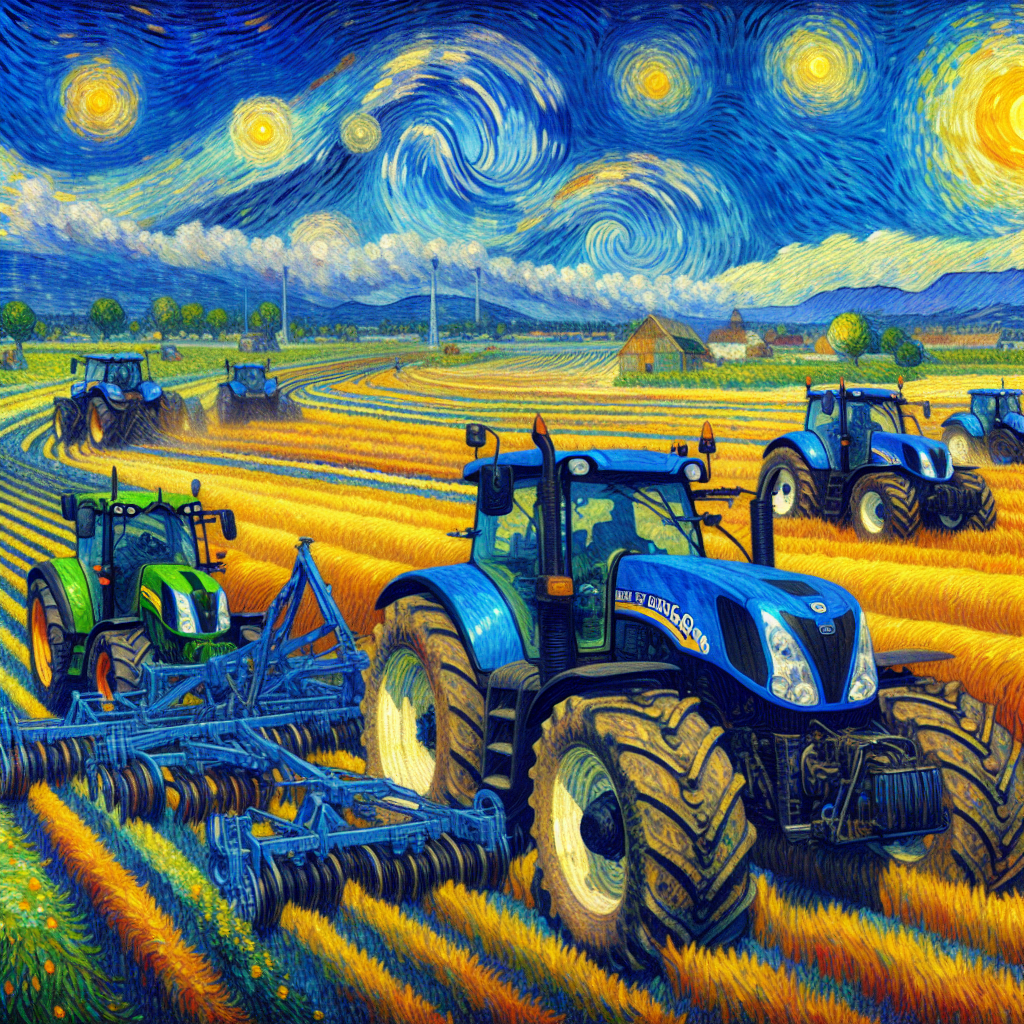
Other Resources
Other Resources
Here is a list of other resources you can review online to learn more:
- Shibaura
- Johnson Manufacturing
- Wallis
- Long
- Case
- Antique Tractor Blog
- Wisconsin Tractor
- FARMSHOW Magazine
- Bukh
- Schramm
Use This Prompt To Get More Resources With Your Favorite Online AI Tool: Please provide me with a list of online articles with their URLs in a bulleted list that I can read regarding Is The Future Of Farming Rooted In Classic Tractor Simplicity
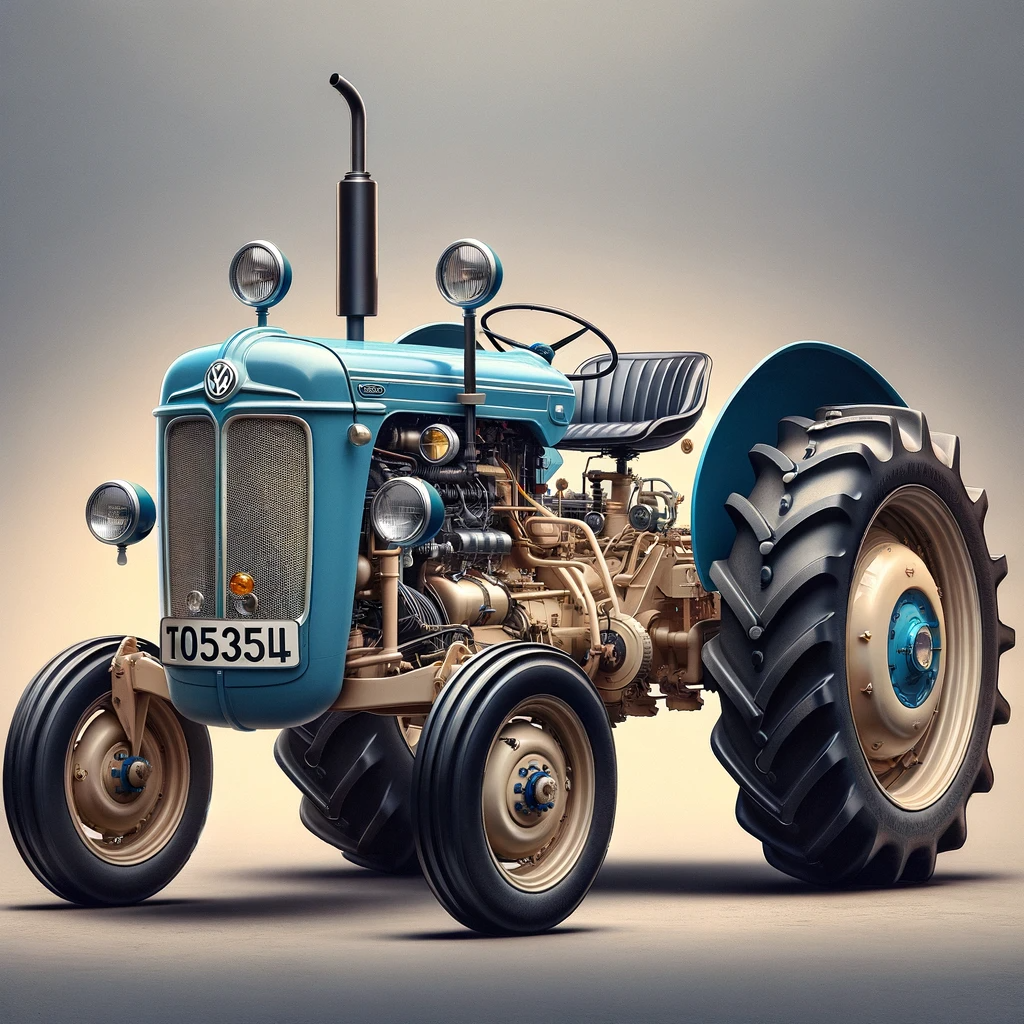
Other Resources
Glossary Terms
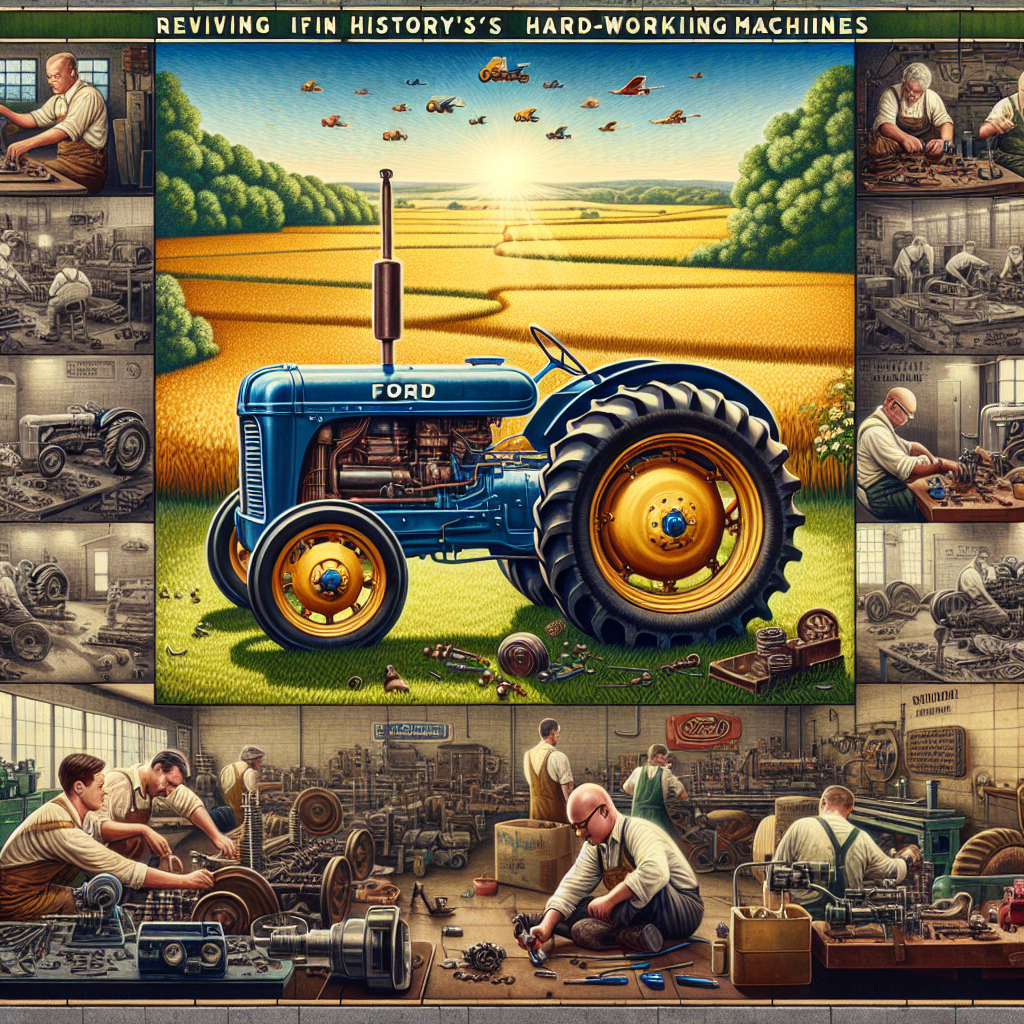
Is The Future Of Farming Rooted In Classic Tractor Simplicity – Glossary Of Terms
1. Agriculture: The practice of cultivating soil, producing crops, and raising livestock for food, fiber, and other products.
2. Sustainability: An approach to farming that meets current agricultural needs without compromising future generations’ ability to meet theirs, emphasizing environmental health, economic profitability, and social equity.
3. Tractor: A powerful vehicle specifically designed to deliver high torque at low speeds, primarily used for agricultural purposes, including plowing, tilling, and transporting goods.
4. Precision Agriculture: A farming management concept that uses information technology and data analysis to optimize field variability in crops, leading to improved efficiency and yield.
5. Agroecology: An integrated farming practice that applies ecological principles to agricultural production, focusing on sustainability, diversity, and resilience.
6. Organic Farming: A method of farming that avoids synthetic fertilizers and pesticides, instead using natural processes and materials to cultivate crops and livestock.
7. Heritage Tractors: Older models of tractors that are often celebrated for their simplicity in design and functionality, prized by collectors and small-scale farmers for their reliability.
8. Permaculture: A holistic design philosophy that mimics natural ecosystems to create sustainable and self-sufficient agricultural systems.
9. Crop Rotation: The agricultural practice of growing different types of crops in the same area over consecutive seasons to improve soil health and reduce pests.
10. Biodiversity: The variety of life in a given ecosystem, which in agriculture, refers to the genetic, species, and ecosystem diversity that contributes to resilience and productivity.
11. Mechanization: The use of machinery in farming, which can improve productivity and efficiency but may also present challenges related to employment and sustainability.
12. Smallholder Farming: Agricultural systems characterized by small landholdings that often rely on labor-intensive practices, frequently aimed at subsistence rather than large-scale commercial production.
13. Soil Health: A measure of the vitality of soil, encompassing its biological, chemical, and physical properties that affect crop productivity and environmental quality.
14. Agri-Tech: The integration of technology and innovation in agriculture aimed at improving efficiency, production, and sustainability.
15. Conservation Tillage: A farming practice that reduces soil erosion and improves water quality by minimizing the disturbance of the soil during planting and cultivation.
16. Farm-to-Table: A movement advocating for direct farms’ products to consumers, emphasizing local sourcing and fresh ingredients to enhance sustainability and health.
17. Resilience: The capacity of farming systems to absorb shocks (like climate change or market fluctuations) and recover from disturbances while maintaining functionality.
18. Community Supported Agriculture (CSA): A model of agriculture where consumers buy shares of a farm’s harvest in advance, fostering a direct relationship between farmers and consumers.
19. Vertical Farming: An innovative farming method that involves growing crops in stacked layers, typically in controlled environments, to optimize space and resources in urban areas.
20. Integrated Pest Management (IPM): A sustainable approach to managing pests that combines biological control, cultural practices, and structural management while minimizing chemical use.
21. Farm Equipment: Tools and machinery utilized in the agricultural process, ranging from hand tools to modern tractors, essential for efficiency and productivity.
22. Land Stewardship: The responsible management of land resources to enhance productivity, environmental quality, and sustainability for future generations.
23. Nitrogen Fixation: A natural process by which certain plants and microbes convert atmospheric nitrogen into a form usable by plants, reducing reliance on synthetic fertilizers.
24. Agroforestry: A land management approach that integrates trees and shrubs into agricultural landscapes, enhancing biodiversity, soil health, and farm productivity.
25. Rural Infrastructure: The basic facilities and systems serving a rural area, including roads, irrigation systems, and storage facilities, crucial for efficient farming.
26. Climate Smart Agriculture: Agricultural practices designed to help farmers adapt to climate change while mitigating its effects and enhancing food security.
27. Farm Innovation: The introduction of new ideas, practices, or technologies that improve farming efficiency, sustainability, or overall productivity.
28. Data Analytics: The process of examining data to extract meaningful information, increasingly utilized in agriculture to inform decision-making and optimize yields.
29. Generational Farming: Farming practices passed down through generations, reflecting traditional methods and knowledge often rooted in classic agricultural practices.
30. Farm Resilience: The ability of a farming system to withstand and recover from adverse conditions while adapting to both environmental and economic changes.
Glossary Of Terms
Other Questions
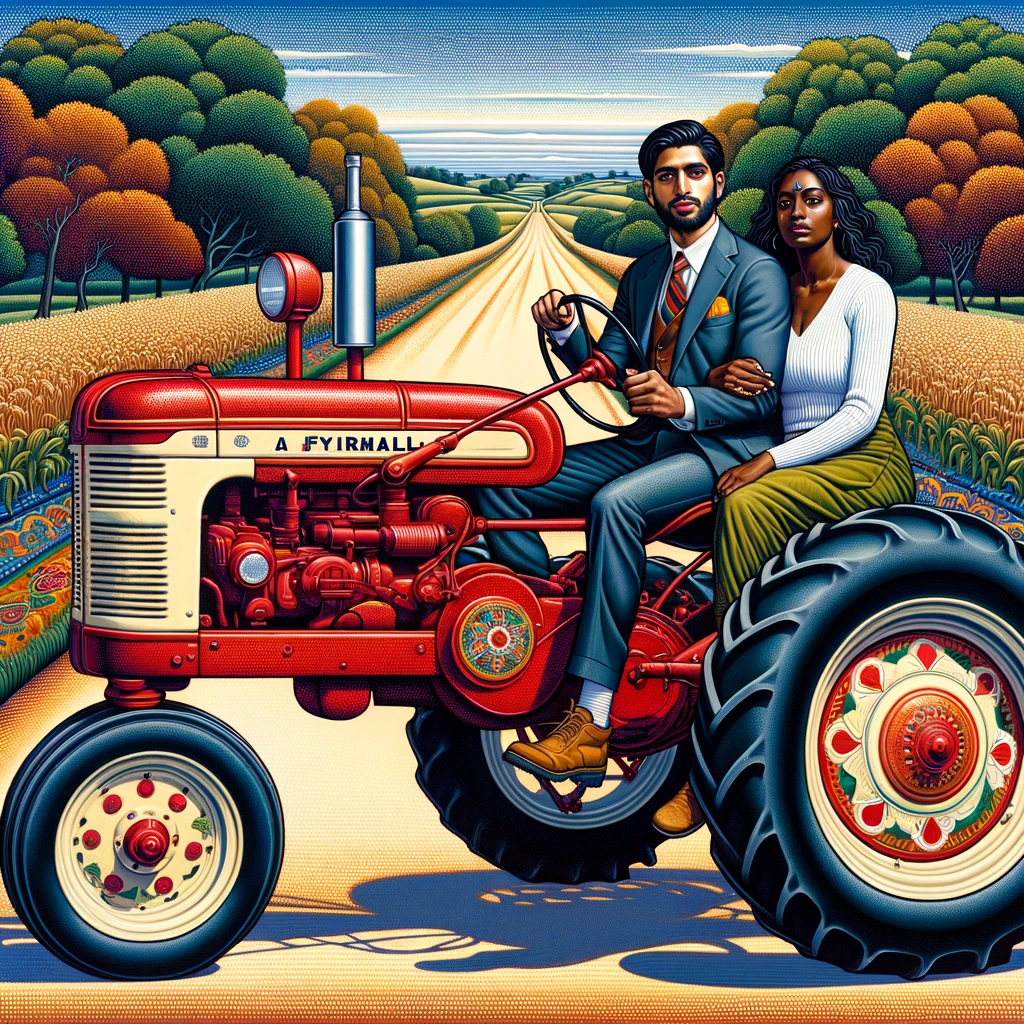
Is The Future Of Farming Rooted In Classic Tractor Simplicity – Other Questions
If you wish to explore and discover more, consider looking for answers to these questions:
- What are the historical significance and evolution of classic tractors in farming?
- How can younger generations engage with the tradition of farming using classic tractors?
- What are the benefits and drawbacks of modern farming technologies compared to classic equipment?
- How can farmers effectively integrate both classic tractors and modern technology on their farms?
- What specific environmental benefits do classic tractors offer over modern machinery?
- How does the emotional connection to tractors influence farming practices and community relationships?
- What role do classic tractors play in local farming economies and sustainability initiatives?
- How can farmers share their experiences and stories about classic tractors with the community?
- Are there any movements or organizations dedicated to preserving classic tractors in farming?
- What types of restoration and maintenance practices are common among vintage tractor enthusiasts?
Other Questions
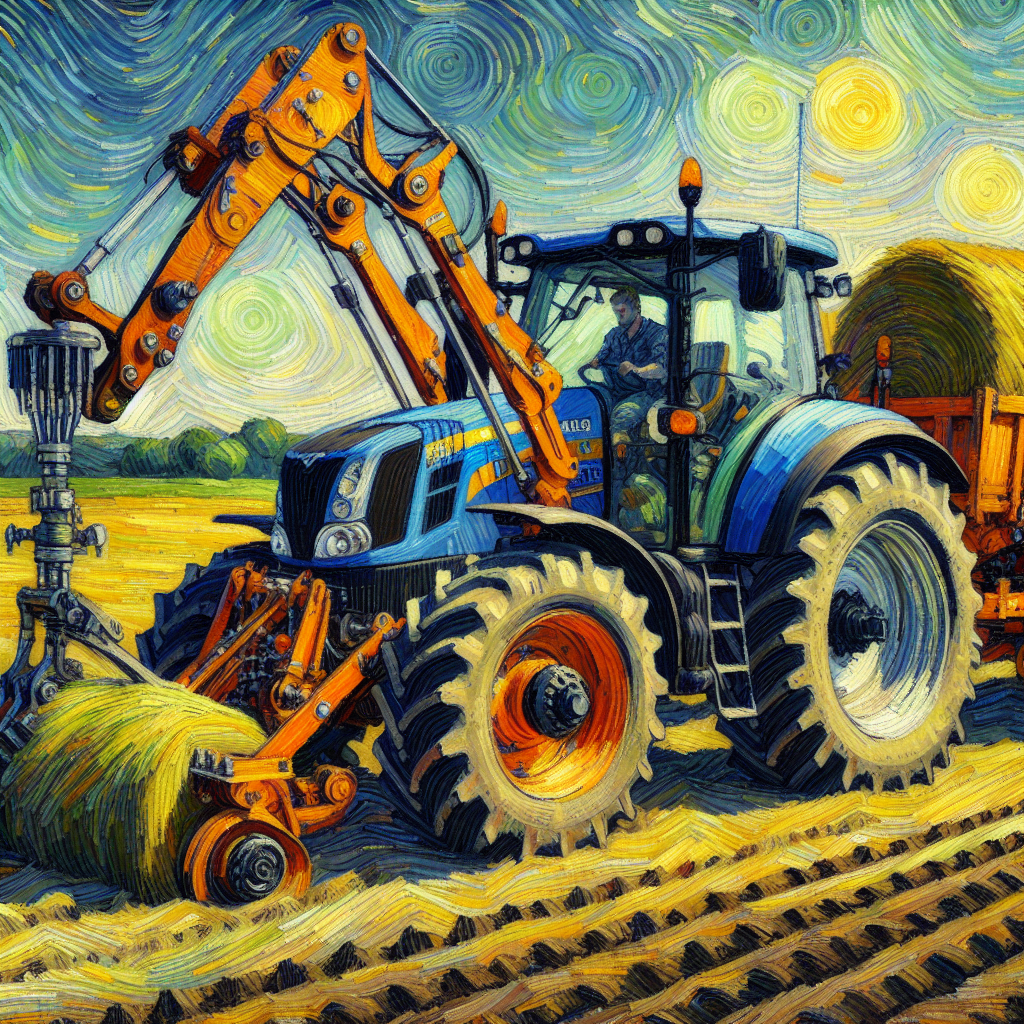
Haiku
Is The Future Of Farming Rooted In Classic Tractor Simplicity – A Haiku
Classic tractors hum,
Earth-bound stories, hands entwined—
Heart, soil, futures grow.
Haiku
Poem
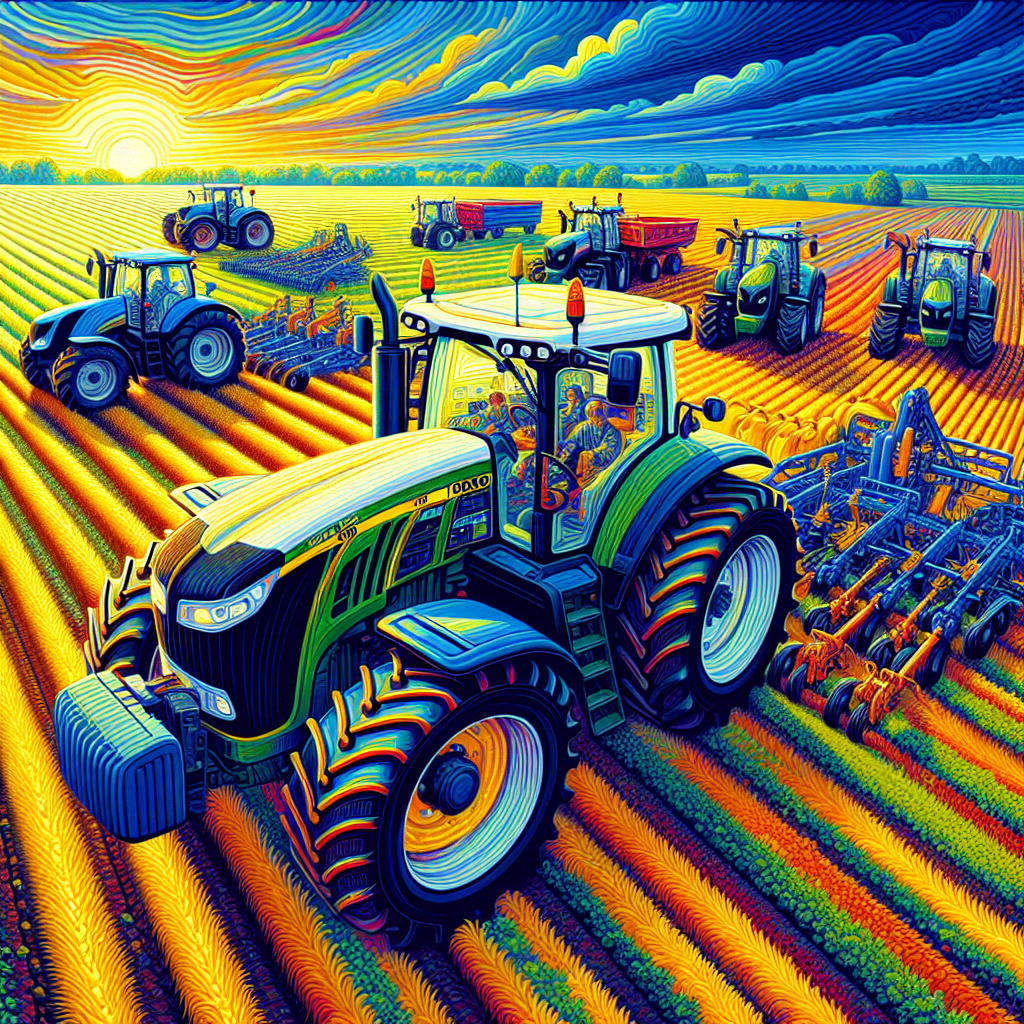
Is The Future Of Farming Rooted In Classic Tractor Simplicity – A Poem
In Fields of Time: A Tractor’s Heart
Beneath the weight of endless sky,
A classic tractor rolls on by,
Its faded paint, a badge of grace,
A testament to time and space.
Each scar and dent a story weaves,
Of sun-drenched days and autumn leaves,
Through rainstorms fierce and harvest’s cheer,
It carries whispers, strong and clear.
Oh, farmer, wise with calloused hands,
You cultivate both soil and plans,
With every furrow, every turn,
The heart of legacy does burn.
In modern days, we chase the gleam
Of gadgets bright with algorithm dreams,
Yet pause we must, to ponder deep,
Where roots lie buried, memories keep.
For every byte of data gained,
What warmth of fellowship is drained?
The simple joys of shared intent,
With neighbors over coffee spent.
Classic tractors speak in tones,
Of ethics tied to ancient bones,
A call to cherish what remains,
In nature’s bounty, not just gains.
Each engine hums a lullaby,
A rhythm of the earth on high,
To tread the land with honor’s might,
A mantra whispered, day and night.
The choices loom before us now,
A path where roots and wheels allow,
To blend the tech with heart and soul,
In harmony, we find our goal.
So let us nurture strengths entwined,
With dignity—for us, for kind,
In fields where classic echoes sing,
Let’s plant a future—trusting spring.
For farming thrives not on machines,
But in the bonds that share our dreams,
Together, hand in hand, let’s stand,
A tractor’s legacy across the land.
Poem
Checklist
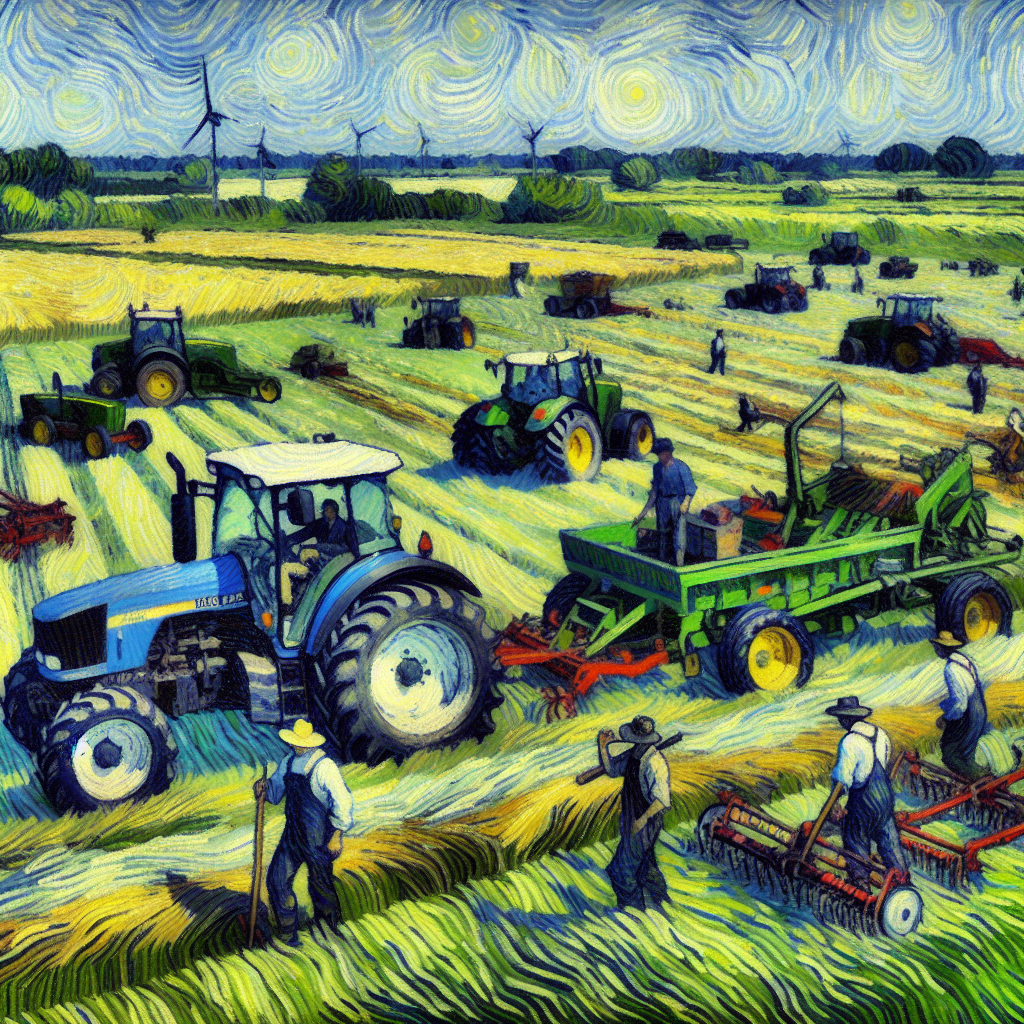
Is The Future Of Farming Rooted In Classic Tractor Simplicity – A Checklist
Checklist: Embracing Classic Tractor Simplicity for a Sustainable Future in Farming
Heart
_____ Reflect on Emotional Connections: Take a moment to remember a cherished farming experience or story that connects you to family and tradition.
_____ Cultivate Gratitude: Express appreciation for the land, your community, and the farmers who worked tirelessly before you.
_____ Share Your Story: Write down or share a personal narrative about a classic tractor or farming memory that resonates with you.
Head
_____ Evaluate Technology Use: Create a list of the modern farming technologies you currently use and assess their benefits versus their environmental impact.
_____ Research Sustainable Practices: Investigate farming techniques that blend traditional methods with modern technology sustainably.
_____ Consider Longevity: Compile data on how classic tractors compare to modern machinery in terms of repairability, costs, and environmental effects.
Gut
_____ Trust Your Instincts: Reflect on your personal feelings about the changes in farming; does modern technology feel disconnected from your roots?
_____ Support Local Farms: Make an effort to engage with local farmers and communities to strengthen your connection to local food systems.
_____ Vote with Your Wallet: Commit to purchasing food from sustainable farms that honor traditional practices and are committed to environmental stewardship.
Ethical
_____ Make Ethical Choices: Regularly review the farming practices of the products you buy and consider supporting those that prioritize sustainability and community.
_____ Promote Responsible Farming: Advocate for farming policies that encourage the use of classic tractors and sustainable practices in agriculture.
Authority
_____ Seek Knowledge: Attend workshops or seminars addressing sustainable farming practices and the importance of classic tractors in modern agriculture.
_____ Connect with Experts: Interview or consult local farmers who still use classic tractors and learn about their experiences and insights.
Narrative
_____ Tell Your Farming’story: Participate in community events or online forums where you can share your experiences with classic tractor use in agriculture.
_____ Document Farming Traditions: Create a blog or journal entries dedicated to exploring and documenting the stories and history of your farming lineage.
Social
_____ Build Community Bonds: Organize or participate in local farming events or gatherings to exchange knowledge and appreciate shared heritage.
_____ Engage on Social Media: Join online groups dedicated to classic tractors and sustainable farming to connect with like-minded individuals and share ideas.
By following this checklist, you can embrace the profound simplicity of classic tractors and integrate their values into your approach to farming and sustainability. Let’s nurture a community that honors both our heritage and our planet!
Checklist
At ClassicTractorNews, we help tractor lovers keep up with the latest news for classic and vintage tractors.
Please share this post with your friends, family, or business associates who may like old classic or vintage tractors.