

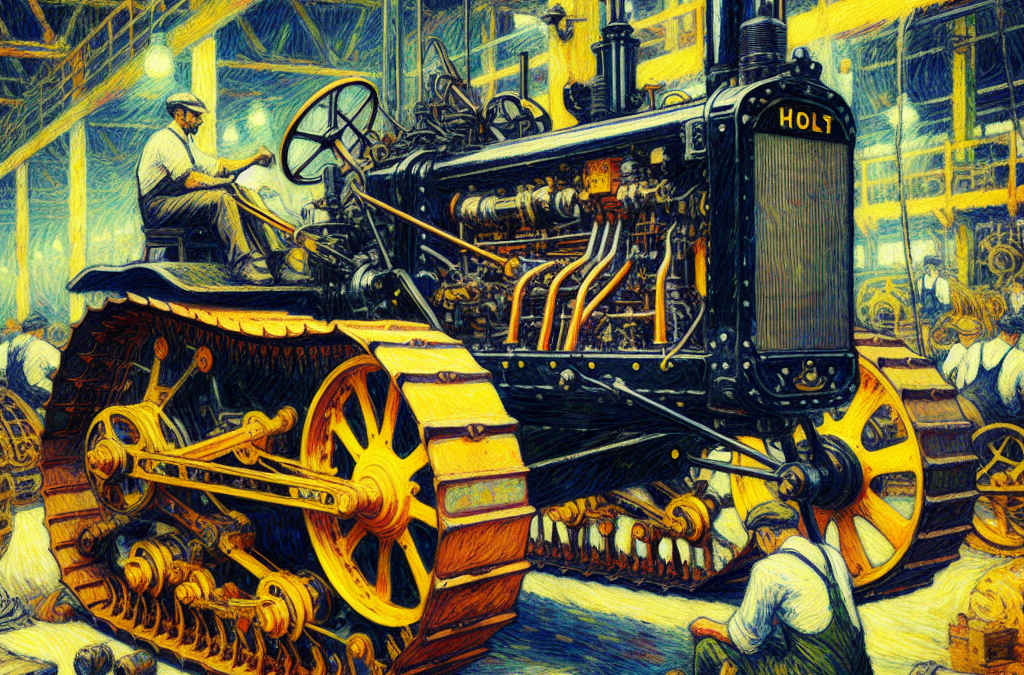
The Farming Dilemma: Navigating The Impact Of New Machinery
By Tom Seest
At ClassicTractorNews, we help tractor lovers keep up with the latest news for classic and vintage tractors.
Please share this post with your friends, family, or business associates who may like old classic or vintage tractors.
Is The Fascination with New Machinery Misguided for Farmers
?
When it comes to farming, there’s an undeniable allure to the latest tractor gleaming under the sun, every shiny curve promising to make our work easier and more efficient. However, let’s pause for a moment and really think about what this obsession with shiny, new machinery is doing to the heart and soul of farming. While technology certainly has its benefits, the most significant blessings in farming often come not from shiny equipment but from age-old wisdom passed down through generations.
In a world that often prioritizes the latest and greatest, it’s crucial to reflect on what drives us. The emotion tied to working the land runs deep—it’s about connection to our roots, our families, and our communities. Farmers have long relied on grit and determination, not simply the horsepower of a high-tech tractor. When did that fabric begin to fray? Should we really be trading in our seasoned hands for the latest gadget?
Rationally speaking, investing in that brand-new machine comes at a steep price. Sure, it can cut down on labor and increase yields—on paper. But what about the hidden costs: inflated debts, pressure to keep up with the neighbors, and the potential strain on our land? These factors deserve a serious evaluation, especially for those of us who know that sometimes a simpler approach yields greater rewards.
Ethically, we must consider the environmental implications. While a modern tractor might offer efficiency, let’s not forget our responsibility to the earth. Between the toxins used in manufacturing and the footprint left on the very soil we aim to protect, sometimes less truly is more.
Let’s share stories of the farmers who have thrived without the latest and greatest—whose fields flourish because they respect the land, cherish the seasons, and hold tradition close. Imagine a community where success isn’t measured by the size of your equipment but by the ease of the smile on your neighbor’s face.
We are in this together. As farmers, we face challenges at every turn, but let’s remember: the heart of farming isn’t always found in new machinery. It’s in our hands, our heritage, and our ability to connect with one another. Before we leap for that new tractor, let’s weigh our values, assess our needs, and nurture the land as it nurtures us. Embrace the simplicity, and perhaps, we’ll find ourselves back in the rich, fulfilling soil of tradition.
Is The Fascination with New Machinery Misguided for Farmers
Is The Fascination with New Machinery Misguided for Farmers
- Modern tractors promise efficiency but can overshadow essential farming wisdom.
- Emotional connections to land, family, and community are core to the farming experience.
- Investing in new machinery comes with hidden costs, including debts and environmental strain.
- Older, traditional farming methods can sometimes yield greater rewards than modern technology.
- Environmental responsibility must be considered in the context of new equipment use.
- Success in farming should be measured by community bonds and respect for the land, rather than just equipment size.
- Farmers should reflect on values and embrace simplicity to nurture both land and relationships.
Is The Fascination with New Machinery Misguided for Farmers
Table Of Contents
- Is The Fascination with New Machinery Misguided for Farmers
- Is Investing In New Machinery Worth The Cost For Real Farmers?
- Are Farmers Ignoring Traditional Methods In Favor Of Shiny Gadgets?
- What Ethical Considerations Should Farmers Weigh When Upgrading?
- Do Farmers Feel Pressured To Keep Up With Machinery Trends?
- Is The Allure Of New Tech Overshadowing Practical Farming Advice?
- How Can Farmers Balance Innovation With Sustainability Practices?
- Conclusion
- Other Resources
- Glossary Of Terms
- Other Questions
- Haiku
- Poem
- Checklist
Is Investing In New Machinery Worth The Cost For Real Farmers?
When you stand in the middle of a sprawling field, tractor engines humming in the distance, it’s hard not to feel the weight of history around you. Generations of farmers have toiled the land, and every furrow tells a story—each ripple of soil is a testament to hard work, endurance, and, let’s be honest, a fair share of sweat. But when it comes to investing in new machinery, the decision stirs a mix of emotions, challenges, and aspirations that can make even the most seasoned farmer pause.
Think about it: that shiny new tractor gleaming in all its glory is not just a hunk of metal and rubber; it represents potential—a promise of increased efficiency, productivity, and, yes, even profitability. However, it also means a hefty price tag and a leap of faith into the unknown. You’re not simply buying a vehicle; you’re investing in the future of your farm, your family, and your community.
Now, let’s get real about the numbers. Harvesting a bumper crop takes not only grit but also the right tools. A new tractor can dramatically cut labor time and operating costs, allowing you to redirect your energy toward innovation rather than perpetual maintenance of outdated equipment. Every hour saved is an hour you can spend with loved ones or planning the next big venture. It’s about maximizing what your land can yield and, ultimately, what your heart lays claim to—a life intertwined with the land you love.
But here’s where the scales tip. We must consider the ethics of it all. Are we investing in something sustainable? Will this machinery stand the test of time in a world increasingly challenged by climate change and resource scarcity? The right choice could ensure that farming remains viable for the next generation, leaving behind more than just borrowed equipment.
Connecting with fellow farmers who’ve made the leap can provide insights you might not have considered. Their stories carry weight—real experiences of struggle and triumph that resonate deeply within the community. It’s not just about you; it’s about fostering a legacy, a bond that ties every farmer together in shared ambition.
Investing in new machinery isn’t a decision to take lightly. It’s about embracing the journey ahead, trusting in your instincts, and inspiring confidence in those who will carry on your traditions. With every turn of that new tractor’s wheel, you could be nurturing not just crops but dreams—yours and those yet to come. So, ask yourself: Is the investment worth it? The answer may just lie in the fields that await your tender care.
Is Investing In New Machinery Worth The Cost For Real Farmers?
Is Investing In New Machinery Worth The Cost For Real Farmers?
- Standing in a field evokes a sense of history and the hard work of generations of farmers.
- Investing in new machinery brings a mix of emotions, challenges, and aspirations for farmers.
- A new tractor symbolizes potential for increased efficiency, productivity, and profitability.
- It represents a significant financial commitment and a leap into the future of farming.
- Proper tools can decrease labor time and operating costs, allowing farmers to focus on innovation.
- Consideration of sustainability and long-term viability in light of climate change is crucial.
- Connecting with other farmers provides valuable insights and strengthens community bonds.
Is Investing In New Machinery Worth The Cost For Real Farmers?
Are Farmers Ignoring Traditional Methods In Favor Of Shiny Gadgets?
In a world where shiny gadgets and neon screens are becoming the farm’s new best friends, it’s essential to pause and reflect: Are we losing sight of what really matters out there in the soil and sun? Take a look around; the tractors have evolved into marvels of engineering—a far cry from those rumbling, oil-soaked machines that our forefathers relied on to carve out a living. But as we chase higher yields and precision farming, let’s not forget the roots that ground us.
Consider the old farmer who knows every inch of his land, every swath of soil, and how it behaves with the changing weather. This isn’t just about land; it’s about legacy. The stories he could tell—of seasons that broke hearts and the plagues that brought wisdom. There’s a kind of magic in traditional methods, a connection to the earth that no screen or sensor can replicate. When he sits atop his trusted tractor, he isn’t just guiding a machine; he’s carrying forward generations of knowledge. Every turn of that wheel tells a history.
And here’s where the heart of farming lies: community. The shared struggle of planting, cultivating, and harvesting builds bonds stronger than any app. It creates a sense of belonging that a feature-rich gadget simply cannot fulfill. Skeptics might argue that embracing technology is a pathway to efficiency, but let’s not overlook the ethical question—what is lost when we prioritize gizmos over guardianship? It’s a delicate balance, and maintaining that balance is crucial.
As we navigate this brave new world, it’s worth considering how we can integrate the best of both worlds. Can the wisdom of the old ways coexist with the innovation of modern technology? The answer is yes, but it requires a mindful approach. We must champion the experiential knowledge of our farmers while also embracing advancements that respect our traditions.
So, as we stand at this crossroads of tradition and technology, it’s time to choose wisely. Let’s not allow the sparkly allure of shiny gadgets to overshadow the hard-won truths of our past. Instead, let’s harness that innovation to amplify the heart of farming. Together, we can forge a future that honors our roots while nurturing the land we rely on. After all, at the end of the day, it’s not just about the tractor or the tech; it’s about the people who till the soil and the stories they have to share.
Are Farmers Ignoring Traditional Methods In Favor Of Shiny Gadgets?
Are Farmers Ignoring Traditional Methods In Favor Of Shiny Gadgets?
- Modern farming relies heavily on technology, but it’s essential to remember traditional farming values.
- Old farmers possess deep knowledge of their land and its history, which cannot be replicated by technology.
- Farming is not just about land; it’s about legacy, community, and the stories tied to generations of farming.
- Community bonds from shared farming experiences are stronger than those created by technological gadgets.
- There are ethical considerations regarding the prioritization of technology over traditional farming practices.
- Integrating old wisdom with modern technology can lead to a balanced and mindful approach to farming.
- It’s crucial to honor the past while embracing innovation to create a sustainable future in agriculture.
Are Farmers Ignoring Traditional Methods In Favor Of Shiny Gadgets?
What Ethical Considerations Should Farmers Weigh When Upgrading?
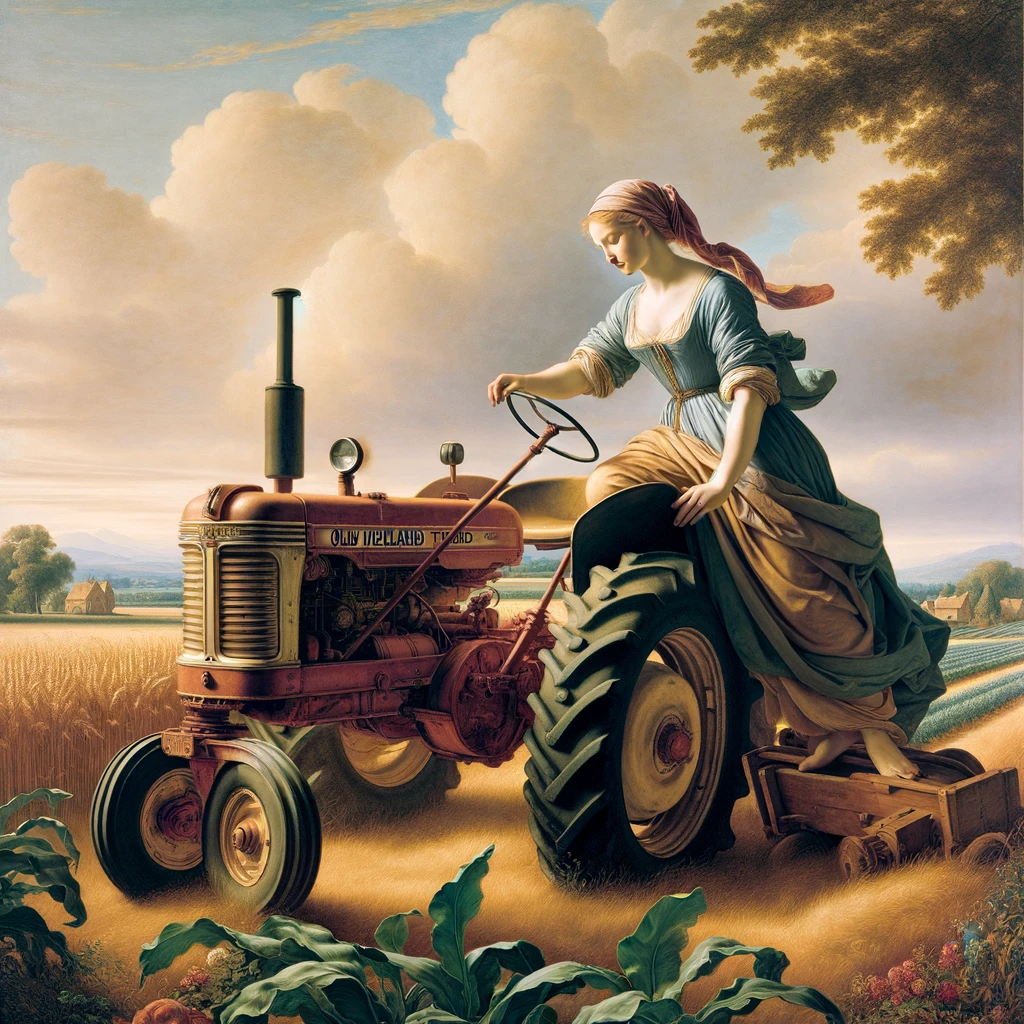
When the time comes to upgrade a tractor or other essential equipment, farmers are faced with a unique crossroads. It’s more than just a mechanical decision; it’s a profound ethical consideration that can echo through generations. Upgrading offers the allure of efficiency and improved yields, but it comes nestled within a complex web of implications that demand thoughtful reflection.
Picture a farmer standing in the fields, hands calloused from toil, eyes fixed on a rusting tractor that has served its purpose. The old machine has witnessed seasons of growth and hardship—every scratch and dent a testament to hard-won victories and lessons learned. As you contemplate the shiny new model with all its bells and whistles, ask yourself: what does this upgrade mean not just for me, but for my community, my land, and the future of agriculture itself?
In the heady world of farming technology, the heart often beats to the rhythm of progress. Yet, with each advance, we must grapple with questions that dig deeper than the surface. Will this new tractor contribute to soil health, or will it perpetuate practices that degrade our environment? As stewards of the land, our responsibility transcends profit margins and immediate gains. Consider the ecological footprint of producing that shiny new machinery, and its effect on local ecosystems. Making responsible choices today ensures that our fields flourish long into tomorrow.
Rationally, the financial impact is undeniable. But juxtaposed with that ledger balance is the weight of social responsibility. Upgrading isn’t just about cutting-edge technology or fuel efficiency; it’s about community—about supporting local economies and fostering relationships that tie us to one another. An investment in a state-of-the-art tractor can ripple through the neighborhood, uplifting others even as you enhance your own productivity.
Lastly, let’s not forget the narrative of our times. The world looks to farmers not just as producers but as leaders in sustainability. By thoughtfully considering the ethics of our farming choices, we convey a commitment to the land, to our families, and to the future of our industry.
So as you stand at the cusp of upgrading, remember: This isn’t merely about a tractor; it’s about legacy, values, and making choices that will resonate long after the engine has cooled. Embrace the opportunity to not only transform your operation but also to inspire a movement toward responsible, ethical farming.
What Ethical Considerations Should Farmers Weigh When Upgrading?
What Ethical Considerations Should Farmers Weigh When Upgrading?
- Farmers face a unique crossroads when upgrading essential equipment like tractors.
- Upgrading involves both mechanical considerations and profound ethical implications.
- The decision affects not only the farmer but the community, land, and future of agriculture.
- New technology must be evaluated for its impact on soil health and local ecosystems.
- Upgrading is tied to social responsibility, community support, and local economic ties.
- Farmers are seen as leaders in sustainability, influencing the industry’s future through their choices.
- Upgrading is an opportunity to create a legacy and inspire responsible farming practices.
What Ethical Considerations Should Farmers Weigh When Upgrading?
Do Farmers Feel Pressured To Keep Up With Machinery Trends?
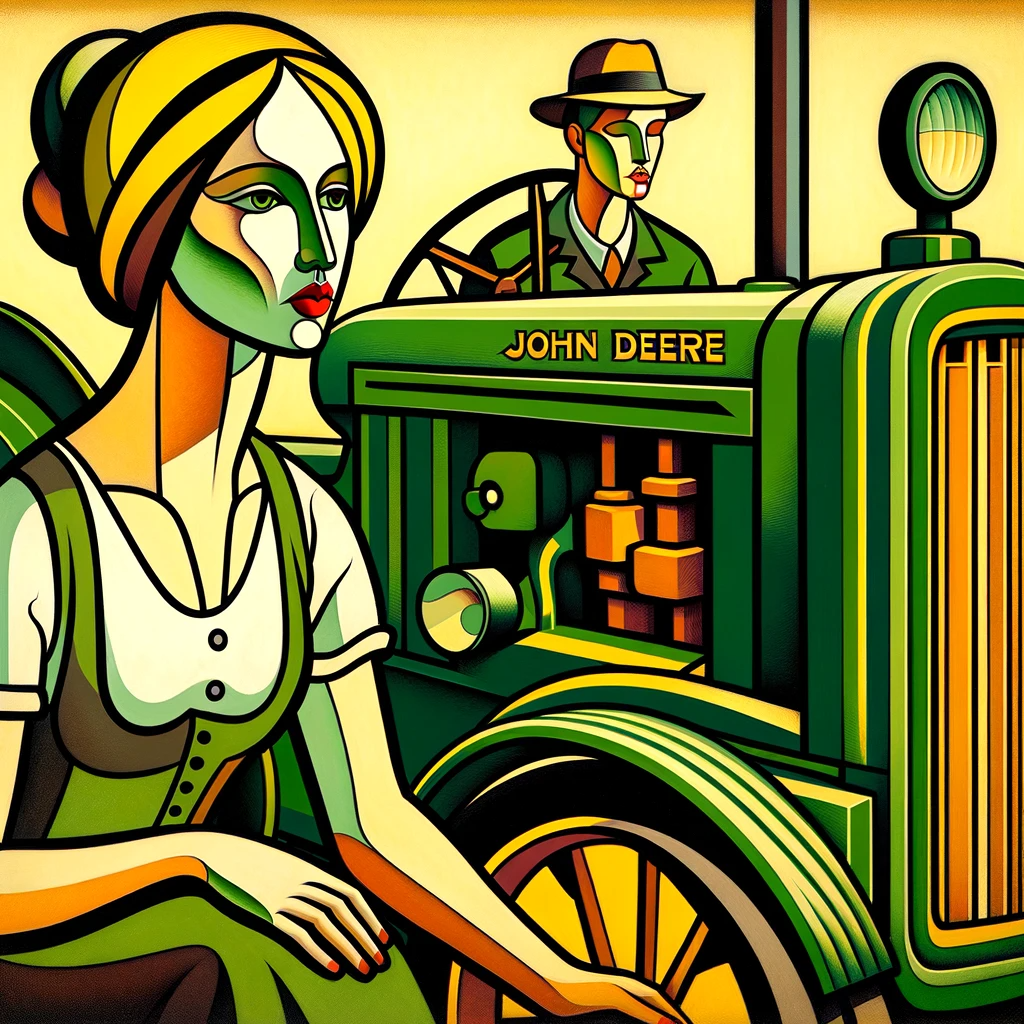
When you step into the shoes of a farmer, you’re not just suiting up for a job; you’re fulfilling a legacy that runs deeper than the soil you tend. That’s a sentiment that resonates with those who’ve spent their lives coaxing life from the land—weathering storms, droughts, and yes, the relentless tide of technology. As tractors roll off assembly lines boasting the latest bells and whistles, a question lingers, gnawing away at the heart and mind: Do we really need to keep up with these trends?
Emotionally, the struggle is palpable. An old, familiar tractor, rusted but reliable, becomes a symbol of a simpler time. It’s the same machine that watched your child’s first steps and the backdrop of countless family memories. But in this relentless march toward efficiency and innovation, the pressure to upgrade becomes overwhelming. Can you still be a competent farmer, or worse yet, a good steward of the land, if your equipment falls short of the latest models? The insecurities creep in, amplified by social media, where the gleam of new machinery dazzles and tempts.
Rationally speaking, the math doesn’t always add up. New machinery may promise greater yield and lower fuel costs, but the investment can be astronomical. For many, the question is not whether a shiny new tractor will increase their productivity, but whether they can afford it without sacrificing the fundamentals of their operations. It’s a tricky balance—evaluating the cost-benefit while maintaining the ethical road of sustainability and responsible farming practices.
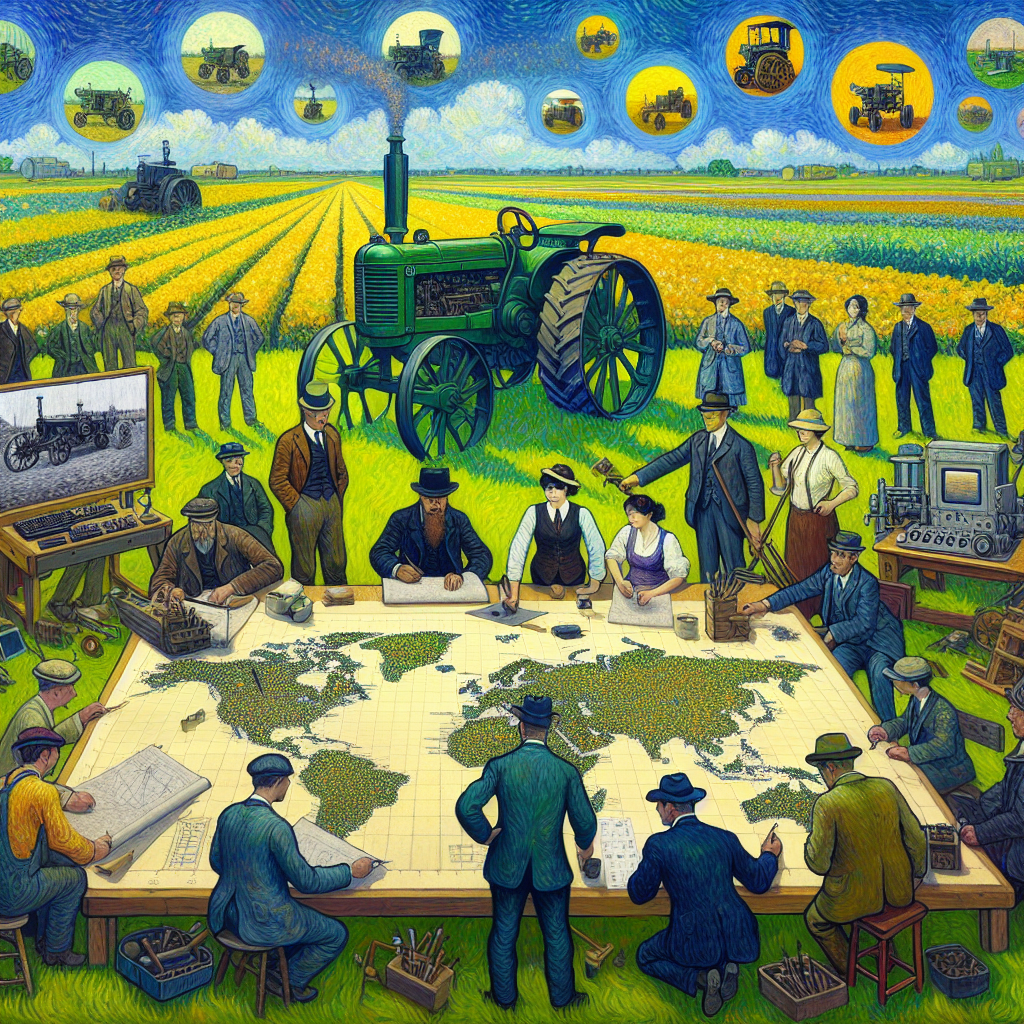
Yet, beneath the surface of the machinery debate lies a more profound narrative: the human connection to the land and one another. Farming is about community relationships—neighbors lending a hand, sharing tips, and yes, old machinery. This isn’t just a profession; it’s a culture rooted in authenticity and trust. As farmers gather for harvest festivals or quiet afternoons at the local diner, the conversation inevitably drifts to equipment—sharing not just what they’ve purchased, but the stories behind their choices.
Ultimately, what truly inspires action is not the latest gadget, but a renewed commitment to honoring both tradition and progress. Trust in oneself and one’s ability to adapt is paramount. Each farmer must ask: Do the new trends align with my values? The heart, head, and gut will guide them, for in the end, it’s not just about keeping up; it’s about staying grounded in who they are amidst the machinery of change.
Do Farmers Feel Pressured To Keep Up With Machinery Trends?
Do Farmers Feel Pressured To Keep Up With Machinery Trends?
- Farming is a legacy that extends beyond mere employment, deeply connected to the land and tradition.
- Farmers face emotional conflicts over whether to keep up with technological advancements and their pressures.
- Old, familiar tractors symbolize nostalgia and family memories amidst the push for newer models.
- Financial implications of investing in new machinery can create uncertainty about productivity versus costs.
- Sustainability and responsible practices are crucial in assessing the benefits of upgrading equipment.
- Farming emphasizes community and relationships, with discussions surrounding machinery often tied to shared experiences.
- Farmers must find balance between embracing innovation and honoring their values and traditions.
Do Farmers Feel Pressured To Keep Up With Machinery Trends?
Is The Allure Of New Tech Overshadowing Practical Farming Advice?
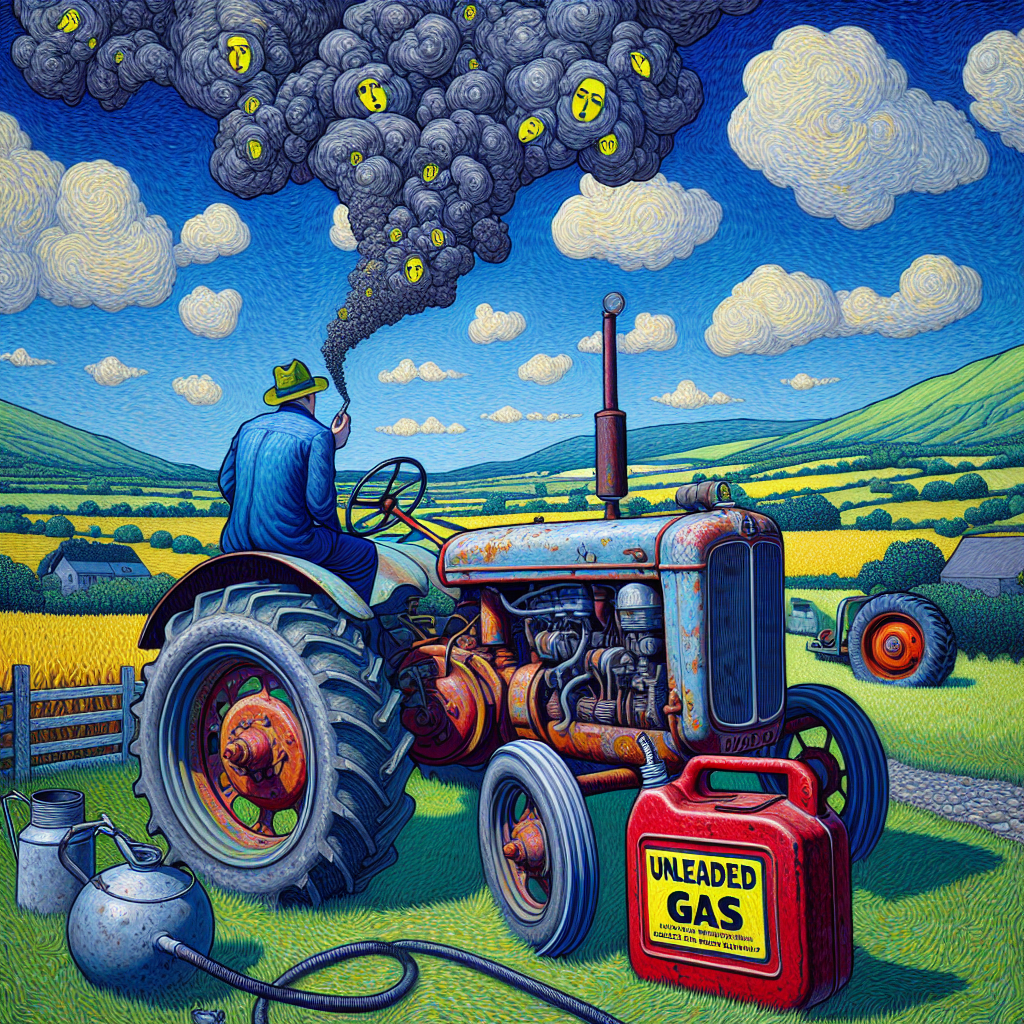
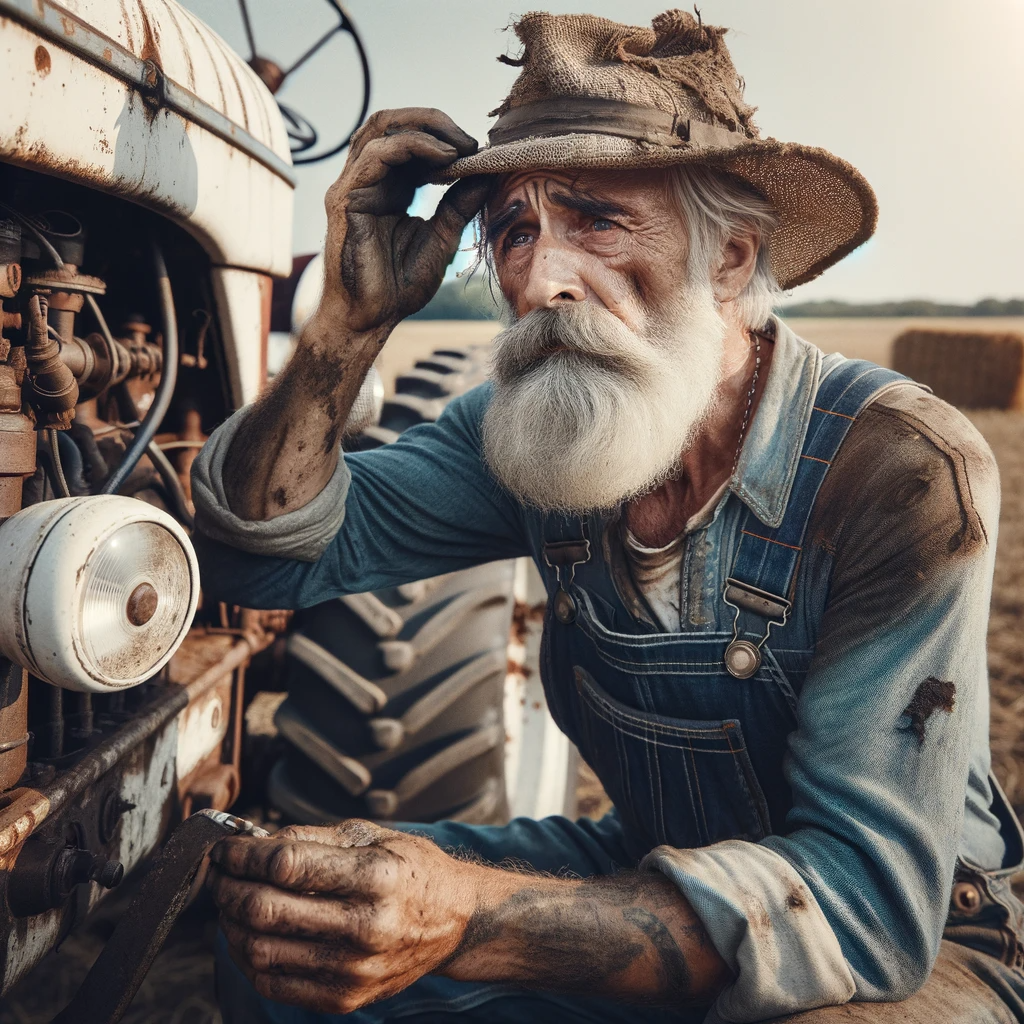
In a world where every day seems to bring another shiny gadget or revolutionary farming tool, it’s easy to lose sight of what really matters. Yes, I’m talking about the core values of agriculture—hard work, dedication, and practical knowledge that has been passed down through generations. When was the last time you stepped back to appreciate the gritty reality of farming? When did we start believing that a sleek tractor with GPS can replace the wisdom accrued from years spent in the field?
Let’s face it: while technology has undoubtedly transformed the way we sow and harvest, it’s crucial not to let the allure of innovation overshadow the tried-and-true advice handed down from our forebears. Picture those farmers who rose with the sun and toiled through the seasons. They relied on their instincts, their understanding of the land, and their community’s wisdom. Those lessons aren’t just relics of the past; they’re the backbone of sustainable farming practices.
So, why do we find ourselves mesmerized by the latest high-tech solutions? There’s a part of us that wants to believe that tech can do it all, that a new app or an automated tractor will be the magic fix to our everyday challenges. But the reality is far more complicated. Farming is an intricate dance with nature—not an equation to be solved with the latest algorithm. An over-reliance on shiny gadgets can blind us to the practical advice we’ve always had, the truth that sweat equity still matters more than a flashy dashboard.
Let’s not forget the farmers who have experienced the highs and lows of agricultural life. Seek out their stories—each one a lesson in resilience, ethics, and community. In their voices, you’ll find not just authority, but a call to action. Embrace the new, yes, but don’t let it come at the expense of what truly works. Celebrate those who have successfully blended modern innovations with classic principles.
Your tractor doesn’t just symbolize the latest technology; it symbolizes a legacy, a commitment to stewardship. As we step into new territories with farming tech, let’s ensure we are grounded in the timeless wisdom of those who tirelessly shape our agricultural destiny. By marrying practical farming advice with the innovations of today, we can cultivate a future that honors our past while embracing the potential of tomorrow. Trust your roots, and don’t forget that some of the most powerful tools you have aren’t found in a store—they’re found in your heart, your head, and your gut.
Is The Allure Of New Tech Overshadowing Practical Farming Advice?
Is The Allure Of New Tech Overshadowing Practical Farming Advice?
- Core values of agriculture include hard work, dedication, and practical knowledge passed through generations.
- Technology has transformed farming, but the wisdom of experienced farmers remains invaluable.
- Relying too heavily on technology can overshadow traditional farming practices.
- Farming is an intricate relationship with nature, not just an equation solvable by technology.
- Farmers’ experiences provide lessons in resilience and community, emphasizing the importance of storytelling.
- New technology should complement, not replace, proven agricultural principles.
- A tractor symbolizes the blend of modern innovation and a legacy of stewardship in agriculture.
Is The Allure Of New Tech Overshadowing Practical Farming Advice?
How Can Farmers Balance Innovation With Sustainability Practices?
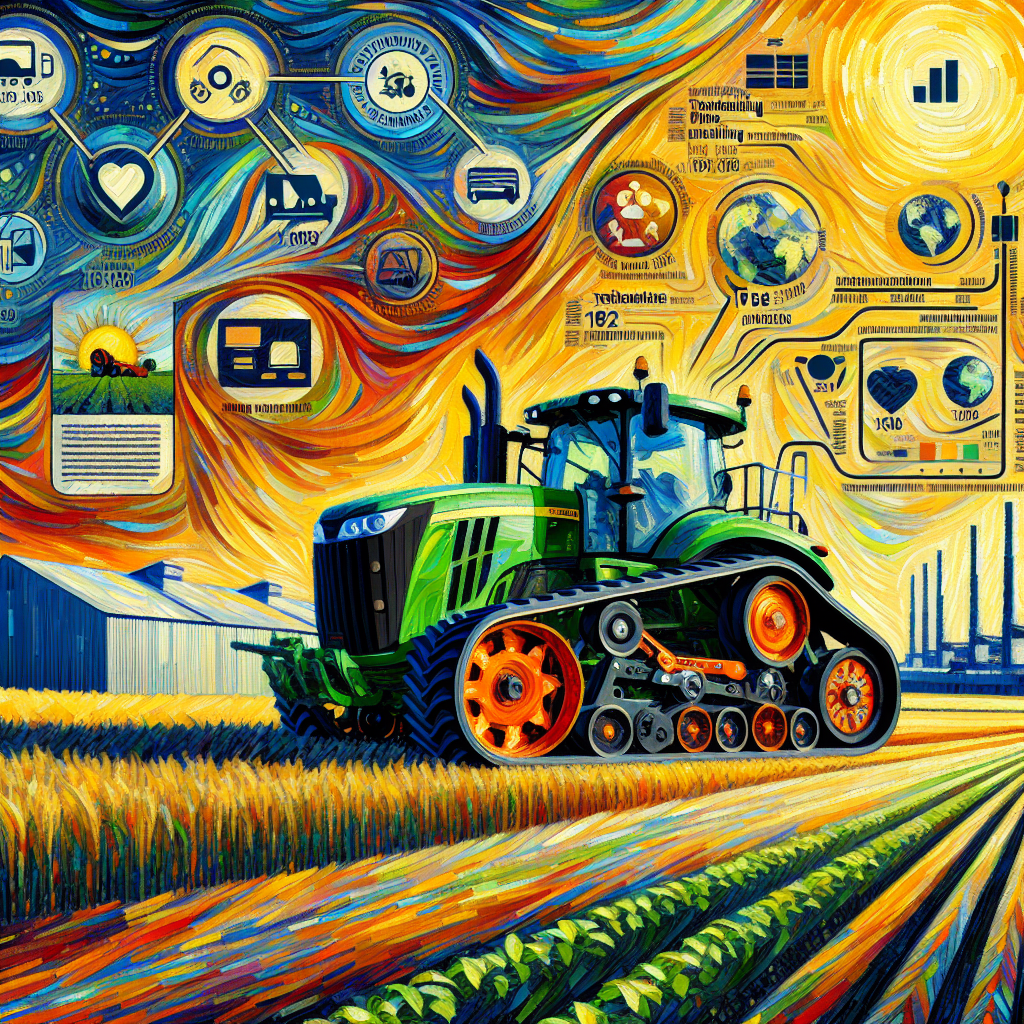
In the rolling hills of America’s heartland, there’s a dance as old as time—one that pairs ageless traditions with cutting-edge innovation. Picture the sturdy tractor plowing through golden fields, its engine humming a familiar tune. This is the backbone of farming, yet, as any seasoned farmer will tell you, the landscape of agriculture is changing. The question looms large: how can we embrace innovation while holding fast to the principles of sustainability?
Imagine a world where farmers harness the power of technology without losing sight of the earth beneath their feet. From precision agriculture using drones to monitor crop health to vertical farming that reduces land usage, innovation offers tools that can amplify the age-old practices of our ancestors. But here’s the catch—transforming our farms cannot come at the expense of the soil, water, and air we depend on. It’s about striking a balance, forging a path forward where each advancement respects the very land that sustains us.
Consider the story of a family dairy farm nestled in Wisconsin. For generations, they’ve milked cows by hand, passing down wisdom with each season. Today, their latest addition is a state-of-the-art milking system designed to minimize stress on the cows, reduce waste, and increase efficiency. The result? Happier cows and a healthier environment. In embracing technology, they’ve honored their heritage, fostering a deeper connection with both their animals and the land.
But let’s keep it real—transitioning isn’t always easy. Farmers often grapple with the fear of the unknown and the skepticism that comes with new methods. Will this new tractor work better? Will it reduce costs without harming the ecosystem? To those listening, the answer isn’t just logical; it’s ethical. We owe it to the next generation to cultivate a farming landscape that’s resilient and thriving. This requires transparency and accountability in every decision, from the machinery used to the crops planted.
At the core, farmers don’t just put food on our tables; they pave the way for a sustainable future. By embracing innovation responsibly, they not only protect their livelihoods but also foster a community of conscious consumers who trust in their mission. So the next time you see a tractor rolling across the horizon, remember it’s not just a machine—it’s a bridge between progress and preservation, a testament to the enduring spirit of those who toil the land. Together, we can ensure that this legacy continues, rich in both innovation and integrity.
How Can Farmers Balance Innovation With Sustainability Practices?
How Can Farmers Balance Innovation With Sustainability Practices?
- American agriculture blends age-old traditions with modern innovations.
- Farmers are exploring technology like precision agriculture and vertical farming to enhance sustainability.
- New technologies must respect natural resources like soil, water, and air.
- A Wisconsin family dairy farm showcases the balance between tradition and modernization with a new milking system.
- Challenges include fear of the unknown and skepticism about new farming methods.
- Farming decisions should prioritize ethical considerations for future generations.
- Farmers cultivate food and a sustainable future, bridging progress with preservation.
How Can Farmers Balance Innovation With Sustainability Practices?
Conclusion
As we reach the end of our journey through the complexities of modern farming, it becomes apparent that the allure of flashy machinery can be both intoxicating and misleading. Farmers stand at a unique crossroads where the promise of new technology beckons them with the gleaming promise of efficiency and effectiveness. But let’s not be fooled; the soul of farming runs deeper than the veneer of a polished surface. Emotionally, farming is about connection—roots entwined in rich soil, generations of wisdom passed on like heirlooms. Our bond with the land is sacred and cannot be replaced by the latest gadget.
Rationally speaking, we must weigh the costs—not just in dollars and cents but in the hidden expenses that loom over our livelihoods. As farmers, we’re often pressured by societal expectations to leap at every new advancement, but let’s pause and ask ourselves: Is this tangible evolution in machinery truly enhancing our practices, or is it setting us on a path of unsustainable debt and resource depletion? What good is a state-of-the-art tractor if it uproots the very values we cherish? In the quest for progress, we must embrace ethical considerations. The ecological impact of modern technology poses real questions. Are we investing in a sustainable future, or are we contributing to a cycle of consumption and degradation?
While it’s easy to romanticize nostalgia for simpler days, we shouldn’t disregard the scrappy resilience of farmers who thrive on tradition and negotiation with nature. Their stories hold power—they remind us that thriving fields aren’t merely products of machinery but are nurtured by hands that understand the land and respect its rhythms. Imagine a community where achievement isn’t defined by horsepower but rather by shared moments of laughter and collaboration, where neighbors come together to share advice as readily as they exchange crops.
If we’re to honor our legacy, let’s unite the heartbeats of old-school wisdom with the pulse of new technology. Every farmer must ask themselves: How does this evolve my practice? Does it align with our communal spirit and commitment to stewardship? Behind each investment lies a deeper responsibility to our land, our families, and the generations to come. In a world clamoring for the latest and greatest, let’s ensure we never lose sight of what truly matters: the connection to our roots, the strength of our community, and the rich, fulfilling soil of tradition that nurtures not just our crops, but our very way of life. So as that shiny new tractor rolls into your field, be sure it’s not just covering ground, but also cultivating the future we can all be proud of.
Conclusion
Conclusion:
- The allure of flashy machinery in modern farming is both enticing and misleading.
- Farming is fundamentally about emotional connections with the land and tradition.
- Farmers must consider hidden costs of new technology beyond financial implications.
- Is modernization enhancing practices or leading to unsustainable debt and resource depletion?.
- The ecological impact of technology raises questions about sustainability.
- Nostalgia for simpler days should not overshadow the resilience and wisdom of traditional farming practices.
- Farmers should balance new technology with ethical considerations and community values.
Conclusion
Other Resources
Other Resources
Here is a list of other resources you can review online to learn more:
- American Tractor Museum
- Northeast Nebraska Farm & Equipment Show
- Hart-Parr
- Acremaster
- Newark Vintage Tractor & Heritage Show
- Paquette Farmall Tractor Museum
- LS
- Minnesota Machinery Museum
- Chamberlain
- Antonio Carraro
Use This Prompt To Get More Resources With Your Favorite Online AI Tool: Please provide me with a list of online articles with their URLs in a bulleted list that I can read regarding Is The Fascination with New Machinery Misguided for Farmers
Other Resources
Glossary Terms
Is The Fascination with New Machinery Misguided for Farmers – Glossary Of Terms
1. Automation: The use of technology to perform tasks without human intervention, often seen in modern farming practices.
2. Agronomy: The science of soil management and crop production, crucial for understanding the impact of machinery on farming.
3. Precision Agriculture: Farming management concepts using information technology to ensure crops and soil receive exactly what they need for optimum health.
4. Yield: The amount of crop produced per unit area, often a key metric affected by machinery efficiency.
5. Capital Investment: The funds allocated for purchasing machinery, which can impact a farmer’s profitability and decision-making.
6. Scalability: The ability to increase production capabilities, which can be influenced by the adoption of advanced machinery.
7. Sustainability: Farming practices that meet current food needs without compromising future generations, sometimes challenged by the lure of new machines.
8. Maintenance Cost: Ongoing expenses related to the upkeep of machinery, which can make new equipment financially burdensome.
9. Labor Efficiency: The ratio of output to labor input, a metric that new machinery aims to improve, but may also reduce job availability.
10. Obsolescence: The process by which farming tools become outdated or inefficient, often driving farmers to pursue the latest machinery.
11. Drones: Unmanned aerial vehicles used in agriculture for crop monitoring and field mapping, reflecting advanced technological engagement.
12. Big Data: Large sets of data analyzed to enhance farming decisions, often used in conjunction with modern machinery and technology.
13. Return on Investment (ROI): A measure of the profitability of machinery investments, vital for assessing whether new equipment is worthwhile.
14. Tractor: A powerful vehicle designed for agricultural purposes, often central to discussions about farming machinery investments.
15. Harvesting Technology: Innovations related to the collection of mature crops, which are evolving rapidly and can impact productivity and costs.
16. Soil Compaction: A consequence of heavy machinery use that can negatively affect crop growth and yield.
17. Fuel Efficiency: The measure of fuel consumption of machinery, a critical factor for farmers considering operational costs.
18. Equipment Leasing: A financial arrangement where farmers rent machinery, allowing access to new technology without large upfront costs.
19. Crop Sensors: Devices that monitor crop health and conditions, thus integrating machinery with real-time data analytics.
20. Green Technology: Environmentally friendly advancements in farming equipment, often promoted for their sustainability benefits.
21. Market Demand: Consumer need for agricultural products, which can influence farmers’ decisions regarding machinery investments and practices.
22. Economic Viability: The ability of a farm to sustain itself financially, influenced by machinery costs and the value of crops produced.
23. Globalization: The increasing interconnectedness of global markets, which can pressure farmers to adopt advanced technologies to remain competitive.
24. Skill Gap: The disparity between the skills needed to operate new machinery and the current capabilities of the labor force.
25. Innovation: The introduction of new ideas or technologies in farming, reflecting the ongoing evolution of agricultural practices.
26. Silo Thinking: An approach where different aspects of farming (like machinery and agronomy) are viewed in isolation, potentially leading to misguided decisions.
27. Field Mapping: The process of creating detailed diagrams of farmland, increasingly done with advanced technology to maximize efficiency.
28. Biodiversity: The variety of plant and animal life in agricultural ecosystems, which can be affected by intensive machinery use.
29. Consumer Trends: Patterns in buying behavior that demand more efficient or varied agricultural outputs, influencing machinery adoption.
30. Resilience: The ability of a farm to withstand economic, environmental, and technological changes, often tested by the reliance on new machinery.
Glossary Of Terms
Other Questions
Is The Fascination with New Machinery Misguided for Farmers – Other Questions
If you wish to explore and discover more, consider looking for answers to these questions:
- What are the historical methods of farming that can still be effective today?
- How do farmers assess the value of new machinery compared to traditional methods?
- What are some examples of successful farmers who have chosen traditional methods over new technology?
- What financial considerations should farmers take into account when upgrading their machinery?
- How does the community influence a farmer’s decision to invest in new equipment?
- What environmental impacts should farmers be aware of when purchasing new machinery?
- How can farmers share knowledge and experiences around traditional versus modern farming techniques?
- What role does mental health play in the decisions farmers make about technology and machinery?
- What support systems are available for farmers making the transition to or from new machinery?
- How can farmers educate themselves about the long-term implications of technology in agriculture?
Other Questions
Haiku
Is The Fascination with New Machinery Misguided for Farmers – A Haiku
Fields whisper stories,
Tradition meets progress bold—
Roots deep, hearts aligned.
Haiku
Poem
Is The Fascination with New Machinery Misguided for Farmers – A Poem
The Heart of Farming: A Balanced Tale
In fields where history whispers low,
And tractors hum as seasons flow,
Farmers stand, both proud and wise,
Beneath the vast, embracing skies.
Oh, that gleaming tractor, new and bright,
Promises of ease, in its silver light.
Yet as it shines, we must pause and see,
Is this the path to who we should be?
For deep in the earth, our roots entwined,
Lie stories of grit, of the weathered and kind.
Generations’ whispers carried in the breeze,
Remind us of balance, of hearts at ease.
What of the wisdom that comes with the toil?
The love of the land, the nurturing soil?
While gadgets may dazzle with features galore,
It’s hands that have guided us through every score.
Rational minds, we’ve calculated cost,
Is it profits we seek, or is something lost?
The debts weigh heavy with each passing trend,
Let’s honor our legacy, not just make amends.
Ethics call sharp, as we peer down the road;
Do we safeguard the earth, or merely unload?
With each new machine, we must ponder the price,
For sustainability beckons, and it’s clear we’d think twice.
Imagine a village, where smiles are the yield,
Where farmers unite, the truth they wield.
Success isn’t measured by horsepower’s might,
But rather by community, by kindness, by light.
So let’s merge the tech with the wisdom of yore,
Finding harmony where ancient roots soar.
The pulse of the farm beats steady and true,
In every hard-fought lesson, in every morning dew.
With dreams for tomorrow, we forge our own fate,
Respecting both past and tech’s wondrous state.
For in every turn of a tractor’s great wheel,
Lies the heart of the farmer, the spirit we feel.
Together we stride into futures bright,
With vision and values gleaming in sight,
For farming’s not just about gadgets or trends,
It’s about love for the land—and the “we” it transcends.
Poem
Checklist
Is The Fascination with New Machinery Misguided for Farmers – A Checklist
Machinery Investment Checklist for Farmers: Balancing Tradition and Innovation
Heart (Emotional Appeal)
1. Reflect on Your Farming Legacy:
_____ How does investing in new machinery align with the values and traditions passed down through your family?
2. Connect with Your Community:
_____ Engage with fellow farmers—what stories and experiences do they have that can guide your decision?
3. Nurture Your Relationship with the Land:
_____ Consider how your machinery impacts not just production but your emotional connection to the soil and environment.
Head (Rational Appeal)
4. Evaluate Cost vs. Benefits:
_____ What are the hidden costs of new machinery (debt, maintenance, etc. ) compared to the expected benefits (efficiency, yield)?
5. Analyze Long-Term Sustainability:
_____ Will the new equipment support sustainable practices? Analyze its environmental impact and longevity.
6. Conduct a Cost-Benefit Analysis:
_____ Calculate how much time and money can be saved and compare this to the financial burden of loans and operating costs.
Gut (Ethical Appeal)
7. Consider Environmental Responsibility:
_____ How does your machinery choice affect soil health, emissions, and carbon footprint?
8. Assess Your Community Impact:
_____ Is your investment supporting local economies and community relationships?
9. Make Values-Based Choices:
_____ Reflect on whether your decision reflects ethical farming practices that prioritize stewardship of the land.
Authority (Influence from Trusted Sources)
10. Seek Expert Opinions:
_____ Consult with agricultural extension agents, local farming groups, or financial advisors for their insights.
11. Learn from Experiences:
_____ Review case studies or talk to successful farmers who blend tradition with technology.
Narrative (Storytelling)
12. Document Your Farming Journey:
_____ What stories do your older machinery and methods tell? Can these lessons guide your future decisions?
13. Incorporate Personal Experiences:
_____ Reflect on past lessons learned from machinery investments—what worked, what didn’t?
Social (Community and Peer Influence)
14. Join Farming Cooperatives:
_____ Participate in discussions about machinery needs and share best practices with other farmers.
15. Engage on Social Media:
_____ Use platforms to share your thoughts and gather insights from a broader farming community regarding new technology.
By considering each aspect of this checklist, you can make informed and meaningful decisions about machinery investments that honor your roots while embracing the potential of modern technology.
Checklist
At ClassicTractorNews, we help tractor lovers keep up with the latest news for classic and vintage tractors.
Please share this post with your friends, family, or business associates who may like old classic or vintage tractors.