

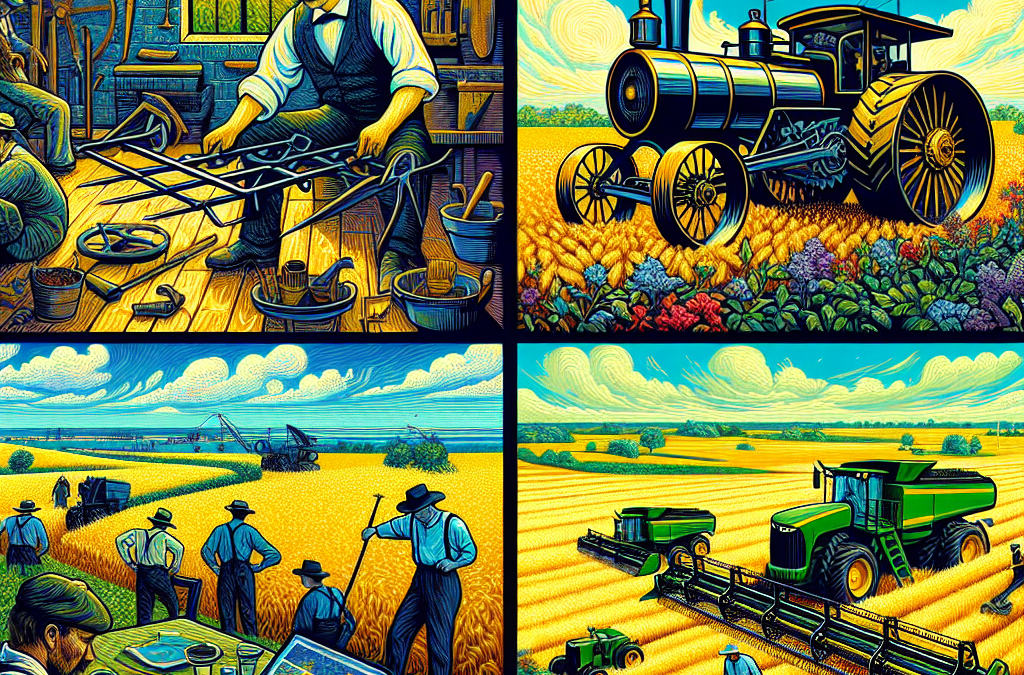
The Timeless Power Of Tradition In Agricultural Innovation
By Tom Seest
At ClassicTractorNews, we help tractor lovers keep up with the latest news for classic and vintage tractors.
Please share this post with your friends, family, or business associates who may like old classic or vintage tractors.
Is Simplicity In Farming Just a Classic Tractor Away
?
Picture a sun-drenched field, the kind that stretches beyond the horizon, whispering tales of generations past. In the heart of that landscape, a classic tractor stands proud—rusty yet resolute, a connection to an era when farming was as much about heart as it was about hard work. This isn’t merely machinery; it’s a symbol of simplicity, a reminder that sometimes, less truly is more.
Now, let’s get real. You can’t just jump into the farming world without considering the complexities of modern agriculture. For every shiny new piece of equipment that promises unparalleled efficiency, there’s a growing chorus of voices longing for the authenticity and craftsmanship of simpler times. Here lies the classic tractor, a robust reminder of ethical farming practices. It’s not about the number of bells and whistles; it’s about the spirit of the land and the rich tapestry of life that thrives when farmers reconnect with the soil.
You might wonder why this aging hunk of metal can spark joy and inspiration. The answer is simple: every scratch, dent, and wobble tells a story. Stories of a farmer rising with the sun, of families gathered over home-cooked meals after a long day in the fields, of communities bonded by shared experiences, hardships, and triumphs. This isn’t just about farming; it’s about heritage, pride, and the undeniable connection between people and the land they cultivate.
The emotional tug of nostalgia meets the rational realization that a classic tractor can bring a level of authenticity that modern models often overshadow. It’s not just about getting the job done; it’s about doing it mindfully, with respect for the earth. Such practices foster community trust and inspire action among those disillusioned by the fast-paced, high-stakes farming industry we see today.
So, when you see that classic tractor, don’t just see a piece of machinery. See potential. See a path back to the roots of farming—where a simple, well-loved tool can make all the difference, turning hard labor into a labor of love. Invite that spirit back into the fields. Let the stories, the community, the connection, and the ethics of farming resonate within your journey. Embrace simplicity; it might just lead you to the heart of true farming bliss.
Is Simplicity In Farming Just a Classic Tractor Away
Is Simplicity In Farming Just a Classic Tractor Away
- The imagery of a sun-drenched field evokes nostalgia and connection to agricultural traditions.
- A classic tractor symbolizes simplicity and the essence of farming’s heart and hard work.
- Modern agriculture’s complexities contrast with a longing for authenticity and craftsmanship.
- The classic tractor embodies ethical farming practices and a spirit of connection to the land.
- Each mark on the tractor tells a story, highlighting community bonds and shared experiences.
- Nostalgia meets a rational appreciation for the authenticity that classic tractors provide.
- Embracing simplicity can transform labor into a labor of love, reinstating core values of farming.
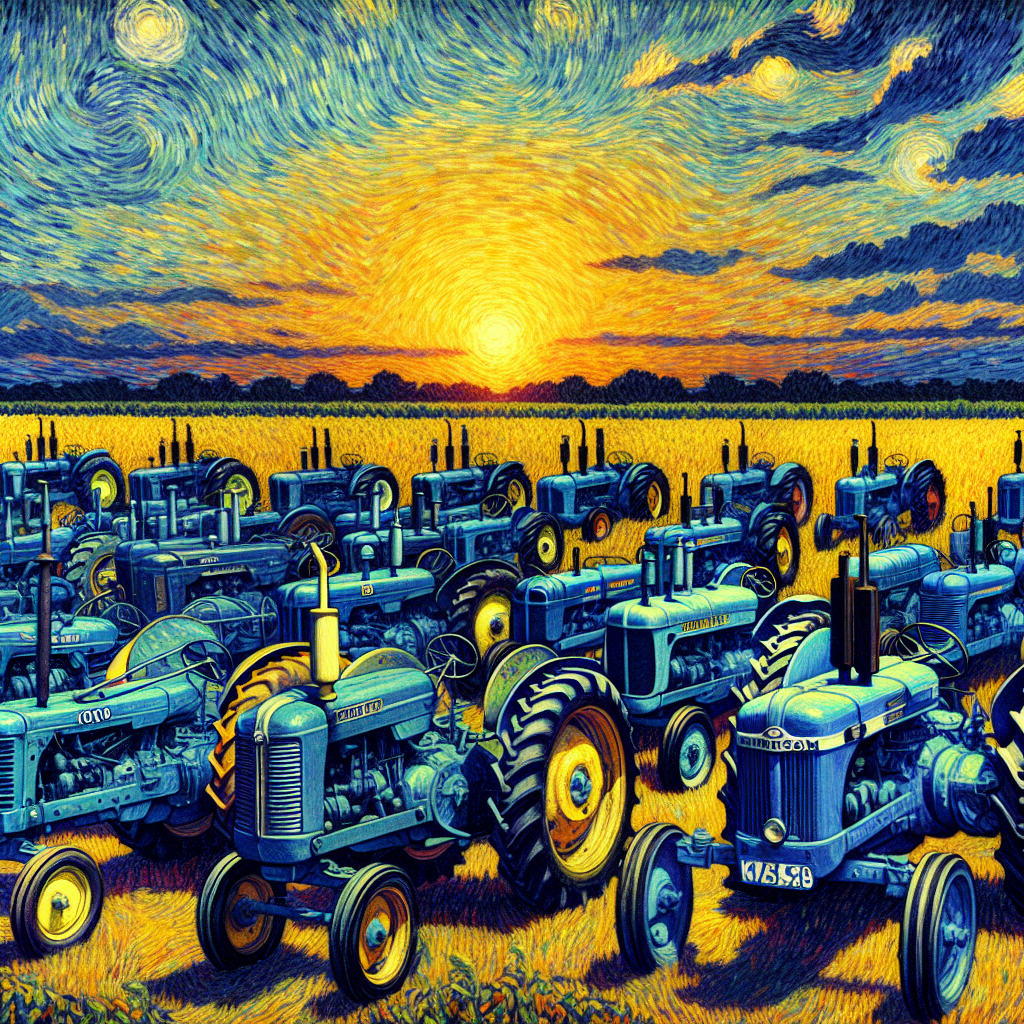
Is Simplicity In Farming Just a Classic Tractor Away
Table Of Contents
- Is Simplicity In Farming Just a Classic Tractor Away
- How Can A Classic Tractor Simplify Your Daily Farming Tasks?
- Are You Prioritizing Your Emotional Connection To Farming Tools?
- What Modern Challenges Can Classic Tractors Help You Overcome?
- Do You Believe That Less Technology Leads To Better Farming Practices?
- How Does The Legacy Of Farming Influence Your Choices Today?
- What Role Does Nostalgia Play In Your Farming Decisions?
- Conclusion
- Other Resources
- Glossary Of Terms
- Other Questions
- Haiku
- Poem
- Checklist
How Can A Classic Tractor Simplify Your Daily Farming Tasks?
When you roll up to your fields in a classic tractor, there’s something inherently grounding about it. That rumble you hear under the hood isn’t just a sound; it’s the heartbeat of your farm. Every farmer knows that the right tools can make all the difference, but a classic tractor alone isn’t just an implement—it’s a legacy.
Imagine standing beside that robust machine, whose paint may be faded but whose spirit is undeniable. Each dent and scratch tells a story of long days and hard work. You feel that nostalgic connection, a bond that transcends mere metal and wheels. It reminds you of your ancestors, those who toiled in the same soil. They didn’t have gizmos and gadgets—their only companion was a simple but reliable tractor. And guess what? They got the job done, just as you will.
Let’s talk about the practical side. A classic tractor isn’t just romantic nostalgia; it simplifies daily tasks in meaningful ways. These machines are straightforward and robust, with fewer electronic components that can fail you at the worst possible moment. You can fix things on your own—no waiting for a technician to arrive with a computer diagnostic. Your hands can mend what’s broken, reinforcing that sense of independence and self-reliance that farming instills in all of us.
Now, consider the ethical aspect. By using a classic tractor, you’re often choosing sustainability over modern inefficiency. These machines were built to last; they require less energy to operate and can often run on biofuels or diesel—a more eco-friendly approach to farming. You’re honoring your land while nurturing the world around you. It’s a practical choice, yes, but it also creates a ripple effect of responsibility toward our environment, a stance more farmers should embrace.
And don’t forget the social appeal. Picture the camaraderie of friends or neighbors gathered around to lend a hand, swapping stories about the old days when tractors like yours ruled the earth. It strengthens community ties and forges bonds that are crucial in today’s fast-paced world. That tractor sitting in your yard isn’t just a tool; it’s a conversation starter, a bridge between generations.
So, whether you’re plowing, planting, or simply reminiscing while sitting behind the wheel, remember: that classic tractor doesn’t just simplify your tasks; it enriches your life as a farmer, connecting you to your roots, your responsibilities, and your community. Grab hold of that steering wheel and steer your daily tasks toward not just efficiency, but legacy.
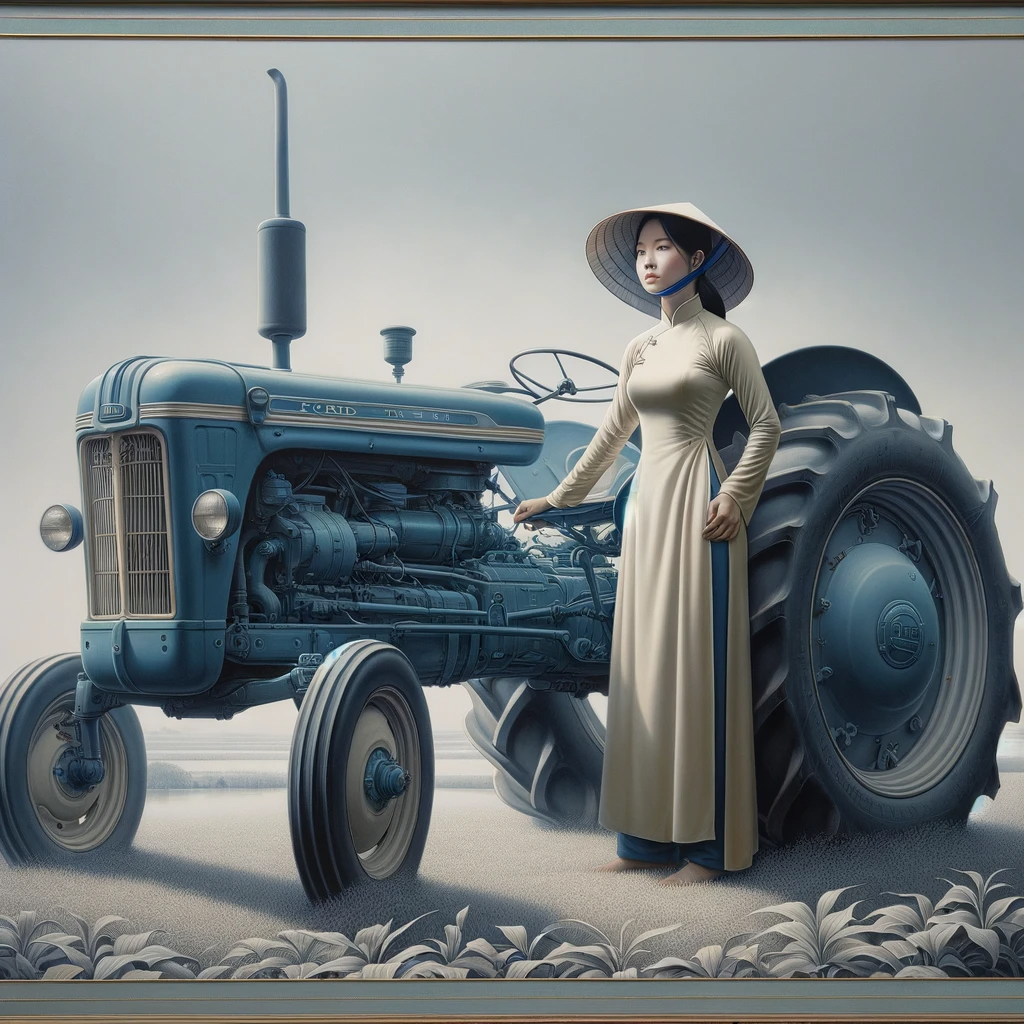
How Can A Classic Tractor Simplify Your Daily Farming Tasks?
How Can A Classic Tractor Simplify Your Daily Farming Tasks?
- Classic tractors provide a grounding connection to farming and a sense of legacy.
- The wear and tear of a classic tractor reminds farmers of ancestral labor and resilience.
- These machines simplify daily tasks with their robust, straightforward design and fewer electronics.
- Classic tractors encourage independence and self-reliance through easy reparability.
- Using classic tractors aligns with sustainability, requiring less energy and often running on biofuels.
- They foster community interaction and storytelling, strengthening social bonds among farmers.
- Owning a classic tractor enriches the farmer’s life, connecting them to their roots and responsibilities.
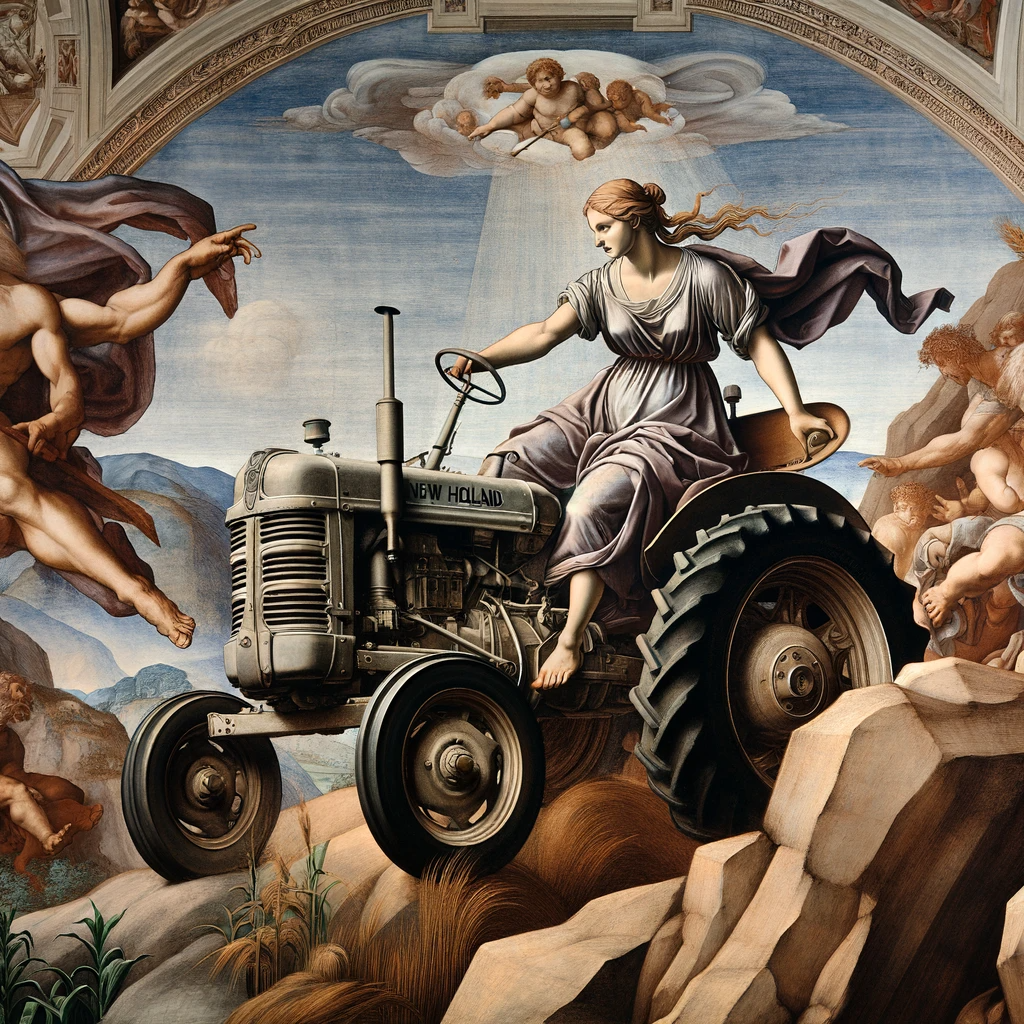
How Can A Classic Tractor Simplify Your Daily Farming Tasks?
Are You Prioritizing Your Emotional Connection To Farming Tools?
Are You Prioritizing Your Emotional Connection to Farming Tools?
When you think about your tractor, what comes to mind? Is it merely a metal beast that roars to life, or is it something more—a steadfast partner in the daily rhythm of your life? Many farmers dismiss the emotional resonance of their tools, overlooking the unique bond that forms through countless hours of shared labor. But it’s time to reconsider the relationship we cultivate with our farming tools and prioritize that deep emotional connection.
Let’s face it: the humble tractor isn’t just a vehicle; it’s a symbol of resilience, strength, and the dream that drives you every day. Every scratch and scuff on that machine tells a story. You’ve navigated rocky terrains, turned the soil for a new crop, and spent late nights plowing under a blanket of stars, all with that trusted companion by your side. Isn’t it worth taking a moment to reflect on the countless memories forged in that seat?
Rationally, maintaining a strong bond with your tools makes sense. They not only help you achieve your goals but also enhance your efficiency and productivity. A tractor that’s treated with respect and care is an investment that pays dividends. When you engage with your machinery on an emotional level, you become more attuned to its needs. You listen to the hum of the engine and recognize when it’s not quite right. This awareness can save you from costly repairs, letting you focus on what truly matters: cultivating your land, nurturing your crops, and providing for your family.
Ethically, honoring your emotional connection to your tractor and farming tools fosters sustainability. By taking care of the gear that serves you, you contribute to a cycle of respect and stewardship towards the earth. It’s not just about your immediate gains; it’s about ensuring that the land remains fertile for generations to come.
And let’s not forget the social aspect. When you share these stories with fellow farmers, it creates a bond that transcends mere machinery. You don’t just connect through the dirt you share but through the tales of triumphs and struggles each tractor represents.
Prioritizing that emotional connection isn’t merely a matter of sentiment; it’s about forging trust—both in your tools and in yourself. It’s time to embrace that bond, fostering a deeper connection that transcends the mere functionality of your equipment. So, next time you mount that tractor, take a moment to appreciate its role in your life’s narrative. After all, it’s not just a tool; it’s a lifeline woven into the fabric of your agricultural journey.
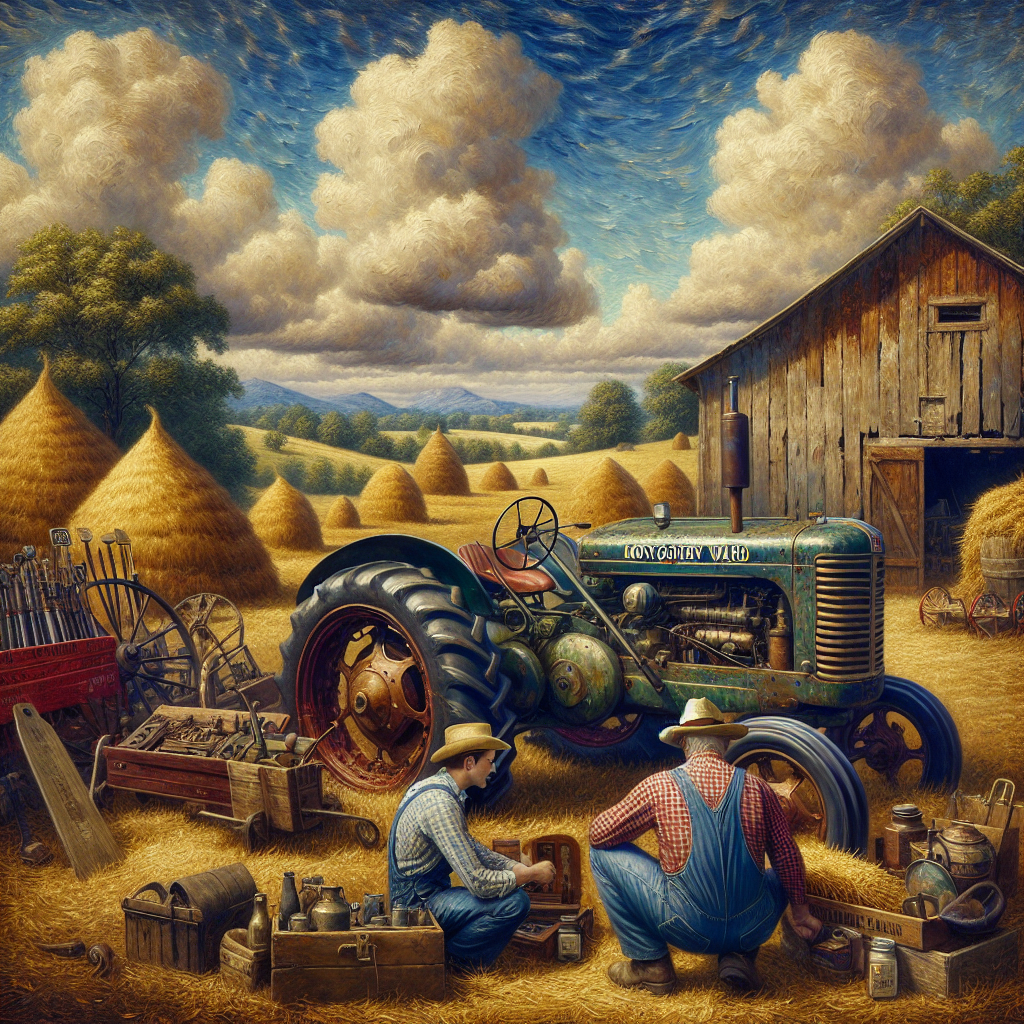
Are You Prioritizing Your Emotional Connection To Farming Tools?
Are You Prioritizing Your Emotional Connection To Farming Tools?
- Farmers often overlook the emotional bond with their tools, especially tractors, which serve as partners in daily activities.
- A tractor symbolizes resilience, strength, and the dreams fueling daily agricultural endeavors.
- Each scratch on the tractor recounts experiences of hard work, late nights, and shared labor.
- Maintaining an emotional connection enhances awareness of the tool’s needs, potentially saving on repair costs.
- Caring for equipment reflects ethical stewardship towards the land, promoting sustainability for future generations.
- Sharing stories about farming tools fosters connections among farmers, transcending discussions of machinery.
- Recognizing the emotional significance of farming tools helps build trust in both the equipment and oneself.
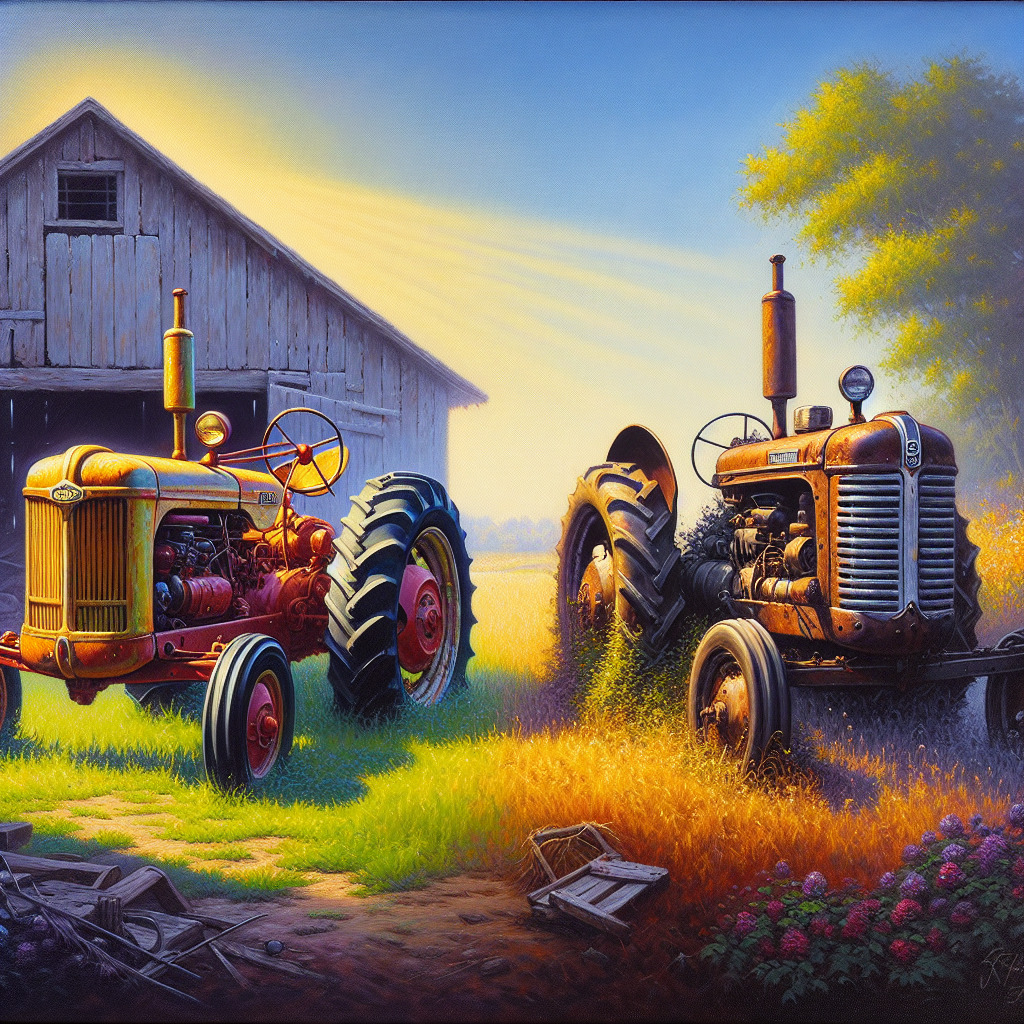
Are You Prioritizing Your Emotional Connection To Farming Tools?
What Modern Challenges Can Classic Tractors Help You Overcome?
In a world spinning faster than a high-tech engine, the allure of classic tractors beckons—not just as relics of the past, but as symbols of resilience and practicality in the face of modern challenges. Imagine a shiny new gadget promising to solve all your farming woes, yet you find yourself drawn to the heart of a seasoned vintage tractor, its paint faded but its spirit bold. There’s something profoundly grounding about the simple, time-tested machinery that connects generations of farmers to the land they love.
Let’s start with the gut. There’s a raw, visceral satisfaction that comes from working the ground with a classic tractor. The muffled roar of the engine beneath you, the earthy aroma of freshly plowed soil—all these sensations stir something deep within. It’s as if the machine whispers, “You can conquer this.” And when the modern farmer faces challenges like skyrocketing fuel prices or unpredictable weather patterns, trusting in the mechanics of an old friend can provide a much-needed anchor in the storm.
Now, for the head. Classic tractors are incredibly affordable compared to brand-new models. They don’t just stand the test of time; they also serve as a budget-friendly answer to today’s high-stakes agricultural economy. A well-maintained vintage tractor can be repaired with relative ease, often using parts readily available in local shops. This reliability means fewer headaches and more time spent doing what really matters—cultivating the land and caring for your community.
But let’s consider the ethical side. In a time when sustainability is paramount, these classic machines promote a values-driven lifestyle. Embracing the tried-and-true methods of yesteryear can help you cultivate not only your crops but a deeper connection to the earth. It’s a conscious choice to minimize reliance on automated technologies that may compromise the integrity of our environment.
We live in a world where society often feels fractured, yet a classic tractor can be a bridge between individuals, families, and communities. It’s not just about farming; it’s about sharing stories, passing down skills, and fostering connections across generations. Whether you’re gathering with friends to fix up an old tractor or hosting a local farm show, these experiences draw us together.
So, the next time you ponder the challenges of modern life, remember this: sometimes, the best solutions are rooted in the past. Classic tractors can help you plow through today’s hurdles, reminding you that with a little grit and determination, you can cultivate not just crops but your very own legacy.
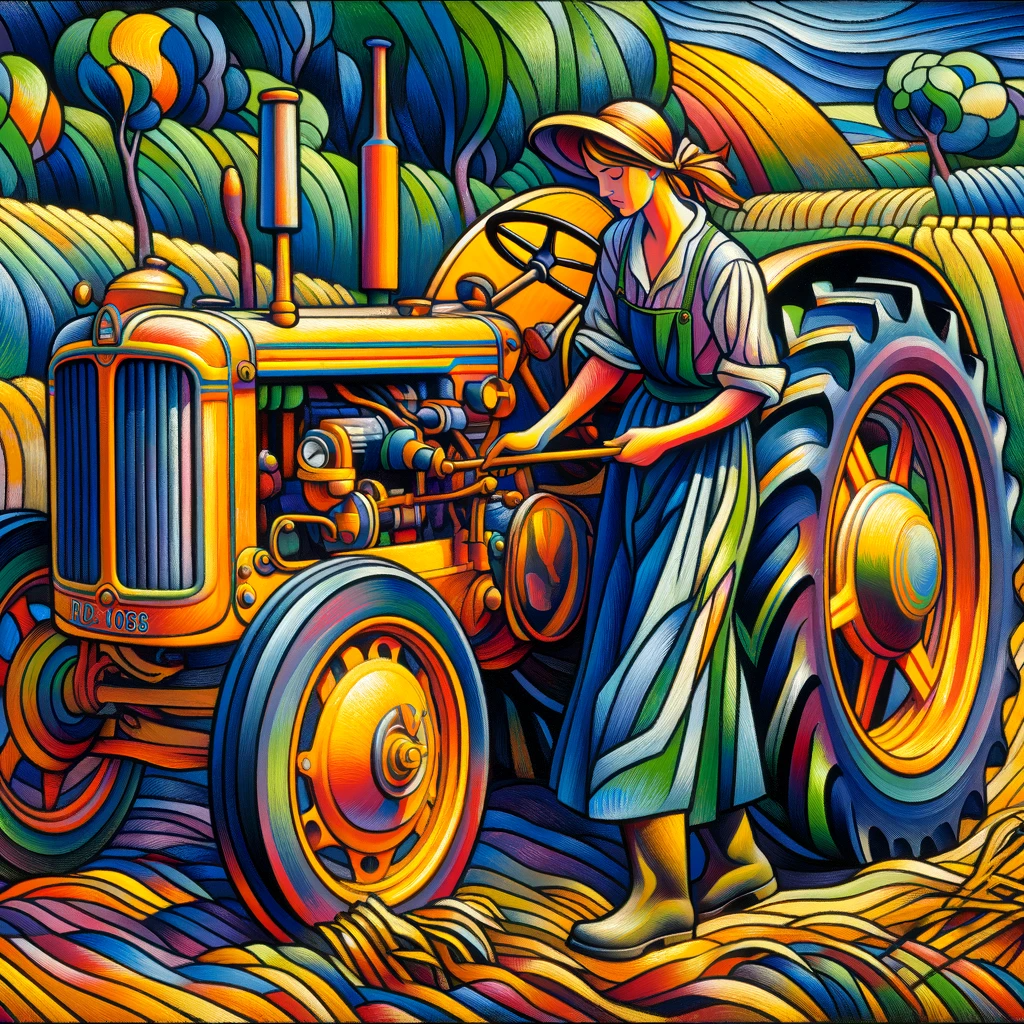
What Modern Challenges Can Classic Tractors Help You Overcome?
What Modern Challenges Can Classic Tractors Help You Overcome?
- Classic tractors symbolize resilience and practicality, connecting farmers to their land.
- They offer a visceral satisfaction through the experience of working with vintage machinery.
- Classic tractors are more affordable and easier to repair than new models, promoting budget-friendly farming.
- These machines support a sustainable lifestyle by reducing reliance on high-tech solutions.
- Classic tractors foster community connections through shared experiences and storytelling.
- They serve as a bridge between generations, preserving skills and knowledge in farming.
- Their use highlights that solutions to modern challenges can be found in traditional approaches.
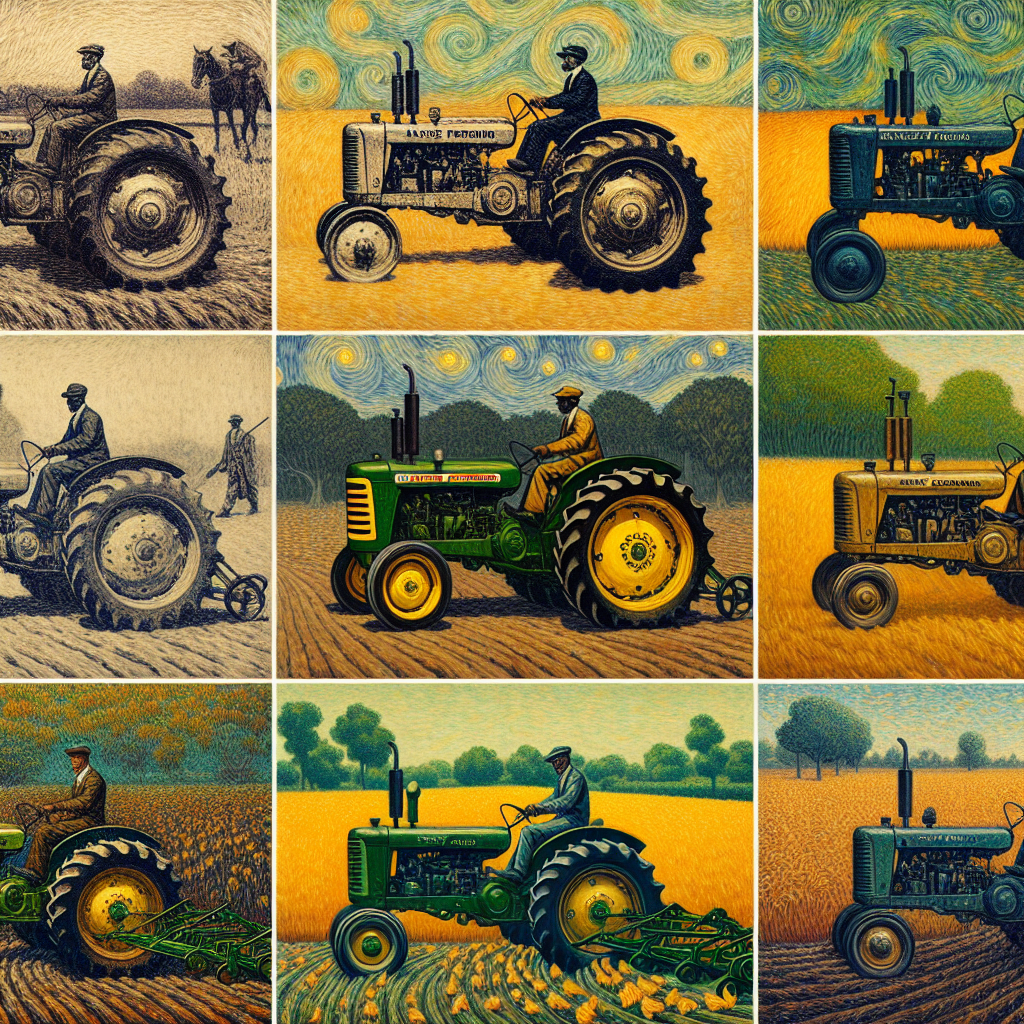
What Modern Challenges Can Classic Tractors Help You Overcome?
Do You Believe That Less Technology Leads To Better Farming Practices?
In today’s world, we often equate progress with new technology. We see shiny tractors with GPS and powerful drones soaring overhead, and we assume that these advancements somehow guarantee better farming practices. But let’s pause for a moment and think about what we might be losing in this rush toward high-tech solutions.
Imagine a family farm, the kind that’s been passed down through generations. The kind where the farmer knows every inch of the land and understands the rhythm of the seasons. There’s a relationship there—a bond formed through sweat, tears, and lessons learned the hard way. This connection between people and land speaks to the heart of what farming is all about. Yes, modern machinery like tractors can do the hard work, but what about the wisdom that comes from experience?
Now, let’s get rational for a second. While technology can increase efficiency, it doesn’t always take into account the complexity of ecosystems. A farmer who relies solely on technology might miss the signs of soil degradation or pest cycles that someone more attuned to nature would catch. What if, instead of trying to control everything with the latest gadgetry, we learned to listen—to the wind, the soil, the very heartbeat of the Earth? The data might show that a little less dependence on technology could lead to healthier crops, thriving ecosystems, and a better way of life.
Ethically, we face questions about the sustainability of our practices. Are we preserving the land for future generations or merely squeezing it for short-term gain? It’s our responsibility to be good stewards, to respect the land that has fed us for centuries. This isn’t just a personal journey but a collective one, where each farmer, whether driving a modern tractor or tending to a field without one, plays a vital role in a larger narrative.
So, gather ‘round and share your stories. Get involved in your community or local farming groups. You’ll find a wealth of knowledge and a shared passion for preserving the art of agriculture. Together, we can nurture a healthier, more balanced approach to farming—one that draws on both tradition and innovation without losing sight of what truly matters. It’s in our hands to shape the future, and it starts with understanding that sometimes, less technology can lead to a richer farming experience. Let’s plant those seeds, not just in the ground, but in our hearts.
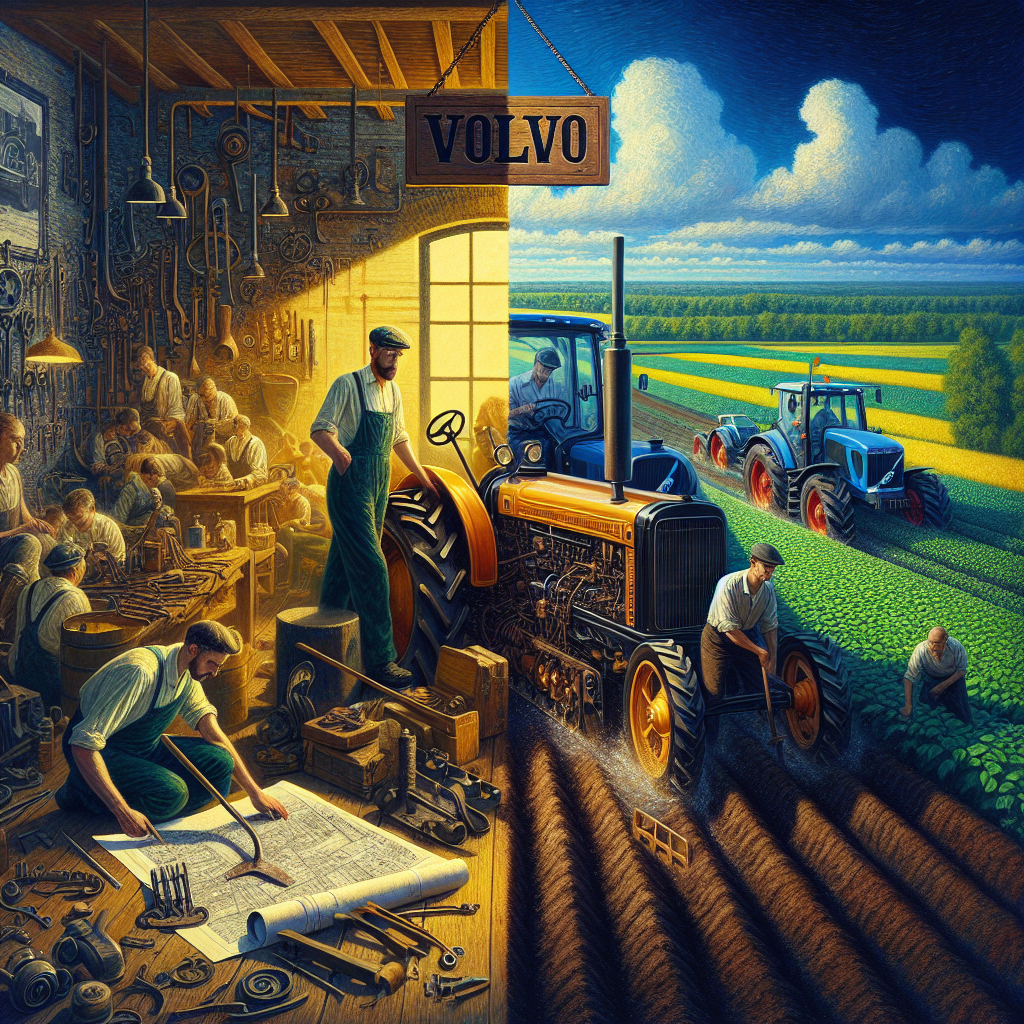
Do You Believe That Less Technology Leads To Better Farming Practices?
Do You Believe That Less Technology Leads To Better Farming Practices?
- Progress in farming is often equated with new technology, like GPS-enabled tractors and drones.
- Family farms have deep connections to the land, built on generations of experience and understanding of natural rhythms.
- Modern machinery can enhance efficiency but may overlook important ecological signals that experienced farmers would notice.
- Learning to listen to the environment, rather than solely relying on technology, can lead to healthier crops and ecosystems.
- Ethical questions arise about sustainable farming practices and the responsibility to preserve land for future generations.
- Community involvement and sharing stories can foster a collective effort to balance tradition and innovation in agriculture.
- Emphasizing a richer farming experience sometimes means reducing dependence on technology and focusing on the art of agriculture.
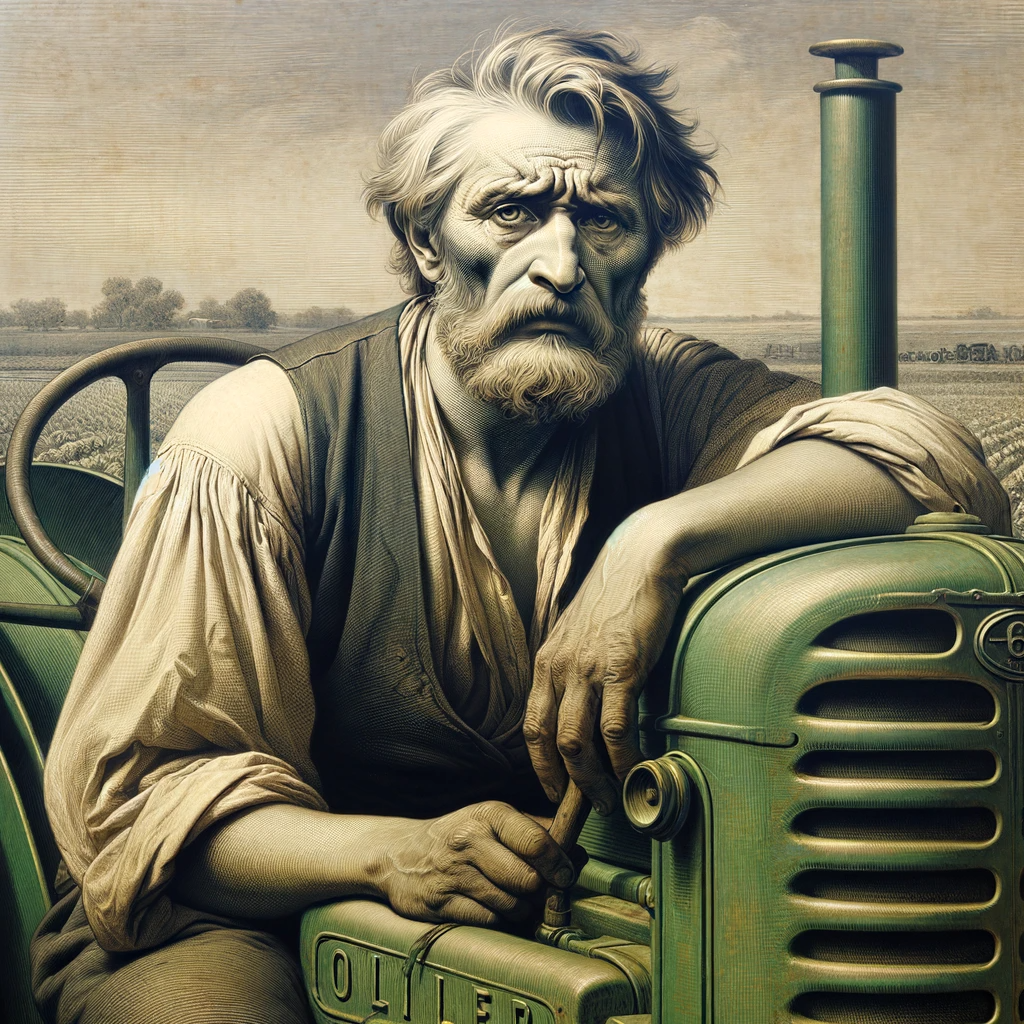
Do You Believe That Less Technology Leads To Better Farming Practices?
How Does The Legacy Of Farming Influence Your Choices Today?
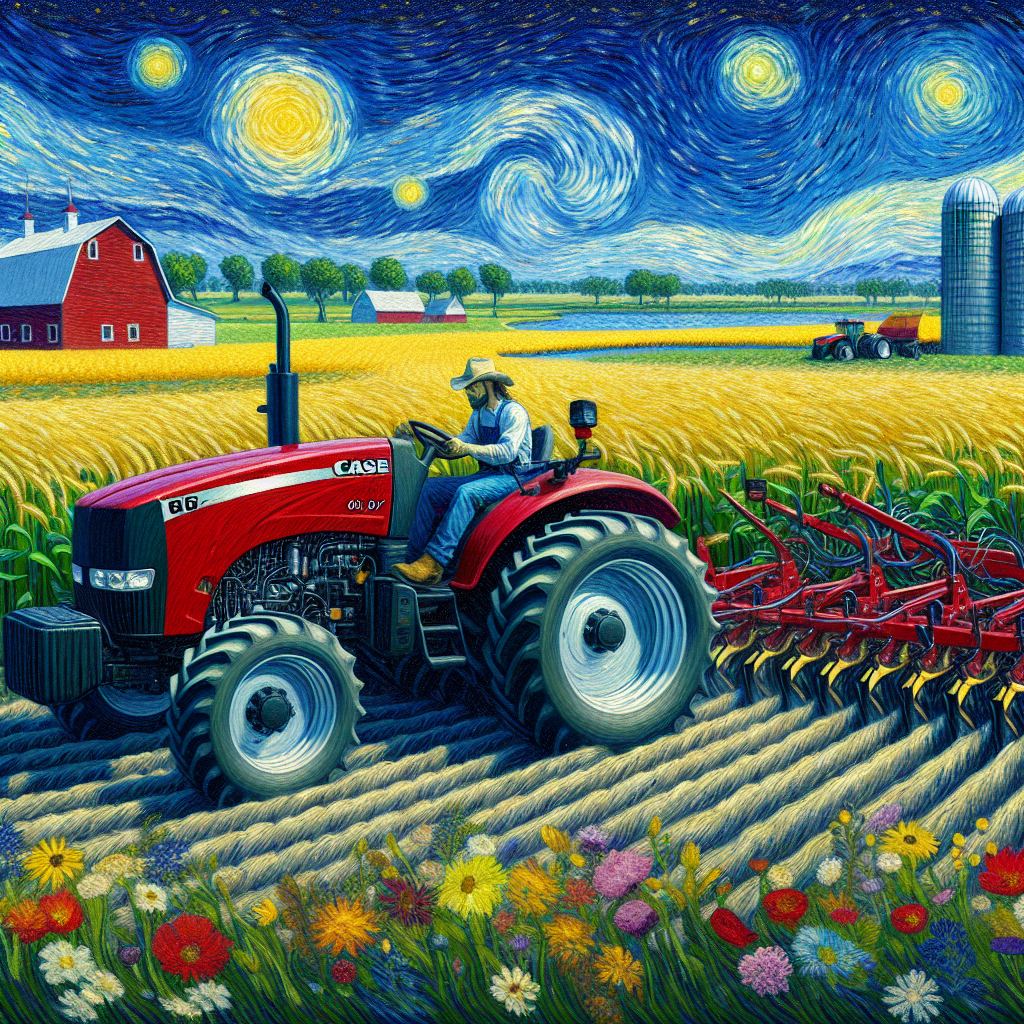
Farming, at its core, is about nurturing the land, cultivating relationships, and passing down wisdom through generations. Picture a farmer stooped over the earth, the sun beating down, as they deftly maneuver their trusty tractor through the fields. Each furrow carved isn’t just a line in the soil; it is a story, a choice rooted deeply in the legacy of hard work and resilience. This legacy shapes who we are and the choices we make today.
The principles instilled by farming—respect for nature, the significance of community, and the drive to be self-sufficient—extend far beyond the fields. Think about the last meal you enjoyed. Did it involve locally sourced ingredients or products from a family business? Every time you choose to support local, you’re acknowledging the hard work of those who came before you, echoing the commitment of generations that understood the value of their craft. It’s a heartwarming reminder that our choices ripple through time, fostering connections with those who, like that farmer on their tractor, toiled without the promise of instant reward.
On a practical level, reflecting on farming’s legacy nurtures a rational approach to contemporary challenges, from food sustainability to environmental conservation. Farming teaches us that responsible stewardship happens at the grassroots level; every decision we make impacts our land—our community—today and long into the future. We become guardians of our choices, prioritizing quality over quantity and seeking to preserve traditions while innovating for tomorrow.
Ethically, continuing to respect this legacy means we acknowledge our role in the larger tapestry of life. When we consume less, support fair trade, or advocate for eco-friendly practices, we honor the sacrifices of those who fed our ancestors and continue to feed us now. Each action echoes the struggles of farmers who faced droughts, floods, and market crashes, reminding us that resilience isn’t just a value of the past—it’s essential today.
Narratively, our lives are interwoven with the stories of those who plowed before us. As you sit around the table sharing laughter and conversation, consider how your choices reflect that enduring legacy. In every bite of wholesome food, in every step toward sustainability, you’re not just carrying on a tradition; you’re writing your own chapter.
So as you navigate through choices in your life, let the spirit of that farmer guide you, inspiring trust in the path you walk. Acknowledge the rippling influence of farming, and choose to honor it with actions that matter. Together, we can sow the seeds for a brighter, more connected future.
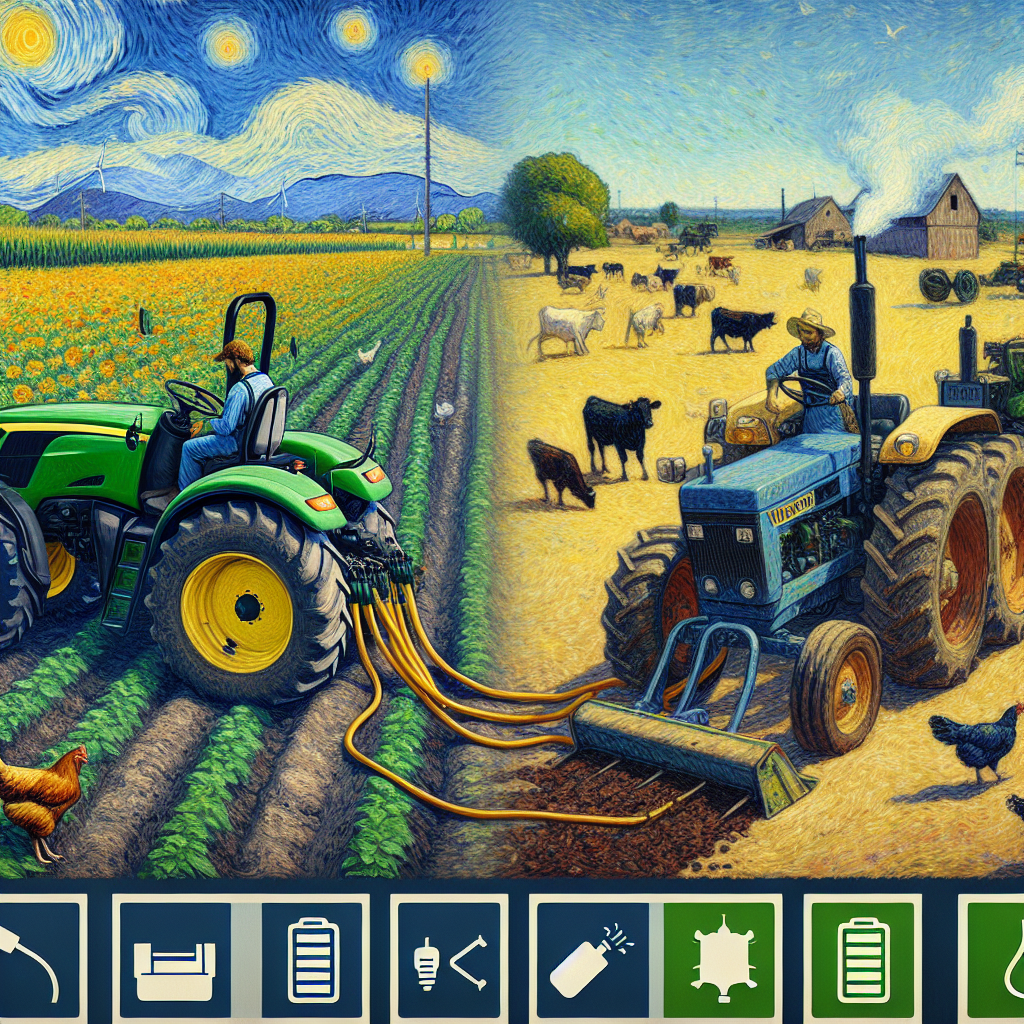
How Does The Legacy Of Farming Influence Your Choices Today?
How Does The Legacy Of Farming Influence Your Choices Today?
- Farming is about nurturing land, cultivating relationships, and passing down wisdom through generations.
- Each furrow in the soil represents a story rooted in hard work and resilience, influencing our present choices.
- Farmers instill principles such as respect for nature, community significance, and self-sufficiency that extend beyond agriculture.
- Supporting local food sources honors the efforts of generations committed to their craft.
- Reflecting on farming’s legacy provides a rational approach to contemporary challenges like food sustainability and environmental conservation.
- Respecting this legacy entails recognizing our role in the larger tapestry of life and making ethical consumption choices.
- Your choices today, inspired by the spirit of farming, can help create a more connected and sustainable future.
How Does The Legacy Of Farming Influence Your Choices Today?
What Role Does Nostalgia Play In Your Farming Decisions?
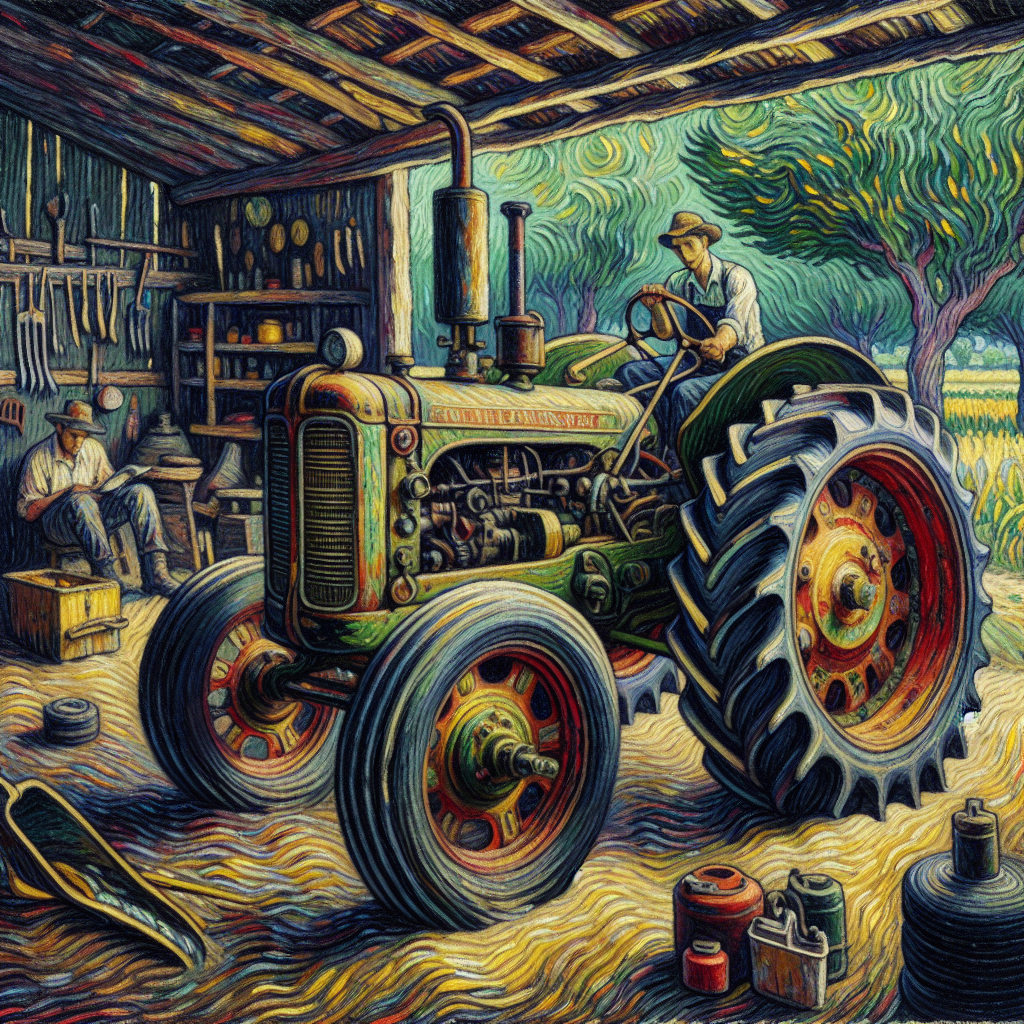
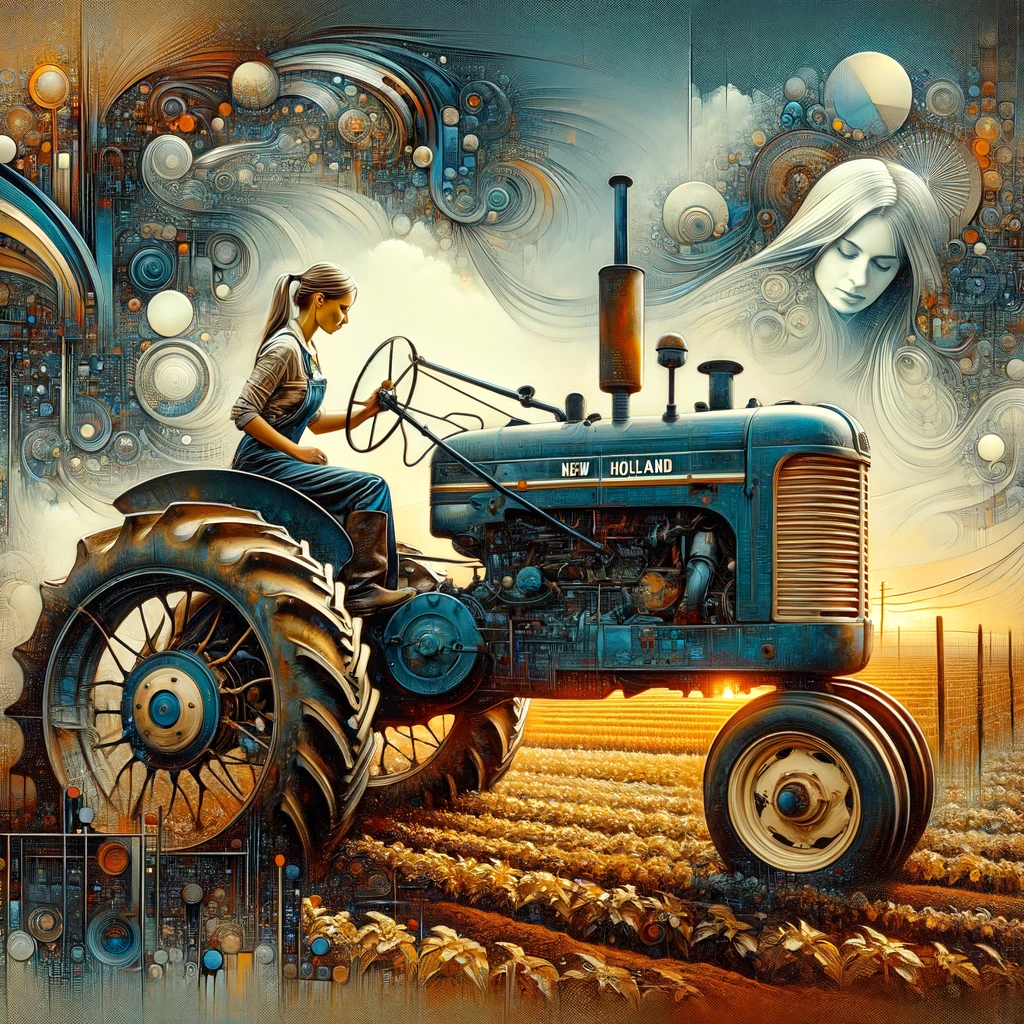
Nostalgia isn’t just a sentimental longing for the past; it’s a guiding force that shapes the choices we make on the farm, guiding us like an old tractor on familiar terrain. For many of us, farming isn’t just about the crops we grow or the machinery we use—it’s interwoven with the memories, stories, and traditions that have been passed down through generations. When you sit on that old tractor, it’s not just a vehicle for plowing fields; it’s a time machine connecting you to your roots, your family, and the hard-earned lessons learned under the sun.
Let’s face it, the farming life can be a grind. From early mornings to late-night harvests, it takes grit and determination. Yet, there’s a certain comfort in knowing that the choices you make are influenced by those who came before you. Your grandpa’s stories about struggling through a drought or your mother’s laughter ringing out while planting seeds have a profound impact on every decision. This visceral connection to history not only gives you strength but helps ground you during tough times.
But nostalgia is more than just reminiscence; it serves as a critical lens for evaluating your farming decisions. Think about it: the lessons learned from a seasoned farmer, the ethical practices that respected the land, the community ties forged during harvest season—all of these elements influence your approach to modern farming techniques. When balancing tradition with innovation—like considering a new crop method versus sticking with what’s always been done—those nostalgic feelings can offer clarity, helping you reconcile the old with the new.
It’s about connection, too. Inviting neighbors to share in the harvest, hosting events that celebrate those age-old farming traditions, helps build a sense of community where everyone thrives. When you choose to incorporate those historical elements, you don’t just cultivate crops; you cultivate relationships, creating a network of support and shared experience that uplifts everyone involved.
So next time you’re making a decision on the farm, whether it’s big or small, pause for a moment. Reflect on those warm memories and the experiences tied to that trusty tractor. Let nostalgia guide you, not just as a relic of the past, but as a pathway to a richer, more informed future. In doing so, you harness the wisdom of the ages while driving toward a promising horizon.
What Role Does Nostalgia Play In Your Farming Decisions?
What Role Does Nostalgia Play In Your Farming Decisions?
- Nostalgia shapes farming choices, acting as a guiding force like an old tractor on familiar terrain.
- Farming intertwines with memories, stories, and traditions passed down through generations.
- Experiences on the farm connect individuals to their roots and the hard-earned lessons of family.
- The farming life requires grit, but the influence of past generations provides comfort and strength.
- Nostalgia serves as a lens for evaluating farming decisions, balancing tradition with innovation.
- Community involvement, like sharing harvests and celebrating traditions, fosters relationships and support.
- Reflecting on nostalgic memories can guide modern farming decisions for a richer, informed future.
What Role Does Nostalgia Play In Your Farming Decisions?
Conclusion
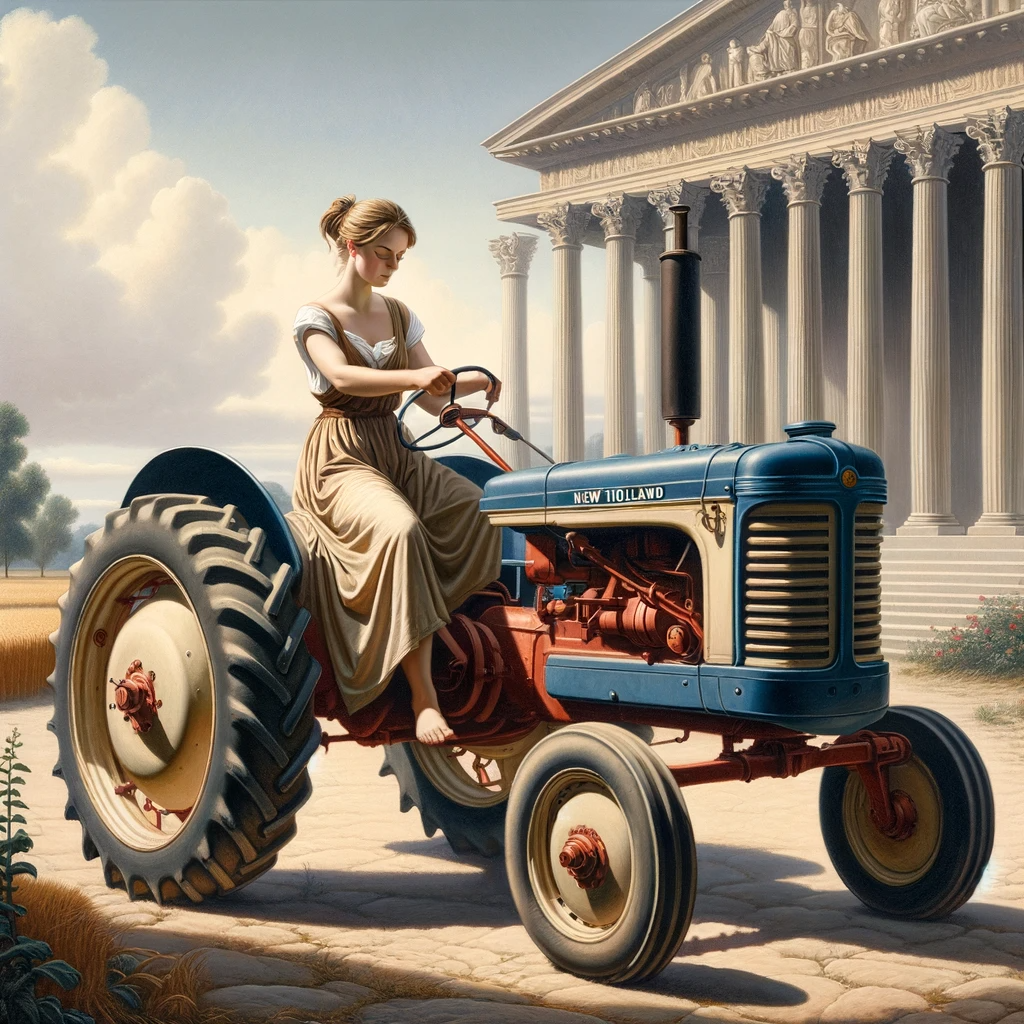
In the end, the allure of farming isn’t simply found in technology or the efficiency of modern machinery; it lies deep in the heart of tradition, where countless hands have tilled the soil and countless stories have been etched into the land. Picture that classic tractor, a weathered yet unwavering companion, rumbling to life amidst the fields. This isn’t just about metal and mechanics; it’s about the very essence of farming—the connection to generations past who taught us that true cultivation is not merely about producing crops but nurturing a legacy woven from sweat, determination, and love.
As we navigate the modern complexities of agriculture, we can easily get swept away by shiny gadgets promising faster yields and effortless workloads. But consider this: in our relentless pursuit of progress, we might lose sight of what matters most—authenticity, craftsmanship, and the bonds that tie our communities together. It’s not just about the profits; it’s about the stories behind each scratch on that classic tractor, the laughter of a family gathered around a home-cooked meal after a long day in the fields, and the knowledge shared between neighbors as they collaborate and support one another.
Let’s face it—there’s a powerful, emotional connection in choosing simplicity. Embracing those classic machines not only connects us to our roots but also brings a level of practicality that resonates with the heart, head, and gut. These machines stand as a testament to ethical farming practices, spurring us to foster relationships with the land that go beyond mere transactions. From sustainability to self-reliance, these timeless tractors remind us of the importance of nurturing our environment, which has sustained us for generations.
But don’t underestimate the social aspect, either. Those old tractors can be a bridge across time, connecting us with neighbors, friends, and family. They spark conversations rich with shared experiences, allowing us to honor the heritage that shapes our lives while engaging in meaningful collaboration. These machines are much more than tools; they embody a sense of community, trust, and understanding that is often lost in today’s fast-paced agricultural landscape.
So, as we inch forward into the future, let’s take a moment to pause, reflect, and invite the spirit of those classic tractors back into our lives. Embrace the simplicity, remember where we came from, and forge a path forward that honors our legacy while cultivating a fruitful and connected future. Because at the end of the day, farming isn’t just about the crops; it’s about the heart—a heart that beats in rhythm with the land, the stories it holds, and the promise of tomorrow.
Conclusion
Conclusion:
- The allure of farming is rooted in tradition rather than just modern technology.
- Classic tractors symbolize a deep connection to generations of farmers and their legacy.
- The pursuit of agricultural progress should not overshadow authenticity and craftsmanship.
- Stories and community bonds are essential aspects of farming beyond mere profits.
- Embracing timeless farming practices promotes sustainability and self-reliance.
- Old tractors facilitate social connections and shared experiences among neighbors.
- Reflecting on farming’s heritage can guide us towards a more fruitful and connected future.
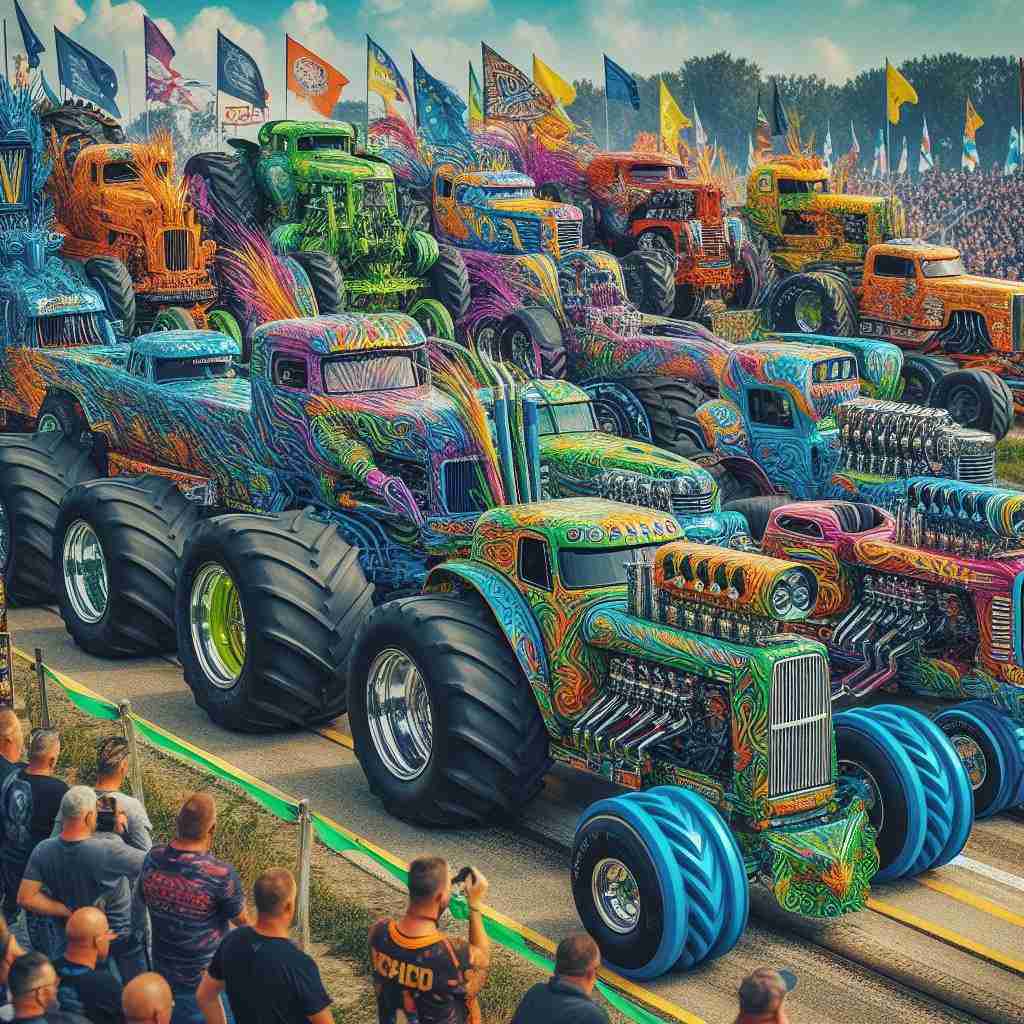
Conclusion
Other Resources
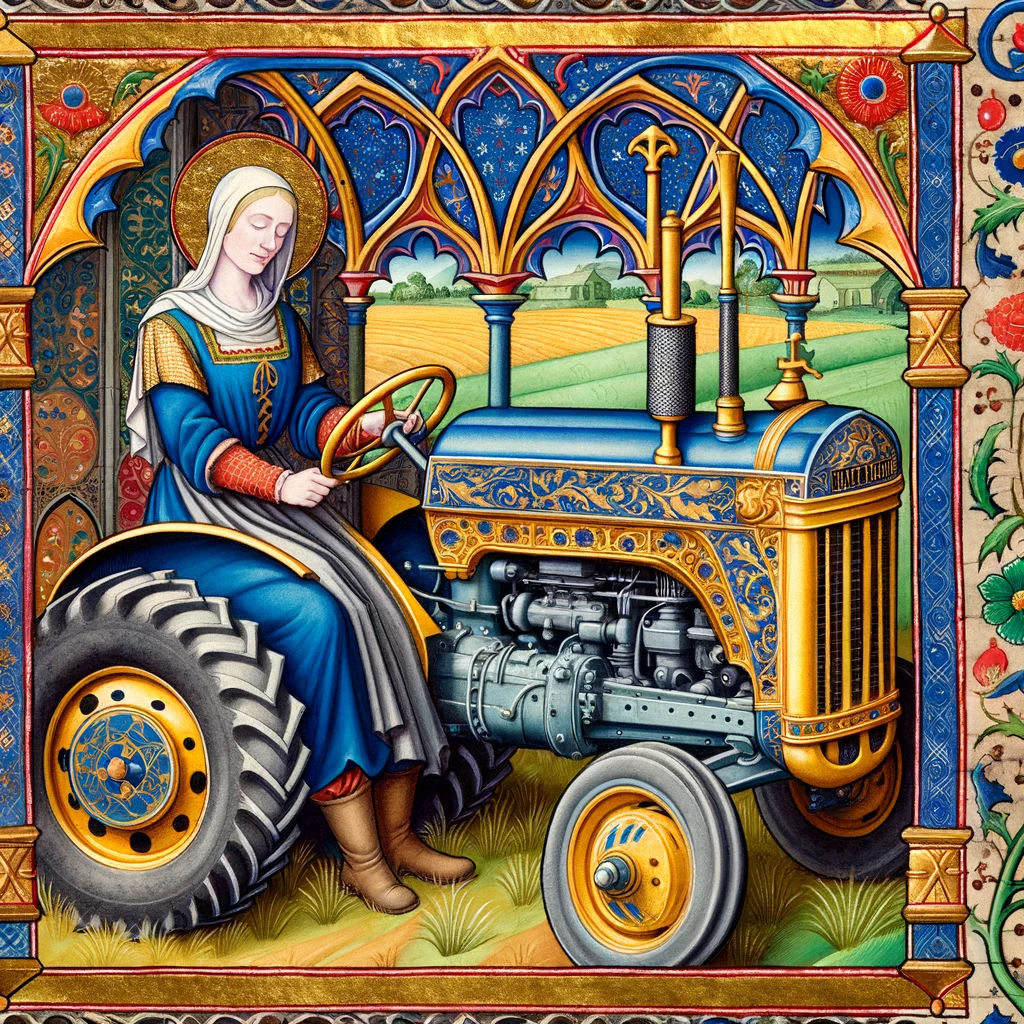
Other Resources
Here is a list of other resources you can review online to learn more:
Use This Prompt To Get More Resources With Your Favorite Online AI Tool: Please provide me with a list of online articles with their URLs in a bulleted list that I can read regarding Is Simplicity In Farming Just a Classic Tractor Away
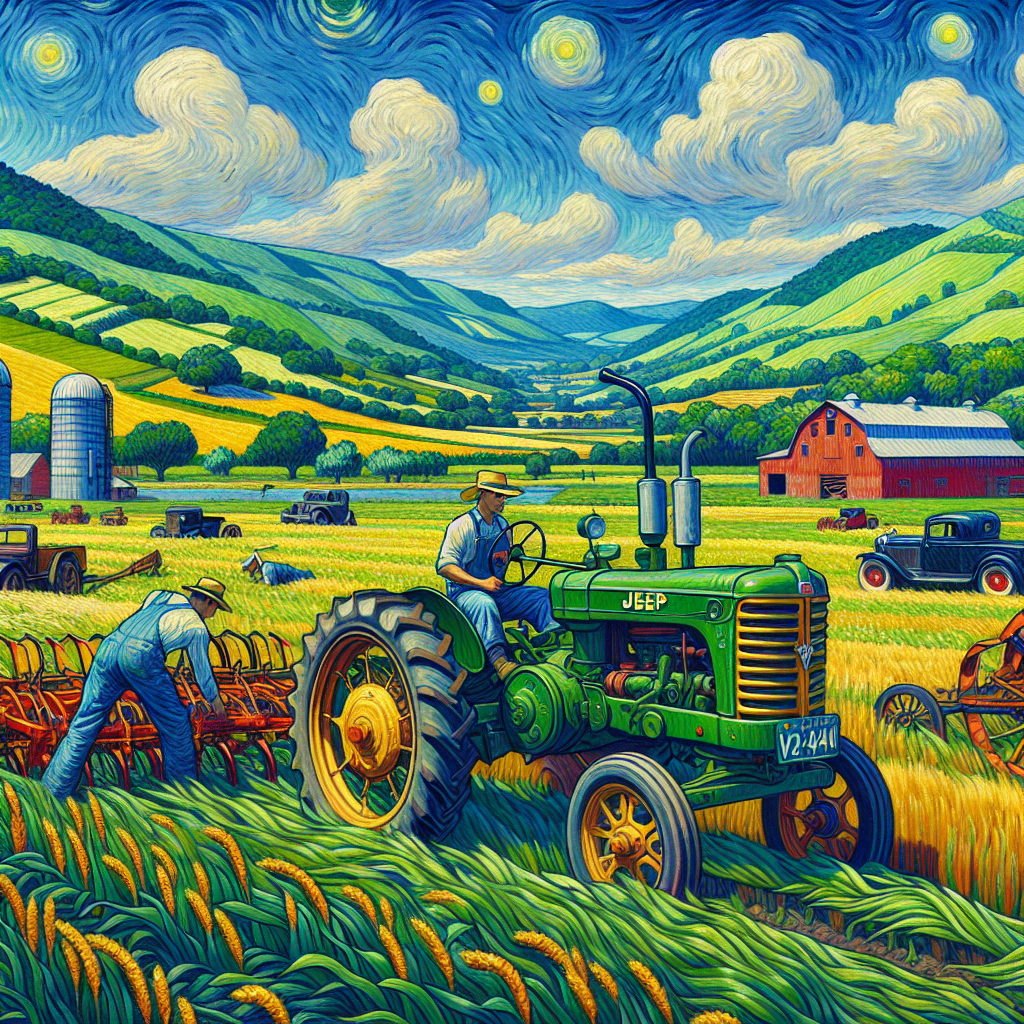
Other Resources
Glossary Terms
Is Simplicity In Farming Just a Classic Tractor Away – Glossary Of Terms
1. Agriculture: The science and practice of farming, including the cultivation of soil, growing plants, and raising animals for food and raw materials.
2. Classic Tractor: A vintage or older model of farm tractor, often praised for its simplicity, durability, and ease of maintenance compared to modern machinery.
3. Simplicity: The quality of being easy to understand or do; in farming, it refers to methods that prioritize low-tech approaches and traditional techniques.
4. Tractor: A powerful motor vehicle used for pulling farm machinery and trailers. Classic tractors often represent a simpler, more hands-on approach to farming.
5. Sustainable Farming: Agricultural practices that aim to meet current food needs without compromising future generations, often involving simpler methods that enhance soil health and biodiversity.
6. Minimalism: A lifestyle or philosophy that encourages simplicity by reducing possessions and distractions, applicable in farming through straightforward, efficient practices.
7. Homesteading: The practice of self-sufficient farming, where individuals or families grow their own food and may raise livestock, often emphasizing simplicity and sustainability.
8. Agroecology: A holistic approach to agriculture that integrates ecological principles into farming systems, promoting resilience and simplicity over industrial techniques.
9. Soil Health: The condition and nutrient content of the soil, critical for sustainable farming; lower-tech approaches may enhance soil health through natural practices like crop rotation.
10. Heritage Seeds: Traditional plant varieties that have been passed down through generations, often easier to cultivate and more resilient than modern hybrids.
11. Crop Rotation: The practice of alternating the types of crops grown on a piece of land to improve soil health and reduce pests and diseases; a fundamental simple practice in farming.
12. Farm Implements: Tools or equipment used in farming, such as plows and harrows, which can vary in complexity but are crucial in traditional agriculture.
13. Organic Farming: A method of farming that avoids the use of synthetic fertilizers and pesticides, often emphasizing simplicity, natural processes, and environmental care.
14. Permaculture: A design philosophy for sustainable living and agriculture that seeks to mimic natural ecosystems, promoting simplicity and efficiency.
15. Biodiversity: The variety of plant and animal life in a particular habitat, which can enhance ecosystem resilience and represent a simpler approach to farming.
16. Local Food Systems: Agricultural systems that emphasize the sale and consumption of food within a local area, promoting simplicity and reducing transportation costs.
17. Farming Cooperatives: Organizations formed by farmers to collectively market and sell their produce, fostering simplicity through collaboration and shared resources.
18. Manual Labor: Physical work done by hand; in simpler farming methods, manual labor often replaces complex machinery for tasks like planting and harvesting.
19. Agroforestry: The practice of integrating trees and shrubs into farming landscapes to enhance productivity and environmental health, representing a simple, multifaceted approach to agriculture.
20. Backyard Farming: Small-scale farming practices that can occur in residential areas, promoting simplicity and self-sufficiency within limited spaces.
21. Community Supported Agriculture (CSA): A system where consumers purchase shares of a farm’s harvest in advance, supporting local agriculture and simplifying food distribution.
22. Green Manure: Cover crops that are grown primarily to improve soil health when plowed under, representing a natural and straightforward farming practice.
23. Traditional Farming: Agricultural practices based on historical methods and local knowledge, often simpler and more sustainable than modern approaches.
24. Seed Saving: The practice of saving seeds from year to year for future planting, a simple method that promotes biodiversity and self-reliance among farmers.
25. Regenerative Agriculture: Farming practices aimed at restoring soil health and ecosystems, often involving simple principles that enhance resilience and productivity.
26. Crop Diversity: Growing multiple types of crops in the same space, which enhances resilience and reduces dependency on single crops or advanced technologies.
27. Seasonal Planting: The practice of planting crops at the appropriate time in accordance with their growing seasons, a simple and natural approach to agriculture.
28. Agri-Tourism: Farm-based tourism where visitors engage with agricultural practices, emphasizing simplicity and education about local farming methods.
29. Ecological Footprint: A measure of human environmental impact; reducing complexity in farming can help lower the ecological footprint.
30. Field Days: Events hosted on farms where practices are shared with the community, promoting education and simplicity in farming methods through direct engagement.
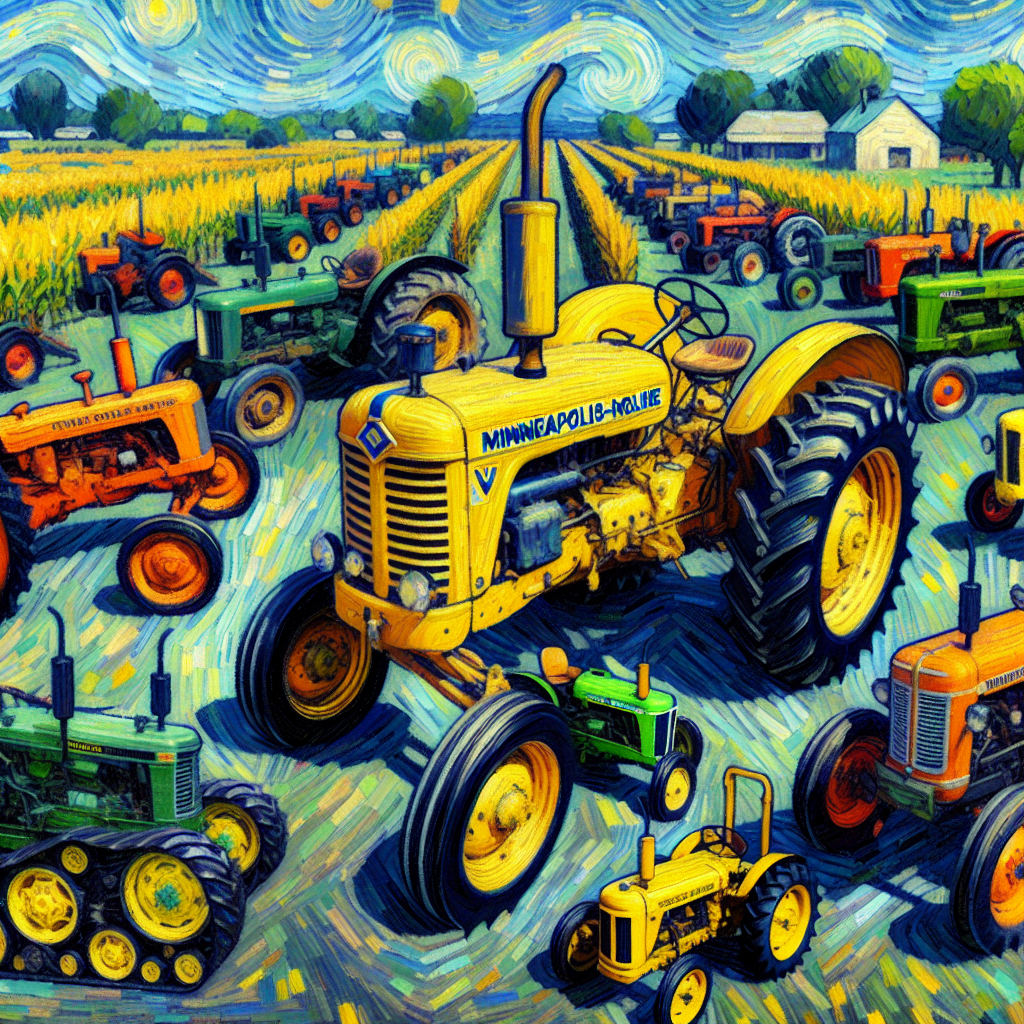
Glossary Of Terms
Other Questions
Is Simplicity In Farming Just a Classic Tractor Away – Other Questions
If you wish to explore and discover more, consider looking for answers to these questions:
- What are the benefits of using classic tractors compared to modern ones?
- How can farmers maintain and repair classic tractors?
- What impact do classic tractors have on modern farming practices?
- What are some examples of classic tractor models and their historical significance?
- How can I nurture emotional connections with my farming equipment?
- What sustainable farming practices are associated with using classic tractors?
- How do classic tractors foster community among farmers?
- What are the economic advantages of using vintage farming equipment?
- How do farmers today balance tradition and innovation in their practices?
- What role does nostalgia play in modern agricultural decision-making?
- How can farming practices be improved by learning from the past?
- What challenges do modern farmers face that classic tractors can help with?
- How important is it to preserve farming traditions in today’s world?
- What stories can be shared about classic tractors within farming communities?
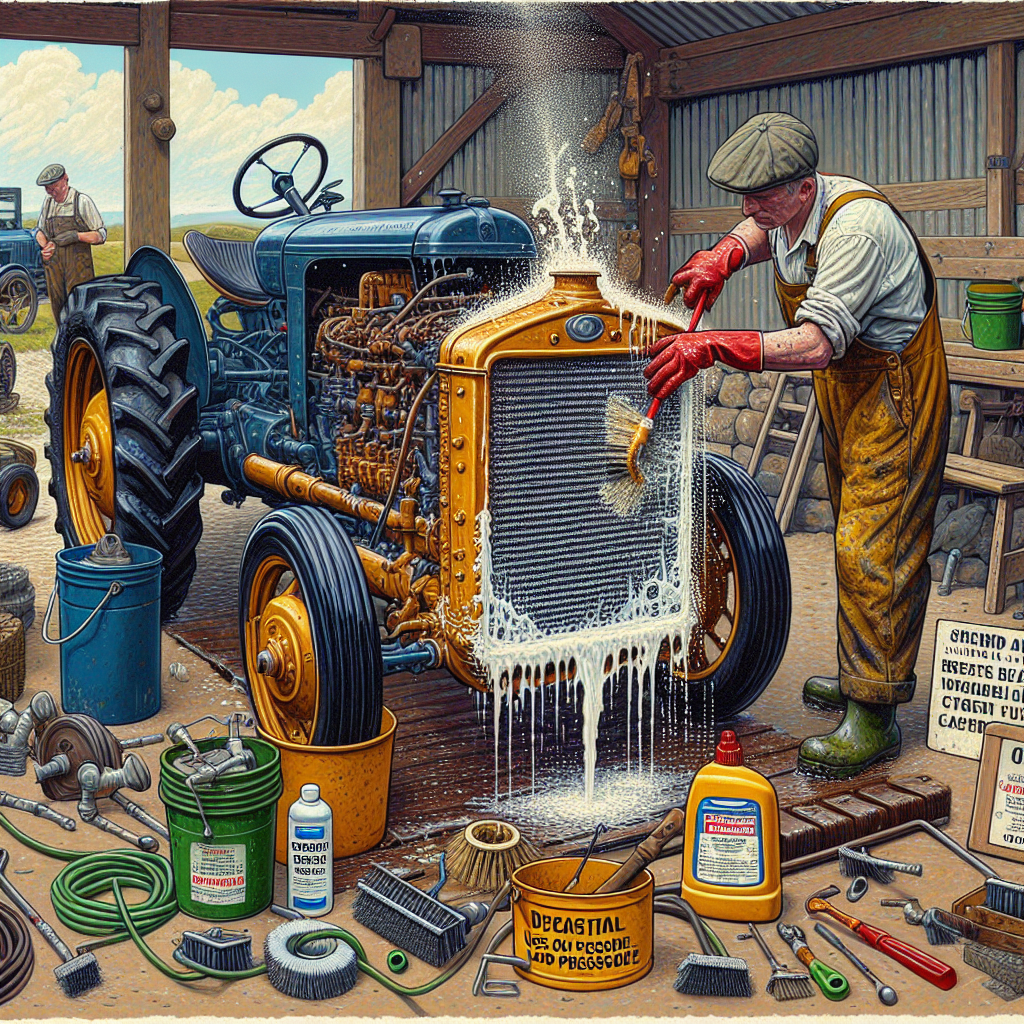
Other Questions
Haiku
Is Simplicity In Farming Just a Classic Tractor Away – A Haiku
Old tractor rumbles,
Stories of soil and heart thrive,
Roots of past guide dreams.
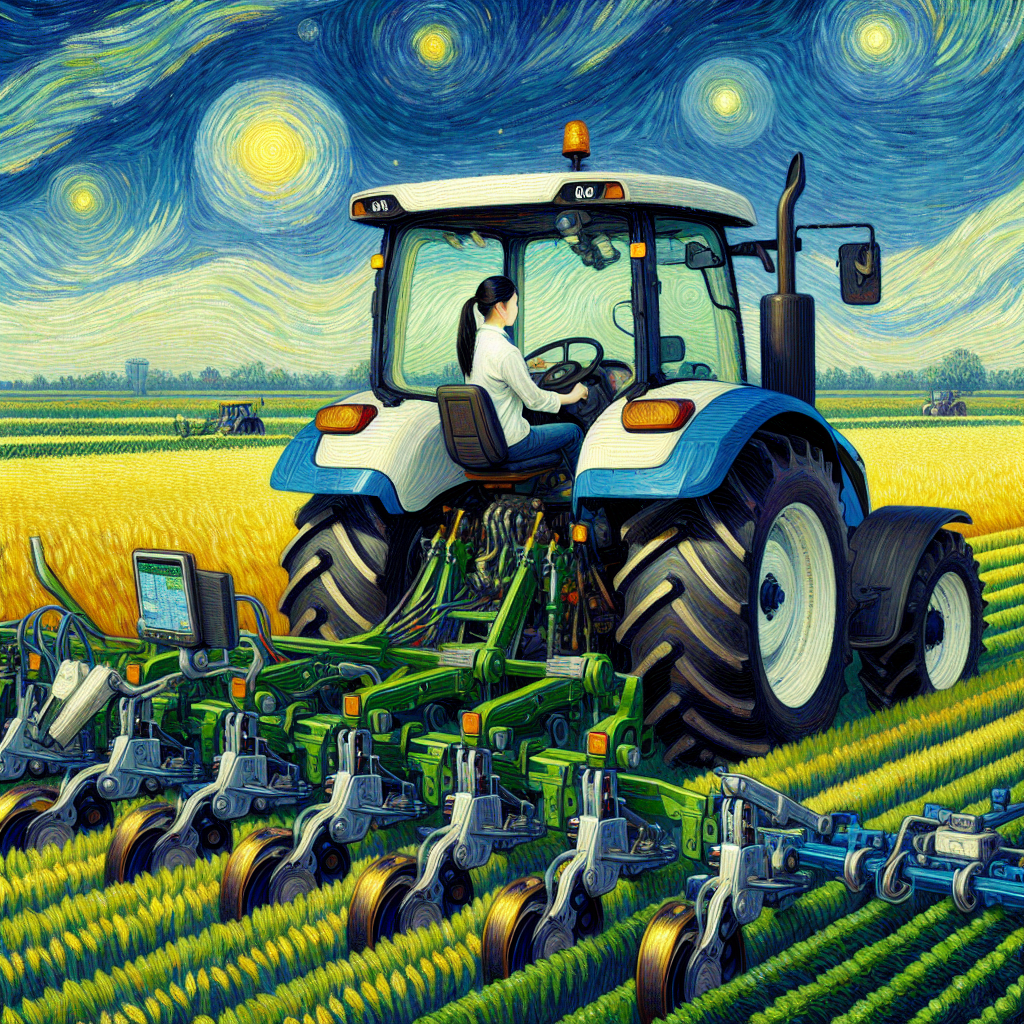
Haiku
Poem
Is Simplicity In Farming Just a Classic Tractor Away – A Poem
The Heart of Farming: A Poem Inspired by Tradition
In fields where golden sunbeams play,
A classic tractor stands, proud and gray,
Whispers of generations in its rusted frame,
Whispers of hardships, of labor, of name.
This iron beast, more than just steel,
Holds the heartbeat of a farm, a farmer’s zeal.
Every dent a story of toil and grace,
Every scratch a memory in this sacred space.
Oh, the new machines—shiny with might,
Promise efficiency, yet dim the light,
Of the bonds that were forged, of the tales we hold dear,
In the laughter of families, in the sweat and the cheer.
Rational minds find comfort in fate,
In simpler tools with a past, innate,
For hands that can mend what the heart understands
Cultivate more than soil— they nurture the lands.
Ethics shine brighter when we tend with care,
A commitment to earth, a promise to share,
In every furrow, a legacy’s trace,
Each decision connects us to place, to grace.
As modernity rushes, let’s slow down to see,
What the old ways offer, what makes us free.
Not just the harvest, but the friendships we weave,
The stories that thrive, the roots that believe.
Nostalgia enfolds like a warm summer breeze,
Guiding our choices with lessons that please,
For in every plow, in the dirt that we sow,
Lies the love of the land, and the wisdom it bestows.
So when you mount that tractor, embrace all that’s true,
Feel the pulse of the past in the work that you do.
In simplicity lies richness, in toil there’s delight,
Together, let’s dig deep, turn the darkness to light.
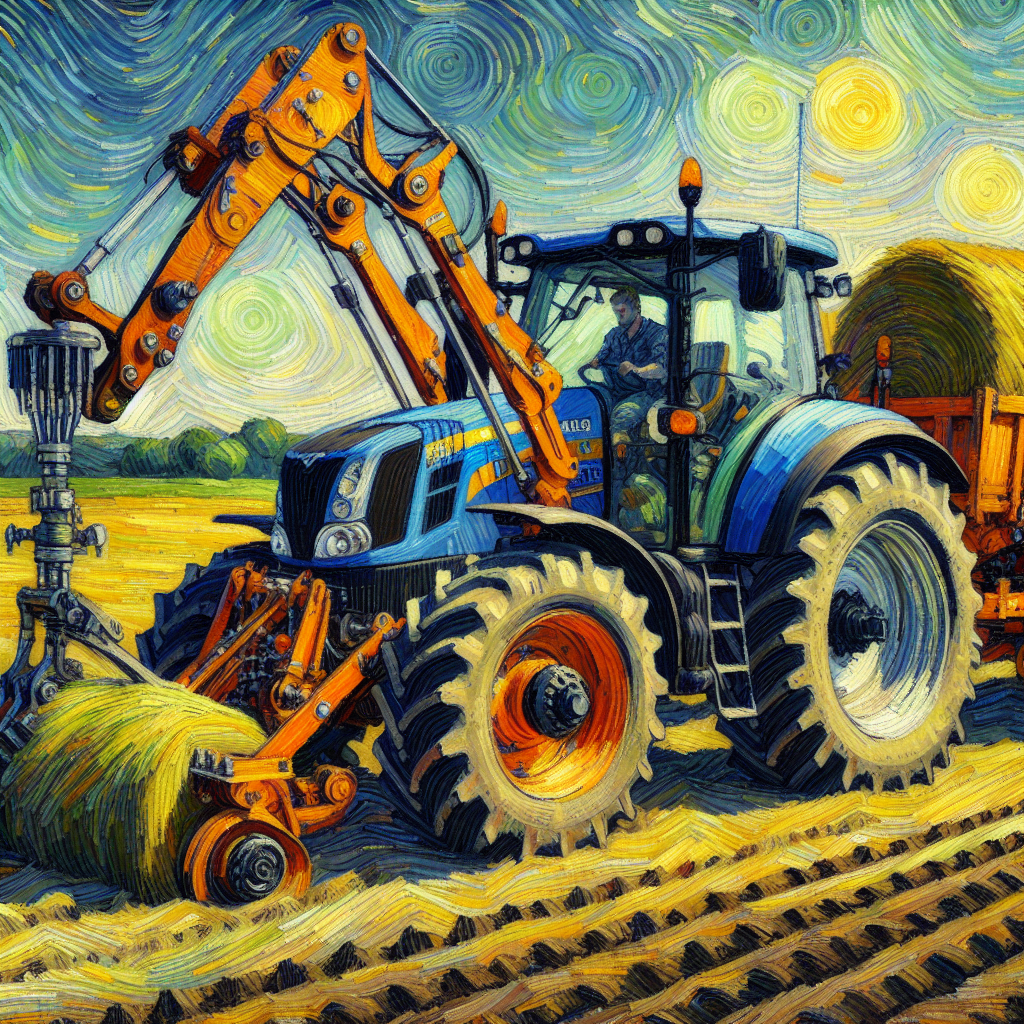
Poem
Checklist
Is Simplicity In Farming Just a Classic Tractor Away – A Checklist
Checklist for Embracing Simplicity in Farming with Classic Tractors
Heart: Emotional Appeals
1. Reflect on Memories: Take a moment to think about the stories and experiences associated with your tractor and farming tools. Write down a few key memories that resonate with you.
2. Nurture Your Connection to the Land: Spend time in your fields without any distractions. Reflect on your relationship with the soil, plants, and animals.
3. Build Community Bonds: Organize a gathering with fellow farmers or neighbors. Share stories and experiences about your connection to farming and classic tractors.
Head: Rational Appeals
4. Assess Practical Benefits: Evaluate the efficiency of your current equipment. Could a classic tractor simplify your tasks and reduce downtime? List the advantages of simpler machinery.
5. DIY Maintenance Check: Make a list of essential repairs for your tractor that you can handle yourself, reducing reliance on technicians.
6. Calculate Sustainability Savings: Estimate the environmental benefits, including fuel consumption and potential cost savings, by using a classic tractor over modern alternatives.
Gut: Instinctive Appeals
7. Visualize Your Agricultural Legacy: Picture your farm in the future. How do your choices today influence your legacy for the next generation? Write down your thoughts.
8. Engage with Sensory Experiences: Spend a day working with your classic tractor. Pay attention to the sounds, smells, and sensations—what feelings arise?
9. Consider Ethics of Modern Practices: Reflect on your farming practices and how they impact the land and community. Write down ways you can adopt more sustainable, responsible methods using classic equipment.
Narrative: Storytelling Appeals
10. Document Your Farming Journey: Start a journal or blog about your experiences with farming, reflecting on the influence of traditional methods and equipment. Share your journey with others.
11. Create a Legacy Project: Develop a community project that promotes the history of local farming practices—could be a mural, a historical display, or organized farm tours.
Authority: Credibility Appeals
12. Research Expert Opinions: Read articles or listen to podcasts featuring renowned farmers who advocate for traditional farming practices. List their insights that resonate with you.
13. Join a Local Farming Group: Connect with local farmer organizations focused on heritage practices, seeking mentorship and sharing resources with experienced farmers.
Social: Community Appeals
14. Host a Farming Workshop: Organize an event to teach others about the benefits of classic tractors and traditional farming techniques.
15. Support Local: Choose to buy and support products from local farms or cooperatives, emphasizing the community ties and shared responsibility for the land.
By using this checklist, you can deepen your connection with the essence of farming while promoting a sense of community, sustainability, and respect for the land. Keep it handy and revisit it as you journey through your agricultural endeavors!
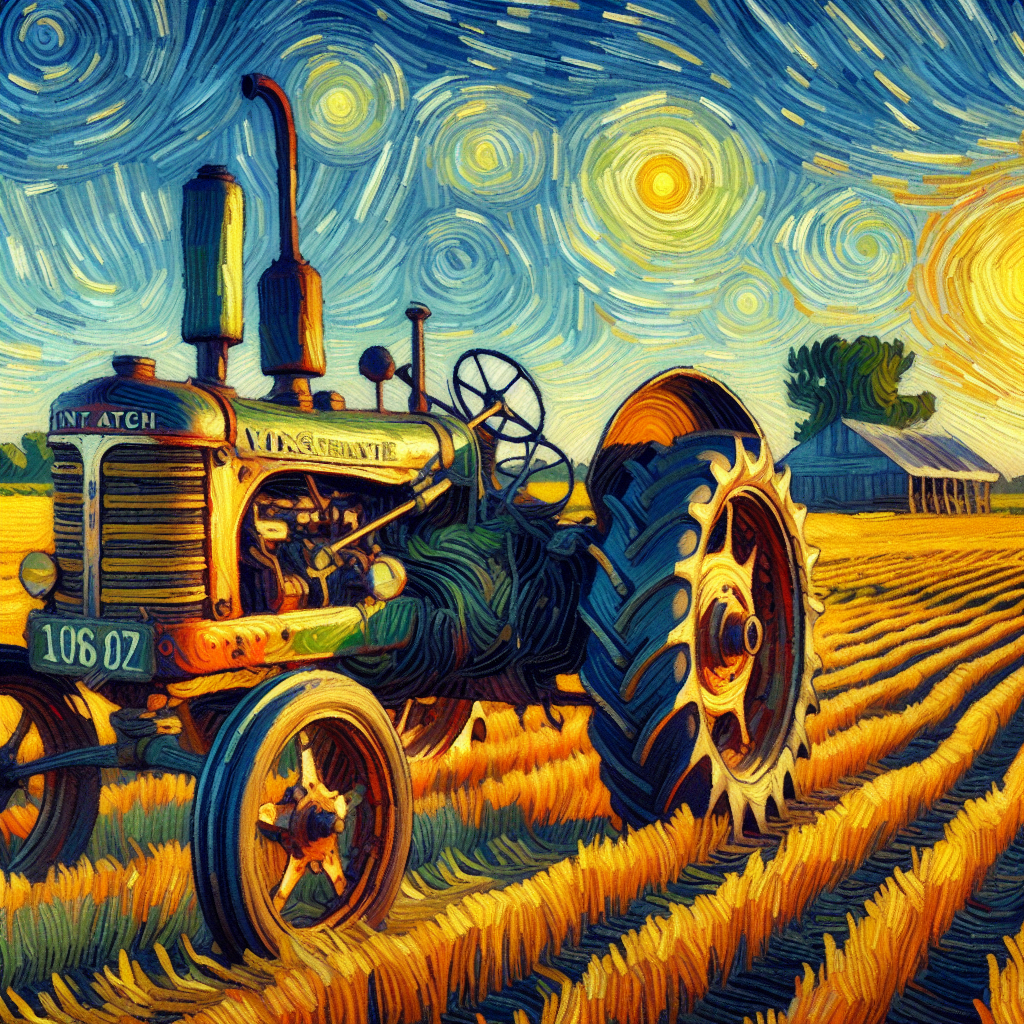
Checklist
At ClassicTractorNews, we help tractor lovers keep up with the latest news for classic and vintage tractors.
Please share this post with your friends, family, or business associates who may like old classic or vintage tractors.