

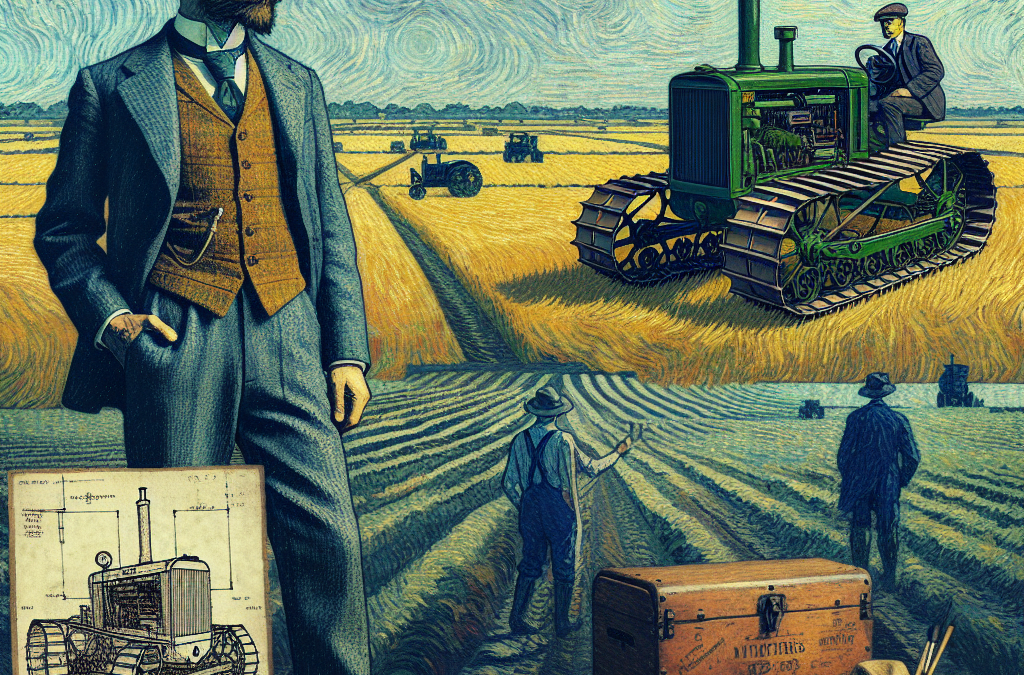
Rediscovering The Beauty Of Simple Farming Connections
By Tom Seest
At ClassicTractorNews, we help tractor lovers keep up with the latest news for classic and vintage tractors.
Please share this post with your friends, family, or business associates who may like old classic or vintage tractors.
Is Simplicity Becoming The New Trend In Farming Relationships
?
In a world that seems to thrive on complexity, where technology often dictates our pace and pulls us in a thousand directions, the call for simplicity resonates like the rich rumble of a well-tuned tractor rolling across the field. For many farmers, this isn’t just a fleeting notion; it’s a profound shift in how we approach our relationships—whether with the land, our communities, or the farming professionals we rely on.
Imagine standing in the wide open fields, the sun casting golden rays while cows softly moo in the distance. This simplicity feels like a balm, an antidote to the frenetic world outside our fences. It reminds us that, at the end of the day, farming is not just a series of tasks to be checked off; it’s a deeply personal journey nurtured by relationships. The bond between farmer and land, for instance, is woven with trust—trust that the soil will yield its bounty when given love and respect.
Thus, as we strive to redefine these relationships, we also embrace honest conversations. A simple “how can I help?” echoing from neighbor to neighbor can be more powerful than a dozen complicated contracts. Chemical inputs, machinery upgrades—such as that trusty tractor that has seen better days—may all come with dazzling technology, but nothing beats the power of hands shaking and promises kept. In a way, it puts the heart back into farming, reminding us that we are all part of this same ecosystem.
Rationally, we know that relationships built on transparency and understanding are more likely to succeed. Farmers who foster these connections, engaging openly with suppliers and customers alike, often find themselves navigating challenges not with fear, but with a collaborative spirit. It’s about cultivating community—not just crops.
Ethically, we recognize our responsibility to uphold these relationships for the next generation. By choosing to simplify and nurture, we create a sustainable model. Moreover, sharing our stories can inspire trust in younger farmers, who may see in our simplicity a path forward that’s less about ‘keeping up’ and more about ‘staying true.’
The trend towards simplicity isn’t merely an aesthetic choice. It’s a declaration: That as we keep tending our land and communities, we can prioritize authenticity over advancement, forming relationships rooted in cooperation and mutual respect. Let’s steer ourselves back to basics. Reach out to that neighbor; cultivate the narrative of community. After all, farming is an age-old partnership—let’s nurture it with the heart and soul it deserves.
Is Simplicity Becoming The New Trend In Farming Relationships
Is Simplicity Becoming The New Trend In Farming Relationships
- Complexity in technology challenges farmers, prompting a need for simplicity.
- Farming is a personal journey deeply tied to relationships with land and community.
- The bond between farmers and their land relies on trust and mutual respect.
- Honest conversations, like “how can I help?”, are more impactful than formal contracts.
- Transparency and understanding in relationships lead to successful collaborations.
- Choosing simplicity nurtures sustainable practices for future generations.
- The trend towards simplicity emphasizes authenticity and cooperation in farming.
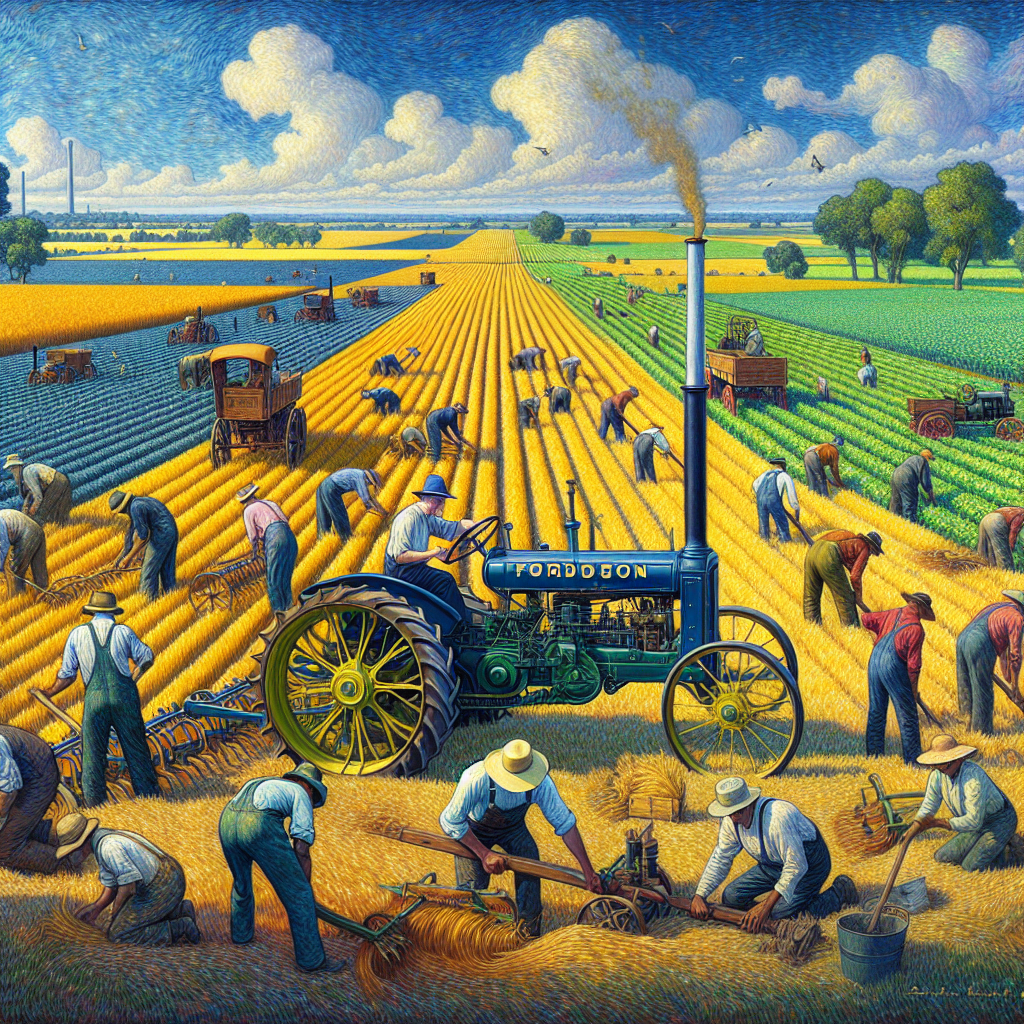
Is Simplicity Becoming The New Trend In Farming Relationships
Table Of Contents
- Is Simplicity Becoming The New Trend In Farming Relationships
- Is There Evidence That Simplicity Leads To Increased Farming’success?
- What Ethical Dilemmas Arise When Complexity Rules Agricultural Ties?
- How Can Trusted Mentors Guide Us Toward Simplicity In Farming?
- What Personal Stories Highlight The Need For Simplicity In Farming?
- Are There Hidden Costs Associated With Complex Farming Partnerships?
- How Does Simplicity In Farming Enhance Our Social Bonds And Ties?
- Conclusion
- Other Resources
- Glossary Of Terms
- Other Questions
- Haiku
- Poem
- Checklist
Is There Evidence That Simplicity Leads To Increased Farming’success?
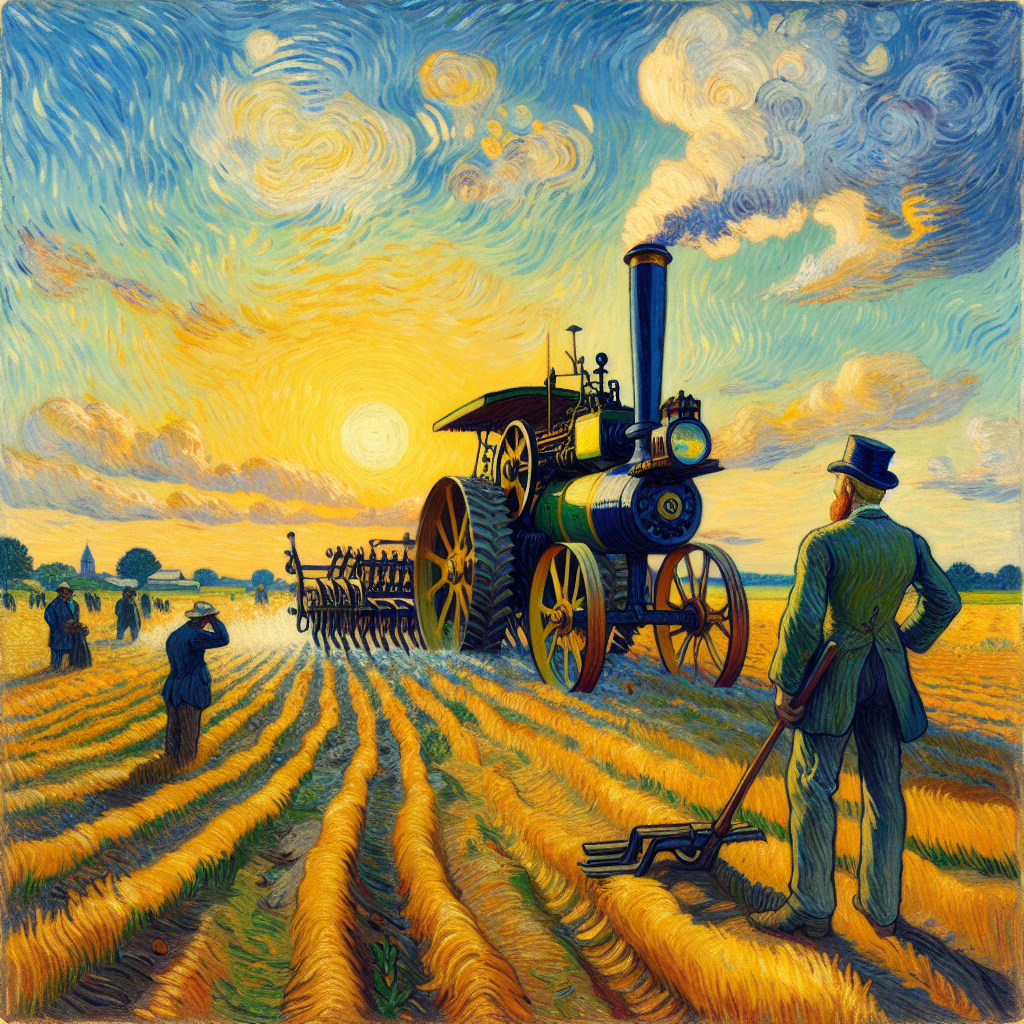
Imagine standing in a wide-open field, the sun rising over the horizon, casting a golden glow on the rich, brown soil beneath your boots. In that moment, you can almost hear the gentle hum of a tractor working the land, an orchestra of nature harmonizing with the mechanical rhythm of farming life. For generations, farmers have honed a craft that demands both skill and intuition, yet often, the most successful among them simplify rather than complicate.
Now, let’s break this down, shall we? At first glance, it may seem counterintuitive. After all, in an age bursting with specialized technology and innovative practices, why lean toward simplicity? The truth is, by embracing uncomplicated methods—like crop rotation, diversified planting, or organic practices—farmers reduce risk and increase resilience. This isn’t just theoretical; empirical studies from agricultural institutions consistently show that straightforward practices lead to increased yields and better soil health. It’s a lesson passed down through generations, forged in the sweat and toil of long days under the sun, reminding us that sometimes less truly is more.
But it’s not just about efficiency or higher yields; there’s an ethical underpinning to simplicity too. Think about it: when a farmer chooses to work with nature rather than against it, they’re making a conscious decision to safeguard the land for future generations. The impact of these choices reverberates through our community and well beyond. When we support farmers who prioritize sustainability, we uplift entire ecosystems, nurture local economies, and promote a collective future built on trust and resilience.
Let me tell you a story. A local farmer, Greg, decided to trade in his sleek, high-tech machinery and heavy fertilizers for a simpler, organic approach. Skeptics doubted his decision—after all, how could he compete in a world driving toward more complex methods? But over time, Greg discovered that his crops thrived. His soil became richer, his crop diversity flourished, and the community rallied around him, eager to support local produce that had a story worth sharing.
The narrative is clear; simplicity is not just an approach—it’s a philosophy. And as others follow Greg’s lead, the message is undeniable: by returning to basics, we create a thriving ecosystem of support and sustainability. So next time you hear the engine of a tractor in the distance, remember that success in farming doesn’t always require complexity. Sometimes, it simply asks for a little clarity, a nod to time-tested wisdom, and a willingness to trust in the bounty of the land.
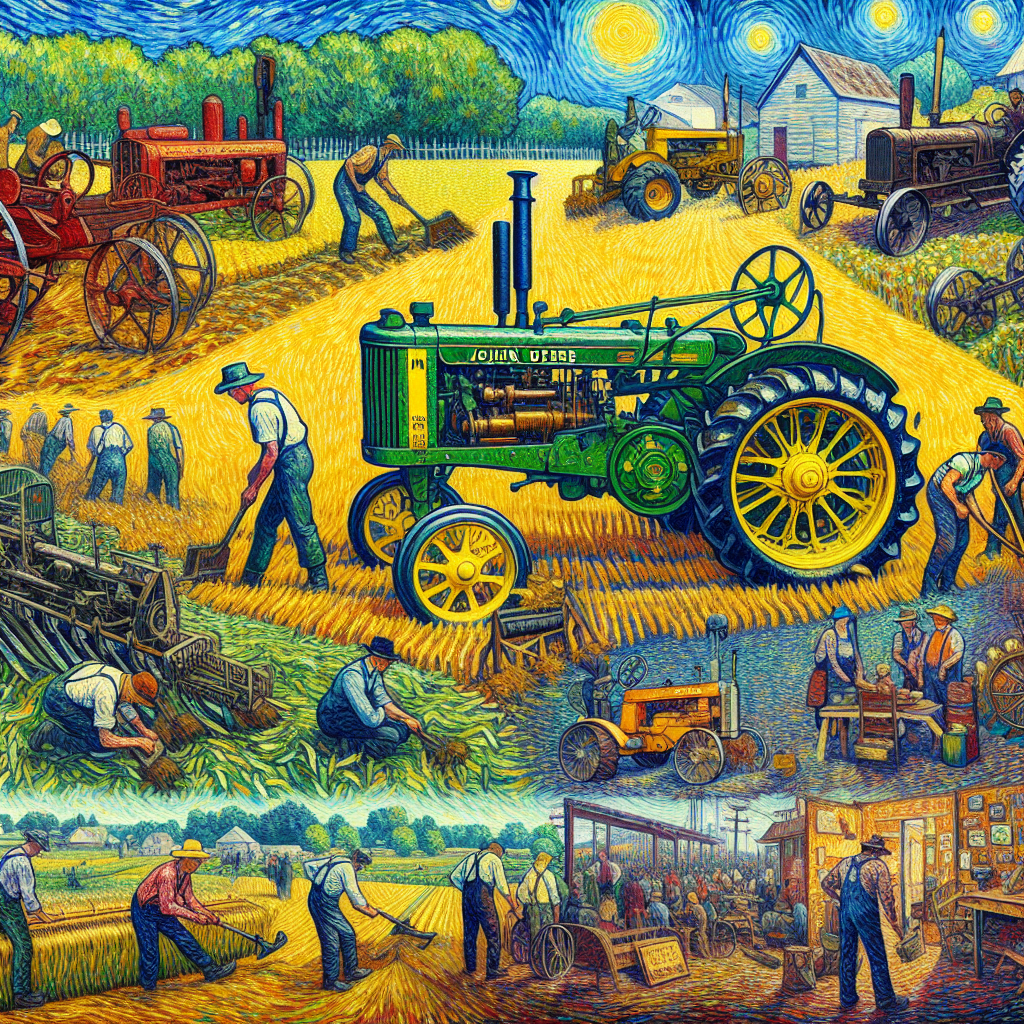
Is There Evidence That Simplicity Leads To Increased Farming’success?
Is There Evidence That Simplicity Leads To Increased Farming’success?
- The setting evokes a serene farming landscape at sunrise, highlighting the harmony between nature and farming.
- Farmers thrive by prioritizing simplicity in their methods, despite advancements in technology.
- Simple practices like crop rotation and organic methods enhance resilience and reduce risk.
- Research supports that straightforward approaches lead to better yields and improved soil health.
- Choosing simplicity in farming also promotes ethical stewardship of the land for future generations.
- Local farmer Greg exemplifies the success of organic farming, demonstrating the benefits of community support and thriving ecosystems.
- Simplicity in farming is not just practical; it embodies a philosophy that fosters sustainability and trust.
Is There Evidence That Simplicity Leads To Increased Farming’success?
What Ethical Dilemmas Arise When Complexity Rules Agricultural Ties?
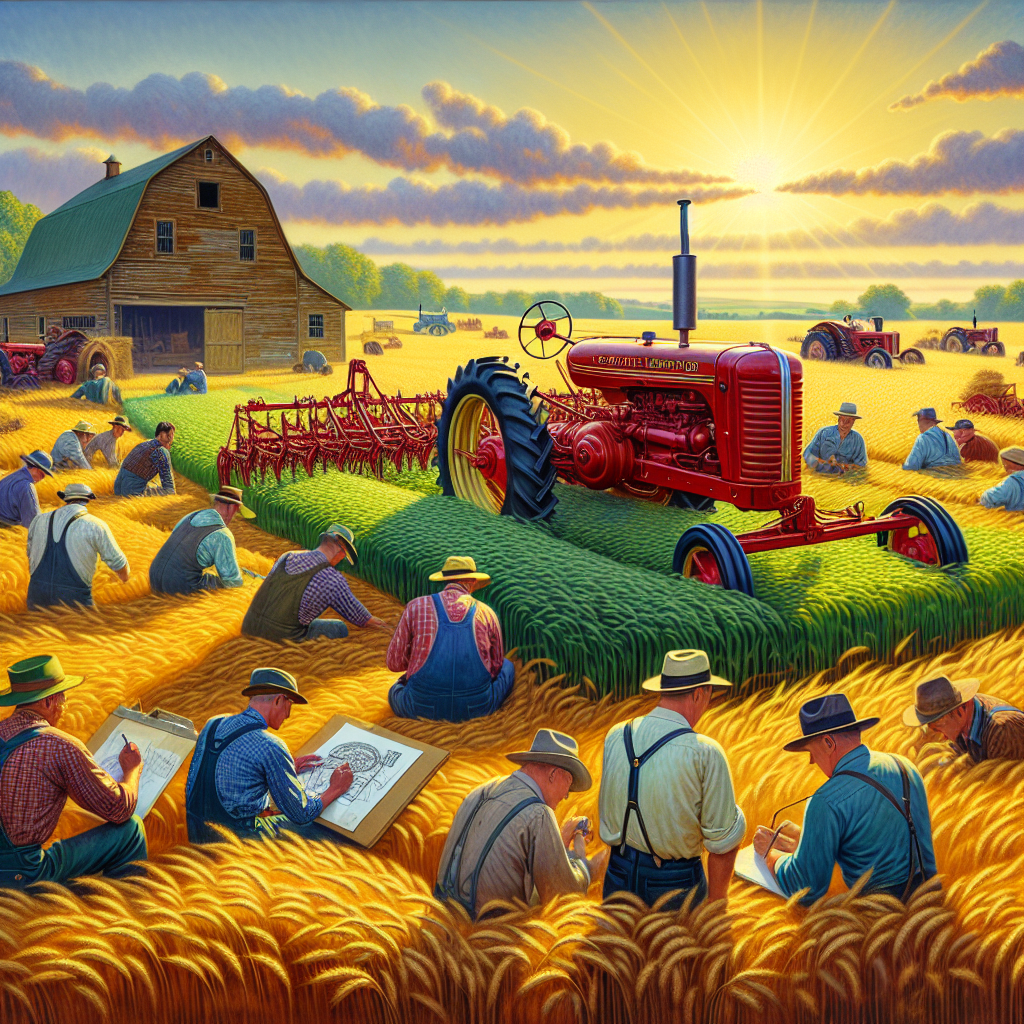
In the world of agriculture—where the hum of a tractor and the scent of freshly turned soil evoke a deep-seated kinship with the land—things aren’t as straightforward as they seem. Take a moment to consider a farmer who has spent generations tending to the same plot of earth. This isn’t just land; it’s a legacy, a promise passed down through the years. Yet, with the rising complexity of agricultural ties, ethical dilemmas challenge that very relationship.
Picture a young farmer, fresh out of college, hopping onto a state-of-the-art tractor, equipped with technology that offers a lens into big data. It’s a marvel! But with every number and trend displayed before him comes an unsettling realization: more data means more decisions—and not all are black and white. Should he lean into monoculture farming because it promises immediate profits, sacrificing crop diversity and the ecological balance of his cherished land? It’s a dilemma that stabs at the heart, forcing him to weigh financial stability against long-term sustainability.
Then there’s the emotional pull of local farming communities. Trust has traditionally been the currency of this world. Neighbors shared seeds, ideas, and sometimes, a shoulder to lean on. But in an age where mega-corporations dictate terms, a farmer finds that loyalty now costs more than camaraderie; it’s a tightrope walk between benefitting from larger networks and remaining true to the values that built those connections.
Rationally, one might argue that progress is necessary, and modernization is the future. But what does “progress” mean if it erodes the very fabric of relationships that bind us? When ethics get tangled in the complexities of agriculture, hard questions arise: Should one prioritize profit over preservation? Who speaks for the land when the voices of multinational corporations drown out the local ones?
As communities grapple with these questions, the gut reaction is often to resist change. Yet, the heart knows that action must be taken. Every choice a farmer makes—be it on the field or at the negotiating table—ripples outward, shaping not just their own world, but that of their neighbors too. It’s about fostering a connection that respects heritage while courageously facing the future.
When complexity calls the shots in agriculture, let’s navigate these ethical dilemmas together, remembering that where we plant our roots today will dictate the harvest of tomorrow. The power to make meaningful choices resides in us all; it’s time to till that soil wisely.
What Ethical Dilemmas Arise When Complexity Rules Agricultural Ties?
What Ethical Dilemmas Arise When Complexity Rules Agricultural Ties?
- Agriculture embodies a deep kinship with the land that is rooted in legacy and tradition.
- Young farmers face dilemmas as technological advancements, like big data, complicate decision-making.
- Monoculture farming presents a conflict between immediate profits and long-term ecological sustainability.
- Trust and camaraderie within local farming communities are challenged by the influence of mega-corporations.
- The concept of “progress” raises ethical questions about prioritizing profit versus preservation.
- Every choice made by farmers has wide-reaching implications for their communities and the environment.
- Confronting these complexities requires a balance between honoring tradition and embracing necessary change.

What Ethical Dilemmas Arise When Complexity Rules Agricultural Ties?
How Can Trusted Mentors Guide Us Toward Simplicity In Farming?
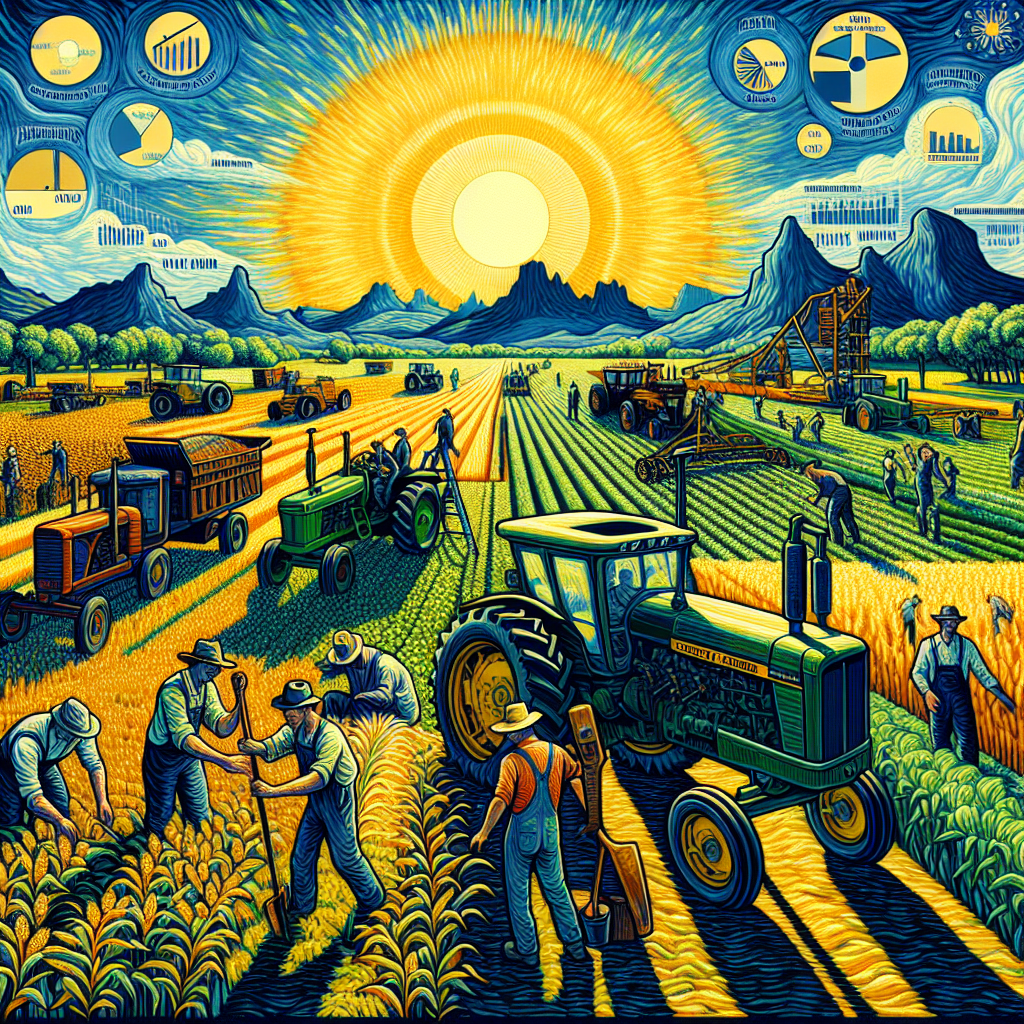
When you think of farming, the image of a farmer cruising through the fields on a trusty tractor often comes to mind. There’s something profoundly reassuring about that sight—the rhythmic hum of the engine, the gentle sway of the land beneath the wheels. It’s a scene steeped in tradition, showing us that progress doesn’t always mean complexity. In an age where the layers of agriculture grow thicker by the day, a trusted mentor can shine a light on the path toward simplicity, reminding us that sometimes less really is more.
Picture a local farmer who’s been in the game for decades, hands calloused and sun-weathered. They’ve seen it all—the good, the bad, and the ugly. Over the years, they’ve learned valuable lessons, not just about crops and livestock, but about the very essence of farming itself. They have navigated the tangled web of regulations and technologies, often discovering that the most fulfilling approach is often the simplest one.
Mentors provide a bridge between generations, turning complex farming challenges into bite-sized, actionable strategies. They articulate wisdom drawn from hard-earned experience, enabling the next generation to avoid pitfalls. It’s about more than just sharing knowledge; it’s about building trust. A seasoned farmer can instill confidence in a novice, assuring them that success isn’t linked to the size of the tractor or the latest gadget, but to observation, patience, and a deep-rooted respect for the land.
Consider the ethical responsibilities we bear toward each other and the environment. Simplicity often means making mindful choices—whether it’s rotating crops to preserve soil health, minimizing chemical use, or investing in local communities. These lessons voiced by mentors contribute to a narrative that fosters sustainable farming. They help us understand that by simplifying our methods, we can enrich our practices, nurture the land, and build resilient communities.
Mentors also create a social network of support. As new farmers gather at community events, whether around the tractor-pulling contests or harvest festivals, their shared experiences foster connections that last a lifetime. These bonds remind us that we’re not alone on this journey; together, we can cultivate a sustainable future.
So, next time you’re seated on your tractor, feel the guidance of those who came before you. Embrace their lessons of simplicity. They’re not just steering us toward better farming—they’re guiding us toward a more meaningful existence in harmony with the land.
How Can Trusted Mentors Guide Us Toward Simplicity In Farming?
How Can Trusted Mentors Guide Us Toward Simplicity In Farming?
- Farming evokes traditional imagery, symbolized by farmers on tractors, highlighting the comforting rhythm of agricultural life.
- Experienced local farmers provide valuable lessons and insights into the essence of farming, emphasizing simplicity amid growing complexity.
- Mentors bridge generations, transforming complex farming challenges into straightforward, actionable strategies.
- They share wisdom from experience, helping novices avoid pitfalls and fostering trust in the farming community.
- Simplicity in farming promotes ethical choices, such as crop rotation and minimal chemical use, fostering sustainability.
- Mentors promote a supportive social network, allowing new farmers to connect and share experiences at community events.
- Embracing mentors’ lessons can guide farmers towards a more meaningful existence in harmony with the land.
How Can Trusted Mentors Guide Us Toward Simplicity In Farming?
What Personal Stories Highlight The Need For Simplicity In Farming?
Imagine a crisp Saturday morning on a family farm, sunlight spilling over freshly plowed fields, and the faint sound of a tractor humming in the distance. This isn’t just a scene from a postcard; it’s the heartbeat of an entire way of life. But beneath that picturesque facade lies a complicated web of challenges that many farmers face.
Take Mike, a third-generation farmer in Iowa, who found himself overwhelmed by technology’s relentless march. He loved working the land but felt his connection slipping away as wires and screens took center stage. Every day brought new software, new applications, new “smart” solutions that promised to make farming easier but left him feeling like he needed a degree in computer science. Each glitch in an app wasn’t just a nuisance; it was a reminder that he was at the mercy of systems he didn’t understand.
In a moment of clarity, sitting atop his trusty tractor, he recalled his grandfather’s simple yet effective methods. The real magic of farming, Mike realized, was never in high-tech gadgets or complex algorithms. It was about soil, seeds, and sunshine. With that revelation, he took decisive action. Rather than chasing the latest agricultural trend, he simplified his practices—returning to crop rotation and local resources—and found success in simplicity. His harvest wasn’t just bountiful; it was fulfilling.
This story resonates deeply with farmers everywhere. It’s not just about making a living; it’s about leaving a legacy—one that honors the land and the people who work it. When we strip away the noise and distractions, we return to what truly matters: meaningful work and genuine connections.
Mike’s experience speaks volumes about the broader landscape of farming. As pressures mount and complexities grow, the call for simplicity becomes louder. It’s a call that farmers can respond to with intention, reclaiming their time and joy. In an age where technology often feels like the enemy, it’s time to remember that sometimes less truly is more.
For every farmer fighting against the tide of complexity, know that your story matters. Each decision to simplify builds a foundation for a stronger future—not just for your farm, but for the entire agricultural community. Embrace your roots, trust your instincts, and let simplicity guide your journey back to the heart of farming.
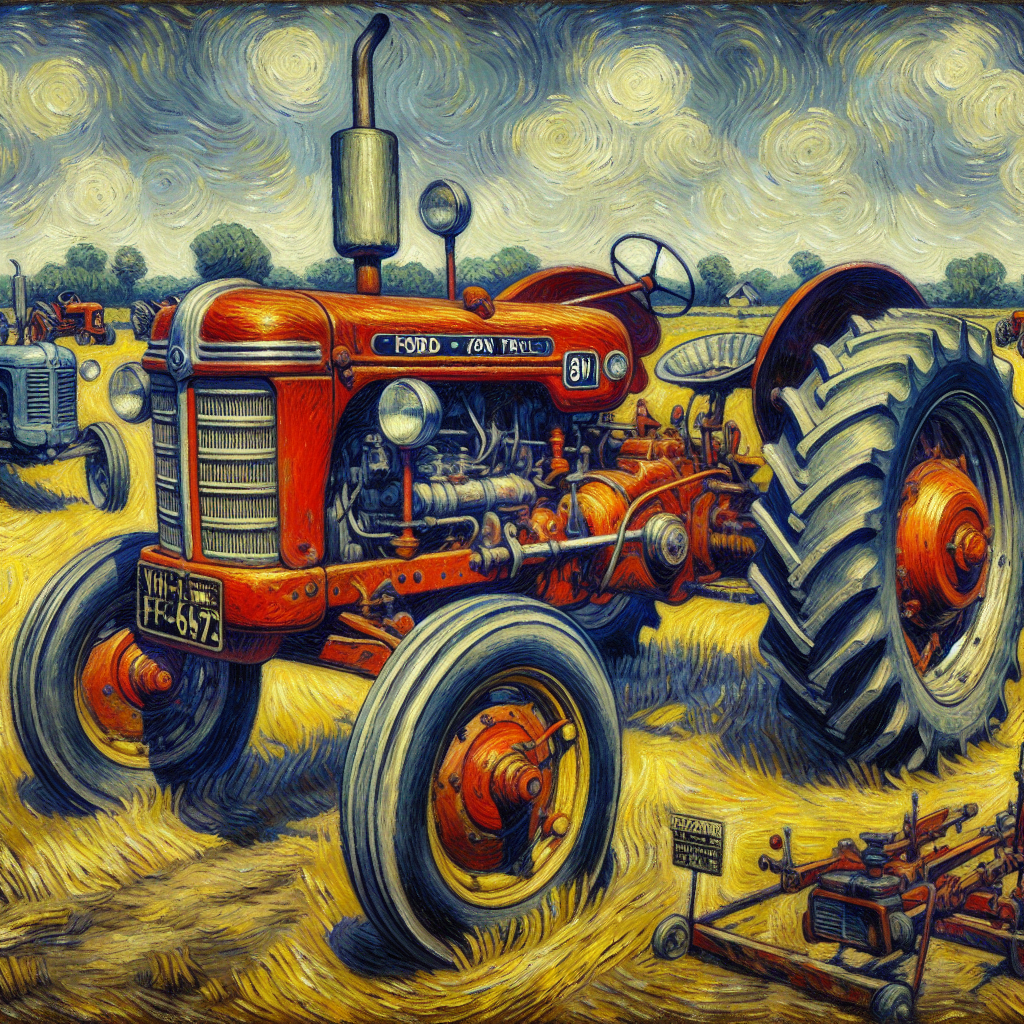
What Personal Stories Highlight The Need For Simplicity In Farming?
What Personal Stories Highlight The Need For Simplicity In Farming?
- A picturesque family farm setting hides complex challenges facing farmers.
- Mike, a third-generation farmer in Iowa, struggles with overwhelming technology.
- He feels disconnected as high-tech solutions replace traditional farming practices.
- Amidst the chaos, Mike recalls his grandfather’s simple and effective farming methods.
- Mike decides to simplify his practices by returning to crop rotation and local resources.
- His fulfilling and bountiful harvest proves the value of simplicity in farming.
- The story emphasizes that meaningful work and connections matter more than technology’s complexities.
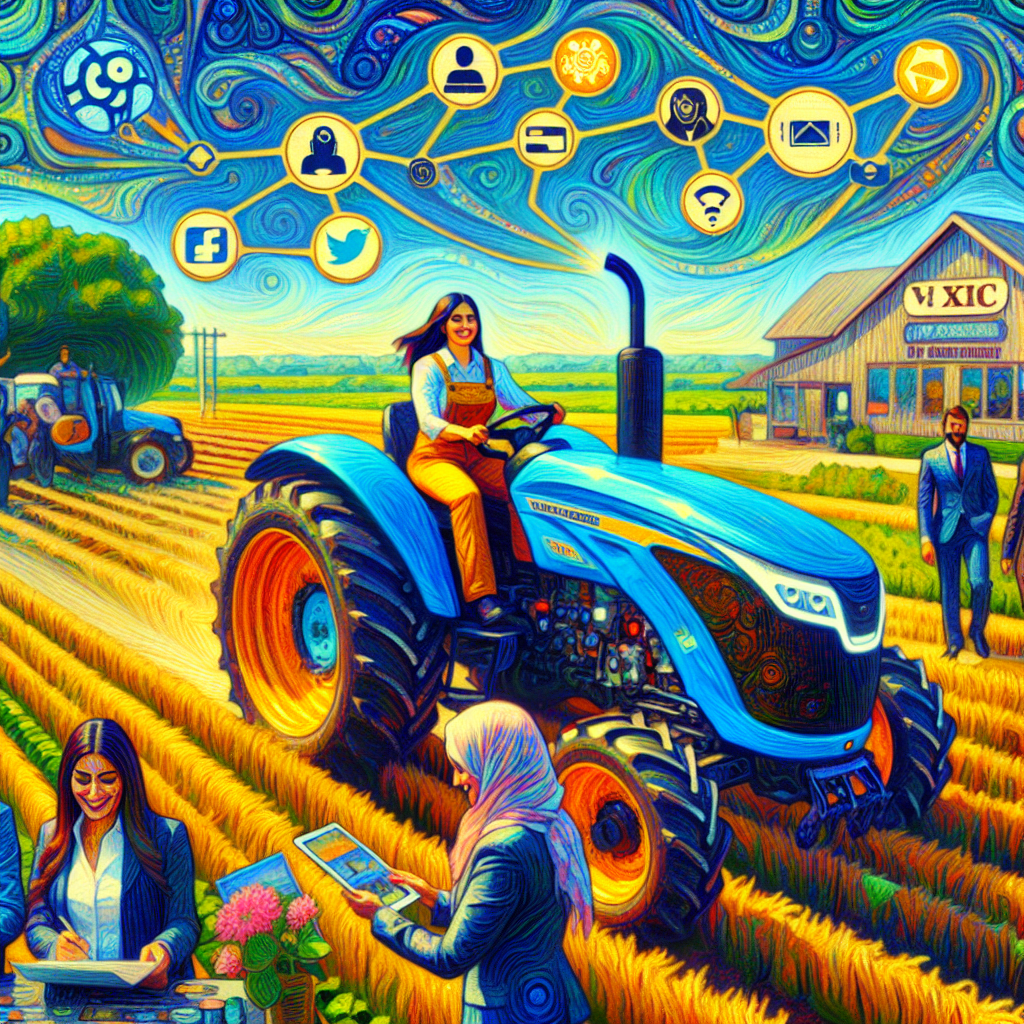
What Personal Stories Highlight The Need For Simplicity In Farming?
Are There Hidden Costs Associated With Complex Farming Partnerships?
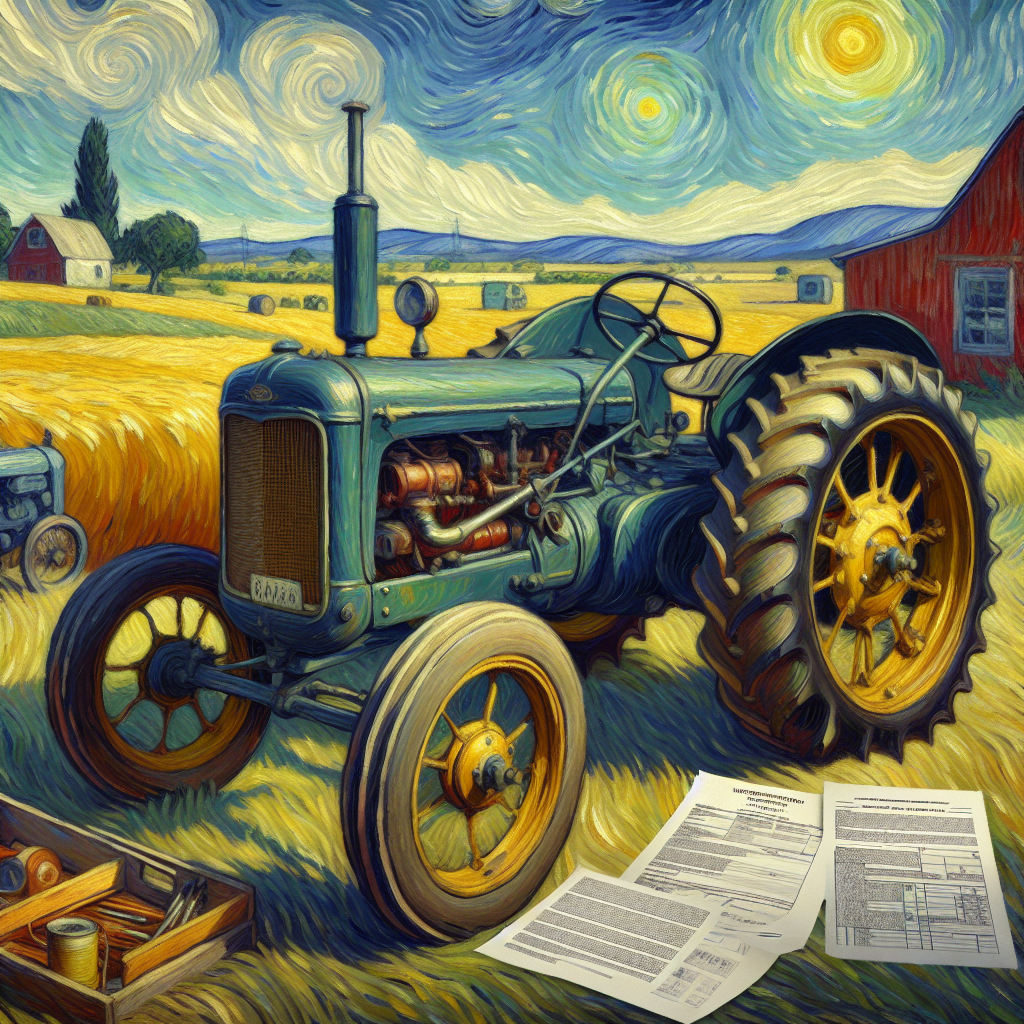
When you think of farming partnerships, what usually comes to mind? Big tractors plowing expansive fields, combining heavy machinery with rich soil to harvest the fruits of labor. It’s the image of camaraderie—neighbors pooling resources, sharing risks, and reaping rewards. But scratch beneath that surface, and you might just uncover a tangled web of hidden costs that could threaten everything you’ve worked for.
Sure, partnerships can amplify productivity, fostering innovation and collective resilience. Yet, what happens when those collaborative bonds are strained by unanticipated financial pressures? A broken tractor that can’t be repaired on a whim, for instance, can turn your season of promise into a daunting uphill battle. Each day that spent wrestling with a malfunctioning engine or negotiating a partnership agreement takes a toll, both emotionally and financially. You’re not just losing time; you’re undermining trust.
Let’s tackle the hard facts: unanticipated expenses are lurking like weeds in your pristine fields. Legal fees, maintenance costs, and the potential for disappointment when expectations clash. The fine print in any agreement may not scream at you, but it can quietly crumble the closest alliances. It’s essential to take stock and ask the tough questions upfront. Who owns what? Who’s responsible for repairs? And what happens when the harvest doesn’t meet projections?
In the heart of it, these aren’t merely financial transactions; they’re promises made between individuals who trusted one another. When those promises are unspoken and the details unexamined, the seeds of distrust start to sprout. You want to believe all the parties involved are on the same page—cheering each other on like teammates in the big game—but are they?
Navigating this complex landscape requires not only vigilance but ethical grounding. You owe it to yourself and your partnerships to advocate for transparency. A trusted advisor, a local ag extension officer, can serve as a guiding hand. Their wisdom can help you sketch out clear contracts and discuss the denser issues looming on the horizon.
So, before you hop on that vibrant green tractor and venture into new partnerships, consider what’s truly underneath. Be proactive. Establish clear lines of communication, understand what you’re getting into, and safeguard your emotional, relational, and financial investments. It’s not just about the harvest; it’s about cultivating relationships that can withstand the storm.
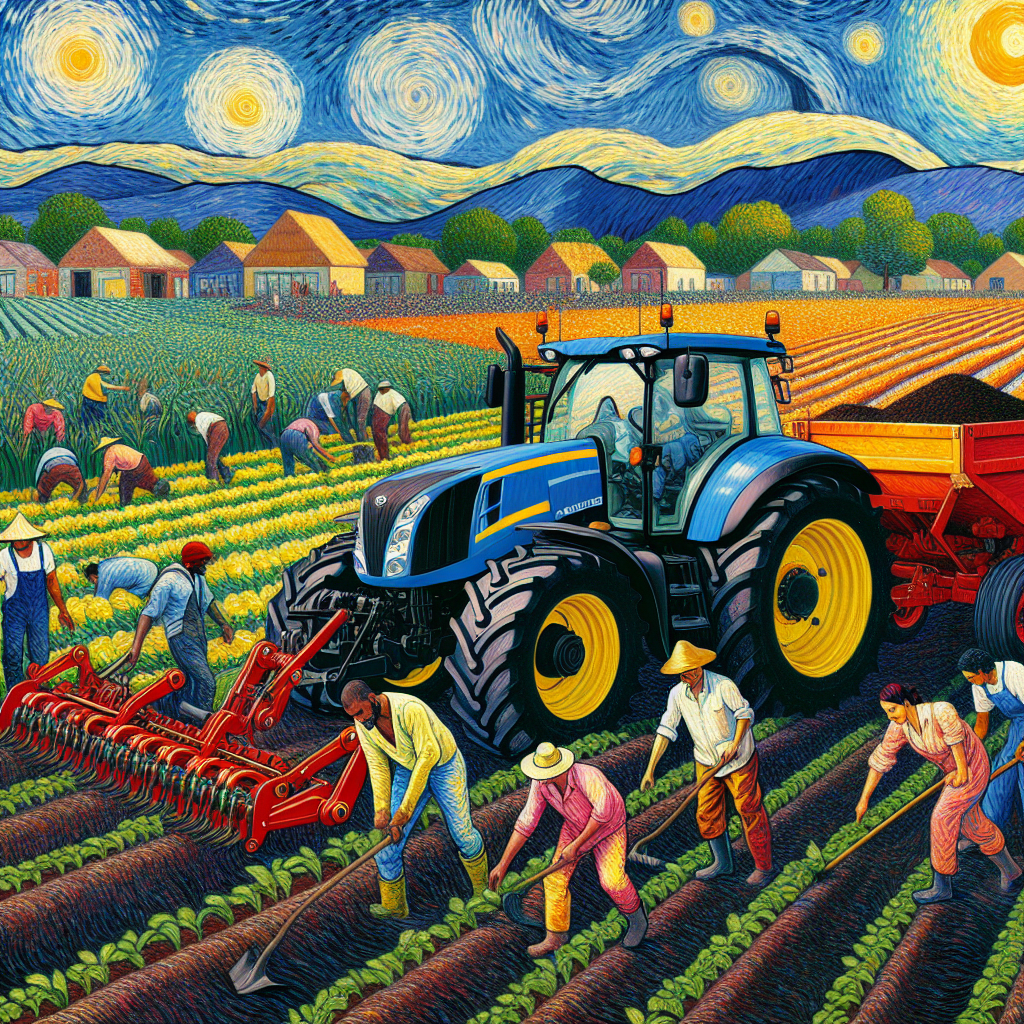
Are There Hidden Costs Associated With Complex Farming Partnerships?
Are There Hidden Costs Associated With Complex Farming Partnerships?
- Farming partnerships often evoke images of teamwork, resource sharing, and communal success.
- Challenges arise when financial strains threaten collaborative relationships, impacting trust and productivity.
- Unforeseen expenses, such as legal fees or maintenance costs, can disrupt harmony and strain partnerships.
- Clarity regarding ownership and responsibilities is crucial to avoid misunderstandings and disappointment.
- Untitled promises and unexamined details can lead to distrust among partners.
- Transparency and ethical practices are essential for fostering strong partnerships; seek guidance from trusted advisors.
- Proactive communication and clear agreements help protect emotional, relational, and financial investments in partnerships.
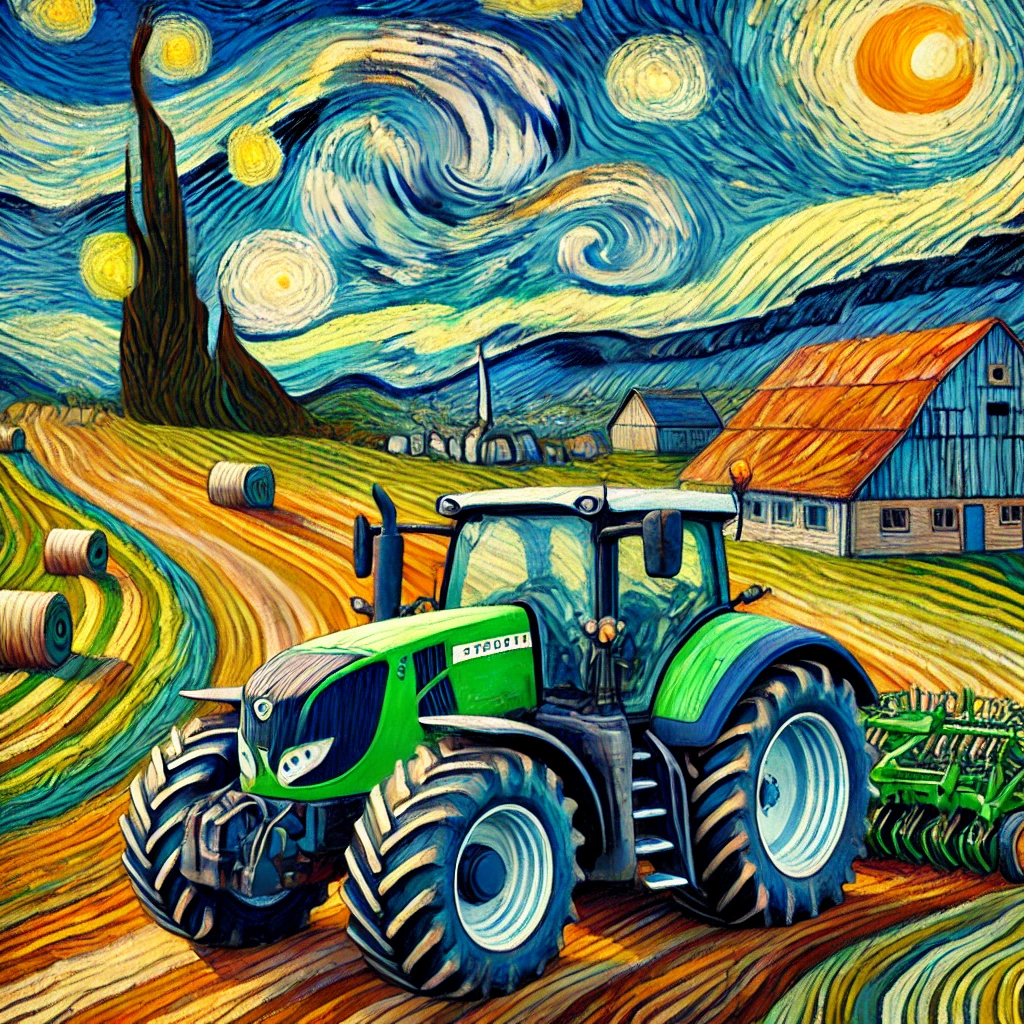
Are There Hidden Costs Associated With Complex Farming Partnerships?
How Does Simplicity In Farming Enhance Our Social Bonds And Ties?
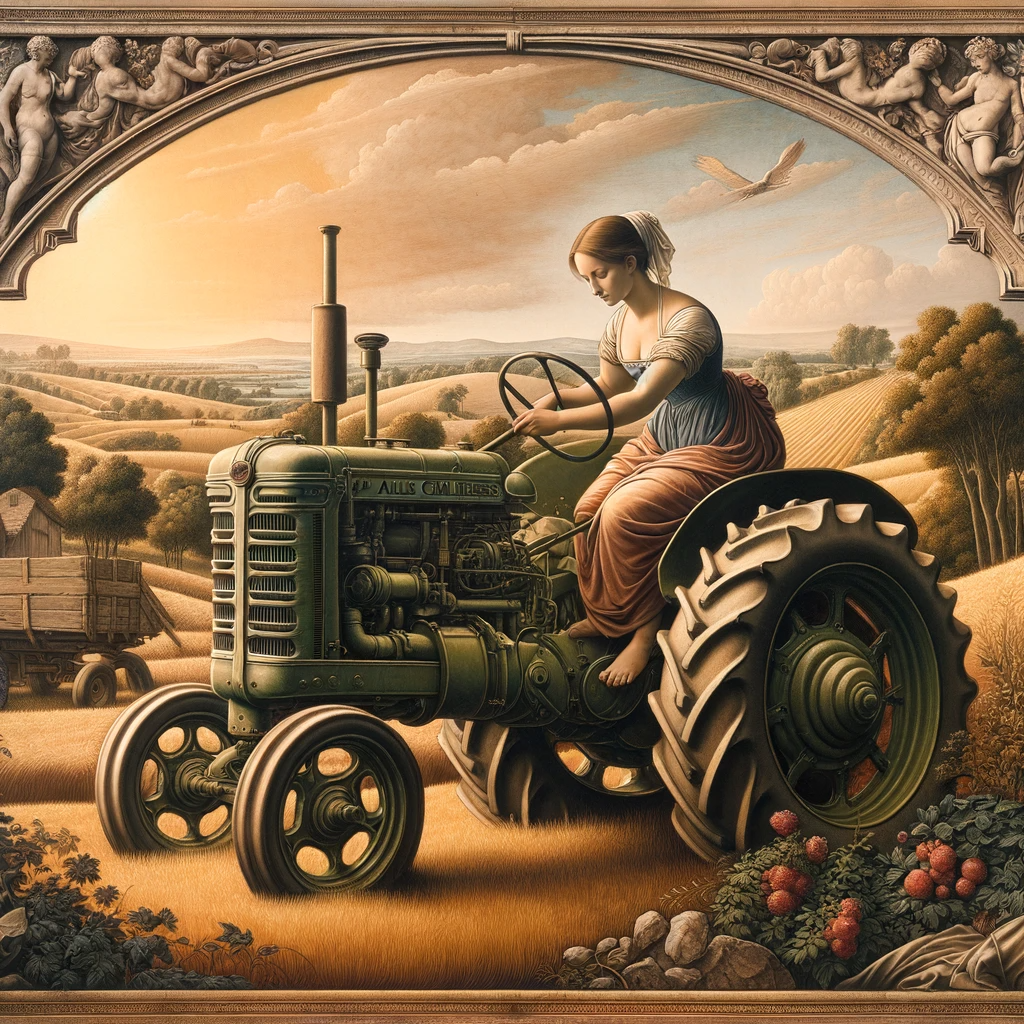
Simplicity in farming is more than just a method; it’s a way of life that harkens back to simpler times when the world felt a bit less complicated. Picture it: a sturdy tractor rolling across vast fields, the sun rising over a horizon painted with golden grains. This isn’t just a machine; it’s a steed of the soil, a testament to a labor of love that transforms not only the land but also the connections we form with one another.
In a fast-paced world, where the digital realm often overshadows genuine interactions, returning to the basics offers a breath of fresh air. Farming isn’t just about sowing seeds and reaping harvests; it’s about cultivating relationships, often forged in the fertile soil of shared experience. The simplicity of tending to land brings together families, neighbors, and communities, creating a tapestry of social bonds held together by trust and mutual assistance. When you’re working side by side, sweat mingling in the sunlight, you learn to rely on one another—building bonds deeper than any email or social media thread can touch.
Consider the emotional pull of a community barn-raising event, where each person brings a skill, a tool, or a potluck dish, all contributing to a common goal. It’s in these moments that we find our humanity. You can’t help but feel that deep sense of belonging when you watch the fruits of your labor grow, rooted not only in the earth but also in shared hopes and dreams. Here, we uncover something primal beneath the surface—it’s the gut feeling of connection, the joy of collective toil.
Rationally, simpler practices lead to sustainable farming, preserving our soils, water, and future generations—an ethical obligation to our planet. When we embrace these straightforward methods of farming, we’re not only nourishing our bodies but also nurturing our communities. The more we prioritize these ethics, the stronger our ties become.
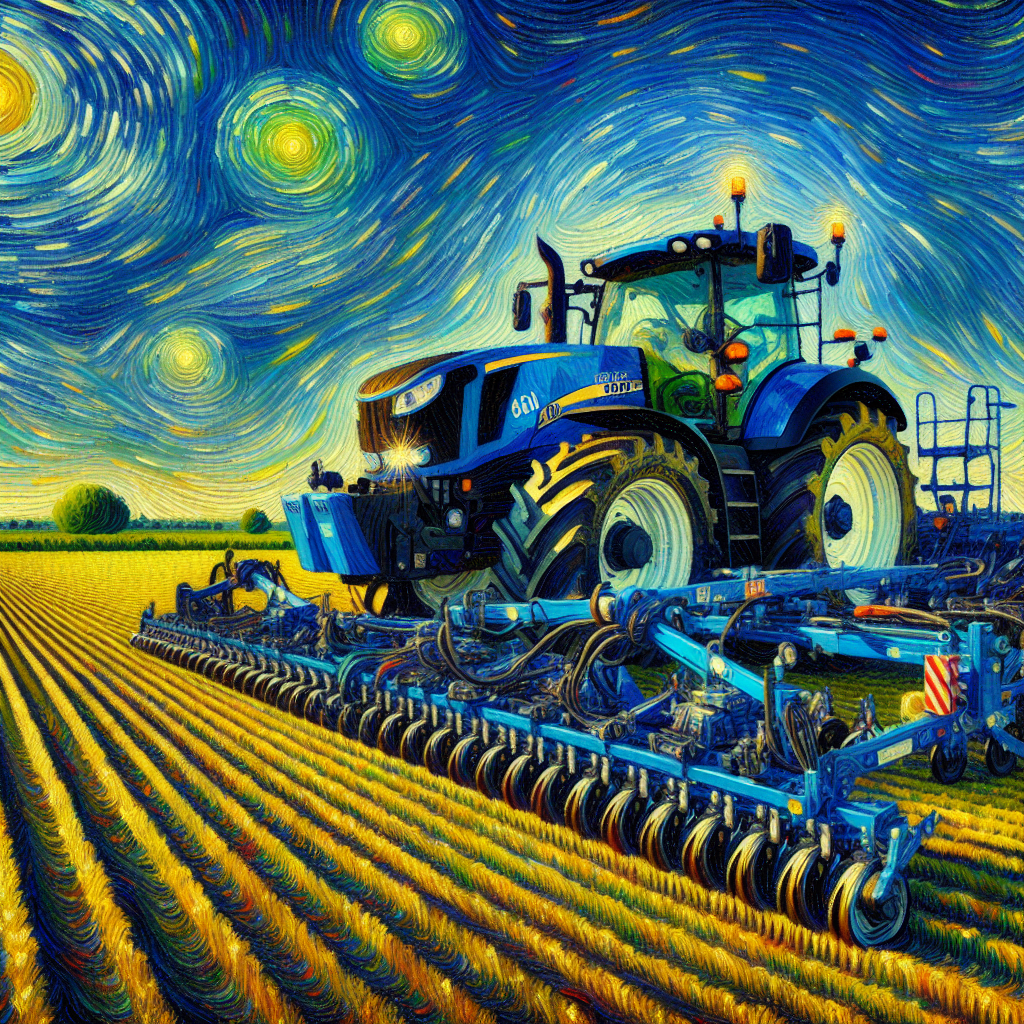
Let’s face it: in a world filled with noise, a return to simplicity can break down barriers that divide us. The tractor chugging along the field serves as a reminder that collaboration is what drives progress and togetherness. So let’s grab that spade and engage our neighbors. Let’s inspire trust, elevate our social bonds, and dig deeper into the richness of a life lived simply. The harvest is far more rewarding when shared together.
How Does Simplicity In Farming Enhance Our Social Bonds And Ties?
How Does Simplicity In Farming Enhance Our Social Bonds And Ties?
Here is a formatted bulleted HTML list summarizing the provided text:
- Simplicity in farming represents a return to a less complicated way of life, similar to past times.
- Farming transforms land and strengthens connections among families, neighbors, and communities.
- Tending to the land fosters genuine relationships, surpassing digital interactions.
- Community events, like barn-raisings, promote a sense of belonging and shared goals.
- Simple farming practices contribute to sustainability and ethical obligations towards the environment.
- A focus on simplicity can break down societal barriers, fostering collaboration and progress.
- Working together enhances social bonds and makes the rewards of farming more fulfilling.
How Does Simplicity In Farming Enhance Our Social Bonds And Ties?
Conclusion
In a world inundated with complexities, the idea of simplicity in farming relationships emerges as a beacon of hope, illuminating a path back to what truly matters. As we traverse through the fields of life, we’re reminded of the quiet strength and emotional resonance that stems from embracing simplicity. Amidst our whirlwind of advanced technology and incessant connectivity, our hearts yearn for genuine connections—a simple handshake, a neighborly “how can I help?”—that remind us we are not alone in this journey.
When you take a moment to reflect, farming has always been about relationships—not just with the land, but with each other. The truth is, when we strip away the layers of confusion and complication, we discover that the essence of agriculture is collaboration. It’s about trust, transparency, and mutual respect, not just contracts and corporate jargon. The bond between farmer and soil is built on a shared understanding, a commitment to nurture the land, which, in turn, nurtures us.
Rationally, the benefits of returning to simple practices are irrefutable. Farmers who cultivate authentic relationships with their suppliers and consumers navigate challenges with a community spirit that’s far more resilient than any single technological solution. Simplicity allows for a clearer vision—fewer distractions and a more profound focus on the tasks at hand, yielding healthier crops and stronger communities.
Ethically, as custodians of the earth, we have a responsibility to safeguard the land and honor the wisdom of those who came before us. By intentionally choosing simplicity, we acknowledge the generational ties in farming communities. Success is no longer defined solely by profit margins but rather by the legacy we leave for future farmers—a path rich in stories and shared experiences.
The narrative is unfolding, revealing how embracing simplicity can reshape not just individual farms, but entire communities. Picture a farmer, like Greg, who opted for organic practices over the lure of high-tech shortcuts. His journey demonstrates that by prioritizing straightforward methods and values, we not only protect our environment but also foster the kind of social bonds that uplift us all.
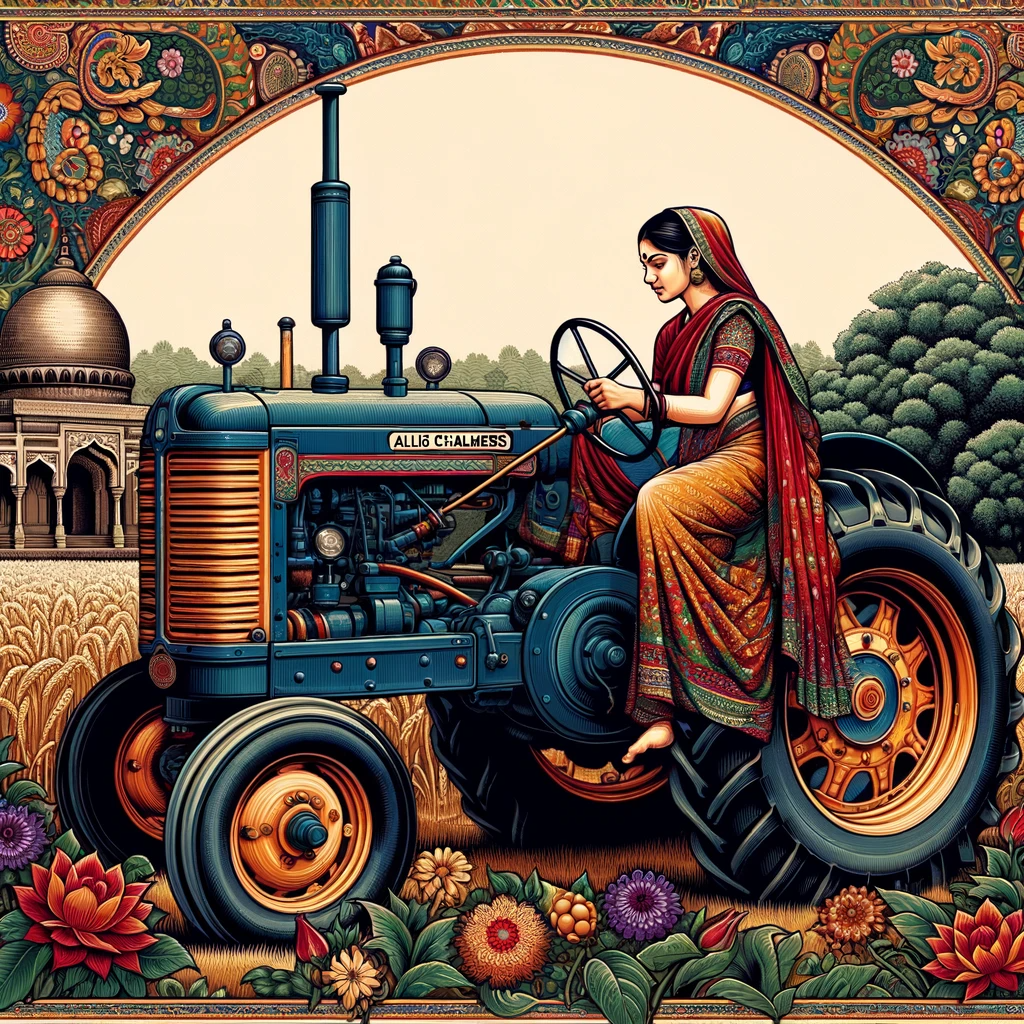
So let’s rally around this call for simplicity. Let’s rekindle those age-old connections and share our stories, because in the end, it’s about more than just farming. It’s about cultivating a culture of trust and collaboration that we can pass on to the next generation. By nurturing our relationships—both with each other and the land—we can create a future where simplicity is celebrated, and the heart and soul of farming thrive once more. Grab that spade, lend a hand, and let’s get to work in our fields and our communities together. After all, true success isn’t measured in yield, but in the strength of our connections.
Conclusion
Conclusion:
- The concept of simplicity in farming highlights the importance of genuine relationships.
- Farming is fundamentally about collaboration, trust, and mutual respect, rather than contracts.
- Authentic relationships within the agricultural community enhance resilience against challenges.
- Simplicity leads to clearer focus, healthier crops, and stronger communities.
- Farmers have an ethical responsibility to protect the land and honor generational wisdom.
- Embracing simplicity can transform not just farms, but entire agricultural communities.
- True success in farming is defined by the strength of personal connections, not just profit margins.

Conclusion
Other Resources
Other Resources
Here is a list of other resources you can review online to learn more:
- KUHN
- Antonio Carraro
- Mmaine Antique Tractor Club
- Fiat
- Montgomery Ward
- Legacy of the Plains Museum
- Rough and Tumble Engineers Historical Association
- Shibaura
- Minnesota’s Machinery Museum
- Eastern Carolina Vintage Farm Equipment Club
Use This Prompt To Get More Resources With Your Favorite Online AI Tool: Please provide me with a list of online articles with their URLs in a bulleted list that I can read regarding Is Simplicity Becoming The New Trend In Farming Relationships
Other Resources
Glossary Terms
Is Simplicity Becoming The New Trend In Farming Relationships – Glossary Of Terms
1. Agroecology: A holistic farming approach that emphasizes sustainable practices, biodiversity, and the relationships between people and their environment.
2. Biodiversity: The variety of plant and animal life in a specific habitat, crucial for ecosystem balance and resilience in farming.
3. Cooperative Farming: A farming practice where farmers collectively work together to share resources, reduce costs, and strengthen community ties.
4. Direct Marketing: Selling products directly from the producer to the consumer, eliminating middlemen and fostering direct relationships.
5. Farm-to-Table: A movement emphasizing direct sourcing of food from local farms, enhancing transparency and strengthening local economies.
6. Holistic Management: A decision-making framework that considers the agricultural ecosystem as a whole, fostering sustainable practices in farming relationships.
7. Land Trust: An organization that protects and conserves land for agricultural purposes, supporting sustainable farming communities.
8. Local Food Systems: Networks that connect local producers with consumers, promoting community health and the economy while simplifying supply chains.
9. Mutual Aid: A cooperative system where community members support each other financially or materially, fostering stronger farming relationships.
10. Organic Farming: A method of farming that avoids synthetic chemicals, promotes biodiversity, and nurtures the ecosystem for healthier produce.
11. Permaculture: A design system for sustainable agricultural ecosystems, emphasizing harmonious relationships between humans and nature.
12. Simple Living: A lifestyle that prioritizes minimalism and sustainability, often reflected in farming practices that reduce complexity.
13. Social Agroecology: The study of social relationships in agricultural practices that highlight community engagement and cooperation.
14. Sustainable Agriculture: Farming that meets current food needs without compromising the ability of future generations to meet theirs, emphasizing relationship-building.
15. Transparency: Open communication regarding farming practices, product origins, and business operations, critical for trust in farming relationships.
16. Value Chain: The full range of activities needed to bring a product from conception to market, often simplified to enhance farming relationships.
17. Vertical Farming: A method of growing crops in stacked layers, simplifying space use and promoting local food sourcing.
18. Waste Reduction: Approaches in farming to minimize waste through composting, recycling, and utilizing by-products, enhancing efficiency and sustainability.
19. Whole Farm Planning: A strategic approach to farming that considers all elements of the farm system to improve relationships and efficiency.
20. Community Supported Agriculture (CSA): A system where consumers buy shares in a farm’s harvest, creating direct relationships between farmers and consumers.
21. Agri-tourism: Attracting visitors to farms for recreational and educational purposes, simplifying the connection between urban and rural communities.
22. CSA Partnerships: Collaborations between multiple CSAs to share resources and services, simplifying logistics and enhancing community ties.
23. Eco-labeling: Certification indicating environmentally friendly practices, fostering transparency and trust in farming relationships.
24. Resilience: The ability of a farming system to recover from challenges, often enhanced through community collaboration and support.
25. Stakeholders: Individuals or groups with an interest in the farm’s operations and relationships, highlighting the importance of collaboration.
26. Supply Chain Transparency: Clear communication about how food gets from farms to consumers, essential for building trust and simplifying relationships.
27. Farm Partnerships: Collaborations between different farms or organizations to share knowledge and resources, simplifying operations and enhancing community.
28. Food Sovereignty: The right of communities to define their own food systems, promoting local agriculture and relationships that prioritize community needs.
29. Rural Connectivity: Efforts to improve communication and access in rural areas, fostering collaboration and relationships in farming.
30. Simplicity in Practices: The idea that reducing complexity in farming methods can lead to more efficient operations and stronger relationships among stakeholders.
Glossary Of Terms
Other Questions
Is Simplicity Becoming The New Trend In Farming Relationships – Other Questions
If you wish to explore and discover more, consider looking for answers to these questions:
- What practical steps can farmers take to simplify their practices?
- How do different farming methods impact the environment over time?
- What role does technology play in simplifying farming processes?
- How can communication be improved among farmers and their communities?
- What are some successful examples of farmers simplifying their operations?
- How do personal values influence farming decisions towards simplicity?
- What are the long-term benefits of building strong relationships in farming?
- How can farmers assess the risks of adopting new technology?
- What resources are available for farmers seeking mentorship in simplicity?
- How does the trend of simplicity in farming compare globally?
- What impact does simplicity have on the economics of farming?
- How can local communities support farmers in embracing simplicity?
- What challenges do farmers face when trying to simplify their practices?
- Are there educational programs that promote simplicity in agriculture?
Other Questions
Haiku
Is Simplicity Becoming The New Trend In Farming Relationships – A Haiku
Fields of trust unite,
Hands shake, hearts and soil entwined—
Simplicity thrives.

Haiku
Poem
Is Simplicity Becoming The New Trend In Farming Relationships – A Poem
A Simple Harvest
In fields of gold where cattle roam,
Beneath the sun, we find our home,
Amidst the tractors’ steady hum,
A call for simpler ways has come.
Where vines entwine and soil meets toil,
Relationships thrive, rooted in the soil.
With every handshake, trust is sown,
Between neighbors, hearts have grown.
The world spins fast, complexities rise,
Yet in simplicity, true wisdom lies.
It’s not machines or data’s might,
But honest talk that feels just right.
Imagine Mike, who one day stood,
On land he’d tilled since he was good.
In high-tech chains, he felt confined,
Yet found the truth in the ties that bind.
“I’ll trade these gadgets for earth and sun,”
He said, “to nurture what once was won.”
With crop rotations, diverse and pure,
His harvest thrived as hearts endured.
Rational minds know risks and gains,
Yet it’s the heart that truly reigns.
We face dilemmas locked in strife,
But simplicity leads a richer life.
Around the barn, where laughter swells,
Community blooms—its story tells.
A potluck here, a tool shared there,
In sweat and work, we find we care.
So let’s return to these basics true,
Foster trust in all we do.
In fields of labor, side by side,
We harvest bonds, with joy and pride.
For the future calls for hands both wise,
To plant the seeds where hope can rise.
Let’s nurture each other, for we are one,
In the field of life, our journey’s begun.
Through every challenge, let’s stand tall,
Embrace the simple—it’s the greatest call.
Together we’ll grow, together we’ll thrive,
In the heart of farming, we come alive.
Poem
Checklist
Is Simplicity Becoming The New Trend In Farming Relationships – A Checklist
Checklist: Rediscovering the Beauty of Simple Farming Connections
Appeal to the Heart:
1. Reflect on your personal connection to the land—what emotions arise when you think about your farming journey?
2. Reach out to a neighbor to offer help or share resources.
3. Attend a local farming event to connect and share stories with fellow farmers.
4. Create a family tradition that involves working the fields together and reflecting on the significance of farming.
5. Share your success stories or struggles with a broader audience—whether online or in local gatherings— to inspire others.
Appeal to the Head (Rational):
6. Assess your current farming practices—identify areas where simplicity can enhance efficiency (e. g. , crop rotation).
7. Review empirical studies or articles on the benefits of simpler practices for yields and soil health.
8. Create a plan to reduce reliance on complex technologies—what traditional methods can you incorporate?
9. Evaluate your farming partnerships—map out roles, responsibilities, and clear communication channels.
10. Consider keeping a journal documenting the effects of simplifying your farming practices over time.
Appeal to the Gut (Emotional):
11. Identify your core values around farming—what truly matters to you beyond profits?
12. Reflect on stories from family or community members about traditional farming practices; what lessons can you apply today?
13. Allow yourself to feel the weight of ethical decisions in farming—how will your choices affect future generations?
14. Seek mentorship from seasoned farmers—what wisdom can they pass down that resonates with your values?
15. Share a meal with fellow farmers after a day of work to celebrate the hard labor and the communal ties that bind your community.
Appeal to Ethics:
16. Consider how your farming choices impact the environment—are there more sustainable practices you can adopt?
17. Commit to transparency in partnerships—discuss expectations upfront to avoid misunderstandings.
18. Identify local resources for sustainable farming techniques or support organizations that prioritize ethical farming.
19. Make a conscious effort to support local economies by purchasing from other local farmers or sharing your produce with the community.
20. Engage in dialogues about the ethical implications of agricultural advancements—what is at stake?
Appeal to Authority:
21. Research trusted farming mentors—who in your area has a wealth of experience and wisdom to share?
22. Attend workshops or seminars on sustainable farming techniques led by agricultural experts.
23. Seek guidance from agricultural extension offices about implementing simpler practices on your farm.
24. Create a network of peers who can provide support and authority on farm management decisions.
25. Reflect on the authority of experience—how can learning from failures shape your future successes?
Appeal to Narrative:
26. Document a personal farming story—what lessons or transformations have you seen in your practice?
27. Share Greg’s story (or a similar narrative) to illustrate the importance of reverting to simple practices.
28. Encourage others to express their farming journeys—how do their stories contribute to a collective understanding of simpler practices?
29. Host a story-sharing event within your community to discuss the theme of simplicity in farming.
30. Collect and compile narratives from your community about their relationships with land and farming practices to create a shared local resource.
Appeal to Social Bonds:
31. Organize a community barn-raising or similar event to foster collaboration and deepen social ties.
32. Form a local farmers’ group to discuss the benefits and challenges of simplifying practices together.
33. Use social media to connect with other farmers focused on simplicity—what lessons can you share?
34. Participate in community initiatives that promote local agriculture and mutual support among farmers.
35. Celebrate successes, large and small, with your community—what role does shared joy play in fostering strong relationships?
This checklist is designed to encourage reflection, action, and deeper connection to the principles of simplicity and solidarity in farming. Through these steps, readers can embrace the importance of relationships woven through the heart, mind, and actions of their farming experiences.

Checklist
At ClassicTractorNews, we help tractor lovers keep up with the latest news for classic and vintage tractors.
Please share this post with your friends, family, or business associates who may like old classic or vintage tractors.