


The Human Cost Of Farming Technology
By Tom Seest
At ClassicTractorNews, we help tractor lovers keep up with the latest news for classic and vintage tractors.
Please share this post with your friends, family, or business associates who may like old classic or vintage tractors.
Is Reliance on Technology Making Farming More Complicated
Farming has always been a blend of sweat and soil, a dance between man and nature. But today, as farmers rev up their high-tech tractors equipped with GPS and robotics, one might wonder: is this the future of agriculture or just a complicated mess waiting to happen? Michael, a third-generation farmer, who grew up with calloused hands and endless fields, sees both sides of the coin.
He recalls the days of plowing the land with nothing but his trusty old tractor and a heart full of hope. Back then, he could feel the rhythm of the earth beneath his feet, the natural ebb and flow of the seasons guiding him. Today, he sits in an air-conditioned cab navigating a screen that monitors every inch of his fields, making calculations in a fraction of a second. It’s impressive, no doubt, and the potential for increased yields is undeniable. But there’s a price.
The heartache occurs when the very technology designed to simplify our lives inadvertently complicates them. Farmers are finding themselves tangled in a web of software updates, system failures, and hefty repair bills. Each new gadget brings with it layers of instructions and protocols, pulling them away from the simple connection they once had with their land. When did we trade the freedom of farming, the raw beauty of working with our hands, for a world of blinking screens and constant updates?
Let’s face it. Nature doesn’t care about Wi-Fi connectivity or the latest app. It operates on its own timeless schedule, one that requires not just knowledge, but intuition and patience. Michael embodies this struggle—not just as a farmer, but as a father, teaching his children the old-school ways while encouraging them to embrace the advancements that surround them. It’s a delicate balance, a tug-of-war between tradition and innovation, one that resonates deeply within the farming community.
As we sit on the brink of this exciting yet daunting agricultural revolution, let’s not forget the heart and soul of farming: the connection to the land, the community, and the generations that came before us. We are all in this together, and perhaps it’s time to reclaim that harmony. With every seed sown and every field harvested, we have an opportunity to harmonize technology with our roots, ensuring that we don’t just survive, but thrive. It’s about finding a path that honors our past while bravely stepping into the future—one tractor at a time.

Is Reliance on Technology Making Farming More Complicated
Is Reliance on Technology Making Farming More Complicated
- Farming has evolved from manual labor to a technology-driven process with GPS and robotics.
- Michael, a third-generation farmer, appreciates both the old-fashioned and modern methods of agriculture.
- Modern farming offers impressive potential for increased yields but comes with complications such as software issues and repair costs.
- Farmers feel a disconnect from the land due to reliance on technology over hands-on experience.
- Nature operates independently of technological advancements, requiring a deep understanding of its cycles.
- Michael strives to teach his children traditional farming while encouraging them to embrace new technologies.
- Finding a balance between tradition and innovation is essential for the future of farming and community connection.
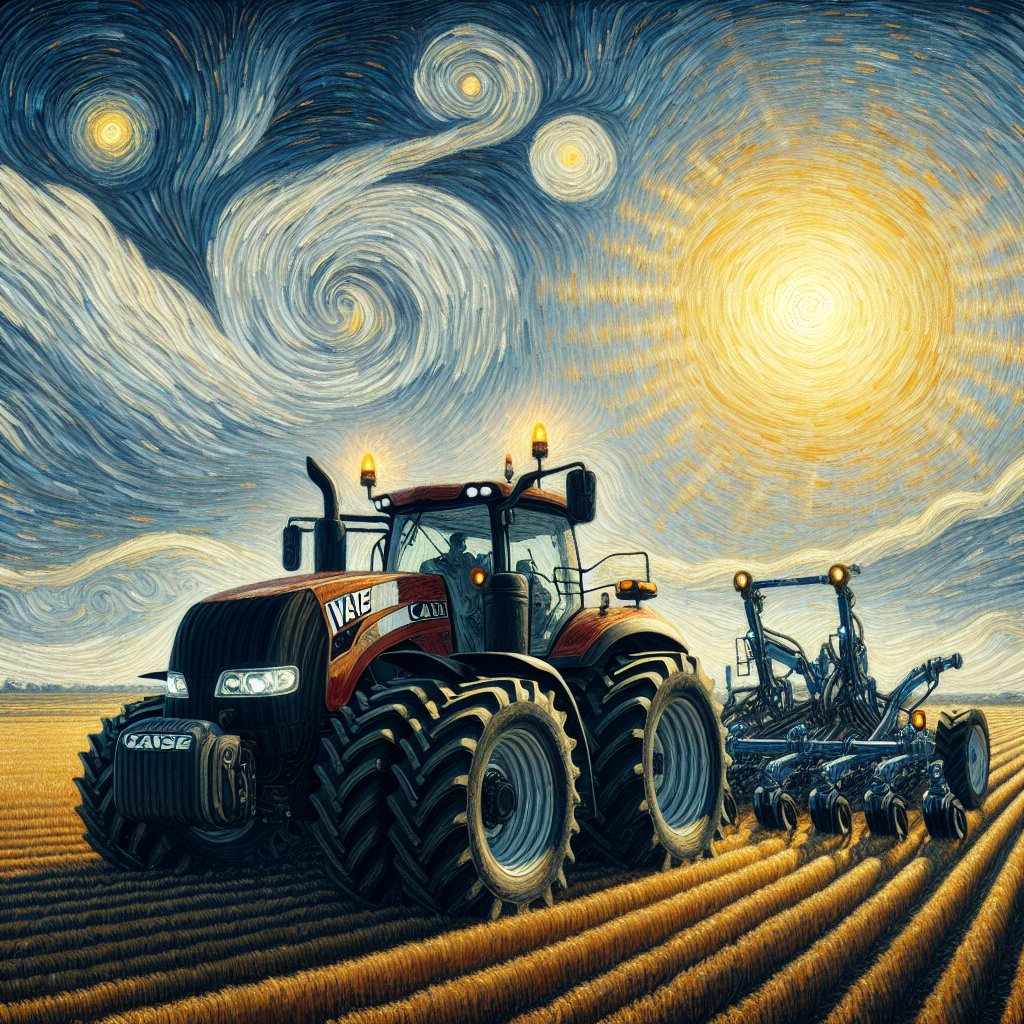
Is Reliance on Technology Making Farming More Complicated
Table Of Contents
- Is Reliance on Technology Making Farming More Complicated
- Is Technology Creating Barriers For New Farmers?
- Are We Losing Traditional Farming Wisdom To Technology?
- Can Reliance On Tech Lead To More Environmental Issues In Farming?
- Is Data-Driven Farming Making Us More Disconnected From Nature?
- How Do Farmers Feel About The Increasing Use Of Technology?
- Are Tech Solutions Accessible To All Farmers, Regardless Of Size?
- Conclusion
- Other Resources
- Glossary Of Terms
- Other Questions
- Haiku
- Poem
- Checklist
Is Technology Creating Barriers For New Farmers?
In a world where technology reigns supreme, the dream of becoming a farmer can feel more like a pipe dream for many aspiring agriculturalists. Picture this: a young person, brimming with passion and a sense of purpose, stands before a gleaming tractor—its cutting-edge features glowing with promise. Yet, there’s an unsettling truth lurking beneath that shiny surface: the very technology that holds the potential to revolutionize farming may also erect insurmountable barriers for newcomers.
Every day, we hear stories of the family farm disappearing, traded for sprawling corporate agribusinesses that rival the largest tech companies. These lost farms often belonged to people who poured their hearts into the soil, families who understood the rhythm of the seasons more than any algorithm ever could. They cultivated not just crops, but a way of life, one rooted in tradition, perseverance, and community. But now, when young farmers look towards the future, they might feel disheartened. The ever-growing complexity of agricultural technology can create anxiety, almost as intimidating as the deadliest storms rolling in during harvest season.
Yes, tractors today are masterpieces of engineering, equipped with precision farming tools that promise to increase efficiency and yield. Yet for the amateur farmer, understanding how to operate these machines—or worse, affording them—can be likened to trying to navigate a foreign land without a map. These advancements can seem like an exclusive club, while those who lack the financial means or technical know-how face an uphill battle.
Ethically, we must ask ourselves: is this the future we want for our food system? As farmers become increasingly dependent on technology, what happens to the invaluable wisdom held by generations? Shouldn’t we strive to create pathways that invite newcomers, enriching our agricultural tapestry rather than unraveling it? Imagine a world where innovation and tradition walk hand in hand, where farmers young and old collaborate and share knowledge, each helping the other thrive.
So, let’s build bridges instead of barriers. It’s time to foster a farming community that values hands-on experience just as much as high-tech tools. By supporting local initiatives, education programs, and cooperative ventures, we can empower new farmers, ensuring the heart of agriculture does not get lost in the digital age. After all, the real magic of farming lies not just in tractors or technology, but in the people who cultivate the land. Together, let’s sow the seeds for a future that honors both innovation and tradition, inspiring the next generation of farmers to nurture our connection with the earth.

Is Technology Creating Barriers For New Farmers?
Is Technology Creating Barriers For New Farmers?
- The dream of becoming a farmer is increasingly challenging in a tech-dominated world.
- Many traditional family farms are being replaced by large corporate agribusinesses.
- Younger farmers often feel intimidated by the complexities and costs of modern agricultural technology.
- Access to advanced farming tools can feel exclusive, hindering newcomers.
- There is a need to balance technological advancement with the wisdom of traditional farming practices.
- Building inclusive farming communities can empower new farmers and preserve agricultural heritage.
- Innovation and tradition should coexist to foster a sustainable future in agriculture.

Is Technology Creating Barriers For New Farmers?
Are We Losing Traditional Farming Wisdom To Technology?
In the fields where sunlight dances upon the earth, traditional farming has always been about listening—listening to the whispers of the wind, the rhythm of the seasons, and the stories passed down through generations. Yet, as sleek tractors rev up with the push of a button, we find ourselves at a crossroads: are we on the brink of losing the very soul of agriculture that defines our connection to the land?
There’s something visceral about watching a farmer plow the field with a trusted old tractor, its engine rumbling like a heartbeat against the backdrop of a sunset. Each furrow tells a tale—the sweat of ancestors who tilled this earth before us, the sacred dance of seeds sown into the rich soil, and the patience that comes with waiting for the harvest. It’s a narrative steeped in resilience and resourcefulness, one where technology has its place but should never overshadow the wisdom rooted in experience.
Modern advancements are remarkable, don’t get me wrong—precision planting, satellite-guided tractors, and automated irrigation systems can drive efficiency and yields. But imagine if, one day, we woke up to a world where those cutting-edge gadgets replaced the heart of farming itself. What would it mean for our connection to our food, our communities, and our distinct identities? Would we lose sight of what it means to be stewards of the land, custodians of a rich heritage?
Now, don’t let fear cloud your mind. The future isn’t inherently bad; it’s how we choose to integrate technology that matters. The harmony between tradition and innovation can lead us to solutions we’ve yet to envision. By embracing modern tools but also valuing the wisdom handed down by those who came before—like crop rotation strategies nurtured through decades of careful observation—we can achieve a balance that respects our agricultural roots.
So, here’s the challenge: let’s not forget our past as we sprint toward the future. Instead of discarding old practices in favor of shiny new toys, let’s cultivate an environment where both coalesce. Let’s share stories of agrarian wisdom around the kitchen table and collaboratively design strategies that honor our ancestors and prepare us for tomorrow.
In doing so, we can inspire a new generation of farmers who carry forward both the heritage of traditional farming and the tools of the modern era. Because in the end, it’s not just about a tractor plowing the soil; it’s about the seeds of hope and community we continue to sow on this earth.

Are We Losing Traditional Farming Wisdom To Technology?
Are We Losing Traditional Farming Wisdom To Technology?
- Traditional farming is deeply rooted in listening to nature and ancestral wisdom.
- Modern technology in agriculture, while beneficial, risks overshadowing traditional practices.
- Each act of farming tells a story tied to the history and resilience of previous generations.
- Key advancements like precision planting and automated systems can enhance productivity.
- The integration of technology should respect and incorporate traditional farming knowledge.
- Balancing innovation with heritage can foster a sustainable future for agriculture.
- Inspiring future farmers involves blending traditional methods with modern tools to sustain community and legacy.

Are We Losing Traditional Farming Wisdom To Technology?
Can Reliance On Tech Lead To More Environmental Issues In Farming?
As we traverse the expansive fields of modern agriculture, we can’t ignore the relentless march of technology. Sure, that sleek tractor gleaming under the sun does wonders, allowing farmers to cover more ground with unprecedented efficiency. However, as we embrace these technological marvels, we must pause to reckon with the cost, both seen and unseen. Are we inadvertently tilting the balance of nature in ways we’re only beginning to understand?
Picture a small family farm, the heart and soul of a community. Generations of care and stewardship define its legacy, yet the once vibrant soil now wears a weary cloak of depletion. With every advance in farming technology, the allure of quick solutions—automated irrigation systems, genetically modified crops, and precision farming drones—can sometimes overshadow an age-old truth: Nature is a delicate balance. For every efficient tractor that can till a field, there’s a risk of over-reliance that contributes to soil degradation and biodiversity loss.
Rationally speaking, the numbers might dazzle us. Who wouldn’t want to increase yields by leveraging Big Data? But let’s step back and assess the long-term impact on our ecosystems. The water table drops lower with each crop cycle that favors convenience over sustainability. We see fewer bees buzzing in blooms of wildflowers as monocultures take over. Can we really call ourselves stewards of the land if we prioritize short-term harvests over the health of our planet?
Ethically, we have a responsibility to leave the earth better than we found it. As consumers, we wield significant power through our choices. The question isn’t just about what produces food most efficiently; it’s about what sustains our future. It’s our collective moral duty to advocate for farming practices that respect the planet.
We must embrace technology wisely, weaving it into a fabric of sustainable practices. Perhaps it’s time to bring back the age-old wisdom of crop rotation and organic fertilizers—methods that were once buried under the weight of progress, yet hold keys to rejuvenating our earth.
By fostering a connection between our technological aspirations and environmental stewardship, we can create a narrative that resonates with the heart. When we stand together, farmers, consumers, and advocates alike, we can cultivate a future that honors both innovation and the legacy of our land. Let’s not let our reliance on tech become a foe of sustainability; instead, let’s transform it into a catalyst for enduring change.

Can Reliance On Tech Lead To More Environmental Issues In Farming?
Can Reliance On Tech Lead To More Environmental Issues In Farming?
- The advancement of technology in modern agriculture enhances efficiency but comes with potential hidden costs.
- Generational family farms face challenges like soil depletion despite technological innovations.
- New farming technologies can lead to soil degradation and biodiversity loss if over-relied upon.
- Increased agricultural yields through Big Data may harm ecosystems and contribute to lower water tables.
- Consumers have the power to advocate for sustainable farming practices that prioritize the planet’s health.
- Embracing sustainable practices alongside technology, including crop rotation and organic fertilizers, is crucial.
- Collaboration among farmers, consumers, and advocates can foster a future that balances innovation with environmental stewardship.

Can Reliance On Tech Lead To More Environmental Issues In Farming?
Is Data-Driven Farming Making Us More Disconnected From Nature?
As dawn breaks over the horizon, the sun glistens off the dew-soaked fields, casting a warm glow that has nurtured generations of farmers. This age-old connection to the soil is something that seems almost sacred. Yet, today, as we stride into the data-driven era, it raises a fundamental question: Are we trading our bonds with nature for a sleek dashboard and a well-calibrated tractor?
Let’s face it—technology has improved our lives in countless ways. Precision farming tools can optimize yields, manage resources, and even predict crop health with remarkable accuracy. But have we stopped to consider what we lose in this relentless pursuit of efficiency? The heartfelt discussions around the dinner table—where farming wisdom was passed down and every crop failure shared—are being replaced with algorithms and metrics. There’s a certain magic that happens when you feel the soil with your hands, not just with a data point.
Rationally speaking, the statistics are on our side. Studies show that data-driven decisions can reduce inputs and increase productivity. It paints a picture of sustainability and resilience that tickles our logical sides. But at what cost? When was the last time you stood quietly in a field, listening to the hum of bees or marveled at the delicate dance of a butterfly? Nature was not just a backdrop to our lives; it was our mentor. The chatter of the tractor can drown that out, and with it, the lessons woven into the very fabric of our landscape.
Ethically, the question forces us to reflect on our role as caretakers of this Earth. With great power comes great responsibility; we hold the reins to the land. Are we preserving it for our children, or are we simply extracting its gifts in a quest for yield?
A heartfelt narrative from an elder farmer reminds us of the night he spotted a family of deer grazing at twilight, a poignant reminder that nature is a partner, not just a resource. That moment—felt in the pit of our stomachs—mattered more than any profit margin displayed on a screen.
In a world driven by numbers, let’s not lose our connection to what nurtures us. Let’s challenge ourselves to remain engaged, to step away from the screens, and to remember the stories hidden in the soil beneath our feet. There’s a balance to be struck—where data and nature coexist harmoniously. And if we can find it, we might just rediscover the roots that bind us to this beautiful, unpredictable world.

Is Data-Driven Farming Making Us More Disconnected From Nature?
Is Data-Driven Farming Making Us More Disconnected From Nature?
- Dawn reveals dew-soaked fields, symbolizing the historic bond between farmers and the land.
- The rise of technology in farming raises concerns about replacing deep connections with nature with data-driven approaches.
- Precision farming optimizes yields and resource management but may lead to a loss of personal, heartfelt engagement in farming.
- Statistical evidence supports data-driven farming for sustainability but questions the emotional and ethical costs.
- Nature serves as a mentor, and the mechanical sounds of modern farming can drown out its lessons.
- We must reflect on our responsibilities as caretakers of the Earth, balancing profit against stewardship for future generations.
- Finding harmony between data and nature can help us reconnect with the essence of farming and the world around us.

Is Data-Driven Farming Making Us More Disconnected From Nature?
How Do Farmers Feel About The Increasing Use Of Technology?
In the heartland of America, where the sun paints long shadows over vast fields and the tireless hum of a tractor fills the air, the conversation surrounding technology in farming stirs a potent mix of hope and skepticism. Imagine a farmer, boots caked in rich soil, standing beside his new state-of-the-art combine harvester. On one hand, he’s marveling at the technology that promises to revolutionize his work, make it more efficient, and yield better crops. On the other hand, there’s an undeniable pang of nostalgia for the simpler days when a sturdy old tractor embodied the spirit of independence and hard work.
Farmers today are walking a tightrope. With every new drone hovering overhead, every precision agriculture app on their smartphone, there’s a promise of progress, a whisper of prosperity. Yet, for many, the charm of the land lies not just in the output of bushels or the efficiency of harvests but in the tactile relationship with the earth—the tangible connection built over generations. What good is a high-tech solution if it alienates us from our roots? This dichotomy creates a sense of unease, a fear that in pursuit of high yields, we might just lose sight of what really matters: the land itself.
However, the lure of technology is strong. Consider the stories of farmers who embraced precision farming: one charismatic dairy farmer in Wisconsin saw his herd’s productivity double thanks to innovative monitoring systems. It’s a compelling narrative—the merging of age-old practices with modern innovation creating a brighter future. These advancements can help ensure that the family farm can thrive in an increasingly competitive market. The rational mind appreciates that these tools can lead to better soil management, increased efficiencies, and sustainable practices that could combat climate change. It’s both a heartwarming and gut-wrenching reality—embracing change for survival while honoring tradition.
Yet, beneath the surface, there is an ethical conversation percolating. Farmers often ask: Are we becoming beholden to corporations that provide these high-tech solutions? Will small farmers survive, or will they be pushed aside in a world with unyielding technological demands? As we navigate this brave new world, the challenge lies not just in adopting technology, but in doing so thoughtfully, ensuring that innovation enriches our connection to the land and the community.
So as you drive through those endless fields, take a moment to appreciate not just the technology but the stories embedded in every furrow. Because at the end of the day, farming isn’t just about the harvest; it’s about the heart and soul of those who toil under the vast, open skies.

How Do Farmers Feel About The Increasing Use Of Technology?
How Do Farmers Feel About The Increasing Use Of Technology?
- Technology in farming elicits a mix of hope and skepticism among farmers.
- Farmers balance the advantages of modern machinery with nostalgia for traditional practices.
- Despite advancements, a deep connection to the earth remains vital for many farmers.
- Success stories, like the Wisconsin dairy farmer, showcase the potential benefits of precision farming.
- Farmers face ethical questions about reliance on technology and corporate control.
- The challenge is to adopt technology thoughtfully and maintain community connections.
- Farming represents more than just harvest; it embodies the spirit of those who work the land.

How Do Farmers Feel About The Increasing Use Of Technology?
Are Tech Solutions Accessible To All Farmers, Regardless Of Size?
When we think about tech solutions in agriculture, it’s easy to envision sprawling fields tended by the sleekest, most advanced tractors gliding over rows of corn like a dream. But let’s take a moment to consider the small-scale farmers—the backbone of our food system—who might not have access to the latest gadgets or shiny machinery. Many of these hardworking men and women are just a stone’s throw from us, yet their challenges can feel worlds apart.
Picture a farmer, mud-caked boots planted firmly in the soil, weathered hands gripping a plow instead of a tablet. While the tech-savvy seem to glide effortlessly into the future, these farmers often struggle against an avalanche of issues: rising costs, unpredictable weather, and ever-thinning margins. It’s not that they’re resistant to change; it’s that the chasm between cutting-edge solutions and their day-to-day grind is a gaping void. Meanwhile, innovations shine like distant stars, promising increased yields and improved efficiency. But what about the farmer who’s still using that trusted old tractor, or the one who grows just enough to keep their family fed?
Suddenly, the heart of farming isn’t just about the money made or saved; it’s about people. It’s about families working long hours and the sacred ritual of putting food on our tables. Can these farmers afford to invest in advanced technology that feels tailored for corporate giants? The answer to that is not as simple as a spreadsheet. We must acknowledge an ethical responsibility to bridge this divide. It’s easy to sit back and accept that some farmers will lag, but deep down, we know it’s our collective duty to ensure access to all—big farms and small.
Empathy sparks action. Each time we push for tech solutions or policies that prioritize accessibility, we uplift every farmer who’s stood against the elements. Imagine a scenario where universities, tech startups, and non-profits unite, sharing knowledge and tools that empower every farmer—no matter the size of their tractor. It’s about building a community that thrives together.
The tech revolution in farming should promise the same vitality and resilience for all hands in the soil. By fostering connections, investing in shared resources, and focusing on inclusivity, we can ensure that the benefits of agricultural advancements reach every farmer, enriching lives and nourishing communities. After all, it’s not just about growing crops; it’s about nurturing the very essence of who we are as a society.

Are Tech Solutions Accessible To All Farmers, Regardless Of Size?
Are Tech Solutions Accessible To All Farmers, Regardless Of Size?
- Tech advancements in agriculture often focus on large-scale operations, overlooking small-scale farmers.
- Many small farmers struggle with rising costs, unpredictable weather, and low profit margins.
- Access to advanced technology is a significant challenge for small-scale farmers.
- Farming is not just a business; it involves families and communities dedicated to food production.
- Bridging the gap between advanced technology and small farmers is an ethical responsibility.
- Collaboration among universities, tech startups, and non-profits can empower farmers of all sizes.
- Fostering inclusivity in agricultural tech can enrich lives and strengthen community ties.

Are Tech Solutions Accessible To All Farmers, Regardless Of Size?
Conclusion
As we navigate the complex terrain of modern agriculture, it’s clear that technology’s rise is both a marvel and a quandary. Gone are the days when farming was characterized solely by sweat, soil, and the wisdom of generations. Today, our fields hum with sophisticated machinery, algorithms, and data dashboards that promise a bountiful harvest. But as we stand at this crossroads, we must ask ourselves—are we complicating the very heart of what farming means?
Take Michael, a third-generation farmer, whose story embodies the struggles many face. He recalls simpler times spent plowing the land, where connection to the earth was palpable. Now, he finds himself navigating complex systems from an air-conditioned cab, pulled away from the instinctual rhythm nature demands. This isn’t simply a story about outdated tractors versus high-tech gear; it’s about the emotional tether to the land we risk severing.
While technology certainly offers tools for increased yields, it brings a slew of headaches—complicated interfaces, costly repairs, and a disconnect from the age-old wisdom that’s been passed down through families. The dream of becoming a farmer—once a pathway of hope—now feels like an uphill climb, especially for newcomers overwhelmed by both financial barriers and high-tech expectations.
However, let’s not gloss over the silver linings. Precision farming is revolutionizing agriculture, introducing new efficiencies that could protect our food supply—and our planet. But we must apply an ethical lens to this evolution. Are we, as a farming community, leaving behind the lessons of our ancestors in pursuit of shiny gadgets? Is this really the legacy we want to pass on to our children?
Imagine a future where innovation and tradition harmonize: farmers young and old sharing experiences, navigating the seasonal rhythms hand-in-hand with cutting-edge technology. It’s attainable, yet it requires us to foster an inclusive agricultural ecosystem where all voices—big corporations and small family farms alike—are heard.
This is a collective journey. As consumers, advocates, and farmers, we can sow the seeds of unity. Let’s build bridges where there are barriers and ensure that tech solutions empower every farmer—regardless of their operation’s size. This isn’t just about employing the latest tech; it’s about preserving the soul of farming.
So, as we reap the benefits of innovation, let’s also remember the narratives rooted in our fields and our community. By integrating technology thoughtfully, we can cultivate not just crops, but a vivid tapestry of tradition that honors both our past and our promising future. Together, let’s dig deep to ensure that with every harvest, we nurture not only the soil but the very essence of who we are.

Conclusion
Conclusion:
- The rise of technology in agriculture presents both opportunities and challenges.
- Farmers like Michael express concerns about losing connection to the land due to advanced machinery.
- Technological advancements can complicate farming and create financial barriers for newcomers.
- While precision farming enhances efficiency, it also risks ignoring traditional farming wisdom.
- There is a vision for a future where tradition and innovation coexist harmoniously in farming.
- The agricultural community must ensure all voices are heard to foster inclusiveness.
- Integrating technology should honor agricultural traditions while preparing for a sustainable future.

Conclusion
Other Resources

Other Resources
Here is a list of other resources you can review online to learn more:
- Ultimate Antique Tractor Guide
- Vintage Tractor Digest
- The New England Antique Truck and Tractor Association
- Ebro
- Classic Farm Tractors
- FTMTA
- Daedong
- Valtra
- Porsche
- Park Rapids Antique Tractor & Engine Club
Use This Prompt To Get More Resources With Your Favorite Online AI Tool: Please provide me with a list of online articles with their URLs in a bulleted list that I can read regarding Is Reliance on Technology Making Farming More Complicated

Other Resources
Glossary Terms
Is Reliance on Technology Making Farming More Complicated – Glossary Of Terms
1. Agritech: Technology aimed at improving the efficiency and output of agricultural practices.
2. Precision Agriculture: Using technology to monitor and manage field variability in crops for improved productivity.
3. Automation: The use of machines and technology to perform tasks that would otherwise require human labor in farming.
4. Drones: Unmanned aerial vehicles used for monitoring crop health, surveying land, and applying pesticides or fertilizers.
5. Data Analytics: The process of examining data sets to draw conclusions and inform farming decisions.
6. Internet of Things (IoT): Network of interconnected devices that collect and exchange data, enhancing farming management systems.
7. Big Data: Large volumes of data generated by farming operations that can be analyzed to improve decision-making.
8. Remote Sensing: Acquiring information about crops and soil from satellites or drones to assess health and needs.
9. Soil Health Monitoring: The use of technology to analyze soil conditions and improve agricultural practices and yields.
10. Climate Adaptation: Strategies enabled by technology to help farming systems adjust to changing climatic conditions.
11. Smart Farming: The integration of advanced technologies into farming to increase productivity and sustainability.
12. Blockchain: A decentralized ledger technology that ensures transparency and traceability in the food supply chain.
13. Machine Learning: A branch of artificial intelligence where systems learn and improve from data without explicit programming.
14. Vertical Farming: Growing crops in stacked layers, often utilizing controlled environments to optimize conditions and yields.
15. Hydroponics: A method of growing plants without soil, using mineral nutrient solutions in water.
16. Sustainability: Practices that maintain ecological balance while meeting the needs of farming without compromising future resources.
17. Yield Mapping: The process of assessing the productivity of different areas in a field to better understand and enhance yield.
18. Crop Monitoring: Using technology to keep track of crop growth stages, health, and potential issues in real-time.
19. Farm Management Software: Digital tools designed to help farmers plan, monitor, and analyze all activities on the farm.
20. Smart Irrigation: Automated watering systems that optimize water usage based on crop needs and environmental conditions.
21. Telematics: Technology that combines telecommunications and monitoring systems to track machinery performance and location.
22. Genetic Modification (GM): Altering the genetic makeup of crops to enhance desirable traits such as resistance to pests or climate stress.
23. Agroecology: An approach that integrates ecological principles into agricultural practices, often supported by technology.
24. Regenerative Agriculture: Farming practices aimed at restoring soil health and biodiversity, often aided by technology for monitoring.
25. Farmland Preservation: Efforts supported by technology to maintain and protect agricultural land from urbanization and development.
26. Pesticide Resistance: The ability of pests to withstand pesticides, creating challenges for farmers, often mitigated through tech solutions.
27. Soil Sensors: Devices that assess soil conditions such as moisture and nutrient levels, providing data to improve crop management.
28. Livestock Monitoring: Technology used to track the health, location, and productivity of farm animals.
29. Crop Rotation Planning: Utilizing data analytics to determine effective sequences of crop planting to enhance soil and crop health.
30. Remote Farm Management: Managing farming operations from a distance through technology, enabling better oversight and decision-making.

Glossary Of Terms
Other Questions
Is Reliance on Technology Making Farming More Complicated – Other Questions
If you wish to explore and discover more, consider looking for answers to these questions:
- What are some examples of technology that farmers are using today?
- How does agricultural technology impact the environment?
- What traditional farming practices are at risk of being lost to technology?
- How can new farmers gain access to affordable technology?
- What steps are being taken to make farming technology more accessible?
- How does technology affect the mental health of farmers?
- What role do government policies play in the adoption of farming technology?
- How can farmers balance tradition with modern technology?
- What support systems exist for farmers transitioning to technology?
- How does data-driven farming impact the health of rural communities?
- What are the economic implications of relying heavily on technology in farming?
- How can the farming community collaborate to share knowledge and resources?
- Are there success stories of farmers who have successfully integrated technology with traditional methods?
- What future innovations in farming technology should we expect to see?
- How do consumer preferences influence the adoption of farming technology?

Other Questions
Haiku
Is Reliance on Technology Making Farming More Complicated – A Haiku
In fields once alive,
Sweat, soil, and wisdom collide—
Tech strains the heart’s ties.

Haiku
Poem
Is Reliance on Technology Making Farming More Complicated – A Poem
The Heart, the Soil, and the Glow of Screens
In the heart of the fields where the sun casts its hue,
Generations have whispered, their wisdom rings true,
Yet now with machines, slick and shining with might,
We ask—are we losing the soul in our plight?
O Michael, with calloused hands, once so free,
A tractor, old faithful, taught you to see,
The rhythm of nature, the feel of the ground,
Now lost in the metrics, the data is found.
Each gadget, each update, a double-edged knife,
To cultivate balance is to honor life—
For farming was friendship, not screens’ cold embrace,
A dance with the seasons, a loving space.
Young hearts dream of soil, but find gates bolted tight,
Where algorithms dwell and tradition takes flight.
Oh, must we forsake what our forebears bequeath?
The spirit of farming—can we not still breathe?
Let’s build bridges, not barriers, hand in hand,
Honoring past wisdom as we forge new land.
Imagine the old-timers sharing their lore,
With youth eager to learn, each root to explore.
But the soil wears thin underneath heavy tread,
Tech that promises bounty may leave us misled.
For every high yield, a piece of us fades,
Is our planet still thriving as profit invades?
Rational voices whisper of numbers, of gain,
Yet the echoes of nature remind us of pain.
What’s the cost of high harvests when hearts grow detached?
Are we stewards of earth, or just lives overmatched?
So pause in the hum of the tractors today,
Feel the soil, hear the stories that time can’t betray.
For farming is love—of the land and what’s sown,
Let’s sow seeds of connection, and not stand alone.
To each farmer big, to each farmer small,
May we lift up our hands—together we’ll call.
For in this vast tapestry, woven with care,
The heart of agriculture beats, vibrant and rare.

Poem
Checklist
Is Reliance on Technology Making Farming More Complicated – A Checklist
Farming Technology: A Balanced Approach Checklist
This checklist aims to help farmers, consumers, and advocates navigate the complexities and challenges of integrating technology into agriculture while preserving the heart, soul, and sustainability of farming.
Appeal to the Heart: Emotional Connection
_____ Embrace Tradition: Reflect on and honor the farming practices passed down through generations. Share these stories with younger farmers.
_____ Community Engagement: Attend or organize local farming events to connect with fellow farmers and share experiences.
_____ Celebrate Nature: Spend time in the fields without technology to appreciate the natural rhythms of farming.
Appeal to the Head: Rational Understanding
_____ Evaluate Tech Options: Research and compare the latest farming technologies to determine which will best suit your farming practices and budget.
_____ Assess Long-term Impacts: Analyze how the adoption of technology will affect not just immediate yields, but long-term soil health and biodiversity.
_____ Stay Informed: Keep up with agricultural research and data trends to make informed decisions about technology investments.
Appeal to the Gut: Instinctive Responsibility
_____ Prioritize Sustainability: Implement practices that prioritize environmental stewardship, like crop rotation and organic farming.
_____ Know Your Soil: Regularly test soil health and monitor the effects of technology on its quality.
_____ Trust Your Instincts: If a technology feels too complex or disconnected from traditional practices, consider the potential costs versus benefits.
Appeal to Ethics: Moral Integrity
_____ Advocate for Inclusivity: Support initiatives that help small-scale farmers access technology and resources.
_____ Reflect on Consumer Choices: Choose and promote food products that prioritize ethical and sustainable farming practices.
_____ Engage in Dialogue: Discuss the ethical implications of farming technology within your community to encourage collective responsibility.
Appeal to Authority: Expert Resources
_____ Consult Agricultural Experts: Leverage the knowledge of agronomists or agricultural extension services for tailored advice.
_____ Learn from Peers: Participate in cooperative groups to share insights and strategies about technology adoption.
_____ Training and Education: Enroll in workshops or courses that focus on the intersection of technology and traditional practices.
Appeal to Narrative: Personal Stories
_____ Share Your Journey: Write about personal experiences balancing technology with traditional methods to inspire others.
_____ Document Successes and Failures: Keep a farming journal that chronicles the impact of technology on your operations and share lessons learned.
_____ Create Connectivity: Establish a community bulletin or online forum where farmers can exchange stories and strategies.
Appeal to Social: Community Connection
_____ Collaborate and Cooperate: Partner with other farmers to share equipment and knowledge in order to reduce costs and enhance community ties.
_____ Build Mentorship Networks: Connect experienced farmers with younger generations to foster knowledge-sharing.
_____ Support Local Initiatives: Engage in programs that promote sustainable farming practices in your area and advocate for communal growth.
By following this checklist, we can work towards a future where technology enhances farming practices while preserving the vital connections to our land, our communities, and our heritage.

Checklist
At ClassicTractorNews, we help tractor lovers keep up with the latest news for classic and vintage tractors.
Please share this post with your friends, family, or business associates who may like old classic or vintage tractors.