


Deciphering Old Iron’s Market: Who Truly Holds The Power?
By Tom Seest
At ClassicTractorNews, we help tractor lovers keep up with the latest news for classic and vintage tractors.
Please share this post with your friends, family, or business associates who may like old classic or vintage tractors.
Is Now a Buyer’s Market Or Seller’s Market for Old Iron?
When it comes to the world of old iron, discerning whether we’re standing in a buyer’s market or a seller’s market isn’t just a matter of dollars and cents; it’s about passion, tradition, and a deep-seated connection to our roots. For many, a tractor isn’t merely machinery; it’s a lifeline to agriculture, family history, and countless tales of hard work under the sun. As we navigate the choppy waters of vintage machinery trade, we must consider not just the market trends but the stories attached to these iron giants.
In this landscape, nostalgia often dictates value. Buyers searching for an old tractor see more than metal and paint; they envision weekends spent plowing fields or the joy of restoring a forgotten piece of their family’s legacy. On the other side, sellers hold onto their vintage treasures with a sense of pride and legacy, wanting to pass on something that represents years of toil and triumph. Each scratch and dent tells a story of perseverance, and every rusted bolt reflects the promise of revival.
Rationally, the market’s ebb and flow can fluctuate, often driven by supply and demand dynamics. Yet, the emotional appeal of old iron can shift these metrics. A rustic tractor may command a higher price not just for its functionality but for its heartfelt connection to a simpler time. Buyers looking to dive into this niche market must engage with the values that surround it, seeing their potential investment as more than just a transaction—it’s an invitation to join a community steeped in history.
Ethically, it’s incumbent upon both buyers and sellers to foster a sense of trust within this intricate marketplace. Sellers should feel confident that their contributions to this community will be appreciated, while buyers should be empowered to make decisions informed by the stories that have shaped these machines. This mutual respect creates a thriving environment where both parties can feel valued and understood.
So, whether you’re on the cusp of reviving an old tractor or contemplating the sale of one, remember that this journey is more than just a financial endeavor. It’s about honoring the past while embracing the future, creating connections that resonate through generations, and revitalizing the spirits embedded in every piece of iron. This isn’t just about old iron; it’s about the heart, history, and hopes intertwined with every machine on the market today.

Is Now a Buyer’s Market Or Seller’s Market for Old Iron?
Is Now a Buyer’s Market Or Seller’s Market for Old Iron?
- Determining the market dynamics of vintage machinery involves understanding passion, tradition, and emotional connections.
- Tractors represent more than machinery; they are linked to agriculture and family histories.
- Nostalgia plays a significant role in valuing old tractors, influencing buyers and sellers alike.
- Sellers often view their vintage items with pride, representing years of hard work and triumph.
- The market fluctuates with supply and demand, but emotional value can elevate prices.
- Building trust between buyers and sellers is essential for a healthy marketplace.
- The journey of buying or selling old tractors is about honoring the past and creating enduring connections.

Is Now a Buyer’s Market Or Seller’s Market for Old Iron?
Table Of Contents
- Is Now a Buyer’s Market Or Seller’s Market for Old Iron?
- Is Now the Best Time to Sell Your Old Iron?
- What Factors Drive Old Iron Prices?
- How Can I Assess the Value Of My Old Iron?
- What Trends Are Shaping the Old Iron Market?
- Should I Hold Onto My Old Iron for Future Gains?
- What Are the Risks Of Selling Old Iron Now?
- Conclusion
- Other Resources
- Glossary Of Terms
- Other Questions
- Haiku
- Poem
- Checklist
Is Now the Best Time to Sell Your Old Iron?
Is now the best time to sell your old iron? For those of us who’ve spent hours in the fields, it’s a question that churns like the engine of a faithful tractor. Let’s break it down. Selling your old iron isn’t just about clearing space in the barn or pocketing a few bills; it’s about a relationship, a shared history, and the potential for new beginnings.
Picture this: a hardworking tractor, the reliable companion that helped harvest the grains of countless sunsets. You’ve put in the sweat and toil, and that machine knows every inch of your land as well as you do. But the world changes rapidly, technology evolves, and what was once cutting-edge may now feel like it’s dragging you down. It’s time to weigh the benefits and embrace progress. Retiring your trusty old iron could open the doors to more efficient machinery designed to boost productivity and reduce downtime. You’re not just selling; you’re making a choice for a smoother ride ahead.
Emotionally, letting go can be tougher than it sounds. It’s like saying goodbye to an old friend. But let’s face it: this isn’t just about nostalgia. It’s about making sound decisions that benefit you now and in the future. This sale offers an opportunity to invest in your passion, to reclaim time and energy that’s been held back by outdated equipment. Many farmers have faced this crossroads and chose to invest in new technology, which ultimately led to prosperity. Their stories resonate, grounding your decision in a rich tapestry of shared experiences.
Ethically, there’s something to be said for passing along your old tractor. Perhaps it’ll find a new home with someone just starting their journey. You could be the catalyst for their growth, offering them a reliable machine that still has plenty of miles left on it. That connection can foster community, where we help one another build our futures.
In a world increasingly driven by innovation, re-evaluate your old iron. It’s not just a hunk of metal; it’s a tool that shaped your legacy. By selling it now, you remove barriers, foster new possibilities, and make way for the next chapter. Trust the process because this moment is ripe for new opportunities. Embrace it, and let your journey flourish.

Is Now the Best Time to Sell Your Old Iron?
Is Now the Best Time to Sell Your Old Iron?
- Consider selling your old tractor as a way to clear space and embrace new beginnings.
- Old machinery represents a shared history and relationship, making the decision emotionally significant.
- Advancements in technology can enhance productivity and reduce equipment downtime.
- Transitioning to newer machinery allows for an investment in time and energy.
- Many farmers have experienced prosperity after upgrading their equipment.
- Selling your tractor can benefit others by providing reliable equipment for newcomers.
- Re-evaluating your old iron opens doors to new possibilities and fosters community growth.

Is Now the Best Time to Sell Your Old Iron?
What Factors Drive Old Iron Prices?
When you think about old iron, images of rusted tractors standing sentinel in fields, remnants of a life spent toiling under the sun, often come to mind. These machines, relics of farming history, do more than just sit idle; they are a testament to hard work, perseverance, and the spirit of generations. The price of old iron isn’t just a number; it’s a reflection of a legacy, a connection to the past that resonates through the heart of anyone who’s taken the wheel of a tractor.
First, let’s consider the emotional value. Each dent and scratch tells a story, a narrative of toil that many can relate to. This connection drives demand among collectors, hobbyists, and restorers who see more than just metal; they see potential history ready to be revived. The spirit of restoration—a chance to breathe life back into what was once a robust piece of machinery—fuels not just market dynamics but personal ambitions and dreams.
Rationally, the factors influencing old iron prices are as diverse as the machines themselves. Market trends, scarcity, and demand play a pivotal role. As fewer of these classic tractors remain in circulation, their rarity inherently increases their value. Collectors and restorers often find themselves in bidding wars, driven by the understanding that owning a piece of that history is an investment, both monetary and emotional.
The ethical appeal is equally significant. Buying and restoring old iron not only helps preserve history, but it also promotes sustainable practices. Repurposing a vintage tractor means reducing waste and honoring craftsmanship that harkens back to an era of durability and utility. It’s a nod to the skilled artisans who built machines meant to last, as opposed to today’s disposable goods.
Authority comes into play as well. Experts in the field, from auctioneers to appraisers, influence perceptions of worth. Their assessments, based on age, condition, and rarity, guide buyers—but the true value often lies in what the machine represents to its new owner.
Socially, the allure of old iron fosters community. Enthusiasts gather at events, swap stories, and share restoration tips, creating a camaraderie bonded by a love for these machines. This collective experience adds a layer of meaning to ownership that transcends mere material possession.
Old iron prices are influenced by a blend of emotional connection, rational economic factors, ethical considerations, authoritative insights, and social interactions. Each old tractor comes with its own story—a story worth telling and worth sharing, commanding respect and driving interest in ways that far exceed its scrap value.

What Factors Drive Old Iron Prices?
What Factors Drive Old Iron Prices?
- Old iron, particularly rusted tractors, symbolizes hard work and perseverance, reflecting a rich farming history.
- The emotional value of old iron is significant, as every scratch and dent tells a relatable story.
- Market trends, scarcity, and demand heavily influence the prices of old tractors, increasing their rarity and value.
- Restoration promotes sustainability by repurposing vintage machines and honoring craftsmanship from the past.
- Experts like auctioneers and appraisers shape perceptions of the worth of old iron, though true value is subjective.
- The old iron community fosters connections through events and shared restoration experiences, enhancing ownership meaning.
- Interest in old tractors goes beyond monetary value, as they tell unique stories and command respect.
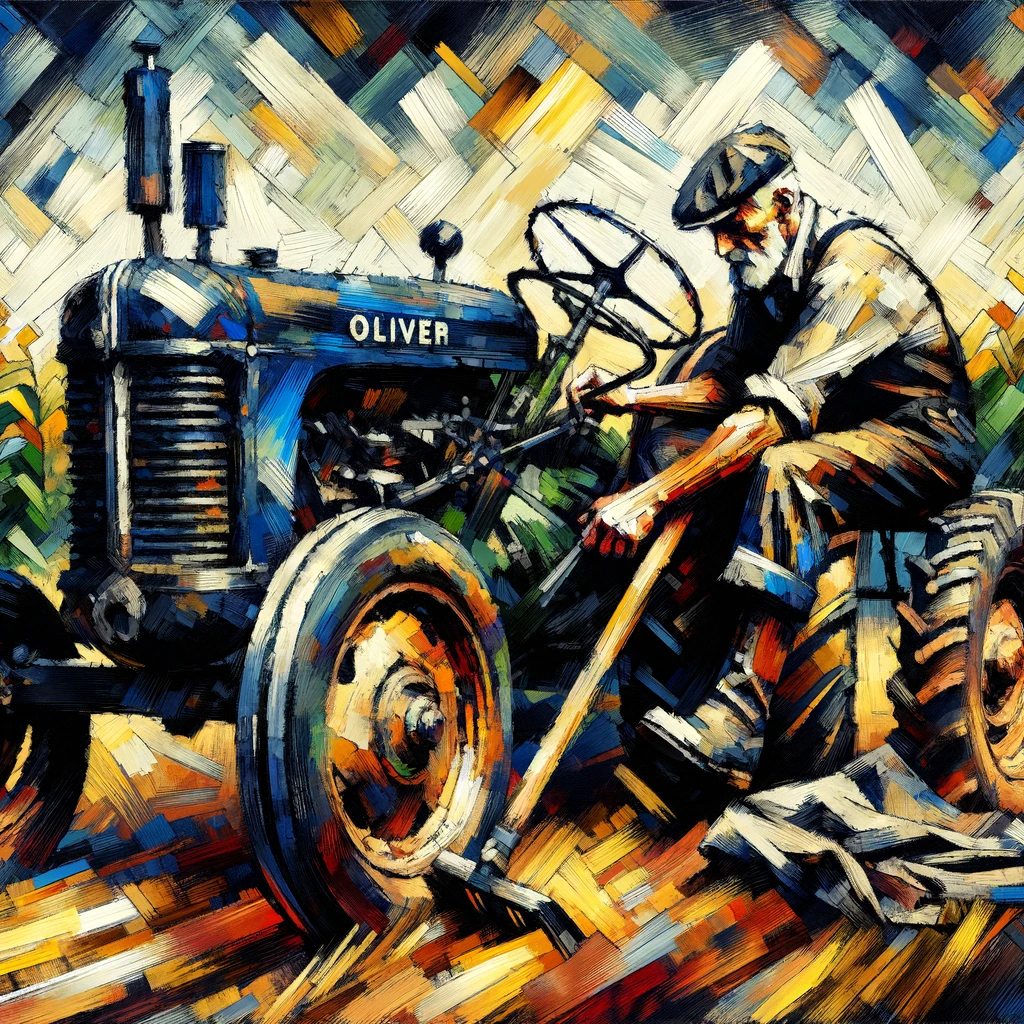
What Factors Drive Old Iron Prices?
How Can I Assess the Value Of My Old Iron?
Assessing the value of your old iron isn’t just about numbers or market trends; it’s a journey through memories, nostalgia, and a bit of good old-fashioned elbow grease. Imagine that rusty tractor sitting in your yard. It’s more than a hunk of metal; it’s a chapter of your life, a reflection of years spent under the sun, plowing fields, and creating a bond with the land. To evaluate its worth, start by digging through your own recollections. That tractor might have helped you bring in the harvest during a record year or served as a tool that gave you and your family a sense of pride.
Now, let’s bring in a rational approach. Research is key. Check online marketplaces and auction sites to see what similar equipment is selling for. Is that tractor from a respected brand? Was it built for durability? Knowing its specifications and the demand in your area can ground your assessment in reality and help you avoid the pitfalls of emotional decision-making. Take note of current agricultural trends and local farming practices—sometimes, an old tractor like yours is worth more to a collector or a local farmer who values the nostalgia and story it carries.
Ethics play a role here, too. Passing on your equipment to someone who can put it to good use can fulfill a sense of duty. Instead of letting it rust away, find a buyer who appreciates its history. This doesn’t just benefit you; it nurtures a connection within your community, supporting those who are just starting out or who keep vintage machines alive.
Narratively, think of the stories that your tractor could tell. Each dent and scratch is a testament to hard work and perseverance. Share these stories when negotiating its worth; they add intrinsic value that goes beyond metal and machinery.
And finally, trust your gut. If a prospective buyer lights up at the sight of that old iron, that enthusiasm can translate to a better sale price. You want someone who sees the beauty in its history, just as you do. Engage with them on a personal level; you’re not just selling a tractor; you’re passing on a legacy. Connecting with fellow enthusiasts can lead to unexpected opportunities, and maybe even new adventures. Embrace the process, and the true value of your old iron will reveal itself.

How Can I Assess the Value Of My Old Iron?
How Can I Assess the Value Of My Old Iron?
- Assessing the value of old iron involves personal memories and nostalgia.
- Consider the significance of items like a rusty tractor, which represent life experiences and hard work.
- Research current market trends and similar equipment sales to determine practical value.
- Evaluate the brand, specifications, and demand for the equipment in your area.
- Ethically, passing on equipment supports community connections and helps others.
- Share stories of the equipment’s history to highlight its intrinsic value beyond just monetary considerations.
- Trust personal intuition when engaging with potential buyers, as their enthusiasm may enhance sale value.

How Can I Assess the Value Of My Old Iron?
What Trends Are Shaping the Old Iron Market?
The old iron market isn’t just a reflection of nostalgia—it’s a vibrant landscape woven with stories of perseverance, craftsmanship, and the relentless pursuit of innovation. Look beyond the rust and wear, and you’ll see the lifeblood of agriculture and industry. Consider the tractor, a symbol of progress that transformed farming, yet holds a place of reverence among collectors and restorers, reminding us of our roots and the hands that shaped the land.
As trends emerge, the market sees an intriguing shift. Enthusiasts are not merely buying old iron; they are investing in history and sustainability. The growing awareness of environmental impact has sparked interest in vintage machinery. Many of these machines are crafted with more durable materials than their modern counterparts, thus possessing the potential for longevity that aligns with today’s eco-conscious mindset. Approaching old iron as not just relics but as vehicles for sustainable practices fosters a connection that resonates with both the heart and mind.
The allure of the old iron market also lies in its responsible stewardship. In a world defined by throwaway culture, there’s an ethical aspect to reviving and restoring these machines. Each tractor, each piece of equipment, embodies a story that encompasses labor, ingenuity, and the passage of knowledge. Engaging with these machines is not just an act of preservation; it’s a commitment to honoring the generations that have come before us and preserving their legacy for those who will follow.
Social connections thrive in the vibrant communities forming around old iron. Auctions and gatherings attract enthusiasts eager to share their passion, fostering a camaraderie rarely found in other interests. These events are about more than commerce; they’re a celebration of shared values, craftsmanship, and the collective memory of a simpler time. Bonds forged over the shared love of vintage machines are reinforced by tales of restoration challenges and triumphs that resonate deeply, evoking pride and belonging.
Moreover, the demand for vintage machinery is rising as younger generations realize the importance of hands-on skills in an increasingly digital world. There’s a tangible satisfaction that comes from working with your hands, a skill that seems to be slowly fading but is being revitalized within the old iron community. This trend invites new blood into the fold, urging them to embrace a heritage that is rich with possibilities, ensuring that old iron will not only survive but thrive in an ever-evolving landscape.
By embracing these trends, the old iron market isn’t just shaping its future; it’s drawing us into a narrative of resilience and respect for our past, eager to inspire trust and action for what lies ahead.

What Trends Are Shaping the Old Iron Market?
What Trends Are Shaping the Old Iron Market?
- The old iron market embodies stories of perseverance, craftsmanship, and innovation.
- Enthusiasts invest in vintage machinery for its historical significance and sustainability benefits.
- Durable materials in older machines offer longevity that appeals to eco-conscious consumers.
- Reviving old iron reflects a commitment to ethical stewardship and honoring past generations.
- Community bonding occurs through auctions and gatherings, fostering shared values and crafts.
- Younger generations are embracing hands-on skills, revitalizing interest in vintage machinery.
- The market is evolving, drawing people into a narrative of resilience and respect for heritage.

What Trends Are Shaping the Old Iron Market?
Should I Hold Onto My Old Iron for Future Gains?
When you stand in your barn, gazing at that old tractor, it’s more than just a machine covered in rust; it’s a piece of your history. It’s the same tractor that ran like a workhorse during countless harvests, each dent and scratch a story waiting to be told. Holding onto that old iron is a decision steeped in sentiment and significance, reflecting not just what you’ve accomplished but who you are as a steward of the land.
Emotionally, that tractor embodies the grit and determination that agriculture demands. It’s a relic of hard work—an emblem of those long days spent battling the elements, the sweat, and the toil etched into its chassis. Letting it go might feel like severing a connection to your legacy, to the family traditions that have been passed down through generations. There’s a gut feeling that pulls at you, whispering that it represents far more than just its monetary worth.
Rationally, this old iron may still hold value in an ever-evolving market. With the resurgence of interest in vintage equipment among collectors and hobbyists, you may find that this piece of machinery can translate into a surprising financial gain. Assessing its condition and market demand could reveal its potential, whether as a functional asset to another farmer or as a cherished decoration in someone’s yard. Your old tractor might not just sit idle but could help you balance the books and fund future projects you care about.
Furthermore, consider the ethical implications of your decision. Preserving that old tractor can contribute to a narrative of sustainability. Rather than discarding it to make room for newer, less personal equipment, holding onto it is a vote for familiar craftsmanship, a tribute to values that prioritize quality over quantity. In a world obsessed with the new, owning the old can be a badge of honor.
As you ponder whether to keep the tractor or sell it, think about how it strengthens your connections. Sharing its story can ignite conversations with neighbors and fellow farmers—each person sharing their own tales of resilience and farming challenges. Together, you all cultivate a community rich in shared experiences, where old iron can forge new relationships.
The decision to hold onto your tractor isn’t just about nostalgia; it’s about recognizing its tangible and intangible worth. It’s about embracing both the past and the possibilities ahead, trusting in your instincts and the values you hold dear.

Should I Hold Onto My Old Iron for Future Gains?
Should I Hold Onto My Old Iron for Future Gains?
- The tractor symbolizes a piece of personal history, representing past achievements and agricultural labor.
- Emotionally significant, it reflects hard work and family traditions, creating a bond to legacy.
- The tractor may have financial value in the market, appealing to collectors and hobbyists.
- Keeping it supports sustainability and craftsmanship, prioritizing quality over newer equipment.
- Its story can foster connections, sparking conversations and shared experiences within the farming community.
- The decision to retain the tractor involves recognizing both its tangible and intangible worth.
- Embracing the past while considering future possibilities is key to the owner’s values.

Should I Hold Onto My Old Iron for Future Gains?
What Are the Risks Of Selling Old Iron Now?
Selling old iron, particularly when it comes to agricultural tools or machinery, comes with its own set of risks that are often overlooked. Picture this: you’ve got a tractor that’s been a reliable companion through countless seasons, yet its age now nudges you to part ways. There’s a twinge of nostalgia coupled with the pull of practicality. But before you make that leap, let’s delve into the reality of the situation.
Economically, fluctuating scrap metal prices can turn a hopeful sale into a disappointing transaction. What once seemed like a solid investment could lead to underwhelming returns, especially if you’re not paying attention to market trends. A tractor that could fetch a decent price today might plummet in value tomorrow, leaving you with a costly decision. That’s where the rational side of things begins to weigh heavily.
Emotionally, a piece of equipment holds stories and memories. It’s not just metal; it’s the sweat of your brow, the laughter of family gatherings, and the hard work of harvests. Selling something that has been part of your life can evoke feelings of loss. It’s an ethical tug-of-war—what’s right for your wallet versus what’s right for your heart?
When you look at the authority in this matter, consider the wisdom of those who’ve tread this path before you. Farmers typically have a network of fellow operators sharing their experiences, insights gained from years of trading old iron. Heeding this advice can lead to a more informed decision, one that respects both your emotional ties and financial needs.
Then there’s the narrative of community. When you sell your tractor, you’re not just passing on an item; you’re contributing to a shared history. It could be the reliable machine that helps another farmer keep their family legacy alive. This interconnectedness fosters a bond that transcends the transaction itself.
Ultimately, it’s about trust—trust in the market, in your community, and in yourself. Do your homework, connect with local buyers or sellers, and weigh your options carefully. There’s strength in making informed choices that consider both heart and mind. Selling old iron isn’t merely about cashing in; it’s about ensuring that your legacy continues in the hands of someone who will appreciate it as you did.

What Are the Risks Of Selling Old Iron Now?
What Are the Risks Of Selling Old Iron Now?
- Selling old agricultural machinery, like tractors, involves emotional and economic risks.
- Fluctuating scrap metal prices can significantly affect the sale value.
- Emotionally, machinery holds personal memories and experiences for sellers.
- Farmers often share insights and experiences within their communities to navigate sales.
- Selling contributes to community history and fosters connections among farmers.
- Trust in the market, community, and oneself is crucial during the selling process.
- Making informed decisions balances emotional attachments with financial considerations.

What Are the Risks Of Selling Old Iron Now?
Conclusion
In the intricate world of old iron, the question of whether we’re in a buyer’s or seller’s market transcends mere economics. It’s a landscape shaped by passion, legacy, and a shared connection to a history that these machines embody. Every rusted tractor and piece of vintage equipment evokes stories of hard work and tradition; they aren’t just machines, but lifelines to a simpler time filled with labor and camaraderie. For buyers, the pursuit isn’t solely a potential financial investment, but a journey into nostalgia and community, where each piece they acquire carries with it the weight of memory and pride. Sellers, too, face a poignant crossroads, choosing to part with beloved machines that symbolize years of dedication and toil. The emotional ties to these tractors often elevate their worth beyond market pricing.
As the landscape shifts, understanding the driving forces behind the old iron market is essential. Emotional value plays a pivotal role; each scratch and dent tells a narrative that resonates deeply with collectors and hobbyists alike. Meanwhile, the rational side—market trends, scarcity, and demand—intertwine with these narratives, revealing the true essence of a vintage machine. Old iron isn’t just measured by its material components; it’s about how it reverberates with shared experiences and memories.
Ethically, the connection fosters trust between buyers and sellers, allowing for a thriving marketplace built on mutual respect. It’s essential that both parties recognize and appreciate the stories tied to these machines, preserving not just history, but also creating a legacy for future generations. Embracing this ethos transforms the transaction from a simple sale into a meaningful exchange that strengthens community bonds.
Navigating these dynamics, whether holding onto your vintage equipment or deciding to let go, comes with both risks and rewards. The decision to sell isn’t merely transactional; it’s about recognizing the legacy each piece represents. Embracing change opens doors to new opportunities while honoring the past fosters a sense of continuity within this vibrant community.
Ultimately, the old iron market isn’t just about selling or buying; it’s about reviving memories, connecting hearts, and cherishing the stories that these magnificent machines tell. As we lean into the future, let’s ensure these enduring tales of resilience and craftsmanship continue to inspire and unite us.

Conclusion
Conclusion:
- The old iron market intertwines economics with passion, legacy, and history.
- Vintage equipment represents stories of hard work and community, not just financial investments.
- Sellers face emotional dilemmas when parting with machines that symbolize dedication and toil.
- Market dynamics blend emotional value with rational factors like scarcity and demand.
- Trust and mutual respect between buyers and sellers are essential for a thriving marketplace.
- Deciding to sell vintage equipment involves risk and recognition of the legacy each piece carries.
- The old iron market serves to revive memories, connect hearts, and preserve stories of craftsmanship.

Conclusion
Other Resources

Other Resources
Here is a list of other resources you can review online to learn more:
- Merlin
- Fortuna Redwood Auto Xpo Antique Tractors
- TwinCity
- Force Motors
- McCormick Intl
- Jackson
- California Antique Farm Equipment Show
- Bruce County Heritage Farm Show
- Massey-Harris
- Fiat-Hesston
- Heartland Acres Agribition Center
- Mercedes-Benz
- J.I.Case
- Fahr
- CLAAS
- J & MManufacturing
- Ohio Crawford County Antique Farm Equipment Museum
- Volvo
- Centaur
- Brockway
Use This Prompt To Get More Resources With Your Favorite Online AI Tool: Please provide me with a list of online articles with their URLs in a bulleted list that I can read regarding Is Now a Buyer’s Market Or Seller’s Market for Old Iron?

Other Resources
Glossary Terms
Is Now a Buyer’s Market Or Seller’s Market for Old Iron? – Glossary Of Terms
1. Buyer’s Market: A market condition characterized by a surplus of goods, leading to lower prices and increased negotiation power for buyers.
2. Seller’s Market: A market condition where demand exceeds supply, allowing sellers to raise prices and have more control over transactions.
3. Old Iron: Recycled or scrap metal, typically from outdated machinery, construction materials, or other sources no longer in use.
4. Scrap Metal: Metal that is discarded or left over from manufacturing processes, often recycled for reuse.
5. Market Demand: The desire for a specific type of product within a market, influenced by factors such as price, availability, and economic conditions.
6. Market Supply: The total amount of a product available for sale in the market at a given time, affecting pricing and availability.
7. Recycling: The process of converting waste materials into reusable materials, often applicable to old iron and other scrap metal.
8. Ferrous Metals: Metals that contain iron, known for their strength and magnetic properties, commonly found in old iron.
9. Non-Ferrous Metals: Metals that do not contain iron, typically more resistant to corrosion and used in specific applications alongside ferrous metals.
10. Material Condition: The state of a product or material, influencing its value in the market, e. g. , rusted, usable, or deteriorated.
11. Pricing Trends: The patterns and shifts in prices over time, providing insights into whether it’s a buyer’s or seller’s market.
12. Resale Value: The potential price that an item can fetch when sold again, often impacted by material condition and market demand.
13. Commodity: A basic good used in commerce that is interchangeable with other goods of the same type, including metals like old iron.
14. Market Fluctuation: Changes in market prices and demand over time, which can indicate shifts between buyer’s and seller’s markets.
15. Market Analysis: The study of market trends, conditions, and variables that influence buying and selling activities.
16. Buyer Power: The influence that buyers have in negotiations, often greater in a buyer’s market.
17. Seller Power: The leverage or control sellers have in negotiations, typically enhanced in a seller’s market.
18. Scrap Yards: Facilities where scrap metal is collected, sorted, processed, and sold, playing a crucial role in the market for old iron.
19. Economic Indicators: Statistics that provide insight into the general health of the economy, affecting market conditions like supply and demand.
20. Extraction Costs: The expenses associated with obtaining old iron from sources, influencing pricing and market dynamics.
21. Market Saturation: A situation where the supply of goods exceeds demand, often leading to decreased prices.
22. Deregulation: The reduction or elimination of government rules affecting industries, which can impact the market dynamics for old iron.
23. Investment Trends: The patterns regarding where investors are putting their money, which can affect prices and demand for old iron.
24. Global Markets: The interconnected worldwide economic system that can influence local markets for commodities like old iron.
25. Supply Chain: The network of producers, processors, and distributors involved in the production and sale of goods, including scrap metal.
26. Trade Policies: Government regulations that affect international trade and can impact prices and availability of old iron.
27. Environmental Regulations: Laws and policies aimed at protecting the environment that affect recycling practices and the market for scrap metals.
28. Bidding Processes: Competitive offers made by buyers in an auction setting, often seen in markets for valuable materials.
29. Quality Assessment: The evaluation of the quality and condition of old iron, which influences its market value.
30. Investment Value: The worth of an asset, which can shift based on market conditions, affecting whether it’s considered a buyer’s or seller’s market.

Glossary Of Terms
Other Questions
Is Now a Buyer’s Market Or Seller’s Market for Old Iron? – Other Questions
If you wish to explore and discover more, consider looking for answers to these questions:
- Is the current market for vintage tractors growing, stable, or declining?
- How do regional differences affect old iron prices?
- Which tractor makes and models are most sought after by collectors?
- How does rarity influence the value of an old tractor?
- What condition factors (engine, transmission, frame, paint) most affect price?
- How do you verify a tractor’s provenance and ownership history?
- What documentation should I keep or obtain before selling?
- How do serial numbers and production years impact valuation?
- Where are the best places to sell vintage tractors (auctions, online marketplaces, specialty dealers)?
- What are the pros and cons of selling at auction vs. private sale?
- How much should I invest in restoration before listing for sale?
- Which restorations actually increase resale value, and which do not?
- How do I estimate restoration and parts costs?
- Where can I source hard-to-find parts and reproduction components?
- Are there trusted appraisers or valuation services for old iron?
- How do seasonal trends affect the timing and price of a sale?
- What legal or title issues should I be aware of when transferring ownership?
- Are there tax implications or reporting requirements when selling vintage machinery?
- How do shipping and transport costs influence sale price and buyer interest?
- What insurance options should buyers or sellers consider for vintage equipment?
- How can I protect myself from common scams or fraudulent buyers?
- What inspection checklist should I provide or request during a sale?
- How much does historical significance (e.g., farm provenance, famous owners) add to value?
- Who are the typical buyers (collectors, restorers, hobby farmers, decorators)?
- How do changes in agricultural technology affect demand for old iron?
- What environmental or disposal regulations apply to scrapping or exporting old equipment?
- Is it better to sell whole or part out the machine for components?
- How do you determine a fair asking price and set a reserve at auction?
- What marketing strategies attract serious buyers for vintage tractors?
- How can I authenticate original paint, decals, and accessories?
- What financing or payment options do buyers typically use for high-value vintage equipment?
- How long can I expect it to take to sell an average-condition tractor?
- What records or certifications increase buyer confidence (maintenance logs, rebuild receipts)?
- Which restoration skills are most valuable to learn if I want to restore and resell?
- How do collector events, shows, and clubs influence market demand and prices?
- Should I consider consignment with a specialty dealer, and what fees are typical?

Other Questions
Haiku
Is Now a Buyer’s Market Or Seller’s Market for Old Iron? – A Haiku
Old iron whispers tales,
Nostalgia’s grip entwined tight,
Buyers, sellers, hearts clash.

Haiku
Poem
Is Now a Buyer’s Market Or Seller’s Market for Old Iron? – A Poem
In fields where rust and stories lie,
Old iron stands, an echo, a sigh.
Machines of labor, memories entwined,
Tradition and toil in history combined.
A seller’s pride, a buyers dream,
Each dent and scratch, a life’s esteem.
Not just machinery, but legacies passed,
In every rusted bolt, the future is cast.
The market sways, emotions collide,
As nostalgia and logic walk side by side.
Old tractors offer more than metal’s worth,
They’re gateways to stories of love and earth.
Ethics unfold in each heartfelt trade,
Trust nurtures connections, new bonds are made.
Letting go can be a bittersweet start,
Yet holding on guards a piece of the heart.
Assess value with eyes wide and wise,
Research and memories help recognize
That worth is not just a number to see,
But the spirit of farming, alive as can be.
In gatherings and bids, community thrives,
Crafting a future where passion survives.
With each machine, a narrative grows,
In the realm of old iron, the heart truly knows.
So weigh your choices—hold on or let go,
Embrace the journey that time will bestow.
For in every sale, and in every keep,
Lies the promise of heritage, rich and deep.

Poem
Checklist
Is Now a Buyer’s Market Or Seller’s Market for Old Iron? – A Checklist
Heart Appeals
✅______ Reflect on the emotional stories associated with your old iron. What memories does it evoke?
✅______ Consider the legacy you want to pass on. How will selling or keeping it impact your family and community?
✅______ Recognize the nostalgia tied to old machinery. How does it represent your history and hard work?
Head Appeals
✅______ Research current market trends for old iron. What are similar machines selling for?
✅______ Assess its condition and unique qualities. Is it from a reputable brand? How rare is it?
✅______ Stay informed about agricultural practices and technology shifts that may affect machinery value.
Gut Appeals
✅______ Trust your instincts regarding the emotional connection to your old iron. Does selling feel like the right move for you?
✅______ Observe potential buyers’ enthusiasm. How does their reaction influence your decision?
✅______ Reflect on how selling aligns with your values and future goals.
Ethical Appeals
✅______ Consider the responsibility of passing on your old iron to someone who appreciates it. Could it support a new generation of farmers?
✅______ Assess the sustainability of reviving old machinery versus purchasing new.
✅______ Ensure that your transaction promotes trust and respect within the community.
Authority Appeals
✅______ Seek advice from industry experts, fellow farmers, or appraisers for insights on market value and trends.
✅______ Look for reputable sources or auction platforms to gauge selling conditions.
✅______ Consider attending industry events or gatherings for networking and guidance.
Narrative Appeals
✅______ Share the stories connected to your old iron during negotiations; they add value and context.
✅______ Create a narrative of resilience and tradition around your decision to sell or keep it.
✅______ Engage with the community through storytelling, fostering deeper connections and appreciation for old machinery.

Checklist
At ClassicTractorNews, we help tractor lovers keep up with the latest news for classic and vintage tractors.
Please share this post with your friends, family, or business associates who may like old classic or vintage tractors.