

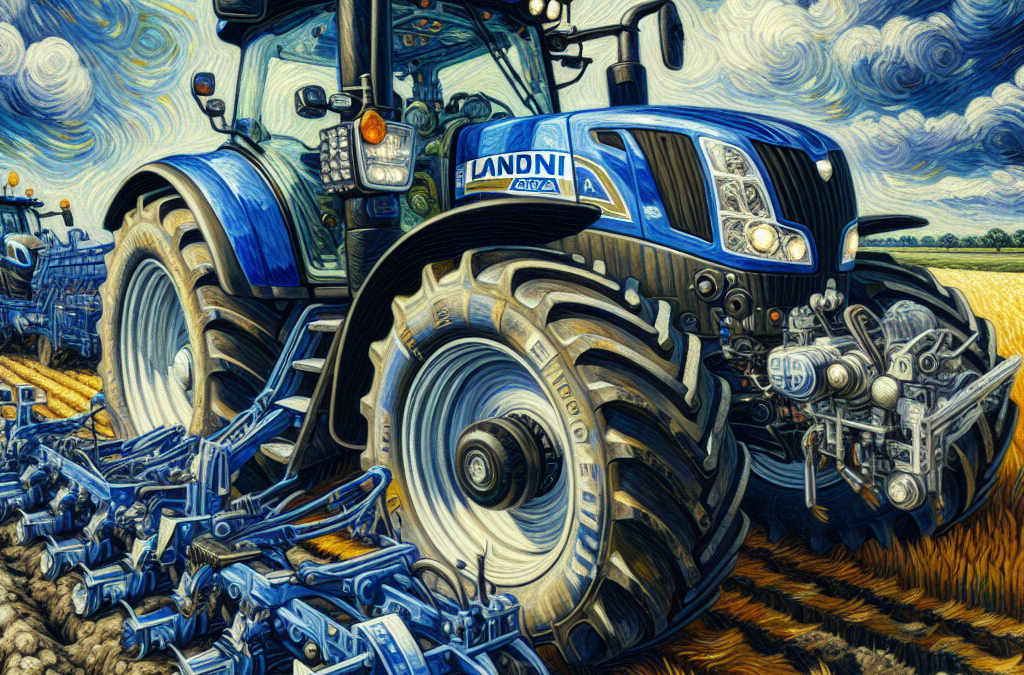
Unearthing The Impact: Balancing Tech And Tradition In Agriculture
By Tom Seest
At ClassicTractorNews, we help tractor lovers keep up with the latest news for classic and vintage tractors.
Please share this post with your friends, family, or business associates who may like old classic or vintage tractors.
Is More Technology In Tractors Leading to More Problems
?
Imagine stepping into your family’s tractor—a machine that has birthed generations of memories, sweat, and an undeniable bond with the land. This isn’t just any piece of equipment; it’s a symbol of hard work, tradition, and resilience. But as technology continues to seep into every corner of our lives, we’re left with an unsettling question: Is that alluring dashboard of buttons and screens enhancing our way of farming—or complicating it?
Let’s talk feels. Picture a farmer, a trusted steward of the land, standing perplexed before a screen blaring error messages, feeling a gut churn of frustration. For many, the tractor was once a simple tool, a reliable partner in their daily struggles against the elements. Now, that same partner often requires a tech-savvy mechanic just to diagnose why it won’t inch forward. There’s angst in that transition—a longing for the straightforward, uncomplicated days.
On a rational level, the lure of technology is hard to ignore. GPS-guided tractors boast precision, promising to save time and resources. But in practice, they can lead to dependency. Have we traded the gut instinct of generations for a reliance on algorithms? Every farmer worth their salt knows that nature doesn’t always follow the rules programmed into that shiny equipment. What happens when the tech fails? In a world that gleefully pushes for innovation, who’s left to help when that sophisticated tractor becomes a costly paperweight?
Ethically, we should ask ourselves: Are we losing connection with our environment? Technology can be a double-edged sword—while it modernizes farming practices, it can also create a chasm between farmer and field. The truth is, those who manage the land have always been its greatest guardians; technology should empower them, not overshadow the knowledge honed by experience.
Can we really trust machines to take the helm when every field whispers its own story? We owe it to ourselves, to our values, and to the generations that will follow, to ensure that while we embrace technology, we don’t forget to lean on that unyielding, human touch—the heart of every tractor that rolls through the soil. Let’s tread carefully, celebrate progress, but always remember the roots that ground us. Only then can we forge a path toward a future where technology enhances our legacy, rather than overcomplicates it.
Is More Technology In Tractors Leading to More Problems
Is More Technology In Tractors Leading to More Problems
- The family tractor symbolizes generations of hard work and a deep connection to the land.
- Advancements in technology raise questions about whether they truly enhance or complicate farming.
- Farmers often face frustration with complex technology, shifting from simple tools to sophisticated machines.
- While technology offers precision through tools like GPS, it may foster dependency on algorithms over traditional farming instincts.
- The ethical concern arises about losing the connection with the natural environment due to excessive reliance on technology.
- Farmers, as guardians of the land, should be empowered by technology rather than overshadowed by it.
- Balancing technological progress with a respect for traditional practices is crucial in shaping the future of farming.
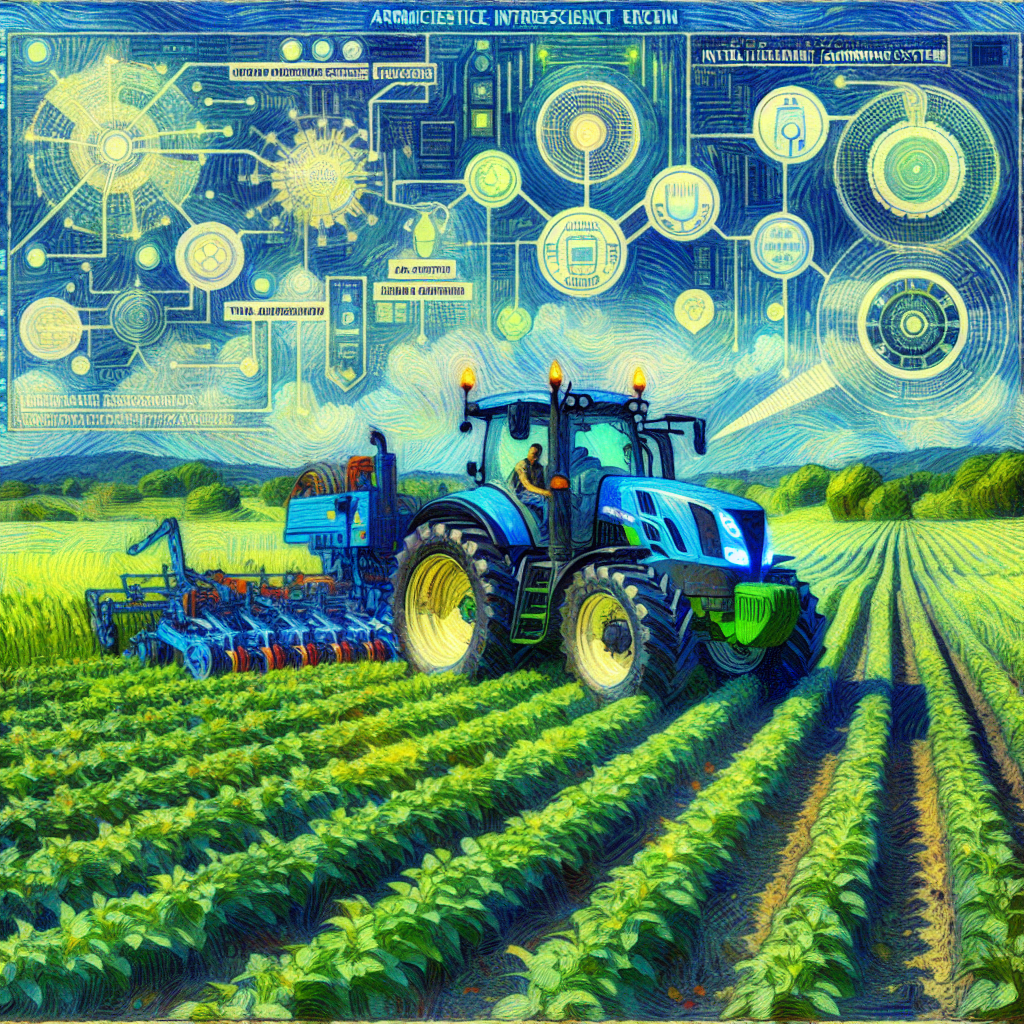
Is More Technology In Tractors Leading to More Problems
Table Of Contents
- Is More Technology In Tractors Leading to More Problems
- Is Technology In Tractors Making Farming More Stressful?
- Are We Losing The Human Touch In Agriculture With Advanced Machinery?
- How Does The Rise Of Tech In Tractors Affect Farmer Jobs?
- Can Sophisticated Farming Technology Actually Reduce Crop Yields?
- How Does Reliance On Tech In Tractors Impact Sustainability?
- Can Technology Create A Disconnect Between Farmers And Land?
- Conclusion
- Other Resources
- Glossary Of Terms
- Other Questions
- Haiku
- Poem
- Checklist
Is Technology In Tractors Making Farming More Stressful?
Is Technology in Tractors Making Farming More Stressful?
Let’s take a moment to reflect on the humble tractor—a symbol of toil, perseverance, and the relentless spirit of agriculture. Once, this steel beast represented liberation, with farmers connecting to the earth and their crops in the simplest, most deliberate ways. Today, technology takes the wheel, transforming that trusty machine into a high-tech powerhouse. But at what cost?
On one hand, the advancements in tractors—GPS, automation, and drone integration—promise efficiency that would make even the most seasoned farmer raise an eyebrow. Imagine plowing fields with pinpoint precision, optimizing harvests, and maximizing yield. Sounds like a farmer’s dream, right? Yet, as we praise these innovations, let’s pause and ask: Are they advancing the heart of farming, or entangling us in complexities that add stress to an already demanding lifestyle?
The truth is, with great technology comes great expectation. These machines can track everything from soil moisture to crop health, turning every detail into data that farmers must decipher. What was once a simple rhythm of planting and harvesting has morphed into an intricate ballet of numbers and metrics. It’s not just about tilling a field anymore; it requires deep dives into analytics and technology management. Long gone are the days when farmers relied on gut feelings and weathered hands. Now, they often feel like operators of a high-stakes tech firm rather than caretakers of the land.
Ethically speaking, we must consider the emotional and mental toll this shift imposes. Farmers often grapple with the dichotomy of progress and tradition. While they want to harness the benefits of technology, they also sense a dissonance—a loss of connection to the very soil that nourishes their families. The narrative of farming is shifting, from one of intimate bond with nature to complex calculations and spreadsheets.
Socially, we’re witnessing changes in rural communities. Has technology in tractors created a chasm between old-timers who thrive on experience and newcomers reliant on screens? Conversations once shared over coffee now revolve around coding and optimization. The heart of farming—the stories, the spirit, the camaraderie—may be in danger of being overshadowed by a digital cloud.
So, as we embrace these technological titans, let’s not forget what made farming great in the first place. It’s about sweat, soil, and seasons; it’s about connection—both to the land and to one another. As we forge ahead, let’s hold on to that legacy while navigating the challenges of this high-tech age. It’s about finding balance. Trust that your heritage is still there even amidst the circuits and sensors—because at the end of the day, it’s still your tractor, your field, and your legacy.
Is Technology In Tractors Making Farming More Stressful?
Is Technology In Tractors Making Farming More Stressful?
- The evolution of tractors from simple machines to high-tech powerhouses reflects significant advances in farming technology.
- New innovations like GPS, automation, and drone integration aim to improve efficiency and maximize yields.
- However, the increased reliance on technology complicates farming, turning it into an analytics-driven endeavor.
- Farmers feel the pressure of learning and managing complex systems, moving away from traditional farming practices.
- The emotional and mental toll of balancing progress with tradition leaves many farmers feeling disconnected from the land.
- Rural communities are experiencing a divide between older, experience-based farming methods and newer, tech-driven approaches.
- Despite technological advancements, the essence of farming—connection to the land and community—should remain a priority.
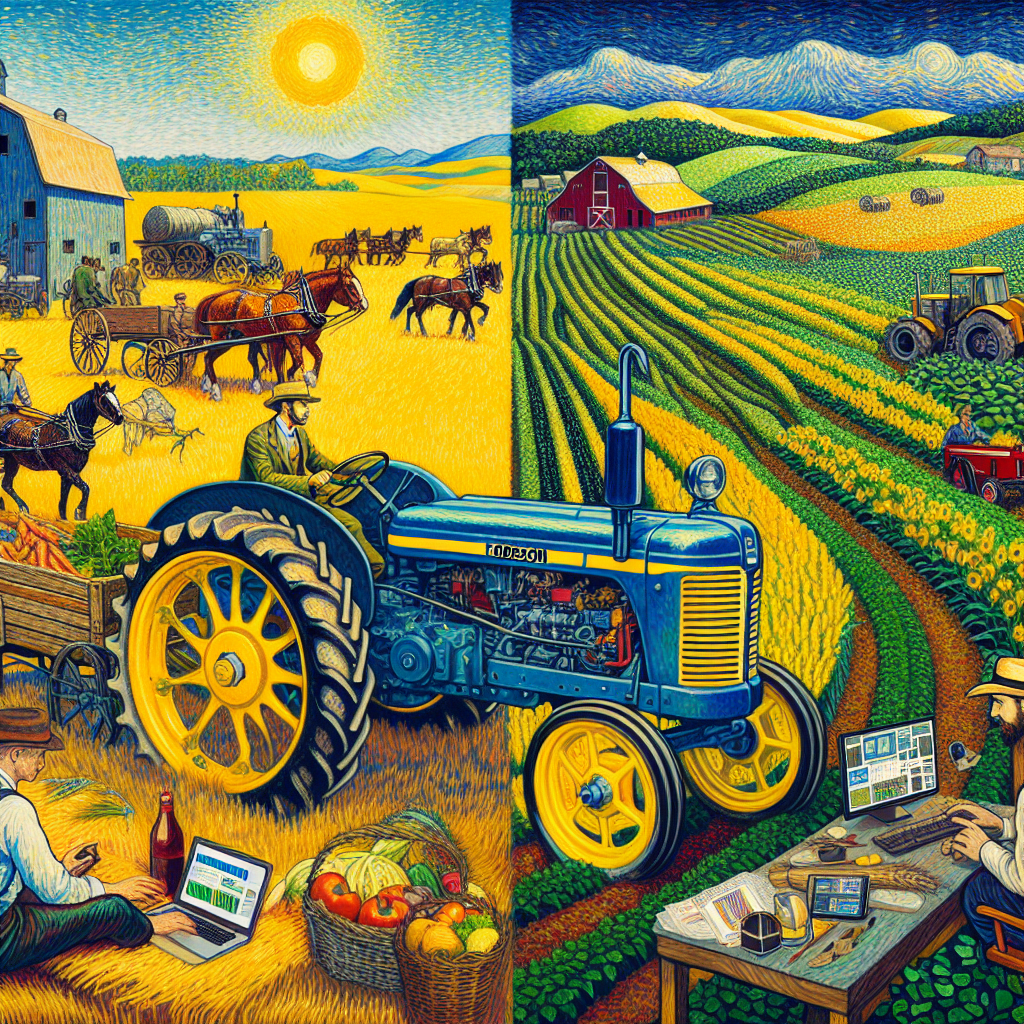
Is Technology In Tractors Making Farming More Stressful?
Are We Losing The Human Touch In Agriculture With Advanced Machinery?
In the dawn of modern agriculture, we stand at an astonishing crossroads, where love for the land collides with the high-octane efficiency of advanced machinery. Picture the hulking frame of a tractor, a behemoth of steel, easily dominating the fields that our forebears once toiled with bared hands. This marvel of technology can plant, cultivate, and harvest at speeds and scales that would leave even the most skilled farmer in awe. Yet, therein lies the rub: as we race towards a mechanized utopia, are we losing the very essence of what it means to be a steward of the soil?
Let’s consider the heart of the matter. Imagine a family farm bustling with laughter, where children learn the rhythm of life by planting seeds alongside their parents. In those moments, relationships bloom as beautifully as the crops. But with the rise of the tractor as the soul of the farming process, intimate connections with the earth become dwarfed by digital displays and automated systems. The comforting sight of dusk falling over a field lovingly tended by hand yields to the cold metallic whisper of engines revving up for another relentless harvest.
Now, let’s engage our heads. The advancements brought forth by advanced machinery are undeniable; food production has skyrocketed, and sustainability is within our grasp. However, let’s not ignore the ethical dilemma that arises when we trade the nuances of nature for the precision of algorithms. Are our practices supporting biodiversity? Are we sacrificing quality for quantity? It’s a question that warrants contemplation, as we weigh the benefits of efficiency against the fragile web of life that sustains us—all while remembering that the hands that plant those seeds once belonged to real, living people.
As we ponder these profound changes, we must remember our interconnectedness as a community. The stories of farmers—those who lived through droughts, floods, and bountiful harvests—remind us that agriculture is more than just production; it’s about heritage, identity, and the land that nurtures us. When we gather around a dinner table, breaking bread made from crops cultivated with care, let’s acknowledge the wisdom of both tradition and innovation.
In this dance between man and machine, let’s ensure we honor our roots while reaching for the future. The tractor shouldn’t just be a tool; it should be a bridge—linking us to the past, present, and future of farming with heart, mind, and soul.
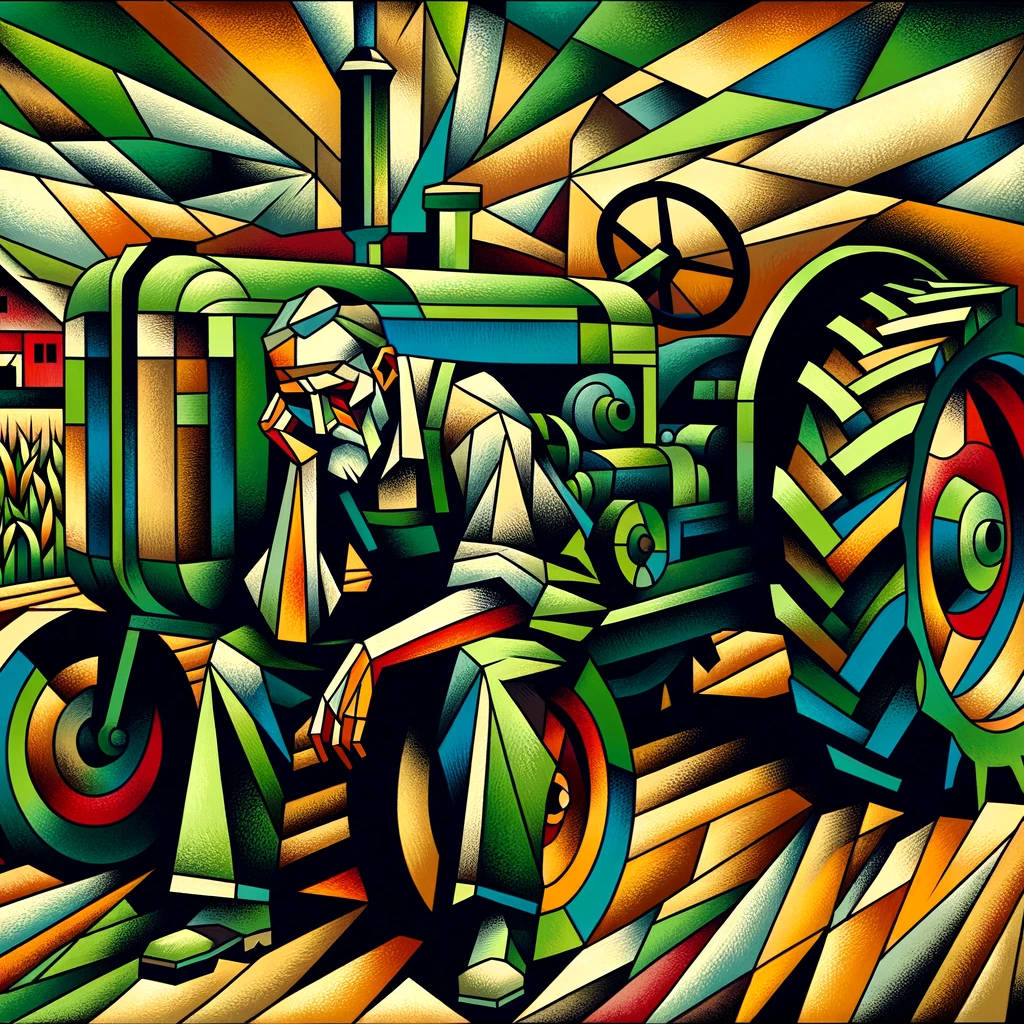
Are We Losing The Human Touch In Agriculture With Advanced Machinery?
Are We Losing The Human Touch In Agriculture With Advanced Machinery?
- Modern agriculture is at a crossroads between love for the land and the efficiency of advanced machinery.
- Tractors enable faster planting, cultivating, and harvesting than traditional methods.
- The rise of mechanization risks diminishing the intimate connections with the earth and farming practices.
- Family farms foster relationships and shared experiences, enriching the farming process.
- While machinery boosts food production and sustainability, ethical dilemmas arise concerning biodiversity and quality.
- Agriculture encompasses heritage and identity, reminding us of our interconnectedness as a community.
- Balancing tradition and innovation is essential for the future of farming, with technology acting as a bridge rather than a barrier.
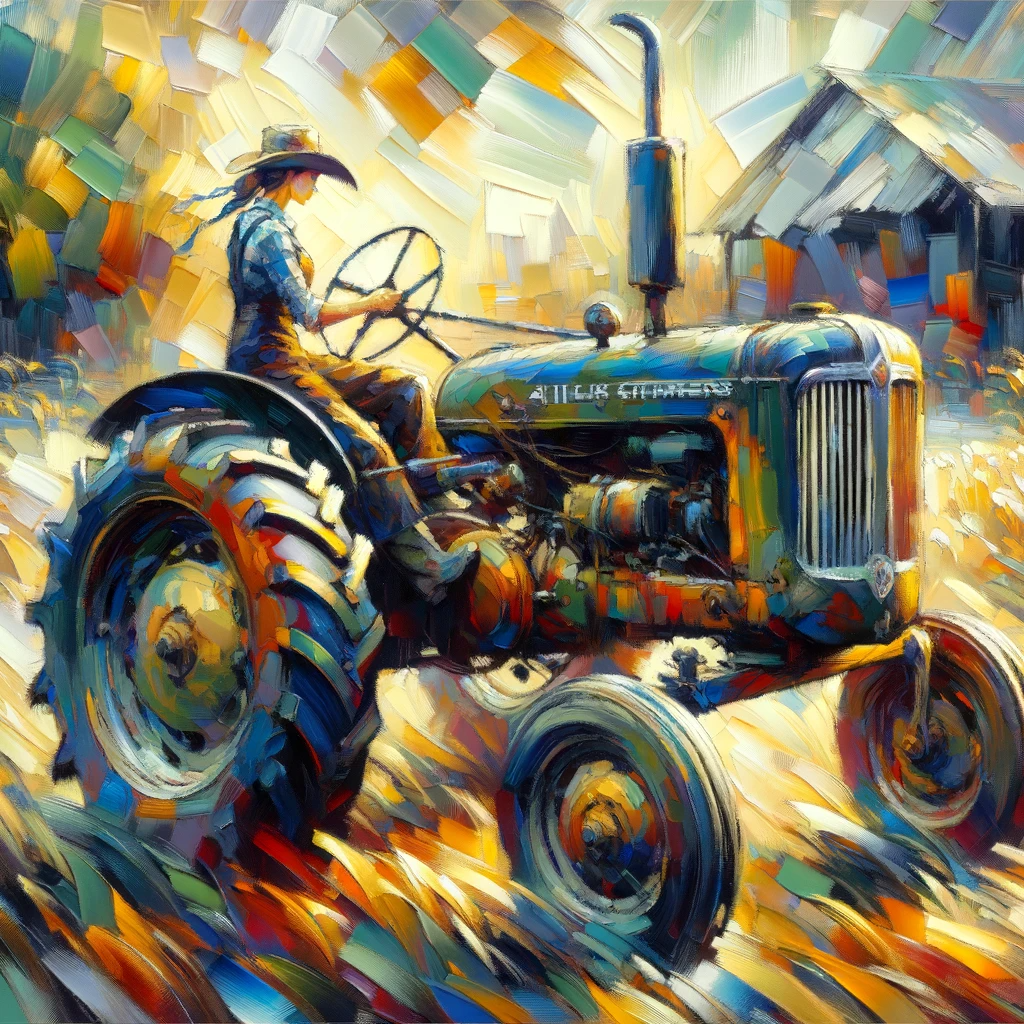
Are We Losing The Human Touch In Agriculture With Advanced Machinery?
How Does The Rise Of Tech In Tractors Affect Farmer Jobs?
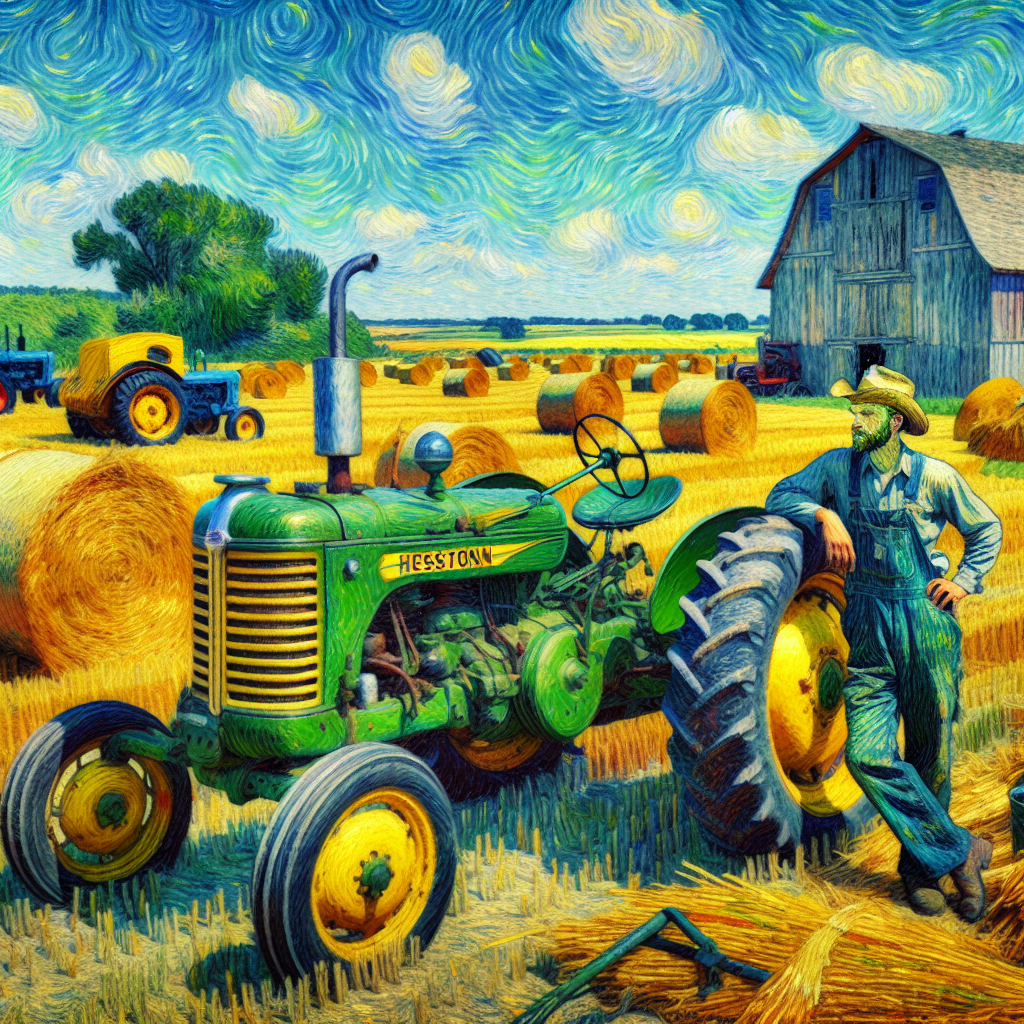
The rise of technology in tractors is a story of both promise and anxiety, a tale that resonates deeply with anyone who understands the soul of farming. Picture a farmer stepping into the cab of a high-tech tractor, equipped with GPS, precision farming tools, and data analytics. At first glance, it seems like the machinery is taking over the fields, and it’s hard not to feel a twinge of concern. Are our farmers replacing their hands with machines?
But let’s pause here and consider the bigger picture. For generations, our farmers have worked tirelessly, battling the elements and uncertainty to put food on our tables. The introduction of technology isn’t about erasing those noble efforts; it’s about enhancing them. This new wave of farmers, armed with technology, is still at the heart of agriculture. They are not just operators of equipment but also stewards of the land, wielding tractors that operate with pinpoint accuracy to cultivate crops more sustainably and produce higher yields. It’s a blend of old wisdom and new knowledge, a marriage that can lead to a brighter future for all.
Economically, this is a smart move. As the world’s population swells, food production must increase, and doing so requires efficiency. A farmer leveraging technology is not just competing with his neighbor; he’s playing a vital role in feeding the planet. Those machines don’t replace jobs; they change them. Instead of toiling for hours on manual tasks, farmers can focus on strategy, innovation, and environmental stewardship. This allows them to become advocates for sustainable practices, echoing the call for responsible farming in our communities and building resilience against climate challenges.
From an ethical perspective, embracing technology in tractors is also about making a choice for future generations. With global warming and resource scarcity looming, farmers equipped with modern machinery can cultivate more with less—reducing waste and leaving a healthier planet for our children.
In this narrative, the tractor doesn’t just symbolize technology; it embodies the evolution of farming itself. It’s a tool that empowers farmers, allowing them to harness both tradition and progress. So let’s celebrate the rise of tech in tractors—not with fear, but with appreciation for a profession that’s adapting, growing, and continuing to feed us all, one field at a time. The future of farming is bright, and together, we can navigate this ever-changing landscape with confidence and hope.
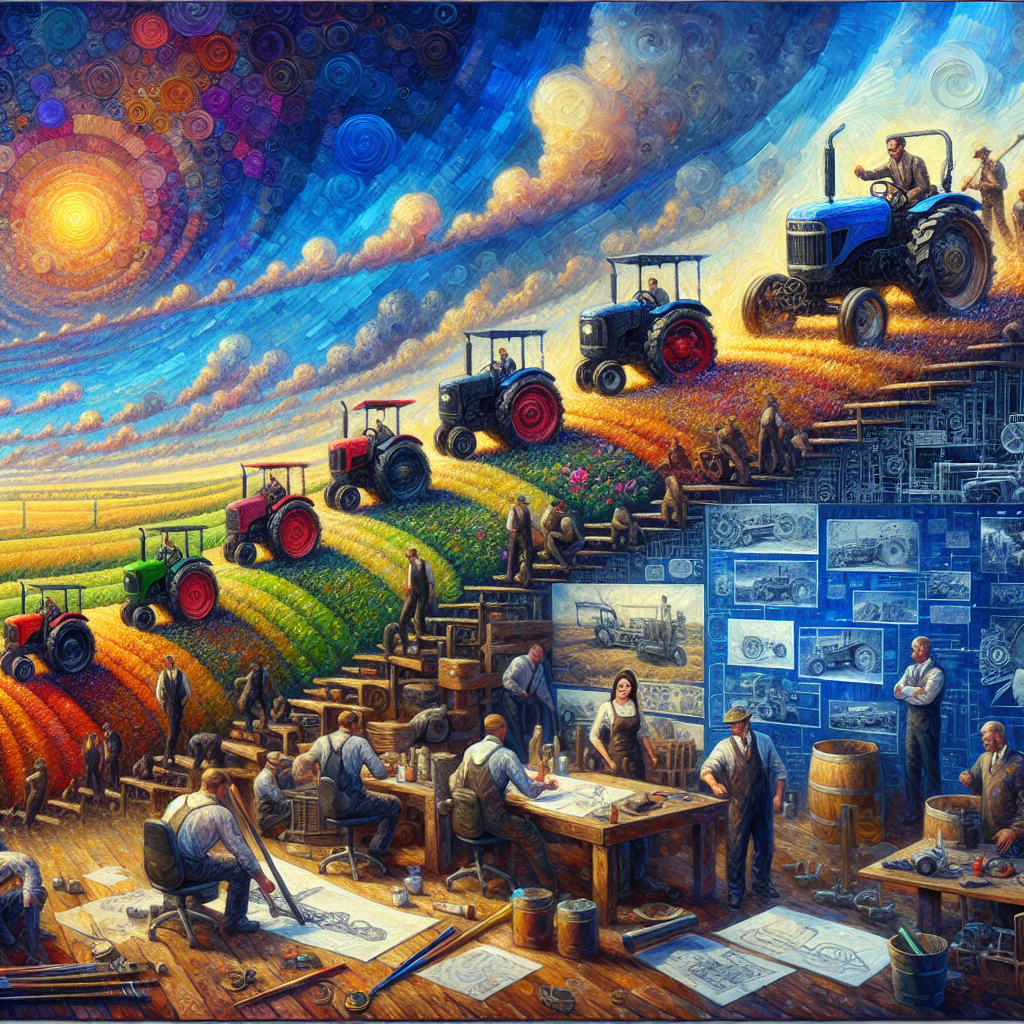
How Does The Rise Of Tech In Tractors Affect Farmer Jobs?
How Does The Rise Of Tech In Tractors Affect Farmer Jobs?
- The rise of technology in tractors brings both promise and anxiety for farmers.
- High-tech tractors equipped with GPS and precision farming tools enhance traditional farming practices.
- Technology is not replacing farmers; it helps them improve efficiency and sustainability in agriculture.
- Farmers can focus on strategy and innovation, transforming their roles in food production.
- Embracing technology enables farmers to advocate for sustainable practices and resilience against climate challenges.
- Modern machinery allows for increased productivity while reducing waste, benefiting future generations.
- The evolution of farming through technology symbolizes hope and adaptation for the future of agriculture.
How Does The Rise Of Tech In Tractors Affect Farmer Jobs?
Can Sophisticated Farming Technology Actually Reduce Crop Yields?
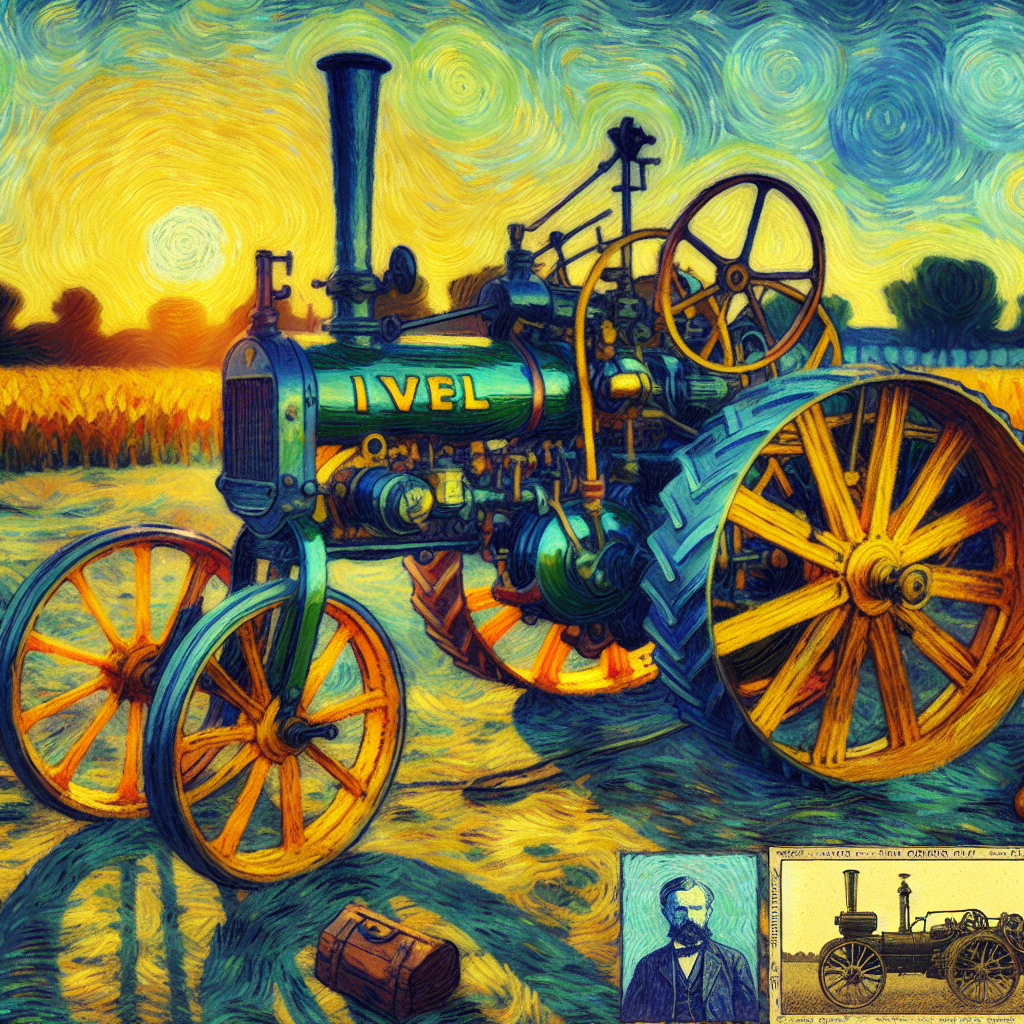
In the quiet hum of a tractor revving to life at dawn, there’s a ritual that transcends generations—a dance between man and the land, rooted deeply in tradition and trust. Picture the farmer, steady hands gripping the wheel, navigating unyielding fields that stretch toward the horizon. This is the heart of agriculture, a connection built over millennia, yet today, with the rise of sophisticated farming technology, this time-honored bond faces a daunting challenge: what if our tools, meant to uplift us, end up diminishing our yields instead?
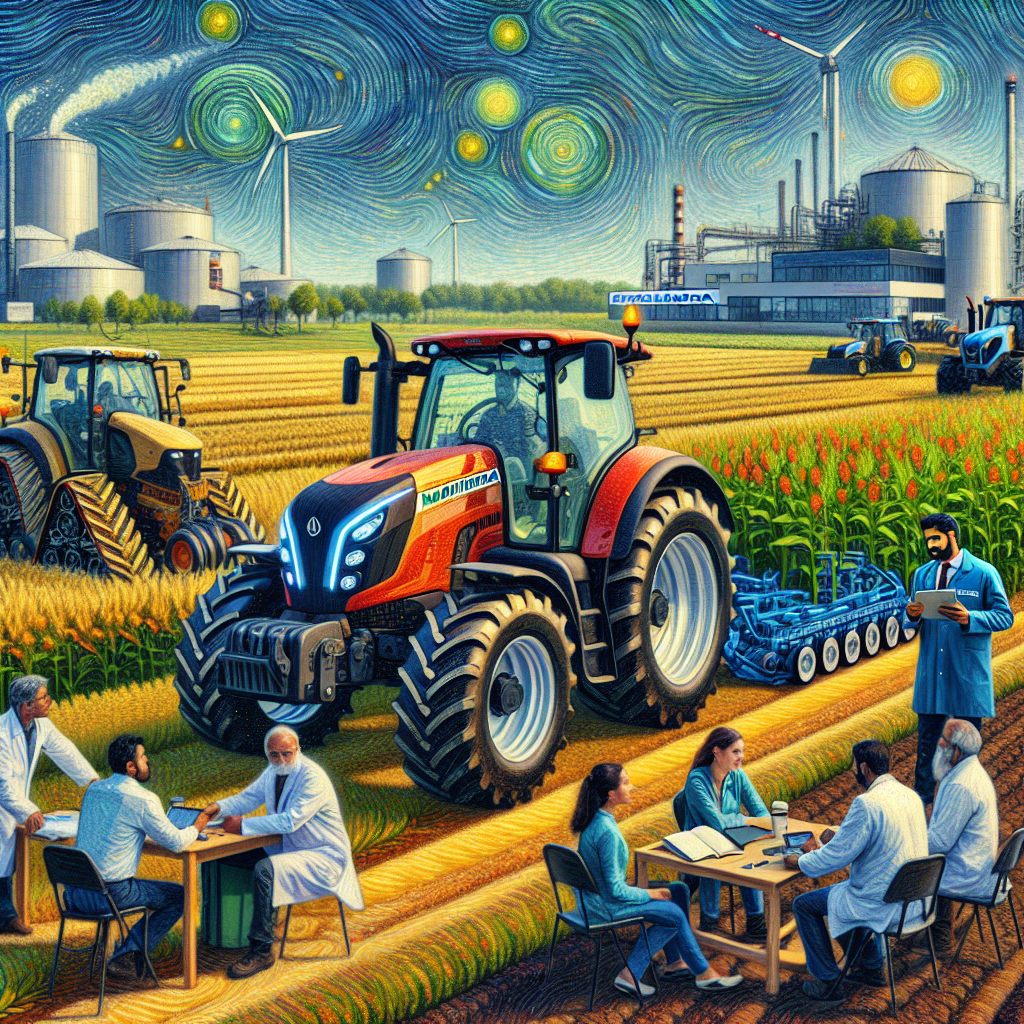
Modern advancements promise innovation. Drones gliding overhead, sensors embedded in the soil, and AI-driven data analytics all present a vision of efficiency. But let’s pause, shall we? As we entwine our hopes with technology, we must ask ourselves: does more truly equal better? With each new gadget added to the farmer’s toolkit, are we inadvertently losing touch with the very essence of farming?
We’re living in a time where ethical considerations loom large. The allure of maximizing production is strong, but what about the well-being of the soil, the ecosystem, and those who cultivate it? It’s about striking a balance, fostering sustainability, and respecting the age-old wisdom passed between generations. There’s something profound about understanding the land rather than merely extracting from it. It’s a mindset that invites us to slow down, look closely, and see the invisible threads that connect us all.
As we gather around the proverbial table to discuss agriculture’s future, let’s weave in the stories of those who toil under the sun. Each tractor that rolls into a field is not just a machine; it symbolizes the hopes of a family, a community. The narratives they carry reflect not just the triumphs, but the struggles—the unpredictable nature of weather, market fluctuations, and the stubborn grip of tradition faced with modernity’s onslaught.
So, let’s engage not just our intellect, but our hearts and guts, too. By opening up about the fears and aspirations that underpin this conversation, we foster trust and connection. Together, we can navigate this uncharted territory, ensuring that technology serves as an ally rather than a foe—protecting our crops, our farmers, and ultimately, the future of food itself. Because in the end, it isn’t just about yields; it’s about stewardship and respect for our land and all who depend on it.
Can Sophisticated Farming Technology Actually Reduce Crop Yields?
Can Sophisticated Farming Technology Actually Reduce Crop Yields?
- A timeless ritual exists between farmers and the land, rooted in tradition and trust.
- Modern farming technology, like drones and AI, presents challenges to traditional farming practices.
- Innovation must be balanced with the essence of farming; more tools do not always mean better yields.
- Ethical considerations in agriculture highlight the importance of soil and ecosystem health.
- Understanding the land fosters sustainability and respect for the wisdom of prior generations.
- The stories of farmers reflect their struggles and triumphs amidst weather and market challenges.
- Engaging emotionally in agricultural discussions can build trust and ensure technology supports sustainable practices.
Can Sophisticated Farming Technology Actually Reduce Crop Yields?
How Does Reliance On Tech In Tractors Impact Sustainability?
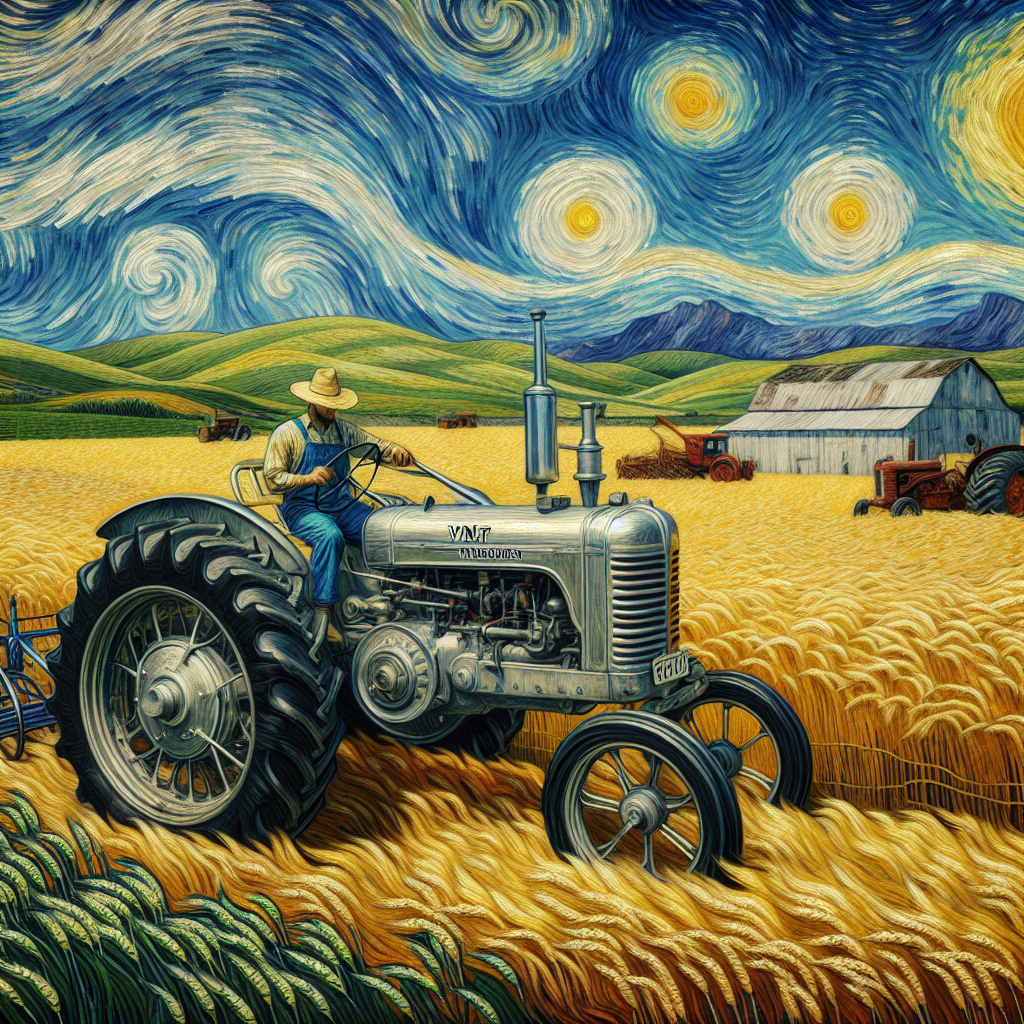
Technology in tractors is changing the landscape of agriculture, but its impact on sustainability is a conversation worth having. Picture a farmer, sun-kissed and weary from long hours in the field, pouring everything they have into the soil. Now imagine that same farmer behind the wheel of a cutting-edge tractor, outfitted with sensors and GPS, enhancing their ability to make data-driven decisions. It’s a scene that marries tradition with innovation, where technology isn’t just a flashy tool but a partner in the pursuit of sustainability.
At its core, reliance on tech in tractors can feel like a lifeline. Think of the heart—the pulse of our agricultural communities is the farmers who toil day in and day out. With advanced machinery, they can cultivate their land with precision. Every drop of water, every ounce of fertilizer is delivered exactly where it’s needed, minimizing waste. This isn’t just about efficiency; it’s about taking care of the land they love. It’s ethical stewardship—an undeniable responsibility to both their trade and the environment. This resonates deeply with anyone who values the future of our planet.
Using tractors equipped with modern technology isn’t merely a choice; it’s a powerful narrative of resilience. Consider the burgeoning climate crisis, the threats of soil degradation, and water scarcity. Rationally, the data indicate that smart tech can significantly mitigate these impacts by optimizing resources and boosting crop yields—securing food for generations to come. Embracing this technology isn’t just an option; it’s a necessary evolution for any farmer looking to thrive.
Moreover, there’s a social aspect that can’t be ignored. Farmers who adopt these high-tech tractors often inspire their communities, showcasing a new way forward. Imagine a neighborhood farmer proudly demonstrating how they’ve reduced their carbon footprint or increased their yield without hurting the environment. These stories foster connection and encourage others to embrace sustainable practices. When we share these achievements, we strengthen the fabric of our rural economies and build a collective commitment to sustainability.
So, the next time we discuss tractors, let’s think beyond the iron and steel. Let’s focus on the heartbeats behind the wheel—the farmers who are reshaping our agricultural story with technology. Their reliance on innovation serves as a beacon, guiding us toward a future where sustainability is not just an ideal, but a reality. Together, let’s root for them, for our land, and for a greener tomorrow.
How Does Reliance On Tech In Tractors Impact Sustainability?
How Does Reliance On Tech In Tractors Impact Sustainability?
- Advancements in tractor technology are transforming agriculture and sustainability discussions.
- Farmers enhance their data-driven decision-making through tractors equipped with sensors and GPS.
- Modern tractors enable precise cultivation, minimizing resource waste and promoting ethical stewardship.
- Smart technology helps address climate crises by optimizing resources and boosting crop yields.
- Adopting technology is crucial for farmers to thrive and secure food for future generations.
- Farmers inspire their communities by showcasing sustainable practices and reducing their carbon footprint.
- The focus should be on the farmers using technology to reshape agriculture towards sustainability.

How Does Reliance On Tech In Tractors Impact Sustainability?
Can Technology Create A Disconnect Between Farmers And Land?
In the dawn of the digital age, many farmers proudly position themselves at the helm of cutting-edge tractors equipped with the latest technology. These gleaming machines promise efficiency, precision, and higher yields. Yet, here’s where the plot thickens. With screens flashing algorithms and remote sensors feeding data to farmers miles away, a critical question arises: are we trading tradition for technology at the expense of our connection to the land?
Picture this: a seasoned farmer wakes up before dawn, guided not just by the clock but by an unbreakable bond with the earth beneath his feet. He knows the subtle shifts in soil texture, the whisper of crops yearning for water, and the exact moment when a blade of grass signals it’s time to harvest. This intimate relationship takes years to cultivate, but with every keystroke and every touchscreen interaction, there’s potential for that relationship to fray.
Sure, the precision agriculture tools make it easier to track crop health and analyze soil conditions. The data is downright impressive! Thriving yields have become a benchmark, but at what cost? When farmers rely exclusively on technology to manage their fields, they risk letting go of a lifetime of wisdom—an understanding coded in memory rather than bytes. When you rely solely on algorithms, there’s a chance you miss the signs that only the land can offer, leading to a sterile existence on what should be this vibrant canvas of life.
Beyond the machines that roar to life at the crack of dawn, lies an ethical dilemma that society must contemplate. With every tech-driven solution, we inch closer to a world where generations of farming know-how dissolve like morning mist. What about the next generation, the kids who might as well be operating a video game instead of working with the soil? If we strip away the human touch, will they inherit a farm—or a data center?
As we forge ahead, it’s crucial to find equilibrium; a blend of tradition and technology, where the heart of farming beats strong. Let’s not just chase yields but also foster roots—roots that connect us to the land, to history, and to one another. After all, every tractor rolling over that field carries not just seeds, but the stories of those who came before us. Can we harness the marvels of innovation without severing our relationship with the very soil that feeds us? The answer lies in the choices we make today, as stewards of our land and our future.
Can Technology Create A Disconnect Between Farmers And Land?
Can Technology Create A Disconnect Between Farmers And Land?
- Farmers are increasingly adopting advanced tractors equipped with modern technology for increased efficiency and higher yields.
- There is concern that reliance on technology may diminish farmers’ traditional connections to the land.
- Farmers with deep knowledge of their land may lose vital insights as they increasingly depend on algorithms and remote sensors.
- Precision agriculture tools offer impressive data but may risk overlooking the nuanced signs of crop health that come from experience.
- An ethical dilemma arises as generations of farming knowledge may be eroded in favor of tech-driven solutions.
- Future generations could become more detached from farming practices, possibly likening agricultural work to video game operations.
- Maintaining a balance of tradition and technology is essential, ensuring a strong connection to farming history while embracing innovation.
Can Technology Create A Disconnect Between Farmers And Land?
Conclusion
As we draw the curtain on our exploration of technology in agriculture, it’s time to take a long, hard look at the tractor—a mighty embodiment of human labor, tradition, and resilience. Imagine stepping up into that cab, feeling the familiar rumble beneath you as you navigate the vast fields that have been tended for generations. This isn’t just machinery; it’s a lineage, a lifeblood, and a bond with the earth. But now, we face a provocative question: As we lace our tractors with increasingly sophisticated technology, are we perhaps complicating the simple, rugged beauty of farming?
Let’s be honest. Those flashy screens and precision tools promise efficiency, sustainability, and glistening yields. Yet, what lies beneath the shiny surface? For many farmers, the transformation has been accompanied by frustration, confusion, and an unsettling sense of loss. Once reliant on experience and instinct, they now grapple with technological demands that can feel more like a burden than a blessing. The core of agriculture isn’t found in a circuit board; it’s rooted deep in gut instinct and shared stories, nurtured over time by weather-beaten hands.
Emotionally, the essence of this dilemma sits heavy on our hearts. Every farmer has felt the joy of a good harvest and the pain of an unforgiving season. There’s camaraderie in the struggle: neighbors helping one another, sharing laughs amidst hard work. But as farming evolves into a tech-driven enterprise, will those connections fade into the ether, replaced by sterile data and impersonal algorithms? Are we crafting a future that, while efficient, risks leaving behind the very human essence of farming?
Rationally, we see that the world needs food, and technology has a role to play in ensuring that supply. But let’s remember: technology should elevate the farmer, not overshadow the wisdom earned through toil and time. It’s not just about efficiency; it’s about sustainability, community, and stewardship of a fragile planet.
Ethically, we stand on the precipice of a choice: Do we embrace innovation while retaining the heart of our farming traditions? The truest path forward lies in balance—a synthesis of the old and the new. Let’s harness the wonders of technology without severing our bonds with the land and each other. As we push through this modern machinery age, let’s honor our roots, ensuring that our tractors do more than just pull plows—they carry forward the stories, values, and love that define who we are as farmers, as families, and as stewards of this beautiful earth. Together, let’s cultivate a future where legacy and progress flourish side by side.
Conclusion
Conclusion:
- The tractor symbolizes human labor, tradition, and resilience in agriculture.
- Advanced technology in tractors raises concerns about complicating the simplicity of farming.
- Farmers face frustration and confusion as they adapt to technological demands.
- Emotions tied to farming include joy in harvests and camaraderie among neighbors.
- There’s a risk that technology may overshadow the human essence and connection in farming.
- While technology can enhance food production, it should elevate farmers and maintain community bonds.
- The future of farming lies in balancing innovation with tradition to honor values and stewardship of the land.
Conclusion
Other Resources

Other Resources
Here is a list of other resources you can review online to learn more:
Use This Prompt To Get More Resources With Your Favorite Online AI Tool: Please provide me with a list of online articles with their URLs in a bulleted list that I can read regarding Is More Technology In Tractors Leading to More Problems
Other Resources
Glossary Terms
Is More Technology In Tractors Leading to More Problems – Glossary Of Terms
1. Automation: The use of technology to perform tasks with minimal human intervention, often leading to increased efficiency in farming operations.
2. GPS Technology: Global Positioning System technology used in tractors for precise navigation, enabling accurate field mapping and planting.
3. Precision Agriculture: A farming management concept that uses technology to monitor and manage field variability in crops, optimizing inputs and maximizing yield.
4. Data Overload: A situation where farmers receive more data than they can process, leading to confusion and potential mismanagement of resources.
5. Reliability: The degree to which tractors and technology perform consistently without failure, which is critical for maintaining productivity on farms.
6. Maintenance: Regular upkeep and repairs required to ensure that technological systems in tractors function properly and efficiently.
7. Cybersecurity: The protection of internet-connected devices and systems, crucial for safeguarding sensitive data used in precision agriculture.
8. User Interface: The means by which farmers interact with technology, affecting ease of use and efficiency in operating advanced tractor systems.
9. Interoperability: The ability of different technology systems in tractors to work together effectively, crucial for seamless farm operations.
10. Cost-Benefit Analysis: An evaluation of the financial implications of adopting new technology in tractors, weighing expenses against potential productivity gains.
11. Operator Training: Instruction provided to tractor operators on how to effectively use advanced technology, essential for maximizing benefits and minimizing errors.
12. Software Updates: Regular improvements and fixes provided for tractor operating systems, allowing for enhanced functionality and security.
13. Drones: Unmanned aerial vehicles that can be used for surveying fields and monitoring crop health, often integrated with tractor technology.
14. Sensor Technology: Devices that collect data (like soil moisture and crop health) in real-time, allowing for immediate responses to changing conditions.
15. High-Tech Tractors: Tractors equipped with advanced technology such as automation, GPS, and telemetry systems aimed at enhancing farming efficiency.
16. Telemetry: The process of recording and transmitting data from field equipment to facilitate remote monitoring and management.
17. Labor Displacement: The potential for technology to reduce the need for manual labor on farms, creating shifts in job requirements and availability.
18. Technological Dependence: The reliance on technology for farming operations, which can lead to vulnerabilities when systems fail or malfunctions occur.
19. Sustainability: Practices aimed at maintaining agricultural productivity while minimizing environmental impact, often enhanced by technology.
20. Economic Viability: The ability of farms to remain profitable while adopting new technologies, taking into account operational costs and market changes.
21. Yield Mapping: A process where data collected from crops is analyzed to understand yield patterns across different areas of a field, aiding in decision making.
22. Remote Sensing: The acquisition of information about an object or area from a distance, often used in conjunction with tractors for agricultural monitoring.
23. AgTech: Agricultural technology that encompasses a wide range of innovations aimed at improving efficiency and productivity in farming.
24. System Failures: Breakdowns in technology that can disrupt farming operations, leading to costly delays and complications.
25. Environmental Impact: The effect of agricultural practices, including technology use, on ecosystems and natural resources.
26. Farm Management Software: Applications that help farmers plan, monitor, and analyze all activities on their farms, often integrating with tractor technology.
27. Integration: The process of combining different technological systems and tools in tractors to enhance functionality and performance.
28. Field Variability: Differences within a single field that can affect crop growth and yield, necessitating tailored management approaches.
29. Compliance: Adhering to regulations and standards related to agricultural practices and technology use, which can complicate technology implementation.
30. Innovation Cycle: The ongoing process of developing, adopting, and evolving new technologies in agriculture, reflecting the rapid pace of change in the industry.
Glossary Of Terms
Other Questions
Is More Technology In Tractors Leading to More Problems – Other Questions
If you wish to explore and discover more, consider looking for answers to these questions:
- What specific technologies are being integrated into modern tractors?
- How do these technologies affect the daily operations of farmers?
- What are some common technical problems faced by farmers using advanced tractors?
- Are there any statistics or studies on the impact of technology on farming efficiency?
- How do farmers cope with technology failures in their tractors?
- What alternatives exist for farmers who prefer traditional farming methods?
- How do different regions or countries approach the integration of technology in farming?
- What training do farmers need to effectively use new technology in their tractors?
- How does technology in tractors affect the environmental sustainability of farming practices?
- What is the role of government or agricultural organizations in helping farmers adopt technology?
- What are the emotional impacts of technology on the farming community?
- How can farmers maintain a connection to the land while using high-tech tools?
- What future developments in tractor technology might further change agriculture?
- Are there notable case studies of farmers benefiting from technology in their operations?
- How has consumer demand changed due to the increased use of technology in farming?
Other Questions
Haiku
Is More Technology In Tractors Leading to More Problems – A Haiku
Agriculture’s embrace,
Tech’s lure both guides and frays—
Hearts, hands, roots must dance.
Haiku
Poem
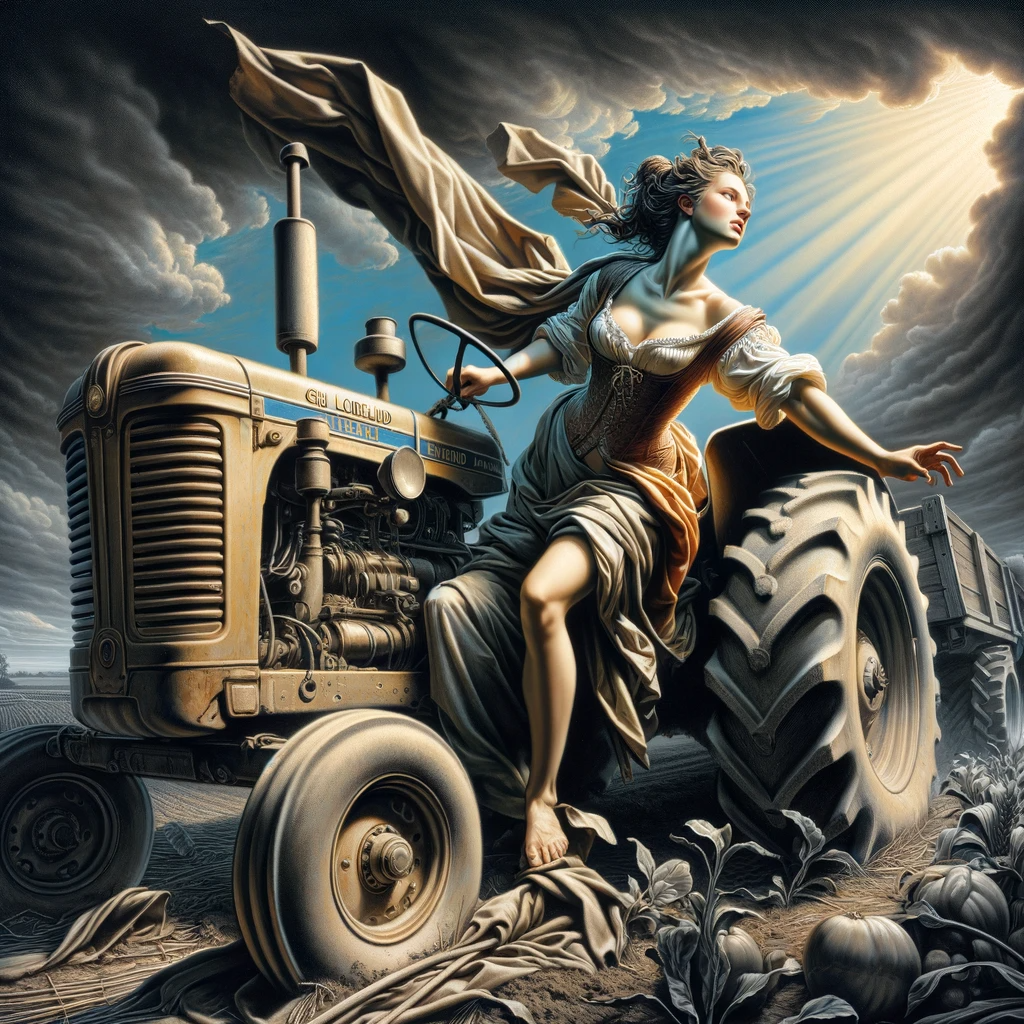
Is More Technology In Tractors Leading to More Problems – A Poem
The Heart, the Soil, the Machine
In the dawn of a field, where tradition once soared,
A tractor hums softly, its promise adored.
Yet beneath the bright screens that tempt with their flare,
Lies a question profound—Do we still even care?
Oh, farmer of ages, with hands worn and wise,
Do you gaze at your dashboard and fret as you rise?
Once cradled by soil, with its whispers so true,
Now bound to the data that guides all you do.
In pursuit of precision, we built this vast maze,
Where algorithms rule, and nature’s lost ways.
Efficiency beckons, but at what grim cost?
The heart of our farming, at times, feels most lost.
Connecting to earth was a sacred delight,
Each seed sown with love under stars burning bright.
Now tech stands between you and the rhythms of rain,
A chasm where memories entwined with the grain.
Yet, visions of future in drones overhead,
Show promise in pallets where precision is bred.
With smarter decisions, we wish to create,
Yet bound by these numbers, do we celebrate fate?
Ethically speaking, oh guardians of land,
Are we trading the heartbeat for projects so grand?
With every new tool, may we not lose our roots,
For the soil holds stories, not merely our fruits.
In community gatherings, let hearts intertwine,
Share wisdom and laughter, not only our lines.
For every machine that sculpts harvests anew,
Bears the legacy of what soil once grew.
Let’s balance the old with the new on our farms,
Embrace innovation while wielding our charms.
For a tractor is more than just metal and might,
It’s a bridge to our past, our future ignites.
So together we tread, on this journey yet bold,
With respect for the earth, and the tales to be told.
With hands planted firm, and our spirits aligned,
The heart, the soil, the machine—together entwined.
Poem
Checklist
Is More Technology In Tractors Leading to More Problems – A Checklist
Technology and Tradition in Agriculture: A Heartfelt Checklist
As you reflect on the balance of technology and tradition in farming, consider this checklist that appeals to your heart, head, and gut—or in other words, harnessing emotional, rational, ethical, authority, narrative, and social appeals to guide your thoughts and actions:
Heart: Emotional Appeals
_____ Reflect on Connection: How does the relationship between you and the land make you feel? Write down a memory associated with your farming experiences.
_____ Nurture Relationships: Engage with family and community members—a shared cup of coffee can spark valuable conversations about your experiences with technology in farming.
_____ Embrace stories: Share tales of farming traditions with younger generations. How can you pass down the wisdom intertwined with the use of your farming tools?
_____ Seek Balance: Look for moments during your farming routines where you can integrate technology without losing the essence of traditional practices.
Head: Rational Appeals
_____ Evaluate Efficiency: Take note of how technology enhances your farming process. Are you truly saving time and resources, or just adding complexity?
_____ Data Awareness: Be transparent about the data technology collects. Are you using it to make conscious decisions about your crops, or is it overwhelming?
_____ Stay Informed: Keep updated on the latest advancements in farming technology. What are the credible sources and authorities influencing these innovations?
_____ Think Long-term: Consider the sustainability of your practices. Are technology and techniques in harmony, or can they be improved for a healthier environment?
Gut: Ethical Appeals
_____ Consider Nature: Reflect on how technology may alter your awareness of nature. Are you becoming too reliant on tools instead of intuitive knowledge?
_____ Measure Impact: Assess the environmental impact of your farming techniques. What could be done to enhance your stewardship of the land?
_____ Cultivate Awareness: Challenge yourself with questions about the sustainability of tech-driven farming. Ask: Are we sacrificing quality for sheer efficiency?
_____ Embrace Resilience: Think about the role of heritage in your farming practices. Are you honoring your roots while also reaching for the future?
Authority: Source and Expertise Appeals
_____ Consult Experts: Engage with agricultural consultants or attend workshops to learn about integrating technology responsibly.
_____ Follow Innovation Leaders: Identify and follow industry leaders with a balanced view on technology in farming practices. What insights can they provide?
_____ Network: Connect with experienced farmers to hear their perspectives on the impact of technology. What have they found most beneficial or challenging?
_____ Support Local Research: Encourage or participate in agricultural research that focuses on sustainable practices within technology.
Narrative: Storytelling Appeals
_____ Document Experiences: Keep a journal documenting how technology has changed your farming experience over time. What narratives can you uncover?
_____ Share Your Journey: Use social media or community boards to share your story about farming—what you’ve learned, your fears, and your successes.
_____ Engage with the Community: Organize local storytelling events sharing the rich history of agriculture in your area. Could this foster connections?
_____ Create Analogies: Draw parallels between old farming methods and new technologies—how can these narratives coexist in one story?
Social: Collective Appeals
_____ Join a Community Group: Participate in farmer cooperatives or tech forums where collective experiences shape a better understanding of farming.
_____ Open Dialogue: Engage in discussions with fellow farmers about technology. How can shared insights create a more cohesive approach?
_____ Advocate for Change: Work within your community to promote practices that respect both tradition and innovation. What collaborative projects can emerge?
_____ Celebrate Achievements: Recognize and award farmers who successfully integrate technology while honoring traditional values—what can inspire others?
As you move forward, use this checklist to ensure that the evolution of farming through technology nurtures your roots, respects your values, and embraces a sustainable future.
Checklist
At ClassicTractorNews, we help tractor lovers keep up with the latest news for classic and vintage tractors.
Please share this post with your friends, family, or business associates who may like old classic or vintage tractors.