


The Hidden Costs Of Modern Agriculture On Family Farms
By Tom Seest
At ClassicTractorNews, we help tractor lovers keep up with the latest news for classic and vintage tractors.
Please share this post with your friends, family, or business associates who may like old classic or vintage tractors.
Is Modern Farming’s Complexity Hurting Small and Midsize Farms
In today’s landscape of modern farming, the complexity of new technologies and regulations can feel like a heavy, unyielding tractor sitting squarely on the chest of small and midsize farmers. It’s a behemoth of bureaucracy, machinery, and metrics that overshadows these hardy folks dedicated to their land and families. In the heart of rural America, there exists an unbreakable bond between these farmers and their soil, yet the shifting sands of agribusiness are making it harder for them to thrive.
Imagine waking before dawn, feeling the chill of the earth beneath your boots as you step into your beloved fields. The sun rises, and with it, the promise of another day spent nurturing crops, raising livestock, and carrying forward a legacy that spans generations. But now, instead of a straightforward path to success, farmers are confronted with a labyrinth of regulations, nutrient management practices, and costly new technologies. Each new tractor that rolls off the assembly line boasts features promising to maximize yield, yet the reality is clear: many small operators simply can’t afford or navigate this ever-evolving landscape.
Let’s talk about the heart of it all. For many, farming is not just a livelihood; it’s an identity. When farmers are told they must invest in high-tech solutions or adhere to intricate standards to remain competitive, it feels less like adaptation and more like a betrayal of their roots. Ethical questions arise—are we sacrificing the soul of farming at the altar of efficiency? When did connecting with our land become an uphill battle filled with jargon and metrics?
Rationally, a few may preach that larger operations can feed the world, but let’s not forget the narrative woven into the fabric of agrarian life: the family farm. It’s where values are passed down, where children learn the dignity of hard work, and where the community rallies to support one another. When we lose the small farmer, we lose more than just a business; we lose a vital thread in the social fabric that binds us together.
So, what can be done? It’s time to unite the voices of small farmers, advocate for their place in this complex world, and push for simpler regulations that empower rather than hinder. By coming together—communities, consumers, and policymakers alike—we can begin to lift that proverbial tractor off their chests, allowing them to breathe, grow, and thrive once more. It’s not just about farming; it’s about the future of food, tradition, and sustainability. Together, let’s make sure our farmers, both big and small, have the chance to plant their dreams and watch them flourish.

Is Modern Farming’s Complexity Hurting Small and Midsize Farms
Is Modern Farming’s Complexity Hurting Small and Midsize Farms
- The complexity of new technologies and regulations burdens small and midsize farmers.
- Farmers experience an unbreakable bond with their land, yet face increasing challenges in agribusiness.
- Modern farming involves navigating a labyrinth of regulations and high-tech solutions that many small operators cannot afford.
- Farming is not just a livelihood but an identity; new demands can feel like a betrayal of traditional practices.
- The decline of small farms threatens important community values and connections fostered through family farming.
- Advocating for small farmers requires uniting voices for simpler regulations that empower them.
- Preserving small farms is crucial for the future of food, tradition, and sustainability.

Is Modern Farming’s Complexity Hurting Small and Midsize Farms
Table Of Contents
- Is Modern Farming’s Complexity Hurting Small and Midsize Farms
- How Does Agricultural Technology Impact Farm Sustainability Long-Term?
- Can We Balance Efficiency With Ethical Farming Practices Effectively?
- Is There A Moral Obligation To Support Small And Midsize Farms?
- How Can Innovation Bridge The Gap For Struggling Small Farmers?
- Is Complexity In Farming’systems Discouraging The Next Generation?
- What Are The Emotional Stories Behind Small Farm Struggles Today?
- Conclusion
- Other Resources
- Glossary Of Terms
- Other Questions
- Haiku
- Poem
- Checklist
How Does Agricultural Technology Impact Farm Sustainability Long-Term?
When we think about the future of farming, we often picture vast fields of crops, the sun rising over the horizon, and the powerful roar of a tractor working diligently to cultivate the land. But there’s more to this pastoral dream than meets the eye. Agricultural technology transforms not just how we farm, but the sustainability of our farms for generations to come. It’s a heart-and-soul matter that calls for our attention, partnership, and action.
Picture a small family farm that has been passed down through generations. Today, that farm faces mounting challenges: soil depletion, water scarcity, and unpredictable weather patterns. Enter technology—simple yet transformative innovations such as precision agriculture and smart irrigation systems. These tools are not just cold machinery; they are lifelines for farmers. They help optimize field efficiency, reduce waste, and ensure that every drop of water and nutrient counts. The gut instinct to nurture the earth and preserve it for the next generation resonates deeply when farmers see their communities thrive.
At the heart of agricultural technology is the power to foster resilience. Ethically, it’s our responsibility to harness these advancements for the greater good. By embracing sustainable practices, farmers can create a symbiotic relationship with the land, ensuring that what we take today doesn’t compromise the well-being of future harvests. This is more than just an ethical imperative; it’s a compelling narrative of hope for every person who eats, from city dwellers to rural residents.
Now, let’s think rationally. Studies consistently show that farms implementing tech-savvy solutions not only enhance their productivity but also reduce their carbon footprint. It’s a win-win scenario. Farmers who invest in technology can increase yield while using fewer resources, essentially making a greater impact with less, which might as well be the definition of sustainability.
We’re all part of this agricultural story. When technology meets traditional farming methods, we build stronger communities. When the tractor rolls through the field, it symbolizes more than machinery; it represents our commitment to the land and a sustainable future. By supporting technological adaptation on farms, we nurture a deeper connection—not just between farmers and their land, but among ourselves as stewards of our planet.
So let’s celebrate these changes. Let’s champion sustainability in every field, every farm, and every family. Together, we can sow the seeds of a more sustainable future. It starts today, with every turn of that tractor wheel into tomorrow.

How Does Agricultural Technology Impact Farm Sustainability Long-Term?
How Does Agricultural Technology Impact Farm Sustainability Long-Term?
- Agricultural technology transforms farming practices and enhances sustainability for future generations.
- Small family farms face challenges like soil depletion, water scarcity, and unpredictable weather.
- Innovations such as precision agriculture and smart irrigation are essential tools for farmers.
- These technologies optimize efficiency, reduce waste, and enhance community resilience.
- Embracing sustainable practices creates a symbiotic relationship with the land and benefits future harvests.
- Studying farms with tech solutions shows increased productivity and reduced carbon footprints.
- Supporting technological adaptation fosters stronger communities and a deeper connection to our planet.

How Does Agricultural Technology Impact Farm Sustainability Long-Term?
Can We Balance Efficiency With Ethical Farming Practices Effectively?
When we talk about farming today, we often picture a shiny tractor cutting through endless rows of crops, the engine rumbling with the promise of efficiency. But beyond the gleaming metal and impressive horsepower, there’s a story that often goes untold. It’s not just about how many acres you can cover in a day; it’s about the relationship we have with the soil, the water, and—most importantly—the very living beings that bring our food to the table.
Picture this: a family farmer, working the land that has been in their family for generations. Every morning, they rise with the sun, stepping into boots damp with dew, ready to face the day. They know that their livelihood relies not just on productivity, but on the health of their land. This deep-rooted connection to the earth is a powerful reminder that our approach to farming needs to transcend mere numbers. It’s about stewardship. If we neglect this, we risk losing not only natural resources but our own moral compass.
Now let’s talk efficiency—the word that often drives the machinery of modern agriculture. It’s enticing, tempting us to lean on monocultures and synthetic fertilizers to produce more, faster. But at what cost? We’ve seen the narratives: barren fields, polluted waterways, communities suffering from the unintended consequences of this relentless chase for yield. This isn’t just some distant farming crisis; it’s our food system in crisis, one that affects every grocery list and family meal across the nation.
Here’s where we can make a stand. By choosing ethical farming practices, we can leverage technology with a conscience. Imagine innovations that allow that hard-working tractor to plant, nurture, and harvest while also preserving biodiversity—practices like crop rotation, organic farming, and regenerative agriculture. When farmers embrace these methods, they are not just feeding communities; they are feeding the future.
So, let’s rally behind the vision of an agriculture that marries efficiency and ethics. Engage with your local farmers, support those who prioritize sustainable methods. Understand that every choice we make—what we buy, where we invest—creates ripples in this vast ecological pond. The choice for ethical practices is a choice for our families, our health, and our planet. Together, we can inspire a movement that returns us to the roots of farming, fostering a relationship with our land that feeds us in every possible way. Let’s get our hands dirty, not just for fun, but for the future we all want to see.

Can We Balance Efficiency With Ethical Farming Practices Effectively?
Can We Balance Efficiency With Ethical Farming Practices Effectively?
- Farming today is often visually represented by machinery, overshadowing deeper relationships with the earth.
- Family farmers maintain a profound connection to the land, emphasizing stewardship over mere productivity.
- Efficiency drives modern agriculture, leading to reliance on monocultures and synthetic fertilizers.
- This relentless pursuit of yield results in negative consequences, such as environmental damage and community distress.
- Ethical farming practices can utilize technology to enhance productivity while preserving biodiversity.
- Supporting local farmers who prioritize sustainability can positively impact our food systems and communities.
- Every consumer choice influences ecological health, making ethical practices vital for future generations.

Can We Balance Efficiency With Ethical Farming Practices Effectively?
Is There A Moral Obligation To Support Small And Midsize Farms?
When you think about the humble tractor, what comes to mind? Just a piece of machinery lumbering across fields? Or does it symbolize something greater—perhaps the tireless work and devotion of the small and midsize farmers who rely on it day in and day out? It’s easy to overlook the sweat that goes into producing the food we consume, but these unsung heroes play a pivotal role in our lives, whether we’re munching on a crisp apple or savoring a handcrafted loaf of bread made from locally milled grains.
Now let’s get real for a moment. Small and midsize farms don’t just feed our families; they sustain our communities and preserve our way of life. When you support these farms, you’re not just making a purchase; you’re casting a vote for agricultural diversity, resilience, and ethical practices. It’s a conscious choice that aligns with values many of us hold dear—integrity, connection, and respect for the land.
From the soil to the plate, small farmers often manage to balance the delicate dance of maintaining a sustainable ecosystem while delivering quality produce to our tables. They’re not just doing a job; they’re tending to a legacy, enriching the land for future generations. Every bite we take reflects their dedication—a commitment to nurturing the community, the environment, and our health.
Consider the implications of a world without these farms. The big agribusinesses might have the means, but their focus often leans heavily towards volume and profits rather than stewardship. The string of farmland lost to urban sprawl is a tale as old as time, but with our support, we can choose to rewrite that narrative. When you buy locally, you’re not just buying food; you’re investing in families, stories, and futures. You’re engaging in a relationship that extends beyond the transaction—one that fosters trust, transparency, and a deeper understanding of where our food comes from.
So next time you pull up to your local farmer’s market, think of the tractor blazing a trail through the fields, and let it remind you that every decision we make carries weight. The choice to support small and midsize farms isn’t simply an economic one—it’s a profound moral obligation that echoes through our society, connecting us all to the earth and to each other. Together, we can cultivate a future that values every farmer’s toil and honors the essential role they play in nurturing both our bodies and our communities.

Is There A Moral Obligation To Support Small And Midsize Farms?
Is There A Moral Obligation To Support Small And Midsize Farms?
- The tractor symbolizes the hard work and dedication of small and midsize farmers essential for food production.
- Supporting these farms enhances agricultural diversity, resilience, and ethical practices in our communities.
- Small farmers focus on sustainable ecosystems while providing quality produce, nurturing a legacy for future generations.
- A world without small farms risks prioritizing volume and profit over responsible stewardship of the land.
- Buying locally invests in families and community stories, fostering trust and a deeper understanding of food origins.
- Supporting small and midsize farms is not just an economic choice; it reflects a moral obligation to honor their contributions.
- Every decision to support local farmers helps cultivate a future that values agricultural efforts and sustains our communities.

Is There A Moral Obligation To Support Small And Midsize Farms?
How Can Innovation Bridge The Gap For Struggling Small Farmers?
In the heart of rural America, among endless stretches of cornfields and dotted silos, small farmers face battles that go unnoticed by the frenetic pulse of urban life. These individuals, toiling sunup to sundown, are not just stewards of the land; they are custodians of our future. Their struggles are real, often overshadowed by large-scale agribusiness, yet the potential for innovation to empower them is incredibly hopeful.
Imagine standing beside a small farmer, watching them climb atop an old tractor—a symbol of hard work and perseverance. For many, this rusty machine represents years of labor and dreams. But as weather patterns grow unpredictable and market prices fluctuate wildly, it’s clear that innovation must swoop in like a superhero to rescue our unsung heroes. Picture battery-powered tractors or drones that monitor crops with surgical precision. These breakthroughs aren’t fantasies; they’re real advancements that can streamline processes and improve yields.
So, why does this matter? Because every farmer’s success ripples through the entire community. When a small farmer thrives, markets burst with vibrant produce, local economies strengthen, and childhoods flourish with fresh, healthy food. It’s not just about crops; it’s about building resilient communities bound by shared values and hard work.
But it’s not simply a matter of technology; it’s an ethical obligation. We owe it to those who feed us, to champion innovative solutions that level the playing field. Imagine a farmer collaborating with tech experts, sharing not just their knowledge but their passion for the land. Innovation can transform the relationship between farmer and consumer, fostering trust and connection in a world that often feels disconnected.
Now picture our bustling farmer’s markets, filled with colorful fruits and vegetables—by investing in innovations, we’re not only supporting small farmers but telling a story of hope and resilience. We’re inviting others into this narrative of sustainability, insisting that small agriculture is not a relic of the past but a vibrant part of our future.
So, let’s rally behind these farmers, these guardians of our agricultural heritage. Let’s ensure that their tools—be they traditional or high-tech—are supported by innovation. When we do, we pave the way for a thriving agricultural community, one that nourishes our bodies and souls. Join the revolution; every step counts.

How Can Innovation Bridge The Gap For Struggling Small Farmers?
How Can Innovation Bridge The Gap For Struggling Small Farmers?
- Small farmers in rural America struggle against challenges often overlooked by urban life.
- They are vital custodians of the land and play a crucial role in our future.
- Innovation, such as battery-powered tractors and drones, offers hope for improving farming practices.
- Success for small farmers leads to vibrant local markets and stronger communities.
- Supporting small farmers is not just about technology; it’s an ethical obligation to champion solutions that benefit them.
- There is potential for enhanced relationships between farmers and consumers through innovative practices.
- By rallying behind small farmers, we can create a sustainable agricultural community that nourishes both body and spirit.

How Can Innovation Bridge The Gap For Struggling Small Farmers?
Is Complexity In Farming’systems Discouraging The Next Generation?
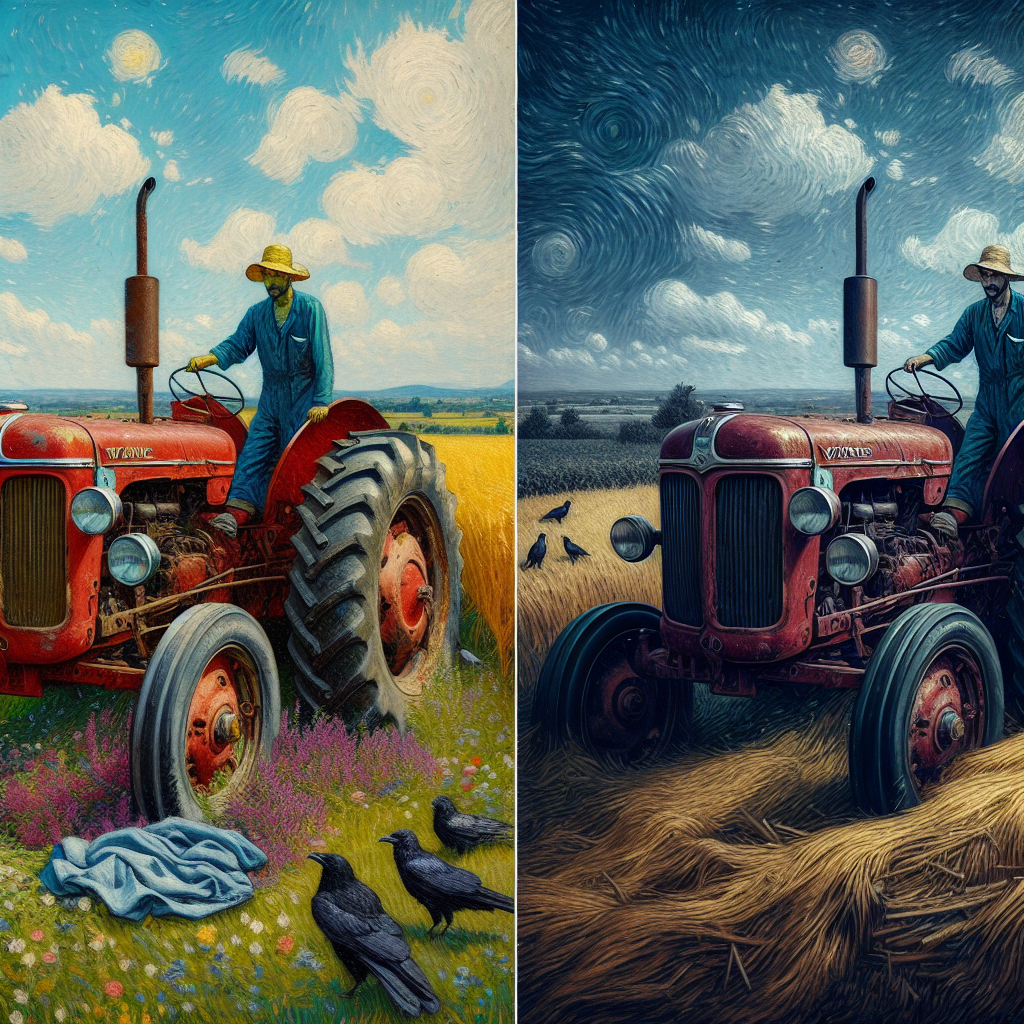
As we stand on the cusp of a new era in agriculture, the complexity of modern farming systems raises an essential question: Are we inadvertently discouraging the next generation of farmers? Picture a young person, fingers tracing the warm earth, eyes fixed on the horizon. They dream of the vast fields, the roar of a tractor echoing through the valleys. Yet, what happens when that vision is clouded by the daunting intricacies of sustainable practices, high-tech machinery, and market demands?
When you dig deeper, it becomes clear that this isn’t just about seeds and soil. It’s a narrative of promise—one that requires nurturing and growth. Today’s farming demands skills that weren’t necessary in the past: understanding genetic engineering, mastering data analytics, and grappling with sustainability regulations. It’s enough to send any aspiring farmer running for the hills, wondering whether the manual of farming practices has turned into an unwieldy tome of complexity.
Yet, let’s not ignore the gut instinct that farming has always stirred in the hearts of those who worked the land. It’s the same instinct that drew our ancestors to toil under the sun and sweat alongside the soil. There’s a raw, visceral connection that comes when you plant a seed and watch it flourish. This relationship is both ethical and profound: a commitment to the earth and its bounty, intertwined with a profound respect for the generations that came before us.
The heart of this issue lies in the storytelling—the stories we share about farming. Those tales of resilience, innovation, and community serve as powerful motivators, igniting passion and purpose among the youth. Social media can amplify these voices. When young people see farmers not only battling crop diseases but also celebrating their successes in vibrant communities, they feel connected, inspired, and ready to engage.
Our challenge is to simplify the conversation around farming while amplifying its nobility. Yes, there’s complexity, but there’s also a call to action. Let’s foster environments where questions are welcomed, and mentorship thrives. Let’s reassure these future stewards of our land that while the systems may be intricate, the value of their work is immeasurable. With each turn of the tractor wheel, we can carve out a future where young farmers are not just participants in agriculture but its passionate advocates—ready to take the reins, ready to grow.

Is Complexity In Farming’systems Discouraging The Next Generation?
Is Complexity In Farming’systems Discouraging The Next Generation?
- Modern agriculture poses challenges that may deter the next generation of farmers.
- Aspiring farmers face complexities such as sustainable practices, high-tech machinery, and market demands.
- Today’s farming requires advanced skills like genetic engineering, data analytics, and knowledge of sustainability regulations.
- Farming has a deep-rooted connection; it evokes a visceral instinct in those who tend to the land.
- Storytelling about farming can inspire youth by showcasing resilience, innovation, and community engagement.
- Social media can help amplify positive farming narratives, connecting young people to the agricultural community.
- There’s a need to simplify conversations about farming while promoting its nobility and fostering mentorship.
Is Complexity In Farming’systems Discouraging The Next Generation?
What Are The Emotional Stories Behind Small Farm Struggles Today?
Picture a sun-drenched morning, the air crisp with possibility, as farmer Joe hops onto his trusty tractor, its worn seat a testament to years of hard work and commitment. This isn’t just metal and rubber; it’s a symbol of legacy, a daily reminder of Joe’s ancestors who toiled under the same sun, their sweat and dreams embedded in the soil. Yet, as he revs the engine, an undercurrent of anxiety threads through his mind. The markets are volatile, weather patterns are unpredictable, and the weight of his family’s future rests on this unassuming piece of machinery.
Joe isn’t alone in his struggle. Across the nation, small farmers like him face relentless challenges that tug at the heartstrings. Imagine a single mother, Rachel, who juggles raising her kids and tending to her land. Each crop represents not only a harvest but hours of sleepless nights spent wondering if she can cover the bills or send her children to college. Her soil is rich with potential, but like any crop, it needs nurturing—financial support, resources, and community understanding.
This is more than a tale of land and labor; it’s a narrative woven into the fabric of our society. When we buy from local farmers, we’re not merely filling our baskets; we’re actively supporting families, fueling their dreams, and ensuring that the spirit of small farming persists. Think of the ethical choice at hand: every dollar spent reconnects us with our roots—literally and figuratively.
Let’s appeal to the rational mind. Did you know that supporting local farms contributes to economic resilience? The reality is stark—small farms provide vital jobs, enrich our communities, and maintain biodiversity. When we embrace these farmers, we embrace a sustainable future, one that keeps our food systems robust and diverse.
But here’s the gut-punch: when a small farm fails, it’s not just an economic loss. It’s a story cut short—one that echoes in the laughter of children, the legacy of caring for the land, and the dreams of a better tomorrow. It reminds us that behind every bushel of corn, every jar of honey, is a person who believes in community, hard work, and the promise that tomorrow holds.
So, next time you face the produce aisle, remember the stories—the hopes, the struggles, the very heart of agriculture. Choose wisely; choose connection. Let’s transform the way we think about farm life and stand in solidarity with those who cultivate it. That tractor represents not just a way to plow fields but a bridge that unites us all. Together, we can foster a future that honors every story.

What Are The Emotional Stories Behind Small Farm Struggles Today?
What Are The Emotional Stories Behind Small Farm Struggles Today?
- Farmer Joe symbolizes the legacy and hard work of his ancestors, connecting generations through farming.
- Small farmers face challenges like market volatility and unpredictable weather, creating anxiety about their future.
- Rachel, a single mother, exemplifies the struggle of balancing family responsibilities with farming, emphasizing the need for support.
- Buying from local farmers supports families and ensures the persistence of small farming traditions.
- Supporting local farms contributes to economic resilience, job creation, and biodiversity in communities.
- When small farms fail, it signifies not just economic loss but the end of meaningful stories and dreams.
- Consumers are encouraged to recognize the connection with farmers and the importance of their stories when shopping for produce.

What Are The Emotional Stories Behind Small Farm Struggles Today?
Conclusion
In a world that feels increasingly complicated, the plight of small and midsize farmers is a story yearning to be heard. As we survey the agricultural landscape, it’s impossible to overlook the weight of modernity pressing down on those who toil in the fields. It’s not just high-tech machinery and intricate regulations adding stress; it’s the deeper, emotional connection these farmers maintain with their land that reflects their identity and legacy. Picture a farmer, rising before dawn, feeling the earth beneath their feet—a poignant reminder of tradition clashing with a modern marketplace that demands flexibility, efficiency, and regulations that often feel like shackles.
At the heart of farming lies a timeless narrative: the family farm, where children learn the values of hard work, responsibility, and community. But today, that narrative faces challenges that go beyond crop yields. The convoluted maze of regulations and the steep investment required for new technologies can leave small farmers feeling like David facing a Goliath of agribusiness. And when success means surrendering the values that made farming a cherished way of life, we have to ask ourselves: at what cost?
Rationally speaking, larger operations may tout their capacity to feed the world, but they often overlook the moral and ethical implications of sidelining small farms. The language of modern farming—metrics, efficiencies, and agricultural technologies—can alienate those who thrive on the kinship between land, labor, and livelihood. Losing these family farms isn’t simply an economic loss; it’s a rupture in our societal fabric, displacing narratives that connect us to our roots and to one another.
We can—and must—do better. It begins with advocacy for more straightforward regulations and accessible technology tailored to empower rather than overshadow small-scale farmers. By coming together—consumers, communities, policymakers—we can generate a support network that champions these local custodians of our land. Every time we purchase their goods, we echo our commitment to sustainability, community, and the ethical responsibility we have to foster a vibrant agricultural future.
So as you continue to fill your grocery cart, remember the stories behind those familiar products—the faces, hardships, and triumphs of farmers like Joe and Rachel who embody the spirit of our agricultural heritage. Embrace the choices that will grow hope, and together, let’s make sure that legacy thrives, nourishing not only our bodies but our shared humanity as well.

Conclusion
Conclusion:
- The challenges faced by small and midsize farmers reflect a deeper emotional connection to their land and identity.
- Modern agricultural pressures include high-tech machinery, intricate regulations, and the demand for efficiency.
- The family farm narrative teaches values like hard work, responsibility, and community but is under threat today.
- Small farmers often struggle with regulations and the financial burden of adopting new technologies.
- Larger agricultural operations tend to neglect the moral and ethical implications of sidelining small farms.
- Advocating for simpler regulations and accessible technology can empower small-scale farmers.
- Purchasing products from local farmers supports sustainability, community, and a vibrant agricultural future.

Conclusion
Other Resources

Other Resources
Here is a list of other resources you can review online to learn more:
- Advance-Rumely
- Terrion
- IMT
- The American Tractor Museum
- Case IH
- Fairfield County Antique Tractor Club
- Square Turn
- Heider
- General Ordnance
- Agrico
Use This Prompt To Get More Resources With Your Favorite Online AI Tool: Please provide me with a list of online articles with their URLs in a bulleted list that I can read regarding Is Modern Farming’s Complexity Hurting Small and Midsize Farms

Other Resources
Glossary Terms
Is Modern Farming’s Complexity Hurting Small and Midsize Farms – Glossary Of Terms
1. Agroecology: A holistic approach to farming that integrates ecological principles into agricultural systems, promoting sustainability and biodiversity.
2. Automation: The use of technology and machinery to perform farming tasks, often leading to increased efficiency but potentially sidelining smaller operations.
3. Biodiversity: The variety of plant and animal species in an ecosystem, crucial for resilience and sustainable farming practices.
4. Chemical Inputs: Fertilizers, pesticides, and herbicides used in farming that can boost yields but may harm the environment and health when overused.
5. Corporate Farming: Large-scale agricultural businesses that often dominate the market, impacting smaller farms through competitive pressures.
6. Crop Rotation: The practice of alternating different crops in a specific sequence to improve soil health and reduce pests and diseases.
7. Economies of Scale: Cost advantages gained by increasing production, which can disadvantage small farms unable to compete on price.
8. Farm-to-Table: A movement that emphasizes sourcing food directly from local farms, promoting fresh produce and supporting small agricultural operations.
9. Genetically Modified Organisms (GMOs): Organisms whose genetic material has been altered for desirable traits, often controversial due to concerns over safety and biodiversity.
10. Integrated Pest Management (IPM): An environmentally sensitive approach to managing pest populations that combines cultural, biological, and chemical tools judiciously.
11. Market Access: The ability of farmers to sell their products in local, regional, or global markets, often challenging for smaller farms.
12. Mono-cropping: The agricultural practice of growing a single crop species over a wide area, which can lead to depletion of soil nutrients and increased vulnerability to pests.
13. Organic Farming: A method that avoids synthetic chemicals and genetically modified organisms, focusing on natural processes and maintaining environmental health.
14. Precision Agriculture: Utilizing technology to monitor crop and soil conditions, enabling targeted inputs and enhancing farm efficiency but requiring capital investment.
15. Rural Community: A geographic area typically characterized by low population density, where many small and midsize farms are located.
16. Sustainable Agriculture: Farming methods that meet current needs without compromising the ability of future generations to meet their needs, integrating social, environmental, and economic factors.
17. Supply Chain: The entire process of production, processing, and distribution of agricultural products, which can be complex and overwhelming for small farmers.
18. Subsidies: Financial support from the government to farmers which can affect market dynamics, benefiting larger producers and potentially harming smaller farms.
19. Technology Adoption: The process through which farmers implement new tools and systems, which can be challenging for small farms due to costs and training.
20. Value-Added Farming: Creating products with higher value by processing raw agricultural goods, providing a means for small farms to increase profitability.
21. Community Supported Agriculture (CSA): A system where consumers purchase a share of a farm’s harvest, providing financial stability for small farms while connecting them directly to their customers.
22. Permaculture: A design principle that seeks to create sustainable and self-sufficient agricultural ecosystems by mimicking natural ecosystems.
23. Soil Health: The capacity of soil to function as a living ecosystem that sustains plants, animals, and humans, essential for long-term agricultural productivity.
24. Traditional Farming: Time-honored agricultural practices that often focus on heritage crops and techniques, typically utilized by small-scale farmers.
25. Urban Agriculture: The cultivation of, distribution of, and access to food in and around urban areas, representing an opportunity for small-scale farming in cities.
26. Food Sovereignty: The right of people to healthy and culturally appropriate food produced through ecologically sound and sustainable methods, empowering local communities.
27. Farm Bill: A comprehensive piece of legislation in the U. S. that governs agricultural policy, affecting funding, subsidies, and support for small farmers.
28. Land Use Policy: Regulations regarding how land can be utilized for farming, impacting small farms through zoning laws and land access issues.
29. Niche Marketing: Targeting specific markets with specialized products, often a strategy for small farms to find sustainable income streams.
30. Transition Period: The timeframe in which farmers move from conventional to organic or sustainable practices, often financially challenging for small farms.

Glossary Of Terms
Other Questions
Is Modern Farming’s Complexity Hurting Small and Midsize Farms – Other Questions
If you wish to explore and discover more, consider looking for answers to these questions:
- What specific technologies are currently considered most beneficial for small and midsize farms?
- How do regulations vary for small farms compared to large agribusinesses?
- What are some successful case studies of small farms leveraging technology?
- What role do consumers play in supporting small farmers in the modern agricultural landscape?
- How can local governments aid small farmers in navigating complexities?
- What are the long-term impacts of losing small and midsize farms on local communities?
- What initiatives exist to promote ethical farming practices?
- How can educational programs encourage young people to pursue careers in farming?
- What are the psychological effects of farming on small farmers dealing with market pressures?
- How does supporting small farms contribute to overall food security?
Other Questions
Haiku
Is Modern Farming’s Complexity Hurting Small and Midsize Farms – A Haiku
Heartfelt toil abounds,
Legacy in soil’s embrace—
Support, let hopes thrive.

Haiku
Poem
Is Modern Farming’s Complexity Hurting Small and Midsize Farms – A Poem
The Heart of Farming: A Poetic Call
In fields where sunlight glows and dances,
Where farmers rise before dawn’s first glances,
With toil in their hands and dreams in their hearts,
Their bond with the land, where tradition imparts.
Yet, a heavy weight, like a tractor’s hard press,
Bureaucracy builds burdens that cause distress.
Complex laws twist the path once so clear,
And small farms struggle with nothing to cheer.
Each seed in the soil tells stories of old,
Of families thriving, of legacies bold.
But efficiency calls, with a high-tech appeal,
Leaving small farmers to question what’s real.
With gadgets and metrics, the industry shifts,
Yet what of their passion? Where’s the goodwill that lifts?
Ethical lines blur under corporate decree,
As communities falter, what’s left for the free?
But hark! There’s a promise in innovation’s grace,
New tools can empower, and hope can embrace.
Precision can flourish, and kindness can grow,
Turning soils into futures where dreams overflow.
Let’s rally around those who nurture our land,
Invest in their struggles, lend a helping hand.
For when we support small farms, we’re sewing a seam,
Connecting our stories, igniting a dream.
From Rachel’s warm kitchen where flavors arise,
To Joe’s steadfast tractor beneath open skies,
They carry the legacy of each meal we share,
A reminder that farming is love laid bare.
So next time you shop for the harvest so sweet,
Remember the hands that have made it complete.
Buy local, buy fresh, let compassion be our guide—
For the heart of our farming is a love that won’t hide.
Let’s lift them together, let their voices be heard,
In clamor of markets, let hope be the word.
From soil to the table, we’re part of this weave,
In harmony’s chorus, let’s dream and believe.

Poem
Checklist
Is Modern Farming’s Complexity Hurting Small and Midsize Farms – A Checklist
Checklist for Supporting Small and Midsize Farms
Heartfelt Connections
1. Reflect on Your Food Choices: Consider who grows the food you consume. Do you know the farmer behind your produce?
2. Engage with Local Farmers: Visit farmers’ markets or community-supported agriculture (CSA) programs. What stories do they share with you?
3. Cultivate Relationships: Make efforts to connect with farmers in your area. Share meals or recipes made from their produce.
4. Advocate for the Farming Community: Support local campaigns or initiatives that promote small farming.
Rational Considerations
5. Research Sustainable Practices: Understand the ecological benefits of supporting small farms, such as biodiversity and lower carbon footprints.
6. Evaluate the Economic Impact: Read up on how small farms contribute to local economies and job creation. Have you considered the broader economic consequences of your purchasing habits?
7. Analyze Technology in Farming: Explore how advancements in agricultural technology can benefit small farmers. Are there innovations that could make a difference?
Ethical Responsibilities
8. Choose Ethical Products: Prioritize buying organic or sustainably sourced food from local farms. Challenge yourself to support ethical farming practices with your spending.
9. Reflect on Farming Narratives: Consider the ethical implications of your food choices. How do your purchases impact farmers’ livelihoods and sustainability efforts?
10. Engage in Community Discussions: Join or initiate conversations about ethical farming practices and the importance of supporting small agriculture.
Empowering Authority
11. Learn from Experts: Attend workshops or webinars focused on small and mid-size farming. What insights can locally focused agricultural experts share?
12. Support Agricultural Reforms: Advocate for policies that benefit small farmers. Are you informed about current legislative measures impacting agriculture?
13. Follow Influential Voices: Subscribe to publications or follow social media accounts dedicated to sustainable agriculture and small farm advocacy.
Narrative Sharing
14. Share Farmers’ Stories: Use your platforms or gatherings to tell the stories of local farmers and their struggles. How can their journeys inspire others?
15. Document Your Own Food Journey: Chronicle how you source your food and the impact it has on your community. What stories emerge from these experiences?
Social Engagement
16. Build Community Alliances: Form or join groups that support small farmers. How can collective efforts amplify your impact?
17. Involve Younger Generations: Get children and young adults involved in farming discussions or activities. How can they learn from and contribute to local agriculture?
18. Foster a Culture of Support: Encourage peers and community members to promote and buy from small and midsize farms. Are you leading by example in your community?
Gut Instincts
19. Feel the Connection: Reflect on how working with soil or visiting farms makes you feel. Does it resonate with your values or instill a sense of responsibility?
20. Trust Your Community: Support local farmers because they are integral to community health and sustainability. What gut feelings do you have about the importance of your local food system?
21. Take Action: Every time you make a choice about food or farming, check in with yourself. Are you acting in line with your beliefs and values regarding agriculture?
This checklist can be used as a tangible guide to inspire readers in making conscientious choices that support small and midsize farms, fostering a deeper connection to their food and community.

Checklist
At ClassicTractorNews, we help tractor lovers keep up with the latest news for classic and vintage tractors.
Please share this post with your friends, family, or business associates who may like old classic or vintage tractors.