


Reviving Tradition: The Emotional And Rational Benefits Of Owning A Classic Tractor
By Tom Seest
At ClassicTractorNews, we help tractor lovers keep up with the latest news for classic and vintage tractors.
Please share this post with your friends, family, or business associates who may like old classic or vintage tractors.
Is It Time to Swap Your New Equipment for a Classic Tractor
When you look out over your fields, what do you see? Is it a shiny, state-of-the-art tractor humming quietly in the distance, or the rugged silhouette of a classic machine haunting the horizon? There’s something undeniably nostalgic about the latter, a whisper from the past that beckons us to rekindle old relationships with the land and our machinery. As we dive deeper into the allure of classic tractors, it’s worth asking ourselves: Is it time to swap your new equipment for a classic?
Let’s start with the heart. Remember the first time you climbed into the cab of a trusty old tractor? The worn leather seat, the smell of oil and dust—there’s a connection there that transcends mere usage. Those classic machines come with stories ingrained in their bones, tales of seasons past, of hard work, sweat, and triumph. They echo with the laughter of generations, a tangible piece of agricultural history that connects us to those who plowed the land before us. A classic tractor becomes more than just a piece of machinery; it’s a family heirloom, a testament to resilience and grit.
Now, let’s tap into the head. Consider the value of simplicity. New models come loaded with the latest tech, understandably, but they also bring complexity. Maintenance, software updates, and all those bells and whistles can be overwhelming. On the other hand, classic tractors are often easier to fix and understand. The DIY repairman in you can flourish, saving both time and money—principles grounded in practicality that resonate with anyone who’s balanced a budget or two. If you’re looking for effective, straightforward farming, sometimes less truly is more.
On the ethical front, think about sustainability. Many classic tractors were built to last, made with materials that aged gracefully over time. In an era obsessed with disposable consumerism, using and maintaining these vintage machines celebrates craftsmanship and respects our resources.
Finally, let’s not forget the social appeal. In communities where traditional farming is still cherished, owning that classic tractor can set you apart—sparking conversations, forging connections, and igniting camaraderie among fellow farmers. That iconic machine transforms from a simple tool into a symbol of shared values, a unifying thread woven through the fabric of agricultural life.
So, the next time you ponder which route to take—new wheels or the weight of history—consider inviting that classic tractor into your life. To swap modernity for nostalgia might just be the change of pace that sends your heart racing and your fields thriving.

Is It Time to Swap Your New Equipment for a Classic Tractor
Is It Time to Swap Your New Equipment for a Classic Tractor
- Classic tractors evoke nostalgia and a connection to agricultural history.
- They serve as family heirlooms with stories of hard work and triumph.
- Classic models offer simplicity, making them easier to maintain and repair.
- They promote DIY repairs, saving both time and money for farmers.
- Classic tractors stand for sustainability, built to last and reduce waste.
- Owning a classic tractor fosters community connections and discussions among farmers.
- Choosing a classic tractor can provide a refreshing change from modern equipment.

Is It Time to Swap Your New Equipment for a Classic Tractor
Table Of Contents
- Is It Time to Swap Your New Equipment for a Classic Tractor
- Is Modern Technology Making Farming Less Personal?
- Can A Classic Tractor Bring Joy Back To Farming?
- What’s The True Cost Of Maintaining New Agricultural Equipment?
- How Do Classic Tractors Contribute To Sustainable Farming Practices?
- Does Farming With A Classic Tractor Connect You To Your Heritage?
- Can You Find A Community Around Classic Tractor Enthusiasts?
- Conclusion
- Other Resources
- Glossary Of Terms
- Other Questions
- Haiku
- Poem
- Checklist
Is Modern Technology Making Farming Less Personal?
As the sun rises over the vast fields, painting the earth with golden hues, you can still hear the rumble of a tractor in the distance. It’s a sound that has been part of our culture for generations, echoing the hard work, sweat, and dedication that farming demands. Yet, as we embrace innovations that revolutionize this ancient craft, we must stop and ask ourselves: are we losing something vital in the process?
With each passing year, more farmers adopt cutting-edge technology—drones in the sky, sensors in the soil, and algorithms managing crop yields. This newfound efficiency is undeniably impressive. The sheer volume of data available can predict weather patterns, identify pests, and optimize harvest times. It allows farmers to work smarter, not harder, ensuring profitability in a challenging market. But at what cost?
After all, farming is more than just numbers and machinery; it’s a way of life steeped in tradition. Each furrowed field tells a story of personal connection—a relationship between the farmer, the land, and the communities they nourish. When you’re relying on a digital dashboard instead of your instincts, does the land still speak to you? Or has the heartbeat of agriculture become muffled beneath the hum of machinery?
Consider the farmer who grew up watching their parents tend to the land—a legacy passed down through generations. They learned how to read the signs of nature: the smell of the rain, the feel of the soil, the pattern of the stars. Will future generations find themselves disconnected from these truths, glued to screens rather than tending to the earth? The ethical challenge looms large.
Yet it doesn’t have to be this way. The marriage of technology and traditional practices can foster a new approach—blending innovation with intimacy. Imagine a future where a farmer uses a smart sensor to detect moisture levels but still walks their fields each morning, listening to the whispers of the wind and engaging with the land.
In this age of advancement, it’s essential to remember that technology should be our partner, not our replacement. By embracing both the heart and the head, we can cultivate not just crops, but a richer, more personal connection to our food and our future. Let’s invite technology into our farms while keeping the human touch alive—together, it’s possible.

Is Modern Technology Making Farming Less Personal?
Is Modern Technology Making Farming Less Personal?
- The rising sun over fields symbolizes the longstanding culture of farming, marked by hard work and dedication.
- Innovations like drones, sensors, and algorithms enhance farming efficiency and predict environmental factors.
- While technology helps ensure profitability, it raises concerns about losing traditional farming connections.
- Farming is deeply rooted in personal relationships with the land and community, which may be compromised by reliance on technology.
- Future generations risk becoming disconnected from traditional farming knowledge and practices due to dependence on screens.
- A blended approach of using technology while maintaining traditional practices can enrich the farming experience.
- Technology should enhance, not replace, the personal connection to agriculture and food, creating a balanced future.

Is Modern Technology Making Farming Less Personal?
Can A Classic Tractor Bring Joy Back To Farming?
Farming, at its core, is about connection—connection to the land, to the crops, and to generations of farmers who have toiled under the sun. But it’s all too easy for that connection to fray. Modern equipment, with its blinking lights and computer screens, can make one feel more like a mechanic than a steward of the earth. That’s where the classic tractor comes in. Imagine stepping onto the worn, familiar seat of a vintage tractor, its simple controls beckoning you back to a time when machines were an extension of the farmer’s hands rather than a separate entity.
Emotionally, these tractors are a time capsule, transporting us to memories of sun-soaked fields and family gatherings where the sweet smell of hay lingered in the air. They symbolize a way of life where farming was more than just a job; it was a calling that sculpted character and community. The rhythmic rumble of an old engine can evoke a profound sense of nostalgia, making you recall the laughter shared while repairing a stubborn tiller or the stories told during those long drives through golden fields.
Rationally speaking, there’s something deeply satisfying about simplicity. Classic tractors often boast a robustness that modern machines sometimes lack. Their straightforward mechanics invite you to engage with the machine, to learn it, to understand it. You get your hands dirty repairing an oil leak instead of scrolling through an endless manual on updates. This hands-on approach fosters a deeper understanding of farming itself, rekindling that joy often lost amidst complex technology.
When it comes to ethics, choosing to embrace a classic tractor can be an act of environmental consciousness. Many older models are less complicated and more adaptable to sustainable farming practices, promoting a form of agriculture that honors the rhythms of nature rather than fighting against them.
The narrative of classic tractors weaves a communal story. It’s not just about you or your farm; it’s about a lineage of farmers who found joy in simplicity and fellowship. It invites conversations around old barn doors, forging connections with neighbors who share the same values and reverence for tradition.
So, whether you’re a seasoned farmer or someone thinking of taking the plunge, consider the charm of a classic tractor. It can be your partner in bringing joy back to the fields, reminding you why you fell in love with farming in the first place. Embrace it, and you may just find that the heartbeat of farming is still alive and well beneath the surface.

Can A Classic Tractor Bring Joy Back To Farming?
Can A Classic Tractor Bring Joy Back To Farming?
- Farming is fundamentally about connection to the land, crops, and past generations of farmers.
- Modern equipment can detach farmers from their role as stewards of the earth, making them feel like mechanics.
- Classic tractors serve as time capsules, evoking nostalgia and memories of simpler farming times.
- These tractors symbolize a lifestyle that values character, community, and a deeper connection to farming.
- Their straightforward mechanics encourage hands-on learning and foster a greater understanding of farming.
- Embracing classic tractors promotes environmental consciousness and sustainable farming practices.
- Classic tractors cultivate community and foster connections among farmers who value tradition.
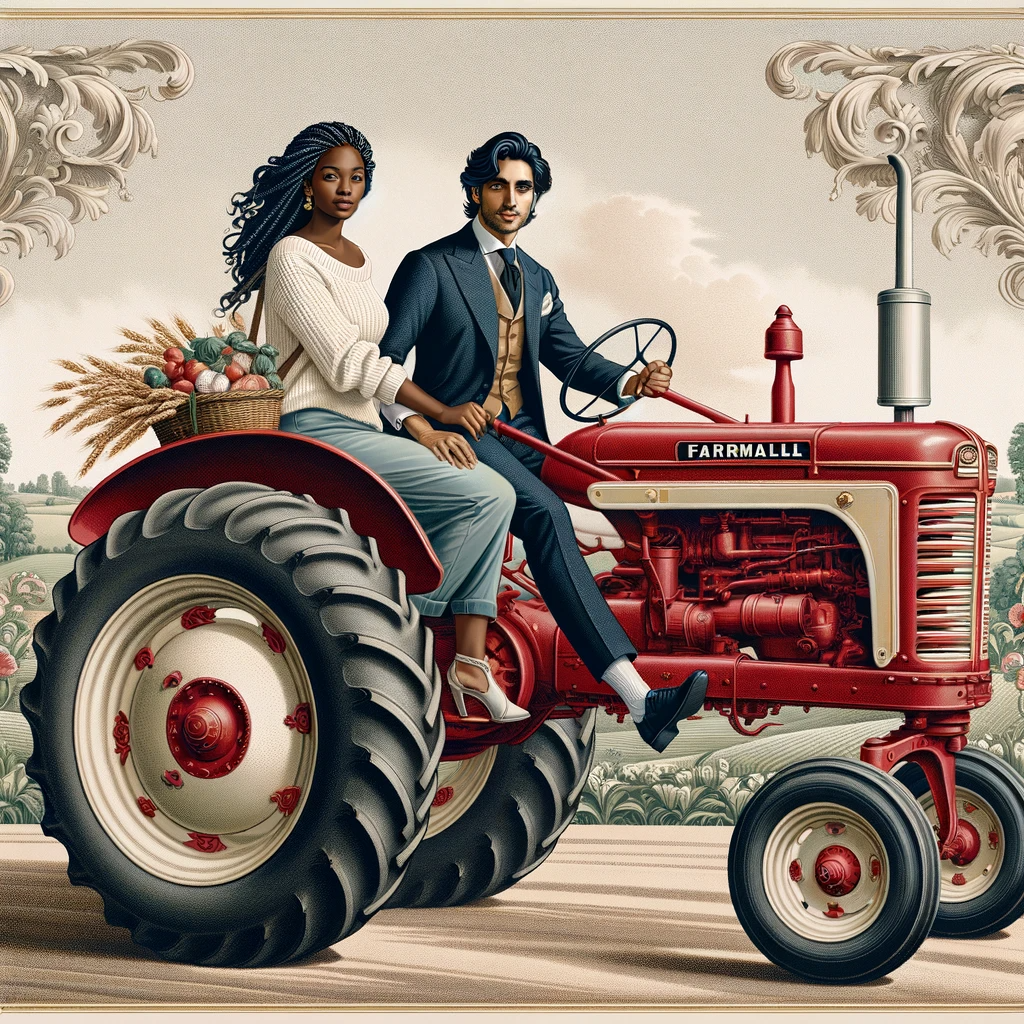
Can A Classic Tractor Bring Joy Back To Farming?
What’s The True Cost Of Maintaining New Agricultural Equipment?
When you picture a tractor rolling across a sun-drenched field, it’s easy to romanticize the idea of farming. But behind that formidable machine – gleaming paint and powerful engine – lies a complex reality. The true cost of maintaining new agricultural equipment far exceeds the initial price tag, and it’s a truth every farmer grapples with in their pursuit of a fruitful harvest.
First, let’s address the heart. For generations, farmers have worked the land, each ridge and furrow carrying the weight of their dreams and hopes. A tractor is not just a tool; it’s an extension of one’s labor, reflecting the sweat, resilience, and unwavering dedication that go into every season. When machines falter, it stings – not just financially, but emotionally. That’s the depth of this challenge: Every repair and maintenance decision feels personal, a direct impact on one’s livelihood.
Now to the head – the numbers don’t lie. Newly purchased tractors come with a list of upkeep expenses that can stretch thin even the most well-planned budgets. From regular maintenance checks to parts replacements, every hour in the field transforms into a fragility test against wear and tear. But it’s not just mechanical failures that haunt farmers; looming expenses for fuel, insurance, and the inevitable technology upgrades can feel like a storm cloud hovering above. The rational understanding of these costs will keep you grounded and focused, preparing you for what’s ahead.
Ethically, there’s another layer. The choices made around which tractors to invest in often reflect our commitment to sustainability. Modern equipment might boast efficiency, but does the cost align with our responsibility to future generations? Each decision has repercussions beyond personal accounting and demands reflection on the implications of those choices.
And finally, let’s relate this narrative to our community. As farmers, we are not alone in this. The struggles and triumphs closely bind us. Sharing experiences – from unexpected breakdowns to key maintenance tips – creates camaraderie. As these conversations grow, so does our collective wisdom, turning individual hardships into shared learning moments.
So, when you consider the cost of maintaining new agricultural equipment, remember this: It’s not just about the bottom line; it’s about passion, responsibility, and connection. Equip yourself not just with tools, but with the insight to navigate this challenging terrain, and trust that you are a vital part of something larger than yourself. Your contribution to sustainable agriculture is invaluable, and every decision you make today shapes the fields of tomorrow.

What’s The True Cost Of Maintaining New Agricultural Equipment?
What’s The True Cost Of Maintaining New Agricultural Equipment?
- The romanticized image of farming contrasts with the complex reality of maintaining agricultural equipment.
- Tractors symbolize farmers’ labor and commitment, making repair challenges both financially and emotionally significant.
- Owning new tractors entails substantial maintenance costs, affecting even well-planned budgets.
- Farmers face ongoing expenses like fuel, insurance, and technology upgrades alongside mechanical repairs.
- Ethically, investment decisions reflect a commitment to sustainability and consideration for future generations.
- Community ties among farmers are strengthened through shared experiences and collective wisdom around equipment management.
- The cost of farming encompasses passion, responsibility, and connection, emphasizing vital contributions to sustainable agriculture.

What’s The True Cost Of Maintaining New Agricultural Equipment?
How Do Classic Tractors Contribute To Sustainable Farming Practices?
Imagine standing in a field, the sun dappling through the leaves of ancient oak trees, casting playful shadows on the ground. The smell of freshly tilled earth fills the air, a testament to the hard work of generations. You look out and see a classic tractor—perhaps a bright red Farmall, its vintage lines elegantly adorned with rust and character—steadily working the land. This isn’t just machinery; it’s a bridge to a more sustainable future.
Classic tractors have weathered the storms of agricultural advancement, becoming symbols of hard-earned wisdom. These iconic machines remind us of a time when farming was both a way of life and a community effort, fostering a vital connection between people and their land. While sleek, modern tractors can cover vast fields with speed and efficiency, classic tractors possess a charm and simplicity that can inspire farmers to re-examine their approach to sustainability.
When it comes to sustainable farming, the narrative is clear: less can often be more. Vintage models typically consume less fuel and require fewer resources, demanding a more mindful approach to their operation. In an age where we are encouraged to reduce our carbon footprints, these agricultural workhorses remind us that sometimes, the old ways hold valuable lessons. They encourage farmers to consider more eco-friendly practices, such as crop rotation and reduced tillage, which can lead to healthier soils and a more sustainable ecosystem.
But let’s get to the heart of it: using a classic tractor is a choice that goes beyond mere function. It’s about cultivating a legacy that values ethical responsibility to the environment, food sources, and community. By opting for these timeless machines, farmers signal their commitment to preserving the land for future generations, nurturing a deep-rooted connection to the earth that resonates with us all.
Moreover, think about the local impact—a classic tractor often draws attention and admiration at community events. It sparks conversations around sustainable farming practices, encouraging others to think critically about the methods they employ in their fields. It’s a social catalyst, fostering collaboration among farmers as they return to tried-and-true techniques that benefit both their livelihoods and the planet.
So the next time you see a classic tractor working the soil, remember that it’s more than just metal and wheels. It’s a commitment to sustainability, a symbol of resilience, and an invitation for us all to cultivate a future that honors both tradition and innovation. Trust in these machines; they carry the weight of experience and the promise of a better tomorrow.

How Do Classic Tractors Contribute To Sustainable Farming Practices?
How Do Classic Tractors Contribute To Sustainable Farming Practices?
- Classic tractors symbolize a bridge to a sustainable future, rooted in agricultural wisdom.
- They evoke nostalgia for a time when farming fostered community and connection to the land.
- Vintage models are more fuel-efficient and require fewer resources, promoting mindful operation.
- Classic tractors encourage eco-friendly practices like crop rotation and reduced tillage to enhance soil health.
- Using these machines signifies a commitment to ethical environmental and community responsibilities.
- They act as social catalysts, sparking discussions on sustainability at community events.
- Classic tractors embody a blend of tradition and innovation, inspiring a sustainable future.

How Do Classic Tractors Contribute To Sustainable Farming Practices?
Does Farming With A Classic Tractor Connect You To Your Heritage?
Farming isn’t just about soil and seeds; it’s about the stories that take root in the hearts of families, communities, and the land itself. For many, using a classic tractor isn’t merely a choice of machinery; it’s a bridge to the past and a symbol of resilience. Each rusted panel and timeworn wheel tells a tale—of hard work, sweat, and an unwavering connection to the earth. It’s more than plowing fields; it’s about plowing through generations of tradition, with every turn of the wheel echoing the laughter and struggles of those who came before us.
When you climb aboard a classic tractor, you’re not just taking a seat; you’re stepping into a legacy. You feel the weight of history beneath you—the craftsmanship that has endured the test of time. These machines once thundered through fields, forging ahead in an era where farming was an exploration of grit and determination. Every bump in the ground resonates with the stories of farmers who relied on their strength and ingenuity to nurture the land. It’s a tangible reminder of what it means to toil under the sun, cultivating not only crops but a way of life.
From an ethical standpoint, embracing classic farming methods fosters a deeper connection with the land and its rhythms. It’s about honoring sustainable practices that family farmers have used for centuries, balancing modern efficiency with timeless values. In a fast-paced world of fleeting technology, there is something profoundly grounding about a tractor that stands still, whispering tales of integrity and hard-earned wisdom.
Yet, the allure of a classic tractor is not Just a solitary experience. It thrives within communities. Imagine standing side by side at a local parade, where excitement crackles as you watch vintage tractors roll by, each one a beloved piece of community heritage. These events weave connections among neighbors, forging bonds over shared memories and aspirations—a reminder that farming, at its core, is an act of community building.
So, whether you’re growing crops or simply appreciating the brothers and sisters who have farmed before you, a classic tractor invites introspection. It beckons you to reflect on your own roots while nurturing the history that binds us all. So why not take the leap? Connect with your heritage and let that timeless machine guide you back to where it all began—on the land, with the love of farming in your heart.

Does Farming With A Classic Tractor Connect You To Your Heritage?
Does Farming With A Classic Tractor Connect You To Your Heritage?
- Farming embodies stories rooted in families, communities, and the land.
- Classic tractors symbolize resilience and serve as a bridge to the past.
- Each rusted panel and wheel carries tales of hard work and connection to the earth.
- Climbing aboard a classic tractor means stepping into a legacy of craftsmanship.
- Embracing classic farming methods fosters a deeper ethical connection to the land.
- Community events, like local parades, celebrate the heritage of vintage tractors.
- A classic tractor encourages reflection on personal roots and the history of farming.

Does Farming With A Classic Tractor Connect You To Your Heritage?
Can You Find A Community Around Classic Tractor Enthusiasts?
When you think about a tractor, what comes to mind? The deep rumble of its engine, the way it buries itself into the soil, or perhaps the memories of your grandfather teaching you the ropes out in the fields? For many, these powerful machines symbolize more than just a means to plow fields; they represent heritage, pride, and an unbreakable bond with the past. Finding a community of classic tractor enthusiasts can be like unearthing a hidden treasure of shared stories, practical knowledge, and authentic camaraderie.
Now, let’s get down to the heart of the matter. These tractors, the venerable iron beasts of yesteryear, resonate with something deeper within us. They remind us of a simpler time when life was not governed by the relentless pace of technology. Strapping a pair of worn work boots and throwing on a dusty cap, you’re not just joining a group—you’re stepping into a narrative that’s been lived out by countless others who share your passion. The joy of connecting with fellow enthusiasts who know the ins and outs of restoring that beloved Ford 8N or that timeless John Deere A creates bonds that go beyond common interests. Together, you’ll celebrate triumphs over rust and difficulty, sharing tales of sweat and resolve along the way.
But let’s not ignore the rational side. In a world that’s constantly evolving, the classic tractor community provides clear benefits—from knowledge on restoration techniques to the best places to source parts. Experts among the ranks are ready to guide newbies, offering insights that you simply won’t find on a search engine. This network amplifies your skills, keeps you informed, and ultimately enriches your experience.
On a more ethical note, there’s something heartwarming about preserving history. By nurturing classic tractors, you’re safeguarding not just machines but a slice of your culture and values. Engaging in this community means becoming a steward of knowledge that may otherwise slip away—a legacy you can pass down to the next generation.
So, if you’re wondering whether you can find a tribe of like-minded souls to share your passion for classic tractors, rest assured: the community is out there, waiting for you. Whether in online forums, local clubs, or tractor shows and rallies, you’re invited to join a fellowship that thrives on connection, respect, and sheer determination. Now grab that wrench, and let’s roll up our sleeves—your adventure in classic tractors is just getting started!

Can You Find A Community Around Classic Tractor Enthusiasts?
Can You Find A Community Around Classic Tractor Enthusiasts?
- Tractors symbolize heritage, pride, and a bond with the past.
- Finding a community of classic tractor enthusiasts yields shared stories and camaraderie.
- Classic tractors evoke nostalgia for a simpler time before rapid technological change.
- Joining this community fosters connections through shared experiences in restoration.
- The community provides valuable knowledge on restoration and sourcing parts.
- Preserving classic tractors helps safeguard cultural heritage and values.
- Enthusiasts can connect through online forums, local clubs, and events, inviting all to join.

Can You Find A Community Around Classic Tractor Enthusiasts?
Conclusion
Conclusion: Embrace the Heart of Farming with Classic Tractors
As the final rays of sun dip below the horizon, casting a warm glow over the fields, we’re reminded of agriculture’s rich tapestry woven over generations. Now, more than ever, we face a critical crossroads: Shall we continue embracing the relentless march of technology, or can we make space for nostalgia—specifically, the timeless appeal of classic tractors? There’s something profound about these machines; they’re not just iron and steel but vessels of tradition, stories, and heart.
Let’s start with the emotional pull. When you step onto the worn seat of a classic tractor, you don’t just feel the rumble of an engine—you inherit a legacy. You connect with the farmers who came before you, their laughter echoing with every turn of the wheel. It’s that feeling of history that links you to rich roots and communal narratives that often get buried in modernity. This isn’t just farming; it’s living history, a reminder that behind every furrowed field lies a personal connection to the earth.
Now, let’s engage the head. While new equipment dazzles with high-tech features, it also brings complexity—software updates, screens, and constant maintenance can feel more intimidating than liberating. Classic tractors, with their straightforward mechanics, invite a DIY spirit that’s refreshing. You learn to fix, maintain, and truly understand your equipment; there’s a sense of accomplishment in using your hands and knowledge. It’s a call back to simpler times— where practicality reigns supreme and satisfaction comes from knowing the ins and outs of your machine.
Ethically, choosing to farm with classic tractors aligns with sustainable practices that resonate deeply today. Older models tend to be built with lasting materials; they remind us of the beauty in simplicity and remind us of our obligation to be custodians of the land for future generations. It’s a conscious choice against fleeting consumerism that respects both our resources and our history.
Finally, let’s talk about community. There’s an undeniable bond shared among those who cherish the charm of vintage machinery. Bridging generations and hearts, classic tractors invite conversations at county fairs, inspire local partnerships, and spark friendships that enrich the agricultural lifestyle. Being part of this community means not just finding joy in the fields, but sharing stories and camaraderie that strengthen the very fabric of farming life.
So, the next time you’re contemplating your next piece of equipment, I encourage you to consider the timeless character and heart of a classic tractor. It could be just what you need to reconnect not only with your roots but to reignite the joy and passion that makes agriculture a beloved way of life. Embrace that vintage spirit—a new journey full of richness and connection awaits you.

Conclusion
Conclusion:
- Classic tractors symbolize a legacy of agriculture, connecting us to generations of farmers.
- Riding a classic tractor evokes history and tradition, making farming feel like living history.
- Modern equipment can be complex; classic tractors encourage a DIY spirit and hands-on learning.
- Choosing classic tractors supports sustainable practices and reflects a commitment to the land.
- Older tractor models are often built from lasting materials, emphasizing simplicity and longevity.
- The community around classic tractors fosters friendships and shared experiences in agriculture.
- Embracing classic tractors can reignite passion for farming and reconnect you with agricultural roots.

Conclusion
Other Resources

Other Resources
Here is a list of other resources you can review online to learn more:
- Agri-Power
- AgTrac
- Branson Auto & Farm Museum
- SOMECA
- CLAAS of America
- Northeast Nebraska Farm & Equipment Show
- Baldwin
- Ivel Agricultural Motors
- Lamborghini
- Know Your Classic Tractors
Use This Prompt To Get More Resources With Your Favorite Online AI Tool: Please provide me with a list of online articles with their URLs in a bulleted list that I can read regarding Is It Time to Swap Your New Equipment for a Classic Tractor

Other Resources
Glossary Terms
Is It Time to Swap Your New Equipment for a Classic Tractor – Glossary Of Terms
1. Classic Tractor: A vintage agricultural vehicle typically made before the 1980s, valued for its nostalgia, simplicity, durability, and often restored for collection or functional use.
2. Modern Equipment: Newly manufactured tractors and agricultural machinery that typically feature advanced technology, automation, and higher efficiency.
3. Durability: The ability of a tractor or agricultural machine to withstand wear, pressure, or damage over time, often seen as a trait of classic tractors.
4. Restoration: The process of repairing and refurbishing a classic tractor to bring it back to its original condition or working order.
5. Reliability: The likelihood that a tractor will perform consistently well over time, an aspect where classic tractors often excel due to their simpler mechanics.
6. Fuel Efficiency: The measure of how effectively a tractor uses fuel, often more advanced in modern equipment but can vary in classic tractors.
7. Horsepower (HP): A unit of measurement for the power output of an engine, crucial for determining the capability of both classic and modern tractors.
8. Technology Integration: The introduction of advanced technologies such as GPS, automatic steering, and onboard data management systems in modern tractors.
9. Efficiency: The performance of a tractor in terms of speed and fuel usage, where modern tractors generally have an advantage due to enhanced engineering.
10. Maintenance: The practices involved in keeping a tractor operational, which can entail more routine care with classic tractors due to their age and simpler components.
11. Cost-Benefit Analysis: A financial assessment comparing the benefits gained from keeping or acquiring a classic tractor versus modern equipment.
12. Sustainability: The ability to maintain a tractor’s operation over time, considering factors like resource use, emissions, and environmental impact.
13. Mechanical Simplicity: Refers to the straightforward design of classic tractors, making them easier to repair and maintain.
14. Resale Value: The potential market price a vintage tractor can command, which can often appreciate over time, unlike most modern equipment.
15. Versatility: The ability of a tractor to perform various tasks, which can be a consideration when comparing classic and modern models.
16. Collector Value: The worth of a classic tractor to enthusiasts and collectors, often influenced by rarity, condition, and historical significance.
17. Operator Comfort: Features that enhance the user-friendliness of a tractor, often more refined in modern equipment compared to classic versions.
18. Agility: The ease with which a tractor can maneuver in fields and tight spaces, an important consideration in agricultural operations.
19. Tractor Show: An event showcasing classic tractors, often featuring competitions, displays, and opportunities for networking among enthusiasts.
20. Nostalgia: The sentimental longing for the past, influencing some farmers’ preference for classic tractors over modern machinery.
21. Parts Availability: The ease of obtaining replacement parts for either classic or modern tractors, with classic models sometimes facing difficulties due to discontinued parts.
22. Field Performance: How well a tractor is able to perform agricultural tasks in the field, including plowing, tilling, and harvesting.
23. Fuel Type: The kind of fuel a tractor requires, which may differ between classic models (often diesel) and modern equipment designed for efficiency.
24. Towing Capacity: The maximum weight a tractor can safely tow, an important specification for various agricultural tasks.
25. User Manuals: Documentation provided with tractors detailing operational procedures, maintenance, and specifications, often more straightforward for classic tractors.
26. Insurance Costs: The expense associated with insuring a tractor, which may vary based on whether it’s a classic or modern model.
27. Ag Equipment Dealer: A retail entity that sells agricultural machinery, including both new equipment and classic tractors.
28. Technological Advancements: The developments and improvements in farming equipment and methods, primarily seen in modern tractors.
29. Heritage Farming: The practice of using traditional farming techniques and equipment, often associated with the utilization of classic tractors.
30. Trade-In Value: The monetary offer from a dealer when exchanging old equipment for new, potentially an important factor in the decision-making process.

Glossary Of Terms
Other Questions
Is It Time to Swap Your New Equipment for a Classic Tractor – Other Questions
If you wish to explore and discover more, consider looking for answers to these questions:
- What are the most popular classic tractor models among enthusiasts?
- How do classic tractors compare to modern tractors in terms of fuel efficiency?
- What are the maintenance costs associated with classic tractors?
- Are there any classic tractor restoration projects that are particularly recommended?
- What resources or organizations are available for classic tractor collectors?
- How can classic tractors contribute to sustainable agriculture practices today?
- What community events or gatherings focus on classic tractors?
- What are the stories behind some of the most iconic classic tractor models?
- How can classic tractors be adapted for modern farming techniques?
- What impact do classic tractors have on the local agricultural community?

Other Questions
Haiku
Is It Time to Swap Your New Equipment for a Classic Tractor – A Haiku
Rusty wheels and tales,
Heirlooms of grit and heartbeat,
Farming’s soul revived.

Haiku
Poem
Is It Time to Swap Your New Equipment for a Classic Tractor – A Poem
Return to the Field: A Tractor’s Heartbeat
In the heart of the fields where the golden sun sets,
Stands a classic tractor, a life we won’t forget.
Its rugged silhouette whispers stories of yore,
Of labor and laughter, echoing evermore.
With leather worn seats and engines that hum,
It calls to our past, where the seeds of joy come.
No screens or gadgets, just grease-stained hands,
A connection to heritage, and the soul of the land.
For ages, they’ve worked, each furrow, each line,
Crafting a legacy, resilient and fine.
It’s not just a machine; it’s a bridge to our roots,
Where thrifty mechanics triumph in sturdy old boots.
Oh, the heart of tradition beats strong in its frame,
Reviving our spirits, igniting the flame.
In each clatter and chug, there’s a reminder of worth,
That farming is more than just tools on the earth.
In the age of the sleek, the tech-heavy might,
We pause to reflect, what brings back the light?
A community gathers, united in care,
Over rusted machines, they share burdens to bear.
With hands intertwined and laughter cascades,
Old barns become aglow with the friendships they’ve made.
For every classic tractor isn’t just steel and paint,
It’s the stories we tell, the joys and the quaint.
So, if you tire of the hum of a drone,
And seek the rich legacy that’s beautifully grown,
Swap the new for the classic, let your heart tether,
To the tractors of old, and the bonds we gather.
Through fields rich with wisdom and tales to unfold,
A classic tractor’s embrace is a treasure to hold.
With simplicity guiding us, we’ll learn how to thrive,
Finding joy in our labor, keeping traditions alive.

Poem
Checklist
Is It Time to Swap Your New Equipment for a Classic Tractor – A Checklist
Checklist: Embracing the Classic Tractor Way of Life
Heart Appeals (Emotional Connection)
_____ Reflect on your first memories of farming. What emotions does that evoke?
_____ Consider the stories and legacy associated with classic tractors in your family or community.
_____ Think about how a classic tractor can serve as a family heirloom and a connection to past generations.
_____ Visualize stepping onto a classic tractor—what feelings does that conjure?
Head Appeals (Rational Understanding)
_____ Analyze your current equipment’s maintenance costs versus potential costs and savings with classic tractors.
_____ List the advantages of simpler mechanics in classic tractors, particularly in repairs and understanding.
_____ Investigate sustainability practices linked to owning a classic tractor and how they can help your farming methods.
_____ Consider how classic tractors can fit into a budget-friendly, practical approach to farming.
Gut Appeals (Instinctual Choices)
_____ Assess your intuition—does a classic tractor resonate more with your values than modern equipment?
_____ Feel the connection to the land and community when using classic machinery—does that improve your farming experience?
_____ Acknowledge your desire for a hands-on relationship with your equipment and the land.
_____ Trust your instincts when choosing between modern technology and a classic tractor—what feels right?
Ethical Appeals (Values and Responsibility)
_____ Reflect on the environmental impact of your farming practices—how do classic tractors contribute to sustainability?
_____ Consider the ethical responsibility of preserving agricultural history through classic tractors.
_____ Evaluate the implications of modern farming on your local community and land legacy.
_____ Think about how choosing classic machinery can symbolize a commitment to slower, more mindful farming approaches.
Authority Appeals (Expertise and Community Wisdom)
_____ Connect with local experts or enthusiasts to gain insights on classic tractor upkeep and usage.
_____ Attend community events dedicated to classic tractors and farming to learn from experienced farmers.
_____ Read relevant literature or join online forums focusing on classic tractor restoration and agricultural practices.
_____ Seek out mentorship from seasoned farmers who value the heritage and practicality of classic tractors.
Narrative Appeals (Stories and Traditions)
_____ Share your farming story. How does the narrative of your family resonate with the choice of equipment?
_____ Consider the stories behind classic tractors—what historical significance do they hold for your community?
_____ Imagine the future generations listening to your tales about farming with classic machines.
_____ Reflect on how your farming practices contribute to the larger tapestry of agricultural history.
Social Appeals (Connections and Camaraderie)
_____ Join or inquire about local classic tractor clubs or farming communities.
_____ Engage in conversations with fellow farmers about their experiences and preferences in machinery.
_____ Attend tractor shows or rallies to meet enthusiasts and exchange knowledge.
_____ Build relationships with neighbors over shared values of tradition and sustainability in farming practices.
This checklist is designed to help you explore the emotional, rational, and ethical dimensions of embracing classic tractors in your farming journey. Whether you are making a decision about equipment or reflecting on your farming values, these prompts can guide your exploration.

Checklist
At ClassicTractorNews, we help tractor lovers keep up with the latest news for classic and vintage tractors.
Please share this post with your friends, family, or business associates who may like old classic or vintage tractors.