


Empowering Farmers: The Fight For Independence And Innovation
By Tom Seest
At ClassicTractorNews, we help tractor lovers keep up with the latest news for classic and vintage tractors.
Please share this post with your friends, family, or business associates who may like old classic or vintage tractors.
Inside the Lobbying War Against Farmers Fixing Their Own Machines
In the heart of America’s fields, a battle rages that’s as old as farming itself—it’s the struggle between autonomy and control. Imagine a farmer, calloused hands and mud-stained boots, standing beside his trusty tractor, the beating heart of his land. This machine isn’t just metal and grease; it’s a lifeline that gets him through harsh winters and sweltering summers. Yet, as he gears up for spring planting, he faces a grim reality: a web of lobbyists and corporations intent on keeping him dependent, all in the name of profit.
There’s an insidious myth that has taken root: the idea that farmers are too unsophisticated to handle their own machinery. But consider this: farmers are not just laborers; they are skilled problem solvers, engineers in their own right. The stories of countless farmers fixing their machines with little more than ingenuity and a few tools illustrate a deep-rooted wisdom that corporations overlook. Each time they repair that tractor, they honor not just their trade but the legacy of self-reliance—the same ethos that built this nation.
Let’s talk ethics. Why is it that a farmer can’t make the decisions about his own tools? The current lobbying efforts advocate for a model that prioritizes corporate profits over the farmer’s ability to sustain his livelihood. This passive acceptance undermines the very foundations of agricultural responsibility. Shouldn’t the farmer have the right to tinker under the hood and resurrect his trusty tractor from the depths of a breakdown, rather than be forced to pay exorbitant fees for repairs mandated by corporations?
Every farmer has a story that mirrors the struggles of many. Take Joe from Kansas: after pouring his life savings into his farm, he faced a mechanical failure that grounded his tractor, hampering his entire operation. A simple part replacement turned into a costly nightmare, as he navigated through layers of corporate regulations that dictated how and when he could fix his own property.
Farmers are bound by love for their land, their families, and their communities, yet they often find themselves shackled by a system designed to profit from their trust. By standing with the farmer, we embrace a collective spirit that promotes independence—a principle worth fighting for. It’s time to remind the world that the tractor represents not just a machine, but freedom. Together, we can reclaim our right to maintain what is ours and write a new chapter in farming’s narrative, one where independence triumphs over control.

Inside the Lobbying War Against Farmers Fixing Their Own Machines
Inside the Lobbying War Against Farmers Fixing Their Own Machines
- The struggle between farmer autonomy and corporate control is a longstanding issue in agriculture.
- Farmers are skilled problem solvers, capable of fixing their own machinery using ingenuity.
- Current lobbyist efforts favor corporate profits over farmers’ independence and decision-making regarding their tools.
- Farmers face obstacles due to regulations that complicate simple repairs, exemplified by stories like Joe from Kansas.
- Love for land and community binds farmers, yet they are often constrained by profit-driven systems.
- Supporting farmers promotes a spirit of independence, essential for sustaining livelihoods. .
- The tractor symbolizes not just machinery, but the freedom of farmers to maintain their properties.

Inside the Lobbying War Against Farmers Fixing Their Own Machines
Table Of Contents
- Inside the Lobbying War Against Farmers Fixing Their Own Machines
- What Emotional Ties Do Farmers Have to Their Equipment?
- Is the Fight for Repair Rights a Matter Of Ethics?
- How Does the Lobbying Influence Farmer Autonomy?
- What Social Pressures Do Farmers Face Regarding Machine Repairs?
- How Do Farmers Feel About Being Told What They Can Fix?
- What Rights Should Farmers Have Over Their Machinery?
- Conclusion
- Other Resources
- Glossary Of Terms
- Other Questions
- Haiku
- Poem
- Checklist
What Emotional Ties Do Farmers Have to Their Equipment?
When you step onto a farm, the sight of tractors lined up like old soldiers speaks volumes. Each one represents a story, a moment etched in the life of a farmer. These machines are not just pieces of metal; they embody a deep emotional bond forged through countless hours of toil and triumph. For many farmers, their tractors are extensions of themselves—workhorses that echo with the whispers of the land and the rhythms of the seasons.
Take, for instance, the story of a family farmer named John. He inherited a weathered tractor from his father, a machine that has been his companion through sun-soaked days and rain-soaked nights. Each dent and scratch tells a story of perseverance; it’s more than just machinery. It’s a steadfast partner that helped plow fields, sow seeds, and harvest the fruits of his labor. That old tractor, with its steadfast engine, represents not only John’s livelihood but also a lineage that stretches back generations. It’s the heart of the farm and a symbol of the dreams woven into the fabric of their daily existence.
Emotionally, farmers often view their equipment through a lens that transcends mere utility. The tractor stands as a testament to their commitment—an affirmation of the hard work that shapes their identity. Farmers know every knob and lever, having learned them like a second language. In moments of frustration, they find solace in the familiarity of the machinery, experiencing a sense of control amid the chaos of weather risks and market uncertainties.
Rationally, the significance of these machines is also clear. A tractor boosts productivity and efficiency, making it a vital asset. However, it’s the stories intertwined with their operation that resonate deeply. Every time John climbs onto that tractor, he feels the weight of responsibility, not just for his own household but for the community that relies on local produce. This multifaceted relationship blends emotional resonance with practicality, painting a fuller picture of what it means to farm.
Ethically, there’s a commitment to stewardship—caring for the land, leaving a legacy for future generations. When farmers invest time and energy in their equipment, they’re also investing in sustainability. This connection between man and machine fosters a sense of duty, a pledge to nurture both the earth and the resources that ground them.
Tractorsare more than tools; they are vessels of tradition, integrity, and aspiration. This emotional tapestry weaves through the fabric of farming life, reminding us that behind every harvest, there’s a story of connection that binds farmers to their beloved equipment.

What Emotional Ties Do Farmers Have to Their Equipment?
What Emotional Ties Do Farmers Have to Their Equipment?
- Tractors on farms symbolize deep emotional bonds between farmers and their equipment, representing stories of toil and triumph.
- Family farmer John’s weathered tractor is a legacy from his father, embodying perseverance and companionship through various seasons.
- The tractor serves as an extension of the farmer’s identity and livelihood, showcasing the connection between man and machine.
- Farmers develop a deep familiarity with their equipment, viewing it as a source of solace and control amid uncertainties.
- Tractors enhance productivity and efficiency, playing a critical role in farming operations and community reliance on local produce.
- Ethical stewardship is emphasized, as farmers invest in their equipment and practice sustainability for future generations.
- Tractors are vessels of tradition, integrity, and aspiration, intertwining emotional narratives with the fabric of farming life.

What Emotional Ties Do Farmers Have to Their Equipment?
Is the Fight for Repair Rights a Matter Of Ethics?
The fight for repair rights isn’t just a legal battle; it’s a matter of ethics that strikes at the very core of who we are as a society. Imagine a farmer, years of toil etched into the lines of his weathered hands, facing the heartbreak of a broken-down tractor. This machine, a cornerstone of his livelihood, sits idle not because of a lack of skill or resources, but due to the manufacturer’s chokehold on repair options. It’s a frustrating reality for many—the tools that empower us have become shackled by corporate interests, stripping us of our basic rights to fix what’s ours.
At its heart, repair rights raise ethical questions about ownership and autonomy. When we purchase something, aren’t we entitled to do what we wish with it? To keep it running, to modify it, to say with pride, “This is mine”? Denying people the ability to repair their possessions undermines that very essence of ownership. It threatens our connection to the things we rely on daily. We’ve all felt that frustration of having to throw away a minor appliance because the cost to repair it rivals a new purchase. It’s a waste—not just of money but of resources and potential.
Rationally, the fight for repair rights is about sustainability. In a world addicted to consumption, repair culture offers a path back to responsibility. Consider the impact of a broken tractor languishing in a field. Repairing it not only revitalizes the machine; it fosters a sense of community. Neighbors gather, share skills, and create bonds, their collective experience righting a wrong that too many accept as fate. This narrative of camaraderie and self-reliance is powerful.
Ethically, we must ask ourselves: How do we want future generations to view their belongings? Will they see items as disposable, or will they learn the value of care and the pride that comes from self-sufficiency? When we fight for repair rights, we’re not just battling for our own convenience; we’re advocating for a cultural renaissance—an era where people are empowered to take control of their tools, their lives, and their planet.
This isn’t just an abstract principle; it’s a call to action. By standing up for repair rights, we are, in essence, saying: “We believe in the dignity of work, in the power of choice, and in the right to reclaim our relationship with the objects that serve us.” The tractor may represent just one tool in a vast array of modern conveniences, but the fight for its repair symbolizes something much larger: our right to repair our world, one machine at a time.

Is the Fight for Repair Rights a Matter Of Ethics?
Is the Fight for Repair Rights a Matter Of Ethics?
- The fight for repair rights is an ethical and societal issue, not just a legal one.
- Manufacturers often limit repair options, hindering individuals’ ability to maintain their possessions.
- Repair rights challenge the essence of ownership and autonomy over personal belongings.
- Throwing away items due to costly repairs contributes to wastefulness in society.
- Repair culture promotes sustainability and fosters community through shared skills and cooperation.
- The movement advocates for future generations to value items and self-sufficiency over disposability.
- Standing for repair rights embodies a belief in dignity of work, choice, and reclaiming our relationship with our belongings.

Is the Fight for Repair Rights a Matter Of Ethics?
How Does the Lobbying Influence Farmer Autonomy?
In the heart of America’s rural landscape, the hum of a tractor often signals the start of a new day, a new cycle of life tied to the soil. Yet, while farmers are known for their grit and resilience, they also navigate a complex web of influences, primarily from powerful lobbying groups. These organizations hold sway over agricultural policies, intimately shaping the autonomy of those who cultivate the land.
Imagine a farmer rising before dawn, dust clinging to their boots as they take stock of their fields. They feel the weight of their choices—the seeds they plant, the methods they employ—each decision a thread in the fabric of their lives. But lurking in the shadows are lobbyists, whose sleek suits contrast starkly with the worn denim and calloused hands of a farmer. These advocates wield significant power, pushing legislation that might not only impact crop prices but also dictate farming practices, often leaving farmers feeling like mere puppets in a larger play. This isn’t just a policy issue; it’s a personal battle for autonomy, for the right to dictate one’s own agricultural destiny.
On the one hand, lobbying can deliver resources and innovations that usher in efficiency, but at what cost? The relentless march of corporate interests threatens the very essence of farming autonomy, fostering a dependence on chemicals and genetically modified organisms that may not align with a farmer’s core values. There’s a sense of betrayal when those who toil the land find their voices drowned out in favor of profit margins and market share.
Let’s not forget the farmers’ stories—each one a beacon illustrating the struggle against overreach. Take Mike, a third-generation farmer who watched his grandfather till the same land with pride. He recalls how his family operated on trust and tradition, making choices free from the grip of corporate lobbying. Now, with every legislative change nudged along by lobbyists, Mike feels that sacred autonomy slip further away.
It’s time we connect these dots. When lobbying infiltrates farmer autonomy, it doesn’t just affect crop yields—it impacts the heart of rural communities, diminishing the pride that accompanies independent work. Every time a tractor rolls out, it symbolizes more than machinery; it embodies the grit and spirit of those who cultivate the earth. Society must rally behind these farmers, ensuring their autonomy is preserved against external forces trying to steer their destinies. The choice is clear: support local farming and preserve the autonomy that has long been a pillar of our agricultural heritage. Together, we can empower those in the fields to reclaim their stories against the tide of influence that seeks to define them.

How Does the Lobbying Influence Farmer Autonomy?
How Does the Lobbying Influence Farmer Autonomy?
- Farmers face complex influences from powerful lobbying groups affecting agricultural policies.
- Lobbyists often push legislation that impacts crop prices and farming practices, leaving farmers feeling powerless.
- Lobbying can bring resources and efficiencies, but it may undermine farming autonomy and lead to dependence on chemicals.
- Farmers experience a sense of betrayal as their voices are overshadowed by corporate interests.
- Individual stories, like that of third-generation farmer Mike, highlight the struggle for autonomy in agriculture.
- Lobbying’s impact extends beyond crop yields, affecting the pride and identity of rural communities.
- Supporting local farming is essential to preserve the autonomy integral to agricultural heritage.

How Does the Lobbying Influence Farmer Autonomy?
What Social Pressures Do Farmers Face Regarding Machine Repairs?
Farmers are like the unsung heroes of our society, trudging through long days and nights, often under the relentless sun or unexpected storms. But there’s a side to farming that rarely gets spotlighted: the social pressures surrounding machine repairs, particularly when it comes to big, essential machinery like tractors. For many, these machines aren’t just tools; they’re lifelines, directly impacting productivity and livelihood.
Consider the story of a father-son duo on a family farm. When the tractor breaks down, it can feel like the weight of the world has collapsed onto their shoulders. The father remembers his own father stressing the importance of never letting a tractor sit idle. It’s not just about fixing machinery; it’s about maintaining the family legacy, about not letting the grass grow under their feet. That pressure to perform can drive decisions that aren’t just about efficiency or cost savings, but also about pride and responsibility.
The rational side of this issue emerges when we look at the financial burden; repair costs can skyrocket, and every dollar spent feels like a gamble. In an era where margins are tighter than ever, the fear of falling behind cultivates a climate of urgency. Farmers often face a stark choice: invest in repairs that may divert funds from other critical needs, or risk letting their operations falter, forever changing the trajectory of their families. It’s a swift balancing act on a precarious tightrope, where one misstep can have lasting repercussions.
Ethically, farmers are often expected to be self-sufficient, knowledgeable in every aspect from planting seeds to repairing tractors. Yet, they can feel isolated in this expectation. The unspoken rule is that you should know how to fix your equipment; asking for help can sometimes feel like admitting defeat. But what if we reframed that narrative? Collaborating with neighbors or sharing repair knowledge can turn an isolating experience into a communal effort that strengthens bonds.
Moreover, there’s an authority in mastering these repairs, a sense of accomplishment when a farmer can diagnose and fix their own tractor. It’s not just about the machine being back in working order; it’s an affirmation of resilience and ingenuity.
Ultimately, the pressures around machine repairs in farming reflect larger societal expectations. Farmers bear not only the burden of their land but also the intricate dance of maintaining their identity, their families’ legacy, and their sense of self-worth through every turn of the wrench. This unique intersection of personal and societal challenges signifies that, in farming, repair isn’t just about the machinery; it’s about preserving a way of life.

What Social Pressures Do Farmers Face Regarding Machine Repairs?
What Social Pressures Do Farmers Face Regarding Machine Repairs?
- Farmers are essential yet unsung heroes, facing long hours and harsh conditions.
- Social pressures regarding machine repairs, especially tractors, impact productivity and livelihood.
- A father-son duo’s experience highlights the emotional weight of equipment breakdowns.
- Financial burdens of repairs can divert funds from other critical needs, affecting family legacy.
- Farmers often feel isolated in their roles as self-sufficient problem solvers, expected to handle all aspects of farming.
- Collaborating with neighbors can alleviate isolation and strengthen community bonds.
- The pressures of farming reflect broader societal expectations, intertwining personal identity and family legacy.

What Social Pressures Do Farmers Face Regarding Machine Repairs?
How Do Farmers Feel About Being Told What They Can Fix?
Farmers, the backbone of our food system, possess an instinctive understanding of the land, the crops that yield sustenance, and the machinery that makes their labor possible. Picture a farmer, standing beside a well-worn tractor, feeling the weight of responsibility that comes with every choice made on their fields. When decisions are handed down from a distant authority about what and how they can fix problems on their farms, it can feel like a well-intentioned stranger is trying to guide them through a dance they’ve practiced since childhood.
Consider the emotional toll of being told how to farm. A farmer may have spent years nurturing their relationship with the land, facing the unpredictability of weather, pests, and soil health. When regulations dictate what fixes are permissible, the connection between farmer and land risks being severed. It’s not just about tilling the soil; it’s about the history, the stories inherent in each furrow plowed and each seed sown. There’s a pride in doing it right, and a feeling of loss when faced with restrictions imposed from afar.
Rationality plays a key role, too. Farmers know their fields like the back of their hand. They understand the balance of nature, the impact of every decision, and what tools—be it a tractor or a specific irrigation technique—truly fit their needs. Imposing regulations without understanding local contexts can lead to inefficiencies, stifled creativity, and solutions that don’t resonate. It’s a bit like prescribing a one-size-fits-all remedy for an intricate quilt of unique problems.
Ethically, there’s something to be said about trust. A farmer who feels respected and understood is far more likely to embrace innovative techniques and share insights with others. The integrity of the farming community thrives when communication flows both ways, fostering an environment where suggestions do not feel like orders.
Take, for instance, a community meeting held under the rusty frame of an old barn, where farmers gather not just to discuss mandates but to share stories about changing seasons or the miraculous recovery of a stubborn patch of land. In these moments, barriers break down, and understanding thrives. Regulations, if approached with this spirit of collaboration, can lead to genuine breakthroughs in sustainable practices without stifling a farmer’s spirit.
Ultimately, the relationship between farmers and those who dictate what they can fix should be a partnership—a dance that ultimately benefits not just the farmers, but all of us who rely on their work. It’s not merely about crops and machinery; it’s about nurturing a connected, supportive community around the values that feed us all.

How Do Farmers Feel About Being Told What They Can Fix?
How Do Farmers Feel About Being Told What They Can Fix?
- Farmers have an instinctive understanding of their land, crops, and machinery.
- Decisions made by distant authorities can disrupt the farmer’s connection to their land and work.
- Emotional challenges arise when regulations limit farmers’ ability to nurture their relationship with the land.
- Farmers possess deep knowledge of their fields, understanding the balance of nature and decision impacts.
- Imposing generic regulations may lead to inefficiencies and hinder creative solutions tailored to local conditions.
- Trust and communication between farmers and authorities foster innovation and a collaborative spirit.
- A partnership approach in farming regulations can benefit farmers and the larger community reliant on their work.
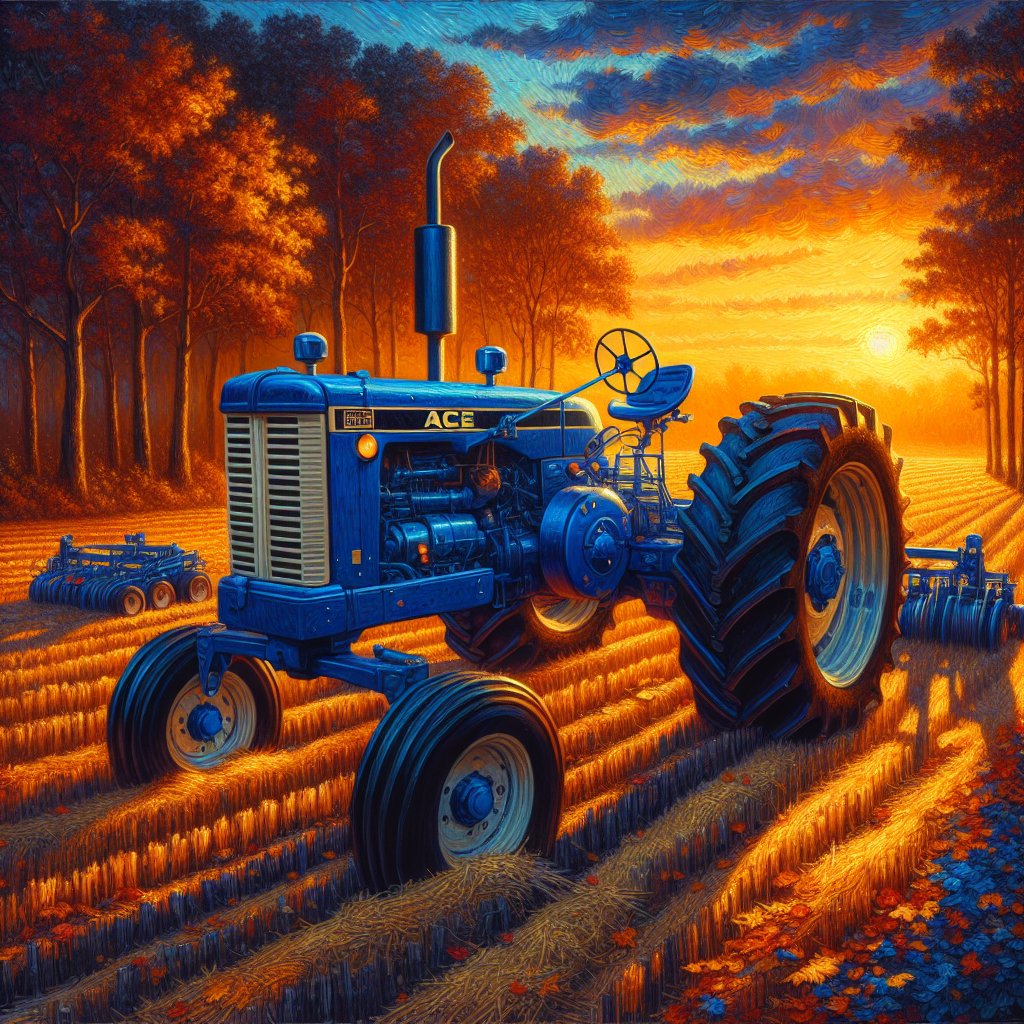
How Do Farmers Feel About Being Told What They Can Fix?
What Rights Should Farmers Have Over Their Machinery?
In the heart of America’s farmlands, tractors stand as both a symbol of industrial progress and a testament to hard work. These machines, often seen plowing through vast fields under the sun, are more than just engines of agriculture; they are lifelines that connect farmers to their heritage, their livelihoods, and their families. The rights farmers hold over their machinery, especially their tractors, deserve a serious conversation, tying together emotional, rational, and ethical threads.
Imagine waking up before dawn, the air crisp and promising. You step into your tractor, the familiar rumble under your fingers, feeling both the weight of responsibility and the thrill of purpose. Each turn of the wheel isn’t just about planting seeds; it’s a legacy handed down through generations—an intricate dance between man and machine. But what happens when the company that manufactured that tractor decides to limit access to its inner workings? This isn’t just a business decision; it’s a direct assault on the autonomy of those who feed the nation.
From a rational perspective, empowering farmers over their machinery makes economic sense. They rely on their tractors to operate efficiently and economically. When parts are locked behind digital barriers, farmers are left at the mercy of corporate monopolies, forced to pay inflated prices for repairs or, worse, rendered helpless when equipment malfunctions. The ethical implications are clear: should a farmer, who has invested so much of their time and resources, be denied the right to maintain their own equipment?
Consider the story of a family farmer who struggled for weeks with a tractor that wouldn’t start because of a software lock. Each day that passed meant lost income, a dwindling harvest, and a toll on his mental health. His experience is a microcosm of a larger issue: when farmers are restricted from accessing the full potential of their own equipment, they face not just financial potential but a community’s confidence in their ability to produce.
This call for the rights of farmers over their machinery asks for more than just access; it advocates for the respect and recognition of their work. It urges society to stand behind those who till the soil, ensuring that they have the tools necessary to thrive and innovate. We must rally together, recognizing that the heartbeat of our agricultural system is sustained when farmers can freely engage with their tractors and machinery, addressing their needs without obstruction. It’s time to empower these stewards of land, allowing them to drive their future forward, one field at a time.

What Rights Should Farmers Have Over Their Machinery?
What Rights Should Farmers Have Over Their Machinery?
- Tractors symbolize industrial progress and connect farmers to their heritage and livelihoods.
- The rights of farmers over their machinery deserve attention, intertwining emotional, rational, and ethical discussions.
- Companies limiting access to tractor functionalities jeopardize farmers’ autonomy and financial stability.
- Farmers face corporate monopolies and inflated repair costs when access to parts is restricted.
- Anecdote of a family farmer highlights the negative impact of software locks on income and mental health.
- The call for farmer rights emphasizes respect for their work and the need for tools to thrive.
- Empowering farmers ensures the sustainability of the agricultural system and fosters community confidence.

What Rights Should Farmers Have Over Their Machinery?
Conclusion
Inside the gritty world of agriculture, a silent war wages—a battle for the right to fix one’s own machinery, a fight deeply interwoven with the identity of American farmers. At the core of this struggle is a belief in independence, a concept rooted in the very soil these individuals till. Picture a seasoned farmer standing beside his tractor, feeling a bond forged over years of sweat and toil. This isn’t just metal; it’s a vessel of legacy, embodying the spirit of resilience passed down through generations. Yet, lurking behind this bond is a shadowy network of lobbyists and corporations intent on eroding this autonomy.
Farmers possess a unique understanding of their machinery. They’re not just operators; they’re innovators, problem solvers adept at navigating the challenges of their fields. For them, fixing a tractor isn’t merely a task; it’s a rite of passage, a reflection of self-sufficiency and pride. Yet, the current climate imposes barriers, with corporations dictating when, how, and if they can repair their tools. This infringement not only jeopardizes their livelihoods but also undermines the ethical foundation of ownership—the very idea that when a farmer acts to repair their machinery, they’re asserting their rights over their own property.
The implications extend beyond the individual; they ripple through communities. Every farmer has a story that resonates with shared struggles and triumphs. It’s more than just machinery. It’s about the legacy of family farms, about standing shoulder to shoulder with neighbors in the face of adversity. Every breach of autonomy becomes a threat to communal values, to the shared narratives that bind rural America together. The emotional weight of machinery represents not only livelihood but a profound connection to heritage.
Moreover, the rationality of this fight for repair rights is clear—economic sustainability depends on access and autonomy. A farmer wrestling with complex regulations that hinder their ability to maintain their own equipment faces not only diminished productivity but heightened frustration. Social pressures layer on top—the need to perform, to uphold familial legacies, while wrapped in the isolation that can accompany these expectations.
Therefore, as we stand on the precipice of change, fostering a culture that respects repair rights is essential. It’s about empowerment, enabling farmers to reclaim their narratives and secure their futures—one repair at a time. By advocating for these rights, we are not just standing up for farmers, but for the values of resilience and independence that define us all. Let’s ignite this movement, ensuring the heartbeat of our agricultural system thrives, liberated from the shackles of external control.

Conclusion
Conclusion:
- A silent war for the right to fix machinery is waged within the agriculture sector.
- The struggle for autonomy is tied to the identity and independence of American farmers.
- Farmers see their machinery as a legacy, symbolizing resilience and heritage.
- Corporations impose barriers that restrict farmers’ rights to repair their own equipment.
- The fight for repair rights impacts not only individual farmers but also their communities and shared values.
- Access to repair autonomy is crucial for the economic sustainability of farming operations.
- Advocating for repair rights empowers farmers to reclaim their narratives and secure their futures.

Conclusion
Other Resources

Other Resources
Here is a list of other resources you can review online to learn more:
- Georgia National Antique Agriculture Show
- Lamborghini
- Froelich Tractor Museum
- Jackson
- Buhler Industries
- Antique Engine & Tractor Association – Working Farm Show
- Idaho Farmand Ranch Museum
- Cub Cadet
- Ventrac
- Billings Farm
- CLAAS of America
- Leader
- Rumely
- Farm Pro
- Dutra
- Minot
- CAAntique Farm Equipment Show
- F.A.R.M. Tractor Show
- Vintage Tractor And Farm Festival
Use This Prompt To Get More Resources With Your Favorite Online AI Tool: Please provide me with a list of online articles with their URLs in a bulleted list that I can read regarding Inside the Lobbying War Against Farmers Fixing Their Own Machines

Other Resources
Glossary Terms
Inside the Lobbying War Against Farmers Fixing Their Own Machines – Glossary Of Terms
1. Right to Repair — Legal and policy movement asserting that equipment owners should be able to access tools, parts, manuals, and software needed to diagnose and fix their machines without undue restriction.
2. Original Equipment Manufacturer (OEM) — Company that designs and sells the factory version of farm equipment; often central to disputes over repair access and software control.
3. Aftermarket Parts — Replacement components produced by third parties rather than the OEM, often cheaper and contested by manufacturers on compatibility and safety grounds.
4. Third-Party Repair — Independent technicians or service shops unaffiliated with the OEM that provide maintenance and fixes; a focal point of access and certification disputes.
5. Service Manual — Technical documentation containing repair procedures, wiring diagrams, and diagnostics; access to these manuals is a primary Right to Repair demand.
6. Electronic Control Unit (ECU) — Embedded computer module in modern tractors and combines that controls engine and implement functions and often contains proprietary software.
7. Firmware — Low-level software running on equipment ECUs; manufacturers may restrict access or updates, limiting independent repair and modification.
8. Telematics — Remote data collection and communication systems in equipment that transmit diagnostics, location, and usage to OEMs or cloud services.
9. Diagnostic Trouble Codes (DTCs) — Error codes produced by vehicle ECUs to indicate faults; reading and clearing DTCs often requires proprietary tools or authorization.
10. Proprietary Diagnostic Tools — Manufacturer-specific hardware or software required to access diagnostic functions, reflash firmware, or reset service intervals.
11. Software Locks / Lockout — Mechanisms that prevent unauthorized operation, modification, or repair of equipment unless validated by the OEM.
12. Remote Disable / Kill Switch — Capability to render equipment inoperative remotely via software or telematics, raising concerns about control and liability.
13. Controller Area Network (CAN bus) — Vehicle communications network that links ECUs and sensors; access to it is often necessary for diagnosis and repair.
14. End-User License Agreement (EULA) — Legal contract that can restrict how software on equipment is used, modified, or shared, affecting owners’ repair rights.
15. Digital Millennium Copyright Act (DMCA) — U. S. law with anti-circumvention provisions that manufacturers and lobbyists have used to argue against bypassing software protections for repairs.
16. Magnuson-Moss Warranty Act — U. S. federal law that limits manufacturers from voiding warranties solely because owners use aftermarket parts or independent repair services.
17. Trade Secret — Confidential technical, software, or operational information that manufacturers claim protection over to block disclosure of repair-relevant details.
18. Intellectual Property (IP) — Legal rights in designs, software, and innovations; cited by OEMs to justify restrictions on copying or reverse-engineering equipment systems.
19. Dealer Network — Authorized repair and sales outlets controlled by OEMs that provide warranty service, parts, and diagnostics; their business model can conflict with independent repair access.
20. Lobbying — Organized efforts by companies, trade groups, or coalitions to influence legislation, regulation, and public policy related to repair rights and equipment controls.
21. Industry Trade Association — Group representing OEMs or suppliers that coordinates lobbying, public messaging, and policy positions on repair and safety issues.
22. Farmer Advocacy Group — Organizations representing agricultural producers that mobilize politically and legally to secure repair access, parts availability, and fair competition.
23. Lobbying Disclosure — Regulatory requirement in many jurisdictions for groups and firms to report lobbying activities and expenditures, relevant to transparency in repair-policy debates.
24. State Right-to-Repair Legislation — Laws passed at the state level that mandate access to parts, tools, and information for independent repair of equipment and devices.
25. Federal Preemption — Legal concept where federal law can override conflicting state laws; invoked in debates about whether national rules should supersede state Right-to-Repair measures.
26. Antitrust / Competition Issues — Concerns that OEM repair restrictions and dealer practices may reduce competition, raise prices for repairs, or constitute monopolistic behavior.
27. Repairability Index / Score — Metrics or ratings assessing how easy it is to repair a product, often used to compare equipment and press for more open designs.
28. Parts Availability / Lead Time — The supply and speed at which OEM or aftermarket components can be sourced; critical to farm operations and a key lobbying talking point.
29. Software-as-a-Service (SaaS) / Cloud Services — Subscription-based software and cloud platforms that manage equipment features and data, sometimes tying functionality to ongoing OEM control.
30. Data Ownership & Privacy — Questions over who owns telematics and diagnostic data collected by equipment, how it can be used, and whether farmers can access or share it for repair and analytics.

Glossary Of Terms
Other Questions
Inside the Lobbying War Against Farmers Fixing Their Own Machines – Other Questions
If you wish to explore and discover more, consider looking for answers to these questions:
- Who are the main lobbying groups and corporations driving restrictions on farmers’ repair rights?
- What specific laws and regulations currently govern farmers’ ability to repair their own machinery?
- Which states or countries have enacted Right to Repair laws that apply to agricultural equipment?
- How do manufacturers use software locks, digital rights management (DRM), or proprietary diagnostics to limit repairs?
- What legal arguments do manufacturers use to justify restricting access to parts, manuals, or software?
- What are the typical financial costs to a farmer when forced to use manufacturer-only repairs?
- How do repair restrictions disproportionately affect small family farms compared to large agribusinesses?
- Are there notable court cases, precedents, or regulatory actions related to farm equipment repair rights?
- What safety risks are associated with DIY repairs, and how can farmers mitigate them?
- Who is legally liable if a self-repair leads to equipment failure or injury?
- How do warranty and insurance policies interact with third-party or self-repairs?
- Where can farmers access replacement parts, diagnostic tools, and repair manuals outside official dealerships?
- Are certified independent repair shops available for tractors and large agricultural equipment?
- What training, certifications, or apprenticeships exist to help farmers learn safe, effective repair skills?
- How does planned obsolescence or software updates shorten the usable life of farming machinery?
- What role do local dealerships play in restricting or enabling repairs, and how are they compensated?
- Are there open-source or aftermarket software and hardware alternatives for major tractor systems?
- How do repair restrictions affect the resale value and secondary market for farm equipment?
- What community networks, cooperatives, or peer-to-peer programs help farmers share repair knowledge and resources?
- How can farmers effectively organize or advocate for stronger repair rights and policy change?
- What federal legislative proposals or regulatory initiatives are currently under consideration regarding repair rights?
- How do restricted repairs contribute to electronic and mechanical waste in agriculture?
- What are the step-by-step procedures for diagnosing and fixing common tractor problems?
- How does manufacturer data collection and telemetry impact farmer privacy and control over equipment?
- Can farmers legally circumvent software locks or DRM, and what criminal or civil risks would that entail?
- What examples exist of successful farmer-led repairs, hacks, or innovations that restored equipment function?
- How do repair policies differ among the largest agricultural equipment manufacturers?
- What grants, subsidies, or financial assistance programs exist to help farmers with repair costs or training?
- How will emerging technologies—autonomous tractors, precision agriculture, electrification—change repair access and needs?
- What are the broader economic and social impacts on rural communities if repair autonomy is diminished?
- How should farmers document and report instances of repair restriction, overcharging, or anti-competitive behavior?
- What practical online and offline resources (manuals, forums, NGOs) can farmers consult today to improve repair outcomes?

Other Questions
Haiku
Inside the Lobbying War Against Farmers Fixing Their Own Machines – A Haiku
In fields of hard toil,
Tractors whisper tales of home,
Freedom to repair.

Haiku
Poem
Inside the Lobbying War Against Farmers Fixing Their Own Machines – A Poem
In fields where sunlight glimmers bright,
A farmer toils both day and night.
With calloused hands and humble pride,
His tractor stands, his steadfast guide.
Each dent and scratch—a story told,
Of seasons passed, of dreams bold.
Yet heavy lies the corporate hand,
Restricting him, dictating land.
Lobbyists weave a silken thread,
Binding his hands, swimming in dread.
Why must he bow to profits reign?
His heart beats for the land, the grain.
Repairing machines—a sacred right,
A fight for freedom, a call to light.
With every wrench turn, unity grows,
In neighborly ties, his spirit glows.
For its not just steel; it’s legacy,
A bond with soil, his family tree.
Ethics demand he breathes with ease,
To mend what’s his, to nurture the trees.
In every farmer, a tale resides,
Of struggles faced, of hope that abides.
Together we rise, uphold their plight,
For independence blooms in freedoms light.
Empower the hands that till the ground,
In tractors hum, let autonomy sound.
For a farmer’s right, with heart and grit,
Is a promise to cherish, a legacy to transmit.

Poem
Checklist
Inside the Lobbying War Against Farmers Fixing Their Own Machines – A Checklist
Emotional Appeals
✅______ Recognize the bond: Acknowledge the emotional connections farmers have with their machinery as extensions of their identity and heritage.
✅______ Value their stories: Share personal narratives from farmers that highlight their struggles and triumphs linked to machine repairs.
Rational Appeals
✅______ Promote efficiency: Understand that giving farmers the autonomy to repair their machinery leads to increased productivity and reduced costs.
✅______ Highlight sustainability: Advocate for a repair culture that supports resource conservation and reduces waste in agricultural practices.
Ethical Appeals
✅______ Assert ownership rights: Emphasize the belief that farmers should have the right to maintain and repair their property without corporate restrictions.
✅______ Champion fair practices: Support legislation that ensures farmers can make decisions about their machinery to protect their livelihoods and families.
Authority Appeals
✅______ Cite expert opinions: Reference statements from agricultural experts and economists who advocate for farmers’ repair rights as a matter of economic and ethical importance.
✅______ Engage with organizations: Collaborate with farmer advocacy groups and repair rights organizations to reinforce the need for fair policies.
Narrative Appeals
✅______ Share powerful examples: Use stories of farmers overcoming challenges due to repair restrictions to illustrate the impact on their livelihoods.
✅______ Create a movement: Develop a collective narrative around the importance of farmer autonomy that resonates with a wider audience.
Social Appeals
✅______ Build community connections: Encourage local support for farmers through community-led initiatives that share repair knowledge and resources.
✅______ Foster collaboration: Highlight the importance of neighbors helping each other with repairs, reinforcing community bonds and cooperation.

Checklist
At ClassicTractorNews, we help tractor lovers keep up with the latest news for classic and vintage tractors.
Please share this post with your friends, family, or business associates who may like old classic or vintage tractors.