


Uncovering The Hidden Forces Behind Your Repair Choices
By Tom Seest
At ClassicTractorNews, we help tractor lovers keep up with the latest news for classic and vintage tractors.
Please share this post with your friends, family, or business associates who may like old classic or vintage tractors.
Inside the Dealer Network That Controls Your Repair Options
Inside the Dealer Network That Controls Your Repair Options
When your trusty tractor breaks down, the question arises: where do you turn? This isn’t just a matter of fixing a machine; it’s about navigating a complex web of dealerships that dictate your options, often leaving you feeling trapped. These dealer networks can feel like a fortress built with red tape and rules, holding sway over your every repair decision. Understanding these networks goes beyond understanding machinery—it’s about understanding the human experience behind each repair.
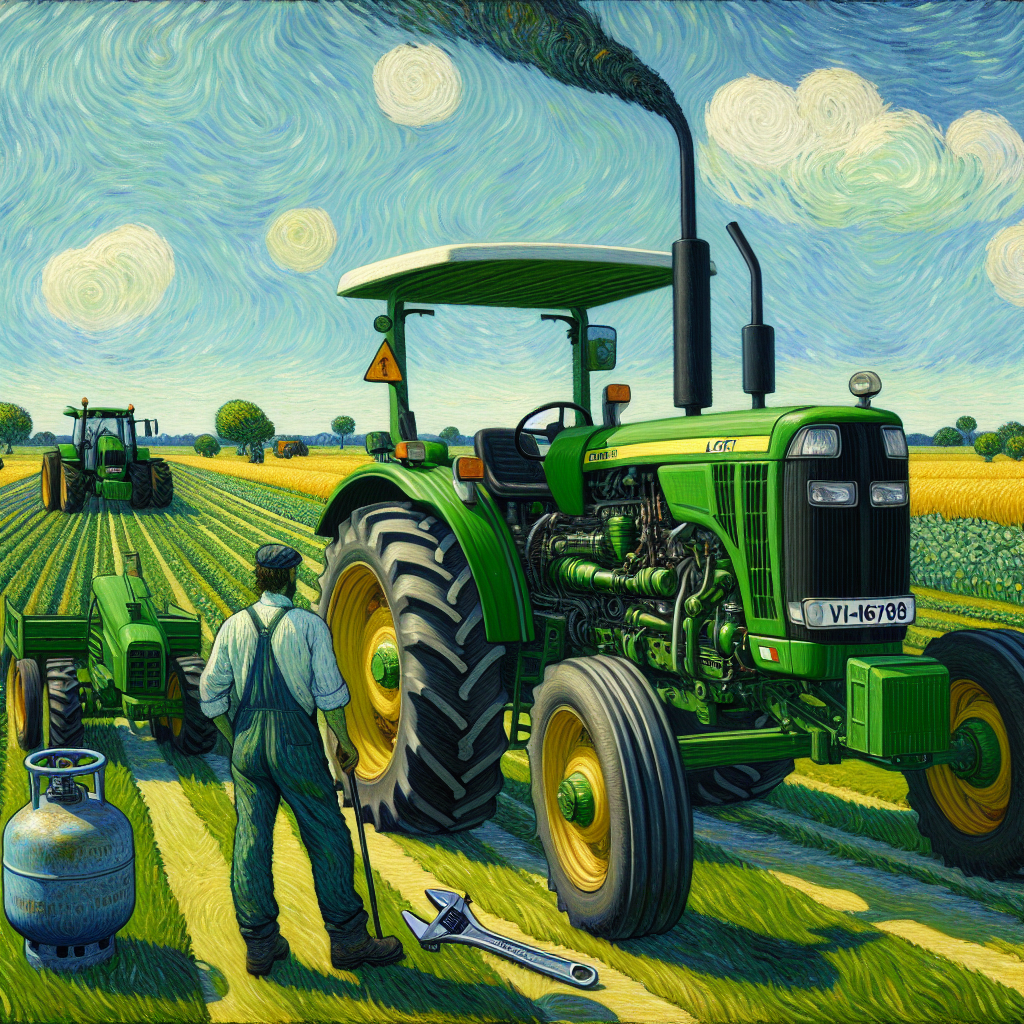
Picture this: a hardworking farmer, grease on his hands and the sun setting behind him, staring at a non-responsive engine. That man is not just looking at a piece of equipment. He’s staring at lost time, unfulfilled dreams, and the potential disruption of a season’s worth of labor. The emotional weight of reliance on a single dealer network can be overwhelming. It’s not merely a repair; it’s a lifeline. When repair options are dictated by a monolithic entity, we can feel a sense of powerlessness creeping in.
From a rational standpoint, it’s essential to recognize that dealer networks thrive on brand loyalty and proprietary parts, creating a cycle that can make consumers believe they have no alternatives. Yet, there’s a choice to be made. It’s not only about the immediate fix but also about long-term dependability. Consider the times when a well-placed call to an independent mechanic breathed new life into an aging tractor when no one else would. That is empowerment—the ability to seek out solutions that don’t solely rely on the dealer’s whims.
Ethically, we must question why we should accept a dealer’s monopoly on repairs. The average person deserves the freedom to choose, to repair, and to maintain their machinery without undue constraint. This opens the door not only to self-sufficiency but to trust; the trust in knowing you’re making informed decisions rather than feeling backed into a corner.
The narrative here is one of shared experience. Everyone knows someone who has faced that moment of despair when equipment fails. It’s a story many can relate to—a story of resilience and ingenuity. By connecting through these hardships, we find strength in community, sharing knowledge about trusted local mechanics and resources that exist beyond the dealership.
So the next time your tractor grinds to a halt, remember: while the dealer networks may loom large, the choices you make and the alliances you forge can create new paths toward freedom—both in your toolbox and in your life. It’s time to reclaim your repair options and build a network of trust that truly serves you.

Inside the Dealer Network That Controls Your Repair Options
Inside the Dealer Network That Controls Your Repair Options
- Dealer networks control repair options, creating a complex environment for consumers.
- Dependence on a single dealer can evoke feelings of powerlessness and emotional stress.
- Brand loyalty and proprietary parts foster a sense of limited alternatives for consumers.
- Independent mechanics can provide alternative solutions, promoting empowerment in repair choices.
- Consumers deserve the freedom to choose how to maintain their machinery without constraints.
- Shared experiences and community support can lead to resourceful solutions outside dealer networks.
- Strengthening personal alliances can restore freedom in repair choices and enhance decision-making.

Inside the Dealer Network That Controls Your Repair Options
Table Of Contents
- Inside the Dealer Network That Controls Your Repair Options
- What Impacts Your Trust In Dealer Repair Options?
- How Do Repair Choices Affect Your Finances?
- What Ethical Concerns Arise In Dealer Repair Practices?
- Which Experts Influence Your Perception Of Repair Quality?
- How Do Dealer Networks Shape Repair Experiences?
- What Stories Highlight the Need for Transparency In Repairs?
- Conclusion
- Other Resources
- Glossary Of Terms
- Other Questions
- Haiku
- Poem
- Checklist
What Impacts Your Trust In Dealer Repair Options?
Trust is a currency, and in the realm of dealer repair options, it can feel like a dwindling bank balance. Picture this: you’re standing shoulder to shoulder with a mechanic, your hands dusted with grease, surrounded by the hum of machinery—a world that feels both foreign and oddly comforting. The bond of trust starts with understanding; it’s about knowing who’s fixing your vehicle and what’s at stake.
Take a moment to think of that trusty old tractor in your garage, the one that’s seen more seasons than you can count. It’s more than just a machine; it’s a lifeline. When that tractor’s engine sputters, you feel it in your gut. The thought of being sidelined, unable to tend to your fields, threatens not just productivity, but your very livelihood. In those moments, trust in the dealer’s repair option transforms from a mere choice into an urgent necessity.
You want to believe that the dealer will treat your tractor as if it were their own. You crave honesty, transparency, and expertise. These aren’t just words; they’re the foundation of a relationship. Every time you step into that dealership, you’re faced with a choice: trust or hesitation. It’s here that a genuine connection can make all the difference. When a service advisor takes the time to explain repairs in clear, relatable terms, it transforms a daunting experience into a collaborative effort. They’re not just fixing a problem; they’re partnering with you to ensure your tractor is operating at its best.
Rationality plays its role too. You weigh options carefully; you delve into reviews, you ask for referrals, and you expect that the dealership has professional standards that guide their practices. Yet, emotions often overshadow logic. A personal story shared by a mechanic about their own family’s reliance on their farm equipment can make a world of difference. It reminds you that behind the grease-stained uniforms are real people with stories that resonate with your own.
Ethics also loom large. Are they pushing for unnecessary repairs? Or offering honest, well-meaning advice? The dealer’s reputation, built over years, often dictates your trust. When a dealership stands firm on its principles, showing a commitment to quality rather than profit, you feel an instinctive pull closer to their service bay.
Ultimately, it’s about connection—fostering trust that not only sways your head and heart but also assures your gut that when the tractor rolls out of that repair shop, it’ll be ready to work just as hard for you as it always has.

What Impacts Your Trust In Dealer Repair Options?
What Impacts Your Trust In Dealer Repair Options?
- Trust is likened to currency in dealer repair options, often feeling scarce.
- A strong bond of trust begins with understanding who repairs your vehicle and what is at stake.
- A trusty tractor represents more than machinery; it’s crucial for productivity and livelihood.
- Dealers are expected to treat vehicles with care, emphasizing honesty, transparency, and expertise.
- Clear communication from service advisors transforms repair experiences into collaborative partnerships.
- Emotions can overshadow rational decision-making when considering repairs, influenced by personal stories from mechanics.
- The reputation of a dealership affects trust, with ethics playing a significant role in customer perception.
What Impacts Your Trust In Dealer Repair Options?
How Do Repair Choices Affect Your Finances?
Repair choices ripple through our finances like the wake from a well-timed tractor plowing through a field. Each decision we make—whether it’s to patch a worn-out roof or invest in a brand-new appliance—carries weight. It’s not just about dollars and cents, but the stories these choices tell about our values, priorities, and aspirations.
Consider the story of a family who found themselves facing a leaky roof. The immediate impulse might be to slap on a quick fix, just enough to stave off further damage and delay cost. But lurking beneath that decision is an emotional tug-of-war. The father, a hard worker, recalls his own childhood, when financial struggles were the backdrop of daily life. The thought of repeating that cycle for his kids ignites a resolve to invest in a proper repair—a long-term choice that urges his family to brace for storms instead of merely reacting to them.
The financial angle here isn’t just about preserving your home; it’s about creating a stable environment for growth. It’s an ethical choice, too. When we think beyond ourselves, choosing to repair rather than replace can transform local economies. Supporting neighborhood artisans and tradespeople fosters community ties and nurtures long-standing relationships. The trust built through these connections not only uplifts your finances but also cultivates a sense of belonging—something money can’t buy.
Authority comes into play when we realize that our choices echo across generations. A friend once shared how their commitment to quality repairs rather than cheap fixes paid off when their children grew up to respect and understand the importance of maintaining what they value. This legacy of stewardship becomes a pivotal lesson, connecting us through shared experiences and inherited wisdom.
Ultimately, the heart of the matter lies in the realization that our repair choices are reflections of who we are. They tell our stories, shape our communities, and define our financial journeys. Instead of fearing the cost, embrace the labor that comes with making informed choices. It’s a labor akin to that tractor turning soil, preparing the ground for a bountiful harvest. Invest thoughtfully, knowing that every choice—small or monumental—cultivates peace of mind and contributes to a narrative that reverberates through the lives we touch.
In a world buzzing with quick fixes, let’s remember that every repair is an opportunity for growth, for connection, and—when approached with care—can lead to a bounty far richer than mere savings.

How Do Repair Choices Affect Your Finances?
How Do Repair Choices Affect Your Finances?
- Repair choices significantly impact personal finances and reflect our values and aspirations.
- A family’s decision regarding a leaky roof highlights the emotional and financial considerations of home repair.
- Investing in proper repairs creates a stable environment, fostering growth and ethical choices.
- Choosing to repair rather than replace supports local economies and builds community ties.
- Repair choices resonate across generations, teaching children the value of maintaining belongings.
- Our choices in repairs are a reflection of our identity, shaping personal and community narratives.
- Making informed repair decisions leads to peace of mind and opportunities for personal and communal growth.

How Do Repair Choices Affect Your Finances?
What Ethical Concerns Arise In Dealer Repair Practices?
When you drive your trusty vehicle into a dealership for repairs, a mix of trust and trepidation often washes over you. You expect a level of honesty and competence, yet lurking in the shadows is a murky world where ethical concerns can flourish. Here’s the thing: these worries don’t just float in the ether; they hit home. Picture this: a single mother, juggling work and kids, brings her aging SUV in for a simple oil change. What begins as a routine visit quickly turns into a bill that rivals a mortgage payment, all for “necessary” repairs that might not be as dire as presented. This isn’t just about money; it’s about trust—a social contract that feels violated.
Trust in repair practices often hinges on transparency. When service writers or technicians gloss over specifics, explaining repairs in jargon-heavy language as if they’re speaking Martian, it creates an invisible barrier. No one wants to feel like a financial earner rather than a valued customer. Relationships matter. A dealer who aligns their incentives with those of the customer—not just racking up hours and parts—cultivates loyalty and fosters a sense of community. Everyone loves a good underdog story, especially when that underdog is the honest mechanic fighting against a tide of unethical dealer practices.
Consider the analogy of a tractor. Farmers rely on these machines not just for efficiency, but for survival. When a repair is advised for that tractor, it’s not just about the cost; it’s about the farmer’s livelihood. If a dealer suggests unnecessary repairs, it echoes beyond just the wallet—it affects families, communities, and ultimately the food supply chain. The ethical implications are deep and personal. For every deceptive recommendation, there’s a human story, a household that might struggle because of questionable choices made behind a service counter.
As consumers, it’s vital to demand clarity. Ask questions, seek second opinions, and repair your relationship with service personnel. After all, you’re not just a data point in a profitability chart; you are a valued voice. Personal connections in these interactions can spark change in dealer practices. Just as mechanics have a duty to repair, customers have a duty to question, stand up, and advocate for their rights. Let’s drive toward a future of repair that feels like a collaboration, not a confrontation. Ethical repair practices don’t just help the bottom line; they cultivate trust within our communities, ensuring everyone thrives on and off the road.

What Ethical Concerns Arise In Dealer Repair Practices?
What Ethical Concerns Arise In Dealer Repair Practices?
- Customers often feel a mix of trust and concern when visiting dealerships for vehicle repairs.
- Unnecessary repairs can lead to excessive charges, violating the trust between customers and service providers.
- Transparency in communication is vital; jargon-heavy explanations create barriers between customers and technicians.
- Dealers who align their interests with those of customers foster loyalty and community.
- For farmers, repair decisions can impact their livelihood and the broader food supply chain.
- Consumers should demand clarity, ask questions, and maintain relationships with service personnel.
- Collaborative, ethical repair practices build trust and benefit communities as a whole.

What Ethical Concerns Arise In Dealer Repair Practices?
Which Experts Influence Your Perception Of Repair Quality?
When it comes to understanding repair quality, we often turn to those who wield the greatest influence over our perceptions: the experts. But who are these experts? They’re not just the mechanics and the specialists you see in overalls; they’re the voices we trust, the stories we share, and the experiences that shape our opinions. Think about that local tractor mechanic—let’s call him Sam. Sam has been fixing things since before most of us could drive. When you see him working under the hood, it’s not just about the oil change; it’s about a legacy of knowledge handed down and cultivated over decades.
This is where emotion plays a big role. Remember the first time you watched a skilled tradesman at work? There’s a certain artistry to it—the way their hands move, the confidence in their gestures. It’s an unspoken narrative that resonates in our gut. We want to believe that the person working on our vehicle has not just the technical ability but the heart that connects them to their craft. A good repair isn’t just a job completed; it’s a relationship built on trust.
Yet, our heads often seek validation from those titles and credentials hanging on the wall. While Sam’s reputation in the community carries weight, we also seek assurance from industry experts. This is the dance between authority and relatability. A specialist may have a perfect record fixing tractors, but it’s the stories shared among friends about how they went above and beyond—like the time Sam repaired a neighbor’s rusted tractor with parts he’d salvaged, giving it a new life—that truly build our faith in them.
The ethical aspect shines when we consider honesty in repair. If you’ve ever been taken for a ride by a less-than-scrupulous mechanic, you know how vital it is to align yourself with someone who operates with integrity. The wariness that comes from those experiences compels us to scrutinize our choices carefully, which leads us back to the experts’ narratives that reinforce trustworthiness.
Social influence is irrefutable; your neighbor’s glowing review can sway your decision more than any advertisement. The power of community feedback cannot be overstated. When we share our personal experiences—perhaps a story of how that trusty tractor made it through a corn harvest—those connections create a fabric of reliability that we naturally gravitate toward.
The experts who shape our perceptions of repair quality are a blend of knowledge, ethics, and personalized narratives—a convergence that fuels our confidence to choose wisely when it matters most.

Which Experts Influence Your Perception Of Repair Quality?
Which Experts Influence Your Perception Of Repair Quality?
- Experts influence our perceptions of repair quality beyond just mechanics and specialists.
- Personal stories, like that of community figures such as a trusted local mechanic, shape our opinions.
- Emotional connections to skilled tradesmen enhance trust in their abilities and craft.
- Customers often seek validation from credentials while also valuing relatability and community reputation.
- Honesty and integrity are crucial in repair services, particularly after negative experiences with dishonest mechanics.
- Social influence, such as neighbor recommendations, plays a significant role in decision-making.
- The convergence of expertise, ethics, and personal narratives enhances confidence in choosing repair services.

Which Experts Influence Your Perception Of Repair Quality?
How Do Dealer Networks Shape Repair Experiences?
When we think about repair experiences, especially as they relate to our cherished vehicles, the role of dealer networks looms large. Imagine your trusted tractor, a faithful companion that has plowed through countless seasons, now in need of a little TLC. It’s not just a machine; it’s a lifeline—a connection to the land and a testament to hard work. This is where dealer networks come in, transforming the potentially daunting task of repairs into a partnership built on trust, experience, and a shared commitment to keeping that tractor in peak condition.
Dealer networks serve as the backbone of a manufacturer’s commitment to quality. When you pull into that dealership, you’re greeted by knowledgeable staff who understand your specific model and its quirks like the back of their hand. They’re equipped not just with tools but also with the wisdom of years spent in the trenches of vehicle repairs. This isn’t just about fixing what’s broken; it’s about preserving memories—those days in the field, the lilting sound of the engine that once brought the harvest home.
Emotionally, that connection runs deep. It’s a bond forged through shared experiences and the invisible threads of community. When a tractor breaks down, it’s never just an inconvenience; it’s a disruption to life, work, and dreams. The dealer network knows this and often steps up as a trusted partner ready to listen to your concerns and bring a personal touch to the repair process. It becomes less about pulling a lever and more about nurturing a relationship that echoes the grit and determination of the farmers who rely on those machines daily.
Rationally speaking, dealer networks also provide a level of assurance—an ethical commitment to uphold the standards of the manufacturer. Certified technicians bring consistent training and expertise, ensuring that repairs are performed with precision. This decreases the likelihood of future issues, allowing for peace of mind amidst the chaos of a failing tractor.
But let’s not forget the power of storytelling in these experiences. Picture this: a dealer recalls a time when a local farmer came in, distraught because his tractor broke down right before the harvest. With urgency and understanding, the dealer not only jumped into action but also reminded him of shared challenges faced in the community. They had a history together, built on many seasons of highs and lows. That connection made the repair experience one of camaraderie, turning a mechanical failure into a moment of solidarity.
Dealer networks shape repair experiences not merely through their technical prowess but through the relationships they foster and the trust they build. It’s about showing up when it matters, knowing the stakes, and proving that behind every repair, there’s a story waiting to be told—making all the difference when that trusted tractor is back in the field.

How Do Dealer Networks Shape Repair Experiences?
How Do Dealer Networks Shape Repair Experiences?
- Dealer networks play a crucial role in repair experiences for cherished vehicles like tractors.
- They transform daunting repair tasks into partnerships built on trust and experience.
- Knowledgeable staff at dealerships provide insights specific to each vehicle model.
- Repairs are not just mechanical fixes but are tied to preserving emotional memories and connections.
- Dealer networks offer assurance through certified technicians’ expertise and training.
- Storytelling enhances the repair experience, strengthening community bonds during challenges.
- Ultimately, dealer networks foster relationships that make a significant impact on the repair journey.

How Do Dealer Networks Shape Repair Experiences?
What Stories Highlight the Need for Transparency In Repairs?
In the world of repairs, whether it’s a cherished tractor or an aging home, stories abound that underscore the importance of transparency. Imagine an old farmer, weathered by years under the sun, staring at his beloved tractor—a rusty companion now in need of serious help. He recalls the day he purchased it, with promises of durability and unwavering support. But now, faced with mechanics’ jargon and potential upsells, he feels lost in a maze of uncertainty. Just like that farmer, so many of us are left grappling with the complexities of what it really takes to get something repaired.
A family once faced a simple plumbing issue that quickly escalated into a full-blown crisis. They allowed a contractor in, relying on trust and familiarity, only to uncover a parade of hidden costs and vague explanations. Their home felt like a fortress under siege; transparency could have created an alliance instead of a battlefield. When repairs are cloaked in confusion, it not only burdens wallets but also shatters the foundation of trust between service providers and their clients. It’s not just about fixing a problem; it’s about respect, integrity, and the bond of community.
Transparency in repairs extends beyond mere business practices; it’s a moral obligation. When someone steps forward to offer help, whether fixing a tractor or repairing a home, there’s an unspoken understanding that they should communicate clearly. It’s not just about the nuts and bolts of a repair; it’s about ensuring that the individual paying for the service feels valued and informed.
Consider the effect of an open conversation. A mechanic who explains each step of the repair process doesn’t just fix a tractor; he instills confidence. He affirms that the work is worth the cost, guiding the owner through the process rather than leaving them standing outside, unsure and anxious.
Transparently sharing stories—of triumphs, disasters, and everything in between—fosters connection in a way that mere transactions never can. People resonate with experiences that mirror their own; they understand the weight of hard-earned money and the burden of poor choices.
It’s time to foster a culture of honesty and openness in the repair industry. By sharing our stories—whether of success or cautionary tales—we empower others to approach repairs with trust and clarity. The call for transparency in repairs is not just practical; it’s a rallying cry for a world built on mutual respect and shared journeys.

What Stories Highlight the Need for Transparency In Repairs?
What Stories Highlight the Need for Transparency In Repairs?
- Importance of transparency in repair processes, whether for tractors or homes.
- Example of a farmer feeling lost amid mechanic jargon and upsells.
- A family’s simple plumbing issue escalated due to hidden costs and lack of clear communication.
- Confusion during repairs burdens finances and erodes trust between clients and service providers.
- Transparency in repairs is a moral obligation, ensuring clients feel valued and informed.
- A mechanic explaining the repair process instills confidence and reassures clients.
- Fostering a culture of honesty through shared experiences empowers trust in the repair industry.

What Stories Highlight the Need for Transparency In Repairs?
Conclusion
Inside the dealer network for tractor repairs, choices might seem limited, yet each mechanic’s journey is intertwined with stories of resilience and empowerment. Imagine a farmer, hands caked in grease, faced with a broken-down tractor—it’s not just an inconvenience; it threatens livelihoods. The emotional weight is palpable; every choice here resonates with the very essence of farming: hard work, dedication, and hope. Yet, these dealer networks can feel like daunting fortresses, dictating terms and leaving little room for alternatives.
Rationally, consumers often find themselves ensnared by brand loyalty and proprietary parts, leading to the misconception that options are scarce. However, there lies an empowering truth: while the dealer systems loom heavily, savvy choices can liberate you from their grasp. Remember the local, independent mechanic who offers a second opinion? That’s a voice of empowerment, ensuring you’re not just another number in a ledger but a valued partner in the repair journey.
Ethically, it raises questions. Why settle for monopolized repair options when the freedom to choose benefits everyone? Emphasizing relationships and frictionless communication in repairs fosters trust. When a mechanic takes the time to explain what’s wrong—dismantling the jargon barrier—it transforms anxiety into collaboration.
This isn’t merely about maintaining machinery; it’s about nurturing community ties. Each repaired tractor is a cornerstone of local economy and familial legacies. People gravitate towards trusted experts whose stories resonate with their own struggles and triumphs. As you weigh repair decisions, consider the wise words of your neighbor or the seasoned advice of a mechanic who’s seen generations of equipment—and of families—change hands.
The urge to reclaim autonomy over repair decisions must be at the forefront. Dealers may have the muscle, but the heart of repair lies in community. Transparency breeds trust, and shared experiences create a fabric woven by every mechanic and farmer’s journey. The ultimate victory isn’t just a fixed tractor; it’s the recognition that every repair choice reflects your values and fosters a sense of belonging. Recognizing this web of connections not only enhances our understanding but strengthens the very communities that live and breathe through these machines. So, the next time your tractor breaks down, reclaim your narrative and make choices that serve you, acknowledging the power of community and the importance of informed decision-making.

Conclusion
Conclusion:
- Tractor repair choices may appear limited, yet they reflect resilience and empowerment.
- A broken tractor can severely impact a farmer’s livelihood, highlighting emotional stakes in repair decisions.
- Brand loyalty and proprietary parts often mislead consumers into believing there are few options.
- Local independent mechanics offer valuable alternatives and foster a sense of partnership in repairs.
- Trust is built through clear communication, transforming anxiety into collaborative problem-solving.
- Repairing tractors strengthens community ties and supports local economies.
- Emphasizing autonomy in repair decisions enhances community relationships and reflects personal values.

Conclusion
Other Resources

Other Resources
Here is a list of other resources you can review online to learn more:
- B.F. Avery
- Farmtrac
- Hurlimann
- Fiber Max Center for Discovery
- LS
- Case IH
- Schluter
- Farm Collector Show Directory
- Ford-New Holland
- Rumely
- National Farm Show Tractor Pull
- Jinma
- Woods & Copeland
- SAME Tractors
- Atlantic Farm Mechanization Show
- Agrinar
- Galloway
- Ursus
Use This Prompt To Get More Resources With Your Favorite Online AI Tool: Please provide me with a list of online articles with their URLs in a bulleted list that I can read regarding Inside the Dealer Network That Controls Your Repair Options

Other Resources
Glossary Terms
Inside the Dealer Network That Controls Your Repair Options – Glossary Of Terms
1. Dealer network — The system of franchised and affiliated dealerships an OEM uses to sell, service, and supply parts for its vehicles.
2. Authorized dealer — A dealership officially contracted and certified by an OEM to sell and service its brand.
3. OEM (Original Equipment Manufacturer) — The vehicle manufacturer that designs, certifies, and supplies factory parts, procedures, and policies.
4. OEM-certified technician — A technician who has completed manufacturer training and certification to perform brand-specific repairs.
5. Franchise agreement — The legal contract that defines rights, obligations, territory, and standards between an OEM and a dealer.
6. OEM parts — Factory-produced components specified by the manufacturer for repairs and replacements.
7. Aftermarket parts — Non-OEM replacement parts produced by third parties, varying in quality and fit.
8. Genuine parts policy — Manufacturer rules that encourage or require use of OEM parts for warranty or resale considerations.
9. Warranty — Manufacturer promise to repair or replace defective components within defined terms and timeframes.
10. Extended warranty / service contract — Paid coverage beyond the factory warranty that covers specific repairs under contract terms.
11. Warranty claim — A request submitted by a dealer to the OEM for reimbursement of warranty-covered repairs.
12. Warranty authorization — OEM pre-approval required in some cases before a dealer may perform or be reimbursed for certain repairs.
13. Recall — Manufacturer-initiated corrective action for a safety or regulatory defect that typically mandates free repairs.
14. Campaign / field action — A manufacturer-directed service initiative that is not legally classified as a safety recall but addresses issues or updates.
15. TSB (Technical Service Bulletin) — Manufacturer-issued guidance for diagnosing and repairing known issues not rising to the level of a recall.
16. Diagnostic protocol — OEM-prescribed steps, tools, and software required to identify vehicle faults correctly.
17. ADAS calibration — Specialized recalibration of advanced driver-assistance systems required after certain repairs or component replacements.
18. Electronic Service Manual (ESM) — Digital OEM documentation that contains repair procedures, wiring diagrams, and specifications.
19. Repair order (RO) — The formal job ticket that documents customer complaint, diagnostics, performed work, parts used, and charges.
20. Labor time guide — Manufacturer-published benchmarks for how long standard repairs should take, used to calculate labor reimbursement.
21. Labor rate — The hourly charge for technician work, often set by the dealer and influenced by OEM recommendations.
22. Parts procurement — The dealer’s process for ordering, stocking, and obtaining repair parts through the OEM’s supply chain.
23. Parts markup — The percentage or fixed amount added to parts cost when billed to the customer.
24. Sublet repair — Work the dealer outsources to a specialty shop or vendor (e. g. , body, glass, alignments) when in-house capability is lacking.
25. Service advisor — The dealership employee who interfaces with customers, authorizes repairs, and manages communications with the service department.
26. Warranty reserve / reimbursement model — The OEM’s financial and administrative system for reimbursing dealers for warranty work and parts.
27. Goodwill adjustment — A discretionary payment by the dealer or OEM to cover repairs outside of warranty terms to retain a customer or resolve disputes.
28. Steering (service lane steering) — Practices and incentives that channel customers toward dealer service rather than independent shops.
29. Right-to-repair — Laws and policies that affect independent access to diagnostic tools, repair data, and parts previously controlled by OEMs and dealers.
30. Certification program / dealer accreditation — OEM programs that set performance, facility, and training standards dealers must meet to maintain privileges and specific repair authorizations. Glossary Of Terms
Other Questions
Inside the Dealer Network That Controls Your Repair Options – Other Questions
If you wish to explore and discover more, consider looking for answers to these questions:
- Why do dealer networks often restrict who can perform repairs on my equipment?
- How can I tell if a recommended repair is truly necessary?
- What are my rights if a dealer refuses to repair or service my equipment?
- Will using an independent mechanic void my manufacturer warranty?
- How do OEM parts compare to aftermarket or salvaged parts in reliability and cost?
- Where can I find trustworthy independent mechanics for tractors and heavy equipment?
- How can I get a second opinion without angering the dealer who currently has my machine?
- What questions should I ask a service advisor to ensure transparency?
- How do dealer labor rates and parts markups typically compare to independents?
- Are there financing or payment plan options for large repair bills?
- What documentation should I keep to dispute an overcharge or poor repair?
- Can dealers charge for diagnostics even if I don’t approve the repair?
- How long should a typical repair or parts order take, and what if it’s delayed?
- Do dealers prioritize emergency or seasonal work (e.g., harvest time), and how can I secure priority service?
- What legal or regulatory protections exist for consumers dealing with dealer networks?
- What is the right-to-repair movement and how does it affect my repair options?
- Do modern tractors and equipment have software or ECU locks that prevent independent repairs?
- How can I obtain repair manuals, diagnostic codes, and software access for my model?
- Should I accept used or refurbished parts to save money, and what are the risks?
- How do dealer service contracts and extended warranties actually work—what’s typically covered and excluded?
- Can I keep replaced parts for inspection or reuse, and should I request them?
- How do I verify a technician’s training, certifications, and experience level?
- What red flags indicate a dealer is pushing unnecessary upsells or repairs?
- How can I compare estimates from dealers and independent shops effectively?
- What consumer organizations or advocacy groups can help resolve disputes with dealers?
- How does relying on a dealer network affect the resale value of my equipment?
- What are common scams or unethical practices in dealer repair shops and how do I avoid them?
- How should I document symptoms and service history to get better diagnostics and outcomes?
- What alternatives exist when a dealer network is the only authorized service provider in my area?
- How do warranty claims, recalls, and manufacturer support typically get handled through dealers?
- Can independent repairs be certified to preserve warranty or service records?
- How can I build a local network of trusted mechanics, parts suppliers, and peers for mutual support?
- What negotiation strategies work when discussing repair costs with a dealer?
- How do insurance policies interact with repair decisions—what’s covered and how to file claims?
- What preventive maintenance practices reduce reliance on dealer emergency repairs?

Other Questions
Haiku
Inside the Dealer Network That Controls Your Repair Options – A Haiku
Trust in each repair,
Choices shaped by dealer ties—
Break free, forge your path.

Haiku
Poem
Inside the Dealer Network That Controls Your Repair Options – A Poem
In the shadow of machinery, the farmer stands alone,
His tractor, a lifeline, now silent as stone.
With grease on his hands, he confronts his despair,
The weight of lost harvest hangs heavy in the air.
Dealer networks loom, like fortresses high,
Dictating the choices with rules that comply.
Trust may be fragile; at times it feels lost,
Each repair a dilemma, weighing the cost.
Yet in the depths of this tangled web spun,
Hope lies in stories of battles once won.
An independent mechanic, a beacon of light,
Empowers the farmer to stand up and fight.
Behind every engine, a narrative breathes,
Of community ties and the strength that believes.
When ethics run strong, and integrity reigns,
A partnership blossoms, alleviating pains.
Every repair a reflection of values we share,
Each choice we harness, an act of deep care.
Let’s forge connections with trust as our guide,
Reclaiming our power, no longer to hide.
For in each broken part, there’s a chance to renew,
A bond built on honesty, a vision that’s true.
So when the tractor falters, remember your might,
Together, we’ll navigate through darkness to light.

Poem
Checklist
Inside the Dealer Network That Controls Your Repair Options – A Checklist
Emotional Connection
✅______ Reflect on your personal experiences with repair challenges \
✅______ Identify the emotional impact of your repair choices on your livelihood and well-being \
✅______ Share stories that resonate with others about the trials and triumphs of repair experiences \
Rational Considerations
✅______ Research different repair options and weigh their pros and cons \
✅______ Seek out reviews and testimonials from other customers \
✅______ Compare pricing and services offered by various dealers and independent mechanics \
Ethical Awareness
✅______ Question the necessity of suggested repairs and seek clarification \
✅______ Demand transparency in pricing and the repair process \
✅______ Advocate for ethical practices by scrutinizing dealer networks and their reputations \
Authority Sources
✅______ Identify and consult trusted mechanics or experts within your community \
✅______ Consider industry certifications and reputation when selecting services \
✅______ Look for local businesses with a history of reliability and community engagement \
Narrative Sharing
✅______ Engage with your community to share narratives of repair experiences \
✅______ Encourage open discussions about who to trust and why \
✅______ Collect and distribute stories that highlight both positive and negative repair experiences \
Social Engagement
✅______ Build a network of trusted mechanics and share referrals within your community \
✅______ Participate in local forums or social media groups discussing repair options \
✅______ Foster relationships with those who have shared similar repair journeys for support \
Empowerment Practices
✅______ Equip yourself with knowledge about your equipment and repair needs \
✅______ Empower yourself to advocate for your choices in repair scenarios \
✅______ Explore alternative repair solutions beyond the dealer network \
Trust Building
✅______ Establish clear communication with your mechanic regarding expectations \
✅______ Look for signs of transparency and collaboration during the repair process \
✅______ Maintain a critical yet open perspective to foster a trustworthy relationship with service providers \

Checklist
At ClassicTractorNews, we help tractor lovers keep up with the latest news for classic and vintage tractors.
Please share this post with your friends, family, or business associates who may like old classic or vintage tractors.