


Crafting Trust: The Power Of Design For Lasting Dependability
By Tom Seest
At ClassicTractorNews, we help tractor lovers keep up with the latest news for classic and vintage tractors.
Please share this post with your friends, family, or business associates who may like old classic or vintage tractors.
How Simple Design Creates Unbreakable Reliability
In the world of design, simplicity often gets a bad rap, seen as a concession or a lack of ambition. But let’s take a minute to appreciate how simple design creates unbreakable reliability. Picture a sturdy tractor, deep in the heart of a working farm. It’s not the flashiest piece of machinery, but its simplicity allows it to withstand the rigors of everyday use – rain, mud, and long hours. Just like that tractor, simple design embodies strength through function.
Reliability often traces its roots back to uncomplicated beginnings. When we peel back the layers of overly complicated contraptions or technologies, we find that most failures arise from unnecessary complexity. Take a moment to imagine a complex engine packed with too many moving parts, each a potential failure point. In contrast, think of the tractor’s robust engine: straightforward, effective, and built with just what’s needed to get the job done. It stands as a testament to the power of simplicity. Reliability isn’t found in frills; it’s discovered in what endures.
On a personal note, I recall a time when I relied on a tool that was sleek and modern, yet it broke down at the worst possible moment. The frustration was palpable. Then there was my old, rusted toolbox – simple and functional, bursting at the seams with stories of every repair it had helped accomplish over the years. That toolbox embodied reliability because it understood its role. It was dependable in its simplicity, reminding me that the heart of resilience lies in being straightforward.
Moreover, simple design fosters a connection. Just as a well-built tractor doesn’t demand your attention with flashy features, it invites trust through its performance. It says, “You can count on me.” This is what unbreakable reliability is about—knowing that the tried-and-true, simple solution will see you through the toughest challenges.
In a world rich with options, we have the power to choose simplicity. It’s about embracing what works, what lasts, and what connects us back to our roots. When we shift our mindset from seeking complexity to valuing straightforwardness, we unlock a foundation of reliability that transcends mere functionality—one that resonates in our daily lives and fosters genuine confidence in the tools we use. Simple design isn’t just a principle; it’s a pathway to enduring trust in an increasingly complicated world.
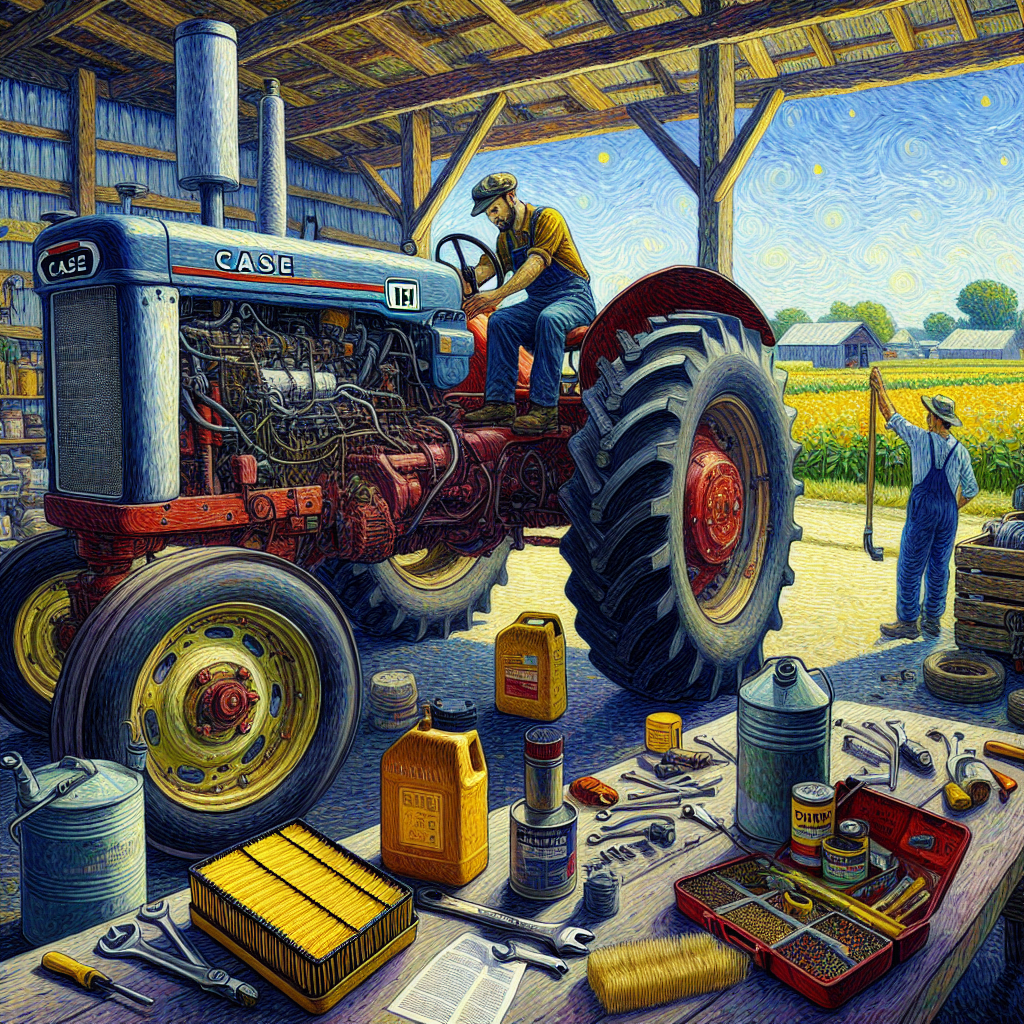
How Simple Design Creates Unbreakable Reliability
How Simple Design Creates Unbreakable Reliability
- Simplicity in design is often misunderstood as a lack of ambition.
- Simple design creates reliable and durable products, like a sturdy tractor.
- Most failures in complicated mechanisms stem from unnecessary complexity.
- A straightforward engine exemplifies the strength and effectiveness of simple design.
- Personal experiences highlight the reliability of simple tools over modern, complex ones.
- Simple design fosters trust and connection through consistent performance.
- Embracing simplicity can lead to enduring reliability and confidence in our tools.

How Simple Design Creates Unbreakable Reliability
Table Of Contents
- How Simple Design Creates Unbreakable Reliability
- How Does Simplicity In Design Enhance Emotional Trust?
- What Rational Benefits Arise From a Simplified Structure?
- Can Ethical Design Choices Lead to Greater Customer Loyalty?
- What Narratives Reflect Success Through Unbreakable Simplicity?
- In What Ways Does Social Proof Support the Reliability Of Simplicity?
- How Can a Simple Design Evoke Genuine Emotional Responses?
- Conclusion
- Other Resources
- Glossary Of Terms
- Other Questions
- Haiku
- Poem
- Checklist
How Does Simplicity In Design Enhance Emotional Trust?
In the world of design, simplicity is often the unsung hero, quietly weaving a narrative that speaks directly to our emotions and instincts. Imagine standing in front of an old tractor, worn yet steadfast, representing not just machinery but a heritage of hard work and reliability. This is what simplicity in design can evoke—an immediate connection that bypasses the noise of complex visuals and jargon, speaking straight to our hearts, heads, and guts.
Consider the last time you encountered a product that felt overwhelmingly complicated. How did that make you feel? Likely frustrated and distanced. In contrast, when something feels straightforward, there’s an innate sense of trust. Simple designs eliminate noise, allowing us to focus on what truly matters—the experience itself. It’s like sitting in that tractor; you don’t need to understand every bolt and gear to appreciate its value. The clarity of its purpose instills confidence, creating a bond between the user and the design.
Rationally, simplicity promotes understanding. When we encounter cluttered interfaces or overly intricate designs, our brains scramble to decode them. Yet, a well-designed, simple product streamlines that process. This clarity not only aids usability but enhances our perception of the creator’s intent. We feel respected, as if the designer understands our needs without forcing us to wade through layers of confusion.
Ethically, simplicity aligns with transparency. In an age where trust is often hard to find, designs that embrace simplicity signal honesty. They tell us that the maker prioritizes the user’s experience over flashy trends. A design stripped down to its essentials fosters a culture of integrity; it’s designed for us, by someone who cares, much like a farmer who lovingly maintains their tractor, making sure it’s always ready for the field.
On a social level, consider how simple designs resonate across various demographics. They bridge gaps, inviting people from all walks of life to engage. It’s a universal language that transcends barriers and differences, uniting us under a common understanding.
Ultimately, the beauty of simplicity in design lies in its unique ability to tell a story—one that resonates with everyone in a way that’s heartfelt and real. It invites trust and action, urging us to engage with the world around us, just as we would with that reliable tractor ready to tackle any challenge ahead. Through simplicity, we find clarity, connection, and above all, the emotional trust we crave in our increasingly complex lives.

How Does Simplicity In Design Enhance Emotional Trust?
How Does Simplicity In Design Enhance Emotional Trust?
- Simplicity in design fosters an emotional connection, bypassing complex visuals and jargon.
- Simple designs create trust and enhance user experience by eliminating unnecessary noise.
- Clarity in design aids usability and reflects the creator’s intent, making users feel respected.
- Simplicity aligns with transparency and honesty, prioritizing user experience over trends.
- Simple designs resonate across demographics, bridging gaps and promoting universal understanding.
- The beauty of simplicity lies in its ability to tell a heartfelt story that invites engagement.
- Simplicity provides clarity and emotional trust in a complex world, encouraging connection and action.

How Does Simplicity In Design Enhance Emotional Trust?
What Rational Benefits Arise From a Simplified Structure?
When it comes to simplifying structures—be it in business, personal life, or even the way we approach daily tasks—the benefits become abundantly clear. Imagine a tractor chugging along a dusty field. It does its job efficiently, but only when every gear meshes perfectly and the engine runs smoothly. A simplified structure operates under the same principle: the fewer the complexities, the easier it is to navigate the road ahead.
Emotional clarity emerges as one of the greatest benefits of simplifying. A simplified structure reduces noise. It cuts through the clutter, allowing us to focus on what really matters—the goals we set, the relationships we nurture, and the tasks that drive progress. Think of a family gathering. When everyone tries to talk over each other, the essence of connection gets lost. But when the structure is simplified—maybe with fewer topics or even a shared activity—it fosters deeper conversation, connection, and understanding.
Rationally, a simplified structure enhances efficiency. All those unnecessary steps piled up in our processes? They serve as impediments. Picture a complicated assembly line: unnecessary components and confusing instructions lead to delays and errors. Streamlining operations not only saves time but also cuts costs, allowing you to allocate resources more effectively, much like a farmer reallocating time and energy to plant crops at the right moment— maximizing yield while reducing labor.
From an ethical standpoint, one must consider the emotional bandwagon we often board. In a world swirling with ambiguity, people crave clarity and trust. Simplification fosters transparency, making it easier for teams to understand their roles and for leaders to assert their vision. This ethical responsibility transcends mere business; it enters the realm of community building. People are more likely to rally around a unified purpose when it’s expressed simply, resonating with their values.
Lastly, let’s not forget the social aspect of simplification. In our interconnected society, a simpler structure invites collaboration. When your processes are clear, others are encouraged to engage, share ideas, and build on those ideas. Think about the way a well-run tractor pulls a community together, inspiring others to lend a hand in the fields. When you strip away the distractions, you create a space for innovation and teamwork.
In today’s fast-paced world, embracing a simplified structure doesn’t just make sense; it inspires action and encourages deeper, more meaningful connections. Let’s harness the power of simplicity, cultivating a landscape ripe for growth and cooperation.
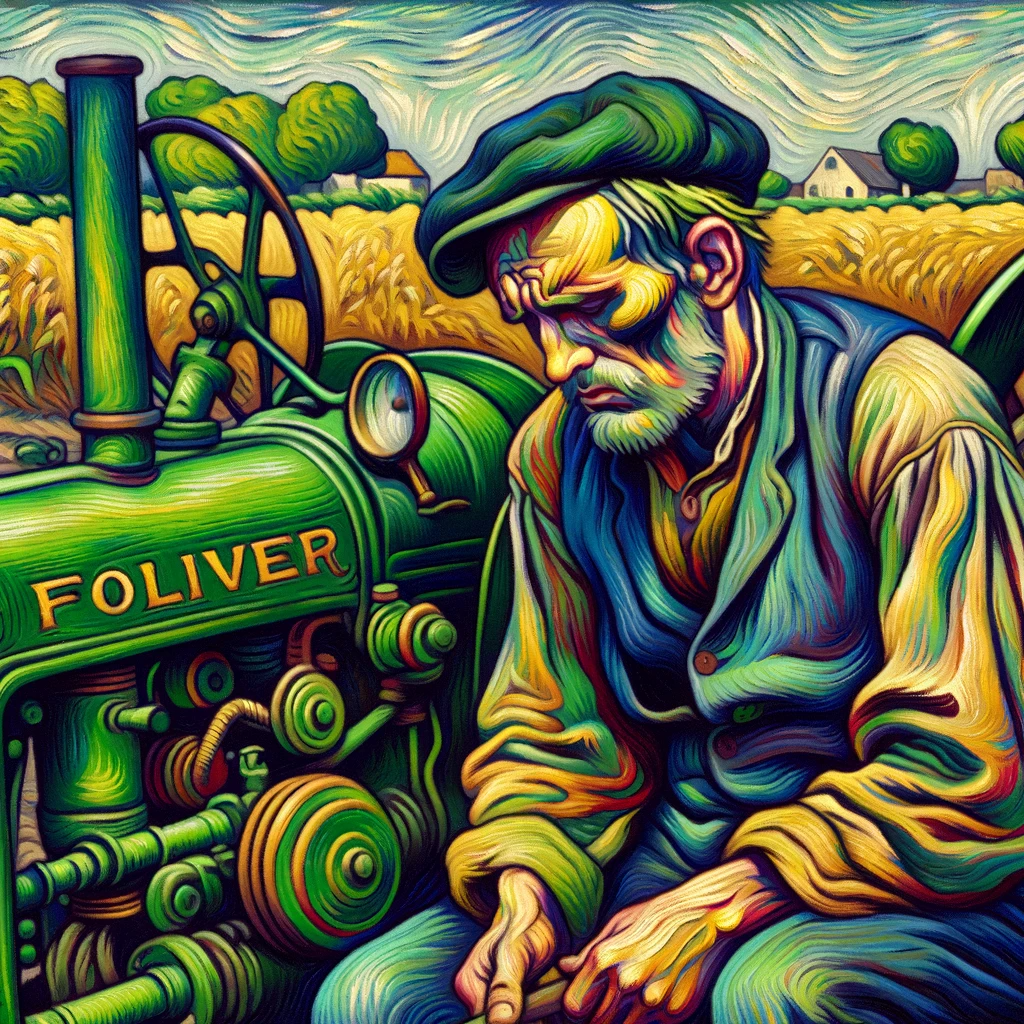
What Rational Benefits Arise From a Simplified Structure?
What Rational Benefits Arise From a Simplified Structure?
- Simplifying structures leads to clearer paths in business and personal life.
- Emotional clarity results from reduced complexity, allowing focus on important goals and relationships.
- A simplified structure enhances efficiency by eliminating unnecessary steps and impediments.
- Simplification fosters transparency, helping teams understand their roles and leaders assert their vision.
- Clear structures invite collaboration and encourage idea sharing in interconnected societies.
- Simplification inspires action and deeper connections in a fast-paced world.
- Embracing simplicity cultivates an environment conducive to growth and cooperation.

What Rational Benefits Arise From a Simplified Structure?
Can Ethical Design Choices Lead to Greater Customer Loyalty?
In a world saturated with choices, the path to customer loyalty often winds through the field of ethical design. Picture a tractor in a lush green field, plowing a straight line. Just as a farmer cultivates the land with care, brands must nurture trust through integrity in their design choices. When companies prioritize the ethical implications of their products, they engage not just the minds but also the hearts and guts of their consumers.
People are drawn to narratives that resonate. Consider a small craft brewery. Every pint they serve tells a story—not just of ingredients, but of community and sustainability. When customers learn that a portion of profits goes toward local conservation efforts, they don’t just buy a beer; they buy into a vision. This isn’t mere marketing; it’s a commitment to ethical practices that fosters loyalty. They’re not patrons; they’re partners in a shared mission.
Every design choice reflects a brand’s values. When a company opts for eco-friendly materials or transparent sourcing, it sends a powerful message: “We care.” This evokes a sense of belonging, where customers feel connected to something bigger. The emotional appeal is undeniable—consumers want to align themselves with brands that mirror their values. They crave authenticity, something that can feel rare in today’s fast-paced market.
But it’s not just about emotional ties; there’s a rational side to this loyalty as well. In a time when misinformation runs rampant, consumers are wary. They consciously choose brands with a reputation for ethical practices, equating these choices with reliability. Companies that demonstrate a commitment to ethical design can stand as authority figures in their fields, leading by example and earning lasting respect.
Here’s a thought: have you ever noticed how the best brands seem to have a way of making customers feel like insiders? This connection is no accident. It’s the result of ethical design that fosters community, dialogue, and trust—where customers feel heard, appreciated, and valued. It’s not just about selling a product but about selling an experience. When customers see their values reflected in a brand’s dedication to ethical practices, loyalty isn’t just a bonus; it becomes a natural response.
Crafting ethical design choices creates a tractor effect—steady, purposeful, and impactful. With every conscious decision, brands can cultivate loyalty that plows straight through the noise of mediocrity, planting seeds of trust and connection that flourish over time.

Can Ethical Design Choices Lead to Greater Customer Loyalty?
Can Ethical Design Choices Lead to Greater Customer Loyalty?
- Customer loyalty is cultivated through ethical design and integrity in brand choices.
- Narratives that resonate with consumers promote a sense of partnership and commitment.
- Design choices reflect brand values and foster a sense of belonging among customers.
- Consumers seek authenticity and align with brands that mirror their values.
- Ethical practices enhance reputation and reliability in a world of misinformation.
- Successful brands make customers feel like insiders, fostering community and trust.
- Conscious design choices lead to lasting loyalty and meaningful connections.
Can Ethical Design Choices Lead to Greater Customer Loyalty?
What Narratives Reflect Success Through Unbreakable Simplicity?
Success is often portrayed as a grand spectacle filled with accolades, networking events, and soaring ambitions. Yet, some of the most compelling narratives arise from the everyday, where simplicity reigns supreme. Picture a farmer in a small town, waking up before dawn, piloting his trusty tractor across the fields. It may not seem glamorous, but this routine reveals an unbreakable thread of resilience and clarity. Here’s the truth: success doesn’t always require complexity; sometimes, it thrives in the uncomplicated acts that define our daily lives.
Consider the story of a woman named Clara, who turned her family’s failing orchard into a vibrant community hub. She didn’t start with elaborate marketing strategies or high-tech solutions. Instead, she returned to her roots, inviting neighbors to experience the harvest. Her decision was simple: connect with people. People resonated with her story, not just because she produced great apples, but because she embodied authenticity and purpose. Everyone knows that it comes down to relationships, and Clara’s orchard became a living testament to that fact, fostering a sense of belonging among the community.
Simplicity doesn’t dilute ambition; it refines it. Think back to that farmer and his tractor. Every row he plows represents countless decisions made clear by one simple goal: to nurture the earth and his family. In an era saturated with distractions, those unyielding, straightforward commitments ground us. The narratives that resonate often emerge from this clarity of vision. It’s about finding joy in the process, rather than chasing fleeting accolades.
Moreover, consider how this applies to our shared societal values. In a world pushed towards complexity, where status often eclipses substance, the straightforward stories remind us to focus on what truly matters—connection, hard work, and community support. They urge us to pause, reflect, and remember: our greatest achievements often stem from basic, uncomplicated actions that lift up not only ourselves but those around us.
Success doesn’t need to be loud or extravagant. It can be as quiet and powerful as the hum of a tractor in the fields, an unwavering force cultivating both crops and camaraderie. We discover in these narratives that amidst the chaos, there’s beauty in simplicity, and there lies a profound invitation to reevaluate how we define success. Through the lens of unbreakable simplicity, we foster trust, build authenticity, and ignite actions with lasting impact.

What Narratives Reflect Success Through Unbreakable Simplicity?
What Narratives Reflect Success Through Unbreakable Simplicity?
- Success is often seen as high-profile, but compelling stories arise from everyday simplicity.
- A farmer’s routine exemplifies resilience and clarity through uncomplicated acts.
- Clara’s transformation of her family’s orchard highlights the importance of community connection and authenticity.
- Simplicity refines ambition, as seen in the farmer’s commitment to nurturing the earth and family.
- Societal values favor complexity, but meaningful achievements stem from basic actions that uplift others.
- Success can be quiet and powerful, like the hum of a tractor, cultivating both crops and camaraderie.
- Finding beauty in simplicity invites a reevaluation of how we define success and foster lasting impact.

What Narratives Reflect Success Through Unbreakable Simplicity?
In What Ways Does Social Proof Support the Reliability Of Simplicity?
In what ways does social proof support the reliability of simplicity? We live in a world flooded with choices, where complexity often masquerades as sophistication. Think about the last time you bought a tractor. Did you choose the one with the flashiest features, or did you lean toward the model your neighbor swore by, the one that had handled their farm’s demands for years? That’s social proof at work. It’s the quiet broker of trust, whispering in our ears that if my neighbor can rely on this, I can too.
This trust in simplicity comes from the heart. We all yearn for reassurance, especially when making decisions that could impact our lives, whether buying machinery or choosing a service. The stories we hear—about the satisfaction others have found in the sturdy, reliable tractor that just gets the job done—resonate deeply. When we hear that Joe down the road has been using the same tractor for a decade without a hitch, it tells us that simplicity doesn’t mean compromise. It means dependability.
From a rational standpoint, simplicity paired with social proof creates an almost undeniable logic. When we see many people opting for a straightforward solution instead of overwhelming complexity, it signals that they’ve weighed their options and chosen the clear winner. It’s an echo of wisdom: if a product continually proves itself through the experiences of others, it stands a strong chance of delivering the same for us. This collective endorsement is powerful. It says, “Here’s a path that’s been paved by real people, and they’re not just talking; they’ve walked it.”
Ethically, there’s also a responsibility tied to social proof. When we share our experiences, be it about a tractor or any product, we set the stage for a more informed community. We’re not just endorsing a brand; we’re sharing the bonds we’ve formed with tools that help us sustain our lives and livelihoods. It fosters a sense of integrity among peers, where recommendations come from genuine encounters rather than flashy ads.
Finally, social proof creates a narrative. Every piece of equipment we choose represents a story—a tale of family, farm, and the land we nurture. When simplicity shines through, it allows those narratives to be told clearly and confidently, giving each of us a role in a larger world where clarity is valued.
In embracing simplicity supported by social proof, we not only enhance our decision-making but do so in a way that builds trust, inspires confidence, and creates a community that values straightforward solutions over complexity. It’s the simple things, after all, that often make the biggest impact.

In What Ways Does Social Proof Support the Reliability Of Simplicity?
In What Ways Does Social Proof Support the Reliability Of Simplicity?
- Social proof influences purchasing decisions by building trust in simplicity.
- People often choose reliable products recommended by others over complex options.
- Real-life experiences shared by peers reassure consumers about their choices.
- Simplicity does not imply a lack of quality; it signifies dependability.
- Collective endorsements of straightforward solutions highlight their effectiveness.
- Sharing product experiences fosters community integrity and informed decision-making.
- Simplicity supported by social proof empowers narratives that resonate with consumers.
In What Ways Does Social Proof Support the Reliability Of Simplicity?
How Can a Simple Design Evoke Genuine Emotional Responses?
In a world buzzing with complexity, a simple design can cut through the noise and strike a chord that reverberates in the hearts of many. Take, for instance, the humble tractor. At first glance, it might just seem like a piece of machinery, a tool engineered for toil. However, its true power lies in the stories it tells and the emotions it evokes. Picture a farmer rising at dawn, the sun casting golden rays over dew-kissed fields, the steady hum of the tractor serving as a symphony of progress. This narrative effortlessly connects us to the rhythm of life, eliciting feelings of nostalgia, hard work, and agrarian pride.
When we encounter designs that lean into simplicity, we often find an emotional resonance that prompts reflection. It’s not just about aesthetics; it’s about how a simple design embodies values we hold dear. A beautifully crafted wooden chair, with nothing more than polished lines and a warm stain, can transport us to moments spent sharing stories with loved ones or simply enjoying a sunset. That chair becomes a vessel of memories, bridging time and generations. Such designs evoke genuine emotional responses because they remind us of our humanity, our connections, and the visceral experiences that shape who we are.
Now, consider how the stories behind these designs amplify their impact. Imagine a small-town artisan, crafting each piece with care, infusing their own struggles and triumphs into the grain of the wood. This story adds depth, creating an ethical appeal: supporting local craftsmanship resonates with our desire to connect and uplift our communities. We’re drawn to the authenticity of these narratives, compelled to act, whether it’s by purchasing, sharing, or advocating for simpler, more meaningful designs.
Ultimately, it’s about fostering a sense of belonging. When designs invite interaction—whether it’s a tractor that volunteers the labor of a day’s work on the farm or a chair that embraces visitors at the front porch—they become part of a larger social conversation. They say, “You’re welcome here.” This inviting quality not only evokes trust but inspires confidence in the importance of simplicity in our lives. As we navigate the complexities of modernity, the raw, genuine emotional responses elicited by simple design remind us of what truly matters: our stories, our connections, and the beating heart of those experiences that ground us in our humanity.

How Can a Simple Design Evoke Genuine Emotional Responses?
How Can a Simple Design Evoke Genuine Emotional Responses?
- A simple design can resonate emotionally amidst complex surroundings.
- The tractor symbolizes hard work and progress, connecting us to agrarian roots.
- Designs that emphasize simplicity evoke feelings of nostalgia and shared experiences.
- Beautifully crafted items, like wooden chairs, serve as vessels for memories and connection.
- Stories behind designs enhance their meaning and promote local craftsmanship.
- Inviting designs foster a sense of belonging and community engagement.
- Emotional responses to simple design remind us of our humanity and the importance of genuine connections.

How Can a Simple Design Evoke Genuine Emotional Responses?
Conclusion
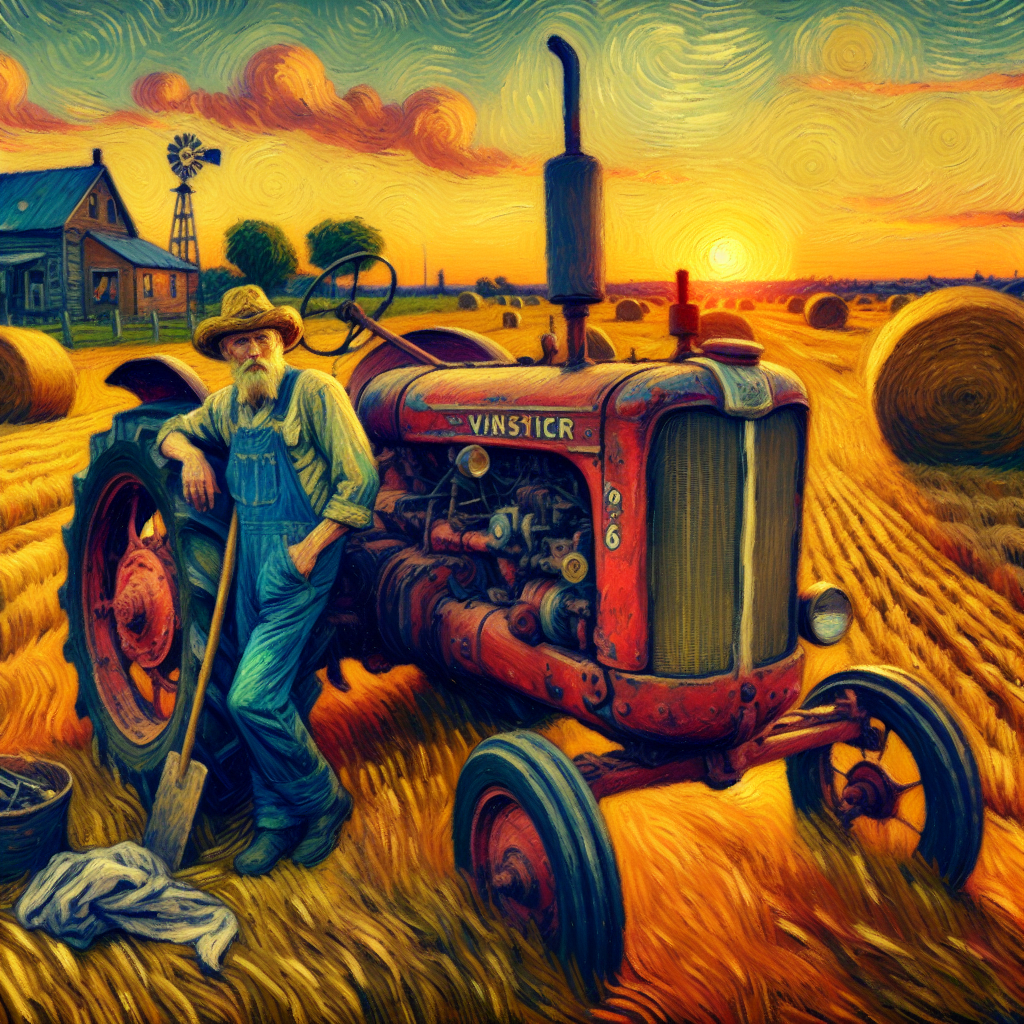
Simplicity in design stands as a testament to unbreakable reliability, weaving a narrative that resonates deeply with our emotional core. Just as a tractor endures the harsh demands of farm life, so too does simple design embody strength through function. It’s not about the flash; it’s about trust—a promise that the uncomplicated will hold firm in the face of challenges. When we rely on a straightforward tool, like that old rusted toolbox filled with memories, it reminds us that true resilience often emerges from simplicity.
Consider the stories we tell ourselves about the tools we use. A streamlined design fosters an immediate connection, inviting trust while eliminating the noise of unnecessary complexity. It allows us to focus on what really matters, reinforcing the relationship between user and instrument. This intuitive understanding is crucial, especially in a world where clarity is increasingly rare. The emotional trust that simple designs evoke stems from a deep-rooted need for authenticity. When something feels straightforward, it becomes easier to appreciate the experience, creating a bond that is both genuine and lasting.
Rationally, embracing simplicity enhances understanding and efficiency. Think about the chaos of a cluttered workspace versus the clarity of an organized station. This principle rings true in every aspect of life, from the products we choose to the way we build our communities. Ethical design choices amplify these sentiments, reflecting a commitment to values that resonate with customers. When brands prioritize transparency and sustainability, they cultivate loyalty—customers don’t just buy a product; they invest in a shared mission.
The narratives of success often spring from these straightforward principles, where the impact is profound, yet unpretentious. Success isn’t always grand; sometimes, it’s the quiet determination of a farmer nurturing the land or a small business scaling heights through transparency. These stories remind us that purpose-driven action is rooted in connection—a commitment to the straightforward yet powerful acts that uplift our communities.
In a world drowned in choice, social proof becomes crucial. Trust in simplicity grows when we see that others have embraced the straightforward and have succeeded. Just like choosing the trusted tractor that has weathered the storms of years, we find reassurance in the reliability of simplicity. This sense of community reinforces the values of trust, clarity, and connection—elements that ground us in our increasingly complicated lives. Ultimately, simple design celebrates authenticity, fostering relationships that enrich our experiences and inspire confidence.

Conclusion
Conclusion:
- Simplicity in design symbolizes reliability and resonates with our emotional core.
- Simple design embodies strength through function, much like a dependable tractor.
- Trust in uncomplicated tools fosters resilience and allows for deeper connections.
- Streamlined designs invite immediate trust by eliminating unnecessary complexity.
- Embracing simplicity enhances understanding and efficiency in various aspects of life.
- Ethical design choices reflect a commitment to values, cultivating brand loyalty.
- Social proof reinforces trust in simplicity, grounding us in a complicated world.
Conclusion
Other Resources
Other Resources
Here is a list of other resources you can review online to learn more:
- Vintage Tractor And Farm Festival
- Wallis
- Erkunt
- Ranch Hand
- Sonalika
- Wetmore
- Leader
- Farm Heritage Museum
- Eicher Tractors
- Waterloo Manufacturing Company
- Ohio Crawford County Antique Farm Equipment Museum
- Ascot Universal
- Nittany Antique Machinery Association
- Turner-Simplicity
- McCormick-Deering
- Oklahoma City Farm Show
- Gaetz Tractor Museum
- Bolens
- Huber
Use This Prompt To Get More Resources With Your Favorite Online AI Tool: Please provide me with a list of online articles with their URLs in a bulleted list that I can read regarding How Simple Design Creates Unbreakable Reliability

Other Resources
Glossary Terms
How Simple Design Creates Unbreakable Reliability – Glossary Of Terms
1. Simplicity: Fewer parts and interactions that reduce the number of potential failure modes.
2. Robustness: The ability to withstand stress and continue functioning under adverse conditions.
3. KISS principle: “Keep It Simple” design rule favoring the least complex solution that meets requirements.
4. Minimalism: Deliberate removal of nonessential features to lower complexity and failure risk.
5. Modularity: Partitioning a system into independent components to isolate faults and simplify maintenance.
6. Loose coupling: Minimizing dependencies between modules so failures don’t cascade.
7. High cohesion: Designing modules around a single clear responsibility to improve understandability and reliability.
8. Standardization: Using common parts, interfaces, and processes to reduce variability and errors.
9. Proven components: Selecting well-understood, field-tested parts to avoid unknown failure modes.
10. Design margin: Including performance headroom so components operate below stress limits.
11. Derating: Operating components beneath their rated maximums to extend life and reduce failures.
12. Judicious redundancy: Adding backup elements strategically to increase availability without unnecessary complexity.
13. Fail-safe: Ensuring failures put the system into a safe, predictable state.
14. Fault tolerance: Allowing the system to continue functioning despite component faults.
15. Graceful degradation: Maintaining partial functionality under failure instead of abrupt collapse.
16. Single point of failure (identification): Detecting and eliminating elements whose failure stops the entire system.
17. Observability: Exposing internals and metrics so problems are detectable and diagnosable early.
18. Testability: Designing components and interfaces to enable repeatable, effective testing.
19. Predictability: Ensuring consistent, measurable behavior under defined conditions.
20. Determinism: Reducing nondeterministic behavior to make outcomes reproducible and bugs easier to find.
21. Defensive design: Anticipating misuse and failure modes and limiting their impact.
22. Simplicity metrics: Quantitative measures (e. g. , cyclomatic complexity, component count) used to monitor and reduce complexity.
23. Interface clarity: Clear, minimal contracts between parts that reduce integration errors.
24. Iterative refinement: Repeatedly simplifying designs through cycles of feedback and pruning.
25. Maintainability: Making inspection, repair, and replacement straightforward to sustain long-term reliability.
26. Documentation minimalism: Concise, focused documentation that highlights essential operational and failure information.
27. Feedback loops: Using measurement-driven loops to detect drift and drive reliability improvements.
28. Automation for consistency: Automating repetitive tasks to eliminate human error while keeping automation simple.
29. Avoidance of premature optimization: Deferring complex optimizations that add fragility until justified by evidence.
30. Cultural simplicity: Organizational norms and decision processes that favor straightforward, reliable solutions.

Glossary Of Terms
Other Questions
How Simple Design Creates Unbreakable Reliability – Other Questions
If you wish to explore and discover more, consider looking for answers to these questions:
- What specific design principles define “simple design” in different industries?
- How do you measure or quantify “unbreakable reliability”?
- What are concrete examples of products that benefited from simplifying their design?
- When does simplifying design harm functionality or competitiveness?
- How do designers decide which features to remove without losing value?
- What processes or methodologies help teams simplify effectively (e.g., design sprints, user testing)?
- How does simplicity affect manufacturing costs and supply-chain complexity?
- What metrics should companies track to prove that simplicity increased reliability or loyalty?
- How can legacy products be redesigned to embrace simplicity without alienating existing users?
- What trade-offs exist between aesthetic minimalism and practical robustness?
- How do cultural differences influence perceptions of simplicity and trust?
- What role does user research play in identifying unnecessary complexity?
- How can ethical design decisions be embedded into product roadmaps and KPIs?
- What are common pitfalls or myths about simple design that teams should avoid?
- How does simple design interact with accessibility and inclusive design requirements?
- What testing approaches best validate that a simpler design is also more reliable?
- How can brands communicate the value of simplicity to customers without sounding simplistic?
- What role does storytelling play in reinforcing the emotional trust of simple designs?
- How do you balance innovation and novel features with the need for straightforward reliability?
- Can simplified designs scale as products grow or enter new markets?
- How does social proof best get captured and used to promote simple, reliable products?
- What evidence links ethical design choices directly to long-term customer loyalty?
- How should companies price simple, reliable products relative to feature-rich competitors?
- What maintenance and repair considerations favor simple designs over complex ones?
- How can small teams or startups use simplicity as a competitive strategy?
- What role do regulations and safety standards play in encouraging or discouraging simplicity?
- How do material and manufacturing choices influence the durability of simple designs?
- What case studies show measurable ROI from adopting simpler design approaches?
- How can organizations change culture and incentives to reward simplification?
- What questions should customers ask when evaluating whether a simple product is truly reliable?
Other Questions
Haiku
How Simple Design Creates Unbreakable Reliability – A Haiku
Reliable roots run deep,
Simplicity’s strong embrace,
Trust blooms in clear light.

Haiku
Poem
How Simple Design Creates Unbreakable Reliability – A Poem
In fields where sturdy tractors tread,
Simplicity thrives, where whispers spread.
A lesson in trust, in each plain line,
Roots of reliability intertwine.
Not in the flashy, but in the tried,
Where honest design and function abide.
With every resonance, we glean the truth—
Old tools hold stories, the essence of youth.
Pure, uncomplicated, they draw us near,
Crafting connections, dissolving fear.
In each humble piece, a legacy grows,
A pathway of trust that everyone knows.
For in the simple, our hearts align,
Narratives woven, community’s vine.
Ethics and integrity walk hand in hand,
Building a bond, a united stand.
Amidst the chaos, let clarity reign,
In the everyday act, there’s nothing to feign.
With each forward push, the common is grand—
A simple design, our lives will expand.
So choose the straightforward, let clutter cease,
In its quiet strength, we find our peace.
For in simplicity, we find our way,
Crafting a future, come what may.

Poem
Checklist
How Simple Design Creates Unbreakable Reliability – A Checklist
Emotional Appeals
✅______ Identify designs that evoke nostalgia and pride (e.g., items like tractors).
✅______ Look for simplicity that fosters genuine human connections.
✅______ Seek products that tell a story or represent heritage.
Rational Appeals
✅______ Evaluate clarity in the product’s function—does it reduce complexity?
✅______ Consider efficiency—does the design streamline processes and reduce unnecessary steps?
✅______ Assess how simplicity enhances understanding and usability.
Ethical Appeals
✅______ Examine transparency in materials and sourcing—are they responsible and sustainable?
✅______ Look for brands that prioritize customer experience over flashy marketing.
✅______ Ensure the product serves a greater community purpose.
Authority Appeals
✅______ Research testimonials and success stories from reliable sources—who stands by the product?
✅______ Seek endorsements from experts in the field emphasizing the value of simplicity.
Narrative Appeals
✅______ Look for case studies of individuals or businesses thriving through simple solutions (e.g., Clara’s orchard).
✅______ Identify narratives that reflect hard work, community support, and authentic connections.
Social Appeals
✅______ Seek products that have wide acceptance across diverse groups.
✅______ Consider community feedback and the impact of social proof—what are peers recommending?
✅______ Look for designs that create spaces for collaboration and shared experiences.

Checklist
At ClassicTractorNews, we help tractor lovers keep up with the latest news for classic and vintage tractors.
Please share this post with your friends, family, or business associates who may like old classic or vintage tractors.