

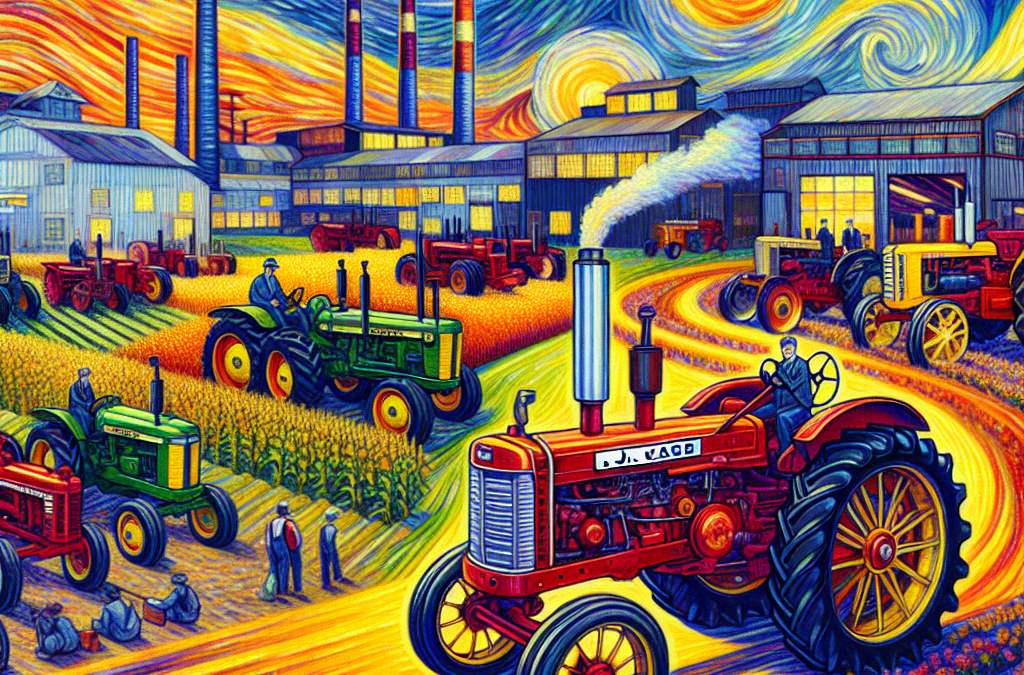
Empowering Your Passion: Keeping Your Beloved Tractors Alive
By Tom Seest
At ClassicTractorNews, we help tractor lovers keep up with the latest news for classic and vintage tractors.
Please share this post with your friends, family, or business associates who may like old classic or vintage tractors.
How Right-To-Repair Protects the Tractors You Actually Love to Work on
In the heart of the American landscape, there’s something unmistakably powerful about a tractor. Whether it’s the green of a John Deere or the red of a Case IH, these machines symbolize the sweat and grit of generations. We’ve watched our parents, grandparents, and even great-grandparents cultivate the land, forging bonds with machinery that do more than plow; they connect us to our values, our livelihoods, and our passions. Yet, as farmers and producers grapple with the reality of increasingly closed systems, the Right-to-Repair movement emerges as a beacon of hope.
Imagine standing in the barn, surrounded by grease and old tools, the faint hum of a trusty tractor in the background. Over the years, you’ve learned its quirks, fixed its faults, and forged a relationship that transcends mere machinery. But now, with manufacturers restricting access to parts and repair information, that bond is threatened. You shouldn’t be forced to surrender your ability to repair what you own to the whims of corporate interests. The Right-to-Repair says, “You own it; you should be able to fix it.” This isn’t just about tractors. It’s about your right to autonomy over your own life and livelihood.
When you talk to the farmers who feel this difference, you hear stories of families coming together in garages, passing down knowledge like a sacred rite. A father teaches his son how to repair the tractor that’s been in the family for decades—the very same one that helped plow the fields where stories of laughter, struggle, and perseverance took root. That’s the emotional essence of ownership, an unbreakable thread woven through the fabric of our communities.
But there’s a rational component too. Consider the economic impact: when we can repair our equipment ourselves, we save money, support local economies, and create jobs. An independent repair shop for tractors isn’t just a business; it’s a lifeline, a cornerstone of rural resilience that keeps our communities thriving.
And ethically, how can we allow corporations to dictate terms that ultimately deny our rights? This movement transcends machines; it’s about consumer freedom and our right to make choices that shape our lives. By supporting Right-to-Repair legislation, we foster a society where people reconnect with the tools they love—the tractors that don’t just transform fields but also embody a tradition of hard work and independence.
Right-to-Repair isn’t just a cause; it’s a call to action, an invitation to reclaim the trust and confidence in our ability to maintain what we cherish. The tractors we love deserve to be tended to by our hands—hands that know their worth and the stories they tell.
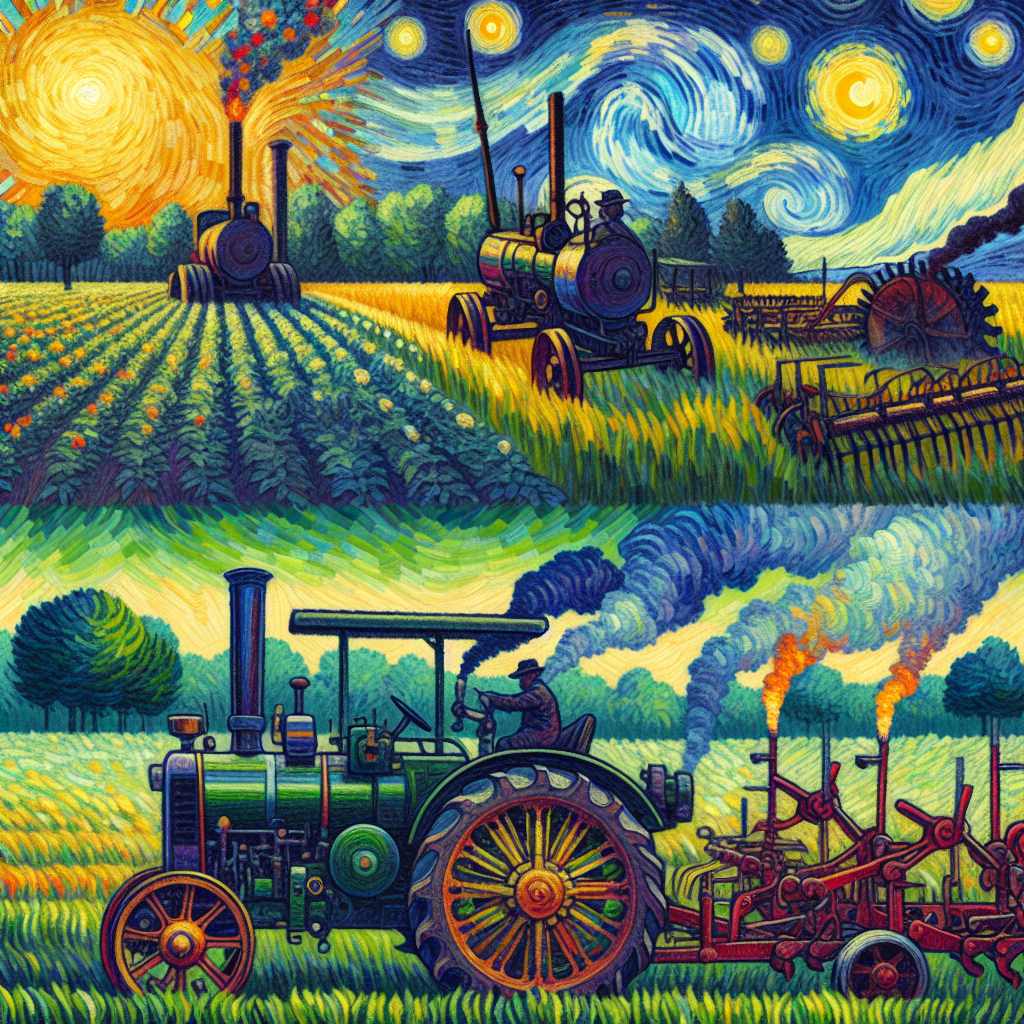
How Right-To-Repair Protects the Tractors You Actually Love to Work on
How Right-To-Repair Protects the Tractors You Actually Love to Work on
- Tractors symbolize the hard work and legacy of farming across generations.
- The Right-to-Repair movement advocates for individuals’ ability to repair their own equipment.
- Manufacturers limit access to parts and information, threatening the bond between owners and their machinery.
- Repairing equipment fosters family traditions and knowledge transfer among generations.
- Self-repairing saves money, supports local economies, and promotes job creation.
- The movement emphasizes consumer freedom and the right to make personal choices about ownership.
- Right-to-Repair encourages reconnecting with cherished tools, embodying a tradition of independence.

How Right-To-Repair Protects the Tractors You Actually Love to Work on
Table Of Contents
- How Right-To-Repair Protects the Tractors You Actually Love to Work on
- What Emotional Connection Do You Have with Your Tractor?
- How Does Your Tractor Impact Your Daily Life and Work?
- Why Should You Have the Right to Repair Your Own Equipment?
- How Can the Right-To-Repair Save You Money In the Long Run?
- What Ethical Responsibilities Do Manufacturers Have to Consumers?
- Do You Feel Frustrated By Restrictions on Tractor Repairs?
- Conclusion
- Other Resources
- Glossary Of Terms
- Other Questions
- Haiku
- Poem
- Checklist
What Emotional Connection Do You Have with Your Tractor?
For many, a tractor is more than just a piece of machinery. It represents years of labor, tradition, and an emotional bond that goes far beyond metal and gears. The sound of the engine roaring to life stirs something deep within—a blend of nostalgia and pride. Picture your grandfather, weathered hands guiding the wheel, working the land that has nurtured generations. It’s that connection to the past that makes a tractor feel like a trusted companion, one that represents hard work, resilience, and family legacy.
When you sit behind the wheel of your tractor, it’s not merely about plowing fields or hauling heavy loads; it’s about embracing your role in an age-old narrative. Each row you plow, each hill you traverse, adds a chapter to your story, interwoven with the cycles of the seasons. Emotionally, this machinery resonates like a heartbeat—steady and dependable—symbolizing the rhythm of agricultural life that has its roots in community and sustainability. This connection serves not just the gut, evoking feelings of pride and accomplishment, but it also reaches into the core of who you are as a steward of the land.
This relationship is also profoundly ethical. In a world where mass production often overshadows individual effort, nurturing that bond with your tractor emphasizes a commitment to responsible farming. It champions the idea of personal investment in each seed sown and each harvest reaped. Here lies the authority of the landowner, a custodian of nature’s bounty, connected not only to the earth but to a larger social fabric—the community, the ecosystem, and future generations.
Think about the friendships fostered on the seat of a tractor, laughter shared over field rows, or the peaceful camaraderie of neighbors working side by side. These moments build a sense of belonging, uniting people in purpose and passion. Each scratch and dent on that tractor tells a story, marking the trials and triumphs of life’s journey, reminding us that what we do with our hands can forge bonds that last.
Ultimately, as you reflect on this emotional connection with your tractor, you recognize it as a call to action. It beckons you to honor the legacy of those who came before you while carving your own path. It’s a reminder that each day spent with your tractor is an opportunity to invest in something greater—a life, a community, and a future shaped by the hard-won lessons of the past.
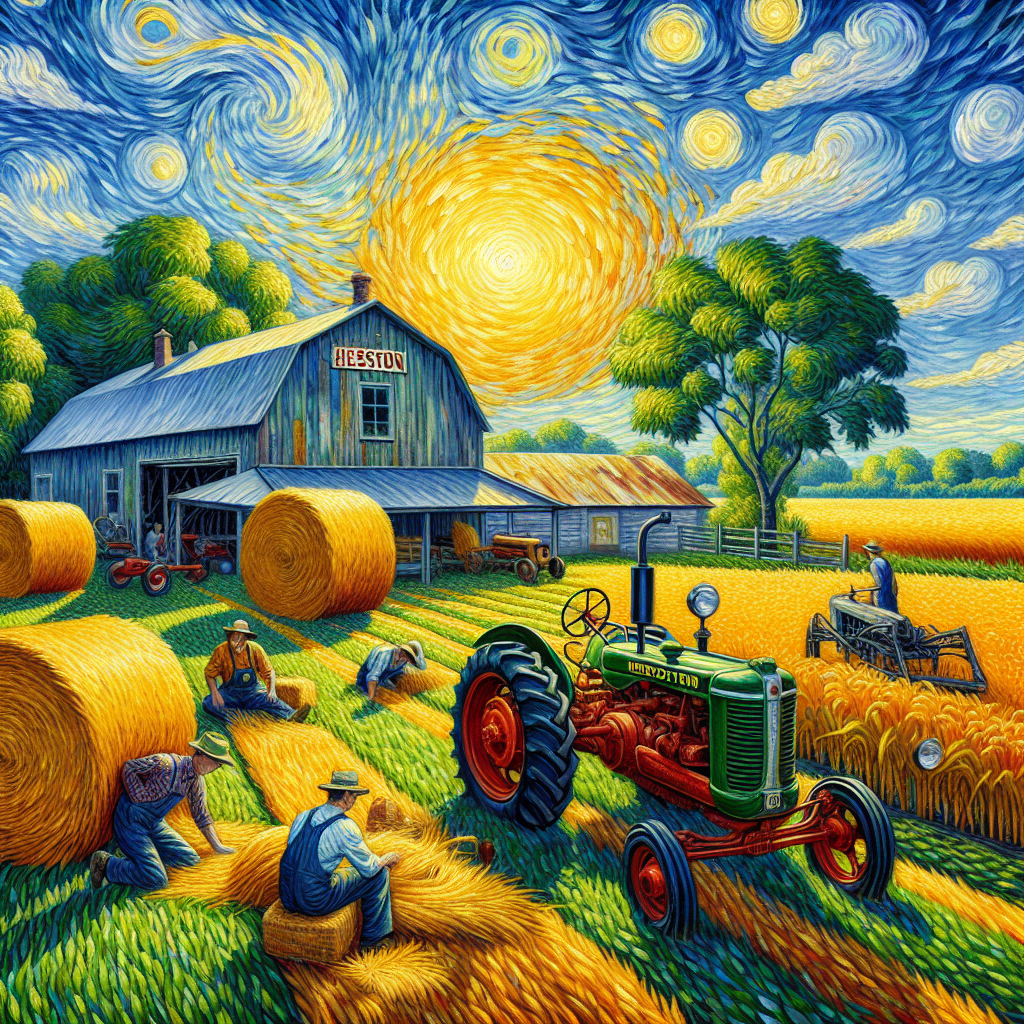
What Emotional Connection Do You Have with Your Tractor?
What Emotional Connection Do You Have with Your Tractor?
- A tractor symbolizes years of labor, tradition, and emotional bonds beyond mechanics.
- The sound of the engine evokes nostalgia and pride, connecting people to their heritage.
- Operating a tractor is about embracing a role in an age-old narrative of agricultural life.
- This relationship emphasizes responsible farming and individual investment in the land.
- Friendships and camaraderie are fostered on the tractor, building a sense of community.
- Each scratch and dent on a tractor represents life’s trials and triumphs.
- The connection with a tractor serves as a call to honor legacy while shaping the future.

What Emotional Connection Do You Have with Your Tractor?
How Does Your Tractor Impact Your Daily Life and Work?
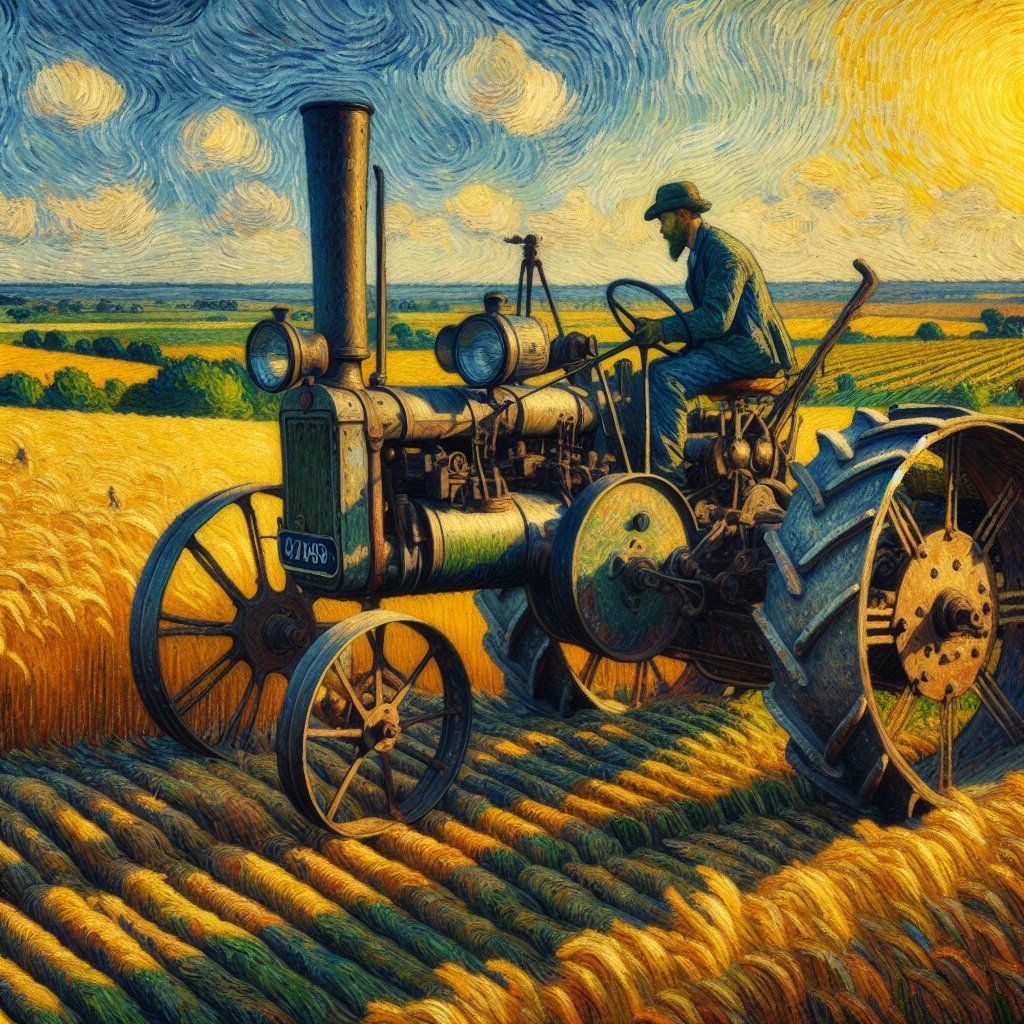
There’s something magical about a tractor that goes beyond its steel and engine. It’s a vessel of possibility, a bridge between mere existence and a life of purpose. Every morning, as the sun peeks over the horizon, that tractor doesn’t just start; it breathes life into dreams, embodying toil, triumph, and the spirit of hard work. It’s the tool that transforms the landscape of our lives, shaping not just fields but futures.
Picture this: a farmer, weary yet hopeful, hops onto the seat of his trusted tractor, weathered but reliable. As he grips the steering wheel, he is not just steering machinery; he is guiding a legacy. This is the very essence of the tractor—it’s not merely about tilling the soil or hauling loads. It’s about cultivating connections. It’s about teaching our children the value of hard work and perseverance, showing them that every furrow turned is a step toward self-sufficiency and community support.
From dawn till dusk, that tractor takes on demand after demand, unintentionally proving a point: our relationship with these machines mirrors our relationship with life itself. The more effort we put in, the greater the reward. Yet, it’s not only about productivity. It’s about the stories forged in the process—the laughter shared with family over a freshly harvested crop, the quiet moments of reflection as the engine hums, and the sense of accomplishment that washes over you after a long day’s work. The tractor becomes a partner in every endeavor, and before you know it, every dent and scratch holds a memory, making it a part of your family.
Moreover, in a world that often prioritizes speed and efficiency, there’s a profound lesson found in the rhythm of tractor work, a call to slow down. It encourages us to appreciate the land, to acknowledge the seasons and their cycles. This mindfulness fosters respect for nature and reinforces the ethical obligation we have to steward our planet.
Trust in your tractor—and in the grind it embodies—invites you to step into something larger than yourself. So, as you climb aboard, remember: it’s not just metal and wheels beneath you; it’s a connection to history, hard work, and the promise of tomorrow. Embrace that seat, let it ground you, and navigate the ever-turning wheels of your life and work with confidence. The heart of what you do beats even louder when your tractor is part of the journey.
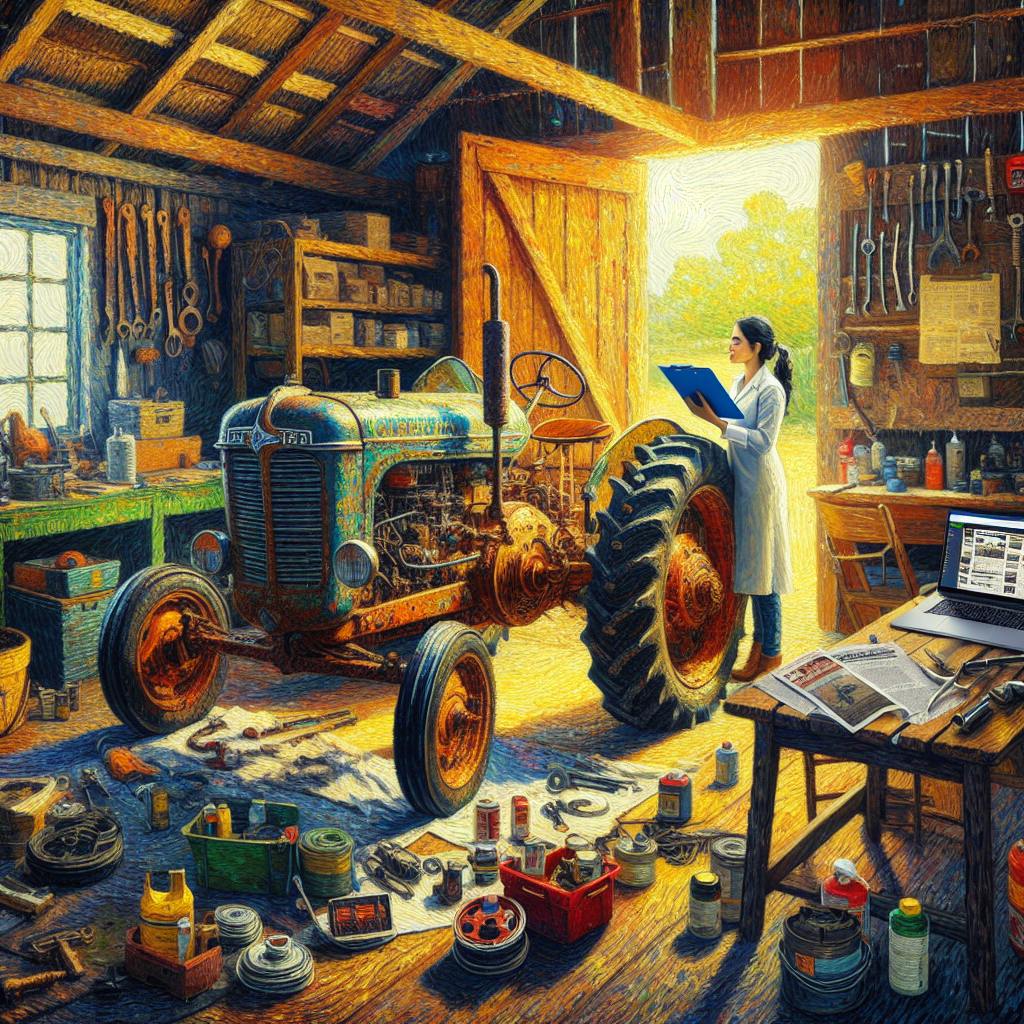
How Does Your Tractor Impact Your Daily Life and Work?
How Does Your Tractor Impact Your Daily Life and Work?
- A tractor represents more than machinery; it symbolizes purpose and possibility.
- Every morning, it inspires dreams and embodies hard work and triumph.
- The farmer’s relationship with the tractor reflects legacy and community values.
- Efforts put into work result in greater rewards, paralleling life’s experience.
- It fosters memories and connections through shared family experiences and accomplishments.
- The rhythm of tractor work teaches mindfulness and respect for nature and its cycles.
- Trust in the tractor encourages a connection to history and a promise for the future.
How Does Your Tractor Impact Your Daily Life and Work?
Why Should You Have the Right to Repair Your Own Equipment?
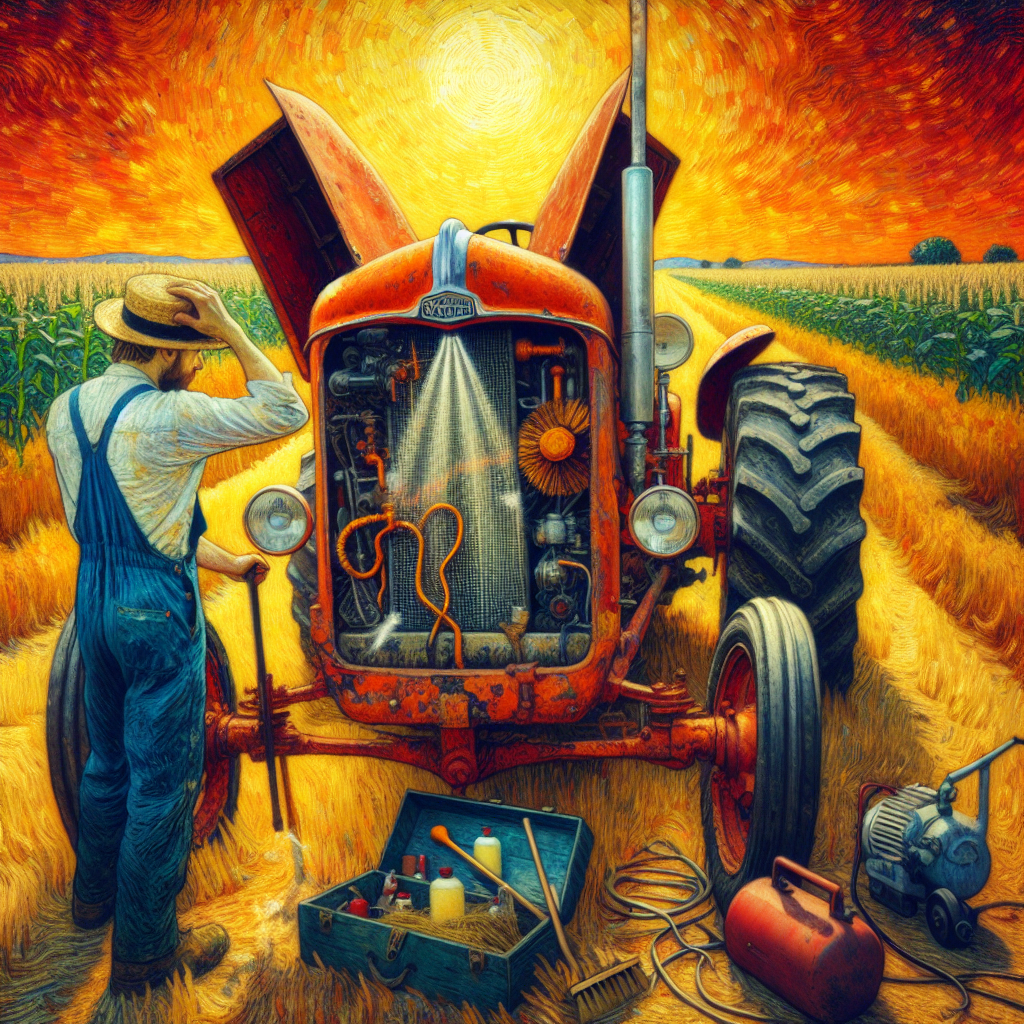
Imagine waking up on a sunny morning, ready to tackle your land with a trusty tractor that’s served you loyally through countless seasons. It’s not just a piece of equipment; it’s an extension of your hard work, a testament to your dedication. But what happens when that tractor breaks down? You might think, “I’ll just call the dealer,” but the truth is, the dealer might not be your best option. Sometimes, they’re just as stumped as you are, and the cost to fix a simple issue can feel like extorting your last dime.
The right to repair your own equipment empowers you — it’s about taking back control. When you can pop the hood, examine the parts, and discover the problem, you’re not just saving money; you’re fostering a deeper connection with your machinery. You learn the ins and outs, transforming a daunting repair into an opportunity. It’s an education that can be just as valuable as the machine itself.
Let’s face it: we live in a world where things are built with the idea of making them disposable. But there’s an underlying ethos in repairability that champions sustainability. It’s not merely about fixing a tractor; it’s about respecting the resources that go into making it, honoring the labor that crafted it, and embracing the notion that things can — and should — have second chances. Repairing offers a narrative of resilience, a revolution against the throwaway culture that’s so prevalent today.
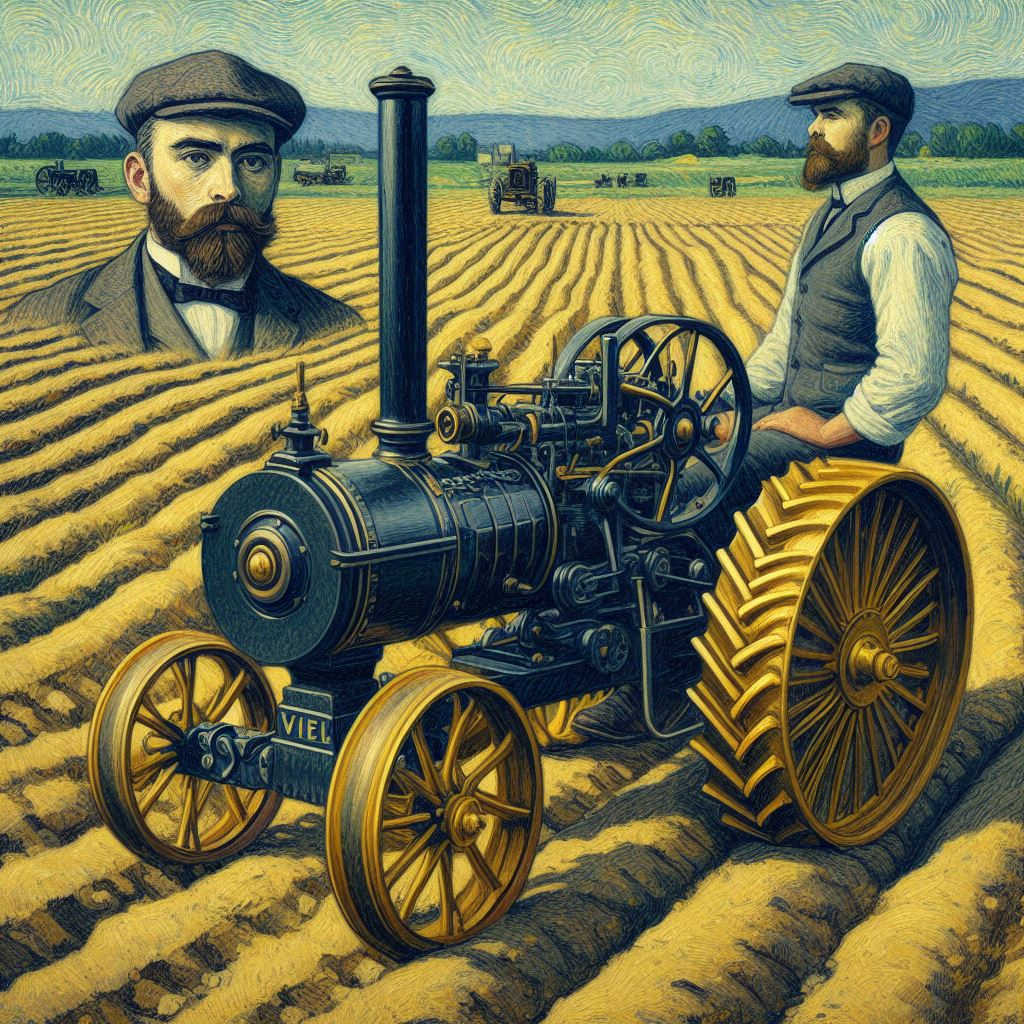
On a broader scale, the right to repair taps into our collective memory and human experience. Think about your grandfather, who probably had a toolbox filled with every tool you could imagine, fixing whatever life threw at him. Repairing was not just a necessity; it was a badge of honor. Passing down the skills to repair equipment fosters a sense of community and shared knowledge, binding generations together through the tangible act of fixing.
This right isn’t just about machinery; it’s about dignity. It’s the idea that we should be capable of managing our own tools, our own lives, without being at the mercy of corporate interests. When we advocate for repair, we advocate for autonomy, self-reliance, and empowerment. So, next time that trusty tractor breaks down, instead of feeling helpless, embrace that moment as your chance to learn, to connect, and ultimately, to keep the legacy of self-repair alive.
Why Should You Have the Right to Repair Your Own Equipment?
Why Should You Have the Right to Repair Your Own Equipment?
- Waking up with a reliable tractor symbolizes hard work and dedication.
- Dealers may not always provide the best solutions for equipment breakdowns.
- The right to repair empowers individuals to take control of their machinery.
- Learning to repair fosters a deeper connection and understanding of equipment.
- Repairability promotes sustainability and challenges a throwaway culture.
- Repair skills link generations, honoring traditions and community knowledge.
- Advocating for repair emphasizes dignity, autonomy, and self-reliance.
Why Should You Have the Right to Repair Your Own Equipment?
How Can the Right-To-Repair Save You Money In the Long Run?
Imagine standing in a field, the sun dipping low, your trusty tractor beside you. You’ve relied on it for years, tirelessly plowing through every challenge that nature throws your way. Now, imagine if suddenly that tractor, your lifeline, couldn’t be fixed without sending your hard-earned money into the abyss of corporate repair shops. That’s where the Right-To-Repair comes into play.
The Right-To-Repair movement is about more than just tools and machines; it’s a rebellion against the idea that we are powerless over our possessions. This initiative opens the door for you to fix what’s yours. When you think about it, how many times have you faced a minor issue that spiraled into a costly disaster simply because you couldn’t access the right parts or tools? By advocating for the right to repair, you empower yourself to keep your equipment running without breaking the bank.
Rationally, repairs can save you a fortune. A simple fix on a broken tractor, for example, could cost just a fraction of what you’d pay for a brand-new model. Every time you’re able to repair rather than replace, you’re safeguarding your financial future. Consider this: a well-maintained tractor can last decades, but only if you have the means to fix it when things go wrong. The Right-To-Repair cuts through the red tape and puts the power back in your hands.
Ethically, it’s about responsibility. We live in a world overflowing with waste, and the push for obsolescence only exacerbates the problem. Choosing to repair instead of discard is an act of sustainability, aligning with a growing consciousness that values both stewardship of resources and financial prudence. This isn’t just a personal issue; it’s a collective one. By standing up for the Right-To-Repair, you join an army of everyday folks—and their stories are your stories, echoing the struggle for ownership over our own property and lives.
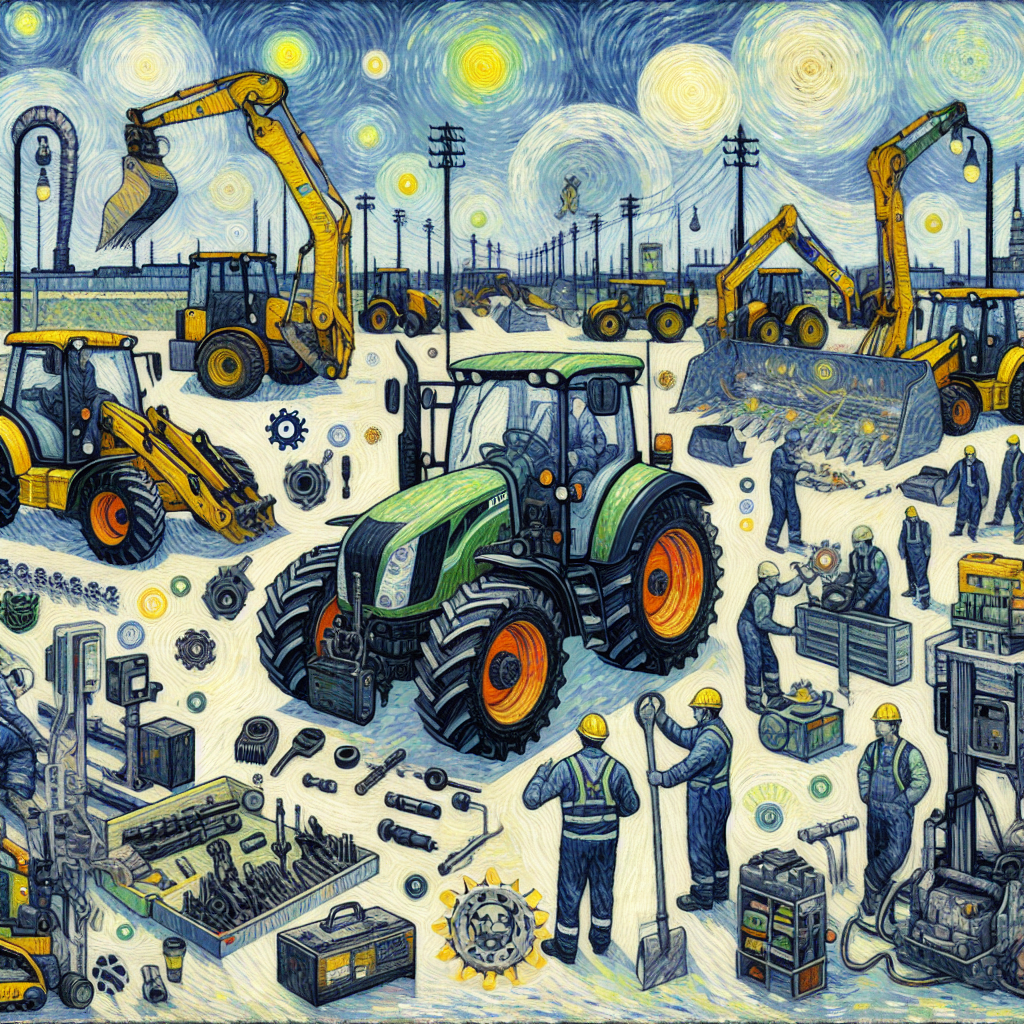
From backyard mechanics to weekend warriors, the community created through this movement is a tapestry woven from shared experiences. The connections made through DIY repairs are as valuable as the savings themselves. When you gather friends for a weekend fix-it session, you’re not just saving money; you’re building relationships and enhancing skills that can last a lifetime.
In essence, the Right-To-Repair isn’t just about saving a few bucks here and there. It’s about empowerment, sustainability, and community. It’s about knowing that when you fire up that tractor, you have the power to keep it running as long as the fields need you to.
How Can the Right-To-Repair Save You Money In the Long Run?
How Can the Right-To-Repair Save You Money In the Long Run?
- The Right-To-Repair movement empowers individuals to fix their own possessions and reduces dependency on corporate repair shops.
- Repairs can be more cost-effective than replacements, preserving financial resources.
- A well-maintained tractor can last for decades if repair options are accessible.
- The movement promotes sustainability by encouraging repair over disposal, reducing waste.
- Joining the Right-To-Repair initiative fosters a sense of community among those who share similar experiences and skills.
- DIY repair sessions enhance interpersonal connections and skill development.
- Overall, the Right-To-Repair represents empowerment, sustainability, and community strength.
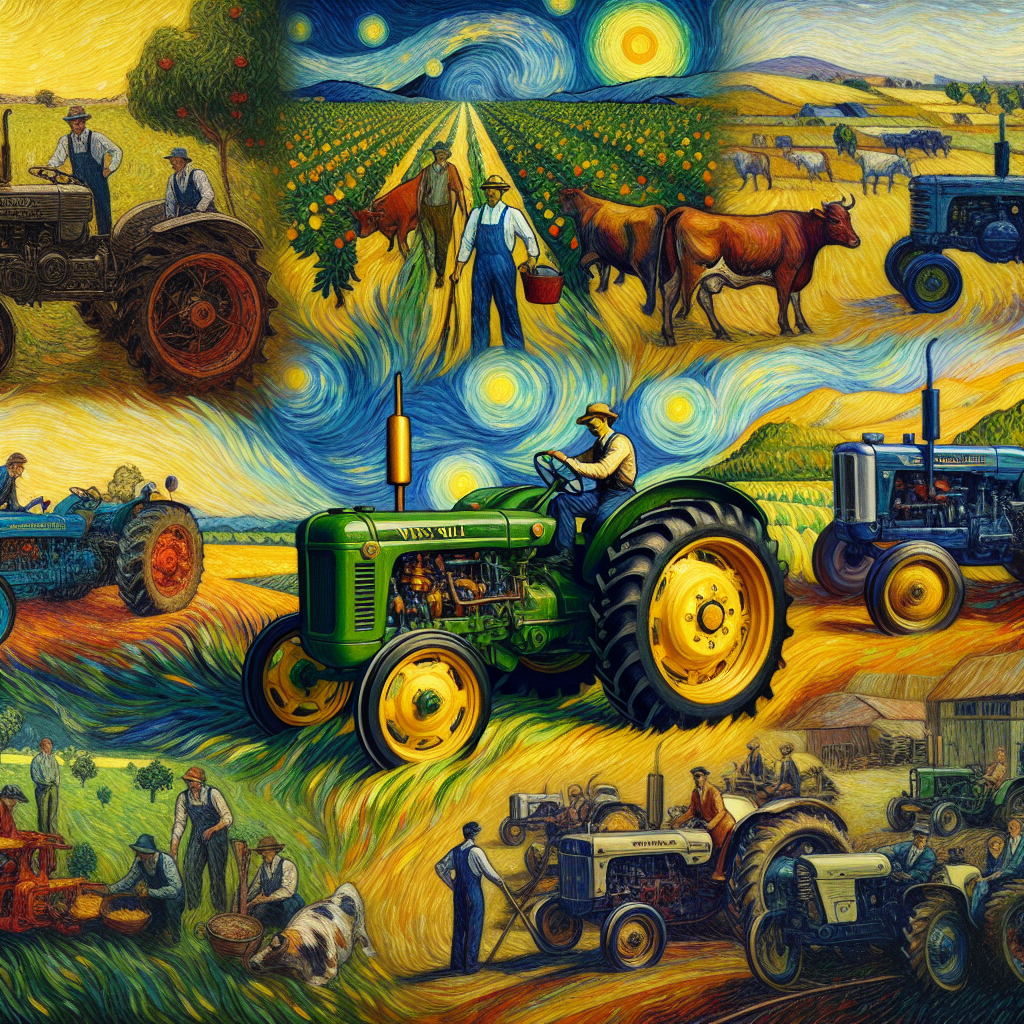
How Can the Right-To-Repair Save You Money In the Long Run?
What Ethical Responsibilities Do Manufacturers Have to Consumers?
In today’s fast-paced world, the relationship between manufacturers and consumers is akin to that of farmers and their crops. Consider a farmer tending to his fields, ensuring that every seed planted is nurtured to nourish those who will eventually consume the fruits of his labor. This allegory reflects a profound truth: manufacturers hold a similar obligation, not just to produce but to engage responsibly and meaningfully with those who rely on their products.
At the heart of this responsibility is trust. It begins with the simple idea that when you buy a product—be it a sturdy tractor for your farm or a gadget for your home—you expect it to deliver. But here’s the kicker: that trust extends beyond the point of sale. It’s about transparency. Manufacturers must articulate where materials are sourced, how products are made, and the overall impact on the community and environment. Take, for example, a company that invests in sustainable materials. When they share their journey, they’re not just selling a product; they’re cultivating a connection.
Ethically, a manufacturer’s duty doesn’t stop with the product itself. It’s also about the narrative they choose to tell. Imagine a story about an employee who worked tirelessly on the assembly line, ensuring every tractor badge was affixed with pride. When a company recognizes its workforce as the backbone of its success, it builds a community of advocates rather than just consumers. This fosters a sense of belonging and obligation both ways. When customers see the human element behind the product, they feel more inclined to support that company, forging a deeper emotional bond.
Manufacturers must also consider the social impact of their products. With great power comes great responsibility. When a tractor rolls off the assembly line, it’s not merely a piece of machinery; it’s a lifeline for a family in rural America. That’s why ethical considerations should include not just the functionality of the product but its potential to uplift and empower communities.
Ultimately, the ethical responsibilities of manufacturers to consumers reach beyond the transaction; they require a commitment to integrity, engagement, and community. The best manufacturers understand that their legacy lies not just in their products but in the trust and support they build with the people who rely on them. They recognize that in each bolt tightened and each tractor built, they aren’t just crafting machines—they’re cultivating relationships and charting a future where consumers and creators thrive together.
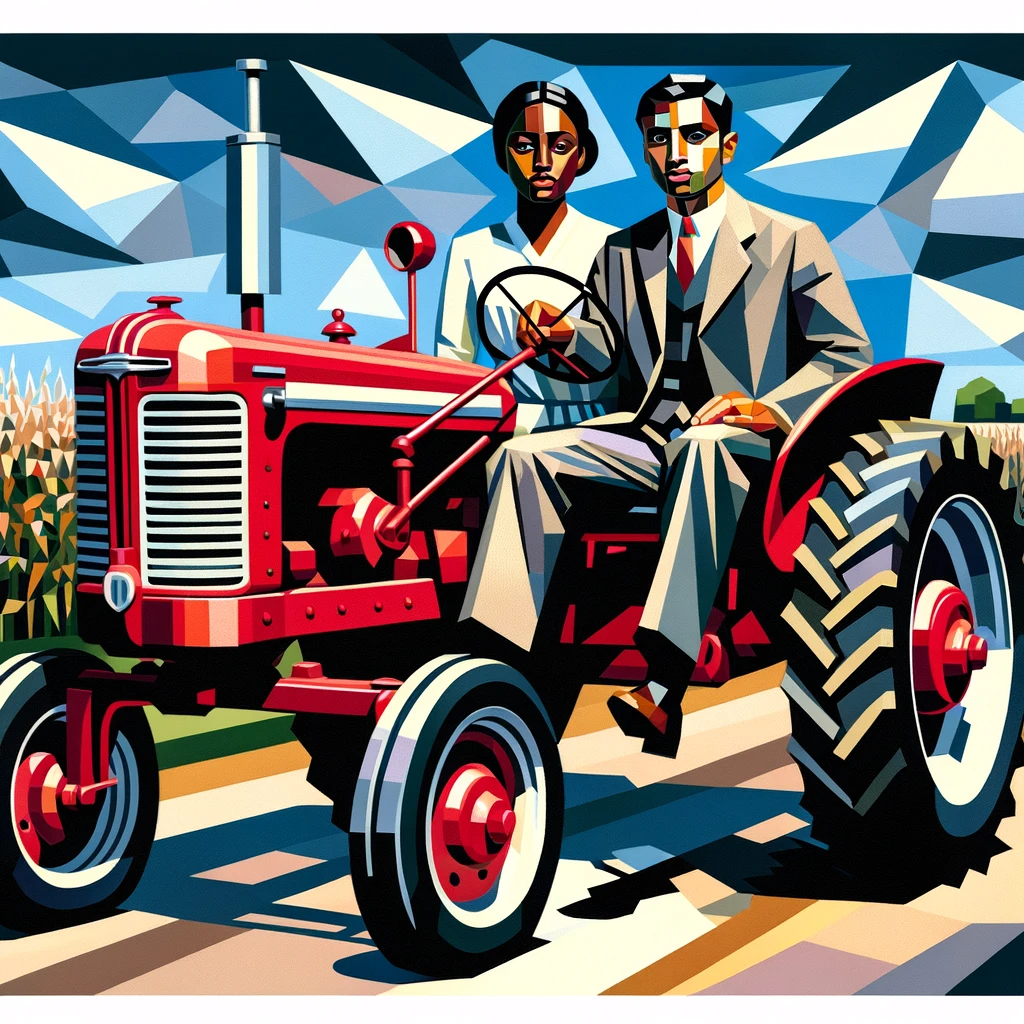
What Ethical Responsibilities Do Manufacturers Have to Consumers?
What Ethical Responsibilities Do Manufacturers Have to Consumers?
- The relationship between manufacturers and consumers parallels that of farmers and crops.
- Manufacturers have an obligation to engage meaningfully and responsibly with consumers.
- Trust is key, extending beyond the point of sale to include transparency about sourcing, production, and community impact.
- Ethical responsibilities involve telling the story of the workforce, fostering a sense of community and emotional connection.
- Manufacturers must consider the social impact of their products, recognizing their potential to empower communities.
- Commitment to integrity, engagement, and community is crucial for ethical manufacturing.
- A successful legacy for manufacturers lies in the trust and support they build with their consumers.
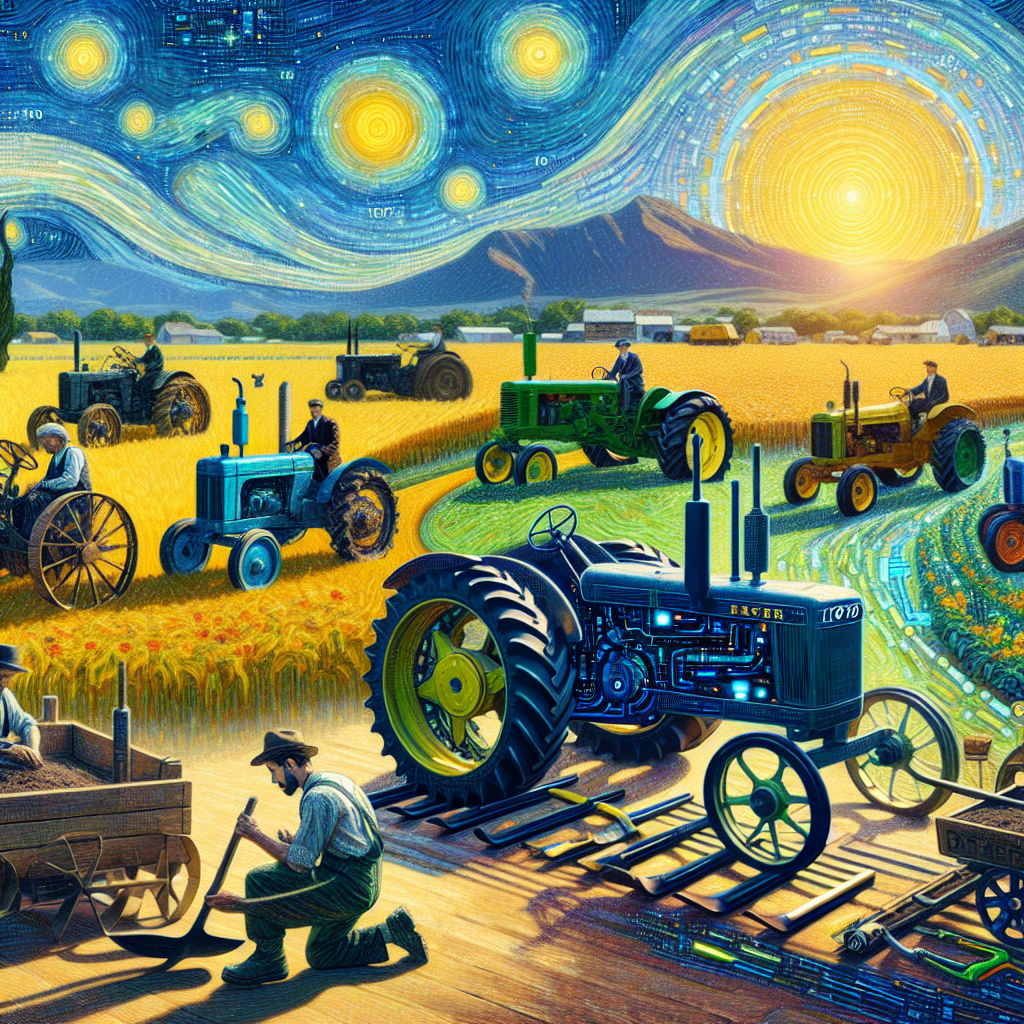
What Ethical Responsibilities Do Manufacturers Have to Consumers?
Do You Feel Frustrated By Restrictions on Tractor Repairs?
Picture this: it’s a crisp morning on the farm, the sun peeks over the horizon, and your trusty tractor, the heart of your operation, decides to throw a fit. You’re ready to tackle the day, but the looming restrictions on repairs loom larger than the fields you need to plow. This isn’t just about machinery; it’s about your livelihood, your independence, and the very essence of hard work. When a farmer feels constrained by legal and corporate red tape, it’s akin to being chained to the barn when the workday beckons.
These restrictions can feel like a heavy blanket smothering the spirit of ingenuity and self-reliance that drives so many of us. There’s an undeniable bond between a farmer and his or her machinery. When you’ve spent hours in the seat of that tractor, feeling the pulse of the engine beneath you and the rhythm of the field, the last thing you want is someone telling you how to repair it—especially when you’re more than capable of rolling up your sleeves and taking charge.
Imagine if your car mechanics were forbidden from using certain parts or had to get permission to fix a simple problem. Would you stand by quietly? The frustration is relatable, a shared sentiment echoed by countless farmers who just want a fair shot at keeping their tractors running smoothly without unnecessary barriers. It’s not just about convenience; it’s about stewardship of the land, a commitment to the craft, and a nod of respect to generations of farmers before us who repaired their machines with grit and determination.
Furthermore, there’s an ethical dimension to consider. The ability to repair your own equipment speaks to a fundamental right: the right to take ownership of your property and make choices about your own labor. When corporations and regulations crowd out that freedom, they’re not just inhibiting repairs; they’re encroaching on the very principles of personal responsibility and community that we hold dear.
It’s about more than just fixing a tractor; it’s about preserving the spirit of resilience, the refusal to be dictated to, and the desire to protect our means of living. Everyone deserves the chance to wield their tools and tackle their problems head-on, and when those options are curtailed, our ability to thrive is diminished. So next time you find yourself frustrated by the chains of repair restrictions, remember: you’re not alone. Let’s stand together for a future where the only boundaries we face are the ones we set for ourselves.
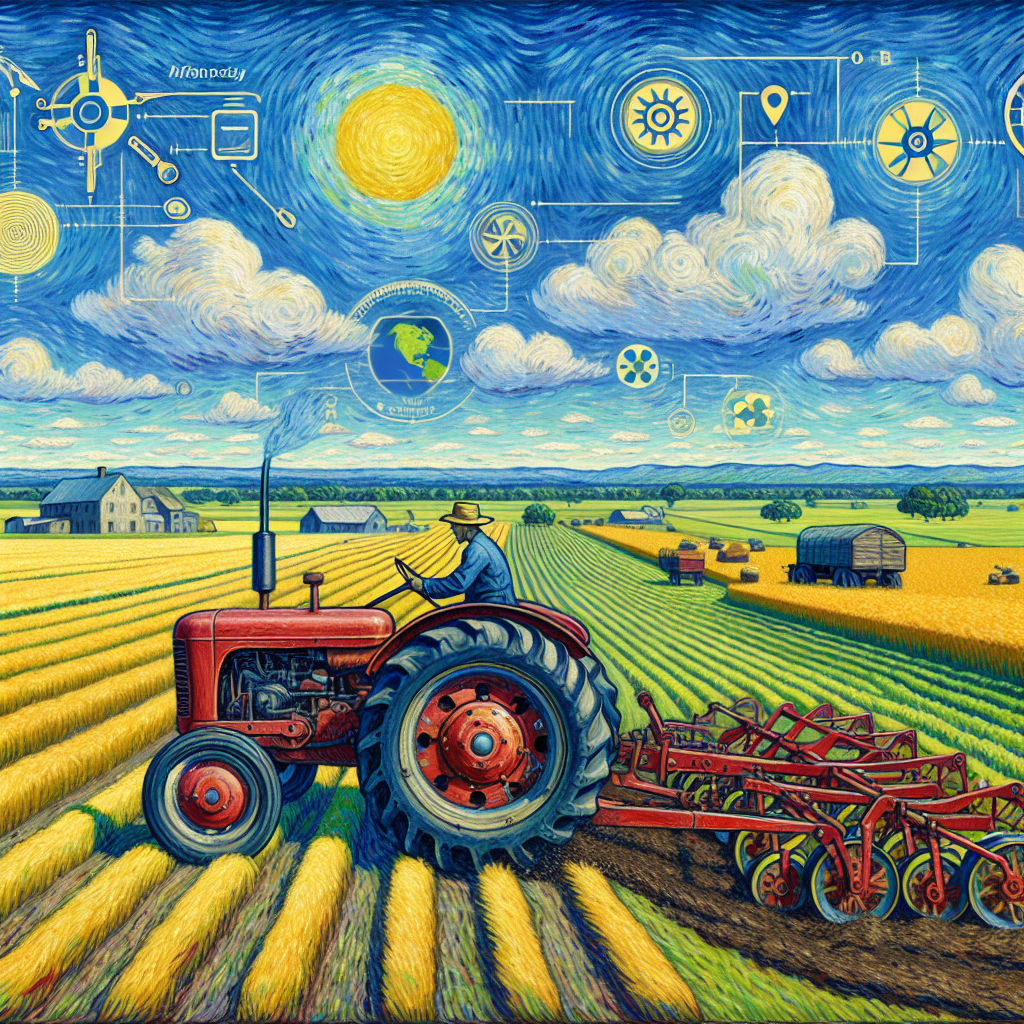
Do You Feel Frustrated By Restrictions on Tractor Repairs?
Do You Feel Frustrated By Restrictions on Tractor Repairs?
- A farmer faces repairs restrictions on critical machinery, impacting their independence and livelihood.
- Legal and corporate red tape can stifle creativity and the spirit of self-reliance in farming.
- Farmers have a deep connection with their machinery, preferring to manage repairs themselves.
- The frustration over repair restrictions is widespread among farmers seeking fair access to maintenance.
- Repairing one’s own equipment relates to the fundamental right of property ownership and personal choice.
- Restrictions on repairs encroach on principles of personal responsibility and community values.
- Empowering farmers to handle repairs fosters resilience and preserves their means of living.
Do You Feel Frustrated By Restrictions on Tractor Repairs?
Conclusion
In the American heartland, tractors symbolize much more than just machinery; they embody our values, hard work, and connections to generations past. The Right-to-Repair movement arises as a crucial advocate for farmers, asserting that ownership means having the power to maintain and fix our equipment without corporate gatekeeping. This isn’t merely about maintaining a machine—it’s about autonomy, family traditions, and the right to dictate our own livelihoods. Each scratch on a tractor tells a story of resilience, perseverance, and the familiarity of a trusted partner in farming. These machines serve vital roles in our lives, facilitating every endeavor, from teaching children about hard work to forging community bonds.
Rationally speaking, empowering farmers to repair their tractors not only fosters financial savings—preventing them from falling victim to exorbitant repair costs—but also nurtures local economies and robust, independent repair shops. The ethical argument behind this movement is clear: how can we allow corporations to dictate our ability to fix what we own? Supporting Right-to-Repair is about championing personal agency against a tide of planned obsolescence.
Imagine, for a moment, your grandfather sweating over a long day of work, knowing precisely how to nurture the land with his trusted machine. Remember the priceless lessons of self-reliance he imparted—lessons embedded in the act of repairing, maintaining, and honoring traditions handed down through generations. The emotional connection we hold with our tractors becomes a catalyst for community engagement, fostering friendships and shared experiences. Repairing machinery becomes an opportunity not just for functionality but for connection—building bonds that transcend generations and crafting a narrative rich with collective memory.
This is where the heart of the Right-to-Repair movement lies. It’s an appeal not just to emotion but also to our rational faculties. It confronts the ethical quandaries raised by a world increasingly dominated by disposable goods. When we advocate for the Right-to-Repair, we assert our identity as stewards of the land and keepers of our legacies, standing true to the belief that repairability not only reflects our commitment to sustainability but also to community resilience.
In the final analysis, the movement to reclaim our repair rights is a powerful rallying cry. It invites us to reestablish our independence, ensuring we remain in charge of our destinies. Our beloved tractors deserve to be tended to with care, piloted by hands skilled in the craft of maintenance and informed by a legacy of hard work, dedication, and the relentless pursuit of self-reliance. Let’s ensure that future generations continue to ride their own tractors, stitching together stories of triumph and perseverance along the way.

Conclusion
Conclusion:
- Tractors symbolize values, hard work, and intergenerational connections in American farming.
- The Right-to-Repair movement advocates for farmers’ autonomy to maintain and repair their equipment.
- This movement addresses issues of personal agency against corporate control over ownership rights.
- Empowering farmers to repair tractors fosters financial savings and supports local economies.
- The emotional connection with tractors fosters community engagement and shared experiences.
- The Right-to-Repair movement emphasizes sustainability and community resilience in a disposable goods culture.
- It calls for reclaiming repair rights to ensure future generations can maintain their legacy of hard work.
Conclusion
Other Resources
Other Resources
Here is a list of other resources you can review online to learn more:
- Barreiros
- LS
- Minneapolis
- Bombardier
- Summit Tractors
- Fortschritt
- Billings Farm
- Old Tractors
- Silver King
- Massey-Harris
- Montgomery Ward
- Leyland
- Idaho Farmand Ranch Museum
- Captain
- Hurlimann
- Lanz
- Hefty
- Corbitt
- XTZ
- White
Use This Prompt To Get More Resources With Your Favorite Online AI Tool: Please provide me with a list of online articles with their URLs in a bulleted list that I can read regarding How Right-To-Repair Protects the Tractors You Actually Love to Work on

Other Resources
Glossary Terms
How Right-To-Repair Protects the Tractors You Actually Love to Work on – Glossary Of Terms
1. Right-to-Repair — Legal and policy framework ensuring owners and independent technicians can access the tools, parts, manuals, and data needed to diagnose, maintain, and fix tractors without manufacturer restriction.
2. Telematics — Onboard sensors and data systems that monitor tractor performance; RTR ensures farmers can retrieve and use telematics data to diagnose issues and optimize repairs.
3. Onboard Diagnostics (OBD) — Standardized diagnostic codes and interfaces; RTR guarantees access to these codes so problems can be identified without OEM-only tools.
4. Electronic Control Unit (ECU) — The tractor’s computer module; RTR enables authorized access to ECU diagnostics and reprogramming needed for repairs and tuning.
5. Firmware — Software running on tractor components; RTR protects the right to update, patch, or revert firmware to restore or maintain functionality.
6. Manufacturer Lockout — Remote or software-based disabling of vehicle systems; RTR limits arbitrary lockouts by preserving local repair and reactivation options.
7. Diagnostic Software — Programs used to read errors and run tests; RTR makes vendor tools or compatible alternatives available to independent technicians and owners.
8. Repair Manuals — Official service documentation; RTR requires timely, detailed manuals so owners can perform or authorize proper repairs.
9. Service Bulletins — Manufacturer advisories about fixes and updates; RTR promotes public access to bulletins that affect field repair and safety.
10. Proprietary Protocols — Closed communication standards between components; RTR advocates for open or documented protocols to allow third-party diagnostics and parts to function.
11. Interoperability — Compatibility among parts, software, and tools; RTR encourages standards that let non-OEM components and tools work reliably on tractors.
12. Aftermarket Parts — Third-party replacement components; RTR protects the ability to source and install OEM-equivalent parts without voiding legal repair rights.
13. Independent Repair Shops — Local or regional service providers; RTR preserves their access to parts, tools, and information so farmers have repair alternatives.
14. OEM (Original Equipment Manufacturer) — The maker of the tractor; RTR defines limits on OEM controls so owners retain repair autonomy while respecting safety.
15. Warranty Protection — Rules about repair and warranty validity; RTR prevents manufacturers from unjustly voiding warranties solely for independent or owner-conducted repairs.
16. Data Portability — The farmer’s right to export operational data; RTR ensures data needed for maintenance and performance analysis is accessible and transferrable.
17. Over-the-Air Updates (OTA) — Remote software updates; RTR requires transparency and control so OTA changes don’t impede owner repair or introduce unwanted restrictions.
18. Repairability Score — A metric indicating how easy a tractor is to fix; RTR promotes such scores to inform buyers and incentivize repair-friendly design.
19. Spare Parts Supply Chain — Availability and affordability of replacement components; RTR fosters robust supply chains by allowing third-party manufacturing and distribution.
20. Planned Obsolescence — Design or business practices that shorten useful life; RTR counters obsolescence by making repairs feasible and cost-effective.
21. Repair Ecosystem — The combined network of parts suppliers, tools, technicians, and documentation; RTR strengthens this ecosystem for reliable, local tractor maintenance.
22. Modularity — Design approach using replaceable modules; RTR encourages modular components to simplify field repairs and lower downtime.
23. Right-to-Repair Legislation — Laws that mandate access to repair resources; such statutes formalize protections that keep tractors serviceable and farmer-controlled.
24. Consumer Choice — The ability of farmers to choose where and how to repair; RTR safeguards choice among OEM, independent, or DIY options.
25. Field Downtime — Time tractors are out of service; RTR reduces downtime by enabling faster on-site fixes and broader access to parts and expertise.
26. Security Patches — Software updates that fix vulnerabilities; RTR ensures owners can apply critical patches through trusted channels without OEM gatekeeping.
27. DRM (Digital Rights Management) — Software restrictions that limit access to functions; RTR limits DRM’s use where it prevents legitimate repair and maintenance.
28. Diagnostic Port Access — Physical connectors for troubleshooting; RTR preserves unimpeded access to ports so technicians can run tests and restore systems.
29. Training and Certification — Skills and credentials for safe repairs; RTR supports broad training access so more technicians can competently service tractors.
30. Ownership Rights — Legal recognition that buyers control their machines; RTR affirms that owning a tractor includes the right to repair, modify, and maintain it.
Glossary Of Terms
Other Questions
How Right-To-Repair Protects the Tractors You Actually Love to Work on – Other Questions
If you wish to explore and discover more, consider looking for answers to these questions:
- What specific repair information and parts are manufacturers currently restricting for modern tractors?
- Which tractor brands are most and least supportive of Right-to-Repair?
- What laws or regulations exist at the federal and state level regarding Right-to-Repair for agricultural equipment?
- How can I legally access diagnostic software, firmware updates, and electronic control module (ECM) data for my tractor?
- Will repairing my tractor myself void the manufacturer’s warranty?
- How do software locks and digital immobilizers affect my ability to do repairs in the field?
- What tools and diagnostic equipment do independent repair shops need to service modern tractors?
- Where can I find reliable repair manuals, schematics, and parts diagrams for older and newer tractor models?
- How can I tell if an aftermarket or third-party replacement part is safe and reliable?
- What are the most common DIY repairs that can save significant time and money?
- How much can I realistically save by repairing versus replacing major components like transmissions or engines?
- What training or certification options exist for farmers and local mechanics to learn modern tractor diagnostics and repairs?
- How does Right-to-Repair affect resale value and transferability of used tractors?
- What liability or insurance issues arise if an owner or independent mechanic repairs a tractor and something goes wrong?
- How do manufacturers justify restricting repair access, and what are their stated safety or intellectual property concerns?
- What steps can I take to advocate for Right-to-Repair legislation in my state or community?
- Are there cooperative networks, forums, or community groups that share repair knowledge and parts for tractors?
- How do telematics and data-sharing agreements between farmers and OEMs impact data privacy and ownership?
- What are best practices for documenting repairs and modifications to maintain compliance and warranty coverage?
- How can small farms and independent shops compete with dealer service networks on diagnostics and parts access?
- What role do parts suppliers and distributors play in supporting independent repairs?
- How can I retrofit older tractors with modern safety or emissions equipment without violating regulations?
- What environmental benefits result from extending the life of tractors through repair rather than replacement?
- How do emergency field repairs work when access to proprietary software or locked parts is required?
- What are the typical turnaround times and costs for dealer repairs versus independent shops?
- How can I safely troubleshoot and repair electronic systems such as sensors, CAN buses, and ECU connections?
- What legal protections exist for farmers who circumvent digital locks in order to repair their equipment?
- Which organizations and advocacy groups are actively working on Right-to-Repair for agricultural machinery?
- How can schools, extension services, or vocational programs incorporate tractor repair skills into their curricula?

Other Questions
Haiku
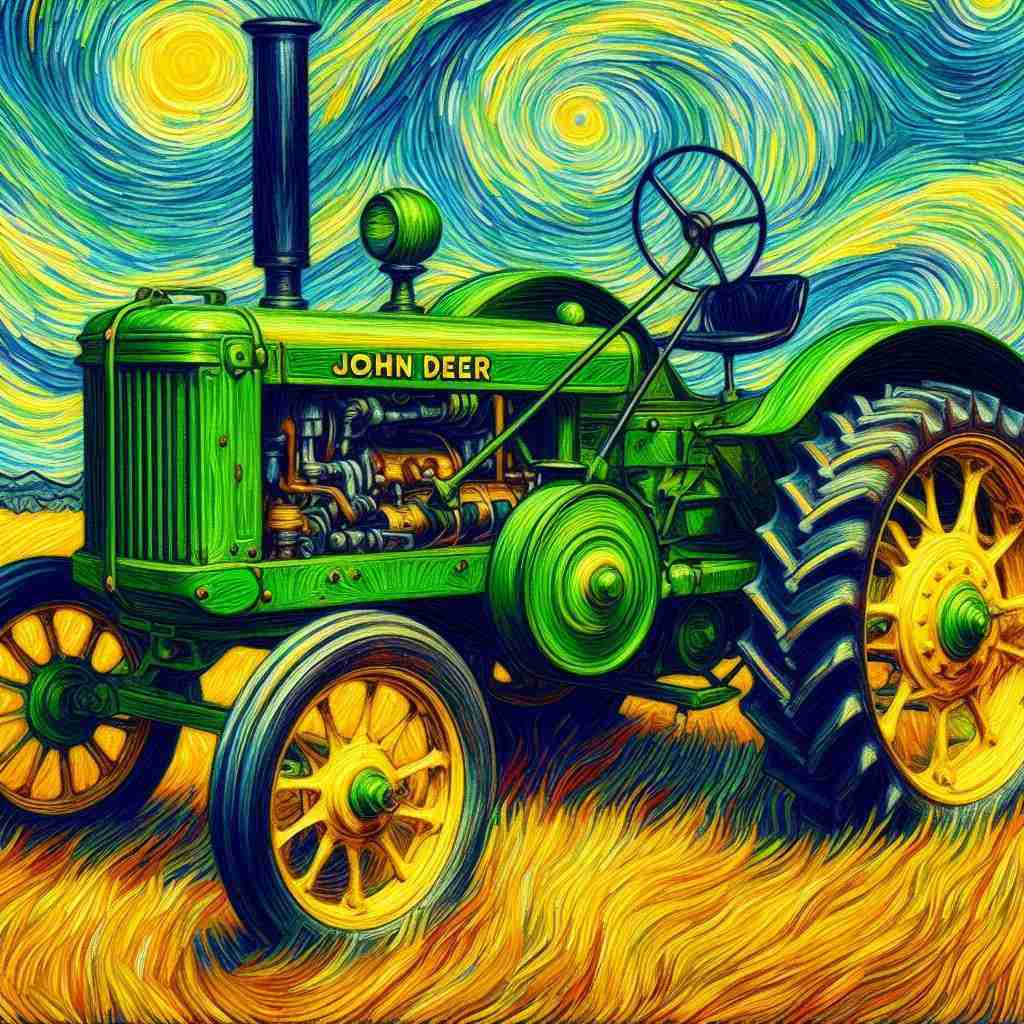
How Right-To-Repair Protects the Tractors You Actually Love to Work on – A Haiku
Tractors plow the land,
Hands learning, hearts intertwine—
Right to repair stands.
Haiku
Poem
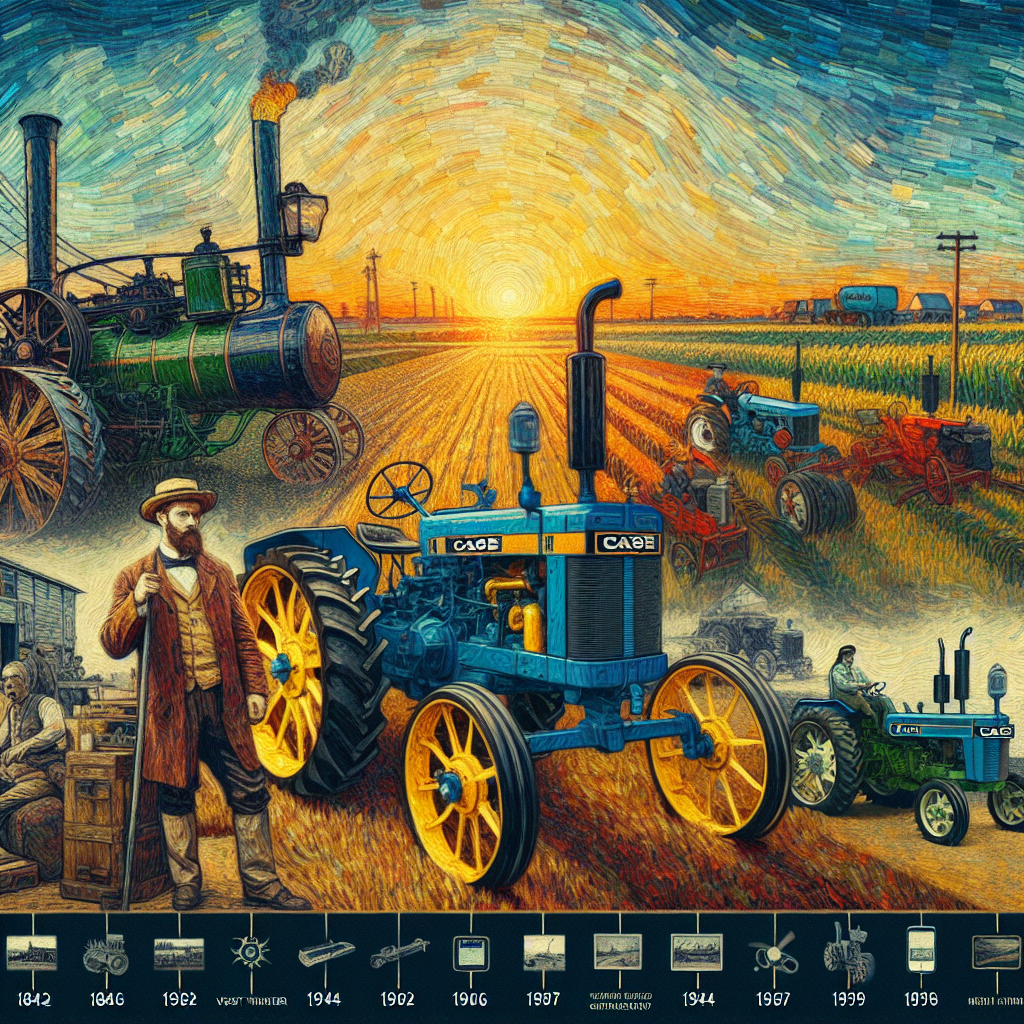
How Right-To-Repair Protects the Tractors You Actually Love to Work on – A Poem
In fields where loyal tractors stand,
Stalwart echoes of labor’s hand,
Traditions forged in sweat and toil,
Each machine a heart, each scratch, a story uncoiled.
From green to red, in rust and wear,
They link us to ancestors, a legacy we share.
Yet now, corporate shackles tighten their sway,
Restricting our tools, denying our way.
The Right-to-Repair, a clarion call,
For families united, lest our passions fall.
Empowerment birthed from knowing each part,
A bond with our tractors—an act of the heart.
In the barn’s embrace, knowledge finds grace,
Where fathers teach sons in this sacred space.
Repair isn’t just fixing; its nurturing roots,
Defying the disposables, sowing deep shoots.
Imagine the stories, the laughter and pride,
As community thrives on the journey we ride.
From farmer to farmer, through challenges vast,
Repairing our tools, reclaiming our past.
The savings amassed, a rational cheer,
Every fix whispers freedom, every turn near.
Ethics converge on this labor of love,
A mandate for fairness, a push from above.
Manufacturers, heed this heartfelt plea,
Engage with your consumers; set our spirits free.
Transparency matters, trust can revive,
Crafting not just machines, but lives that thrive.
So, as the sun sets on fields lush and fair,
Let each tractor remind us Repair is our dare.
In every engine’s rumble, in every tire’s track,
We hold the reins to our future; we’ll never look back.
Poem
Checklist
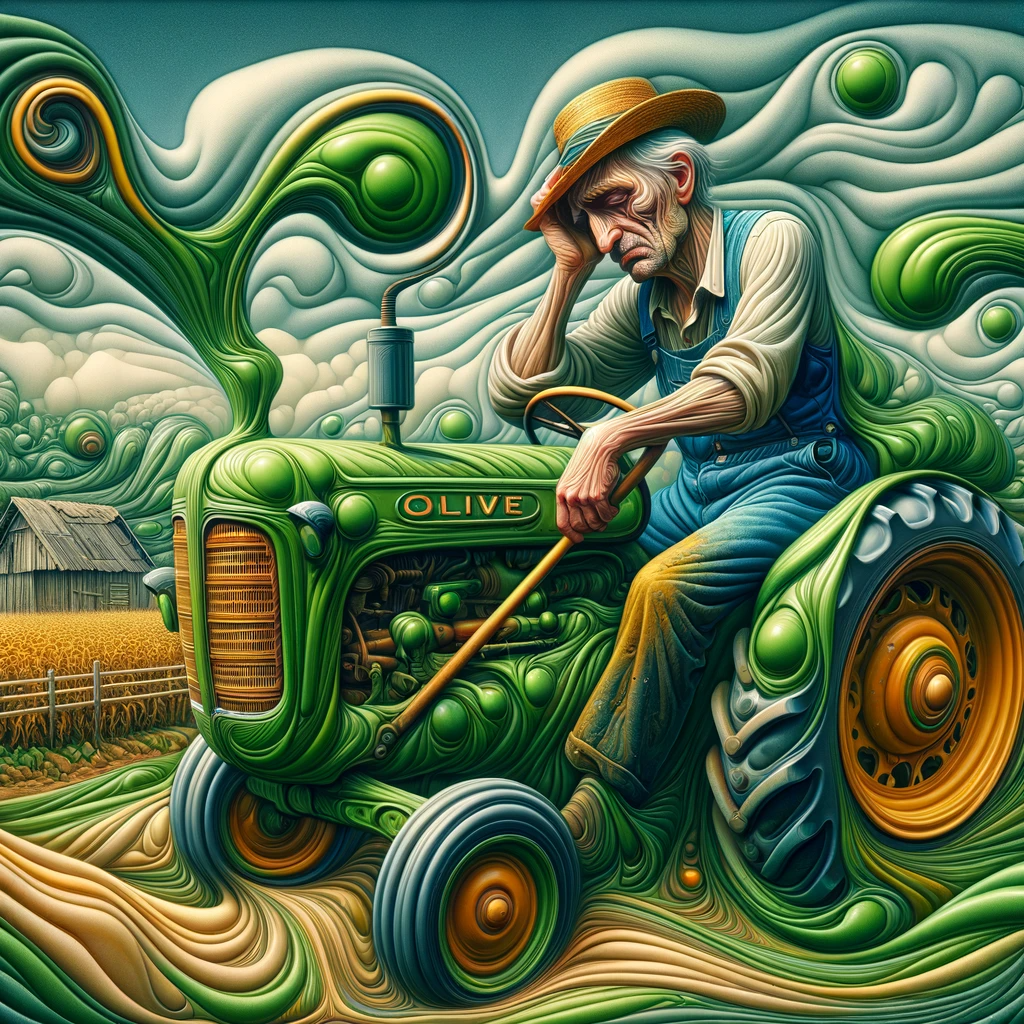
How Right-To-Repair Protects the Tractors You Actually Love to Work on – A Checklist
Emotional Appeals
✅______ Reflect on your personal memories associated with your tractor.
✅______ Share stories of family tradition and the bonds formed through machinery.
✅______ Consider how repairing your tractor embodies respect for history and legacy.
Rational Appeals
✅______ Calculate potential savings from DIY repairs versus dealership costs.
✅______ Assess the environmental impact of maintaining and repairing rather than replacing.
✅______ Evaluate how repairing equipment can support local economies and create jobs.
Ethical Appeals
✅______ Understand your right to control your property and repairs.
✅______ Advocate for sustainable practices that reduce waste in farming equipment.
✅______ Recognize the importance of personal responsibility in managing tools and resources.
Authority Appeals
✅______ Learn about the Right-to-Repair movement and its legislative progress.
✅______ Seek out expert resources and communities that support DIY repairs.
✅______ Attend workshops or local gatherings to build skills and knowledge.
Narrative Appeals
✅______ Document and share your repair journey with others; tell the stories behind each repair.
✅______ Connect with others in your community to build a network of support and shared narratives.
✅______ Explore the analogy of repair as a reflection of life’s ups and downs, demonstrating resilience.
Social Appeals
✅______ Join local or online groups that advocate for the Right-to-Repair.
✅______ Engage in community repair events and skill-sharing sessions.
✅______ Foster conversations about the importance of repairs as a collective community effort.
Checklist
At ClassicTractorNews, we help tractor lovers keep up with the latest news for classic and vintage tractors.
Please share this post with your friends, family, or business associates who may like old classic or vintage tractors.