

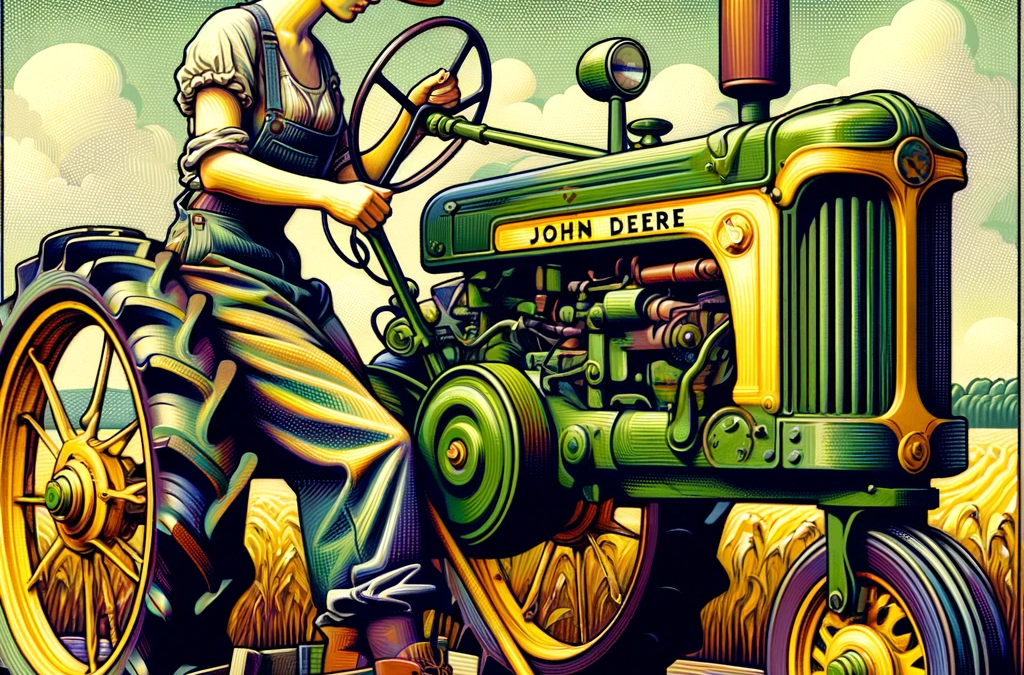
Empowering Farmers: Reclaiming Control In A Digital Landscape
By Tom Seest
At ClassicTractorNews, we help tractor lovers keep up with the latest news for classic and vintage tractors.
Please share this post with your friends, family, or business associates who may like old classic or vintage tractors.
How Proprietary Software Is Killing Farmer Independence
In the shadow of the glossy marketing campaigns promoting the latest tractor models, there lies a more unsettling truth: proprietary software is narrowing the independence of our farmers, trapping them in a cycle that even the mightiest machines can’t break free from. Picture a farmer, calloused hands expertly guiding a modern tractor across a field that’s been in his family for generations. As the engine purrs and the rows of crops stretch toward the horizon, it seems like a scene of resilience, but beneath that surface lies a story of dependency that threatens the very essence of what farming stands for.
Many people don’t realize that every time a farmer starts up their high-tech tractor, they’re not just firing up an engine; they’re aligning themselves with a software giant that actively controls access to their tools, data, and decision-making. This is not just about machines; it’s about autonomy. Once, farmers relied on their wisdom, experience, and the land itself to make choices. Now, they often find themselves at the mercy of algorithms crafted by corporations whose priorities lie far from the fields.
Let’s consider a farmer named Joe, who last year faced a heavy rainstorm that left his fields waterlogged. He needed certain data to adjust planting schedules, but his software locked him out due to a subscription issue. In that moment, the very tractor designed to empower him became a weight that dragged him under. This isn’t just a tale of inconvenience; it’s emblematic of how proprietary software strips farmers of their autonomy and forces them into a box they didn’t choose.
This situation sparks an ethical dilemma. Are we okay with a system where a handful of corporations dictate how the lifeblood of our country operates? Farmers are innovators at heart; they should be at the forefront of their industry, not sidelined by restrictive software. It’s time to champion a shift toward open-source solutions, where technology empowers rather than ensnares. Farmers, who once wielded the plow as a symbol of independence, should not have to battle the very technology intended to support them.
As a society, we have a choice to make. Will we stand by and let proprietary systems erode the independence of those who feed us, or will we rally around the farmers taking a stand for their right to self-governance in an increasingly digitized world? The future of farming—and the essence of independence—depends on the decisions we make today.
How Proprietary Software Is Killing Farmer Independence
How Proprietary Software Is Killing Farmer Independence
- Proprietary software is reducing farmers’ independence and creating dependency.
- Farmers now align themselves with corporations that control access to essential tools and data.
- Traditionally, farmers relied on their knowledge and experience for decision-making.
- Anecdote of a farmer named Joe illustrates the consequences of software lockouts.
- The issue raises ethical concerns about corporate control in agricultural practices.
- Advocacy for open-source solutions to empower farmers instead of restricting them.
- Call to action for society to support farmers’ rights to self-governance in a digitized world.
How Proprietary Software Is Killing Farmer Independence
Table Of Contents
- How Proprietary Software Is Killing Farmer Independence
- What Freedom Have Farmers Lost to Proprietary Software?
- How Does Proprietary Software Impact Farming Decisions?
- Are Farmers Sacrificing Their Autonomy for Software Convenience?
- What Ethical Dilemmas Arise From Reliance on Proprietary Software?
- How Can Farmers Reclaim Their Independence From Tech Companies?
- Can Open-Source Alternatives Restore Farmer Freedom?
- Conclusion
- Other Resources
- Glossary Of Terms
- Other Questions
- Haiku
- Poem
- Checklist
What Freedom Have Farmers Lost to Proprietary Software?
In the ever-evolving landscape of modern agriculture, the farmer’s relationship with technology has morphed from a partnership into a precarious dependency. Picture a farmer, boots caked in rich soil, standing beside a shiny new tractor. This machine, once a symbol of progress and autonomy, is now tethered by the invisible chains of proprietary software. What does this mean for the farmer? It means that where there was once the freedom to innovate and adapt, there now exists an encroaching control that can dictate not only how a farm operates but what it can do with its own equipment.
This loss of freedom doesn’t just impact the bottom line; it undermines the very spirit of farming. Farmers used to make choices based on their knowledge of the land, weather patterns, and community needs. Now, they must navigate a labyrinth of license agreements and software updates, often finding themselves at the mercy of companies whose priorities may shift overnight. Imagine relying on a tractor that refuses to start not because of a mechanical failure, but due to an expired software license. It’s a stark reminder of how vulnerable we’ve become in an age where technology and ownership blur.
Consider the story of a small family farm that decided to upgrade its machinery, only to find that their beloved equipment was suddenly locked and inaccessible—illegally so, according to the very agreements they signed. Their choices stripped away, they faced the grim reality of being unable to repair their own tractor, relying instead on expensive authorized services. This isn’t just a business challenge; it’s an emotional upheaval. Farms are the lifeblood of communities, and when a farmer struggles, the ripples affect all of us.
Moreover, as we look at the broader implications, consider the ethical dilemma at play. We celebrate innovation but at what cost? Are we sacrificing the very essence of farming for the sake of convenience? The answer lies in restoring that connection between farmers and their land, their equipment, and their community. The fight against proprietary dominion is a quest for fairness—a call for transparency in a sector so vital to our collective existence.
In this age of technology, we must come together and ask ourselves: how do we redefine freedom for the farmer? By advocating for open-source solutions, supporting cooperative ownership models, and fostering relationships that prioritize the farmer over corporate profit, we can empower those on the front lines of our food systems. When we choose connection over control, we not only restore the farmer’s freedom; we safeguard our future.
What Freedom Have Farmers Lost to Proprietary Software?
What Freedom Have Farmers Lost to Proprietary Software?
- The relationship between farmers and technology has shifted to a dependency on proprietary software.
- Farmers have lost the freedom to innovate, now facing controls on how they operate their equipment.
- This loss affects not only business but also the spirit of farming and community dynamics.
- Farmers struggle with restrictive licenses and reliance on costly authorized services for repairs.
- The ethical implications of technology in farming prompt questions about innovation at the cost of autonomy.
- Advocating for open-source solutions and cooperative ownership can restore freedom for farmers.
- Promoting connection over control can empower farmers and ensure better futures for food systems.
What Freedom Have Farmers Lost to Proprietary Software?
How Does Proprietary Software Impact Farming Decisions?
When you think about farming, the image of a sturdy tractor plowing through rich soil often comes to mind. It’s a symbol of hard work, tradition, and the human connection to the land. However, in today’s tech-savvy world, that tractor could very well be guiding decisions powered by proprietary software. The irony lies in how this powerful technology can simultaneously streamline farming operations and create a chasm of dependency that few acknowledge.
Imagine a family farm, where generations have nurtured the land with hands caked in dirt and hearts full of dreams. These farmers once relied on instinct and experience. Now, proprietary software steps in with algorithms and analytics, promising the promise of precision agriculture. Yet, for every advantage, there are strings attached. Farmers find themselves navigating a maze of subscriptions, licenses, and updates—feeling less like the stewards of their fields and more like unwitting products of the very systems they hoped would empower them.
On one hand, using software allows farmers to optimize their yield, track crop health, and predict market trends with unprecedented accuracy. The data-driving decision-making can save time and minimize waste. But the other side of the coin reveals an unsettling truth: dependence on proprietary software means relinquishing control. If a company shuts down its platform or raises prices, the farmer is left scrambling, potentially jeopardizing years of hard work.
Let’s talk ethics for a moment. Should a handful of corporations hold the keys to the farms that feed us? When daily decisions hinge on algorithms developed in distant boardrooms, we risk losing not only the connection to our food but also the richness of human intuition and experience that has defined farming for centuries.
Personal stories highlight this conflict. Take a young farmer who embraced digital tools. Initially thrilled, he soon found himself overwhelmed by the software’s complexity, standing at the intersection of innovation and tradition. This scenario reflects a broader struggle; every farmer must find their way through the labyrinth of technology, learning not just to harvest crops but to cultivate their own ability to make independent choices.
In this era of change, the challenge becomes clear: how do we embrace technological advancements without losing sight of who we are as farmers? It’s a delicate balancing act that requires trust—in oneself, in the land, and in the community, all while navigating the pressures imposed by proprietary tools. Ultimately, the decision lies in recognizing that while these innovations can enhance productivity, they should never overshadow the age-old wisdom of farming grounded in community, connectivity, and caring for the earth.
How Does Proprietary Software Impact Farming Decisions?
How Does Proprietary Software Impact Farming Decisions?
- Farming evokes images of tradition and human connection, often represented by tractors.
- Proprietary software is reshaping farming, offering precision agriculture but creating dependency.
- Farmers now face challenges with subscriptions and licenses, losing autonomy over their fields.
- Software can enhance yield optimization, crop tracking, and market predictions.
- Dependence on technology poses risks; disruptions can jeopardize farmers’ operations.
- Ethical concerns arise over corporate control of food production and loss of human intuition.
- The challenge is to balance technological advancements with traditional farming values and community.
How Does Proprietary Software Impact Farming Decisions?
Are Farmers Sacrificing Their Autonomy for Software Convenience?
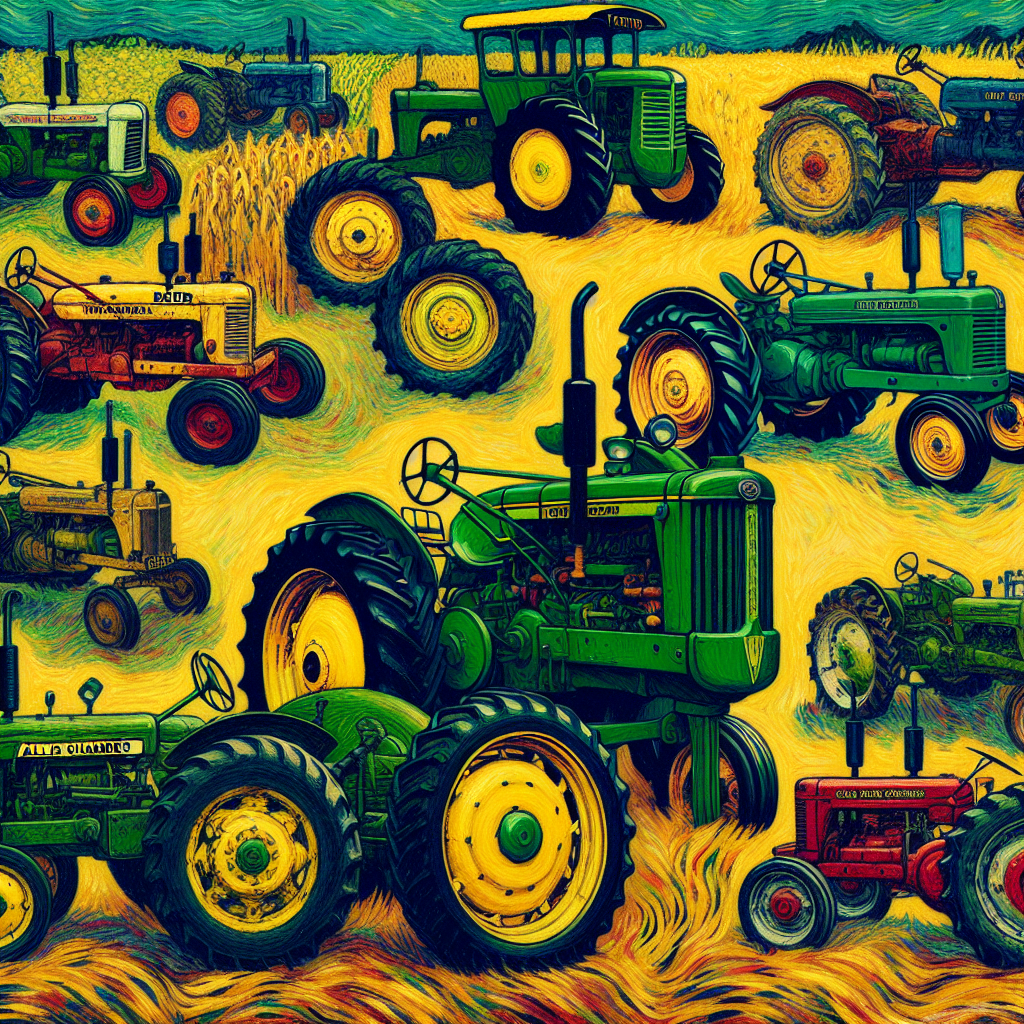
In an age where technology dictates much of modern life, farmers find themselves caught in a dilemma: the allure of software conveniences against the backdrop of their long-standing autonomy. Picture a farmer, hands rough from years of toil, climbing onto his tractor, a symbol of both hard work and resilience. This machine, once a pure extension of his labor, now intertwines with apps and algorithms that promise increased efficiency. Yet, as he embraces these innovations, does he tether his independence to a screen?
The narrative of agriculture has always been about control—the control of one’s land, crops, and destiny. Farmers take pride in the rich soil they cultivate, the seasons they navigate, and the heritage they protect. But as software becomes increasingly ingrained in their daily operations, a troubling question emerges: Are they sacrificing their autonomy for the very conveniences designed to ease their burdens?
Imagine planting a field guided not by instinct or tradition, but by data collected from sensors and satellites. It’s a tempting proposition—fewer backaches and more accurate yields—but it comes at a cost. With each software subscription, farmers may unwittingly surrender pieces of their expertise and decision-making power to distant tech companies. Their autonomy, once a badge of honor, could morph into a dependency masked as convenience.
Rationally speaking, the promise of technology is appealing. Enhanced productivity can lead to increased profits and sustainability, vital in a world grappling with food security. Yet, beneath the surface, there’s an ethical dilemma. Farmers’ intimate knowledge of their land is irreplaceable, yet as reliance on tech grows, we risk sidelining generations of wisdom for the latest app update.
Real stories abound. Take, for instance, a family farm passed down through generations. Every decision, from crop selection to irrigation techniques, was made with heart and experience. But when the next generation turns to software solutions, the line blurs. Are they still in control, or merely following instructions from a dashboard?
The choice is not merely about adopting new tools; it’s about balancing efficiency with heritage. As communities rally around local farming, let’s remember that real growth comes not just from technology, but from honoring the farmers behind the tractors. The next time we see a tractor rolling across a field, let’s consider the hands that steer it—those hands should remain firmly on the wheel.
Are Farmers Sacrificing Their Autonomy for Software Convenience?
Are Farmers Sacrificing Their Autonomy for Software Convenience?
- Farmers face a dilemma between technological conveniences and maintaining their autonomy.
- Technology, represented by tractors integrated with apps, promises efficiency but may compromise independence.
- Control over land and crops has traditionally been a source of pride for farmers, now challenged by software dependence.
- Guidance from data analytics can improve yields but risks undermining farmers’ expertise.
- Increased reliance on technology raises ethical concerns about sidelining generational agricultural wisdom.
- Family farms often rely on deep-rooted knowledge, which can be overshadowed by modern software solutions.
- The balance between efficiency and heritage is crucial, emphasizing the importance of respecting farmers’ experiences.
Are Farmers Sacrificing Their Autonomy for Software Convenience?
What Ethical Dilemmas Arise From Reliance on Proprietary Software?
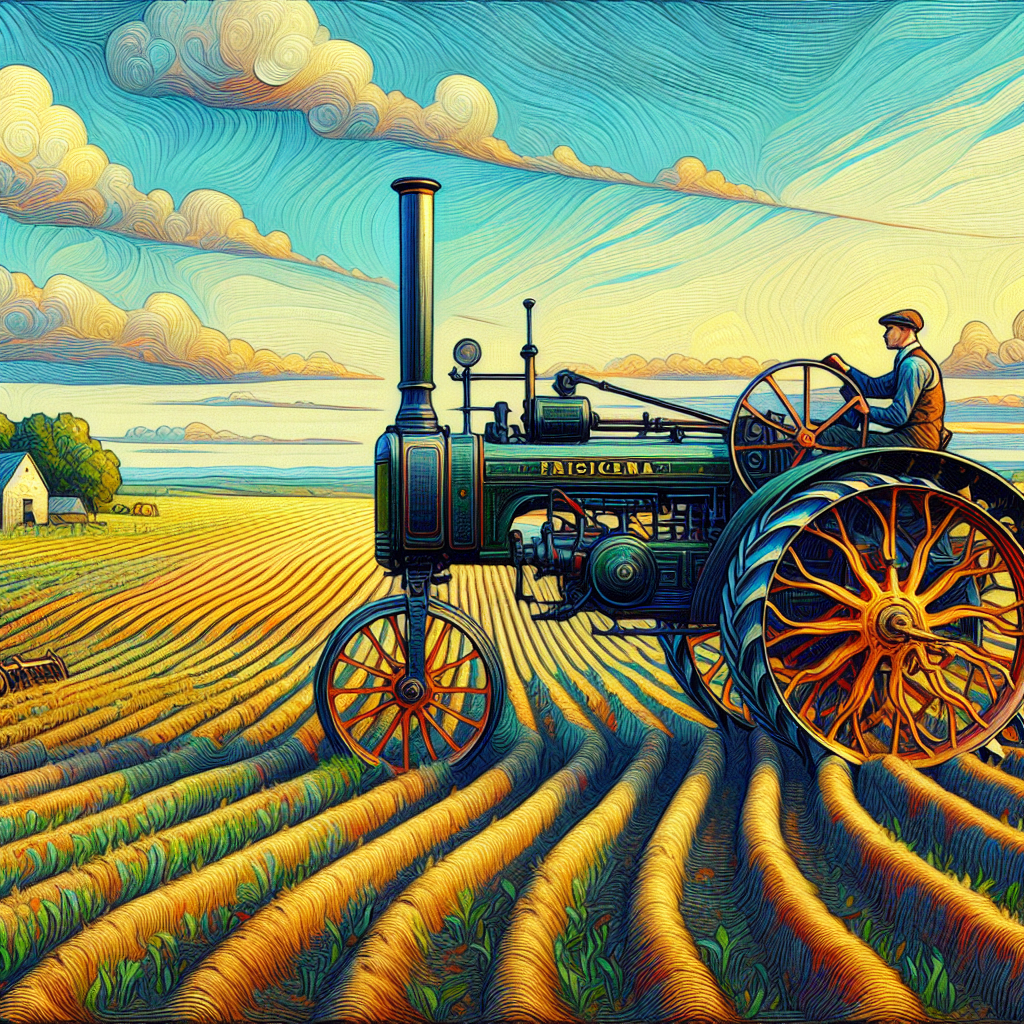
Imagine a farmer, the kind of person who knows every inch of their land, every sound their tractor makes. They’ve invested sweat and savings into the machinery that plows, plants, and harvests, yet they’re tethered to software that controls it. This reliance brings modern efficiency, but it comes at a cost. When proprietary software becomes the backbone of our work, it presents an ethical dilemma that runs deeper than mere convenience.
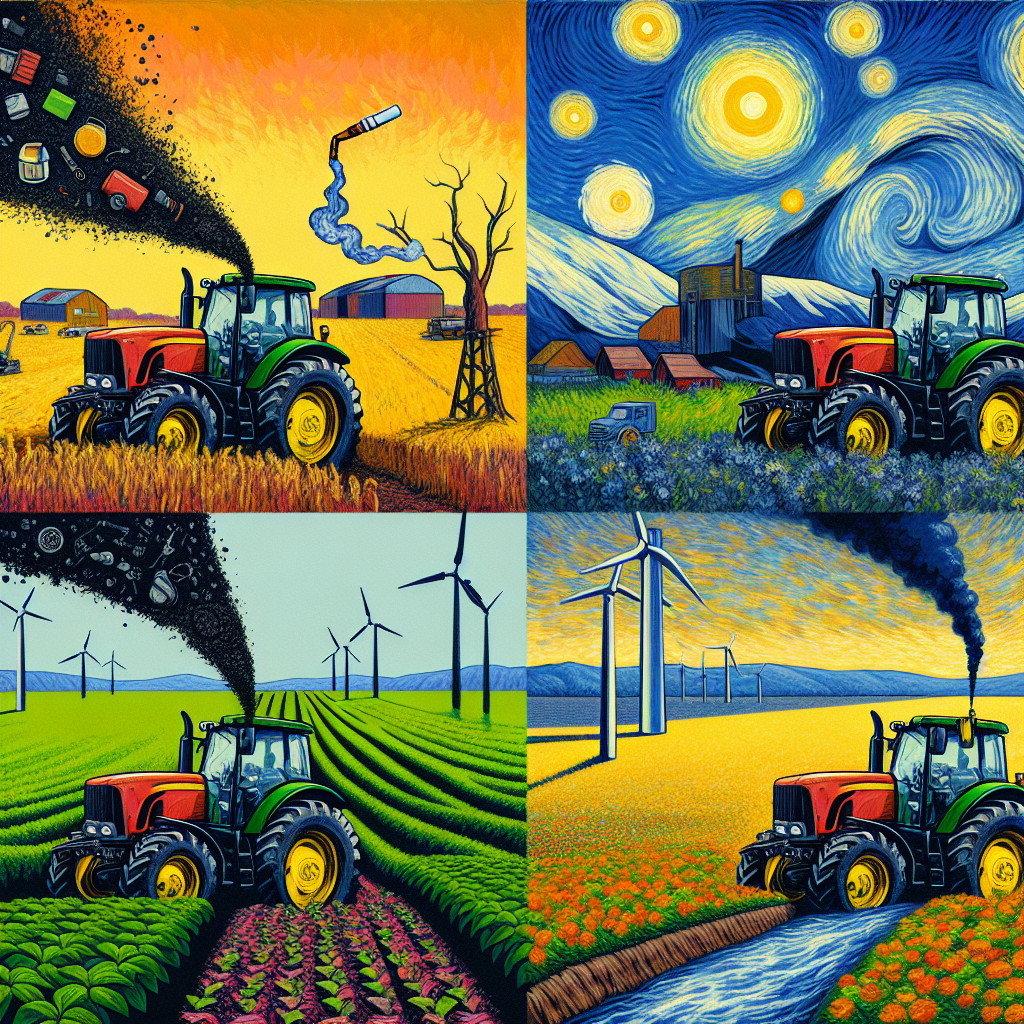
For many, the first consideration is control. It’s like entrusting someone else with the steering wheel of your tractor. That software, cloaked in the promises of efficiency, keeps you dependent. Should something go wrong—maybe a bug or a company decision to discontinue support—what happens to the farmer’s livelihood? They become passengers on a ride they can’t steer, grappling with the fear of losing not just their machinery but their way of life.
Then there’s the issue of transparency. Proprietary software often operates as a black box. Users invest time and resources without fully understanding the terms of use or the implications behind data collection practices. Picture a farmer debating whether to adopt the latest farming software: they might see shiny promises of yield increases, but at what cost? Is their operational data safe? Will it be utilized to further benefit a corporation while they’re left with only the scraps? This creates a tension between advancing technology and ethical responsibility.
Moreover, there’s a connection that many feel with their tools. A farmer might lovingly restore an old tractor, cherishing its history and quirks, yet they’re expected to embrace a soulless software update like it’s progress. When the heart of one’s trade is taken over by proprietary software preferences, it strips away the intimacy of craftsmanship, replacing it with a sterile reliance on the unknown.
Finally, we must consider the greater good in our decisions. The social responsibility to foster communal progress versus the individual gain from proprietary systems can create a paradox. When we continuously support monopolistic practices, we stifle innovation and create an environment where collaboration diminishes, making it harder for new ideas to grow.
So, the next time you sit behind that steering wheel, think about where the software leads you. Are you steering your own course, or merely following a path carved out by someone else? The choice is yours, and with it comes a responsibility to not only consider how you utilize these tools, but how they shape the future of your craft, your community, and your conscience.
What Ethical Dilemmas Arise From Reliance on Proprietary Software?
What Ethical Dilemmas Arise From Reliance on Proprietary Software?
- A farmer’s reliance on proprietary software for machinery raises ethical dilemmas beyond mere convenience.
- Control becomes a central concern; reliance on software can jeopardize a farmer’s livelihood if issues arise.
- Transparency in proprietary software is lacking, creating uncertainty about data collection and usage.
- Farmers may feel torn between technological advances and ethical responsibility regarding their operational data.
- The emotional connection to equipment is threatened by impersonal software updates, undermining craftsmanship.
- Supporting monopolistic practices may hinder innovation and collaborative progress in the agricultural sector.
- The choice to embrace or resist software dictates not only individual practices but also the future of farming communities.
What Ethical Dilemmas Arise From Reliance on Proprietary Software?
How Can Farmers Reclaim Their Independence From Tech Companies?
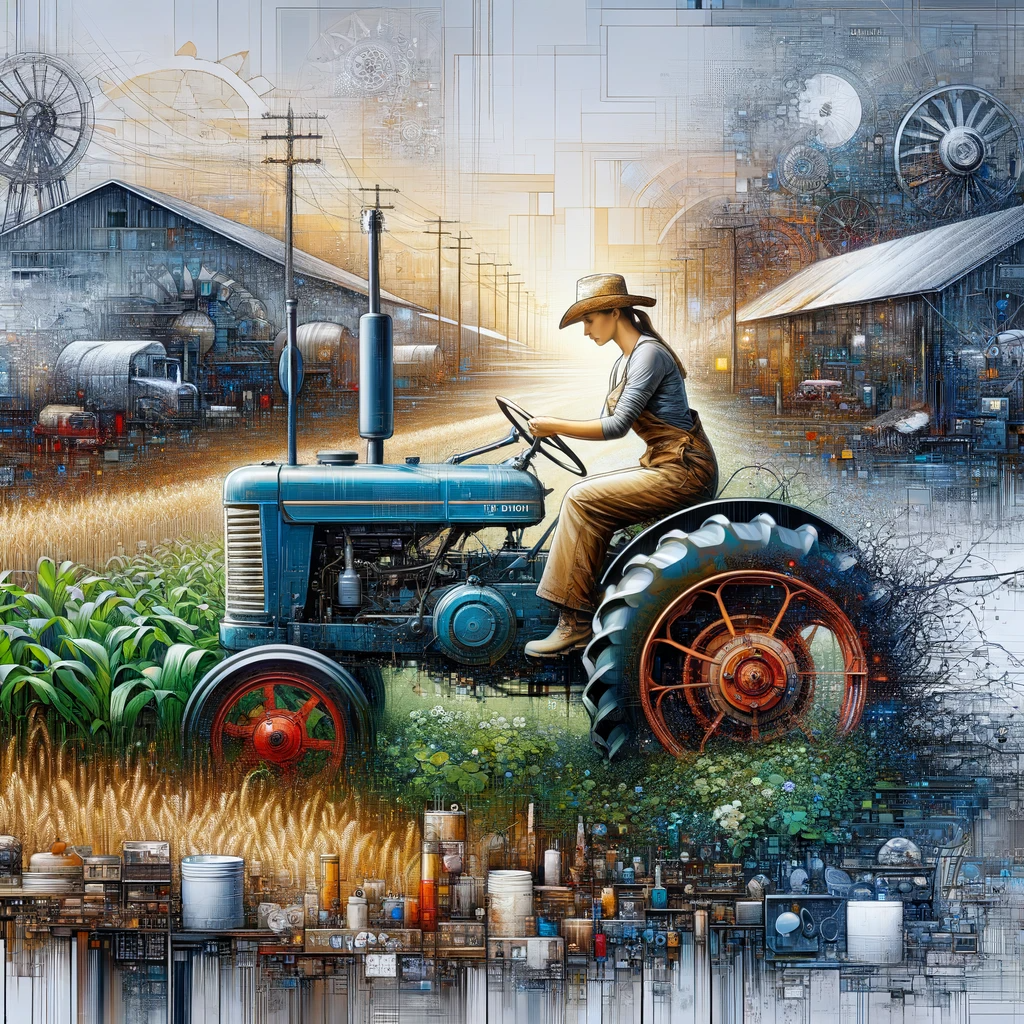
Farmers are at a crossroads, caught between the rich tradition of their craft and the ever-tightening grip of tech companies. It’s time to reclaim their independence, not just for themselves but for future generations. True freedom starts with recognizing that the very heart of farming lies in the land, the hands that till it, and the community that supports it. Imagine a tractor, not just as a machine, but as a symbol of hard work and resilience. Each rust-stained bolt holds stories of sweat and soil, where the ultimate control over the harvest lies with the farmer, not a distant corporation.
Consider the family farm next door. Their commitment to organic practices reminds us that knowledge and skill have not been erased by technology. Resilience is built by leaning into traditional methods—a blend of innovation and age-old wisdom—creating a farming philosophy grounded in ethics and community support. The rise of cooperative models empowers farmers to aggregate their resources, sharing both equipment and expertise. They can collectively purchase technology, reinvesting savings back into their operations.
Inwardly, there’s a gut feeling that stirs with this return to independence. It’s about pride, about standing tall against a system that often prefers the large-scale operations of corporate agriculture. Think of those early morning sunrises, the smell of fresh soil, and the laughter of neighbors gathering for a community event. When farmers come together, they reclaim not just their land but their identity—a testament to a lifestyle that’s about more than profit margins.
Farmers have a unique authority, rooted in their knowledge of the land and their ability to read its signs. They can inspire action through storytelling—sharing experiences that connect people back to their food sources. It’s crucial to shift the narrative from dependence on foreign technologies to one of self-sufficiency. Farmers can lead educational workshops, teaching their communities sustainable practices, and in turn, foster deep connections. This narrative doesn’t just feed the body; it nurtures the soul.
In this age of technology, let’s not forget that the best innovation comes from the ground up, not dictated from the boardroom. By embracing independence and community, farmers can forge their path, crafting a legacy that honors their roots while reaching for the future.
How Can Farmers Reclaim Their Independence From Tech Companies?
How Can Farmers Reclaim Their Independence From Tech Companies?
- Farmers are caught between traditional practices and the influence of tech companies.
- Independence is vital for farmers, ensuring control over their land and resources.
- The tractor symbolizes resilience and the connection between farmers and their harvest.
- Family farms exemplify the importance of knowledge and organic practices in agriculture.
- Cooperative models help farmers share resources and reduce reliance on corporations.
- Farmers have a unique authority and can inspire communities through storytelling and education.
- Innovation should arise from local practices and community engagement, rather than corporate decisions.

How Can Farmers Reclaim Their Independence From Tech Companies?
Can Open-Source Alternatives Restore Farmer Freedom?
Open-source alternatives could be the lifeline that restores farmer freedom, a concept deeply rooted in the spirit of independence that lies at the heart of agriculture. Picture the farmer, rising before dawn, the trusty old tractor humming to life, a testament to generations of hard work and resilience. This farmer isn’t just tilling the soil; they are cultivating a way of life that’s been at risk of disappearing under the weight of corporate control and proprietary technologies.
Imagine a world where farmers aren’t bound by the whims of corporate giants. When a farmer chooses an open-source solution, they regain not only their autonomy but also their dignity. They can innovate, modify, and share tools that were once shackled by licensing fees and constant updates. This isn’t just about software; it’s about reclaiming the right to work the land on their own terms, fostering a deeper connection between the farmer, the soil, and the community.
Ethically, supporting open-source alternatives is about fairness. It shifts power from the hands of a few corporations to the many who work tirelessly from sunrise to sunset, often away from the spotlight. This shift means access to knowledge and resources, empowering farmers to create solutions that fit their unique needs instead of conforming to standardized, one-size-fits-all packages. An inspiring story comes to mind: a cooperative of farmers who came together, united not just by necessity but by vision. They developed an open-source platform for agricultural management, sharing their successes and failures, learning from one another. Their collaboration transformed not only how they farmed but how they viewed their role in the broader agricultural narrative.
From a rational standpoint, the numbers speak volumes. Lower costs and increased efficiency are easier to achieve with open-source tools. Why pay exorbitant fees for software that may become obsolete? The strength lies in community-driven innovation, where each farmer contributes their insights, leading to robust, adaptive solutions that are tried and tested in real-world conditions. This self-reliance cultivates trust among farmers, creating networks that thrive on shared knowledge and experiences.
Ultimately, the gut instinct pushes the message home: we need to restore the connection between farmer and land. Open-source solutions invigorate this relationship, allowing farmers to drive their destinies. They’re not just fighting against corporate manipulation; they’re reclaiming their legacy, ensuring that future generations can stand proudly alongside their tractors, knowing they have the tools and autonomy to cultivate not just crops but also a future worth fighting for. This is more than a movement; it’s a revolution in how we view agriculture and community.
Can Open-Source Alternatives Restore Farmer Freedom?
Can Open-Source Alternatives Restore Farmer Freedom?
- Open-source alternatives restore farmer freedom, a core aspect of agricultural independence.
- Farmers regain autonomy and dignity by choosing open-source solutions, enabling innovation and sharing.
- Supporting open-source is about fairness, redistributing power from corporations to farmers.
- Cooperatives can develop open-source platforms, fostering collaboration and transforming agricultural practices.
- Open-source tools lead to lower costs and increased efficiency through community-driven innovation.
- This self-reliance builds trust among farmers and encourages knowledge sharing.
- Open-source solutions reconnect farmers with the land, empowering them to reclaim their legacy for future generations.
Can Open-Source Alternatives Restore Farmer Freedom?
Conclusion
In the modern agricultural landscape, the rise of proprietary software has increasingly compromised the independence of farmers, traditionally stewards of the land. As corporate interests infiltrate farming practices, the essential connection between the farmer and their craft is at risk. Farmers, like those with calloused hands guiding tractors through family lands, now find themselves shackled by software subscriptions that dictate not just the machinery’s operation but the very decisions that define their livelihoods. The tale of Joe, whose tractor’s software locked him out when he needed crucial insights, illustrates a broader trend where farmers become pawns in a game controlled by distant corporations.
Farmers have always thrived on their instincts, knowledge of the land, and community ties, making decisions not dictated by algorithms but by lived experiences. Yet, with the complexities of proprietary software, these decision-making processes are diminished. The dependence on corporate algorithms creates an ethical quandary: should a select few dictate how our essential food systems operate? The narrative transforms, with farmers fighting to maintain their autonomy against unseen forces hidden in terms of service agreements.
This situation is not just about technology; it’s about freedom. As society, we must rally around the idea of supporting open-source alternatives that empower farmers instead of ensnaring them in cycles of dependency. We face a crucial choice: will we permit corporate control to unravel the very fabric of independence that farming represents?
We are called to reflect on the implications of our technological dependencies. Each time we see a farmer in the field, we must remember that their struggles resonate beyond their crops; they echo throughout our communities. The idea of a farmer re-establishing control through open-source solutions exemplifies a return to the core values that define agriculture: self-reliance, local support, and ethical responsibility.
This movement toward reclaiming freedom isn’t just about the technology itself; it’s about the stories we tell and the connections we foster. As we navigate this digital era, let’s commit to aiding our farmers, ensuring their voices are heard and their independence preserved. The choices we make today will resonate through generations, determining the future of agriculture and the autonomy of those who feed us. The time is now for farmers to reclaim their destiny, steering their own paths in an ever-evolving landscape.
Conclusion
Conclusion:
- The rise of proprietary software is compromising farmers’ independence in modern agriculture.
- Farmers are increasingly reliant on corporate-controlled software, which affects their decision-making and connection to their craft.
- The experience of Joe exemplifies the broader issue of farmers losing control to corporate interests.
- Traditional farming relies on instincts and community ties, which are diminished by algorithm-driven decisions.
- The ethical dilemma arises when a few corporations dictate the operation of essential food systems.
- Supporting open-source alternatives can empower farmers and preserve agricultural autonomy.
- This movement emphasizes the importance of freedom, ethical responsibility, and community support in agriculture.
Conclusion
Other Resources
Other Resources
Here is a list of other resources you can review online to learn more:
- Minsk Tractor Works
- Indiana Farm Equipmentand Technology Expo
- Titan Machinery
- Vintage Tractor Digest
- IH
- California Antique Farm Equipment Show
- AGCOAllis
- Buhler Versatile
- South Dakota Tractor Museum
- Dutra
- Classic Old Tractors
- Lindner
- Eagle Manufacturing
- Case IH
- Belarus
- Unitrak
- KUHN
- Mitsubishi
Use This Prompt To Get More Resources With Your Favorite Online AI Tool: Please provide me with a list of online articles with their URLs in a bulleted list that I can read regarding How Proprietary Software Is Killing Farmer Independence
Other Resources
Glossary Terms
How Proprietary Software Is Killing Farmer Independence – Glossary Of Terms
1. Proprietary software — Software whose source code, distribution, and modification are restricted by the vendor; in agriculture it centralizes control of farm tools and data with corporations rather than farmers.
2. Vendor lock-in — A situation where switching providers is costly or impossible due to incompatible formats, proprietary protocols, or contractual constraints, trapping farmers with a single supplier.
3. Closed ecosystem — A combined set of hardware, software, services, and marketplaces controlled by one company, limiting farmers’ ability to choose alternative tools or service providers.
4. Digital rights management (DRM) — Technical controls embedded in devices or software that restrict how farmers can use, repair, or modify agricultural equipment and data.
5. End-user license agreement (EULA) — Legal contract that grants limited rights to use software; often transfers data rights and restricts farmers’ control over their own operations.
6. Software-as-a-Service (SaaS) — Subscription-based delivery of software hosted by vendors; recurring fees and remote control can substitute ownership and erode farmer autonomy.
7. Telemetry — Automated collection and transmission of machine and field data to vendor servers; can give companies real-time visibility and control over farm operations.
8. Data ownership — Legal and practical claim over agricultural data; proprietary contracts often assign ownership or broad usage rights to vendors, not farmers.
9. Data sovereignty — The principle that data is subject to the laws and control of the owner’s jurisdiction; proprietary systems often store data offshore or under vendor control, undermining local sovereignty.
10. Interoperability — The ability of different systems to work together; lack of open standards in proprietary software prevents equipment and data from being combined freely.
11. API lock-out — Restricting or charging for access to application programming interfaces so third-party tools cannot integrate, reducing farmer choices.
12. Firmware locking — Embedded locks in device firmware that prevent third-party repairs, modifications, or independent software, forcing reliance on vendor services.
13. Forced updates — Vendor-controlled software updates that can change functionality, remove features, or disable equipment without farmer consent.
14. Paywall features — Key functionalities hidden behind subscription tiers or fees, turning previously owned capabilities into ongoing costs for farmers.
15. Algorithmic recommendation — Automated prescriptions for inputs (seed, fertilizer, chemicals) generated by vendor algorithms; when proprietary, they can bias decisions toward vendor products.
16. Predictive analytics — Vendor-held models that forecast yields or risks; farmers dependent on proprietary models lose independent verification and control.
17. Black-box models — Proprietary algorithms whose inner workings are hidden, making it impossible for farmers to audit or contest automated decisions.
18. Remote diagnostics — Vendor-controlled remote monitoring and repair services that can limit farmers’ ability to use local mechanics or DIY fixes.
19. Right to Repair — Legal and ethical movement advocating farmers’ rights to access parts, manuals, and software; proprietary practices often oppose these rights.
20. Third-party developer exclusion — Practices that block independent developers from creating compatible apps or tools, shrinking the innovation ecosystem around farms.
21. Surveillance capitalism — Monetization of farm data by corporations through profiling and targeted marketing rather than serving farmers’ interests.
22. Digital monopolization — Market concentration where a few firms control essential agricultural software and platforms, reducing competition and bargaining power for farmers.
23. Network effects — When platform value grows with the number of users, enabling dominant vendors to entrench control and limit farmer mobility.
24. Contractual data harvesting — EULA or terms that allow vendors to collect and monetize farm data for product development, resale, or advertising without meaningful farmer benefit.
25. Closed-source hardware — Equipment whose operating code or interfaces are proprietary, preventing customization and local innovation on farms.
26. Pay-per-use licensing — Pricing that charges per-operation or per-feature, converting capital tools into ongoing operational expenses and increasing dependency.
27. Compliance-as-code — Encoded regulatory or certification checks embedded in proprietary systems that can enforce vendor-defined standards and lock farmers into specific inputs or practices.
28. Digital divide — Inequalities in access to open tools, knowledge, or control; proprietary dominance widens the gap between resource-rich and resource-poor farmers.
29. Seed and input bundling — Business models where vendors tie seed, chemicals, or services to their software platforms, limiting farmers’ ability to source independently.
30. Open-source alternative — Software and platforms with publicly available source code and permissive licensing that preserve farmer independence by enabling transparency, modification, and local control.
Glossary Of Terms
Other Questions
How Proprietary Software Is Killing Farmer Independence – Other Questions
If you wish to explore and discover more, consider looking for answers to these questions:
- What specific features of proprietary software most commonly restrict farmer autonomy?
- Which major agricultural equipment manufacturers currently use proprietary software that limits user access?
- How does licensing typically work for farm equipment software, and what clauses most impact farmers?
- What legal rights do farmers have to repair or modify software on their own equipment?
- How is farm-generated data collected, stored, and shared by proprietary platforms?
- Who owns the data produced by sensors, tractors, and farm management platforms?
- Can farmers port their data from one vendor’s platform to another, and how difficult is that process?
- What are the most widely used open-source alternatives for farm management and machine control?
- What technical skills or resources do farmers need to adopt or maintain open-source solutions?
- How do costs compare long-term between proprietary subscriptions and open-source or cooperative models?
- What are the security and privacy risks associated with proprietary agricultural software?
- How do software outages, subscription lapses, or company shutdowns impact farm operations in practice?
- Are there documented cases where proprietary software failures caused crop loss or financial harm?
- How can farmers organize cooperatives or buying groups to negotiate better software terms or shared tools?
- What regulatory or policy changes could protect farmers from vendor lock-in and unfair software practices?
- How do warranty terms and manufacturer support policies interact with third-party repairs or modifications?
- What role should governments or agricultural agencies play in promoting interoperable standards?
- How can consumers or the public influence corporate practices around farm software and data use?
- What incentives exist (grants, subsidies, tax breaks) to help farmers transition to open-source or interoperable systems?
- How scalable are open-source farming solutions for large industrial farms versus small family farms?
- What training programs, documentation, or community resources are available to help farmers adopt alternative tech?
- How do proprietary algorithms affect agronomic decisions like planting schedules, pesticide use, or irrigation?
- Is there evidence that algorithmic recommendations introduce bias or prioritize corporate interests over farmer welfare?
- How transparent are decision-making algorithms used in precision agriculture, and can they be audited?
- What are the environmental implications of relying on proprietary tech versus community-driven solutions?
- How do insurance providers view the use of proprietary software in claims, liability, and coverage decisions?
- What practical steps can an individual farmer take today to reduce dependence on a single vendor?
- Are there successful real-world examples or case studies of farms that reclaimed autonomy via open-source tools?
- How long does migration from a proprietary platform to an open or cooperative alternative typically take?
- What costs—time, money, labor—should farmers expect when switching away from proprietary systems?
- How do intellectual property laws affect farmers who tinker with or reverse-engineer embedded farm software?
- What community governance models work best for maintaining and funding shared open-source agricultural tools?
- How can farmers ensure continuity of service and technical support when using community-driven software?
- What are the barriers to standardizing data formats and communication protocols across agricultural equipment?
- How might future technological trends (AI, IoT, cloud services) exacerbate or alleviate vendor lock-in?
Other Questions
Haiku
How Proprietary Software Is Killing Farmer Independence – A Haiku
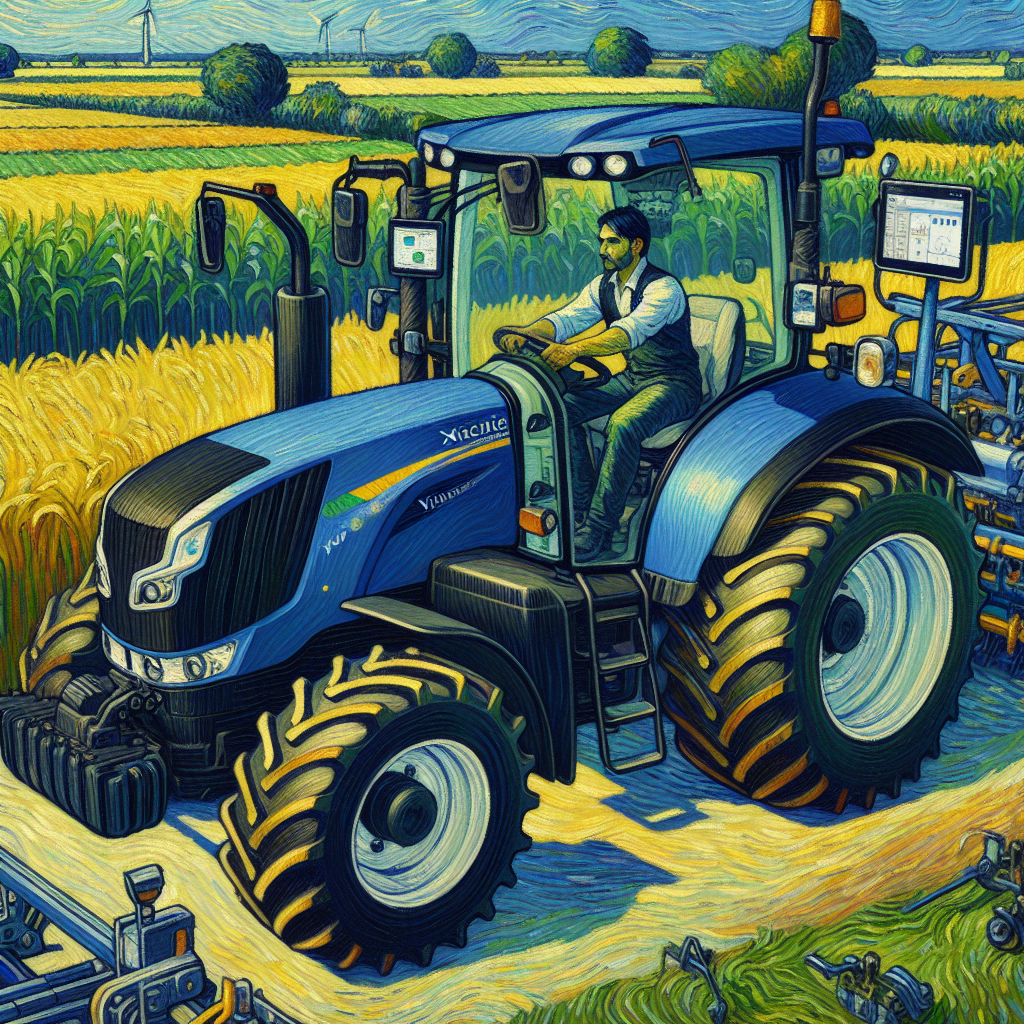
Farming’s heart is torn,
Tech’s chains weigh heavy on hands,
Hope blooms in pure soil.
Haiku
Poem
How Proprietary Software Is Killing Farmer Independence – A Poem
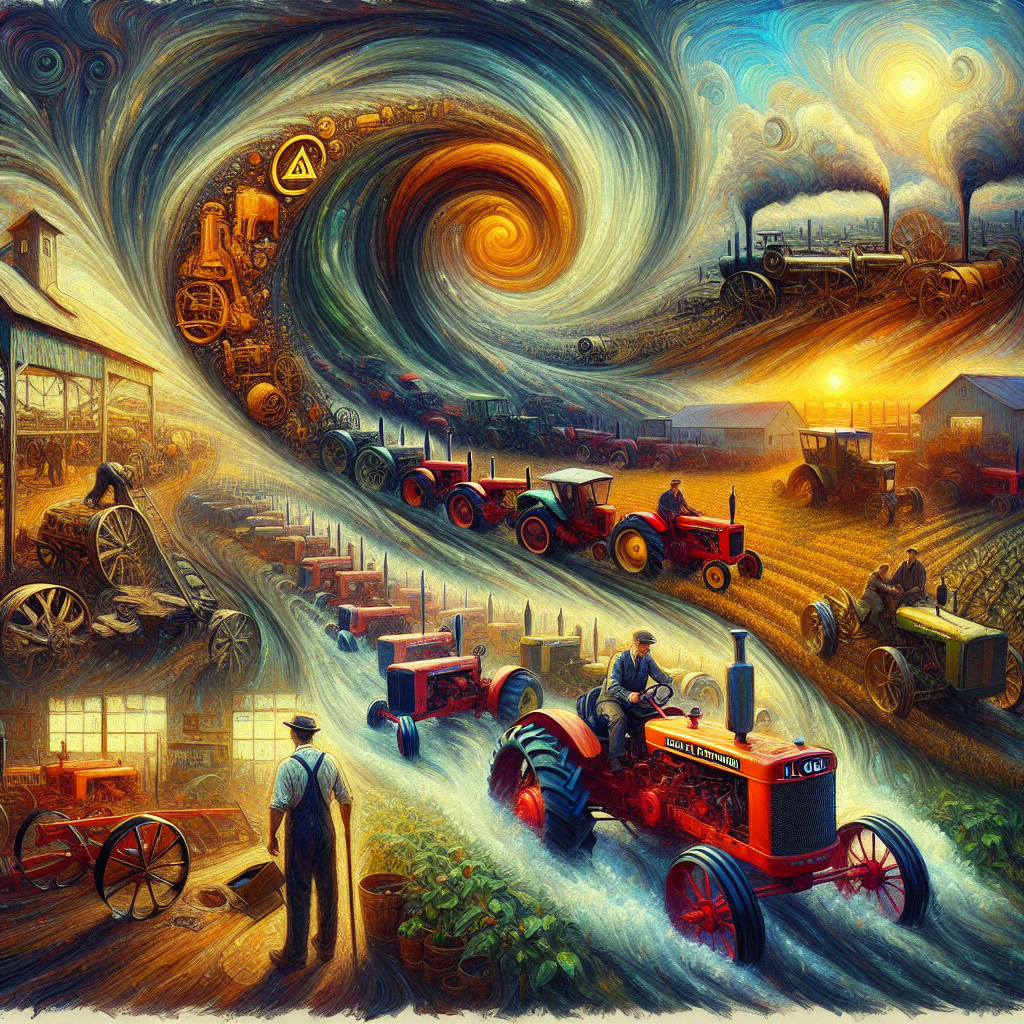
In fields where tractors hum with pride,
Once symbols of freedom, now chains that bind,
Farmers toil with expertise and grit,
Yet proprietary software steals their spirit bit by bit.
Joe, the farmer, watches skies turn gray,
Locked out from insights on a fateful day.
Devices once tools, now weigh heavy on heart,
Algorithms decide, while human wisdom departs.
The ethical quandary looms over the land,
Should distant corporations dictate what we can?
A tapestry woven with hands weathered and wise,
Now apps and updates obscure the sunrise.
Yet amidst the struggle, a flicker of hope,
Farmers united, together they cope.
Open-source visions whisper of freedom regained,
Innovations for growth, with community sustained.
Imagine the gatherings, hands joined side by side,
Knowledge shared freely, a renewed sense of pride.
From the soil to the skies, let their voices unite,
Reclaiming their futures, standing strong in the fight.
For farming’s more than machinerys glow,
It’s the pulse of a community, the roots we all sow.
Together we forge a path forward and true,
Empowering farmers, the land, and me and you.
Poem
Checklist
How Proprietary Software Is Killing Farmer Independence – A Checklist
Reflect on Farmer Independence
✅______ Consider how proprietary software affects local farmers’ autonomy.
✅______ Discuss the importance of farmer-controlled decision-making.
Analyze Ethical Dimensions
✅______ Evaluate the ethical implications of corporate control over farming tools.
✅______ Investigate the balance between technological advancements and the traditional farming ethos.
Support Open-Source Solutions
✅______ Research available open-source alternatives for farm management.
✅______ Promote the benefits of collaborative farming technologies.
Encourage Cooperative Models
✅______ Advocate for cooperative ownership of tools and resources among farmers.
✅______ Share stories of successful agricultural cooperatives.
Engage in Community Education
✅______ Organize workshops on sustainable, independent farming practices.
✅______ Facilitate discussions on the impact of software dependence on local agriculture.
Build Ethical Consumer Relations
✅______ Communicate the benefits of supporting local farmers over corporations.
✅______ Reinforce the connection between consumer choices and farmer independence.
Foster Innovation with Tradition
✅______ Encourage blending modern technology with traditional farming wisdom.
✅______ Highlight examples of farmers successfully using tech without losing their heritage.
Promote Transparency in Technology Use
✅______ Advocate for understanding terms and conditions of software applications.
✅______ Share insights on data privacy and protection for farmers.
Cultivate Trust and Community
✅______ Strengthen relationships among farmers through shared experiences and learning.
✅______ Organize local events to celebrate community and traditional farming practices.
Reclaim Personal Connection to Farming Tools
✅______ Remind farmers of the importance of intimate knowledge and craftsmanship in using their equipment.
✅______ Encourage self-repair and maintenance of farming tools to enhance autonomy.
Checklist
At ClassicTractorNews, we help tractor lovers keep up with the latest news for classic and vintage tractors.
Please share this post with your friends, family, or business associates who may like old classic or vintage tractors.