


Connecting Generations: The Heartfelt Journey Of Vintage Wisdom
By Tom Seest
At ClassicTractorNews, we help tractor lovers keep up with the latest news for classic and vintage tractors.
Please share this post with your friends, family, or business associates who may like old classic or vintage tractors.
How Online Communities Are Preserving Vintage Knowledge
How Online Communities Are Preserving Vintage Knowledge
In a world racing headlong into the future, it’s easy to overlook the treasures of the past. Yet, amidst the noise, online communities are like the well-worn tractors that connect us to our agricultural roots—steadfast machines thriving on the wisdom of those who came before. These digital harvesters of knowledge nurture an ever-growing trove of vintage skills, stories, and wisdom that once might have been lost.
Consider the passionate threads within forums where enthusiasts gather to discuss everything from the arcane art of blacksmithing to the delicate craft of hand-stitched quilts. These spaces are more than mere websites; they are vibrant ecosystems where knowledge flows freely, much like a river once did at the foot of an old farmstead. Members don’t merely share information; they share parts of themselves. Every tip on maintaining a 1950s tractor or advice on growing heirloom tomatoes carries with it a personal story, embedding a sense of identity into the knowledge passed around. Each post becomes a link in the chain of history, a gesture of camaraderie among those who treasure the same rustic crafts and bygone techniques.
This revival isn’t just about nostalgia—it’s about preservation with purpose. In every tutorial video or DIY project, there are whispers of ethics and sustainability. Communities emphasize a return to roots in an age where fast fashion and convenience dominate. They advocate for hand-crafted, time-honored methods that respect the earth—a notion as timeless as the grain of a well-loved barn door. This is a call to action, inviting everyone to partake in something greater than themselves, to reconnect with their heritage and draw wisdom from the soil beneath their feet.
Let’s face it: sometimes, engaging with the past means confronting an uncomfortable truth about our materialistic society. Online platforms allow us to challenge that narrative collectively. The posts about restoring vintage tractors don’t just teach mechanics; they inspire discussions on labor, stewardship, and the pride that comes from working with one’s hands. When someone shares a story about the family bond forged over restoring a rusted engine, it resonates with anyone who appreciates the beauty of dedication and hard work.
Through these online communities, we find not only a repository of forgotten knowledge but a living testament to human connection—a reminder that while technology accelerates change, it is the bonds we forge and the skills we revive that keep our roots strong. When we engage with vintage knowledge, we don’t just preserve it; we breathe life into it, ensuring that the wisdom of yesteryears continues to guide us forward.

How Online Communities Are Preserving Vintage Knowledge
How Online Communities Are Preserving Vintage Knowledge
- Online communities serve as modern-day treasure troves, preserving vintage skills and stories.
- Enthusiasts engage in discussions on crafts like blacksmithing and quilting, creating vibrant ecosystems of shared knowledge.
- Every post connects personal stories to practical advice, embedding identity into shared knowledge.
- The revival emphasizes sustainable practices and respect for the earth, contrasting against fast fashion and convenience.
- These communities encourage individuals to reconnect with heritage and draw wisdom from the past.
- Engagement with vintage knowledge fosters discussions about labor, stewardship, and personal pride in craftsmanship.
- Overall, online communities not only preserve knowledge but also strengthen human connections and roots in a changing world.

How Online Communities Are Preserving Vintage Knowledge
Table Of Contents
- How Online Communities Are Preserving Vintage Knowledge
- What Memories Do You Cherish From the Past That Deserve to Be Saved?
- How Can Sharing Stories In Online Communities Foster Connection?
- What Role Does Nostalgia Play In Preserving Vintage Knowledge Today?
- What Ethical Considerations Arise In Curating Vintage Content Online?
- What Responsibility Do We Have to Document Our Unique Histories?
- How Do Online Stories Influence Our Understanding Of Past Events?
- Conclusion
- Other Resources
- Glossary Of Terms
- Other Questions
- Haiku
- Poem
- Checklist
What Memories Do You Cherish From the Past That Deserve to Be Saved?
Memories are like the old tractor parked in your grandfather’s barn: rusted, worn, yet a testament to the countless times it helped cultivate the land. Each dent tells a story, just like the memories we gather throughout our lives. They’re the moments we replay in our minds, often like an old film reel, creating a tapestry that forms the essence of who we are.
Consider those Saturday mornings spent on that tractor, bouncing along the rows of corn, the sun kissing your skin, and the sweet scent of earth filling your lungs. It wasn’t just about plowing fields; it was about connection. The laughter shared with family, the lessons learned on the importance of hard work, and those fleeting glimpses of innocence—all plant seeds of nostalgia in our hearts. These memories deserve to be saved not simply because they are behind us, but because they inspire the paths we forge ahead.
In our fast-paced world, we tend to forget the value of these cherished moments. We might feel pressured to seek newer experiences, pushing aside the rich tapestry of the past. Yet, it’s in these forgotten corners where our most profound truths reside. Imagine a tree that bears fruit season after season; the roots must be nourished by the soil of yesterday. Memories are those roots, anchoring us in our identities, guiding our values and decisions today.
Think about what you cherish most. Is it the laughter shared at the dinner table when that hilarious mishap happened? Or perhaps it’s the quiet evening spent by a crackling fire, listening to a loved one recount stories of youthful adventures. Each moment carries weight, offering perspective and resilience.
Saving memories isn’t merely an exercise in nostalgia; it’s an ethical imperative. It ensures that the wisdom of the past isn’t lost, enabling us to build stronger connections in our present and future. When we embrace and share these experiences, we not only honor our own stories but inspire others to reflect on theirs.
So, as you navigate life, take a moment to dwell in those cherished memories beneath the warm glow of remembrance. They’re not relics; they’re living testaments to our journeys. It’s these small treasures that remind us of our roots, propelling us forward with conviction. Remember, just like that old tractor, every mark tells a story worth saving.

What Memories Do You Cherish From the Past That Deserve to Be Saved?
What Memories Do You Cherish From the Past That Deserve to Be Saved?
- Memories resemble an old tractor, worn yet significant, each mark telling a story.
- Childhood experiences, like Saturday mornings on the tractor, emphasize connection over tasks.
- Nostalgic moments plant seeds of remembrance and shape our identities.
- In a fast-paced world, we often overlook the importance of cherished memories.
- Memories serve as roots that anchor us, guiding our values and decisions.
- Preserving memories is essential for building connections and wisdom for the future.
- Every memory is a testament to our journeys, worthy of reflection and sharing.

What Memories Do You Cherish From the Past That Deserve to Be Saved?
How Can Sharing Stories In Online Communities Foster Connection?
In online communities, sharing stories acts like the engine of a well-tuned tractor, powering connections that might otherwise remain dormant. These stories cultivate a space where individuals can engage on different levels—emotionally, rationally, and ethically. Imagine a simple tale about a day spent in the fields, plowing under a blue sky, the sun beating down, and a neighbor stopping by to lend a hand. Such moments, mundane at first glance, resonate deeply. They reveal shared experiences that hold the potential to unite us, weaving a tapestry of life’s common threads.
When we share our stories, we invite others to step into our boots, feel the dirt underfoot, and acknowledge the challenges that shape our lives. This isn’t just about celebrating triumphs; it’s about being vulnerable, revealing the times we’ve stumbled or struggled. A story about the late-night hours spent trying to fix that old tractor, fighting against deadlines and nature’s fury, touches upon the universal themes of persistence and resilience. These narratives hit close to home, fostering empathy and igniting conversations that resonate in our hearts and minds.
But why does this matter? Well, on a cerebral level, our brains are wired for connection. We crave relationships that nourish our social landscape, and stories serve as bridge builders. They remind us that while our circumstances may differ, our core human experiences echo through each narrative shared. An idea that might seem original is that stories generate a feedback loop of trust: as we share, so do others, amplifying understanding and support within the community.
Moreover, the ethical dimension of storytelling cannot be overlooked. By sharing our journeys, we create a moral obligation to listen to others, to validate their experiences, and to recognize the richness that diversity brings to our conversations. This is where authority comes into play—by standing in our truth, we establish credibility that invites others to do the same. Each tale serves as a marker in the soil of collective belonging—deeper roots mean a sturdier network.
Finally, the very act of storytelling in online communities is an invitation. It’s a call to action; an urge to gather, listen, and engage. When we embrace our narratives, we plant seeds of trust and inspiration, encouraging others to do the same. Every shared experience has the potential to ignite change, attract new voices, and foster an authentic connection that transcends the digital divide. In this way, sharing stories doesn’t just connect us; it cultivates a community that thrives, much like a well-cared-for field, alive with growth and energy.

How Can Sharing Stories In Online Communities Foster Connection?
How Can Sharing Stories In Online Communities Foster Connection?
- Sharing stories in online communities fosters connections that might otherwise remain dormant.
- Stories allow for emotional, rational, and ethical engagement among individuals.
- Every story, even mundane ones, reveals shared experiences that unite people.
- Storytelling encourages vulnerability, emphasizing both triumphs and struggles.
- It creates a feedback loop of trust, amplifying understanding and support.
- Ethical storytelling involves listening to others and valuing diverse experiences.
- The act of storytelling invites engagement and cultivates a thriving community.

How Can Sharing Stories In Online Communities Foster Connection?
What Role Does Nostalgia Play In Preserving Vintage Knowledge Today?
Nostalgia has an uncanny ability to bridge generations, acting as a time machine that transports us back to simpler days. It’s this emotional pull that keeps the stories of our past alive, reminding us of our roots and, importantly, the craftsmanship that shaped our world. Consider a vintage tractor—rusted, yet proud—standing in a field. It represents much more than a farming tool; it encapsulates a way of life that prioritizes hard work, dedication, and community. When we take a moment to appreciate that old tractor, we aren’t just reminiscing; we’re absorbing wisdom rooted in our collective experience.
Engaging with vintage knowledge is not merely a hobby for those who fondly recall the past. It’s about preserving valuable insights that can inform our future. Think of it like this: learning from how those old tractors were built—the materials used, the mechanics involved—can inspire today’s innovations. There’s a lesson in endurance and sustainability that modern technology often overshadows. By appreciating what has come before us, we cultivate a deeper understanding of our current situation, sparking innovative solutions for modern challenges. Here lies the crux: nostalgia connects the past’s expertise with our present aspirations.
On a personal note, I recall spending summer afternoons with my grandfather, his hands worn yet steady, teaching me how to fix things around the house. Those moments weren’t simply about learning to mend a leaky faucet; they were about understanding value in skill and knowledge. That bond—built on shared stories and a mutual respect for the craftsmanship—has become a vital part of who I am today. Similarly, when we engage with vintage knowledge, we share connections that resonate deeply within our communities, transforming isolated memories into a collective legacy.
Ethically, there’s an imperative to pass down these narratives. As stewards of our history, we have a responsibility to ensure the lessons of the past aren’t lost amidst the noise of the digital age. Each piece of vintage knowledge we preserve reflects our identity, our culture, and our values. By celebrating this heritage, we foster relationships that inspire trust and authenticity.
Every time we revive a story or restore an old tractor, we take part in a living tradition, engaging in a conversation that spans decades. Nostalgia may appear to be a sentimental journey, but it’s also a call to action, urging us to honor our history while steering into the future with purpose, integrity, and a sense of connectedness that transforms nostalgia from a solitary emotion into a vibrant community celebration.

What Role Does Nostalgia Play In Preserving Vintage Knowledge Today?
What Role Does Nostalgia Play In Preserving Vintage Knowledge Today?
- Nostalgia bridges generations and acts as a time machine, reminding us of our roots and craftsmanship.
- A vintage tractor symbolizes hard work, dedication, and community beyond being just a farming tool.
- Engaging with vintage knowledge preserves insights that can inform future innovations, emphasizing endurance and sustainability.
- Personal connections, like those formed through shared experiences with grandparents, foster community and a collective legacy.
- Ethically, it’s essential to preserve narratives from the past to maintain our identity and culture amidst modern distractions.
- Reviving stories and traditions encourages a living conversation that connects the past with the present.
- Nostalgia serves as both a sentimental journey and a call to action, inspiring purposeful engagement with history.

What Role Does Nostalgia Play In Preserving Vintage Knowledge Today?
What Ethical Considerations Arise In Curating Vintage Content Online?
Curating vintage content online isn’t just about digging through old archives and presenting what seems charming; it involves a deeper responsibility. Every photograph of a rusted tractor, every letter written in elegant cursive, tells a story that transcends mere nostalgia. These artifacts carry the weight of history, culture, and human experience. Our challenge lies in honoring these narratives while navigating the ethical landscape of online content curation.
First, consider the emotional connection. When we uncover a faded photograph of a tractor at dusk, one can almost hear the sounds of the past—the rumble of the engine, laughter of a family gathered for harvest. These images can evoke powerful sentiments, igniting memories of simpler times. Yet, as curators, we must ask ourselves: who do these stories belong to? There’s a delicate balance between sharing the beauty of history and ensuring that we respect the legacy of those portrayed, particularly when it comes to acknowledging sources, creators, and communities whose contributions are often overlooked.
Rationality comes into play as well. In a digital world overflowing with information, integrity is crucial. Curators wield considerable authority, shaping narratives that can influence perceptions and even cultural identity. It’s a responsibility that should not be taken lightly. Every piece of vintage content has potential value, but it also has a context that must be understood and respected. For instance, showcasing vintage advertisements for tractors may reveal idealized agrarian life while glossing over the struggles and inequities faced by those who worked the land. The curator’s role is to present a well-rounded narrative, shedding light on both glory and hardship.
Socially, we foster a bond with our audience when we present vintage content thoughtfully. By sharing personal stories related to the artifacts, we weave a tapestry that invites others into the dialogue. Perhaps your grandfather handed you the keys to his old tractor, teaching you not only how to drive but also how to appreciate the intricacies of hard work and diligence. Such anecdotes create a connection, making history relatable and inviting for a new generation.
Lastly, ethical curation should inspire action. It’s about igniting curiosity and encouraging exploration of our roots. Challenge your audience to think critically about what they share, urging them to engage not just as passive viewers but as informed participants in the conversation. By fostering an environment of respect and responsibility, we protect not just the past but our present—ensuring these stories endure and resonate.

What Ethical Considerations Arise In Curating Vintage Content Online?
What Ethical Considerations Arise In Curating Vintage Content Online?
- Curating vintage content involves a responsibility beyond mere nostalgia, encompassing history, culture, and human experience.
- Emotional connections to artifacts can evoke powerful sentiments and memories, raising questions about ownership of these stories.
- Respecting the legacy of those portrayed is essential, particularly in acknowledging sources and communities often overlooked.
- Curators shape narratives that influence cultural identity, necessitating integrity and an understanding of context.
- Presenting a balanced narrative includes highlighting both the glory and the hardships associated with vintage content.
- Connecting personal stories to artifacts fosters a dialogue that makes history relatable to newer generations.
- Ethical curation aims to inspire action, encouraging audiences to engage actively and think critically about the content they share.

What Ethical Considerations Arise In Curating Vintage Content Online?
What Responsibility Do We Have to Document Our Unique Histories?
Every one of us carries a story, a lineage, a unique mosaic of experiences that we often overlook in the grind of daily life. Much like the hardworking tractor that plows through unforgiving fields, our histories provide the fertile ground for future generations. Yet, how often do we pause to consider the importance of documenting those individual tales?
When we think about responsibility, it conjures images of duty, of obligation—but it can also be an opportunity. Each personal history is a thread in a vast tapestry that shapes our communities and the broader society. Imagine a young child sitting on a porch, listening to their grandparent recount tales of resilience and hard work, akin to the relentless tractor turning up the earth. Those stories ground the child in their identity and instill values that transcend mere words. They teach gratitude, perseverance, and the importance of knowing where we come from.
Documenting our histories is a moral imperative. It connects us with our past and enables us to understand the present. The families who preserved records of their struggles—their letters, photographs, and oral histories—have created invaluable bridges that link past to present. These legacies remind us that what we do now matters; our actions ripple through time. By sharing our unique histories, we honor those who came before us and pave the way for those who will follow.
Consider the authority that comes with these narratives. When we take it upon ourselves to capture our lives, we become the curators of our own stories. This doesn’t require fancy equipment or extensive writing skills; it merely needs a willingness to reflect and share. Just as the faithful tractor requires fuel and care to perform its task, our stories require cultivation and attention to thrive.
Whether it’s jotting down a few key events in a journal or recording a simple video for future generations, every small effort counts. The narratives we choose to share shape our communities and foster resilience. They create bonds that transcend generations because they resonate with universal truths of love, struggle, and hope.
Ultimately, documenting our histories is not just a personal endeavor; it’s a collective act of responsibility. It’s about ensuring that our unique voices echo in the corridors of time, reminding others that they are not alone, and that their stories too are worthy of being told. In doing so, we become not just storytellers, but guardians of our shared human experience.

What Responsibility Do We Have to Document Our Unique Histories?
What Responsibility Do We Have to Document Our Unique Histories?
- Each individual holds a unique story shaped by personal experiences.
- Documenting personal histories creates a foundation for future generations.
- Stories instill values such as gratitude and perseverance in younger generations.
- Preserving records like letters and photographs connects the past to the present.
- Capturing personal narratives empowers individuals as curators of their own stories.
- Small efforts in documenting histories foster community bonds and resilience.
- Documenting histories acts as a collective responsibility, ensuring voices echo through time.

What Responsibility Do We Have to Document Our Unique Histories?
How Do Online Stories Influence Our Understanding Of Past Events?
In the vast landscape of online narratives, we often find ourselves barreling down a dirt road in an old tractor, bouncing over the ruts of history. This imagined vehicle serves a purpose beyond mere farming; it’s a reminder that every story we encounter online has a role in plowing through the fields of our collective memory. When we scroll through social media or dive into the latest blog post, we unwittingly hitch a ride on histories that shape our understanding of the past, guided by the storytellers we encounter.
Think about it: how many of us were moved by a viral post or a documentary that illuminated an aspect of history we never considered? These online stories are like the tractors of old, moving through dusty paths of time, but instead of tilling soil, they cultivate our perspectives. They bring long-buried facts to the surface, allowing us to engage with narratives that resonate with our deepest values and beliefs.
Consider the power of personal anecdotes shared online—like a veteran recounting their experiences from combat. When they tell their stories, it’s not just information; it’s an emotional journey. We are led to empathize, to reflect, and importantly, to act. These narratives create a bridge between eras, showing us that the past isn’t just a series of events to memorize, but a living tapestry woven with the threads of real lives.
Yet, the danger lies in the potential for bias. Stories can be slanted, facts can be cherry-picked, and misinformation can proliferate more quickly than a stubborn weed in a fertile field. Here is where our gut comes into play—a feeling that often guides us in discerning truth from fiction. Armed with a healthy skepticism, we can challenge the narratives presented to us and seek multiple perspectives, acknowledging that every story has its author and its influences.
Ultimately, online storytelling isn’t just about sharing what happened; it’s about shaping our understanding of who we are today. By engaging with these narratives—whether we’re on our tractor or just sharing a post from our phones—we participate in a dialogue that reminds us of our common humanity and the shared legacy of our past revelations. We have the power to influence future generations, but it starts with how we interpret and share the stories of yesterday.

How Do Online Stories Influence Our Understanding Of Past Events?
How Do Online Stories Influence Our Understanding Of Past Events?
- Online narratives act like tractors, navigating through the historical landscape to shape collective memory.
- Social media and blogs permit access to diverse stories that enhance our understanding of history.
- Viral posts and documentaries can profoundly impact our perspectives by uncovering overlooked historical aspects.
- Personal anecdotes, such as veterans recounting experiences, create emotional connections and inspire reflection and action.
- There is a risk of bias in storytelling, with the possibility of slanted narratives and misinformation prevailing.
- Healthy skepticism is essential to discern truth, encouraging the pursuit of multiple viewpoints.
- Engaging with online narratives helps shape our identity and connects us to the shared legacy of human experiences.

How Do Online Stories Influence Our Understanding Of Past Events?
Conclusion
In an era that often seems fixated on tomorrow, online communities serve as modern-day preservationists of vintage knowledge, unearthing wisdom from every hushed corner of history. Like a reliable tractor tirelessly working a field, these digital spaces cultivate a rich tapestry of old crafts and shared narratives. They’re more than platforms; they foster a sense of belonging and identity among members, who come together to exchange skills from blacksmithing to farming while intertwining their personal stories into each shared tip.
Nostalgia drives this movement, not as mere sentimentality but as a commitment to ethical stewardship and sustainability. In a world inundated with fast fashion and disposable culture, these communities revive time-honored techniques that respect both the earth and our ancestors’ legacies. Each tutorial or shared story serves as a moral call to reconnect with our roots, encouraging a more deliberate, hands-on approach to our lives.
Through storytelling, members transcend the impersonal nature of online interaction, revealing their struggles, triumphs, and the emotional weight of their experiences. These poignant narratives nurture empathy and bolster civic pride, reminding us that beneath our varied circumstances lies a deep well of shared human experience. This is where authenticity thrives, and connections blossom.
Additionally, the responsibility of curating and sharing vintage knowledge comes with ethical considerations. Every photograph, tale, and craft represents histories infused with cultural significance; thus, it is vital that we honor these legacies. By acknowledging the origins and contexts of these narratives, curators provide a more nuanced view that celebrates diversity and fosters a sense of community.
Moreover, documenting our unique histories is crucial. Just as that old tractor, rusted yet resilient, is emblematic of hard work, our personal stories build the foundation for future generations. They instill values of perseverance and connection, ensuring that our journeys resonate long after we’re gone.
In the end, these online enclaves remind us that the past is not a distant memory but an integral part of our present and future. By engaging with vintage knowledge, we do not merely preserve; we breathe vitality into our heritage, crafting a continuous narrative that nurtures the soul and fortifies the bonds that tie us all together. As we navigate this ever-accelerating world, let’s hold fast to the enduring lessons of yesterday, letting them guide us into tomorrow with purpose.

Conclusion
Conclusion:
- Online communities act as modern preservationists of vintage knowledge, sharing wisdom from history.
- These digital spaces cultivate old crafts and personal narratives, fostering belonging and identity.
- Nostalgia fuels a commitment to ethical stewardship and sustainability, countering fast fashion and disposability.
- Storytelling allows members to connect deeply, sharing struggles and triumphs that nurture empathy and civic pride.
- Cultural significance of shared knowledge necessitates ethical curation and recognition of origins and contexts.
- Documenting personal histories is vital for instilling values of perseverance for future generations.
- Engagement with vintage knowledge enriches our present and future, breathing vitality into our heritage.

Conclusion
Other Resources

Other Resources
Here is a list of other resources you can review online to learn more:
- Saunderson
- IMT
- Limb
- Summit Tractors
- Case
- Ford
- 1930’s Ag Museum
- South Dakota Tractor Museum
- Aultman & Taylor
- Heider
- National Farm Show Tractor Pull
- TAFE
- Newark Vintage Tractor & Heritage Show
- SOMECA
- Jacobsen
- Argo Tractors
- Keystone Tractor Museum
- Iseki
- Waterloo Farm Museum
Use This Prompt To Get More Resources With Your Favorite Online AI Tool: Please provide me with a list of online articles with their URLs in a bulleted list that I can read regarding How Online Communities Are Preserving Vintage Knowledge

Other Resources
Glossary Terms
How Online Communities Are Preserving Vintage Knowledge – Glossary Of Terms
1. Vintage knowledge — Older skills, practices, objects, and information communities seek to document, transmit, and revive online.
2. Digital archiving — Systematic capture and storage of digital surrogates of physical artifacts for long-term access.
3. Community curation — Collective selection, organization, and maintenance of vintage materials by members.
4. Crowdsourcing — Large-scale public contributions to identify, transcribe, or contextualize vintage items.
5. Metadata — Structured descriptive information (dates, creators, tags) that makes vintage content discoverable and interpretable.
6. Tagging — User-applied labels that classify and link related vintage resources.
7. Provenance — Recorded origin and ownership history used to verify authenticity and context of preserved items.
8. Digitization — Converting physical media (photos, documents, audio) into digital files for preservation and sharing.
9. OCR (Optical Character Recognition) — Automated conversion of scanned printed text into searchable, editable text.
10. Transcription — Manual or assisted conversion of audio or handwritten sources into text for accessibility and search.
11. Emulation — Software or hardware techniques that recreate legacy environments so vintage digital artifacts remain usable.
12. Retrocomputing — Hobbyist practice of restoring, documenting, and operating older computer systems and software.
13. High-fidelity imaging — Capture methods that preserve fine visual detail of artifacts for study and reproduction.
14. Annotation — Community-added notes and contextual commentary that enrich vintage resources.
15. Wikis — Collaborative platforms where communities build structured, evolving knowledge bases about vintage topics.
16. Forums — Threaded discussion spaces where experience, troubleshooting, and oral histories about vintage practices accumulate.
17. Repositories — Centralized or distributed storage (archives, GitHub, Internet Archive) that hold preserved vintage content.
18. Oral history — Recorded interviews and first-person accounts that transmit experiential vintage knowledge.
19. How-to documentation — Step-by-step guides, manuals, and tutorials preserved and improved by communities.
20. Repair guides — Community-created instructions that enable restoration and practical reuse of vintage objects.
21. Zine preservation — Collecting and digitizing self-published materials that capture niche cultural histories.
22. Folk knowledge — Practical, often tacit methods and heuristics maintained by communities and shared online.
23. Social memory — Collective recollection stored across posts, comments, and shared artifacts that form communal heritage.
24. Licensing — Legal frameworks (Creative Commons, public domain) that govern reuse and open preservation of vintage materials.
25. Archival standards — Agreed metadata and file-format practices (e. g. , Dublin Core, TIFF) that support interoperability and longevity.
26. Redundancy — Duplication across platforms and backups to guard against data loss and link rot.
27. Decentralization — Use of distributed platforms and peer-to-peer tools to reduce single points of failure in preservation.
28. Curation trails — Documented decisions and histories of how and why communities preserved particular vintage items.
29. Preservation networks — Alliances of institutions, hobbyists, and platforms that coordinate efforts to save vintage knowledge.
30. Revival communities — Groups that actively re-teach, reenact, and reintroduce vintage skills and cultural practices online. Glossary Of Terms
Other Questions
How Online Communities Are Preserving Vintage Knowledge – Other Questions
If you wish to explore and discover more, consider looking for answers to these questions:
- What exactly qualifies as “vintage knowledge” and which skills or artifacts are most at risk of being lost?
- Which online platforms and community formats are best for preserving and sharing vintage skills?
- How do these communities verify the accuracy and authenticity of shared techniques or historical claims?
- Who typically leads or moderates these communities, and what expertise do they bring?
- How can newcomers find and join reputable vintage-knowledge communities?
- What are effective methods for documenting oral histories and personal memories online?
- What metadata, tagging, or cataloguing practices ensure long-term discoverability of archived content?
- How do communities balance open sharing with protecting the rights and privacy of contributors?
- What copyright or intellectual-property issues arise when curating vintage photographs, documents, or how-to guides?
- How can curators obtain permission from descendants or original creators for sensitive material?
- What ethical guidelines should be followed to avoid cultural appropriation or misrepresentation?
- How do communities make vintage knowledge accessible to diverse audiences and people with disabilities?
- What tools and platforms support long-term digital preservation (file formats, backups, repositories)?
- How can physical restoration projects (e.g., tractors, tools, quilts) be documented so others can reproduce them safely?
- What safety, legal, or liability considerations should be communicated when sharing hands-on restoration tutorials?
- How do communities encourage intergenerational exchange and attract younger participants?
- What mentorship or apprenticeship models have proven effective within online vintage-knowledge groups?
- How are community norms and moderation policies developed to manage disputes, misinformation, or harmful content?
- What measures prevent misinformation or mythologized versions of history from spreading?
- How can the impact or success of preservation efforts be measured or evaluated?
- What funding models, grants, or monetization options support sustainable curation and archiving?
- How can online communities partner with museums, libraries, schools, or local historical societies?
- What role do academics, historians, or subject-matter experts play in these communities?
- How can personal family archives (photos, letters, objects) be digitized affordably and reliably?
- What standards exist for citing sources and providing context for vintage materials?
- How do language barriers and translation needs affect the preservation and sharing of vintage knowledge globally?
- What are practical steps to start a new online community focused on a specific vintage skill or tradition?
- How do communities handle contested histories, conflicting recollections, or sensitive topics ethically?
- What are common pitfalls that lead to the loss or fragmentation of community archives, and how can they be avoided?
- How can vintage knowledge be integrated into formal education or vocational training programs?
- What technologies (VR, 3D scanning, video, oral-history apps) are most useful for immersive preservation?
- How can communities ensure representation and inclusion of marginalized groups whose histories may be underdocumented?
- What legal or regulatory issues should curators be aware of when preserving or publishing historical materials online?
- Are there exemplary case studies or success stories that illustrate best practices in preserving vintage knowledge?
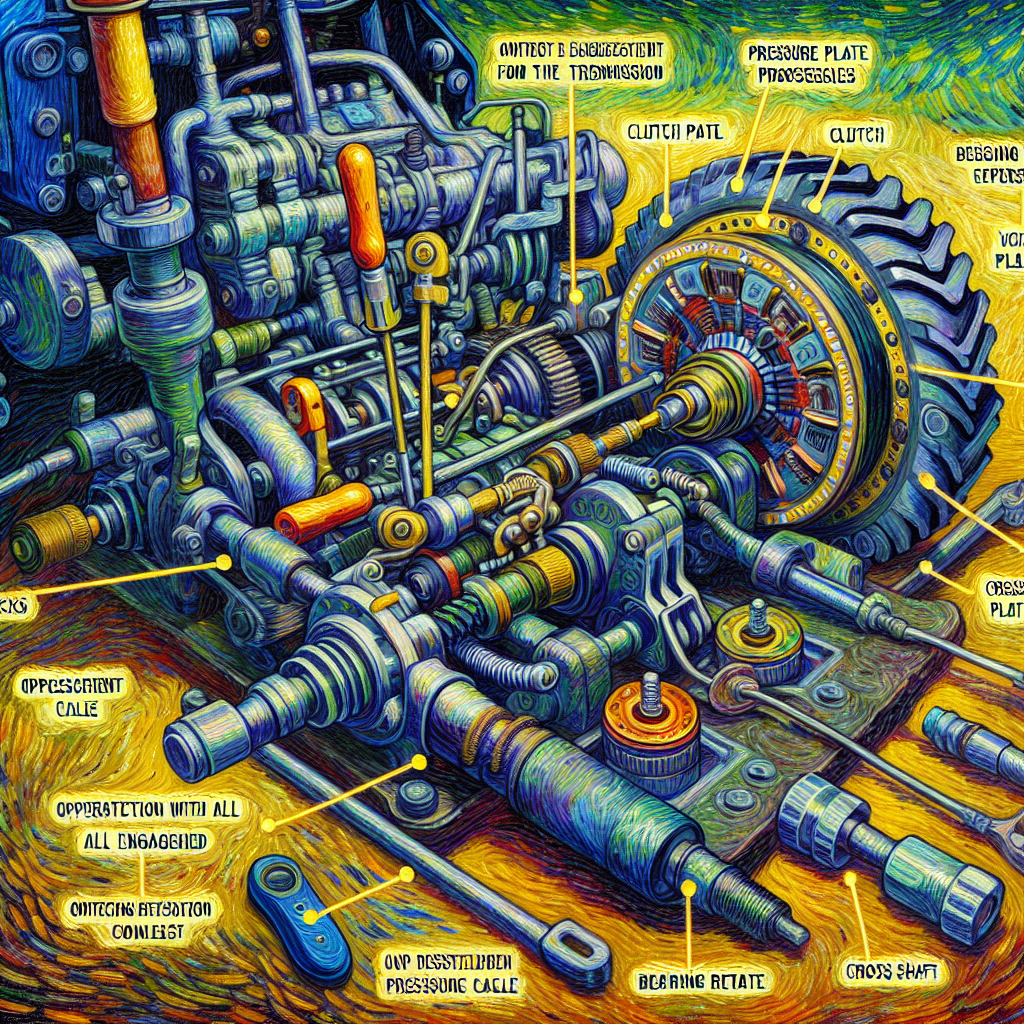
Other Questions
Haiku
How Online Communities Are Preserving Vintage Knowledge – A Haiku
Old tales whisper truth,
Vintage roots nurture our hearts,
Stories bridge our past.

Haiku
Poem
How Online Communities Are Preserving Vintage Knowledge – A Poem
In digital fields where memories flourish,
Vintage knowledge greets us like a cherished cure.
Old tractors rumble, tales intertwined,
Roots of our past in wisdom defined.
Threads of craft, from hands worn and wise,
Stitching together the truths we surmise.
In forums aglow with passion and pride,
A community gathers, with stories as guide.
Echoes of laughter, the scent of the earth,
In nostalgia’s embrace, we find deeper worth.
Each shared experience, a bridge built anew,
Connecting generations through stories so true.
With a mindful heart, we uphold this role,
Preserving the past to nourish the soul.
Through pixels and posts, our legacies grow,
Navigating the present, with wisdom in tow.
Let’s honor the tales that shape who we are,
Each dent in the tractor—a family star.
As guardians of history, we stand hand in hand,
Cultivating connections across every land.
In the tapestry woven from lives lived and shared,
Lies the strength of our roots, the compassion we dared.
So let us engage, recount, and reflect,
For in every story, our hearts intersect.

Poem
Checklist
How Online Communities Are Preserving Vintage Knowledge – A Checklist
Heartfelt Connections
✅______ Reflect on personal memories: What cherished memories from your past resonate with your identity?
✅______ Share personal stories: What anecdotes can you share that highlight the importance of hard work and family bonds?
✅______ Embrace nostalgia: How can nostalgic memories inspire deeper connections with others?
Rational Engagement
✅______ Evaluate information sources: Are the stories you’re encountering credible? Who are their authors?
✅______ Understand historical context: What broader societal issues do these vintage stories address?
✅______ Encourage critical thinking: How can you challenge narratives to ensure a well-rounded understanding?
Ethical Considerations
✅______ Respect traditions: Are you accurately representing the cultural significance of the vintage knowledge you share?
✅______ Acknowledge contributions: Do you credit the sources and communities behind the knowledge or stories being curated?
✅______ Foster inclusivity: Are you inviting diverse perspectives in the discussions around vintage knowledge?
Authority and Trust
✅______ Establish credibility: How can you share your experiences in a way that builds trust within your community?
✅______ Invite dialogue: Are you creating spaces for others to share their stories and insights?
✅______ Provide resources: What guides or references can you offer to support others in exploring vintage knowledge?
Narrative Building
✅______ Weave personal and collective histories: How can you connect your experiences with historical narratives?
✅______ Encourage story sharing: What platforms or communities can help amplify the stories of others?
✅______ Document unique histories: Are you actively preserving your family’s or community’s narratives for future generations?
Social Connections
✅______ Cultivate community bonds: How can story-sharing foster community and shared understanding?
✅______ Engage with online platforms: Which online spaces facilitate discussions about vintage knowledge?
✅______ Celebrate collective wisdom: How can recognizing and celebrating shared experiences enhance community ties?

Checklist
At ClassicTractorNews, we help tractor lovers keep up with the latest news for classic and vintage tractors.
Please share this post with your friends, family, or business associates who may like old classic or vintage tractors.