

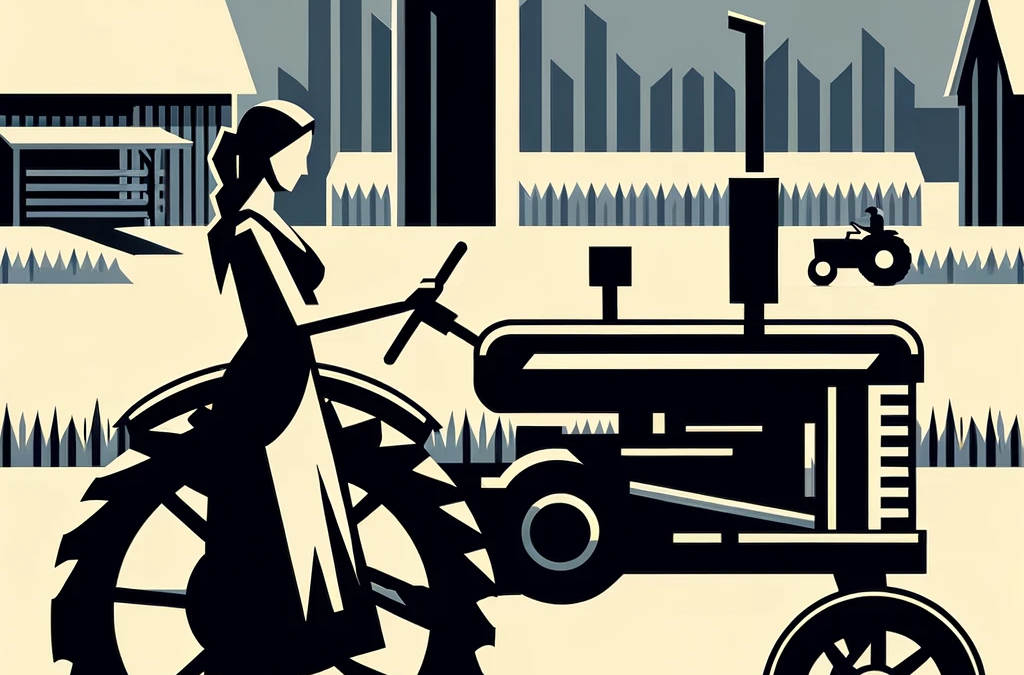
Unlocking Freedom: A Farmer’s Quest Against Tech’s Hidden Chains
By Tom Seest
At ClassicTractorNews, we help tractor lovers keep up with the latest news for classic and vintage tractors.
Please share this post with your friends, family, or business associates who may like old classic or vintage tractors.
How One Farmer Beat the Software Lock on His New Tractor
In the heart of the Midwest, where fields stretch like a vibrant patchwork quilt, a farmer named Jake faced a daunting challenge—his brand-new tractor was immobilized by a software lock, a shiny and advanced piece of machinery that promised efficiency, yet rendered him helpless when it mattered most. This wasn’t just any tractor; it was a symbol of progress, a lifeline for his family and farm.
Jake, like many farmers, had always relied on the rhythm of the seasons, the trust in his hands to work the earth, and his own ingenuity to solve problems. But now, he found himself wrestling with the invisible chains of technology, tethered to a corporate giant whose software dictated when and how he could use his investment. This lock wasn’t just an inconvenience; it felt like a betrayal, an erasure of his identity as a self-sufficient farmer.
With every minute spent waiting for a technician to arrive, the stakes grew higher. Rain clouds loomed ominously, promising to wash away precious crops if he couldn’t navigate the soil soon. Emotion surged through him: fear, frustration, and determination. This wasn’t just about a tractor; it was about his livelihood, his family’s future, and a generations-old connection to the land.
But in that moment of despair, Jake began to draw on his deep-rooted principles—resilience and resourcefulness. He recalled stories from his grandfather, who faced down similar trials with pluck and tenacity. In the tradition of those who came before him, he chose to tap into the collective knowledge of his farming community. With a few phone calls and a dash of courage, he realized he wasn’t alone. Stories of hacking software locks to reclaim autonomy were shared over coffee, and soon he devised a plan.
Jake’s quest became a rallying cry, not just for himself but for fellow farmers shackled by similar constraints. By sharing his journey online, he transformed a personal challenge into a movement, inviting others to reclaim control of their tools. It was about more than fixing a tractor; it was about pride, independence, and fighting back against a system that often forgot the heart of farming—the people who work it.
Through grit and the strength of community, Jake not only beat the software lock but also redefined what it meant to be a farmer in the modern age. He proved that while technology can enhance our capabilities, the true power lies in human spirit, ingenuity, and the unwavering willingness to fight for one’s rightful place in the fields they call home.
How One Farmer Beat the Software Lock on His New Tractor
How One Farmer Beat the Software Lock on His New Tractor
- Jake, a Midwest farmer, faces a challenge when his new tractor is immobilized by a software lock.
- The tractor symbolizes progress and is crucial for Jake’s family’s farm and livelihood.
- Jake battles the constraints of technology, feeling betrayed by a corporate system that controls his machinery.
- As rain threatens his crops, Jake’s emotions shift from fear to determination, emphasizing the connection to the land.
- Drawing on principles of resilience, Jake connects with his farming community for support and ideas.
- His efforts become a movement, encouraging fellow farmers to reclaim control over their tools and independence.
- Jake’s success in overcoming the software lock symbolizes a modern farmer’s fight for autonomy amidst technology.
How One Farmer Beat the Software Lock on His New Tractor
Table Of Contents
- How One Farmer Beat the Software Lock on His New Tractor
- How Did the Farmer Feel When Faced with the Software Lock?
- How Can Farmers Assert Their Rights Over Purchased Technology?
- What Role Does Innovation Play In the Modern Farming Toolkit?
- How Can Other Farmers Learn From This Experience to Avoid Pitfalls?
- How Does Technology Influence Our Autonomy In Various Industries?
- What Can Industry Leaders Do to Ensure Fair Practices In Agriculture?
- Conclusion
- Other Resources
- Glossary Of Terms
- Other Questions
- Haiku
- Poem
- Checklist
How Did the Farmer Feel When Faced with the Software Lock?
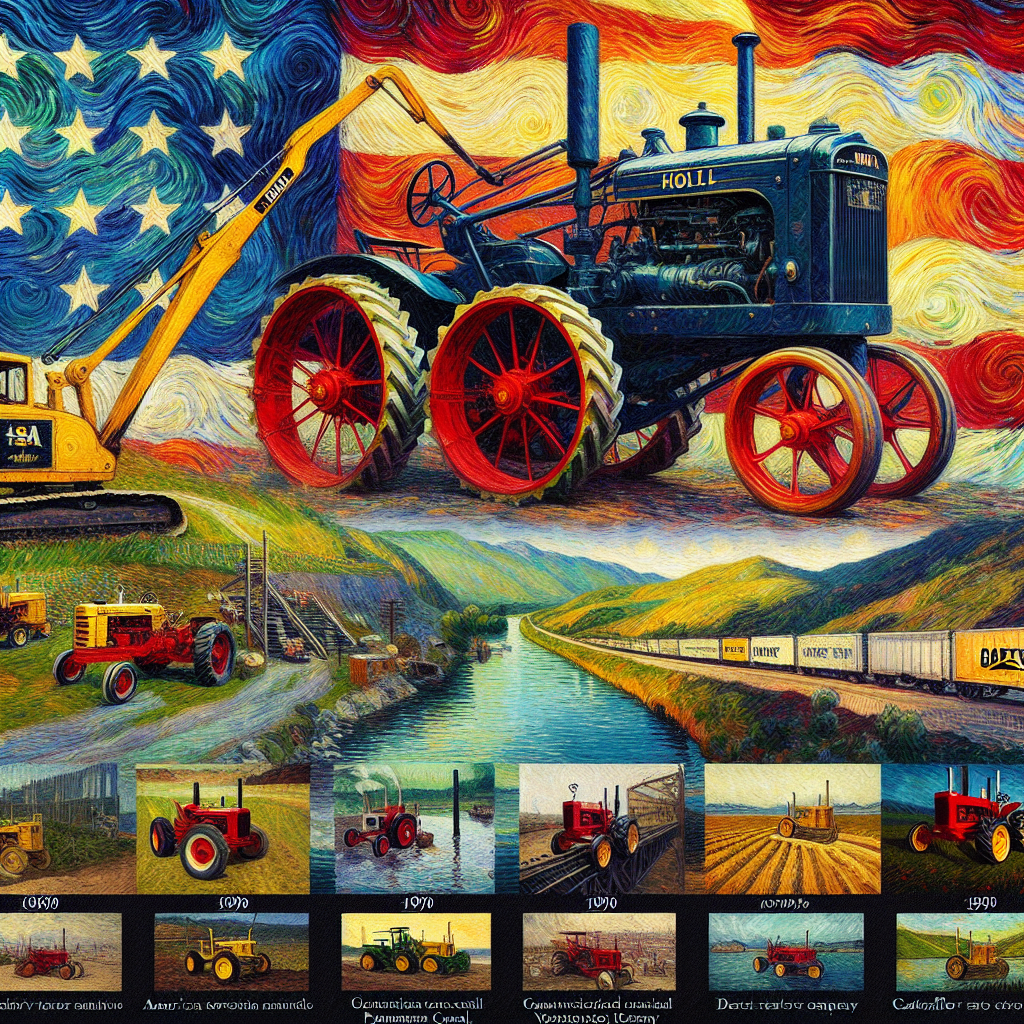
The day was bright, yet the atmosphere on the farm felt thick with tension. The old tractor sat there, an emblem of hard work and perseverance, but now it seemed almost foreboding. When the farmer faced the software lock, that moment of realization hit him like a sudden storm. He had always relied on this machine—not just for its physical power but as a partner in his daily grind. It was supposed to be straightforward, just a simple fix to get back to the fields, but the lock felt like a door slamming shut, barring his way to a livelihood he had built with his own hands.
Frustration coursed through him; it was not merely the tractor’s software that had locked him out but the very essence of control over his own work. This technology, once a gateway to efficiency and progress, had transformed into a barrier. In a world where he had always measured success through sweat and grit, now he found himself wrestling with a system that seemed indifferent to his years of toil. As he sat there, he pondered the irony. There he was, a man who could fix an engine with his eyes closed, but now he was at the mercy of codes and algorithms he could not decipher. It was disheartening.
However, amidst the chaos of frustration stirred a fire of determination. He thought of his father, who had faced similar challenges with worn tools and unyielding soil. The farmer knew that every obstacle could be viewed through two lenses: the immediate setback and the potential for growth. This software lock represented a chance to adapt, to learn a new skill that blended his hands-on experience with modern technology. It was a reminder that, in agriculture as in life, adaptation is the essence of survival.
This moment was also a reminder of community. The farmer had seen his neighbors rally together, sharing solutions and expertise. He realized that this struggle was shared by many—other farmers staring at their screens, feeling the weight of uncertainty. The software lock was not just an isolated incident; it was part of a larger narrative that twisted through the agricultural heartland, where technology meets tradition.
The farmer may have felt isolated at first, but in carrying the burden of his predicament, he found strength in solidarity. His experience became a rallying point, urging others to speak up about their barriers, turning frustration into empowerment. It’s in these moments we learn that progress is often born of adversity, where every locked door can turn into a new entryway, inviting us to push past our limits and grow.
How Did the Farmer Feel When Faced with the Software Lock?
How Did the Farmer Feel When Faced with the Software Lock?
- The farm atmosphere was tense despite a bright day, with the old tractor symbolizing hard work.
- The farmer faced a software lock that obstructed his access to the machine he relied on daily.
- Frustration arose not just from the machine but from losing control over his work.
- The situation highlighted the contrast between traditional farming success and modern technological challenges.
- Despite the setback, the farmer’s determination was fueled by memories of overcoming past challenges.
- This software lock presented an opportunity for adaptation and learning new technological skills.
- The struggle was shared among farmers, emphasizing the importance of community and solidarity in adversity.
How Did the Farmer Feel When Faced with the Software Lock?
How Can Farmers Assert Their Rights Over Purchased Technology?
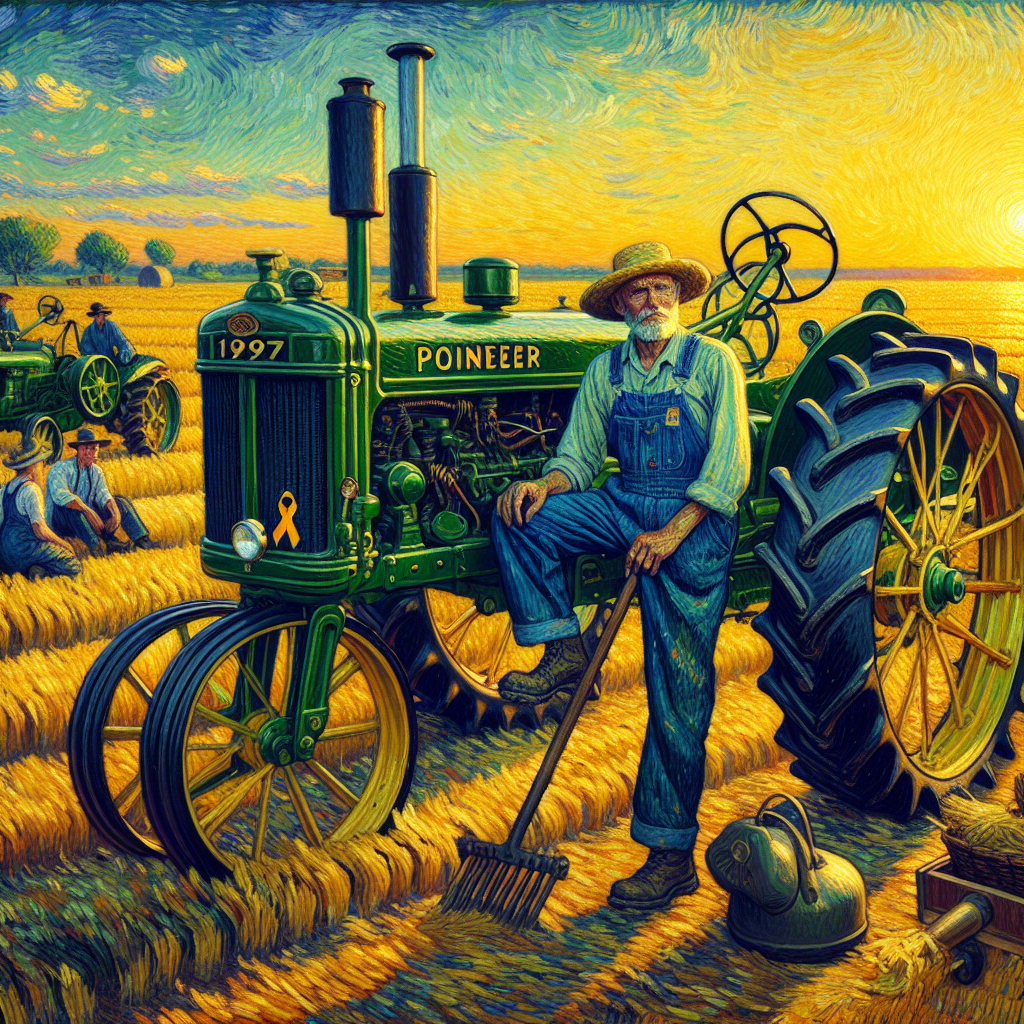
In a world where farming technology intertwines with tradition, the farmer’s right to assert control over purchased technology becomes increasingly paramount. When you think about that trusty tractor sitting in the barn, it’s more than a piece of machinery; it represents years of toil, dedication, and dreams. A farmer’s relationship with their equipment is akin to a craftsman and their tools—ones that have been carefully chosen not just for their functionality, but for the stories they carry and the legacy they build.
Imagine a story of a young farmer, newly embraced by the sprawling landscape of their family farm. They invest in cutting-edge technology, believing it to be a step toward sustainability and efficiency. But then, as they sit in their tractor navigating the field, they discover that the software is tethered to out-of-reach rights and restrictions. This isn’t just about the machinery breaking down; it’s about a farmer’s autonomy being chipped away, piece by piece. It’s a visceral scenario, one that resonates deep within the roots of our agricultural heritage—a clash against the very spirit of independence that farms symbolize.
Farmers must step up and voice their concerns, grounded in both logic and ethics. The reality is that farmers have more power than they realize. By banding together and forming coalitions, they can challenge the restrictive terms that come with the technology. An army of determined farmers can negotiate better terms by leveraging their collective influence. That’s where courage meets common sense; when every farm joins the chorus, the echo is impossible to ignore.
As farmers assert their rights, they also embrace a new narrative. It’s no longer just about using advanced technology; it’s about shaping the future of agriculture. They can become advocates for freedom in innovation, ensuring that ownership includes the right to adapt and modify technological tools according to their needs. This responsibility is both a challenge and an opportunity—a chance to redefine the relationship between farmer and technology, transforming it from servitude to partnership.
Ultimately, the message is clear: technology should empower, not enslave. When a farmer feels as though their rights are acknowledged and respected, their relationship with the land—and each turn of the tractor’s wheel—becomes more about stewardship than submission. It invites trust and creates a powerful shift. This journey calls not only for collective action but also for a heartfelt commitment to preserving the ideals of independence that farming embodies. The landscape of agriculture is evolving, and so can the stance of those who nurture it.
How Can Farmers Assert Their Rights Over Purchased Technology?
How Can Farmers Assert Their Rights Over Purchased Technology?
- The farmer’s right to control purchased technology is essential in the context of modern farming.
- A farmer’s relationship with equipment symbolizes effort, dedication, and legacy.
- New farmers face challenges with software restrictions that limit their autonomy.
- Farmers are encouraged to unite and voice concerns to negotiate better technology terms.
- The narrative of farming is shifting from simple tool usage to empowering agricultural innovation.
- Farmers must advocate for their rights to adapt and modify technology for their needs.
- The relationship with technology should focus on stewardship and independence rather than submission.

How Can Farmers Assert Their Rights Over Purchased Technology?
What Role Does Innovation Play In the Modern Farming Toolkit?
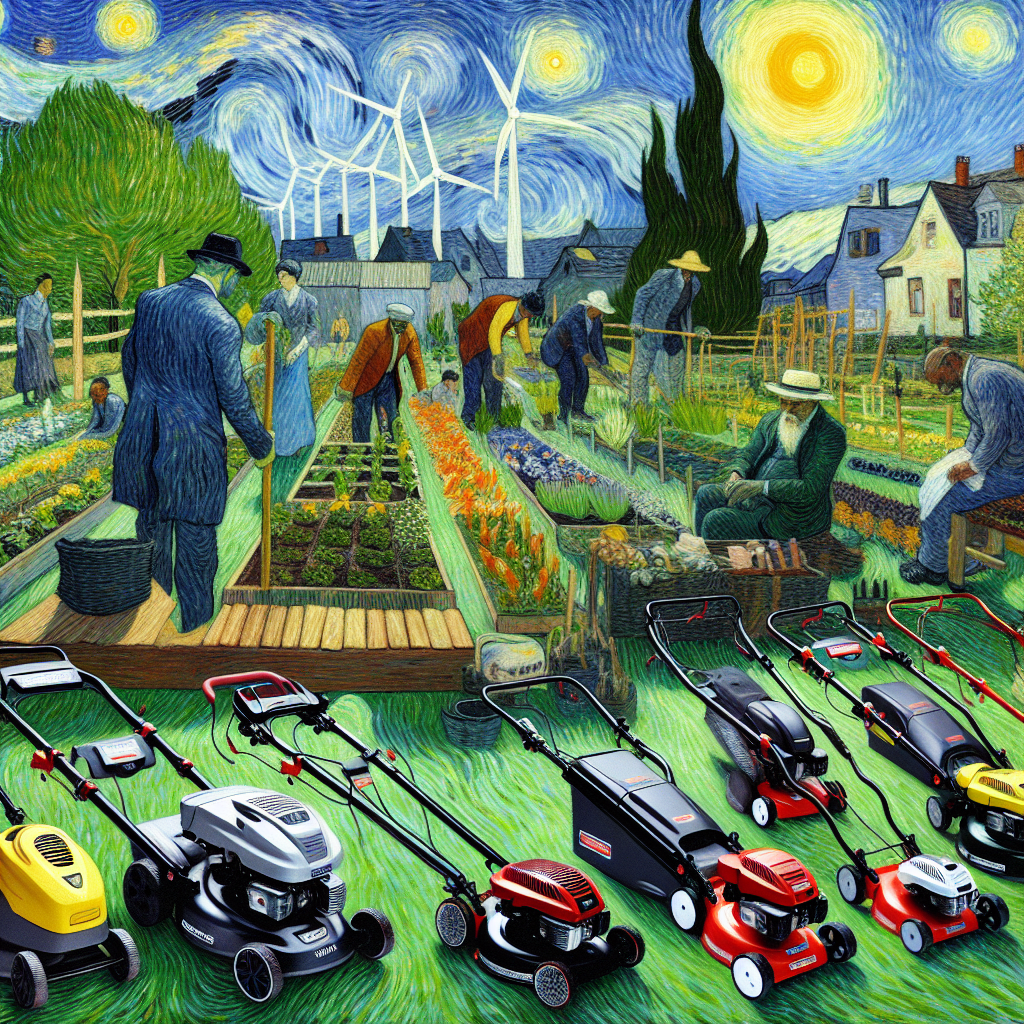
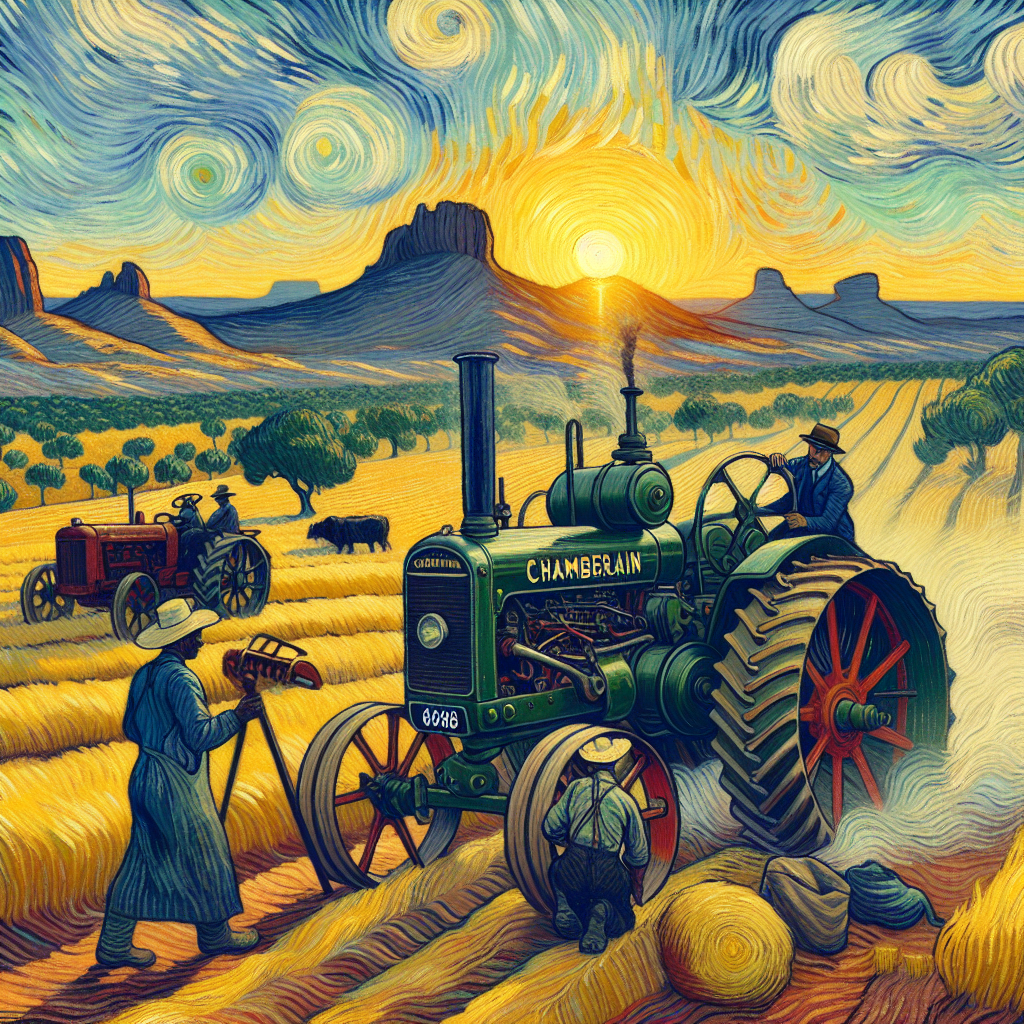
In the heart of America’s farming landscape, where fields stretch endlessly under vast skies, innovation stands as a beacon of hope and resilience. Picture a sturdy tractor, a symbol of tradition, tilling the soil with powerful precision. Yet, it’s not just the machinery that has evolved; it’s the very approach to farming that has transformed. Innovations in agriculture today are as essential as the crops they help to cultivate.
As farmers face unpredictable climates, demanding markets, and the need for sustainability, new technologies provide the tools necessary for survival and success. Consider the story of a family farm that struggled under the weight of rising costs and stagnant yields. By integrating smart sensors and drone technology to monitor crop health, they found a way not only to maximize their yield but also to reduce their environmental footprint. This isn’t merely about food production; it’s about stewardship of the land and future generations. Each innovation serves as a reminder of the delicate balance we uphold between progress and preservation.
At the same time, the emotional connection to this craft runs deep. Farming is an oldest profession, rooted in heritage and hard work. When a farmer harnesses innovative methods, it doesn’t diminish that connection; it enhances it. The use of technologies that automate irrigation or monitor soil health invites farmers to engage with their land in new ways, emphasizing not just efficiency, but a relationship based on respect and understanding. The tractor that once defined farming is now complemented by data analytics, allowing for informed decisions that are as much about care as they are about commerce.
Yet, innovation isn’t just about gadgets or gizmos; it’s about empowerment. The collaborative efforts within agricultural communities to share knowledge transform not just individual farms but entire regions. Farmers are no longer isolated; they’re part of a network that champions sustainability and growth. This social aspect of innovation brings an inspiring sense of belonging, forging connections that empower farmers to learn from one another and collectively respond to challenges.
Ultimately, innovation isn’t an end; it’s a journey, one that we all share. As we stride forward into a future where farming adapts to the shifting tides of our world, let us remember that each innovation is a step toward ensuring we not only feed ourselves but do so with integrity and resilience. The tractor may be a symbol of our past, but our innovative spirit is the engine driving us into a brighter, sustainable future.
What Role Does Innovation Play In the Modern Farming Toolkit?
What Role Does Innovation Play In the Modern Farming Toolkit?
- Innovation in agriculture serves as a beacon of hope and resilience in America’s farming landscape.
- Modern farming integrates new technologies, such as smart sensors and drone technology, to improve yields and sustainability.
- The emotional connection to farming enhances with innovative methods that promote respect for the land.
- Data analytics complement traditional farming practices, allowing for informed and caring decisions.
- Empowerment through collaboration transforms individual farms into interconnected communities focused on sustainability.
- Each innovation in agriculture supports the stewardship of land for future generations.
- The journey of innovation in farming emphasizes integrity and resilience in feeding the world.
What Role Does Innovation Play In the Modern Farming Toolkit?
How Can Other Farmers Learn From This Experience to Avoid Pitfalls?
In the world of farming, lessons are often learned the hard way, but they don’t have to be. Picture this: a farmer, weary after a long day, sits on the hood of his trusty tractor, staring out over the expanse of his fields. He reflects on the mistakes he’s made—flooded crops, neglected equipment, poor market choices—each misstep teaching him something invaluable. This imagery resonates because it’s the embodiment of hard-earned wisdom, something every farmer can understand and learn from.
Farmers today face a unique set of challenges; the climate is shifting, markets are volatile, and machinery costs are out of control. But the beauty of agriculture is in the shared experiences, the stories passed down through generations. By leaning into these narratives, farmers can transform individual hardships into collective knowledge.
Take, for example, the tale of a neighbor who invested heavily in a new irrigation system. The excitement was palpable, but soon after the installation, a river of problems surfaced—issues with the installation, a lack of understanding of water rights, and a sudden drought led to disaster. Instead of burying his head in the sand, he held a community meeting. He shared his story candidly, communicating not just his practical mistakes but also the emotional turmoil—a raw and honest account that resonated with everyone in attendance. His vulnerability fostered a deeper connection among neighbors, encouraging them to engage, collaborate, and learn from his misfortune.
That’s the point. Engagement is about more than sharing tips; it’s about forging bonds. A farmer’s success isn’t solely their own; it’s a reflection of the community around them. When farmers openly share their experiences—both triumphs and pitfalls—they create a safety net.
Consider the power of mentorship: experienced farmers guiding newcomers through the complexities of crop rotation, soil health, and sustainable practices. Just as a tractor is a tool that drives you forward, these relationships propel the entire farming community ahead, ensuring that knowledge is not hoarded but shared.
In an era where technology drives agriculture, let’s not forget the heart and soul of farming. Mistakes will happen, but let them be stepping stones instead of stumbling blocks. Embrace authenticity, draw on shared narratives, and cultivate a spirit of collaboration. When you raise a tractor’s blade to till the soil, you’re not just farming; you’re cultivating a future where everyone thrives, learning from past pitfalls as a united front. Only then can we truly harvest the best that farming has to offer.
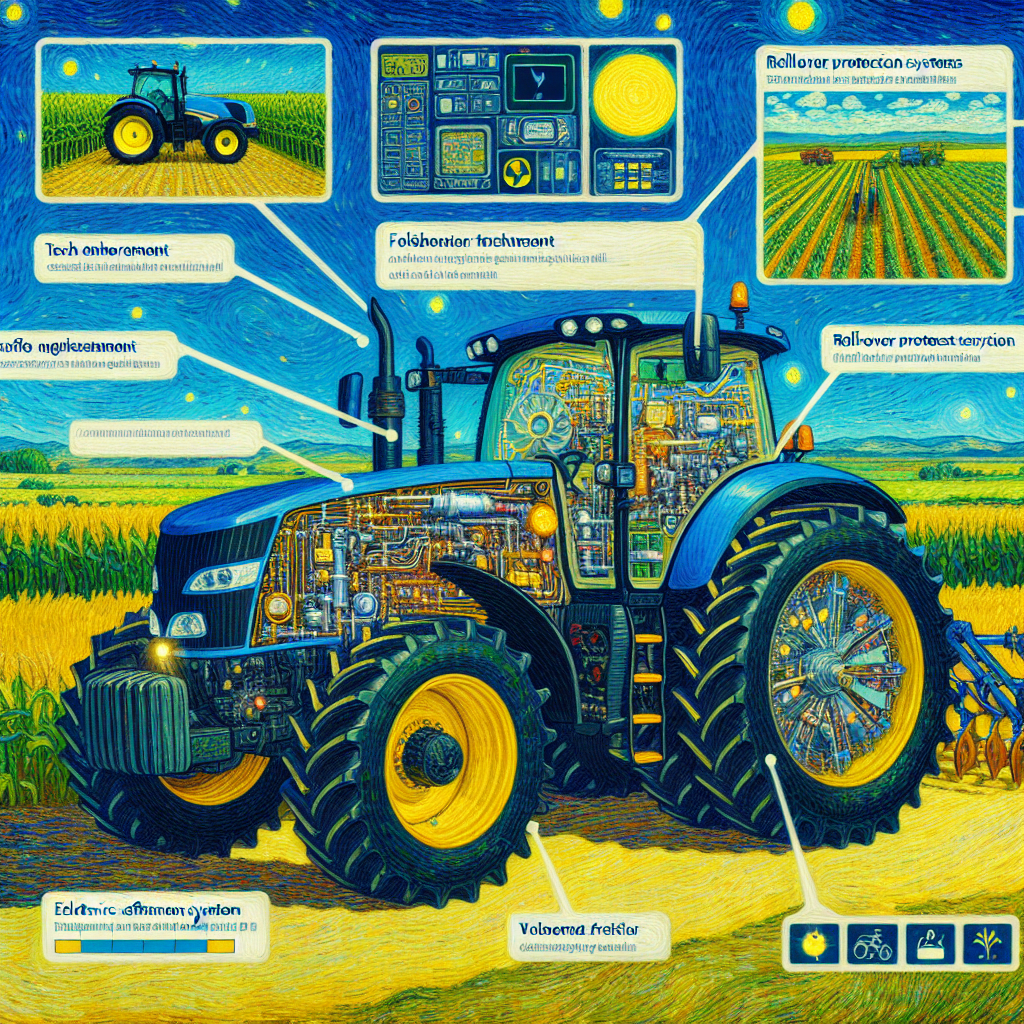
How Can Other Farmers Learn From This Experience to Avoid Pitfalls?
How Can Other Farmers Learn From This Experience to Avoid Pitfalls?
- Farming lessons often stem from hard-earned experiences, emphasizing the importance of reflection on mistakes.
- Farmers today encounter challenges such as climate change, market volatility, and rising machinery costs.
- Shared stories and experiences among farmers create a collective knowledge base that can help navigate hardships.
- A neighbor’s failed irrigation project highlighted the significance of community engagement and open communication about mistakes.
- Vulnerability in sharing experiences fosters deeper connections and encourages collaboration among farmers.
- Mentorship plays a crucial role in guiding new farmers through complex practices, enhancing community resilience.
- Embracing authenticity and a collaborative spirit can transform mistakes into opportunities for growth in agriculture.
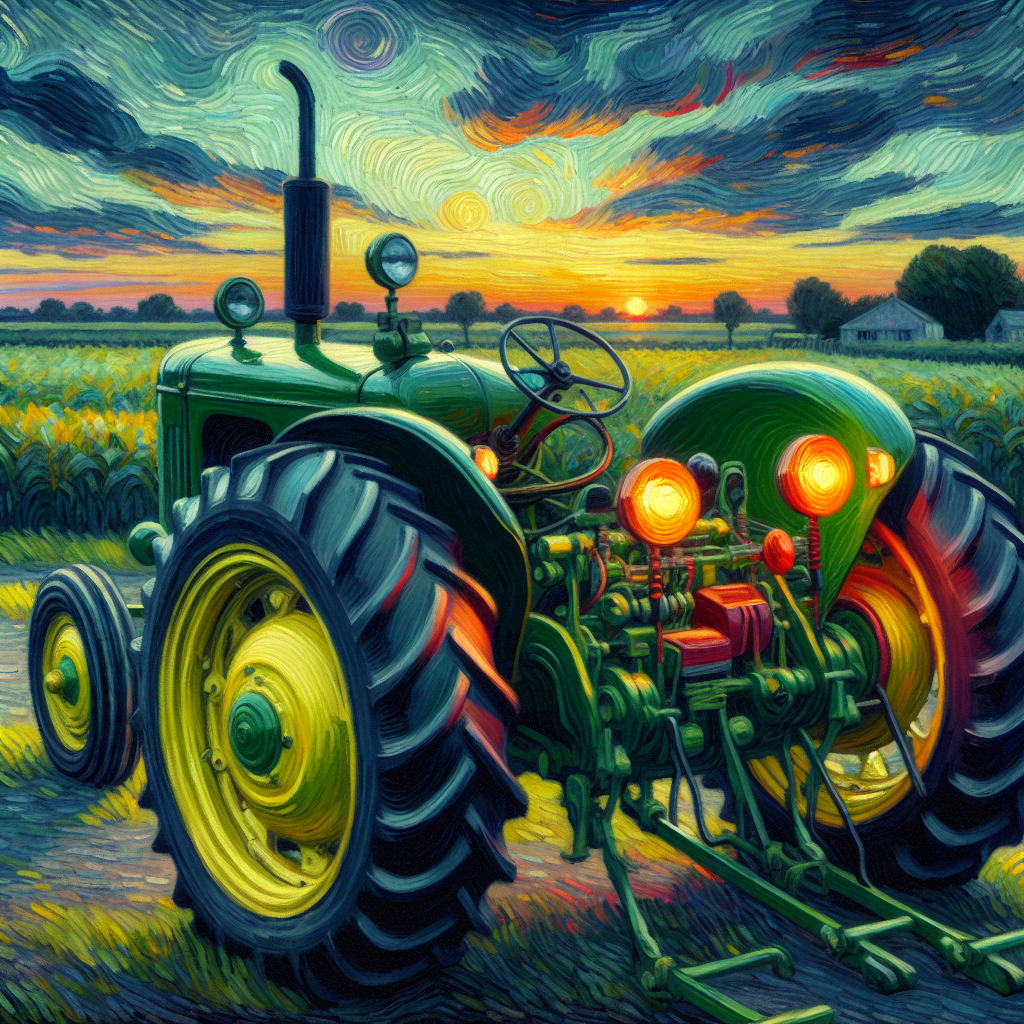
How Can Other Farmers Learn From This Experience to Avoid Pitfalls?
How Does Technology Influence Our Autonomy In Various Industries?
Technology’s influence on our autonomy in various industries is a profound interplay of innovation and choice, reshaping the very essence of how we work and live. Imagine a farmer, standing in a sun-drenched field, surrounded by the hum of tractors, each a marvel of engineering. These machines, equipped with GPS and automated systems, symbolize a larger shift. They shift the burdens of labor while expanding possibilities. But beyond the shiny metal and sophisticated software lies a deeper narrative: the quest for autonomy.
In the agricultural industry, technology can liberate a farmer from the drudgery of manual labor while simultaneously tethering them to the whims of precision farming data. A tractor can cover more ground, but at what cost? The narrative becomes one of balance—a farmer who once guided her tractor through furrows now answers to algorithms that dictate planting patterns. This raises ethical questions about the value of human intuition against data-driven decision-making. Are we enhancing our autonomy by embracing these innovations, or are we subtly ceding control to the very mechanisms that are supposed to empower us?
Consider the healthcare industry, too. Telemedicine allows patients to consult with doctors from the comfort of their homes, fostering autonomy in decision-making. Yet, as we rely on technology to connect us, we must remain aware of the potential disconnect it fosters between patient and provider. The human touch can’t be reduced to a screen. Each click may offer convenience, but can it replace the warmth of genuine interaction? Here lies a poignant truth: autonomy flourishes in spaces where human relationships are preserved—technology should serve as a bridge, not a barrier.
Reflecting on personal experiences, I recall standing with a cousin whose family farm relied heavily on modern machinery to survive a drought. The tractor, outfitted with sensors, brought incredible efficiencies, yet he lamented how it pulled his family further from the land they loved. The autonomy that technology promises can sometimes mean sacrificing human connection to the very work that sustains us.
As we navigate this evolving landscape, we must ask ourselves: Are we steering the tractors of our lives, or are we merely passengers? The real challenge lies in harnessing technology to enhance our autonomy without losing sight of what makes us inherently human. Embracing innovation is vital, but it should never come at the expense of our connection to each other or to our work. True autonomy is not just about having technology at our fingertips; it’s about cultivating relationships that empower us to thrive.
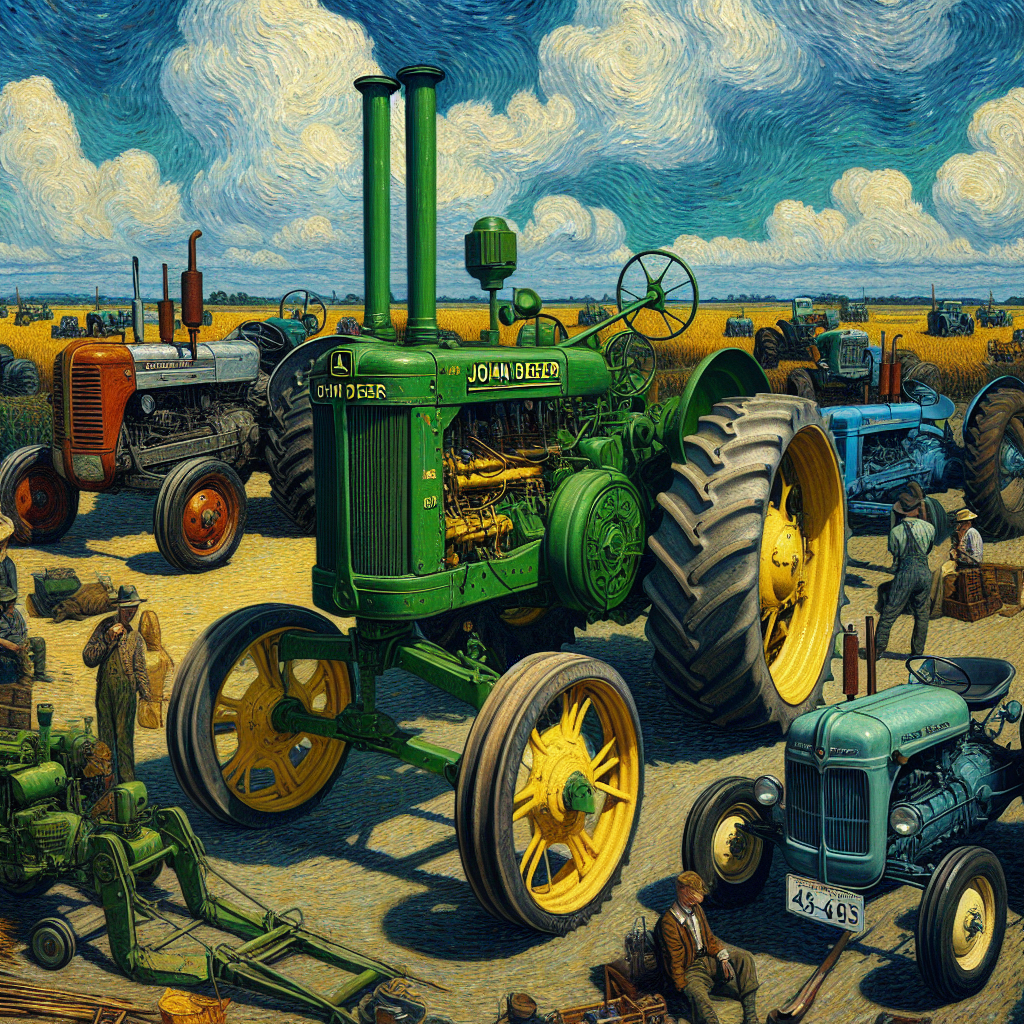
How Does Technology Influence Our Autonomy In Various Industries?
How Does Technology Influence Our Autonomy In Various Industries?
- Technology influences autonomy in various industries, reshaping work and life.
- In agriculture, technology liberates farmers from manual labor but ties them to precision data.
- This shift raises ethical questions about human intuition versus data-driven decisions.
- Healthcare technology, like telemedicine, enhances patient autonomy while risking disconnect between patients and providers.
- True autonomy requires preserving human relationships amidst technological advancements.
- Personal experiences highlight the trade-off between efficiency and connection to the land and work.
- Real autonomy involves harnessing technology without sacrificing human values and relationships.
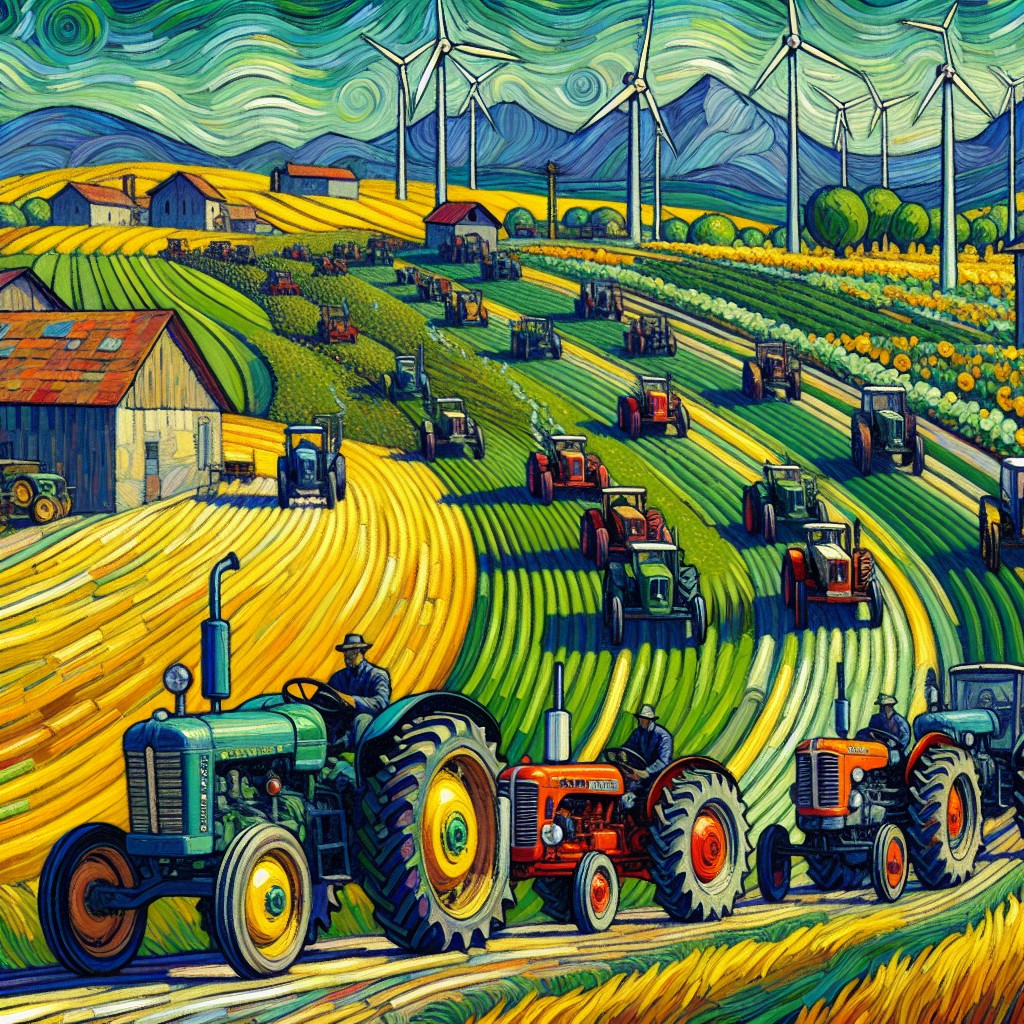
How Does Technology Influence Our Autonomy In Various Industries?
What Can Industry Leaders Do to Ensure Fair Practices In Agriculture?
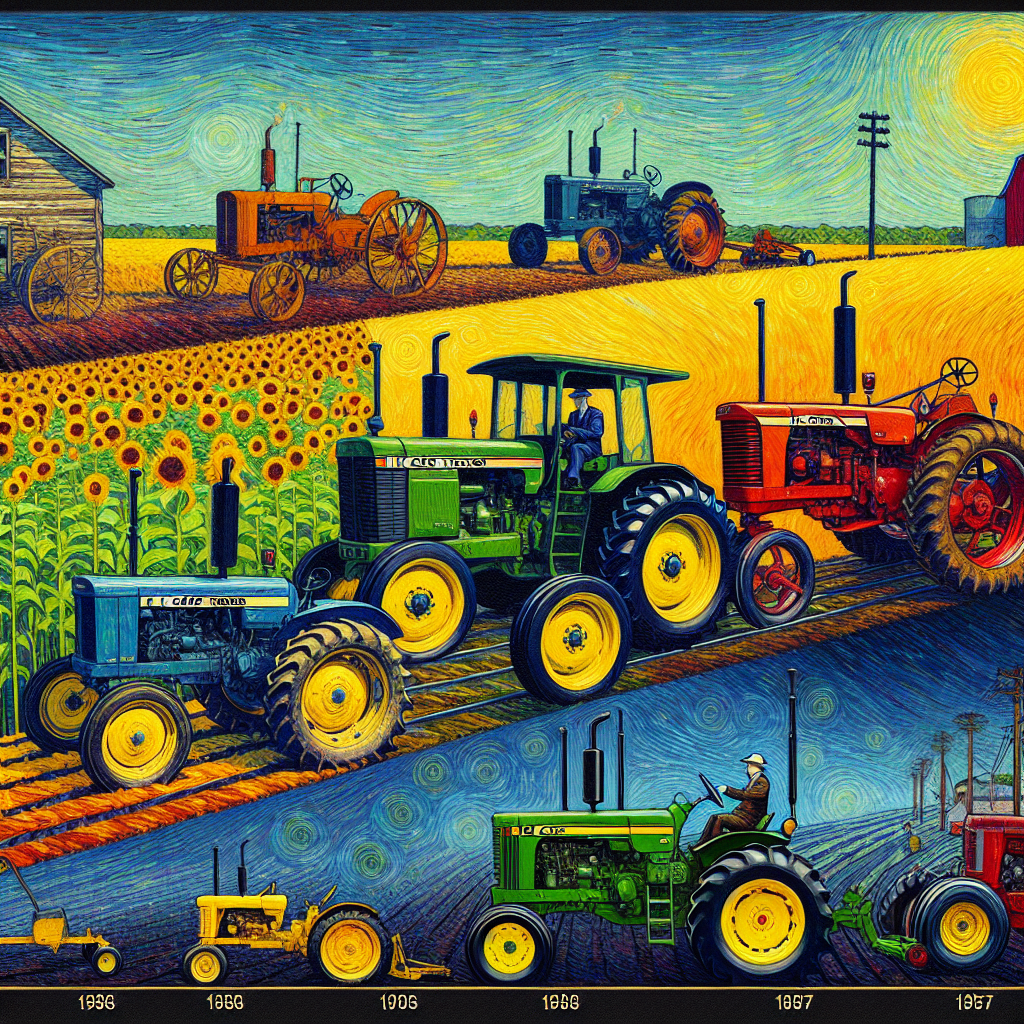
In a world where the roots of agriculture run deep, industry leaders hold the reins to cultivate not just crops, but ethical practices that nourish communities. Picture a tractor starting up early in the morning, its engine rumbling to life in the stillness of dawn. This is no mere machine; it symbolizes the hardworking spirit of farmers nationwide, individuals dedicated to feeding the world while often facing towering odds. Yet, behind those fields lies a complex narrative woven with threads of fairness, equity, and resilience.
To safeguard fair practices, leaders must become both the stewards and storytellers of this industry. Engage with farmers not just as suppliers of goods but as essential partners with stories of their own. Acknowledging both their struggles and victories creates a tapestry of connection that fosters trust. For instance, imagine a farming family who worked tirelessly to keep their land, battling drought and fluctuating prices. When leaders extend their hands, offering resources and support, this connection transforms hardship into hope. It’s an invitation for collaboration, challenging leaders to listen and adapt policies that reflect the needs and dreams of those cultivating the land.
Ethics, too, must be at the forefront of decision-making. Leaders should champion transparency, ensuring every stakeholder understands the economic and social repercussions of agricultural practices. This is not merely a business transaction; it’s a commitment to integrity. By prioritizing fair wages and humane working conditions, leaders can reshape the agricultural landscape, fostering an environment where every hand that works the soil is respected and rewarded.
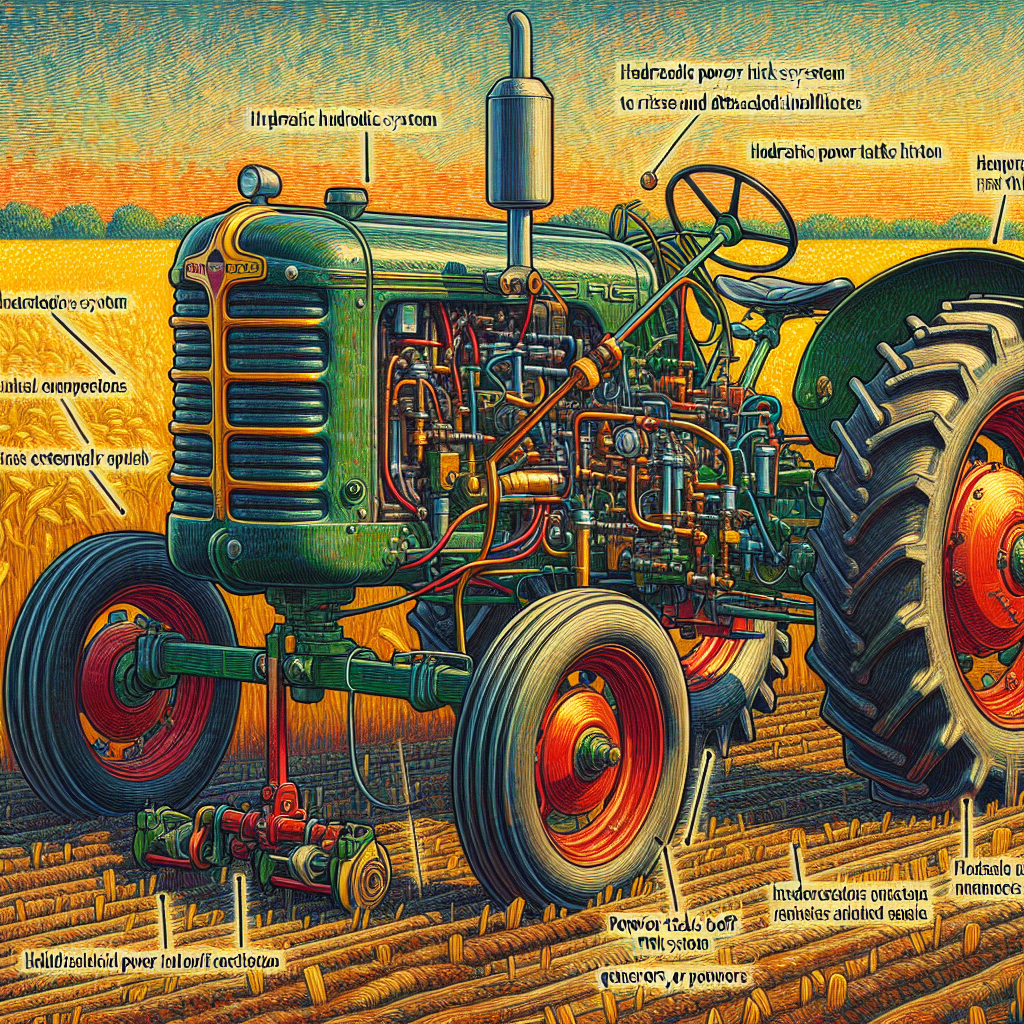
Moreover, leveraging technology can revolutionize how fair practices are upheld. For instance, data-driven approaches to supply chain management can illuminate inequities and inefficiencies, allowing leaders to take action where it matters most. Imagine a system where each tractor’s journey—from the field to the market—is meticulously tracked, ensuring that profits are fairly shared among all involved. This innovation appeals to the rational mind, advancing fairness while enhancing productivity.
Ultimately, industry leaders must recognize that agriculture is not just an industry; it’s a lifeline that connects us to our roots. By nurturing relationships, prioritizing ethics, and embracing innovation, they can ensure that fair practices flourish, fostering a future where all can thrive—rich in diversity, equity, and promise. This call to action is not a distant hope but a tangible reality, waiting for those willing to cultivate it. Together, let’s drive forward with purpose, knowing that every field of dreams begins with a single seed planted in fairness.
What Can Industry Leaders Do to Ensure Fair Practices In Agriculture?
What Can Industry Leaders Do to Ensure Fair Practices In Agriculture?
- Industry leaders shape agriculture by promoting ethical practices that benefit communities.
- Farmers symbolize dedication and resilience in the face of challenges to food production.
- Leaders must view farmers as partners and acknowledge their stories to build trust.
- Ethical decision-making involves transparency and prioritizing fair wages and humane working conditions.
- Technology can enhance fairness through data-driven supply chain management.
- Recognizing agriculture as a vital connection to roots encourages nurturing relationships and innovation.
- A collective call to action can lead to a future rich in diversity, equity, and promise.
What Can Industry Leaders Do to Ensure Fair Practices In Agriculture?
Conclusion
In a world where innovation and tradition collide, one farmer’s battle against a software lock illustrates not just a personal struggle, but a critical challenge faced by many in the agricultural community. Jake, a farmer in the Midwest, found himself locked out of the very machine he relied upon, his new tractor—a representation of progress—now immobilized by corporate constraints. This wasn’t merely about machinery; it was a betrayal of the independence that farming embodies, turning hope into frustration and igniting a fire of determination within him.
Facing mounting pressure as storms threatened his crops, Jake drew from a legacy of resilience. He harkened back to the stories of his grandfather’s tenacity, connecting with fellow farmers who shared similar frustrations. What started as a solitary challenge quickly transformed into a community movement, as farmers rallied together to reclaim control over their equipment. Jake not only unlocked his tractor but also sparked a conversation across rural America about autonomy in the face of technology’s tightening grip.
This tale transcends individual hardship; it speaks to a broader narrative about the rights of farmers over their purchased technology. Farmers have invested not only their money but their hopes and dreams into their machinery, and it’s essential that they retain the ability to modify and adapt those tools. By banding together, farmers can assert their rights, negotiating better terms with manufacturers and ensuring that technology serves them—not the other way around.
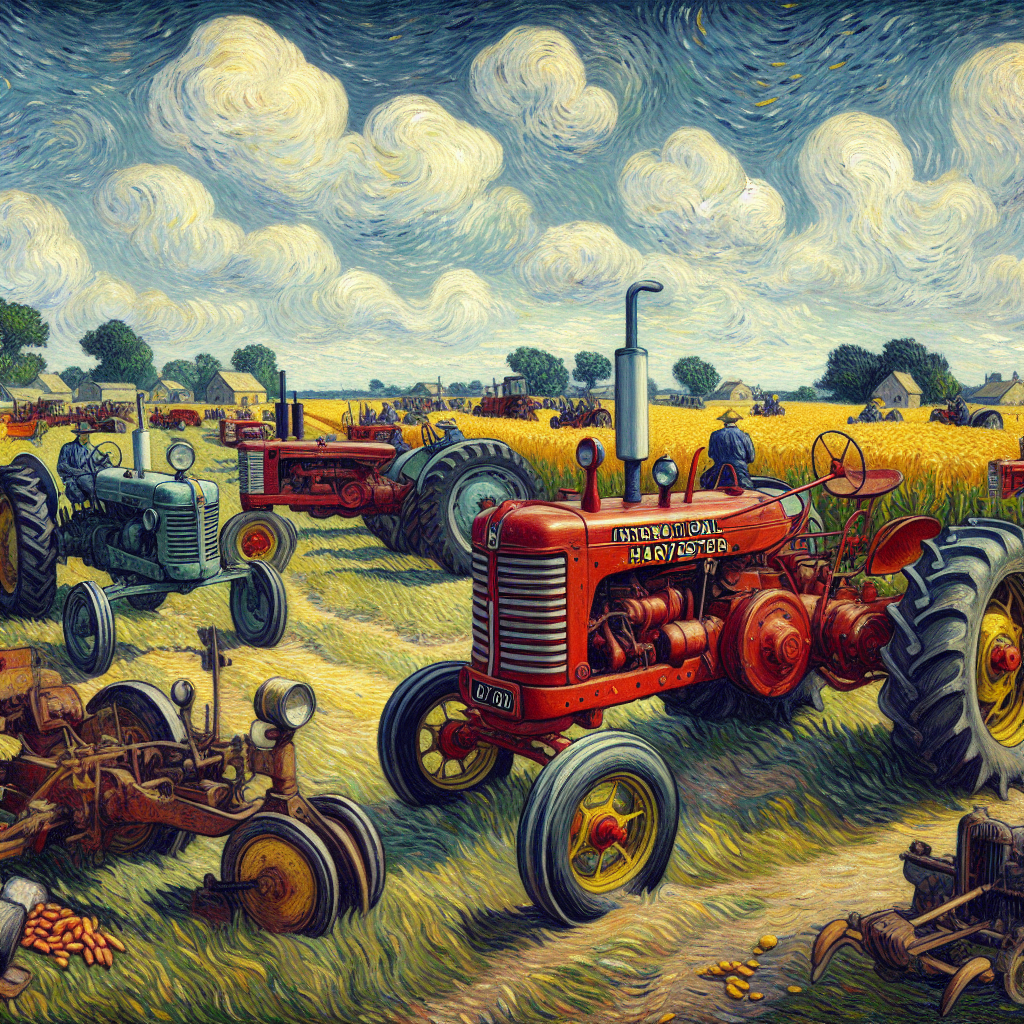
Innovation is pivotal in modern agricultural practices, offering solutions to familiar dilemmas. Yet, it also requires a delicate balance; technology should enhance the farmer’s autonomy rather than diminish it. Much like the tractor symbolizes strength and tradition, embracing modern tools enriches our agricultural narrative. But we must remain vigilant, for each advancement must honor the deep-rooted connections between farmers and the land.
Jake’s journey serves as an inspiration, reminding us that the fight for autonomy in agriculture is not a solo venture. It’s a collective experience where shared stories empower the community, transforming challenges into collective knowledge. Each setback becomes an opportunity for growth, fostering bonds among farmers who support and uplift one another.
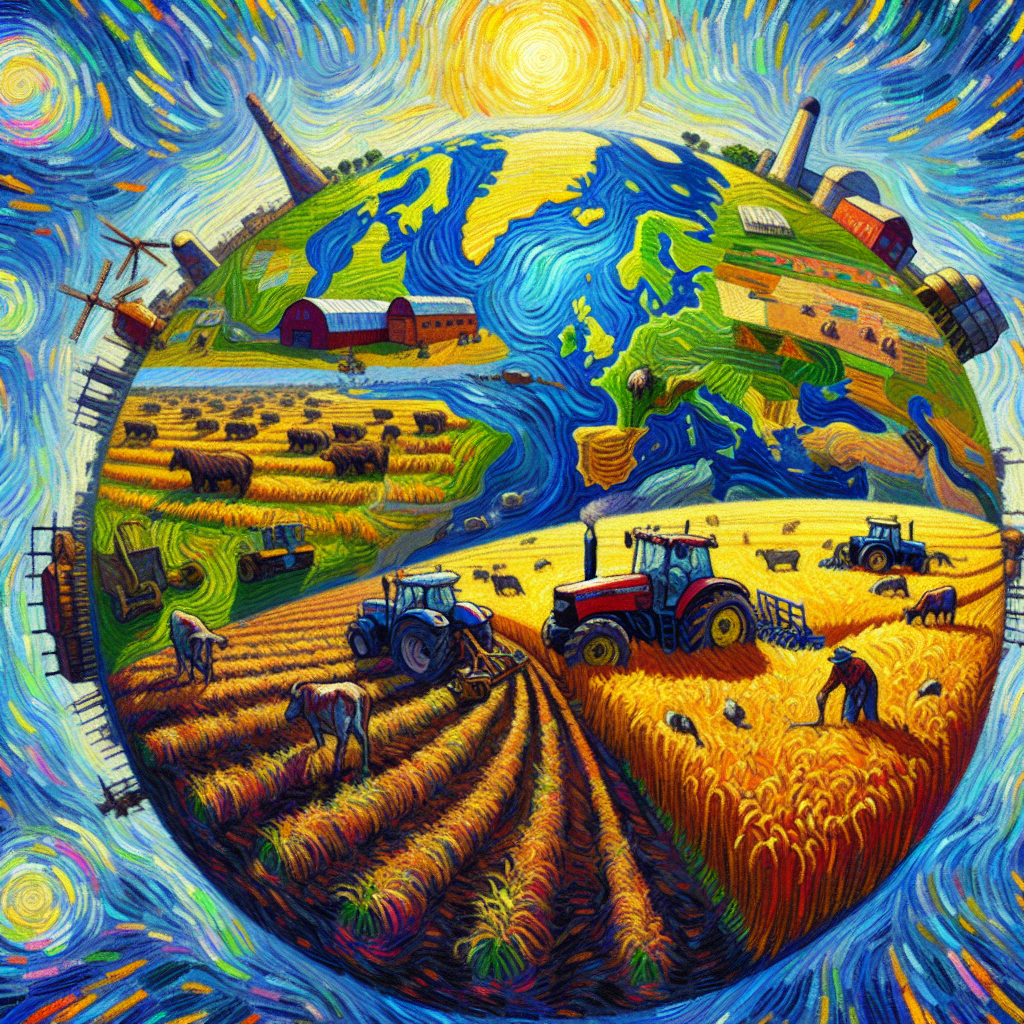
As we reflect on this story, it becomes clear: agricultural innovation must bring us closer to our roots, not further from them. The true essence of farming lies in community, resilience, and an unwavering commitment to preserving the spirits of freedom and independence. Embracing technology while holding onto these values will cultivate a future where farmers thrive, not just as individual operators but as a united force steering the course of agriculture toward a more equitable horizon.
Conclusion
Conclusion:
- Jake, a Midwest farmer, faces a critical challenge when locked out of his new tractor due to corporate software constraints.
- This struggle symbolizes the broader issue of autonomy for farmers in the face of increasing technological control.
- Jake’s determination leads to a community movement as fellow farmers rally to reclaim control over their equipment.
- The narrative highlights the importance of farmers’ rights to modify and adapt the technology they purchase.
- While innovation enhances agricultural practices, it should not diminish farmers’ independence.
- Jake’s journey reflects the power of shared stories and collective knowledge among farmers to overcome challenges.
- The future of agriculture must embrace technology while maintaining community, resilience, and a commitment to independence.
Conclusion
Other Resources
Other Resources
Here is a list of other resources you can review online to learn more:
- Samson
- Fate-Root-Heath
- Monarch Tractor
- Bombardier
- CLAAS
- Fairfield County Antique Tractor Club
- Summit Tractors
- Bristol
- Ursus
- Mmaine Antique Tractor Club
- Unitrak
- Empire
- Cub Cadet
- Fiat
- Fordson
- Big Iron Farm Show
- NM Farm & Ranch Heritage Museum
- Fendt International
- Central Washington Agricultural Museum
- Agriculture and the Environment
Use This Prompt To Get More Resources With Your Favorite Online AI Tool: Please provide me with a list of online articles with their URLs in a bulleted list that I can read regarding How One Farmer Beat the Software Lock on His New Tractor
Other Resources
Glossary Terms
How One Farmer Beat the Software Lock on His New Tractor – Glossary Of Terms
1. Software lock — A software-enforced restriction that limits features or access to a device unless conditions set by the manufacturer are met.
2. Immobilizer — A security system that prevents engine start unless authorized credentials or signals are present.
3. ECU (Engine Control Unit) — The onboard computer that controls engine and drivetrain functions through software and sensors.
4. Firmware — Low-level software embedded in hardware that controls device operation and interfaces with the ECU.
5. Bootloader — The initial program that loads firmware on startup; often a gatekeeper for permitted firmware updates.
6. Code signing — Cryptographic signatures attached to firmware or software that verify origin and integrity.
7. Cryptographic key — A secret or public value used to sign, encrypt, or authenticate software and communications.
8. TPM (Trusted Platform Module) — A hardware component that stores keys and enforces security policies.
9. CAN bus (Controller Area Network) — The in-vehicle communication network used by vehicle subsystems to exchange messages.
10. Diagnostic port — Manufacturer or standardized interface (e. g. , OBD) used for diagnostics, configuration, and updates.
11. Telematics — Remote data collection and connectivity services used for monitoring, updates, and remote control.
12. Manufacturer lock — Vendor-applied restrictions tied to accounts, serial numbers, or signed firmware to control use and service.
13. DRM (Digital Rights Management) — Techniques used to restrict how software and functionality are used or transferred.
14. Reverse engineering — The process of analyzing a product to understand its design, protocols, or code without original documentation.
15. Jailbreaking / Rooting — Removing or bypassing device-enforced restrictions to gain elevated access to the system.
16. Flashing — Replacing or updating firmware stored in a device’s nonvolatile memory.
17. Rollback protection — Mechanisms that prevent installing older, potentially vulnerable firmware versions.
18. Hex editor — A tool for viewing or editing binary files at the byte level; used for low-level inspection of firmware.
19. Bricking — Rendering a device nonfunctional through a failed or incompatible software modification.
20. Aftermarket tuner — Third-party hardware or software that modifies device behavior or performance settings.
21. Warranty voiding — The contractual consequence from a manufacturer when unauthorized repairs or modifications are performed.
22. Right to Repair — Legal and policy movement advocating consumer/business ability to repair and modify owned equipment.
23. DMCA anti-circumvention — Legal provisions in some jurisdictions that prohibit bypassing technological protection measures.
24. EULA (End-User License Agreement) — Contract that governs permitted uses of software and may impose restrictions on modification.
25. Proprietary protocol — A vendor-specific communication format that may not be publicly documented.
26. Obfuscation — Techniques used by developers to make code or protocols harder to analyze.
27. Security through obscurity — Reliance on secrecy of design or implementation rather than robust security controls.
28. Audit trail / telematics logs — Recorded events and telemetry that can show attempts to modify or access systems.
29. Ethical hacking — Authorized testing and analysis aimed at identifying vulnerabilities and improving security.
30. Software escrow — A third-party arrangement to hold source code or tools so users can access them under defined conditions. Glossary Of Terms
Other Questions
How One Farmer Beat the Software Lock on His New Tractor – Other Questions
If you wish to explore and discover more, consider looking for answers to these questions:
- What exactly was the software lock and how did it prevent the tractor from operating?
- What make, model, and year was Jake’s tractor?
- How did Jake discover the specific cause of the lock?
- What technical method did he use to bypass or disable the lock?
- What skills, tools, or equipment were required to execute the workaround?
- How long did it take from discovery to regaining control of the tractor?
- Did bypassing the lock void the warranty or any service agreements?
- Was Jake’s action legal under local, state, or federal law?
- Did the manufacturer respond or attempt to re-lock or counteract his fix?
- Were there any immediate safety or operational risks after unlocking?
- Did the workaround affect other software-dependent systems on the tractor?
- Did Jake lose any features or functionality as a result of the fix?
- What are the potential long-term risks of using a modified or unlocked tractor?
- How common are software locks on modern agricultural equipment?
- What are the manufacturer’s stated reasons for implementing such locks?
- How do software locks interact with remote diagnostics, telemetry, or data collection?
- Who owns the data generated by the tractor and how is it used or shared?
- Could unlocking the tractor expose it to cybersecurity vulnerabilities?
- What insurance implications arise from modifying factory software?
- How did Jake find or build the community support that helped him?
- What steps should other farmers take immediately if they encounter a similar lock?
- Are there established right-to-repair laws or campaigns relevant to this issue?
- What legal or regulatory recourse is available to farmers locked out of purchased equipment?
- How can farmers negotiate contract terms or purchase agreements to avoid restrictive locks?
- What role can cooperatives, unions, or associations play in protecting farmer rights?
- Are there reputable third-party repair services that can lawfully unlock equipment?
- What are the ethical considerations around bypassing manufacturer controls?
- Are there open-source or community-driven alternatives to proprietary control systems?
- How does this issue affect resale value and secondary markets for used equipment?
- What evidence or documentation should farmers collect when a lock occurs?
- How might industry leaders or policymakers respond to prevent future lock-related disruptions?
- What resources, guides, or advocacy groups exist to help farmers navigate these problems?
Other Questions
Haiku
How One Farmer Beat the Software Lock on His New Tractor – A Haiku
Tractor’s chains now break,
Farmers rise in unity,
Tech meets heart and soul.
Haiku
Poem
How One Farmer Beat the Software Lock on His New Tractor – A Poem
In fields of green where hopes arise,
A farmer, Jake, with weary eyes,
Faced a lock, a cruel chain,
Tech’s grip tight, a source of pain.
His tractor, gleaming, stood in vain,
Promised harvest, yet brought disdain.
A symbol of toil turned into strife,
For in that moment, he questioned life.
Yet, resilience burned, deep within,
With stories of ancestors, he dared to begin.
Through community’s strength, a fire ignited,
Together, they challenged what felt so blighted.
Every click and code, a battle fought,
Freedom was sought, a lesson taught.
For every tool purchased, a right to claim,
To mold their fate, to stake their name.
Innovation blossomed, a beacon bright,
Empowering hands to wield their might.
Not chains of tech, but partnerships forged,
In unity, their saga emerged.
A call to arms for every farmer near,
Share your stories, dispel your fear.
Through shared wisdom, pitfalls turned gold,
A tapestry woven, a future bold.
Let autonomy reign, let control be true,
In the heart of farming, it starts anew.
With integrity driving every choice,
Together, let’s rise, let’s find our voice.
Poem
Checklist
How One Farmer Beat the Software Lock on His New Tractor – A Checklist
Emotional Appeals
✅______ Reflect on your personal stories of overcoming challenges in farming \
✅______ Share your experience with technology—both positive and negative—within your farming practices \
✅______ Connect with the emotions tied to independence and self-sufficiency in agriculture \
Rational Appeals
✅______ Analyze the implications of technology restrictions on your farming operations \
✅______ Research potential solutions and innovations that can help regain control over your tools \
✅______ Consider the cost-benefit analysis of investing in technology versus traditional methods \
Ethical Appeals
✅______ Advocate for your rights as a farmer regarding ownership of technology \
✅______ Join or form coalitions to negotiate fair terms with tech companies \
✅______ Stay informed about the ethical implications of technology in agriculture \
Authority Appeals
✅______ Seek mentorship from experienced farmers who have navigated similar challenges \
✅______ Utilize resources from agricultural organizations for advocacy and support \
✅______ Attend workshops on technology usage and rights in farming \
Narrative Appeals
✅______ Share compelling stories of farmers who successfully reclaimed their autonomy \
✅______ Use anecdotes from your community to illustrate the broader impact of technology on farming \
✅______ Document your journey to highlight the struggles and triumphs within your farming experience \
Social Appeals
✅______ Join local farming networks to exchange knowledge and support \
✅______ Participate in community meetings to discuss tech-related farming issues \
✅______ Encourage collaborative efforts to counter restrictive practices in technology usage \
Action Items
✅______ Write down your own experiences with technology in farming \
✅______ Reach out to at least three fellow farmers to discuss their views on technology constraints \
✅______ Develop a personal plan to advocate for your rights in technology use \
✅______ Engage in community discussions about the future of farming and technology \
Checklist
At ClassicTractorNews, we help tractor lovers keep up with the latest news for classic and vintage tractors.
Please share this post with your friends, family, or business associates who may like old classic or vintage tractors.