


Unearth The True Value Of A Restored Minneapolis-Moline 445 Today
By Tom Seest
At ClassicTractorNews, we help tractor lovers keep up with the latest news for classic and vintage tractors.
Please share this post with your friends, family, or business associates who may like old classic or vintage tractors.
How Much Is a Minneapolis-Moline 445 Worth Restored?
In the world of vintage tractors, few machines evoke as much nostalgia as the Minneapolis-Moline 445. These robust pieces of machinery are more than just iron and paint; they’re a testament to hard work and the spirit of agriculture, embodying generations of labor and love. So, how much is a restored Minneapolis-Moline 445 worth? The answer isn’t just numeric—it resonates deep within our hearts and minds.
When you first encounter a fully restored Minneapolis-Moline 445, it’s not just about its physical appearance. It’s about the stories it carries. This tractor was once the backbone of a farm, plowing fields, planting crops, and so much more. The emotional weight behind the restoration speaks to those who understand the relentless effort that defined rural life. For the farmer or collector, this isn’t merely a hobby; it’s a labor of love, a way to honor the past while celebrating the present. Every scratch and dent, meticulously repaired, tells a story of resilience.
From a rational standpoint, the worth of a Minneapolis-Moline 445 greatly depends on several factors: its condition, the completeness of its components, and the market demand. A well-restored tractor, meticulously cared for and showcased, can command prices ranging from $10,000 to $20,000 or more. A potential buyer must weigh not just the monetary value, but also the investment in time, expertise, and passion that goes into restoration.
Ethically speaking, restoring such a tractor fosters a connection with the agricultural community. It’s about preserving history for future generations—keeping alive the memory of hard-working farmers who relied on these machines. Every restoration is an act of stewardship, a commitment to honoring the legacy of those who toiled under the sun.
Narratively, think about the farmer who at dawn fired up his Minneapolis-Moline to till the land, filling the air with the sounds of promise. There’s an intrinsic social value in restoring a tractor like this, bringing together communities of enthusiasts and collectors who share a love for the craft. It’s not just a transaction; it’s a connection that binds individuals through shared experiences and common goals.
Ultimately, the value of a restored Minneapolis-Moline 445 transcends mere dollars. It’s about connection, respect for history, and the fulfillment derived from reviving a piece of our collective heritage. That’s where trust lies—heartfelt, authentic, and undeniable.

How Much Is a Minneapolis-Moline 445 Worth Restored?
How Much Is a Minneapolis-Moline 445 Worth Restored?
- The Minneapolis-Moline 445 represents nostalgia and agricultural heritage.
- Restoration is a labor of love, honoring the past and celebrating present agricultural life.
- The tractor’s worth ranges from $10,000 to $20,000 based on condition and market demand.
- Restoration requires time, expertise, and passion beyond just monetary value.
- It fosters a connection with the agricultural community and preserves history for future generations.
- The process brings together enthusiasts, creating bonds through shared experiences.
- The value of a restored Minneapolis-Moline 445 extends beyond dollars, embodying respect and fulfillment.
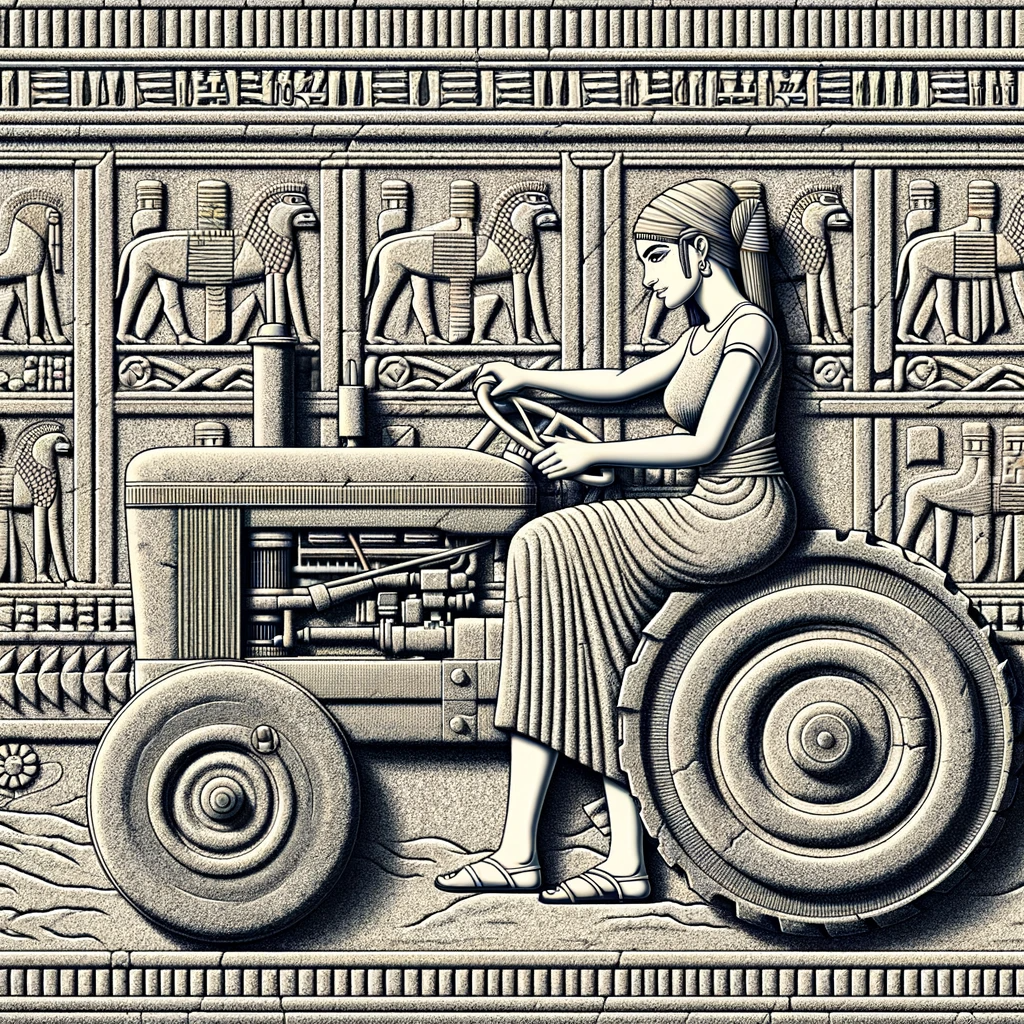
How Much Is a Minneapolis-Moline 445 Worth Restored?
Table Of Contents
- How Much Is a Minneapolis-Moline 445 Worth Restored?
- How Does the Classic Tractor Restore Its Historical Value?
- What Emotions Does Owning a Restored Tractor Evoke?
- What Stories Do Minneapolis-Moline Tractors Tell About Their Owners?
- Is the Investment In Restoration Justified By the Potential Gain?
- How Does the Community Perceive a Well-Restored Minneapolis-Moline?
- What Ethical Considerations Arise In Restoring Antique Machinery?
- Conclusion
- Other Resources
- Glossary Of Terms
- Other Questions
- Haiku
- Poem
- Checklist
How Does the Classic Tractor Restore Its Historical Value?
Restoring a classic tractor goes beyond mere mechanics; it’s about breathing life back into a piece of our shared agricultural heritage. These magnificent machines, once vital tools for farmers, now sit in barns and fields, silent guardians of history. When we engage in restoring a classic tractor, we’re not just fixing rust and replacing parts. We’re engaging in an emotional journey that reaches deep into our roots, connecting generations through the stories that each dent and scratch narrates.
First and foremost, there’s an inherent emotional appeal to preserving these tractors. Each one has a history—a faded paint job that once gleamed in the sun, or a tractor that worked tirelessly on the family farm. People can reminisce about gatherings around the barn where families shared laughter and overcome struggles, all while relying on the steadfast quality of their trusted tractor. This sentiment evokes nostalgia, drawing us in and reminding us that we are stewards of something much greater than ourselves.
Rationally, restoring these classic tractors is about acknowledging their enduring value, both financially and culturally. Vintage equipment often appreciates over time, and a well-restored tractor can become an investment—a tangible reminder of simpler times that also provides an avenue for future generations to learn. The mechanics of restoration encapsulate craftsmanship, emphasizing skill, attention to detail, and a commitment to preserving functionality while honoring the original design. This process is not merely about fixing; it’s about education, showcasing the engineering prowess that powered agricultural revolutions.
Ethically, we hold a responsibility to preserve our heritage. By restoring classic tractors, we affirm the importance of sustainable practices and resourcefulness. We promote a conscious effort to maintain resources for future generations, advocating for a connection to the land and the generations that toiled upon it. The restoration fosters community involvement, engaging enthusiasts and novices alike, all driven by a shared passion for preservation.
Socially, there’s an intrinsic camaraderie among those who respect the legacy of these iconic machines. This community thrives on shared experiences, tips exchanged in workshops, and stories told at county fairs. Participating in this movement not only honors the past but also fosters meaningful relationships that can span years and generations.
In essence, restoring a classic tractor is a journey through time, where each turn of the wrench is a step towards unearthing a deeper connection to our agricultural identity. It’s a mission steeped in heart, head, and gut—a call to action that nurtures trust, ignites passion, and reinvigorates our appreciation for the land we cultivate.

How Does the Classic Tractor Restore Its Historical Value?
How Does the Classic Tractor Restore Its Historical Value?
- Restoring classic tractors revives a piece of agricultural heritage and connects generations.
- Each tractor has a unique history, evoking nostalgia and memories of family gatherings.
- Restoration acknowledges the financial and cultural value of vintage equipment.
- The process showcases craftsmanship, emphasizing skill and attention to detail.
- Restoring tractors promotes sustainable practices and resourcefulness for future generations.
- A community forms around shared experiences, fostering relationships through restoration activities.
- Engaging in restoration is a journey that deepens our connection to agricultural identity.

How Does the Classic Tractor Restore Its Historical Value?
What Emotions Does Owning a Restored Tractor Evoke?
Owning a restored tractor evokes a symphony of emotions, connecting heart, head, and gut in ways that are as profound as they are relatable. Picture this: the sun barely rising, a hint of dew glistening on the grass, and the familiar rumble of a tractor—your tractor—awakening from its slumber. This isn’t just machinery; it’s a testament to hard work, history, and the values passed down through generations.
The moment you turn the key, that engine springs to life, and suddenly you’re transported back to simpler times. There’s nostalgia wrapped in the smell of gasoline and the grit under your nails, reminding you of long days spent in the fields with family. Each scratch, dent, and restored paint job tells a story—one of resilience, sweat, and pride. This isn’t just about ownership; it’s about carrying forward a legacy, reminding us of the relationships forged and the lessons learned in the dirt and toil of every season.
Rationally, restoring a tractor makes sense too. It’s an investment, not just financially, but emotionally. These machines hold their value and often appreciate over time, becoming prized possessions that you can pass down to your children. But let’s be honest—our hearts often outweigh our wallets when it comes to these beauties. The ethical satisfaction of preserving a piece of history resonates deeply, fostering a sense of stewardship over something that has played such a vital role in our agricultural heritage.
The narrative of owning a restored tractor is one of connection, both personal and social. It invites conversations with fellow enthusiasts, igniting camaraderie among those who appreciate the craft and the grit behind this labor of love. You find yourself part of a tribe—people who understand that every time you hit the field, you’re not just cultivating land; you’re cultivating memories and forging relationships.
The gut feeling hits too—the rush of a job well done after hours spent restoring. As your hands grip the steering wheel, you feel a surge of empowerment, a sense of purpose driving you forward. You’re not merely driving a tractor; you’re steering a legacy, a connection to the past, and a bridge to the future. In that moment, with the sun shining down and the earth beneath you, every ounce of effort feels validated. Owning a restored tractor isn’t just about the metal and grease; it’s about the heart, the head, and the very essence of who we are.

What Emotions Does Owning a Restored Tractor Evoke?
What Emotions Does Owning a Restored Tractor Evoke?
- Owning a restored tractor connects heart, head, and gut, evoking strong emotions.
- Awakening the tractor symbolizes hard work, history, and generational values.
- Each restoration tells a story of resilience, pride, and family memories.
- Restoring a tractor is both a financial and emotional investment, often appreciating in value.
- A sense of stewardship arises from preserving a vital piece of agricultural heritage.
- Owning a tractor fosters personal and social connections with fellow enthusiasts.
- Driving a restored tractor symbolizes empowerment and a bridge between past and future.

What Emotions Does Owning a Restored Tractor Evoke?
What Stories Do Minneapolis-Moline Tractors Tell About Their Owners?
In every Minnesota field, a Minneapolis-Moline tractor stands not just as machinery, but as a vessel of dreams, toil, and history. Picture the strong hands that first gripped the steering wheel, hands weathered by years of labor and affection for the land. Each tractor holds a unique story, echoing the trials and triumphs of its owner. Investing in a Minneapolis-Moline isn’t merely about acquiring a tool; it’s about forging a relationship with agriculture’s past, present, and future.
These tractors aren’t just equipment; they are an emblem of commitment to the craft of farming. They tell tales of early mornings, the aroma of earth, and sky kissed by the sun, instilling a deep-rooted connection to the American landscape. The hum of the engine becomes a part of the family narrative as children learn to navigate the fields, sharing laughs and enduring life lessons. Each scratch and dent signifies a memory etched into the spirit of the owner.
On a rational level, the choice of a Minneapolis-Moline tractor speaks volumes about value, reliability, and craftsmanship. Many owners swear by its durability, often passing down their machines to the next generation. This continuity fosters ethical stewardship of the land and a commitment to sustainable practices that respect the environment. The stories wrapped around these tractors become intertwined with the broader narrative of American agriculture, where pride meets patience and tradition meets innovation.
Imagine the community gatherings where owners exchange tales, standing by their Minneapolis-Moline tractors gleaming under a setting sun. This is where social connections flourish, where advice flows as freely as the fellowship amongst neighbors. The love for these machines goes beyond individual ownership—it fosters a camaraderie, symbolizing a shared heritage and respect for the agrarian lifestyle.
For those who feel the pull of the earth and the hum of a well-tended tractor, investing in a Minneapolis-Moline is more than just a purchase—it’s a commitment. It’s a tribute to the saga of farming, the lineage of hard work, and the steadfast belief that the blood, sweat, and tears poured into each field are what mold the very essence of what it means to be a steward of the land. Each tractor tells its stories, inviting new owners to become part of the legacy, to create their chapters, and to embrace the journey ahead—drawing strength from its past while blazing trails into the future.

What Stories Do Minneapolis-Moline Tractors Tell About Their Owners?
What Stories Do Minneapolis-Moline Tractors Tell About Their Owners?
- Minneapolis-Moline tractors embody dreams, toil, and history in Minnesota fields.
- Each tractor carries unique stories of its owner’s trials and triumphs.
- Investing in a Minneapolis-Moline is building a connection to agricultural heritage.
- These tractors symbolize commitment to farming and create deep ties to the land.
- The choice of these tractors reflects value, reliability, and craftsmanship, often passed through generations.
- Community gatherings foster camaraderie among owners, sharing tales and advice.
- Owning a Minneapolis-Moline is a tribute to farming’s legacy and the essence of stewardship of the land.

What Stories Do Minneapolis-Moline Tractors Tell About Their Owners?
Is the Investment In Restoration Justified By the Potential Gain?
When we think about restoration, whether it’s a historic building or a forgotten piece of farmland, we’re stepping onto sacred ground. Every scratch of a tractor’s wheel on the earth brings us closer to reviving that connection. It’s about more than just physical structures or landscapes; it’s a reclamation of our shared narratives, our identity, our heritage. Investing in restoration asks not just what we can gain but what we can preserve for those who come after us.
Let’s start with a story—a tale of a beloved local diner, once a bustling center of the community, now lifeless and boarded up. One day, a group of neighbors gathered to discuss the future of this landmark. Many argued that to restore it would require resources that could be spent elsewhere, but a few envisioned a future where families would once again gather over burgers and milkshakes. They pointed out that beyond the restoration itself, the diner would invigorate local businesses, generate jobs, and foster a sense of belonging. This isn’t simply an expenditure; it’s an investment in community and a reclamation of the cultural landscape.
Rationally, the arguments for restoration are outlined in the numbers. Historical sites, when revived, can boost local economies. Studies show that every dollar spent on restoration generates a return often exceeding two dollars, and in terms of tourism, these projects can attract visitors from far and wide. For every tractor tire that rolls over the rehabilitated soil, there’s potential for agricultural innovation and sustainable practices that benefit us all.
Ethically, consider the responsibility we hold. These projects serve as a bridge connecting the past to the present. They challenge us to ask: what legacy do we want to leave? By investing in restoration, we acknowledge that history matters; we foster a mindset that values preservation over fleeting conveniences.
There is also authority in knowing that countless successful restoration projects have reinvigorated communities. Places once lost to neglect have transformed into thriving centers of culture and economy, creating spaces where stories are lived and shared.
Incorporating these values into our decision-making can awaken a deeper understanding among us. Restoration is not about clinging to the past; it’s about sculpting a hopeful and rich future. So as that tractor rolls slowly through the dirt, imagine the potential gains—not just for us, but for generations to come. Investing in restoration isn’t just justified; it’s our duty to ensure the stories of our shared history are continued and cherished.

Is the Investment In Restoration Justified By the Potential Gain?
Is the Investment In Restoration Justified By the Potential Gain?
- Restoration connects us to our shared narratives, identity, and heritage.
- A community diner symbolizes the potential for restoration to revive local culture and economy.
- Investing in restoration generates economic benefits, with returns often exceeding two dollars for every dollar spent.
- Successful restoration projects can transform neglected sites into thriving cultural centers.
- Restoration is an ethical responsibility, preserving history and fostering a sense of belonging for future generations.
- Incorporating restoration values into decision-making promotes a deeper understanding of community and sustainability.
- Restoration is about sculpting a hopeful future, ensuring our shared history is continued and cherished.

Is the Investment In Restoration Justified By the Potential Gain?
How Does the Community Perceive a Well-Restored Minneapolis-Moline?
In the heart of every small town, where the sun rises over expansive fields and the echoes of yesterday linger, stands the mighty Minneapolis-Moline tractor. These machines are more than just tools; they symbolize a way of life, a deep-rooted connection to the land, and the sweat and determination of generations before us. When a well-restored Minneapolis-Moline rolls into the community, it’s like witnessing a piece of history come alive—a testament to craftsmanship and resilience.
For many, seeing such a tractor is a thrill that stirs nostalgia. It’s more than metal and mechanics; it conjures memories of family farms, harvests, and days spent in the sun. The vibrant paint and polished chrome serve as a reminder of the love poured into restoration, an art form that demands respect. It’s not just about restoring a tractor; it’s about preserving a legacy and honoring those who came before us. That sense of history resonates deeply—both in the heart and the gut, stirring emotions tied to familial bonds and shared experiences.
Rationally speaking, a well-maintained Minneapolis-Moline represents reliability and hard work. It embodies the spirit of agriculture, showcasing the core values of dedication and persistence. Every community appreciates the importance of having reliable, sturdy equipment as they tackle the challenges of farming. When neighbors see someone taking the time and effort to restore a tractor, they recognize the commitment to quality and the pride that comes with maintaining tradition. This recognition fosters mutual respect among community members, reinforcing the social fabric that binds them.
Ethically, caring for such a piece of machinery also speaks to a commitment to sustainability and the preservation of agricultural heritage. It’s a nod to an era when farming was not just a job but a way of life. As stewards of the land, the community honors this past while embracing the future, ensuring that the stories of these tractors live on.
Ultimately, the presence of a well-restored Minneapolis-Moline isn’t simply about showcasing a beloved piece of machinery; it’s an invitation to connect. It stirs conversations, builds camaraderie, and evokes pride. It reminds everyone that while times may change, the values of hard work and community endure, thriving in the gentle rumble of a tractor as it makes its mark on the fields once more.

How Does the Community Perceive a Well-Restored Minneapolis-Moline?
How Does the Community Perceive a Well-Restored Minneapolis-Moline?
- The Minneapolis-Moline tractor symbolizes a connection to the land and the hard work of previous generations.
- Seeing a restored tractor evokes nostalgia and memories of family farms and harvests.
- The restoration process honors legacy and craftsmanship, requiring respect and dedication.
- A well-maintained tractor represents reliability, hard work, and core agricultural values.
- Restoring tractors fosters mutual respect within communities, reinforcing social ties.
- Caring for these machines reflects a commitment to sustainability and agricultural heritage.
- The presence of a Minneapolis-Moline encourages community connection and pride in shared values.

How Does the Community Perceive a Well-Restored Minneapolis-Moline?
What Ethical Considerations Arise In Restoring Antique Machinery?
Restoring antique machinery is not merely about bringing an old tractor back to life; it’s about reviving the stories, sweat, and dreams behind every scratch and dent. These machines, laden with history, represent a tangible thread to our agricultural past, connecting us with the generations that relied on their grit and power. When we see an old tractor sitting idle, it’s not just an emblem of decline but a challenge — a call to remember the hands that built and maintained it, shaping lives and communities.
Yet, as we delve into restoration, we confront a web of ethical considerations that require deep reflection. For starters, what do we value more: the authentic integrity of the original machine, or the enhanced functionality we can provide through modern upgrades? This dilemma isn’t just a matter of preference; it strikes at the heart of preservation ethics. The beauty of an antique tractor isn’t solely in its mechanics but in its historical authenticity. It invites us to consider how we balance respect for craftsmanship with the desire for usability. Each bolt we tighten, each rust patch we smooth out, carries the weight of this decision.
Moreover, there’s the community aspect — the social responsibility we hold when restoring these machines. Will our efforts serve merely as a personal passion, or can they rejuvenate local heritage? When we breathe life back into an old tractor, we have the opportunity to inspire beyond ourselves, inviting others into the narrative. By showcasing restored machinery, we raise awareness about agricultural history, fostering appreciation and sparking connections among generations. It becomes a bridge linking past, present, and future.
And let’s not overlook the emotional pull. Engaging in such projects can evoke powerful memories for many, rekindling the essence of family farms and the very roots of our communities. When we work with these machines, we’re part of something larger than ourselves, a tribute to resilience and hard work. Restoring these vehicles is an affirmation of identity, a statement that we value our past and choose to learn from it.
Every turn of the wrench on that old tractor isn’t just maintenance; it’s an ethical commitment to honor our shared legacy while empowering the future. It’s not just about fixing a piece of machinery — it’s about rekindling the heart of community, preserving history, and cultivating confidence in our collective narrative.

What Ethical Considerations Arise In Restoring Antique Machinery?
What Ethical Considerations Arise In Restoring Antique Machinery?
- Restoring antique machinery revives the histories and dreams associated with each piece.
- These machines connect us to our agricultural past, symbolizing the labor of previous generations.
- Restoration raises ethical questions about preserving original integrity versus enhancing functionality.
- Each restoration decision impacts the balance between craftsmanship and usability.
- Community involvement in restoration fosters appreciation for local heritage and agricultural history.
- Engaging with these projects evokes memories and reinforces community identities.
- Restoration is a commitment to preserving legacy while empowering future generations.

What Ethical Considerations Arise In Restoring Antique Machinery?
Conclusion
The restored Minneapolis-Moline 445 is more than just vintage machinery; it’s a vessel of history and relationship, a profound representation of agricultural heritage that’s woven into the fabric of rural life. When you lay eyes on a lovingly revitalized 445, you’re staring at the past, filled with tales of hard work, dedication, and the very essence of farming. Each tractor is a narrative—a testament to the farmers who rose with the sun and toiled through the seasons, cultivating not only crops but also family traditions and community bonds.
The emotional weight tied to restoring a Minneapolis-Moline is palpable. It rekindles memories of days spent on the land, connecting us to our roots and to those who’ve come before. The imperfections—each scratch, ding, and faded paint stroke—carry significance, symbolizing resilience and a legacy of sweat and toil. This isn’t merely a hobby; it’s a passionate labor that connects hearts and honors a way of life often overshadowed by modernity.
On a rational level, the value of such a restoration is substantial, both monetarily and in terms of cultural impact. A well-restored Minneapolis-Moline 445 can fetch between $10,000 to $20,000, affirming its status as a wise investment for collectors and farmers alike. Yet, this value extends beyond dollars; it encompasses the time, craft, and love invested in the restoration process.
Ethically, restoring these tractors is an act of guardianship—an endeavor meant to preserve the stories and legacy of hard-working farmers for future generations. It fosters a deep connection to agricultural history while educating and inspiring communities about sustainable practices. This stewardship revitalizes the passion for farming, encouraging a dialogue about responsible land use and respect for resources.
Through restoration, social networks flourish among enthusiasts drawn together by shared values and interests. The camaraderie formed around these machines celebrates not only individual stories but communal heritage, reinforcing the bonds that hold neighborhoods together. Moments spent discussing techniques, sharing stories, or participating in local shows create a sense of belonging, bridging generational gaps within the community.
Ultimately, the true worth of a restored Minneapolis-Moline 445 transcends mere financial metrics. It embodies a heartfelt commitment to preserving history, fostering community, and nurturing the land. In turning the key and feeling the engine roar to life, we’re not just reigniting an old machine; we’re resurrecting our agricultural identity and forging a path that honors the past while empowering future generations to cultivate their own stories.

Conclusion
Conclusion:
- The Minneapolis-Moline 445 symbolizes agricultural heritage and rural life.
- Restoring these tractors connects individuals to their farming history and roots.
- Each imperfection in the tractor reflects resilience and a legacy of hard work.
- Well-restored Minneapolis-Moline 445s can be valued between $10,000 to $20,000.
- Restoration fosters stewardship of agricultural history for future generations.
- Social networks among enthusiasts strengthen community bonds and shared heritage.
- The true worth of a restored 445 lies in its role in preserving history and empowering future generations.

Conclusion
Other Resources

Other Resources
Here is a list of other resources you can review online to learn more:
- Minneapolis-Moline
- Antique Engine & Tractor Association
- Waltanna
- John Deere
- Holt
- Ascot Universal
- Hinomoto
- Classic Farm Tractors
- Orange County Farmers Museum
- Happy Farmer
- Tytan
- Steiger
- California Antique Farm Equipment Show
- Eastern Carolina Vintage Farm Equipment Club
- 1930’s Ag Museum
- Kioti
- Silver King
- Fendt
- Skoda-LIAZ
Use This Prompt To Get More Resources With Your Favorite Online AI Tool: Please provide me with a list of online articles with their URLs in a bulleted list that I can read regarding How Much Is a Minneapolis-Moline 445 Worth Restored?

Other Resources
Glossary Terms
How Much Is a Minneapolis-Moline 445 Worth Restored? – Glossary Of Terms
1. Minneapolis-Moline 445: A model of tractor manufactured by Minneapolis-Moline, known for its power and reliability in agricultural tasks.
2. Restored: The process of repairing and refurbishing a tractor to its original condition or improved state, often involving mechanical and aesthetic enhancements.
3. Antique Tractor: A tractor that is typically over 25 years old and is of interest for its historical or collectible value.
4. Market Value: The price at which a Minneapolis-Moline 445 would sell in the current market, influenced by factors such as condition and demand.
5. Collector’s Item: A product or item that is sought after by collectors, often due to rarity, age, or historical significance.
6. Condition Assessment: Evaluation of the physical state of the tractor, including mechanical integrity and appearance, which affects the overall value.
7. Restoration Costs: Expenses incurred during the process of restoring a tractor, which can include parts, labor, and paint.
8. Expert Appraisal: A professional evaluation to determine the market value and condition of the tractor, often necessary for sale or insurance purposes.
9. OEM Parts: Original Equipment Manufacturer parts that are used in restoration to maintain authenticity and value.
10. Vintage Tractor Shows: Events where antique tractors, including the Minneapolis-Moline 445, are displayed, judged, and sold.
11. Value Appreciation: The increase in the market value of the tractor over time, often due to its restoration and historical significance.
12. Auction Price: The final bid amount obtained in an auction where the Minneapolis-Moline 445 is sold, often reflecting current demand.
13. Tractor Enthusiast: An individual with a strong interest in vintage tractors, often involved in collecting, restoring, or showcasing them.
14. Heritage Tractor: A classification for tractors that have historical importance or are representative of agricultural history.
15. Mechanical Overhaul: A comprehensive repair of the tractor’s engine and mechanical systems to restore functionality.
16. Paint Restoration: The process of refinishing the tractor’s exterior, often required to enhance appearance and prevent rust.
17. Transmission: Refers to the system that transmits power from the engine to the tractor’s wheels, essential for performance.
18. Chassis: The base frame of the tractor that supports the body, engine, and other components.
19. Horsepower: A unit of measurement for the tractor’s engine power, indicating its capacity to perform work.
20. Tires: The rubber components on the tractor that provide traction and mobility, which can affect both performance and value.
21. Farm Equipment: Various machinery used in agricultural operations, including the Minneapolis-Moline 445, which is categorized as a part of this.
22. Restoration Project: An undertaking that involves bringing an old or damaged tractor back to a functional or original state, often requiring time, effort, and investment.
23. Part Availability: The accessibility of replacement parts for the Minneapolis-Moline 445, which can impact the feasibility of restoration.
24. Value Comparison: An analysis that compares the worth of similar tractors to estimate the value of the Minneapolis-Moline 445.
25. Sourcing Parts: The process of finding and purchasing parts needed for the restoration of the tractor.
26. Historical Significance: The importance of the Minneapolis-Moline 445 in the context of agricultural history and its impact on farming practices.
27. Tractor Restoration Community: A network of individuals and organizations dedicated to restoring and preserving vintage tractors.
28. Depreciation: The reduction in value of the tractor over time, contrary to collectibles which may appreciate.
29. Show Quality: The standard of restoration required for the tractor to be displayed at expos or competitions, emphasizing aesthetics and functionality.
30. Investment Potential: The likelihood that the value of the restored Minneapolis-Moline 445 will increase over time, making it a viable investment.

Glossary Of Terms
Other Questions
How Much Is a Minneapolis-Moline 445 Worth Restored? – Other Questions
If you wish to explore and discover more, consider looking for answers to these questions:
- What is the current market value range for a fully restored Minneapolis‑Moline 445?
- How do values vary by production year, serial number, or production run?
- How much does provenance, ownership history, and documentation affect price?
- What restoration level (concours, show, driver) yields the best return on investment?
- What are typical restoration costs broken down by parts, labor, paint, and chrome?
- How many total hours or months does a typical full restoration take?
- Which parts are most difficult or expensive to source for a 445?
- Where can authentic or reproduction parts, decals, and paint codes be reliably obtained?
- How do you verify authenticity and matching numbers on a Minneapolis‑Moline 445?
- What are the correct factory paint colors and decal placements for an original 445?
- Which mechanical components should be restored to original spec versus modernized?
- What common mechanical or structural problems do unrestored 445s present?
- Is it better financially to do the restoration DIY or hire a professional restorer?
- How do professional restorer rates and reputations compare for Minneapolis‑Moline work?
- How have recent auction results and private sale comparables trended for the 445?
- What documentation (receipts, photo logs, restoration notes) most increases resale value?
- How does regional demand (Midwest vs other areas) affect sale price?
- What are typical appraisal methods and who are reputable appraisers for antique tractors?
- How rare is the Minneapolis‑Moline 445 and how many restored examples are known?
- What are the risks or common mistakes that reduce a restored tractor’s market value?
- How should a restored 445 be maintained, stored, and displayed to preserve value?
- Can restored 445s be used for regular field work or are they best kept as show pieces?
- What insurance, registration, or titling considerations apply to restored antique tractors?
- What ethical considerations should guide decisions about authenticity versus upgrades?
- How does participation in tractor shows, clubs, and rallies affect desirability and price?
- Are there tax implications, grants, or historic preservation incentives for restoring agricultural equipment?
- What safety or fuel conversion issues (unleaded fuel, filters, electrics) commonly arise with restorations?
- Where can one find owner manuals, technical service sheets, and authoritative restoration guides for the 445?
- Which online forums, clubs, or local organizations are best for Minneapolis‑Moline 445 owners and buyers?

Other Questions
Haiku
How Much Is a Minneapolis-Moline 445 Worth Restored? – A Haiku
Vintage iron roars to life,
Stories of toil and pride,
Roots bind us through time.

Haiku
Poem
How Much Is a Minneapolis-Moline 445 Worth Restored? – A Poem
In fields of gold where memories grow,
The Minneapolis-Moline, a tale to bestow,
An iron heart, through dust and time,
Restored with love, each scratch a rhyme.
Once the farmer’s loyal friend,
A labor of love that knows no end,
It whispers stories of toil and sweat,
Of dawn-lit hours that none forget.
Rational minds see value in rust,
Ten thousand or more, but it’s more than just.
Investment in history, in dreams passed down,
A legacy crafted in silence and sound.
Ethics entwined in the hands that restore,
Preserving the past, opening doors,
A testament standing in communities’ pride,
Where friendships flourish, and hearts coincide.
Glimmers of chrome in the fading light,
A beacon of hope, a future in sight,
With every rev of its engine’s song,
A reminder that in heritage, we belong.
In camaraderie born from shared endeavor,
The tractor unites, its value forever,
So treasure the worth that can’t be defined,
In each restored beauty, our souls entwined.

Poem
Checklist
How Much Is a Minneapolis-Moline 445 Worth Restored? – A Checklist
Emotional Appeals
✅______ Connect with history: Reflect on personal stories related to farming and machinery.
✅______ Nostalgia factor: Embrace the memories evoked by restoring a classic tractor.
✅______ Celebrate legacy: Acknowledge the emotional journey of restoration as a tribute to past generations.
Rational Appeals
✅______ Evaluate condition: Assess the current state and completeness of the tractor.
✅______ Market research: Investigate current market values for similar restored models.
✅______ Cost-benefit analysis: Weigh restoration costs against potential resale value and appreciation.
Ethical Appeals
✅______ Preservation responsibility: Commit to maintaining agricultural heritage for future generations.
✅______ Sustainable practices: Consider the environmental impact of restoration materials and methods.
✅______ Community engagement: Foster local connections and awareness through shared restoration efforts.
Authority Appeals
✅______ Research expert techniques: Learn from reputable restorers and craftsmen in the community.
✅______ Join restoration groups: Connect with established organizations or clubs dedicated to vintage machinery.
✅______ Utilize quality resources: Rely on trusted manuals and guides specific to Minneapolis-Moline restorations.
Narrative Appeals
✅______ Document the journey: Create a narrative around the restoration process and its significance.
✅______ Share stories: Collect and share anecdotes from past owners and users of the Minneapolis-Moline 445.
✅______ Visualize the rebirthed machine: Envision how the restored tractor will serve its purpose and maintain traditions.
Social Appeals
✅______ Join restoration communities: Connect with fellow enthusiasts to share knowledge and experiences.
✅______ Participate in local events: Attend fairs or gatherings to showcase the restored tractor and network with others.
✅______ Engage with the next generation: Involve younger community members in the restoration process to pass on skills and appreciation for agricultural history.

Checklist
At ClassicTractorNews, we help tractor lovers keep up with the latest news for classic and vintage tractors.
Please share this post with your friends, family, or business associates who may like old classic or vintage tractors.