


Uncover The True Value Of Parade-Ready Restored Tractors Today!
By Tom Seest
At ClassicTractorNews, we help tractor lovers keep up with the latest news for classic and vintage tractors.
Please share this post with your friends, family, or business associates who may like old classic or vintage tractors.
How Much Do Parade-Ready Restored Tractors Usually Sell For?
When you think about a parade-ready restored tractor, what comes to mind? Perhaps it’s memories of a dusty farm road or the laughter echoing in a small town during a summer festival. A stunning parade-ready tractor isn’t just a vehicle; it’s a testament to hard work, history, and community pride. But how much should you expect to pay for such a piece of Americana? The answer lies at the intersection of nostalgia and craftsmanship.
Generally, parade-ready restored tractors can range anywhere from $5,000 to over $50,000. Factors like the brand, year, condition, and the quality of restoration play a significant role in pricing. A classic John Deere or International Harvester might command a premium due to their iconic status and the expertise required to restore them to their former glory. These aren’t just machines; they embody stories passed down through generations. When you invest in one, you’re not just buying a tractor; you’re acquiring a slice of history that can be cherished by your family and community.
From a purely rational perspective, purchasing a restored tractor can be a solid investment. As interest in vintage machinery grows, especially for those who appreciate the craftsmanship of a bygone era, these tractors often maintain or appreciate in value. Think of the parades, the community events, and the stories shared around your restoration project. You aren’t just buying metal and paint; you’re acquiring a conversation starter, an educational tool for the next generation, and a vehicle that connects you to a rich agricultural heritage.
Ethical considerations also come into play. Supporting restorers who meticulously work to revive these tractors contributes to a subculture dedicated to preserving history. When you buy from reliable sources or local restorers, you can feel confident that your purchase supports skilled craftsmen and the communities they uphold.
In our fast-paced world, grounding ourselves in history can foster a deeper connection to our roots. A parade-ready tractor isn’t just a nostalgic trip down memory lane; it’s about uniting with friends, family, and fellow enthusiasts in celebration of hard work and community spirit. So, as you ponder your investment in a tractor ready to turn heads on parade day, remember—what you see is more than metal and horsepower; it’s potential, pride, and a vision that reaches beyond the machinery itself.
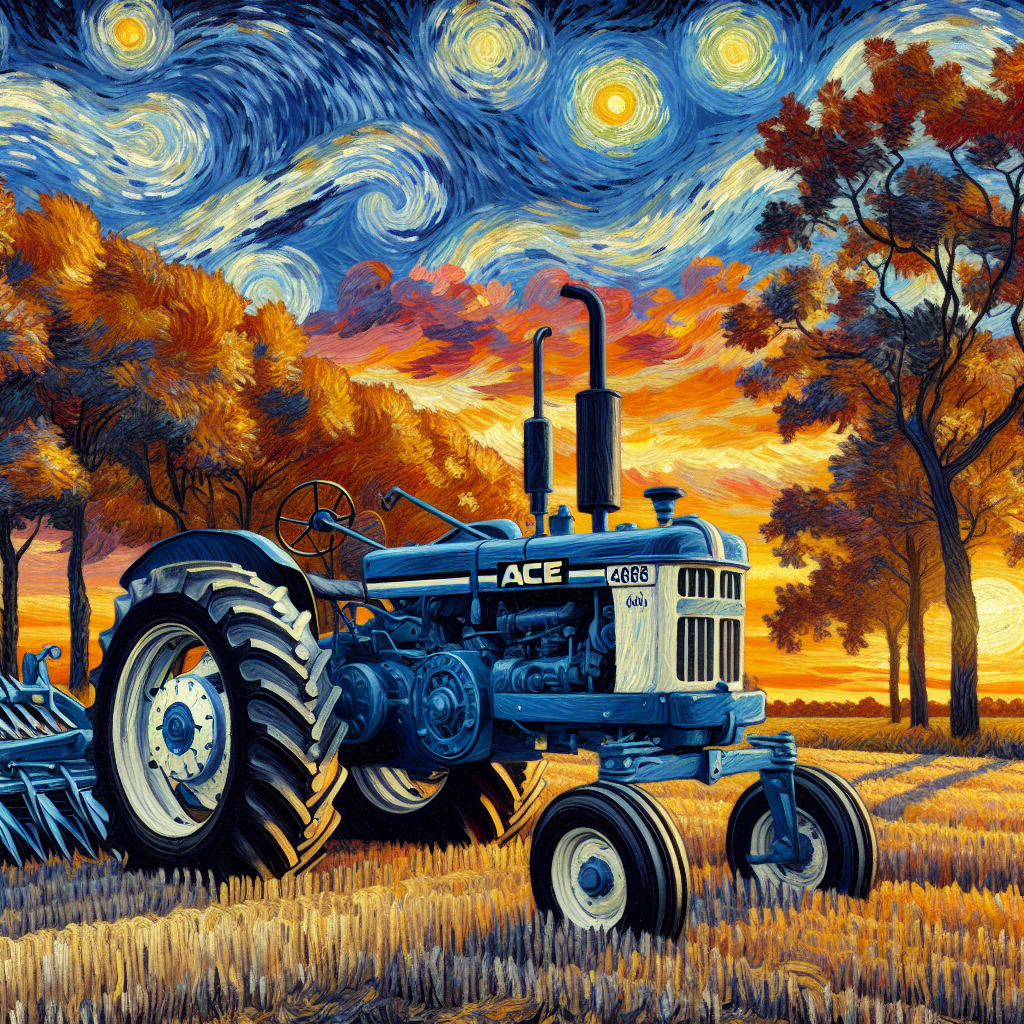
How Much Do Parade-Ready Restored Tractors Usually Sell For?
How Much Do Parade-Ready Restored Tractors Usually Sell For?
- Parade-ready restored tractors evoke nostalgia and community pride.
- Pricing ranges from $5,000 to over $50,000, influenced by brand, year, condition, and restoration quality.
- Classic brands like John Deere and International Harvester often command premium prices.
- Purchasing a restored tractor serves as an investment that may appreciate in value.
- Restored tractors are conversation starters and educational tools for future generations.
- Supporting local restorers helps preserve history and sustains skilled craftsmanship.
- A parade-ready tractor fosters connections among friends, family, and the agricultural community.

How Much Do Parade-Ready Restored Tractors Usually Sell For?
Table Of Contents
- How Much Do Parade-Ready Restored Tractors Usually Sell For?
- How Does Owning a Vintage Tractor Fulfill Your Passion for History?
- What Emotional Connection Do You Have with Restored Tractors?
- How Do Restored Tractors Embody Craftsmanship and Dedication?
- What Ethical Considerations Arise In Restoring Vintage Machinery?
- How Do Market Trends Influence the Value Of Restored Tractors?
- Who Are the Experts to Trust When Valuing Restored Tractors?
- Conclusion
- Other Resources
- Glossary Of Terms
- Other Questions
- Haiku
- Poem
- Checklist
How Does Owning a Vintage Tractor Fulfill Your Passion for History?
Owning a vintage tractor goes beyond mere machinery; it taps into a deep-rooted passion for history and heritage. Each time you step onto the worn seat of a classic model, you’re not just driving a piece of equipment—you’re taking a ride through time. Picture this: the rumble of its engine, the dust rising from the earth, and the gratifying scent of oil mingling with fresh soil. These aren’t just mechanical functions; they are emotional connections to the generations that shaped agriculture, industry, and community.
Historically, tractors symbolize innovation and hard work, birthed from necessity. Embracing a vintage model connects you to the pioneers who relied on these machines to transform their land and livelihoods. It’s a tangible reminder of the grit and determination that fueled progress, nurturing a sense of pride that resonates in the heart. Owning such a tractor allows you to become part of that narrative, adding your own chapter to a legacy that spans decades.
Rationally speaking, restoring and maintaining a vintage tractor can be a rewarding endeavor. It’s an opportunity to learn mechanical skills and appreciate engineering, bridging the gap between past craftsmanship and present technology. This blend of history and innovation creates a robust foundation for understanding agricultural practices and machinery evolution, igniting curiosity and fostering respect for what came before us.
Ethically, keeping these machines alive is a small but meaningful stand against the throwaway culture we often find ourselves in. By investing time and resources into a vintage tractor, you advocate for sustainability and resourcefulness, celebrating the idea that things can be cherished and preserved rather than discarded. This respect for history carries weight, inviting others to consider their own connections to the past.
Owning a vintage tractor also weaves you deeper into a community. The camaraderie among collectors and enthusiasts fosters a sense of belonging. Whether at a local show or on a backcountry road, you’ll find yourself surrounded by like-minded individuals who share your passion. Each conversation, whether an exchange of restoration tips or tales of old farming practices, enriches the experience and reinforces that timeless thread connecting us all.
Ultimately, owning a vintage tractor is about more than just having a piece of history at your fingertips; it’s about engaging with the past in a way that shapes our future. It’s an invitation to become part of something larger than ourselves, nurturing a passion for history that reverberates through generations.

How Does Owning a Vintage Tractor Fulfill Your Passion for History?
How Does Owning a Vintage Tractor Fulfill Your Passion for History?
- Owning a vintage tractor connects individuals to history and heritage.
- It represents a tangible link to the pioneers who shaped agriculture and industry.
- Restoring and maintaining these tractors fosters mechanical skills and appreciation for engineering.
- Preserving vintage tractors counters the throwaway culture, promoting sustainability.
- Being part of the vintage tractor community offers camaraderie and belonging among enthusiasts.
- Ownership provides an opportunity to engage with and contribute to a rich legacy.
- It invites a deeper connection to the past, influencing our future perspectives.

How Does Owning a Vintage Tractor Fulfill Your Passion for History?
What Emotional Connection Do You Have with Restored Tractors?
There’s something undeniably powerful about a restored tractor, isn’t there? It’s not just a machine; it’s a bridge to the past, a companion to generations who toiled under the sun, harvesting the fruits of their labor. These sturdy machines, once rusted and forgotten, take on a new life when lovingly restored. When you stand in front of one, you’re not just looking at metal and mechanics; you’re witnessing history, craftsmanship, and the sheer determination of those who came before us.
For many, the emotional connection with tractors runs deep. Each scratch and dent tells a story of toil, triumph, and tradition. A restored tractor embodies resilience—much like the farmers who depend on them. You might remember a grandparent or a neighbor who positively influenced your life through simple acts of farming or community. The scent of freshly turned soil and the sight of a powerful tractor plowing through fields can bring a rush of nostalgia, awakening memories long tucked away. These machines remind us that hard work is not just a value; it’s a legacy.
But it’s not just about nostalgia. There’s a rational side to this passion as well. A refurbished tractor can embody the principles of sustainability and self-sufficiency. In an era where technology often disconnects us from our roots, restoring a tractor can be a way to reconnect with the land and heritage. It’s an ethical stance—preserving history, valuing craftsmanship, and appreciating the grit that goes into creating something that can last for generations. Each restoration project stands as a testament to human ingenuity and the respect we owe to our agricultural past.
The community surrounding restored tractors also fosters connection. Enthusiasts gather at shows, swap stories, and share tips. These gatherings are not just about showcasing the best restorations; they’re a celebration of camaraderie and shared values among those who appreciate hard work and tradition. The relationships formed here carry the weight of shared histories and dreams for the future of farming.
Restoring a tractor is not simply a hobby; it’s an invitation to deepen your connection with the past, present, and future of agriculture. It’s a call to embrace the stories that shaped our lives while nourishing the land we stand on today. Embrace that connection, and let the journey inspire trust and confidence in what these machines represent.

What Emotional Connection Do You Have with Restored Tractors?
What Emotional Connection Do You Have with Restored Tractors?
- Restored tractors serve as a powerful connection to the past, representing the labor of previous generations.
- Each tractor’s wear and tear reflects stories of resilience, tradition, and the influence of past community figures.
- They evoke nostalgia through sights and smells associated with farming, reinforcing the legacy of hard work.
- A refurbished tractor promotes sustainability and self-sufficiency, reconnecting individuals with their heritage.
- Restoration embodies ethical values by preserving history and craftsmanship for future generations.
- The community around restored tractors fosters relationships and shared values among enthusiasts.
- Restoring a tractor is more than a hobby; it deepens connections with agricultural history and inspires trust in farming’s future.

What Emotional Connection Do You Have with Restored Tractors?
How Do Restored Tractors Embody Craftsmanship and Dedication?
Restored tractors are more than just machines; they are tangible testaments to the craftsmanship and dedication of those who bring them back to life. Each vintage tractor tells a unique story, a story filled with sweat, skill, and an unyielding commitment to preserving a piece of agricultural history. When you stand before a beautifully restored tractor, you’re not just looking at metal and paint; you’re witnessing a labor of love, an ethical commitment to sustain traditions that hold communities together.
The allure of these tractors lies in their roots. Many were once the backbone of family farms, working tirelessly to cultivate the land and support generations. Restoring a tractor is akin to reviving that family legacy. It’s a project that often spans years and requires patience, knowledge, and a respect for precision. The craftsmen behind these restorations dedicate countless hours, pouring over manuals and scouring parts suppliers, all while understanding the weight of their work. They’re not just fixing a machine; they’re honoring a way of life that demands hard work and perseverance.
Consider the soul of a tractor. Unlike the flashy, computerized machines of today, these vintage machines have character, a soul shaped by what they’ve endured. The rusted fenders, the worn wheels, the well-loved engine—each nick and dent tells a story. It’s these imperfections that foster connection, inviting folks to reminisce about simpler times when the rhythm of life was dictated by the seasons and the land. Each restored tractor stands as a symbol of resilience, reminding us that beauty often lies in the scars of hard work.
Moreover, restoring tractors sets a powerful example of sustainability and responsibility. In an age where we often discard the old in favor of the new, these craftsmen challenge us to rethink our relationship with the resources we own. They encourage a narrative of conservation and respect for the past. It’s a reminder that dedication to craftsmanship can yield lasting results, fostering skills that benefit not only the individual but also the community at large.
Restored tractors inspire action; they encourage us to engage with our heritage and appreciate the hands that shaped it. When we embrace the stories they carry, we also celebrate the dedication of the artisans who breathe new life into them. In this way, restored tractors become more than mere relics; they transform into a unifying force, bridging the past and the present, inviting us all to honor and celebrate the craftsmanship that sustains us.

How Do Restored Tractors Embody Craftsmanship and Dedication?
How Do Restored Tractors Embody Craftsmanship and Dedication?
- Restored tractors symbolize craftsmanship and dedication, embodying agricultural history.
- Each vintage tractor has a unique story, showcasing a commitment to preserving family legacies.
- Restoration requires years of effort, patience, and precise knowledge of the machines.
- These tractors, unlike modern machines, possess character and history expressed through their imperfections.
- Restoring tractors promotes sustainability, challenging modern consumer culture.
- Craftsmanship in restoration fosters skills that benefit individuals and communities alike.
- Restored tractors serve as a bridge between past and present, celebrating heritage and artisan dedication.

How Do Restored Tractors Embody Craftsmanship and Dedication?
What Ethical Considerations Arise In Restoring Vintage Machinery?
Restoring vintage machinery is a labor of love, often driven by an emotional connection to the past. It’s not just about metal and mechanics; it’s about the stories these machines tell. Picture an old tractor, once the heart of a family farm, now gathering dust in a forgotten corner. Every rusted bolt and worn tire holds memories of sunrise to sunset labor, of harvests celebrated and struggles endured. Bringing such a machine back to life is more than an act of restoration; it’s an act of remembrance.
Yet, ethical considerations loom large in this endeavor. When we restore vintage tractors and other machinery, we must wrestle with the delicate balance between honoring history and modernizing functionality. Should we preserve every scratch and dent as a testament to its age, or do we allow a fresh coat of paint to reclaim its former glory? Each choice we make in the restoration process reverberates beyond mere aesthetics; it reflects our values and our respect for craftsmanship.
From a rational standpoint, the implications of restoration are significant. Preserving vintage machinery fosters an appreciation for craftsmanship that has largely been overshadowed by mass production. This connection to our industrious roots invites a deeper understanding of the tools that shaped our lives. Each restored tractor stands as a testament to the ingenuity and hard work that built our communities, reminding us that these machines are not just tools but a piece of our shared heritage.
Ethically, there’s a call to respect the origins of these machines, honoring the hands that created and operated them. Restoration is, therefore, not just a technical process; it’s a narrative that includes the passions and purposes of those who came before us. It’s a social responsibility to uphold the integrity of these relics, ensuring that they continue to tell their stories for future generations.
Engaging with vintage machinery also creates a community of enthusiasts, fostering connection through shared knowledge and mutual respect. This camaraderie can inspire trust and action, encouraging more people to pick up a wrench and dive into their own restoration projects. When we care for and restore these pieces of history, we become a part of that ongoing narrative, ensuring that the legacy of hard work and dedication continues to thrive. So, as we approach that classic tractor sitting idle, let’s remember: it’s not just about the restoration; it’s about breathing life back into our shared past.

What Ethical Considerations Arise In Restoring Vintage Machinery?
What Ethical Considerations Arise In Restoring Vintage Machinery?
- Restoring vintage machinery connects us emotionally to the past and the stories they hold.
- Each machine reflects a history of toil, celebration, and endurance, making restoration an act of remembrance.
- Ethical considerations arise during the restoration process, balancing historical preservation with the desire for modern functionality.
- Choices in restoration impact craftsmanship values and the aesthetic integrity of the machines.
- Preservation of vintage machinery fosters appreciation for traditional craftsmanship, overshadowed by mass production.
- Restoration honors the creators and operators of these relics, serving as a narrative of their contributions.
- Engagement with vintage machinery cultivates a community of enthusiasts, encouraging shared knowledge and continuing the legacy of hard work.

What Ethical Considerations Arise In Restoring Vintage Machinery?
How Do Market Trends Influence the Value Of Restored Tractors?
Market trends have a profound effect on the value of restored tractors, essentially weaving a tapestry of emotional significance and economic reality that draws buyers in on multiple levels. The nostalgic allure of a beautifully restored tractor speaks directly to the heart. It’s not just a machine; it represents generations of hard work, family traditions, and the simple joys of rural life. When individuals see a vintage tractor gleaming under the sun, they don’t just see an object; they see their grandfather plowing the fields or their childhood dreams of farming.
On the flip side, the head acknowledges the practical implications of these market trends. The tractor market fluctuates based on multiple factors, including demand for vintage farming equipment, the rise of sustainable farming practices, and the demographic shifts in rural communities. A well-restored tractor can command a dazzling price if it meets current buyer preferences—those looking for durability, functionality, and a touch of history. Understanding these dynamics empowers buyers and sellers alike to make informed decisions that align with market cycles.
From an ethical standpoint, restoring tractors is not merely a business venture; it’s a commitment to preserving the past. Each restoration effort represents a promise to honor heritage while investing in future sustainability. The practice fosters a sense of community among enthusiasts who share knowledge, resources, and passion, reinforcing a bond that goes beyond transactions.
The authority in this field often stems from seasoned restorers who have honed their skills over decades, gaining respect and trust within the tractor community. Their insights into what makes a tractor truly valuable—whether it’s the craftsmanship, the original parts, or the story behind a specific model—serve to guide potential buyers toward more fulfilling purchases.
Finally, the social appeal cannot be overlooked. Owning a beautifully restored tractor isn’t just about individual pride; it’s about participating in a larger narrative. Showcasing these machines at local fairs, parades, or online forums not only celebrates craftsmanship but builds connections among like-minded individuals. This sense of belonging reinforces the tractor’s value beyond mere dollars and cents.
In sum, understanding how market trends influence the value of restored tractors goes beyond numbers; it taps into the very essence of tradition, craftsmanship, and community.

How Do Market Trends Influence the Value Of Restored Tractors?
How Do Market Trends Influence the Value Of Restored Tractors?
- Market trends significantly impact the value of restored tractors, blending emotional and economic aspects.
- Restored tractors evoke nostalgia, symbolizing hard work, family traditions, and rural joys.
- The tractor market fluctuates based on demand, sustainable practices, and demographic changes.
- A well-restored tractor can achieve high prices if it aligns with current buyer preferences.
- Restoration is a commitment to heritage and sustainability, fostering community among enthusiasts.
- Experienced restorers provide valuable insights on craftsmanship and model history, guiding buyers.
- Owning a restored tractor enhances social connections, contributing to a sense of belonging within the community.

How Do Market Trends Influence the Value Of Restored Tractors?
Who Are the Experts to Trust When Valuing Restored Tractors?
When it comes to valuing restored tractors, the landscape of expertise can seem as expansive and complex as a field of corn swaying in the wind. Finding the right experts to trust in this niche market is essential for anyone seeking to buy, sell, or simply appreciate these remarkable machines. First, let’s acknowledge the heart of the matter—these tractors aren’t just metal and rubber; they embody stories, craftsmanship, and a connection to our agricultural roots.
Begin by looking for seasoned professionals—experienced restorers and appraisers who have spent years in the field. These individuals often come with a wealth of practical knowledge, having seen countless tractors restored to their former glory. Their hands may be worn from work, but their eyes carry the wisdom of generations. Acknowledge their background and the passion that drives them. These are not just your average mechanics; they are dedicated stewards of history and tradition, who can tell you the difference between a model year just by looking at a bolt or recognize the sound of an engine that’s been lovingly brought back to life.
However, expertise extends beyond mere technical skills. Ethical integrity plays a significant role in the valuation process. Look for experts who emphasize honesty and transparency. Are they willing to share their thought process on how they arrived at a tractor’s value? Trust is built on open communication; you should feel confident they are not merely inflating prices for personal gain.
In addition to individual professionals, consider industry organizations and reputable auction houses that specialize in restored tractors. Their established reputations serve as a seal of approval, ensuring that you’re dealing with individuals who follow ethical guidelines and who understand the true worth of these machines.
Stories also matter. When a trusted expert can share narratives of past restorations—the triumphs and the challenges—it fosters a deep connection with potential buyers. You’re not just buying a tractor; you’re becoming part of a legacy, joining others who share this passion for machinery and history.
Finally, don’t overlook social proof; seek out reviews and testimonials from fellow enthusiasts and collectors. This community is vibrant and often vocal, providing invaluable insights into who can be counted on. Trusting the right experts when valuing restored tractors doesn’t just safeguard your investment; it nurtures a connection to something greater, a timeless appreciation for the machinery that has shaped our agricultural heritage.

Who Are the Experts to Trust When Valuing Restored Tractors?
Who Are the Experts to Trust When Valuing Restored Tractors?
- Valuing restored tractors requires expertise, which can be complex to navigate.
- Seek seasoned professionals like restorers and appraisers with extensive practical knowledge.
- Expertise includes ethical integrity; look for honesty and transparency in valuation.
- Consider industry organizations and reputable auction houses for trusted evaluations.
- Stories of past restorations enhance connection and appreciation for the tractors.
- Utilize social proof by seeking reviews and testimonials from enthusiasts and collectors.
- Trusting the right experts safeguards investment and fosters a connection to agricultural heritage.

Who Are the Experts to Trust When Valuing Restored Tractors?
Conclusion
Restored tractors aren’t just machines; they’re living pieces of history that resonate with our hearts, heads, and guts. Each parade-ready tractor tells a story of toil, craftsmanship, and the community spirit that built our agricultural heritage. When you invest in one, you’re not merely making a purchase; you’re acquiring a symbol of hard work that connects generations. These tractors, often priced between $5,000 and $50,000, embody decades of dedication and passion, with iconic brands like John Deere and International Harvester commanding a premium for their storied legacy.
Investing in a restored tractor is more than financial—it’s an emotional journey. Each scratch and dent on these machines represents a history of labor and perseverance while evoking cherished memories of family and friends. They’re conversation starters that bridge the gap between past and present, offering a tangible way to engage with history. The pleasure of driving these vintage marvels extends beyond nostalgia; it reflects a commitment to preserving the craftsmanship and ingenuity that defined previous generations.
Rationally, the rising interest in vintage machinery also makes owning a restored tractor a wise investment, as their value can maintain or even appreciate over time. These pieces of history represent a steadfast commitment to craftsmanship in a world increasingly dominated by disposability. By restoring these machines, we push back against a culture that often undervalues history and skill.
Moreover, restoring vintage tractors is an ethical choice that supports skilled craftsmen and local economies. It’s about nurturing community and also advocating for sustainability, showing that we can honor the past while sustaining the present. The relationships formed within the restoration community are invaluable, connecting enthusiasts through shared knowledge and a common passion.
Ultimately, restored tractors are a celebration of dedication and resilience. They serve as a reminder of the values that underpin our rural life: hard work, community, and the appreciation of our heritage. When you consider investing in one, remember that it’s about embracing a legacy and enriching your life with the stories these machines carry. As you take pride in your restored tractor, you’re not just preserving history; you’re fostering connections, providing educational opportunities for future generations, and becoming part of an ongoing narrative steeped in tradition and camaraderie.

Conclusion
Conclusion:
- Restored tractors are living pieces of history, representing toil, craftsmanship, and community spirit.
- Each tractor serves as a symbol of hard work, connecting generations and telling stories of dedication.
- They are priced between $5,000 and $50,000, with iconic brands like John Deere and International Harvester holding significant value.
- Investing in a restored tractor is an emotional journey, evoking cherished memories and bridging the past and present.
- Owning vintage machinery is a wise investment as their value can appreciate, promoting a commitment to craftsmanship.
- Restoring tractors supports skilled craftsmen, nurtures community, and advocates for sustainability.
- Restored tractors celebrate dedication and resilience, enriching lives with their historical significance and fostering connections.

Conclusion
Other Resources

Other Resources
Here is a list of other resources you can review online to learn more:
- Nittany Antique Machinery Association
- Ranch Hand
- Kartar Tractors
- Lindner
- FARMSHOW Magazine
- Muir-Hill
- Ascot Universal
- Knudson
- Fort Allen Antique Farm Equipment
- J.I.Case
- Creekside Farm & Market Tractor Show
- Belarus
- Kioti
- Chery
- NorTrac
- Atlantic Farm Mechanization Show
- Bruce County Heritage Farm Show
- Mastodon
- Fortschritt
- Long
Use This Prompt To Get More Resources With Your Favorite Online AI Tool: Please provide me with a list of online articles with their URLs in a bulleted list that I can read regarding How Much Do Parade-Ready Restored Tractors Usually Sell For?

Other Resources
Glossary Terms
How Much Do Parade-Ready Restored Tractors Usually Sell For? – Glossary Of Terms
1. Antique: A vehicle or item that is at least 100 years old, often sought after by collectors.
2. Auction: A public sale in which goods or property are sold to the highest bidder.
3. Appraisal: An evaluation of an item’s value, often conducted by an expert in the field.
4. Condition: The state of the tractor, including its appearance and functionality, which affects its value.
5. Collectible: An item valued for its rarity, desirability, or historical significance, often sought after by collectors.
6. Customization: Modifications made to a tractor to enhance its appearance or performance.
7. Dealer: A seller or dealership specializing in tractors and agricultural equipment.
8. Grade: A classification indicating the quality level of the restored tractor.
9. Historic: A term referring to tractors with significant historical importance or provenance.
10. Market Value: The expected price a tractor will sell for in the current market based on various factors.
11. Original Parts: Components that are original to the tractor model rather than replaced or reproduced.
12. Restoration: The process of returning a tractor to its original state, involving repairs and refurbishments.
13. Sale Price: The final agreed-upon price at which a tractor is sold.
14. Specifications: The detailed characteristics and features of the tractor.
15. Trade-in: A transaction where a seller offers a used tractor as part of the payment for a new or restored unit.
16. Vintage: Referring to tractors that are at least 20 years old, often appreciated for their design and craftsmanship.
17. Value Appreciation: The increase in worth of a restored tractor over time due to demand and rarity.
18. Documentation: The records providing history and provenance of the tractor, important for valuation.
19. Exhibition: An event where restored tractors are displayed, often leading to sales or inquiries.
20. Historical Society: An organization dedicated to preserving the history of certain types of tractors and agricultural practices.
21. Collector’s Market: A niche market where enthusiasts buy and sell rare and restored tractors.
22. Provenance: The documented history of ownership and origin of the tractor, influencing its value.
23. Repair: The process of fixing malfunctioning components of the tractor.
24. Refurbishment: The act of improving or updating a tractor’s condition without a full restoration.
25. Retrofitting: Adding new technology or parts to an older tractor to enhance functionality.
26. Sales Listing: A formal advertisement detailing the specifications and asking price for a tractor.
27. Showing: An event or opportunity to view a tractor in person, often before purchasing.
28. Trade Shows: Specialized exhibitions featuring tractors and agricultural equipment where buyers and sellers meet.
29. Warranty: A guarantee provided by the seller regarding the condition and functioning of the tractor post-purchase.
30. Yield: The expected output or performance of the tractor relative to its function in agricultural tasks.

Glossary Of Terms
Other Questions
How Much Do Parade-Ready Restored Tractors Usually Sell For? – Other Questions
If you wish to explore and discover more, consider looking for answers to these questions:
- How do I determine a fair market price for a specific make, model, and year of restored tractor?
- What specific restoration factors (engine, paint, interior, parts) most affect resale value?
- How much does a full professional restoration typically cost versus a DIY restoration?
- What are realistic timelines for restoring a tractor to parade-ready condition?
- How do I verify a tractor’s provenance and restoration history?
- Which serial numbers, stamping, or documentation should I check to confirm authenticity?
- How do reproduction parts versus original parts influence value and authenticity?
- Where can I source rare or model-specific parts and how much do they usually cost?
- How should restoration work be documented to maximize resale value?
- What are the best places to buy parade-ready restored tractors (auctions, dealers, private sellers, online marketplaces)?
- How do I inspect a restored tractor in person or remotely before buying?
- What common red flags indicate a poor or incomplete restoration?
- How do I find and evaluate reputable restorers and appraisers?
- What questions should I ask a restorer or seller to assess quality and ethics?
- How do market trends and seasonality affect pricing and demand for restored tractors?
- Which makes and models currently command the highest premiums and why?
- How does regional interest or local history influence a tractor’s value?
- What are the insurance options and typical premiums for parade-ready vintage tractors?
- Are special registrations, titles, or permits required to operate a vintage tractor in parades?
- What liability considerations or waivers are common for parade participation?
- How should I transport a restored tractor to shows or parades and what are typical shipping costs?
- How much ongoing maintenance and annual cost should I expect after purchase?
- How do fuel types, availability, and engine condition affect usability and value?
- Should I prioritize operational functionality or museum-quality cosmetics, and how does that decision impact value?
- How does modernization (electrical upgrades, brakes, safety features) affect authenticity and market value?
- What ethical issues arise when replacing original parts or repainting to non-original colors?
- How can I research comparable sales to establish valuation benchmarks?
- When is it better to consign a restored tractor to auction versus selling privately?
- What documentation and provenance increase a tractor’s appeal to collectors?
- How do tax considerations, capital gains, or sales taxes apply to buying or selling restored tractors?
- What storage methods preserve value (indoor climate control, covers, maintenance schedules)?
- How do I prepare a tractor for long-term storage or winter layup?
- What community resources—clubs, forums, shows, and publications—are best for buyers and restorers?
- How can I verify a restorer’s ethical practices and whether parts were sourced responsibly?
- What are the environmental implications of restoring and operating vintage machinery?
- How do I assess investment risk and expected appreciation or depreciation over time?
- What legal or safety standards apply when using a restored tractor on public roads or during events?
- How important are original manuals, dealer tags, and accessories to overall value?

Other Questions
Haiku
How Much Do Parade-Ready Restored Tractors Usually Sell For? – A Haiku
Restored tractors gleam bright,
Stories of toil and pride told,
Crafted by hands’ might.

Haiku
Poem
How Much Do Parade-Ready Restored Tractors Usually Sell For? – A Poem
In fields of rust and stories old,
Rusty giants, with hearts of gold,
Once they toiled under suns embrace,
Now they gleam, our pasts true face.
Each dent and scratch, a tale to tell,
Of harvest hopes, of hearts that swell.
Not just machines, but family lore,
In parades and memories, we adore.
From dusty trails to town parades,
These restored wonders, their legacy wades.
A taste of history, bridging the years,
Fostering pride, igniting cheers.
Investment of heart, mind, and soul,
Craftsmanship and care make us whole.
A connection to roots, a heritage strong,
In every engines purr, we belong.
Ethically we choose to revive,
To honor the past, let traditions thrive.
A community forged in love and sweat,
With tractors restored, our dreams beget.
Market trends shift, and value can rise,
Yet it’s more than just money; it’s connection that ties.
In ownership, we find our place,
Engaging in history, we embrace.
So let us gather, share vivid tales,
In the rhythmic hum of mechanical trails.
With restored tractors, our spirits soar,
Embodying a legacy, forevermore.

Poem
Checklist
How Much Do Parade-Ready Restored Tractors Usually Sell For? – A Checklist
Emotional Appeals
✅______ Reflect on personal connections to agriculture and family heritage.
✅______ Share stories or memories associated with tractors or farming.
✅______ Visualize the joy of community gatherings featuring restored tractors.
Rational Appeals
✅______ Research current market values for vintage tractors in various conditions.
✅______ Evaluate the potential for appreciation in value over time.
✅______ Consider the craft and skill involved in restoration.
Ethical Appeals
✅______ Support local restorers and craftsmen committed to preserving history.
✅______ Promote sustainability through the restoration of vintage machinery.
✅______ Advocate for responsible ownership and treatment of restored tractors.
Authority Appeals
✅______ Seek advice from experienced restorers or appraisers with a proven track record.
✅______ Refer to credible resources, such as industry organizations, for valuation insights.
✅______ Trust the expertise of seasoned enthusiasts within the tractor community.
Narrative Appeals
✅______ Discover and share the history of specific models or brands.
✅______ Engage with the stories behind individual tractors, focusing on their journey from rust to restoration.
✅______ Participate in local events that celebrate tractor heritage and community.
Social Appeals
✅______ Join collector clubs or online forums to connect with other enthusiasts.
✅______ Attend shows and parades to build relationships with like-minded individuals.
✅______ Share restoration updates and experiences on social media to inspire others.

Checklist
At ClassicTractorNews, we help tractor lovers keep up with the latest news for classic and vintage tractors.
Please share this post with your friends, family, or business associates who may like old classic or vintage tractors.