


Unlocking Value: The Hidden Impact Of Parts Availability On Models
By Tom Seest
At ClassicTractorNews, we help tractor lovers keep up with the latest news for classic and vintage tractors.
Please share this post with your friends, family, or business associates who may like old classic or vintage tractors.
How Much Are Parts Availability Affecting Certain Model Values?
In today’s world, everything seems to revolve around availability. When you think of a tractor, you might picture a robust machine, a reliable workhorse that stands at the center of countless farming operations, but what happens when the parts for that tractor aren’t readily available?
The value of specific tractor models can fluctuate wildly based on parts availability, shaping farmer decisions and impacting livelihoods. When a farmer faces a breakdown, their reliance on that machine is profound. It’s not just about cash flow; it’s about the livelihood tied to every rotation of the wheels. The connection to that tractor runs deep, intertwined with years of toil and tradition. The soil beneath their feet tells stories, and that machinery is their partner in crafting those stories—each field a testament to hard work and resilience.
But the heart of the issue lies in the scarcity of parts. It’s a gut punch when availability dwindles, especially in a world where every second counts. Farmers may find themselves stranded with a broken tractor, staring down the reality of delayed repairs while crops wither. It’s not just machinery failing; it’s the ripple effect on profitability, on family dinners interrupted by stress, and on the community that depends on the fruits of the harvest.
Rationally, consider the implications: an old, reliable tractor can suddenly lose its value because parts are scarce. What was once a dependable asset becomes a ticking time bomb of depreciation, forcing a farmer to reconsider their choices, perhaps leading them to invest in newer, unnecessary models, simply to avoid risks. The ethical question arises: should farmers be penalized for wanting to maintain what has traditionally served them well?
Yet, authority figures in the agricultural sector—the manufacturers, mechanics, and insurers—have a responsibility to ensure that the parts for these vital machines are available and affordable. Transparency in the supply chain can build trust, reinforcing relationships between farmers and suppliers.
As communities rally around these challenges, a collective voice emerges, advocating for better access to parts and supporting local economies. Embracing the notion of sustainability, keeping older tractors running becomes a rallying point. It’s not just about machinery; it’s about heritage, responsibility, and the future of farming itself. And so, we ask: will we let our workhorses fade into the past, or will we stand together to ensure they have a place in our future?

How Much Are Parts Availability Affecting Certain Model Values?
How Much Are Parts Availability Affecting Certain Model Values?
- Availability impacts the value and reliability of tractors in farming operations.
- Parts scarcity affects farmers significantly, influencing decisions and livelihoods.
- A breakdown creates financial stress and strains community ties as crops may wither.
- Old tractors can lose value when parts become scarce, prompting costly upgrades.
- Farmers face ethical dilemmas regarding maintenance of traditional machinery.
- Manufacturers and suppliers must ensure affordable and available parts to support farmers.
- Communities advocate for sustainability, emphasizing the importance of preserving working tractors.

How Much Are Parts Availability Affecting Certain Model Values?
Table Of Contents
- How Much Are Parts Availability Affecting Certain Model Values?
- How Does Parts Availability Influence the Worth Of Your Vehicle Model?
- What Emotional Impact Does Limited Part Access Have on Owners?
- Can the Scarcity Of Parts Reshape the Trust In Vehicle Brands?
- How Do Issues with Parts Availability Challenge Consumer Decisions?
- What Stories Illustrate the Struggles Of Finding Vehicle Parts?
- How Does Parts Scarcity Affect the Reputation Of Car Dealerships?
- Conclusion
- Other Resources
- Glossary Of Terms
- Other Questions
- Haiku
- Poem
- Checklist
How Does Parts Availability Influence the Worth Of Your Vehicle Model?
When it comes to our vehicles, many of us have a deep, personal connection. Think about it: that trusty tractor in the barn, the family sedan that’s seen countless road trips, or even the rugged pickup that’s handled every job thrown its way. These machines aren’t just metal and rubber; they represent our labor, our memories, and often, our identity. But what happens when it’s time to maintain or repair that beloved vehicle? The answer often hinges on one crucial factor: parts availability.
Picture a farmer standing by his tractor, ready to till the fields as he has done for generations. He relies on that machine not just for work, but as a lifeline to his livelihood. If that tractor breaks down and parts are scarce, he faces not just inconvenience, but financial strain. Every day spent waiting for a simple replacement part can mean lost income, frustrating neighbors, and the creeping anxiety of uncertainty. It’s in these moments that the worth of a vehicle model isn’t just calculated in dollars and cents but is measured in trust, reliability, and the ability to carry on with life.
From a rational perspective, vehicles with a robust supply of parts tend to hold their value better. It’s straightforward economics: demand versus supply. A model well-supported by readily available components gives potential buyers confidence. This sense of security plays a fundamental role in consumer choice, and in a sense, a vehicle becomes a more appealing prospect when it’s backed by a network that promises maintenance ease and less potential for headaches down the road.
Ethically, we find ourselves considering the broader impact of parts availability. Sustainable practices are becoming paramount. For some vehicle models, the commitment to using recyclable parts or supporting local suppliers not only raises their worth but connects us to a larger community effort. This is about more than just cars; it’s about fostering relationships and supporting local economies.
In a world that can often feel overwhelming, our vehicles remind us of the simplicity of reliability. A tractor should not just move earth but embody the values we hold dear: hard work, dependability, and a little bit of grit. When parts are plentiful and accessible, we breathe easier, knowing that we can keep our tools in operation longer. It empowers us to tackle life’s challenges head-on, fostering a connection that transcends beyond just ownership.
Trust in the reliability of your vehicle model isn’t just an abstract concept. It’s a lifeline, a foundation upon which we build our daily lives. The worth of your vehicle isn’t solely reflected in its price tag but in its potential to keep you moving forward, come what may.

How Does Parts Availability Influence the Worth Of Your Vehicle Model?
How Does Parts Availability Influence the Worth Of Your Vehicle Model?
- Vehicles represent personal connections, memories, and identity for many owners.
- Parts availability is crucial for vehicle maintenance and repair, impacting livelihoods.
- Scarcity of parts can lead to financial strain and anxiety for vehicle owners.
- Vehicles with readily available parts tend to hold their value better due to consumer confidence.
- Ethical considerations include the impact of parts availability on sustainability and local economies.
- Reliable vehicles embody values of hard work, dependability, and resilience.
- Trust in a vehicle’s reliability fosters a sense of security and facilitates daily life.

How Does Parts Availability Influence the Worth Of Your Vehicle Model?
What Emotional Impact Does Limited Part Access Have on Owners?
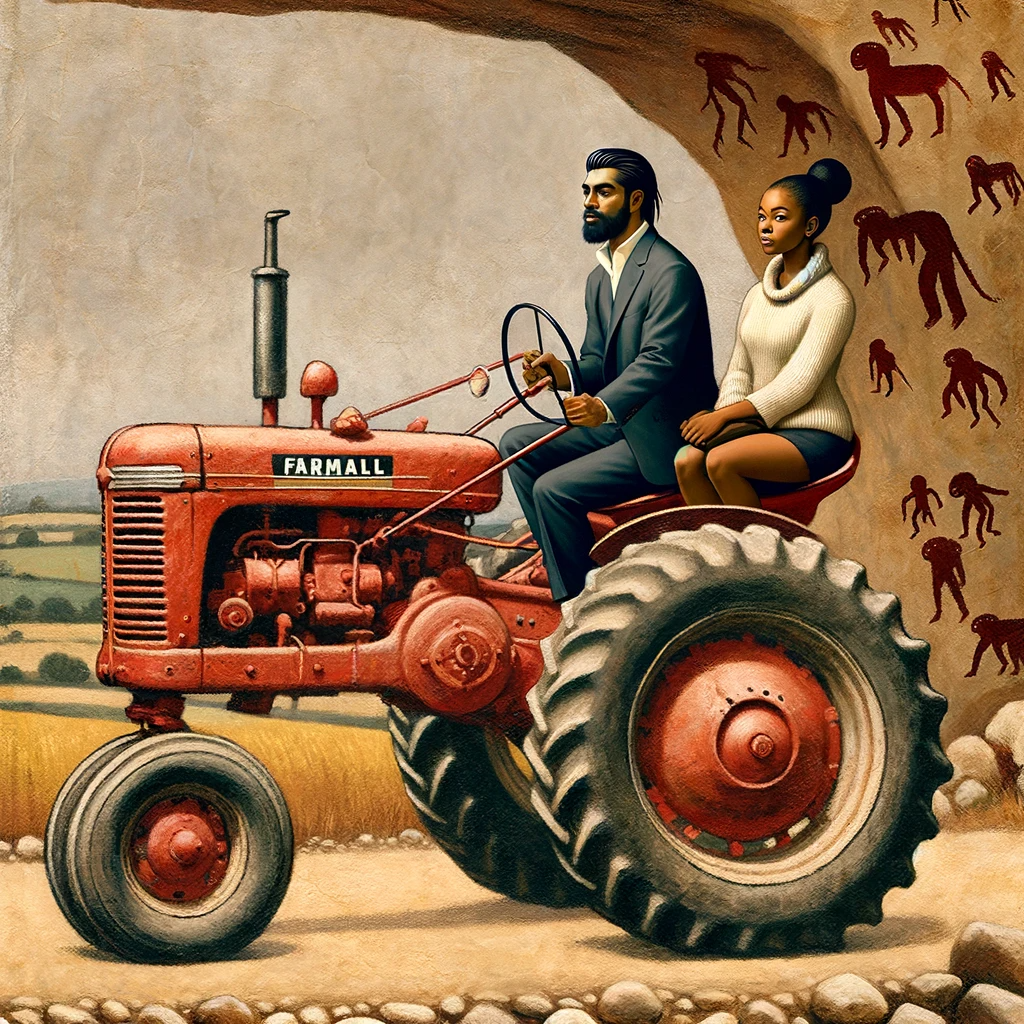
The heart of any dedicated tractor owner is intertwined with their machine, a symbol of hard work and pride. When access to essential parts is limited, it doesn’t just affect operational efficiency; it sends shockwaves through the very core of that connection. Imagine spending countless hours cultivating, plowing, and nurturing your land, only to be halted by the unavailability of a simple component. That frustration is palpable. It’s not just a tractor sitting idle; it’s a piece of a person’s livelihood, dreams, and future.
Rationally, the implications are even broader. Farmers aren’t just wielding a tool; they’re sustaining families and communities. A tractor provides not only the power to till the soil but also to raise crops, feed livestock, and support local economies. When parts are scarce, the ripple effect is widespread. Delays in repairs can mean missed planting seasons or damaged yields, impacting not just individual owners but also the network of businesses and relationships that depend on healthy crops and livestock. It’s a stark reminder that each tractor is a lifeline, vital to the fabric of agricultural life.
From an ethical standpoint, the very nature of ownership calls for accountability. Owners invest their time, hard-earned money, and hopes into their equipment. With limited access to parts, that investment feels undermined. It’s a gut punch when one’s sense of autonomy is stripped away, forcing a reliance on external factors that are often out of their control. Those who manufacture and distribute these parts carry a heavy responsibility. Their decisions can foster trust or erode it, shaping how owners perceive their worth and their contributions to the land.
Narratively, we all know someone—maybe it’s a neighbor, a friend, or even our own families—who has faced the despair of unavailability. The stories are too common: a farmer staring at a field, a tractor needing a simple fix, time ticking away. There’s a shared understanding within this community; it’s an emotional cadence that binds them together.
Socially, these limitations can lead to isolation. When owners feel the weight of their struggles, they may withdraw, reluctant to engage in conversations about their challenges. Yet, by opening up, they can find camaraderie, strength, and support. It’s about standing together, advocating for more accessible parts, and ensuring that every tractor owner knows they aren’t alone in their journey, forging a path toward resilience and mutual success.
What Emotional Impact Does Limited Part Access Have on Owners?
What Emotional Impact Does Limited Part Access Have on Owners?
- The connection between dedicated tractor owners and their machines represents hard work and pride.
- Limited access to essential parts disrupts operational efficiency and personal livelihood.
- Tractors are vital for farming, supporting families, communities, and local economies.
- Parts scarcity leads to widespread ripple effects, including missed planting seasons.
- Ownership comes with accountability; limited parts access undermines owners’ investments.
- Community connection is important, as shared struggles foster understanding and support.
- Open dialogue can help combat isolation and promote advocacy for accessible parts.

What Emotional Impact Does Limited Part Access Have on Owners?
Can the Scarcity Of Parts Reshape the Trust In Vehicle Brands?
In a world where the scarcity of parts has disrupted supply chains, vehicle brands face a pivotal moment that challenges their very identity. Picture this: a tractor, the heart of countless farms, standing idle in a field because a single, essential component is missing. For generations, those machines have been the lifeblood of agriculture, empowering farmers to cultivate the land, provide for families, and feed communities. Now, when that connection becomes tenuous, it raises a profound question: Can trust in these brands endure?
At its core, trust is built on reliability. When vehicles are sidelined due to a lack of parts, consumers’ faith in their chosen brands begins to waver. Suddenly, a trusted name can feel like a dusty relic from the past rather than a dependable partner for the future. The stakes are high, and brands that fail to adapt risk losing not just market share, but the very loyalty that has been forged over decades. As parts become more difficult to acquire, consumers find themselves not just facing a logistical challenge, but wrestling with a deeper sense of vulnerability.
Rationally, consumers understand that factors beyond a brand’s control—such as global situations or natural disasters—can impact production. Yet, understanding does not necessarily equal acceptance. People crave a narrative that resonates with their experiences. They want to feel that brands are not only aware of their struggles but are actively working to safeguard their investments and livelihoods.
Brands can inspire confidence through transparency. When a company communicates openly about supply chain issues, it can transform anxiety into a rallying point. Customers want to know they are part of a community that faces challenges together. Think about that tractor owner watching their returns dwindling because their machine is down. They want a brand that acknowledges the difficulty yet shines a light on innovative solutions—perhaps new partnerships or alternative sourcing to ensure parts are available, keeping the wheels of industry turning.
Beyond the individual, this is about a collective experience. Trust can be rebuilt through shared stories of resilience. When brands figure out how to overcome scarcity, they don’t just carve out a path to recovery—they foster a sense of belonging and unity. Consumers want to rally behind brands that demonstrate they are in it together, committed to finding solutions even in the face of adversity. The journey may be rocky, but it is precisely through these trials that the foundation of trust can be reestablished—stronger than ever before.

Can the Scarcity Of Parts Reshape the Trust In Vehicle Brands?
Can the Scarcity Of Parts Reshape the Trust In Vehicle Brands?
- Vehicle brands confront identity challenges amid parts scarcity disrupting supply chains.
- A single missing component can immobilize essential equipment, impacting farms and communities.
- Trust in brands is undermined when vehicles are sidelined, pushing consumers to question reliability.
- Consumers crave a meaningful narrative that connects brands to their struggles and investments.
- Transparency about supply chain issues can turn customer anxiety into community engagement.
- Shared stories of resilience can help rebuild trust and foster a sense of belonging among consumers.
- Brands must demonstrate commitment to overcoming challenges to secure loyalty and market share.

Can the Scarcity Of Parts Reshape the Trust In Vehicle Brands?
How Do Issues with Parts Availability Challenge Consumer Decisions?
In the world of machinery and equipment, a reliable tractor is more than just a tool; it’s a lifeline for farmers, landscapers, and everyday folks who rely on it for their livelihoods. But what happens when that trusty machine suddenly stalls because a crucial part is nowhere to be found? Imagine waking up before dawn, ready to plow the fields, only to discover that your productivity depends on a single part that’s been delayed. It’s a gut punch that reverberates through your day, turning optimism into uncertainty.
The emotional weight of this issue is immense. With seasons changing, deadlines looming, and crops waiting to be tended, the frustration mounts. A tractor that’s out of commission due to parts unavailability isn’t just an inconvenience; it’s a potential loss of income and a blow to one’s passion. Farmers often carry not just the responsibility of their land, but the legacies of generations before them. A simple mechanical failure can threaten all that—they’re not just machines; they’re beacons of hope and survival.
Rationally, the challenge of parts availability forces consumers to rethink their decisions. They may weigh the benefits of investing in a new tractor against the risk of a future breakdown. Is it better to gamble on a well-known brand that might leave them in the lurch, or should they explore newer options with promising tracks? The calculus becomes complicated. The factors pile up: reputation, reliability, support during crises, and the sheer unpredictability of supply chains. It’s a game of chess where every move counts, and the stakes are higher than ever.
Ethically, there’s a responsibility that manufacturers bear in ensuring that their customers can trust that when they need a part, it will be available. When that trust is broken, the relationship falters. People want to believe in the companies they support, to feel that they are seen and valued. It’s about connection—a shared understanding that when you invest in a product, you’re also investing in your community and its future.
In a society that celebrates progress and innovation, the irony isn’t lost. The very advancements in technology that make our lives easier can create barriers when parts aren’t available. But the narrative doesn’t have to end in despair. By advocating for transparency and reliable supply chains, consumers can influence change. So when you’re standing in that field, tractor at the ready, remember, your voice counts. Fighting for availability not only benefits you but also those who share the same soil, the same struggle. Together, we can cultivate a future where challenges become opportunities, rooted in connection and purpose.

How Do Issues with Parts Availability Challenge Consumer Decisions?
How Do Issues with Parts Availability Challenge Consumer Decisions?
- A reliable tractor is essential for farmers and landscapers, serving as a lifeline for their livelihoods.
- Parts unavailability can cause significant disruptions, affecting productivity and creating stress due to looming deadlines.
- A tractor’s mechanical failure is a potential loss of income and threatens the legacies of farming families.
- Consumers must weigh the risks of investing in known brands versus newer options when considering a tractor purchase.
- Manufacturers have an ethical responsibility to ensure parts availability, maintaining trust in their relationships with customers.
- The advancements in technology may create barriers when part availability is inconsistent, highlighting a societal irony.
- Advocating for transparency in supply chains empowers consumers to influence positive change within their communities.

How Do Issues with Parts Availability Challenge Consumer Decisions?
What Stories Illustrate the Struggles Of Finding Vehicle Parts?
Finding vehicle parts today resembles a modern-day treasure hunt, where the prize isn’t gold, but the right components to keep our machines running. Imagine a farmer, early morning sunlight casting long shadows over his fields, staring down at a broken tractor. This isn’t just machinery; it’s his livelihood, his family’s legacy, and his connection to the land that has nurtured generations. The struggle to find that elusive part becomes a race against time—harvest waits for no man.
As he scours online marketplaces and local junkyards, hope mingles with frustration. Each click of the mouse or visit to a dusty lot is a reminder of the growing distance between need and availability. The heart sinks as he faces stories of similar struggles from neighbors and friends, each tale a thread woven into the fabric of rural life, echoing shared experiences of hardship and perseverance. In these moments, the emotional weight is undeniable—there’s a sense of community in their struggles, a collective understanding of how crucial these machines are for survival.
Rationality plays its part too. The statistics surrounding supply chain disruptions underscore a grim reality—production delays, global shortages, and rising costs. It’s not just about a tractor part; it’s a reflection of a broader issue that affects all of us. Every vehicle, from family cars to trucks hauling goods across the country, faces the same dilemma. The narrative expands beyond personal hardship; it’s about an economy struggling to keep pace with demand, striking a chord with our desire for reliability and stability.
Ethically, it’s imperative we recognize how these challenges reshape our communities. Every part sourced from local suppliers strengthens economic ties and builds trust. Supporting local businesses isn’t just a sentimental notion; it’s a powerful act that fosters resilience in a world driven by corporate giants. When we choose to engage with our community, we’re not just purchasing a product; we’re investing in the heart of our neighborhoods.
In this complex narrative of scarcity and ingenuity, a light flickers. It may be dark and uncertain, but the persistence of those seeking parts highlights a profound resilience—the driving force behind the stories of every farmer, mechanic, and driver out there. Each struggle serves as a reminder of a shared human experience, igniting a collective determination to overcome the obstacles we face. And while the search for that hard-to-find tractor part may be daunting, it also illustrates the unwavering spirit of connection, collaboration, and hope that defines our journey on the road ahead.

What Stories Illustrate the Struggles Of Finding Vehicle Parts?
What Stories Illustrate the Struggles Of Finding Vehicle Parts?
- Finding vehicle parts is akin to a treasure hunt, essential for maintaining machinery.
- A farmer’s broken tractor symbolizes his livelihood and family legacy, emphasizing urgency in repairs.
- Searching online and local sources often leads to frustration and shared stories of hardship.
- Supply chain disruptions create broader economic issues affecting all vehicle types.
- Supporting local suppliers strengthens community ties and fosters resilience.
- The search for parts illustrates the collective human spirit and determination to persevere.
- The journey reflects hope, connection, and collaboration within communities amidst challenges.

What Stories Illustrate the Struggles Of Finding Vehicle Parts?
How Does Parts Scarcity Affect the Reputation Of Car Dealerships?
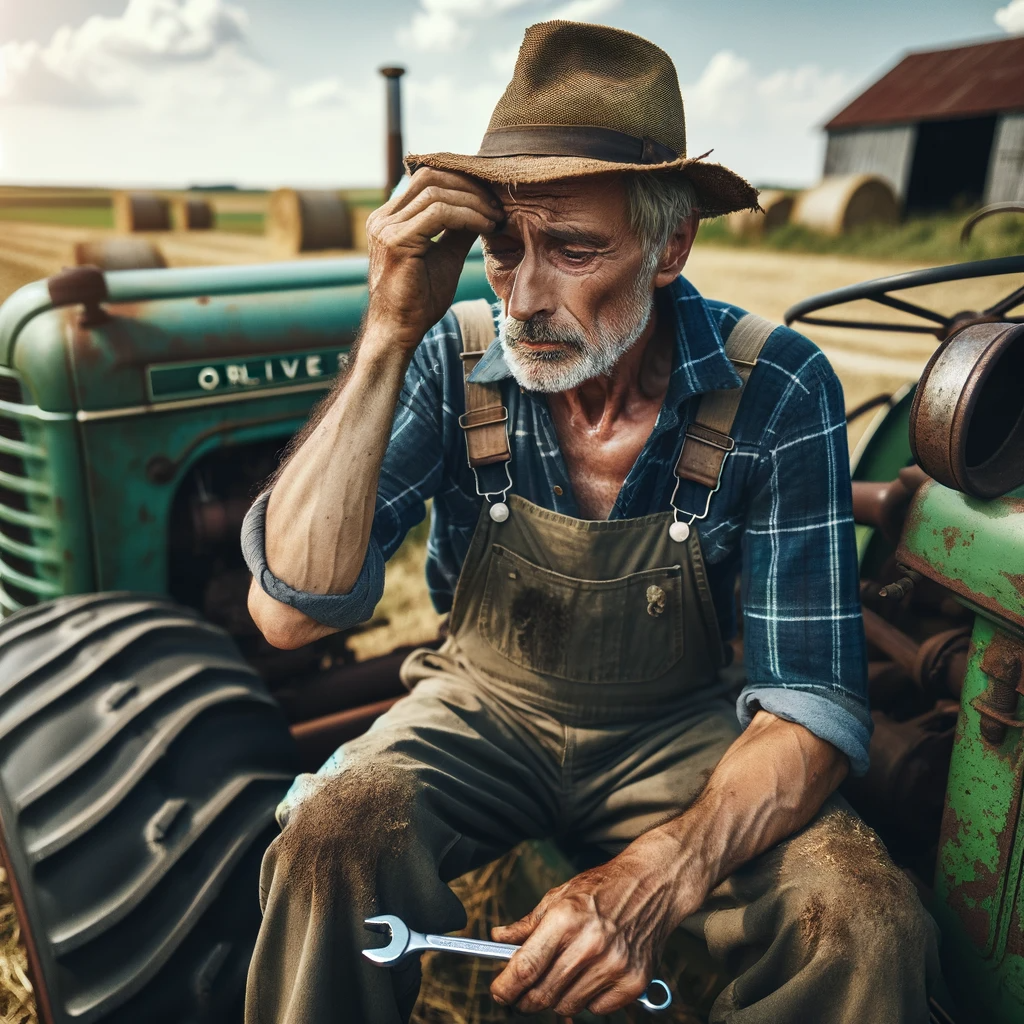
In today’s automotive landscape, the scarcity of parts isn’t just a logistical issue; it’s a reputation killer that can reverberate through communities, one dealership at a time. Picture this: a family relies on their reliable tractor, a symbol of hard work and perseverance, but a mere malfunction brings that essential lifeline to a grinding halt. The expectation is simple: the local dealership should swoop in like a knight in shining armor, ready to restore that engine of daily life. But what happens when the parts aren’t there?
Car dealerships have long been viewed as the heart of their communities. When customers walk in, they don’t just see a place to buy a vehicle; they see a hub of trust and reliability, a partner in their automotive journey. However, when parts scarcity hampers the ability to fulfill this role, it creates a rift between consumer and dealership. The emotional weight of a trusted mechanic unable to provide timely service leaves many feeling vulnerable, even betrayed. Every delay begins to foster doubt – doubts about dependability and commitment to service.
Rationally, consumers understand supply chains can falter, yet the expectation remains that the dealership will find a way to connect with manufacturers or source alternatives. A good dealership builds relationships not only with their customers but with their suppliers, showcasing their authority in the field. When they fail to communicate effectively about parts availability or timelines, they risk losing that hard-earned trust. It’s not just about the parts; it’s about transparency, about ensuring that the engine of trust keeps running smoothly.
This situation isn’t just a transactional lapse; it’s a social issue. In a time when community pride hinges on supporting local businesses, a dealership that falters in service can leave a dent in more than just a reputation. It can fracture the very social fabric that binds communities together. Loyal customers become disillusioned, sharing stories that ripple through social circles. In an age where word travels fast, the narrative of one dealership’s failure can overshadow years of goodwill.
Yet all is not lost. Understanding the heart, the head, and the gut of the matter can inspire action. Dealerships must adapt, leveraging their networks, sharing stories of resilience, and demonstrating an unwavering commitment to their customers. By embracing transparency and fostering open communication about parts availability, they can rebuild trust, ensuring their reputation remains intact amidst the challenges of scarcity. Building that connection again means not just fixing cars but nurturing the very relationships that make the dealership an indispensable part of the community.

How Does Parts Scarcity Affect the Reputation Of Car Dealerships?
How Does Parts Scarcity Affect the Reputation Of Car Dealerships?
- Parts scarcity in the automotive sector affects dealership reputations and community trust.
- Dealerships are seen as crucial partners, providing both vehicles and reliable service.
- When unable to fulfill service expectations, dealerships risk emotional fallout with consumers.
- Effective communication about parts availability is essential for maintaining trust.
- A dealership’s failure impacts not just its reputation but the social fabric of the community.
- Loyal customers’ disillusionment can generate negative narratives that spread quickly.
- Proactive adaptation, transparency, and open dialogue are necessary for rebuilding trust.
How Does Parts Scarcity Affect the Reputation Of Car Dealerships?
Conclusion
The impact of parts availability on the value of machinery, particularly tractors, is profound and multifaceted. For farmers, their tractors are not merely tools; they represent decades of hard work and dedication, vital to the survival of their way of life. When essential parts become scarce, the implications stretch far beyond inconvenience, hitting at the very heart of their livelihoods. A broken tractor can halt progress in the fields, creating a ripple effect that extends to financial strain, disrupted family life, and a community grappling with uncertainty. Each delay brings added stress as farmers watch crops waiting to be tended.
Economically, the situation is equally troubling. A well-maintained tractor is an asset that holds value, but when parts are hard to come by, it can swiftly turn into a depreciating liability. This forces farmers to reconsider their investments and may lead them to purchase newer models out of fear rather than necessity, potentially hindering sustainable practices that connect them to their heritage.
Ethically, one must question why farmers should be penalized for wanting to maintain their longstanding machines. Both manufacturers and suppliers play a crucial role in ensuring that parts remain accessible, and their failure to do so can erode the trust cultivated over years of partnership. Consumers seek relationships marked by transparency, recognizing that when they invest in a vehicle or machinery, they also invest in their communities.
Narratively, the struggles with parts availability evoke shared experiences among farmers and vehicle owners alike. These stories of hardship forge a strong community bond rooted in resilience and mutual support. When faced with adversity, it becomes crucial for individuals to share their challenges, finding strength in numbers and advocating for better access to the necessary parts.
Ultimately, as we look to the future, the question looms: Will we allow our steadfast tractors and beloved vehicles to fade into obsolescence, or will we band together to ensure they remain vital to our agricultural heritage and community fabric? The answer lies in our collective action, prioritizing not just machinery, but also the deeper values that connect us to our work and to one another, fostering a path to sustainability, reliability, and resilience.

Conclusion
Conclusion:
- Parts availability significantly affects the value of machinery, especially tractors.
- For farmers, tractors symbolize hard work and are essential to their livelihoods.
- Scarcity of parts can disrupt farming operations, leading to financial stress and community uncertainty.
- A well-maintained tractor is an asset, but limited part availability can turn it into a liability.
- Farmers may feel pressured to purchase newer models, impacting sustainable practices and traditions.
- Access to parts influences trust between farmers, manufacturers, and suppliers, highlighting the need for transparency.
- The challenge of parts availability fosters community solidarity among farmers, emphasizing the importance of collective action for sustainability.

Conclusion
Other Resources

Other Resources
Here is a list of other resources you can review online to learn more:
- Belarus
- TAFE
- Iseki
- Centaur
- Schwanke Car, Tractor and Truck Museum
- Case IH
- David Brown
- NH Farm Museum
- Wallis
- Mitsubishi
- Minnesota’s Machinery Museum
- Cecil County Farm Museum
- Oliver
- Muir-Hill
- Antique Engine & Tractor Association
- Terrion
- FTMTA
- Shibaura
- Cockshutt
Use This Prompt To Get More Resources With Your Favorite Online AI Tool: Please provide me with a list of online articles with their URLs in a bulleted list that I can read regarding How Much Are Parts Availability Affecting Certain Model Values?

Other Resources
Glossary Terms
How Much Are Parts Availability Affecting Certain Model Values? – Glossary Of Terms
1. Parts Availability: The ease or difficulty in obtaining components necessary for a specific model.
2. Model Value: The market worth or resale price of a particular vehicle model.
3. Supply Chain: The network involved in the production and distribution of vehicle parts.
4. Demand: The desire or need for specific vehicle models, influencing their market value.
5. Aftermarket Parts: Non-original equipment manufacturer (OEM) parts used to replace or enhance vehicle components.
6. OEM (Original Equipment Manufacturer): Parts made by the vehicle’s original manufacturer.
7. Scarcity: A situation where parts are limited in supply, potentially raising model values.
8. Repair Costs: The expenses associated with fixing a vehicle, impacting its overall value if parts are hard to find.
9. Obsolescence: The process by which a vehicle model or its parts become outdated or no longer produced.
10. Collector’s Market: A segment of the automotive market where rare vehicles and parts are bought and sold, influencing values.
11. Depreciation: The reduction in a vehicle’s value over time, which can be affected by parts availability.
12. Rarity: The unique nature of a vehicle model that can enhance its desirability and value.
13. Restoration: The process of repairing or refurbishing a vehicle, often necessitating specific parts.
14. Market Trends: Patterns in consumer behavior and preferences that affect vehicle and parts pricing.
15. Inventory Fluctuation: Changes in the availability of parts due to supply chain dynamics.
16. Durability: The lifespan of vehicle parts, influencing their demand and model value if certain parts are known to fail.
17. Compatibility: The capability of parts to fit and work within a specific vehicle model.
18. Warranty: An assurance covering parts replacement for a certain period, impacting buyer confidence and model value.
19. Recalls: Manufacturer notifications regarding defects, influencing parts availability and consumer trust.
20. Value Appreciation: The increase in a vehicle’s worth over time, often driven by rarity and parts scarcity.
21. Market Saturation: The situation where many of the same model are available, potentially lowering values.
22. Consumer Preference: The inclination among buyers towards specific models, shaping demand and values.
23. Performance Parts: Upgraded components that enhance a vehicle’s performance, influencing model desirability.
24. Technical Support: Assistance provided for repairs or part replacements, affecting consumer confidence.
25. Vehicle Lifespan: The expected duration a vehicle remains operational, tied to parts availability.
26. Pricing Strategies: Approaches used by sellers to set prices based on parts accessibility and demand.
27. Salvage Yards: Facilities where used parts can be obtained, impacting the availability and cost of repairs.
28. Market Dynamics: The forces that shape the buying and selling landscape for vehicles and parts.
29. Restoration Market: A niche market focused on restoring classic or vintage vehicles, often driven by parts availability.
30. E-commerce Platforms: Online marketplaces where parts can be purchased, influencing availability and pricing for different models.

Glossary Of Terms
Other Questions
How Much Are Parts Availability Affecting Certain Model Values? – Other Questions
If you wish to explore and discover more, consider looking for answers to these questions:
- Which specific models are most affected by parts scarcity?
- How can I check current parts availability for a particular model?
- What are typical lead times for common tractor and vehicle parts today?
- Which types of parts (engine, electrical, hydraulics, electronics) are most frequently scarce?
- How directly does parts scarcity influence resale value and depreciation rates?
- How can I estimate a model’s future value given current and projected parts availability?
- What is the difference in availability, cost, and quality between OEM and aftermarket parts?
- Are aftermarket or rebuilt parts safe and reliable replacements for scarce OEM parts?
- How does parts availability vary by region, country, or rural versus urban areas?
- How do seasonal cycles and planting/harvest windows affect parts demand and wait times?
- What are the best practices for sourcing hard-to-find parts quickly and affordably?
- Can 3D printing or CNC reproduction meaningfully mitigate parts shortages?
- How long do manufacturers typically continue producing parts for discontinued models?
- What legal or policy factors (e.g., right-to-repair laws) impact access to parts?
- How should parts availability factor into decisions to repair versus replace a machine?
- Which spare parts are worth stocking, and how much inventory should a farmer or owner keep?
- How does parts scarcity affect insurance coverage, warranty claims, and financing options?
- Are there successful community or cooperative parts-sharing programs that reduce downtime?
- How do dealerships typically handle parts shortages and communicate timelines to customers?
- What are the true cost trade-offs between maintaining older machines and buying newer models?
- How does the presence of counterfeit or low-quality parts in the supply chain affect value and safety?
- What metrics or market signals indicate a model is becoming obsolete due to parts scarcity?
- How can I verify cross-compatibility of parts across model years and variants?
- Can retrofitting modern components (engines, electronics) extend the usable life of older models?
- What are the environmental and sustainability implications of keeping older machines running versus replacing them?
- How robust are salvage yards and online used-parts marketplaces during widespread shortages?
- How do global supply-chain disruptions (natural disasters, geopolitics) typically translate into local parts availability?
- What role do dealers, independent mechanics, and parts distributors play in mitigating scarcity?
- Are there data, studies, or case examples quantifying the economic impact of parts scarcity on farms or fleets?
- How can small operators and single-vehicle owners protect themselves from crippling downtime?
- What financing, grant, or government assistance programs exist to help with urgent replacements or parts procurement?
- How should fleet managers adapt maintenance schedules and inventory strategies when parts are unreliable?
- How does availability of electronic/software parts and updates compare to mechanical part availability?
- What advocacy or consumer actions can pressure manufacturers toward better parts availability and transparency?

Other Questions
Haiku
How Much Are Parts Availability Affecting Certain Model Values? – A Haiku
Machines of labor wait,
Parts lost in the tangled chain,
Hope and trust must lead.

Haiku
Poem
How Much Are Parts Availability Affecting Certain Model Values? – A Poem
In fields where tractors toil and plow,
The heart of farming rests steadfast,
Yet when parts and pieces can’t be found,
Livelihoods tremble, futures seem cast.
Machines, once symbols of heritage and pride,
Now idle, silent, a weight on the soul,
In moments of need, frustration will bide,
As crops wither, dreams fracture, goals unroll.
Farmers, burdened by scars of the past,
Depend on these workhorses, their trusted friends,
But when parts become scarce, anxieties last,
And community ties fray, as hope often bends.
The economic gamble, a burden to bear,
Should they seek newer models, risk all they’ve known?
Ethically challenged, is it too much to care?
For older machines’ worth, they’ve tirelessly shown.
But amidst this chaos, a narrative rings true,
Unity beckons, as voices combine,
For trust in suppliers and brands must renew,
In shared struggles, resilience we find.
So stand for the farmers, the workers, the kin,
Advocate for parts, let them not dwell in despair,
For in the heart of agriculture, we’re all woven in,
Together we’ll nurture a future we share.

Poem
Checklist
How Much Are Parts Availability Affecting Certain Model Values? – A Checklist
Emotional Appeals
✅______ Reflect on personal connections to your machinery or vehicle.
✅______ Acknowledge the emotional toll of parts scarcity on livelihood and community.
✅______ Share personal stories of overcoming breakdowns and scarcity challenges.
Rational Appeals
✅______ Analyze how parts availability affects vehicle value and depreciation.
✅______ Assess the cost-benefit of investing in reliable, well-supported machinery.
✅______ Consider logistics of parts acquisition and the impact on daily operations.
Ethical Appeals
✅______ Discuss the responsibility of manufacturers to ensure parts availability.
✅______ Advocate for sustainable practices and support for local suppliers.
✅______ Consider the ethical implications of penalizing legacy equipment maintenance.
Authority Appeals
✅______ Highlight insights from industry experts on supply chain dynamics.
✅______ Reference data on how parts availability impacts market trends.
✅______ Share best practices from successful dealers and suppliers managing availability issues.
Narrative Appeals
✅______ Tell stories of community resilience amid parts scarcity.
✅______ Illustrate the journey of farmers and owners facing challenges due to parts unavailability.
✅______ Share experiences that showcase the social fabric woven through shared struggles.
Social Appeals
✅______ Foster discussions in your community about the importance of parts availability.
✅______ Encourage collective action and advocacy for better access to resources.
✅______ Build a support network among owners facing similar challenges regarding parts accessibility.

Checklist
At ClassicTractorNews, we help tractor lovers keep up with the latest news for classic and vintage tractors.
Please share this post with your friends, family, or business associates who may like old classic or vintage tractors.