

Revolutionizing Farming: Empowering Sustainability Through 3D Innovation
By Tom Seest
At ClassicTractorNews, we help tractor lovers keep up with the latest news for classic and vintage tractors.
Please share this post with your friends, family, or business associates who may like old classic or vintage tractors.
How Farmers Are 3D Printing Obsolete Tractor Components
In the heart of rural America, where wide-open fields stretch beyond the horizon, a revolution is quietly taking root. Farmers, often seen as the unsung heroes of our food supply, are embracing 3D printing technology to breathe new life into obsolete tractor components. This isn’t just about machinery; it’s a testament to resilience and innovation, showcasing how necessity breeds invention.
Picture a farmer named John, who wakes up before dawn, rolling up his sleeves to start another day. His trusty tractor, a companion through countless seasons, suddenly breaks down. Instead of waiting weeks for a replacement part, he fires up his 3D printer, crafting the very component his tractor needs. This isn’t the future; it’s his reality. John’s story echoes across many farms, where every printed part represents a battle won against agribusiness inefficiencies and supply chain disruptions.
The emotional weight here is palpable. These tractors are not mere machines; they symbolize hope and hard work. Farmers have long been at the mercy of large corporations, but through 3D printing, they reclaim their power. As John watches the filament transform into a vital piece of equipment, he feels a surge of pride. The act of creating, of problem-solving on the fly, fosters a sense of community. Farmers share designs, tips, and stories online, proving that they’re not just isolated individuals, but part of a larger tapestry.
Rationally speaking, the benefits are staggering. The cost savings from bypassing lengthy shipping times and inflated prices from manufacturers are substantial. Farmers can print parts tailored to their specific needs, adapting to the unique challenges of their land. This efficiency isn’t merely about profit; it’s about sustainability. By using 3D printing, farmers reduce waste and extend the lifecycle of their equipment.
Ethically, there’s a shift happening. This newfound autonomy means fewer farmers are bound to the whims of large corporations. They stand on their own two feet, using technology to elevate rather than hinder their work. With every printed part, they not only save money but champion a more equitable agricultural landscape.
Ultimately, this narrative invites us to reconsider who drives progress. It’s not always the tech companies or researchers; sometimes, it’s a farmer in a field, innovating against all odds. As we embrace this story, we find a deeper connection—not just to our food systems, but to the spirit of those who cultivate them. Each printed component is a building block, not just for tractors, but for a hopeful, self-sufficient future.
How Farmers Are 3D Printing Obsolete Tractor Components
How Farmers Are 3D Printing Obsolete Tractor Components
- Farmers in rural America are using 3D printing technology to create replacement tractor parts.
- The innovation reflects resilience and addresses the inefficiencies of traditional agribusiness supply chains.
- Farmers, like John, can quickly produce needed components, enhancing their independence from large corporations.
- 3D printing fosters a sense of community as farmers share designs and tips online.
- The technology offers significant cost savings by reducing shipping times and customizing parts for specific needs.
- Farmers are embracing sustainability by minimizing waste and extending equipment lifecycles.
- This shift in autonomy empowers farmers and promotes a more equitable agricultural landscape.
How Farmers Are 3D Printing Obsolete Tractor Components
Table Of Contents
- How Farmers Are 3D Printing Obsolete Tractor Components
- What Old Components Can Farmers Replace with 3D Printing?
- How Can 3D Printing Save Farmers Money on Repairs?
- Are Farmers Able to Customize Parts for Better Efficiency?
- What Are the Ethical Implications Of 3D Printing In Agriculture?
- What Are the Environmental Impacts Of 3D Printing Tractor Parts?
- How Do Farmers Ensure Quality and Safety In 3D Printed Components?
- Conclusion
- Other Resources
- Glossary Of Terms
- Other Questions
- Haiku
- Poem
- Checklist
What Old Components Can Farmers Replace with 3D Printing?
In the vast fields of our agricultural landscape, the clank of old tractors echoes the dedication and resilience of generations past. But as these workhorses age, farmers face an all-too-familiar struggle: sourcing replacement parts that are often discontinued or prohibitively expensive. Enter 3D printing, a modern solution with the power to transform traditional farming practices, breathing new life into the age-old machinery we rely on.
Imagine a farmer named Joe, who’s inherited his family’s tractor—its trusty engine purring like a cat with a sunbeam on its back. But one day, the hydraulic cylinder gives way. Instead of facing a costly repair bill or a lengthy wait for a rare part, Joe turns to 3D printing. With a simple digital model, he fabricates a new hydraulic cylinder in his workshop, bringing his tractor back to life in mere hours. This isn’t just about convenience; it’s about empowerment. 3D printing fosters innovation on the farm, allowing farmers to take control of their machinery and minimize downtime.
The emotional draw of this technology is undeniable. Farming isn’t just a job; it’s a legacy. When farmers can repair their equipment rather than replace it, they preserve not just their livelihood, but the history and stories tied to those machines. It’s a matter of honor to keep the family tractor running, weaving together the past and the future—a narrative that resonates deeply with those who understand the toil of rural life.
Moreover, from a financial standpoint, consider the savings: reduced repair costs and the elimination of supply chain headaches. By producing parts on-demand, farmers can allocate resources more intelligently, investing in sustainable practices rather than scrambling for outdated components. 3D printing aligns with ethical farming practices, promoting longevity and minimizing waste.
The technology isn’t just a tool; it’s a bridge connecting farmers to a community of innovation. Online platforms offer farmers the chance to share designs and troubleshoot problems collectively, fostering a sense of camaraderie that stretches beyond the borders of individual farms. This new social dynamic ensures that no farmer stands alone—support is just a click away.
Ultimately, the call to embrace this technology isn’t just practical; it’s a push towards a sustainable future. By replacing old components with 3D printed alternatives, farmers are not just fixing their tractors; they’re reinforcing their connection to the land and the communities that rely on it. The blend of old-world dedication and cutting-edge innovation could very well define the next chapter in agriculture.
What Old Components Can Farmers Replace with 3D Printing?
What Old Components Can Farmers Replace with 3D Printing?
- Old tractors symbolize the dedication of past generations but face challenges in sourcing replacement parts.
- 3D printing offers a modern solution, enabling farmers to quickly manufacture discontinued or expensive parts.
- A farmer named Joe uses 3D printing to replace a faulty hydraulic cylinder in his inherited tractor, minimizing downtime.
- This technology empowers farmers to take control of their machinery and fosters innovation in farming practices.
- Repairing rather than replacing equipment preserves farmers’ livelihoods and the history tied to their machinery.
- 3D printing reduces repair costs and supply chain issues, promoting sustainability in farming resources.
- Online platforms connect farmers for design sharing and problem-solving, enhancing community support and collaboration.
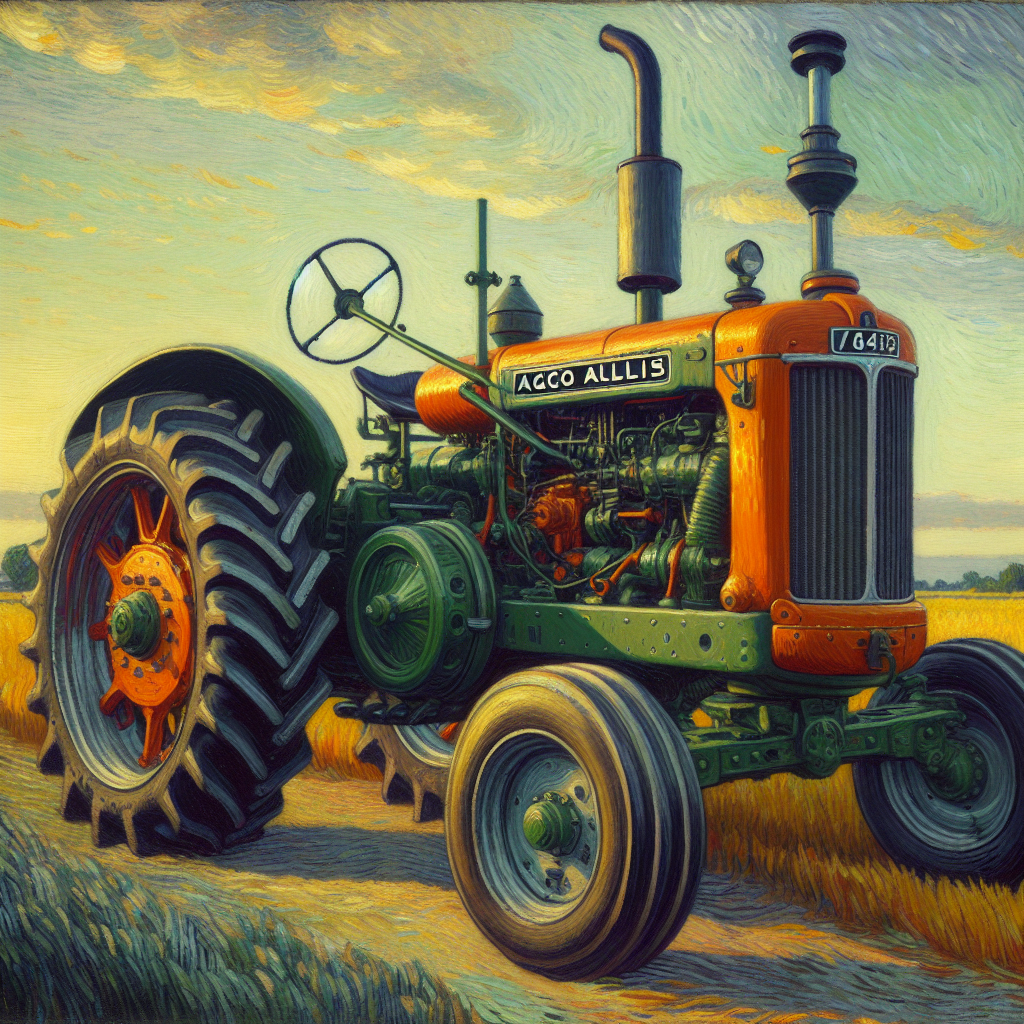
What Old Components Can Farmers Replace with 3D Printing?
How Can 3D Printing Save Farmers Money on Repairs?
In the heart of rural America, farmers work tirelessly, their hands weathered and calloused, shaping the land as if it were an extension of their very being. The age-old ritual of maintaining a tractor, that rusty workhorse of the farm, often leads to gut-wrenching decisions: repair costs that stretch the budget and draw away resources from where they are most needed. But what if I told you there’s a way to save that hard-earned cash and keep those tractors running smoothly without breaking the bank?
Enter 3D printing, a technology that feels like it was plucked straight from the pages of science fiction. Imagine a farmer, late at night, poring over broken equipment, wondering how he will tackle the repair bills. Instead of resigning himself to a costly trip to the dealer, he now can download the schematics for that obscure part—maybe a gear or a bracket that usually takes weeks to arrive—and, with a flick of a switch, print it right in his barn. It’s a scene that transforms despair into hope, as he watches that printer hum to life, turning plastic filament into the solution he so desperately needs.
Rationally speaking, every dollar saved on repairs is a dollar that can be reinvested into the farm—whether it’s upgrading seeds, buying livestock, or even taking a family vacation. Farming shouldn’t just be a grind of endless expense; it should be a source of pride and joy. By harnessing 3D printing, farmers step into a space where innovation meets practicality, where repairing the very machines that fuel their livelihood doesn’t equate to sacrificing their future.
Moreover, the ethical consideration of sustainability looms large as farmers increasingly juggle the demands of modern agriculture with the burdens of environmental stewardship. By printing parts on demand, they minimize waste and avoid the carbon footprint associated with transporting those parts hundreds of miles. It’s not just about saving money; it’s about forging a more responsible relationship with the land.
These days, the farming community thrives on following the lead of one another, where shared experiences build bonds. A neighbor shares his triumph of printing a once-rare tractor part, and suddenly a network of practical DIY repairs ignites across the community. It’s a tale of collaboration, innovation, and resilience that binds farmers together, creating a village where everyone thrives.
So, let’s embrace the future. 3D printing isn’t just a tool; it’s a lifeline. And for every farmer, that’s a lesson worth learning.
How Can 3D Printing Save Farmers Money on Repairs?
How Can 3D Printing Save Farmers Money on Repairs?
- Farmers in rural America face financial strain from repair costs on tractors.
- 3D printing offers a cost-effective solution by allowing farmers to print parts on demand.
- This technology saves time and money, enabling farmers to reinvest in their operations.
- 3D printing supports sustainability by reducing waste and transportation emissions.
- Farmers foster community bonds through shared experiences and knowledge of 3D printing.
- The approach transforms farming from a burdensome expense to a source of pride and innovation.
- 3D printing is a vital lifeline for modern farmers, promoting resilience and collaboration.
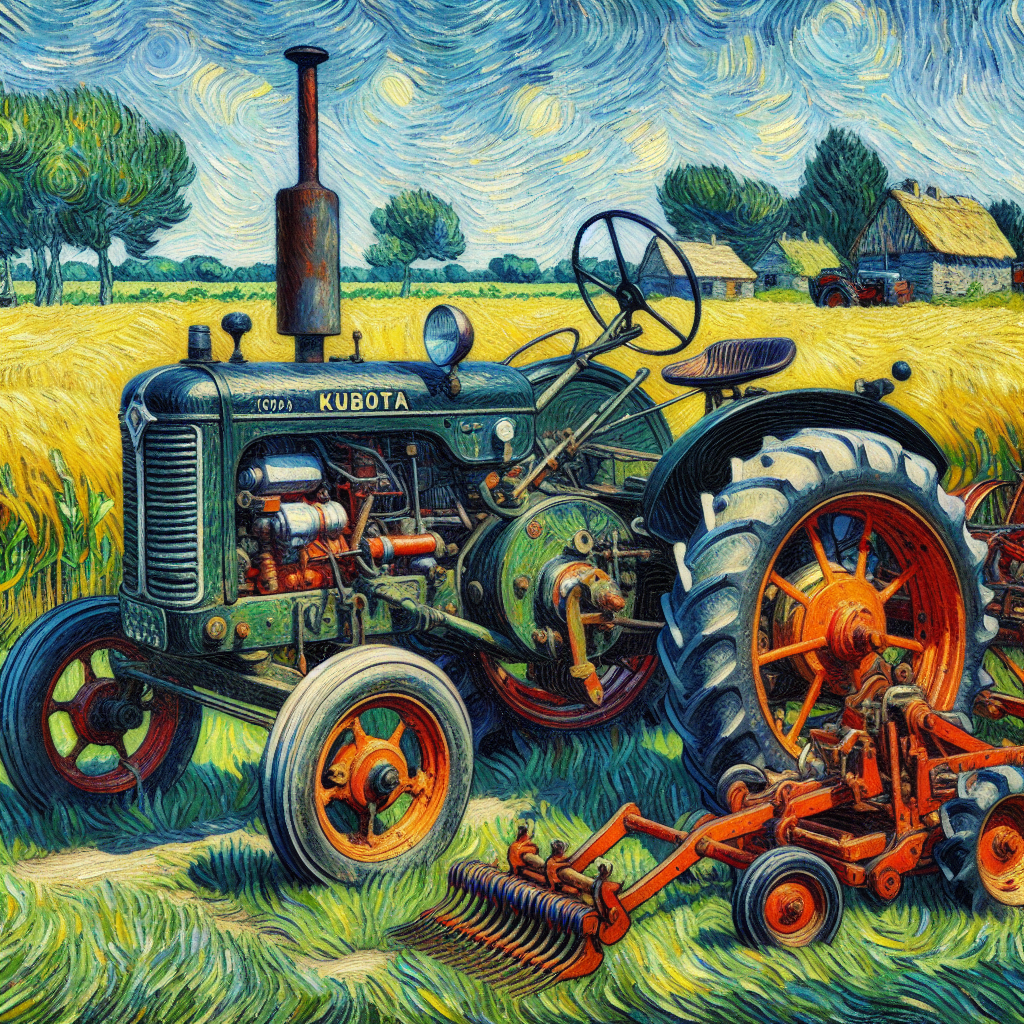
How Can 3D Printing Save Farmers Money on Repairs?
Are Farmers Able to Customize Parts for Better Efficiency?
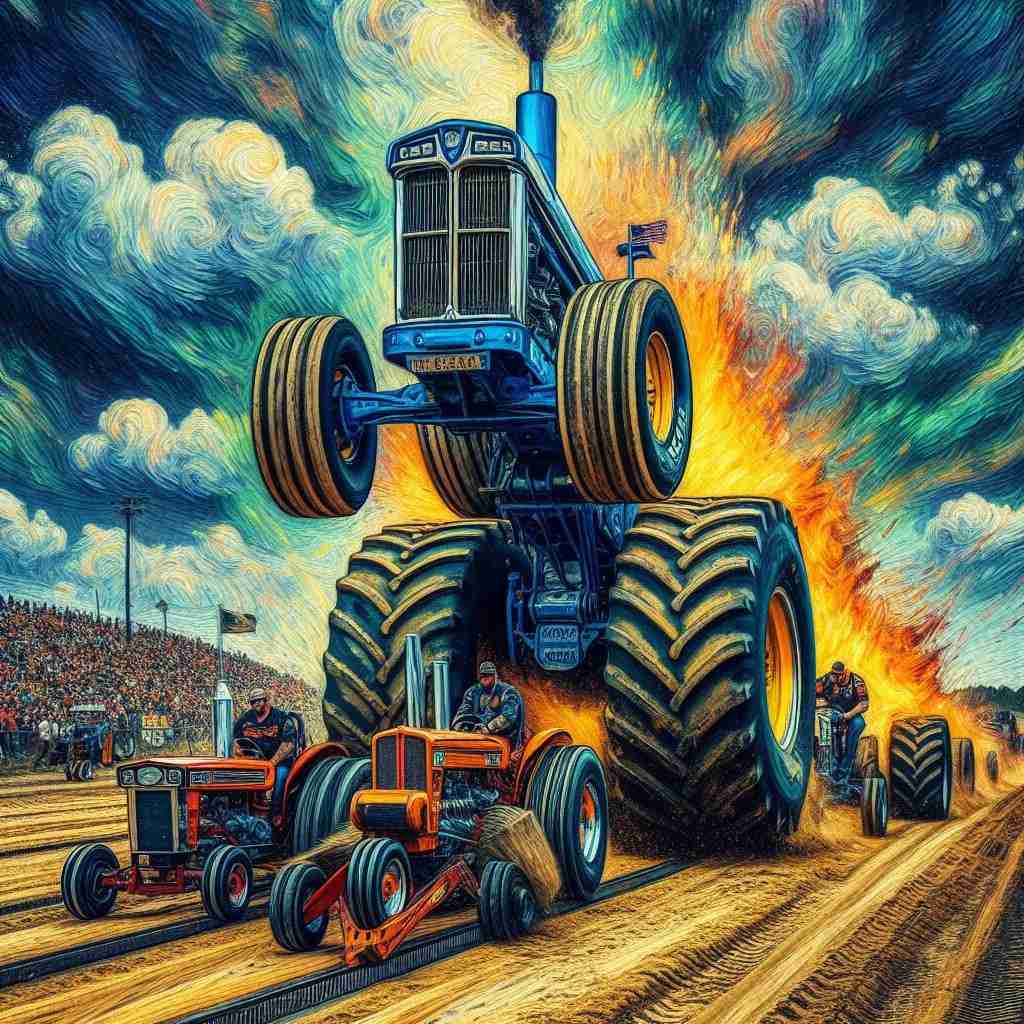
In the world of agriculture, customization isn’t just a luxury; it’s a necessity that can mean the difference between a bountiful harvest and a barren field. Farmers around the country are increasingly turning to tailored solutions to enhance efficiency and productivity. Consider the humble tractor, that workhorse of the farm. While it’s often viewed simply as a vehicle for ploughing fields or hauling loads, its potential extends far beyond that.
Picture a farmer named Joe, standing in the middle of his vast cornfield, the engine of his tractor humming contentedly. He’s not just relying on the standard attachments; he’s modified his equipment to fit his unique terrain and crop requirements. This customization allows him to optimize fuel consumption, reduce wear and tear, and ultimately improve yield quality. Joe’s story isn’t just about individuality; it embodies a collective ethos among farmers who are becoming engineers in their own right. With every tweak or change they make, they’re not only enhancing their own efficiency but contributing to a larger narrative about sustainability and innovation in agriculture.
But let’s delve deeper into the heart of this issue. Why does customization resonate so strongly with farmers? It’s about ownership and pride. When a farmer crafts a solution for their specific challenges, it fosters a sense of agency that’s crucial in a profession often dictated by external factors like weather and market prices. Take a moment to think about it—when Joe stands atop his tractor, maneuvering through his field, he is not just a cog in the machine of modern farming; he is a craftsman. Each customized part of his tractor tells a story of struggle, adaptation, and innovation.
Rationally, customization makes perfect sense. In a world where efficiency means everything, personalized tools can lead to significant savings in time and resources. Ethically, this touches on the environmental impact—more efficient equipment leads to less waste and a smaller carbon footprint.
In many farming communities, there’s a shared spirit of collaboration. Farmers exchange knowledge, tips, and occasionally, even spare parts, building an extensive network of trust. This interconnectedness highlights that while the tractor is a tool, the real engine driving progress is the community working together to tailor solutions for a brighter, more sustainable future. Each farmer’s success story intertwines with the next, creating a collective tapestry of innovation, resilience, and hope.
The movement toward customization in farming, therefore, isn’t merely a trend; it is a testament to the ingenuity and heart of those who feed us. It’s a call to action for all farmers to embrace their role not just as producers, but as innovators—shaping the future of agriculture one modified tractor at a time.
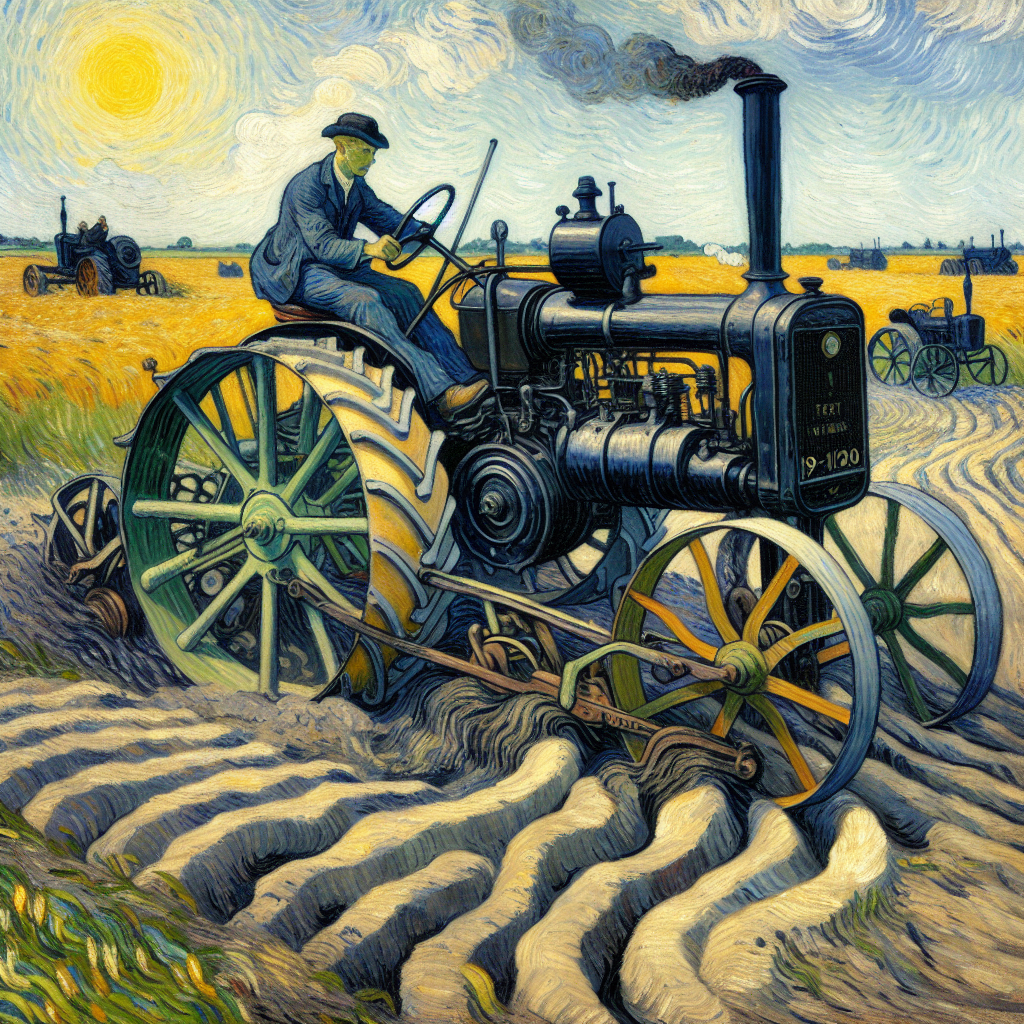
Are Farmers Able to Customize Parts for Better Efficiency?
Are Farmers Able to Customize Parts for Better Efficiency?
- Customization in agriculture is essential for achieving better harvests and productivity.
- Farmers are adapting their equipment, like tractors, to meet specific crop requirements and terrain challenges.
- Customization allows for optimization of fuel consumption, reduced wear, and improved yield quality.
- Farmers find a sense of ownership and pride in crafting tailored solutions for their unique challenges.
- Efficient, customized tools lead to significant time and resource savings, and promote environmental sustainability.
- A collaborative spirit among farmers fosters knowledge exchange and innovation within communities.
- The trend of customization reflects the creativity and commitment of farmers as innovators in agriculture.
Are Farmers Able to Customize Parts for Better Efficiency?
What Are the Ethical Implications Of 3D Printing In Agriculture?
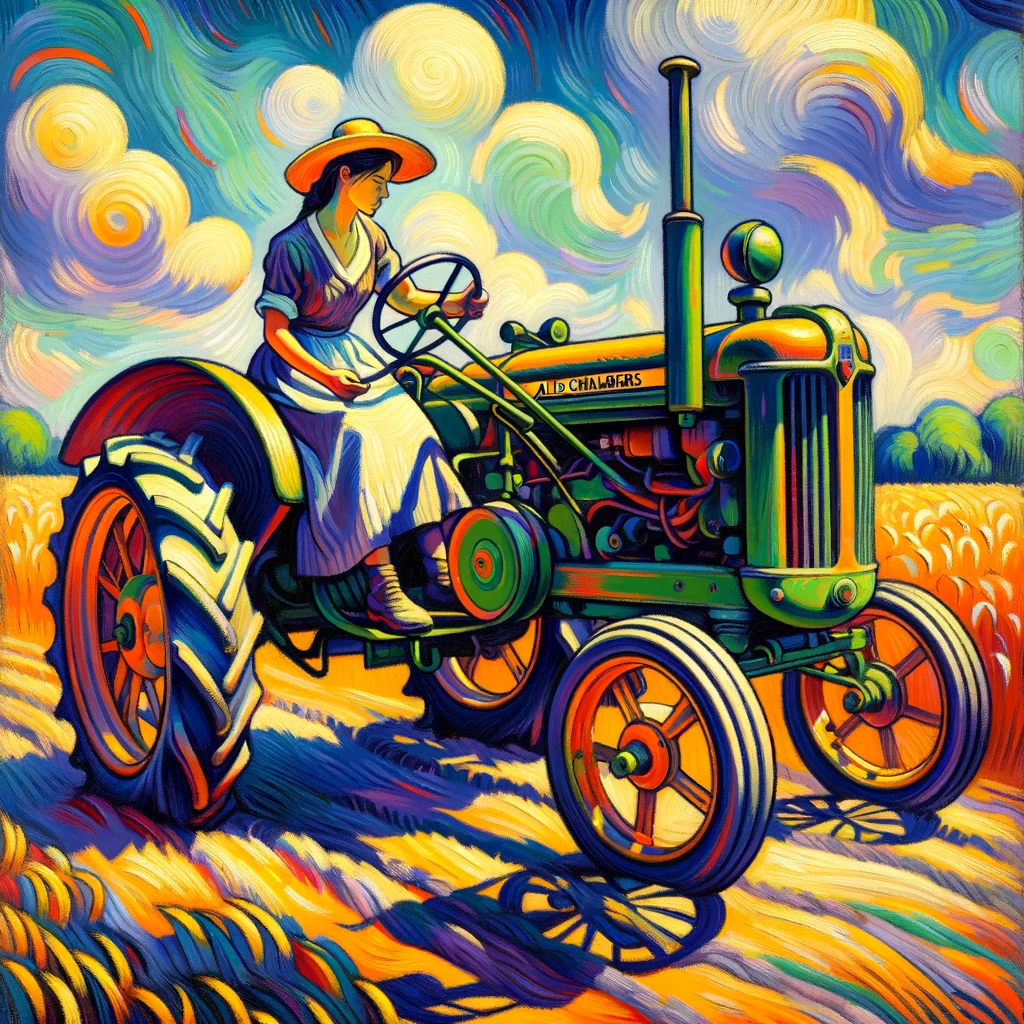
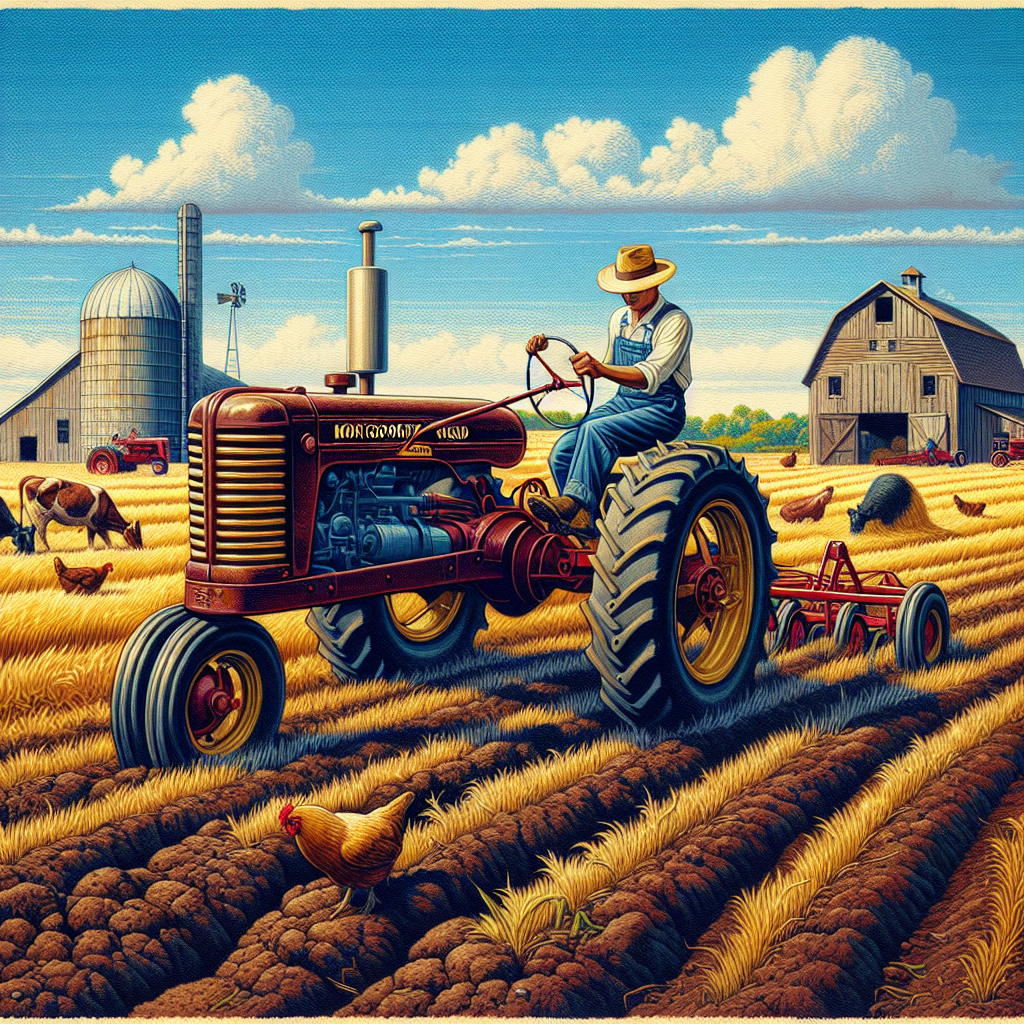
Imagine a field, golden with ripe crops, a tractor rumbling steadily through the rows, a symbol of progress and tradition. Now, picture that same field enhanced by the cutting-edge technology of 3D printing, reshaping the very foundations of agriculture. This innovation offers more than just convenience; it invites us to reconsider our relationship with the land and the food it yields.
At its core, 3D printing in agriculture raises profound ethical questions. It has the potential to create sustainable solutions for food production, reducing waste and resource consumption. A farmer might find themselves equipped with a printer capable of producing replacement parts for equipment, potentially saved from the landfill and reinvigorating machinery that once seemed obsolete. This isn’t merely a technological upgrade; it’s a reflection of respect for our resources and acknowledgment of the legacies of those who tilled the earth before us.
On the one hand, this technology champions accessibility and affordability. A small farm can utilize a 3D printer to create custom tools that enhance efficiency and yield. It transforms agricultural practices, enabling farmers to innovate without breaking the bank. On the other hand, we must grapple with the implications of industrial control over these technologies. The thought of corporations monopolizing the agricultural landscape through proprietary designs makes the stomach churn. Herein lies the tension: the line between empowerment and exploitation.
Personal stories abound in this new agricultural frontier. Consider the farmer who, after losing income to machinery that was too costly to repair, turns to 3D printing. Empowered, they engage in a community-led initiative that shares designs, fosters collaboration, and builds connections among farmers, creating a support network that embodies the spirit of solidarity. This narrative is one of resilience, a reminder that, while we harness technology, it is the human element that shapes its impact.
Ultimately, the ethical implications of 3D printing in agriculture challenge us to envision a future where innovation is pursued not solely for profit but for the greater good. This is a call to action: let’s ensure that as we seize the tools of technology, we also uphold the values of ethics and community. In this rapidly changing landscape, remember it’s about more than just what we produce—it’s about the legacy we create on this land we call home. Together, we can cultivate a more ethical, sustainable future, where technology fosters connection rather than division, all while honoring the hard work of those who came before us.
What Are the Ethical Implications Of 3D Printing In Agriculture?
What Are the Ethical Implications Of 3D Printing In Agriculture?
- A field symbolizes progress and tradition, enhanced by 3D printing technology in agriculture.
- 3D printing raises ethical questions but offers sustainable solutions, reducing waste and resource consumption.
- Farmers can print replacement parts, revitalizing machinery and minimizing landfill waste.
- The technology promotes accessibility, allowing small farms to create custom tools that improve efficiency.
- Concerns about corporate control over agricultural technologies exist, balancing empowerment and exploitation.
- Community-led initiatives enable collaboration among farmers, showcasing resilience and solidarity.
- The future of 3D printing in agriculture should prioritize ethical practices and the legacy of land stewardship.
What Are the Ethical Implications Of 3D Printing In Agriculture?
What Are the Environmental Impacts Of 3D Printing Tractor Parts?
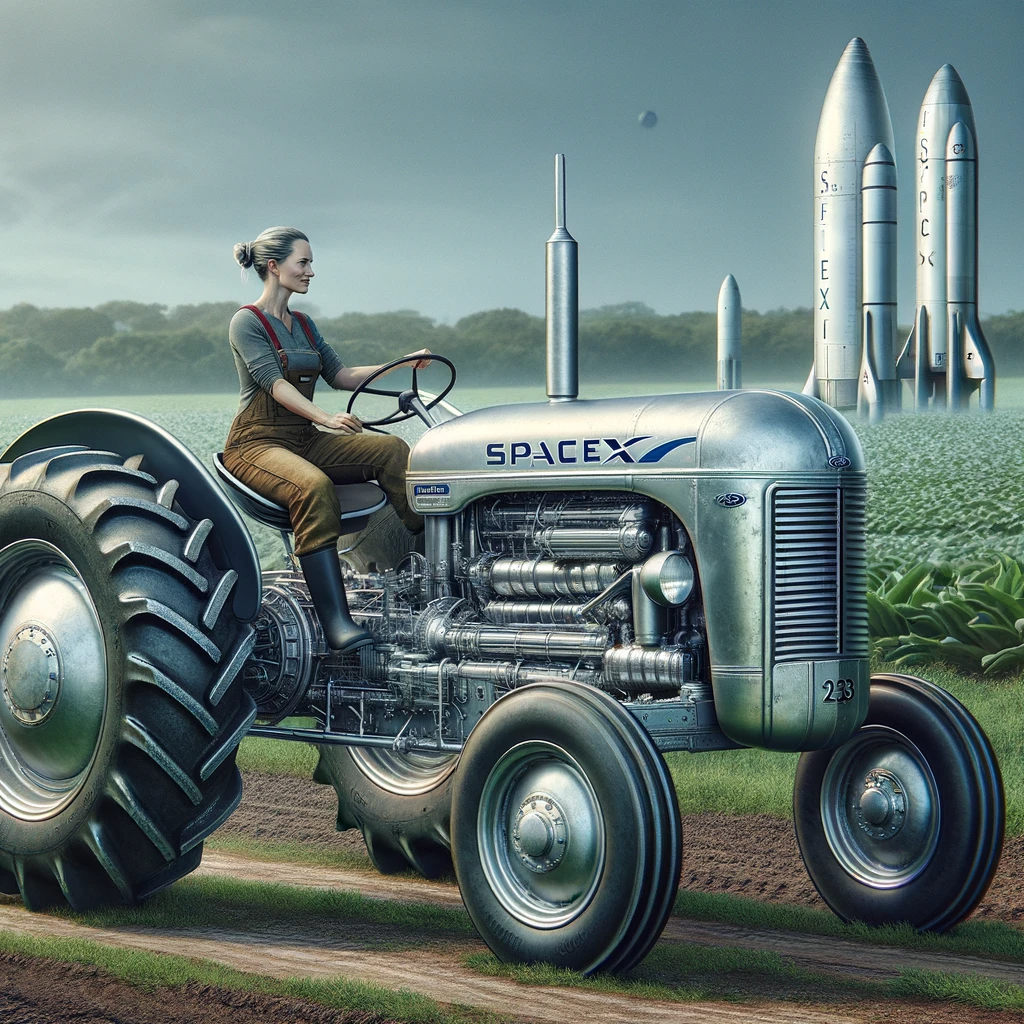
In the world of farming, where the soil meets the sky and the rhythm of the seasons dictates the daily grind, the call for innovation echoes loudly. Picture a tractor, the very backbone of agriculture, chugging along fields of corn as golden sunlight bathes the landscape. Now envision this same tractor being outfitted with parts crafted not in distant factories but through a humming 3D printer, right on the farm. It sounds revolutionary—and it is. Yet, as we embrace this technology, it’s essential to consider its environmental impacts.
At first glance, 3D printing seems like a dream come true. It reduces transportation emissions by cutting out the middleman and enables the production of parts on-demand. A farmer no longer has to wait weeks for essential components, thus minimizing downtime in critical planting and harvesting periods. This immediacy reflects a deeper connection between our needs and resources—a kind of harmony that resonates with our agricultural heritage. Picture a farmer designing a custom part that perfectly fits their tractor, marrying functionality with personalization. That’s the kind of innovation that speaks to the heart.
However, the environmental story of 3D printing isn’t without its complications. While we might print parts with precision and efficiency, the materials used often tell another tale. Plastics and composites dominate the 3D printing landscape, some of which are derived from petroleum. Here lies a paradox. As we create less waste through localized production, we may inadvertently contribute to a dependency on non-renewable resources. Each tractor part represents a choice: one that can either uphold sustainable practices or pave the way for new types of environmental challenges.
Consider this—a local farmer, tired of relying on carbon-heavy imports, begins printing biodegradable tractor parts, promoting an eco-friendly approach while inspiring the community. It’s not just about technology; it’s about leadership and ethical responsibility. When farmers model sustainable practices, their ripple effect reaches far beyond the fields, fostering a culture of environmental stewardship.
The narrative of 3D printing in agriculture is a call to action. It beckons us to seize the opportunity in unexpected ways. Engaging in this dialogue means not only adopting innovative techniques but also understanding their consequences. It invites us to take pride in our land, our choices, and our future. We can do better—not just for our tractors, but for the planet that nurtures our way of life. The key is balance: leveraging advanced technology thoughtfully while remaining anchored to our ethical roots. In doing so, we honor the legacy of those who tilled the land before us, ensuring that the tractors of tomorrow are not only powerful but also sustainable guardians of the earth.
What Are the Environmental Impacts Of 3D Printing Tractor Parts?
What Are the Environmental Impacts Of 3D Printing Tractor Parts?
- 3D printing revolutionizes farming by enabling on-demand production of tractor parts directly on farms.
- This technology reduces transportation emissions and minimizes downtime during critical planting and harvesting periods.
- Farmers can design custom parts that fit their tractors, combining functionality with personalization.
- Environmental concerns arise from the use of plastics and composites, often sourced from non-renewable materials.
- Farmers adopting biodegradable materials can promote sustainability and inspire their communities.
- The narrative encourages balancing innovation with ethical responsibility to foster environmental stewardship.
- Emphasizes the importance of making technology choices that honor agricultural legacies and sustainability.
What Are the Environmental Impacts Of 3D Printing Tractor Parts?
How Do Farmers Ensure Quality and Safety In 3D Printed Components?
Farmers are often seen as stewards of the land, working tirelessly to provide the food that nourishes our bodies and sustains our communities. In recent years, a new innovation has emerged in the agricultural realm: 3D printing. This technology holds the promise of revolutionizing how farmers approach not just production but the very quality and safety of their components. But how do they navigate this uncharted territory?
Consider the heart of a farmer’s operation: the tractor. A farmer depends on this powerful machine to till the soil, plant seeds, and harvest crops. Imagine a malfunctioning part due to subpar materials sourced from a distant supplier. It’s not merely an inconvenience; it threatens the entire crop and, ultimately, the livelihood of the farmer and their family. This scenario crystallizes why ensuring quality and safety in 3D printed components is paramount.
Farmers are increasingly opting for local, high-quality materials when creating replacement tractor parts or agricultural tools through 3D printing. Think about it—rather than relying on mass-produced components that might have traveled thousands of miles, farmers can print parts tailored to their specific machines, using materials that they trust. The decision to source locally isn’t just practical; it nurtures a sense of community and fosters a deeper connection between the farmer and the land they cultivate.
But there’s more than economics at play. The ethical choice to use environmentally sustainable materials resonates deeply with the values of modern agriculture. When farmers print components that are safer for the planet, such as biodegradable plastics or recycled materials, they’re not only investing in their own futures but also in the health of the environment for future generations. This commitment to sustainability is a powerful narrative that builds trust and fosters deeper connections between farmers and consumers who are increasingly concerned about their health and the health of the planet.
One unique aspect is the potential for collaboration. Imagine a network where farmers share 3D printing designs and innovations like a modern-day barn-raising—each contributing their expertise to enhance quality and safety. This sense of community amplifies the effectiveness of 3D technology, as solutions become accessible, and knowledge freely exchanged.
As farmers weave this technology into their daily practices, they embody the resilience of their profession, taking a bold step into the future while honoring the traditions of the past. They are not just producers; they are innovators, safety-conscious stewards of their land, leading the charge toward a more sustainable agricultural landscape. With every tractor part printed with care, they are not merely ensuring their own success—they’re building a brighter, safer future for everyone.
How Do Farmers Ensure Quality and Safety In 3D Printed Components?
How Do Farmers Ensure Quality and Safety In 3D Printed Components?
- Farmers are crucial stewards of the land, providing food for communities.
- 3D printing is revolutionizing agricultural production and component quality.
- Farmers depend on tractors; malfunctions can jeopardize crops and livelihoods.
- Local sourcing of high-quality materials for 3D printed parts fosters community connections.
- Using environmentally sustainable materials supports ethical agriculture and benefits the planet.
- A collaborative network among farmers enhances 3D printing innovation and knowledge sharing.
- Farmers embrace technology while honoring traditions, paving the way for a sustainable future.
How Do Farmers Ensure Quality and Safety In 3D Printed Components?
Conclusion
In rural America, a quiet revolution is reshaping agriculture, driven not by tech giants but by the farmers themselves. These individuals, often undervalued in society, are harnessing the power of 3D printing to breathe life into obsolete tractor components, redefining resilience in farming. The tale of farmer John illustrates this shift perfectly—when his tractor breaks down, he doesn’t succumb to frustration or dependence on distant suppliers. Instead, he turns to his 3D printer, a symbol of modern ingenuity. What emerges is not just a replacement part but a reaffirmation of his autonomy and creativity.
This innovation is more than a practical solution; it resonates deeply. A farmer’s tractor is intertwined with their legacy, reflecting years of hard work and dedication. With the ability to repair rather than replace, farmers preserve their history while adapting to contemporary challenges. The economic implications are hard to overlook: the drastic reduction in repair costs allows these stewards of the land to reinvest in their farms, ensuring sustainability and viability for future generations.
Ethically, 3D printing empowers farmers. It liberates them from the constraints imposed by agribusiness giants and offers a chance to craft a more equitable agricultural landscape. It fosters community, as farmers share designs and knowledge, weaving a tapestry of collaboration that strengthens their social fabric.
Yet, the conversation about 3D printing in agriculture also invites a reflection on environmental responsibility. While this technology champions localized production, it also triggers a critical examination of material choices. Sustainable materials can transform the production process, thereby lessening the overall carbon footprint. Farmers are not just honorees of tradition; they are innovators, pushing forward toward a future where every printed part stands as a testament to ethical stewardship.
At its core, this narrative challenges us to reimagine progress and innovation. The farmers who embrace 3D printing exemplify a spirit of adaptability that links the past to the future, reminding us that at the heart of agriculture are human stories of trial, triumph, and the drive to cultivate not just crops but community ties. Each day spent on the land reinforces their dedication to giving back to the very soil that sustains us all. This evolution, where tradition meets innovation, calls us to recognize and celebrate the role of farmers in forging a sustainable, connected future—both for their families and for society as a whole.
Conclusion
Conclusion:
- A revolution in rural America is reshaping agriculture, led by farmers rather than tech giants.
- Farmers are utilizing 3D printing to create replacement parts for outdated tractor components, enhancing resilience.
- The story of farmer John exemplifies this shift, showcasing autonomy and creativity through 3D printing.
- Repairing rather than replacing equipment helps preserve farmers’ legacies while adapting to current challenges.
- Lower repair costs enable farmers to reinvest in their operations, promoting sustainability for future generations.
- 3D printing fosters community collaboration as farmers share designs and knowledge, empowering them against agribusiness monopolies.
- This innovation prompts reflection on environmental responsibility and the importance of sustainable materials in production.
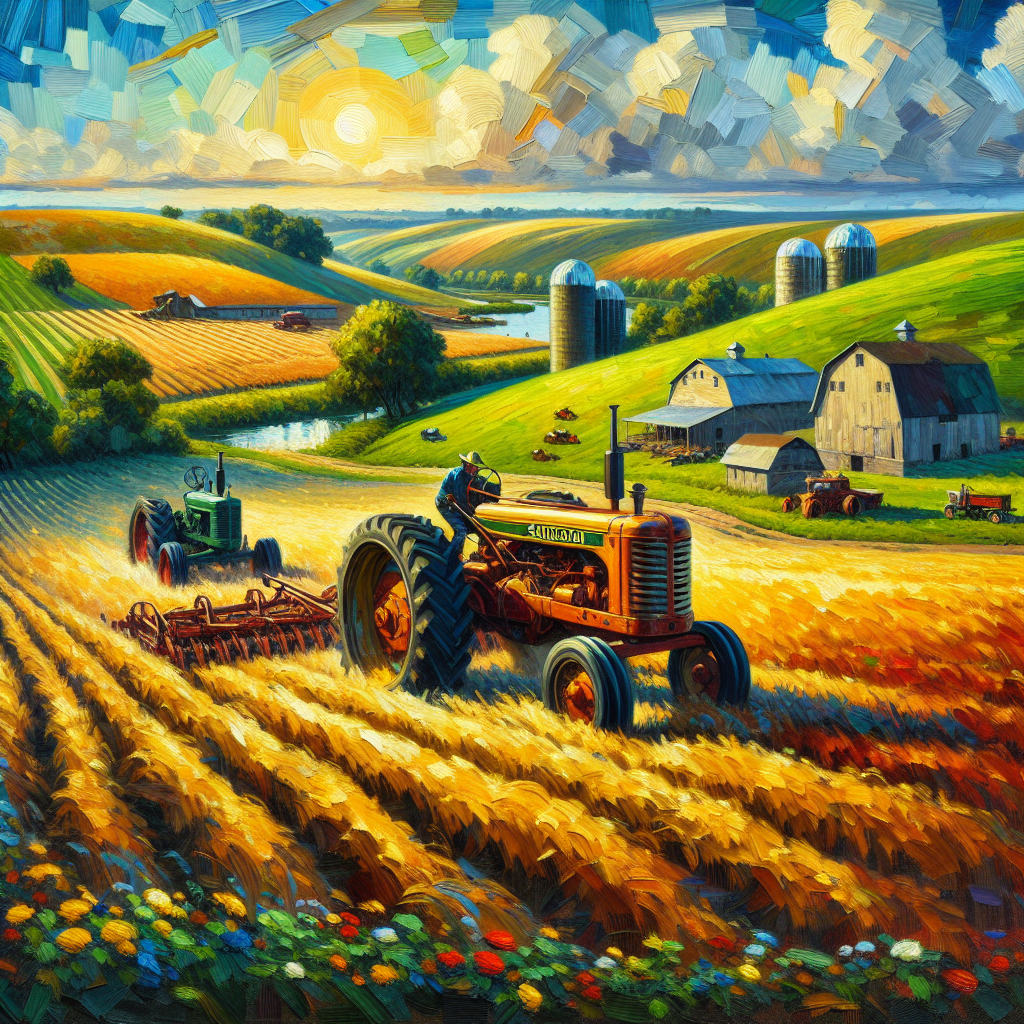
Conclusion
Other Resources
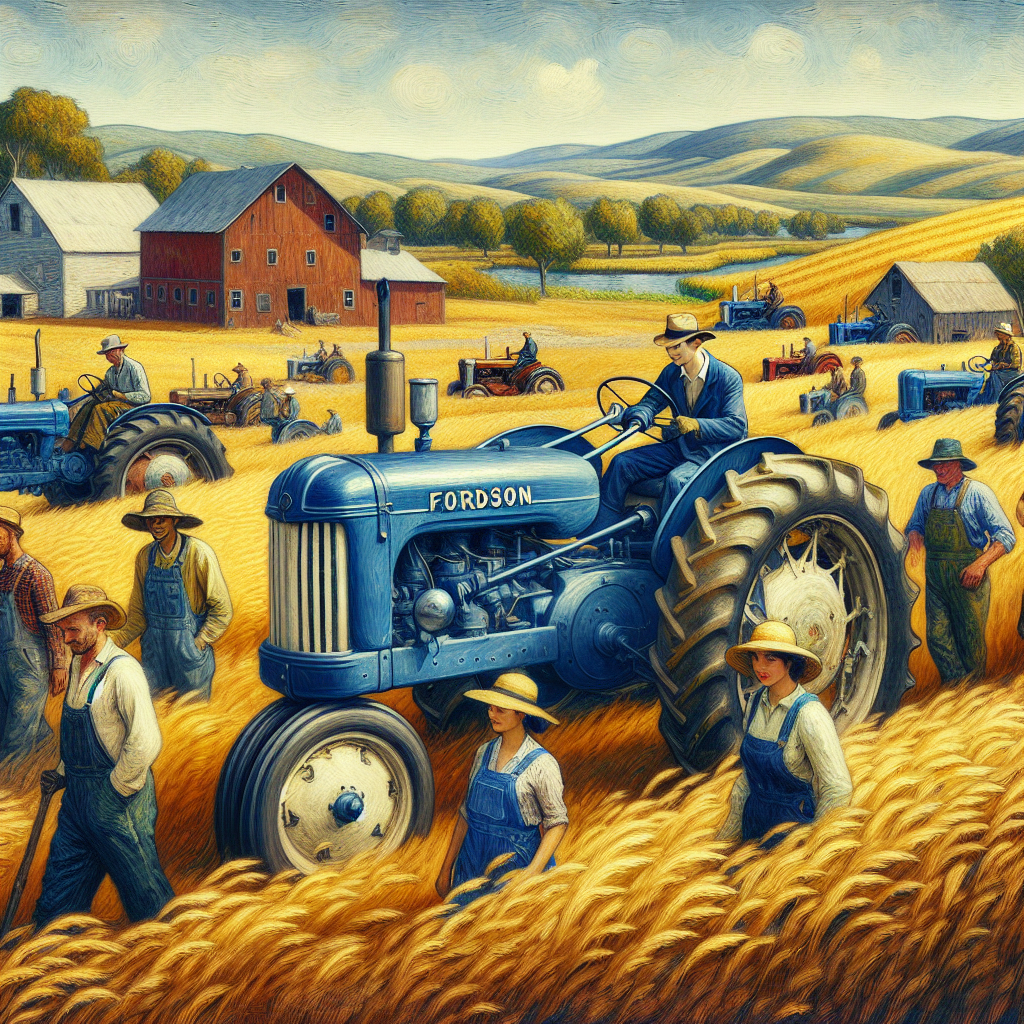
Other Resources
Here is a list of other resources you can review online to learn more:
- KUHN
- UTB/Universal
- Antonio Carraro
- Kirovets
- Tractor Models
- Porsche
- Upton
- East Wind
- Antique Farm Equipment Museum
- Fendt
- Rutherford County Farm Museum
- NorTrac
- Louisville Tractor Pull
- Eagle Manufacturing
- Yanmar
- Schilter
- TAFE
- Bukh
Use This Prompt To Get More Resources With Your Favorite Online AI Tool: Please provide me with a list of online articles with their URLs in a bulleted list that I can read regarding How Farmers Are 3D Printing Obsolete Tractor Components
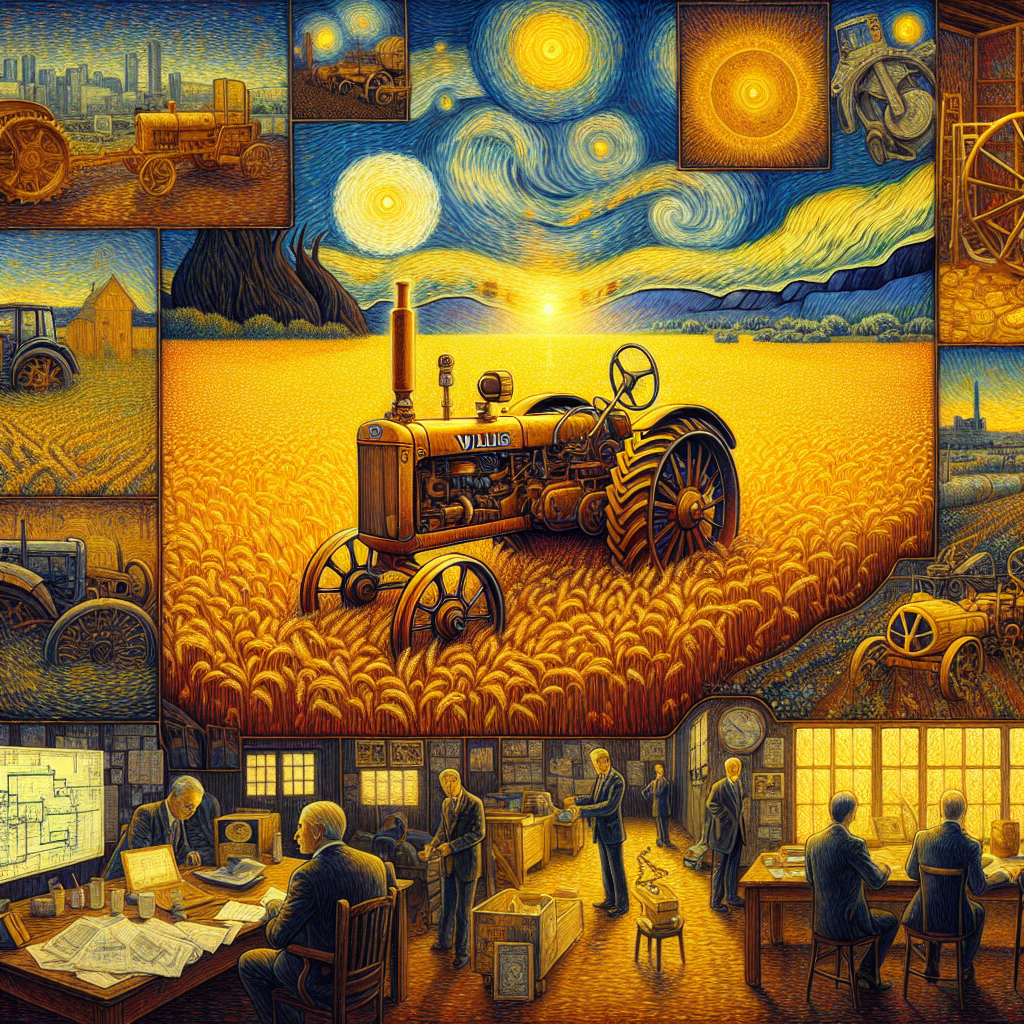
Other Resources
Glossary Terms
How Farmers Are 3D Printing Obsolete Tractor Components – Glossary Of Terms
1. Additive manufacturing (3D printing) — Layer-by-layer fabrication process used to create parts from digital models, enabling on-farm production of obsolete tractor components.
2. Fused Deposition Modeling (FDM) — Common desktop method that extrudes melted thermoplastic filament to build parts; popular for producing durable plastic replacements.
3. Stereolithography (SLA) — Resin-based 3D printing that cures liquid photopolymer with a laser or light source, useful for fine-detail components or molds.
4. Selective Laser Sintering (SLS) — Powder-bed process that fuses polymer powder with a laser, producing robust, complex nylon parts without support structures.
5. Metal 3D printing (DMLS/SLM/Binder Jetting) — Processes that produce metal parts by fusing or binding metal powder, enabling replacement of critical metal components.
6. CAD (Computer-Aided Design) — Software used to create or modify 3D models of tractor parts before printing.
7. STL file — Standard file format representing a 3D model’s surface geometry, commonly used as the input for slicing software.
8. 3D scanning — Digitizing an existing component into a point cloud or mesh to reproduce obsolete parts through reverse engineering.
9. Reverse engineering — Process of measuring and modeling an existing part to recreate a printable CAD design when originals are unavailable.
10. Slicer software — Tool that converts a 3D model into layers and generates printer instructions (G-code) with settings like infill and supports.
11. G-code — Machine instructions produced by the slicer that control printer movements, temperatures, and extrusion for each layer.
12. Filament/feedstock — Material form (spools of filament, resin cartridges, powder) supplied to printers to create parts.
13. Thermoplastics (PLA, ABS, PETG, Nylon) — Common polymer materials with differing strength, temperature resistance, and durability used for farm parts.
14. Composite filaments (carbon- or glass-filled) — Polymers reinforced with short fibers to increase stiffness, strength, or wear resistance for load-bearing replacements.
15. Metal powder — Fine metallic feedstock used in metal additive processes to produce structural and wear-critical components.
16. Layer height — Thickness of each printed layer; smaller heights yield finer surface finish and dimensional accuracy but increase print time.
17. Infill density — Internal structure percentage that balances weight, strength, and material use for printed parts.
18. Print orientation — The direction a part is built on the print bed, which affects strength, surface quality, and need for supports.
19. Support structures — Temporary printed material that stabilizes overhangs during printing and is removed during post-processing.
20. Post-processing — Operations after printing (removing supports, sanding, machining, heat treatment, curing) to achieve final fit and function.
21. Mechanical properties — Attributes such as tensile strength, impact resistance, fatigue life, and hardness that determine a printed part’s suitability.
22. Tolerance and dimensional accuracy — The allowable deviation from target dimensions; critical for mating parts and safe tractor operation.
23. Press-fit and interference fit — Assembly methods relying on precise dimensions where a printed part is designed to be slightly oversized for tight mating.
24. Threaded insert (heat-set/coil insert) — Metal inserts embedded into printed parts to provide durable, load-bearing threads for fasteners.
25. Wear parts (bushings, shims, brackets) — Commonly 3D-printed replaceable components that experience abrasion and often become obsolete from OEM catalogs.
26. End-use part — A printed component intended for direct service on a tractor rather than only for prototyping or testing.
27. OEM vs aftermarket — Distinction between original-equipment-manufacturer parts and independently produced replacements, relevant for fit, warranty, and documentation.
28. Retrofitting — Modifying equipment so printed replacement parts integrate with older tractors or updated systems.
29. Supply chain resilience — Localized 3D printing reduces lead times and dependence on distant suppliers for obsolete parts.
30. Open-source designs and licensing — Shared CAD files and usage terms (e. g. , Creative Commons) that enable farmers to download, modify, and legally print obsolete components.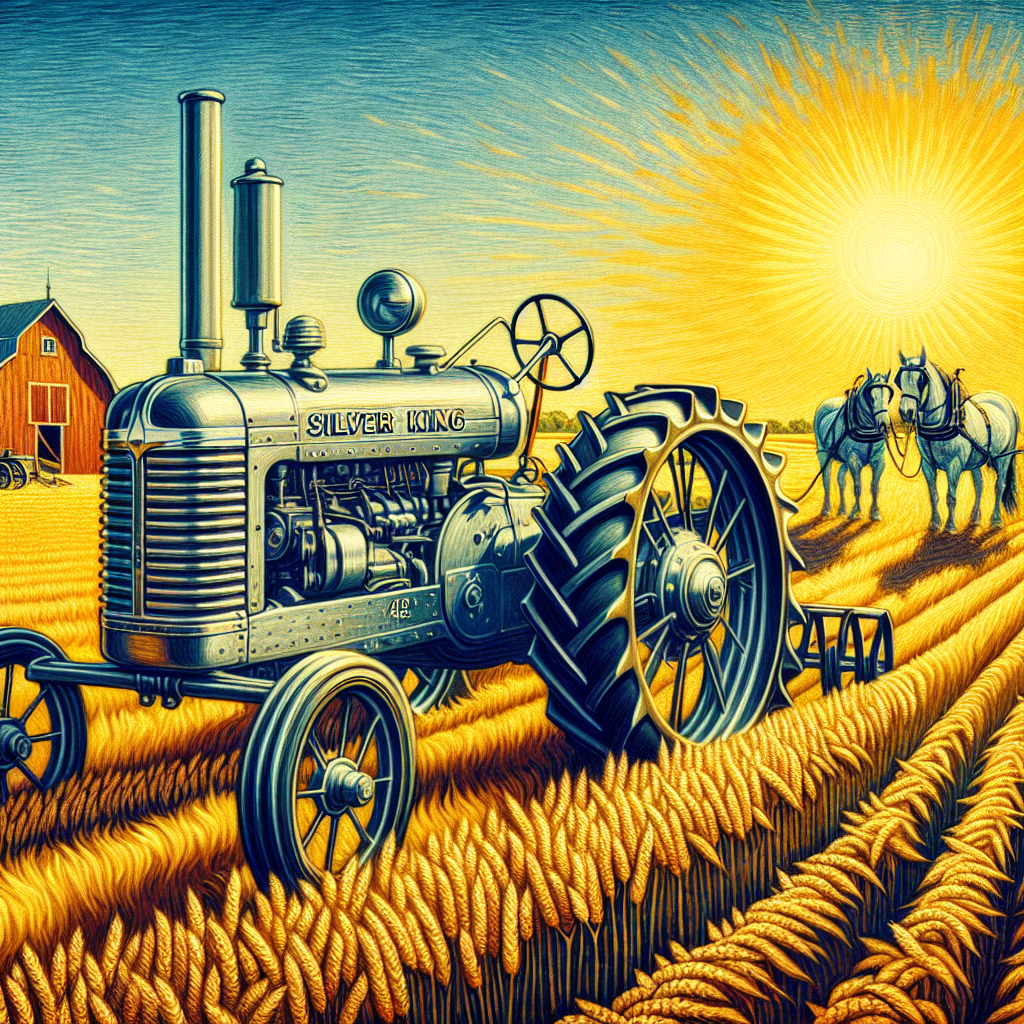 Glossary Of Terms
Other Questions
How Farmers Are 3D Printing Obsolete Tractor Components – Other Questions
If you wish to explore and discover more, consider looking for answers to these questions:
- What specific tractor components are most commonly 3D printed on farms?
- Which parts should never be 3D printed due to safety or strength concerns?
- What materials (filaments/resins/metal powders) are suitable for printing tractor parts?
- How do 3D-printed parts compare in strength, durability, and fatigue life to OEM parts?
- Can 3D-printed parts withstand exposure to oil, fuel, chemicals, UV, and extreme temperatures?
- What printing technologies (FDM, SLA, SLS, DMLS) are appropriate for different types of components?
- How large a part can a typical farm 3D printer produce, and what are options for oversized components?
- How long does it take to print common replacement parts, and how does print time affect downtime?
- What are the costs of printers, materials, and maintenance compared to ordering OEM replacements?
- What skills, training, or software knowledge do farmers need to design or modify parts?
- Where can farmers find reliable CAD models or STL files for tractor parts?
- What are the intellectual property and licensing issues when sharing or printing OEM designs?
- Does printing third‑party parts void tractor warranties or affect resale value?
- How do farmers validate quality—what testing, inspections, or certifications are recommended?
- Are there established standards or industry guidelines for agricultural 3D-printed parts?
- Who is liable if a 3D-printed part fails and causes injury, crop loss, or equipment damage?
- How do insurers view 3D-printed repairs—will insurance cover failures involving printed parts?
- What recycling or end-of-life options exist for failed prints or used filament spools?
- Are biodegradable or bio-based filaments viable for durable agricultural components?
- How significant are the environmental benefits when accounting for material production and lifespan?
- Can multi-material or reinforced prints (e.g., fiber-filled) replace metal components safely?
- What post-processing (annealing, coating, machining) is needed to improve part performance?
- How do printing tolerances and fitment issues get resolved for precision moving parts?
- What maintenance and calibration practices keep farm printers reliable in dusty, variable environments?
- What are the cybersecurity risks of downloading and sharing part files, and how can they be mitigated?
- Are there community platforms or cooperative networks where farmers exchange validated designs?
- What government grants, subsidies, or extension programs support adoption of 3D printing in agriculture?
- How widely adopted is 3D printing on farms today—are there adoption statistics or notable case studies?
- How will on‑farm 3D printing affect traditional suppliers, parts dealerships, and supply chains?
- What economic ROI can a farmer expect from investing in 3D printing equipment and workflows?
Other Questions
Haiku
How Farmers Are 3D Printing Obsolete Tractor Components – A Haiku
Rusty tractors hum soft,
Farmers craft hope, parts anew,
Life blooms through their hands.
Haiku
Poem
How Farmers Are 3D Printing Obsolete Tractor Components – A Poem
In fields where tractors once toiled and sounds of clanking echoed the past,
A revolution brews, in quiet hues, where innovation’s shadows are cast.
Farmers awaken, before dawn’s gentle light, tools of the future to embrace,
3D printers whir, crafting parts with care, in a dance of technology’s grace.
Feel the pulse of pride as machinery hums, a legacy bound in sweat and earth,
Each part shaped with resilience and dreams, embodying struggle, toil, and worth.
Reclaiming power from corporate hands, they forge their path, unbound,
Reducing waste, saving time, in a community of hope, solutions abound.
Customization reigns in the heart of the land, enhancing yield through unique design,
Efficiency blooms, and with each printed piece, dreams of grandeur intertwine.
Sustainability whispers through the rustling corn, a destiny woven in the soil,
With every connection made, every design shared, springs a spirit that does not recoil.
Yet, amid this progress, ethical dilemmas arise;
Is our embrace of technology guided by hearts or by the wise?
Fear not the mass-produced chains, but honor the earth as we create,
Navigating the balance of innovation and care, a future we cultivate.
So here’s to the farmers, the architects of endeavor,
In fields where ancient meets modern, they reclaim their forever.
Through every component borne from bright minds,
They sow the seeds of resilience and hope, their legacy entwined.
Poem
Checklist
How Farmers Are 3D Printing Obsolete Tractor Components – A Checklist
Emotional Appeals
✅______ Document and share personal experiences of using 3D printing on your farm.
✅______ Organize or participate in local events focused on sharing 3D printing successes.
✅______ Reflect on how repairing machinery keeps family history alive.
Rational Appeals
✅______ Estimate savings from reduced repair costs and eliminate shipping delays.
✅______ Track improvements in downtime and part customization.
✅______ Measure the reduction in waste and resources used by adopting 3D printing.
Ethical Appeals
✅______ Choose materials sourced locally to strengthen community ties.
✅______ Share resources or knowledge with fellow farmers to uplift community standards.
✅______ Use biodegradable or recycled materials in your 3D printing practices.
Authority Appeals
✅______ Collaborate with local agricultural extension services or universities using 3D printing.
✅______ Engage in workshops or seminars on the best practices in 3D printing for agriculture.
✅______ Transparently communicate your practices in using 3D printed components.
Narrative Appeals
✅______ Document your journey in adopting 3D printing and attract a following.
✅______ Share photos or videos of the 3D printing process and finished products.
✅______ Highlight stories of other farmers who have successfully integrated 3D printing.
Social Appeals
✅______ Connect with other farmers using 3D printing to share ideas and designs.
✅______ Use platforms to share successes, challenges, and advice on 3D printing.
✅______ Work with peers to collectively tackle the challenges of outdated machinery.
Checklist
At ClassicTractorNews, we help tractor lovers keep up with the latest news for classic and vintage tractors.
Please share this post with your friends, family, or business associates who may like old classic or vintage tractors.