


Reviving Agriculture: Vintage Tractors’ Seasonal Solutions
By Tom Seest
At ClassicTractorNews, we help tractor lovers keep up with the latest news for classic and vintage tractors.
Please share this post with your friends, family, or business associates who may like old classic or vintage tractors.
How Do Vintage Tractors Solve Seasonal Farming Challenges?
There’s something about a vintage tractor that goes beyond just mechanics and horsepower; it embodies a spirit, a way of life, and a deep-rooted connection to the land. As the seasons change and farmers face their cyclical challenges, these sturdy machines often become the unsung heroes in the battle against nature’s whims.
Imagine standing at the dawn of spring, the ground still cloaked in frost, eager to break ground and plant seeds that will sustain a year’s worth of crops. The heavy machinery of modern agriculture certainly has its perks, but there’s something timeless about the reliability of a vintage tractor. With its simple mechanics and rugged design, it can be revived and restored more easily than high-tech counterparts. Farmers know that when technology fails, this old workhorse can often keep things rolling, literally and figuratively.
As summer swells, bringing in bountiful yields, the need for efficient harvesting becomes urgent. That’s where vintage tractors shine. Often equipped with attachments that can handle a range of tasks from tilling to harvesting, these machines are versatile and dependable. They draw on decades—sometimes even generations—of engineering that has been tested on farms like yours. You can trust a vintage tractor to get the job done, come rain or shine.
Then, as the leaves turn and those cooler autumn days approach, the chores don’t stop. You’ve got to prepare the land for winter, which can feel like an overwhelming task. Those vintage tractors, with their easy repairs and user-friendly design, become easier to maintain than their modern equivalents. With a little elbow grease, they’re ready to tackle anything from plowing the fields to hauling mulch, making them indispensable tools for preparing your farm for a cold winter’s rest.
And let’s not forget the emotional connection. A vintage tractor often carries stories and memories that are as rich as the soil itself. They are symbols of resilience in farming, a testament to the generations who’ve wrestled with the same earth you’re working today. So the next time you face a farming challenge, consider the vintage option. It’s not just about the job—it’s about honoring a legacy and embracing the unchanging spirit of agriculture. Grab those tools, hop on that tractor, and remember: you’re not just farming; you’re part of a timeless tradition.

How Do Vintage Tractors Solve Seasonal Farming Challenges?
How Do Vintage Tractors Solve Seasonal Farming Challenges?
- Vintage tractors represent more than machinery; they embody a spirit and a connection to the land.
- As seasons change, these machines serve as reliable allies for farmers facing nature’s challenges.
- Vintage tractors are easier to restore and maintain compared to modern high-tech machinery.
- They demonstrate versatility during the summer harvest with attachments for various tasks.
- During autumn, vintage tractors simplify preparations for winter through user-friendly design.
- These tractors carry emotional connections and stories, symbolizing farming resilience across generations.
- Using a vintage tractor honors farming legacy and embraces the enduring spirit of agriculture.

How Do Vintage Tractors Solve Seasonal Farming Challenges?
Table Of Contents
- How Do Vintage Tractors Solve Seasonal Farming Challenges?
- What Are The Benefits Of Using Vintage Tractors In Farming?
- How Do Vintage Tractors Handle Different Seasonal Crops?
- Can Vintage Tractors Reduce Farming Costs During Harvest?
- What Maintenance Challenges Come With Vintage Tractors?
- How Do Vintage Tractors Compare To Modern Machinery In Efficiency?
- Are Vintage Tractors More Sustainable For Seasonal Farming?
- What Tools Work Best With Vintage Tractors For Seasonal Tasks?
- Conclusion
- Other Resources
- Glossary Of Terms
- Other Questions
- Haiku
- Poem
- Checklist
What Are The Benefits Of Using Vintage Tractors In Farming?
In a world where everything seems to speed up, there’s something profoundly grounding about a vintage tractor. Picture it: a robust machine sitting prominently on your farm, a relic of simpler times, yet perfectly capable of tackling today’s agricultural challenges. Now, you might ask, what’s the attraction? Well, let’s dig into the goodness that these sturdy tractors can bring to modern farming.
First off, vintage tractors offer a connection to our roots—literally and figuratively. There’s a certain charm in hearing the engine roar to life, the rhythmic clatter echoing across the fields, reminiscent of the hardworking folks who came before us. This connection doesn’t just resonate on a sentimental level; it also serves a practical purpose. Vintage tractors often come with simplicity in their design. Many farmers find them easier to repair and maintain than their modern counterparts, which can sometimes feel like navigating a spaceship. With fewer electronic components, you can dive right into the heart of the machine, understanding how it works and, most importantly, knowing how to fix it when things go awry.
Now, let’s not overlook the cost factor. A well-maintained vintage tractor might demand a lower upfront investment compared to a flashy new model. For those just starting out or operating on a budget, this is a solid way to keep costs in check while still getting your tractor to do some heavy lifting. Plus, with so many enthusiasts out there, you might just find a treasure at a local auction that fits your needs perfectly.
But it goes deeper than just economics. Using a vintage tractor can be a statement of sustainability. These machines are often known for their durability and long lifespan, harkening back to an era that valued craftsmanship. By choosing to keep these tractors in operation, you’re not only preserving history; you’re also taking a step towards a more sustainable farming approach. Less reliance on frequent upgrades means fewer resources consumed and a smaller carbon footprint.
So, if you’re standing at a crossroads—wondering whether to invest in the latest gadget or embrace the past—consider the vintage tractor. It’s more than just a piece of machinery; it’s a gateway to a way of life, a source of inspiration, and a symbol of enduring hard work. Sometimes, the old ways are the best ways. Embrace that vintage spirit, and let it take your farming journey to new heights.
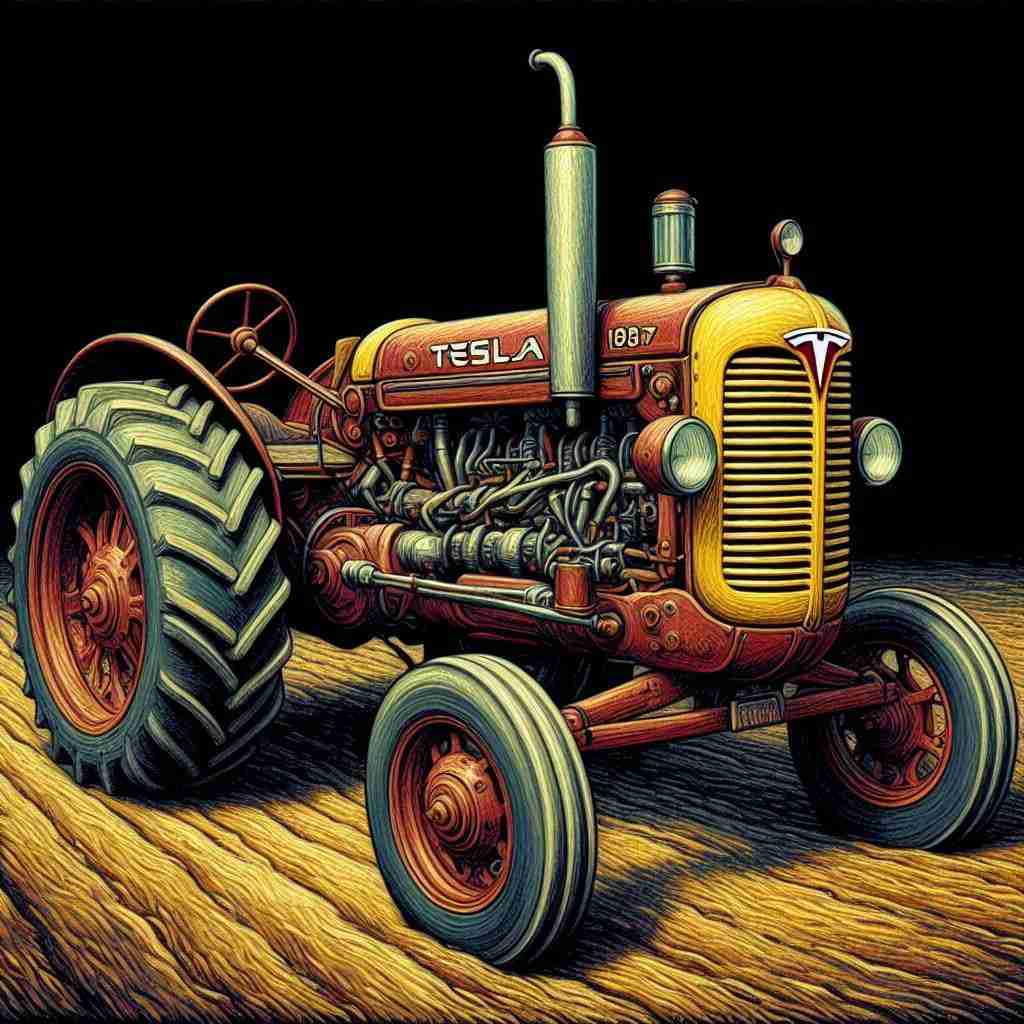
What Are The Benefits Of Using Vintage Tractors In Farming?
What Are The Benefits Of Using Vintage Tractors In Farming?
- Vintage tractors provide a grounding connection to agricultural roots, evoking simpler times.
- Their design is often simpler, making repairs and maintenance more accessible for farmers.
- They typically require a lower upfront investment compared to modern tractors, ideal for budget-conscious farmers.
- Vintage tractors can often be found at local auctions, offering unique opportunities for enthusiasts.
- Utilizing vintage tractors promotes sustainability, as they are durable and have a long lifespan.
- Purchasing these machines reduces the need for frequent upgrades, minimizing resource use and carbon footprint.
- Choosing a vintage tractor symbolizes a commitment to hard work, craftsmanship, and an enduring farming legacy.

What Are The Benefits Of Using Vintage Tractors In Farming?
How Do Vintage Tractors Handle Different Seasonal Crops?
In the world of agriculture, there’s something undeniably special about the rough-hewn beauty of a vintage tractor. Picture the sun rising over vast fields, dew glistening like tiny gems on rows of crops waiting to be cultivated. Now, imagine the sound of a well-loved engine rumbling to life, a familiar note that tells you it’s time to get to work. Vintage tractors, with their sturdy frames and timeless appeal, are more than just machines; they’re a bridge to our agricultural past and a testament to how far we’ve come.
When it comes to handling different seasonal crops, these vintage workhorses possess a unique charm and adaptability that can leave even the most seasoned farmer in awe. Whether you’re dealing with the delicate sprouts of spring or the hearty yield of fall, there’s a tractor that’s seasoned enough to handle the task. For instance, how many of us have had the pleasure of driving a John Deere or an International Harvester during the planting season? These tractors, built with the philosophy of making farm life easier, manage to accommodate diverse crops — from a gentle touch for tender seedlings to the muscle needed for harvesting robust grains.
Imagine preparing the soil for a new season of crops. As you drive the tractor through the earth, a sense of connection forms—not just between you and the machine, but with the very land that sustains you. It’s a feeling that binds generations together. You can almost hear the stories echoed in the roar of the engine, tales of hard winters and bountiful summers, of triumphs and challenges.
What’s more, vintage tractors often come equipped with simple, effective implements that may lack the bells and whistles of modern machinery but make up for it with reliability. They may require a little more elbow grease and familiarity, but isn’t that part of the charm? You learn to appreciate the nuances of each row and each crop, forging a bond with your tractor that goes beyond metal and gears.
In this age of high tech, let’s not forget the elegance of those vintage machines. They remind us that every season brings its own rhythm, and with the right tractor by your side, you can dance to it gracefully. So, whether you’re aiming to till a field of corn in the summer heat or harvest squash in the crisp autumn air, don’t underestimate the power of a trusty classic. With the right vintage tractor, your seasonal crops will thrive, and so will the spirit of the land you lovingly tend.

How Do Vintage Tractors Handle Different Seasonal Crops?
How Do Vintage Tractors Handle Different Seasonal Crops?
- Vintage tractors embody a unique charm and connection to agricultural history.
- They are versatile and adaptable for handling various seasonal crops.
- Notable brands like John Deere and International Harvester offer trusted performance.
- Driving vintage tractors fosters a sense of connection to the land and its traditions.
- These machines provide simple, reliable implements for various farming tasks.
- Operating them requires skill and familiarity, enhancing the farmer’s experience.
- Vintage tractors serve as a reminder of the elegance and rhythm of farming seasons.

How Do Vintage Tractors Handle Different Seasonal Crops?
Can Vintage Tractors Reduce Farming Costs During Harvest?
Imagine walking into a field at dawn, the air crisp, the sun barely peeking over the horizon, and a vintage tractor humming away as it transforms the landscape. There’s something incredibly charming about those old machines—they have character, like a grizzled farmer who can recount tales of the land’s history. But beyond their nostalgic appeal, vintage tractors can play a significant role in reducing farming costs, especially during the crucial harvest season.
Look, modern tractors packed with gadgets can simplify farming tasks, but let’s not forget their price tags that can make even the most seasoned farmer gulp. Vintage tractors, on the other hand, come with a price point that isn’t stomach-churning. Many of these machines can be found in barns, old sheds, or online auctions, waiting for the right hands to bring them back to life. Investing in one can save you a heap of cash both initially and in long-term maintenance.
Now, consider this: these classic tractors were built to withstand the rigors of fieldwork, often designed with straightforward mechanics and fewer electronic components. With a bit of TLC, a vintage tractor can be easier and less expensive to repair than modern counterparts, which often require costly diagnostic equipment. Think of it as a simpler, more reliable friend to rely on when the pressure is on during harvest.
But let’s highlight something even more compelling—community. Restoring and maintaining a vintage tractor often opens doors to a network of passionate folks who appreciate the art of old-school farming. They share tips, parts, and stories, transforming what might seem like a solitary task into a shared journey. You’ll find camaraderie in the grease and grime, a solidarity built by the common goal of keeping the farm running efficiently while paying homage to the tools that forged the path.
Moreover, let’s not overlook sustainability. Vintage tractors typically consume less fuel and can be more eco-friendly than some of their high-powered counterparts. By opting for these machines, you’re not just saving money; you’re also championing a reduced carbon footprint on your farm.
So, whether you’re an old hand in the field or a newcomer ready to take the plunge, consider the wise and wallet-friendly choice of a vintage tractor. It’s not just about cutting costs; it’s about embracing a timeless tradition that connects you with the land and the community. And that’s a worthy harvest in its own right.

Can Vintage Tractors Reduce Farming Costs During Harvest?
Can Vintage Tractors Reduce Farming Costs During Harvest?
- Walking into a field at dawn showcases the charm of vintage tractors, likening them to seasoned farmers rich in history.
- While modern tractors simplify tasks, their high costs can be daunting, whereas vintage tractors offer more affordable options.
- Vintage tractors are typically found in barns or auctions and can save money on initial purchase and long-term maintenance.
- These classic machines are durable with simpler mechanics, making them easier and less expensive to repair than modern tractors.
- Restoring vintage tractors fosters community among enthusiasts, promoting shared knowledge, parts, and stories in farming.
- Vintage tractors are often more fuel-efficient and eco-friendly, helping reduce a farm’s carbon footprint.
- Choosing a vintage tractor connects you with farming traditions and the community, making it a worthwhile investment.

Can Vintage Tractors Reduce Farming Costs During Harvest?
What Maintenance Challenges Come With Vintage Tractors?
When you think of vintage tractors, your mind might wander to sunlit fields, the smell of fresh earth, and the satisfying rumble of an engine that’s seen generations. But let’s get one thing straight: owning a vintage tractor is not just about nostalgia; it’s an ongoing commitment that comes with a laundry list of maintenance challenges. Despite their charm, these old workhorses require attention, patience, and a bit of elbow grease to keep them running smoothly.
First off, you’ll likely encounter a few common problems that come with age. Rubber components, such as hoses and belts, can become brittle and prone to cracking. Fortunately, finding replacements isn’t always as difficult as it seems; many enthusiasts have databases for parts or can guide you to local suppliers who appreciate the vintage appeal. Consider this a rite of passage. Sourcing parts for your tractor isn’t just a necessity; it’s an adventure that connects you to a community of fellow restorers and collectors.
Then there’s the issue of engine maintenance. Vintage tractors often rely on older technology that may not always comply with modern repair techniques. You might find your local mechanic scratching their head at the sight of a carburetor rather than a fuel injection system. That’s where you roll up your sleeves and dive into research. Online forums can be a fantastic resource, packed with tips and tricks from those who’ve wrestled with the same engine malfunctions.
Another aspect to consider is the electrical system. Many vintage tractors come with 6-volt systems, creating a world of difference in maintaining that engine’s starting power. You may find yourself wrestling with wiring that seems straight out of a spaghetti factory. Remember, it’s all part of the journey. As you untangle those wires, you’re not just solving a problem; you’re building a relationship with your tractor, understanding its quirks, its strengths, and its weaknesses.
Don’t forget about the exterior! Rust and corrosion can be relentless foes, especially if your tractor has spent many winters unloved in the barn. Regularly inspecting for signs of wear and tear and addressing issues promptly can save you a heap of trouble down the line. Paint chips, fading, or rust spots might be more than just cosmetic; they can signal deeper issues that require your immediate attention.
In wrapping all this up, owning and maintaining a vintage tractor is more than just a hobby; it offers an unmatched sense of accomplishment and connection to the past. Yes, it comes with its challenges, but the rewards—both practical and emotional—are immeasurable. So, gear up and get ready to roll—there’s a whole world of vintage tractors waiting for your hands to bring them back to life.

What Maintenance Challenges Come With Vintage Tractors?
What Maintenance Challenges Come With Vintage Tractors?
- Owning a vintage tractor involves ongoing commitment and maintenance challenges, not just nostalgia.
- Common problems include brittle rubber components such as hoses and belts, but replacements are often accessible through enthusiast networks.
- Engine maintenance can be tricky due to outdated technology; researching issues online can be beneficial.
- Many vintage tractors use 6-volt electrical systems, which can complicate starting power and wiring maintenance.
- Regular inspection for rust and corrosion on the exterior is crucial, as these can indicate deeper issues.
- Maintaining a vintage tractor offers a sense of accomplishment and connection to the past.
- Despite the challenges, the rewards of restoring and caring for vintage tractors are significant and deeply fulfilling.

What Maintenance Challenges Come With Vintage Tractors?
How Do Vintage Tractors Compare To Modern Machinery In Efficiency?
When you think of a tractor, you might envision massive machines gleaming with state-of-the-art technology—sleek contours, touchscreen displays, and all the bells and whistles that modern engineering can muster. But before you buy into the flashy allure of contemporary machinery, let’s take a moment to reflect on those vintage workhorses that have stood the test of time.
Vintage tractors, with their rugged simplicity and no-nonsense design, continue to captivate farmers and enthusiasts alike. Imagine firing up an old Ford 8N or a John Deere Model B. Sure, these tractors lack the computerized precision of their modern counterparts, but there’s a certain charm in their raw, mechanical spirit. You won’t find GPS-guided plowing on these machines, but what they do offer is a connection to the land and a rhythm to work that many modern operators crave.
Now, you might wonder: are vintage tractors efficient? That’s a bit of a loaded question. In terms of raw horsepower per gallon of diesel, sure, modern models often take the cake. They come equipped with advancements that allow farmers to do more with less, stretching every drop of fuel for optimal performance. However, it’s important to consider what “efficiency” truly means. Is it just about the numbers, or does it also encompass the experience?
When you hop on a vintage tractor, you’re not just driving; you’re participating in a tradition that has been refined over generations. It’s an act of stewardship, a tactile connection to a simpler time when farming was a family affair and every inch of tillable land was valued. Vintage tractors, despite their slower speed and less polished performance, demand a hands-on approach that fosters skill and awareness; you can’t glance at a screen and expect a miracle. You have to feel the land, listen to the engine, and engage with the task at hand.
So, before you decide to shell out for the latest, greatest machine, consider what really matters to you. Efficiency can be measured in many ways—output, fuel consumption, or even the satisfaction derived from pulling a well-known vintage tractor through fields that have witnessed countless harvests. Sometimes, the best way to appreciate “efficiency” isn’t always about speed or numbers; sometimes, it’s about enjoying the journey, cultivating a deep-rooted trust in your machinery, and honoring the legacy that came before us. Whether you’re a farming veteran or a curious newcomer, vintage tractors invite you to join a community where every turn of the wheel tells a story worth sharing.

How Do Vintage Tractors Compare To Modern Machinery In Efficiency?
How Do Vintage Tractors Compare To Modern Machinery In Efficiency?
- Vintage tractors, like the Ford 8N and John Deere Model B, offer a rugged simplicity and charm absent in modern machines.
- Although modern tractors are more fuel-efficient and technologically advanced, vintage models create a deeper connection to the land and farming tradition.
- Efficiency is subjective; it could mean horsepower, fuel consumption, or the enriching experience of using vintage equipment.
- Operating a vintage tractor requires a hands-on approach, fostering skill and awareness through physical engagement.
- Driving a vintage tractor connects users to a tradition of farming that emphasizes stewardship and value for the land.
- Modern tractors may be quicker and more efficient, but the appeal of vintage machinery lies in the journey and experience rather than just performance metrics.
- Vintage tractors encourage community and storytelling among farmers, inviting participation in a legacy of agriculture.

How Do Vintage Tractors Compare To Modern Machinery In Efficiency?
Are Vintage Tractors More Sustainable For Seasonal Farming?
Let’s talk about tractors—not just any tractors, but the vintage kind that rumble through fields with a character all their own. Picture a picturesque farm, perhaps your grandparents’ place, where the air is filled with the scent of freshly tilled earth and the gentle purr of a well-loved machine. It’s tempting to think that these classic pieces of farming equipment are relics of a bygone era, but the truth is they’re making a spirited comeback, especially in the world of seasonal farming.
Now, hold on a second. When we hear “vintage tractor,” images of rusted metal and sputtering engines might flash through our minds. But here’s the kicker: these machines are often more sustainable than their flashy, digital-age counterparts. Let’s break it down. Vintage tractors were built to last. They’re simple, mechanical marvels, without the eco-frenzy of a thousand electronic features that require constant updates and repairs. Fewer bells and whistles mean fewer parts to end up in the landfill. This rugged durability speaks volumes about sustainability—craftsmanship that stands the test of time.
Moreover, many farms are opting for seasonal practices that capitalize on biodiversity and organic methods. Vintage tractors can help facilitate that. Their reliability and longevity mean they can be maintained and repaired using readily available parts, keeping farming practices grounded in local resources. When your tractor can run for decades instead of needing a replacement every few years, that’s not just good for your wallet; it’s good for the planet.
But more than that, there’s an emotional connection that comes with working a vintage tractor. It’s about stewardship—both of the land and of our heritage. Driving a tractor that’s traversed generations feels like a bridge to a rich farming legacy. Each scratch and dent tells a story, and when you work the land with these enduring machines, you become part of that narrative.
Seasonal farming thrives on connection—not just to the earth, but to the tools that help cultivate it. Choosing a vintage tractor isn’t just a sustainable choice; it’s a statement about valuing quality over quantity, history over disposability. So, as you ponder your farming endeavors, remember: sometimes the best tools for nurturing the land are the ones with a story to tell. Embrace the vintage spirit, and drive forward in a way that honors both the past and the future.

Are Vintage Tractors More Sustainable For Seasonal Farming?
Are Vintage Tractors More Sustainable For Seasonal Farming?
- Vintage tractors embody character and charm, reminiscent of picturesque farms.
- These classic machines are making a comeback in seasonal farming.
- Contrary to expectations, vintage tractors are often more sustainable than modern counterparts.
- They are designed for durability, without excessive electronic features that contribute to waste.
- Reliability of vintage tractors promotes the use of local resources for repairs and maintenance.
- Working with vintage tractors fosters an emotional connection and stewardship of the land and heritage.
- Choosing vintage equipment reflects a preference for quality, history, and sustainability in farming practices.

Are Vintage Tractors More Sustainable For Seasonal Farming?
What Tools Work Best With Vintage Tractors For Seasonal Tasks?
Let’s talk tools—specifically, the kinds that fit seamlessly into the rhythm of your vintage tractor’s life. If you’ve got a classic piece of machinery with a bit of character, you understand it’s not just about the horsepower; it’s about how you use that power to get the job done. Whether you’re plowing fields, tending to gardens, or hauling firewood for the chilly months ahead, the right tools can transform your vintage tractor from a nostalgic relic to an indispensable workhorse.
First up, let’s consider the plow. The beauty of vintage tractors is that they often come with a history that includes some pretty impressive plowing capabilities. A good moldboard plow pairs beautifully with your tractor, allowing you to turn over the soil like it’s nobody’s business. Watching the earth open up behind you as you process your field is nothing short of magical. Nothing beats the smell of fresh soil as you prepare to plant!
Now, if your seasonal tasks lean more toward gardening, a tiller attachment can prove to be your best friend. These tools break up compacted soil, making it ready for your seeds or seedlings. Plus, there’s a certain satisfaction in standing back and admiring your handiwork, knowing you’ve helped nurture life from the ground up.
And let’s not forget about the importance of a good trailer. Vintage tractors often boast strong, durable frames—perfect for towing heavy loads. Whether you’re hauling firewood, moving crops, or transporting tools around your property, a well-designed trailer can make quick work of what could otherwise be a back-breaking task.
For those seasons when the weather takes a turn for the worse, a snow blade or snow blower attachment will keep you moving along. It might be challenging to think about winter when the sun’s shining, but having the right tools on hand will ensure you’re prepared for whatever Mother Nature throws your way.
Ultimately, using your vintage tractor is about much more than just getting the job done; it’s about connecting with the land, honoring craftsmanship, and reviving traditions. So go ahead, dust off those tools, strap them on your trusty tractor, and dive into the satisfying, gritty work ahead. With the right setup, you’ll not only accomplish your seasonal tasks—you’ll do it with style and a grin that says, “This is what it’s all about.”

What Tools Work Best With Vintage Tractors For Seasonal Tasks?
What Tools Work Best With Vintage Tractors For Seasonal Tasks?
- Vintage tractors combine horsepower with effective tools for various tasks.
- A good moldboard plow enhances plowing capabilities, making soil preparation enjoyable.
- Tiller attachments are ideal for gardening, breaking up compacted soil for planting.
- A robust trailer adds functionality, perfect for hauling heavy loads like firewood and crops.
- Snow blades or snow blowers prepare you for winter challenges and adverse weather.
- Using a vintage tractor promotes a connection with the land and honors traditional craftsmanship.
- Proper tools and setup allow for completing tasks with style and satisfaction.

What Tools Work Best With Vintage Tractors For Seasonal Tasks?
Conclusion
As we wrap up this exploration of vintage tractors and their role in modern farming, it’s clear that these machines represent much more than just rusted metal and stubborn mechanics. They embody a deep connection to our agricultural roots, acting as steadfast allies in the ever-changing seasons of farming. Picture this: the sun rises over the fields, casting warm light on a well-loved tractor, its engine rumbling like an old friend greeting the dawn. The very presence of this vintage workhorse recalls tales of labor and tenacity, reminding us of the hard work that has shaped our connection to the land.
When faced with the cyclical challenges of planting, harvesting, and preparing for the cold, vintage tractors prove their worth time and again. Unlike their modern counterparts, which are often laden with complicated electronics and costly repairs, these classic machines are built on a blueprint of simplicity. That rugged design allows farmers to dive into the grease and grime of a repair with confidence, restoring their trusty tractors with resources often found in local communities. It fosters a sense of stewardship—not just for the machinery, but also for the generations of farmers who came before us.
In terms of costs, vintage tractors offer a budget-friendly alternative. They invite you to bring back the essence of farming without breaking the bank. The camaraderie that springs from restoring these machines is palpable, drawing in a network of modern-day artisans who appreciate the value of tradition. Moreover, the sustainability angle can’t be overlooked. Selecting a vintage tractor means taking a step toward reducing waste and rethinking our consumption habits, all while championing an eco-friendly approach to agriculture. With parts readily available and a low reliance on modern consumerism, these machines keep the spirit of farming alive while caring for our planet.
So, the next time you’re standing in the field pondering your options, consider choosing a vintage tractor. It’s not just a practical decision—it’s an homage to a legacy that values hard work, tradition, and resilience. Dust off those tools, embrace the narrative under your fingertips, and hop aboard your classic tractor. You’re not just farming; you’re participating in a timeless journey. The seasons will come and go, but with a vintage machine at your side, you’ll honor both the past and future of agriculture, one plow at a time.

Conclusion
Conclusion:
- Vintage tractors symbolize a deep connection to agricultural roots and embody steadfastness in modern farming.
- They remind us of the labor and tenacity that have shaped our relationship with the land.
- Vintage tractors are simpler in design, allowing for easier repairs using locally available resources.
- These machines foster a sense of stewardship for both the equipment and the generations of farmers before us.
- They offer a budget-friendly alternative to modern tractors, enabling farmers to embrace traditional farming without high costs.
- Choosing vintage tractors promotes sustainability by reducing waste and encouraging eco-friendly practices.
- Restoring vintage tractors is a collaborative effort that connects modern artisans with the values of tradition and resilience.

Conclusion
Other Resources

Other Resources
Here is a list of other resources you can review online to learn more:
- Hitachi
- Buhler Versatile
- Cletrac
- Woods Equipment
- Happy Farmer
- AgTrac
- Jackson
- Fendt International
- Barreiros
- Schluter
Use This Prompt To Get More Resources With Your Favorite Online AI Tool: Please provide me with a list of online articles with their URLs in a bulleted list that I can read regarding How Do Vintage Tractors Solve Seasonal Farming Challenges?

Other Resources
Glossary Terms
How Do Vintage Tractors Solve Seasonal Farming Challenges? – Glossary Of Terms
1. Antique Tractor: A tractor built before 1970, often valued for its durability and mechanical simplicity.
2. RESTORATION: The process of repairing and refurbishing vintage tractors to restore their original functionality and aesthetics.
3. Cultivation: The agricultural preparation of soil by using vintage tractors for tilling, fertilizing, and weed control.
4. Harvesting: The gathering of mature crops, where vintage tractors assist in efficiently transporting harvested goods.
5. Seasonal Farming: Agricultural practices that vary according to the seasons, requiring different implements and tools.
6. Equipment Attachments: Tools that can be added to vintage tractors, such as plows and seeders, to adapt to different farming tasks.
7. Versatility: The ability of vintage tractors to perform multiple farming tasks, making them useful throughout different seasons.
8. Reliability: The consistent performance of vintage tractors over many years, often outlasting modern models under challenging conditions.
9. Sustainability: Farming practices supported by vintage tractors that promote environmental health and resource conservation.
10. Soil Compaction: A condition caused by heavy machinery; vintage tractors often have a lighter footprint, mitigating this issue.
11. Agility: The ability of vintage tractors to navigate smaller fields and tighter spaces where larger equipment may struggle.
12. Fuel Efficiency: The capability of vintage tractors to operate with lower fuel consumption, making them cost-effective for seasonal farming.
13. Maintenance: The regular care required for vintage tractors to keep them in working condition, often simpler than modern machines.
14. Field Work: General term for various tasks done in agricultural fields, including planting, weeding, and harvesting, all of which can utilize vintage tractors.
15. Vintage Farming Techniques: Traditional farming methods that often complement the use of vintage tractors, focusing on hands-on approaches.
16. Crop Rotation: A farming practice supported by vintage tractors that helps maintain soil health and manage pests seasonally.
17. Restoration Enthusiast: A person who enjoys working on vintage tractors, aiming to restore and maintain them for agricultural use.
18. Tractor Shows: Events where vintage tractor enthusiasts showcase their machinery and demonstrate farming techniques.
19. Convertible Implements: Attachments that can change function based on seasonal needs, enhancing the versatility of vintage tractors.
20. Small-Scale Farming: Farming that utilizes vintage tractors for efficient management of smaller plots of land.
21. Harvest Moon: The full moon closest to the autumn equinox, signaling the onset of the traditional harvest season, a time when vintage tractors shine.
22. Agri-Ecosystem: The interaction of farming practices and seasons; vintage tractors play a role in maintaining balance within this system.
23. Soil Fertility: The ability of soil to sustain plant growth, which vintage tractors help enhance through effective cultivation practices.
24. Mechanical simplicity: The uncomplicated designs of vintage tractors that make them easier to repair and operate compared to modern tractors.
25. Labor-Intensive: Farming methods which require significant manual labor, often complemented by vintage tractors for efficiency.
26. Pest Management: Strategies to control agricultural pests where vintage tractors help facilitate practices that minimize chemical use.
27. Community Supported Agriculture (CSA): A system that encourages local farming using vintage tractors to promote seasonal crop distribution to consumers.
28. Transplanting: Moving seedlings or saplings to fields; vintage tractors are used for transporting plants and soil preparation.
29. Traditional Farming Values: Beliefs and practices emphasizing sustainability, community engagement, and environmental stewardship often embodied by vintage tractors.
30. Chisel Plow: A type of plow that vintage tractors can use for deep tillage, alleviating soil compaction and improving water absorption during cropping seasons.
These terms create a comprehensive glossary that encompasses the multifaceted relationship between vintage tractors and seasonal agricultural practices.

Glossary Of Terms
Other Questions
How Do Vintage Tractors Solve Seasonal Farming Challenges? – Other Questions
If you wish to explore and discover more, consider looking for answers to these questions:
- What specific models are considered vintage tractors?
- How do vintage tractors perform compared to modern tractors in terms of fuel efficiency?
- What are the best practices for maintaining vintage tractors?
- What types of attachments work well with vintage tractors?
- Are vintage tractors better suited for certain types of crops or farming conditions?
- What are the most common issues faced when repairing vintage tractors?
- How can I find replacement parts for a vintage tractor?
- Are there any vintage tractor clubs or communities that I can join?
- What are some tips for restoring a vintage tractor?
- How can I assess the value of a vintage tractor before purchasing?
- What is the historical significance of specific vintage tractor brands?
- Can vintage tractors be used for organic farming practices?
- How can vintage tractors contribute to conservation efforts in agriculture?
- What safety considerations should be kept in mind when using vintage tractors?
- Are there any government or agricultural programs that support the use of vintage tractors?

Other Questions
Haiku
How Do Vintage Tractors Solve Seasonal Farming Challenges? – A Haiku
Vintage iron hums low,
Harvests past, futures entwined—
Roots in farming’s soul.

Haiku
Poem
How Do Vintage Tractors Solve Seasonal Farming Challenges? – A Poem
Vintage Tractors, Timeless Souls
In fields where frost and sunlight play,
The vintage tractor comes to stay,
A sturdy friend through season’s turn,
From spring’s embrace to autumn’s burn.
With simple parts and humble might,
It dances through the morning light,
Forged from tales of olden days,
Where farming was a heartfelt praise.
In springtime’s grip, it breaks the ground,
A roar of engines, a joyful sound,
It plants the seeds and stirs the earth,
A witness to the toil and birth.
As summer swells with golden grain,
It harvests bounty, joy, and pain,
With trusted hands and memories vast,
It connects the future with the past.
When autumn calls to gather in,
And leaves descend like whispered kin,
The vintage tractor, strong and true,
Prepares the soil for winter’s due.
In every bolt, in every rust,
Lie stories of resilience and trust,
Economy in every ride,
A legacy, a farmer’s pride.
No sleek machines with screens that glow,
Can match the heart, the strength to sow—
For every challenge nature sends,
The vintage spirit never bends.
So take your tools and ride along,
In this sweet dance, where roots are strong,
Embrace the old, let tradition thrive,
With vintage tractors, the heart’s alive.

Poem
Checklist
How Do Vintage Tractors Solve Seasonal Farming Challenges? – A Checklist
Vintage Tractors for Seasonal Farming: A Comprehensive Checklist
1. Seasonal Preparation
_____ Verify tractor functionality for spring planting
_____ Ensure plowing and tilling attachments are available and operational
_____ Check for any seasonal attachments (e. g. , snow blower for winter)
2. Connection to Heritage
_____ Reflect on your emotional connection to farming traditions
_____ Consider how vintage tractors enhance your farming narrative
3. Cost-Effectiveness
_____ Evaluate initial investment costs versus modern equipment
_____ Review potential savings on repairs and maintenance
_____ Assess options for purchasing vintage tractors locally
4. Maintenance Readiness
_____ Inspect rubber components for wear and replace when necessary
_____ Familiarize yourself with vintage engine maintenance techniques
_____ Compile a list of reliable local suppliers for parts
_____ Regularly check for rust and corrosion, and schedule maintenance as needed
5. Efficiency and Performance
_____ Compare horsepower and fuel efficiency benchmarks with modern machines
_____ Calculate the price-per-gallon fuel efficiency of your vintage tractor
_____ Note down the tasks that require hands-on engagement for greater efficiency insights
6. Sustainability Practices
_____ Research the environmental impact of maintaining a vintage tractor
_____ Calculate fuel consumption compared to new models
_____ Investigate any sustainable farming techniques suitable for vintage tractors
7. Essential Tools and Attachments
_____ Acquire proper plows suitable for your vintage tractor
_____ Ensure tiller attachments are available for gardening tasks
_____ Purchase or refurbish a sturdy trailer for hauling
_____ Obtain weather-related attachments, such as snow removal tools
8. Community Engagement
_____ Connect with local vintage tractor groups or associations
_____ Attend vintage tractor shows or auctions for networking and resource sharing
_____ Exchange tips and experiences with fellow enthusiasts
9. Skills Development
_____ Engage in maintenance workshops or online forums to enhance knowledge
_____ Learn to troubleshoot common issues unique to vintage tractors
_____ Understand the operational nuances for each seasonal task
10. Personal Reflection
_____ Document your experiences and memories associated with vintage farming
_____ Share your journey about how vintage tractors enhance your farm’s productivity and character
Keep this checklist handy as you navigate the joys and responsibilities of using vintage tractors in your seasonal farming endeavors!

Checklist
At ClassicTractorNews, we help tractor lovers keep up with the latest news for classic and vintage tractors.
Please share this post with your friends, family, or business associates who may like old classic or vintage tractors.