


Discover The Hidden Value: Regional Insights On Classic Tractor Pricing
By Tom Seest
At ClassicTractorNews, we help tractor lovers keep up with the latest news for classic and vintage tractors.
Please share this post with your friends, family, or business associates who may like old classic or vintage tractors.
How Do Regional Differences Affect Classic Tractor Prices?
Classic tractors represent more than just machines; they embody history, labor, and the sweat of generations. The prices of these timeless vehicles fluctuate dramatically depending on regional differences, a phenomenon that reveals the heart of our agricultural heritage. In areas where farming is more than a profession—it’s a way of life—classic tractors fetch higher prices, driven by the emotional ties that farmers and collectors hold for these mechanical workhorses.
In the Midwest, for example, tractors are revered not only for their functionality but also for the memories they evoke. A vintage tractor might remind a farmer of their father or grandfather, driving home the deep-seated values of hard work and perseverance. This emotional connection impacts market prices considerably. When a farmer sees a classic tractor that once plowed their family’s fields, it’s not merely a transaction; it’s a reconnection with legacy and community.
Conversely, in urban areas where farming is less rooted in the everyday experience, classic tractor prices can be lower. The lack of familiarity reduces emotional attachment, making it harder for buyers to justify higher prices. Yet, there’s an opportunity here: collectors and enthusiasts can revive these machines and their stories, recognizing the value not just in the metal, but in the journeys they’ve taken. This narrative is vital; it speaks to the heart of why these tractors matter—not just as tools of trade, but as vessels carrying the stories of the land and its people.
Ethically, the cultivation and preservation of classic tractors foster a sense of responsibility among enthusiasts. By investing in these vehicles, they are not just buying a piece of machinery; they are preserving a slice of history and culture that should never fade. This adds an ethical dimension to the price, as each purchase supports local economies and upholds traditions.
To navigate this diverse landscape, potential buyers can turn to experts—dealers or restorers who carry authority in the field. Their knowledge helps illuminate the complexities of market prices influenced by regional availability, rarity, and condition. Aligning with trustworthy sources ensures that buying a classic tractor becomes a fulfilling investment, both economically and emotionally.
Ultimately, the interplay of regional differences shapes classic tractor prices, infusing market dynamics with meaning and connection. Each price tag reflects not just a number, but a piece of the soul of the land. Whether to cultivate memories or to cultivate fields, these tractors stand as testaments to our shared heritage, beckoning us to connect with the past while we plow through the present.

How Do Regional Differences Affect Classic Tractor Prices?
How Do Regional Differences Affect Classic Tractor Prices?
- Classic tractors symbolize history, labor, and generations of agricultural work.
- Prices vary significantly based on region, revealing agricultural heritage ties.
- In farming-centric areas, emotional connections drive higher prices for classic tractors.
- In urban areas, prices are lower due to a lack of familiarity and emotional attachment.
- Preservation of classic tractors fosters responsibility and supports local economies.
- Expert dealers and restorers can guide potential buyers through price complexities.
- Regional differences in market pricing enrich the cultural significance of classic tractors.

How Do Regional Differences Affect Classic Tractor Prices?
Table Of Contents
- How Do Regional Differences Affect Classic Tractor Prices?
- How Do Classic Tractor Prices Vary Across Different Regions?
- What Emotional Connections Do People Have with Classic Tractors?
- How Does the Demand for Classic Tractors Fluctuate Regionally?
- How Does Local Culture Impact the Valuation Of Classic Tractors?
- What Role Does Social Status Play In Classic Tractor Ownership?
- How Do Classic Tractor Clubs Influence Regional Pricing Trends?
- Conclusion
- Other Resources
- Glossary Of Terms
- Other Questions
- Haiku
- Poem
- Checklist
How Do Classic Tractor Prices Vary Across Different Regions?
Classic tractor prices vary significantly across different regions, much like the landscapes they once worked. In the Midwest, where corn and wheat stretch as far as the eye can see, the deep-rooted history of farming resonates in every rusted bolt and paint chip of an old tractor. Here, prices often reflect not just the condition of the machine but also the nostalgic value tied to memories of plowing fields and sowing crops. Generational farmers may pay a premium for a well-loved tractor because it’s not just a piece of equipment; it’s a symbol of heritage, connection, and hard work.
In contrast, in areas where farming has faded or diversified into other industries, classic tractors might lose some of their charm—and their price. The lack of an emotional narrative means buyers may approach these machines with a purely rational mindset, assessing their mechanical integrity and resale potential rather than their sentimental worth. This creates a more competitive market, where price becomes king over memories.
Perhaps more than location, the stories surrounding each tractor drive their value. A tractor that once belonged to a famed local farmer can fetch a higher price due to its legacy, while one with a less notable history might languish on the market. People tend to gravitate toward the narrative of a machine—who used it, the land it cultivated, the families it inspired. That personal touch can inspire buyers to invest their hard-earned money, trusting that their purchase is not merely an acquisition but a continuation of a legacy.
Furthermore, the social dynamics at play cannot be overlooked. In communities where classic tractors are celebrated as part of agricultural fairs and local parades, prices climb in tandem with the demand for these cherished symbols of rural life. The authority of local farming enthusiasts and collectors often sets the tone for what people are willing to spend, creating a vibrant marketplace fueled by passion as much as logic.
Ultimately, whether you’re an avid collector or a first-time buyer, understanding these regional nuances can turn the simple act of purchasing a tractor into a fulfilling experience that honors the past, engages the present, and inspires future generations. The journey of finding the perfect classic tractor becomes not just a transaction, but a heartfelt adventure.

How Do Classic Tractor Prices Vary Across Different Regions?
How Do Classic Tractor Prices Vary Across Different Regions?
- Classic tractor prices vary significantly across regions, reflecting local agricultural history and nostalgia.
- In the Midwest, deep-rooted farming traditions increase the sentimental value of old tractors.
- Generational farmers often pay a premium for tractors with personal or family history.
- Regions with fading farming industries see tractors lose emotional value, leading to price competition based on mechanical integrity.
- The narrative and legacy behind each tractor greatly influence its market value.
- Community interest, such as agricultural fairs and local parades, can drive up tractor prices significantly.
- Understanding regional dynamics creates a rewarding experience for buyers, blending transaction with personal connection.

How Do Classic Tractor Prices Vary Across Different Regions?
What Emotional Connections Do People Have with Classic Tractors?
Classic tractors are more than just machinery; they embody a deep reservoir of nostalgia and connection that transcends generations. For many, these robust vehicles symbolize a simpler time, a bridge to the past where hard work and authenticity reigned supreme. Picture a sun-drenched field, the rhythmic hum of a tractor, and the scent of freshly tilled earth. This is where countless memories are forged—conversations with family, lessons learned, and the sweat of labor that binds us to our roots.
These machines represent not only a means of production but also an ethical commitment to farming and craftsmanship. In a world that often prioritizes the disposable, classic tractors stand as a testament to resilience and a commitment to quality. They remind us of the values of hard work and perseverance. Each dent, each scratch tells a story, echoing the hands that have lovingly tended to them over decades. This sense of heritage fosters a strong emotional bond, as individuals see reflections of their own families’ histories and struggles in these machines.
Moreover, the community surrounding classic tractors is robust and welcoming. Enthusiasts come together, sharing their passion, knowledge, and stories, whether through local shows, clubs, or online forums. This social dimension compounds the emotional connection; it provides a sense of belonging, a shared understanding that transcends age and geography. Individuals don’t just accumulate machines; they cultivate friendships and networks that enrich their lives and reinforce their love for these machines.
When we think about the engine of a classic tractor, we can’t help but draw parallels with the human spirit. These tractors, often lovingly restored, symbolize the very act of revival—second chances and renewed dreams. Their enduring presence in the fields reminds us of the value of tradition and the importance of remembering where we come from. In a fast-paced world, classic tractors invite us to slow down, reflect, and appreciate the journey.
In that way, the connection people have with classic tractors is profoundly personal. They inspire trust and confidence, acting as both a nostalgic anchor and a motivational catalyst. As we appreciate these machines, we’re enveloped in a warmth that speaks to our hearts, challenges our minds, and stirs our guts, reminding us that the best stories often arise from things that seem ordinary but are, in fact, extraordinary relics of our shared past.

What Emotional Connections Do People Have with Classic Tractors?
What Emotional Connections Do People Have with Classic Tractors?
- Classic tractors symbolize nostalgia and connection across generations.
- They represent hard work, authenticity, and a simpler time.
- Each tractor tells a story through its scars, connecting individuals to their family histories.
- A passionate community shares knowledge and stories, fostering friendships and belonging.
- Restored tractors symbolize revival, second chances, and the importance of tradition.
- The emotional bond with these machines invites reflection and appreciation of life’s journey.
- Classic tractors serve as nostalgic anchors and motivational catalysts in a fast-paced world.

What Emotional Connections Do People Have with Classic Tractors?
How Does the Demand for Classic Tractors Fluctuate Regionally?
Across the diverse landscapes of the United States, the passion for classic tractors remains a powerful force, uniting people from all walks of life. From sun-drenched fields in the Midwest to the rolling hills of the South, the allure of these timeless machines transcends mere machinery; they embody a way of life, a history that resonates deeply within the heart of rural America.
In some regions, classic tractors handle not just crops but the very essence of tradition. Consider the farmers in the Midwest, where every dirt road and field tells a story. Here, a vintage John Deere isn’t merely a tool; it’s a family heirloom, passed down through generations, akin to sacred artifacts. The emotional connection runs deep. Local fairs and tractor shows attract crowds that gather not just to admire these magnificent machines, but to share tales of hard work, perseverance, and the promise of heritage. In this context, the demand for classic tractors swells as communities seek to celebrate their agricultural legacy.
Contrastingly, in the urbanized areas where development encroaches on farmland, the narrative shifts. Classic tractors can symbolize a nostalgic yearning for simpler times, offering a tangible link to an agrarian past that many have left behind. Here, the demand fluctuates with trends in the market and pop culture, revealing a complex interplay between nostalgia and modernity. The notion of owning a classic tractor can evoke a sense of pride and identity, prompting city dwellers to seek these machines as a statement of values—appreciation for craftsmanship, sustainability, and the stories that nature tells.
Ethically, owning and restoring a classic tractor often comes with a commitment to preserving not just the machine but the environment and community. Enthusiasts advocate for sustainable practices and support local economies, fostering a sense of responsibility that adds to their allure. This regional fluctuation isn’t just about economics; it’s about building connections and nurturing relationships. Classic tractor clubs and online forums have emerged, creating networks that foster camaraderie among those who share a passion for preservation and community engagement.
Ultimately, the demand for classic tractors is more than a market trend; it’s a reflection of our values and connections to the past. Whether it’s driven by emotional ties, ethical commitments, or a desire for craftsmanship, these iconic machines serve as a bridge between generations. They inspire trust and camaraderie, making every drive through the countryside an affirmation of what it means to be rooted in tradition while looking ahead to the future.

How Does the Demand for Classic Tractors Fluctuate Regionally?
How Does the Demand for Classic Tractors Fluctuate Regionally?
- The passion for classic tractors unites diverse communities across the U.S.
- Classic tractors symbolize tradition and are often seen as family heirlooms in rural areas.
- Local fairs and shows facilitate sharing stories of heritage and hard work related to these machines.
- In urban areas, classic tractors evoke nostalgia for simpler times amidst modern development.
- Owning a classic tractor signifies pride in craftsmanship and sustainability.
- Restoring tractors involves commitment to environmental preservation and community support.
- The demand for classic tractors reflects deep emotional ties and values connecting past and present.

How Does the Demand for Classic Tractors Fluctuate Regionally?
How Does Local Culture Impact the Valuation Of Classic Tractors?
Local culture weaves deeply into the tapestry of classic tractor valuation, shaping how we perceive these machines beyond their utilitarian roots. A tractor, for many, transcends its function as a mere piece of equipment; it symbolizes heritage, hard work, and community pride. In regions where agriculture forms the backbone of daily life, a well-maintained vintage tractor becomes a testament to the land’s history, evoking nostalgia and connections to generations past.
The emotional appeal of classic tractors resonates within communities where these machines have plowed fields, helped raise families, and served as silent witnesses to countless life events. Imagine an old red International Harvester, passed down from father to son, representing not only a tangible asset but also a link to shared stories and labor. This kind of history carries weight, influencing valuation as collectors and buyers associate more than just monetary value with these iconic machines.
Rationally, local culture dictates the demand for specific models based on their association with regional farming practices or historical significance. Some tractors become iconic within certain locales due to their performance in local conditions or their role in pivotal agricultural advancements. Buyers knowledgeable about these nuances often pay a premium for models that align with their own community’s story, underscoring how geographic and cultural factors intertwine with value.
Ethically, preserving classic tractors imbued with local narratives aligns with the values of many enthusiasts. They see themselves as stewards of history, committed to maintaining machines that not only serve practical purposes but also represent cultural legacies. This isn’t just about preserving old iron; it’s about safeguarding the stories and traditions of entire communities.
Authority figures in the farming and restoration communities lend their voices, sharing insights into what makes certain tractors special, further bolstering their value. Their endorsements often translate into elevated demand, stirring conversations among individuals who reminisce about their own experiences with these machines.
Socially, classic tractors often serve as focal points during local events—parades, fairs, or restoration shows—where enthusiasts gather to celebrate their shared passion. These gatherings foster connections that go beyond mere hobbyism, rooting tractors firmly in the identity of the community. With each restored machine, there’s a renewed conviction that these tractors, much like the people in their shadow, embody resilience and hope. Thus, local culture not only influences the valuation of classic tractors but also cultivates a community that embraces the lessons of the past while nurturing the future.

How Does Local Culture Impact the Valuation Of Classic Tractors?
How Does Local Culture Impact the Valuation Of Classic Tractors?
- Local culture significantly impacts classic tractor valuation, emphasizing their symbolic heritage and community pride.
- Vintage tractors serve as historical testaments, connecting generations and evoking nostalgia.
- Emotional ties to tractors influence their perceived value beyond monetary aspects.
- Regional farming practices and historical significance shape demand for specific tractor models.
- Enthusiasts view themselves as stewards of history, preserving tractors that represent cultural legacies.
- Influential figures in farming and restoration enhance tractor value through endorsements and shared insights.
- Classic tractors become social focal points during community events, strengthening communal identity and continuity.

How Does Local Culture Impact the Valuation Of Classic Tractors?
What Role Does Social Status Play In Classic Tractor Ownership?
In the world of classic tractor ownership, social status often intertwines with personal identity, reflecting our values and the stories we carry. The humble tractor, once merely a tool of agriculture, has transformed into a symbol of pride, authenticity, and nostalgia. For many, it’s not just about the machinery; it’s about the legacy and the connection to a simpler, hardworking past. Owning a classic tractor can evoke feelings of belonging to a community that prizes hard work, craftsmanship, and tradition.
Consider the narrative of the local farmer who restores a vintage tractor to honor his father’s legacy, pulling it out of the barn for the town’s annual fair. This isn’t just about horsepower; it’s about history, family, and shared experiences. Such tractors become a vessel for memories, a bridge between generations. They spark conversations, connect neighbors, and affirm a sense of identity rooted in authenticity and labor. For many enthusiasts, the act of restoring a tractor is an ethical commitment to preserving agricultural heritage, ensuring these stories endure in an age dominated by the ephemeral.
However, social status can complicate things. In some circles, the prestige of owning a classic tractor may be linked to a particular brand or model, often driven by exclusivity. Yet, this does not diminish the worth of the less celebrated models, which often embody the story of true grit and community resilience. The most cherished tractors might not be the shiny, showstopper types but the worn, weathered ones that have witnessed the toil of countless sunrises and sunsets. They represent the backbone of countless communities—the farmers who view their care for the land as a moral obligation, and the stories etched into each rusted fender.
For the aspiring owner, the allure of classic tractors lies in their timeless appeal—an undeniable draw brought forth by a visceral connection to the earth and tradition. Driving a vintage model down the local highway isn’t just about owning a piece of machinery; it’s about re-engaging with what matters most—honesty, hard work, and community pride.
So, when you consider classic tractor ownership, think beyond the metal and horsepower. Embrace the narratives that these machines carry, the ethical commitment to preserving history, and the social bonds they foster. In a way, every classic tractor tells a story—a story waiting for you to connect with it, to become part of its legacy.

What Role Does Social Status Play In Classic Tractor Ownership?
What Role Does Social Status Play In Classic Tractor Ownership?
- Classic tractor ownership blends social status with personal identity, embodying values and stories.
- Tractors symbolize pride, authenticity, and nostalgia, connecting to a hardworking past.
- Owning a classic tractor fosters communal belonging through shared values of hard work and craftsmanship.
- Restoring tractors honors legacies, facilitating intergenerational connections and shared experiences.
- Social status can complicate ownership perceptions, linking prestige to specific brands while undervaluing less celebrated models.
- Classic tractors represent community resilience and moral obligations toward land stewardship.
- Ownership is about re-engaging with core values such as honesty, hard work, and community pride.

What Role Does Social Status Play In Classic Tractor Ownership?
How Do Classic Tractor Clubs Influence Regional Pricing Trends?
Classic tractor clubs are more than just organizations for enthusiasts; they serve as vital hubs that influence regional pricing trends in the collectible tractor market. Picture a gathering of passionate individuals, each with a story intertwined with their beloved machines. These tractors, often emblematic of agricultural heritage, represent not just a piece of machinery but a way of life that dates back generations. They evoke nostalgia, connecting members and their families to an era when these beasts of burden ruled the fields.
These clubs unite people, fostering a community that values and preserves this history. When individuals come together to share their experiences, knowledge, and insights, they create a powerful narrative that resonates beyond the confines of a single meeting. This camaraderie translates into a collective understanding of value—what makes a particular tractor desirable or rare. As members engage in discussions and transactions, they establish benchmarks that influence pricing regionally.
Rationally, the economics of supply and demand play a significant role. Classic tractor clubs help assess the market by detailing which models are most sought after and the current condition of the collectables market. By organizing events, such as shows and auctions, they bring buyers and sellers together. These events are much more than mere gatherings; they’re opportunities for members to examine equipment, compare prices, and gauge the true value of their investments. This hands-on experience reinforces their understanding of what price points make sense, ensuring that decisions are based not just on emotion but on solid market data.
Ethically, these clubs promote transparency and trust within the community. By advocating for fair pricing practices, they help prevent exploitation, ensuring that emotional attachments don’t overshadow financial realities. Members respect the history and craftsmanship behind each tractor, tying its worth to more than just rusty steel—it’s about legacy.
The influence of these clubs extends beyond individual transactions. They help shape regional economics by coming together to celebrate and promote local agricultural history. When a tractor finds a new home through a club connection, it doesn’t just change hands; it becomes part of an ongoing story, linking past and present, farmer and enthusiast. This synergy strengthens regional identity and inspires future generations to appreciate the value of these machines.
In essence, classic tractor clubs are the backbone of the market, harmonizing heart, mind, and spirit to create a dynamic, trustworthy pricing landscape that honors both the tractors and the people who cherish them.

How Do Classic Tractor Clubs Influence Regional Pricing Trends?
How Do Classic Tractor Clubs Influence Regional Pricing Trends?
- Classic tractor clubs serve as crucial hubs that influence regional pricing trends in the collectible tractor market.
- They foster a community focused on valuing and preserving agricultural heritage.
- Members share experiences and knowledge, creating a collective understanding of tractor value.
- These clubs assess market demand and organize events like shows and auctions to connect buyers and sellers.
- Events provides hands-on experiences that reinforce understanding of realistic price points based on market data.
- Clubs promote transparency and trust, advocating for fair pricing and preventing exploitation.
- Their influence extends into local economies, preserving agricultural history and inspiring future generations.
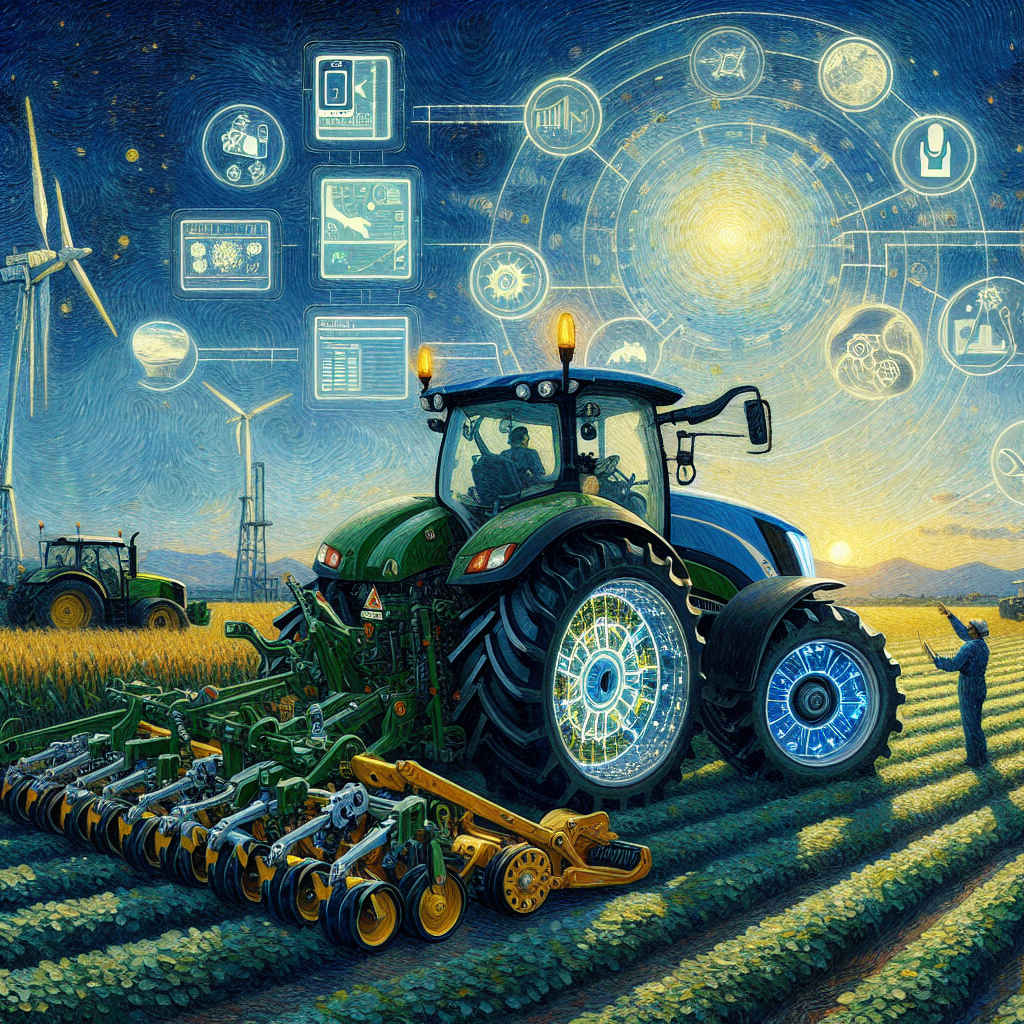
How Do Classic Tractor Clubs Influence Regional Pricing Trends?
Conclusion
Classic tractors are more than machinery; they stand as powerful symbols of our agricultural heritage, embodying the sweat and stories of generations. Prices for these vehicles don’t just fluctuate based on condition or model; they are deeply rooted in regional culture and emotional connections. In farming-heavy areas like the Midwest, classic tractors evoke nostalgia and familial ties, fetching higher prices. These aren’t just tools; they’re reminders of hard work and legacy, commanding respect and premium valuations from those who understand their significance.
In contrast, urban areas, where farming is less ingrained in the cultural fabric, often see lower prices for classic tractors. The emotional attachment simply isn’t there, reducing these machines to mere transactions. However, this presents an opportunity for collectors who appreciate the journeys these tractors have taken. This narrative element highlights that value isn’t solely monetary; it’s about preserving history and the communities that cherish it.
On an ethical level, investing in these classic tractors represents a commitment to preserving not just a piece of machinery but a slice of history that defines local cultures. Each purchase is a step toward safeguarding stories that might otherwise fade away, reinforcing bonds within communities and supporting local economies.
Turning to authority figures in the field, knowledge from experts such as dealers and restorers helps navigate the complexities of the market. Their insights illuminate how unique factors, like regional availability and historical significance, affect pricing. Aligning with these trusted sources turns the act of buying a classic tractor into a meaningful investment, one that bridges emotional and economic considerations.
The local culture surrounding classic tractors also plays a vital role in their valuation. Communities that celebrate these machines through events and shows see higher prices as demand rises. This social dynamic weaves together individual stories and collective heritage, enriching the experience of ownership and preservation.
Ultimately, owning a classic tractor is about more than metal and horsepower; it’s a connection to the past and an ethical commitment to future generations. Each tractor carries with it a narrative of resilience and hard work, reminding us that these machines are not mere artifacts of rural life but testaments to our shared history and values. In every sale, there’s a chance to honor the past, engage with the present, and inspire future legacies, sewing together the fabric of who we are as a society.

Conclusion
Conclusion:
- Classic tractors symbolize agricultural heritage, embodying the stories of generations.
- Prices vary due to regional culture and emotional ties, particularly in farming-heavy areas.
- In urban areas, lower prices reflect a lack of emotional attachment and reduce tractors to transactions.
- Investing in classic tractors preserves history and strengthens community bonds.
- Expert insights from dealers and restorers help navigate market complexities and pricing factors.
- Local culture and community events increase demand and valuation for classic tractors.
- Owning a classic tractor connects individuals to the past and represents a commitment to future generations.

Conclusion
Other Resources

Other Resources
Here is a list of other resources you can review online to learn more:
- Upton
- J & MManufacturing
- Bolens
- Woods & Copeland
- Saukville
- Farm Collector Show Directory
- McConnell-Marc
- Force Motors
- Minsk Tractor Works
- Farmtrac
- Schilter
- Suzue
- Shibaura
- Centaur
- Fendt International
- Lenar
- Cecil County Farm Museum
- Mercedes-Benz
- Minnesota’s Machinery Museum
Use This Prompt To Get More Resources With Your Favorite Online AI Tool: Please provide me with a list of online articles with their URLs in a bulleted list that I can read regarding How Do Regional Differences Affect Classic Tractor Prices?

Other Resources
Glossary Terms
How Do Regional Differences Affect Classic Tractor Prices? – Glossary Of Terms
1. Antique: A tractor that is at least 25 years old, often prized for its historical value and collectible nature.
2. Auction: A public sale in which items, including tractors, are sold to the highest bidder, often reflecting regional demand.
3. Classic: Typically refers to tractors manufactured between the 1930s and 1980s, valued for their design or functionality.
4. Condition: The state of a tractor, influencing its price based on factors like maintenance, wear, and originality.
5. Collector: An individual who purchases tractors as a hobby or investment, often affected by regional availability and preferences.
6. Demand: The desire and willingness of buyers to purchase tractors, which can vary regionally based on trends and culture.
7. Depreciation: The decrease in value of a tractor over time, which can be affected by regional market conditions.
8. Farm Supply Stores: Retailers that provide tractor parts and services; regional differences can influence pricing based on competition and availability.
9. Historical Significance: The background or impact of a tractor model that can elevate its price in certain regions.
10. Market Trends: Patterns in buying and selling behaviors within specific regions that affect tractor pricing.
11. Model Rarity: The scarcity of a specific tractor model, impacting its desirability and price in different locales.
12. Restoration: The process of renovating a tractor, which can enhance its value based on regional restoration expertise and interest.
13. Specifications: The technical details of a tractor, which can influence its price depending on regional farming practices.
14. Supply: The availability of tractors for sale, which can be influenced by regional production rates and selling practices.
15. Trading Shows: Events where tractors are bought and sold, often reflecting regional interest and price dynamics.
16. Transport Costs: Expenses associated with moving tractors, which can vary widely based on the distance and region.
17. Vintage: Refers to older tractors that are still in demand; regional preferences can heavily influence their pricing.
18. Warranty: A guarantee provided with a tractor, impacting its resale value, often more significant in certain regions.
19. Weather Impact: Regional climate conditions that can influence tractor usage, affecting demand and prices.
20. Economy: The overall financial health of a region, which can affect buyer purchasing power and tractor prices.
21. Farming Practices: Regional agriculture methods that dictate the types of tractors needed, influencing their market value.
22. Import Regulations: Laws governing the import of tractors that can affect pricing based on regional access to models.
23. Local Culture: Community values and preferences that shape the desirability of specific tractor models, impacting prices.
24. Modifications: Adjustments made to tractors that can enhance functionality or appearance, influencing their value regionally.
25. Networking: Connections among collectors and dealers that can affect the flow of information and pricing in different areas.
26. Ownership History: The previous ownership of a tractor can play a significant role in its value, especially regionally.
27. Performance History: A tractor’s reliability and efficiency record, which can vary by region and impact resale value.
28. Sales Channels: Various platforms (online, dealerships, private sales) used to buy and sell tractors that differ regionally.
29. Service Availability: Access to maintenance and repairs in a region can influence buyer confidence and tractor prices.
30. Tractor Shows: Events showcasing tractors that can enhance public interest and alter perceived value in geographical areas.

Glossary Of Terms
Other Questions
How Do Regional Differences Affect Classic Tractor Prices? – Other Questions
If you wish to explore and discover more, consider looking for answers to these questions:
- What are typical price ranges for classic tractors in different regions (Midwest, South, Northeast, West)?
- How much does transportation and shipping add to the final cost when buying across regions?
- How does local availability of replacement parts affect purchase price and restoration cost?
- Which brands and models command regional premiums, and why?
- How does provenance (previous owner, farm history, documented use) influence value?
- How can a buyer verify provenance and authenticity of a classic tractor?
- How does condition (barn-find, running, restored, concours) translate into price differences by region?
- What are realistic restoration cost estimates, and how do they vary regionally?
- How do local taxes, registration requirements, and emissions rules affect ownership costs and pricing?
- How does regional supply and demand (number of collectors, active farms) affect liquidity and pricing?
- Where can buyers find reputable regional dealers, restorers, and appraisers?
- Which sales channels are most common regionally (auctions, classifieds, clubs, dealers) and how do they affect prices?
- How do classic tractor clubs and local events influence market prices in a region?
- How do non-original parts or modifications impact valuation in different markets?
- What documentation should accompany a sale to ensure a fair price (maintenance records, build sheets, titles)?
- How should a buyer assess rarity and production numbers for specific models in their region?
- What seasonal trends affect classic tractor prices and demand regionally?
- How do social and cultural factors (heritage pride, parades, fairs) translate into measurable price premiums?
- How do local farm size and commodity focus (corn, wheat, dairy) influence demand for particular tractors?
- What are the typical insurance options and costs for classic tractors in different regions?
- How do international or cross-border purchases change price considerations (import duties, shipping, compliance)?
- What are best practices for transporting and storing a classic tractor when moving it between regions?
- How can buyers estimate resale value and return on investment for restoration projects by region?
- Which online resources, price guides, and sales databases are most reliable for regional valuation data?
- How prevalent are scams or misrepresented listings in different regions and how can they be avoided?
- What legal or title issues are common with older tractors, and how do regional laws affect transfer of ownership?
- Are there regional grants, incentives, or preservation programs for restoring historically significant tractors?
- How do local weather and storage conditions affect long-term preservation and therefore value?
- How do collector preferences and social status considerations differ regionally and affect what buyers are willing to pay?

Other Questions
Haiku
How Do Regional Differences Affect Classic Tractor Prices? – A Haiku
Tractors of the past,
Steered by hands that shaped the land,
Legacy in rust.

Haiku
Poem
How Do Regional Differences Affect Classic Tractor Prices? – A Poem
In fields where history plows deep,
Tractors whisper tales we keep,
Machines of metal, heart, and pride,
Reflecting legacies abide.
In the Midwest, where corn stands tall,
Families gather, recalling the call,
Of engines roaring, paired with sweat,
Each vintage tractor, a bond well met.
In urban sprawl, nostalgia wanes,
Yet stories linger, etched in chains,
Reviving journeys once serene,
For each machine, a cherished dream.
Preserving pasts, these classics thrive,
Not just as tools, but ways we strive,
Ethical hearts in rusted skin,
Guarding traditions, where we begin.
Clubs unite, a vibrant space,
Where knowledge flows and friendships trace,
The paths of value, trends align,
In auctions bright, their spirits shine.
Social bonds, wrapped in steel,
Embody trust, and dreams we feel,
Every drive through fields of grace,
Reveals our roots, our shared embrace.
Classic tractors, timeless and bold,
Hold the stories, waiting to be told,
An epic journey, through heart and gut,
In every price, our historys cut.

Poem
Checklist
How Do Regional Differences Affect Classic Tractor Prices? – A Checklist
Understanding Regional Differences in Classic Tractor Pricing
✅______ Reflect on your personal memories with classic tractors.
✅______ Consider the emotional significance of tractors in your family history.
✅______ Identify any stories associated with specific models that enhance their value.
✅______ Research local market trends for classic tractor prices.
✅______ Evaluate the condition and history of the tractor before buying.
✅______ Compare prices of similar models across different regions.
✅______ Recognize the role of classic tractors in preserving agricultural heritage.
✅______ Think about supporting local economies through your purchase.
✅______ Assess your responsibility as a buyer in maintaining and restoring tractors.
✅______ Seek advice from experts or reputable dealers in the classic tractor community.
✅______ Follow blogs or forums run by knowledgeable enthusiasts.
✅______ Attend local shows or auctions to connect with experienced collectors.
✅______ Discover the stories behind specific tractors you’re interested in.
✅______ Share your own anecdotes related to classic tractors with fellow enthusiasts.
✅______ Engage in discussions about the historical significance of models within your region.
✅______ Join classic tractor clubs or online communities to connect with other enthusiasts.
✅______ Attend local events to foster friendships and community bonds.
✅______ Participate in restoration projects that enhance community engagement.
✅______ Understand how local culture influences the perception of classic tractors.
✅______ Recognize the importance of regional farming practices in determining tractor value.
✅______ Celebrate the unique characteristics of tractors that resonate with local traditions.
✅______ Reflect on what owning a classic tractor represents to you and your identity.
✅______ Consider if your choice in tractors is influenced by community standards or prestige.
✅______ Embrace the narrative behind less celebrated models that symbolize resilience.
✅______ Keep informed about pricing trends influenced by local clubs and events.
✅______ Attend tractor shows to gauge customer demand and valuation shifts.
✅______ Leverage community insights for a better understanding of pricing fluctuations.

Checklist
At ClassicTractorNews, we help tractor lovers keep up with the latest news for classic and vintage tractors.
Please share this post with your friends, family, or business associates who may like old classic or vintage tractors.