


Timeless Power: Exploring The Strength Of Vintage Tractors On Hills
By Tom Seest
At ClassicTractorNews, we help tractor lovers keep up with the latest news for classic and vintage tractors.
Please share this post with your friends, family, or business associates who may like old classic or vintage tractors.
How Do Old Tractors Handle Steep Hills Compared to New Ones?
When it comes to tackling steep hills, old tractors bring a unique character that new models often lack. There’s something profoundly rugged about these vintage machines, each with a history etched into their worn metal. Picture a farmer, hands calloused and spirit unyielding, climbing aboard a trusty old tractor, its engine rumbling to life like an old friend ready to face the day. These machines, though not equipped with the latest technology, forge ahead with a blend of grit and determination that resonates with anyone who has faced a challenge.
Old tractors, with their lower center of gravity and sturdy construction, are experts at navigating steep inclines. Their weight and design allow them to grip the earth firmly, where modern tractors, focused on efficiency and speed, may struggle. This reliable performance draws on years of tried-and-true engineering, a testament to a simpler time when the design was driven by necessity rather than trends. For those who appreciate craftsmanship, it’s heartening to see a machine that’s been engineered not just for the sale but for enduring the test of time, proving its mettle against gravity itself.
The appeal of these machines extends beyond facts and figures. There’s an ethical connection to preserving what has endured; there’s honor in using a tractor that has plowed the same fields for generations, nurturing the very soil that sustains us. It’s a reminder of our roots, our connection to the earth—and how that relationship survives the inevitable march of progress. When a farmer uses an old tractor on those steep hills, there’s a sense of legacy involved. Each gear shift becomes a nod to the generations before, a story of resilience stamped into every rusted bolt and every engine sputter.
Yet, it’s not solely about nostalgia. New tractors, with advanced traction control and automated features, undeniably enhance productivity and efficiency. However, the conversation should recognize the balance between innovation and tradition. There’s value in understanding how old tractors handle steep terrain because it lays the groundwork for appreciating advancements. Each method has its strengths, and by learning from the past, we can better navigate our future.
So whether you’re behind the wheel of an antique or a modern marvel, remember that every tractor—new or old—has a story to tell, a hill to conquer, and a role to play in the colorful tapestry of agriculture. Trust in the lessons of experience, whether that’s in leaning on the craftsmanship of an old tractor or embracing the advancements that pave the way for tomorrow.

How Do Old Tractors Handle Steep Hills Compared to New Ones?
How Do Old Tractors Handle Steep Hills Compared to New Ones?
- Old tractors possess unique character and history absent in new models.
- Their lower center of gravity and sturdy construction excel at navigating steep inclines.
- These machines demonstrate reliability based on years of proven engineering.
- Using old tractors connects farmers to their roots and the soil they cultivate.
- Each gear shift symbolizes a legacy and resilience passed through generations.
- Modern tractors enhance efficiency, highlighting the importance of balancing innovation with tradition.
- Every tractor, old or new, contributes to the agricultural narrative and has a story to tell.

How Do Old Tractors Handle Steep Hills Compared to New Ones?
Table Of Contents
- How Do Old Tractors Handle Steep Hills Compared to New Ones?
- What Stories Do Old Tractors Tell on Steep Hills?
- Are Newer Models Safer on Slopes?
- How Do Steep Hills Impact Old Tractor Performance?
- What Drives Your Preference for Old Vs. New Tractors?
- Can Tradition Outweigh Technology In Farm Efficiency?
- What Do Experts Say About Hill Handling In Tractors?
- Conclusion
- Other Resources
- Glossary Of Terms
- Other Questions
- Haiku
- Poem
- Checklist
What Stories Do Old Tractors Tell on Steep Hills?
Old tractors, with their faded paint and rusted frames, stand as silent witnesses to the trials and triumphs of rural life. Each dent, each scratch, tells a story—a narrative soaked in sweat and determination. These machines, often seen laboring up steep hills, embody resilience. They are not just tools; they are lifelines that have supported generations of farmers and families.
Picture the farmer, weary but unwavering, gripping the worn steering wheel of an old tractor as it lurches up a steep incline. The engine rumbles like an old friend reminding them of days spent hoping for rain, watching crops flourish, or lamenting a bad season. The struggles narrated by these hills are not merely physical; they reflect a deep-seated bond between man and machine, a testament to the toil that shapes our landscapes and our lives.
From an emotional standpoint, as the tractor crests that summit, the panoramic view it reveals can inspire more than just awe; it ignites a sense of belonging. Those vast fields, dotted with memories, reflect the sweat and tears of countless seasons. This profound connection invites one to not only appreciate the land but to safeguard it, ensuring these stories endure for generations to come.
Rationally, old tractors represent an era where durability meant something. With simple mechanics that can be repaired in a barn, they’re a symbol of self-sufficiency that modern technology often overlooks. The lessons learned here are grounded in ethics—discussing sustainability and stewardship of the earth, and the responsibility to pass down what has been borrowed from the land.
The authority of an old tractor lies in its reliability. Through hard winters and blistering summers, it has been a constant companion, teaching patience and perseverance. Yet, it’s not just a solitary tale; it embodies the collective experiences of communities that have depended on the earth for sustenance. The stories these tractors carry are also about social connections—the neighbors who gather to help one another on crucial harvesting days or share a laugh over a stubborn engine.
Ultimately, as we traverse those steep hills and recall the narrative of old tractors, it’s a call to action. These stories urge us to honor the legacy of hard work and dedication, reinforcing the belief that every bump in the path has a purpose and every hill climbed has meaning. In their quiet steadfastness, these tractors invite us to reflect, celebrate, and ultimately embrace the journey.
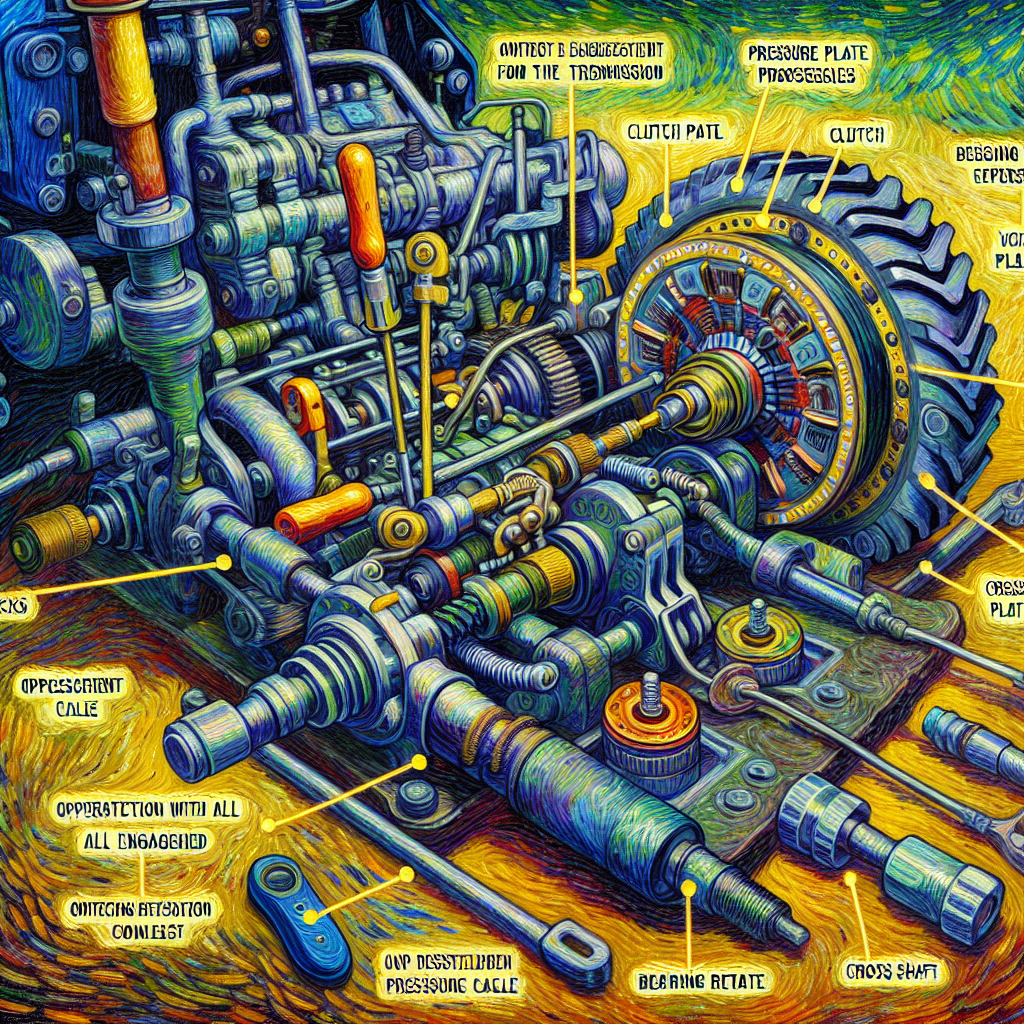
What Stories Do Old Tractors Tell on Steep Hills?
What Stories Do Old Tractors Tell on Steep Hills?
- Old tractors symbolize the resilience and history of rural life, marked by their faded paint and rusted frames.
- Each imperfection carries a story of hard work and determination, reflecting the bond between farmers and their machines.
- The emotional connection to the land inspires a sense of belonging and responsibility to preserve these stories for future generations.
- Old tractors are a testament to durability, featuring mechanics that emphasize self-sufficiency overlooked by modern technology.
- They teach valuable lessons about sustainability and stewardship, highlighting the importance of passing down knowledge and resources.
- Beyond individual experiences, old tractors represent community ties forged through shared labor and mutual support among neighbors.
- The narrative of these machines calls us to honor hard work, finding meaning in challenges and celebrating the journey of farming life.

What Stories Do Old Tractors Tell on Steep Hills?
Are Newer Models Safer on Slopes?
When you think about tackling those steep slopes that test your mettle, you might wonder just how much safer the newer tractor models are. It’s not just a matter of gears and gadgets; it’s about protecting lives, preserving livelihoods, and ensuring that every day on the job is a safe one. The evolution of tractor technology has made significant strides, particularly in the area of slope safety. Newer models are equipped with advanced stability features and reinforced structures, reducing the risks associated with hillside operations. This isn’t just a technical upgrade; it’s an essential leap in protecting those who rely on these machines day in and day out.
Consider the emotional weight of this responsibility. Farmers and operators have families who depend on their work, and heading down a slope can create an adrenaline-pumping mix of excitement and fear. The anxiety around safety translates directly into the hearts of those in the field. How do you assure yourself when you mount that tractor, knowing you have the latest safety features at your fingertips? You build trust in the machinery that supports your livelihood. Integrating these new safety protocols means you can focus on doing your job rather than worrying about what could go wrong.
Logically, if we examine the data, it becomes clear that more innovative designs lead to better performance. Many newer tractor models come with features like enhanced traction control, automatic braking systems, and roll-over protection. These aren’t just bells and whistles; they’re the lifelines that can make a pivotal difference when navigating tricky landscapes. Knowing that the tractor is equipped to handle unexpected shifts gives operators the confidence to engage more fully with their work.
Ethically, we have a responsibility to prioritize safety, not just for ourselves but for our families and communities. Every precaution we take has a ripple effect, impacting not just our immediate surroundings but the future of agricultural practices. New tractor models aren’t merely tools; they’re commitments to betterment, a pledge that those who work the land will be safer and more efficient.
Socially, trusting in newer technologies fosters a community of informed operators who can advocate for safety and progress in agriculture. Sharing stories about how a new tractor model prevented an accident could change a life. So, as we venture into the future of farming and machinery, let’s embrace the innovations that make our work safer and our communities stronger, one slope at a time.

Are Newer Models Safer on Slopes?
Are Newer Models Safer on Slopes?
- New tractor models enhance slope safety with advanced stability features and reinforced structures.
- The evolution of tractor technology prioritizes protecting lives and livelihoods in agricultural jobs.
- Farmers and operators build trust in machinery equipped with modern safety features, reducing anxiety.
- Innovative designs improve performance, featuring enhanced traction control, automatic braking, and roll-over protection.
- Prioritizing safety has ethical implications for families, communities, and the future of agriculture.
- Embracing new technology fosters a knowledgeable community that advocates for safety in farming.
- Sharing experiences with safety innovations can impact lives and strengthen agricultural practices.

Are Newer Models Safer on Slopes?
How Do Steep Hills Impact Old Tractor Performance?
Steep hills present unique challenges for old tractors, a testament to both their resilience and limitations. When faced with an uphill battle, these machines embody not just metal and mechanics, but a legacy crafted by generations of hardworking individuals who poured their sweat and spirit into the land. Picture a rural farm, where the sun rises over verdant fields, and an old tractor stands ready to tackle the day’s tasks. As it lumbers up a steep incline, it’s not just overcoming gravity; it’s carrying the weight of the farmer’s dreams, hopes, and hard-earned labor.
The physical strains of steep hills reveal the true nature of these vehicles. Aging engines, worn tires, and rusted frames face the uphill test with grit. Each rev of the engine—the mechanical roar—echoes stories of perseverance. For farmers relying on these tractors, this isn’t merely a machine; it’s a partner in the fight against the elements. Understanding how steep hills impact old tractor performance connects us to the broader narrative of agrarian life, where every hill climbed represents a victory against adversity and a commitment to the land.
However, navigating steep terrain isn’t just about brute strength. Tractors, like people, require a dose of understanding and care. Drivers need to recognize the limits of their machines, ensuring they don’t push beyond the tractor’s capability. The ethical responsibility lies in knowing when to slow down, when to adjust your approach, and when to step in and provide that extra hand. This mindful engagement cultivates a sense of community—neighbors share tips, experiences, and occasionally lend a part or two, reinforcing that farming is a shared journey.
Moreover, consider the environmental impact. An old tractor navigating a steep decline must deal with erosion, soil degradation, and runoff issues. This reality highlights our collective responsibility toward sustainable farming practices. By fostering a deeper connection between our machinery and the land, we can cultivate an ethos of stewardship. It encourages not only efficiency but also sustainability, preserving the very soils that feed our communities.
Each uphill drive becomes a metaphor for resilience. It’s about teaching the next generation the value of hard work while cherishing the history embedded in every scratch and dent of that old tractor. Together, we acknowledge their stories, honoring the enduring spirit of agriculture, where steep hills are not mere obstacles, but instead, opportunities for growth and transformation.

How Do Steep Hills Impact Old Tractor Performance?
How Do Steep Hills Impact Old Tractor Performance?
- Steep hills challenge old tractors, showcasing their resilience and limitations.
- Tractors symbolize a legacy of hard work and dedication from generations of farmers.
- Aging engines and worn parts reveal the physical strains of uphill operations.
- Understanding tractor capabilities is crucial for navigating steep terrain safely.
- Mindful engagement fosters community among farmers, sharing knowledge and resources.
- Environmental impacts include erosion and soil degradation, highlighting the need for sustainable practices.
- Each uphill drive symbolizes resilience and teaches the value of hard work and agricultural history.

How Do Steep Hills Impact Old Tractor Performance?
What Drives Your Preference for Old Vs. New Tractors?
When it comes to choosing between old and new tractors, your decision often boils down to a mix of practicality and nostalgia. Picture this: an old tractor, worn yet sturdy, parked in the back of your grandfather’s barn. Its faded paint hides countless stories of seasons gone by, each scratch a testament to hard work. For many, these machines embody a sense of heritage, a connection to the land and to our forebears who tilled it. The emotional pull of an old tractor is undeniable; it invites you to honor the grind of those who came before.
However, let’s not overlook the shiny new models that grace many fields today. Modern tractors are marvels of engineering, laden with technology that can enhance efficiency and productivity. They come equipped with features that would make even the most seasoned farmer’s mouth water—GPS tracking, automated systems, and fuel-efficient engines. From a head-based analysis, the choice for new is rooted in rationality; these machines can save time and labor costs while maximizing yield. But it’s not just about numbers; it’s about what those numbers mean for your livelihood and your family’s future.
Ethically, the choice often reflects your values and how you approach agriculture. An old tractor may emphasize sustainable practices, recalling a time when farming was less about speed and more about stewardship of the land. On the other hand, embracing new technologies can align with a modern understanding of sustainability—reducing emissions, conserving resources, and ensuring the land remains fertile for generations to come.
Narrative plays a critical role as well. Each tractor, old or new, carries a story. The old ones connect us to traditions, evoking memories of evening chores or the thrill of harvest time. The new ones tell the story of progression; they represent an evolution of farming practices and a commitment to innovation.
Socially, your preference might reflect a community trend. If your neighbors are favoring old tractors, you might feel that tug to join them in preserving that rustic legacy. Conversely, if the buzz is about the latest advancements, you may feel compelled to keep pace with changes that could elevate your farming game.
Whether you choose an old tractor with a rich history or a new one with cutting-edge capabilities, what drives your choice is deeply personal. Trust that there’s value in both paths, and embrace whatever resonates most with your lifestyle, values, and vision for the future of your farming journey.

What Drives Your Preference for Old Vs. New Tractors?
What Drives Your Preference for Old Vs. New Tractors?
- Choosing between old and new tractors involves practicality and nostalgia.
- Old tractors symbolize heritage and connection to the land, holding stories of hard work.
- New tractors feature advanced technology, improving efficiency and productivity with tools like GPS and automated systems.
- The choice reflects ethical values, balancing traditional sustainable practices with modern efficiency.
- Each tractor carries a narrative; old tractors evoke memories while new ones represent innovation in farming.
- Social influences may affect preferences, with trends within the community impacting choices.
- The decision between an old or new tractor is personal, aligned with lifestyle, values, and vision for farming.

What Drives Your Preference for Old Vs. New Tractors?
Can Tradition Outweigh Technology In Farm Efficiency?
In the sprawling fields where the sun kisses the earth, the age-old debate rages on: can tradition withstand the relentless march of technology? Out here, the hum of a tractor mingles with the rustle of golden wheat, a symphony of past and present. We find ourselves at a crossroads, where the weight of heritage sits as heavily as the plow on the back of a faithful steed.
For generations, farmers have toiled under the same sky, employing time-tested methods passed down through families like heirlooms. The way they gently coax life from the soil speaks to our hearts, evoking images of hands worn yet skillful, navigating the land with a reverence few truly understand. But as we glance across rows of crops, we see sleek machines harnessing data in ways our forebearers could only dream of—machine learning predicting yield, drones surveying vast expanses with an eagle’s precision.
Yet, efficiency gained through technology often feels like a double-edged sword. Yes, modern methods can boost productivity and reduce labor, but at what cost? This isn’t just about numbers on a spreadsheet; it’s about nurturing the land, about stewardship that respects both the earth and those who have called it home for centuries. The gentle thrum of a tractor reminds us of the harmony that exists when tradition embraces innovation rather than shuns it.
As we explore this intersection of old and new, we recognize the ethical dilemma: should we hold fast to customs, or adapt for the future? The answer may well lie in a balance struck between the two. While the data-driven efficiency of cutting-edge technology can empower farmers with knowledge, it should go hand-in-hand with the wisdom of age-old practices. We’ve seen farms thrive not by discarding their roots but by weaving them into the fabric of modernity, creating a quilt that is at once both familiar and forward-looking.
Across this vast agricultural tapestry, relationships matter. Neighbors share insights, farmers gather to discuss techniques, and local markets foster connections. Technology might change the landscape, but the heart of farming remains in community, in shared stories, and in the determination to cultivate a sustainable future. Together, we can build a legacy that honors our past while embracing the promise of today. It’s not about choosing one over the other but about harnessing both to ensure our farms—and our traditions—thrive well into the future.

Can Tradition Outweigh Technology In Farm Efficiency?
Can Tradition Outweigh Technology In Farm Efficiency?
- The debate centers on whether tradition can withstand technology in agriculture.
- Farmers have used time-honored methods passed through generations, valuing the skills involved in nurturing the land.
- Modern technology, such as machine learning and drones, enhances efficiency but presents ethical dilemmas.
- Balancing tradition and innovation is essential for sustainable farming practices.
- Successful farms integrate their roots with modern techniques to foster productivity.
- Community relationships play a significant role in farming, with shared insights and cooperation among farmers.
- The future of agriculture lies in harmonizing both traditional values and contemporary advancements.

Can Tradition Outweigh Technology In Farm Efficiency?
What Do Experts Say About Hill Handling In Tractors?
Hill handling in tractors is more than just a technical skill; it’s a dance between man and machine, a partnership forged in the rugged landscape of fields that stretch beyond horizon. When experts delve into the intricacies of navigating slopes and inclines, they’re not just sharing facts—they’re passing down wisdom that echoes across generations of farmers and operators who live by the rhythm of their land.
Tractor capabilities are paramount when tackling steep hills. You need a machine that understands the terrain, that grips the soil with confidence. The importance of weight distribution and proper tire selection cannot be overstated; these choices can mean the difference between a smooth ascent and a costly mishap. Experts often emphasize the importance of understanding gravity and how it affects a tractor’s performance. This isn’t merely about horsepower; it’s about respect for nature’s unyielding forces. Each expert encounter reveals stories of hard-learned lessons—farmers who faced treacherous conditions and emerged wiser for it.
The emotional weight of these narratives is palpable. Imagine a seasoned farmer, working tirelessly, pondering the sheer power of a tractor maneuvering through an unforgiving hill. The thrill of conquering those steep climbs instills a sense of pride and achievement, binding the operator tightly to the land. As they recall those moments, you can almost feel the earth beneath their feet and the anticipation in their hearts. It reminds us that this work isn’t just about growing crops; it’s about nurturing a connection to the very ground that sustains us.
Ethically, there’s a responsibility that falls upon every tractor operator. The choices we make—what machines we use, how we handle them—impact the environment and the communities that surround us. Experts advocate for sustainable practices, encouraging operators to think long-term. An informed decision today can save landscapes tomorrow, fostering a spirit of stewardship that resonates deeply.
Participating in this dialogue of hill handling invites a sense of community. Farmers share experiences, revealing common struggles and triumphs. This camaraderie strengthens the idea that you’re never alone on this journey. The stories of hill handling are intertwined with trust: trust in your equipment, trust in your skills, and trust in the wisdom of those who’ve ventured before you.
So, the next time you find yourself climbing a steep hill on your tractor, remember, you’re part of a legacy—one fueled by passion, knowledge, and a resolve as solid as the ground beneath you. Embrace the challenge, and let the tales of those who’ve navigated these paths guide you toward mastery.

What Do Experts Say About Hill Handling In Tractors?
What Do Experts Say About Hill Handling In Tractors?
- Hill handling in tractors combines technical skill and a deep connection between operators and their machines.
- Understanding tractor capabilities is essential for navigating steep hills, focusing on weight distribution and tire selection.
- The effects of gravity on tractor performance underline the importance of knowledge and respect for nature’s forces.
- Emotional narratives from seasoned farmers highlight pride, achievement, and a bond with the land.
- Operators hold ethical responsibilities impacting the environment, promoting sustainable practices for the future.
- A sense of community develops as farmers share experiences, fostering trust in equipment, skills, and shared wisdom.
- Embracing the challenge of hill handling ties operators to a legacy of passion and resilience in agriculture.

What Do Experts Say About Hill Handling In Tractors?
Conclusion
Old tractors and their modern counterparts present an enduring debate that resonates deeply with many in the agricultural community. Those vintage machines, often covered in rust and nostalgia, evoke a sense of heritage and connection to the land. Each scratch and dent on an old tractor tells a story of perseverance and hard work, embodying the spirit of the farmers who have relied on them for generations. There’s a charm in their simplicity, a grit that reflects the toil of the past, where each ascent up a steep hill serves as a metaphor for overcoming life’s challenges.
On the other hand, new tractors come equipped with cutting-edge technology that ensures efficiency and safety. Advanced features like GPS tracking, automated systems, and enhanced stability transform these machines into definitive tools of progress. While modern innovations elevate productivity, they also wield ethical implications. They represent a shift in how we interact with our environment and the responsibility we hold to ensure sustainable practices in farming.
The contrast between old and new isn’t merely superficial; it delves into our values and the narrative we wish to embrace. Choosing an old tractor may signify a commitment to traditional farming methods and the wisdom of previous generations. In contrast, selecting a new model may reflect a desire for efficiency and the embracing of technology in an ever-evolving landscape.
At the heart of this discussion lies a community united by shared experiences. Stories of old tractors navigating steep terrains or modern machines conquering challenges serve to strengthen bonds among farmers. Each encounter displayed on those hills builds trust in both the equipment and in each other, crafting a collective narrative that echoes through time.
As we ponder this ongoing dialogue, we must recognize the necessity of balance. The strength gleaned from tradition can complement technological advancements, enriching the fabric of agricultural life. It’s not about opposing forces; rather, it’s about interweaving these elements to forge a future rooted in history while embracing innovation.
Ultimately, whether behind the wheel of an old trusty workhorse or a sleek modern marvel, every farmer plays a vital role in a narrative that embraces hard work, community, and respect for the land. The hills we climb—both literal and metaphorical—invite us to reflect on our journey, honor our roots, and strive toward a sustainable future. The choice between old and new is, fundamentally, a choice of legacy, and every decision we make builds upon the sturdy foundation laid by those who farmed before us.

Conclusion
Conclusion:
- Old tractors symbolize heritage, perseverance, and connection to the land.
- The charm of vintage machines reflects the hard work of previous generations.
- Modern tractors feature advanced technology for enhanced efficiency and safety.
- New technology raises ethical implications regarding sustainability in farming practices.
- The choice between old and new tractors reflects values and narratives in agriculture.
- A shared community experience strengthens bonds among farmers driven by stories of both old and new machinery.
- Balancing tradition and innovation is essential for a sustainable agricultural future.

Conclusion
Other Resources

Other Resources
Here is a list of other resources you can review online to learn more:
- Central Washington Agricultural Museum
- Newark Vintage Tractor & Heritage Show
- Graham-Bradley
- Toro
- Haas
- Farm Collector
- Cletrac
- Huber
- FTMTA
- Farm Equipment Manufacturers Association
- Gaetz Tractor Museum
- Kioti Tractors
- Summit Tractors
- Cockshutt
- Minneapolis
- Rutherford County Farm Museum
- Rock Island
- Vintage Tractor Digest
- XTZ
Use This Prompt To Get More Resources With Your Favorite Online AI Tool: Please provide me with a list of online articles with their URLs in a bulleted list that I can read regarding How Do Old Tractors Handle Steep Hills Compared to New Ones?

Other Resources
Glossary Terms
How Do Old Tractors Handle Steep Hills Compared to New Ones? – Glossary Of Terms
1. Tractor: A powerful vehicle designed for pulling heavy loads, often used in agriculture.
2. Steep Hills: Slopes with a high gradient that can challenge vehicle stability and handling.
3. Center of Gravity: The point where a tractor’s weight is balanced; impacts stability on slopes.
4. Traction: The friction between the tractor’s tires and the ground, essential for maintaining grip on hills.
5. Stability: The ability of a tractor to remain upright and balanced, particularly on inclines.
6. Braking System: Mechanisms used to slow down or stop the tractor, critically important when navigating downhill.
7. Rollover Risk: The potential for a tractor to tip over, especially on steep terrain.
8. Tread Depth: The measurement of tire grooves, influencing grip and traction on uneven surfaces.
9. Weight Distribution: How the weight of the tractor is spread across its axles; affects handling on slopes.
10. Gear Ratio: The relationship between engine power and wheel rotation, impacting a tractor’s performance on inclines.
11. Hydraulic System: A system that uses fluid power for lifting and controlling implements, affecting maneuverability on steep surfaces.
12. Four-Wheel Drive (4WD): A drivetrain configuration that improves traction and stability on difficult terrain.
13. Engine Power: The strength of the tractor’s engine, determining its ability to climb hills.
14. Suspension System: Components that absorb shocks and maintain tire contact with the ground, influencing comfort and control.
15. Load Capacity: The maximum weight a tractor can handle, affecting its performance on steep hills.
16. Slippage: The loss of traction between tires and the ground, common when navigating steep or muddy terrain.
17. Differential Lock: A mechanism that helps improve traction by locking the wheels together, beneficial on inclines.
18. Implement: Attachments like plows or trailers that can alter a tractor’s weight distribution and stability.
19. Hill Start Assist: A feature that helps prevent rolling backward when starting on an incline.
20. Creeper Gear: A low-speed gear that provides greater torque for climbing steep hills.
21. Weight Ballast: Additional weight added to a tractor to enhance stability and traction.
22. Draft Control: A system that automatically adjusts the depth of an implement, important for maintaining stability on uneven ground.
23. Power Steering: A system that eases steering effort, enhancing maneuverability on steep terrain.
24. Rough Terrain Capability: The ability of a tractor to function effectively on uneven surfaces.
25. Operator Experience: The skill level of the person driving the tractor, influencing safety and performance on hills.
26. Safety Features: Mechanisms designed to protect the operator and prevent accidents on steep slopes.
27. Tilt Angle: The angle of inclination that a tractor can safely handle without tipping.
28. Terrain Adaptability: The capability of a tractor to navigate various landscapes effectively.
29. Engine Torque: The rotational force produced by the engine, critical for powering up hills.
30. Maintenance Requirements: Regular upkeep needed to ensure optimal performance and safety when handling steep inclines.

Glossary Of Terms
Other Questions
How Do Old Tractors Handle Steep Hills Compared to New Ones? – Other Questions
If you wish to explore and discover more, consider looking for answers to these questions:
- What specific slope angles (degrees or percent grade) can typical old tractors safely climb compared to modern models?
- How do different transmission types (manual, hydrostatic, powershift) affect hill-climbing ability?
- How does center of gravity differ between vintage and new tractors and how does that impact stability on slopes?
- What role does tractor weight and ballast play in traction and safety on steep hills?
- How do tire type, tread pattern, and tire pressure influence hill performance for old versus new tractors?
- How effective are brakes and parking brakes on older tractors compared with modern braking systems on slopes?
- How common are rollovers or near-misses for old tractors on hills versus new tractors, and what do statistics show?
- What modern safety features (ROPS, seat belts, electronic stability control) are available on new tractors that older models lack?
- Can older tractors be retrofitted with modern safety features, and what are the costs and limitations?
- How does engine torque delivery and power band in older engines compare to modern engines for hill work?
- What maintenance practices are most critical to preserve hill-handling capability in vintage tractors?
- How does weather (wet, icy, muddy conditions) change hill-handling differences between old and new tractors?
- How do soil types (clay, loam, sandy) and field conditions affect traction differences between old and new tractors?
- What are the best driving techniques for operating an old tractor safely on steep slopes?
- At what point is it more economical or safer to replace an old tractor rather than upgrade or repair it for hill use?
- How does fuel efficiency uphill compare between vintage engines and modern fuel-injected, turbocharged engines?
- How do modern electronic traction control and differential lock systems improve hill performance?
- What are common mechanical failures older tractors experience on slopes (transmission, clutch, axles) and how preventable are they?
- How does hitching heavy implements or trailers change stability and hill-handling for old tractors?
- What modifications (ballasting, wider axles, wider tires) are recommended to improve an old tractor’s hill stability?
- How does usable visibility from operator position compare between older open-cab tractors and modern cabs for slope work?
- What training or certification should operators have to work safely on steep terrain with any tractor?
- How do new GPS/auto-steer and precision-farming features affect safety and efficiency on hills?
- What environmental impacts (erosion, soil compaction) are caused by repeated use of tractors on steep slopes?
- How do manufacturers rate tractors for slope performance, and are there standardized tests or ratings?
- How reliable are aftermarket stability or anti-roll systems for older tractors?
- What insurance or liability differences exist when using vintage versus modern tractors on slopes?
- How available and affordable are replacement parts for common hill-related failures in vintage tractors?
- Are there specific tractor brands or models (old or new) known for superior hill performance?
- How do hydraulic systems and responsive controls in new tractors improve handling on inclines?
- What are real-world owner experiences and case studies comparing old and new tractors on steep terrain?
- How does operator fatigue and ergonomics differ between older tractors and modern cabs during extended slope work?
- What guidelines exist for safe loading, front/rear ballast distribution, and implement positioning on slopes?
- How do emergency procedures differ for rollovers or loss of traction in old tractors versus modern ones with safety systems?
- What resale value or market demand differences exist for vintage tractors that are still hill-capable?
- How do regulatory standards or workplace safety rules address tractor use on slopes in different regions?
- What are recommended inspection checklists before using an old tractor on steep inclines?
- How does cost of ownership (maintenance, fuel, repairs) compare long-term between maintaining an old tractor and buying a modern hill-capable model?
- What technological developments are emerging to help both old and new tractors perform better on steep terrain?

Other Questions
Haiku
How Do Old Tractors Handle Steep Hills Compared to New Ones? – A Haiku
Old iron climbs the hill,
Stories etched in rust and toil—
Roots deep in the earth.

Haiku
Poem
How Do Old Tractors Handle Steep Hills Compared to New Ones? – A Poem
Old vs. New The Tractor’s Tale
In fields where historys echoes dwell,
Old tractors rise, their stories swell.
With rusted frames and weary might,
They climb steep hills, hearts burning bright.
Each engines roar, a timeless song,
Of farmers’ dreams, where they belong.
Their lower stance, a steadfast grip,
Through sweat and toil, they dare to slip.
Yet newer models, sleek and bold,
Bring safety first, their tales retold.
With sensors keen, they race ahead,
In tech we trust, on paths we tread.
But what of value, what do we choose?
Craftsmanship old or gadgets new?
Tradition whispers; innovation calls,
In farming’s dance, each has its thrall.
Preserve the past, embrace the now,
In every tractor, a sacred vow.
For land and legacy, we toil and strive,
Each gear shift echoes how we thrive.
So whether vintage or fresh from the line,
Each machine carries a story divine.
Together we rise, on hills we stand tall,
A tapestry woven in agriculture’s hall.

Poem
Checklist
How Do Old Tractors Handle Steep Hills Compared to New Ones? – A Checklist
Emotional Appeals
✅______ Reflect on the legacy each tractor carries and its connection to your heritage.
✅______ Consider the bond developed between farmer and machine through shared experiences on the land.
✅______ Recall personal memories associated with farming and how these machines have played a role.
Rational Appeals
✅______ Assess the technical specifications of both old and new tractors regarding hill performance.
✅______ Compare weight distribution, center of gravity, and grip characteristics between models.
✅______ Evaluate cost-effectiveness and long-term maintenance implications.
Ethical Appeals
✅______ Consider the sustainability of using old tractors in agriculture compared to the environmental impacts of new technology.
✅______ Reflect on the responsibility of preserving agricultural history through vintage models.
✅______ Analyze the ethical dimension of adopting technology vs. traditional practices.
Authority Appeals
✅______ Seek insights from agricultural experts on the performance and handling of tractors on steep terrain.
✅______ Review documented experiences from seasoned farmers regarding their equipment choices.
✅______ Investigate industry standards and safety guidelines related to tractor use on slopes.
Narrative Appeals
✅______ Collect stories from local farmers about their experiences with old tractors on hills.
✅______ Share anecdotes that highlight the determination and resilience witnessed on steep practices.
✅______ Encourage storytelling that bridges the gap between tradition and modern efficiency.
Social Appeals
✅______ Join community discussions about the advantages of old vs. new tractors among your peers.
✅______ Participate in local farming groups to share insights and experiences with tractor use.
✅______ Forge connections with local historians or antique machinery enthusiasts to value agricultural heritage.

Checklist
At ClassicTractorNews, we help tractor lovers keep up with the latest news for classic and vintage tractors.
Please share this post with your friends, family, or business associates who may like old classic or vintage tractors.