


Unmasking Tractor Prices: Navigate Hype With Insight And Integrity
By Tom Seest
At ClassicTractorNews, we help tractor lovers keep up with the latest news for classic and vintage tractors.
Please share this post with your friends, family, or business associates who may like old classic or vintage tractors.
How Do I Tell If a Tractor Price Is Inflated Because Of Hype?
Telling whether a tractor price is inflated due to hype involves more than just browsing price tags; it’s about peeling back the layers and understanding what’s really driving the cost. Trust me when I say, you don’t want to end up with buyer’s remorse once the excitement of that shiny new machine fades away.
First, let’s talk about authority. Familiarize yourself with reputable sources that can give you a solid baseline for what a fair price looks like. Online marketplaces, auctions, and industry reports provide invaluable insight into the true value of tractors. Use these tools to balance emotion with rationality; don’t let a flashy advertisement sway you away from hard facts. Consider asking experienced farmers or dealers; their knowledge often cuts through the noise and reveals things that marketing can’t.
Now onto the emotional aspect. Picture yourself in the field, the sun rising over the horizon, and that new tractor doing what it does best—making your life easier. That vision can easily cloud your judgment. Hype often preys upon our emotions, evoking images of effortless success and productivity. However, before getting swept away, remind yourself that emotional decisions can lead to regrettable financial outcomes.
Ethically speaking, ask yourself: what’s the motivation behind the inflated price? Companies might inflate prices based on trends rather than actual value. Just because everyone on social media is raving about a particular tractor doesn’t necessarily mean it’s worth the investment. Instead, seek product reviews and testimonials from owners who’ve put in the work—those voices bring a layer of authenticity and help you navigate the hype.
The narrative around tractors often shifts with market trends, but also consider social influences. Are friends, family, or neighbors all boasting about a certain model? While community opinions hold weight, remember they might also be influenced by hype. Connect with other farmers who have walked the path you’re on; their shared experiences can offer clarity that glossy brochures cannot.
Ultimately, if a tractor feels overpriced, it probably is. Use your gut instinct but back it up with research. Finding the right balance between emotion and reason is key. You need a machine that not only looks good on paper but performs reliably in your fields. The right tractor will do its job without the burden of inflated expectations, and that’s where true value lies.

How Do I Tell If a Tractor Price Is Inflated Because Of Hype?
How Do I Tell If a Tractor Price Is Inflated Because Of Hype?
- Determining if a tractor’s price is inflated requires understanding underlying cost drivers.
- Consult reputable sources such as online marketplaces, auctions, and industry reports for fair pricing baselines.
- Experienced farmers and dealers provide insights that can counter flashy marketing claims.
- Emotional decisions, influenced by idealized visions of success, can lead to buyer’s remorse.
- Investigate the motivation behind price increases; trends may not reflect true value.
- Community opinions can be influenced by hype; seek authentic reviews from actual users.
- Balance emotional impulses with thorough research to find a reliable tractor that meets practical needs.

How Do I Tell If a Tractor Price Is Inflated Because Of Hype?
Table Of Contents
- How Do I Tell If a Tractor Price Is Inflated Because Of Hype?
- How Can I Assess If Tractor Prices Are Truly Justified?
- What Emotions Influence My Tractor Purchasing Decision?
- Who Can I Trust for Honest Tractor Price Evaluations?
- How Do Market Trends Affect Tractor Pricing?
- What Ethical Considerations Come Into Play When Pricing Tractors?
- How Can I Find Narratives Of Others Who Overpaid for Tractors?
- Conclusion
- Other Resources
- Glossary Of Terms
- Other Questions
- Haiku
- Poem
- Checklist
How Can I Assess If Tractor Prices Are Truly Justified?
When you’re staring down the barrel of purchasing a tractor, it’s not just about the numbers on the price tag; it’s about the stories those numbers tell. A tractor is more than a machine; it’s a pivotal part of a farming legacy. It carries the weight of your aspirations, the sweat of your brow, and the hopes of future harvests. So, how do you assess if the price of that shiny new tractor is justified?
Start with the emotional connection. Picture this: early mornings, the sun kissing the dew on the fields, and the rumble of a tractor quietly igniting the promise of another productive day. You’re not just buying equipment; you’re investing in your way of life. Does this machine offer you reliability, efficiency, and the ability to keep doing what you love? This emotional investment can’t be measured in dollars alone.
Next, engage your rational side. Research is essential. Look at the specs, analyze comparable models, and dissect the features versus costs. Is it equipped with the latest technology that can save you time and fuel? Will it last through seasons of hard work? Compare not just the price but the long-term value. A higher upfront cost might mean lower maintenance expenses down the line or enhanced productivity, ultimately paying for itself.
Now, let’s not forget ethics. Buying a tractor from a reputable dealer who values transparency is crucial. Does the seller provide warranties, service agreements, or return policies? Trust in the authority of the dealer is essential—if they stand behind their product, that should give you confidence in the investment you’re making.
Narrative also plays a significant role. Talk to others in your community. Share your thoughts and listen to their experiences. Find out which tractors have earned their respect and why. These stories will give you real insight, layering your decision with social credibility.
Finally, gut feelings matter. After you’ve gathered your facts, listen to your instincts. Does the tractor feel right for your needs? Does the price feel justified when you visualize it working in your fields? Trust that inner voice that balances those emotional and rational analyses.
The true measure of a tractor’s price lies in its ability to serve your needs, respect your values, and integrate seamlessly into your life. If it checks all those boxes, then that price isn’t just a figure—it’s a foundation for your future.
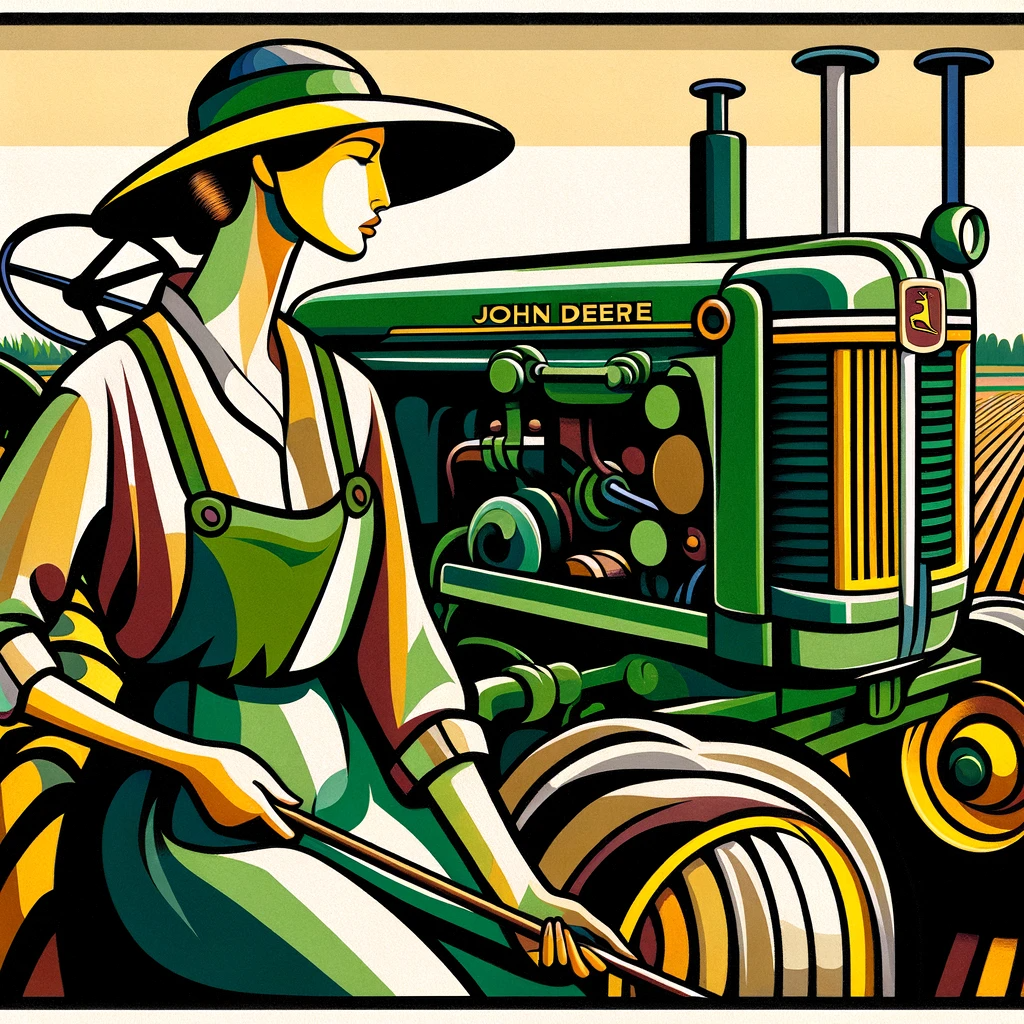
How Can I Assess If Tractor Prices Are Truly Justified?
How Can I Assess If Tractor Prices Are Truly Justified?
- Purchasing a tractor involves more than just its price; it represents a farming legacy and personal aspirations.
- Consider the emotional connection; investing in a tractor is a commitment to a way of life, requiring reliability and efficiency.
- Conduct thorough research on specifications, comparable models, and long-term value, including potential maintenance costs and productivity advantages.
- Choose a reputable dealer who offers transparency, warranties, and service agreements to ensure trust in your investment.
- Engage with your community to gather insights and experiences about different tractors, enhancing your decision with credible narratives.
- Trust your gut feelings after evaluating facts; ensure the tractor aligns with your needs and feels right in your context.
- The true value of a tractor lies in its functionality, ethical considerations, and its fit within your life, making the price a foundation for the future.

How Can I Assess If Tractor Prices Are Truly Justified?
What Emotions Influence My Tractor Purchasing Decision?
Purchasing a tractor is more than just a financial transaction; it’s a dive into a world of emotions that blend practicality with passion. Imagine standing in a field, the sun warming your back, and envisioning the work ahead. Every farmer knows that a tractor isn’t just machinery; it’s a heartbeat of the operation, a partner in hard work. The decision to invest in a tractor often stirs a cocktail of emotions that blend the heart, head, and gut.
When it comes down to it, pride plays a significant role. This isn’t just about owning a piece of heavy iron; it’s about legacy, family, and tradition. A tractor carries the weight of history. For many, it symbolizes the continuity of a family business, echoing years of toil and triumph. Each scratch on its frame tells a story—perhaps of storms weathered or harvests celebrated. These narratives instill a sense of belonging and responsibility, urging potential buyers to think beyond features and specs and connect with the very essence of their land.
Rationality also steps in, demanding attention. A good tractor should offer reliability and efficiency; these are grounded in hard data. Buyers calculate the cost per hour, fuel efficiency, and serviceability. However, the decision goes beyond numbers. It’s about choosing a machine that will stand the test of time, a trustworthy ally that won’t leave them stranded during the busiest of seasons. This balance of emotion and rationality fosters trust, empowering buyers to make informed decisions that resonate deeply.
Then there’s the ethical consideration. Supporting local businesses or sustainable farming practices can weigh heavily on the conscience. Establishing relationships with trusted dealers ensures a transparent purchase process, reinforcing the notion that every choice has implications—local economies thrive when we choose to support them.
Social influences cannot be ignored; the conversations around the dinner table, or among friends in the field, shape perceptions. Stories of successful experiences with specific brands or models can sway emotions and ignite a sense of community. When everyone in the circle rallies behind a particular tractor, it generates a wave of excitement.
Ultimately, that instinctual pull—your gut—plays its part. It’s about how a tractor feels beneath your hands, the roar of the engine, the excitement of finally turning the key. It’s a thrilling call to action, propelling you to take the leap, fueled by passion, pride, and the anticipation of what’s possible. Choosing a tractor isn’t just a transaction; it’s an emotional journey that fosters connection, inspires confidence, and sets the stage for the hard work ahead.

What Emotions Influence My Tractor Purchasing Decision?
What Emotions Influence My Tractor Purchasing Decision?
- Purchasing a tractor is an emotional journey that combines practicality and passion.
- A tractor symbolizes legacy, family, and tradition, reflecting years of toil and triumph.
- Potential buyers consider the emotional weight and belonging tied to the tractor’s history.
- Rational factors like reliability, efficiency, and cost per hour are crucial in the decision-making process.
- Ethical considerations include supporting local businesses and sustainable practices.
- Social influences shape perceptions through shared experiences and conversations among peers.
- Ultimately, the decision is driven by gut feelings, excitement, and anticipation for the future.

What Emotions Influence My Tractor Purchasing Decision?
Who Can I Trust for Honest Tractor Price Evaluations?
When it comes to investing in a tractor, emotions run high. You might picture endless fields of crops, the satisfaction of hard work, or even a legacy passed down through generations. But let’s face it—every penny counts. Finding someone you can trust for an honest tractor price evaluation is crucial. This isn’t just about numbers; it’s about your dreams, your labor, and your future.
Start by looking for reputable dealers who have a long-standing presence in the agricultural community. They often have the insight that comes with experience, guiding you toward the right type of tractor for your needs. These folks aren’t just selling machinery; they understand the grind of working the land. Their honesty can save you from costly mistakes that make your gut churn.
Another avenue is to turn to trusted online resources. Farmer forums and agricultural publications can be goldmines of information. When a community of passionate farmers shares their evaluations, it’s like having a team of advisors right in your pocket. Engage with these platforms—you’ll find stories of real people, just like you, who have faced similar decisions and can offer advice.
But don’t stop there. Connect with your neighbors; they are often the most insightful sources. An informal chat over coffee can reveal past experiences they’ve had with different tractors and their worth. Building these local connections fosters trust. It’s about sharing knowledge and forming bonds within your community. After all, you’re all in this for the same reason: a love for the land and hard work.
When seeking evaluations, keep an eye out for certifications or affiliations with established agricultural organizations. Those little badges often signify a commitment to ethical standards and thorough evaluations. This provides an added layer of assurance that the information you’re receiving is credible and trustworthy.
Lastly, remember to follow your intuition. If a deal seems too good to be true, it probably is. A fair price isn’t just about low numbers; it reflects fair value. Investing in a tractor is an act of faith. You’re not just buying equipment; you’re securing your livelihood. Trust in the process, rely on your network, and remain open to learning from the stories of others. With the right guidance and a bit of research, you can confidently make a decision that serves not just your wallet, but your heart and legacy as well.

Who Can I Trust for Honest Tractor Price Evaluations?
Who Can I Trust for Honest Tractor Price Evaluations?
- Investing in a tractor evokes strong emotions related to dreams and hard work.
- Trustworthy evaluations of tractor prices are essential for making informed decisions.
- Reputable dealers with experience in the agricultural community can guide buyers.
- Online resources, such as farmer forums and publications, provide valuable insights.
- Engaging with neighbors can lead to helpful advice from shared experiences.
- Look for certifications from established agricultural organizations for credibility.
- Trust your intuition; fair pricing reflects true value and secures your livelihood.

Who Can I Trust for Honest Tractor Price Evaluations?
How Do Market Trends Affect Tractor Pricing?
Market trends play a pivotal role in shaping tractor pricing, often shifting like the unpredictable weather over a cornfield. For the farmer, a tractor isn’t just a machine; it’s a lifeline, a workhorse in the never-ending dance between man and nature. When trends fluctuate, so do the prices of these essential machines, directly impacting farmers’ livelihoods.
Picture the farmer early in the morning, the sun just peeking over the horizon as they survey their land. They know their tractor is more than metal and rubber; it’s a partner in their daily toil. Yet, when the market fluctuates due to factors like supply chain disruptions or unexpected droughts, the price of that trusty tractor can strain finances. A rise in diesel costs or a splash of rain at the wrong time can jack up the price, leaving hard-working individuals with a tough decision—to invest in a new machine or to nurse the old one along for another season.
Think about it: every rising price tag carries weight, a tug on the heartstrings, where the decision becomes emotional. For many, tractors symbolize not just machinery but the culmination of dreams, the continuation of family legacies, and the promise of a bountiful harvest. When market dynamics shift due to factors like technological advancements or changing consumer demands, it’s the farmer who feels the impact most acutely.
Rationally, the essence of tractor pricing is fundamentally tied to the economy. As demand increases due to a booming agricultural sector, manufacturers can raise prices. But when that demand drops during economic downturns or disruptions in international trade, prices can plummet just as swiftly. For the farmer, understanding these trends becomes crucial, not just for financial stability but for the sustainability of their agricultural operations.
Ethically, transparency in pricing and production is not just a business practice; it’s a promise to those who depend on tractors to continue their family traditions. Farmers deserve to know why prices fluctuate and what drives those changes. Clear communication fosters trust and allows farmers to plan for the future.
As prices swing and the market ebbs and flows, the connection between farmer and tractor only strengthens. The story told through each price tag is a narrative of resilience, an echo of shared experiences across fields and across generations. For the dedicated farmer, navigating these challenging waters isn’t just about the numbers; it’s about maintaining the heartbeat of a way of life grounded in hard work, faith, and connection to the earth.

How Do Market Trends Affect Tractor Pricing?
How Do Market Trends Affect Tractor Pricing?
- Market trends significantly influence tractor pricing, reflecting unpredictability similar to weather patterns.
- Farmers view tractors as essential partners in their labor, impacting their livelihoods directly when prices fluctuate.
- Supply chain issues and environmental factors, like droughts or rising diesel costs, can strain farmers’ budgets and decision-making.
- Rising prices represent not only financial stress but also emotional connections tied to family legacies and agricultural aspirations.
- Tractor prices are closely tied to the economy, with price increases during agricultural booms and decreases during downturns.
- Transparency in pricing is crucial for farmers to plan effectively and establishes trust between farmers and manufacturers.
- The relationship between farmers and tractors deepens as they navigate pricing challenges, reflecting resilience and dedication to their way of life.

How Do Market Trends Affect Tractor Pricing?
What Ethical Considerations Come Into Play When Pricing Tractors?
When it comes to pricing tractors, we delve into a world where numbers meet the land, and ethics takes center stage. These machines are not just tools; they are lifelines for farmers and families who depend on them. A tractor can redefine the landscape, making tedious tasks manageable, while also striking a chord deep within the fibers of agricultural tradition. Pricing them must reflect not just their capabilities but the very essence of the labor they support.
Let’s face it—too often, prices seem disconnected from reality. A small farmer, perhaps doing his best to sustain a multi-generational family operation, might find himself staring at a hefty price tag that feels unjustifiable. Here, ethical considerations come into play. It’s not just about profit margins; it’s about recognizing the needs of those who feed us. Adding a few extra dollars onto that price is more than a simple business decision—it impacts lives, communities, and, in turn, the food supply chain.
The equation of tractor pricing becomes a moral puzzle. Should companies factor in the social responsibility they hold toward their customers? Ethical pricing means providing value that resonates with the consumer’s plight. A fair price shows respect for the hard work that goes into agriculture, acknowledging the sweat and toil that farmers pour into the land. It’s about creating trust, where a farmer can believe that the tractor he invests in will indeed support his family for years to come, rather than simply lining the pockets of corporate giants.
Moreover, consider authority in the marketplace—the power held by those who dictate prices. Companies with a strong ethical compass stand out. When manufacturers align their pricing with the realities faced by farmers, they foster a connection built on gratitude and loyalty. This narrative—crafted through heartfelt communication—invites consumers to be part of a larger story, where every purchase is a step toward sustainability and mutual growth.
Ultimately, the conversation comes down to the gut feeling produced by the price tag. Fair pricing on tractors not only meets the economic needs of the seller but also the emotional and social needs of the buyer. It’s an unspoken agreement that builds bridges across fields, fulfilling a promise to nurture, support, and sustain the backbone of our society—the farmers who work tirelessly from dawn till dusk. When we price tractors ethically, we choose to honor the profound relationship between the land and those who cultivate it, creating a hopeful future for generations to come.

What Ethical Considerations Come Into Play When Pricing Tractors?
What Ethical Considerations Come Into Play When Pricing Tractors?
- Tractors are essential tools for farmers and their families, redefining agricultural landscapes.
- Pricing should reflect both the capabilities of tractors and the labor they support.
- High prices can feel unjustifiable for small farmers maintaining multi-generational operations.
- Ethical pricing considers social responsibilities and impacts local communities and food supply.
- A fair price respects the hard work of farmers, fostering trust in the purchase of equipment.
- Companies with ethical practices build loyalty and gratitude by aligning prices with farmers’ realities.
- Fair tractor pricing meets economic and emotional needs, creating a sustainable future for agriculture.

What Ethical Considerations Come Into Play When Pricing Tractors?
How Can I Find Narratives Of Others Who Overpaid for Tractors?
Finding narratives from others who have overpaid for tractors is an endeavor that speaks to the soul of every hardworking person who values their investment, often pushed to the limit by the promise of a better yield or a more efficient operation. The world of tractors is filled with stories that resonate deeply, stories that serve as cautionary tales and testaments to both ambition and missteps.
Start by leaning into the rich tapestry of agricultural forums and communities. Places like online forums, social media groups, or local farming associations are goldmines of shared experiences. Here, you’ll find not just numbers and figures, but heartfelt narratives of fellow tractor enthusiasts who’ve faced the highs and lows of their purchases. Each tale offers insights that can enhance your understanding, turning a solitary decision into a collective reflection. It’s a chance to connect with someone who’s been there, who felt the same thrill of upgrading to that shiny new tractor, only to realize it wasn’t the miracle worker they’d hoped for.
Tales of overpayment resonate on a level that’s both rational and emotional. The instinct to buy the latest and greatest can sometimes cloud judgment, leading us down a path littered with regret. Learning from others allows you to process this complex landscape not just as a financial transaction, but as an ethical journey through personal values and economic realities. Understanding the psychology behind these decisions brings clarity— would you sacrifice quality for a quick discount? Would you compromise your hard-earned money on a flashy model that doesn’t live up to its marketing?
There’s a powerful authority in communal sharing. Farmers and equipment buyers often live in an echo chamber of experience. When they come together to relay their stories, it’s like a masterclass in what to avoid. These narratives can foster a greater sense of community, reinforcing the age-old belief that we’re all in this together. The lessons learned are as applicable to the seasoned farmer as they are to the novice just starting out.
As you embark on your search for these narratives, understand that you’re not just seeking stories; you’re weaving your own narrative as a buyer. So, delve into those tales of overpaying for tractors, and let them guide you. Each story is a thread that can bolster your confidence, sharpen your awareness, and ultimately steer you toward a more informed purchasing decision, ensuring your investment serves you well for years to come.

How Can I Find Narratives Of Others Who Overpaid for Tractors?
How Can I Find Narratives Of Others Who Overpaid for Tractors?
- Finding narratives from others who have overpaid for tractors reflects the experiences of hardworking individuals valuing their investments.
- Agricultural forums and communities provide a wealth of stories and shared experiences from fellow tractor enthusiasts.
- These personal tales highlight both successes and regrets, offering valuable insights for potential buyers.
- The desire for the latest models can cloud judgment, leading to overpayment and disappointment.
- Community sharing enhances understanding of the ethical and financial implications of purchasing decisions.
- Sharing experiences fosters a sense of community and reinforces the idea that buyers can learn from each other.
- Exploring these narratives helps buyers make informed decisions, ensuring their investments yield long-term benefits.

How Can I Find Narratives Of Others Who Overpaid for Tractors?
Conclusion
When it comes to tractors, we’re talking about more than just a price tag; we’re delving into a profound connection between the land and those who toil upon it. As we navigate this world, it’s crucial to recognize the importance of thoughtful evaluation before making such a significant investment. Understanding whether a tractor’s price is inflated due to hype isn’t merely about combing through catalogs; it’s about seeking out authentic voices and real experiences.
First, consider the notion of authority. Trustworthy information is your best ally in this journey. Conversations with seasoned farmers or established dealers can unearth gems of knowledge that go beyond flashy ads. These voices often reveal what the market won’t—insights gained through years of hard work and dedication. Familiarizing yourself with reputable online marketplaces and industry reports lays the groundwork for a fair price assessment.
The emotional landscape is equally significant. Picture yourself in the field, harnessing the power of a reliable machine under the sunrise. That idyllic image stirs excitement but also clouds judgment. It’s essential to balance this emotional draw against rational analysis. Don’t let your heart outpace your head. While it’s easy to get swept up in the thrill of a shiny new tractor, stepping back to evaluate features, costs, and long-term value is vital.
Ethically, ask what’s driving those inflated prices. Are manufacturers leaning into trends without justification? The buzz on social media can misrepresent true value. Seek out real testimonials from farmers who’ve put those machines to the test. Their stories clarify the difference between mere hype and genuine worth.
In a world rife with social influences, lean into community learning. Engage in local conversations; hear the tales of your peers who have faced pricing pressures and market fluctuations. This shared wisdom is invaluable. And through all this, trust your gut. If something feels overly expensive, it likely is.
By balancing emotion with rationality and intuition, you carve a path that honors your investment. A tractor isn’t just a piece of machinery; it represents a commitment to your craft, your land, and your legacy. Make sure that commitment is grounded in truth and authenticity. This isn’t just a purchase—it’s a decision that will resonate through seasons of labor and reward, shaping your farming narrative for years to come.

Conclusion
Conclusion:
- Tractor purchases involve a deep connection between the land and its workers.
- Thoughtful evaluation is essential before investing in a tractor.
- Seek trustworthy information from experienced farmers and established dealers.
- Balance emotional excitement with rational analysis when considering a purchase.
- Investigate the reasons behind inflated prices and seek real testimonials.
- Engage in community conversations to gain insights on pricing and market trends.
- Ensure your investment reflects truth and authenticity, shaping your farming legacy.

Conclusion
Other Resources

Other Resources
Here is a list of other resources you can review online to learn more:
- Galloway
- Ventrac
- Farm Collector Show Directory
- Renault
- Belarus
- South Dakota Tractor Museum
- Georgia National Antique Agriculture Show
- Florida Flywheelers Antique Engine & Tractor Show
- Denning
- Louisville Tractor Pull
- Farm Equipment Manufacturers Association
- Siromer
- McKee
- Benefits of Classic Tractors
- AG Museum
- Hesston
- Antonio Carraro
- Eicher Tractors
- Friday
- Earthmaster
Use This Prompt To Get More Resources With Your Favorite Online AI Tool: Please provide me with a list of online articles with their URLs in a bulleted list that I can read regarding How Do I Tell If a Tractor Price Is Inflated Because Of Hype?

Other Resources
Glossary Terms
How Do I Tell If a Tractor Price Is Inflated Because Of Hype? – Glossary Of Terms
1. Market Value: The average price a tractor is sold for on the market, influenced by supply and demand.
2. Inflation: An increase in the price level of goods and services that can affect tractor pricing.
3. Hype: Excessive publicity or promotion that may drive up demand and price for tractors.
4. Supply and Demand: Economic principle where prices rise or fall based on availability of tractors and consumer desire.
5. Comparative Pricing: Analyzing prices of similar tractors in the market to assess if a specific price is reasonable.
6. Depreciation: The decrease in a tractor’s value over time, affecting resale prices.
7. Specifications: Detailed descriptions of a tractor’s features, which can justify pricing differences.
8. Retail Markup: The increase from wholesale price to retail price, which can indicate inflated pricing.
9. Manufacturer Suggested Retail Price (MSRP): The recommended price by the manufacturer, often higher than actual market price.
10. Consumer Reviews: Feedback from customers that can indicate value for money and price justification.
11. Warranty: A guarantee that may affect the price; longer warranties often justify a higher cost.
12. Vintage Models: Older tractors that can be overpriced due to collector interest and perceived rarity.
13. Condition: The physical state of the tractor, influencing its value and pricing.
14. Dealer Reputation: Trust and reliability of the seller, which can impact pricing decisions.
15. Extras and Upgrades: Additional features or attachments that can elevate tractor price beyond standard models.
16. Comparative Analysis: Evaluating the price of different models to identify if one is disproportionately priced.
17. Market Trends: Current buying patterns that can drive prices up or down for tractors.
18. Seasonal Effects: Price fluctuations that can occur based on the time of year and agricultural cycles.
19. Negotiation: The process of discussing price with a seller, which can reveal if prices are inflated.
20. Financing Options: Payment plans that might affect pricing perception and affordability.
21. Trade-in Value: The worth of an old tractor when trading it for a new one, impacting overall pricing.
22. Incentives: Discounts or promotional offers from dealers that can affect perceived pricing.
23. Peer Recommendations: Advice from fellow farmers or users that can influence pricing perception.
24. Economy: Broader economic conditions that can influence tractor prices due to inflationary or deflationary pressures.
25. Rarity: Limited availability of certain models that can justify higher prices.
26. Local Demand: Specific interest in tractors within a geographical area, affecting pricing.
27. Brand Reputation: Recognition and reliability of a tractor brand that can justify higher costs.
28. Import Fees: Additional costs associated with importing tractors, influencing final sale prices.
29. Value Assessment: A comprehensive analysis to determine if the tractor’s price reflects its worth.
30. Competitive Pricing: Strategy used by sellers to adjust prices in relation to competitors, which can lead to inflated prices.

Glossary Of Terms
Other Questions
How Do I Tell If a Tractor Price Is Inflated Because Of Hype? – Other Questions
If you wish to explore and discover more, consider looking for answers to these questions:
- What is a reasonable price range for this specific tractor model and year?
- Which online tools or valuation guides provide reliable tractor price benchmarks?
- How do I compare prices across different sellers and marketplaces effectively?
- What specific red flags indicate a price inflated by marketing or hype?
- How do I calculate the total cost of ownership (insurance, fuel, maintenance, parts)?
- How much should I expect a tractor to depreciate over time?
- When is it better to buy new versus used?
- How do I verify a used tractor’s history (hours, repairs, accidents, ownership)?
- What documentation and inspections should I require before purchasing?
- How do warranties, service contracts, and dealer support affect a tractor’s value?
- What questions should I ask a dealer to assess their trustworthiness?
- How can I get an independent mechanical inspection and how much does it cost?
- Are there common scams or dishonest practices to watch for in tractor sales?
- How do seasonal cycles and timing influence tractor prices and the best time to buy?
- How do financing terms, interest rates, incentives, and trade-ins change the effective price?
- What metrics (engine hours, service records, PTO hours) most reliably indicate condition?
- How do new technologies (GPS, telematics, emissions) impact price and real-world benefit?
- How do parts availability and supply-chain issues affect long-term operating costs?
- What are the typical repair and maintenance costs for this make/model?
- How do attachments and implements change the overall value and usefulness?
- What resale value can I reasonably expect when it’s time to sell?
- Which brands or models are most often subject to hype-driven pricing?
- How much weight should I give social media reviews and influencer endorsements?
- Where can I find unbiased owner reviews and long-term user experiences?
- How do local market conditions (regional demand, farm size) alter pricing?
- What legal protections or consumer rights apply to tractor purchases in my area?
- Are there grants, tax credits, or subsidies that can offset the purchase price?
- How do emissions or regulatory changes affect tractor values and future costs?

Other Questions
Haiku
How Do I Tell If a Tractor Price Is Inflated Because Of Hype? – A Haiku
Inflated prices loom,
Trust in stories, hearts align,
Harvest dreams with sense.

Haiku
Poem
How Do I Tell If a Tractor Price Is Inflated Because Of Hype? – A Poem
In fields where sun and soil collide,
Lies a choice, a dream, a ride.
Tractors gleam, their siren call,
Yet wisdom whispers—heed the thrall.
Hype spins tales of effortless days,
But reality checks temper the praise.
Seek trusted sources, let facts unfold,
For each shiny promise may conceal its mold.
Emotions stir in the farmer’s heart,
Legacy and labor, each a vital part.
Yet amidst the pride, let caution reign,
For fleeting trends can lead to pain.
Connect with neighbors, share the tale,
Learn from losses that others unveil.
A trusty dealer, a community’s trust,
Ethical choices ignite hope from dust.
When market winds toss prices high,
Feel the weight—each dollar a sigh.
Trust your gut, let reason blend,
A fair price nurtures, it needn’t offend.
Reflect on stories, the paths others tread,
In tales of regret, let insights spread.
For every tractor has dreams to ignite,
Grounded in wisdom, let your choice be right.
With heart, head, and gut aligned,
Navigate the hype; true value you’ll find.
Embrace the journey, invest with grace,
For the life of the land, let your choice embrace.

Poem
Checklist
How Do I Tell If a Tractor Price Is Inflated Because Of Hype? – A Checklist
Emotional Appeals
✅______ Visualize your future. Picture how this tractor will enhance your farming operations and personal satisfaction.
✅______ Connect with traditions. Reflect on the legacy and values this investment represents for you and your family.
Rational Appeals
✅______ Research comparable prices. Look at multiple sources, including online marketplaces and auction sites to gauge fair pricing.
✅______ Assess specifications and features. Analyze whether the tractor’s features justify the price based on reliability and efficiency.
Ethical Appeals
✅______ Question pricing integrity. Investigate the motivations behind price increases and ensure transparency from dealers.
✅______ Support ethical brands. Choose manufacturers and dealers that demonstrate fairness and support to local farmers.
Authority Appeals
✅______ Consult experienced farmers. Seek insights and evaluations from trusted farmers who have purchased similar models.
✅______ Utilize credible resources. Rely on authoritative agricultural publications and forums for unbiased information on tractor pricing.
Narrative Appeals
✅______ Share and listen. Engage with community stories to understand common pitfalls and successful purchases.
✅______ Learn from others’ experiences. Gather lessons from individuals who overpaid for tractors to inform your decision-making process.
Social Appeals
✅______ Engage with your community. Discuss tractor models with neighbors or local farming groups to gain diverse perspectives and insights.
✅______ Leverage social networks. Use social media platforms to access discussions or reviews from peers regarding tractor purchases.
Gut Instinct Appeals
✅______ Trust your intuition. After conducting thorough research, listen to your instincts about the price and model suitability.
✅______ Reflect on comfort. Consider if the price feels justified when envisioning the tractor working on your land.

Checklist
At ClassicTractorNews, we help tractor lovers keep up with the latest news for classic and vintage tractors.
Please share this post with your friends, family, or business associates who may like old classic or vintage tractors.